Ask ChatGPT
 Core Memory
7 Oct 2026 · 56m · 24 chapters
Brent Underwood bought Cerro Gordo, a preserved 1800s silver mining town in California near Death Valley, and is turning it into a hospitality destination while documenting the restoration and mine exploration on YouTube. He explains the town’s boom (about 4,000 people) and bust (1940s), the mine’s history, and the hardships of living/building there, including permitting and water scarcity.
Brent is an author and YouTuber who previously ran a bed-and-breakfast in Austin, Texas, and co-founded/works with Daily Stoic with Ryan Holiday. He moved to Cerro Gordo full-time in March 2020 after buying it in 2018.
The Union Mine produced roughly $800 million in minerals; the town’s decline was driven by losing the vein and WWII restrictions. He disputes inflated death tolls from a major 1871 accident, arguing it was likely 2–4 miners, not “8 to 30” or 50–60. He emphasizes collaborative historical research via his audience.
restoring the American Hotel (built 1871, burned in an electrical fire); exploring a 900-foot shaft and 30 miles of interconnected mine tunnels; finding a miner’s briefcase with love letters, bankruptcy records, and bank stubs; Owens Lake water diversion history affecting the region.
Written by AI. May contain mistakes.
Brent shares the history of Cerro Gordo and its significance as a mining town.
“I think there's some people tuning into this who will know that you've got this mega YouTube channel about moving here.”
Brent discusses his journey to purchasing Cerro Gordo and the challenges faced.
“World War II shut down on all non-essential mining.”
Brent describes how the pandemic influenced his decision to stay in Cerro Gordo.
“And he texted it to me at like two o 'clock in the morning as a joke.”
Discussion on Brent's fascination with ghost towns and the beauty of Cerro Gordo.
“If they ask you any questions, I hang up, I call the next person, you know, and finally scraped together the money.”
Brent talks about the challenges of restoring the American Hotel after a fire.
“And you said this used to be a town of 4 ,000 people.”
Brent shares his vision for the future of Cerro Gordo and the rebuilding efforts.
“when you first got here with your history and the breakfast and everything, it was like, oh, let's restore this hotel and make this the centerpiece.”
Learn about the challenges and aspirations of restoring a ghost town in California.
“Because again, we're building this thing at the top of a mountain, up an eight mile dirt road in California.”
Explore how a YouTube channel can enhance historical research and community engagement.
“obviously it can reward being sensationalistic and just shock value and all these things.”
Understand the balance between creativity and pressure in content production.
“Making the YouTube videos is time consuming.”
Join the conversation about the dangerous yet fascinating exploration of a historic mine.
“No, we looked at it yesterday and I was getting nauseous.”
Gain insights into the daily challenges faced by those living in a ghost town.
Explore the harsh realities of living in a historical ghost town and its romanticized past.
Learn about the dangerous conditions faced by miners and the community's struggles.
“anybody's doing around here the stars are out and it's very like like you said romantic these days but like back in the day this building that we're sitting in now would have been insanely noisy 24 247, 365.”
Delve into the paradox of attraction to a place filled with tragedy and hardship.
“But you don't feel like there's some curse looming over the whole, like when the hotel burned up where you're like, well, maybe they don't want me to do this.”
Hear about the personal stories unearthed through a miner's belongings found in the town.
“It was wrapped in this blanket shoved underneath the counter.”
Understand the economic dynamics of Cerro Gordo through key historical figures.
“Yeah, so the town was established as a mining cap around 1865.”
Examine the contrasting fates of miners and successful town leaders in Cerro Gordo.
“And Nadu went on to become very, very wealthy.”
Discover how lost records can be revived to reveal more about the town's history.
“So it starts off where he's basically just an employed miner here.”
Learn how tourism is revitalizing perceptions and energy in the ghost town.
“There's people living here who saw your YouTube channel and decided to go on this journey with you.”
Explore the historical relationship between Cerro Gordo and the growth of Los Angeles.
“it's like, it's creating this new energy here.”
Learn about the historical water crisis in Owens Valley and its impact on the environment and local community.
“Holland, you know, started thinking, how are we going to solve this issue?”
Explore the challenges and experiences of renovating historic properties in a remote area.
“So you're bringing in 8 ,000 people last year.”
Understand the long-term vision for the town and the importance of sustainable development.
“And it's something that I literally look at every single day.”
Hear personal reflections on the challenges and community engagement in restoring the ghost town.
“Idiots like me show up and you got to go through all this stuff.”

Get the gist, explore an idea or ask about something said.
 Claude
On Core Memory, what are the key points of this episode?
Searching your listeningAutomatic transcript. May contain errors.
0:00Brent Underwood: What is it like to buy a ghost town? That is what we get into on this week's episode with our guest, Brent Underwood. A few years ago, he bought the Cerro Gordo Mine in California. It's near Death Valley or in Death Valley. It was a silver, and I want to say copper, mine that ran for many, many decades. It had a ghost town, an old town that is remarkably well preserved. somehow or another. Brent ended up buying this and has turned it into quite the pet project. He's been exploring the mines. There's many, many, many miles of mines to go through there. He's been restoring the old hotel that used to be the center of the city, and he's built a massive YouTube channel around all this.
0:58Brent Underwood: He's an author. He's just a cool dude, a really good hang. We went to the mine and spent a couple days. I slept in a house from the 1800s. We used a Ouija board and tried to summon some ghosts, but our intern ruined the whole process by not really getting into the spirit of things. That's neither here nor there. We talked to Brent about the history of Cerro Gordo, what it's like to buy a ghost town, what it's like to lower himself down into the mines and explore them and why he's doing this. And it was great. We had such a fun time when we were hanging out there. And we'll have an episode on our main YouTube video channel, the Core Memory channel, about our time in Cerro Gordo.
1:47Brent Underwood: But here's our chat with Brent, and I'm sure you will love it. I am Ashley Vance. This is Core Memory. Off to the ghost town we go.
2:13Brent Underwood: Brent Underwood, how are you? I'm doing well. We are in a ghost town. We are in a old mining town. You live here. Full time. Full time. I think there's some people tuning into this who will know that you've got this mega YouTube channel about moving here. There's some people who will not have heard your story before. So we have this amazing setting. I thought maybe we should explain how we ended up here. Yeah. Yeah. Yeah. Yeah. I mean, tell us, tell us where we are and a little bit of how we got here. Yeah. So right now we are at Cerro Gordo, California, which back in 1800s was the largest silver mine in California.
3:00And it's a town that started around 1865 and ran all the way into the 1940s. So for a mine, it had a really long and active life. And the main mine here is 10 feet that way. That's the Union Mine. And out of that hole right there, they pulled something like $800 million worth of minerals. And so this was kind of your classic Western boomtown. There was 4 ,000 people living up here at its peak. There was brothels, bars, saloons, you know, everything that you can imagine happening up here. The town eventually kind of went bust in the 1940s for a variety of reasons. They lost the vein. World War II shut down on all non-essential mining.
3:46And so the town kind of became a ghost town, you know, abandoned for the first time. It's been in private ownership since then, kind of like passing down from person to person. And I purchased the town in 2018 with the idea of turning into kind of a hospitality destination, You know, Airbnb some cabins, have people come up and stay here. I was originally doing it from afar. I was living in Austin, Texas, kind of commuting back and forth. Then March of 2020 hits. The world starts shutting down. I decide what better place to spend the pandemic than in the middle of nowhere up here. And moved up here in March of 2020 and never left.
4:30to. So six years later, still here, still working to bring the town back to life, still kind of loving life up here.
4:38Brent Underwood: That was great. And there's so much to get into. We spent a couple of days here. You were kind enough to let us hang out. We're like living. I mean, we've been staying in, what's the name of our house? The Gordon House. The Gordon House, which I think was built in 1910. Around 1910, yeah. And it's just a very nice, very nice house. It's still standing. And let's go back, Let's go back a little bit. Like, what were you doing before 2018? Yeah, so I was living in Austin, Texas. I had a bed and breakfast in an old Victorian house from the 1800s. So I've always loved this idea of history and hospitality and kind of combining the two.
5:15My undergraduate degree was in real estate. And so I thought I would get into that, you know, but I've always loved hospitality. And then my grandfather used to watch Gunsmoke, the old Western show, just like over and over and over and over again. and he had dementia. So he would just watch the episodes, the same one over and over and over. And I think something about that, like implanted this romanticism of the American West. And so 2018, I'm in Austin. I have this bed and breakfast. I also have a day job, which is a company called Daily Stoic, which is about stoicism that I have with my partner, Ryan Holiday.
5:48And so I'm kind of doing both of these, trying to figure out my next move. I had been in Austin at that point for about six years and I was kind of ready for the next chapter you know Austin changed a lot during those six years and so I was looking for the next project and I was looking at different hospitality things around the country so there's these old hotels and these cat skills outside New York City that are kind of like dirty dancing kind of like cool hotels and I was looking at those kind of and a friend of mine sent me this listing that said you know buy your own ghost town for under million dollars.
6:23And he texted it to me at like two o 'clock in the morning as a joke. He's like, Hey, this might be your next thing. Ha ha. And I remember I woke up and started reading about it. I was like, man, this is it. You know, this is, this is cool. And so I flew out here. Uh, I met with the caretaker. I met with the, you flew out like the next day, the next day I was, I was here, I was ready. I was like looking for something like this. And when it came up, I was like, oh man, this might be it. So I flew out the next day, met the caretaker, met the real estate agent, met um some people that are involved with the property and just like fell in love you know you you just did the drive up and so you know like as you're going up the road it's like the anticipation builds and builds you're like where is this town where is this town it's twisting and turning and finally the town like reveals itself you're like whoa you know like it's just like something cool um and i remember walking around that day and i was like i'm gonna figure this out you know i don't i don't have the money to do this yet but i'm gonna like figure out whatever i need to do to like buy this place.
7:22Brent Underwood: Yeah. Yeah. So you're not coming into this as like some dot-com tech millionaire. No, no, not at all. Yeah. I like didn't have any other money. And, but I, from my real estate background, I knew that I needed to like put in a strong offer. And during the time in which I came out here, the press really got ahold of the property. So articles started coming. I was talking to the real estate agent. He's like, listen, it's becoming a bit of a bidding war, which is crazy for an old ghost town. And the price kept going up and up and up. And I'm talking to hard money lenders, you know, that like huge interest rates that'll like take out your kneecaps if you don't pay them kind of vibe.
7:55And I'm like, man, how am I going to make this work? I'm calling up friends, anybody that I know that has a little bit of cash. I'm like, hey, do you want to throw in some money into this ghost town? If they ask you any questions, I hang up, I call the next person, you know, and finally scraped together the money. We close Friday the 13th felt very fitting for a ghost town and I remember driving out here stoked about the possibilities but fully not knowing what I was getting into and at the bottom of the hill the old caretaker handed me this key ring with like 80 keys on it and he's just like good luck you know and I was like all right and so we came up uh had a blast you know I was like oh it's like everything was new and exciting.
8:35And at the time I was still living in Austin. So I was commuting out here on the weekends. I was like, well, I'll go out there. I'll do whatever I can. And then I'll go back to Austin and to my real life. And like I said, everything changed during the pandemic when I came up here at first. And I thought this was maybe going to be a couple of weeks, maybe a month at most. I don't think anybody knew how long the pandemic was going to last when it started. And so I was like, okay, I'll hang out out there for a couple of weeks. Then I'll go back to my normal life in Austin. Um, and yeah, six, six years later, I'm here.
9:06I've sold everything in Austin. I don't have anything down there anymore.
9:09Brent Underwood: You're yeah. You pushed all the chips in. You're definitely here. We could, we could tell, um, I mean, we'll have a video on this later. So people will be able to see what the town looks like and what we've been hanging out with you. So, so they'll have a, a picture for people who haven't had a chance to see that yet. Or, you know, I want to paint, I want to kind of describe the town. You mentioned this drive. It is, it's really cool. It's like eight miles winding back and forth. It's a little cliffy in spots. And then, like you said, you really, you get up to the top and then all of a sudden, um, I mean, I've been to ghost towns before, so you never fully know what to expect in terms of what's left over and how well preserved it is.
9:49Brent Underwood: And you said this used to be a town of 4 ,000 people. So it would have had a ton, a lot more infrastructure, but yeah. So when you pull up, it reveals itself. And how would you describe what you found or what people would find today? Yeah, I think, so when people would think ghost town, sometimes I think flat desert and a town in the middle of the desert with tumbleweeds and stuff. We're in the high desert. So the town's at 8 ,200 feet in elevation. And so during that eight mile drive up, you're increasing a mile in elevation during that. and the town itself if we were to look this way we would see all the sierra nevada with mount whitney and they're all snow-capped peaks and from the ridge if you look the other way you see death valley national park so just desert as far as you can possibly see and so it's one where these days there's about 20 buildings left right now we're sitting in what's known as the hoist house so this is kind of the building that built the whole town like the temple yeah this is where it all began because the mineshaft right there that goes 900 feet straight down with 30 miles of mineshafts off of it was the economic engine of this entire town and then beyond the hoist house there's about four or five houses left a couple different cabins we have a general store that we've turned into a museum there's an old mechanics garage it's now kind of a movie theater um this was a variety of buildings left that are all in various states of repair.
11:15And it's one that, yeah, I think is naturally very beautiful with all the geography around us, but then also very like historically exciting to me.
11:29Brent Underwood: Yeah. I mean, it's beautiful. And one of the most iconic buildings that was here down in the town part was the American hotel. And I know when, like you mentioned, when you first got here with your history and the breakfast and everything, it was like, oh, let's restore this hotel and make this the centerpiece. And then a couple years into your adventure here, there's an electrical fire. This thing burns down, which I think some people might have then walked away from this or been really devastated. if you look out now you guys have rebuilt you've rebuilt this hotel from scratch and the hope is then that becomes again the centerpiece for for people being able to come and visit this place yeah yeah it's like so when you first arrived the crown jewel of the town very much was the american hotels this is a hotel that was built in 1871 there's all sorts of rumors of the infamous guests that have come through it you know from like butch cassidy to mark twain to all these different people.
12:33And it was the center of the plans. It was a place where everybody congregated when they come here to town. You know, everybody would go there to hang out at nights. And it was kind of the centerpiece of the plan for the place as well. And then fast forward to a burning down an electrical fire. Then it's suddenly like, oh, we've just lost the heart of this town. This was the center of all of our plans. And so...
12:54Brent Underwood: And you like watched it burn. Yeah. And like there was four people here that night that had to like experience that as well, which is very traumatic I kind of seeing a fire of that size and all that type of thing. And then you kind of sit back and you're like, you know, where do we go from here? And one option, yeah, was to kind of put my tail between my legs, go back to Austin, figure out the next move, which probably financially would have been made the most sense. You know, this is like at the time I didn't have any idea of how much effort and resources would have to go into rebuilding the hotel.
13:25But I just thought, you know, no matter what happens, it has to stand again. It just became like, it was like deep in my core that this is not going to be the last chapter for Saro Moto. And so we started rebuilding and it took a very long time. We're five years into the building process and you were just in the hotel and we still are just still down at the studs inside. There's nothing done inside of the building. Luckily, the outside is there and you can still walk through the building now, which it feels like a building, which is very exciting after five years. but it's been five years of just kind of two steps forward, a step back, you know, over and over and over again for various reasons.
14:01Because again, we're building this thing at the top of a mountain, up an eight mile dirt road in California. And so there's as many hurdles as you can imagine. But to me, for this town to continue on for generations to come, which has been my goal from the very beginning, we need that kind of heart of the town for people to congregate and come up here and stay overnight. Um, and I'm hoping that in the next year or so that we get that done and that will hopefully open up a whole other set of people that want to come up here and learn the history here.
14:33Brent Underwood: I see you around here. I mean, this is a hard work. People should know. I mean, the conditions here are no joke where you, and you're a bestselling author. You've written a book about this place. Um, Ryan holiday, your, your business partner is quite an academic. Like you guys are into the Stoics. You've got a bookstore in Bastrop, Texas. And Ryan, I always see him on social media, you know, digging deep on all kinds of books. Were you wired more as an academic before or growing up? Like I see you doing, you know, you have to work on just about everything here from vehicles to buildings to just making things function.
15:11Brent Underwood: Was that in your nature or is this stuff you've all picked up? Kind of both. So both of my parents are school teachers. so like I think the love of history that brought me here was instilled by them and they're very much into like research school all that type of stuff but all my grandparents were very much blue collar so my grandfather worked at GM his entire life you know he lost his hearing at GM my other grandfather after the war he owned a gas station so he was fixing up vehicles the whole time and so I would dip my toe into that with them kind of on summer breaks when I was visiting my grandparents.
15:44And at home, it was always about, you know, let's dive into this academic stuff. And so my work before moving up here was very much academic basis, working with authors, you know, working with online stuff. And I think coming up here, I was forced to start learning new skills and habits and things like that, that were much more manual based, like physical touching base. And it was very rewarding in a lot of ways. And I think that it's something very satisfying of building something of like using your hands you know and there's like this almost like deep desire to do that more and so it's coming up here i feel very blessed to be able to do both so like half my days these days are i spend it helping run the daily stoic stuff i work on video stuff for cerro gordo i spend way too many hours reading through historical archives related to cerro gordo to pull out any type of information that i can and then i kind of come out here and start working on any project we have going on.
16:44I mean, if you look around this, where we're sitting right now, you see 18 different projects mid-sentence. So there's, we have a sawmill outside that we mill lumber. There's lumber stacked up over there that we have. There's a hoist back there that always needs work. There's how many, 10 dirt bikes in here that always needs that type of repair. And so it's been one where I've been forced to learn all these skills. I mean, we're not running to the hardware store to figure things out. We're kind of, having to figure it out ourselves. And I think through this, I've been really fortunate to have a lot of local people that are really experts in those fields come up and help kind of on a volunteer basis.
17:23And so I've been able to, you know, absorb some of their skills by osmosis. And these days I feel like my work every day is much more rounded maybe than it was before I moved here.
17:36Brent Underwood: I think you're such a cool person to be doing this because I'm always so impressed by the intellectual rigor you've put into this, learning the history of the place, gathering new history, both through you going down into the mines and finding things from having your YouTube channels, people reaching out and bringing in new documents. And you're serious about this. I think sometimes on YouTube, obviously it can reward being sensationalistic and just shock value and all these things. So I like that in your videos, you're, you're bringing all that history to bear as you're showing people the projects you guys are working on.
18:18Brent Underwood: Um, the, it must be rewarding in a sense to have had this channel blow up like it did. And then have this feedback of people telling you new things. They're like investigators for you. Dive into all the rabbit holes that we can. And I think with YouTube, it's interesting, right? Because short term, I think sensationalism is rewarded. But then long term, it's not almost in a way. I feel like that's like very like fleeting audience. And at this point, six years in, the people that watch the videos have a really deep love of history of kind of like the American West and things that happen here. And so I feel fortunate to where, one, I get rewarded for diving deeper into the history.
19:04Anything that I can bring to the surface is satisfying for me personally, but also satisfying for the audience. But then two, suddenly everybody out there helps research on their own right. Maybe they had family that lived up at Cerro Gordo 100 years ago, and they can bring that information to me. Or maybe they just choose to go down a rabbit hole themselves and kind of send me the results. And so it's almost like a lot of research assistance on this giant project that is Cerro Gordo. And I think collaboratively, we've been able to piece together the clearest picture of Ceregris past that's almost ever existed.
19:37And that's pretty cool.
19:40Brent Underwood: This episode is brought to you by Brex. I spend all of my time inside of the world's most ambitious companies making rockets, semiconductors, robots. Very often the business is struggling and then all of a sudden things click and take off. Then the company's expenses spin out of control. They either have to clamp down, start counting pennies, or cross their fingers, hope for the best that the quarter or the year comes out okay. Brex was built to handle exactly these situations. It helps you move fast, spend smarter at the same time. They've got credit cards, banking, expense management all in one place.
20:18Brent Underwood: They've got AI technology looking over everything, taking care of tasks for you. No more chasing down receipts. We use Brexit Core Memory. It has been a godsend in giving me back so much time. Giants like Anthropic and Zoom use Brexit as well, and so do tens of thousands of startups. You should use Brexit, and you can find out exactly how to do that by going to Brexit.com slash Core Memory. You got a lot going on, man. You have to build this town. Making the YouTube videos is time consuming. I mean, you put a lot of effort into them. Then do you start to feel a pressure? I guess it's good. It's decent financially.
21:01Brent Underwood: Probably it helps the project. You and I have talked. I know it does a bit. And then you've got people coming to visit. So it's creating this energy and interest around the project. But then, yeah, do you feel this relentless kind of, now I have to keep feeding the beast and I already have enough to do? Early on, I did a little bit more. I think early on, I started YouTube as a hobby, right? I was bored during the pandemic. People started their own little hobby. And I brought up a camera up here because I wanted to learn how to do astrophotography. I started making videos. They did good. I felt no pressure at all to create them because it was purely a creative outlet.
21:35And then shortly therein, I met a lot of other YouTubers. They started coming up. And they're the ones that were like, you need to be releasing a video a week. They started telling me the YouTube best practices. And I fell into that for a while. I was like, all right, a video a week. And then it switches a little bit more from a creative outlet to more of a job. you know, and I found a lot of pressure during that time. But these days I only put out a video a month. And so like, I've had to figure out what works for me and it needs to be fun for me to continue doing it. And I've got feedback when I've switched to that schedule of like, Hey, we need a video weekend.
22:09I did see like performance, you know, drop, but at the same time, it has to be sustainable because I'm six years into making the videos about the same town. and so uh i found that the relief of pressure of me is just making the videos that i want to make when i want to make them and i've been lucky enough to find partners that support that you know and then also the audience now knows that i'm making a video a month but i hope that i put so much effort into each video that they hope that like every video is a banger you know hopefully and i think that's the cadence that i've fallen into and it's it's these days very
22:43Brent Underwood: much something that i enjoy doing yeah yeah and while i've been here for a couple days i i don't know man i mean it comes through with your videos but people should know you're you're committed and you're nuts you know like this this my shaft over here so it goes down 900 feet and it has these different levels you can get off at and then it's just 30 miles of yes interconnecting or not in it but just different avenues you can you can go down obviously it's like pitch black and cold down there and you i mean we're walking around here you're explaining it so as you there is an elevator which is sketchy in its own right and then you repel down this shaft and you have at times stayed down there for like five days straight yeah yeah i love it down there it's weird because when i moved up here i had a fear of heights so the idea of dangling on a rope with 900 foot of exposure below you is not one that my mind still like enjoys thinking about.
23:43No, we looked at it yesterday and I was getting nauseous. Yeah, it's terrifying. I mean, if you shine a light to the bottom, it's a terrifying proposition. But I think that like my curiosity related to the town overweighs that. And so I'm like, well, I have to know what's down there, you know, because everything above ground was only built to surface whatever happened down there. And so I feel that like a huge part of the history here happens down there. And how fortunate am I to be able to go down in this mine and explore it? You know, this historic mine that since it's closed, probably only a handful of people have ever been into.
24:15So I feel like fortunate to be able to do that. And yeah, I mean, I probably tow the line of like reckless, you know, many times when I'm down there, I'll admit that.
24:26Brent Underwood: Parts of the mine are collapsing. Yeah. Actively collapsing. This is built in a hurry. in 160 years ago with dynamite right so it's not structurally sound but i do think that like by exploring it i've uncovered more about the town and it's just the way i like doing you know some people love riding dirt bikes fast you know and like they have their own thing and mine is like going down in that hole right there and seeing what's down there but i'm super impressed like if you if when i'm hanging out with you you seem like a very chill guy you come up like i said before i think more like on the intellectual side and and like a thinker you know and and the thought of you repelling down there and just being off on your own for days i would never do that yeah well if i sometimes even to myself i'll intellectualize it because i'll research deeply the level i'm going to before i go there so then it almost feels like a research mission where i'm like okay they talk about this intersection at the 400 level where this event happened so then i'm just like i'm like i'm researching you know i'm an investigator kind like you do and some of your stories were like okay i'm going down to the foreign level no one's been here probably since whatever happened down here happened down here and let's get to the bottom of it and it's been really rewarding i mean there's recently 200 feet down there's the 200 level of the mine and that's where the most infamous accident happened in cerebral world mining history so in 1871 they were taking out too much of the ceiling and the rock collapsed on a number of minors and they died and they're still there.
25:59And if you look at the newspaper reports, it says between eight and 30 people died. And as somebody that's like deep into this, I was like, that doesn't make any sense. How do you just say between eight and 30, you know? And I think part of that was that they were Chinese minors and those are the 1860s. There was like an inherent racism that was happening at the same time. But I was like, surely there's a better answer than between eight and 30. And then over time, I saw that number get inflated to 50 to 60 people, you know, as it happens with retelling of stories. And so I spent many months at the microfilm in the local library, like researching, okay, what are the actual reports from when this actually happened?
26:39What matches up? When did it become a game of whispers to go on? And I kind of zeroed it down that it was actually probably between two to four people, not 30 people. It doesn't repeat so many times and i think that's like it's exciting to me that's satisfying to me to be able to like actually tell the true history that happened up here yeah and there's electricity
27:00Brent Underwood: up here you guys did this massive project to bring water up here but you know it's you know there's starlink i mean so some of the the bits of regular life you still have to like haul all your food up here showers are probably a bit rarer than they would be if you were back in austin and you've just adjusted to this life i mean i've only been here two days and i'm really looking forward to yeah and this what's crazy is this is as comfortable as it's ever been in six years when i first moved up here there was no showers at all no water at all uh the only internet i could have was an att hot spot there's like one megabyte per second up and down and so like barely get emails out it very much felt like secluded from the world and i feel like we've made huge leaps and bounds by like having a shower at all having a working sink starlink has always been a huge thing to us um but i don't really notice it until i go back to a town you know then i go like if i'm traveling i was just on a road trip if i'm at a hotel i'm like wow you know the sink just turns on and stuff like that um there's a baseline difficulty of living here that these days I don't notice but I do think when people first come up for the first time you notice it quite a bit yeah and so you're you should but you're so committed now and into this you're that doesn't get to you like you're not just sitting around at night and just like fuck this dude I'm gonna go order a pizza I don't really I don't really think about it at this point yeah yeah um I would I meant to tell you ask you to bring your your book up here and I should I should have brought it up but there's you know I just love the way you open it describing what life was like here and how hard it was for people in you mentioned it a little bit but can you paint a picture for i mean we romanticize um ghost towns the the california gold rush era and then everybody knows that it also came with a lot of a lot of baggage uh or not baggage is probably not the hardship and yeah i mean life was was pretty like miserable for the most part yeah i mean it's really these days people come up and they love to enjoy the peace and quiet and the beautiful nature and like even right now we're sitting in this building it's relatively quiet i went yeah and i went out last night at maybe like nine o 'clock and everyone was already asleep but you can you can just hear like the entire valley anything that's happening any whispers anybody's doing around here the stars are out and it's very like like you said romantic these days but like back in the day this building that we're sitting in now would have been insanely noisy 24 247, 365.
29:36So the miners going 24 hours a day. That means miners were coming and going 12 hours a day on 12-hour shifts. So there's a day shift and a night shift. That means all the supporting businesses, the brothels, the bars, everything related to that, were going 24 hours a day. The mine itself, if you look at the newspapers, there was many, many, many, many accidents that claimed the miners' lives. Down in there, if they weren't dying from collapses, they're dying of silicosis. They're breathing in so much dust that their lungs basically became cement, so much to the point where like they said a miner was old by the time he got to 30.
30:09So me sitting here at 37, I'm like, I'm like ancient in mining terms. And so it's interesting to be in this town that was built by people that were all younger than me. And so if you weren't dying from silicosis, there was a murder a week up here that's in the newspapers. There's different, every building here has bullet holes all in it. There's disease that ran rampant up here. There wasn't running water. And so it was a town that was very difficult for the vast majority of people that lived here. You know, I think that every time we hear about these success stories of the mine owner that went on to do this and that, there's a thousand miners that came up here for a better life and never left this place.
30:46Some are still buried 200 feet below where we're sitting right now. And it's just a reality of the place that, you know, isn't the most fun to think about or even that people want to think about as much. but I do my best even in the museum to show those different parts of Cerro Gordo's past just so people can kind of have a full picture of what happened here.
31:06Brent Underwood: But you don't feel like there's some curse looming over the whole, like when the hotel burned up where you're like, well, maybe they don't want me to do this. Yeah, you can get lost in those types of thoughts up here easily. I mean, even within the people that quote unquote own the town, there's many of them that have just completely lost everything. You know, when I first moved up here, I found a briefcase tucked away in this corner of the general store. And in the briefcase, there was just everything about this miner's life. So there was love letters, there was divorce settlements, there was bankruptcy, there was new mining claims, there was bank stubs.
31:42And through it all, he seemed to have just an absolutely miserable life. He was always broke. This guy, this miner I found, he was broke. His wife divorced him. You know, he was sick. and then you know later you find this journal entry that says you know lamenting for one more night up here so there's something about this place that like draws people in takes everything out of them but they still want to give it more and i've definitely felt that over the years here i mean i two years into living here when we were full on on the hotel it very much felt like i was giving it 16 hours a day it was just wearing me to the bone and like for what you know kind of thing.
32:21But these days I feel like I'm on the other side of that. And I hope, you know, as every miner here, I hope that there's another life still for Cerro Gordo. And that's what kind of keeps me going forward.
32:30Brent Underwood: You found the briefcase in one of the houses? In the general store. It was just left over. It was wrapped in this blanket shoved underneath the counter. I can show it to you when we go down there. And it's really cool because through it, you can piece together his life, this miner, but also it's a composite of all the miners that were up here to kind of give you an idea of like what life would have been like for this guy. So even though the general store, because people had owned this property for decades after and had tried to make like a hotel off and on that had just, the general things were just sitting.
33:00It was shoved in the corner. So the, the, the back of the general store was used for just storage. So when I got here, that whole area with all those display cases was just storage. It was floor to ceiling stuff. And we slowly went through it and then tucked away seemingly intentionally. I don't know that the miner left it there. I think it was a previous owner found it and intentionally put it in somewhere. And yeah, it says, you know, bank stubs for a paycheck that says like$3.48 and stuff and like receipts from different mining companies. It's just a beautiful insight into life here and like how hard it was, but how devoted the people that are up here were.
33:33Brent Underwood: And so like in 1865-ish, when people are first coming here, this is part of the gold rush, in this case, the silver rush. And so there would be people coming from all over the world, the United States, to try to fight, to try to get rich before somebody had really taken control of it. Like the mine we're sitting in right now belonged to an individual who had found the good stuff. So for how long was it a free for all? And then when did it turn into this? Yeah, so the town was established as a mining cap around 1865. So originally there have been a lot of people up here staking their own claim, you know, claiming their portion of the hillside, hoping that that part of the hillside led into a rich ore discovery.
34:19So there have been many hundreds of individual miners here. And eventually some of those prospects paid off big time and some of them went bust. And so if you're a miner, if you were a year into your mine, you weren't hitting anything, eventually you have to think, hey, I got to make a living somehow. And this mine that we're in right now is called the Union Mine. And this was owned by the guys that had a lot of financing the amount the money to be able to sink a 900 foot shaft to be able to building like this So slowly everybody started working for the main mine here and the main mine was the Union mine that we're sitting at now It was owned by this guy named Mortimer Belshaw and his partner Victor Beaudry And they kind of like a lot of mine now.
34:55They owned everything they owned the road. They owned the general storage They owned the mine and they got fabulously wealthy, you know They went on to do great things, but a lot of the miners ended up working for$3 a day for a 12-hour shift And so it was one of those towns where, yeah, I don't know, difficult to be at.
35:11Brent Underwood: And do we, are those, did that generational wealth continue? Do those families still have money? Do they come back to this place or have an interest? I haven't heard from those families, but there was three main players at Cerro Gordo. So there was this guy named Mortimer Belshaw, and he brought the first wave of financing gear. So he was tapped into San Francisco, and he knew this guy named Edward Judson, who owned the California Paper Company. and he got a huge investment from him and came back here and blew this place up from a sleeping mining camp into a mining boom town. Then there was Victor Beaudry who owned the general store here.
35:43And before he lived in Independence, which is just up the road, and he had a general store at the camp there, the military camp. And he saw this rich ore brink coming into his town and he set up a camp up here. And then there was a guy named Remy Nadeau. And Nadeau is the guy that figured out transportation to and from the mountain. So he had 20 mule teams coming and going. He built stations all across the desert. And then he later serviced all of the different mining camps around here. And Nadu went on to become very, very wealthy. He moved eventually to Los Angeles. He built the very first hotel with an elevator in Los Angeles ever, which was the Hotel Nadu.
36:19It's the one that we're now the LA Times was for a very long time. And so he built that building after Cerro Gordo. went on to become very much to the point where there's an old LA news article that says that Remy Ndou employs more people than any four men in the city. So he was employing half the city as far as everything went. He went on to do great. Victor Beaudry, his brother went on to become the mayor of Montreal. And so they did very well. Belshaw moved to San Francisco. he was involved with the empire mine up there which is a massive mining complex he went on to retire in Antioch when he was very well off and so yeah there's a those guys did very well and that's why I think the contrast of those stories to the miners briefcase that I found this guy named Chet Reynolds you know so like Chet he got divorced he had a bankruptcy he had lawsuits for unpaid like tabs at the general store it was like a good contrast to remember that not all the stories worked out in the way that those three guys did is there any one particular person's story that you've uncovered that's your favorite i like this yeah there's a guy named porter so porter was kind of like not really mentioned any of the um in any of the main history books but there's a woman whose great grandmother was somehow involved with sarah gordo and her and porter had this romance and so she for her whole life had dozens of letters from porter that nobody ever had in in in the public and so she compiled all these into a book and she gave it to me and in the letters porter's writing to her and you can see his ascent through mining camp which usually doesn't happen.
38:03So it starts off where he's basically just an employed miner here. So he's making$3 a day. He's complaining about like the working conditions, this and that, you know, a couple of years later, he's talking, he says, you know, Belshaw, the main owner has asked me to build a smelter for him. I'm not sure if I'm going to do it, but like, that seems like a good thing. Then the next one, he's like, I'm now superintendent of all the mines at Cerro Gordo and on and on. And then I eventually found his will when he died and he had become so wealthy that he left money to Belshaw, the main owner of the whole town.
38:35So it's a guy that actually like did have that success story that we talk about so much through this, through these love letters, you could see his ascent from$3 a day minor to he left Belshaw like a few thousand dollars in 1890, which was quite a bit of money. And so he definitely kind of ascended through the ranks, which I thought was pretty cool.
38:53Brent Underwood: Do you think there's still a ton of stories to be uncovered or you've gone about as deep as you can go? No, I think there's a lot because I think that there's, you imagine 4 ,000 people living up here. There's so many more of them. The unfortunate part is the Inyo County Courthouse, the county that we're in, during the period that Cerro Gordo was its largest, it burned down twice and it got knocked down by an earthquake once. And so, so many of the records were lost over time. But every year, somebody comes out of the woodwork with some type of original research and brings it to me. So, I'm hoping that we can keep compiling that.
39:27And we try to make it all like public source so we put it all on a website so anybody can review it so that way maybe that one name in that journal rings a bell in that person's mind and we can kind of like
39:37Brent Underwood: weave together the whole story this place is very much alive now i mean you know just over this couple days i was here um i mean it's we're kind of like at the tail end of winter so it's probably yeah it's probably not ideal tourism season but there's people coming up all day to see you guys. There's people living here who saw your YouTube channel and decided to go on this journey with you. I think we were talking something like 8 ,000 people maybe over the last year. Last year we had in our logbook, we had about 8 ,000 people that came and visited the town. Right. So you really are. And then it's cool because I think when you first started, the locals were looking at you with the side eye of maybe you're just, you're not committed or you're just trying to capitalize on, on this hotel and not really, um, you know, be opportunistic.
40:28Brent Underwood: And then, so you've, I think you've proven yourself now after all these years and, and it's like, it's creating this new energy here. Yeah. And so let's talk about that a little bit. I mean, the, not to bum people out about California. I love California, but there's some, there's some issues um so like if you look straight out from where we are there's what should be like a beautiful lake and and there's water there but it's just it's not the lake that it once was so if i'm not and i hope i don't butcher the history because we've been talking about this a little people are probably familiar with the movie chinatown because it's a classic and that is the lake that's been drained historically to give los angeles water yeah so i mean when Cerro Gordo was a booming town, below Cerro Gordo, there was a lake called Owens Lake.
41:19And it was a massive lake, seven miles across, 70 feet deep. It had a lot of agriculture in Owens Valley. It was a very big part of this community. And as Cerro Gordo developed, what's interesting even more is that when Cerro Gordo was at its peak, it was around 4 ,000 people. And at that same time, Los Angeles was only like 7 ,500 people. So they're almost like equal trading partners. And the demand of Cerro Gordo helped Los Angeles develop quicker because this was a mining town. We weren't growing agriculture here. We needed all these supplies. And Los Angeles was the closest port city. So the demand of Cerro Gordo kind of forced Los Angeles to develop a little bit quicker.
41:59And then kind of in a cruel irony, eventually Los Angeles grew to the point where they're running out of drinking water. And so William O. Holland, you know, started thinking, how are we going to solve this issue? And he came out here to Owens Valley and he saw this massive lake and he thought, you know, that's it. That's how we're going to solve the issue. And so slowly Mulholland with the Department of Water and Power, which is the origin of that department is what Chinatown is based on. Slowly Mulholland came out here. He had officers posing as ranchers, buying up ranch land under the guise of, hey, we're going to have these different things.
42:35eventually they own enough land where they redirected the river that feeds owens lake owens river into the la aqueduct and directed it 200 miles away to los angeles and that's what supplied los angeles with the drinking water that needed to prosper meanwhile it slowly drained the lake below us leaving a dust bowl that eventually uh became so toxic that the epa sued them in like the 1990s where they had to mitigate the dust and so now if you go out onto the lake there's tons of Department of Water and Power trucks out there that are all responsible for dust mitigation. And Los Angeles spends something like$2 billion a year controlling the dust out here, but they continuously take the water away from here.
43:15Brent Underwood: And it's, I mean, good for Los Angeles, I guess, but it's a tragedy. I mean, this place is so beautiful. Like you said, you've got Mount Whitney, right? I mean, like if we will show people later, you'll have to come see the video, but I mean, it's majestic. and that lake would be just amazing. And you would have, one of the downsides of this place is you have to truck water in and so there's less wildlife here and you have to deal with bringing water in. I mean, this would be like one of the most idyllic spots in California, I think. It'd be beautiful. The way I think about it though is like if that lake was still there, I probably never would have been able to buy Cerro Gordo.
43:54It would have been such expensive piece of real estate. And if you talk to a lot of locals they have an interesting mentality towards it. A lot of the people locally say, you know, you either bring the water to the people or the people to the water. Meaning if that lake was still there, this would be like Lake Tahoe. It'd be the vacation home for every single person in Los Angeles. It's stunningly beautiful already. And if that was a seven mile across lake, every single person in LA would have a vacation house out here. And the people out here kind of like the rule kind of remote nature to it.
44:20I don't know if that's just like a rationalization of what happened. But it's a deep-seated issue that way predates, obviously, my time here, but it impacts me every day.
44:31Brent Underwood: So you're bringing in 8 ,000 people last year. We're in the desert. There's not a lot going on out here, but there are some towns nearby that appreciate having visitors come spend money and stay in their hotels and eat in their restaurants. And then you've been working on this hotel. It's like, I cannot stress to people enough when you, first of all, you're in a old mining town where people just did whatever the hell they needed to do to get stuff done. And it still feels like that when you're here, but we're in a more modern time and you have to build your buildings to certain codes and things like that.
45:10Brent Underwood: But I mean, there is a craziness to, you guys have been working on this hotel for years. people are putting up roadblocks to you around nails and walls and permitting and all this stuff, even though you're clearly through your YouTube channel and the work you're doing here, you're obviously the hottest, you know, the most promising thing. Some of this just strikes me as insane. Yeah, it's interesting. It's like, Ed, you have to, you have to like deal with just living here. They're adding this layer. Like I would, I would. Yeah. Baseline, it's tough to live here as you're finding out after two days.
45:46Then beyond that, it's harder still to build anything here. And then being in California, there's another level of regulation that I think it's kind of like a joke these days. Like, oh, California is hard to deal with as far as business-wise. And you can never really appreciate it until you actually live here. You know, living before this in Texas and before that in Florida, you know, very different places. I wasn't prepared for kind of the bureaucracy that comes with it. And so, yeah, we still have to abide by both local code and state code. And I think in a small county like this, there's not a lot of infrastructure to make sure that those things happen quickly.
46:21And so, yeah, we're five years into the process. And the most common question that I get from visitors or people online is like, what's going on with the American Hotel? As if, like, I'm not working on it every day. Right. And so I'm always pushing. It's just the permitting process here is so slow that it makes it just like a crawl. And it is frustrating. I think as far as the things I get most frustrated about six years into living here, it's the permitting process.
46:49Brent Underwood: it's fucking crazy man i mean the headline is like passionate you know possibly irrational man has decided to dedicate his life to to building a cool thing yeah in the middle of nowhere that bothers no one um let him do what he wants to do i mean yeah you want the building to be safe so like as long as it's yeah safe like let the man let the man build yeah what's tough with me is like it's not like i'm drawing up the architectural plans and i'm trying to push through these are made by our architects an amazing architect that's that since we've been trying to build a hotel at cerro goto has completed three hotels in los angeles so that just shows kind of the difference in speed timelines our engineering companies are not like backwater engineering companies they're all based in la they're all used to building massive hotels and so it's not for lack of sophistication within the plans.
47:42It's from just lack of resources in this small county to kind of see permits move quickly throughout it. Um, and now it's funny that like I've become one of the people that's like California is so hard to deal with, you know, that you hear so many times, um, living it.
47:58Brent Underwood: I mean, I can tell it has not broken your spirit, but it hurt my spirit a little bit. Yeah. Um, so the, and the, all this stuff with the water, it feels like that's another, um, I know you like to get into rabbit holes and things. I mean, I get the sense that this is another investment, like an ongoing thing that you're looking into is what's been happening between Los Angeles and this place. It's interesting. You know, I think it's a deep rooted history here and there's been lots of strife throughout the years here. And it's something that I literally look at every single day. and for me though kind of the thing that i take away from it is it's kind of like the uh long-term consequences of short-term thinking meaning like when mahalin found the water that was in in many ways it was an amazing engineering feat the idea that you can bring a river 200 miles away to feed a town of now millions and millions and millions of people is insane um he probably didn't think or care to think 100 years later how that would devastate the local area.
49:01And so whenever I'm doing projects here, even if they're smaller projects, like the type of material we're using on a roof, I try to think long-term just because I'm sitting in the shadow of this consequence of it.
49:14Brent Underwood: So if the hotel gets finished, we got to walk around it yesterday. I think it was seven rooms or six in the main building and then kind of an ADU. And then you would like to have some cabins in the hills and then maybe like a tent, like glamping. Yeah, camp place. Yeah. Yeah. So people could have this mix of experiences. And so that's the current vision is to really, you would come here, you get the beautiful views, you would get the history, you get to like hike around. And so this would just be this nice little oasis in the desert to come hang out. Yeah. Well, I've always wanted to make it a place where people could come and stay overnight.
49:54You know, I think it's one thing to come for the afternoon and look around, but then like, you guys you know like the sunsets and sunrises here are beautiful and so we'll hopefully have accommodation for people overnight whether they want to stay in the hotel they want a cabin or even if they want to just like pitch a tent on some dry campsites i want it to be accessible for anybody basically and so that's the hope just to also just to feel the town alive again you know to kind of hear the buzz of people enjoying the area um yeah so i've been working towards for six years, and that's what I kind of keep pushing towards.
50:27Brent Underwood: And how will you know when you're, you're what, 37? Are you going to be 77 living here? I hope, people often ask me, they're like, when will Sarah go to be done? And I don't know if there's ever a moment where you put a feather in the cap and you're like, and now it's done, you know? But I hope to be working on this project for the rest of my life. I don't think that I'll be living here full time in the same way for my whole life. It is very difficult to live here. winter's gonna be pretty cold and being from florida you know i still have a little bit of love of warm weather but i always want to spend a good portion of my year up here i just think it's exciting i get to go on all these crazy adventures and i just enjoy seeing the town come back to life what was the closest you ever came to walking away or did that not happen probably like two years in when i was working on the 16 hour days i had just i had like fried myself i had lost like 35 pounds that i didn't have to lose i was like sick all the time and probably when i was having a permit battle with the county i was like what are we doing you know but at the same time i try to zoom my timeline out where it's like this is a project i'm going to be working on for decades and if you look at a project over the course of decades it's comforting where you don't get so caught up in like month-to-month growth or year-to-year growth that's so popular, I think, in startups, I can kind of relax myself where I'm like, it's all right, you know, we'll get through it.
51:53And you kind of keep just chipping away at it.
51:55Brent Underwood: To you, I mean, I can tell you still enjoy talking about the place because, you know, you've dedicated your life to it. But I mean, it must get annoying. Idiots like me show up and you got to go through all this stuff. No, I love it. I enjoyed it a lot. Even, we get a lot of visitors, as you've seen, like 8 ,000 visitors throughout the years, a lot of people coming and going every day. And I love like talking about it because everybody has their lens on whatever I'm saying, you know? So you'll ask different questions about it than other people do. And I don't know, it's, it's cool. It's cool. The resonance that the town has had with people, the fact that people come up here at all is mind blowing to me.
52:28And so, um, no, I'm here for it.
52:31Brent Underwood: Okay. Well, mostly I want you to be careful, man. I think going down that mine, that freaks me out. I can't believe you do that solo. Um, it's been, this was such a cool experience it was quite different i guess than i pictured in my head in some ways um because i've been to ghost towns before mostly bode which is kind of manicured and and is uh it's like what a state park state park so it's well taken care of and um they had quite a few preserved buildings yeah but i mean i i hadn't when i i did not know i'd be staying in a 1910 house that like i mean you really just feel the history in your, in your bones immediately.
53:10Brent Underwood: And then, um, and then coming in here, I mean, this really is like, uh, um, to me, it feels like a, a temple of sorts to some other era. I mean, it's like hard to even wrap your mind around. Yeah. But, um, so I'm well, super thankful you let us come hang out here for a couple of days. It seems like you have a nice crew of people who all is that that struck me too they all seem um like dedicated yeah like and really yeah and then it was cool to hear some of the visitors like oh what can I bring up and and I mean some people were just tourists and then some people seem like they're yeah trying to help too so um but you could tell like you said I guess your lowest moment was was just two years into the project like things feel very on the up and up now and you get sense like i can see the future yeah i hope that's that's the hope it does feel we're in a good place and like a lot of people care about it these days which gives me confidence that it'll stick around for a while longer because how many people have such a resonance with the town um but yeah i've appreciated you being up here i love showing people around and i hope when you come in the future that we've made progress on the hotel and you can see it kind of progressing along and maybe uh someday soon we'll have a beer in the hotel or something i would love that i'm coming back no matter what when you guys finish the hotel i want to bring my wife and kids up here and then i think i mean david nicholson who works uh for core memories like our co-founder and and lead cinematographer he used to be a treasure hunter on the side and has some ground penetrating radar i think we might we might have to do an episode where we yeah we come dig in there's a lot of stuff underground here and if we could figure out how to find it i'd be stoked yeah yeah okay well thanks so much for for doing the podcast thanks so much for letting us come film and um i don't know which is gonna air first i suspect the podcast might come out before the video but uh anyway i'm sure there's links up in the screen people can click on right now for for more of the story but yeah thanks so much man of course thank you for coming the core memory podcast is hosted by me ashley vance and or kylie robison or both of us together it is produced by me and david nicholson our theme song is by james mercer and john sortland and the show is edited always by the john sortland thank you so much to brext for all your support and thank you most of all to everybody for listening or watching we love you please leave us a like a review a subscribe all those tremendous things thank you and we'll see you again
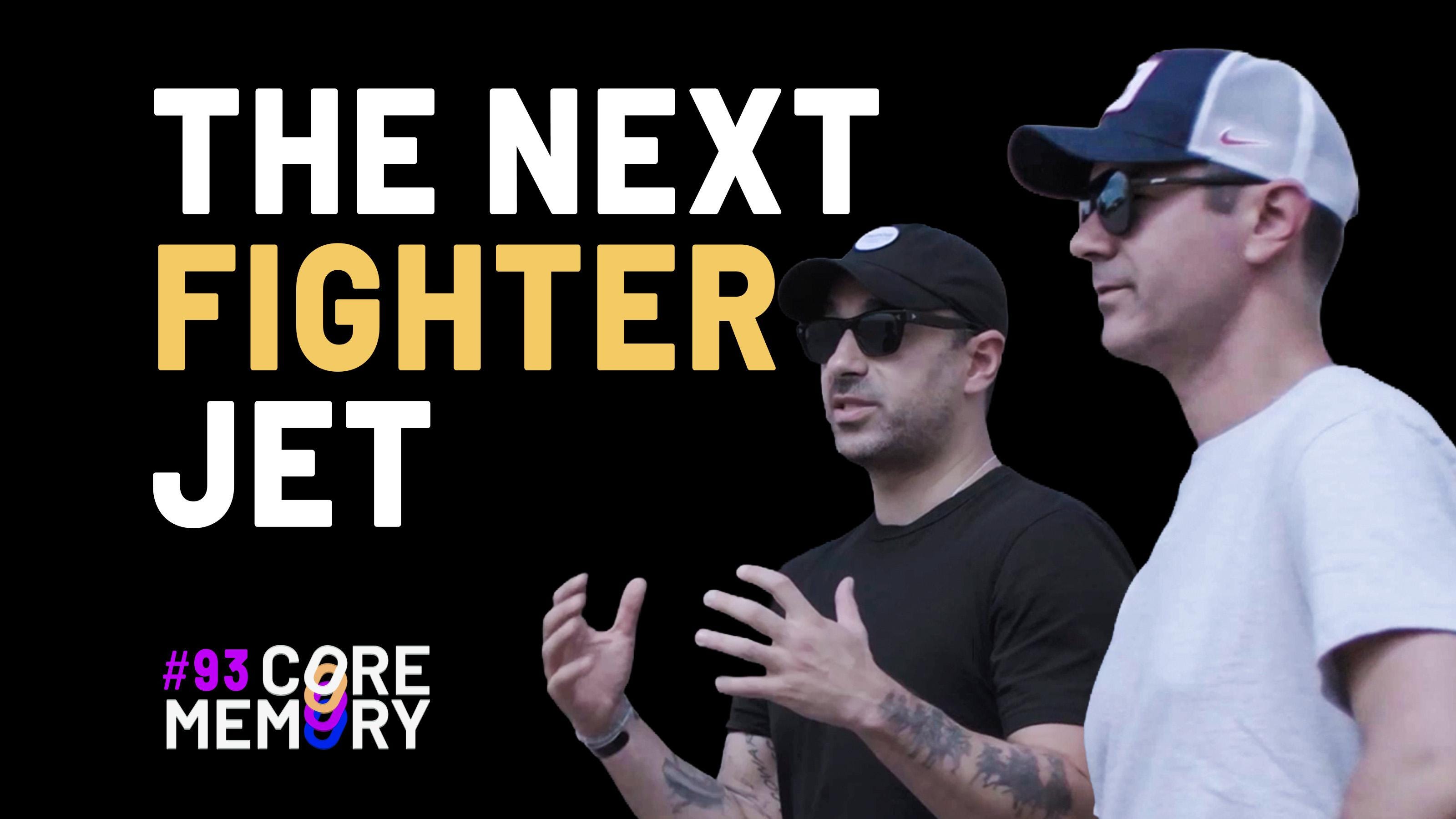
This week’s guest is Brent Underwood, the proud owner of Cerro Gordo Mines.
That’s right. In 2018, Underwood bought the ghost town of Cerro Gordo, located near Death Valley in California, and its old mining operations for $1.4 million. This was a legit crazy thing to do. But, here we are eight years later, and Underwood has turned his sidequest into his mainquest, and he now has a booming YouTube channel in which he documents life at Cerro Gordo. This includes exploration of the mines and Underwood’s attempt to restore the ghost town into a habitable site that people can visit.
You will notice (if you’re viewing instead of just listening) that the set for this podcast is awesome. That’s because we went to visit Underwood a couple of months back for this podcast and for a video that will be coming out on our own booming YouTube channel.
We spent a couple of nights at Cerro Gordo, living in an old miner’s house, and we explored the grounds with Underwood.
As you’ll hear in this episode, Cerro Gordo was a long-running silver mine and, at its peak, had 4,000 people living in the mountains and working the many miles of mines. It’s quite well preserved. You can see the old brothel, theater, and store. And Underwood has been rebuilding the American Hotel that once served as the centerpiece of the town.
Underwood does crazy things at Cerro Gordo. He’ll lower himself down the main mine shaft and then spend days underground. He’s used his exploring to help build out the history of Cerro Gordo and wrote an amazing book about Cerro Gordo and his adventures. You should probably buy it and read it.
We obviously get into all of the above with Underwood, who is a wonderful storyteller and a good dude.
SPONSOR
Some of you will be wondering, “Is this episode sponsored?”. Yeah, it is. By the wonderful people at Brex.
I’ve worked at large companies like The New York Times and Bloomberg, and their expense systems were terrible. Brex’s expense management systems, by contrast, are fantastic. AI agents run around taking care of tons of stuff for you and give you back your time.
Your company should switch to Brex to make life better for everyone. Find out more here.
Timestamps
0:00 Intro4:53 How to Buy a Town11:29 The American Hotel Burns17:36 History Meets the YouTube Algorithm22:46 Five Days Below Ground28:29 The West Was Brutal33:33 Who Actually Got Rich?40:37 Where the Water Went44:31 California Versus the Hotel49:14 Can a Ghost Town Live?