 Ask ChatGPT

Seamus Blackley’s life and career, from an abusive childhood to physics, then game development, DirectX/Xbox, and finally experimental food and chocolate. The episode argues for “build it before you hype it” and criticizes technology hype, emphasizing rapid prototyping and honest proof.
Seamus Blackley is a physicist, inventor, engineer, and game-industry figure. He helped persuade Bill Gates to pursue the Xbox “adventure” about 20+ years ago. He became known during COVID for bread-making using ancient techniques. He runs Pacific Light and Hologram, a “top secret” lab near Pasadena, where he’s also linked to a high-end chocolate that chefs Thomas Keller and José Andrés reportedly praise.
Hype culture and commodification reduce seriousness and discipline. He prefers testing and building (Skunk Works style) rather than public claims. Science requires letting go of ownership of ideas and trusting peer review. His abusive upbringing helped him handle ambiguity and critique.
ILM’s lifeboat special-effects shot as a model of meticulous realism; his dinosaur game Jurassic Park–style physics; the Xbox/DirectX roadmap; ancient bread techniques during COVID; Pacific Light and Hologram’s chocolate.
Written by AI. May contain mistakes.
Discussion about Seamus's unique laboratory and its projects.
“We are in our secret location, our secret laboratory location.”
A deep dive into the culture of technology and the issue of hype versus delivery.
“Well, I think that there's, and you are really aware of this, but you're in it.”
Exploring the pressures that come with making public commitments in creative work.
“I mean, you can look at the music industry and whatever business you're in watching this, you'll probably say, oh, yeah, that's exactly how it is in my business.”
Seamus shares insights about his unconventional career and upbringing.
“I don't know if you feel this too for the kind of work you do when I do these multi-year documentaries or book projects.”
Seamus discusses his journey from aspiring musician to physicist.
“So he was a guy who made a ton of money.”
Explore Seamus Blackley's journey from struggling student to physics major.
“And at that time it was like, you know, the brands were different and every sign was different and it was a crazy thing.”
Discuss the importance of stability and dealing with peer review in physics.
“And so once there is stability, because when you come from a totally turbulent background, you have no idea what you can do.”
Learn how science helps us navigate human biases and emotions.
“Or you're saying some people are just wired.”
Explore Seamus's journey into the gaming industry and early projects.
Understand the challenges of creating realistic game physics in 3D.
“And I just texted Tim and I was like, Hey, I'm around.”
Follow Seamus's career shift to working with major figures in the gaming industry.
“So you're working on the games, you're doing simulators, you're pushing the edge of everything.”
Learn about the struggles and pressures faced when developing a groundbreaking game.
“And so I was figuring this out and making these demos.”
Discover the transition from a failed game to a pivotal role at Microsoft.
“but I didn't really, you know, okay, career in games.”
Understand the cultural differences and challenges faced when moving to Microsoft.
“And then I go to Seattle, and I rented the car, put my dog in it, and the windows broke.”
Explore the daunting decision-making process behind Microsoft's entry into gaming.
“is coming out it's coming out and you know from anyone to go into the game console business I I mean, this is going to be a massive, massive investment for Microsoft.”
Uncover the efforts to maintain Xbox's innovative spirit against corporate politics.
“And there was the whole fear around who's going to kind of own computing in the home.”
Learn about the challenges and frustrations within corporate environments and how they affect creativity.
“And, but, but it was exhausting and it was, it was, uh, it was a conscious effort of will to fight it.”
Explore the mixed feelings of pride and frustration associated with being known for a single achievement.
“like, oh, no, no, it was, you know, you have to give credit to a ton of people.”
Discover Seamus Blackley's journey from Xbox to innovative projects, including baking ancient bread.
“Just, I think that I often get, so when I, this strange thing to say, trying to find the right way to say it.”
Learn how a backyard experiment led to a surprising journey in bread baking.
“when they were building the pyramids and what those bakeries looked like.”
Discover the fascinating process of growing cacao and making chocolate.
“it's not you're not supposed to do that so they show up and uh although you can probably get them from Hawaii legally, but I'm not sure, into California.”
Understand the science of fermentation and its impact on chocolate quality.
“You end up with this massive, like, gym sog vinegar-smelling, stinky brown beans that are rotting.”
Explore parallels between naval battle training and running a successful business.
“And it turns out that if you just let the beans ferment the way they want to, and you're careful about it and you have good lab technique.”

Get the gist, explore an idea or ask about something said.
 Claude
On Core Memory, what are the key points of this episode?
Searching your listeningAutomatic transcript. May contain errors.
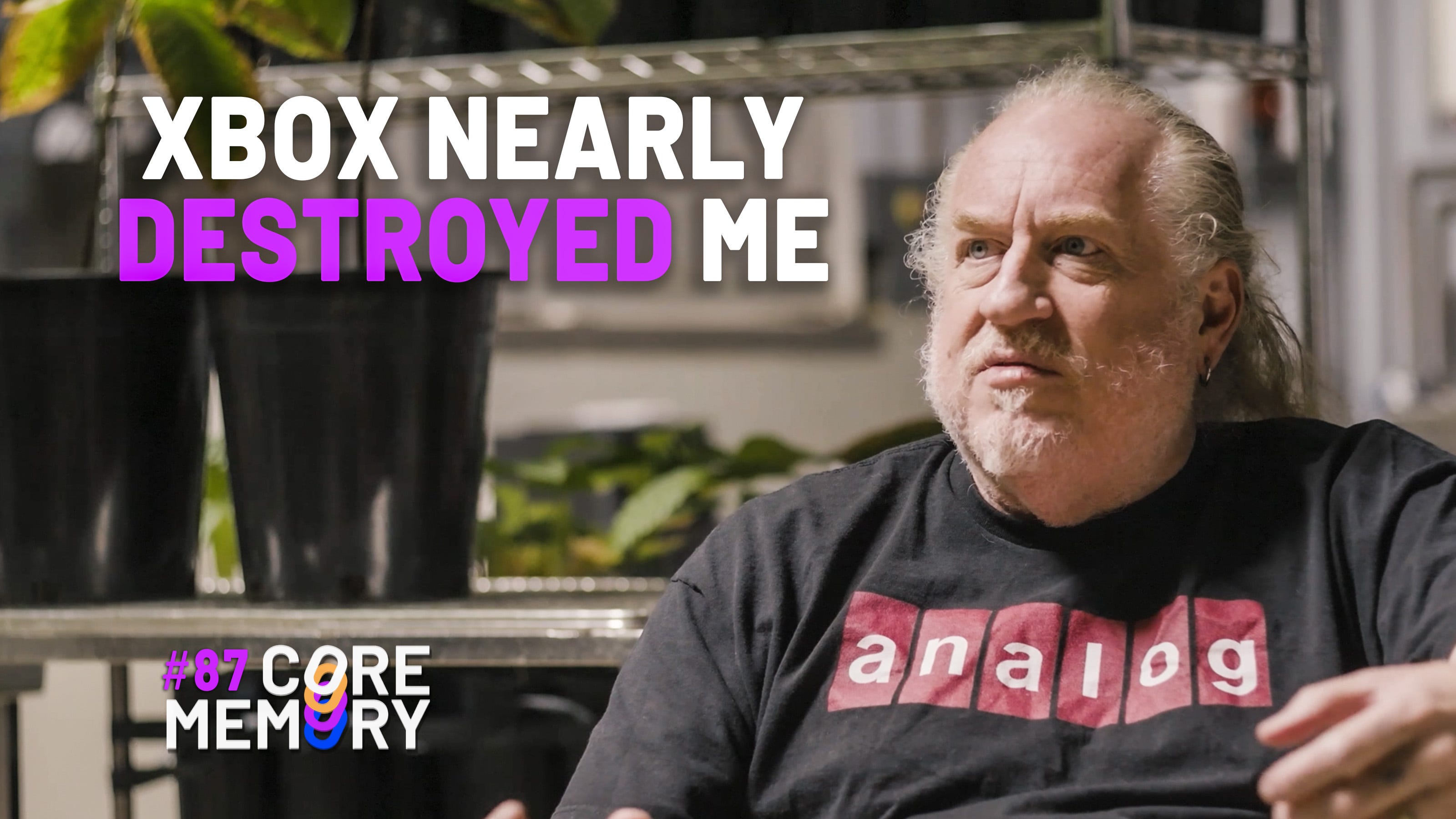
0:00Ashlee: Okay, on this week's episode, we ask the age-old question, can the father of the Xbox make the world's best chocolate? It turns out that maybe he can. We're interviewing Seamus Blackley. He is the man who convinced Bill Gates to go on the Xbox adventure some 20-plus years ago. Seamus is a physicist, an inventor, engineer, and an eccentric. He's in addition to working in the video game industry in Hollywood. He got really into engineering food. He became famous during COVID for the things that he did to bread, bringing back ancient bread making techniques. And then he's got a top secret laboratory near Pasadena called Pacific Light and Hologram, which is working on something I'm not allowed to tell you about, but has also been the birthplace of this incredible chocolate that has Thomas Keller, Jose Andreas, all the top chefs freaking out.
1:00Ashlee: We did a video episode about all this on our main YouTube channel and our sub stack, which you can already go see. And this is our big chat with Seamus on how he got to the chocolate, but also mostly about his life, which is crazy. He had a quite dramatic and tumultuous childhood, bizarre career, and is one of the most fun people to listen to ever. This is one of my favorite interviews I've ever done. I was just enthralled the whole time. And I think you will be too. So this interview took place inside of Pacific Light and Hologram, which is Seamus's top secret lab. We've got a mechanical dinosaur in the background.
1:46Quite the dramatic backdrop if you're watching on YouTube or Spotify or wherever.
1:53Ashlee: I think you'll love this. Come learn about the chocolate. Learn about Seamus. This is Core Memory. I'm Ashley Vance. Here we go.
2:16Where are we? We are in our secret location, our secret laboratory location.
2:20Ashlee: You're like a legit mad scientist with a secret lab. Yeah. I like it. A secret lab, yeah. Yeah. How long have you been in this spot? This place, about two years. Okay. And before that, there was a previous secret lab. Okay. And it's secret because you're working on a new project. Secret just because, you know. Yeah. Well, I think that there's, and you are really aware of this, but you're in it. So, you know, I don't know how much the fish sees the water, but there's a culture in technology and what has become called technology where people lead with a bunch of promises and then don't deliver. I'm familiar with it.
3:08And yeah, and it's sort of, I mean, for me being, you know, an older guy, remembering what, how exciting things were when people, like when things would come out as you'd never heard of before, that were amazing. And there were, people really worked hard on them and finished them. I think that's important. I think it's important to get the work done up front. Yeah. And then, and then announce what you've done.
3:35Ashlee: So you think there was not this whole hype type approach back in the day? Well, no, there's always been hype. And there have always been people who were showmen trying to take advantage of people and get money out of them. But I think that there was, and maybe this is true of all human endeavors, but in the early days, if you think special effects, like industrial light and magic, You know, when those guys were working on that, nobody had done it that way with a computer before. And so they paid a huge amount of attention to every shot. The first ILM shot is the lifeboat leaving Princess Leia's ship.
4:17That was the first one. And even George didn't believe it. You can watch the Disney documentary about this. It was just so beautifully done. You know, there's a little talcum powder that they put so that when the thing fell down, like there was a little dust released. and then the claws that held it in retract after it goes, right? And it sells it because they were living and breathing every part of it because it was hard and they had to think about every part of it. So there's a kind of honor about it that you wanted to be honest about it. You wanted everything to be real because you were not only proving yourself, but you were proving the discipline you were trying to invent.
4:53You were proving the whole, you're announcing to the world that, hey, there's a new thing and it's real and we're doing it really seriously, even though it seems like kid stuff and it seems like we're doing it really seriously. And the same thing was true of computers, right? The computer affairs and all these things, you know, these guys that took it really seriously and they built these systems to be super robust. They took it really, really seriously. And then as things become more commodified, that seriousness kind of goes away. And that's true of everything. I mean, you can look at the music industry and whatever business you're in watching this, you'll probably say, oh, yeah, that's exactly how it is in my business.
5:31Okay. So I, for whatever reason, I'm just kind of allergic to this.
5:38Ashlee: So you want to get it all baked before you talk about whatever. Not even that, but just, you know, I feel like I feel full of shit. Yeah. If I'm talking about something that I'm really not sure of or that isn't working. Yeah. Right. I feel like it's important to be in the tradition of like Kelly Johnson at the Skunk Works. Yeah. Where it's like your rapid prototyping, you're building it. Like, hey, you know, you sit around and you tell a bunch of generals like this is going to fly and it's going to revolutionize air combat, which is what we see today from these guys. And Kelly Johnson, like, would test fly stuff and make sure that it works and then invite the customer to see it running.
6:15Yeah. And I just can't get away. That's just how I have to be.
6:19Ashlee: yeah yeah no well i appreciate that i mean it's it's for the kind of stuff i do yeah i get bombarded by all this and then there's there's theater to it there's also like a you're also journalists are also coming at people and you're saying oh come on show me tell me you know tell me what it is and yeah under that microscope especially people who um they're trying to make a name for themselves or something or trying to raise money or trying to hire people it's irresistible to exaggerate and then you're making claims and i just wonder all the time i look at these interviews And I think what, you know, that founder or that team that's doing this, they're going home tonight.
6:51And are they worrying? You know, and now you have this other pressure. Now you've put it out there, what you're doing. So other people are probably thinking about it. And there's always a ton of people smarter than you.
7:01Ashlee: Yeah. Right. I mean, one of the great advantages of being a physicist is having continuous, inescapable, undeniable proof that you're a fucking idiot. Right. And so there's always smarter people than you are going to do it better than you did. So, you know, after you blow it all, what are you going to get in return for that? Yeah. Except just the sort of a target on your back, even if it's just from you, even if it's just you remembering that you promised you were going to do this and nobody else forgets. Nobody watches the interview. Nobody cares. You've set a bar and, you know, you have to set a bar for yourself.
7:31Yeah. But maybe not so publicly, because if you're trying to do something new, who knows if it's going to work out.
7:37Ashlee: I don't know if you feel this too for the kind of work you do when I do these multi-year documentaries or book projects. And the more that I talk about them. When you write books? Sometimes. The more I talk about them along the way as I'm working on them, I feel like some of the energy gets zapped out. It's better just to keep in my head what I'm doing. Yeah, no, it really is true. You have to, to some extent, I mean, Richard Feynman said this. He said that, you know, it's really important in science. He was talking about science. It's really important not to basically be full of shit, right? Not to try to trick people into believing things.
8:14And he said the easiest person to fool is yourself, right? And I think that when you start talking to people about it, and, you know, I'm supposed to be writing a book right now. And, boy, is my editor mad. It's coming. But the more you talk about it, kind of the more full of shit you are. because it's like you're, it's like you're, you're that inner dialogue where you should be taking that energy and, and, and using it to write. Instead, you're taking that energy and you're giving it away just to like to one person. Yeah. But if you held it in and like, you know, it's like, it's like building pressure inside a bomb and he wrote about it, then you have this book and now, now everyone gets that energy.
8:54Ashlee: No, I feel this deeply. But it's a real discipline because when you're in front of somebody, they want to know and you want to tell them. And you I feel like a jerk, sorta, because they're just asking a polite question, and they're just shooting the shit. And you're like, you don't understand, you're taking part of my soul. Right, and it's like, this is my job, and this is really, really serious. It's like all those interactions, like, people always ask the musician just to sing something or play something. It's like, no, this is not, like, for you, like, the music is entertainment. For me, this is like a craft, and it's my work, and I have to take it really seriously, and it's not the same thing.
9:26Ashlee: You sound so pretentious when you try to explain this and it takes longer to explain it. Yeah, it is a battle. And at some point, I think, I watch these interviews with David Bowie. And at some point, because he's the coolest guy ever, if you ever met him. But he was super genuine, like twice. At Creative Artists Agency, he was really lucky. But he was the least pretentious person ever. And with good reason. He had nothing to prove to anyone, right? But I think that he was always like that. Yeah. But at some point, it's so much work to help somebody understand that distinction, help them understand, no, I can't just sing, you know, Starman to you right now.
10:13Yeah. And I'm really sorry because it's really hard and I have to prepare and it's my whole thing. At some point, you just say no and you just deal with the fact that maybe they think that you're an asshole. But even that's really hard if you're sensitive at all.
10:26Ashlee: Yeah. Yeah. No, it is, man. Okay. Well, you mentioned being a physicist. I wanted to get, you have such a unique career path, so many different disciplines. Yeah. Lack of career path. Yeah. Yeah. Well, keep them guessing. So what was your, where did you grow up? I grew up in rural New Mexico. New Mexico. But you ended up going to Tufts. I didn't know if you were an East Coaster. No, no. I wanted to get as far away from my family as I could. Just was like a kid wanting to get away or was it deeper? It was a little deeper than that. I came from a pretty abusive household. And when you're in an abusive situation like that, you don't really realize it.
11:12It wasn't until lots of years later that I realized and recognized what was going on. and again if you haven't been through that it's hard to understand yeah um but it's true you normalize it it seems normal to you and then like later on in your 20s you're like wait a minute you know my my mom shouldn't have been cutting me with knives right yeah other people's moms don't do that and you're like oh shit i'm am i fucked up and then all your friends are like yes you're very fucked up you know it's like ah um no but i just want to get away and it didn't occur me to go international i would have yeah and so i applied to like the farthest away possible place and um because i was in that that situation i had a really hard time were your parents in new mexico for science stuff or are you no no my dad's a radio my dad was a radiologist okay um my mom was a housewife okay and um so you know that my my dad like uh my childhood was not all in New Mexico like we were in like rural Wyoming like outside of Casper Wyoming which is it's lovely but man my father had a hankering to be like a country doctor okay and so we went there we moved all over the place to all these different places okay in the middle of nowhere in the West and we ended up in New Mexico in Albuquerque and then moved out to the to the middle of nowhere on Route 14.
12:37And, yeah, I just needed to get away. And so...
12:40Ashlee: And you went to Tufts. You got into physics. I'm jumping ahead. I saw you won, like, the P.T. Barnum Award. I don't even know if this exists. The sucker born every minute. Did he go to Tufts or something? No, he was the founder of Tufts. He was the founder of Tufts. So he was a guy who made a ton of money. And, you know, guys who made a ton of money back then, take note, dudes with a ton of money right now, they would like feel guilty about you know hey you it's like if you it's like I always say the best way to pick up girls is to have a baby right yeah right up until they ask where you got the baby yeah right because then it's all over and the same thing is true of you know billionaires it's like hey you know where'd you get the money from the money didn't appear in vacuum because you're so brilliant like you got it from people and I think you know the Carnegie's of the world in Barnum and Vanderbilt, et cetera.
13:32Like they built all this infrastructure because they felt bad because they had taken money from all these people and they knew goddamn well how it had arisen that they were so wealthy. So they were trying to atone for it. Maybe it was religion, maybe it was cultural. The elephant jumbo, which was his biggest attraction, is the Tufts mascot. And the whole thing is like, it's ludicrous. And it's ludicrous to me now. And Tufts is like a super serious, hard to get into school now. yeah and uh you know i had terrible grades in high school but you know i was the kid who was like the underachiever the whole time and did a million different projects and so somehow they let me in and uh and i went just to be as far away as possible and then i showed up and again you know i'm old so it wasn't it's not like this now but he showed up like in boston when you're from rural new mexico and it was like you're on venus there is no atmosphere like he put but on this spacesuit, like, what the fuck is this?
14:29I don't know. And at that time it was like, you know, the brands were different and every sign was different and it was a crazy thing.
14:35Ashlee: Yeah, yeah, but you, okay, so you were an underachiever, but I saw you ended up doing great and you're doing physics, so you must have - Well, I figured out, yeah, I figured out what was going on with me, you know? I started out, I was gonna be a musician. You know, I had built a recording studio with some friends and we were like recording bands and jingles and stuff for the radio in this recording studio. And I was playing cocktail piano at bars like underage and not going to class ever because I was a very broken person. And in my junior year, I was going to get kicked out because I had no credits.
15:17and um i made up a story to the provost or whoever it was who i had to like beg to let me stay in that i like i got a my girlfriend pregnant or something i can't remember what because pan i didn't know what to do yeah and i was forced to confront why i was not a functional person like i couldn't do laundry or like i couldn't handle anything uh and it was because i had come from a background where surviving the abuse that i was under was the only thing that i had learned how to do and everything else is kind of peripheral to it and so putting the bulk of your focus on you know your own life was like a not fairly novel thing yeah so to figure that out and god you know i just god bless all my friends who put up with me at this time because wow um and uh so i kind I figured it out and um you know it turns out that well I had to choose if I was going to be able to pay for school I had to choose a major I could do in two years because I'd completely blown two years and so you can look through the catalog is way before online anything and it's like okay you know every major oh shit fuck fuck fuck all the majors you can imagine doing like history or English or something that's easy classes like you have to have like classes all four years it's like I got to the point where it was like, okay, the only departments that don't give a shit are math and physics.
16:43Even engineering has all these prerequisites. So I go to the math department. And I'm like, I can't be like these people. They just knew it. Now, which is funny because now, like, I am exactly those people. But okay. And I went to the physics department and it was a bunch of guys at that time at Tufts, which had an amazing hand in physics department. a bunch of guys who uh who had dotted the vietnam draft by going to graduate school okay so these hippie guys and they had this huge experiment uh you know in illinois at fermi lab where they were like you know trying to find the top work and it just slid right into it and i found that doing physics felt in my mind the same way as playing jazz.
17:30And so it just worked. And then I did all the things. Yeah. That was great.
17:38Ashlee: This episode is brought to you by Brex. I spend all of my time inside of the world's most ambitious companies making rockets, semiconductors, robots. Very often the business is struggling and then all of a sudden things click and take off. then the company's expenses spin out of control. They either have to clamp down, start counting pennies, or cross their fingers, hope for the best that the quarter or the year comes out okay. Brex was built to handle exactly these situations. It helps you move fast, spend smarter at the same time. They've got credit cards, banking, expense management all in one place.
18:17Ashlee: They've got AI technology looking over everything, taking care of tasks for you, no more chasing down. receipts. We use Brexit Core Memory. It has been a godsend in giving me back so much time. Giants like Anthropic and Zoom use Brexit as well, and so do tens of thousands of startups. You should use Brexit, and you can find out exactly how to do that by going to Brexit.com slash Core Memory. I like this moment where you you kind of got on this new path i mean is is it so individual that is there advice for other people who i'm just thinking about other kids i know who are who have kind of veered off the path a little bit you know how you go back in the advice i mean for me it wasn't that i particularly figured anything out it was that i i lucked into a few things okay that provost she knew i was bullshitting but she gave me the chance she took a chance on me and remember when I got my undergraduate degree she was the one who handed it to me and she started crying when she handed it to me because I she didn't pull it off yeah I think about that now and I had just you know amazing friends that an amazing girlfriend and then I found these guys in the physics department who like recognized in me something that they felt.
19:46And so once there is stability, because when you come from a totally turbulent background, you have no idea what you can do. But when you have a little bit of stability and you can build something on it, you can do a lot. And if you have accidentally and unfortunately developed the skills to deal with totally ambiguous, dangerous situations, then when you have to go intellectually, do intellectually dangerous things, you know, And like theoretical physics, which is where I ended up eventually, is very intellectually dangerous and adventurous because you're making imaginary nothing out of other imaginary nothing and expected to get paid for it.
20:24Right. And it didn't seem like that big a risk to me. Most people are like, ah, it didn't seem like that big a risk. And you're sort of in a smart contest against all the smartest people you've ever met. And they're all trying to prove you wrong, which is the scientific method, which is like you're all trying to, you know, burn the truth in this crucible until only the actual fact remains right and that process is it's impossible for a lot of people to handle yeah because you need to find a way to participate in the destruction of work you have done that you hold dear by finding beauty in it being torn apart and shown to be what it is.
21:11And if you can do that, which you have to build up to, like a lot of people can only do it like in their 20s and then it's too much. Like if you have anything, if you built a career or you have a reputation or anything and you're risking that, that's too much emotionally to handle, right? And this happens in a lot of fields. But coming from a terrible, abusive background, I mean, if you want to be in physics, coming from a terrible home turns out gives you a lot of ability to deal with peer review. So I don't have any good advice.
21:44Ashlee: Yeah, yeah, okay. Man, I hope you write a book. You describe things so beautifully and uniquely. So you're on this path, this physics path. My editor hopes I write a book too. Yeah, you go. I know this feeling, yeah. You go work at Fermi. Not to mention my agent. That's all right. They'll get it. They'll get it. They'll get it when it's ready. You go to Fermi. You're very much on this physics path, and then you end up going into video games. Well, that was because there were really two things there. One of them was that, well, really one thing, that I was working on this experiment called the Collider-Degener Formula.
22:33And there was a terrific amount of politics. and I mean I was kind of intolerable at the time because I was very very fast at calculation and I had really good physical intuition like I was the kind of physicist who could be like oh it's going to be like this and it kind of feels like this and so maybe we should try this I'd be right a lot of the time because I'd have a feel kind of for what's going to happen and I love that I'm closing my eyes because you imagine like It's like a scene in a movie when you see movies where they try to simulate what it's like to be a guy thinking about mathematics, right?
23:14It's kind of true. Like, you know, I could kind of see, okay, it's going to be kind of like this. And then there's the mathematical language and the formalism and shit that you bring in to kind of add structure to those ideas. But if you can hold the ideas and understand that the mathematical stuff is kind of a scaffolding for it, that's one way to do it. And there are other physicists and mathematicians who like start with the scaffolding and then as they build the scaffolding they look to see what ideas sort of come out of it and both work. Okay, like Paul Dirac was a guy who was entirely about like the scaffolding stuff, right?
23:47And Albert Einstein was a guy who was like, hey, if I can't tell if I'm in a rocket ship accelerating or if I'm in a gravitational field, aren't they the same? which is a very hand wavy thing for the structure dive, but is profoundly insightful if you then go in and back fill it with the structure. So I was one of the dreamy hand wavy bullshit artist guys, but I was very quick at it and I had the math skills to back it up. And so I was very tolerant of everybody beating each other's ideas up and I felt confident, not that I was always right, But I felt confident, much more importantly, that I could understand and listen to other viewpoints and be a part of the process of dismantling even my own ideas to come out with something good and keep up with it.
24:38Right. Because there's no safety in holding on to an idea. There isn't. And this is true in all of life. There's no safety in the limit. There's great safety in knowing that you will have more ideas and in knowing that you can continue to think and evolve that idea and see where it goes. And if you're excited about that, you are unstoppable. When you start to hold on to an idea, that's when you're in trouble. Right. That's when you start to feel abused and threaten all that kind of stuff. So I can be in that mode. But the political aspect of it, I could not tolerate. okay and i was to say this the the politics are never worse than when the stakes are low yeah okay when the only thing on the line is reputation people do anything to each other right when everyone's going to get paid anyway like the politics are much less right and i experienced this like in hollywood there are a ton of politics but it was nothing compared to the politics in theoretical high energy physics because the only thing that was to be gained there was reputation points or not yeah and so people were brutal yeah right at least in hollywood it's like oh yeah movie didn't do so well and sometimes it's a little awkward at a cocktail party but i have a ferrari and that's that changes everything a lot so couldn't deal with the politics and there was politics around the discovery of the top work and and it became so abhorrent that i started to look for something else to do that was more interesting and i thought of designing airplanes because, you know, the modeling of fluid dynamics was a fuck ton easier than, you know, non-renormalizable quantum relativistic field theory.
26:18Yeah. Okay. This is like about what year? I don't know. The 90s? Yeah, yeah, okay. Yeah. So I thought I'd go work for an airplane startup and there was a guy who I knew from learning to fly, which is another big passion of mine at the time who was starting an airplane company and he had these venture investors first time I'd really heard the term yeah and they were gonna get funded and it was just a matter of time and I was like okay cool so I'll just wait for that and I'll find something else to do when I told that you know the guys and the the physics guys that I was leaving which they were really upset about I only found out much later when Dean Takahashi wrote his book yeah Dean went back and talked to you on the Xbox on the X yeah he went back and talked to some of the my advisor I think and my advisor called me said why did you leave physics you should come back well we lost you and I was like whoa and it never occurred to me that I was wanted yes so I and I while waiting for this venture funding to come through which for sure is going to come to it, which now is hilarious.
27:26Yeah. I took what I thought was a temporary job at a game company, a place called Looking Glass, which at the time was in New Hampshire.
27:34Ashlee: Okay. So I would have to take the bus to New Hampshire to go up there. It was all MIT guys. Yeah. So I got to learn about what it's like to be around 10 MIT people and being the non-MIT guy. Yeah, yeah. Which was crazy. I want to come back to that. But just real quick on that idea, holding onto an idea content. I mean, isn't there a natural fear that you're not going to have another big idea? Or you're saying some people are just wired. Well, there is that fear. And so this is like, you know, it's like a lot of things in life about maturity that, you know, having confidence in yourself to handle the next situation.
28:12So, you know, why do you go out of your house in the morning when anything could happen? Well, it's because you have a lifetime of experience that you'll be able to handle it. Right. And then on a day when something particularly bad happens or something very challenging, the next morning you might be a little timid. You have to find a way to trust yourself on it. It's the same thing. But the deal with science is that science is a process that we use to remove that human bias from the result. Like we have, you know, spacecraft and airplanes and computers because we overcame our tribal nature and the fact that we're like more feared of looking stupid than of being killed and all this shit.
28:53Ashlee: Yeah. Which screws up our results. I mean, look, we're banning vaccines and all this stuff right now because of tribalism. It's stupid. It's terrifying. Right. That's when the human emotions get in the way of what's actually good for us. Right. It's like your friend who makes continuously terrible decisions for himself who won't listen to anybody. Right. Science tries to defeat that with a process that very painfully removes the human error in stuff so that you get to something that actually works. Then you can trust it universally. Right. But that process of doing it requires that you let go of your own ownership of a thing.
29:33And instead, you trust your ability to continue to think about the thing. OK, so it's like in physics, there are two concepts of stability. There's static stability, which is like a thing, which is like a cube that sits on a table and doesn't move. And then there's dynamic stability, which is like a Webull, where you push it and it always returns. But it's moving all the time, right? So you have to get your head around this idea of dynamic stability, that you can trust yourself to keep thinking. And this is really hard.
30:09Ashlee: All right, pod friends, I am here to tell you about Send, Cut, Send. They are a manufacturing phenomenon. Whether you're working on your own car or you're a giant automotive company, a rocket maker, if you need metal cut, machine, or bent, you're going to Send, Cut, Send. They'll do it for you right, and they will do it for you fast. go to send cut send.com slash core memory for a 15 discount on whatever you're trying to make we love send cut send go visit them today you're changing course this is like late 90s early no this is the no this is the the early mid 90s early mid 90s and i'm and i start this game company and i don't understand that i'm going to be in the game industry now for well and i was just trying picture game industry back then is what like the saying of genesis is like just genesis yeah i out and i worked on madden football for the genesis yeah the first thing as i did i wrote the football code for like madden 94 or five the shit out of that so thank you and that was when it was still top down it was before we figured out to make football games it looks like tv yeah yeah yeah so i was just trying to think of like what the chat like when you're getting into this industry what the um for somebody who's a big thinker who's creative what the avenues of the world yeah i mean the the what happened was i had responded to an ad that they put at the physics department uh at harvard or tufts it doesn't matter one of the two um they were the same place for me for many years and uh uh and it was for somebody to write a physics model for a car because doing a car game and they were one of the first companies along with my very good friend John Carmack doing three-dimensional rendering and that's what it was that's what was interesting for me is that they realized that they could draw in 3D but getting things to not go through walls and to sit on tables and doors to work was astronomically harder than they ever thought it would be yeah because in a two-dimensional game keeping one thing up another thing is pretty easy and you go to three dimensions and it's not like three times harder it's like 300 times harder yeah and it's this panic thing and so there's a reason that doom has very simple physics because john very cleverly said okay i'm going to concentrate and make the rendering look good and then i'll make the game pretty simple and that was the right path yeah we were morons and the mit thing where it's like we're gonna do it all so we wanted to have full 3d physics and so they hire me and i start writing physics engine which nobody would the fuck a physics engine i was like it's I was like, it's a thing that does physics like we do the rendering.
32:51And it was hard to even describe what you did. And so I'd have to go to cocktail parties or parties and meet people or tell my parents. And it's like, yeah, so I left the thing where there's like the Nova show, Particle Accelerator. And now I'm doing a job for like a toy.
33:05Ashlee: Yeah, you left a national lab. It doesn't even have a name for the job. Yeah. But it's okay. I'm fine. Yeah. Yeah, so we were trying to do that. So the allure was that you're really diving into the end. known and so that part of it felt exactly the same as looking for you know the heaviest quirk or whatever because it was you know again this this lack of fear that i had from my background in trying to trying something new it was a creative idea that was backed up by this mathematical structure which is the same thing as like playing jazz piano which is a creative idea backed up by this musical structure and the chops you have playing it so it's like mathematical structure backed up by your ability to do math and then program it in and i learned about this art of real-time programming from these guys as we figured it out and we would send arpanet messages to john carmack like hey we're doing a texture mapper away man right yeah and now you know uh in my in my new company i work with the guy who invented texture mapping okay so it's a very interesting yeah full circle thing you're on the Arboradet with Carmack that's uh that's legit oh yeah and uh yeah and you know there's a uh there's like a kind of a an old school network of guys who are around them there's a guy called Doug Church who I'm sure you know and John and and uh, and, and Tim Sweeney, and I was down in, uh, North Carolina, uh, over in North Carolina recently.
34:41And I just texted Tim and I was like, Hey, I'm around. And he's like, Oh, hold, hold on. And he like drove to my hotel and like gave me this big hug and we went on a hike. And there's like a, like we dove into the unknown and forget how to do it then.
34:54Ashlee: Yeah. And it's never going to happen again. Yeah. And so we're like, we're like, we're like bonded. Like, you know, like, like I've called, John a couple times just when I'm feeling insecure about doing something new and he's like yeah I feel the same way and you know and it's just good to have friends like that who you like like we walked through fire it was crazy yeah and I know I mean you're good friends with Neil Stevenson was this around the same time or that's that's later in life uh that was later in life I there's a we had a we had a um I think after um System Shock was released which was a big game for looking glass and like a you know it's one of the games that's a seminal classic yeah and uh like people come and ask you you know gus tones it's about working on system shock or flood unlimited or these things and uh and they'd like you they're talking to somebody at you know the library of congress and i'm remembering the smell of doug church's farts and i'm like i can't take serious but okay i'm glad that you think it's an august classic yeah um but uh uh uh no what's so neil neil sort of just oh i just i'm just remembering we have we have this okay so we have this success and um if you're remembering a funny story what no i know i'm just remembering doug doug used to be anemically thin and his mom was a doctor and so he'd wear her scrub pants in his office with his socks, like tube socks, and they were always pulled down to the point where they were just like at the bottom of his ankle, so the sock was hanging off longer than his foot off the edge.
36:33And he'd have his knees up in his face on his little chair, and we'd be like with a CRT in front of him, and I'd be sitting on the floor in his office with a laptop doing physics code, and he'd be like staring at it, and we'd be talking about like fundamental shit like how you sort triangles in a database of like a of you know a level and how you would hash out the data so that you're not doing too much work going through and everyone knows how to do this now but like nobody had ever done this and we were trying to figure out how the fuck to make it go fast yeah and just this scene that was burned and i thought i was going to be in that office forever for the rest of time wild and like you know and and again like we're doing this job that nobody even understood was a job and is it even a legitimate thing yeah and then you meet other people like you'd meet carmack or we'd meet like uh richard garriott or somebody the publisher who's you know lord british who had done the the ultimate games and we'd be like you know it's legitimate we're all here it's okay we own cars it's okay you know we're able to like pay rent and even even make money um so we got to the point at looking glass where we like a real company that had revenue and so we thought we should have like insurance and we wanted to have an off-site to improve our whatever I can't even remember where it was anymore so we had this one off-site and I remember I was very ill and uh Neil was in town in Boston doing a book tour for snow crash yeah and Doug and a couple of the guys uh we're gonna go see Neil and I was too sick so I didn't meet Neil he was like young and had hair but then many years later at CAA I actually met him and I was like hey I missed out seeing him on the snow crash tour and then we immediately got along yeah
38:22Ashlee: became fast friends okay I'm going to fast forward just a tiny bit I mean you're doing all these amazing things Doug's farts smell like roses I don't mean to mischaracterize it I mean it's like most people would consider it an air purifier that's an accomplishment Yeah. So you're working on the games, you're doing simulators, you're pushing the edge of everything. I am fast forwarding a little bit and then you kind of run into Bill Gates and you have this big moment of getting into the Xbox. Oh, well, that was now that was just again, this is all this is all failure on Woe. OK, my entire career is just one long tale of Woe and rapid dancing in the face of failure.
39:07so I so Looking Gloss we shipped this game called Flight Unlimited and it worked really well and then I wanted to do a sequel to it and the company had raised money based on the success of that game System Shock was a classic but I don't think we had a good publishing deal for it I can't remember what it was but you know like Flight Unlimited made the company like 20 million bucks immediately or something and so we suddenly had like a new CEO and we suddenly had like investors. Yeah. I wasn't quite sure what the hell was going on. Because I was still at the phase in life where you think that every problem is a technical problem, right?
39:45It's like, you know, you have a hammer, everything is a nail. Right. And so I was like, well, wait, we know how to do 3d. We should control everything. Like, no, no, no. We are the money people control everything. Like what?
39:57Ashlee: Yeah, that's not right. And so, okay. So I rage quit. Right. I'm like, fuck no, I'm not doing, I'm not going to do your stupid thing. They flight unlimited head out, outsold Microsoft Flight Simulator, which was a crazy thing of the time. Yeah. And again, I feel so old. But it was like, I mean, it was, you know, I don't know what it would be like today, but it's like, you know, like outselling the number one selling game. Yeah, yeah. Coming out of nowhere, a little company. And these investors then wanted us to make a copy of Microsoft Flight Simulator as the sequel. And it was like, obviously not.
40:30Obviously, we need to keep on doing the thing that we beat them with. Yeah. So I left and ended up getting hired by DreamWorks, which was a new company in L.A. at the time. I interviewed a lot of places, but it was really fun to live in Hollywood. And so I came and they were like, oh, this is Steven Spielberg. He's your boss for now. We're going to hire more people because he's really interested in games. So I'm like, OK. And the guy who I only ever seen on the Oscars before was my boss. and you know like his assistant who then became the most successful producer in the history of hollywood was like my den mom and like helping me find an apartment right so this is kathy kennedy who then ran like lucas arts right and i'm like it's for me it's like aunt kathy in her giant purse and like i was crying because i couldn't find an apartment but you know and again it's a really serious thing for people and she's she's a great artist and her husband frank marshall is really nice bit but that's what it was like and so we wanted to make a game and I had these ideas from looking glass where I had started working on physically animated characters that walked because they actually walked using physics and joints and all this stuff which was a brand new then it's easy now now you buy a library do it but it was like crazy shit yeah and like cutting-edge robotics research into how to do the modeling of these these these augmented inertia systems with joints.
41:54And it's all easy. You can take a class now. It's easy. But it was not easy when you don't know how to do it yet. And so I was figuring this out and making these demos. And basically I got told that the only way you can make this game that you want to make, where you have this world and everything's physical, and you get through the game by inventing the way through. You want to go over a wall, you stack stuff up or you get a long thing and you walk up and walk down or you kill an enemy against it and you jump up. And stuff that's really common today, but I had this idea that games should be like that.
42:29I'm like, well, we can't really fund anything that expensive unless it's like a licensed thing and so we should make it Jurassic Park. So then I had to do Dinosaur. That's right. That's right. Yeah. And I didn't have the MIT guys around me anymore. I didn't have, most importantly, I didn't have their skepticism around me. suddenly it was like I was this great genius from the sky and I knew everything and we were hiring people to work with Seamus and you know that was not good so I got way over my skis and you know was behind on this thing and it was a brand new game company and so they didn't understand that all games are late and that there's a great maximum games which is a late game is only late until it ships and a bad game is bad forever yeah okay so you just you find a way to get the game done yeah so that it's not a bad game but we didn't do that and i was too young i was like 27 or something i didn't know whatever i'm not even sure i was toilet trained yet and i've got you know jeffrey katzenberg screaming and we got to release this thing and um i didn't know how to handle it and so we shipped before i was ready it's a dinosaur game yeah and i thought it was
43:36Ashlee: the end of my career yeah so this became a sort of notorious flop and it's super notorious flop and it happened right at the beginning of internet fandom so all the trolling first time ever death threats i'm like death threats is new and um and also the advent of like 3d cards had just come out yeah and ironically you know nvidia you know these guys and so our game uh rendered the outdoors which nobody had really done using a very sophisticated system of error analysis for deciding what to update when so that it could draw lots of trees. And the 3D cards couldn't do anything like that. And so people would buy a 3D card and instead of making our game look fat, go faster, go slower and look worse.
44:19And also the 3D cards were all optimized just to play Doom at that point indoors. So it was a perfectly timed disaster. And I thought, okay, well, fine. My career in games is over. but I didn't really, you know, okay, career in games. What the hell else am I going to, you know, who knows? And I had met Bill Gates because he was an investor in DreamWorks and Steven had brought him by. I remember one day Steven's dad came by and one day Steven's son Max came by and I think, I'm pretty sure that I took Max Spielberg for surfing lessons. Yeah. I talked to Max a while ago. He's a really nice guy. And I remember Austin Grossman, who had written System Shock and also Underworld, who is now a well-known author.
45:11Austin was like, you know, Max, you don't don't worry about surfing, man. You don't need to say I'm fucking Max Spielberg. Who the fuck are you? Max is cracking up. I think he was like 14 or something. Really toxic to say, Austin, you're a bad guy. often but uh uh and then then bill came by and we showed him at that point i had dinosaurs walking around up and down and with like like uh like oil drums and stuff and if you could knock the oil drums over and they'd make sound based on the physics which again that was like nobody done this yeah and then they'd fall in the water and float and the dinosaur could go in the water and push them around and bill was like this is amazing you should you know you should work at microsoft and so this whole fucking thing went down and I wrote an email Bill G at Microsoft talking like hey could I have a job and he you know I got an interview yeah somehow I'm not sure if he did it or somebody else but anyway it worked and I was gonna go work on DirectX the the because I was like I'll hide out because I'm a failure nobody wants my name with yeah yeah yeah this
46:13Ashlee: thing I did a Microsoft and then that and then starts at DirectX but then I fucked up hiding out really bad it's bigger quick I really did it I did a bad job so did you move up to Seattle for that yeah you did it moved from Los Angeles to Seattle on the first day of like a hundred straight days of rain yeah I remember I rented a car and I had my dog with me and it was like raining and snowing I would go from Southern California and I loved living in Los Angeles and I had felt so cool moving to Hollywood yeah and I worked for Steven Spielberg and all this stuff and DreamWorks and movie premieres and all this, and it was glamorous and cool.
46:51And then I go to Seattle, and I rented the car, put my dog in it, and the windows broke. And so there's snow and rain flying through the car. I'm driving to Redmond from the airport, and I'm crying, and I'm like, oh, my life is over, and I'm a failure.
47:08Ashlee: Did you get to live in Seattle, or did they stick you in Redmond? I was in Redmond, and I had such a bad experience of Redmond, And there's a kind of a, at that time, really extremely, I think it's better now, but there was a kind of a sameness to Microsoft employees where, and maybe you've experienced it. Still a little, yeah, yeah, yeah. Where they all had their thing and they're all together. And it wasn't like in, you know, Silicon Valley or in Los Angeles. Like around here, there are a ton of people in the film business or in Silicon Valley, a bunch of people doing tech. And everyone. Blue Shirt, Redmond's Very.
47:41Yeah, but there's another company over there that's smarter than you. There's another production company that's doing a cooler project than you. Redmond, the only thing was Microsoft. So there was no like, they really thought they all had it figured out. Yeah. And there were these guys there, I remember in middle management, I did to sort of burn through an Xbox who had been like, you know, and again, no disrespect, but they've been testers at Microsoft for like 10 years. And they're millionaires. And they didn't think I've been a tester. I've been very fortunate to work at Microsoft by shares.
48:13They thought, I'm a god because I'm a millionaire. I know better. And I was like, the fuck is going on? My friend Kevin used to see, like, we'd be driving somewhere that some guy in a new Porsche would, like, cut us off and get right in front of us. And Kevin would go, yeah, Microsoft genius. And we're both Microsoft employees. It's like, yeah, that was kind of the thing. So I moved up there, and everyone was the same. They all had the same clothes, and they all had the same house, and they all had the same car. and I was like freaking out yeah yeah and so I moved to a place called Federal Way which is like far away so that I was like kind of distanced for a little bit yeah you know and it was right on the beach and there were people there who were not Microsoft yeah and okay so around this time I think the Sony PlayStation Renton Riviera I think the Sony PlayStation 2 has already is come out or
49:04Ashlee: is coming out it's coming out and you know from anyone to go into the game console business I I mean, this is going to be a massive, massive investment for Microsoft. You're getting into, like, a whole new world in so many ways. And so, I mean, this has to be just an incredibly, like, daunting decision. The company has lots of money, but it's not taking, like, usually huge risks on tons of things. And so, I mean, that must have been just a big effort to get the company to actually greenlight this. Yeah. Yeah. In your retrospect, I would never advise anybody to try anything like that. But from my perspective, again, being young, dumb, and full of it, Yeah.
49:48the PlayStation comes out and we had written all these texture mappers and perspective crack texture mappers and all these 3D engines and the 3D architecture of the PlayStation 1 was laughable. So again, like, and many years later I met Ken Petaragi and I met the guys behind PlayStation. and Yoshida-san, these guys. And I love them. And they had to go through the same shit at Sony when we went through at Microsoft. But at the time, I was like, oh, these fucking clowns, like their architecture is terrible. What are they even doing? We could do way better. And that was really important to feel that way, to succeed at this.
50:24And so I looked at it purely as a technical exercise. And I'm like, I'm here at Microsoft. I know the roadmap for Direct 3D and DirectX, all the sound and graphics technologies. I know the stuff that companies like NVIDIA and ATI at the time and 3DFX are coming out with. And these are architectures that are based on graphics research. Jim Kajia, Ed Catmull, these guys who thought about the rendering equation. And Sony was still trying to do faster graphics with fill rate. And that's a very arcane thing to say. But it's like the difference between what a Nintendo 64 game looks like. if you can separate out the awesome game content, which is unparalleled, but like what it looked like from what a PlayStation 2 game looked like, which was much more realistic, right?
51:12And that's because of paying attention to what it is to render a scene and to think about rendering the scene not as a sort of a childish thing where you put shapes up together, but you think about the rendering of the scene as sampling a real environment and then doing the math necessary to change the pixel colors so that it looks like that environment. And that's the difference between a sophisticated and a naive approach toward rendering. And so I saw the future of a sophisticated approach toward rendering in the PC architecture, which also happened to be the architecture under which the games themselves were made.
51:48And I'd been making PC games, and the guys making PlayStation games were developing them on the PC and then porting them to the PlayStation. And it was really clear that Microsoft was not only not disadvantaged here, But Microsoft was actually in the center of it and needed to wake the fuck up to the fact that there was this opportunity there because they just were accidentally in the middle of the whole thing right there.
52:11Ashlee: Right. And there was the whole fear around who's going to kind of own computing in the home. And, you know, it was this multi. That was all very toxic stuff. OK. All the guys who were thinking about who's going to own computing at home were like the khaki pants wearing dudes who thought that the best application was going to be like a screen on your fridge that would tell you what to buy. Because they had too much money to know what to do with and they lived in Bothell, Washington. Right. And so those guys are actually incredibly unhelpful. Right. Because what you needed to address was what computing device, how is how is a computer going to excite somebody to spend their discretionary income on compute?
52:53Like that's a thing. And game consoles were like the very unique thing at the time because it was a thing that was a computer that a swath of the population who would never consider buying a computer would not only consider buying, but would be angry if they were not allowed to buy it. Yeah. Right. The UPS driver who has 400 bucks a year discretionary income would spend five hundred dollars on a PlayStation. Yeah. Wow. OK. And oh, and accidentally Microsoft is right in the middle of the entire technology stack for that. And we didn't have those words that I see those words now, but I knew it then.
53:30Yeah. The thing I didn't understand then was anything about the economics of it, anything about the economics of Microsoft or the game console, even really what a business model was, because I'd never had to think about it before. Yeah. Right. I had to think about, you know, Steven Spielberg is in your office playing darts because you have a dartboard. And his wife, Capshaw, calls, and you pretend like he's not there. That was my idea of business, honestly. And so then when we're having a quarterly review meeting at Microsoft, a giant publicly traded international company, I had a lot to learn.
54:04Ashlee: Yeah, yeah. And you, I've covered Microsoft for a long time. Usually people who do these big projects, they're there for decades and decades. you're behind one of the most iconic things they've ever come up with um it's you you know you don't end up as this like long tenured and they didn't have any idea how to deal with me either yeah um the making of this they did a documentary about making the xbox and they they they freaked out for years on how to talk to me about it even because i didn't fit any other guy right there are these microsoft lifer guys who worked on it and they really wanted to make the story all about them but they couldn't do it because it was not true and they would ask me to tell them really what was going on but all the stuff I had to say they did not want to hear yeah and so the director had a real problem and he did he did a really good job I a little irritated at him but it's okay um because it was just you know we were a subversive force going in there And, you know, I think the story is, it's similar to like a lot of corporate innovation.
55:12Like the Dodge Viper is a great example. So Dodge is in a huge amount of trouble, small group in a little factory off to the side makes this super car that becomes instantly famous and like this amazing huge classic. As soon as it's famous, they move all their engineers in and wreck it. And now it's a disaster, right? and there's an analogy that may have taken a little bit more time but like the khaki pants wearing guys the lifers like they show up and we had fought them to keep them away from it and the more we kept them away from it the more success we had and the more we kept them away from it the more developers we got on the more we kept them away from it the more consumers got excited right because we were talking about things with the power of Microsoft and not the bullshit of Microsoft.
56:00Okay. And that was incredibly effective. And, but, but it was exhausting and it was, it was, uh, it was a conscious effort of will to fight it. And at some point it was going to destroy me and I had to stop. And as soon as I stopped, you know, back in come the guys. And then suddenly I'm watching them tell the story of Xbox as being these other dudes who like actively resisted Xbox but now saying they were responsible for it because that's how that corporate culture goes that's not unique to Microsoft but the effort of sort of pushing back on that I always think of it felt like at the time and I thought at the time of it as that Bugs Bunny cartoon where they're trying to lower the curtain on him and he's fighting and he ends up ripping it to shreds or maybe it's Daffy Doc who's doing it felt just like that it was that this curtain is always coming.
56:56And it's weird because the guys lowering the curtain on you are doing it because they're scared internally at Microsoft. And they're not noticing that the more the curtain is open, the more excited the world is about it. And it's not feeding them, they're still, it makes them want to close the curtain more. Yeah, yeah, it's so weird. People are just like that sometimes. People are usually like that. It's highly odd. And it causes me to believe that there are a ton of fundamental bugs in the human operating system. It's like why you have people saying they want authoritarian governments. Like, why would you want that?
57:31Are you listening to yourself? But they do. And I think it's the same mechanism.
57:38Ashlee: There's like endless books that have been written about this, but once you work in a large corporation and you feel, yeah, anytime anything has magic and sparkle to it and is doing the thing it's supposed to be doing, somehow everyone wants to crush it. And the shit people will do to you and say to you and be behind your back is fairly shocking. And it's pretty universal. And then when I went to Hollywood and worked for the big talent agency, that stuff exists in Hollywood as well. And the higher you stick out, the more people want to chop you down. Even beautiful people who are very nice and would help anyone who asked, people will instead first try to chop it down because it makes them insecure.
58:19And again, the only reason that I'm able to tolerate any of this from a millisecond even, I think, is because I grew up in a completely unsafe place when I was a little kid. And so when friends, people you thought were your friends, betray you or when, you know, things don't work or they're shaky or a piece of technology you're doing turns out not to be right and you have to change, it doesn't completely freak me out. I'm able to somehow like, you know, as we say in flying, you keep flying the airplane. Yeah. Okay. And then we'll fix the problem. Yeah. But I don't freak out and everything crashes.
58:54Yeah. Yeah. And so, you know, I guess, you know, being a hugely fucked up person is my superpower. That's awesome.
59:07Ashlee: Is inventing something like the Xbox, bringing it to life, when people attach that to your name forever on after that, is that annoying? or is it like a point of pride? I mean, after you've heard, here's Seamus, he invented the Xbox 10 ,000 times. It's weird, it's bizarre. Yeah. And you want to say at the same time, like, oh, no, no, it was, you know, you have to give credit to a ton of people. Yeah. But at the same time, you want to say like, but I want to be recognized for like the fact that I, you know, I took so much pain for that. And so there are two halves of this and it's hard to know where to reconcile that.
59:48And it comes up. So a lot and talk to other people who are known for similar things who kind of seek you out and find you because there's nobody else to talk to you about how this feels.
59:58Ashlee: Yeah. They, you know, say the same thing. It's like in your career, you do a whole bunch of things that are just that hard and then one is recognized and then you're like known for that. And it may not even be one. And usually it's not the one that you're most proud of or there was the hardest. and so now how do you talk about it now we're back to david bowie again and like at some point you just get lazy and you're like eh you know because it's you know do is it your job to educate every person all the time yeah right yeah like i have i i have a bunch of old cars um and if you drive around an old car like uh i have an old mini uh that's just in there it's really cool it's red and people laugh and wave it makes people happy to drive around but everywhere you go people ask questions about it so it becomes like accidentally incumbent upon you to be a good guy and to answer everything about them and be patient and talk to little kids and all that stuff even if you don't feel like it so when you get into that car that's your job and so to some extent being known for something like this just puts you in that car forever and it's just a thing you have to take on yeah and you can decide that it's a really good thing and you're going to try to use it to do something interesting or good or you can get pissed off about it or you know there are a whole variety of ways to think about it but it's there and it's it doesn't go away it's weird and stuff's out of your control like now microsoft seems to be just like deciding to just ditch xbox entirely and you know in favor of all this other stuff and what do i say about that i mean i that's crazy and so but i don't have a choice yeah yeah um i'm fast forwarding a bit because you end up doing all kinds of amazing things after i just want i want to bring us into the lab for a second um if that's okay we're here okay um i mean you you end up you have brought yourself here sir you go back to hollywood you do you just sort of change life for video gamers and the credit and and riches that they can get from the important work they do and then you get back to your your scientist roots i would say it's kind of fair to describe being in this lab yeah and there's a bunch of things we can't show people in here some of the stuff we can show i mean it is you guys have all these different projects going on um we're sitting many excellent toys yeah you do and we're sitting in one but before we get to these trees there was i remember during covid i'm sitting on X and there's all this stuff about you making bread and, and I mean, how do we get people into like this chapter of your life and the kinds of things you do here?
1:02:40Wow. Yeah. Just, I think that
1:02:50I often get, so when I, this strange thing to say, trying to find the right way to say it. When I started dating the woman who became my wife, I had a son, she had two sons. I'm kind of Brady Bunched our families together. And my two step sons just could not believe the stories that I would tell them about all these things. Right. Cause it sounds like I'm just completely full of shit. And there's no way that somebody could, you know, have seen all this stuff. And I always thought that everyone on earth has these crazy adventures. Probably just maybe they're not paying attention, right? There's an old German expression that there are flowers along every path for those who know how to look for them, right?
1:03:42And so I figured that that was it. So we had these crazy things that happened, like there was a time at Creative Artists Agency when Jimmy Fallon was deciding to do the Late Show. And he also really was interested in video game design. And he also, I think, was going to fire CAA as an agency. And he did for a while. and so I got sent to New York or I got sent to Jimmy to somehow make him happier talking about games and he had this great idea for an urban golf game that was actually really hilarious and so I traveled with him a while he'd never been to San Francisco when he came to San Francisco I picked him up at the airport I never met him before and he was like either you're a shamist or you're abducting me and I'm like well not both right and so I eventually saw him in New York we talked a lot about what it would mean if he took the late show gig and then that you know moved to the tonight show and and the fact that he would no longer be able to walk around New York because we went looking for vintage games we're walking around New York nobody really recognized him and we were in a cab and he was saying like it's not going to be like this I'm like I know you have to be okay with that that's weird but um we went to go pitch mtv games which was a big publisher at the time and i had just been through this whole thing with activision and rock band and guitar hero where uh bobby uh had turned down guitar heroes bobby coded and so we yeah so we went to this little publisher red octane and did a deal with them and i think i put the m &a insurance for sony on my personal credit card with it because I was the agent for harmonics and my friend Alex so I knew from looking glass and looking glass guys gonna harmonics in Central Square in Massachusetts in Boston Cambridge and released guitar hero and then it wasn't working and then me and Alex went to go see the Best Buy people in like frozen Minnesota and got them to agree to let the stores do in-store demos and then it took off and it was a huge success and then Activision like buys the publisher but we hadn't give the publisher the rights to Guitar Hero okay so then Activism is suing for the right is crazy thing it ends up that we make a copy of it then because we own the engine yeah and sign it with this new this new label MTV games for Rock Band which came from and so I'm in the middle of this and Jimmy wants to do a game and I'm like okay I have this great relationship with with MTV games and they're in New York so it might be a really good thing so let's go see them together so we go to to to uh uh to rocaferral plaza to to uh to the famous address and get off on the wrong floor um and it's um what's the name of the uh lbgtq network uh oh bravo uh was that what it was called so we so yeah so we get off on that floor yeah and the door's open he sees it and jimmy grabs my hand and gives me a kiss and says we're here for an interview and i was telling this story to my step-sons they're like bullshit this is you that's a bullshit story and so on x i i tweeted this was twitter at that time tweeted jimmy's Like, hey, remember that time we went to Bravo and this thing, right?
1:07:18Yeah. And he called me.
1:07:20Ashlee: Yeah. And we're at dinner at the Mexican restaurant. And I was like, oh, yeah, Jimmy, that happened, right? Yeah, that happened. And they shut up ever since. It's very nice. So I've always felt like this must be bullshit, this crazy amount of stuff. But I think really it's just that, like, it's just I'm really curious about everything. I want to try everything, okay? So I had this idea, driven a lot by my son Max, who's really into medieval stuff, that maybe I should, you know, because I kind of liked baking bread. Maybe, you know, how did people bake bread in medieval times? So I knew that there was no yeast, so everything had to be wild yeast, so sourdough.
1:08:00And, you know, so you'd have like some grain. And this is really interesting. So you have grain. It lasts over the winter. You can feed the village or your family. and you just sort of grind it as you go and you make bread. I wonder if I could make bread like that if I just had water and grain, right? So it took like four years to figure out how to make decent bread like in this ancient way.
1:08:21Ashlee: Just based on this idea that they didn't have yeast. Yeah, and I put my family through this. Yeah. These horrible like rocks that I made and then eventually like, you know, could make reasonable bread. And around the time of the end of Game of Thrones, another friend of mine who had been, the head of games for Sierra Online, another games publisher, Mark, who's a famous brewer now, sent me this yeast that was apparently from ancient Egypt because I was really into hieroglyphics and I became kind of more or less fluent in hieroglyphics as another hobby. And he said, oh, this is ancient Egyptian yeast.
1:08:56You should make bread with it. And so I was like, oh, cool. And I had been posting on Twitter about this medieval baking stuff. I call it the flour report because there was this woman who did the F-L-O-W-E-R report, and I thought it was funny to tell her with that. Really, I'm kind of an asshole. And so I made this supposed ancient Egyptian bread, and instantaneously everyone was mad at me. The biologists were all mad at me because there was no way that this was actually ancient yeast. There's no way, which they're right about. The Egyptologists were mad at me because the Egyptians didn't bake in an oven like this.
1:09:32So I was wrong about all of it. But it got like a million likes. Like it was like a ridiculous amount of lies because, you know, it just took off. And so I went to the people who were most angry with me and I said, OK, well, how would we actually do this? And we ended up with this whole program of like capturing and resuscitating ancient microbes from Egyptian pottery and breeding them and isolating them and doing a DNA and RNA analysis of them. and then researching how ancient Egyptians baked in the Old Kingdom when they were building the pyramids and what those bakeries looked like. And I built one of these bakeries in my backyard.
1:10:07So I ended up getting invited to Egypt. I ended up being on the BBC and New York Times and everywhere for baking this ancient bread. And it was just, it was completely accidental. But you could go with that. I mean, because it's fun. Like, wouldn't you want, doesn't that sound fun? Yeah, yeah. It didn't cost any money. It was just the thing we did.
1:10:29Ashlee: But I mean, OK, and then and this whole building is kind of like dedicated. And so there is this company that that is under wraps, but otherwise projects you get into and explore. And the mysterious company is also the result of one of those projects, you know, as is the chocolate growing, which is about to be its own mysterious company. Yeah. So when did this when did this start? This started because in here we have a machine called a water cutter, a water jet, which is a big tank of water at a super high pressure nozzle. And it's so high pressure that the stream from it can cut through steel.
1:11:05And you use it to cut through steel, A, because it's very accurate, but B, because it doesn't heat the metal. It doesn't heat the thing that it's cutting. So it doesn't anneal. It doesn't change its properties. So like Boeing uses this and Airbus to make airplanes because it leaves the strength of the material while it's cutting it. Whereas if you cut with a laser or a saw, it heats it up and changes the molecules so that it's strong right where you cut it. It's also amazingly dangerous, but it's a huge tank of water. So it's humid in the room. So in our old location, we had this little room with a skylight in it and the water jet.
1:11:37And we're thinking, what can we grow in here? And we had a tomato plant there. You know, every spring, somebody brings in a bunch of tomato plants because they have too many. And people are supposed to take them home. And one didn't get taken home. So we put it in there. And it grew like 40 feet to the roof. Just from the humidity. Well, this is great. And then it died. And we're thinking, what else do we do? It's like, well, okay, if you grow anything, what would you grow? You have chocolate. How does that work? I don't know. We don't know. So we'll order from eBay chocolate seeds or something and plant it.
1:12:09And a plant grows. And it grows and grows. and we go about our day jobs on a year passes or something because it's a flower oh this is great can't wait till we see the fruits no fruit all right well okay so we look up a journal article oh they're not they're not self-fertile so we have to have uh another tree and it has to be genetically distinct okay all right so we order some saplings uh illegally it turns out because it's not you're not supposed to do that so they show up and uh although you can probably get them from Hawaii legally, but I'm not sure, into California. But they show up. We plant those, two of them, just to be sure.
1:12:46We think there may be a different species. And then we wait another year because they have to flower now. Yeah. But it's okay. We're doing our day job. And we start trying to pollinate them. We're like, okay, so do we need bees? What do we need? Okay, no, there's a biting gnat that doesn't exist in California. Okay, so Asher sefimi. my good friend and cohort here at the lab.
1:13:14Ashlee: Yeah, don't worry about that. He has a degree in microbiology, and he came up with a scheme for pollinating. So he says to pollinate them. And it takes. So we have these little fruits that are new for them. And then we realize we have absolutely no idea what the relationship is between these weird pods that show up that look like body snatchers pods and chocolate yeah there's no do what okay so then we start looking in the literature for this it's not a lot of literature in this because the chocolate businesses it's really old and and that chocolate trees grow the cacao trees grow naturally they don't need to be watered or anything you know there these estates where they grow and it works so well that there's not a huge amount of science that has to be done on it and you know different estates have different quality and it becomes like the wine business where you go to the good estate and you get the good chocolate and okay so how does it work well you know vaguely there's fermentation involved okay well that's good because fermentation is then we know a lot about so we order uh cacao beans and cacao nibs and the beans are are fermented and dried and then you roast them and shell them and mill them into chocolate and all these you know bean to bar guys that's what they do.
1:14:34They order these beans that have been fermented and dried from different places from different estates. And then they claim to be making chocolate. And it turns out they're not. The making chocolate part is the growing and the fermenting and the drawing. That's where the flavor comes in. There are a couple of journal articles we saw that suggested this. And so, all right, we'll try fermenting. So we build some fermenters, again, just in preparation of our fruit ripening.
1:14:58Ashlee: So then we - But you just wanted to see if you could make chocolate. Yeah. So we order fruit. So we were to start ordering pods from Costa Rica, different places from Puerto Rico. Shows up. We open up the pods. Smells like lychee fruit. They're bitter. Nothing like chocolate. We're like, okay, it's weird. So we start doing the fermentation and we start measuring the fermentation and doing lab technique, which is what we do. Okay. And we know a lot about fermentation. we you know we gather the there's a the two-part fermentation with yeast and then a bacteria same bacteria that makes apple cider vinegar and uh and it turns out that if you do this the three-step fermentation there's an aerobic yeast fermentation anaerobic yeast fermentation and then an acetobacter fermentation uh and you end up with this pile of rotting beans that had smelled like fresh lychee fruit, and it's delicious.
1:15:57It's just nothing to do with chocolate. These big purple beans. You end up with this massive, like, gym sog vinegar-smelling, stinky brown beans that are rotting. Okay. Okay? And you dry them so that it stops being a mush and becomes sort of beans again. And then there are these, like, sort of withered brown beans, and they smell strongly vinegary.
1:16:19Ashlee: Very weird. Yeah. And then you put them in the oven. You go through a little baking, you know, program. And about 10 minutes in, it starts to smell like brownies, like the best brownies you've ever smelled. And it's absolutely magical. It's bizarre. It's bizarre. And so we did this. And because we had ordered nibs and chocolate, we knew what all the steps should look like. We were able to sort of aim at all the different steps. Right. So then the big day comes. We harvest our pods. we ferment them and make chocolate out of them and we're like this is this is super great chocolate i can't believe this came out not only did we make chocolate successfully from dirt but this is really good and i had been putting this also on twitter where i put the bread stuff all these followers and along with you know everybody who's interested in it were some chefs uh the most the loudest of which was this guy jose andreas who runs world central kitchen amazing guy spanish guy Like he had collected the yeast in his backyard and done the medieval baking.
1:17:24And he would send me these videos from his kitchen. Like, James, look, I did the yeast and I did the thing. And, you know, what do you think? Is this right? And he was so great. And like all really smart people who I have known since doing, you know, particle physics, the very smartest of them are the ones who say, I don't know, does this look right? Yeah.
1:17:42Ashlee: So he'd been following the, he just got into all this stuff. And so he, so he was in LA and he says, you must bring me chocolate. I'm like, okay. So I go see him and I bring him the chocolate and he eats it right in front of me and We're with his restaurant staff or his restaurant here in LA, which is like a flagship restaurant in his his His the chef of that restaurant is there and he gives it to him and tries it and then he posts on social media This is the best shop in the world. Yeah, and he gives it to Thomas Keller He gives it to all these other chefs and they're like this is great And he's like we have to do this we have to grow do this as a business But you were saying so now like you're saying all dialed in though like the other people that fit what makes it what makes it better if people have been doing this for centuries it's so easy other places and they're making good uh you know i mean like i think it's just careful lab technique so look the way fermentation happens on estates and i and i'm not i don't want to shit on anybody here because chocolate is beautiful and it there is magnificent chocolate but there's we're told that uh you know less than one percent of cacao commercially is like top quality and this is because you know the the pods ripen in random order these are not it's not seasonal and you collect all the pods together and then you ferment them and the fermentation process um on a state takes place using natural yeasts so it's a little bit like natural winemaking yeah right where it varies a lot but when it's really good it's really good and when it's when it's not so good it's a disaster and then every state does their drawing differently and then the chocolate buyers go and buy from there right and they base the quality on that and we again just super accidentally we're like okay well you know we're in Pasadena California we don't have any of these microorganisms around so we're gonna dose it and we're gonna build a fermenter and we're gonna control everything about the fermentation process carefully, pay attention.
1:19:37And we did. And it turns out that if you just let the beans ferment the way they want to, and you're careful about it and you have good lab technique. And I guess if you have several decades of experience doing science, then you can get this great product. But it's also, I think, having done a lot of fermentation and, you know, Asher is a very accomplished chef in his own right. And we're just, we're foodies. And so we've done a lot of different types of stuff. You know, we've made fermented meats and we've done all sorts of different cultured foods and made every type of fermented thing there is.
1:20:13And so you just have a feel for it. Simultaneous with having the scientific background to know what's going on. And it worked accidentally. But I think it's mainly just being curious about it and trying to try it.
1:20:27Ashlee: And so and now this might become a business or is on its way to. I don't think I have a choice. Yeah. There are people who want to do this who are going to force me to do it. So you'll. In a happy way. You'll have to expand this, the growing and the fermentation. Yeah. We have hundreds of ceilings going. We're going to have, in less time than I would probably like, we're going to have a couple thousand trees. Yeah. In the British Navy, you know, in the ship of the Lion Warfare days, right? Yeah. The cannons were aimed with two ropes on each side of the barrel on a guy during elevation, right? And there'd be hundreds of cannons on a ship.
1:21:11And the battles were horrifying, right? The British Navy painted their decks red. Do you know this? So that in a battle, you wouldn't be freaked out by the amount of... No, but guys would be exploded next to you and stuff. Because, you know, it was horrifying. And if you were going to win the battle, you had to have better gunnery. And the British practiced gunnery like mad. And, like, at Trafalgar, Battle of the Nine, all these famous, like, naval battles. The reason the British won was because they were better trained, right? The French opened fire and, you know, it was devastating. Guys got killed and all that.
1:21:47But when at Trafalgar, when Cuthbert Collingswood crossed the French line, it was over. I mean, it was over, over because the British gunners were so much better. And the reason they were better is they practiced all the time. And so what would happen is if you were a guy who could be trusted to just fucking take it and keep the gun aimed and hit the enemy despite everything going on, then you would often get these knuckle tattoos that showed that you were a guy who could be dependent on it. And running a company and doing things like Xbox is so much like that that I felt that, like, I had to have these tattoos to remind me that that's the job.
1:22:25Ashlee: Yeah. Okay. I like this beat to end on. Seamus, I could talk to you forever, man. You're so fascinating. I was trying to get you on the podcast. I'm glad we brought the podcast to you. That's a great compliment coming from you, man. You know a lot of really interesting, amazing people. I love people like you who are endlessly curious and actually pursue the things. Well, I mean, look at it this way. Like, the universe is absolutely fucking incredible. Yeah. Right? And our lives are so short. Like, yeah. Yeah. Yeah. I mean, just look at this. Yeah. Yeah. Yeah. That's perfect. All right, man. I think we're going to grab lunch, and then we'll hang out by the trees.
1:23:12Ashlee: Okay. All right. The Core Memory Podcast is hosted by me, Ashley Vance, and or Kylie Robison, or both of us together. It is produced by me and David Nicholson. Our theme song is by James Mercer and John Sortland. And the show is edited always by the John Sortland. Thank you so much to Brex and SendCutSend for all your support. And thank you most of all to everybody for listening or watching. We love you. Please leave us a like, a review, a subscribe, all those tremendous things. Thank you, and we'll see you again.
This episode is nerd catnip unlike anything I’ve ever seen before.
Ashlee sat down with Seamus Blackley, who you might know as the man who talked Microsoft into building the Xbox. Nowadays, you can find Blackley in a Pasadena laboratory making the world’s best chocolate. If you’re just here for the cacao, well, we did a video on it.
Blackley grew up in rural New Mexico and studied electrical engineering, then physics, at Tufts University. He spent years working on titles you know and love, like Madden, and ones perhaps you don’t, like Jurassic Park: Trespasser, a flop notorious enough to earn him his first death threats.
Also, Ashlee is away for a few weeks on a big video shoot in India, which means I, Kylie, will be filling in on all the writing stuff. Now that you know who the voice of God is here, let’s get into the most important thing — what I think about this episode!
Blackley is totally captivating and eccentric, exactly the way you’d expect a physicist who builds holograms and runs a chocolate farm to be. He got deep in ways I didn’t expect, about his abusive childhood and what it was like working at Microsoft. I particularly loved this line from him:
“The khaki pants wearing guys, the lifers, they show up and we had fought them to keep them away from [the Xbox]. The more we kept them away from it, the more consumers got excited because we were talking about things with the power of Microsoft and not the b******t of Microsoft. That was incredibly effective. But it was exhausting and it was a conscious effort of will to fight it. At some point it was going to destroy me and I had to stop.”
Blackley seems to talk at 2x speed naturally, and I’m grateful for it, because he has no shortage of brain-exploding lore to fit into these 80 minutes. He describes his whole career as “one long tale of woe and rapid dancing in the face of failure,” which is a very modest way to describe inventing the Xbox, shepherding Guitar Hero into existence, and abducting Jimmy Fallon. You’ll have to listen for that last one.
IN THIS EPISODE
Core Memory on Seamus Blackley's chocolate experimentSmithsonian Magazine on Blackley's ancient Egyptian bread projectPacific Light & Hologram
OUR SPONSORS
BREX
The Core Memory podcast is sponsored by Brex, the intelligent finance platform built to help companies spend smarter and move faster.
We run on Brex and so should you. Learn more about Brex right here.
SENDCUTSEND
You know who else makes stuff for America? That would be SendCutSend. If you want to celebrate our great nation by building a metal part, then head on over to SendCutSend where you’ll get a 15 percent discount thanks to Core Memory on whatever you’re trying to build. We believe in you.
TIMESTAMPS
* 00:00:00 — Intro
* 00:02:38 — Why Tech Hype Sucks
* 00:07:37 — Why Talking About Your Work Kills It
* 00:10:42 — Early Life, Physics, and Jazz
* 00:21:57 — Fermilab & Academic Politics
* 00:30:47 — Building the First 3D Video Game Engines
* 00:34:18 — Early Game Development Culture
* 00:38:37 — DreamWorks & Working for Steven Spielberg
* 00:44:32 — Joining Microsoft & Pitching the Original Xbox
* 00:54:04 — Fighting Corporate Bureaucracy to Save Xbox
* 01:03:42 — Abducting Jimmy Fallon
* 01:07:20 — Baking Bread with 4,500-Year-Old Egyptian Yeast
* 01:10:40 — Growing Cacao Trees in a Lab
* 01:17:09 — Accidentally Launching a Chocolate Empire