In short
Podcast Episode Summary: YouTube Masterclass 2025 with MrBeast, MKBHD & Casey Neistat
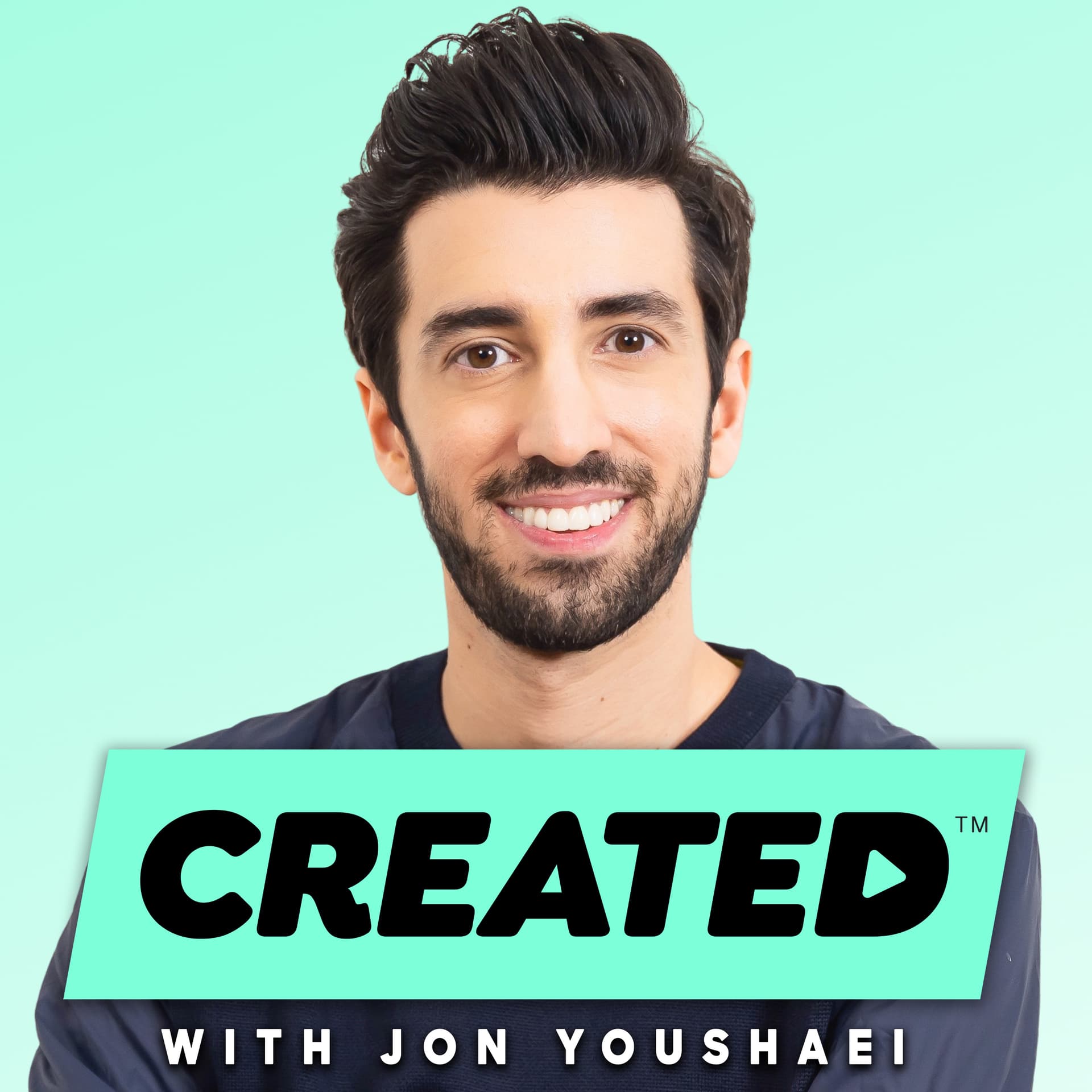
Podcast Overview Hosted by: Jon Youshaei Description: Jon Youshaei interviews prominent creators to provide insights on building a business as a creator, enhancing the creative process, and understanding trends in the Creator Economy.
Episode Overview This episode serves as a comprehensive masterclass on growing a YouTube channel, featuring insights from top creators like MrBeast, MKBHD, and Casey Neistat. Jon Youshaei distills 15 years of his YouTube experience into actionable tips that can be applied immediately by both new and established creators.
---
Key Takeaways
Introduction
- Experience Context: Jon summarizes his extensive background in YouTube and Instagram, emphasizing the evolving creator landscape.
- Use Visual Anchors
- Definition: A technique to select video topics that are inherently visual.
- Example: Johnny Harris uses symbolic visuals to convey deeper stories (e.g., sculptures made from worthless currency).
- Application: If a video idea requires drawing or showing visuals to explain, it likely has potential.
- Make Your Intros R.A.I.N.Y.
- R.A.I.N.Y. Framework:
- R: Result - Tease the outcome for viewers.
- A: Address - Tackle viewer objections upfront.
- I: Instant - Keep intros under 45 seconds.
- N: Now - Highlight the relevance of the video.
- Y: You - Establish credibility and why you’re the right person to deliver the content.
- Follow The 5 C's for Thumbnails
- 5 C's:
- Composition: Engaging framing and angles.
- Context: Thumbnails must be visible and intriguing in small formats.
- Cleanliness: Limit to three core elements to avoid clutter.
- Curiosity: Pose questions visually to entice viewers.
- Color: Use color theory to create eye-catching designs.
- Test Macro, Then Micro
- Thumbnail Testing: Use YouTube's tools to test large changes (macro) before refining (micro).
- Example: MrBeast employs this strategy effectively for optimal engagement.
- Fix Your First Frame
- Importance: For short videos, the first frame must capture attention immediately.
- Application: Use props and clear visuals to explain concepts.
- Adapt Outliers
- Definition: Identify and leverage high-performing videos (outliers) to inspire new content.
- Methodology: Research trending topics and formats across channels to adapt successful ideas.
- Copy with Taste
- Definition: Innovate based on existing ideas rather than replicating them verbatim.
- Strategy: Combine different concepts while adding your unique voice.
- Solve Popular Problems
- Strategy: Create content that addresses frequently searched queries on YouTube.
- Tactics:
- Incognito Mode: Use this to explore trending searches.
- Quora Queries: Identify common questions in your niche.
- Poll Your Audience: Engage your followers for feedback on their interests.
- Interested Is Interesting
- Principle: Authentic enthusiasm in content creation translates to viewer interest.
- Insight: The energy of the creator significantly impacts audience engagement.
- Avoid Eye Fatigue
- Editing Principle: Limit visual clutter to maintain viewer attention.
- Example: Focus on a primary element in visuals to avoid overwhelming viewers.
- The Paradox of Production
- Insight: Production quality impacts smaller creators more significantly than larger ones.
- Advice: Invest in better equipment and preparation to make a strong first impression.
- Simplify Your Speech
- Technique: Use simple language while ensuring clarity and authority.
- Three B's Framework:
- Basic: Translate jargon to simple terms.
- Bold: Remove undermining phrases.
- Brief: Keep sentences concise.
- Hone Your Off-Camera Craft
- Importance: Skills developed outside of YouTube enhance creative output and content quality.
- Examples: Successful creators maintain proficiency in their fields (e.g., Dr. Mike in medicine).
- Earn the Right to Rebel
- Strategy: Build trust with brands by delivering exceptional work before pitching creative ideas.
- Example: Casey Neistat earned creative freedom by demonstrating value through initial projects.
- Be More Like Mozart
- Principle: Emphasize quantity over perfection; prolific creators often produce memorable works.
- Insight: Overcoming perfectionism can lead to greater creative output.
---
Conclusion Jon Youshaei’s masterclass synthesizes years of industry knowledge into practical strategies for current and aspiring creators looking to navigate the evolving landscape of YouTube. By focusing on core principles like audience engagement, visual storytelling, and continuous improvement, creators can enhance their content and grow their channels effectively.
---
Additional Resources
- YTHackPack: [Free resources for thumbnail creation and video ideas](https://www.ythackpack.com/thumbnail)
- Discord Community: [Join a network of creators](https://discord.com/invite/created)
- Newsletter: [Stay updated with creator news](https://created.news)
Written by AI. May contain mistakes. Listen to the episode to check what was said.
Transcript
Automatic transcript. May contain errors.0:00I packed 15 years of my YouTube experience into this one video so you could learn every single thing you need to know to grow your YouTube channel today It includes my best tips for my interviews with the biggest youtubers including stuff you haven't seen yet That's the first time I've ever talked about it publicly Really? Yeah, into the science of that if you wanted to boom boom boom boom like I mean that was crazy This video also includes moments from our behind the scenes
0:26And you'll also get the exact templates and tools that I learned from my very first upload in 2010 So working inside YouTube and Instagram to now being a full-time creator I'm gonna pick his brain once the cameras are off, but you are just so brilliant. I'm watching your show because I'm trying to learn about YouTube. You're very good at what you do. And don't worry, this isn't the outdated and obvious tips that you already know. We're gonna be getting into the practical stuff that you could use immediately.
0:53Okay, my hope with this video is to make it one of the most helpful videos about YouTube on YouTube. And I know that sounds crazy, but I really believe that the stuff we're about to cover is game-changing. Whether you're a new creator or you're growing and you wanna grow faster, and because I always wanna go above and beyond, I organize all the templates and tools and graphics from this video, plus a ton of other free bonus material into my YouTube growth hack pack, which you can get for free at ythackpack.com or just scan this QR code. And beyond the templates from this video, you'll also get the 100 Viral Video Ideas Playbook with ideas for any niche, my 10 intro templates to improve your hooks, my Confidence on Camera Masterclass, the exact thumbnail templates that I've used to get millions of views on these videos, and so much more, all for free.
1:39Okay, let's dive in. Our first tip is to use visual anchors. So here's the truth. Too many creators make videos that are way better off as articles or written posts on X or LinkedIn, period. And that's something I learned from my interview with one of YouTube's best storytellers, Johnny Harris. He said this, if there's a million good stories that should be reported on, my philosophy is that only 900 of them should be told as videos. And when I asked Johnny how he filters which ideas should be videos versus text, he said two words, visual anchors. And here's a perfect example of that. I wanted to focus on the border between Colombia and Venezuela, where there was this massive migration crisis happening.
2:17And most outlets were going there and sort of filming just people coming across the border, right? When I got to the town where that was happening, I definitely went and filmed that. But then I looked around and said, like, what else is happening here? and there were a couple visual anchors that were just hiding in plain sight that no one else was covering one of them was there was a vendor on the side of the street who was making sculptures out of money out of out of currency venezuelan bolivars that were now worth nothing because of the hyperinflation crisis he was taking that and using it as a raw material to make baskets and like swan sculptures and all this stuff that ended up being like these this beautiful art, but it was so symbolic.
2:58You don't have to know anything about macroeconomics, about the geopolitics of South America to see that something's going on here. This guy's using money to make sculptures. And so that was a visual anchor. That to me is the best use of video to bring somebody in and really hook them into a topic that maybe they wouldn't look at otherwise. You know, it's the difference between show versus tell. Showing bills so worthless that people are making sidewalk origami out of them is much more powerful than a reporter just telling you about inflation. And don't worry, you don't have to fly to foreign countries like Johnny did to find visual anchors.
3:30You can use this thing called the napkin test, which I talked about in my interview with Cleo Abram, who is one of the fastest growing YouTubers right now. You know what a good video is? If you and I sat down for coffee and I was telling you a story about something interesting and the moment when I need to pull out like a napkin and draw a diagram or show you something on my phone and pause it and be like, you see this? Like, that's a good video. Otherwise, it should just be an essay because that's much easier to write. Simply put, the visual anchor test or the napkin test works like this. Imagine you're explaining the idea for your next YouTube video to a friend.
4:01Do you have to, one, draw anything on a napkin to prove your point? Two, pull out your phone to show them a photo? Or three, repeat words like this or that to point out anything as you explain? If the answer was yes to any of the above, congrats, you have a visual anchor. If not, your idea is better off as a written post or really not worth your time at all. And to go even deeper, you may be wondering, all right, what's the best way to find anchor visuals for your videos? Like, imagine there was a place where you could sort through a bunch of anchor visuals for your niche every single week. Well, that place exists and it's called Reddit.
4:35You just have to know how to use it in the right way. So here's the tactic. Go to Reddit, type in your niche or topic, and check out the subreddits or forums that show up. For example, here's a subreddit that I used to check all the time when I used to make videos about the best marketing and advertising campaigns. And the first time you go to your subreddit, this is key, make sure you filter by top and all time. So you see the best posts, the best visuals, which got upvoted in this case by over 450 ,000 members of this subreddit. Like it's basically a pre-vetted visual anchor. if you want to make a video about marketing and packaging.
5:08And it's so cool to see that because it just starts giving you more ideas for a longer video. And then here's where things really start rolling. You can literally go back to that same subreddit every week or every month, just change all time to a weekly, and you can see all the best visuals showing up over time. Like this hilarious ad from the city of LA trying to hire a graphic designer that has been upvoted in the past week. And then think about it like this. If you find a lot of visual anchors using this process, then you have enough to start scripting a long form YouTube video. If you only find a few visual anchors, your idea is probably better off as a short TikTok or real.
5:41And again, if you find none, then probably your idea is better off as a text post. And we'll talk about the best way to script and weave all these visuals together coming up. And bonus tip, you don't have to just use Reddit. You can look at Instagram community pages, Facebook groups, you know, anything that has a bunch of people posting about your niche and upvoting and vetting the best stuff to the top. so you know you're looking at something that is already of interest. I just find that Reddit is where a lot of things break first. Like I remember when I worked at Instagram, I was chatting with a few people at BuzzFeed during their heyday about how they'd find their viral video ideas and they were literally telling me this thing that I'd never forget.
6:17When something gets posted on Reddit on Monday, it ends up on BuzzFeed on Tuesday, then it gets picked up on social media on Wednesday, and then it shows up on Facebook next month. Their words, not mine, but it's true. So research Visual Anchors on Reddit. The next tip is to make your intros rainy. On YouTube, great videos are killed by boring intros all the time. So remember to make it rainy. R-A-I-N-Y. Hear me out. This means your intro has to check the following five boxes, or at least as many of them as possible. And I'll show you how I did it with a few examples of intros that got 74 % retention and 60 % retention.
6:55So R. R stands for result. Up front in your video, you got to tease the results the viewer will get if they watch your video. Like, where is it going? What are you going to deliver? The value? Or at least pose the question that your video will answer. Highlight the stakes and make sure it piques enough curiosity to watch. And again, I'll show you a few examples of how to do that for both unscripted and scripted videos here in a moment. A stands for address the objection. Call out the elephant in the room before your viewers even think about it. Listen, viewers today are sharper than ever before because they have more options than ever before.
7:31And that means their BS detectors are on high alert. Like you can say the R, the result of your video in your intro, but they're already calling BS in their minds, whether it's subconscious or conscious, and you need to address it. I stands for instant. For long form, your intros should be around 45 seconds or less. And don't worry, we'll talk about what that means for short form. N stands for why now. Like why is your YouTube video relevant right now? Is there a trend, a change, or something in the news that makes your video more timely? And Y stands for why you. Like, why are you the person to deliver this message?
8:04And don't get me wrong, that doesn't mean you have to change who you are for a YouTube intro. That just means you have to highlight the right parts about your background. So here are two examples of how you could do that. One for unscripted, which are videos like vlogs, man on the street, interviews. And another for scripted, like talking heads, video essays. So it can apply to any video you're making because I know there's a lot of different creators out there So let's start off with an intro for an unscripted video where you don't control what happens You can't control what's said after you press record and here's example of my interview with Liza Koshy That is nearing 1.9 million views and the intro has 74 % retention So let's play it and I'll break down how we structured it We're reading a lot of comments on your videos Liza and a lot of them talking about What?
8:47Hello? We'll talk about that Liza Koshy quit YouTube? One of the biggest creators on the platform disappears. Although I was at like my peak in terms of numbers, in terms of eyes and partnerships. Liza Koshy, everybody. The fastest growing YouTuber ever. I just, I needed me. I missed me. And I refused to be ignored. Who is ignoring you? Who is ignoring Liza Koshy? You know. So how did we make this intro rainy? Well, we sorted through every single moment from this hour long interview. and here's where we landed. For the R, the result, right away, we're showing you that if you watch, you'll find out why Liza Koshy, one of the biggest YouTubers ever, left the platform at her height with over 15 million subscribers.
9:30And that's what I titled the video as well, which is another way to communicate the result. Then immediately, I addressed your objection, which is the next line we put in the intro. Because most people would just assume, there's no way that Liza Koshy actually talks about why she left YouTube, but she does. She doesn't dance around it. She even makes a joke about it. And during the actual interview, we deliver on this by diving deeper. The I is for instant. And again, this entire intro lasts about 34 seconds, which is well below the 45 second threshold. The why now the N while this video came out during a time when Liza had left YouTube at her height, but she never really talked about it in a full sit down interview until now.
10:04And the why you well, I made sure to include lines and questions from myself where I push back and I challenge her in this intro, like really, like, who is ignoring you? So the viewer knows like, oh, crap, this is not going to be a cakewalk. this interviewer is going to ask what's on our mind. And you know, you have to remember that making an intro for an unscripted video does not mean you have to be unstructured about it. In fact, how you structure those moments and soundbites according to the Rainey framework can make all the difference. Now, next up, here's an intro for a scripted video, which typically means a talking head video like this one, which is another popular format on YouTube.
10:38And the intro that we're about to watch is from a video that I made a few years ago called X YouTube Employee Explains How to Grow on YouTube. But let's watch the intro, then we'll break it down because I actually used a lot of the same tactics in this video. The rules of how to grow a YouTube channel have completely changed this year. And I would know, I used to work at YouTube for five years, then worked at Instagram for three years, and then I started this channel. And I want to share seven unconventional tips that led me to get millions of views per day. And it's not the obvious stuff that everyone was talking about.
11:07It's stuff I don't think people have heard before. The R is simple. It's tips to grow on YouTube. That's what you get if you watch. The A that I address, the objection, is that most viewers who watch videos like this are like, oh, these are the same old tips that I've heard before, like be authentic or be consistent. So I'm like, no, no, no, this is not those same old tips. And I have to over-deliver on that, obviously. But again, addressing the objection. The I is for instant, and this intro is about 43 seconds long. The why now, this video came out during a time when shorts was still new and changed how creators approach their channel.
11:37So I wanted to lean into that moment. and the why you, well, simply it was I worked at YouTube and I've been on the inside. I launched many of these features that you use today. And honestly, I know I sometimes lean on that too much, but make no mistake about it. You don't need to be associated with a brand or have a professional experience to make a video about a topic. So here's a bonus tip. You could use the guinea pig method where you put yourself through an experience to answer that why you question. And here's two examples from two amazing creators named Shervin Shares and Sam Reed. Like Shervin is not a foot doctor.
12:08So how did he answer that why you question? Well, he only wore barefoot shoes for a thousand days and emphasized that in the intro and title, which makes viewers way more intrigued to hear his perspective versus the many other shoe review videos out there. And for Sam, well, what's actually crazy about this one is that I gave a talk about this video to Taco Bell. And Sam isn't a nutritionist or anything, but him eating only Taco Bell for 30 days to see if it's the healthiest fast food makes his intro all the more compelling. Now, of course, that's an extreme example, and I wouldn't recommend it for obvious health reasons.
12:40But the point here is this. Think about how you can make the why you part of your intro and video stronger since that often takes the most work. And again, the free YouTube hack pack that I mentioned includes a lot more intro templates and examples like the contrarian hook or the shock value hook, the challenge hook and more. So you could put this all into practice immediately. All right, moving to the next tip. Follow the five C's. You already know how important thumbnails are to getting people to click on your videos. So I made this checklist that I'll show you in a moment inspired by my interview with one of the best to ever do it, Marques Brownlee.
13:10Okay, so thumbnails have two things. They have to look good really small, and then they have to obviously get you intrigued and maybe get the video started without actually getting the video started. So Marques talked about two things when it comes to thumbnails, but I actually think there are five, and I call it the five C's. Composition, context, clean, curiosity, and color. The first C is composition, meaning does the framing or the angles or the leading lines draw you in? The first thumbnail here is so captivating because it comes from the point of view of a person holding onto those chairs for dear life.
13:42And the leading lines down the corridor, I mean, this is just a masterpiece of a thumbnail. The second one comes from Isaiah Photo, and it's so well composed of the camera beam position above his head, the prime bottles all around him. Like, you could tell that he took time to frame and compose this shot properly. The second C is context. So too many creators design their thumbnails without any context of where it'll show up. They design it on a giant screen, so it may look good on desktop, but like Marques says, it has to look good when small on mobile. So here's a rule I like to use. If you scale down your thumbnail to 18%, can you still read it?
14:14If not, you gotta simplify it. And you can see in these examples, you can clearly see the headphones, the ball, the text, the spider. It still pops even when it's smaller. The next C is clean. Too many thumbnails are a cluttered mess. The rule to remember is this. Does your thumbnail have three elements or less? Like this first one has the head, the text, the pink foam. The second one from Tyler Blanchard has his head, the text, the grenade. It's simple and clean. The next C is curiosity, meaning does your thumbnail pose a question that viewers immediately want answered? And this could be done with blurring or blocking out of an element like Unbox Therapy did or contradicting something like you see in this fake model thumbnail that Zach did.
14:54And again, this one has great composition too. Look at those leading lines. They just draw your eye in. So the more Cs you could check off the list, the better. And the last C is the most powerful, and that's color. Meaning, do you pair colors in a way that draws the eye? And for that, you want to refer to the color wheel and pair primary colors with the complementary ones. Like, Ryan Trajan's hair and shirt in this thumbnail are yellowish gold, so it's not an accident that he made the chairs around him purple. Or Michelle Carey pairing the primary color of blue of her blazer and glove with orange jumpsuit and the orangish brown background.
15:27Brilliant. And you know, it's really wild. I was playing around with a new chat GPT four Oh, and you could literally take these thumbnails or any thumbnail that adheres to the five C's and then like take a selfie of yourself. And then put in a prompt that's like, please replace the person in this thumbnail with me and keep their wardrobe and facial expression the same. And then you like, Like, look at this. This is crazy. You'll get these thumbnails. And to be clear, I'm not recommending you do this at all. I'm just showing you how powerful these tools are becoming, especially if you know the five C's.
16:02So obviously there's a lot of ethical questions and, you know, there's a lot of things to unpack and discuss here. But the point is that even you could like put in a sketch like this now and get a great thumbnail back in no time. I mean, just understanding these five C's is a game changer. And I curated about 90 more examples of great thumbnails in the YouTube hack pack that I mentioned. I know I keep bringing that up, but I really believe it puts so much of this in practice. But the bottom line is you don't need to hit all the five C's with your thumbnail, but the more, the better. The next tip is to test macro, then micro.
16:34So YouTube recently launched a thumbnail testing tool, and there's a really clever way to use it that few creators have caught on to. So quick background, this thumbnail testing tool is a relatively new feature where you can upload three thumbnail variations. And here's an example from my Casey Neistat interview. And And basically YouTube shows those three variations to different segments of viewers. And after a few days, it selects a winning thumbnail based on which one drives the most watch time to your video. And no surprise, but Mr. Beast is using this tool in a really creative way that few others are.
17:03During our interview, he broke down his step-by-step process on his Protect the Yacht video. Step one is he uploaded three thumbnails with macro, big changes, like the angle of the shot, his face, the different items from the gun, the clothing, the bomb. Step two, he let YouTube select the best performing thumbnail after a few days, simple. Step three, he then made micro changes to the winning thumbnail, like a different shirt or a person on the boat, like very small. And then step four, he typically will continue to make micro changes until the test results aren't that different. Ryan Trahan did the same with this video.
17:37I tested one-star hotels. Like first, he had macro variations, text, shirt, composition. Then after YouTube selected the best performing one, he made micro changes just to the text. Everything else stayed the same. A lot of times these creators will run tests like this for months, but I know not everyone has the team or the time to do that. So just try to run at least two thumbnail tests to squeeze as much juice out of your video. First macro changes, then micro, continue until you see a clear winner, and then move on to your next video. So the next tip is fix your first frame. So most of what we've covered till now is for long form videos, but this tip is specifically for shorts because your first frame in your shorts is as important as your thumbnail and intro in your long form.
18:17And what I mean by your first frame is literally what do you see at zero seconds of your short, your TikTok or your reel, it all applies. And the key is to making sure you set up the expectation and the tension for what is about to happen. For example, I have a short form series with over 250 million views where I ask people on the street, who's more famous creators or celebrities? Who are these two people is that logan paul and uh i don't know who the other one tom clooney tom clooney that's my boy uh he be fighting and that's my man that be acting and my first frame for these videos is really dialed in where i have this physical printout with the faces of a creator and celebrity so you immediately get it but honestly it did not start out like that like it took lots of iteration because my first attempts were just terrible i did this whole boring monologue where I said, hey guys, we're here in Hollywood asking people who's more famous creators or celebrities.
19:11First up, we have Logan Paul versus Tom Hanks, like way too long. Then I had a shorter version of that question and prompt. And then I had an even shorter question where I said, who are these two people? You saw the faces and we're off to the races, which bring me to a bonus tip. Whenever possible, use props like printouts to show it physically, not just digitally with graphics, like most creators do with all the editing tools available today. And here's another example. Keegan Evans has this amazing format where he makes videos based on a random product and a random genre by putting them in two bowls in the frame and putting note cards in them.
19:43Like, he'll pick a card that says Oreo and then Action Movie for the genre, and he'll make that into a short video. It's really good. But the way he sets it up physically and has everything in the first frame is a great example. Here's another one. For my shorts where we compare creator products to Fortune 500 products, I tried to make my first frame as visual as possible. The bottles, the blindfolds, everything is right there physically. But if I'm being honest, I think Logan did this much better with his first frame where he did a similar video because he shows everything more clearly with even fewer graphics.
20:12He brought the bottles up in the frame. He put sugar on the table when comparing the sugar count. And he wrote out different note cards to show you things about Gatorade versus Prime. And, you know, I actually had a chance to ask Casey Neistat about this because he draws things on his hands. He makes cutouts, printouts better than nearly anyone. And he said this is why it helps so much with retention. I think that's infinitely more interesting than sort of an optical text that you type into Premiere. Video editing used to be a highly specialized thing. Very few people knew how to do it. 30 years ago, there was only a few video editors.
20:47And now, like, you know, my 9-year-old teaches my wife how to edit videos. And then during our interview, he said this quote that I'll never forget. Perfection erases humanity. When something is truly perfect, there's no sign of the human hand in it. And this applies even more to shorts because people scroll so quickly and see so many graphics. So that means if you fix your first frame to set up your story immediately and physically, even if it's imperfect, it'll help you stand out. And if you still have any doubt of how powerful a great first frame is, like knowing this can be so powerful, it can be deceiving.
21:19Just check out this hilarious clip. No, it's actually amazing how much more credible people will seem to think you are when you're just pretending to be on a podcast. Like you don't even have to do that much. It's just all you really have to do is look to the side of the camera as opposed to looking into the camera. People are like, wow, he's got to be really important to be on a podcast. I'm ready to buy whatever supplement he's trying to sell me. Literally by having a sure mic and looking off to the side in his first frame, it makes us feel like he's on a podcast. When he's just looking at the wall.
21:48Like I'm not saying do this, but it's crazy how these little touches in your first frame can change the expectation of the short versus him just looking at the camera like this. The next tip is to adapt outliers. I'll level with you. The best time to start on YouTube was 2012, but now is the second best time to start. And that's not some rah-rah, seize the moment type speech. It's about the data. You see, YouTubers in 2012 had the first mover advantage. They were early, they had less competition, but all of us have the second mover advantage. Since YouTube is over 20 years old now, you can see which video ideas or outliers have already taken off and adapt them.
22:22And what are outliers? Well, here are a few examples. They're basically videos that perform so above and beyond a channel's normal audience that they must be tapping into something more. Like there's something about the video's topic or format or packaging that you should study and adapt, which we'll talk about how to do in a moment. And the bigger the outlier, the more you should take notice. In fact, I asked Mr. Beast how he finds outliers like these to make videos that end up getting hundreds of millions of views. And here's what he said. I thought it was so interesting how you've studied outliers.
Read the full transcript
22:51And I want to talk about that video, the dollar versus series. Talk about the inspiration because I don't think people realize how you came to that. And then I got a ton of follow-ups. Yeah, 100%. So for the$1 versus, the thing is, we've all seen BuzzFeed did it. But also, not only did BuzzFeed, but it's just like people across every format on YouTube, beauty channels, gaming channels, everyone was doing videos where they'd compare something cheap to something expensive. And they usually did well. And what I like to do is if I see something going viral across like multiple formats all across YouTube, then it's like, OK, that seems to be something people really like.
23:28And, you know, they're really interested in that content. So maybe I should just do that in a really beast way on the channel. And sometimes creators like Nick Giovanni, who's one of the biggest food creators out there, don't even bother with certain ideas if they're not outliers or haven't already performed well on other channels. Because this is a sign that viewers may not be interested. It comes down to a deep dive on, you know, has this been done before and how did it do? I think that's always important to look at. Not to say that you can't take a concept that has been done before and not make it better.
23:57Yeah. But if people aren't interested in something, there's sometimes where it's just like, this may not be worth our time. You mean looking at it in terms of other channels, other genres. Yeah. It can be really helpful to go and see, okay, 10 people have tried to make a video trying the best burgers in the world and no one seems to be that interested in it. And so that might not be worth the time. And that's a good sort of first test to see, has this been done? You can also do this with shorts. I was actually with Jimmy when he was filming this running video, which was inspired by Daniel LaBelle and adapted to feel more like Mr.
24:25Beast with bags of money. And it's crazy how much Jimmy tries to elevate things because he filmed this entire short when I was there. Then he scrapped it because it didn't look good enough and went back to film again with different props. And I even tried taking part in the running video when the money was the heaviest. And let's say it got a little embarrassing for me. I gotcha. Thank you. We'll give him some power. My god, this is... Two, one.
24:55But here's where it got even more interesting. Jimmy saw that that short did well on his channel. And then he did it again. This time with bigger and bigger Feastable Vars, which I think is a key nuance. In other words, you could also study your own outliers and then double down. And actually, Patty Galloway told me how he does this with his creators, like Jesser, to help him grow past 25 million subscribers. It's just a simple question of, you know, what are the five or six best performing videos I've made on my channel? Could I make them again in some form? Could I adapt them? Could I make a series out of this video?
25:26With Jesser going to three NBA games in 24 hours, we've done that same video four times, probably going to go on five, six times. Each time we just put a little twist. It's like playoff games instead of regular games. It's seven games in four days instead of three. You know, it can kind of go infinitely like that. And now if you're wondering, okay, well, John, how in the world do I find these outlier ideas? Well, there's actually a step-by-step process that I've outlined here, and I'll show you a much faster way to do it in a few moments. But to find an outlier in your niche, all you have to do is this.
25:55Number one, open up your YouTube app and search three to four words related to your niche. Then go to search filters and sort by view count, video, and anytime. This is key because essentially you're asking YouTube to turn off its algorithm for just a moment to show you the videos that have the most viewed. Then scroll and click on these top videos and then click one more time to see the subscriber count of the channel that uploaded the video. And what you're looking for here are videos that have over five times more views than the subscriber count of the channel that uploaded it. And if you make a list of these outliers and reference them, they'll help you so much when you brainstorm your ideas.
26:34Now, what if there was a way to find outliers even faster? Or what if you could automatically get ideas on how to adapt that outlier based on your niche? Well, that's exactly what you could do with Spotter Studio, which is a sponsor of today's video. With Spotter Studio, you can go to the Outlier tab and filter videos about their outlier score. You can also look up 2x outliers, 10x, filter by long form, short form, and here's the best part. You could just press this brainstorm button and it generates ideas customized to your channel. and you go to this link you'll get an extended free trial spotter studio and because i always want to go above and beyond for you guys i'm doing two things one i'm hosting a free online workshop for anyone who signs up in the next two weeks and on top of that i'll be picking nine of you from that group to fly to la to come to the lighthouse to spend a day getting mentored by me colin samir and april lynn and yes we'll be roasting your videos and if you've already joined spotter studio don't worry you're already eligible just make sure to add 10 or more ideas to your idea bank, then hit the share with an expert button so I see it.
27:34And if you're seeing this after two weeks, don't worry about that either. You'll still get the extended free trial to spotter studio, which should help your channel a ton. Okay, moving on. The next tip is to copy with taste. So once you find these ideas and outliers, don't just copy and paste. Do what I like to call copy with taste. And here's a little spectrum I created to remember it. Put your own spin on it, adapt from outside your niche, meld it with other ideas. We'll talk about how to do this in a second. But I thought But Jimmy actually brought up a great nuance about all of this. If you watch someone's video and you can't tell the difference between their video and my video besides the budget, then it's like, yeah, you're copy and paste.
28:08But yeah. But like, you know, me and Ryan might sometimes do similar videos. I'm not even saying he's copy. But like Ryan and I could like I will go visit hotel rooms,$1 versus Ryan will go visit scary, scary Airbnbs. And it doesn't feel the same. Right. And that's like and that's the thing. Like Ryan has his own voice. He's quirky. And he's just like, you know, let scenes breathe more and blah, blah. and that's like ryan's style and then our style is like a little bit quicker and just show you cool things and spending more money and you know making it epic and um so yeah that's not that he's copying us but in general that would be like doing it with taste and then the copy and paste is yeah you know there are tons of other people who after our hotel video just went literally sometimes hit the same hotels same thing use my same text on screen speak like me act like me use my cuts use the same timing pacing and it's like be more like ryan invent your own style we need more people like that.
28:59We need less people that just look at Ryan, look at me and other big creators and just, you know, literally copy and paste. Like if people wanted to watch my style videos, they'll just watch my video. We don't need someone else doing my videos with lower budget, less effort. And that's why when you adapt outliers with taste, you get this amazing string of ideas where Mr. Beast elevates a BuzzFeed concept, but does hotel rooms instead of donuts and takes it up to$1 million. Then Ryan Trahan puts his own spin on it by only focusing on cheap hotels. And then Nick Giovanni does cheap restaurants instead of hotels, and a cycle of creativity continues on and on.
29:32In fact, there's this great quote from the late Virgil Abloh who said, you only have to make a 3 % tweak to an existing concept for it to be innovative. That's it, 3%. And it's coming from one of the best designers of all time. And one of the best ways to make a 3 % change or copy it with taste is to look at different genres, eras, or mediums. So I'll even change the genre of a similar concept from donuts to hotels to cheap hotels to restaurants, which kept it innovative. But besides looking outside your genre for inspiration today, you could also look back at different eras, just like Zach King did to grow past 40 million subscribers.
30:08And I'm not talking about looking back at eras like the early 2000s. I'm talking about even further back. Zach told me that he and his team study filmmakers like Buster Keaton from the 1920s, like literally 100 years ago, because so few creators are looking that far back to come up with ideas today. Oh, I love Buster. And I noticed that he does so many jump cuts that are reminiscent of what you're doing today. Yeah, it's so good. This is so good. We share all these clips internally. Really? Every once in a while. But I love Buster Keaton. I studied him. We did a video referencing Buster at the back of the car, and the car drives off and I'm on the tire.
30:46Now it's one of his gags. But we just added them. It's like, how do you 10 % that or 50 % it? It's fun to reference those because for sure the young generation does not know what that is. And the third way to copy with taste is to change the medium. So by medium, I mean like film, TV, radio, YouTube. This is honestly one of the more straightforward ones, but it's also the more competitive because a lot of people are already adapting the medium of TV for YouTube, but there's still a lot of opportunity. Like for example, ARAC did this, I trapped 25 strangers in a box, which is basically a YouTube version of Big Brother or the Sidemen's Tinder in real life is a faster paced and YouTube version of MTV's next dating show.
31:26Or honestly, I'll give credit where credit is due. My man on the street videos were totally inspired by Jimmy Kimmel's Can You Name a Country segment? Except I wanted to know if people can name more celebrities or creators. or another example of changing mediums entirely is going from a shot in a tv show like severance and adapting it to a still image for a thumbnail just like jimmy said in our interview it's just interesting that you can draw inspiration from anywhere like basically one of my thumbnail guys chucky watched severance and one of the opening shots is that uh image in the top middle where this uh lady is laying on a table he's like we should do this for a thumbnail and i was like what does that even mean and he sent me that snapchat with a circle and a human and i was even more confused, the image in the top right.
32:08And I was like, Chucky, I don't know, maybe you're drinking alcohol, even though he doesn't. And somehow that led to this thumbnail we ended up doing here in the bottom right, which actually worked pretty well. And it was kind of nice, because usually my thumbnails have my face and the left side. And I've been looking for ways to not have every thumbnail be the exact same. And that was a good breakaway that people seem to like. It's not like we got that from a different YouTube thumbnail. Like he was literally just watching severance it's you know so look outside your genre across mediums or back at different eras for better inspiration so the next tip is to find popular problems here's the thing youtube is the world's second largest search engine after google and it's estimated that there are over 6 billion searches per day of people trying to watch videos to answer a question to get advice solve a problem and so forth so as a creator especially if you're just starting out and growing you'd be crazy not to try to make content to meet that search demand.
33:03You see, just as entrepreneurs make products to solve problems, we as creators can make content to solve problems. But the question remains, how do you find the most popular problems in your niche to make content about? Well, there's three ways to do that. First is the incognito mode method. Two is the Quora method. And three is to poll your audience. The incognito mode method, well, for that one, you just have to go to incognito mode in your browser, then go to YouTube and start typing in video ideas or search queries. And I let autocomplete tell you what most people are searching for. You see, by doing this in incognito mode, you're not letting your past searches change the autocomplete.
33:39So you're seeing the autocomplete based on the masses based on their searches. Second, you can go to Quora and figure out what are the most popular questions that people are asking in your niche. All you have to do is search your topic and filter by all time. And I love Quora because it's literally a place where people ask questions and the upvotes tell you what the most amount of people need help answering. And if you make content about that, you're golden. Third and perhaps most underrated is poll your audience. You know, you can use the poll features on Instagram, YouTube community, LinkedIn, and so forth to treat your audience like a focus group.
34:13I mean, if you follow me on Instagram, you'll already know that I ask your thoughts on topics for my next videos or even thumbnails you like best. And I constantly go through our Discord community to see if there's a pattern of questions or problems that I could help with in my next video. Basically, the goal is to make content that falls in the middle of this Venn diagram, where what you know and what you're excited about matches up with what people want to hear about, whereas so many creators don't even ask their audience and just make content that feels totally out of touch. And the next tip to remember is that interested is interesting.
34:46All right, I know, I know, we've talked a lot about data, but sometimes you just gotta say, screw the data, Screw the algorithm because there's a lesson here that dates back to one of YouTube's first viral videos, the double rainbow guy, which I never really considered until it was pointed out by Dan Mace, who is the creative genius behind a lot of Mr. Beast and Casey Neistat's videos. Interested is interesting. I think it's like, so remember the first ever viral video? I'm pretty sure for me, the first ever viral video that I saw was a double rainbow. Oh my God. Oh my God.
35:27Yeah. Everybody's seen the double rainbow. That video went viral because of the man's reaction to the double rainbow. He was enthusiastic about the rainbow. Like Casey's content and what he does is he's just so interested in it that it becomes interesting. And if you think about it, it makes sense. I mean, that's why even Casey's videos about public bathrooms or bike lane violations get millions of views. And yeah, OK, now he has a huge following. But it all started by being so interested in something that it became interesting to all of us. And I still believe in all the tactics and the data that we discussed so far.
36:03But the big caveat to all of this is this. If you can barely contain your excitement about a video idea, then just make the damn video. Trust me, the audience will feel it. because at the end of the day, YouTube, this thing is about transferring the energy that you feel in front of the camera to the person watching it in front of their screen. Okay, I know, okay, that was a little mushy-gushy, but I wanna follow up with another tactic. All right, the next tip is to avoid eye fatigue. This one drives me crazy because so many creators over-edit their videos, and you don't even have to have any technical editing skills to implement this tip.
36:33So most creators jam way too many visuals on screen that cause your eyes to dart all over the place and get fatigue, which will inevitably lead to viewers clicking off. Case in point, we have a Discord community with over 6 ,000 creators who share their videos, thumbnails, and ideas for feedback, and I wanna share a few seconds of a video from a creator who shared this. And I say this out of love, but just look at this frame alone. I'm sorry. I mean, my eye has to be in four places at once. The top visual, the bottom visual, what's on the monitor, what's on the notebook. I mean, this just continues on and on, and countless creators do this without realizing in their videos as well.
37:06In contrast, here's what we did during my interview with Mr. Beast, where he's talking about these six different versions of a thumbnail, a lot going on. But we literally zoomed in and dimmed everything else out but the one visual he's referencing. So there's no question what you should focus on at any given moment. This is even more important now with so many YouTube views coming on TV where the screen is bigger. So you don't wanna have people darting their eyes and craning their necks while they're watching your videos. So make sure you have one primary focal point. And for shorts, it's slightly different, but same principle.
37:37And here's a guide for that. anything around here is off limits it's too far away from the center focus and it overlaps with the UI the buttons on YouTube TikTok and Instagram anything here is safe because it's where the eye naturally looks your text hook should go here to make it more prominent your eyes go here and your captions go here right below and again if you want this template while you're editing or to give to your editors that's also in the YouTube hack pack I mentioned earlier the next tip is to remember the paradox of production. So few creators understand this and it kills their growth.
38:10Simply put, the smaller you are, the more your production value matters. The bigger you are, the less it does. And people who say, oh, your camera or your gear doesn't matter. They're honestly naive. Yes, story is more important than that. But for new creators, your viewers are beyond impatient and your production value and your prep are your first impression. So get a freaking mic, set up some lights, script so you don't ramble. And we'll about how to do that in a second or at least prep some bullet points you know people say oh it's inauthentic it's overly rehearsed whatever it's not it just means that you care and maybe you're the next i show speed or emma chamberlain but they're the exceptions and you know even speed told me during our interview about how his spontaneous live streams actually take a lot of planning it's a lot it's a lot that go into these streams that people don't see like people just see the 15 second clip of me you know what i'm saying but it's a lot that goes into that just for that 15 seconds.
39:02Or even off-the-cuff comedy YouTubers like Liza Koshy said in her interview that she scripts her videos in advance. And a perfect example of this is her dollar store series. Wait, so you're going to the dollar store. You're picking up like a basketball. What? This is only 79 cents? Come on, man. It's a dollar store. Get this cheap stuff out of here. Oh my God, this is a dollar? A dollar? A baller? A dollar? Dang, that's so cheap. I can go balls to the wall in this place. That joke was scripted. Absolutely. Weeks before I'm going to the dollar store and looking at each product, understanding what I could do and how I can write a joke around a specific word on that product and raise it up to camera and then hopefully give a natural, effortless delivery when it comes to day of shooting.
39:45So it takes some pre-production that I never really talked about. Eliza also said her parody video of Vogue 73 Questions, which now has 32 million views, took seven attempts to film, even though it looks all improv. All right, now flip it. Okay, let's say you do have a bigger audience. What do your viewers want to see? They want to see you, but raw, unedited. And I think that's one of the reasons why our behind the scenes videos with Mr. Beast took off because people rarely see them in an unedited context like that. I mean, that's also why we love docu-series or even these FaceTime TikToks of celebrities because after seeing them so overly produced everywhere, we want to see it all stripped away.
40:20And I actually had a chance to ask Will Smith about this because he's obviously been in some of the biggest productions ever. And now he's active on social. So I can't wait to share that video. But as newer creators, you're not there, not yet. And to be honest, production value is just a fancy schmancy way of saying, respect your viewers' eyes and ears. Only then will they respect you with their attention. The next tip is simplify your speech. All right, so when it comes to scripting, during my interview with MKBHD, he showed me the video scripts and we talked about how they tend to be at a sixth grade speaking level, despite him talking about in-depth topics like tech.
40:54And in fact, many other YouTube creators like Ryan Trahan, Tom Scott, and so forth, tend to hover around that fifth to seventh grade level. So for YouTube, you need to simplify how you talk without dumbing it down, that's the key, especially if you're making videos about a popular problem, for example. So for that, I always try to follow this cheat sheet, which I call the three Bs, basic, bold, brief. And you could probably tell by now that I love alliteration. So the first B stands for basic. Make sure you translate jargon into simple words like instead of leverage, say use. Instead of optimize, say perfect.
41:23instead of competencies, say skills. The second thing is to be bold. Remove words from your speech that can undermine your authority without you realizing it. Like possibly, it might, I think. There's a time and place for that, but most times it just undermines your authority. Be more assertive. The third thing is be brief. And these are just rules of thumb, but they'll become instinctual over time when scripting your videos. So avoid more than 25 words in a sentence because you'll start to ramble. Avoid more than three sentences in a paragraph because you're jumbling a lot of thoughts into one section.
41:55And my biggest pet peeve by far, avoid double descriptions. Like you don't need to say the room was clean and tidy. Just say the room was clean. We get the point, move on. The next tip is to hone your off-camera craft. So there's two parts to being a good YouTuber. Being good on camera by doing all the things that we're talking about here, improving your production, your speaking, your thumbnails, your editing. But the second thing, the X factor to all of this is having a skill off camera. And the more uncommon that skill or craft, the easier it is to honestly have a real career on YouTube. And I'll give you an extreme example of that, followed by a more relatable one.
42:28So the extreme, but a great example of this is Matthew Beam. Before he had millions of subscribers, few people know that he was an auto mechanic who painted and wrapped hundreds of cars off camera before he ever did it on camera with hits like making a real-life Lightning McQueen or a SpongeBob paddy wagon. Looking at the larger creators, they all have their own unique value. And mine was being in the car industry. I think the average age in my industry was like 55. I was always the youngest person. So I thought there's probably a good likelihood that I'm the only person that's really into YouTube that can like paint a car, know someone that can wrap a car and do something like that.
43:01So I realized that that was like my advantage. And if you look at Matt's videos now, it's clear he's kept honing his craft off camera with bigger and bigger projects. Another example of this is Dr. Mike, who keeps treating patients even though he's well past 10 million subscribers. I can't give up practicing clinical medicine because it makes me understand better the problems people have. It allows me to relate better to people, use better language where I can actually see one-on-one if they're understanding what I'm saying. And it just makes you just more valuable, but also happier. Even when the channel is not performing as well as you hope, going to the office and having someone tell you your notes are late or your patient mad that you're five minutes late to their appointment, that's valuable.
43:45And people will always belittle it. so valuable being able to see the exact outcome of your work right there in the moment so so valuable it's what keeps him sharp because he's in the trenches he's hearing about the latest problems from his patients and that could spark a content idea that could help even more people or another example is Hayden Hillier-Smith who makes content about editing and he told me the same thing it's fun doing the podcast but for me I still want to maintain the right to still be talking about editing and so I need to make sure that I'm still in the thick of it yeah and so I I'm still very much taking on as many jobs as I can, as long as they're reasonably balanced.
44:21And I could go on and on. Creators like Dream worked with another Minecraft creator before becoming one of today's biggest gaming YouTubers himself. Nick Giovanni honed his cooking skills before becoming one of today's biggest food channels. And Peter McKinnon, who is the king of photography tutorials, said this. My wife was always a huge advocate, still is, of practicing your craft. so if she sees me just pounding videos after videos after videos she's like when was the last time you went on like just took photos not for instagram i was like ah you should probably do that like she's like because as much as you're the teacher and as much as you're the guy inspiring everyone else to get out there and do it you still need to like follow the passion that got you here in the first place and if you're not learning you're unlearning so you got to make sure you keep your skills sharp and you know i try to do the same as well off camera i work with so many creators of all different sizes, brands, executives who bring me in.
45:12Like just the other week, I was working with LinkedIn co-founder Reid Hoffman. And when they hired me to come help with their content and social media, it helps keep me sharper. No matter how big this channel grows, I like working with other people to understand, okay, what problems are they facing and what content can I make? Because all this stuff on camera, to be honest, the speaking, the editing, the packaging, that's a must. You need that to survive on YouTube. But it's the stuff off camera that helps you thrive. It's the stuff that happens in Dr. Mike's office or Nick's kitchen or Matt's auto shop.
45:43And that's what gives them their edge and ideas. And sure, you could say, okay, John, yeah, I don't want to hone any of these off camera skills or these professions. I just want to be a pure entertainer like I show speed, Logan Paul, Emma Chamberlain, to which I say, good luck. Because sure, you may be part of the 0.01 % that gets popular from your personality alone. But that's a much harder path. And as Dr. Mike says, kids these days, when they're polled, they say their number one dream job is to be a YouTuber. And I have to redirect them in that hope and say, hey, learn something, bring some value to YouTube.
46:20Otherwise, you probably won't get popular, number one, because you won't have anything really interesting to talk about. But even worse, you might get popular. And they're like, wait, why is it worse if I get popular? Well, then you'll get popular. You're probably going to be popular for a short period of time. And at some point, it'll fall off. And then you're going to feel terrible about yourself. And you won't have a career not to necessarily fall back on, but to say, well, I've learned this. This is where my value is. They'll say, a negative comment will come in and say, you have no value.
46:49And they say something really mean. But then if you look inside and you say, well, what is my value? What am I bringing to the table? That's going to be a demon that you're really going to struggle with. Man, what a bar from Dr. Mike. All right, moving on. The next tip is earn the right to rebel. So this one has more to do with making money and brand deals, which I actually think is one of the biggest pitfalls for creators as they grow. And I want you to imagine for a second that a brand wants to give you$25 ,000 to make a sponsored video for them. And here's the kicker. You barely have to mention the brand's product at all.
47:19And on the surface, I know this makes no sense at all. But I got to bring back Casey Neistat because he does this all the time. Just ask Nike, J.Crew or the other brands that he's worked with on his video. So how do you convince them to give him full creative control? And how can you do the same or just get a little bit more control in your sponsored videos, even if you're a smaller creator? Well, it's a huge contrast to what creators normally do. They usually stick to a brand's talking points and script with no wiggle room. And typically the video underperforms as a result. But the key is what Casey did before pitching brands his wild idea.
47:52And he earned what I like to call the right to rebel. And to do that, he started by creating free ads for Nike. And soon he got their executives' attention. If you're not willing to do the work without getting paid a hundred times, then chances are you're never going to find the opportunity to do the work and get paid for it. And that's how I was able to get the thumbs up to make Make It Count. That's how I was able to get the thumbs up to make the Mercedes campaign or the Walter Mitty campaign. That eventually led to a brand deal with Nike where they asked him to make three videos. To make it count for Nike.
48:28Yeah. I think what's underappreciated about that video is I had a deal with Nike to make three videos for the fuel band. And the first two videos had significantly more emphasis and significantly more budget. And when it came time to make the third video, I called up Alex Lopez at Nike. And I was like, look, I want to do this differently. I want to do something that's way off the books and way different from what we initially scripted. I won't spend any more money. but I think I can make something much better and he was like okay just like don't screw me over don't leave me in the lurch but if you want to run wild with the creative go for it the video was Casey spending Nike's budget to fly all around the world with their Nike fuel band it was his way of living their slogan make it count now had Casey pitched the crazy idea first he probably would never have gotten the green light as a creator I've seen this firsthand too as we work with more brands on a repeat basis but can I tell you something from working on the other side the corporate side of all this, it's not just the manager or whoever you're talking to at the brand who has to approve your idea for a sponsored video or a segment.
49:29It's their boss and their boss's boss. And everyone is honestly just covering their ass. Like it's why so few big companies take big risks. Believe me, I've worked at several of them. And it's not that they don't believe in creators. A lot of them do. It's just that they don't want to be fired. Like, like actually, like if something goes wrong with your video or it underperforms or bombs, they just want to justify why they took that risk or at least explain their decision to their colleagues. And the best way to do that is for them to show your past work. Like, oh wow, this creator's videos perform well for us.
50:01So that's why we gave them more leeway. So if you give that to them first, then you'll earn that right to rebel and do crazier ideas, which is really where the breakthrough comes. And the last tip is be more like Mozart. Now, before I explain what the heck Mozart has to do with YouTube, this is probably the most personal of all the tips. And I want to share one more story from my interview with Casey. I know I'm referencing a lot, but this one has really stuck with me. You see, for 800 days straight, Casey uploaded a vlog every single day, no matter what. Knowing that you have to post every day, like did something to me, which was like, you know, screw your writer's block.
50:35Like it doesn't get to happen. There were also days, many days, probably happened a dozen times over the course of the vlog where I would sit down to do the edit and I would have no audio because of my own not paying attention or something, the microphone not plugged in. But what'd you do in those cases? I go watch the videos, but I think I did like a lot of like cutting to me, sitting in the kitchen being like, look, it's nine at night. I just have ordered this audio. I don't have any, I don't have any audio. So I'm gonna put some text on the screen and like did something fun like that. Now compare that to today.
51:03Casey has only posted seven videos in the last 365 days. So I had to ask him an ironic question. I asked him, is it harder to make videos now that you have more time? Yeah, harder. In other words, does Casey feel the wrath of Parkinson's Law, the phenomenon where your work expands to fit the time that you give it? To which he said this. Do you feel like now that you don't have a daily deadline, which most YouTubers don't have, like your work kind of balloons to fit the deadline that you have? Yeah, it's much harder now because I don't need to post today. I haven't posted a video in eight months.
51:36There's no fire. There's no rush. I think that speaks to the importance of posting your work instead of spending time perfecting it. Even if you feel insecure about it, like I was surprised to learn that Casey did. I was really insecure about that. And then sure enough, I come to realize that like, no, a lot of people are tuning in because beyond the content, they've sort of formed an interest in whatever it was that I was sharing that day. And when I heard Casey say that, it reminded me of my first year on YouTube where I got so in my head that I only uploaded six videos. And whenever I went to upload a video, my desktop would look like this.
52:10I'd finish the video and save the file as final. And then I noticed that the color of the video looked a bit off. So I'd up the saturation and then resave it as final underscore final. But then I realized that the audio of the video could be clearer. So then I'd tweak it and resave it as final, but actually. And then I kept repeating this process until sometimes I honestly still didn't upload the video because it still wasn't good enough. But hearing that Casey kept posting even though he was insecure about his videos changed everything. And then it really hit home when I realized that this trend exists throughout history, that a lot of great artists throughout time were as prolific as Casey, that they cared as much about quantity as quality, even if you go back over 200 years to Mozart, because Mozart wasn't this automatic masterpiece making machine that history makes him seem to be.
52:59Some of his early critics called his music far too noisy, but Mozart just kept working, kept putting out work, and made over 600 compositions before he died at age 35, which is far, far more than his peers who only averaged 150 compositions despite them living much longer. In other words, Mozart made countless compositions that we've now forgotten to get the few masterpieces that we still remember. Or the legendary artist Monet, who made 2 ,500 pieces of art. But here's the thing about Monet that just crushes my soul and reminds me of so many creators, including myself, because that number, 2 ,500, should be way higher.
53:38But Monet was such a perfectionist that this one time he spent three years working on a set of new paintings until at the last moment, he noticed these slight imperfections in the corners of those paintings. So he took out a butcher knife and slashed through every single one of them because they weren't perfect enough for him. But curators and scholars today say that he destroyed over$3.4 million worth of art that night just because it wasn't perfect enough. Which got me thinking, how many of us are too much like Monet instead of Mozart or even Casey? How many of us slashed through our videos instead of just shipping it?
54:15And how many masterpieces have we unknowingly left on our floor because we got two in our heads? It was only once I switched my mindset from Monet to Mozart that I started to see a change in my career as a creator. Because after posting an embarrassing six videos in my first year, we've now uploaded over 270 videos that have somehow gotten over 340 million views and we're getting guests on our show that I can't believe are coming on. And yes, we've had tons of flops, more than ever, but I now realize that cringing at your past work is proof of progress and sometimes perfectionism is just procrastination in disguise.
54:53So next time you're working on your next video, be more like Mozart, not Monet. Put down your knife because every creator, every artist, even if you're as big as Cleo, Jimmy, or Casey, all of them feel some level of anxiety. But I hope no matter what that you keep creating, that you keep putting stuff out there because the only thing worse than something imperfect is something that doesn't exist. Thank you again for watching. Make sure to subscribe and ring the bell. It would mean the world with the amount of work that we put into our videos. And I think you'll like this video that builds on a lot of the topics that we talked about.
55:26and I'll see you guys in the next one.
From the publisher
The ultimate YouTube Masterclass. Totally free. In this video, I break down my 15 best tips to grow on YouTube after interviewing MrBeast, Marques Brownlee (MKBHD), Cleo Abram, Casey Neistat, Johnny Harris, IShowSpeed, The Hacksmith, Doctor Mike, Matthew Beem, Logan Paul, Danny Duncan, Liza Koshy, and more.
Thank you to Spotter Studio for sponsoring: partner.spotterstudio.com/ideas-with-jon
Get my free YT Thumbnail Hackpack: YTHackPack.com/Thumbnail
Join my Discord of 5,500 creators helping each other grow: Discord
Join my newsletter for latest creator news & tips: created.news
Subscribe for more videos: bit.ly/YouTubeYoushaei
(0:00) 15 Years in a nutshell
(1:40) Use Visual Anchors
(6:35) Make Your Intros R.A.I.N.Y.
(12:07) Bonus Tip
(12:59) Follow The 5 C's
(16:32) Test Macro, Then Micro
(18:07) Fix Your First Frame
(19:31) Bonus Tip
(21:57) Adapt Outliers
(27:44) Copy With Taste
(29:42) 3% Change: Genres, Eras, Mediums
(32:43) Solve Popular Problems
(34:45) Interested Is Interesting
(36:26) Avoid Eye Fatigue
(38:05) Paradox of Production
(40:42) The 3 B's
(42:05) Hone Your "Off Camera" Craft
(47:01) Earn The Right To Rebel
(50:13) Be More Like Mozart