Ask ChatGPT
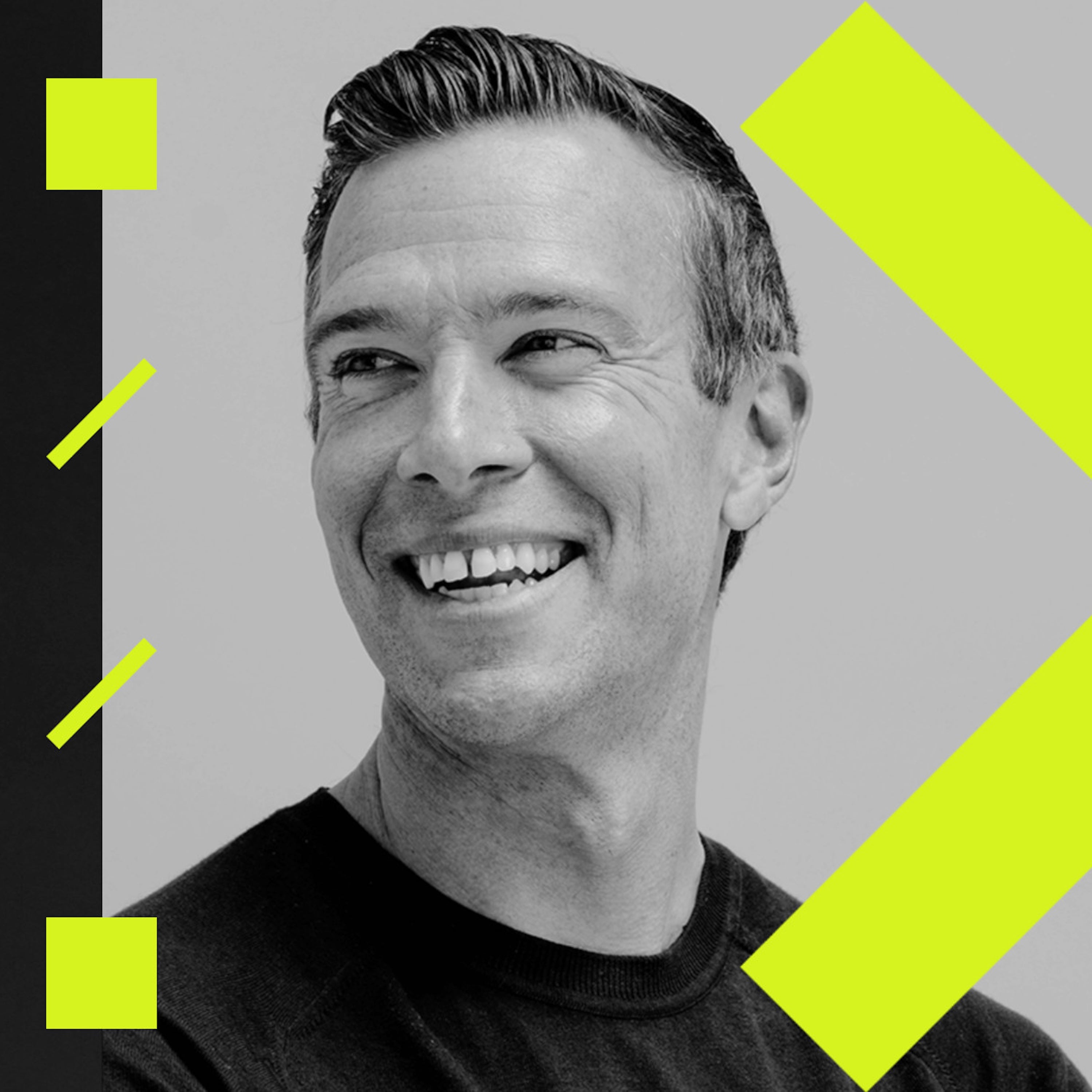
 Decoder with Nilay Patel
9 Jun 2025 · 1h 8m · 22 chapters

Decoder interviews TaskRabbit CEO Anya Smith about how TaskRabbit works as an end-to-end marketplace for home services, how supply/demand are changing amid economic uncertainty, and how AI agents may reshape booking interfaces. They also discuss TaskRabbit’s IKEA ownership and how it integrates IKEA assembly/delivery.
Anya Smith is CEO of TaskRabbit (nearly 5 years in role). She previously worked at Uber (courier operations/supply onboarding) and Airbnb (supply-side focus).
Written by AI. May contain mistakes.
Anya Smith discusses TaskRabbit's role in the gig economy and its marketplace.
“Anya Smith, you are the CEO of TaskRabbit.”
Anya explains how TaskRabbit connects individuals with home service providers.
“We've gone from a desktop paradigm to a mobile paradigm.”
Discussion on earnings and opportunities for TaskRabbit workers.
“We're here to make sure that we're providing a meaningful income to folks who need meaningful income.”
Anya shares insights on TaskRabbit's market dynamics and growth across regions.
“Because I know a lot of people in the industry who have A-B installation companies, for example.”
Exploration of task demand differences in urban and suburban areas.
“What we think about is if you want to be working as much as possible in a week, what are your weekly targets for earning and how can we help you reach those weekly targets?”
Anya discusses the correlation between economic health and tasker supply.
“And so, you know, when we moved to the suburbs, my husband also was very keen to buy tools and start doing work around the house.”
Exploring how the overall economy influences the supply of TaskRabbit workers.
“One of the things that is interesting to me just about the broader economy is you're describing people who want to fill their time with work, right?”
Discussing the challenges of matching taskers to specific jobs and the data used to optimize this.
“And we still have a lot of work to do there.”
Discussing how taskers set their rates and the implications of market competition on pricing.
“rates and they have all kinds of pricing tools.”
Learn about Taskrabbit's unique revenue model that focuses on client fees rather than charging taskers.
“And also, if they set a rate of$100 an hour, they get to take home$100, which is very different than sort of some of the other platforms.”
Discover how IKEA's ownership of Taskrabbit shapes its operations and strategies.
“I've never been the CEO of a public company.”
Understand how Taskrabbit customizes its services to meet local needs across various countries.
“By the way, one of my dream stories is that we go to a conference of, like, flat pack furniture designers, and the IKEA people come in dressed all in black, and everyone's like, it's the IKEA designers.”
Learn how different markets require tailored marketing strategies and the challenges of global operations.
“that allows customers who do work on their house to get some tax benefit, which is a great thing.”
Discover the importance of culture versus structure in organizational effectiveness and decision-making.
“Do you think that TaskRabbit has just like one core business or do you have multiple lines of business that you're trying to operate?”
Hear Anya Smith's experiences with TaskRabbit and her approach to ensuring tasker satisfaction.
“You think you know a browser, but Gemini and Chrome, that's new.”
Understand the challenges and opportunities of integrating AI into service platforms like TaskRabbit.
“And sometimes I may not care to choose who the tasker is.”
Learn how TaskRabbit differentiates itself from competitors like Thumbtack.
“And I don't see other companies being able to do that.”
Discuss the potential impact of automation on TaskRabbit's business model and home services.
“Like, especially if you're charging the customer, you might just pick the service to lower toll.”
Understand the challenges robotics face in completing complex home tasks.
“Do you think it's different because you are not a lead gen model?”
Explore how automation may optimize TaskRabbit's matching process and operations.
“It's quite remarkable, actually, to watch it.”
Delve into TaskRabbit's exploration of partnerships with AI companies and their potential.
“But from a software platform perspective, 100 percent from an actual what happens in someone's home, I really don't see a robot mowing your lawn just yet, but it will happen.”
Learn about upcoming innovations and improvements in TaskRabbit's services.
“That's the only non-answer you've given so far, and I appreciate it.”

Get the gist, explore an idea or ask about something said.
 Claude
On Decoder with Nilay Patel, what are the key points of this episode?
Searching your listeningAutomatic transcript. May contain errors.
0:00Growing teams need a corporate card built for more. Something that doesn't sacrifice speed for control. Introducing the American Express Corporate Cashback Card. Get 1.5 % cashback on eligible business purchases, advanced spending controls, and real-time visibility, plus intelligent expense management. Get started at go.amex slash amxcorporate. Terms and cap apply.
0:29Your heart can tell you a lot about your health. Apple Watch Series 12 measures your heart rate every five seconds with the most accurate heart rate sensing in a wearable. So your vitals app, now with heart rate variability, can tell you when something is off. And your readiness score can let you know when to rest and when to push. Hear the story in every heartbeat with Apple Watch Series 12. The features described are for wellness purposes only and not for medical use. iPhone 11 or later required. based on Apple-conducted study of heart rate accuracy, August 2026. Visit apple.com slash applewatch series 12.
0:59Support for the show comes from Injun. Running a small business means every dollar has to work hard. But if your team is still booking travel the old way, it's costing you more than you think. Injun is the fastest growing travel and spend platform in the country, built specifically for businesses like yours. Book a trip in as little as two and a half minutes. Earn up to 10 % back on hotels. And in 2025, Engine customers save more than$300 million on travel with zero booking fees, no contracts, and no BS. More than 1 ,000 businesses join Engine every month. Join them and get$500 when your business signs up and starts traveling at engine.com slash Vox.
1:45Hello and welcome to Decoder. I'm Neil I. Patel, Editor-in-Chief of The Verge, and Decoder is my show about big ideas and other problems. Today, I'm talking with TaskRabbit CEO Anya Smith. TaskRabbit is one of the original gig worker platforms, really focused on work you might need done in your home. The company has been around for nearly 20 years, and you might be surprised to know that the core product has not really changed all that much over time. Taskers can sign up to offer services like assembling furniture, mounting TVs, and helping people move, and they get to set their own prices for that work, which makes TaskRabbit more of a marketplace than something like Uber.
2:20And as you'll hear Anya say, the difference between TaskRabbit and something like Thumbtack or Angie's List is that TaskRabbit manages the entire interaction from end to end. It's not just a directory, but also where people can leave reviews, get customer service, and manage all of their payments. Anya describes all of this as matching supply and demand. And we talked a lot about where the supply of labor comes from for TaskRabbit, and what it might mean that there are more taskers on the platform than ever, right now. To me, that feels like a little bit of a recession indicator. that's a lot of people looking for additional income.
2:51But Anya had a more measured view and pointed out that there are some taskers earning very comfortable livings on the platform. TaskRabbit was also notably acquired by IKEA several years ago. And the Swedish furniture giant has a lot of interest in how the platform grows and what kinds of services it can integrate into the experience of being an IKEA customer. Assembling IKEA is a core TaskRabbit service, after all. And I wanted to know if there was any pressure to specialize that service or prioritize IKEA's work over other companies. That's some real decoder stuff. and you can tell that Anya is a listener of our show.
3:21That means Anya was ready for the heart of this conversation and what's emerged as a real theme on Dakota recently. What's going to happen when the next wave of user interfaces hits, particularly the next wave of AI assistants that promise to be able to go and book services like TaskRabbit and DoorDash and Uber for you? Google actually gave a demo of one of its agent projects going through TaskRabbit's website a couple weeks ago. And I'm very curious about how all of these service providers are thinking about having those kinds of agentic tools step in between them and their customers. After all, if you're just asking a voice assistant to help you get someone to hang up a TV, you're probably not using the TaskRabbit website yourself.
3:59That's a big change, and Ani and I talked about it for a while. You'll hear her say that TaskRabbit's end-to-end focus is the differentiator here, and that other platforms will find it quite hard to compete with that. That's a different answer than we got from Uber CEO Dara Koshashawi, and a different answer than we got from Airbnb CEO Brian Chesky. It's very clear to me that we're in for a bunch of different kinds of negotiations as people adopt new kinds of user interfaces that can do more and more for them. This one's pretty deep. I think you're going to find it fascinating. One quick note before we start.
4:27Decoder is planning for the future, and we want to hear from you to figure out how we can make the show better. You can visit voxmedia.com slash survey to give us your feedback. We'd really appreciate it. Okay, TaskRabbit CEO Anya Smith. Here we go.
4:53Anya Smith, you are the CEO of TaskRabbit. Welcome to Decoder. Thank you for having me. Excited to be here. Yeah, I'm very excited to talk to you. It feels like there's a lot of change coming to sort of the service economy as expressed on our phones. There's a lot of change in the economy in general that is interesting to talk about. Let's start at the very beginning. TaskRabbit's been around for a while. Well, you've been the CEO for about five years, something like that? Coming up on five years. How would you describe TaskRabbit today? How should people think about this? It's pretty similar to what it has been.
5:22At the end of the day, we connect people who need help around the home with a vast network of highly skilled and reliable taskers who can help you with cleaning or mounting your TV or assembling your furniture or just a range of tasks around the home. And I think we do that pretty well. TaskRite was founded in 2008. Many things have happened since then. We've gone from a desktop paradigm to a mobile paradigm. Competitors have shown up. There's Fiverr, which I always think of where you go to get like a cheap logo. Do you think of TaskRabbit as like that expansive into digital services? You're describing hanging TVs.
6:02Is it more of a physical services platform? Today it is. And that's really our focus. And it really is our vision to become the number one marketplace for home services specifically. And so there's a lot of things to get done around the home. It's everything from putting mulch and cleaning your gutters to, you know, mowing your lawn. And then obviously inside the home, there's so much. There's a lot to do also when there are moments that happen in your life. So when you think about starting a new family or when you think about moving, moving is a perfect example. You have to clean your old place, clean the new place, packing, unpacking actual moving services, mounting TVs, assembling.
6:43So there's a lot of use cases where these services are still very much so needed. One thing that's interesting about that market in particular is there's no shortage of gardening companies or moving companies or, you know, people who will show up on Craigslist and hang your TV for you. AV installation companies at the high end. Is that who you want on the platform, the companies who are doing customer discovery, or do you want individuals? Today, we definitely focus on individuals. So in the U.S. today, we're almost getting to a point where half of the workers in the U.S. are actually gig economy workers.
7:22And that means many things, right? Not all of them are doing furniture assembly. But many are using these platforms to find additional work, to have the flexibility, to transition between different stages of life. And so that's what we focus on. And those are the people that we want to help. We're here to make sure that we're providing a meaningful income to folks who need meaningful income. And there's a lot of people who may be between jobs or students who have time on weekends or during the summers. And there's a lot of opportunity to make a pretty good living on TaskRabbit. an average hourly pay is close to$50 an hour.
8:07And obviously in some markets, it's well over 50. And so there's a lot of great opportunities to make a meaningful income for yourself and your family. When you say meaningful income, there's$50 an hour. That's not a full-time work week at$50 an hour, right? That's piece work. How much are people making on the high end on TaskRabbit? I mean, we have people making well over$200 ,000 a year. There is a tasker I spoke with. It's been a couple of years now. He was a student at NYU. And as he was moving or his roommate was one of his friends was moving and using TaskRabbit. He had never heard of TaskRabbit.
8:45So he looked it up. This was, you know, 2022, 23 and said, hey, maybe I can do this while I look for a job and really got smart and figured out how to mount TVs fairly quickly just by learning it on YouTube and really optimize his job. So he could mount three TVs in an hour sometimes in Manhattan. He was at NYU. And so for his first year after graduation, this is all he did. And he made well over$200 ,000 a year. Is that sustainable? Because I know a lot of people in the industry who have A-B installation companies, for example. And they go from that to I'm going to design you a home theater system.
9:28And then I'm going to sell you the components of that at some high margin. And that's how you build your business. but I'm going to install a lot of TVs every single day for the rest of my life. Is that totally sustainable on TaskRabbit? No, but how many people have the same job for the rest of their lives? We have taskers who've been here for five, six, ten years, which is great. And sometimes they leave and they come back and they leave again, and it just really depends on what's going on in their lives. But we want to make sure that we provide the opportunity that if people do want to come and earn an income, We're here to help them do that.
10:03And so for us, that means getting as many jobs as possible so that we can make sure that our taskers have the jobs that they can do. So 200 is the high end. That's obviously it's a great shiny number. What's the median? I don't know that I know the median. I think it really depends on the market. There's obviously liquidity and density questions and so on. And it really depends on the category that you're trying to get to. And many of our taskers are not working what you would consider full time. They are doing this as a stop measure in between gigs, or maybe they just want to do it in the evenings and so forth.
10:40And so we don't really track the median earnings because everyone has such a specific and different use case. What we think about is if you want to be working as much as possible in a week, what are your weekly targets for earning and how can we help you reach those weekly targets? And we find that that's what taskers really resonate with. What are the markets that are the biggest for you? I mean, New York City by far is our biggest market and it has been, I think, probably since we launched it there. But we have a lot of growth in our secondary and tertiary markets. Also, we're now in eight countries.
11:18So London has become a huge market for us, which is really exciting to You see Toronto is a big market as well. Obviously, the Bay Area still is our home. And so we have a really great brand equity in the Bay Area, of course. L.A. is a big market. So as you kind of understand, we're now in hundreds and hundreds of cities across the globe. So it's fun sometimes we get into competitions to see which city can grow faster. But they all have different trajectories. Is it mostly cities where the action is? Yes. Today, yes. But we also, as you know, we're owned by IKEA. And so we also definitely think a lot about how we can support the IKEA business and support IKEA customers who want their furniture to be assembled and want them delivered.
12:12So in the U.S., we also do delivery for IKEA. And so we make sure that we can cover all IKEA stores. And as you know, some of them, most of them are not located in urban city centers. And in Europe, they're much bigger. So when you think about a market like Germany, it has, you know, 50, 60 stores, which is the same as a number of stores in the U.S. But U.S. is like, you know, triple or quadruple the size of Germany. So it's much more densely populated. And we want to make sure that we cover all the IKEA markets. I want to come to the IKEA relationship because I think that is super interesting.
12:47It's been several years now, and I'm very curious how that has developed. But just to stay focused on the cities for one second, I always – I mean, I lived in New York City for a long time. Now I live in the suburbs. I moved to the suburbs. I just started buying more and more tools. It's just a thing that happens when you move to the suburbs. And it feels like people just – I didn't have the space to have a bunch of tools and capabilities in my apartment in New York City. Is that why there's the bigger markets in the cities, that people just don't have the stuff or the skills? I think it has to do a lot with market density and liquidity, right?
13:21You want to be able to be closer to the jobs. But I would say the suburbs are our fastest growing markets overall, if you look at cities versus suburbs, because there was just a lot of opportunity. And so, you know, when we moved to the suburbs, my husband also was very keen to buy tools and start doing work around the house. And that didn't turn out very well for us. Maybe it turns out well for others. But, you know, in the end, we still have taskers here quite often because there's just a lot of work to do. You have more square footage. And kind of by definition, every single additional square foot will require more work.
13:58And so we see a lot of potential in the suburbs as well. One of the things that is interesting to me just about the broader economy is you're describing people who want to fill their time with work, right? They want to make more money. They see the opportunity. That liquidity in the market, that supply of effort, that sort of requires the time, right? Like people's time isn't being filled with their full-time jobs or their between jobs or they might be out of a job. Do you see a correlation between the health of the overall economy and the amount of supply of taskers that you have? We do. So for the last, I want to say almost three years, we've definitely seen more supply than almost we can handle on a platform.
14:39So now in many cities, we have wait lists and so forth because we don't want to onboard a tasker and then not be able to provide them with jobs. It's sort of a false premise. I want to make sure that if you're on our platform, there's work for you to do. And so as the economy has changed over the last few years, and especially over the last couple of years, as we've seen a bit more struggle, we've had thousands and thousands of taskers applying every year. It's 15, 20 percent more than the year before. Does that feel like a recession indicator to you? You know, I'm not an economist and I read all of the stuff just like you do.
15:17And if you do read that stuff, you know, we should have had a recession last year and one the year before as well. And those predictions turned out to be wrong. And so I think the word is uncertainty. We just don't know. Because at least the last two years, we kind of understood what was going on a little bit more, I would say. There's just a lot of uncertainty overall. And so it's very hard to predict what's going to happen with tariffs, what's going to happen with bond yields, what's going to happen with interest rates, what's going to happen with the housing market. And so all I can say is we see an increase in TaskRabbit applications.
15:56I'm not sure that that's an indication that a recession is coming. Do you see an increase in the number of people who are buying services from TaskRabbit? Because that's the other side of the equation, right? Is demand also going up? Of course. So demand is going up, and that's great to see. Now, there's a bit of a caveat, and it's not just TaskRabbit. There are, as you mentioned, multiple players. And for all of us, demand is going up. we're still such small portion of the overall market and the overall possibilities. So most people still assemble their own furniture. They put up their own TVs.
16:32They clean their own houses. And so there is, even though we see a lot of growth, there's still just so much opportunity to continue to see that growth. It still feels 10, 15 years in that the market is quite nascent. And services is hard to figure out. There's a lot to think about, especially when it comes to how do we match the perfect tasker to the client. You know, and I talk a lot about mounting. So we have thousands of taskers who can mount your TV, which is great. But can they be available on a Friday evening and mounted on a brick wall and know how to hide the cables? That's a different skill than mounting a smaller TV on a normal size wall or a normal wall.
17:17And so there's just a lot of variables that go into an actual perfect job. And we still have a lot of work to do there. And so there's still a lot of growth opportunity. I love that we're talking about mounting TVs so much because, one, that's totally my wheelhouse. And, two, the Verge audience knows that I love talking about mounting TVs. This is great. We're just like in the strike zone for me. How do you get that data? How do you evaluate who is good at the harder TV mount above a fireplace versus just on a regular piece of drywall? There's many ways. So, first of all, the tasker, obviously, we now have AI models and tools that help us do this even faster.
17:57But the taskers themselves tell us what capabilities they have. And we ask pretty structured questions, and they can actually explain. But then the bigger piece of data obviously comes from their experience on the platform and having done previously similar tasks. So if they tell us that they hung up this type of TV, we obviously can use that data to then match them to exactly that kind of job again. And of course, the clients provide reviews. And so we can search automatically just by words. And obviously, there's just structured data and understanding their skill set. And so we take that all into consideration as we build out a more optimal match.
18:41There's a relationship there between what customers are saying and the reviews are leaving and whether or not they're validating the skills and the rates that taskers can charge. Do you find that that's a correlation that you can measure? Taskers do set their own rates on TaskRabbit, which makes us very different than many of the platforms that you see in the market. And it's really why so many taskers actually love coming to TaskRabbit. We haven't seen that level of sophistication, if I had to summarize, that they fully recognize exactly how to set their rates. So we provide a lot of guidance to them.
19:16And we take into the consideration of the guidance based on where you're based, based on what types of tasks you perform, based on your previous reviews. This is based on what the market is doing. this is what we could potentially suggest. They don't take our suggestions all the time, which is fine. They get to set their own rate. Yeah, I guess to bring it back to TV mounting, again, my favorite topic, you could pay the lower amount of money for someone with less reviews or more risk, right? That they might not know what they're doing, or you might pay more money for someone who clearly appears to know what they're doing.
19:51And that feels like a pricing strategy that should exist on the platform. And it's because whenever we talk about the gig economy, I get workers emailing us saying, well, I just want to know how to make more money. And it feels like on TaskRabbit, the best way to do it is to just charge more because they can set the rates. Of course, they can set the rates. But if they charge too much, obviously, the market is not going to reward them in a way they could potentially want. So you can definitely set your rates higher than what the market is willing to bear. And if you're in a market where there's thousands of other taskers, the way that's going to manifest itself on a platform is you may essentially get less jobs if you're overpricing and pricing much higher than what clients are willing to pay.
20:41Do you see that rates over time are going up? Yes. For an individual tasker or an aggregate? An aggregate rates are going up. They definitely have ebbed and flowed. So obviously, and then it also matters a lot on the market. So in certain markets, they're obviously much higher than in other markets. And as we sort of see trends with inflation and as we see sort of externally what's going on, the rates tend to follow because obviously even supplies are becoming more expensive for taskers. And then they, their lives are becoming more expensive for them. So they need to charge more as well. So we do see an aggregate rates moving up.
21:23Do you know the categories rates have gone the highest? It really depends. Moving is one of our highest categories in terms of rates just because it's a more complex product. And so you have to, obviously, it can take hours to help someone move. And so I see that that's in a total job number. That's obviously one of the higher ones. If you look at per hour numbers, it really varies by market. There isn't sort of a single trend. And then in aggregate, the rates across the platform are going up as well. Yes. And if you're an individual tasker and I'm there for five years, is it generally true that I can just charge more over time because I have more reviews and more data to back up that I know I'm doing?
22:13I don't think that that's generally true because if you have a lot more supply in that market, you're competing all the time. So you can't just assume that you're just going to be able to raise your rates over time. I mean, generally speaking, people start up. It's a little bit similar to, I would say, Airbnb. When you're a brand new host, you come in and you have no reviews, you have no ratings. You want people to stay in your home and you want to do a good job. So you may price a little bit lower just to just to make sure that you show up on search results and just to make sure that people book your place.
22:48And then as you gain more experience, as you understand what your guests want and as you are able to provide those things for them and you continue to get really great reviews and really great feedback, you're able to raise the prices, but only to a limit as there's more and more Airbnbs that may be showing up in that market. So there's many components that help you figure out how to price. And Airbnb, just like TaskRabbit, also helps host to figure out what the right pricing sort of schematic could be. But it's definitely not just a science. We have to take a quick break. We'll be right back.
23:54We'll be right back. No fees, nothing down. Pass it on. Hey, Mickey, pass it on. iPhone 18 Pro has the most advanced iPhone camera ever. Pass it on. At T-Mobile, you can get iPhone 18 Pro for nothing up front. Pass it on. At T-Mobile, get$1 ,000 off the amazing iPhone 18 Pro with no trade in needed. With 36 monthly bill credits when you switch to T-Mobile on a qualifying plan. If you cancel entire account before receiving all bill credits, credit stop and balance on a required finance agreement is due. Example,$1 ,199.99 iPhone 18 Pro 256 gigabytes. Bill credits in if you pay off device early.
24:28Qualifying credit, new line, port in, and service. $85 more per month with AutoPay Plus taxes and fees required. $35 device connection charged due at sale. Visit T-Mobile.com. Support for the show comes from Injun. Running a small business means every dollar has to work hard. But if your team is still booking travel the old way, it's costing you more than you think. Injun is the fastest growing travel and spend platform in the country, built specifically for businesses like yours. Book a trip in as little as two and a half minutes. Earn up to 10 % back on hotels. And in 2025, Engine customers save more than$300 million on travel with zero booking fees, no contracts, and no BS.
25:07More than 1 ,000 businesses join Engine every month. Join them and get$500 when your business signs up and starts traveling at engine.com slash box. In the world of expense management, SAP Concur is here to help. From cost control slipping to travel chaos, SAP Concur has an integrated travel and expense solution to help you overcome problems like overburdened teams, decisions looming. When travel, expense, and AP are connected with a single AI-supported solution, SAP Concur keeps you ahead of problems. Visit concur.com to learn more.
26:18directly. The reason I'm asking this, Airbnb is a perfect example because they do let people set rates and they have all kinds of pricing tools. The other end is Uber, which doesn't let anyone set a price. And so if you're the best Uber driver or the worst, it kind of doesn't matter. Uber is just pricing for you. And that dynamic has led to a lot of frustration over there. It seems like the challenge in your case is that if you get good enough and you're famous enough and you've had enough customers, you might leave the platform, right? Because you can just maybe do more effective marketing and take a higher margin.
26:50How do you make sure you don't have that graduation problem? I mean, you could, but it's not just about marketing. But of course, that's one of the biggest services that we provide. It's also about scheduling. It's also about providing some level of protection. So if things go wrong, we're there to help and having consistent work. And so, yes, you can leave the platform and try to do this on your own. We hope that we provide such great service to our taskers that it's harder for them to manage it outside of the platform, right? So if you're working on multiple platforms or you're doing it on your own, you're managing your own Google Calendar, for example, it's really hard to sync them all and to try to think about how to manage the time appropriately.
27:31We can help and do that for you. We can help and figure out and make sure that the tasks that we are providing are the ones that are most matched to your skill set because we understand your history and we understand what the client wants. We can help and make sure that the tasks that are visible to you are the ones that are closer to your home. So there's a lot of additional services that we provide and benefits to the taskers where they want to stay on a platform because it is easier for them. And also, if they set a rate of$100 an hour, they get to take home$100, which is very different than sort of some of the other platforms.
28:10Walk me through that. What's the revenue model for you? How do you make your money? We make our money just like many platforms do, where we have to charge either one or both sides of the marketplace for the services that we provide. I just explained some of the services for taskers. We also obviously provide a lot of services to the clients. And the way things work on our platform is as a client, when you book a job, you pay an additional service fee to TaskRabbit for everything from insurance and fraud to just being able to find the tasker and so on. And sorry, and I wouldn't say insurance. I should take that back.
28:50It's not insurance. It's quality assurance is more what I would call it. Right. You're saying these people have invented – they actually know how to hang the TV. is - Exactly. Assurance is the right word. There's a lot of temptation in every marketplace like this to charge both sides. Why not charge the taskers? You know, we haven't found that that's, to be fair, we haven't tried this, we haven't experimented with this for the last few years, at least since I've been here. I believe that previously this has been tested. I think that the taskers themselves are keen to provide the best service that they can.
29:29And we want to make sure that we are a supply-based marketplace, right? I think, as you well know, this thing doesn't work without supply here. And you kind of have to start with supply. And so for me and for TaskRabbit, it's really important that we have the best quality supply. And we don't need to be charging the taskers. We're not a lead gen model. We are instead making sure that the entire job gets booked from the very beginning. And we're there sort of holding, you know, together with a client and a tasker all the way through to payment and so forth, as opposed to just giving a client few names and say, go try them out.
30:10And so we believe that the service that we're providing is ensuring that that job happens and it's high quality. And for that, we primarily charge the client. You've made a distinction here between platforms you call lead gen platforms, where they charge for demand, right? You're a plumber. You want to get some customers. You would charge some service to get you some customers. Describe what you mean by lead gen and describe how TaskRabbit is different. I'll just talk about what TaskRabbit does and then perhaps compare it a little bit to what other platforms do. But TaskRabbit allows you to book a tasker on a platform.
30:45And then we, I guess one word to think about is maybe shepherd the way this process all the way through. So we make sure that the tasker shows up. We make sure that the task actually gets done. We make sure that there's recollect payment from you, the client. We then distribute that payment to the tasker. And then we make sure that, you know, you can write the review for the tasker and so on. And then there's just a whole slew of things that happens, including the fact that if something goes wrong, you can pick up the phone call or you can send us a message and say, hey, the tasker's late or hey, like the tasker canceled.
31:20What should I do next? And so on. And that's different than just getting a name of, you know, three or four potential providers. And now you as a client have to go and call each of them and start negotiating on a price or the time. And then, you know, the person comes and does whatever task. But if something goes wrong, it's really just between you and that provider. Versus for us, we're there all the way through until the job closes. When you say we're not a lead gen model, that feels really important, right? That's a principle that you need to hold on to. Because, again, every other company that's similarly situated does sort of charge both sides.
32:00Substack, they take 10 % of everyone's earnings just to send emails. And they would tell you they do a lot more than just send emails. But they have a graduation problem, right? People leave the platform because you can get cheaper email distribution elsewhere. And Substack has to build new services in order to justify their 10 % for their highest volume writers. Does that pressure just not exist? Or does that pressure exist and you keep it away? Of course it exists, right? So taskers definitely need the platform. And clients leave the platform. No, I'm sorry. I meant the pressure to charge both sides of the marketplace.
32:31Oh, no, because again, I really feel that we don't need to charge the taskers to make the money that we make. We provide enough services to both sides, but the client is willing to bear that cost. And that has worked for us. You know, it doesn't mean that it's always going to work and that our models are always going to be the same. And the way we match is always going to be the same. We're constantly experimenting. So many of the components that we're talking about, we are obviously looking at other ways because we have to continue evolving. But right now, this works for us. And so today, we don't see changing the model where we would charge taskers.
33:15I think that brings me to IKEA. So IKEA bought TaskRabbit in 2017. It's a complicated transaction, but the upshot is IKEA now owns TaskRabbit. But do you think that it's that ownership that protects you from the pressure to increase revenue by charging both sides of the marketplace? Because I feel like if you were a public company, you might feel that pressure much more keenly. It may be. I don't know. I've never been the CEO of a public company. But I can tell you that we have pretty big goals and pretty high pressure from IKEA as well. Obviously, there is a component of stability that comes with having IKEA as a parent.
33:49And there are both sort of good and bad things about this. The good thing is I'm not a public company nor VC funded, and I don't have to sort of worry how things are going to evolve financially in the same way. But also that can make you a little bit more complacent. And so we're trying very hard to ensure that we have very ambitious goals and very big vision so that the teams are working really hard to continue to grow. And there's many ways that we can drive the business forward, that we can actually build growth capabilities. Charging taskers is not one of them, but there are many other ways that we think we have a lot of opportunity in terms of growth.
34:30Let me ask you the big decoder question here. I guess it's expressed in two ways. First, how is TaskRabbit structured inside of IKEA? How does that work? Well, inside of IKEA, we operate very independently. So I report to a board, and the board is made up of IKEA executives and external board members. You know, we have three board meetings a year because IKEA works in tertials, not quarters. That's very IKEA, that they've made up their own complicated Swedish word. It's perfect, yeah. Yeah, so IKEA. But it works for me. So we meet three times a year, and, you know, we set targets together, and that's it.
35:08Now, I do work very closely with IKEA in a different way, more in a business sense where there is a lot of opportunity for us to ensure that IKEA customers have access to TaskRabbit. And, you know, in some sense, TaskRabbit customers have access to IKEA. But IKEA has millions of people visiting their apps and their sites and, of course, their big stores. And we want to make sure that we have access to those customers in the best way possible. So we've done some great things there. We just recently in the U.S., but we had done so elsewhere before, made it so that it's much more seamless for our customers or for IKEA customers to purchase, let's say, a desk at IKEA and assembly all at the same time and pay for a checkout at IKEA versus having to go separately on a TaskRabbit app and then try to put in the very fun article name of IKEA furniture names and then try to figure out how to get it assembled.
36:06So that's a great example of how the two companies can really leverage their capabilities. I mean, at the end of the day, IKEA purchased TaskRabbit under a premise that there are some IKEA customers who, or potential IKEA customers, who don't want to be an IKEA customer because they feel overwhelmed by the idea of putting together furniture. And so we want to be there to help to solve that problem. And I think we've done a very good job there. Let me connect that to the supply conversation we were just having. I've put together a lot of IKEA furniture in my day. I feel like I'm pretty good at it.
36:44That's a relatively specialized skill, right? Like reading an IKEA instruction manual, it's like learning another language in many ways. I think it depends who you ask. Some people are really good at this. By the way, one of my dream stories is that we go to a conference of, like, flat pack furniture designers, and the IKEA people come in dressed all in black, and everyone's like, it's the IKEA designers. Because it's obviously the easiest to put together, but it's like a whole ecosystem. It's like a whole thing. But I can tell you, watching our taskers put together IKEA furniture, I mean, it is impressive.
37:22Many of them have done, and they know the furniture, right? So they know this and they can do this so well inside and out. They just do it at speeds that you may be good, but like you're never going to be a tasker, an IKEA tasker who is doing this day in and day out. And that's kind of what I'm getting at. It's a specialized skill. And I would actually say putting together IKEA furniture is different than putting together the furniture you would buy at Target or Walmart. Like they're different companies with different styles. The way that things fit together are literally different. Again, my dream story is that we find rival flat pack design gangs and put them head to head.
37:59I don't know if that's how it works. It's just how it works in my brain. That's a specialized supply, right? Do you keep that pool aside and say these are the people who are best at assembling IKEA kitchens and we're going to make sure they're available to IKEA? They get to choose. So I would say majority of the taskers who assemble IKEA furniture are also really good at assembling furniture for Wayfair and Target and other places. They want to assemble furniture. The way it works on our platform is there's an IKEA assembly furniture category because, like you said, it's specialized. But then there's just furniture assembly where it could be a piece from anywhere.
38:38And those taskers definitely cross. Many of them are also handymen, so they will do minor home repairs, like if your doorknob is loose or other things as well. They have great skills. Some of them want to just focus on IKEA furniture only, but I would say that that's minority. I would say many of them cross into multiple categories. And then because IKEA is a parent, do you reserve supply for them, or is that just not a problem? It's just not a problem. We have in all the countries that we serve. And of course, I alluded to this earlier on the call, but IKEA is much bigger in Europe. And so we have a lot of taskers.
39:22A larger portion of our taskers know how to assemble IKEA furniture in Europe than in the U.S. And so because we get a lot more IKEA jobs in Europe, just the IKEA business is much stronger overall. And so, no, we don't keep them separate. We let them, they can choose whatever category. We do not have any challenges with finding supply, though, even in Europe. You mentioned that IKEA has its own pressures on you and its own goals for TaskRabbit. What are those goals? The goals are always about growth, right? How do we continue to grow faster and how do we continue to evolve where we're solving the right problems for the customer overall?
40:01And, of course, IKEA customer as well. So, you know, just recently we acquired a delivery company here in the U.S. that does delivery of big and bulky things so that we can help IKEA deliver furniture to your home. They want to make sure that we are able to expand to other countries. We're only in eight countries. IKEA is in dozens of countries. And so there's still a lot of opportunity for growth that way. There are definitely pressures, but they're similar to what I would say any other parent or any other sort of investor would have. And then TaskRabbit itself, how many people is TaskRabbit?
40:36Right now, we're nearly 500 folks. How is that structured? We are structured as many other companies. Today, we're very functionally focused with a matrix overlay. So we have GMs looking over the U.S. market and then GMs looking over the European market and each country. And then, of course, there is always a bit of tension, or I would say maybe not a bit. I would like there to be a bit. There's probably a lot of tension between some of the needs that are unique per market or per country versus having fully functional ways of thinking about the problem. So, as an example, there's different competitive pressures in different markets, and there's different ways that customers go onto platforms and book their tasks.
41:22And so there are specific needs that maybe customers in France have that are totally not applicable to the market in the U.S. And so, you know, how do we make that tradeoff? Because, of course, France is a much smaller overall portion of our business than the U.S. But you have to continue growing across the world. And so there's healthy tension across there, definitely. Put that into practice for me. What TaskRabbit makes most of all is a software product, right? Yes. When you're saying customers in France have some needs, customers in the United States don't have, what are those needs and how do they get expressed in the product?
41:58For example, in France, there is some local tax law that allows customers who do work on their house to get some tax benefit, which is a great thing. This isn't something we have in the U.S. And so we want to make sure that customers have access to that. But to do that, you have to build out a different flow and allow them to be able to submit whatever tax documents that sort of say that this is a work that they've done. And there's dozens of these types of examples across markets. You know, marketing campaigns, they're different because people are different in every market and they resonate with different types of themes and different types of creative and so on.
42:41And so how do we go broad but also have local capability? ends up causing tension across the world. And that's what makes it fun. Certainly, we don't have it figured out yet. My joke on Decoder is if you tell me the structure of your company, I can tell you 80 % of the problems. And if you tell me you're functional with a hybrid overlay, I can definitely tell you 80 % of the problems. I mean, here's the thing. I've gone a lot through that, but there is no perfect structure. If there was one, then we would all be doing that, and we wouldn't have to have this conversation. But if you have a functional structure, it creates certain sets of problems and then you can sort of fix them by going to a, you know, a GM or a business unit type of structure.
43:24Then, you know, not surprisingly, you create other sets of problems. And so to me, it is not so much about the structure. It's much more about the skills and the capabilities that people have, the sort of incentives and how are they uniquely positioned to work across boundaries and across functions and or across geographies. And that's much harder to do. And it really comes back then forward to culture and what are our values and how do we get people to really think, you know, and enroll in the same direction, whatever the strategy may be. So those are bigger problems. And I don't really think that changing the structure gets you to an answer closer.
44:05I think these type of adaptive problems that are more difficult to solve are actually more challenging. And I don't think changing structure is the answer. It's interesting. Maybe one of the hottest quiet debates on the show over the past few months is whether or not structure is a proxy for culture. You seem to be very much in the line that it's not. We've had some of the opposite answer. But it feels like the split to me is whether or not you have multiple kinds of businesses you're running or you have one core product. And once you end up in the multiple lines of business, the structure starts to reflect very different kinds of tensions and tradeoffs.
44:42Do you think that TaskRabbit has just like one core business or do you have multiple lines of business that you're trying to operate? I mean, historically, it's been one core business, but with the delivery piece, it's definitely separate. There are many different things that we need to think about. You know, we need to think about A to B, which we didn't have to think about before. We need to think about all sorts of components. that are different than our core business. Still, it's really important to us. We think it's a great opportunity that is very connected to the moving business and so on.
45:14And so we are thinking a lot about what does that mean? Do we have a separate moving business business unit? And what does that look like? I think, again, at the end of the day, it's not so much the structure. It is much more about the culture and how can we feel, you know, a sense of shared responsibility across the company and understanding what our priorities are, what is our vision, what is our strategy? Is it all aligned? Are we all able to row in the same direction? Do we have, is it very clear? Have we set the right expectations? These, again, are things that I think are more difficult to answer.
45:52The other big question I ask everybody on Decoder is about decisions. How do you make decisions? What's your framework? So I know there are many different answers here, but for me as a CEO, I really think about the decisions that I get to make are the ones that are, you know, I think there's different ways to describe them, but one way door is decisions that you've, I'm sure, heard of. But the things that are really hard to reverse, so closing down the office during COVID or opening up an office or acquiring our company, these are sort of bigger decisions. But But I really trust my team and then think a lot about how are they empowering their teams to make decisions.
46:32I spend a lot of my times with customers. I think it's really important, right? So whether it's having taskers at my house or, you know, spending a lot of time with interviewing taskers or interviewing clients, I think it's really important. But still, day to day, I'm not as close to the problem as the people who I want to have the authority or really the agency to solve those problems, right? And so they are hopefully spending much more time with the customers than even I am and understand that specific problem much better than I do and much better than my team does. So for me, it's really important to empower the team to make decisions.
47:11And then most of them are sort of you have to test and try. And the thing that we keep focusing on is making decisions quickly because really the speed is what I think gets you behind. You can constantly be looking for more data and more certainty, and most of that doesn't exist. You have to start using your gut or your instinct or whatever, however you define that, to sort of look at your past experience and you have some pattern recognition. You kind of understand how things may go, and you weigh them, and you make a call. And doing that quicker, I think, is the most important thing. We have to take another quick break.
47:49We'll be right back.
48:22We'll be right back. P. Concur keeps you ahead of problems. Visit concur.com to learn more. This episode is brought to you by Google Chrome. You think you know a browser, but Gemini and Chrome, that's new. It can help you with practically anything on the web, like restoring a vintage motorcycle from a 50-page restoration block, or finally break down that long article you've had open for weeks. Gemini and Chrome is here for it. Ready to make anything online make sense? There's no place like Chrome. Check responses set up required compatibility and availability varies 18+. Propel Fitness Water with Gatorade electrolytes, zero sugar, and vitamins.
48:59Propel hydrates better than water to help you get the most out of your workout and get back to your best self. What propels you? Propel with Gatorade electrolytes.
49:13We're back with TaskRabbit CEO Anya Smith. I just asked Anya the Decoder questions about structure and decision making. So now I wanted to dive in a little deeper into her history with the gig economy and discuss what she's actually learned from using the TaskRabbit platform as a regular customer herself.
49:30You just described being close to the customer. It's interesting, your history at Uber is you were, I think, the head of courier operations, right? That's right. You were on the supply side there working with the couriers and trying to onboard them. Yeah, and same with Airbnb. I definitely have a very soft spot for the supply side of the business. And like, frankly, this is why I'm doing gig economy. You know, I often talk about when I was younger, I my family and I emigrated from Poland. And so, you know, in the 80s, my parents were trying to find jobs with more hours and it was all hourly work and it was hard to make ends meet.
50:06And I often wish that these types of platforms existed then, because no matter what, you can hustle and you can make more money. And, yeah, I definitely have and can relate to the supply side of the business probably a lot more. How do you make sure that the taskers are happy? Because that seems like if everyone is doing this kind of work because they're not making enough money, there's sort of an inherent unhappiness there. Right? Like how do you make sure that they are happy and they're enthusiastic about doing this instead of doing it because the economy is in turmoil? I don't know that the premise that taskers are unhappy is right.
50:44I have so many times. I think the premise that supply is increasing because the economy in turmoil is kind of bearing itself out. Correct. But, you know, I'll tell you, I have taskers showing up at my house every month or week or however often. And these are people who are really striving to make an incremental income or make the main income. And they love having the opportunity to use their skills to do something to help someone else while making, you know, fairly a pretty good wage, generally speaking. And so we do, like I said, we've done a lot of things. We try to provide a lot of additional benefits for them.
51:27We try to help them and make sure that, you know, they can call us. We have a whole team that is focused just on helping taskers make money. And so this team will help you out to think about how do you price or how do you think about the categories that you're in or how can you make sure that your write-up is correct and so on. And again, we're providing a lot of AI tools for taskers to do that as well. But having that humor interaction really helps. And so if you're here on our platform and you want to make money, there's opportunity to make money. And we want to be the people who help them do that.
52:03I'm very curious about what you have taskers at your house to do every couple of weeks. Wow. I mean, it's just like how many TVs are you hanging up on you? No, so it's not TV. Well, but I have had taskers hang TVs. Okay, so, you know, and I don't tell my husband this because, again, he still pretends that he can do these things, but he really doesn't. And so he doesn't notice that it's broken, and then he doesn't notice that it's now fixed. It's just the house runs. This is okay. And so I had someone come in here the other day and mount a bunch of, in my son's room, a bunch of pictures. I have someone coming in to assemble furnitures, like these bookcases behind me.
52:44I have someone coming in to help with my lawn. There's infinite number of ways to get someone to help you in your home. What have you learned about your own platform that you've wanted to improve by using it as much as you do? So much. Make it simpler. Always make it simpler. Make it easier. And sometimes I may not care to choose who the tasker is. I just want to make sure that it's going to be a person who can do the job really well and do it as affordably as I can. So sometimes having a bit more help in choosing would be appreciated. So we're working on that. You mentioned AI several times. I've been asking basically everyone what happens when you have agents and more capable assistants built into your phones.
53:29I keep calling this the DoorDash problem, but you could call it the TaskRabbit problem or the Uber problem. The idea that I would just tell Siri I need to get a TV hung and then Siri goes off and clicks around the apps for me and brings a task grab to my house is very powerful. There's a lot of companies that are attempting to build their way towards that goal. Google just announced a bunch of stuff. Microsoft just announced a bunch of stuff. That would disintermediate you. At the end of the day, you would just become a sort of commoditized service provider to an assistant that might be collecting all the user interaction and own the customer relationship.
54:03Have you looked forward to that problem? Do you know how you want to address it? Absolutely look forward to the problem. I look at it a little bit differently. I think if those agents exist, you have to go with the customers. So obviously, we have people that come into our sites every day. But if people want to come to Ikea and book a Tasker via Ikea, we're not going to say no. And if they want to come to Target and do that, we're not going to say no. And if they want to come to Siri and do that, we're not going to say no. I think sort of it's very easy to fall behind the, but then I don't own the customer, and then I don't know what's going to happen with the customer.
54:44The customer will know that this is a tasker, or we can make sure that they know that this is a tasker. They can understand that they're working with another party, and they can come back and go directly, or they don't have to. And then there's some economic way that we can figure out a system where it works for both parties. Siri, in this case, wants to be able to provide these types of services, and they can't really do it without TaskRabbit because only TaskRabbit actually has a network of thousands of taskers. And we've cultivated that network. We know who they are. We understand their skills.
55:19They've all been background checked. Siri is not going to do that. Or, you know, Apple or whoever, they're just not going to be able to do that. We will always have the strength in supply, and we will continue to go where the customer is to make sure as many of them have access to our platform as possible. Isn't the story of the internet, though, that it's the companies and the platforms that have the strength and demand that get to set the terms? I think it's a little bit different when you look at a gig economy marketplace. I think at the end of the day, it takes a lot of work to bring together a set of taskers or a set of hosts or a set of Uber drivers.
55:57It's just really hard. And it's to acquire these folks and to make sure that they provide the quality that you want. And I don't see other companies being able to do that. And I think it's also too early. There's so many ways that we can figure out how to test this and how to make it work. The example that you provide, we're still not quite there, right? Like there's many things that it sounds great, but there are many things that are still hindering that actually to be a seamless experience. You know, there's payments and how do you there's there's logging in, there's accounts. There's all sorts of ways that this is still all of this can be resolved and it will be resolved.
56:39but that gives us a chance to test a lot of different models and understand what works best for the tasker for the client and then also in this case for the two parties involved yeah i'm with you that it hasn't been proven to work but i also go to the events and i watch amazon executives demonstrate the next version of alexa where the dishwasher is broken and it just books an appointment on thumbtack and i can see how maybe you want task rabbit in that mix but then you are just next to Thumbtack and you might, the agent might just pick the lowest price, right? Like, especially if you're charging the customer, you might just pick the service to lower toll.
57:19I mean, look, I, I, we're very different than Thumbtack because Thumbtack is a lead gen product that it's very hard to close that. Whereas we provide the experience all the way through. So at the end of the day, on the demo that you described, the client still has to go and work with whoever the provider or the end provider is, in this case, someone to fix your dishwasher. This isn't something that we have to do, right? And our product would look very differently because we are able to shepherd the entire experience through. Right, you close the loop. You actually send the tasker to the house.
57:59We close the loop. But, you know, again, we're still quite far from where that could go. But I think the possibilities are endless, and we have to go where the customer is. If everyone all of a sudden goes and, you know, talks to their phone and that's how they order things or talks to Siri or whatever, I don't know how we would choose not to be there. Do you think it's different because you are not a lead gen model? I think about Thumbtack, for example. At some point, they're just there to deliver demand to a bunch of HVAC technicians or whoever was in that demo. And maybe Siri delivers that demand and Thumbtack gets totally disintermediated.
58:42You're saying that's not your model and you're not worried about it. You're charging the customer anyway. So would you just charge a higher rate for an agent and that would just solve the problem? So I think that there are so many different economic structures that can work here. We're very early stages. And I think we don't even know. We may all think and guesstimate that this is the right structure. And then a year-end can decide, wow, this doesn't work for us, or this doesn't work for the third party, or this doesn't actually work for the clients. We're not getting enough people to actually do this.
59:13So there's a lot of trial and error here. And so it's too early to be saying this is the right model and this is the right structure. What do you think are the most promising early flashes you've seen? And the concept of having this agent to do many things for you is very interesting. And if you kind of take it forward a lot further, you know, eventually, in theory, there's just sort of like we don't even have laptops and we don't even have our Kindles or whatever it may be because we just have agents that are constantly doing things for us, maybe on other types of devices or whatever else. And so I think it's super exciting to be a part of that journey.
59:50But I think none of it has been proven out. And we're still actually, I think, pretty far away, although the technology is changing so quickly. It's quite remarkable, actually, to watch it. It's quite remarkable to be alive during this time. I mean, I go to all the demos, and I have the same reaction as you, which is, does this actually work? Like, they're very convincing demos. They are. They are. And, you know, I was just at a conference where someone was adamantly telling me that it's only three years before there's a robot hanging up a TV. Yeah, I don't believe that. I don't believe that. I just, I don't believe it.
1:00:32I've hung up a lot of TVs. This person was very adamant. But, you know, any time that I'm sort of listening to any work that is being done sort of in a physical space, you know, it's still really far. They're working on robots trying to empty the dishwasher. And that's a really complex task. Really complex when you really think about it. And there's still a lot that has to happen. One of the things that I'm thinking about a lot is where the automation comes, right? Where does it go? It's interesting, TaskRabbit doesn't seem easily automatable from the jump, as you're describing. A lot of these tasks are really, really hard in even the robotics to begin to try to solve hanging a TV or emptying a dishwasher.
1:01:19Many, many, many rounds of innovation to come to make that viable. But other similarly situated competitors you might have or peers you might have like Uber, you can see how automation will change their business, right? The cars will drive themselves. That's going to change their business in radical ways and we'll see how that goes. Do you see any automation that might change how TaskRabbit works in the near future? But from a software platform perspective, 100 percent from an actual what happens in someone's home, I really don't see a robot mowing your lawn just yet, but it will happen. We just reviewed a bunch of robotic lawnmowers that you can buy yourself and they don't work very well.
1:01:58Right. But they don't work very well. The internet didn't work very well 20, 30 years ago, whenever it started. The cell phones that we had didn't work very well. So it will evolve. I think we're still quite far. On the software side, what do you see that's going to change? I think for us at TaskRabbit, how we really optimize the match between the client and tasker is going to change. We can continue to get so much smarter. I think how clients will come to our platform will change. I think just the basic sort of how SEO and SEM works, those terms barely will apply. And that will happen much sooner than a lawnmower or, you know, a robot that can hang up your TV.
1:02:48So I think that pace of that change is it's much more accelerated. Do you think that's where the growth is going to come from? Absolutely. Absolutely. Because, you know, when you talk to one of the car companies, they think all their growth is coming from the cars driving themselves, right? Like they can see the massive margins that come from getting rid of the drivers. But you don't have that opportunity. I don't, not yet, right? And I see, I understand their point. I mean, it's pretty remarkable to take Waymos in San Francisco. And, you know, I remember when seeing these, I used to be at Walmart many, many years ago.
1:03:24And so Walmart's offices are right across the street from YouTube. When Google bought YouTube and when the whole thing, there was just a lot of Waymos or self-driving cars, they were not called Waymos then, driving around and they looked so foreign, like, and obviously they had drivers in them. And now look, so this will happen, and I understand the excitement. I just think we're further away from that in home services. Have you had any conversations with the big AI companies about being a provider to their would-be agent platforms? We are continually exploring our options. That's very good. That's the only non-answer you've given so far, and I appreciate it.
1:04:05Does IKEA have a plan to build some great IKEA agent? Because Ikea has had many, many software platforms of its own over the years. I'm not sure. So I don't want to sort of put words in our mouth. I know that AI is a critical investment for them, and I know that they're looking at it in all parts of the business. But I wouldn't be speaking for them to know exactly where they see most innovation. When I talked to Dara from Uber about what I keep calling the DoorDash problem, he said, look, at first, we're going to build it, and we'll see if it works and if it's cool. And if it works, we're going to charge high rates to make our business work.
1:04:40Or maybe we'll come to some other arrangement. But that was basically his point of view. I think that's a great answer. And so you're tracking there? You're like, let's just see if this is cool? Absolutely. But let's make sure that we're involved. But I think it is the right answer. You know, we were part of the demo with Google last week. So we're definitely more than tipping our toes into it. But the way that you're building those integrations, there's a lot of ways to do it. I went to I.O. and I watched, I think they call it Project Mariner. That's right. And we're part of that. Right. They're running Chrome on a data center and AI is literally clicking around the website.
1:05:18That's right. And you kind of can see it. I would say that's still somewhat rudimentary. I think you can do better. But again, it's just a first step. It's okay. I mean, that to me seems like, I don't even know how to describe it. That's a Rube Goldberg machine, right? Like, why are we, like, APIs exist. Like, we know how to make computers and databases talk to each other. This is fully ridiculous. Then there's, like, new age ways of doing it, right? Like MCP, where the agents have a more structured way of communicating. And it's kind of just APIs, but they're, like, cooler APIs. Like, which of those things?
1:05:52It's more seamless. Right. Which of those ways do you think is going to be the future for you? Or are you just trying them all? I think whatever's easiest for the customer is going to be the future. and so who's the customer i mean at the end of the day it's the people who are paying for these services so in our instance it's the clients who need things fixed around the home and i think whatever is easiest for them is eventually what's going to work now i i know like project mariner kind of seems odd you're kind of just watching this mouse move around um and it's kind of eerie It is. It is. But, you know, at the end of the day, I think it's just the first step.
1:06:30And I think Google is going to continue to evolve there. And so I don't want to say, like, which way, because I think eventually all of these platforms will build products that will make it much more seamless for the customer to do the things that they want to get done. And so, you know, we just want to make sure that we're involved. Ani, this is great. What's next for TaskRabbit? What should people be looking for? We have some very fun things coming up, but one of the biggest things is, you know, IKEA is a partner, and it's been a very successful partner. And so we believe that we can have other very successful partners.
1:07:07So we've just rolled out a suite of products that will allow us to speak to those partners via an API and much faster to hopefully be able to ensure that their customers can come in and use TaskRabbit services. So we're really excited about that opportunity. And then the other thing that's really big is continued evolution of how we match the client and a tasker. And so the way you may see that as a client or a tasker on our apps is just a more seamless way to know that you're getting the right person in your home to do that mounting TV task that's on a brick wall. I'm absolutely going to sign up for TaskRabbit to mount some TVs in my neighborhood.
1:07:49It feels like obviously the thing I'm doing this afternoon. If you love doing it, you should absolutely be doing it. And you live in a neighborhood where, you know, I think there's a lot of people mounting TVs. There's going to be a lot of crooked TVs here in Westminster. Thank you so much for coming to Decoder. You're going to have to come back soon. Well, thanks so much. I really enjoyed our conversation.
1:08:10I'd like to thank Anya Smith for taking the time to join Decoder. And thank you for listening. I hope you enjoyed it. If you'd like to let us know what you thought about this show or really anything else, you can drop us a line. You can email us at decoderatheverge.com. We really do read all the emails. You can also see me directly on Threads and Blue Sky. And we have a TikTok and an Instagram. They're both at Dakotarpod. A lot of fun. If you like Dakotar, please share it with your friends and subscribe over to your podcasts. Dakotar is a production of The Verge and part of the Vox Media Podcast Network.
1:08:32Our producers are Kate Cox and Nick Stat. Our editor is Ursa Wright. The Dakotar music is by Breakmaster Cylinder. We'll see you next time. Support for the show comes from Injun. Running a small business means every dollar has to work hard. But if your team is still booking travel the old way, it's costing you more than you think. Enjin is the fastest growing travel and spend platform in the country, built specifically for businesses like yours. Book a trip in as little as two and a half minutes. Earn up to 10 % back on hotels. And in 2025, Enjin customers saved more than$300 million on travel, with zero booking fees, no contracts, and no BS.
1:09:12More than 1 ,000 businesses join Enjin every month. Join them and get$500 when your business signs up and starts traveling at engine.com slash box.
1:09:45Brussels side. The season's most desirable menu has returned to Sweetgreen, featuring fall's best dressed. Make your move. Order on the Sweetgreen app. Close your eyes, exhale, feel your body relax, and let go of whatever you're carrying today. Well, I'm letting go of the worry that I wouldn't get my new contacts in time for this class. I got them delivered free from 1-800-CONTACTS. Oh my gosh, they're so fast. And breathe. Oh, sorry. I almost couldn't breathe when I saw the discount they gave me on my first order. Oh, sorry. Namaste. Visit 1-800-CONTACTS.com today to save on your first order.
1:10:231-800-CONTACTS.
Today, I’m talking with Taskrabbit CEO Ania Smith. Taskrabbit is an interesting company; it’s known best for being a platform for hiring people to put together your furniture, so much so that Ikea acquired it in 2017. But Taskrabbit is still operating as a mostly independent company all these years later, and Ania is now in charge of maneuvering a fast-changing labor market during uncertain economic times and a potentially major AI disruption to the workforce on the horizon.
Help us plan for the future of Decoder by filling out a brief survey: voxmedia.com/survey. We’d really appreciate it. Thanks!
Links:
Airbnb CEO Brian Chesky wants to build the everything app | Decoder
Uber CEO Dara Khosrowshahi is okay with reinventing the bus | Decoder
Google’s Project Mariner | Google
Uber is testing a service that lets you hire drivers for chores | Verge
Taskrabbit CEO on using empathy in leadership | Fortune
Taskrabbit takes over on-demand moving service Dolly | GeekWire
Ikea integrates Taskrabbit booking service into checkout | Retail Dive
TaskRabbit to close its offices, go entirely remote | MarketWatch
IKEA has bought TaskRabbit | TechCrunch
Taskrabbit CEO: People will still power an AI workforce | Verge
Credits:
Decoder is a production of The Verge and part of the Vox Media Podcast Network.
Our producers are Kate Cox and Nick Statt. Our editor is Ursa Wright.
The Decoder music is by Breakmaster Cylinder
Learn more about your ad choices. Visit podcastchoices.com/adchoices