Ask ChatGPT

 Dodge Woodall Network
14 Oct 2026 · 1h 20m · 36 chapters
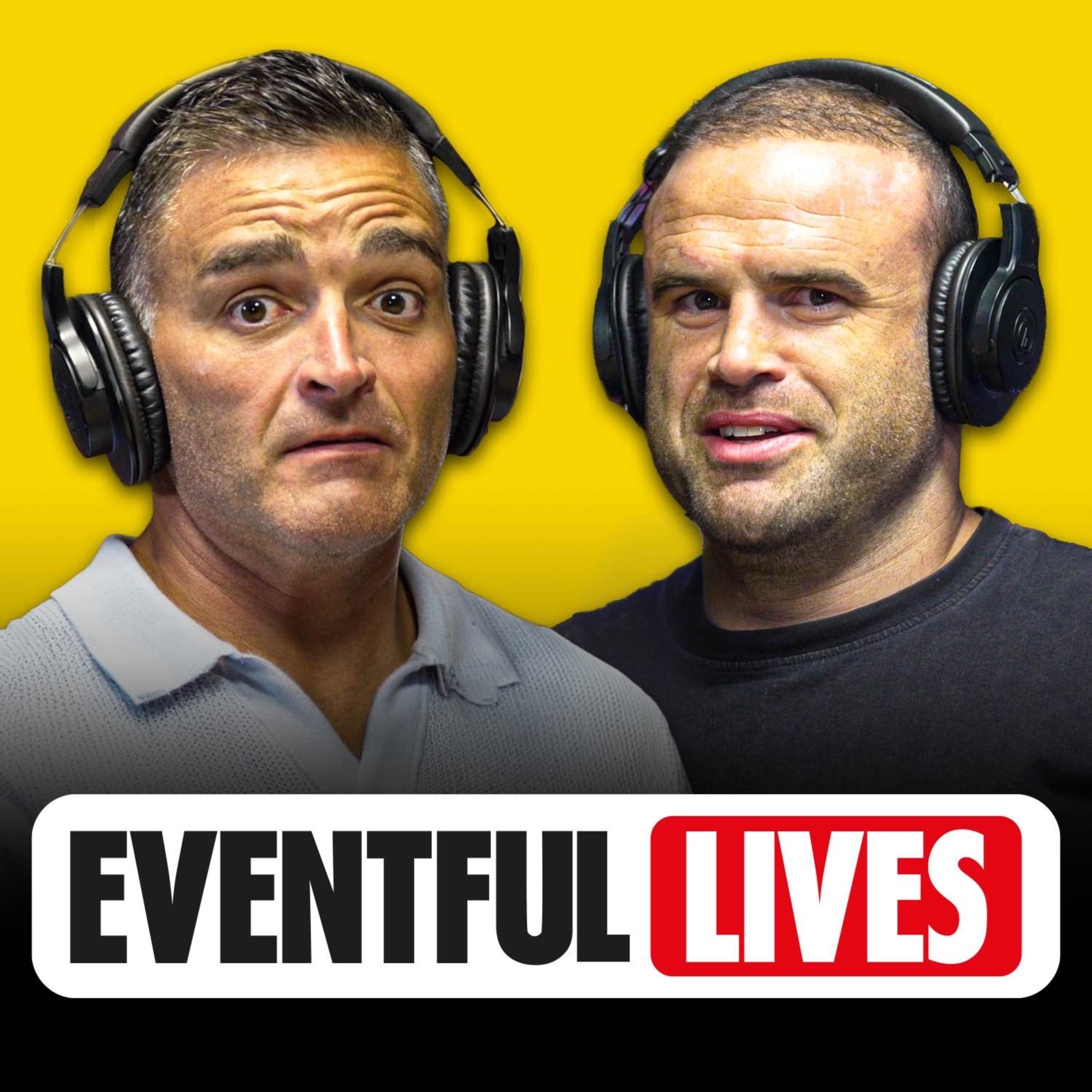
Jamie Roberts (Dr. Jamie Roberts) discusses his career-defining moments: the 2009 British & Irish Lions tour (including playing with Manic Street Preachers), the emotional highs/lows of Lions Tests, coaching influences on Wales, and the unusual parallel life of studying medicine while playing elite rugby; he also covers moving to France, his time in Paris, and later Rugby World Cup 2015.
Jamie Roberts is a former Wales and Lions rugby player (centre/inside centre), known for playing alongside Brian O’Driscoll and for winning Player of the Series on the 2009 Lions tour despite losing the series. He later became a medical doctor (medical degree completed while playing professionally) and has done TV/broadcasting and sponsorship/media work.
Small moments of discipline and restraint matter (framed by the episode’s “Grow Therapy” ad). Roberts says Warren Gatland and Sean Edwards shaped him: Gatland made hard, team-first decisions without sentiment; Edwards simplified complex game plans into “three things.” He credits his Lions experiences with boosting confidence and expanding his public profile. He says he “squeezed” medical finals into the same week as Wales-England 2013.
2009 Lions debut in Durban (crowd chanting “Lions”); brutal 2nd Test in Pretoria with multiple injuries and an ambulance to hospital; Manic Street Preachers’ James Dean Bradfield inviting him on stage after a Lions injury; Roberts’ ACL recovery and meeting Bradfield at a Cardiff cafe; studying medicine at Cardiff (8 years, intercalated degree) while training; moving to France for a ~half-million euros/year contract; being told he couldn’t live in a Paris area due to Stade Francais; Rugby World Cup 2015 motivation after the 2011 semi-final loss to France.
Written by AI. May contain mistakes.
Explore how small moments in therapy lead to significant life changes.
“Therapy's biggest impact doesn't show up in some dramatic breakthrough.”
Jamie Roberts shares memories from his early rugby career and significant tours.
“2009 in South Africa you got called up for the Lions is there a memory from that tour that stands out?”
Jamie discusses the excitement and experience of winning the Grand Slam in 2012.
“Anyway, a week or two later, I then played for Cardiff up in Glasgow in a league match.”
Jamie recounts a memorable moment meeting a band after a rugby victory.
“Fast forward a year, I'm on the Lions tour in Australia and unfortunately for me, I got injured a week out from the first test or I tore my hammy and I thought my tour was done very grateful.”
Jamie shares his experiences performing on stage with the Manic Street Preachers.
“Fast forward six years, I got to do it again in Tokyo.”
Jamie reflects on the emotional highs and lows of his Lions tour experience.
“I was driving a really shit car at the time, Rover 100 Metro on Knightsbridge, Rover 100 Knightsbridge, P583ULP.”
Jamie describes the intensity and challenges faced during the Lions series in South Africa.
“And we had a wicked night and it's mad, mate.”
Jamie Roberts shares a memorable moment from his Lions experience.
“and all these Lions fans travelling and that was just a unique moment that'll stick with me for a long time.”
Roberts discusses the brutal aftermath of losing the Lions Test Series.
“this is the peak of your career and you've lost and no one can speak.”
Roberts reflects on receiving player of the series honors after a tough series.
“I was privileged to play for the Lions four years later in Australia and be in the dressing room that won a Test Series.”
Jamie discusses the profound effect of the Lions tour on his rugby career.
“And people start stopping in the street and wherever you travel.”
Insights on the coaching philosophy and influence of Warren Gatland.
“And that's part and parcel of being a young sportsman, living the dream, right?”
Roberts shares how Sean Edwards shaped his understanding of the game.
“But I think his greatest strength was, he didn't do sentiment.”
Roberts reminisces about his journey with the Welsh team and impactful moments.
“Because he cared so much for his players, had an amazing way of delivering.”
Jamie Roberts shares his memories of watching Wales win the Grand Slam and how it motivated him as a young player.
“I think that's what sport is, you know, certainly at that level.”
Jamie discusses his journey balancing a rugby career with pursuing a medical degree, highlighting the challenges and rewards.
“and again forever grateful to all the coaches I had around me at that period.”
Jamie reveals the intense pressure of juggling rugby and medical finals, detailing a particularly challenging week of exams and a match against England.
“I can't get my head around how you're squeezing all of that and squeezing that and doing your off-the-field commercial stuff with your sponsors trying to keep them happy.”
Jamie discusses his motivations for moving to France to play rugby and the financial and personal opportunities it presented.
“down let the country down a little bit because i can't give this everything and then that that worried that I'm not going to fail my exams because I'm not giving that everything either.”
Jamie reflects on his experience adapting to the French rugby lifestyle, training culture, and the initial challenges he faced.
“What made you want to go to France and play your rugby?”
Jamie shares his experience of finding an apartment in Paris while playing rugby.
“I cracked on with my summer and I remember vividly being sat at a bar in Havar in Croatia.”
Jamie recalls living in Paris and receiving a surprising call from his agent regarding his contract.
Jamie discusses the challenge of being told he would not be retained by his team after performing well.
Jamie reflects on his experience at the Rugby World Cup and the planning of his career.
Jamie reminisces about unforgettable matches, particularly against England, during his career.
Jamie compares his experiences on the Lions tours to South Africa and Australia.
“Cape Town Cape Town Storm okay right in the mix geez so you know chance to go out there beautiful were you there for a season or half a season?”
Jamie discusses his move to Harlequins and the change in playing style from previous teams.
“But you're retired now so it's interesting it'd be nice for people to know.”
Jamie Roberts discusses his peak career years and personal life changes.
“And then after that, what options did you have after Quinns?”
Roberts shares his transition from Bath to playing in South Africa.
“And we eventually outgrew the flat and we moved back to Cardiff to live.”
Discussing the impacts of COVID-19 on professional rugby and his career.
“I mean, half the Springbok team in that Stormers side.”
Roberts recounts his last game and the emotional journey of retiring.
“She kind of wanted to do it good in Sydney, you know.”
Jamie Roberts shares his emotional last day as a professional rugby player.
“I still try and live life to the full, but I'm very conscious that nothing, nothing in this world is given.”
Discussion about the toughest players Jamie has encountered in rugby.
“Give me three players who you'd want on your side in a tear-up.”
Jamie talks about the electric atmosphere in certain stadiums and the privilege of playing rugby.
“Availability and coverage vary by state and insurance plan.”
Jamie discusses the impact of media scrutiny on players and his experiences with it.
“We spoke about going to Paris for the right reasons.”
Jamie Roberts discusses his career, the importance of optimism, and growth outside of comfort zones.
“understandable and um have you had any aggro off the field when people are on the beers or you've been out on that when someone started on you or something's been said it's something's been blown at a proportion?”
Discussion about the upcoming Bournemouth Sevens Festival and the camaraderie it fosters.

Get the gist, explore an idea or ask about something said.
 Claude
On Dodge Woodall Network, what are the key points of this episode?
Searching your listeningAutomatic transcript. May contain errors.
0:00Therapy's biggest impact doesn't show up in some dramatic breakthrough. It shows up in the smallest moments. You bite your tongue instead of escalating. You put your phone down instead of firing off that text. You say what you actually mean instead of what would hurt someone else the most. Nobody applauds those moments, but they quietly change your life. That's what growing feels like. And that's exactly what Grow Therapy is here for. Grow is therapy that works, covered by insurance. Sessions average$21 with insurance, and some pay as little as$0, depending on their plan. There are no subscriptions, no long-term commitments.
0:37You just pay per session. Grow connects you with thousands of high-quality, licensed therapists across the U.S., offering both virtual and in-person sessions, nights and weekends. You can search by what matters, like insurance, specialty, identity, or availability. And you can book a therapy session in minutes and begin in as little as two days, not the national 48-day average. See if you could pay as little as$0 for therapy in seconds at growtherapy.com slash start now. That's growtherapy.com slash start now. growtherapy.com slash start now. Availability and coverage vary by state and insurance plan.
1:18This is the story of the one. As a shipping manager, he's running the dock, stocking supplies, and making sure every order goes out on time. And Grainger helps him stay prepared. From shipping supplies to PPE to hand tools, he counts on Grainger to keep products moving and trucks rolling. So his operation runs smoothly, no matter the shift. Call 1-800-GRAINGER, click grainger.com, or just stop by Grainger for the ones who get it done. Mod.com is changing the way people battle excessive fatigue. Ever hit a wall in the middle of the day and a third coffee just doesn't do it anymore? Here's what's actually happening.
2:01Coffee only briefly blocks adenosine, the chemical that tires you out. When it stops working, your system is flooded and you crash. Modafinil is a prescription treatment that works in a completely different way. Modafino works by stimulating multiple receptors in the brain associated with wakefulness, including dopamine, serotonin, norepinephrine, histamine, glutamate, and orexin. It's a more complete solution that gives you 10 to 12 hours of steady focus and energy. To learn more, go to mod.com. Fill out your intake form, meet with a licensed provider, and if approved, ModAlert ships straight to your door.
2:41Go to mod.com to get started. that's M-O-D dot com
2:522009 in South Africa you got called up for the Lions is there a memory from that tour that stands out? that brutal second test that lost us I think there were five or six of us in an ambulance to hospital after that game I think as a professional sportsman you remember those moments and that's what inspires you and motivates you do you know what's amazing about that? you lost, you got player of the series what's that emotion like? you know as i said it did change my life you know my profile i started doing more tv more sponsors more media work and things like that one gap and kind of got wind of that a little bit and everyone goes to stand up and goes oh hang on one second jamie when are you going to start concentrating on trying to be a better rugby player not trying to be famous is how he said in front of everyone to do a medical degree while playing rugby that's a main feat in itself so you're in the top one percent of the one percent as a rugby player and in the one percent of the one percent doing this medical degree at the same time to this day i don't quite understand how i did how you did yeah what made you want to go to france and play your rugby think about it mate 26 just graduated single big contract france harris yeah mate you've squeezed everything out of life haven't you how does jamie roberts want to be remembered for that is a good question
4:10Dr. Jamie Roberts.
4:39below as well let's roll all the way back what was it like playing on the main stage with the mannick street preachers playing the guitar in melbourne australia and a live concert let me tell you where that how that originated yeah right so it's it's an amazing story and look this is my truth tell me yours was the first cd i ever owned um you know that wonderful album the Manic Street Preachers and look I grew up in the as a kid in the era of kind of cool Cymru with the Sterephonics and the Manic Street Preachers and Catatonia yeah big bands at the time and you know it was pretty special right and we won the Grand Slam in 2012 like one of the you know great great campaigns Wales winning the slam beating France the title at home at home and it It was an amazing day.
5:30Anyway, a week or two later, I then played for Cardiff up in Glasgow in a league match. And I tore my ACL, right? So I had an operation. And I was a few days post-op or a week post-op. I was still on crutches. And there's a little greasy spoon cafe. I had a few beers one Saturday night with the lads in town. And on crutches the next morning, greasy spoon cafe in Cardiff called Trade Street Cafe, right? It doesn't exist anymore. just near the brewery there, which has recently been demolished to flats. They've kept a part of it. Anyway, I'm sat there, hung over, greasy spoon-calf, and I got a tap on the shoulder by this guy who's like, don't stand up.
6:13Just want to say, diolchon bowed, which is, you know, thank you very much, you're Welsh. Love your work. Congrats on the Grand Slammin', who was James Dean Bradfield, right? You know, the lead singer-songwriter of the Mannix. And you can imagine my mates now, you kind of all turn around, and it just, this is just all that weird. Yeah, yeah. And we had a good chat and exchanged numbers and stuff and it turned out their recording studios were over the road from this cafe. And we kept in touch. Fast forward a year, I'm on the Lions tour in Australia and unfortunately for me, I got injured a week out from the first test or I tore my hammy and I thought my tour was done very grateful.
6:54I stayed on tour and managed to play in that third test in Sydney that decided was special but the night before the second test the Manichry Preachers were doing a tour of Australia with the Lions obviously and playing the night before the test matches the night before the second test I got a text midweek from James Dean Bradfield who's like mate sorry to hear you're injured fancy coming to the gig Friday dot dot dot fancy joining us on stage okay and obviously it was a bit of a kind of piss take message but I took it seriously and I was like uh yeah would love to and look after i got injured so the so the week that i played in that third test i was very diligent when my rehab right you know kind of icing and massage in my leg every four hours through the night for three weeks on the on the bounce you know it was do everything in your power and i just had this little window on the on the friday night ahead of that second test i didn't ask anyone i didn't tell anyone i thought i'm better to ask you know for for forgiveness rather than permission right so i just got on an uber from the hotel went down sat in a little side room with james in bradfield practiced a few chords and there was like mate we're going to be about halfway through the show it's a song called you love us and we'll call you up right and it was the most lucky enough i've played in front of 80 000 people and and felt that pressure and to know what it was like but standing on stage playing guitar i have no doubt i started strumming the guitar to that song and they unplugged it because i'm probably saying it absolutely um but you know getting introduced on stage and then the whole crowd chanting you know lions like it was it was an amazing amazing thing and um yeah forever grateful for that moment and james kindly he gave me this acoustic guitar which he signed you know to jamie you've always got a place in the band.
8:49It sits in my front room to this day, you know, it's pretty cool. Fast forward six years, I got to do it again in Tokyo. Did you? So I was, 2013, I was obviously sober. I was bloody nervous. I remember how nervous it was. Me, Mudos, Sporzy, and I remember looking at us when you got the call up, like, fuck, I'm up, I'm up. And all of a sudden you got up there and we're like, he's on the guitar, like playing it. And everyone was going, lie. Yeah, I was mad, absolutely mad. I was really nervous. Fast forward six years, um i was doing some broadcasting with itv for ruby all cup in tokyo right it was ruby all cup 2019 out in japan and uh i did this interview with james and like they were playing a couple of nights later and he was like you're gonna come along friday i was like yeah yeah yeah and i was like i'll do a song again is it he's like yeah if you want and i was like all right but the contrast this time is it was the penultimate song in their set list which and i was you know i'd retired from tesha a bit of time i was out there having a good time so 10 pints later right i walked on stage arms in the air like a proper rock star and uh really enjoyed that when i'd no doubt again they unplugged my guitar what an experience mate but let's go let's go back further then so 2009 you got called up for the Lions tell me what that feeling was like knowing that you were going to be playing in the centres with Brian O'Driscoll in South Africa it was mad and you know all the Lions players talk about selection and you find out at the same time as the public I mean it's one of the great things about the British and Irish Lions right is that you there's no letter there's no phone call there's nothing before what before it's when it goes on Sky Sports then you find out that's when you find out yeah my god so I remember vividly being a 22-year-old.
10:39Yeah. I was driving a really shit car at the time, Rover 100 Metro on Knightsbridge, Rover 100 Knightsbridge, P583ULP. Remember it. And I drove down to Penroth Pier, just outside Cardiff, one of my best mates from school, Tommy, and just listened to 909-693, medium wave, right? So I had that on the radio. And just a mad feeling. Any player who's been selected for the Lions, I'll tell you, your name gets called out. You have all these emotions run through you. And, you know, I remember after that just going home via macro, buying a load of drinks and just throwing a massive house party. And you talk about those emotions you go through.
11:23You always want to thank the people that got you there. And I remember inviting my school teachers, my PE teachers, because they played a massive part in my development and my growth as a young player. And, you know, forever grateful for that. And we had a wicked night and it's mad, mate. It's mad. I was young, 22, turned up to Penhill Park training. And one of my favourite memories from that week was on the Friday, we were meant to have this team bonding session in Portsmouth the next morning, I think, with the Navy. We've all been there, haven't we? those force fund corporate team bonding days and head coach saria mcgeekan great man um got wind the lads weren't that keen on this bonding session right because the lads it was it was bloody tiring the work was hard training was hard it had to be we were playing the world champions in their backyard you know on the lions tour so everyone retired to bed at like seven eight o 'clock after dinner and he texted all the lads he said boys tomorrow's cancelled see you at the bar in 10 minutes what gig said that and yeah in in pennyhill park my god and you know you can imagine the lads come up bouncing from their rooms and we you know locked the doors and just had a fantastic night in the bar in pennyhill park and like it was 09 was probably last of the old school tours yeah because it was you know it's before camera phones and social media really just taken off so and as the game gets more and more professional there's still a streak of amateurism that runs through it isn't it and if that involves drinking and a group of lads and having a good time then so be it is there a memory from that tour that stands out when you look around and you is there a moment that stands out in your mind um yeah there's there's two one is walking out onto the pitch in durban first test you know my lions test debut um because you know that is that is the peak of of you know kind of individual achievement within the game really isn't it you know obviously you want to you want to win a rugby world cup with your country or you want to win titles with your club side but as an individual to wear the Lions Test jersey to represent the best of UK and Ireland it was just a different level feeling and remember walking out Kings Park and Durban and the whole stand opposite was red you know it's an away match and all these Lions fans travelling and that was just a unique moment that'll stick with me for a long time.
14:09And that was the happy one. The sad one was the dressing room after that second test. Yeah, okay. In Pretoria. And you're 2-0 down. Well, we lost a series. So we lost in Durban. Again, played some fantastic rugby, but lost. And then that brutal second test that lost us. I mean, I think there were five or six of us in an ambulance at the hospital after that game. It was brutal. You know, Adam Jones had done his shoulder, that Gethin has done his face, you know, kind of depressed, cheekbone fracture. Ronald Driscoll's head was out here with a big, you know, clash of heads. I did my wrist, Tommy Bowen did his calf and we were all in an ambulance, you know, to the hospital.
14:47It was brutal. But the moment I remember, it's just the dressing room after that game. And I've been in some great dressing rooms. I've also been in some pretty, pretty brutal ones. And that was, that was brutal because this is the, this is the peak of your career and you've lost and no one can speak. Not even the captain, the coach, just don't have any words. Everyone's just devastated. But it's interesting, isn't it? I think as a professional sportsman you remember those moments and that's what inspires you and motivates you. But do you know what's amazing about that? You lost, but you got player of the series.
15:24It was all a bit weird that. Weird? It's like you look at the thing, he's 22, he got player of the series, but we just lost 3-0. What's that emotion like? Yeah, I remember being in a hotel after the test series had finished and the commercial team came up to me and said, just to let you know, you've been voted player of the series for the Lions. And at first I was like, oh, that's nice. That's pretty cool. But again, I don't think you quite realise the magnitude of that. And yeah, it was such a proud moment and a big accolade that sticks with you and carries with you, doesn't it? It was unbelievable, albeit devastated to lose a Lions Test Series.
16:10We talk about that dressing room. I was privileged to play for the Lions four years later in Australia and be in the dressing room that won a Test Series. And so there were a handful of us who'd done both. And when I think about contrasting emotions in sport, I always come back to those two dressing rooms because the discrepancy was huge. But yeah, look, individual accolades in the sport are great, but ultimately it's about the team, isn't it? I would have loved to have won that Test Series. The challenge that represented, having watched Living With The Lions, 97, you know, beating the world champions in their own backyard, we had such a glorious chance to replicate that and we just fell short.
16:52When you came back and flew back, did you feel that your rugby had gone to a whole new level because you'd been on the world scene? I think in a way your profile does what about you as a player you must have gone out of the springing step knowing oh without a doubt when you live those experiences and play well against the best side in the world I mean the confidence that gives you is immeasurable really and you walk that inch taller and you believe in your skill set and you have to live these experiences whether you lose or win that's part of growing as a sports person isn't it and evolving and but you know it changed my life in a way that tour um certainly changed my career trajectory on and off the field and um you know one of my one of my favorite memories albeit it's a pretty savage one is you know as i said it changed my life you know my profile i started doing more tv more sponsors more everything more media work and things like that, you know.
17:57And people start stopping in the street and wherever you travel. And Warren Gatlin kind of got wind of that a little bit, right? And I remember, you know, fast forward to the next year's Six Nations.
18:16And the next year's Six Nations, it was a midweek session, probably a Thursday, big, big session Thursday, ahead of a big game in the Six Nations. let's say England, I can't remember the exact game and I remember being sat in the team meeting room, all the players are there, all the staff are there and support staff as well, so there's probably 70 people in the room and we're about to go up for a big session, we've done a big debrief and he's like, right fellas, let's go and have a good session here, head of England, and everyone goes to stand up and goes, oh, hang on one second, Jamie, when are you going to start concentrating?
18:55trying to be a better rugby player, not trying to be famous. Is that what he said? In front of everyone. In front of everyone. Oh, man. And in the moment, I mean, I was raging. Yeah. But I am forever grateful for him doing that. When I reflect on that moment, it was just one of those, right, he obviously felt I could take it in front of that as I got ripped apart. Yeah. Imagine the ball. Yeah, yeah, of course. Yeah, yeah. And, but it was one of those moments in my career there that, I needed, I think, at that time. You know, I was a young lad. You say yes to everything. And he's coming in and sponsoring.
19:33Yeah, yeah, yeah. Exactly. And he's saying yes to everything. And that's part and parcel of being a young sportsman, living the dream, right? But there was a coach there who knew what was best for me and thought, right, this guy deserves a bit of a rocket in front of everyone. He was savage, absolutely savage. And, you know, it made me feel that small in front of the lads. Have you had a word of him since? No. About it? Have you ever said You know what That moment actually No I thanked him You thanked him I thanked him I thanked him Because You know I think That's what Makes a good coach And yeah Warren Was an incredible rugby coach Who just Who understood his players And just pushed certain buttons And really understood What motivated people And then he had his Obviously coaches around him We had a really really good Coaching team back then With Rob Howley And Sean Edwards That's unbelievable coach that's an unbelievable three and four in fact and robin mcbride as well so you know really it's a really really good coaching team but yeah that was off the back of that tour i again i remember it's weird isn't it you remember the the kind of moments that help shape you yeah and that was certainly one of them so what was it what was it like playing under gatland was he was he the coach that made the biggest impact on you do you think in your professional career uh probably most yeah biggest impact um you know i was i was i was a young kid i was how old was i 20 21 when i got called into my first you know squad with wales and wales had come off the back of um you know kind of an embarrassing 2007 rubble cup tournament they got knocked out by fiji and you know the head coach was sacked gareth jenkins and then they brought in warren gatling okay so it was his first campaign and I got named as the uncapped player in that squad and I made my debut in that um title winning campaign in 2008 I only played one game still claim it um but it was you know I played on the wing then I played on the wing played my second cap at fullback and on that tour yeah when did you find when did you find inside centre then who was that on tour in South Africa that summer so I played my first test first cap on the wing against Scotland we toured South Africa that summer in 2008 and the first test match I played fullback because I played a lot of fullback at school rugby and you know kind of age grade rugby and then I remember in the week being sat doing some analysis and Sean Edwards comes over to me and Sean well come on to Sean in a minute Sean Edwards comes over to me and he's like right lad you played 12 before and i was like yeah i played like cardiff schools yeah 15s you know inside center and a bit of rugby you know it's like right you're starting at 12 on the weekend just learn the players you'll be fun and just walk away and this is again john de villiers at lofters versus yeah you know again world champs you know seven so quite a daunting task but mate i loved it absolutely loved it suited you to know my feet there suited my skill set i wasn't i didn't have out and out pace to be a test winger and I think that was something Warren and his coaching staff kind of identified they were quicker players in the squad that you know should have been on the wing and so my attributes suited inside centre I loved it mate I loved that physical battle on the vantage line but yeah he was a you know Warren the man of not too many words you know he didn't have too close a relationship but when he spoke everyone listened exactly he had an amazing way with a group and, you know, delivering.
23:10But I think his greatest strength was, he didn't do sentiment. Didn't do sentiment one bit. And many players have found that out, myself included, towards the end of my career. You know, Broner Driscoll, 2013. You know, the end of my test career. You know, he makes a decision on, you know, the best decision for the team to win. Regardless of experience for others, you know, players on that, he will make his call on what he sees and believes. He won't be swayed by outside noise. It's his greatest strength, I think, as a coach. And he brought a huge amount of success to Wales in that period. He brought the whole country together.
23:49Yeah. But he felt like he bonded Wales for the period he was there. Yeah, incredible. Absolutely incredible. I remember going to watch you play Wales, New Zealand, with the roof closed. And I've never in my life felt an electric atmosphere. I love going to stadiums all around the world and experiencing it, but that atmosphere with the roof closed against New Zealand, and they were doing the Hacker and they had the pyrotechnic fire going on and the whole of the Welsh fans were singing while they were doing the Hacker. Mate. You should come up in a few weeks' time. Yeah, I'm keen. You're selling it for us.
24:18Yeah, I'm sorry. Maybe it was another level. It's incredible. It is incredible. It's incredible. And no, he did some amazing things at Washoe. I mean, I was, he picked me for every one of my 94 test matches. Yeah, so forever, forever grateful. At peak, how heavy were you in SoCent? So anyone listening out here doesn't know, Jamie, me. What are you, 6 '4", 6 '5"? I was 6 '4 and a half. 6 '4 and a half. At peak, what are you? 112, but I played better. 110 was my kind of optimal weight. I felt a bit heavy at 112, you know, but 110. In stone? Almost 17 stone. 17 stone, isn't it? Almost 17 stone on the nose.
24:55Jesus Christ. so yeah though you know back to back to coaches i mean warren obviously massive part of my career and life you know and for him i'm forever indebted for giving me the test career i did um but i think sean edwards was someone i think of the biggest kind of influence on my career it was probably sean edwards you know this amazing guy I think who came to Wales at a time when we needed a bit of a rocket. A bit of grit. A bit of grit. You know, this obviously kind of Wigan rebel-y hero. Something about Northern accent, isn't it? I'm not quite sure what it is. But, you know, he just had this amazing way of motivating.
25:38Not through fear, because I don't think that's it. I wouldn't call it fear, but he had this way about him which you felt like you were letting him down. Okay. If you messed up on the field, right, if you made a mistake, you're like, I've left Sean down. Because he cared so much for his players, had an amazing way of delivering. You know, Sean's greater strength was to simplify what was a very complex game, right? It's a complex game. I played the game pro for 17 years. I don't know what goes on in scrums still. Okay. Like, and I'll give you an example. Some of the biggest test matches I've played in my career, I had the privilege of being defence captain for Wales for a long time, under Sean, and, you know, kind of one of the leaders in that team.
26:27But I saw a guy in some of the biggest moments, biggest games, you know, we're talking big Six Nations title, deciders, you know, Wales England 2015, these big, big games that have been remembered for a long time. And you think going into these games, you're going to have the big complex PowerPoint presentation is completely the opposite. He would pull out a shoddy piece of paper from his pocket. I'm convinced he did it on purpose. And he'd be, right lads, big game. Just three things to focus on today. You know, X, Y, Z, blindside, chip zone. I might kick a few times and make sure you're front up.
27:08Dominant collisions. Let's go. And it was... Quality. It was so simple. Powerful. But that's the skill. That's the skill because, believe it or not, coming at 70 in a test match when you are hanging, you go back to those three things. You go back to the simple headline messages. And it's easy to have players overthinking. He never wanted players overthinking. You hit, certainly defensively, you hit what you saw. You didn't overthink defensively. And we just had a great group that bought into that message. When you look back, how many years period did you smash it for Wales? As the country and you and the vibe and the whole atmosphere and Wales are on a flying high.
27:56Well, I've probably got to correlate that with trophies, haven't I? Yeah. I think that's what sport is, you know, certainly at that level. I mean, I was an 18-year-old kid, pissed up student watching Wales win the Grand Slam in 2005, you know, when they beat Ireland in Cardiff or I was outside the museum, a couple of cans of Strongbow, I think, and hanging from a tree somewhere, just watching that, trying to get any spot to see the big screen. I mean, that was the first Grand Slam Wales had won in 25, 30 years. Don't quote me on the exact number. It was an amazing, amazing moment for Wales. And if that didn't motivate an 18-year-old kid to want to wear the Red Shirts, I don't know what did.
28:39I mean, for me, it was a huge motivator watching those guys. and I was in and around the professional club scene as an academy player really. With Cardiff? With Cardiff, yeah. And the next season, I made my debut with Cardiff and you're rubbing shoulders with some of these boys who were involved in that 05 squad. Who were your heroes looking up to then when all of a sudden you're rubbing shoulders and now you're playing international rugby with you thinking, I used to love watching you, I still love watching you, I'm actually playing next to you now. So funnily enough, my hero growing up, this is a bit left field, was a guy called Percy Montgomery.
29:13he's a fullback south african yeah and he played at newport now i was a newport fan as a kid yeah so i was born in newport my dad was a big uh newport season ticket holder was for 30 years so he took us down rodney parade on a saturday yeah you know was as me and my brother growing up and then i started playing for cardiff when i was like 15 so i switched allegiance then We were living in Cardiff and switched over to Cardiff. And, you know, the players who were involved then, you know, Nicky Robinson, Jamie Robinson, they'd come through the school that I went through. You know, Rhys Williams, Tom Shanklin, these guys, who'd been involved in that 05 Grand Slam.
29:54And you start rubbing shoulders with these guys and thinking, okay, you must have been in my shoes a few years ago and now you're winning trophies with Wales. So it's achievable. What do I need to do to get there? and again forever grateful to all the coaches I had around me at that period. I mean when you finish your career you do reflect quite a lot on the steps you took to make it. Where did you go then from Cardiff? Cardiff to where? You went to France for a few years didn't you? Yeah so I travelled mate. I mean I thought I saw rugby as a bit of a passport to travel the world and that's not for everyone.
30:30You know some players love being one club men don't they? and you know I was living this parallel life mate life in Cardiff I was an undergraduate in the school of medicine there and I took it took eight years in total with an intercalated degree as well to graduate so just hold on a minute if anyone listening out there to do a medical degree while playing rugby that's a mean feat in itself yeah it was it was brutal that must have been brutal like you're going home revising and doing all this stuff all the boys pulling on the smash and enjoying and da da da like it's wild what you've achieved?
31:04It's, I, to this day, I don't quite understand how I did it. How you did it, yeah. I was so driven. Yeah. As a young man. Give me an example then. So you were playing professional rugby and then coming home and revising four to get this degree, which took eight years to get. Yeah. And how long does it normally take if you weren't doing rugby? Five years. Yeah. So the medical school allowed me to do it part time. It was, it was all consuming. You know, when I reflect on that, I've got a young family now. That's all consuming. I was so driven. I don't know what it was. There was a part of me, I think, that I had these parallel lives and the risk of falling short in either motivated me.
31:49So kind of out your comfort zone stuff that I felt I had to work extra hard to make sure I was excelling at both. So you're in the top 1 % of the 1 % as a rugby player and in the 1 % of the 1 % doing this medical degree at the same time to become a professional doctor for when you finish your career. Yeah. Yeah, it is mad. It is mad. It's extraordinary. Look, you know, there were some great times of that. I mean, imagine being an undergraduate student and you're playing for Wales and you go and have a night's out. I mean, it was amazing, right? How long were you single for? A long time. On purpose.
32:24On purpose, yeah. It was an amazing, amazing time in my life and I work so hard. Like there were times, and again, I don't think you can do those two things without having help from quite a lot of people. And I'm forever grateful to certainly the fitness coaches at Cardiff because if you think about a team sport, right, there were non-negotiables. You know, those were the team sessions. When you had something like strength and conditioning, those are something that maybe you could shift to accommodate you know okay if you do the gym session with the lads you're still doing the same trainers if you did it on your own right you know so we kind of hatched a bit of a plan and you know i remember every sunday i'd plan out my whole week and it would you know it would start often at half six seven a.m in the morning and finish at 8 p.m you know most days and i would for example if the lads were training on the park in the morning great and if they're doing weights in the afternoon i just shift that weight session i'd come in at 6 a.m okay get it done get it done so that after rugby shower change shouldn't i straight into hospital um and so you go you're going into the hospital or the oh yeah because the the the lecture theater was in the hospital okay then the last couple of years you're on placement right okay placement through the different specialties you do rotations on placement as the last couple of years as a medical student.
33:52How are you squeezing that? I can't get my head around how you're squeezing all of that and squeezing that and doing your off-the-field commercial stuff with your sponsors trying to keep them happy. You must have been rammed. It was a busy life, mate. I still am. I mean, I loved it that way. I'm not going to complain about it. I loved being busy. I loved sweating everything out of life because I think that's what I think life's about. I took great satisfaction in working really hard and that feeling of achievement and fulfilment, knowing I'd put the work in was amazing. Don't get me wrong, there were times when it almost all fell apart.
34:35I remember vividly that Wales-England game in 2013 was a really hard week for me. It was years in the making that week. so my medical finals sat in that week of that match of that match, six nations decided you know England came down the M4 for the slam and I sat my medical final exams you know eight years work on the Monday, Tuesday and Thursday of that week and it was in the diary for a year and I knew these two kind of parallel lives were coming to a head in the same week right, so I did everything in my power to kind of plan for them obviously worked bloody hard yeah on the field you know made sure i was i was fit raring to go and there's always a little part of you which is like i'm not i'm not giving everything here to the okay so the sport am i am i letting people down you know i always got that feedback from coaches and made sure i was on top of my game and then you've got this other life then which is like okay but you've got to revise here yeah because you've got some finals so probably two months out i was up at half four every day doing three hours revision before training and that includes you know that whole six nations campaign i was in the vale hotel at half four doing three hours revision before breakfast and then going to train with wales um and there was one day where i was sat in my car and i just burst out crying yeah i just had much pressure this is too much yeah man this is too much and i i literally just had one of those moments and we've all had the moment where you kind of like i was a man oh this is this is almost this is almost got me um and yeah i think it was that that worry that you know i'm letting my peers down let the country down a little bit because i can't give this everything and then that that worried that I'm not going to fail my exams because I'm not giving that everything either.
36:37So it was that pressure that drove me to succeed ultimately. And look, forever grateful. By fluke or by hard work we smashed England out of the park, 30 points to three. Probably the best day Cardiff has seen since Intel Oasis turned up last year. It was an amazing day and then I passed my finals. Yeah, ticked all the boxes. I was going straight from those exams, straight onto the field at the Vale with the lads. And I remember Rob Howley, the coach, just telling me to make sure we warm up and stuff, you know, on the side of things. So it was a special, special time, but mad. Absolutely mad. Back to the original question.
37:19And I then travelled. So I felt my time in Cardiff had come to a... So you got everything under the belt? Natural, yeah. It was a natural break. What made you want to go to France and play your rugby? I got offered a hell of a contract. Did you? How much did you How much did you get paid For that contract Do you remember It was near enough Half a million euros a year Was it Yeah And look I was On a two year I signed a three year But I ended up doing two And You know For a kid Growing up in Cardiff It was mad money Mad money And look that's A lot of top players now That's kind of average contracts Back then it was Big dollar Big money What were you on before In Cardiff Before you went there I want to know what the jump would have been 100 100 ton 50 yeah something like that something like that you probably tripled tripled pretty much tripled your money yep yeah and I was fortunate I was still playing for my country as well lovely was there a problem with you going across to France and still playing for your country was Wales supportive of that yeah they were they were and you know I made sure I was available for all training and games even you know even outside the international window which is an important part of going because you know but think about it mate 26 just graduated single big contract france paris yeah mate i mean tick tick tick tick yeah and to this day i sometimes i reflect on that time in my life i was considering not going yeah you know there were so many question marks and they're like i'm not sure should i do it i'm nervous you know about going and but i've always lived i've always take an opportunity.
39:00Like I've always been that sort of guy. If something presents itself and it's going to provide good life experience, do it. What's it like being a lad going into the French camp there and going, I'm here. There was obviously big expectations with you. It comes with you going on for a big fee as well. Players would have known that you'd gone in and got big money. Were you happy with that? Were you fine with that? Did you blend in quite easily? Was there any sort of angst with anyone? No. Nothing at all. Completely smooth. No, it was smooth. The language barrier is hard, mate. The language barrier is hard.
39:31We're lucky. Did you speak any French before you went there? No, not really. I did it in year nine in school. Who was la piscine? Exactly. Yeah, yeah, yeah. Merci. But my French was very limited. And we're lucky our team manager, a guy called Simon Roy-Walloui. Funnily enough, full circle moment. Played for Newport. I was a kid running on the field asking for talk. And he was where then? He was team manager at Racing when I moved there. Is that one of the reasons why you moved there? No, no, I didn't realise he was. And then I remember signing. I'd be like, oh, sign me. Okay. And then the first thing I told him when I got there was like, mate, I used to run on the field for your autograph.
40:05I've told a few players down the years that was the case. It kind of embarrassed them on the spot. But he was great at translating and, you know, making sure the British lads. Because I moved there with Johnny Sexton. Okay, quality. Dan Lidiot as well. And later we were joined by Mike Phillips, Luke Charteris as well. Okay, so there was a good crew. There was a good crew of us there. and you know i have enormous respect for the french because you know they're very much you know this is the way we live this is the way we do things you buy in or you do one yeah you know it's it's it's very much like that so you know when you when you come from a successful team as i had done with wales a couple of years and they kind of share some ideas around you know this is this is working now this is what and and it gets pushed back that could be quite frustrating and I think I think Johnny Sexton struggled with that a little bit I mean this is a guy who'd won four Heineken Cups turning up here we go but it's like no no this is where we do it sort of thing so that was that was a challenge lifestyle I loved it mate what about like training were they as intense as it was training back in Wales or in England or whatever was it laid back was it like boys go for a long lunch if you fancy a long lunch after training it's not so much that I think I think in the UK you're you know if you're starting in training at nine o 'clock all the all the all the lads are on the pitch at 10 to 5 to 9 ready to start at nine whereas you know nine o 'clock in france you know the lads are putting their boots on at two minutes past and you just wait for everyone to get ready and crack on who knows what the right way to do it is you know it's it's very much like that on the continent isn't it so that took some adjusting and getting used to i mean lifestyle wise i landed on my feet a bit really with my accommodation in Paris because I essentially when I before I moved there I flew over to find the flat okay and I found this beautiful little second second story flat and a little place called Boulogne so Boulogne is just west of Paris it's where the Roland Garros is and Pot de France and you know it's the kind of sporting hub just west of Paris so I found this for that.
42:18Lovely. I cracked on with my summer and I remember vividly being sat at a bar in Havar in Croatia. I love Havar. I love it. Amazing place. I ended up doing my stag there a decade later. Had some great, great times in Havar down the years. And I remember being hungover in this bar in Havar and my agent calling me. It's the middle of summer now. I'm just thinking, oh, you know. So I put to the phone. He's like, right, mate, you're sitting tight. And I was like, go on. What have you got for me? And he was like, mate, the president's come back. He said, you're not allowed to live there. In that flat you found.
42:57You know, you flew out and you found this flat. You're not allowed to live there. I said, what do you mean I'm not allowed to live there? He said, no, you're not allowed to live there because Stade Francais, the rival team in Paris, all their players live in the area. And I don't want you mixing around their players. I want you to live in closer to where we train. I mean this is like you know signing for Cardiff but not being allowed to live in Newport sort of thing which I found utterly bizarre I mean as long as I'm in work on time you can live what you want so we had a bit of bit of a stalemate going on because I was like hang on a minute you know I'm a single guy I don't want to live in the suburbs on my own I'd be caught alone in the existence and the president's like nah I want you to live in here training and a bit of back and forth with the agent um anyway kind of held my held my ground and i'm kind of glad i did because he then turned around i mean you know he owned a big real estate agency in paris um and a load of property big property owner um he had this flat on his books which was 110 square meter two king bed apartments in saint germain in paris right the road behind musee d 'orzay yeah um and he was like jamie despite our differences here I understand where you're coming from happy for you to live in the centre of Paris and so I lived in Saint-Germain for two years it was unbelievable and this incredible flat and obviously you move to Paris and the first thing you do is buy a Vespa yeah because you know you can't live without one and I commuted down the river past the Eiffel Tower every morning to train and you know and I still ride a Vespa to work now yeah of course you know it's the best thing I've ever bought why didn't you carry on the third year well that was that was a tough one as well i you know i signed for three years and um played i can't remember playing in northampton's franklin's gardens yeah heineken kept the old european kept match and we beat northampton at home a really really good side unfortunately we lost at home in the quarterfinals of saracens that year but we had we went unbeaten in the group stage got man of the match against Northampton and I remember being sat on a train that week and again agent calls he's like mate you're sitting tight and it's like the club don't want you there next year this was a week after I got man of the match in Europe and I was like what?
45:25I said yeah they don't want you there next year happy to write you a cheque you know kind of buy you but it turned out they were signing Dan Carter the following year so they were trying to get take you off the books and Carter arrived he'd have been what a million plus wouldn't he yeah he would have been a big money so and look it is what it is and you know I got a check then for that third year did they pay you full whack not full whack what percentage did they pay you do you remember on the top of my head can't remember really 50 % over a half yeah were you happy with that were you like okay fine or were you gutted you'd be happy and disappointed for different reasons wouldn't you because I really I loved my life in Paris and it was great and it was a kind of shock out the blue really um that that came is that when you went from there back to you went to quinz well i went to quinz but via cambridge university after rubbing all the cup yeah so it was it was a turbulent time in my life uh don't get me wrong but i was living this adventure right so you know it was all it was mid to late 20s and just i loved my time in paris it was an amazing club amazing people and probably the best thing i did okay decision i made in life because my life could have taken a completely different tune we all have sliding doors moments don't we but to be 26 and kind of natural finishing cardiff to to fly the nest yeah you know at some point you've got to fly the nest of an year and and i i'm glad i did that i'm proud i did it um and put myself out my comfort zone and challenged myself in a different environment and different and what year was that then when did you come back so 2013 i went came back in 2015 for rugby world cup okay so rugby world cup in uh in and what was that experience like for you the rugby world cup yeah so look i had everything kind of planned out so i wanted to go and play in the varsity match because i'm a traditionalist yeah i love the barbarians i love the varsity match i love all these traditional things about the game okay i'm a bit old school in that respect um and I had this idea if I'm going to do it don't wait to the end of your career to do it do it in the middle have a bit of a break I'd be non-stop club and test rugby for a long time and I thought you know what after this rugby world cup I'm just going to have even if it's a couple of months of just chill so I planned that I'd join Harlequins in December so rugby world cup kind of September, October October, November up at Cambridge you know start play the varsity match and then start at Queen because the first week is normally December is it yeah last week November December that's right and the following Monday I was in with Harlequins so I kind of had this grand plan and very fortunate again that it kind of worked out I worked bloody hard for it to work out don't get me wrong but the jigsaw pieces fell into place and you know that rugby world cup was was incredible it was an amazing experience bear in mind four years previous we'd lost the semi-final at Eden Park by a point you know which was one of the most brutal I forgot about that as well if we haven't even covered that early in my career it's the World Cup final potential yeah and he loses semi by points who's that against France France yeah Sam Walton got a red card blame him he's a he's a great fellow I love reminding him about it I mean he ended up having a fantastic career after that and he's a great commentator as well exactly you know I think it's a mark of the man when you go through something like that and to end up having the career you had they talk about motivation right that's something you want to right the wrongs I totally forgot about that semi-final but that you know we had a great group and so four years later when you get a chance to right the wrongs of the Walker and look the Robbie Will Cup draw used to be three years out from the tournament it's a bit closer now it's about 18 months I believe but it used to be three years out and when we got drawn against England 26th of September it's literally in a few days time 11 year anniversary 26th of September I remember the date 2015 it was in the diary for 3 years you're playing England at Twickenham in their home walker I mean as a Welshman mate it doesn't get any bigger it doesn't get bigger it doesn't get bigger it was a huge huge game as I said that was in the diary a long way out so it was a huge motivator to get to that tournament and play in that game and you know we had a great group a lot of players who've been together on this journey for four or five years unfortunately we had a couple of big injuries you know we lost Lee Halfpenny Reece Webb in the warm-up games which was savage and then throughout the tournament then we were dropping like flies you know I think I was one of the only starting backs still standing in the quarterfinal but I think for most of the players and the fans of Wales just remember that game against England in 2015 Wales v England Twickenham will forever be etched in the memories of the Welsh fans you know 28-25 mate that was massive wasn't it it was huge absolutely huge and special day my brother was cameraman that game and my parents were there and my good mates were there and it's good to reminisce just roll back a couple of years 2013 Lions Australia which one did you prefer if you had to pick one South Africa tour where you lost or the Lions tour in Australia where you won they're both going to be two very different experiences but if you had to pick one you're not allowed to sit on the fence you had to pick one which one would you choose 2009 South Africa okay and it's hard to put my finger on why even though we lost it's weird isn't it I think that's I've got a bit of a love affair with South Africa I love South Africa I absolutely when we go back as a family you know on holiday every January now I was lucky to play there Cape Town later in my career Cape Town and the Western Cape you know from well come on to the other clubs I played for but I was lucky I did a stint in for the Stormers later in my career and I've always loved playing in South Africa whether it was with school that was the first time I went there when I was like 16 touring with Wales played sevens there for Wales and ended up playing you know for my country where is Stormers?
51:53Cape Town Cape Town Storm okay right in the mix geez so you know chance to go out there beautiful were you there for a season or half a season? well I ended up playing six games and then COVID hit South Africa so yeah that you know was your biggest contract in France? yes yeah that was the most so when you jumped from France to Queens how much you run at Quinns? Oh, I love talking how much money you're in. But you're retired now so it's interesting it'd be nice for people to know. I mean, I was in 300s at Quinns. Okay. Yeah. And that was seen as big money back then. Yeah. Yeah. It's still big money today.
52:31Today, yeah, yeah, yeah. It is, it is. Were you excited to go to Quinns? Yeah. Like, fully excited. I think there's a couple of things that excited me about Quinns. One was the style of play. Yeah. because I'd been in quite a rigid system, I think, certainly at test level, that was quite direct. We had a very direct team with Wales, and I was a big part of that, alongside some giants in our back line. John Davis had its cuff, but George North, Mikey Phillips, some big, big lads, and we were very direct as a side. And it was a winning formula. We'd done really well with that side. But Quinns play the game a different way.
53:15Who was your back line at Quinns? Oh, I know you're testing me. Obviously Danny. Yeah. You know, Danny. You know, I played in the centre with George Lowe, Joe Marchant, all sorts of players. Brownie, full back. Outside after Nicky Evans. Yeah. I played with Ben Bottica, Tim Sweel. You know, all players who could play. Yeah. You know, really good skill sets. Just missed Ugo. he retired the year before I arrived. But I arrived at Quinns and a team that wanted to play, it's in their DNA, Quinns, it still is. You know, they're very well supported side, South West London. I mean, the late 20s, South West London appealed.
53:57Yeah, absolutely. It was a lad from Cardiff, it would do to anyone. And the side of rugby, obviously got off the big contract. So again, tick, tick, tick, tick, tick, tick, tick, tick, tick, tick, tick, tick, And I loved it. Bought a flat with my mate. What about Wandsworth? Wandsworth. Clapham. Wandsworth. Yeah, yeah, yeah. Bought a flat with my mate in Wandsworth Town. The ship? The ship on the Sunday? Well, a couple of times. Was the P &P still going there? No comment. In Fulham Road, Kings Road, pitching piano. That used to be massive. I'm not sure if it was still around when you were... What year were we talking for you?
54:2716? 2015. 15, 16. 18, okay. How would you explain your couple of years at Quinn's? In one sentence. That's fun. fun. I mean, it was, it was awesome. Um, were you a peak of your career there? When you look back? When I look back, um... Therapy's biggest impact doesn't show up in some dramatic breakthrough. It shows up in the smallest moments. You bite your tongue instead of escalating. You put your phone down instead of firing off that text. You say what you actually mean instead of what would hurt someone else the most. Nobody applauds those moments, but they quietly change your life. That's what growing feels like.
55:12And that's exactly what Grow Therapy is here for. Grow is therapy that works, covered by insurance. Sessions average$21 with insurance and some pay as little as$0 depending on their plan. There are no subscriptions, no long-term commitments. You just pay per session. Grow connects you with thousands of high-quality licensed therapists across the U.S., offering both virtual and in-person sessions, nights and weekends. You can search by what matters, like insurance, specialty, identity, or availability. And you can book a therapy session in minutes and begin in as little as two days, not the national 48-day average.
55:50See if you could pay as little as$0 for therapy in seconds at growtherapy.com slash start now. That's growtherapy.com slash start now. growtherapy.com slash start now. Availability and coverage vary by state and insurance plan.
56:09Jamie Roberts: Grainger knows if you're a procurement manager at an industrial manufacturing facility, you're balancing inventory and budget while sourcing critical supplies across the operation. Too much inventory? Costs climb. Too little? Production slows. Grainger's$2 billion in on-hand inventory helps you get what you need when you need it so you can help keep budgets balanced and lines moving call 1-800-GRAINGER click ranger.com or just stop by grainger for the ones who get it done probably just over okay just over i think when i reflect peak peak career would have been 09 to 13 and then you know that kind of normal distribution curve I'm probably on a bit of a slide down there but I trained hard I worked hard again I was managing off field going up to Cambridge every month for a couple of days doing my masters degree up there and had this life in south west London it was amazing these different experiences in life I loved it as I said I love this you've squeezed everything out of life haven't you yeah as a rugby player and on and off the field yeah and that's why I love that and I love being able to reflect knowing I've done that and I still continue to live like that I think it's a healthy way to live agree it's a healthy way to live so look I I loved London and after that rugby world cup I met my now wife Nicole lovely so you know and three lovely kids from it three lovely kids from it so where did you where did you meet your missus I slid into her DMs on Instagram did you that's when social first started happy days that's how the kids meet nowadays I was a kid from Quinns where did you go Bath that's right so moved back home there was a natural part of me that wanted to drift back drift back and that's what happens you know I went to Paris back to London back to Bath so Paris three year contract did two you did two Quinns three years Quinns three, you did how many?
58:18Three. You did the whole three? Yeah, I did the whole three. And then after that, what options did you have after Quinns? Was there other options on the table? Pretty sure there were, mate. You're testing me now. Yeah. Testing me now. But Bath was just a really, really perfect option. You know, I was, it was 2018. I was, you know, young 30s. And I was an hour from home. Yeah, okay. An hour from Cardiff. And I think in a different world, I would have loved to finish my career in Cardiff. Yeah, okay. The opportunity didn't quite materialise, albeit I was in discussions to do it. But I had an amazing couple of years in Bath.
58:57It ended up being 18 months. Okay. So I was in Bath, bought a flat there, which I still have. It's a lovely, lovely city. Beautiful, isn't it? It was great. And we ended up moving back there for a period after I retired, actually, with a couple of very young kids. And we eventually outgrew the flat and we moved back to Cardiff to live. but we loved our time in Bath. And about 18 months in, I remember getting contacted by the Crusaders in New Zealand. And I think the analyst was a Welshman. So this was 18 months into your Bath contract? 18 months into Bath contract, okay. And contacted by the Crusaders.
59:32They were like, look, mate, we're looking for an experience 12 to come and hand chat with Scott Robinson, who ended up coaching the All Blacks in a razor. Had some good chats with him and it was like, yeah, we'd love to bring you out to New Zealand. Again, living that adventure, I mean, I do in a heartbeat. Yeah. In a heartbeat. No kids at this time. No kids at this time. And, you know, I think when you turn 30 in rugby, you have a bit of a moment when you kind of go, oh, I've got a lot of this left, you know. And a lot of players realise that. You kind of, you reflect a bit and go, okay, we've got to, you know, if I'd sweated every inch out of my career before, you definitely have to do it now for different reasons, whether it's financial reasons or travel reasons or just to be happy in your home wherever and so I got this officer to go and play in Crusaders so I went cap in hand to Stuart Hooper who's director of it at Bath at the time and I was like look mate I've had Crusaders on the phone I'm keen to get and to be fair to Stuart he saw the opportunity for me and he was like look I'm not going to hold you back just make we'll try and sign someone bring in cover and then we'll be happy to let you go so a couple of weeks passed they managed to bring in josh matavesi uh from newcastle at the time he came in to play with bath anyway so that happened and then new zealand rugby union blocked my move to the crusaders i was disastrous i mean you can imagine the conversation i then yeah going back to hoops back to hoops and being like mate mate you Talk me out, mate, for six more months.
1:01:09It's not happening. And he was like, you what? I said, NZRU have blocked my move. Because in New Zealand, it's all alone centrally. And, you know, I would have been blocking the path. There was a young player coming through called David Havili, who ended up being a great player. And I would have blocked the path for this guy. So they're like, no, we don't want this Welsh foreigner coming and blocking the pathway for a young kid, which is fair. And so I was left in a bit of limbo. and to be fair I mean it worked out even better because a week later I met John Dobson in London for a couple of beers and Dobbo head coach of the Stormers and he was like look mate we'd love an experienced centre to come out to Cape Town and play and as I said I went down to London and we we shared a few beers immediately got on well and um a few weeks later we're flying out to Cape Town lovely to play a season I proposed to my wife the night before we flew by the Albert Bridge there in Chelsea yeah nice we had a few beers and literally shared a yeah shared a bottle of champagne with her family and off we were in a taxi to Heathrow to move to South Africa amazing adventure loved every second of it six games in full circly moment I'm about to sign a contract for another year because it went well.
1:02:29It was amazing. Great players. Unbelievable team. I mean, half the Springbok team in that Stormers side. And came off the pitch at Kings Park where I made Blunt Lions test debut all those years earlier. I mean, 11 years earlier. This is 2020 now we're in. And got in the changing room and the coach was like, right boys, super rugby has been suspended indefinitely because of COVID. Okay. So this is when the Haguar is from Argentina were in the tournament, the Japanese side were in the tournament, and he travelled round New Zealand, Australia, and it was all part of this big Super Rugby competition.
1:03:08And after that moment, Super Rugby ceased to exist in that format. And so he was like, right, I'll see you guys in a week in the training centre. So we had a bit of a week's holiday. My wife and I travelled at the Garden Route, and we came back, and literally COVID was gripping. Africa and we we deliberated for a few days like whether we stay in South Africa ride it out but we we ended up on the last flight out of South Africa and it was I've seen World War Z you know when they go to the airport we turned up at Cape Town airport that day before the national lockdown and it was havoc like people scrambling everywhere to try and get out the country and we were lucky BA had pushed off flight forward a day and we managed to get out of there I don't think they open that airspace for three or four months um so yeah got out of south africa i was unemployed for a few months just twiddling my thumbs in london at the in-laws flat and um eventually an opportunity came up to play at the dragons in newport which was the side i grew up originally growing up okay so again full circle moment moved back to cardiff had our first born and that was amazing it was all a bit weird because it was COVID and there was no crowds for the first part of it and that was so strange for players and supporters alike you know so did that and then a bit of a repeat you know history repeat in itself signed another year halfway through my second year I get a call from the head coach of the Waratahs in Sydney in Sydney quality who was like maybe our inside centre has gone down they've both had knee injuries we need an inside centre and we're looking for experience any chance you fancy coming up to Sydney for six months and you can imagine my wife now who is Australian she's a Manly she grew up on the beach in Manly and I mean again that's a conversation when we go into Dean Ryan's office and being like mate I've had this opportunity come across my desk and I want to do it you know my wife was six months pregnant with our second And I'd have my boy in Cardiff.
1:05:24She kind of wanted to do it good in Sydney, you know. And again, the jigsaw pieces just fell into place. And before you know it, I'm flying out to Sydney for six months. Again, adventure, albeit we had a young child and we would do our second. I had the most magical time because you're a bit older then in your career. And obviously you're a little bit wiser and you enjoy different things in the game. you enjoy your relationships better with players and you're more comfortable in the game. You enjoy the away games, beers with good people. I loved my time in Sydney, mate. I loved my time in Sydney and it finished, again, it felt scripted in a way, full circle moment.
1:06:10My last game of pro rugby was in a super rugby playoff in Hamilton against the Chiefs. In New Zealand. By a side coach by Warren Gatland. Is that right? Yeah. Oh God So that was the last Pro game I played Wow I did a rugby season I did a season there In Hamilton Did you? Great place It's like 1982 That's right That's why it's like The 80s Big university town It's like Yeah But it was Really really Kind of Felt scripted in a way You know Coming up against Warren Who was coaching there That year And There was just a moment After that We lost the game Super rugby playoff We had a good side You know The Waratahs side But the Chiefs Were strong that year you know kind of walked off the pitch and i just had the moment then where i just stepped over the white line and i kind of knew i kind of knew that it was over yeah that it was done i kind of knew i was like oh this is this is what your body your body or your mind uh a bit of both yeah um and i was i remember being really emotional in the changing room and the lads didn't quite understand it it was out of proportion to the loss i mean you shouldn't have been that emotional losing a game of rugby I was devastated but for a different reason because I my gut feeling had it had me done and I was really really teary and you know that was that was difficult and then I did um I worked for Sky that summer out in um South Africa yeah so I went out with Sky Wales were playing South Africa in the summer of 2022 and uh I remember going for a coffee with a few of the few of the boys and a few of the guys down the um down the waterfront and just chatting about life and what have you and i walked back from the waterfront back to my hotel i sat on the sofa and just had that moment i was i'm done i'm done what did you tell first
1:08:08i think my wife i think so and i just i just i just knew i was i was i was i was finished and the main reason i think on reflection and you go through every sports person goes through this some people aren't fortunate to do on their terms right that decision is made for them but i think my main reason was um that i was injury free and i was 35 and i was like mate get out of jail yeah get out get out quickly you know I'd done everything I wanted to in the game but I achieved everything I wanted but you're fit you're not carrying any injury especially the way I played the game it was brutal took some serious collisions down the years so just get out and I think the irony that next few days was that I remember being sat on my bed I called my agent and I was like, look man, I'm going to announce my retirement.
1:09:06Can we just line it? I line it all up tomorrow as all players do, you know, social media, broadcast, et cetera, announce your retirement. Go out, go out strong. And I remember being sat on my bed, drafting my kind of retirement statement that I was going to post on social media. I was crying my eyes out. It was brutal. And my phone started ringing. It was Wayne Pivak, who was the then Wales coach. And I was like, what on earth is going on here? Like, I'm drafting my retirement statement. I remember picking the phone I was going to Wayne I'm going to retire tomorrow I was just drafting my statement I was like mate we've got a few knocks a couple of lads down you want to come and train with the boys tomorrow who were on tour in South Africa and I was like oh my god because you were out there I was there I was there with Sky right and I was like Wayne like it's all a bit strange this because I'm going to announce my retirement tomorrow but just promise to the lads you won't tell them but I'd love to come and train and it was amazing so my last day as a professional rugby player was spent training with Wales in South Africa which is a country I loved it I knew I was announcing my retirement that afternoon none of the lads knew just turned up you know filled in chased a few kicks for the boys and you know was that guy on defence challenging the lads and it was it was an amazing way to finish you know five years after my last test for Wales you know in a sport that's given me everything some story mate you know what it's really nice to hear because you have professional sports and when they retire they're kind of they've forgotten quite quickly apart from the big moments but to hear this journey what you've been on like you couldn't write that you couldn't write that journey you've been on playing in South Africa playing in Australia playing in New Zealand playing at World Cup winning Grand Slams winning winning with like magical on good money being at the right time at the right place being single at the right time at the right place now with beautiful wife and kids it's all panned out lovely yeah it has and look I'm sometimes I'm going to pinch myself how it's all how it's all panned out but equally you know a little part of me thinks it's no surprise because I've worked bloody hard yeah you have I've worked really really hard in the first decade really after school full on you know those those eight years yeah where I was I was really put in the graft but I'm very conscious of that and I still try and do that.
1:11:32I still try and live life to the full, but I'm very conscious that nothing, nothing in this world is given. You have to earn it. And I'm on a new journey. I was a resident doctor, right? You know, it's... Give me three players who you'd want on your side in a tear-up. In a tear-up? Yeah. You accidentally got in a tear-up somewhere and you're like, I want three men behind me. Who would they be? What lads I've played with? Yeah. You're hard as nails. That is a good question. You put me on the spot there now, mate. You put me on the spot. Hard as nails, tough, tough rugby players who I've played with.
1:12:14Played with who are just hard human beings and can never tear up. Peter Stefft had told you he'd be one. He's probably the toughest player I've played with. They were Stormers. What position? He was six. Six, okay. But, you know, this guy's been man of the match in a rugby world cup final, you know. He's lifted the trophies a few times in the spin box. Just no fear, no pain. You know, tough, tough, tough rugby player. Incredible rugby player. Pick me one from Wales. Who would be that guy from Wales? That's a good, really, really good question.
1:12:58Probably Dan Lidiot. Or Gethin Jenkins. Again, tough rugby players. You know, these guys didn't show fear or pain. You know, really, really body on the line, run into brick walls. Just, you know, you look at their faces now and they bear the scars. Yeah, yeah, yeah. Tough rugby players. Give me one from England. Oh.
1:13:26English rugby player.
1:13:33Therapy's biggest impact doesn't show up in some dramatic breakthrough. It shows up in the smallest moments. You bite your tongue instead of escalating. You put your phone down instead of firing off that text. You say what you actually mean instead of what would hurt someone else the most. Nobody applauds those moments, but they quietly change your life. That's what growing feels like. And that's exactly what Grow Therapy is here for. Grow is therapy that works, covered by insurance. Sessions average$21 with insurance, and some pay as little as$0, depending on their plan. There are no subscriptions, no long-term commitments.
1:14:10You just pay per session. Grow connects you with thousands of high-quality, licensed therapists across the U.S., offering both virtual and in-person sessions, nights and weekends. You can search by what matters, like insurance, specialty, identity, or availability. And you can book a therapy session in minutes and begin in as little as two days, not the national 48-day average. See if you could pay as little as$0 for therapy in seconds at growtherapy.com slash start now. That's growtherapy.com slash start now. growtherapy.com slash start now. Availability and coverage vary by state and insurance plan.
1:14:51This is the story of the one. As a shipping manager, he's running the dock, stocking supplies, and making sure every order goes out on time. And Grainger helps him stay prepared. From shipping supplies to PPE to hand tools, he counts on Grainger to keep products moving and trucks rolling. So his operation runs smoothly, no matter the shift. Call 1-800-GRAINGER, click grainger.com, or just stop by Grainger. For the ones who get it done.
1:15:27God that's tough isn't it Faz He's hard man isn't he Faz tough Tough guy I would say someone like Who else would have played I would have played against England A fighter I'm after a fighter You're after a scrapper We weren't allowed to scrap it I know But when you're training and you're like, mate, he's going to get in a scrapper in a minute, and is it going to end up messy? Not just a big hitter, but a scrapper. I don't know. I don't know. It's hard. Struggle, struggle, struggle with England. You're being polite here, aren't you? I am being polite. I'm being polite. Who's the most skilful player, just one player, that you've come across or played with who's the most skilful player in the world?
1:16:24So I always get asked this question. I do Ruby Q &As, etc. The best player I played with was quite a familiar name, but Shane Williams. Purely for the fact that I've never played with a player who could influence a game on his own. So that level in a team sport. It's a bit like Messi in football. like there were times with Wales you know minute 65 minute 70 minute 75 games in the balance and he might be losing by a few points and there was this common understanding between the lads give it to him give it to him I mean it's like being under 12 isn't it give it to the big lad give it to Shane because this guy could create something from nothing bang chinky he was so agile albeit a small fella but punched above his weight but Shane just magical ability to create something from nothing you know when the game is dead and buried so Shane would be the best I've played with most skillful I've played against was Carter yeah was Carter because I I was defensive kind of leader for Wales for a long time I always had kind of pride in myself on anticipating the game you know trying to understand how opposition played and trying to anticipate the next thing.
1:17:45And when he played the All Blacks with Carter at 10, when he think he's going to run, he passes. When he think he's going to kick, he runs himself. When he think he's going to pass, he chips over the top for himself. You just had no way of anticipating how the ABs were playing when Carter played. And he had the full skill set. What was the most feared stadium you've played in? When you walk in there and you're like, my god this atmosphere is electric when you're playing away i'm not talking about playing like cardiff when you've got an away match somewhere and you know it's gonna as you walk out you can feel they are the 16th man uh probably the big ones in south africa okay yeah so ellis park loftus remember the capacities oh they're both 60s yeah they're both 60s um but yeah it's a great experience i love playing away from home in a weird way i enjoyed that more than playing at home.
1:18:41Don't get me wrong, the coach journey into Cardiff as a Welsh international was just amazing. But there's something about the challenge of winning away from home, which I loved. I loved. Again, it's probably in my mind about travelling and using the game as a bit of a passport to travel the world. What a privilege to be able to... To be paid to play rugby. Oh, it's mad, isn't it? It's mad. Like, it was a hobby, which I loved doing. to be paid to do it very very privileged to do it and again to play in these amazing stadiums and have fans you know go mad singing your name singing your name yeah it's bizarre it's a bizarre concept it's a mad sport I'm convinced if aliens came everything yeah if aliens came to planet earth and watched rugby they'd be like what is going on get rid of these people what's going on how does Jamie Roberts want to be remembered for
1:19:42I think as someone who just Gave everything And emptied himself for the cause Which I did You know I'm pretty convinced In myself and I come to myself You know when I played those Wore the red jersey or wore Whatever jersey it was I just kind of emptied myself And You know that was that's what I'm kind of proud of not really the trophies not really you win stuff and you lose stuff that's sport isn't it but as someone who worked hard and emptied himself really Has there ever been a moment when the press have got on your back and it's caused you a problem Define problem like when you're winning you're a superstar you're known worldwide everyone loves you in Wales Was there ever a time when the press have written something about you in the papers and you're going, that's not true, or why are you on my back?
1:20:42Yeah, there's been a few. The first one was when I left Wales. Yeah. We spoke about going to Paris for the right reasons. Adventure. I just remember a few articles in the press saying, oh, you know, flying the nest, jumping ship. Did that hurt? Should. Or were you like, whatever? give back to cardiff and whatever yeah because i was a young guy i didn't quite understand it and it's all obviously all agenda um coming from a whole host of different angles um but yeah that was a little bit like hang on a minute like this is this is no one else's decision but me you know you have to do things for the right reasons for yourself um and you know i didn't owe anyone anything as such it's a professional sport i mean it's you know it's not amateur anymore it's a professional game um and i had an amazing opportunity to go so you know i love players who have those opportunities and go and take them i'm so happy when players go and have these incredible life experiences um so that was one but that was that was mine and the other difficult period i went through was you know when wales were getting a hammering by the press for being one too one-dimensional yeah you know i spoke about us being in a Wales side that was very direct.
1:22:02We knew what we were about. That's okay when you're winning, I guess, right? Exactly. Yeah. Yeah, and then when you lose a few, all the, you know, the knives can fly. And they did in the press quite a bit, and Warren took a lot of that on the chin, and I wore a lot of it as well as the guy at inside centre. And it's been debate down the years in our game about, you know, are sides better with a ball player at 12 or a direct runner at 12. Yeah, okay. And I was certainly the latter. Yeah. Don't get me wrong, my skill set wasn't that crap, but I wasn't your Mac Gitter type of player. And, well, funnily enough, if you look at all the best sides down in history, Rugby World Cup winners, they've all had a direct at 12.
1:22:48Big 12, yeah. Big 12, yeah. So, you know, and the game comes in cycles. You know, what's trendy, what isn't, what wins, what loses, you know sorry what doesn't win but we came we came through a period in Wales where we were successful with big players direct you know and we made the most of our ingredients you know and Warren has a lot of has to take a lot of credit for that because he saw some big athletes and big players and thought geez we're going to be direct we're going to run over teams here have you ever had any dare I say sorry go on I'm just saying it worked really well against the home unions.
1:23:27Yes. Our record against Southern Hemisphere wasn't great. Yeah. I think you played New Zealand four times and they won four. Well, maybe we haven't been New Zealand since 1953. Is that right? Wales. Yeah. Is that right? Yeah. Yeah. So it's been a long, long time. You know, so we had to evolve and add some finesse to our game. And unfortunately, that probably saw the end of my test career as a 12 with Wales after that kind of decade stint but yeah we there was a period there we took a lot of state and i took a lot of that personally um rightly or wrongly and it was hard it's hard to go hang on a minute guys we've actually been pretty successful pretty good at this yeah but people want more and that's understandable and um have you had any aggro off the field when people are on the beers or you've been out on that when someone started on you or something's been said it's something's been blown at a proportion?
1:24:23I've been swung out a few times. Have you? In town, yeah. Yeah, on the beers and stuff. So I think that happens, doesn't it? You've just got to be... Bang a mouth. Good night. Well, you just can't do that now, mate. You can't do that now. Camera phones and stuff, yeah. Not that you should do it anyway, but it's... Yeah, and look, there's always people, there's always challenging situations on there you've just got to be a bit careful I think as a sports person certainly in Wales so it was 2013 when you come to Bournemouth Sevens we're coming into our 20th year in May 2027 and we're bringing back all our mates for that one weekend fancy it?
1:25:04am I invited? of course you're invited mate VIP for the weekend it feels like a lifetime you know 2013 last time I was down celebrating our 20th year mate of Bournemouth Sevens Festival still independently owned by me and my wife I'm not allowed to bring the kids leave the kids at home leave the missus at home leave the kids at home bring the boys come for the weekend shall I put it in the diary now yeah but I'll work it in the diary mate Jamie I've loved this mate it's been lovely to hear your career and lovely how optimistic you've been because when someone's optimistic they just create more opportunities when someone's curious they create more opportunities and you've been that through the whole career look what you've achieved look what you've gone look what you've flown and look what rugby's given you it's truly remarkable I'm a big believer those your biggest areas of growth lie in that outside your comfort zone agree so I've always strived to get into that zone and I think about that most days you know now that I work on the hospital wards and you know there's things you don't know but you have to put them yourselves in those positions to force you to learn and etc so I've always I've always thought about that in my decision making I'm like right is this going to help me grow is this going to give me a life experience which is going to make me a better person give me a different lens I wish to appreciate life go and do these cool things so it's yeah it's been a common theme through my my career and yeah I'm forever grateful to our wonderful sport for giving me the life it has Jamie love this massive respect for everything you've achieved mate I'll see you at Baltimore 7 to 2027 good man cheers mate good man quality hi guys I really hope you enjoyed that as much as I did can you do us a favour and leave us a review as it massively helps us grow the show cheers guys
1:27:02this is the story of the one as a shipping manager he's running the dock, stocking supplies and making sure every order goes out on time and Granger helps him stay prepared from shipping supplies to PPE to hand tools. He counts on Grainger to keep products moving and trucks rolling, so his operation runs smoothly no matter the shift. Call 1-800-GRAINGER, click grainger.com, or just stop by Grainger for the ones who get it done.
Jamie Roberts opens up about a life that saw him become a British & Irish Lion, win a Grand Slam with Wales, play 94 Tests and qualify as a doctor, all while squeezing everything he could out of a career that took him around the world.
Called up for the 2009 Lions tour of South Africa aged just 22, Jamie was named player of the series even though the Lions lost. He talks about the brutal second Test at Loftus, the silent dressing room afterwards, and the moment Warren Gatland called him out in front of 70 people for chasing fame over rugby. He also shares the story of being pulled up on stage to play guitar with the Manic Street Preachers in front of 80,000 people.
But rugby was only half of his life. Jamie spent eight years studying medicine alongside professional rugby, sitting his final exams in the same week Wales played England in 2013. From there he played in Paris, London, Bath, Cape Town, Newport and Sydney before retiring in 2022. Now a resident doctor, he speaks openly about the pressure, the sacrifices and why he believes growth lives outside your comfort zone.
This is the Eventful Life of Jamie Roberts
If you're a Founder and would like to come on the podcast, then you can apply on the link here 👉 https://dodgewoodall.com/guest
All Enquiries - [email protected]
Website: DodgeWoodall.com
YouTube: Dodge Woodall
Facebook: Dodge Woodall
Instagram: @Dodge.Woodall
TikTok: @DodgeWoodall
LinkedIn: Dodge Woodall
Hosted on Acast. See acast.com/privacy for more information.