In short
Ukraine under pressure: Russian strikes, interceptor shortages, and Zelensky’s political troubles amid corruption probes and a former defense minister’s call for elections. Also covers China’s mental-health crisis and the government’s response, plus a culture segment on Paw Patrol’s alleged politics.
Guests/backgrounds
Oliver Carroll, Economist Ukraine correspondent; Sarah Wu, Economist China correspondent and co-host of Drum Tower; Andrew Miller, author of Backstory culture column.
Key claims
Fyodorov (dismissed defense minister) hinted at elections and corruption; anti-corruption detectives exposed “Forrest Gump” money-laundering/bail operation; martial law blocks elections. Russia shifts air campaigns: drones on Russian oil/defense, missiles and new attacks on Ukrainian civilians and ports, risking ~0.6% GDP loss and major harvest disruption. China estimates 191M mental-disorder cases (2023); stigma persists, pandemic lockdowns increased awareness; Lancet-backed plans target nationwide psychological support by 2030, but therapist licensing/affordability gaps remain. Paw Patrol critics call it authoritarian neoliberal/pro-police/privatization propaganda; Miller argues psychoanalytic wish-fulfillment may explain its appeal.
Notable examples
Kiev strikes killing 12+; “Forrest Gump” operation; martial-law election prohibition; China hotlines: nearly 1M calls in first half of year; Shanghai Mental Health Center doctor on misconceptions about counseling; Paw Patrol Dino Movie plot elements (Humdinger’s tower/plane, diamond mine, police pup Chase).
Written by AI. May contain mistakes. Listen to the episode to check what was said.
Chapters
Tap a time to open that second in VOUkraine's Political Turmoil
0:34 to 8:02
Discussion on the challenges Ukraine faces under Zelensky's leadership amid corruption and war.
“It was another night of fear and destruction in Ukraine's capital, Kiev.”
Transition to China's Mental Health Crisis
8:02 to 8:37
Shifting focus from Ukraine to China's evolving mental health challenges.
China's Mental Health Initiative
8:37 to 14:00
Exploration of China's governmental response to increasing mental health issues.
“The End So in China, this hyper-competitive society has undergone a lot of economic and social change at a rapid clip.”
The State of Mental Health Care in China
14:00 to 16:01
Explore the challenges of mental health care accessibility and affordability in China.
“But the government spends far more time preventing AI chatbots from creating emotional dependence than it does in regulating real-life therapists.”
Discussion with Sarah
16:01 to 16:23
Sarah shares insights on mental health care in China and its public perception.
Analyzing Paw Patrol's Themes
16:51 to 21:09
A deep dive into the political and psychological implications of Paw Patrol.
“Now, if you haven't had a preschool child, or been one yourself, since Paw Patrol first aired on TV in 2013, it may have passed you by.”
Transcript
Automatic transcript. May contain errors.0:02The Economist.
0:09Hello and welcome to The Intelligence from The Economist. I'm Jason Palmer.
0:19Today on the show, China's government gets serious about mental health and the insidious, surreptitious politics of Paw Patrol.
0:33First up, though.
0:46It was another night of fear and destruction in Ukraine's capital, Kiev.
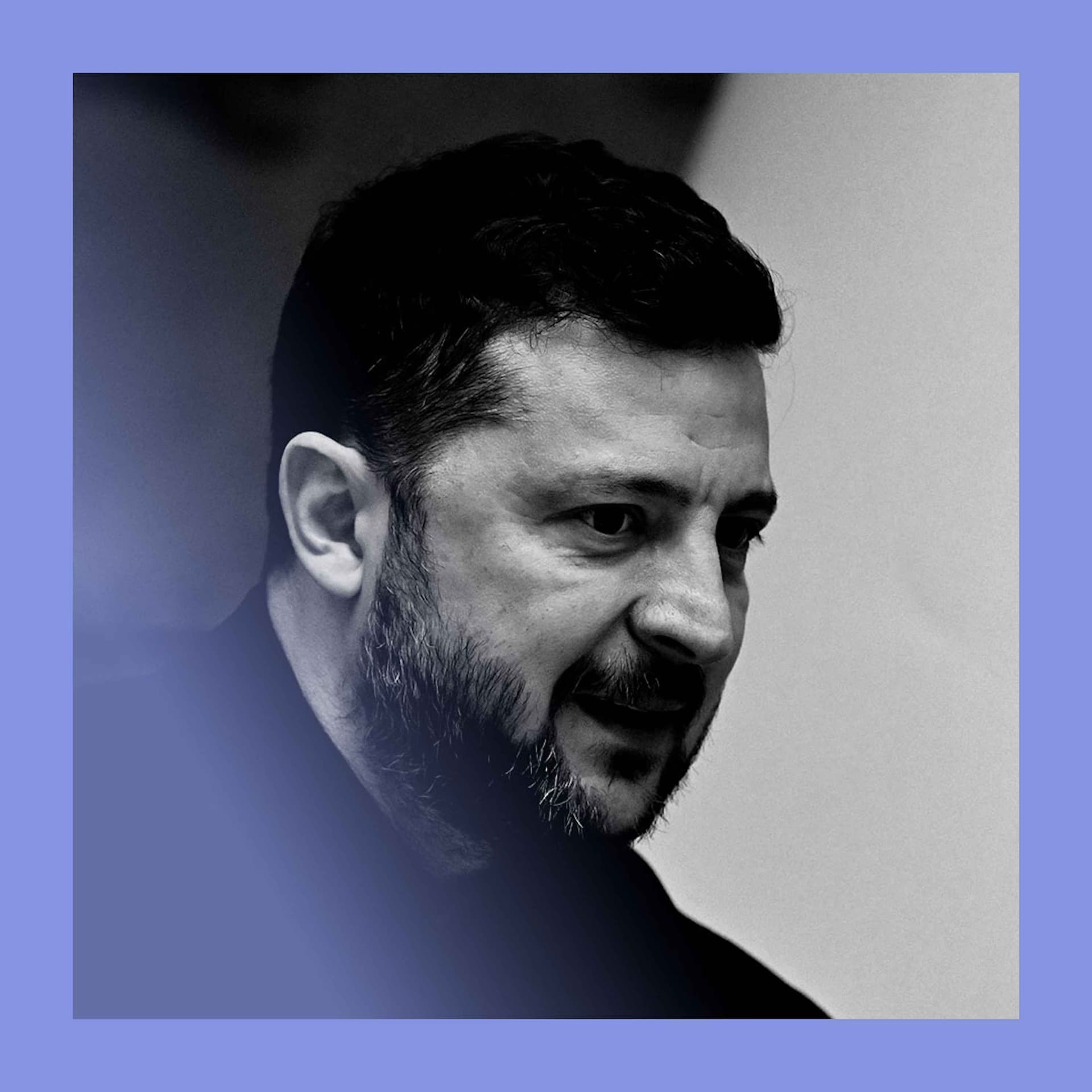
0:55more than a dozen killed in the latest russian strikes each more dangerous than the last as ukraine runs short of interceptors that has become the chronic anxiety for ukrainians but a more acute problem is growing in the halls of power in part from someone recently ejected from them and then part from investigations poking around in them. It's not been a good week for Ukraine or President Volodymyr Zelensky. Oliver Carroll is our Ukraine correspondent. He had his former defense minister, Mikhail Fyodorov, call for a presidential election and make not so subtle hints about the corrupt nature of those closest to the president.
1:39while anti-corruption detectives at the same time stepped up investigations into that close circle. And all of this is happening at a time when Russia is stepping up brutal attacks on Ukraine's defence industry and its civilian industry too, swinging the pendulum away from Ukraine several months before any of us expected. So it's a moment of increasingly limited room for manoeuvre. And certainly this is not the first time that Mr. Fyodorov has been making noises Exactly, of course the first time we heard about this publicly was in July when Mikhail Fyodorov was dismissed from his post six months in by William Zelensky This was after essentially a dispute between the defence minister and the top general, Alexander Sirsky In the end, both of them were dismissed But Fyodorov has been working out slowly what does this make him now.
2:40Is he in the opposition? Is he still part of Zelensky's team? And this is one of the sort of tragedies for Zelensky, at least, of what's happened. Because right until very recently, Mikhail Fyodorov was one of the most loyal members of his team. And some of the language which he used, for example, about calling for presidential elections, I know that he was using exactly the same language to push the idea of elections, but to re-elect Zelensky just a few weeks ago. So this is something that it's a problem of Zelensky's own making. In many ways, Fyodor is a symptom rather than a cause of a growing sense of chaos, lack of direction and a shrinking circle.
3:22You know, yesterday's revelations, which anti-corruption detectives talked about this new operation called Forrest Gump, which they'd exposed, which purportedly showed presidential staff involved in money laundering to provide bail for government officials, the same anti-corruption detectives had charged in previous investigations. I mean, this kind of thing is extremely embarrassing. It's getting very close to the president himself. He hasn't fared well in these previous corruption scandals. And up until now, Fildo had been very careful not to cross the line. But I understand he felt frustrated.
3:58He felt the time was right for a reset. Whether he really knows what comes next, I mean, I have doubts. But now, pointedly, he has called for an election. What are the odds of that? What is the appetite for that? I've been speaking to people in and around Fyodorov's team, and there is a sense that they're a little bit surprised that the lack of support for it, it's been lukewarm at best, even from people who are sympathetic to Fyodorov. Ukrainians, they are frustrated with this sense that there is, you know, growing poverty, economic malaise. Zelensky's rating is falling. People are looking for alternatives, even though there isn't really any possibility of elections.
4:38But Ukrainians themselves, all the polling shows, they're against the idea of elections, primarily because it would cause disruption at a time when the country really needs to consolidate on the war effort. But also because it's really quite hard to see how it would be allowable under the constitution. I mean, martial law specifically forbids the idea of elections during wartime. For that to change, you'd need Parliament to fall behind the idea, whether they would. It's a huge question. There are questions about how you might do a vote for people serving on the front lines. There are answers to those questions, but it's a very, very thin line and everything would have to line up.
5:14And Ukrainians don't feel that it's there yet. the thoughts of many people are that maybe six months down the line, bombardment, economic problems and so on may change the sentiment. Fjodorov has let the genie out of the bottle, as it were, but it still is very unclear as to how you'd be able to do this. And as you say, it comes at a time when the war effort is very much front of mind for Ukrainians. Yeah. So on the front lines themselves, it's not going too badly for Ukraine. The front lines, they've managed to find a way to slow the Russian advance down. But what you're seeing is slight counterattacks by the Ukrainians as well, but nothing really significant militarily.
5:56So what's happened is the real center of gravity for the war has changed to the air. And both sides are doing different campaigns. The Ukrainians are using drones to target oil and gas and certain defense industries in Russia. Obviously, drones don't have the same destructive potential as what the Russians have, which is ballistic missiles, and they've doubled down on that at a time when Ukraine is missing interceptors. So alongside these new realities, the actual nature of the attacks have changed. How do you mean? What we've seen just now is a new campaign against Ukraine's civilian business, which, you know, just last night, warehouses were hit, as well as residential areas.
6:38Now, perhaps it was to be expected, but I can tell you that business really wasn't anticipating it at the same time. Even more worryingly is a campaign against Ukraine's seaborne export. Now, this is hugely important for the country. A huge amount of its income is coming from exports of grain, exports of metal. Russia had been targeting the port infrastructure, but what they've been doing now is targeting the ships themselves. And that's basically decreased the desire for risk from these shippers, and that's left these ports commercially dead. And just this year alone, that's probably going to cost 0.6 % of GDP.
7:14And so where do you see all of this going with all of this going on now? I mean, from an economic perspective, it's not looking great. Worse is likely still to come. There will be knock-on effects for Ukrainian agriculture. For example, there is 50 million tons of harvest that needs to be shifted. Shifting that by road is going to be very difficult and expensive. So what many companies will do is store that harvest until next year. And if they can't sell the harvest, people expect losses to go up to 10 to 12 billion, which is a very sizable chunk of Ukrainian GDP, just under 5%. But maybe it's not in the economy that the real problems are.
7:55Politically, all roads going forward point to very difficult times for Zelensky. Oliver, thanks very much for joining us. Thank you, Jason.
8:37The End So in China, this hyper-competitive society has undergone a lot of economic and social change at a rapid clip. So many people are struggling to keep up and they're struggling with mental health issues. Sarah Wu is a China correspondent for The Economist and a co-host of Drum Tower, our subscriber-only sister show on China. The government is increasingly aware of this problem, and they want to address the gaps in the system in a way that we haven't seen before.
9:19And before we get to addressing the problem, how big is the problem? So there's a new paper that just came out in The Lancet, which is a medical journal that offers the most comprehensive estimate to date. Their research showed in 2023, China had an estimated 191 million cases of mental disorders. So that's about the equivalent of one in seven Chinese people. And because these are modeled estimates based on sparse and incomplete reporting, these figures are likely to be an underestimate of the picture. Anxiety and depression are the two most common illnesses, while eating disorders have grown at the fastest rate.
10:05And what about the cultural attitudes towards mental health and mental health issues? The stigma against those with mental health issues is pretty stubborn. There's still a lot of wariness around discussing it or acknowledging it, but the pandemic marked a turning point. China's really strict lockdowns led to spikes in depression and anxiety and people started thinking, this isn't just someone else's problem. I myself might be struggling with this. My family is struggling with this. And so they grew more sympathetic to others and more accepting of their own mental health problems. And so it was at that time that many Chinese sought counseling for the first time.
10:48But because they weren't allowed to leave their homes, the boom in counseling in China went straight to the screen. And so self-help books and psychological services are really popular online. Tens of millions use apps selling counseling sessions or other courses. And the government's also stepping in to offer more help. What do you mean by that? What kind of help? So the government has announced these big plans to build a nationwide system of psychological support and crisis intervention by 2030. They want to give people more access to drug-based treatments and psychotherapy. They want counseling rooms in every school, psychiatric services in at least one hospital in every county, and more mental health professionals.
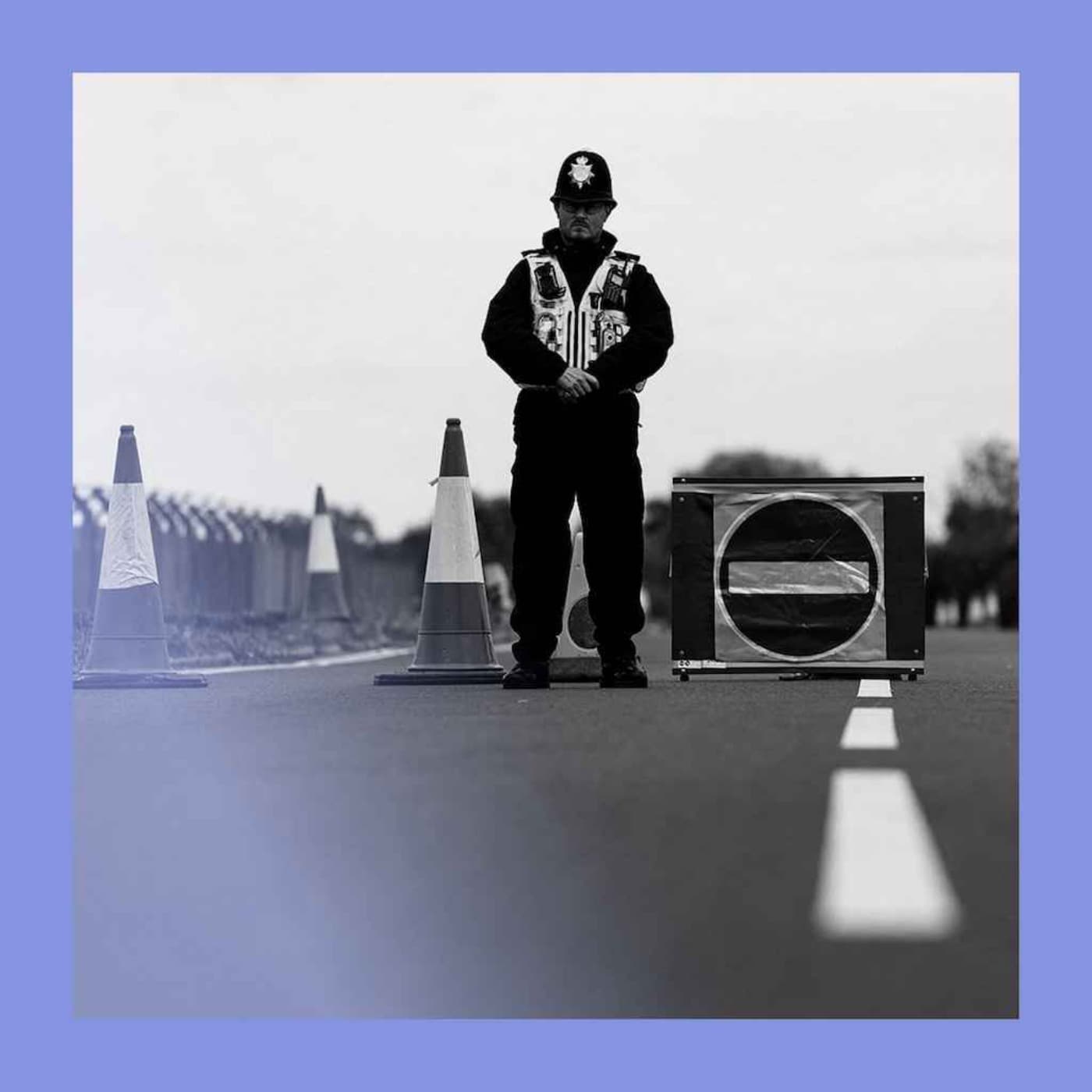
11:40So there's a severe shortage of psychiatrists, psychotherapists. If you're lucky enough to have one of them in your city and want to access these services using the basic medical insurance, the wait times are super long. And in the meantime, the government has also set up hotlines across the country that anyone can call for free. And nearly a million people called in the first half of this year. It sounds as if the Chinese government has clocked this as a big problem that could essentially be a stability problem for the populace. Yeah, I think that definitely informs some of the urgency. So even just a few months ago in June, a private pilot crashed into Beijing's tallest tower, killing himself in a rare security breach in the capital.
12:32And investigators afterwards claimed that the man suffered from anxiety and suicidal thoughts. Or in 2024, we saw a particularly terrible spate of violent attacks that were described by experts as revenge against society, committed by men angry about their financial situation or perceived unfairness towards them. And afterwards, the party really stepped up its monitoring of people that they described as the four lax and five loss individuals. So people without spouses, children, jobs or assets or suffering from investment failures, life setbacks, relationship conflicts, emotional imbalance or mental disorders.
13:14So I think the government is aware that a lot more people are suffering from mental disorders and need stronger support. But the gap between where China is now on that score and where it needs to get to seems pretty big from what you're saying. Yeah, there's a huge gap. And I think counselling is an area that they really need to work on. It's a complete free-for-all right now. Even experts in the industry have a hard time recommending a good therapist because there's no official licensing requirements. And that's meant that reports about fraud and malpractice abound. And so some online platforms are strengthening their requirements for training and professional associations have their own codes of ethics.
14:03But the government spends far more time preventing AI chatbots from creating emotional dependence than it does in regulating real-life therapists. And then the other big thing is affordability. Those who most need care are often the least able to pay for it. Therapy, unlike many other countries, is really expensive here. But going to a therapist in Beijing could cost anywhere from 500 to 1 ,500 yuan. And that's from$75 to over 200 US dollars. And these high prices are in cities where people are not making very much money. Counseling is still mostly paid out of pocket. So it's out of reach for most people.
14:48And even as the central government pushes its big mental health plans, local governments have a lot less cash to invest in these services. Five years into a property crisis, their coffers are pretty dry. But it's clear that more and more Chinese people understand that there is a problem here, a shared one, and that there is this big gap. Yeah, I think we're definitely seeing progress in terms of openness towards seeking help. But even those who are seeking help might not understand what the treatment entails. So one doctor at the Shanghai Mental Health Center, which is one of the country's top hospitals for treating these illnesses, was telling me that patients often come in thinking that counseling will be like taking drugs.
15:36But she tries to emphasize it's a slow process. It's not going to fix your problems in one or two sessions. So there's still a lot to be done on public education around both the illnesses and their treatment. So while China has ambitious plans to tackle this really important problem, it still has a long way to go. Sarah, thanks very much for joining us. Thank you for having me.
16:23Hey! What happened to my glider board? I left it right here! I gotta call the Paw Patrol! They may look like a pack of cutesy, anthropomorphized dogs. But don't be fooled. According to some overexcited commentators, the cartoon heroes of Paw Patrol are covert outriders for authoritarian capitalism. Andrew Miller writes Backstory, our column on culture. Now, if you haven't had a preschool child, or been one yourself, since Paw Patrol first aired on TV in 2013, it may have passed you by. But it is a world-conquering juggernaut, with over a dozen seasons on TV, a toy empire, and now three theatrical film releases.
17:08The most recent of which, Paw Patrol the Dino Movie, is out now. No dinos too big, no pups too small.
17:21The show is set in idyllic but slightly creepy Adventure Bay, where children can drive and puppies can talk. Led by a lavishly quiffed 10-year-old boy, a group of heroic pups respond to mild emergencies, always setting off down a giant fun slide at their HQ. All right, Paw Patrol is on a roll! It is, I have to say, utterly formulaic, with its incessant catchphrases like No job is too big, no pups too small. And what is, I think, appalling earworm music. In the new film, the puppies wash up on an island inhabited by dinosaurs. Some are huge, some are small. None of them apparently are carnivorous.
18:08What was that? It's my stomach. Those baby dinosaurs ate all my pup treats. Oh, come on! My kids are a bit too old to have been part of the Paw Patrol generation. So I've come to it a bit late, and hearing about it has been a bit like coming late to the manosphere. Suddenly you discover this phenomenon which turns out to be enormous and allegedly pernicious. Now, superficially it seems to me, having caught up, that if Paw Patrol has politics, they're kind of left-wing. The main baddie, after all, is a guy called Humdinger, who is a blonde narcissist with his own plane, who builds a phallic tower and disdains free and fair elections and the law.
18:52This island has the biggest diamond mine in the world. Come here, beautiful. When in doubt, we blast it!
19:03The pups, for their part, protect the environment as well as looking after people and other creatures. And the saccharine morals about teamwork and facing your fears and that kind of soppy uplift are all vaguely leftish in today's dog-eat-dog world. We'll catch him. No chickens are too fast. No pup is too small. But don't be fooled, say some conspiracist critics. For all the happy-go-lucky antics on Paw Patrol, the top dog, Chase, is a police pup, and so the whole thing is pro-police copaganda. Even worse, the Paw Patrol are all unaccountable freelancers. There's a ditzy mayor in Adventure Bay who asks for their help, but they don't work for her.
19:46So the whole thing is a sly advert for privatising state services. In short, raged a writer in The Guardian once, Paw Patrol is authoritarian neoliberal propaganda. You're welcome, Farmer Al. Whenever your cow gets snowbound, just yell for help. Now, it's very tempting to dismiss this whole debate as killjoy hogwash and yet more culture war lunacy. Very, very tempting. but in the end mistaken, I think. Because whilst it might be that, it isn't only that. There is, after all, a reason dictators try to control the stories told to the young. Books, films and even cartoons impart values and lessons about the world and introduce kids to weighty themes.
20:34There's lots of death in the Just So stories by Rudyard Kipling, for example. And Winnie the Pooh has a lot to say about your duties to your neighbours and your friends. A sensation like Paw Patrol is making an impression on millions of young viewers and evidently resonating with their own experiences somehow. But I think the takeaways of a critical theorist may not be those of a four-year-old unfamiliar with Ayn Rand. I wonder whether to understand the deep meaning of Paw Patrol, the best tool may not be political ideology, but psychoanalysis. One of its tenets is that many children want desperately to heal their parents, sometimes taking on parental roles themselves.
21:16That's the backdrop for stories from Enid Blyton to Harry Potter. Now the Paw Patrol generation have overheard their parents freaking out about politics, war, inflation, the coronavirus and climate change. The cartoons are stuffed with preschool wish fulfilment as the pups, avatars for the viewers, eat unlimited treats and play unsupervised with super cool kit. I wonder whether another wish that Paw Patrol fulfills is for kids to be able to solve their elders' problems. It would be nice to think that young children aren't aware of all this, but as that catchphrase has it, no pubs too small.
22:24The Intelligence That's all for this episode of The Intelligence. We'll see you back here tomorrow.
22:41Thank you.
From the publisher
From anti-corruption probes to a disgruntled ex-minister calling for elections to disrupted grain shipments, headaches are mounting for Ukraine’s President Volodymyr Zelensky. China has until now coped with a patchy, pricey system for mental-health treatment. The government is now getting serious about plugging the gaps. And why a debate over “Paw Patrol” is more than just culture-war madness.
Guests and host:
- Oliver Carroll, Ukraine correspondent
- Sarah Wu, China correspondent
- Andrew Miller, special correspondent
- Jason Palmer, co-host of “The Intelligence”
Topics covered:
- Ukraine war, Volodymyr Zelensky, Mykhailo Fedorov
- China, CCP, mental health
- Paw Patrol, culture wars
Listen to what matters most, from global politics and business to science and technology—subscribe to The Economist.
Hosted on Acast. See acast.com/privacy for more information.