 Ask ChatGPT


Episode topic: A three-part Economist “Intelligence” episode covering (1) Mohammed bin Salman’s “annus horribilis” amid Yemen-linked Houthi attacks, economic strain, and uncertain US policy toward Iran; (2) a prison phone call with Sam Bankman-Fried about effective altruism and the FTX collapse; (3) Singapore and regional toxic smog from Indonesian wildfires, driven by El Niño, plus government responses.
Greg Karlstrom, Middle East correspondent (Saudi politics/economy). Shira Aviona, US business correspondent (interviewing SBF via Lompoc Federal Prison call). Vishnu Padmanabhan, Asia correspondent (Indonesia/Southeast Asia haze).
Davos-in-the-Desert canceled Oct 19 for safety; Riyadh airport closed; ~20 killed in strikes. Saudi FDI target $100B missed (2025 ~$30B); IMF expects -3.3% growth vs prior 4%. SBF says “ends don’t always justify means,” regrets, still claims FTX wasn’t inherently fraudulent; cites leaked Alameda balance sheet triggering a bank run. Haze: masks and “haze shelters” in Singapore; fires set to clear peatlands; El Niño predicted to persist to Feb 2027; Singapore’s 2014 Transboundary Haze Pollution Act issued preventive notices to Indonesian firms.
Written by AI. May contain mistakes.
Discussing the recent cancellation of MBS's investment summit and its implications.
“Today on the show, a phone call with Sam Bankman-Fried from prison and Singapore's toxic smog.”
Examining MBS's failed bets and the current turmoil in Saudi Arabia.
“Mohammed bin Salman made a few big gambles.”
Analyzing the economic situation and MBS's failed investments goals.
“None of the diplomats I've spoken to in Saudi Arabia think that's the case either, but it is nonetheless a very precarious moment for the crown prince.”
How Trump's decisions affect Saudi Arabia's future and MBS's leadership.
“And that has obviously made things much, much worse.”
Exploring public opinion in Saudi Arabia and MBS's past crises.
“It's not the first time that he's been in a difficult situation.”
Discussing the deeper challenges MBS faces now compared to the past.
“And I think that helps as MBS tries to navigate this very difficult time.”
Details of a call with Sam Bankman-Fried discussing effective altruism.
“I just needed to spend my time doing them.”
An introduction to effective altruism, its influence in Silicon Valley and AI debates, and its most famous devotee Sam Bankman-Fried, who called from federal prison.
“What if you could calculate how to make the world a better place?”
Sam Bankman-Fried shares his thoughts on his rise and fall, including effective altruism.
“Earlier this week, late in the evening, I got a call from Sam Bankman-Fried, also sometimes called SPF, from Lompoc Federal Prison, where he currently is living.”
Bankman-Fried expresses regret and offers a different perspective on the means and ends of his actions.
“I'm really sad about the impact that I had.”
Indonesians protest their government's handling of wildfires and air quality issues.
“we wanted to explore in this week's Money Talks is why is it that global business can't seem to shake its EA addiction or maybe vice versa?”
The discussion explores the reasons behind the severe air quality issues in Indonesia this year.
“as wildfires spread across Borneo and Sumatra.”
Examining the measures taken by the Indonesian government to tackle the haze problem.
“and it's marked by unusually warm waters in the Pacific Ocean.”
The discussion highlights the potential food security issues due to El Niño effects.
“And ultimately, I think the economics of burning is still too compelling for companies and plantation owners.”

Get the gist, explore an idea or ask about something said.
 Claude
On Economist Podcasts, what are the key points of this episode?
Searching your listeningAutomatic transcript. May contain errors.
0:00This message comes from Betterment. Dan Egan, VP of Behavioral Finance and Investing, explains the benefits of automated dividend reinvestment.
0:09Jason Palmer: If you've ever invested, you probably have noticed that occasionally you get dividends. Your stock pays it out. You get that as cash in your account and it usually sits there until you remember that you're supposed to buy something else with it to reinvest it back. Automated dividend reinvestment makes that effortless and seamless. When dividends come into your account, we automatically reinvest available dividends, not necessarily into where they came from, but into whatever would serve your portfolio best. So automated dividend reinvestment keeps you invested and keeps your portfolio in balance.
0:39Learn more about Betterment's dividend reinvestment methodology and other helpful investment tools at Betterment.com. Investing involves risk, performance not guaranteed.
0:55The Economist.
1:01Rosie Blau: Hello and welcome to The Intelligence from The Economist. I'm Rosie Bloor. And I'm Jason Palmer.
1:11Rosie Blau: Today on the show, a phone call with Sam Bankman-Fried from prison and Singapore's toxic smog.
1:26Rosie Blau: First up, though.
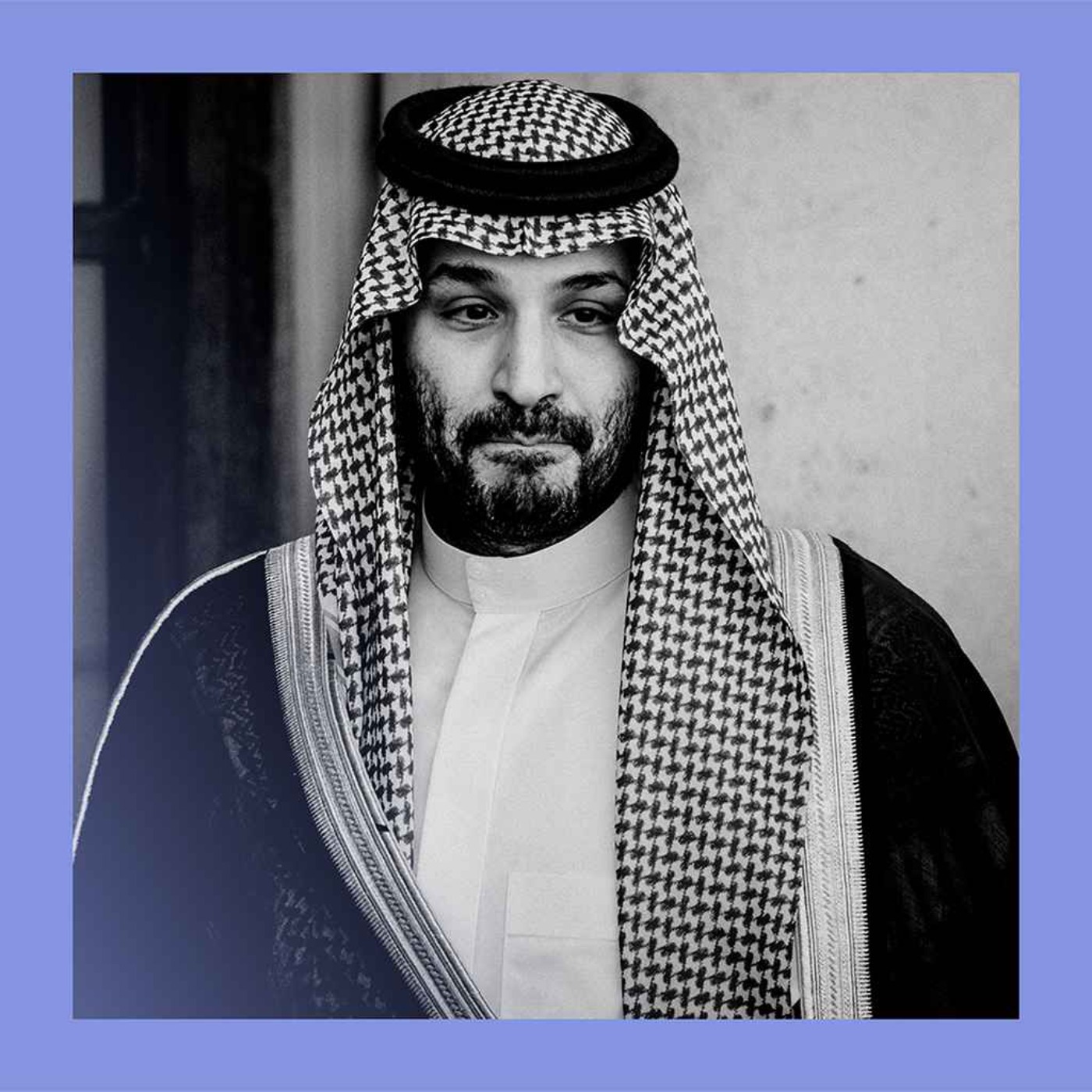
1:34Saudi Arabia's crown prince should have been gearing up for his big annual summit right about now. The Future Investment Initiative, or as it's also known, Davos and the Desert, is when Mohammed bin Salman glad hands big shots of government and finance looking for investment in his country. But on October 19th, it got cancelled. It's just not safe for all those dignitaries. And it's just the latest way in which MBS is having a terrible year.
2:05Jason Palmer: When he was first coming to power a decade ago, Mohammed bin Salman made a few big gambles. Greg Karlstrom is a Middle East correspondent for The Economist. He thought he could defeat the Houthis in Yemen, that he could reshape the Saudi economy, and that he could forge a close relationship with Donald Trump and make him into a reliable ally. All three of those bets seem to be going wrong all at once this year. Well, starting with the Houthis, for one, who are now striking Saudi Arabia in quite an explicit way. Right, that's been the most recent development. We've had weeks of attacks on the Saudi capital and on other cities across the kingdom.
2:48Jason Palmer: The airport in Riyadh is closed. there's been a real disruption to people's day-to-day life and a real human cost for this. You've had around 20 people who've been killed in strikes in Riyadh and people who've been injured and killed elsewhere as well. So the war in Yemen, which seemed to have been quite distant and quite far off for a while, has come back home to Saudi Arabia. And it's been unnerving for many people in the kingdom. And while all this has been going on, the crown prince really has been invisible. He hasn't been seen much in public over the past couple of weeks, despite these deadly attacks at the airport.
3:27Jason Palmer: And it's led to some talk amongst analysts and others in Washington, wondering whether this year poses an existential threat to his rule. Now, I don't think that's the case. None of the diplomats I've spoken to in Saudi Arabia think that's the case either, but it is nonetheless a very precarious moment for the crown prince. Because of the three bets you mentioned going wrong, one of which was about reshaping the economy. How's that coming along? That one was struggling a bit even before this year, because if you look at the top line figures from 2025 or previous years, things actually looked pretty good, right?
4:03Jason Palmer: Growth was respectable. Unemployment was low. Inflation was low. By rich country standards, Saudi Arabia seemed to be doing pretty well. But the goal for the crown prince wasn't simply to post respectable growth figures. It was to try and transform the Saudi economy. And that's where he seemed to be struggling. The Saudis had been targeting$100 billion a year in foreign direct investment by the end of the decade. They were way off that mark. In 2025, it was only about$30 billion, so two-thirds below their target. because of low oil prices and high spending, public finances were strained. There were new taxes, new fees, and salaries were not keeping pace.
4:48Jason Palmer: So all of this was straining the economic diversification program. And then you've had a year of conflict. And that has obviously made things much, much worse. And so where the IMF had been expecting 4 % growth in Saudi Arabia this year, now it expects the economy will contract by 3.3%. And now Mr. Trump's war of choice in Iran is making matters even harder economically. It is. And it's putting a lot of uncertainty around what's going to happen next year and going forward, whether there can be a rebound in Saudi Arabia in 2027. That is largely in Donald Trump's hands. Does the war with Iran end?
5:29Jason Palmer: Does it come back in full force after the midterm elections in November. And it's frustrating for the Saudis when you speak to officials and advisors in Riyadh. They thought they had a close relationship with Trump. They thought they had influence over him. They had pledged to invest huge sums of money in America. If you think back to last year when MBS visited the White House in November, he was talking about a trillion dollars of investment in the United States. It's an implausible sum, but it seemed to impress Donald Trump. He seemed happy with it. They've also made various deals with Trump's family.
6:05Jason Palmer: They've invested$2 billion with Jared Kushner, his son-in-law. They've steered Saudi-funded golf tournaments to golf courses that Trump owns. They've spent a lot of money at his hotels. They thought all of this would help them. But what they're discovering, as so many other countries around the world are discovering, is that Donald Trump is not loyal to anyone. And no matter how much influence you think you might have, actually, it doesn't get you very far. So in sum, how is all of this landing at home, coming from a leader who had promised so much change and for whom it's all now unraveling? You can't make any quantitative assessments.
6:40Jason Palmer: In Saudi Arabia, there are no reliable polls of public opinion when it comes to politics or things like that. I think it is fair to say broadly that most Saudis trust their government and continue to trust their government, and that hasn't changed. MBS has a lot of goodwill for the reforms that he's already made, particularly on the social and cultural front, allowing women to drive, allowing concerts and cinemas and things like that, making Saudi Arabia feel like a more open, more fun place. So yes, there's a feeling that the capital in particular is almost under siege at the moment. But again, I would say broadly, there still is a good deal of support for the crown prince and for the leadership.
7:23And it's fair to say that even though his loftiest ambitions aren't really coming to pass, he has gone pretty far in his time.
7:30Jason Palmer: He has. It's not the first time that he's been in a difficult situation. And this is something that, as I spoke to diplomats and other people over the past few weeks, they kept reminding me of. If you go back to 2018, 2019, and you think about where MBS was then, he had only recently become the crown prince. He was still trying to consolidate power. He had a lot of rivals and people who weren't happy that he had been elevated to become the heir apparent. And many of Saudi's allies were unhappy with him. The war in Yemen was a quagmire. The blockade of Qatar was a source of great frustration in America and elsewhere.
8:11Jason Palmer: And then, of course, you had the murder of Jamal Khashoggi, the Saudi journalist who was killed in 2018 at the Kingdom's Consulate in Istanbul. And all of this was a source of international outrage. Contrast that with today, his domestic position has been shored up. Yes, he still has critics at home, but there's no one in a plausible position to challenge his rule. And then his allies are also broadly supportive. I had a particularly interesting meeting a couple of weeks ago with Senator Chris Murphy, a Democratic senator who was visiting the kingdom, who met with MBS. Thus, Senator Murphy has been for many years a staunch critic of the war in Yemen.
8:53Jason Palmer: He was one of the most outspoken members of Congress, criticizing Saudi Arabia for that conflict. But when I spoke to him two weeks ago, he said, listen, we have to understand they're in a very different position now than they were. They are being attacked by the Houthis. The Houthis are threatening not just missile attacks, but even ground defensives in Saudi Arabia. And so they have no choice but to fight. And so even people who were very critical of Saudi Arabia years ago are taking a much more sort of moderate tone towards the kingdom now. And I think that helps as MBS tries to navigate this very difficult time.
9:28So history shows then that MBS can basically get himself out of a hole. Do you think he'll be able to get out of the one that is present before him now?
9:37Jason Palmer: He's done it before, but the problem now is he's in a much deeper hole. All of the crises he was facing seven or eight years ago, they were self-inflicted, right? If the world is angry at you for pursuing an aggressive foreign policy, then you just make your foreign policy more pragmatic and eventually public opinion changes. Whereas now I think he has two big problems. First, the major decision is not in his hands. Does Donald Trump resume bombing Iran in November or at some other time? whether or not that happens will have a huge impact on Saudi security, the Saudi economy. And again, that decision is being made in Washington, not in Riyadh.
10:18Jason Palmer: And then the second issue is I think we're seeing the limits of the reforms that MBS has implemented over the past decade. Yes, there's been a lot of social and cultural change and there have been some cosmetic changes to the economy, but the foundations of the state haven't changed much. It's still a very oily economy. The army is still struggling to defend the country and to fight a war against Houthis in Yemen. And Saudi foreign policy is still dependent to a large degree on the United States. And so I think the challenge for MBS going forward is you've almost you've done the easy stuff so far.
10:57Jason Palmer: The reforms that he will have to implement in the future are much more difficult ones and he will have to pursue them at a time when the kingdom is beset by crises on all sides. Thanks very much for joining us, Greg. Thank you, Jason.
11:22Okay, real talk. Every time I open up my inbox, I've got this vision of the day I'm going to have. Deep work. Big ideas. The project I keep meaning to start. Three hours vanish into replying to threads and hunting down a file someone sent last week. I've tried AI tools that promised to fix this. They didn't. They were just another tab I had to open, explain myself to, and abandon by Thursday. Superhuman is different. It's at your service, not after your job. It's already where you work, so I'm never starting from a blank tab. It's from the makers of Grammarly, living right inside of the tools I already use, like Gmail and Slack.
12:00When I'm drafting a message or making sense of a messy thread, it just helps. like a thought partner that's already caught up, so we get to the hard part together. The problem was never too little time. It's that busy work crowds out the work that actually matters. Start streamlining your workflows with Superhuman. Try today at superhuman.com.
12:34I was doing all of these things that were pretty straightforward to implement. I just needed to spend my time doing them. Betterment automates the same good practices so that I know I'm doing portfolio management and goal-based planning without me having to spend hours of my life doing it. Learn more at Betterment.com. Investing involves risk. Performance not guaranteed.
13:01Rosie Blau: What if you could calculate how to make the world a better place? That's the idea behind effective altruism, an ethical doctrine built on the notion of combining empathy with evidence to do the greatest possible good in the world. What started out as an attempt to make charitable giving more effective has morphed into an influential and controversial movement. Nowhere is its impact more profound than in Silicon Valley, where it's shaped the debate over whether artificial intelligence could save humanity or destroy it. But it's not just the ideas behind effective altruism that divide people. It's also the movement's devotees.
13:41Do you have anything to say to your investors? Do you have anything to say? Anything at all?
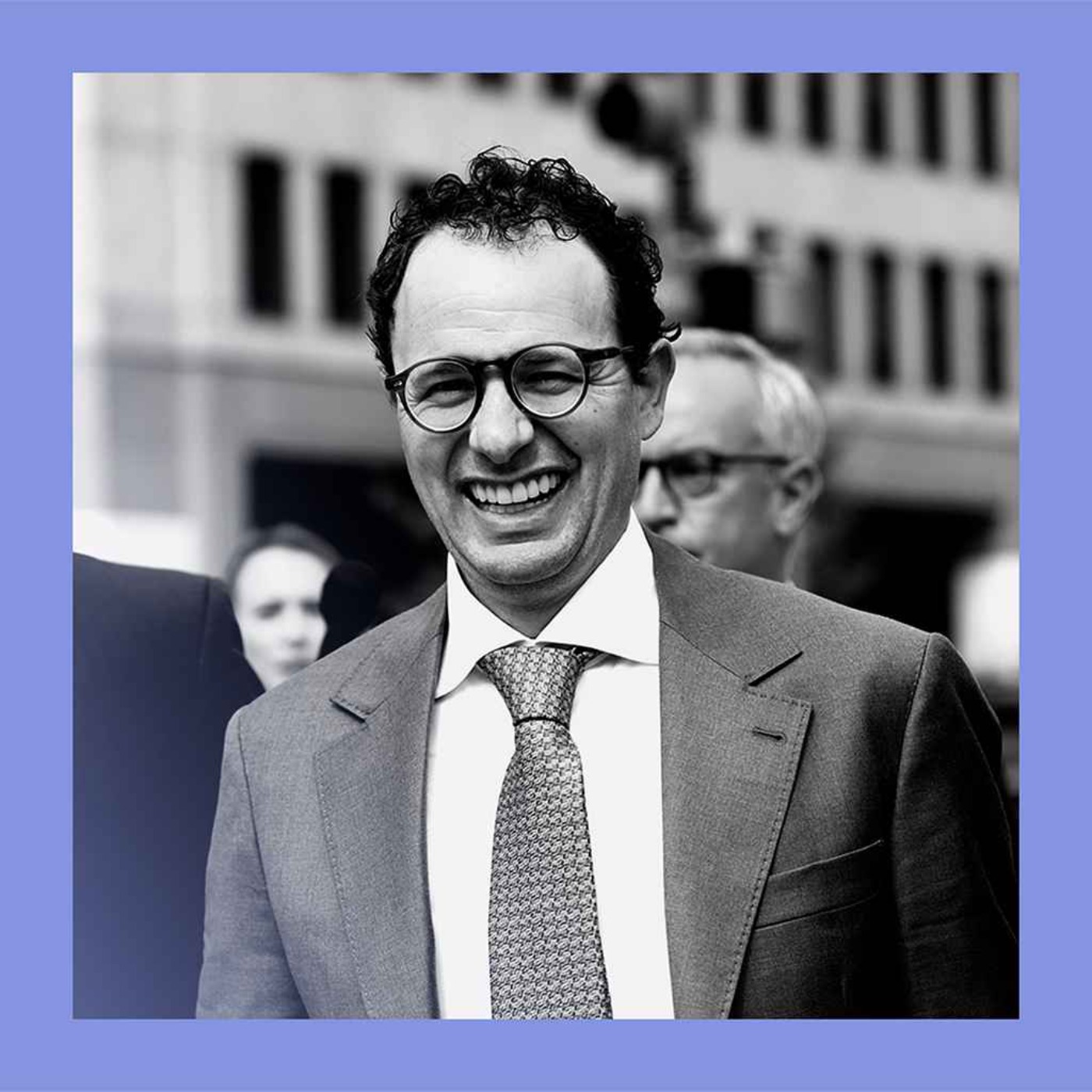
13:46Rosie Blau: Among its most famous apostles is Sam Bankman-Fried, who made billions from founding a cryptocurrency exchange, FTX, and was then convicted of fraud. This call is from a federal prison. Earlier this week, late in the evening, I got a call from Sam Bankman-Fried, also sometimes called SPF, from Lompoc Federal Prison, where he currently is living. This call is from Sam Bankman-Fried. Shira Aviona is our US business correspondent We had 15 minutes, which is the maximum that you can have with a prisoner to discuss all manner of things what he does every day, the sci-fi books he's reading and most importantly, what he thinks about effective altruism the ideology that motivated a lot of his rise and the series of unfortunate events that led to FTX's downfall unfortunate events seems like quite a polite way of putting it sam bankman freed was convicted of financial fraud in november 2023 and he was ordered to pay 11 billion dollars he's in prison for 25 years just remind us what happened shira in its heyday the ftx exchange was one of the world's largest crypto exchange with millions of customers billions of dollars and i think one of the things that made it so compelling was its founder, SBF.
15:15So he was the kind of curly-haired wunderkind who wanted to change the world through crypto, but also he was the poster boy for effective altruism. He wanted to play nice with regulators, to be involved in sports, culture, politics. And so he really did, in short order, become one of the most famous business people in the world. Then in late 2022, Coindesk, which was a crypto news outlet, published a leaked balance sheet showing that Alameda, FTX's sister hedge fund, which Bankman Fried also founded, held few assets apart from a few illiquid crypto tokens that he had invented. And this spooked customers and set off something like a classic bank run.
15:58And within days, FTX had stopped meeting withdrawal requests and customers still had billions deposited on the exchange. And after a few days of frantically trying to raise funds, Bankman-Fried placed FTX into bankruptcy. And those are the events that eventually led to the fraud conviction. And they're the reason why this former golden child is now in prison.
16:20Rosie Blau: What does he say now about the ideas that led to forming FTX in the first place? He still says that he's an effective altruist, and I think believes in some of the underlying principles. But I think one of the most interesting things about speaking with him now is that he says something a little bit different from what he used to say or maybe understands something a bit different, which is that ends don't always justify means. And the path that you take to get somewhere is as significant as where you eventually get. I mean, it's terrible. I'm really sad about the impact that I had. It's obviously never what I wanted.
16:59And one of the things I had to come to terms with was that, you know, because I'd become relatively high profile, like what happened to me had backlash on everything I had been associated. I think while he's proud of a lot of the good that he's done, he said he does feel a tremendous sense of regret for what happened.
17:21Rosie Blau: Did he say anything more about the downfall of FTX? He says he has a lot of regrets, but he remains grateful to employees and feels that FTX was a legitimate and very successful business and in fact could have continued to be just that. He still maintains his innocence and feels that FTX was not a fraudulent company in and of itself. He basically feels that it was a mismatch, not of intent, but really of timing. That had he waited a little bit longer, he would, in fact, have eventually been able to raise the funds and make everyone whole, which is what happened, but certainly not under his management.
18:01I did not handle it well. Um, I, you know, ultimately, parties adverse to the company and stakeholders took control. And when I needed to fighting that, I would weak instead. And that was an absolutely huge failing. He believes that he could have gotten through it with more time.
18:25Rosie Blau: Trump is a proponent of crypto. So in some ways, if he'd been able to hold out, it might all have been OK. Possibly. I mean, those are the kind of tantalizing counterfactuals that I think make this story so interesting, even years after it was one of the biggest business news stories in the world. So to that end, SBF is still pursuing both an appeal to the U.S. Supreme Court, but also trying to get Trump or the Department of Justice to consider pardoning him. All I can do is put forward the truth as I see it and hope that parties are more reflective and that there's less visceral reaction than there was before and that some of the lies that have been clouding the atmosphere have dissipated over time.
19:25he's doing what he can to appeal but as even he would admit to say it's an uphill battle would
19:30Rosie Blau: be an understatement where do you think this leaves the effective altruism movement i think when the ftx scandal was happening a lot of people figured this must be its zenith in the news but as it turns out the ai boom has brought it to possibly even greater prominence and so one question that we wanted to explore in this week's Money Talks is why is it that global business can't seem to shake its EA addiction or maybe vice versa? Nice plug, Shira. Money Talks, our business and finance podcast is out later today and we can hear more from you then, right? Yes. Thanks very much for having me, Rosie.
20:10Thanks, Shira.
20:22Here in the city, a gas chamber, nowhere to hide, nowhere to escape. And it's just so dark and yellow because of the poisonous gas.
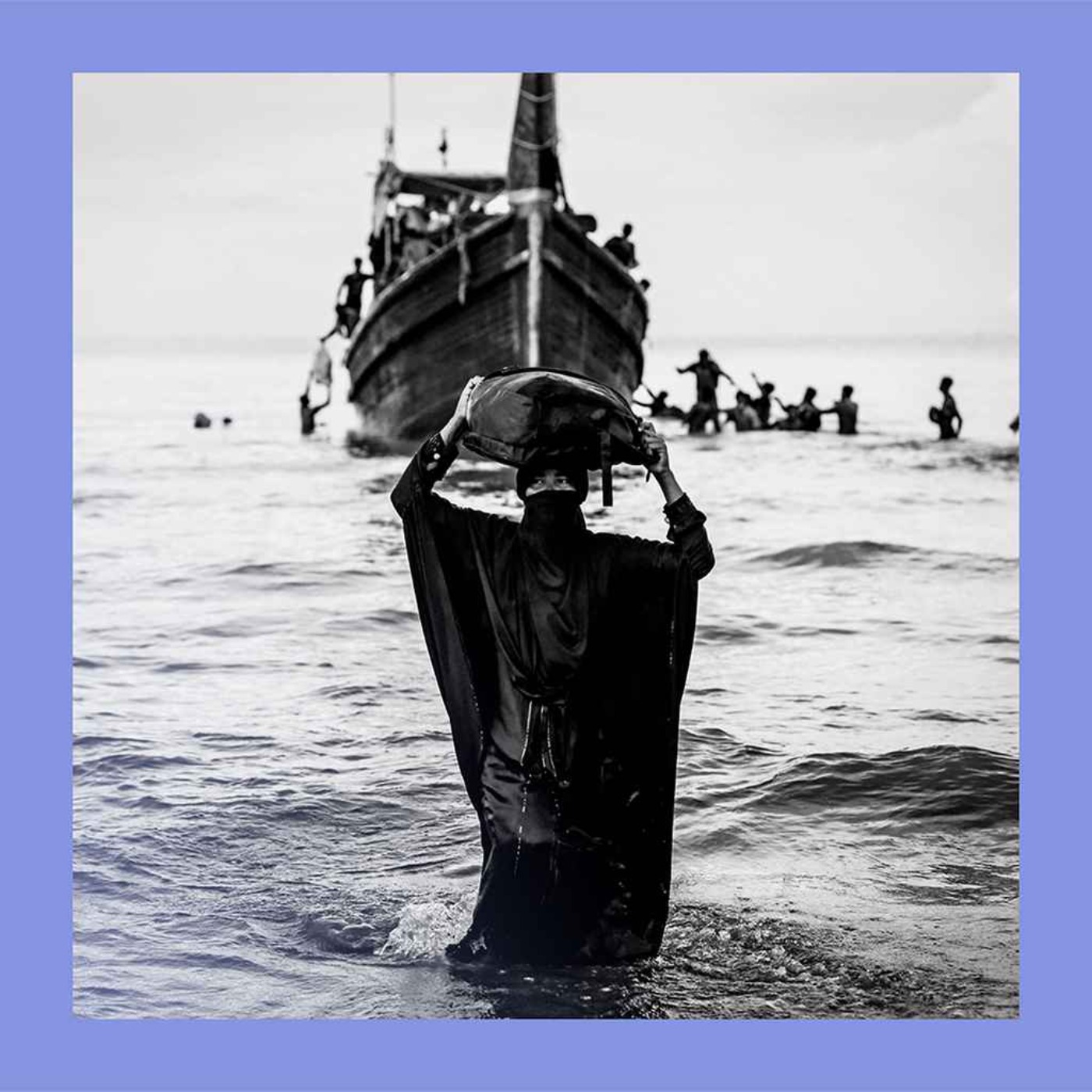
20:37Rosie Blau: Indonesians have been living under a blanket of haze for months as wildfires spread across Borneo and Sumatra. This week, students took to the streets in several cities, protesting at the government's handling of the fires. and the toxic smoke. This soon broadened into wider anger with President Prabowo Subianto's administration. But Indonesia isn't the only country suffering. The smog is choking Malaysia, parts of the Philippines and Singapore. Singapore has been the world's most polluted city at various points in recent weeks. It's a big public health problem. Vishnu Padmanabhan is our Asia correspondent.
21:20The government is really trying to help its citizens adjust to that. It's distributing masks to citizens and permanent residents. It's also set up haze shelters. I'm in the community center. And there are some people doing tai chi. Earlier this week, I went to one in my area. And I'm now looking for this haze shelter. Ah, here it is. Oh, it's actually the library which has been converted into a haze shelter. It's basically an air-conditioned room in a community centre where people who don't have access to AC in their homes get relief from the pretty toxic air around us.
21:59Rosie Blau: Vishnu, for Singapore to be this bad in terms of air quality, it suggests that Indonesia's wildfires are particularly bad this year. Why is that? Yes, that's right. So June to October tend to be the dry months in Indonesia, and that's when you get fires. And so these fires are started by farmers or plantation owners, and they typically set their land ablaze to prepare for a new crop. And it doesn't help that many of these plantations are on peat lands, which is essentially land where dead plants are stored in the soil, which makes it more combustible. And so fires can spread more easily. And so this tends to be the fire season.
22:36But what's really made it bad this year is El Niño. So El Niño is a climate pattern that occurs every two to seven years. and it's marked by unusually warm waters in the Pacific Ocean. And that brings hotter, dry weather to Southeast Asia and South Asia, and that increases the risk of fire. And the bad news is that the World Meteorological Organization predicts that this El Lino is really bad and it's going to persist until February 2027.
23:03Rosie Blau: Students and others have taken to the streets in Indonesia to protest about the government's response. What has it done? Well, the government says it's trying to do its best to crack down on the fires. It's opened up 98 cases against corporations who have been accused of starting fires or not doing enough to prevent them. It's also deployed thousands of personnel for firefighting. And they're also trying other measures like water bombing the areas affected by fires and cloud seeding to encourage rain. And a couple of months ago, the president of Indonesia, Prabowo, announced a new peatland and mangrove restoration agency.
23:40So that's a long-term measure to inject more water into peatlands and help prevent future such fires. But many people are still unhappy with all of these measures and feel much more needs to be done.
23:52Rosie Blau: So it's tough for Indonesia's government to do anything about it, let alone neighbouring countries where that smog is descending. Is there anything they can do? Both Singapore and Malaysia have offered to send people over to help firefight, but Indonesia so far said it doesn't need any help and it'll handle it on its own. But there's growing pressure in these countries to get their governments to do something about these fires. Singapore, in fact, already has a law called the Transboundary Haze Pollution Act, which was passed in 2014 after a similar Haze episode then. And it allows Singapore to penalize companies operating abroad if they contribute to haze in Singapore.
24:25And earlier this week, as part of this act, several Indonesian companies were issued preventive measures notices for causing this episode of haze. And basically, these notices mean that these companies have to put out the fires and submit plans on how they will prevent such fires from occurring again.
24:41Rosie Blau: Would any of that actually be effective? Enforcement is difficult, right? Take the last big episode of Haze in 2015. Similar notices were issued to companies then, but it didn't result in any convictions. And there's, of course, a geopolitical element to this. The use of this act has annoyed Indonesian officials who see it as infringing upon Indonesia's sovereignty. And ultimately, I think the economics of burning is still too compelling for companies and plantation owners. So that really has to change. And there's been some pressure to get these companies to stop these practices through online boycott campaigns, for example, but that hasn't really worked.
25:16Rosie Blau: Vishnu, as you say, the context for these fires and the smog is the powerful El Nino this year. How prepared are Asian governments for the wider effects of that? Yes, so El Nino is going to have a massive effect on the whole region. And the haze is one element of that. But the biggest cost, I think, will be on food. Farmers who depend on rainfall across the region will be hit hard. And that in turn could raise questions about food security. And of course, it could put pressure on food prices. And all of this, remember, comes on the top of the energy shock in Iran. So Asian governments already have been grappling with that.
25:50But the good news is that we now know what is coming, partly because of previous Al Nini episodes, but also because we have much better data and forecasting. Governments should, in theory, be much better are prepared for all of this. But all these forecasts are only useful if people act on them.
26:06Rosie Blau: Vishnu, thank you very much. Thanks, Rosie. Thanks for having me.
26:28Rosie Blau: That's all for this episode of The Intelligence. We'll see you back here tomorrow.
26:52I'm pro quarterback, Drake May, and I got to call an audible. People say building long-term wealth is complicated, but Betterment is the trusted automated investing and savings app that makes it simple. Like me, they're focused on performance and make the long game look easy. Are you still spending time researching stocks and reinvesting your dividends? Audible. Betterment's tech and expert-built portfolios handle that for you automatically. Worried about surprise tax bills? Audible. Keep your cool and more of your potential returns with Betterment's tax-saving tech like tax loss harvesting or a tax impact preview before you trade.
27:22Think you need three different platforms for your money? Audible. No one has time for all that. Betterment is one easy and simple app where you can see your total net worth, all your accounts, and your returns. Over a million people trust Betterment to help build their wealth with confidence. And if you're not one of them, it's time you call an audible too. Get started at Betterment.com or download the app.
This week, Muhammad bin Salman, crown prince of Saudi Arabia, was forced to postpone his annual investment summit. His other big bets on the kingdom’s future are also floundering. Sam Bankman-Fried, a crypto-billionaire supporter of effective altruism, calls our correspondent from prison. And things look hazy in Singapore and other Asian countries.
Guests and host:
Topics covered:
Listen to what matters most, from global politics and business to science and technology—subscribe to The Economist.
Hosted on Acast. See acast.com/privacy for more information.