In short
The episode of The Intelligence from The Economist covers three main stories: Argentina’s midterm election surprise, Germany’s stalled reform agenda, and whether video games are getting harder again.
Guests
Hal Hodson (America editor) discusses Argentina; Tom Nuttall (Berlin bureau chief) discusses Germany; Jaymar (developer of FTL: Faster Than Light) discusses game difficulty trends. Argentina: Javier Milei’s Liberty Advances won 41% vs 24% for the nearest opposition, giving him enough seats to defend his veto; turnout was 68% (lowest since 1983).
Key claims
short-term pressure on the peso eases and US Treasury’s ~$2bn peso purchase may profit; medium-term risks remain (need ~$18bn reserves by 2026, likely overvaluation, possible need to float).
Notable examples
reforms needing coalition support (tax, labor, pensions). Germany: Friedrich Merz’s coalition has made limited progress beyond tightening Bürgergeld; pensions and welfare streamlining face coalition resistance. Video games: Economist analysis of GameFAQs suggests older games were harder, but difficulty has risen slightly; Jaymar cites FTL’s “brutal” design shift from “hand-holdy” gameplay.
Written by AI. May contain mistakes. Listen to the episode to check what was said.
Chapters
Tap a time to open that second in VOPolitical Landscape Overview
0:58 to 1:41
Discussion on Germany's political and economic situation under Chancellor Merz.
“And gamers may have noticed a trend in recent years.”
Argentina's Midterm Elections
1:41 to 3:30
Analysis of the surprising results of Argentina's midterm elections and their implications.
“This morning, Argentina looks to have a more stable government than it did last week.”
Milei's Economic Challenges
3:30 to 6:01
Evaluating the economic implications of Milei's election victory and future plans.
“That would mean that the left-wing parties would be able to advance legislation to spend government money.”
The Peso's Future
6:01 to 7:45
Exploring the future of the Argentine peso and potential currency policies.
“And now Malay's attention can turn back, in a way, to his project of rebuilding the Argentine economy with some actual ammunition this time.”
Building Economic Coalitions
7:45 to 10:10
Discussion on Milei's need to form coalitions for economic reforms.
“than this currency peg that he has been relying on pretty intensely, especially over the last few months.”
Challenges Ahead for Milei
10:10 to 10:56
Reflecting on the challenges Milei faces in continuing his economic agenda.
“His strong suit is not quiet, politically sensitive backroom deals with people who potentially hate him, which is the kind of thing he's going to have to do over the next two years.”
Germany's Welfare Reforms and Economic Challenges
14:00 to 20:21
Exploring Germany's welfare reforms, demographic changes, and economic stagnation.
“don't attend interviews at job centres or refuse to accept job offers who are otherwise uncooperative.”
Challenges in Video Game Design
20:21 to 20:58
Discussing the difficulty of video games and how it impacts player experience.
“Time cannot be stopped, taunts the video game Hades 2, after every torturous death.”
The Evolution of Game Difficulty
20:58 to 26:52
Analyzing how video game difficulty has changed over the decades and player reception.
“The challenging game is aptly Sisyphean, although players are pushing buttons instead of pushing boulders.”
Transcript
Automatic transcript. May contain errors.0:00With no fees or minimums on checking accounts, it's no wonder the Capital One bank guy is so passionate about banking with Capital One. If he were here, he wouldn't just tell you about no fees or minimums. He'd also talk about how most Capital One cafes are open seven days a week to assist with your banking needs. Yep, even on weekends, it's pretty much all he talks about. In a good way. What's in your wallet? Terms apply. See CapitalOne.com slash bank. Capital One N.A. Member FDIC.
0:35Javier Milei:The Economist
0:42Hello and welcome to The Intelligence from The Economist. I'm Rosie Bloor.
0:47Javier Milei:And I'm Jason Palmer. Every weekday we provide a fresh perspective on the events shaping your world.
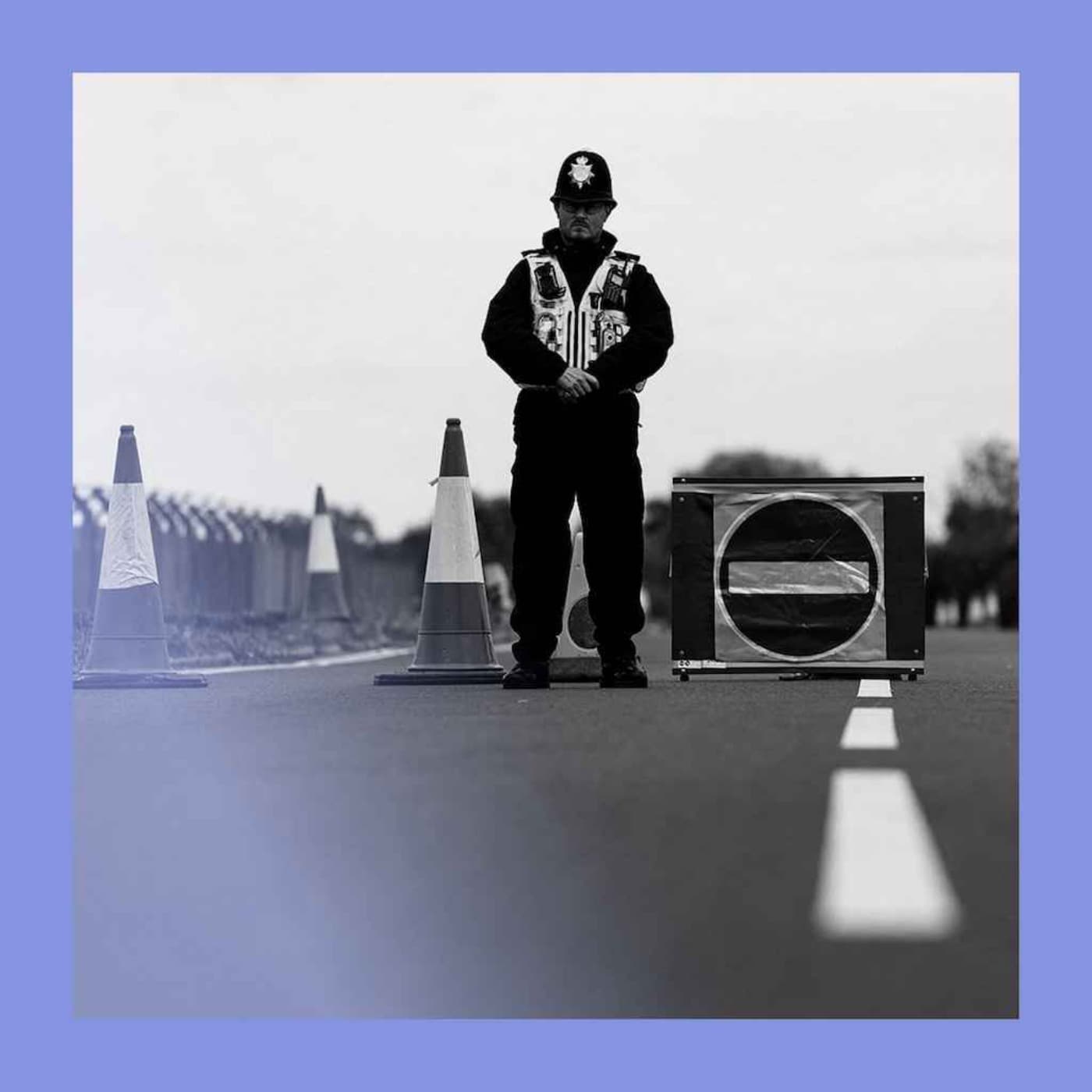
0:57Germany's Chancellor Friedrich Merz promised to get the country's economy moving again. So far, it hasn't budged. Now he's promised an autumn of reforms.
1:10Javier Milei:And gamers may have noticed a trend in recent years. After a long stretch of getting easier on average, many franchises seem to be getting vexingly difficult again. In some cases, maybe a little too difficult.
1:35But first...
1:41Viva la libertad, carajo! Viva! Viva la libertad, carajo! Viva!
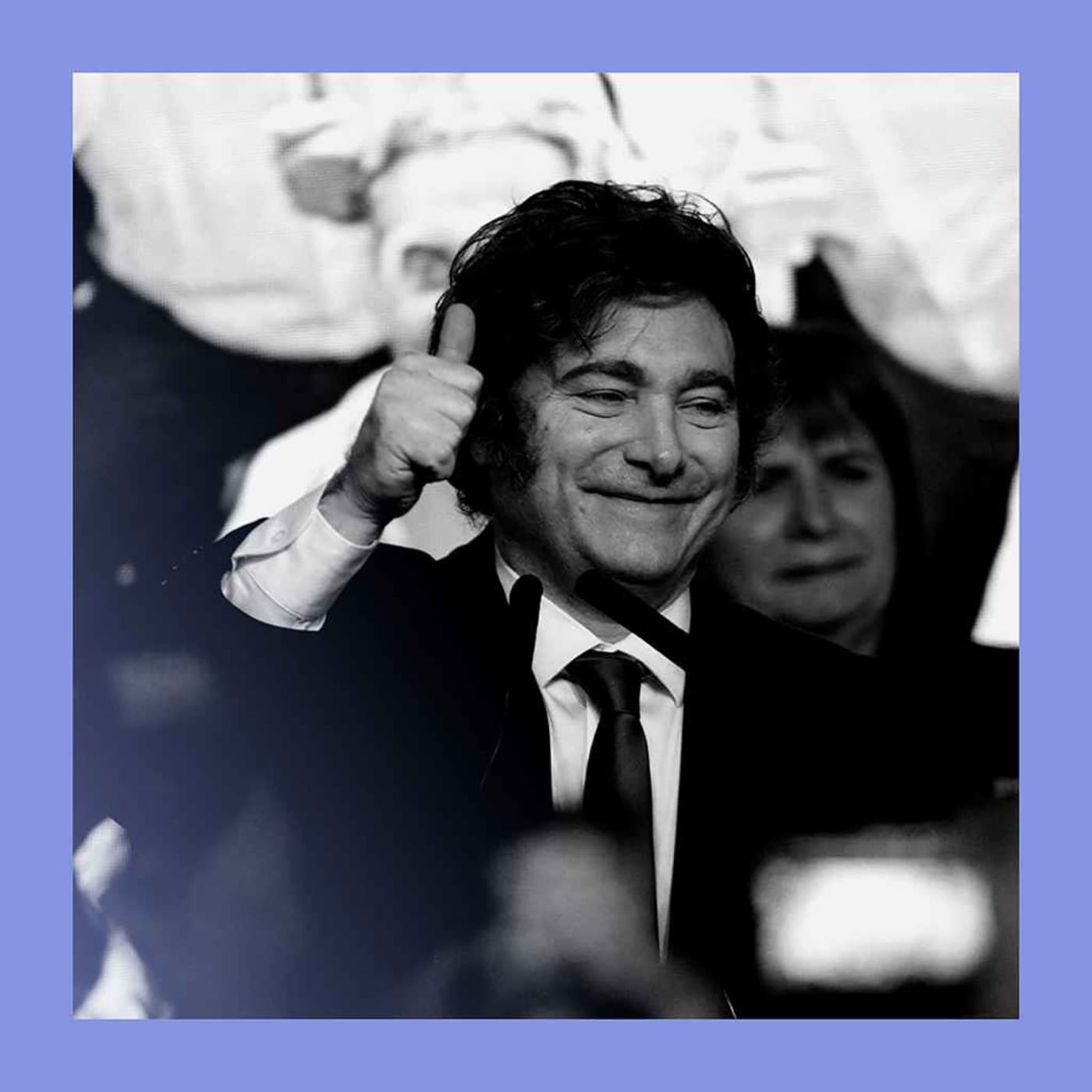
1:46Javier Milei:This morning, Argentina looks to have a more stable government than it did last week. In midterm elections, Liberty Advances, the party of President Javier Malé, won a thumping victory. 41 % of the vote. The next nearest opposition party won just 24. That is not what was expected. And Mr. Malé was triumphant. Today marks the beginning of building a great Argentina, he said. He and the Argentine economy and the peso aren't out of the woods yet, but his project is on a far firmer footing than it was. When I came on the show a few weeks ago, things looked pretty dicey for Javier Malay. Hal Hodson is our America's editor.
2:38He was facing into midterm elections with three corruption scandals hanging around his neck. The Argentine peso was bumping daily or at least weekly into the limit of its exchange rate ban set by the government on the verge of tipping into an uncontrolled market meltdown. And he had just lost a tiny, but in the scheme of things, everybody thought it was very important, election in Buenos Aires province to the local legislature. And we were talking seriously about whether or not this was the end of the Malay project in Argentina. Now, in the last few hours, Malay has won a landslide victory and has put him in a position to continue his work reshaping the Argentine economy and giving hope to a lot of Argentines that they may not have a basket case economy for too much longer.
3:29So talk me through the surprise result here. So polls in advance of the election indicated a 50-50 looking result, maybe a marginal win for Millet, the kind of win that was going to not really solve any of his problems, specifically because he wasn't going to get enough seats in Congress to defend his presidential veto. That would mean that the left-wing parties would be able to advance legislation to spend government money. Millet would veto it, and then Congress would just say, nah, we're rejecting your veto because you don't have a third of seats required to defend your veto. So it was looking like he was in a pretty bad situation.
4:08He now definitely has enough seats to defend his veto. And that's really important because the core of Malay's proposition to markets and to Argentinian voters is fiscal rectitude, the ability to not spend loads and loads of money and still run the country. Having said that, the turnout was only 68%. And that's in a country that has compulsory voting. And that's the lowest level since 1983. So this is one of the sort of red flags going forward is that a lot of voters in Argentina clearly remain unenthusiastic about Malay. And even though he has enough seats to defend his veto, he doesn't have enough seats to pass legislation to do reforms entirely on his own, just with his own party.
4:53He is going to need to work with other political groups in order to solve big problems like the tax system, labor reform, pension reform.
5:01Javier Milei:So what does this mean then in the near term for Mr. Malay's economic project? The very first thing it means is that all of the financial and economic indicators that were making Malay's life hell are going to stop flashing red. Argentine asset prices are going to go up, the peso is going to stop sliding, at least for the moment, and it is going to make running Argentina much, much easier for him pretty much immediately. It also means that the Trump administration's bet, in inverted commas, on Malay and on the peso looks like it will pay off, at least in the short term. The US Treasury bought somewhere in the region of$2 billion worth of pesos in the lead up to this election.
5:46And because the peso is going to strengthen when markets open in a couple of hours, if the Treasury moved quickly and sold all of the pesos that it's bought, it might even make a profit off of this weird Malay trade that it has been doing. So essentially, the pressure is off. And now Malay's attention can turn back, in a way, to his project of rebuilding the Argentine economy with some actual ammunition this time. For the first couple of years of his presidency, he's been doing this just with the strength of popular support alone. These seats that he's won in Congress in this election, he didn't have almost any seats before.
6:23He was doing things just by making it seem really unpalatable for other people in Congress to stand in his way. Now he has some firepower of his own, and so in theory, he should be able to get quite a lot more done.
6:35Javier Milei:But Argentina has, Mr. Malay has, The Economist has quite a preoccupation with the peso. What happens with the peso now in the medium term? Yeah, if I have to come up with more ways of saying propping up the peso without repeating myself, I will be earning my paycheck. The problem with Argentina's currency is it's definitely not resolved for good by this results. It absolutely helps, it eases pressure in the short term. But a few big issues loom. One is that Argentina's government needs to build up foreign currency reserves, that means dollar reserves, to pay back some$18 billion of debt that is due next year in 2026.
7:09The very act of doing that, of selling pesos to buy dollars, is not good for strengthening the peso, right? That is going to eat into the value of the peso. Another part of the problem with the peso is that most economists think that it is overvalued relative to the fundamental performance of Argentina's economy. The currency is too strong and the government has been doing things to keep it strong. So right now, Malay has just won a surprisingly strong victory in election. That would seem to be a pretty good time to float the peso, allow the market to decide unencumbered what the value of the peso is, and to start dealing with inflation using normal monetary policy rather than this currency peg that he has been relying on pretty intensely, especially over the last few months.
7:58However, in the lead up to the election, the government insisted over and over again that it was not going to change the exchange rate regime, meaning that it was not going to float the peso essentially. And so whether or not Malay does that or whether he takes this as vindication of his strategy, that's up for debate. It's not clear what they're going to do. Economically, they should float the peso as soon as they possibly can. There may be other factors in play, political factors, Malay's own personal preferences that'll stop them doing that. And then finally, there's the question of what happens to this US support that has helped Malay get to this election unscathed and then win a thumping victory.
8:36There's a$20 million swap line that will likely stay in place. And the big question really is whether Scott Besson, the US Treasury Secretary, is going to ask Millay to change his approach. Will Besson ask Millay to float the currency, for instance? Or will he maybe ask for some kind of concession in a trade deal? Hard to imagine what that might be. But one thing is clear, which is that Trump said Millay had to win in order to continue to receive American support, and Malay won handsomely.
9:06Javier Milei:And what about away from the peso for a moment, the rest of the chainsaw-wielding program he had in mind when he first took office? Yeah, well, he has to move away from just handling currency ructions into cleaning up the real economy if he is going to succeed in this transformation of Argentina. And the things on his list are cleaning up Argentina's absolutely Byzantine chaotic tax system, big liberalization of the labor market, and potentially also overhauling the pension system, which is very expensive. And all of these, in order to do them, you've got to pass laws. And to pass laws, you need to have a majority of politicians in the two houses of Congress vote for those laws.
9:48Malay's party still does not have a majority outright, even though it has had a good victory in this election. That means that Malay needs to build coalitions. He needs to find other small parties that have enough seats to get his reforms over the line to pass legislation in Congress. And that kind of coalition building isn't really Malay's strong suit. Malay's strong suit is standing out in front of crowds, tub thumping and saying he's going to smash the elite. His strong suit is not quiet, politically sensitive backroom deals with people who potentially hate him, which is the kind of thing he's going to have to do over the next two years.
10:24One encouraging thing is that he seems to have understood this. In the last few months, his use of language has become significantly less flowery, and he seems to understand this need for partners. So it looks like everything is back on track. The Argentines potentially still on course for relief from decades and decades of economic mismanagement, but they should probably remember that since 2009, no party who has won the midterms has gone on to have their candidate win the presidential election. And I imagine that'll be looming large in the mind of Javier Millet as he goes into the next few weeks and continues his project to rebuild Argentina.
11:05Hal, thanks very much for your time. Thank you for having me, Jason.
11:20With no fees or minimums on checking accounts, it's no wonder the Capital One bank guy is so passionate about banking with Capital One. If he were here, he wouldn't just tell you about no fees or minimums. He'd also talk about how most Capital One cafes are open seven days a week to assist with your banking needs. Yep, even on weekends, it's pretty much all he talks about. In a good way. What's in your wallet? Terms apply. See CapitalOne.com slash bank. Capital One N.A. Member FDIC.
11:58For six years, Germany's economy has been stagnating. Output shrank by 0.1 % in the second quarter of this year. The German economy has been stuck in stagnation for some time. An outdated industrial model, endless bureaucracy and Chinese oversupply are all responsible. Donald Trump's tariffs haven't helped either. Expectations are high for Germany's new government. When Friedrich Merz came to power in May, he promised a sweeping array of reforms. Now Germans are getting frustrated. Friedrich Merz took office as Germany's chancellor back in May. Tom Nuttall is our Berlin bureau chief. The first thing he did was set about restoring Germany's international reputation.
12:40Lots of diplomacy, lots of foreign policy and security stuff. Then he sort of pivoted to the domestic stage. and told Germans in no uncertain terms that they were living beyond their means, that the economic and industrial model wasn't working anymore, and that the welfare state needed to be reformed. And in that context, he promised Germans an autumn of reforms. And what's he actually promising? Lots of things. It's stuff on the welfare state, on the industrial model, on pensions, on healthcare, long-term elderly care, the way that the social state is structured. And in a series of speeches, he sort of primed the Germans to expect some radical and in some cases pretty disruptive changes.
13:28There's a huge contrast to his two predecessors at Chancellors who were very much steady as she goes, don't rock the boat. So the rhetoric has been quite radical. The delivery has perhaps been something else. So you've prompted me there, Tom. Has the government made any headway so far? I mean, not a lot. One thing that they have done inside the coalition is to agree a change to an income support program called Bürgergeld, Citizens Income. Essentially, what they have agreed to do is to withdraw benefits a little bit more quickly from recipients of this program who don't attend interviews at job centres or refuse to accept job offers who are otherwise uncooperative.
14:14This programme accounts for about three or four percent of overall welfare spending. It's not a very big programme. But for the Conservatives in particular, it's acquired this totemic importance as this notion that people had been shirking and sponging off the state. And here's one way to show that the government is not going to put up with it anymore. So a substance of it is not particularly significant, but the political symbolism is quite meaningful. It feels like the refrain of European politicians everywhere is to reform complex welfare programs. What else is in their sights that they might actually do?
14:49So there's a lot of stuff on the to-do list. Tidying up the broader welfare state has got to be close to the top. It's unbelievably, almost comically complex. So there's a commission that has been asked to streamline and unify some of these benefits. And one thing that they hope that that will do is improve the incentives to work more hours. Then there are the health and long-term care insurance programs that everybody in full-time work has to contribute to. So they need to figure out a way to stop those contribution rates from climbing. And there are two more commissions that are looking into various ways to do that.
15:26Then there's the big one, which is pensions. Germany has this slightly unusual so-called pay-as-you-go pension system where basically payments to retirees come out of contributions made by current workers. And that's sort of fine as far as it goes. And Germany has made reforms, including lifting the retirement age to 67, which it did 20 years ago. The particular problem in Germany is that the demographic curve over the next 10 to 15 years or so is really, really steep as the baby boomer generation hits retirement age and starts claiming pensions. I put some questions to Katharina Reischer, Germany's economy minister.
16:10She said the challenges confronting Germany today are rather different from what they were in the past. On government to take action. Today, due to a changing demographic setup, 400 ,000 people exit the workforce each year. Demographic changes, as observed today, is in a lot of ways more dangerous for our economy and our wealth overall than unemployment was in the past. People live longer. And so without a meaningful reform to that system, the cost of that are just going to spiral. And that's going to hit both workers who have to fund those payments, but also taxpayers more broadly because a very substantial chunk of the federal budget funds that pension system and that share is just going up and up and up.
16:58So lots of ideas, Tom, but you say that there's been little headway. Why have things been so slow? I think we have to be a little bit patient. This government is only five months old and we're talking about some fairly radical stuff here. Katharina Raescher said they want to take this on despite the political difficulties. Suggestions for reasonable reforms are on the table. What we need most is the courage to implement them. And it's that implementation that may prove especially difficult. As you know, Rosie, this is a country that runs on coalitions. We have a coalition of Frigid Mertz's Conservatives with the Social Democrats.
17:37The Social Democrats regard themselves as the party of the worker, but also to a degree as the party of the downtrodden. and they are reluctant to see the hatchet swing at the welfare state. And so I think one consequence of that is rather than having thrashed these things out when they were negotiating their coalition deal a few months ago after the election, they basically agreed to boot all of this stuff to commissions to figure out and to come up with proposals. And you talk to experts about this, and they all say, look, we know what to do. The solutions are on the table. It now requires political will to get these things done.
18:13And that's what we haven't yet seen any sign of from this government. Tom, when Mertz was elected, we talked about the economic stagnation that Germany was facing. If he managed to get all of these reforms through, would it be enough to pull Germany out of the mess? I mean, in a word, no. I mean, when you're talking about pensions here, this is a problem for the next generation. Germany is in the midst of economic stagnation now. It hasn't grown in real terms for six years. It's absolutely extraordinary, by far the worst performance in the G7. There are much more pressing issues ahead. The good news, if you can call it that, is that because Germany has now embarked on a huge program of fiscal expansion, lots of spending on defence, but in particular on infrastructure, almost mechanically we're going to see a lift to GDP probably starting in earnest next year.
19:05But then there's a whole host of problems that they've barely begun to deal with. The threat to German industry, especially from Chinese overproduction and export dumping. The tangle of red tape that anybody who wants to get anything done in Germany has to deal with. Huge and enduring labor shortages in some sectors in particular. The to-do list is long. In a way, a lot of this stuff on welfare and benefits is kind of just about making the German steak fit for purpose again. Actually getting the economy humming is another story. And just how fragile is this coalition? I mean, what's the danger if it doesn't get the economy humming?
19:43It's certainly been a rocky start. The government is very unpopular. It's not even six months old, but it's far too early to call time on it. And I think the bottom line is that both of the parties in this coalition understand that if they get this wrong, then there are extremists waiting in the wings. Fridtik Meertz has called this government the last chance to get Germany back on track. It is true that there aren't yet signs that he is acting according to that belief, but let's give him a bit more time and see if they can actually start to confront some of the genuine problems that are confronting Germany.
20:20Tom, great to talk to you. Thank you so much. Thanks, Rosie.
20:41Time cannot be stopped, taunts the video game Hades 2, after every torturous death. William Warren is our senior creative producer. Inspired by Greek mythology, players are tasked with journeying through the underworld to dispel Kronos, the titan of time. The challenging game is aptly Sisyphean, although players are pushing buttons instead of pushing boulders. Failure is a core part of the experience. Another recent hit, Hollow Knight's Silksong, is also extremely punishing. In a tutorial published on YouTube laying out how to survive a particularly gruelling fight, one commenter even posted, Video games are unique.
21:33No other art form gates off content to people not good enough to experience it. Any patient reader can experience the lengthy novel War and Peace. The final chapters of Tolstoy's masterpiece aren't reserved for only the most literate. But that's not the case with video games. If you're not good enough, you don't get to play the whole thing. Less than 20 % of players are skilled enough to have beaten the video game Cuphead, for example. Anyone who has attempted such challenging missions may reasonably wonder, are video games getting harder? To find out, we at The Economist analysed rankings from a website called GameFAQs.
Read the full transcript
22:13On the website, users can rate the difficulty of games from 1, meaning simple, to 5, unforgiving. And we looked at titles released in the past 40 years. Our findings show two really interesting things. The first is that games were a lot tougher back in the 1980s and 1990s. In some ways, that's unsurprising. Back then, many games originated in the arcades. Designers made games difficult intentionally to try and coax coins from players. who were chasing high school glory or just wanted to continue playing. Greedy operators could even flip a switch to reduce the number of lives offered to a player per credit.
22:54When video games moved into homes on home consoles, money was made by selling the cartridge containing the game rather than an individual go at it. In a bid to appeal to a wider audience, developers made games easier. Nintendo, for example, initially didn't release the sequel to Super Mario Bros outside of Japan because they deemed that it was too difficult. Western players instead got a repackaged version of Doki Doki Panic, which is an only slightly easier game.
23:30Many games allow players to select their preferred level of difficulty. Some modern ones even use artificial intelligence to adjust the game to suit people's skills. If players are killed too soon or miss too many shots, tasks become easier. A vocal minority of so-called hardcore gamers gripe that innovations like these make games too easy. Online they taunt less accomplished players to get good. The second thing our analysis shows however is that games have started to become slightly more difficult again. Gnarly titles such as Dark Souls and FTL Faster Than Light got rave reviews and made difficult games popular again.
24:14FTL was one of those early games in the shifting of the cultural zeitgeist towards more difficult games. Jaymar is one of the developers of FTL Faster Than Light. We were just working on something for fun on the side. And so because of that, we were designing something that we ourselves would want to play. In the full context of that time, during that era, most of the games had been making a sort of shift towards what was called more hand-holdy style of gameplay. Like Bioshock, you could die and respawn and basically nothing happened. You just keep trying until you win. And so I feel like we were responding to that.
24:54And we were just kind of wanting a brutal experience that we actually liked from the old school days. So the initial prototype of FTL did not have any win state. It was just a suicide mission that you're going to lose and everyone's going to die. And so it's just seeing how far you can get. And it was only because of our backers on Kickstarter convincing us that, yeah, we should probably have some sort of victory state just so it's not all doom and gloom. How do casual players feel about these daunting quests? Well, the reception to Hollow Knight suggests that there is a fine line between thrilling and infuriating.
25:34Given the initial feedback to the game, the developers updated it to make it ever so slightly easier. Gaming should be more fun than a root canal, after all.
26:00Javier Milei:That's all for this episode of The Intelligence. We'll see you back here tomorrow. We'll see you tomorrow.
26:35We also talk about how most Capital One cafes are open seven days a week to assist with your banking needs. Yep, even on weekends, it's pretty much all he talks about. In a good way. What's in your wallet? Terms apply. See CapitalOne.com slash bank. Capital One N.A. Member FDIC.
From the publisher
Voters overwhelmingly backed the party of President Javier Milei, handing him a lifeline he was not expected to get. We ask how he can finish his vast project of economic change. Meanwhile Germany’s promised package of sweeping reforms is turning out to be lacklustre. And why many video games appear to be getting harder after years of popular-appeal ease.
Get a world of insights by subscribing to Economist Podcasts+. For more information about how to access Economist Podcasts+, please visit our FAQs page or watch our video explaining how to link your account.
Hosted on Acast. See acast.com/privacy for more information.