
In short
EUVC Podcast Episode Summary
Episode Title
E408 | Maria Rotilu, OpenseedVC: Building OpenseedVC: Empathy, Zero-to-One Founders, and the Art of Saying No!
Host and Guest
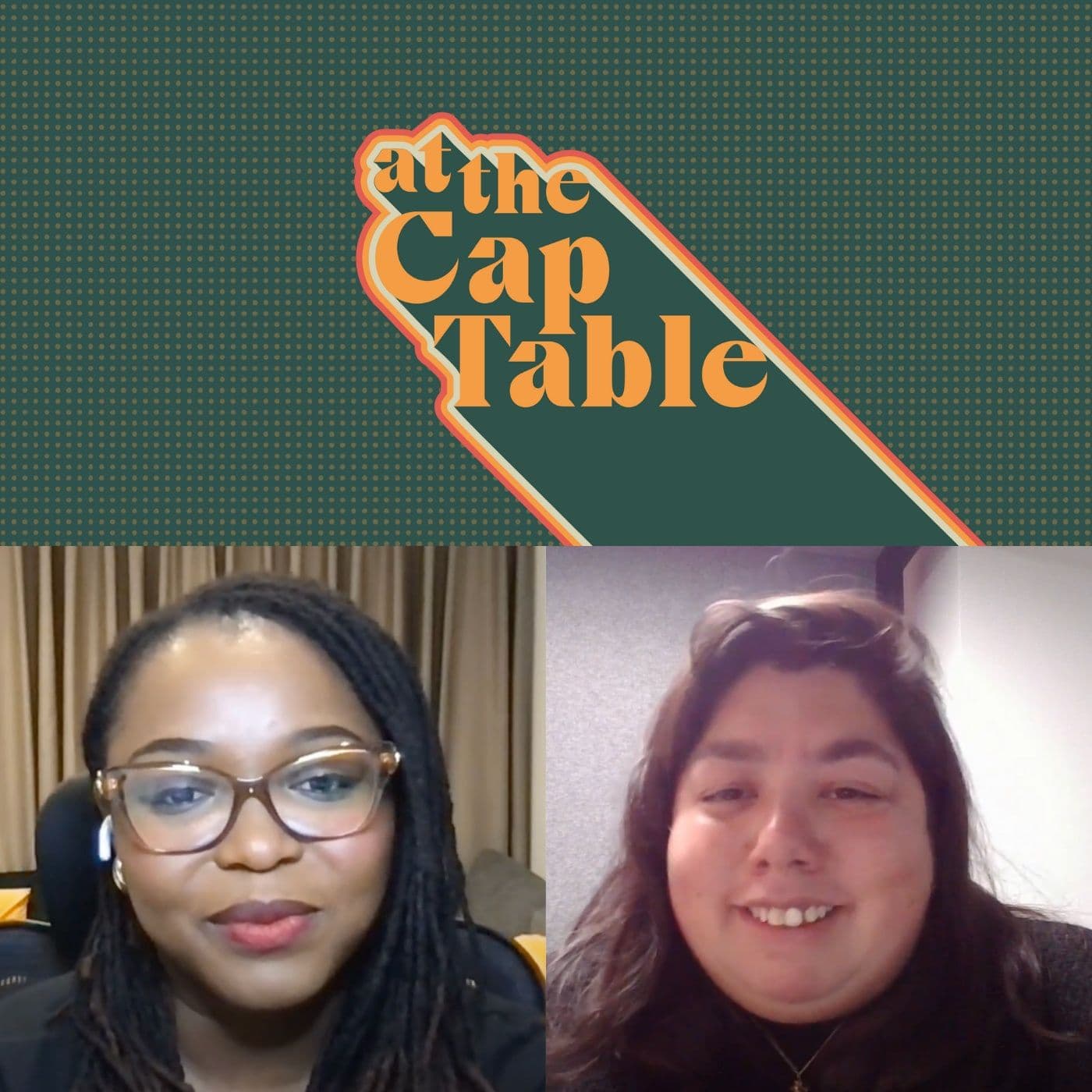
- Host: Savitri Tan
- Guest: Maria Rotilu, Founding Partner at OpenseedVC
Episode Overview In this episode, Maria Rotilu, the founder and general partner of OpenseedVC, discusses her journey from operator to investor. She shares insights on her fund's unique investment thesis, the challenges of early-stage investing, and her thoughts on the importance of empathy in venture capital.
Key Highlights
Background
- Maria Rotilu has a rich background, including:
- Scaling Uber in emerging markets.
- Managing the Oxford Seed Fund during her MBA.
- Working at Octopus First Cheque.
OpenseedVC
- Fund Size: £10M
- Investment Focus: Experienced operators transitioning into founders, mainly in commerce, health, and work across Europe and Africa.
- Investment Philosophy:
- Targeting "zero-to-one" founders.
- Aiming to be the first check for startups.
- Focusing on the UK and four key African markets: Nigeria, Kenya, South Africa, and Egypt.
Importance of Operator Experience in VC
- Maria emphasizes that having startup experience helps VCs understand the complexities of the zero-to-one stage.
- It fosters empathy and insight when advising founders.
- She has evaluated over 5,000 deals, gaining unique perspectives on market approaches.
Challenges of Solo GP Funds
- Maria discusses the difficulties of operating a solo general partner (GP) fund, noting:
- The need for ruthless prioritization.
- Managing the bandwidth for various roles, including investing, fundraising, and brand building.
- She stresses the importance of creating a consistent process for saying no to founders while being kind and direct.
Investment Thesis and Approach
- Maria’s thesis emerged from understanding market shifts, such as the need for operator-led funds in Europe and Africa.
- She believes that early-stage investments require an understanding of the zero-to-one experience.
- OpenseedVC aims to be an "angel" investor at the pre-seed stage, offering both capital and operational expertise.
Saying No with Kindness
- Maria emphasizes the art of saying no in venture capital:
- Balancing directness with kindness to ensure a positive experience for founders.
- Creating a systematic approach to delivering feedback, which can be automated for efficiency.
Future Goals
- Maria aims to build a long-lasting institution that supports experienced operators transitioning into founders.
- She wants OpenseedVC to be recognized as a leading partner for zero-to-one startups over the next 10-30 years.
Personal Insights
- Maria enjoys reading sci-fi books, which helps her unwind and stimulates her creativity.
- She emphasizes the importance of building networks and relationships with experienced operators.
Conclusion Maria Rotilu's journey and insights shed light on the challenges and opportunities in the venture capital landscape, especially for solo GPs. Her focus on empathy, systematic approaches to investing, and the unique needs of zero-to-one founders highlights the evolving nature of the VC industry.
Additional Resources
- For more insights and to stay updated on European VC, visit [eu.vc](https://eu.vc).
---
This detailed summary captures the essence of the podcast episode while providing key takeaways and insights from Maria Rotilu's experiences and perspectives as a venture capital investor.
Written by AI. May contain mistakes. Listen to the episode to check what was said.
Transcript
Automatic transcript. May contain errors.0:03Hi everyone and welcome to At The Cap Table where we interview the most incredible female GPs from across the BC ecosystem. My name is Savs and today I'm joined by Maria Rotilu, the founder and general partner of OpenCPC, a$10 million fund investing small first checks into experienced founder-operated companies across the core pillars of future commerce, health and work in Europe and Africa. She's an operator-turned-investor and has spent time scaling multinational tech startups like Uber and Branch in Nigeria before turning her hand to investing while studying for an MBA at Oxford. She managed the Oxford Seed Fund and then joined Oxford's first check as a fund manager where she focused on early stage, mainly UK-based founders.
0:52As if she's not busy enough, she also hosts a podcast you should all listen to called The Startup League where she interviews startups on their founder journeys alongside Yvonne of Local Globe. Maria said the best founders are compelling storytellers who despite counterintuitive views have solid underlying principles to back up their ideas. and like them in a difficult market maria has still built and launched a new fund we're here to hear about the leaps effect that maria has taken in her own career and while you can still be an investor with an operator mindset so maria welcome to at the cap table thank you so much says it's great to be here um i hope that introduction cringed you out sufficiently i was like i love it and i'm creating at the same time which is a good thing because you don't want to hear about yourself but that was a good representation thank you well you can you can you can hire me to introduce you in the future you can really go but you know i i've i always love talking to you and i thought you'd be a fantastic guest because you know we have had number of operator turned investors.
2:04But, you know, I think that we've never had people who've scaled multinational sort of big tech companies. And I'd love to hear a little bit about your role at Uber as country manager. I mean, how did you find it? And, you know, what are your thoughts on this idea that VCs really need to have startup experience before they start investing? Yeah, oh, that is a great question. I would say that from an operator standpoint, my experience with operating, you know, starting with Uber was very peculiar in the sense that I joined Uber in 2016. And then Uber had been in the market for a bit, but it hadn't been an emerging market not enough.
2:50So it was this interesting intersection of having a tech company that was in its teenage areas, I would say more globally, but also locally was a startup. So it gave me a different flavor of building a local business in the context of an international company, but trying to maintain that consistency in, you know, culture, in product, in like, you know experience overall which is very hard to do given that different countries have different infrastructure or different nuances for a product that embeds itself in in your daily life like moving around so that was very interesting but it's an experience that till today I'm glad I had because there's this popular saying we you know they used to say at uber it's like if you get a chance to join a rocket ship you don't ask like where you just like join the rocket ship because the chance to do that is once in a lifetime.
3:43And that was definitely the case for me at Uber. One day I could be trying to analyze like geo fences to understanding reliability in certain areas over others locally. So it was also a data heavy robot. Another day I could be like in front of drivers trying to communicate driver price cups or in front of regulators are coming in the regulatory team trying to explain why we were not a transport company, but more a tech company. So it really combined the brain of having to be very analytical, very intuitive, but doing all of this with very little resources. And even before that, come from consulting.
4:28So imagine that leap of DEX and working with large companies to just being thrown on the deep end of one. And I think that that operator zero to one mindset, working with very little, being iterative, experimental, yet data-driven in some way is really what makes the zero to one experience at the end of the day or breaks it. It's how you're able to quickly iterate to what the customer actually wants or what the market actually wants. So yeah, that would definitely be the gift that, you know, being at companies like Uber and branch, which is an AI-enabled new bank that I was a general manager for for three years after Uber, I would say that that's what they gave me in terms of experience.
5:10Do you think VCs should have some sort of startup experience or what are your views on that? I think it helps, but I don't think it's for the reason people might think. I think that, so every operator has a very unique operating experience. So first, it's not that, you know, it's not a broad sweep i was an operator in a specific market for a specific type of product in a different time that can be very useful in terms of like getting maybe first principles of how to think about certain things that may apply but then ultimately um not like just because you're an operator doesn't mean you can just advise founders and you would have the right advice one of the things that i tend to say with founders that i speak with is like take this with a pinch of salt.
5:54This is my specific experience, but here's what I think. But I do believe that what operating does give is empathy. It's a deep understanding of how confusing, how, you know, material the zero to one space can be and how we both don't necessarily have all the answers, but we are working with a set of first principles to iterating and figuring out the mental models that we will use to execute to finding them, which is a different way to think. The other thing I would say is that, especially combining the operator and investor brain, with my operator brain hasn't seen like thousands of deals now.
6:33I think that's at the last count, about 5 ,000 deals I've seen and I had to evaluate in my career at the very least, is the fact that you start making this incredible parallel that also comes from your experience of building as well as contextualizing the different approaches that people have in market at the zero to one stage. And that can give you a unique insight that allows you better able to brainstorm with founders, allows you better able to share insights that are more relevant to the zero to one stage in terms of mental models that the founders could apply, in terms of things that they might experiment with and helping them shape that process.
7:11But they're very much in the driver's seat of that conversation. So I would say that empathy and that understanding of how mercurial the zero to one is. I'm also just extrapolating your operating experience in addition to your experience seeing so many different approaches to market from founders you've evaluated can give you like a unique edge from an investment standpoint. I guess that is different to a lot of investors. And I think it probably allows you to connect, you know, as your thesis suggests, with those experienced operators who are kind of becoming founders again probably and allows you to kind of work with people at the idea state as well right yeah yeah absolutely and I think that if you think about it the way startups you know started maybe 10-15 years ago our thesis is that it's going to be very different because in the next you know decade because we now have this healthy and you know burgeoning like pipeline of experienced operators some of them are first-time founders we love first-time founders of the fund but we really do over index on people who've built before people who have the heuristic of high growth who are looking to build massive businesses in domains that they have some deep expertise and unique insight on and we want to be that first believer right like not even at the pre-seed stage because I mean what's pre-seed seed you know these days everything's all modeled up in terms of nomenclature but we want to be that first investor in the angel rounds of this of these um founders and I think that the way we have an edge ultimately is the fact that we understand zero to one you know best case where you know we invest worst case was sparring partners who actually give you unique insight on how to approach the market and what is the more mature different market than 10 15 years ago considering the evolution of venture the other thing that i'd add is one thing that we like to say is like if we had to compete with anyone um we want to compete with the operator's jobs that's how early we want to go like we want to go early and be that first believer that partner that works you know puts in that first check um and supports them however they need to be supported um to zero to one that's from start to launch so that's how we think about early stage um on our end we don't do any programs we don't do any advisory roles those type of because we believe that these founders to an extent have a strong intuitive pulse as to what the problem is but what we do is work together and support with capital, but then also expertise of operators in our network to getting them from zero to one.
9:47Amazing. Well, look, I'm going to roll our conversation back from OpenSeed and how you work to really kind of thinking about, okay, well, listen, you've done some amazing things with your career. I mean, consulting, you've gone to Oxford, you've kind of helped to scale Uber in a totally new market. what has made you stay on this side of the table versus taking on yet another yet another operator focus challenge yeah oh that's a good question I'd say that and this was also something that influenced how I approached my MBA because the MBA really was a time for me to reflect and decide where my path would be in a very experiential way that I knew, you know, this was what I was going to dedicate the next, you know, 10, 20 years of my life to.
10:42I think that building an early stage fund is a very specific path, especially as a solo GP for a very specific type of person with, you know, a nuanced experience. You almost need to be like a Swiss knife, being able to do many different things. There are days that I'm pulling on my consulting brain. There are days I'm pulling on my operating brain, running the fund. There are days I'm pulling on my operating brain, supporting the operators that join, you know, that I'm speaking to. And obviously like pulling on my investor brain, making the decisions I'm supporting. So it is a very nuanced way to deal life.
11:18And for me, I really think that there are people who really want challenges and really believe that there's an edge in the market to which my experience and my expertise somehow fits that unlocks an opportunity that's ambitious and impactful enough for me to feel like I can dedicate the next decades to this. I would also add that if I'm being like completely honest, I do require a lot of stimulation when it comes to, I require a challenge. I require something that is hard. It's important to me to be able to build something that has a really high upside, both on the impact and economically. I'm never demure about the fact that we are trying to create an asset class that is lucrative to our investors, but also impactful.
12:11And they don't have to be mutually exclusive. So for me, this was one that I believed actually was challenging enough that had the upside and was a nice intersect of all my varied experiences and skill to be able to unlock something that's truly unique in this market given we're in a down market right now which I would argue is the best time to have a fund to invest but also the hardest time to be fundraising yeah absolutely you know that's why I kind of mentioned about kind of thinking counterintuitively, because in a way you're like, well, why would I want to go to the trouble of raising money now?
12:50And particularly, you know, given how conservative some LPs can be, and, you know, I'm saying that as one of them at times, you know, launching something relatively new is tough. Tell me a bit about kind of how your thesis came to be and how it has been sort of going from some more established, fairly safe names in VC to sort of your own fund and this new identity. Oh, yeah. This one I would say is a combination of, it's definitely a different experience, but I would say that it is exhausting and exhilarating. It's rewarding at the same time. I wouldn't be doing, I don't want to do anything else, even considering how difficult this is.
13:37From a thesis perspective, here were the facts. There was a bit of a shift in the, would I say, stage and fraction required to unlock that stage fabric that was happening that wasn't very obvious. it was in my opinion driven by like the difficult public markets there were established multiples that made sense that we used to define what a successful outcome in venture was and those trickled down into what exactly the metrics for each round would be this was spoken rules within ventures like oh if it's a you know 100k mrr that's probably around the series a if it's like 20k there were all these nomenclatures but then we had the difficult markets and what tended to happened was the bar just went one level up it was almost like this pre-seed was the new seed people were looking for seed stage traction for pre-seed companies they were looking for series a traction metrics for seed companies and etc etc so what that created to me was a phantom stage at the angel stage which is what people would say is pre-seed but it's like what is what anyways in this time but what happened was that first funding round stage was becoming there was becoming an even wider gap that didn't have a name.
14:52And I was like, okay, that's one. The second one was, there are just not that many operator-led funds in Europe and Africa. It is a thesis that somehow cuts across both. In the US, the operator-focused fund strategy for first investors in their angel rounds is not a novel thing because there's a lot of capital in the US. there's an established ecosystem in the u.s and obviously from a fund sizing and strategy perspective it would be completely different in terms of the ownership that you probably need to be able to return a strong fund with jacob so i knew that was not my area of strength but i did know i'm an operator as an investor so dates at the time i thrived on the zero to one i had incredible conversations on go-to-market with founders that they would come back and be like what you said actually changed how i approached the market and we've actually gotten success from that, just that conversation with you.
15:46So I knew that was my strength as an investor. And I also understood that at the zero to one stage, especially when also building a fund now, it is a very hard time for founders because the truth is they do understand intuitively what their startup can become. They have this rich set of knowledge and experience that expresses itself in conviction of a world that they believe is possible. That's quite different from the current world, but they're not quite sure how they will get there. There's a lot of experimentation at the early stages. And I think that understanding is what they need most from a zero to one investor.
16:24And that being comfortable with that level of risk, but then also knowing how to think about the risk, even though you don't know exactly how things are going to play out. So I think that was another thing that I found was very unique. And I was like, okay, the final thing was somehow this strategy caught across Europe and Africa huge geos that I had experience in and I was like there are very few funds that can actually like do that um and in my mind I felt like as opposed to thinking of it as you know chasing two different strategies it was an opportunity to actually capitalize on a strategy that cuts across both for two markets where that might work so that was it in like a very would I say rudimentary sense how that strategy came about i knew we had to be early stage zero to one i knew we had to be earlier than market right now with our fund if a vc has invested it's unlikely we will invest we really try to stay disciplined on that zero to one and we tend to talk to founders before they even make the leap so we're having these conversations with experienced operators who are thinking of building as potential sparring partners but also potential investors you know best case so that's how um that strategy came to came about you know for for me when i as an lp you look at you look at kind of people's theses and you think wow like that makes this there's kind of some really great uh sort of gp gp kind of thesis fit and i can see that thread sort of running through your career in here but conceptually you know a fund that works across Europe and Africa that's really big so in practice how how does it work how do you manage your time yeah that's a very good question and it's it's it's a it's a logical one when we say Europe and Africa it's almost like the beginning of just the kind of conceptualize that we look at both geos but within Europe we tend to index on the UK, we do Europe discretionary, like rest of Europe.
18:21So that trims it down a bit. Then on the Africa side, four major markets make up, I guess, what is called the big four on the continent. So we tend to look at Nigeria, Kenya, South Africa, Egypt. I'm Nigerian. I've built on the continent. I've built networks of operators. I've invested in all four regions prior to now. So there are existing networks um that already create that pipeline of future founders who are current operators who are then having these conversations with us so i would say that whilst the europe and africa you know you are completely right you know it's two different geos quite wide we streamline that by making sure like on the europe side kind of an index on the uk with you know opportunistically europe and then in africa focusing on those four markets the other parts on africa is like the dynamic with at least africa is like for example i think 70 of the unicorns in africa come from nigeria there are four major regions if you have um networks of operators i've worked on the continent i have deep um networks on the continent um you will get sufficient inbound that actually allows you see what's happening i've also had several co-investors across both regions so it's actually it actually just makes it less it makes it less hard than if i was starting from scratch I mean, that completely makes sense.
19:40And having some experience as an angel and, you know, obviously you've worked out there with other amazing operators, you know, can give you kind of a head start. I mean, in terms of sort of keeping those networks alive, what are things that you do to make sure that, you know, you are in touch with all of those operators? Yeah, that's a very good question. There are a few that quite naturally we go back and forth in terms of having the conversations. And I would say like what I've come to find, especially having Ronald Pusset for a while, is that we're actually quite great partners for upstream investors.
20:20So our co-investors are actually like angels. So we tend to invest before VCs invest. So it's actually more people are like, hey, Maria, this person is building something and I think they should speak with you in my help. and because there's that positive feedback loop of people they've sent to me we've had a conversation they thought it was helpful the word kind of start spreading and people are like oh if you you know chat with that team you will get useful insight that you can you know whether or not you choose you know decide to implement so I think that in my mind um I do think that we actually tend to be very strong partners with like upstream investors where after we've invested or if we see something that's interesting, we can share upstream.
21:03But most of the times, that's the way the relationship tends to work right now. But as we go, we might like, you know, as we invest, potentially like invest on the end of the spectrum of pre-seed for certain investments. And in that case, we then work our co-investors. So I would say like it's a combination of just sparring, just making sure we're in contact. Hey, here's what I'm saying, you know what do you think or is this something interesting to you and then also i'm a very data-driven person so um it's the ops background it's all the training with consulting and everything and also being like an operator and having to kind of make sense of data so i do have a comprehensive like rolodex of the co-investors that i've invested in and i've invested so i've invested with and also what they like what they don't like so even when i find something relevant I kind of qualify aggressively before I then share so that it kind of keeps those pipeline alive because one thing to know someone it's another thing completely to share something that's relevant with them for them to think that you are a good source of new startups so that's the way but ask me you know maybe five years from now we're still very much earlier in that process figuring out what that looks like um but so far so good I mean you know I think one thing I love about solo GPs is that they're building the fund around their superpowers and I can really see your organizing principles or your superpowers as it as it were from the conversation that that we're having and a lot of it is people and then the other side of it is is data and keeping on top of well what might be relevant and and kind of checking in with yourself and I would you know I think we get a lot of solo GPs that listen to this.
22:46And, you know, as you've been building this, I think we're telling the positive side of the story. But there's always the other side of the coin, right? Yeah. And I would love for you to share one thing that keeps you up at night and also how you manage to prioritise, you know, ruthlessly as a solo GP. Any tips you've got? I would say the first thing is a lot of our job as investors is actually especially early stage investors about how we say no and the times we choose to say no I've gotten the benefit of ruthless prioritization during fundraising there were people I just didn't spend time on who at the time might have steamed like it's a good idea to spend time on them but I knew that the road to first close was one fraught with potential risks that you could literally just die because you ran out of time and you didn't prioritize um correctly so i think like and then also on the investing side we say no a lot as investors right and i actually think that how you say no makes you more than how you say yes as investors because especially as a first-time fund especially as a brand new fund the fly will spin very quickly on what you're known for very quickly and for me if we're going to say no to 99 of people we have to say no right now that being said given all that empathy, like deploying and like executing on that is nothing to do with emotion.
24:13It's system, it's measurement, it's being very precise about making sure that most people who come in have a great experience and scaling that. I guess that's where the operator brain then comes into play. What I think is very hard as a solo GP is very obvious. It's organization and managing your bandwidth and i think that after even saying no it's really thinking from a systems perspective how do i make sure that we organize what we get into the funnel from a founder perspective we see it consistently in a systematic way that allows us to one capture the data so we can retrospectively learn what's working or not to measure um the fact that they are going through a fund in a certain way and how they get onto investment.
24:59But then also the silent parts of building a fund that no one talks about, it's just the fund administration and management. It's also the fundraising. It's also the brand building because I assume at every given point in time that no one knows me, that the founders that we want to get to speak with are out there and they don't know me yet. So in my mind, there's an element of just balancing all of that. The one thing that keeps me up at night is very interesting because one would expect that it would be, oh, how do we fundraise to make sure that that happens? I really am a believer of the fact that you need to optimize for leading indicators, not lagging indicators.
25:37You need to optimize for the things that you do to make sure that the things you want to happen eventually happen. And it requires a lot of discipline and consistency and focus. For me, all these large, you know, all these funds that end up becoming successful have done the same thing consistently for a long time before they do. And that's harder than people think. So in my mind, what keeps me up at night is how do we continuously make sure that we are consistent? We're trying to build a fund that lasts 10, 20, 30 years. I say to people, I'm not building just one fund. I'm building a firm. We're building a financial services institution that is able to repeatedly give a financial portfolio of early stage venture startups started by experienced operators to LPs.
26:26How do we do that consistently and build a brand that is fortified by actual experience of the founder so there's no disjoint there to what's solidifying us as the market leader in the next 10 years where the best founders know that we're the best partners for them at zero to one despite what anyone says that's a hard thing to do so that keeps me up a night it keeps me up a night in the sense that i need to work backwards and i need to figure out like and make sure that we're consistent and it's going to be hard there are times where you want to kind of go a little bit of strategy drift but you have to be like if this is who you say you are and what you're doing nine out of 10 times you have to do that you have to do what you think you will do and that's very hard so that keeps me up at night because our you know our ambitions for the fund is not it's it's not a small ambition it's hard and it's hard for good reason i say it's a feature not a bug that it's this hard so in my mind that is that would be my response to that question i think about that a lot and i write about that reflective writing a lot it's like how do we make sure that in the next 10 years, OpenSeed is the number one partner for experienced operators just as they take the leap.
27:40They know that our operator network of software engineers, of product managers, and that they are working with the fund who gets zero to one and who has built before, but then also has this community of people who understand what it takes to go from zero to one. Not that we will build your business for you, we can't, but that you have a true partner at that stage where you need one the most so that's how I'm thinking um that's what tends to keep me up at night gosh yeah I think um that would keep most people up at night honestly um I mean to go kind of one layer deeper I want to pick up on what you said around 99 % of the job is or 90 % of the job is saying no this is um this is something that I I fundamentally believe as well and you know when looking at funds and diligencing managers i spend a lot of time finding founders that they have rejected and asking yeah would you mind telling us about the last founder you said now i have to mention name specifically but like what is it you do when you when you one make that decision and then deliver that feedback yeah oh that's a good question because i just said no um today actually um and i would say that the first thing is and this is not probably the thing that most people would think about i think it's to realize the mental state of the founder as you're saying no this is something that they believe in whether or not it works out to your content to our conventional standards of success success moves many different ways but this is something that they believe in they had the courage um to break out from whatever to try and build this thing and you've taken them through a process and you're about to say that this is not one for us right now.
29:23I think the first thing is, are you direct, but are you also kind? Being kind and direct is very important to us as a fund. And it's because, you know, we're business people, we're building startups, but VC is a people business. It is how people speak about you in the rooms that you're not at. it is about how founders recommend you to other founders it's about how founders maybe you said no to come back and say hey they were actually pretty good to me and that's hard to scale because you could do that one-on-one for like your first hundred deals but when you're like looking at 250 startups that's hard to do consistently so for me it is are you kind are you direct do you share some of your rationale do you caveat that it is not um truth it's your opinion of the situation?
30:15And do you live it on a positive note of, would love to, you know, stay in touch and rooting for you? I think all of this is in context of the fact that you can be kind and direct. We do say it directly. This is not one for us right now. We can't invest. We're not continuing the conversation. However, here are the things we thought were interesting. Just to show you, we also listen because we do listen. And here are the things that we struggled with. We couldn't get over and sometimes it's with the startup and sometimes it's with us maybe it's a timing thing maybe it's like something we you know that actually best with us maybe it's a geo thing thesis something we can't do anything about and at the end it's a situation of this doesn't work you know we're really hoping and wishing you all the best and if there's you know if you're building something different if you pivot if their market changes you know feel free to get back in touch so that's how we do that and i would say that there's a thing i say like if you don't measure it you don't mean it you can have all the good intentions in the world but if you don't put a process in there to scale it to create a repeatable and standard experience across founders it's just not going to work so we um have built that internally to making sure that as best as we can with the resources that we have we say no correctly in a way that um this true to our brand and what we stand for of being those truths to one partner who are empathetic but then also have that experience of being operators ourselves and and do you um do you use kind of like software or do you use kind of like particular thing to either nudge a response or create a response for you yeah though we do we definitely have to given the volumes um that we see so i would say like we do and oftentimes there are reasons you know for investing that are just it's a geo thing it's a thesis thing it's a stage thing if we just don't fit that's very easy and we automate quite a lot so we have like a whole system of trying to automate these responses in a way that actually shows that we listen so we ingested the information you shared and also then give you back and then I would say like further upstream especially after you have conversations with founders and you kind of need to give a more detailed response on your thinking there's also like i would say like maybe formats we tend to use where it's like we have captured what you have said and we have ingested it and here's our thinking on our position and why we may or may not be able to continue but we definitely use technology data is one of the huge like bits of for us especially at the earliest stages where the volumes are quite high um we rely on a lot of like systems across entry filtering response portfolio support etc etc really really kind of great to know that you know you spend so much time being thoughtful on the nose now listen we're coming up to kind of the end of time but I've got one final question for you we've talked a lot about prioritizing and how you spend time and things like you know luck as well but I want to know outside of kind of the realm of of work or even end work what is one thing you never regret spending time doing i would say like okay maybe i'll say both maybe within work one thing i never regret doing i would say spending time with experienced operators who are in building mode very early i would say like i would take that call whether or not they've taken the leap yet um so long as they have a domain expertise and they have built before and they're ruminating on a problem i see it as two folds right like whether or not they build they are a house of in-depth knowledge on that particular area and that can actually inform a better decision on my next investment if it's not them um but then it also gives me the opportunity to connect with exactly our target founder profile and also get the opportunity for me to introduce myself to them because if they do know me then they can be ambassadors to the fund and what we are building with founders in their networks.
34:23I would never say no to that. I always make time for that. The other thing I would say, like maybe more personally, people say like, you know, you have to have work-life balance. You know, I try to like during the holidays, for example, I'm going to try to rest, but no one can, you know, say that it's easy to build a fund. The fund consumes my life. It is the stage of the fund. It is what it's going to require. I mean, it's just, that's what it is. um but I tend to read a lot of sci-fi books and I will always love to read a sci-fi book it is and I'm reading one right now um it's called the three body problem it's a book but yeah I'm on the third book it's called the dark forest if I go on we wouldn't leave this podcast because I kind of very quickly get into it um but I do love to read sci-fi books um and yeah that tends to really you know quiet my mind get me really excited but yeah that would be my response to those two questions that is not what i expected to hear and i've asked that question so many times but i love the responses that i get you know yeah i'm i really want to thank you for your openness and your time thank you thank you for having me this was a great conversation no it was it was it was great for me i've learned loads about you and and you know about how far empathy goes and and how thoughtful to be about it so thank you so much for joining me today.
35:48Pleasure is mine. Thank you. Thanks for listening to this special episode on the European DC. If you love our show, join our community by subscribing at eu.dc.
From the publisher
Maria Rotilu is the founder and general partner of OpenSeed VC, a £10M venture fund that invests in experienced operators transitioning into founders. With a unique thesis focused on zero-to-one founders, OpenSeed aims to be the first check for those building in commerce, health, and work across Europe and Africa. Maria’s journey has included scaling Uber in emerging markets, managing the Oxford Seed Fund during her MBA, and working at Octopus First Cheque before launching her fund.
With a focus on early-stage investing, Maria leverages her operating background to provide empathy and actionable insights to founders navigating the challenging zero-to-one stage. OpenSeed’s strategy also involves a disciplined focus on the UK and four key African markets—Nigeria, Kenya, South Africa, and Egypt—ensuring deep expertise in these geographies.
Together, they explore Maria’s approach to venture investing, her belief in the power of operator-led insights, and the challenges of building a solo GP fund in a volatile market. Maria also shares her thoughts on the importance of saying no with kindness and clarity, staying disciplined, and her vision for creating a long-lasting institution that partners with founders for decades to come.
Go to eu.vc for our core learnings and the full video interview 👀