
In short
EUVC Podcast Episode Notes
Episode Information
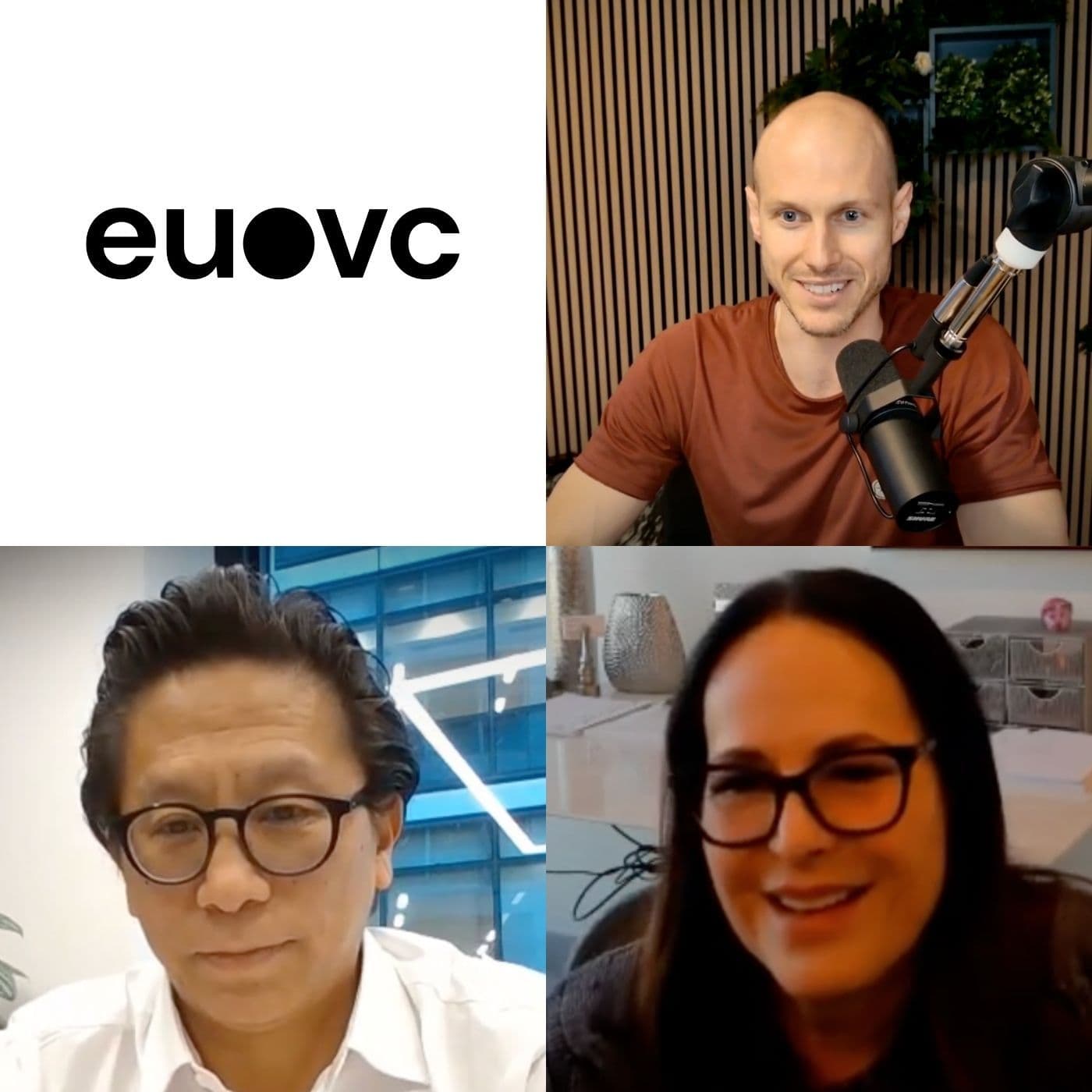
- Title: E454 | Karma Samdup & Vicki Odette, Haynes Boone: Fund Structuring, and Legal Challenges in Venture
- Hosts: Andreas Munk Holm
- Guests: Karma Samdup (Head of Private Funds and Venture in Europe, Haynes Boone), Vicki Odette (Partner in Dallas and New York, Haynes Boone)
- Date: [Insert Date]
- Overview: This episode discusses the critical legal considerations involved in launching and managing venture capital funds, focusing on fund structuring, regulatory compliance, investor dynamics, and compensation strategies for employees.
---
Key Takeaways
- Importance of Legal Expertise in Fund Management
- Legal documents set the foundation for fund operations.
- Well-drafted agreements help in avoiding unfavorable terms that can impact future funds.
- A seasoned legal team can help navigate complex negotiations and protect managerial interests.
- Key Legal Considerations for Fund Managers
- Jurisdiction: Selecting the appropriate jurisdiction (e.g., UK, Luxembourg, Cayman Islands) is crucial for regulatory compliance and marketing.
- Fund Structure: Understanding partnership agreements and their long-term implications is essential.
- Market Terms: Legal documents should align with standard market practices to avoid raising red flags for investors.
- Navigating LP Negotiations
- Cornerstone LP Dynamics: Large investors often seek preferential terms which can affect future fundraising.
- Communication with LPs: Clear and timely communication regarding capital calls and investment timelines helps maintain investor trust.
- Compensation Strategies for Key Employees
- Equity vs. Non-Equity Compensation: Understanding the mix of equity compensation and its vesting schedules is vital.
- Protection Clauses: Incorporating non-compete and non-solicit clauses to protect the firm from departing employees.
- Default Provisions
- Default provisions should be stringent to secure investor funds and maintain the firm’s reputation in the market.
- Communication is key to ensure LPs understand their commitments to avoid last-minute surprises.
- Expense Policies
- Clear delineation of which expenses are covered by the fund versus those incurred by the general partner helps maintain compliance and transparency.
- Hiring from Competitors
- Due diligence on new hires is essential to avoid legal issues related to non-compete agreements.
- Structuring compensation packages that align with the firm's goals while protecting sensitive information.
---
Detailed Discussion Points
The Role of Legal Expertise
- Legal risk is embedded in fund management; thus, reliance on experienced advisors is critical.
- Poorly negotiated terms can deter institutional investors and lock fund managers into unfavorable long-term agreements.
Fund Launch and Management
- First-time fund managers often overlook the implications of their initial agreements.
- Structured guidance helps in understanding the nuances of fund documentation and negotiations.
Compensation Models
- Compensation for key employees should incentivize performance while ensuring that the firm's interests remain protected.
- Vesting schedules must be carefully crafted to prevent quick exits by key personnel.
Investor Communication
- Establishing a rapport with LPs through transparency and clear expectations regarding capital calls can establish trust and facilitate smoother operations.
Protecting Firm Interests
- The podcast emphasizes the importance of legal documentation in protecting the interests of the fund and its investors against potential risks and liabilities.
---
Conclusion This episode of the EUVC podcast provides invaluable insight into the legal complexities of venture capital fund management. By understanding the critical aspects of fund structuring, investor relations, and employee compensation, fund managers can strategically position themselves for success in the competitive landscape of European venture capital.
---
Note For further details and insights, follow the EUVC podcast at [eu.vc](http://eu.vc).
Written by AI. May contain mistakes. Listen to the episode to check what was said.
Transcript
Automatic transcript. May contain errors.0:00Vicky and Karma from Hainsboon reveal the hidden traps in fund formation that lock emerging managers into bad deals for years. That first big investor feels like striking gold. Oh my gosh, this investor is going to give me 50 million, 100 million. But excitement blinds you to the fine print. And these are the terms they want. Be very careful about how it's drafted because oftentimes the seed investors are going to want priority and better deals on your next fund. What you sign today doesn't just impact your current fund. Those terms can lock you into unfavorable deals for your second, third or even fourth fund.
0:37think through what are you giving up long term. And that's where lawyers can really come in. You know, helpful to say the way this language is drafted, they have rights to the second, the third, the fourth fund. Even seasoned investors who understand markets can find themselves completely outmatched when negotiating fund terms, leaving money and control on the table for years to come. Sometimes, you know, you know the investment world well, but you don't know how to negotiate, raise money, and what's fair or not fair. The wrong legal documents can torpedo your credibility and institutional investors before they even consider your strategy.
1:15Institutional investors are going to look at it and go, this looks like you got this off the internet. And the consequences, brutal. They're ugly. And so oftentimes a GP will say, wow, this is going to scare my investors off because they can forfeit their entire interest. We can sue them. How do you raise today without compromising your fund tomorrow? This episode could save you years of regret and millions in lost opportunities.
1:41Here's a few words from our beloved sponsor. This episode is presented with our good friends at Haynes Boom. At Haynes Boom, they understand the complexities and challenges faced by VCs. Specialising in fund formation, they expertly manage the establishment of multi-billion dollar funds and innovative private fund products, ensuring their VC clients are equipped to attract global investors and excel in competitive markets. Beyond fund formation, Haynes Boone is deeply involved in the life cycle of startups, providing nuanced guidance on everything from entity structuring and capital raising to navigating exits through IPOs and strategic acquisitions.
2:22Their comprehensive legal services support VCs in maximizing their investments and achieving successful outcomes. Whether you're looking to launch a new fund or invest in cutting-edge startups, Haynes Boone positions you at the forefront of the European venture ecosystem, enabling you to capitalise on opportunities across health tech, AI and beyond. Stay ahead of the curve by tuning in to the European VC Podcast. Join us in celebrating the art of venture capital with Haynes Boon.
2:56Tear down this wall. It's more than just an alliance. This is a union of values. Let's start acting, acting, acting. This show is not investment advice and the hosts of this episode may be invested in the funds and companies featured. Vicky and Karma, welcome to the European Easy Podcast. Thank you. And before we start, let me just thank you a million times for supporting us with the EUVC Summit Awards. You are sponsoring for the second year in a row, this time the Firm of the Year Award. And I just want to say thank you so much for that. We couldn't do these types of things that we're doing if it wasn't for our partners like you.
3:41So thank you. You're welcome. And that, of course, means that anyone listening in today, you should absolutely make sure to check out Hainspoon and think about Hainspoon when you're looking to set up your fund or think about the next fund iteration. Because this team is great. We got the introduction to Karma in the beginning. We actually met you at Isomer's AGM. That's right. So you can come highly recommended by Mr. Joe Schorch from Isomer. And I'm just super excited that we're continuing the partnership with you. A pleasure. Pleasure to be involved with you guys too. Now, Vicky and Carmen, first, let me get the context on Hainspoon.
4:22Let everyone understand what's Hainspoon all about. What do you do in the VC space? What do you do in other spaces? Just so they know. You know, I'm Vicky O'Dad. I'm the global chair of the investment management group here at Haynes and Boone. We're a full service firm all over the United States, London, Mexico, and Shanghai. And specifically what Carmen and I do is in the investment management space. So we work with sponsors to form venture capital funds, private equity funds, hedge funds, co-investments. We really span the alternative space, industry agnostic. I've been doing this for over 20 years, and we represent both the sponsor side and the limited partner side going into these types of investments.
5:09And I think it's helpful because we get to see both sides. We know what the limited partners want. We know what the sponsors want. And we can really help guide people to that happy medium where they can get a deal done. I think there's an important angle there, the DLP side as well, because I do think that many, especially emerging managers setting up their funds, have a lot more access to people that understand the GP side. Could you maybe expand a bit on where you see this being an important thing for your managers? Yeah, I mean, because when we work with limited partners going into these funds, we know what they're thinking.
5:50We know what their issues are, what they're going to ask. And we negotiate side letters with sponsors because we know what special provisions are market, what they can ask for, what sponsors are going to give, what they're not going to give. And so it's really helpful when we work with a sponsor, an emerging manager, we can tell them, hey, what you're going to go, this is what you're going to go through. This is what your partners are going to ask. Here's what's reasonable. Here's what's not. You know, and having doing both sides on a regular basis really does give us insight into what drives both sides of the transaction.
6:28And that's been super helpful. Plus, we see what other firms do. When we're representing a limited partner, we do deals all over the world. And so we see some of the best and worst venture funds from a lot of different places. And so we can help guide people and say, this fund needs a complete overhaul, or this is a really good investment. Can I throw you a curveball or a softball. You're going to definitely take it to a place where it becomes a softball. The curveball would be, say, how do you make yourself relevant as a boutique firm versus all of these platforms that we have? That's the curveball angle to it, the softball angle to it.
7:15So why is it so much more valuable to have an advisor on your side that knows what they're doing versus a platform where you can go in and click and get things set up quickly, but you don't have much direct expertise. So let me take that. So look, you know, Andreas, that I'm a man of tech. I love tech and the team that we have here in London office, especially we've got a roots in venture. It's not surprising to me that we've had a proliferation of these platforms that support young managers and I think particularly useful for micro-managers, micro-funds, to be able to launch quickly and efficiently to give themselves a chance to develop their track record.
8:01So I think there's definitely a space for this. I think the likes of Carter, Slash, Roban, Mara, et cetera, who I know you know Mara well as well. So I think there's a very important dynamic evolving at the moment, which I guess AngelList from the US were probably at the forefront of this going back a decade. or so. And I think when I launched my focus on the VC space in the private market space, and particularly in venture, I noticed that this was where people would not be happy with the status quo. And technology is always being used and leveraged to allow new opportunities to be scaled. And so I think it's unsurprising that the platforms have a part to play and are doing well in relation to that.
8:44I was at a boutique alternative assets focused law firm prior to joining Haynes Boone. Haynes Boone is, as Vick has just alluded to, a large AMLO 100 US and with London now, I guess, covering Europe as well. It's very focused on investment management as an entire sector. We're, I think, still relevant. I think all law firms who are specialists will remain relevant. And I think even more so with the birth of AI and the evolution of that as well. largely because, again, we need experts who are experienced on deal-making and deal-constructing, designing, et cetera, to be able to input into what is norm and what is, if you like, sometimes I think the value you bring is making deals happen most efficiently so that both parties, as I think, Vicky, you alluded to this as a happy medium, is helping people achieve their mutual goals in an efficient, sensible manner so that this is not a dispute, this is a transaction.
9:43Both parties want to get away. And the good lawyer, good advisor, I think supports that along that journey. Platforms, as I say, have a use. But nonetheless, it's still a platform developed by people who are probably not experts at the law and not experts at necessarily some of the other tools that might be required. So I think working in partnership with experts as a manager is probably the key. Leveraging the platforms when you need to is probably the key. I think not forgetting the resources you have available around you in terms of experienced service providers, and that can obviously span beyond law, remains, I think, very important and relevant.
10:21Beautiful. I wanted to touch on that directly and tag it head on because everyone knows that we work with both sides. And for that reason, I thought, let's get it out. Let's not leave it here lingering. I think you also all, and now I speak to the audience, you're going to also hear from this conversation the level of depth we can go into and the understanding and nuance and the perspective, especially this LP perspective where Vicky and Karma can really bring in some thinking that you can really, you know, is not something that you often come easily by. Karma, maybe touch on one extra thing. You chose to move your team to Haines Boone, what, two years ago-ish?
11:07Two years ago, yeah, roughly two years ago, correct. Time has flown by. Tell me, one line, why did you choose to do that? We looked at a number of law firms at the time. We moved our team across. We felt it was the best fit. We looked at UK, US law firms in the aggregate. We were excited as a team because there was clear signals being given to us by Vicky and Taylor, the managing partner, that Haines Boone was a sensible law firm that was collegiate, that was looking to the long term with a business plan that is always 10 years forward looking and sensibly run financially, etc. We've seen big law firms suddenly disappear, right?
11:48So we were slightly worried about that too. But most importantly, you know, there was an ambition to grow outside the US. And this was the time that this was about to happen. So we like that challenge, too. And then the final piece probably was that myself, Andrew and running the three partners in our group in particular, very much focused on non US law firms in the past week, we had referrals and so on when partners there. But it was a it was a time we felt where our clients as well, looking at the US always looking at the US, this would be a perfect place to come to be able to bring that, you know, direct support to the to the European-based clients looking to the US.
12:22One day we should do a deep dive episode on the intricacies of acquiring partner-driven businesses, acquiring and merging partner-driven businesses. I'm sure that's an interesting inquiry. It's very interesting and intricate. Yes. All right. So to everyone in the audience, as you heard me saying in the intro of this, Today, we're going to talk everything about how to make the fund launch easier. We have a tough environment, so we're going to talk about the legal issues you face, where it's important to focus, and where it's maybe okay to compromise. We're going to talk about GP, LP alignment, Cornerstone LP dynamics, the special provisions they ask for, how to navigate those.
13:06And then we close on how to compensate key employees of your fund. There's a lot of topics to cover, so let's get directly into it. if we start with the first one that I mentioned, making the launch of your fund easier. First of all, I just want to emphasize here, we're not talking about launching their first fund only. We're talking about launching the multiple fund iterations. And I say that because sometimes I meet managers that are like, well, we're going to be done with our legal stuff. So I don't need more counseling or I don't need, I don't want to, and I would say this because we're going to do bootcamp where I encountered some people that where their view was, well, I'm quite far in, so I don't think we're going to have front threes there as well.
13:51So I think there's enough time for you, Mr. First-time Fund Manager, to learn a bit. So there's a ton to get into here. If we maybe start from the top, what are the main legal issues that you as a Fund Manager should expect to meet when you're set out to launch your fund? From a legal point of view, right, I think the key question that invariably has to be tackled is a couple of the key questions. One is jurisdiction, where you're going to be launching your fund from. So the jurisdiction can encompass, for us, UK, Luxembourg is a very popular jurisdiction, as most of your listeners will know, for various reasons.
14:33Could be the Channel Islands and all the Cayman BVI and the US, of course, the Delaware region. So jurisdiction is key. Invariably, fund structures always have a transparent partnership in play. So those I would not expect to be questioning or reiterating in any way. And as a manager, I think, you know, if you're a first-time manager, especially understanding the dynamics of the structure, the tax implications and relevant as well as regulatory and marketing implications. So making sure you have that advice high level first. And as you go on your journey to fundraise, being very clear on all of that so that your discussions, your rapport with your LPs are extremely clear and don't raise red flags in the minds of the LPs around that.
15:16And that's something you can control. It's not about raising the money and LP writing you checks. And that's obviously the most difficult part is what I always tell clients. So I think jurisdiction, regulatory dynamics on marketing, et cetera, from a legal point of view, is very important. And then the last thing is probably just understanding fund terms, by which I mean your partnership agreement that you will invariably want to put in front of your LPs, understand your way through that and have a good advisor around you to talk you through them so you understand it and have a good network of other GPs, etc.
15:48who've been on that journey and understand it. So from a legal perspective, that is obviously key and that's usually where we would be spending a lot of our time helping our clients with. And Vicki, I don't know if there's anything else you got. No, no, I think it's very similar in the US. And I think just making sure that your terms are marked, you're not trying to do anything unusual, funky, as far as your legal terms go. Now, your strategy obviously can be as unique as you want. But, you know, investors want to see something that they're familiar with. You know, they know these are the market terms.
16:22And so that's, you know, something that's really important to make sure that your documents look fairly standard compared to market so that it makes it easier for investors to focus on your strategy and who you are as a manager versus these documents are really not in line with market because that's a distraction, you know, managers don't need. How much of this can be researched on the internet, asked to get GBT and cut and paste from friends? It's interesting because we have seen some managers come to us after they've launched and they had a successful initial fund and then they want to grow and they want to get bigger investors, family offices, institutions, but their documents are just not up to par.
17:11You know, institutional investors are going to look at it and go, this looks like you got this off the Internet. And sometimes they did or they got it off a platform. And that's, you know, fine for some micromanagers and et cetera. Some of the documents can be OK for that. But once you start growing and you become bigger, you need documents that are more substantive and address all the legal issues that investors are going to want and they're going to want to see in the document. And so I think that's pretty important that, you know, you start off with a strong set of good legal documents that not only protect you as the manager, but also give those key provisions that some of your investors are going to be looking for.
17:50For example, there may be certain investments that they can't make or they don't want to make. In industries, they don't. So they're going to need excuse provisions to get out of a certain investment if it's something that they just aren't aligned with, like ammunition or tobacco, alcohol, porn, whatever it is. So it's sort of a dual purpose. You want to make sure that the sponsor is protected, but you also want to make sure that you're making it attractive for the investors to come in. You're not creating obstacles for investment in your documents. Yeah, I think I probably had one small point, which is you can raise a fund, quote unquote, start deploying on very limited set of terms.
18:33If you as a GP find an investor with deep enough pockets for the size of the fund you want to raise, who's also willing to participate on, let's say, skinny terms. Because fundamentally, all these terms have evolved over time due to the market, due to the demand of either the GP side or the LP side, right? And so as a manager, and we're talking here about building a long brand, a long longevity in terms of your fund approach, I think it is important to, yes, lots of things on the internet and you read through the useful guidance that have been issued by various advisory groups, law firms, etc.
19:10and really valuable insights around data sets, etc. But I think ultimately getting into the weeds of it and actually understanding the intricacies of these terms, that will only happen as you're living and breathing those negotiations yourself. And I think the more you do that as a manager, I would say if you're a successful manager and remain a successful manager, I would have expected you have gone through that process multiple times. Yeah. Then let's go directly into where is it absolutely important that a manager prioritizes their time and their money spent and where can they not just lean over to the LPs or say, okay, I'm going to copy paste this clause or this part of my LPA because it's probably going to be fine.
19:57I, you know, I think that it's really important to get a good set of documents in place. You know, oftentimes I'll hear people say, well, can I save money by not doing a private placement memorandum? I mean, you can, but what that document does is really protect you as a sponsor, because you're telling your potential investors, these are the risks associated with investing. You know, oftentimes sponsors don't want to say, well, you could lose all your money because I don't want to scare my investors. I don't want to tell them all the bad things that can happen. But that's standard. It's market.
20:34And it protects you by saying, hey, here's what could happen. But at the same time, it's an opportunity to sell yourself because in this document, you're also talking about your great strategy, your track record, you as a person, why they should invest with you, you know, selling yourself. So it's not only a promotional document, but it's also a document that is protective of you. And so I tend to not like to see people skip that because it is dual purpose. And spending a little bit more money now will save you a lot of headaches in the long run. Do you agree, Karma? Yeah, yeah, absolutely. I'd also add, you know, we can talk about this subject in so many different ways.
21:16But I think the one thing that's always absolutely critical, if you want to save time, money, is making sure you've got two things locked down as tight as you can, I think, as a manager. One is absolutely crystal clear on your strategy, knowing what that looks like. You can say, I do early stage in this vertical. that's fine too but actually drill down whenever you can to a deeper level if you if you look at it internally as a team because that will play a part later in the the amount of money you can deploy into certain areas right and sometimes you have buffers you can go outside the strategy it also plays a part in the narrative you build with your lp base so the more differentiated more clear more disciplined you you appear in your strategy the better i would say and then the other is the team you know being absolutely clear about the value that each of your team members bring especially the principal founding group, the management, the senior level, because again, that plays its role in the legal terms, because we have key executive provisions, which are critical in the discussions you're going to have with your LPs.
22:17And so knowing who are your key persons, is there different tiers of them? All of that feeds in to the legal contract as well. And LPs do care about that a lot. And of course, they care about it, because it's about the commercial output, your ability to execute your strategy well or not, it's predicated on the basis of your team. Could you expand on that being super clear? How does having had these discussions, having had this very well defined, how does that play into the legal set of documents? I mean, oftentimes the investors will want to see these are, for example, the three key people. They're investing because they believe in those principles, those key people.
23:03So what happens if one goes or two goes, leaves the business? You know, investors will lose faith. And so sometimes we have, we strongly recommend key person provisions in the documents, which legally spell out what happens if one of the three leave? What happens if two of the three leave? You know, do you go to the investors at that point and offer a new principle? You have to sell it to them so that they still have faith that their money should continue to be invested. You know, oftentimes when someone when one of these key principles leaves, there's a suspension of the ability of the fund to make new investments while you convince your limited partners that, hey, this new principle is great.
23:48They can continue or the remaining principles themselves have enough skill and expertise to continue the strategy. And so that's something that's very key in these documents. Is this a place where you see people skipping or where you think the standard is too often just applied and not nuanced to the particular case? I think sometimes sponsors are surprised at who the investors think are critical on the team. And sometimes it can lead to a little bit of internal strife where a big investor is like, you know, I really want karma, but I don't think he's not that essential. You know, so sometimes your ego gets a little hurt, you know, when you're one of the key players or you think you're a key player.
24:33But your investors really do dictate to you who they have the most faith in, because oftentimes if there's three, they could say those two could leave. but karma can't. If karma's gone, we have to stop and we have to really rethink this. And so it is really important. And it's also part of your sell. When you're selling to the investors, who are the leads, who are critical to the strategy? And so that's something to really think of in advance. And it's part of what you sell to the limited partners. And then they'll expect to see that in the documents. And it also goes towards your team dynamic and being aware as you go through your multiple funds, how your team is being added to and reshaping itself because that will play a part in the next fund that you launch and the key person provisions around that as well.
25:22Any other places where you say it's absolutely important that you prioritize your time and money in the beginning? It's really the economics, making sure that you are very clear on your economic terms. you know, oftentimes, you know, investors are going to want something special. So let's say, you know, any, even an existing successful manager will have investors come in and say, hey, if I give you X number of dollars, which may be very big for your fund, they're going to want something special in return. And it's typically special economics. They want a lower management fee. They want a lower carried interest.
26:03They may want some other, you know, transparency, et cetera. And so understanding that you may have to give them a side letter with these special provisions sometimes can be challenging for sponsors because they don't want to give up that. And they have to decide, can they give up part of that management fee? And if you're not really established, it is hard to reduce your management fee. So you may choose to reduce your carry in the long run, because that's also alignment. The better you do for the investor, they'll take that reduced carry. Maybe you can talk a bit to what's kosher and what's not kosher when we think about special provisions.
26:51It's really interesting when you're an emerging manager, I think everything's on the table. Oftentimes your big investors are going to dictate to you what the terms are going to be and what they're willing to accept. I think the key is oftentimes we'll see people get that big seed investor to get them launched and to expand, to do bigger things. And those seed investors will often want longer term contracts than just this fund. And so you get really, we see sponsors get really excited. Oh my gosh, this investor is going to give me 50 million, a hundred million. And this is, these are the terms they want.
27:29Be very careful about how it's drafted because oftentimes the seed investors are going to want priority and better deals on your next fund. And you really need to, you know, think through what are you giving up long-term? And that's where, you know, lawyers can really come in, you know, helpful to say the way this language is drafted, they have rights to the second, the third, the fourth fund. Is that really what you want to give? So let's think through that. And these are highly negotiated bespoke, but it's really important not to get too excited about right now and think, how is this going to impact me in the future?
Read the full transcript
28:11Assuming you're going to be very successful, which everyone assumes they will be and we hope they are. Karma, you smiled a bit when I asked the question, so please come in on this as well. I would say it's a fluid dynamic I think you should expect. I guess one thing if you are negotiating as a manager with any significant LPs is be aware, be advised the nature of that LP perhaps in advance. So I, the obvious one is an institutional investor, they tend to have a very set way of investing, of doing their due diligence, of initiating the negotiation process, and the terms that they expect to get by way of side letter provisions is very clearly mapped out.
28:56An experienced institutional investor probably have thought about this multiple times and have things ready to send across to you. Contrast that with early stage managers in the venture practice in Europe in particular, where you've got families investing or high net worth who perhaps sometimes do cornerstone, right? So it's not insignificant relative to the size of the fund being launched. But in those kind of negotiations, I think the GP is likely to face curveballs, as you called it earlier, or it might be in novel territory. Again, important to have an advisor who's seen that dynamic as well.
29:33What is novel territory, Karma? Oh, Christ. Novel territory is one that I can't tell you because it's so novel, Andres. I would say... Firstborn child, access to firstborn. Yeah, typically. Yeah, it may not go that far. But I think novel territory might include, you know, having, I mean, I say novel, but, you know, for the discussions that that GP is about to have, I think, things that they may not have considered even, right? Sometimes, you know, you know the investment world well, but you don't know how to negotiate, raise money, and what's fair or not fair when you're negotiating how to raise that money.
30:09And that's what I mean by novel. It's novel subjective, right, but it's novel to certainly the new managers. I think what you would expect is always discussions around your carry, your current or future carry. And as Vicky's clearly said, you know, you've got to be very careful. You understand, you know, what carry we're talking about. Does the carry ratchet down, depending on the size of the fund that you end up with, that final close, which could be 12 months later, 18 months later? So do you even have that debate? If you didn't know about it, you probably wouldn't. The type of management fee share that they might end up, i.e.
30:41buying a stake in your GP. And that GP, in theory, is your vehicle going forward, your brand, right? Your man code. So those discussions are always on the table. And I think being clear and advised well around that will definitely save a lot of headache, subsequent funds. And co-investment rights, which Vicky mentioned, are really important to LPs, as we all know. It's a tool to make sure that their overall fees are reduced, blended down. And when you get the right deals, of course, they're more obvious to see the success rate hopefully is better, the risk rate is lower. So everybody wants good co-investment opportunities to be put in front of them.
31:17So you know that if you're a successful manager and predicating yourself on that basis, you know that those are going to be the ones that you need to make sure you manage carefully and sensitively because ultimately you want to develop better relationships, deeper relationships with your LPs to succeed on your subsequent funds. And this is a means to achieve that. So what you don't want to do, I think, is end up with those opportunities, but then end up having worse relationships at the end of it because you mismanaged that process somehow, because your contracts weren't drawn up right, because they didn't talk to each other, the sign letters, etc etc so i think just being really smart and very clever at the outset in these negotiations thinking long term and being very and you know ultimately being well advised around that so you're aware of the pitfalls yeah i think that's that's really important before we move to compensation i want to do a bit of a quick fire with you because i want i do want i do want your your quick take so to say or your your statements on on a couple of uh of issues the the first one is GP commitment.
32:18There's always this discussion, obviously, 2%, how much, and there's also a bunch of other things to consider here. So GP commitment, what is absolutely important to be mindful of as an emerging manager? Well, from the US perspective, it really depends on the wealth of the sponsor. And the investors want to see that you're putting something significant for you in, So there's alignment. Oftentimes you'll find sponsors that aren't wealthy. They're just starting out. They've got great ideas. And 2%, depending on the size of the fund, may be just out of their range. And so investors are looking for something very meaningful to know you really have skin in the game and it's gonna hurt if you lose.
33:04So they wanna see that alignment. 2 % is often a good number or a set dollar amount. But like I said, with emerging managers, there's more flexibility. It just needs to be something that would cause you some pain. And the investors know that you're really in it to win it because you've got personal money at stake. It's funny. I had Jem from Beck Ventures, formerly Early Bird East, Digital East on the podcast yesterday. I did the episode and he said, well, one of his surprises was that the GPs from Beck are putting in 10%. And one of his LPs came to him afterwards and said, just in conversation, I actually don't like the size of your GP commit because for me, you're a very risky bet.
33:52I want you to take risk. And when you have that much capital at risk, I don't like it too much. That's an interesting perspective. That's very nonced. That's very nonced. I mean, the one thing I would add, I totally agree with what Vicky's just said. I think the one thing just sometimes we see is that, yes, it is difficult sometimes to fund. Small things you can think about doing is, you know, having it scaling maybe as at the final closing date. So you give yourself a little bit of a leeway, for instance, right? And then the other is think about, and we've seen it and we've helped people do this, is think about funding it through a contribution of assets that you've already hold, angel investments or anything else of that nature, provided it's a very important proviso that those assets, when you're moving that into the fund, would be right fit for the fund, right?
34:44It would be the investment strategy and that those assets would have been perfect and you would have acquired them if they were still on the market, et cetera. But that's another great way to make sure you are a used car. Yeah, the other way we see it is retaining distributions that would otherwise go to the general partner to fund their commitments. So sometimes we see that as well. There's also management fee offsets where you're basically foregoing management fee. There's just a number of different ways. We see seed loans. The universe is pretty broad. Yeah, but it's good that you stated because it also, of course, it's a bit of a dog's dinner here, but it is good to say that all of it is actually fair game.
35:25It's a bit up to the LPs that you're then negotiating with what was possible. Okay. Default provisions, your take on default provisions. You know, they're, they're ugly. And so oftentimes a GP will say, wow, this is going to scare my investors off because they can forfeit their entire interest. We can sue them. They have to do interest at the maximum lawful rate. You want it to be that way. You want investors to put their money in because part of it is your reputation as a general partner too. If you go to someone and you're saying, I'm going to give you X number of dollars for your company, you don't want the reputation in the market that you can't close the deal.
36:07So you need your investors to fund. So we tell people, yes, default provisions should be ugly. They should be scary because you need that money and you want to be someone who can go out in the market and close the deal and not be known as, well, who knows if they're actually going to have the money. yeah and there's also the other angle which is if i come in as an lp and i plan to uphold my commitment to my manager you want others to know that no one else is wasting time yeah trying to get their money that they rightfully should get so exactly any additions karma i think the only thing to say is i think in not private equity you don't see this but in smaller funds sometimes you You do more often than not, often than you'd like.
36:51See some people saying, I need more time. Individual LPs in particular in venture, I think, as a venture manager running a fund today, if you're raising money from a lot of individuals, just be really, really clear that they understand these commitments because people kind of don't really read every single piece of the contract, perhaps, right? And especially when it's an individual who perhaps has wealth but hasn't thought through the process by which funds are drawing down their monies, price of investments, et cetera, and how critical that can become otherwise. And what can you as a manager do to kind of meet these LPs that, first of all, of course, you can describe and make sure that they understand what they're committing to.
37:33Are there other things you can do to kind of make up for the shortfall here or the risk that you know that you have on these? You know, I think if you can give your investors as much notice as possible, particularly if you have a lot of individual investors that, hey, I've got this deal. This is what it looks like it's going to cost. I may be making a capital call soon. So it's much communication about the expectation and when you're going to call capital that you can do is probably helpful with individuals because you don't want to hear them say, oh, my money's tied up. I'm not going to be able to get this for another two weeks.
38:10And you're like, yeah, but I have to close in a week. So advanced communication is really important. What is good communication here? Is it stating that we are going to call every quarter X percent of the commit or is it every six months or is it we call when we have a deal? What do you advise? Are there brackets of managers where it makes more sense to do one version versus another? So one tool that's available to GPs probably of a certain size is facilities that you can draw down on in order to give you that little bit of buffer. So you're not having to go to your LPs to fund the investment, but you have that ready-made facility available.
38:52I think the other is, you know, a good communication is in the run-up to your first closing, your LPs are given clear insight into your cash flow management, your drawdowns, your timelines, and all of that, your predicted investment scaling, et cetera, et cetera. And I think that's really important because it gives you the cadence of draw down and lightly commit. If you've done X, what portion of that is needed to be set aside by you in advance? There may be movements and adjustments around that, but I think trying to stick to that is important. And if you had a nav line or something like that, that could probably help you manage that even better.
39:27I think the other is just as Vick has just alluded to, in the run up to you looking at deals, particularly if you're about to go contrary to your model's cash flow management, really important to let people know in advance. The legal documents usually say giving people at least 12 days or something like that notice to pay your money, but it's not to stop you giving them more notice. So I think that's the trick is managing the LP base in a clear and early way so that you know that you're not going to have a surprise yourself with an LP turning around saying, I've got no cash. It's cool, sir. Now there are two questions that I really want to make it to the compensation part, but I have to ask you a final one, which is expensing.
40:12This is something where VCs can be quite creative, what they're allowed to expense or what they decide they're allowed to expense. You know, in the US, the SEC, the regulators are very, very focused on expenses. And so oftentimes in our documents, you will see pages and pages of what qualifies as a partnership expense versus what is a general partner expense. So don't be surprised when you see that in the US because we have to be very detailed on every category to stay out of regulatory trouble. And I'll let karma, we don't have as much flexibility in the US with creativity. We have to disclose everything that we're going to expense.
40:59If you're a manager here to stay, you should be very clear on your accounting and your audit trail around this. Your lawyers and your administrators will be able to support you in working out which expense can be something that you have to pick up yourself for your fees and which expense is something you can put across into the LP books. So I think it is clear, but we still get questions. I think the difficulty sometimes is making sure you keep track of it diligently. So as a very basic example, when we work with clients, we will always try and make sure that our invoices are segregated in the right way so that you will see the fees that we incur in relation to what we think are LP expense according to your LPA is invoiced in a certain way and fees that are for you as a manager group to pick up separately earmarked and invoiced.
41:49That helps, I think, keep things a lot clearer. And then if you're raising money using placement agents, typically that would not be something you'll be able to expend so just be aware of that as well and and then probably the only other one is marketing regulatory costs you know afmd passporting type costs different jurisdictions so you need to be careful and be aware of the jurisdictions where these costs are being incurred but different jurisdictions sometimes have a different expectation some of these costs may be something you can pass on to the lps in one jurisdiction but another jurisdiction might not then might prove it to that.
42:23So I think just being a little bit more cautious about some of the key costs is really important long-term. So much to cover, so little time. This is going to be a teaser on compensation of key employees of the fund. But I want to ask you, just to lay the super highlights of this, what are the core parameters to consider and what would you advise or disadvise when it comes to compensation for key employees? What's important to consider here? Yeah, so the main things that I see are how much are you going to compensate the employees with equity or non-equity? Because you can have actual equity that you give them in the carry or you could do what we call a phantom plan, which it mocks equity, but it's really just compensation.
43:15And then if you give equity, what is the vesting? How long do they need to be there? Is it performance-based? Is it time-based? What happens if they leave? What happens if they're fired for cause or without cause? What kind of provisions do you need to protect yourself from your employees who are leaving, for example, non-competes, non-solicit of my clients, of my employees? The last thing you want as an employee to leave, take your intellectual property, go after your clients, go after your employees. And so I know there's some differences between the UK and the US as to what's enforceable, but in the US, we're very focused on those things because we want to protect you as a sponsor from employees leaving and getting your, you know, what you've spent so much time building.
44:06Yeah, we're very different there, right? Because you have a very, you're allowed to do a lot in terms of making non-competes, which we're not - Yeah, in the US, we can get after it. And it does depend on the state. Now, I know London is, you know, Europe is different. Yes, I think on the compensation front, I guess, as Vicky's just said, you can get direct share of carry. And if you did that, some consideration, I think, sometimes needed if you have different, not every fund is like this, but if you had some concerns around individuals working in different funds and working for the benefit of building different funds, you might want to consider whether their share of the carry is limited to the same fund that they're really involved with.
44:51Or the same deal, deal by deal. Or sometimes deal by deal, right? So that is a consideration always to bear in mind. In that consideration usually goes, you know, what is the right way to incentivize your overall team and what are you trying to achieve with that incentive program? And the other, as Vicky said, you know, if you want total alignment, then it's carry across multiple funds. And another way to achieve that, of course, is doing that phantom structure where you're pulling it through a bonus type arrangement based on the value that you attribute to the relevant carry pot that's available on a given year.
45:22Again, there may or may not be cash flow issues sometimes around that, but you can probably find ways to fund that as well. But I think the vesting provision is also another key dynamic. I think my view is you need a cliff. You don't want people who join and then within a short period of time leave and have something in their pocket still. So I think you need a cliff. And then the question is, how long is the rest of the vesting schedule? Is it just time-based or is there something more than just time-based? Typically, there's definitely a time-based element. Yeah, someone leaves and they're a noisy lever.
45:54You don't like them, you want them out. How do you buy them out? You know, so there's, this is where, you know, if you, this is an area where I would not be cheap on. You know, if you are, when you're compensating your employees and you're thinking about this, this can have such an impact on you as a sponsor that you really need to think through all the dynamics of actually giving equity. Because it's a lot more complicated than you would think, because you do want to make sure you have control. You want to be fair and generous, but at the same time, you need that control if something bad happens.
46:28You want to get that person out. You want your equity back. You want to be protected. Yeah. Now you say, Now you say that if they're bad leavers and so on, but it's also if you move to a rival firm or even a firm that's potentially competitive, right? What do you normally do there? I remember having this conversation with Joe Schorch from Isomer. What do you do when you hire someone from another firm? and because then we're talking about, well, what you normally do is you agree that you're paying this person because that person's going to have to give up anything that they had. And then you compensate them upfront basically with the cash bonus.
47:06So the first thing we do in the US is make sure that we see if they have signed a non-compete or they have some contractual agreement with their old firm, we need to know exactly what that is and look at it because the fund does not want to get in trouble by using this new employee who may be taking information from their old shop, employees, clients, knowledge. So that's the first thing we do. And then what we do is, you know, really dive into what is it that we need from this person and how long. We always get talent from other places, but you really want that talent to be there long-term as long as you need them.
47:45And oftentimes I say, you know, what is your investment cycle? If you have a five year cycle, you typically want them there for five years. If it's a seven year cycle, you want them there for seven years. You know, you really want them in it to win it. And that's why, as you know, Karma said, you have vesting over time, cliff vesting. There could be performance issues as well. But I always caution people when you get someone from another firm, make sure you know what their deal was at the prior firm so that you as an employer don't get in trouble for actions that this new employee may do because you don't want to get sued from their prior employer coming after you for things they're doing.
48:26Yeah, nothing too much to add, to be honest. I think a lot of it's common sense, by the way. We're talking about human beings in the same industry sometimes. So there's only so much you can protect yourself against. But it is a lot of common sense to make sure you don't take on liabilities or risks that you don't need. And so due diligence around the current contract and current terms that they've got to live by is really critical. And you're going to rely on the individual to share that with you, I guess, right, in some way, shape or form. And there may be restrictions around that. Yeah. And one of the things we do, too, is if we're employees leaving and going to a competitor and let's say there's not a strong non-compete so they can go.
49:04But but there's certain things like non-solicit. You can't go after my employees and clients. What we'll do on the buyout is we do it on a promissory note and we say if you violate the terms of this non-solicit, then we'll stop paying on the note and you forfeit your equity. And so there's some things that you can do on the buyout to protect yourself as well. So you're not giving them cash and then they go and do something bad and you've already paid them out. You still may want to sue them, but at least if you stop payments on their equity, they're going to think about that because that's money in their pocket.
49:38So they're more likely to comply with the terms of your contract, particularly if you are a profitable organization when they left. and just worth noting sometimes there's elements of the gp commitment which you know these outgoing managers may be partially responsible for so you need to pick that up as well yeah great point okay we could do a whole podcast just on yeah we could and we definitely will and like as i said before we're going to do a boot camp for for emerging managers uh where all of these topics are like going to be dived much much more into and and the beautiful thing is we can keep doing these because because there's so much to cover.
50:16So it's going to be incredible. Karma, I'm so happy that we have you involved in the things we do. Vicky, Karma, thank you so much for joining in this podcast. Thank you. It's been fun. Yeah. Thank you. Thanks, Andres. Thanks, Vicky. Here's a few words from our beloved sponsor. This episode is presented with our good friends at Haynes Boon. At Haynes Boon, they understand the complexities and challenges faced by VCs. Specializing in fun formation, they expertly manage the establishment of multi-billion dollar funds and innovative private fund products, ensuring their VC clients are equipped to attract global investors and excel in competitive markets.
50:55Beyond fund formation, Haynes Boone is deeply involved in the life cycle of startups, providing nuanced guidance on everything from entity structuring and capital raising to navigating exits through IPOs and strategic acquisitions. Their comprehensive Legal Services support VCs in maximising their investments and achieving successful outcomes. Whether you're looking to launch a new fund or invest in cutting-edge startups, Haynes Boone positions you at the forefront of the European venture ecosystem, enabling you to capitalise on opportunities across health tech, AI and beyond. Stay ahead of the curve by tuning in to the European VC Podcast.
51:35Join us in celebrating the art of venture capital with Haynes Boone.
51:43Tear down this wall. It's more than just an ally. This is a union of values. Let's start acting.
From the publisher
In this episode, Andreas Munk Holm talks with Karma Samdup, Head of Private Funds and Venture in Europe in Haynes Boone's London office, and Vicki Odette, Partner in Dallas and New York, at Haynes Boone. They discuss the legal considerations in launching and managing venture capital funds. They also provide a detailed overview of key issues such as fund structuring, regulatory compliance, cornerstone LP dynamics, GP commitments, default provisions, and expense policies. They also discuss practical guidance on compensation models for key employees, using side letters, and negotiating with different types of investors.
Here’s what’s covered:
- 03:59 The Importance of Legal Expertise in Fund Management
- 10:58 Key Legal Considerations for Fund Managers
- 26:31 Navigating LP Negotiations
- 35:57 Effective Communication with LPs
- 40:48 Compensation Strategies for Key Employees
- 45:00 Hiring from Competitors: Best Practices
- 47:11 Protecting Your Firm from Departing Employees


