
In short
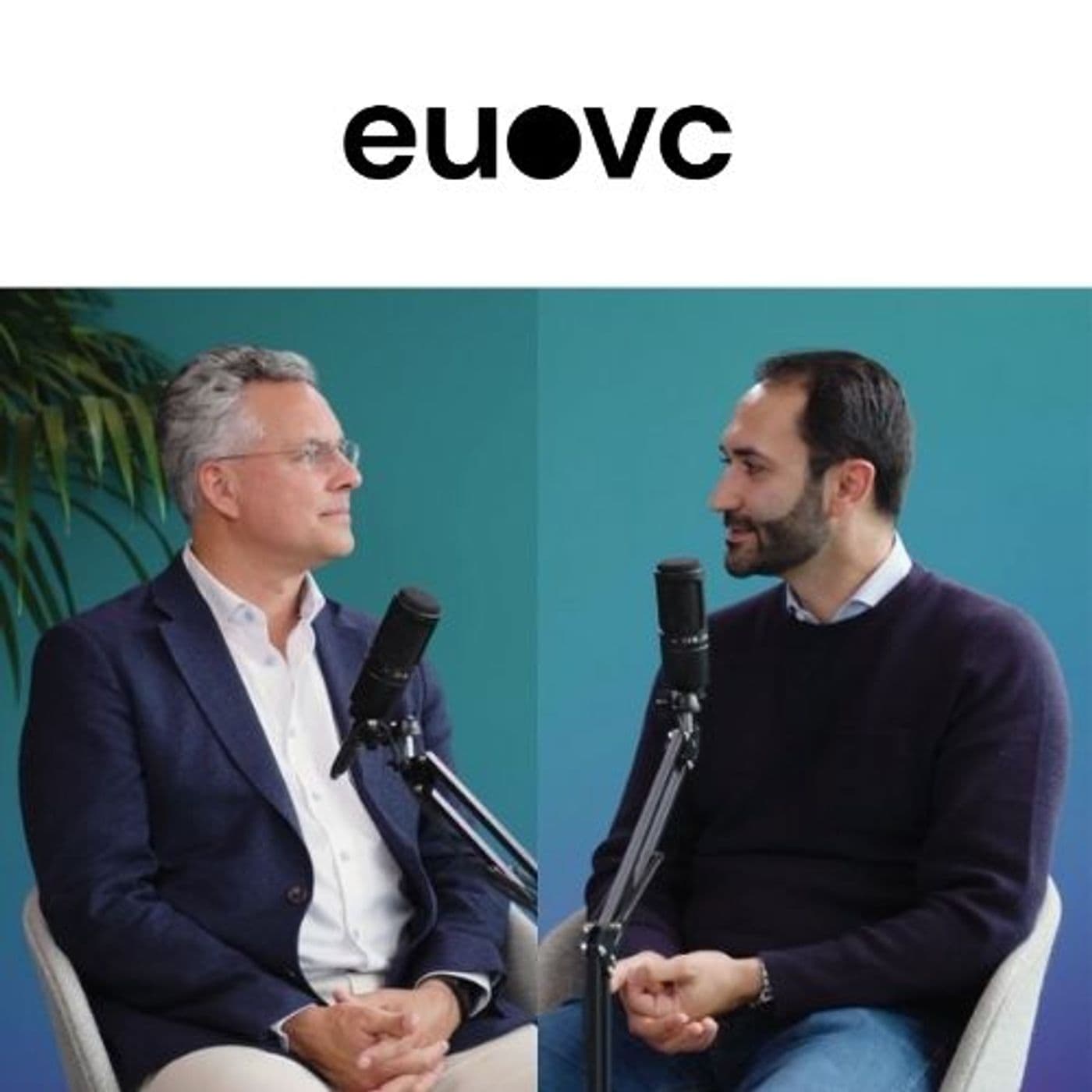
EUVC Podcast Episode Notes: E502 | Joe Schorge, Isomer Capital
Episode Summary In this episode, co-host David Cruz Silva interviews Joe Schorge, founder of Isomer Capital, a key player in the European venture capital (VC) space. The discussion revolves around the evolving tech ecosystem in Europe, the nuances of liquidity, secondary investments, and the challenges of predictive power in venture investing. Joe shares insights from Isomer's approach to investing and offers valuable advice for Limited Partners (LPs), General Partners (GPs), and founders.
Key Themes
- European Tech Ecosystem
- Liquidity and Secondary Market Dynamics
- Predictive Power in Venture Capital
- Long-term Investment Strategies
Who Should Listen
- LPs considering secondary exposure and portfolio liquidity
- GPs raising new funds with legacy challenges
- Founders and angels eager to understand the behind-the-scenes of liquidity
Episode Highlights
00:00 - Introduction
- David introduces the episode and the significance of the Superventure event for the European VC community.
00:31 - Isomer Capital’s Model
- Joe discusses Isomer Capital's strategy of backing European technology through fund commitments, co-investments, and secondaries.
01:30 - The Shift in Secondaries
- Transition from passive to proactive approaches in secondary investments.
02:55 - Understanding Returns
- Emphasizes the point: "It’s not a return until you can buy a beer with it."
03:30 - DPI and Exits
- Discussion on Distribution to Paid-in (DPI) metrics and exit strategies, referencing a conversation with Björn Tremmerie.
05:00 - Macro Uncertainty’s Impact
- How macroeconomic factors and political events, like Trump tariffs, affect exit timelines.
06:00 - Current Growth Dynamics
- Analyzes the state of growth within the European tech sector despite stalled exit windows.
07:30 - Who’s Buying?
- Identifies current buyers in the market, including founders and growth funds engaging in LP-focused secondaries.
09:28 - Key Learnings in Venture
- Joe's insights on the unpredictability of venture outcomes and the importance of time and diversification in investing.
12:23 - Advice for Aspiring LPs
- Shares wisdom for emerging allocators in the venture capital landscape.
15:00 - The Necessity of Diversification
- Argues that diversification is essential for survival in the venture capital industry.
Key Takeaways
- Liquidity in Venture Capital: There's a growing interest in secondary sales due to an increasing number of tech companies with significant unrealized gains.
- Macro Factors: External uncertainties weigh heavily on exit timelines, yet intrinsic company growth remains strong.
- Predictive Challenges: The notion that predictive power diminishes at early investment stages underscores the importance of robust diversification strategies.
- Long-Term Perspective: Successful venture investing often takes time, and patience is critical for realizing returns.
Conclusion Joe Schorge's conversation emphasizes the evolving landscape of European venture capital, highlighting the significance of adaptability, liquidity, and the unpredictable nature of investing. His insights provide valuable guidance for stakeholders involved in the VC ecosystem, particularly as they navigate current market conditions and future opportunities.
For more insights and updates on European venture capital, follow EUVC on [eu.vc](https://eu.vc).
Written by AI. May contain mistakes. Listen to the episode to check what was said.
Transcript
Automatic transcript. May contain errors.0:00Hi everyone, this is David from EUVC and I'm super excited to bring you something special It's EUVC live from Superventure. Superventure is the place to be if you're serious about VC in Europe. We're talking about hundreds of LPs, VCs, fund managers, all hanging out in Berlin, connecting, debating, and yes, having quite some fun along the way with all side events. But for this limited series, I did catch up with some incredible people, folks shaping the future of European tech, debating if anyone actually has an edge in venture, and tacking hot topics like defense tech, secondaries, ESG. And trust me, things go real.
0:36Sometimes funny, sometimes provocative, but always insightful. You'll hear from people like Andre from Bakkt who threw parties with acrobats. Seriously. Matthew from Barclays who gave us the lowdown on why defense tech isn't just about bullets and bombs. Joe from Eisemmer reminded us that you can't buy a beer with paper games. Bjorn from the EIF brings some surprising optimism on European exits, and Jan from HV Capital, reminding us all how humbling the VC game really is. So, if you want to get inside the conversations happening right at the heart of Europe's venture community, then subscribe, stay tuned, and get ready, because UVC Live from Superventure is starting.
1:27This is a union of values. Let's start acting. This show is not investment advice, and the hosts of this episode may be invested in the funds and companies featured. My name is Joe Shorich. I am the founder and managing partner of Isomer Capital. So Joe, Isomer Capital is a firm backing European technology, mostly through commitments into funds, but also you do co-investments and secondaries. And so tell us a bit about your kind of outlook for SuperVenture this year. We're here in the first day of SuperVenture. What are you hoping to get out of this event this year? Well, SuperVenture, as you may know, is the biggest collection of GPs and LPs in the venture community every year.
2:19And so for me, the most important thing is I can walk down the hallway and catch up with half of our portfolio and a very big part of the ecosystem in one place. And that's really nice. It's a bit overwhelming sometimes. You can't take one step and meet three people. But so that's efficient because, you know, to have 100 Zoom calls takes time. Yeah. But to have 100 conversations over three days is great. Of course, there's some real work that gets done, moving deals forward, finding out about new deals. Every year there are different trends that are hot and so on. So this year, I think a lot of people are interested in secondary sales.
3:02We're a buyer. So that's, this year in particular, quite a topical thing to create deals. Hey, have you ever thought about this kind of thing? Do you want to talk a tiny bit about secondaries? What are you seeing? What's getting you excited? You know, IZEMER recently launched a secondaries fund. Give us a quick rundown of how you're seeing things there. Yeah, we've always done secondaries since the day we started, but we've done it in a soft way by telling our partners, if you ever have an LP or a founder or, you know, someone seeking liquidity, let us know. And that was a fairly soft approach which worked well, but also fit the style of the market, which was in total growth mode.
3:46And now, sitting here in 2025, what you find is the biggest stock of assets in Europe that's ever existed of tech companies, right? Not enough DPI and lots of people interested in liquidity. So what are we seeing? Yeah, people saying, oh, well, could I sell? What do you have? What are you selling? So it's gone from a fairly passive special situation, somebody might need to sell, to now actually quite a large part of the venture ecosystem from founders to VCs to LPs are thinking, could I sell part of my... I have a lot of gains on paper. That's the good news, right? If you didn't have good gains in Europe, you wouldn't have anything interesting to sell.
4:27So the good news is we have amazing gains all over Europe. Great companies, great funds. But you can't buy a coffee with gains of flavor. You can't, you know, what a, what a, my favorite expression, it's not a return until you can buy beer with it. There you go. So, yeah. Yeah, we still need some money to buy beer. You can't eat IRR. Exactly. Well, on that note, you know, you mentioned DPI, right? One cannot not mention DPI when talking about secondaries. You had a fireside chat, fireside chat on stage a couple of hours ago with our dear friend Bjorn, who will also be recording with us. This is something you guys do recurrently, I hear.
5:04And we're just chatting about it before starting the recording. But it connects very well to this topic of liquidity. Do you want to give us a quick rundown? If one of our watchers or listeners hasn't been at this edition, give us the quick highlights of the session. Yeah, what Bjorn and I like to do once a year is to really reflect on the prior year. What's happened? How does that fit what our expectations were last year? The benefit of talking to an old friend once a year in that formula way. You can say, well, we were sitting here a year ago expecting exit markets to reopen. Because we'd had second half of 22, all of 23, first half of 24, not really much exit activity at all.
5:50And so, you know, what I was not too pleased to say is it's remained closed. I think Q4, we saw a lot of pickup. So we have had exits in Bjorn and EIF's very big portfolio. We've had some small exits. But really the macro uncertainty, particularly the tariff scare by Trump, has caused people who might normally acquire companies to become uncertain about the future and put off acquisitions. The IPO window has stayed mostly closed. So that wave of exits is yet to come. I think it will. Yeah. But what we know is venture needs time and venture needs macro stability. And so that was a lot of what we spoke about today.
6:36We have a lot of optimism. I think that's also a feature of whenever I talk with Bjorn in that way, we're optimists. That's why we're in the business. When you look at the underlying portfolios, wonderful company growth, super products, global customer base. So that's the bedrock that underpins everything. And that's really quite strong. So the question about exits is a question of when. And of course, there's always the question, should I sell my company this year for one, or shall I sell it next year for two, or one point? Yeah, so there's that time arbitrage. Yeah, you said something interesting, and we're not going to dwell on politics, of course, but venture needs macro stability.
7:22How do you look to the future? How are you feeling, you know, thinking about Isomer and your deals and what you guys focus on when you see the overall macro? Are you optimists? Do you think it's going to be stable enough for venture? Do you fear anything? Well, of course, I'm an optimist. We know each other well enough to know the answer to that. But the world is not using fewer technology products, right? There's not less tech in the world. And fundamentally, what venture is doing is helping innovation get off the lab bench and into use by society. So on a very big macro level, what we do is needed more and more and more.
8:08So I don't see any end in growth for that. But of course, capital markets are cyclical and that causes cyclicality. So I'm very optimistic. I think we will have exit markets open and our portfolio in particular, but I would say many, probably most around Europe, have generated companies doing, you know, 100 million or more revenues. They're kind of ready for acquisition by trade buyers or even private equity community. So I do believe that once certainty comes back, stability comes back, you will see a lot of exits coming. and it's funny because it looks like it happened all in one year it was 10 years of building prior that leads to that moment but you know as an investor you've got to be in it to win it right and it's no good looking back and go oh what a shame i missed that amazing yeah i missed spotify yeah you you can be in the spotify's of tomorrow by by backing venture capital today yeah um there's always appetite to sell to some extent in any industry.
9:17You mentioned the tarot situation. How have you seen buyer's appetite evolve this year? There aren't many buyers in general. So there are the hidden buyers, I would say. So late stage investors coming in, doing a growth round, buying some early, buying founder shares to give founders some comfort or buying early. So that's always a low level of secret activity that's going on that continues. There are more direct VC buyers, direct secondary funds in Europe. And that's needed and welcome and a great feature of the market. They build essentially a basket of venture assets, but with a closer exit horizon.
10:01And then there's our fund, which I think is one of the first in Europe that focuses more on the LP side. So providing liquidity to LPs who want to, you know, this kind of classic situation. A VC is raising fund three or four. They haven't had enough liquidity out of fund one or two. And so that becomes a really interesting purchase for those who are able to enter. And it provides a nice form of liquidity, which then can be recycled. So in a funny way, you know, some of the government investors see secondaries as not helping. You know, it's not money going in. it's circular money but actually you need it to have a mature capital market right and that secondary what we hear again and again I like to ask the sellers that we buy from well what are you going to do with this again and again there's a lot of house buying for founders and so on but again and again there people turn into angels yeah people recommit to new funds people so quite often when you see these sales it doesn't represent someone leaving venture it represents someone taking some profit on a good investment and then moving on with their portfolio.
11:09It's exactly what we've seen across Europe, right? Every single mature ecosystem, we've seen that happen because there were first exits. It's just a different type of liquidity moment. I'm going to shift to how I'm hoping to wrap up every single one of these conversations, which is asking maybe a bit of a curveball of a question, but what have been your biggest learnings in venture not necessarily in the last year but recently that's a big question David because you know venture fanatics we we love to study it and try to find patterns and learn I guess we're all we're all learning and forced to learn venture building companies takes time so venture capital is building companies you know putting the capital in the bill and that takes time yeah and And you don't always like to be reminded of that when you've been holding an investment for eight years and you're ready for that capital to come back.
12:08And so I don't enjoy that feature any more than anyone else. But what I do think is so long as you're seeing growth in that asset, that you may exit a bit later. But if you're exiting at higher values than you bought at, you're delivering a good return. So yeah, that's a tough learning. You know, venture takes more time than you think, what people joke about, but it's a hard learning. I think the other hard learning for early stage investors is your predictive power at the very early stages of a business is very small. You know, and so you always hear people talk about the founder is everything, because that's kind of the only thing you can study.
12:53You can study a big addressable market. You can study an early product and so on. But there are so many twists in the road that the earlier you invest, the more uncertain the success is. And I see it again and again where if you look at a portfolio of companies or pick a group of companies and you predict what will be the good ones again and again and again. VCs say it. This is nothing new. But the one I thought was going to be amazing actually died. and the one I thought was a really dumb idea turned out to be the new Dekachor. And so I've been hearing that story for 25 years. It's not a new story.
13:31And what it leads me to conclude is that your predictive, anyone's predictive power at that very early stage is low. So therefore, diversification is critical. If you diversify well, you will capture a bunch of big outcomes that compensate you for this uncertainty that that's the game yeah it's you know it's it's one of those things that you can read about it and it's in every blog and textbook but until you live it it's you know that's where the learning comes from yeah so i'm going to ask you an unfair question but just you know thinking that some of our viewers and listeners might not be the venture geeks that we are and hearing you talk about predictive power may might raise some questions right so does that mean that i should only if i am to invest in a fund i should only look for those with very wide portfolios does that mean that i should not invest in industry focused funds is that what you're saying i know it isn't um so do you want to just develop a bit more kind of how given that fact predict lack of predictive power you know power law of course we all know it some words of wisdom for someone listening in who's thinking about venture but hasn't really really ventured into it yet yeah what am I mean by predictive power?
14:48We've all, anyone who's been investing in anything has developed a conviction about, I really like this stock, or I really like this entrepreneur, or I really like this fund, or whatever. And the biggest comfort in a private market, the biggest comfort you can take is in a track record. So here's a firm, I mean, pick your firm, buy out real estate, whatever. They've had five funds in a row that have delivered great returns, so I'm going to invest in number six, right? That's the kind of, you feel like you have a good predictive power. Of course, you have to see, is it the same team? Is it the same strategy?
15:21Is it the same market conditions? All of that. But that's what I mean by possibly your predictive power is a little more about fund six. And in buyout investing, you're buying companies that are EBITDA positive and profitable. And so there's a lower risk that company will fail. Early stage companies are in a way all an experiment. I think if you and I dream up a big idea right now and we create a company, we're doing that on the assumption there's a market for that. Hey, if we create a better mousetrap, there's a whole lot of people who want to catch mice, right? And the issue, the predictive power issue is, well, there could be other people dreaming up mousetraps.
16:03There could be not as many mice in the world as we think. There could be not as many customers who want this solution, blah, blah, blah, blah. So some of it is about the product and the founder. Some of it is about the market. Some of it is about time. You know, it's interesting to think about what AI can do today. And it makes me wonder if, you know, your fund three companies are going to disrupt your fund two companies. Because AI is now performing tasks that a pretty short time ago, you had a team writing software. And there are AI coding systems that are looking pretty good. Yeah. So, you know, there's an example, right?
16:41when you might have invested in a basic software, you might not anticipate that five, six, seven years later, the whole hurdle, barrier to entry, would be eliminated by a technological development. So anyway, I don't know if that's a good answer to your question. It's a great answer. Let's build some mousetraps. Yeah, and what I've observed in all kinds of different portfolios is when you pick a group, of course you must pick that group that every individual investment could be great, but only 10 years will let you know which ones are great. And so if you pick only one, you have a binary outcome.
17:23If you pick two, you pick 10, right? So that's portfolio theory. Don't pick one stock either in the public markets. Joe, thank you for joining me here in the filming studio at SuperVenture 2025. it's always a pleasure to see you and talk to you I hope you have a great conference and we hope to see you here next year maybe thanks David I've only missed one so far because of pneumonia but I will see you next year see you next year thanks for having me pleasure
18:07Union of values. Let's start acting.
From the publisher
In this episode, David Cruz Silva sits down with Joe Schorge, founder of Isomer Capital, one of Europe’s most thoughtful and active LPs—backing funds, co-investing with top GPs, and increasingly leaning into secondaries.
From deep dives into the maturing European tech ecosystem, to the reality of what “liquidity” means today, Joe shares what it takes to build long-term portfolios and navigate cycles with wisdom (and a little humor).
Who should listen:
- LPs thinking through secondary exposure and portfolio liquidity
- GPs raising new funds with legacy tailwinds (or baggage)
- Founders and angels curious about how liquidity really works behind the scenes
Here’s what’s covered:
- 00:00 Meet Joe Schorge & Isomer Capital’s model
- 00:31 Why SuperVenture is ground zero for LP/GP dealflow
- 01:30 A New Era of Secondaries: From passive to proactive
- 02:55 "It's not a return until you can buy a beer with it." 🍻
- 03:30 DPI, exits & reflections from the stage with Björn Tremmerie
- 05:00 What macro uncertainty (and Trump tariffs) are doing to exit timelines
- 06:00 Under the hood: Growth is happening — but the windows haven’t reopened yet
- 07:30 Who’s actually buying today? Founders, growth funds, and LP-focused secondaries
- 09:28 Joe’s key learnings: time, uncertainty & the illusion of predictive power
- 12:23 Advice to aspiring LPs & emerging allocators
- 15:00 Diversification in venture is not optional — it’s existential


