
In short
EUVC Podcast Episode Summary
Episode Information
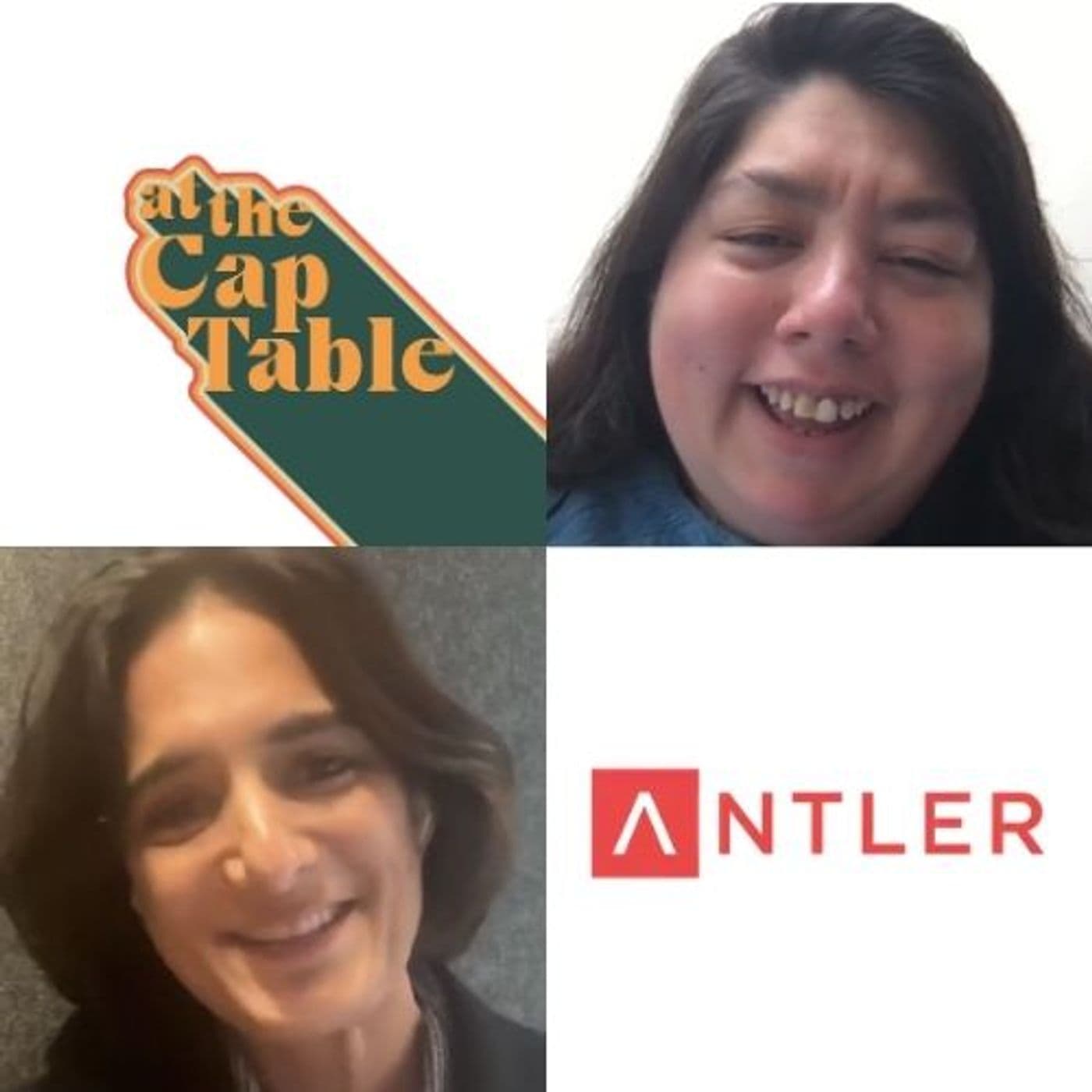
- Title: E535 | Hannah Leach, Antler UK & VentureESG: Doing VC Differently: Day-One Investing, ESG Myths & Hard Calls
- Hosts: Andreas Munk Holm and David Cruz e Silva
- Guest: Hannah Leach, Partner at Antler UK and Co-Founder of VentureESG
- Release Date: [Date not provided in transcript]
Episode Overview In this episode, Hannah Leach discusses her unconventional journey in venture capital and the innovative approaches she and her colleagues are taking at Antler UK. The conversation covers topics such as day-one investing, the misconceptions surrounding ESG (Environmental, Social, and Governance) practices, and the importance of founder relationships.
Key Topics Covered
- Introduction to Hannah Leach
- Hannah’s career began in various roles within the VC and tech ecosystem, leading her to found Houghton Street Ventures and later join Antler UK.
- She emphasizes her passion for helping founders gain access to resources and networks.
- VentureESG: Background and Purpose
- Co-founded by Hannah to support over 700 VCs and LPs with responsible investment practices.
- Focus is on differentiating ESG from impact investing, aiming to educate and assist venture firms in responsible practices.
- Houghton Street Ventures
- The firm was established to tap into the rich alumni network of the London School of Economics (LSE).
- Despite the initial success and backing of 24 companies, the decision was made not to raise a second fund due to challenges in securing institutional backing.
- Antler's Unique Approach
- Antler operates under a "day-one" investment model, providing a 10-week residency for founders to develop their ideas.
- Emphasis on team dynamics, co-founder chemistry, and understanding the behavioral aspects of entrepreneurship.
- Residency Dynamics and Team Formation
- Insights into the process of team formation during the residency, including the challenges faced by founders.
- The importance of communication and interpersonal skills in team dynamics.
- The State of European VC
- Discussion on the evolution of the VC landscape in Europe, including the rise of collaborative models and initiatives like Project Europe.
- Emphasis on the need for a supportive ecosystem for scaling startups, not just for early-stage funding.
- Sectors of Interest
- Key sectors highlighted include sustainability, fintech, and AI, with a focus on responsible practices and regulations in AI development.
- The Role of Luck in Career Paths
- Hannah shares her perspective on the importance of luck, emphasizing that while it plays a role, creating opportunities and being proactive are crucial.
Key Takeaways
- Day-One Investing: A shift towards supporting startups from the very beginning, allowing deeper insights into founder capabilities and team dynamics.
- ESG Myths: There's a distinction between ESG and impact investing that is often misunderstood in the VC community.
- Founder-Centric Approach: The significance of building strong relationships with founders and understanding their strengths and weaknesses.
- Collaborative Culture: Encouraging collaboration among different VC initiatives can strengthen the overall ecosystem, leading to better outcomes for startups.
- Adapting to Change: Flexibility in adapting to market needs and founder feedback is critical for the success of venture initiatives.
Conclusion The episode provides valuable insights into the evolving landscape of European venture capital and the necessity for intentionality in investment practices. Hannah Leach’s experiences and reflections offer a guide for aspiring VCs and founders alike on the importance of building sustainable and responsible business practices.
For more insightful discussions on European VC, subscribe to the EUVC podcast at [eu.vc](http://eu.vc).
Written by AI. May contain mistakes. Listen to the episode to check what was said.
Transcript
Automatic transcript. May contain errors.0:00What if the most unconventional path leads to the biggest breakthrough in venture capital? I think I've had a pretty non-traditional route into VC. And I always say my career is, I probably should use better words, but wiggly wonky hodgepodge. But she discovered that most VCs are building on shaky foundations. It would probably be a bit more intentional with how we thought about constructing the business and the roles and the responsibilities and those communication patterns. Now she's putting that blueprint to the test. Adam likes to say we're a VC with a different front door. We invest on day one.
0:31So we take incredibly smart, curious, exceptional founders and we put them through a 10-week residency twice a year. And when you get the structure right, the real magic happens. People are so important in venture. Adam and I have known each other 10 years. We have the same values and have the same impact in the world. The question is, are you ready to rewrite the rules? I think my career has basically kind of been giant luck sandwich. I do think there's an element of creating luck for yourself, putting yourself in a place where luck can happen. Join us in this episode of At The Cap Table, the podcast spotlighting women in venture, and learn how to build intentional structure from day one, forge the right partnerships, and turn your unconventional path into your competitive advantage.
1:22Hi everyone, and welcome to this episode of At The Cap Table. Today I've got Hannah Leach with me. She's a new partner at Antler UK, a day one investment fund, which she joined from Houghton Street Ventures, an early stage VC backing the best and brightest founders from LSE's alumni base. She founded that alongside fellow Antler partner Adam French in 2021 and the firm backed 20 companies investing alongside a number of tier one VCs globally. One of the things that's always struck me about Hannah is she doesn't just talk about how the VC industry can do better. She does something about it. She's the co-founder and exec chairwoman of Venture ESG, a non-profit that has become a leading organisation globally, supporting over 700 VCs and LPs with responsible investment practices.
2:08She brings over 10 years of experience across all parts of the tech ecosystem together, helping start-ups launch and scale, helping corporates to innovate and build new products, helping funds on their fundraising strategy, and also building ventures of her own. She's got this real knack for building and nurturing strong and engaged communities, something that's key to any venture team's longevity.
2:33Before we start the show, a quick note. If you're building or running a fund, you know it takes the right partners. At EUVC, we only work with sponsors we truly believe should be part of your tech stack. Please do take a moment to hear about them. And if you do, reach out, mention EUVC. It's the best way you can support what we do. Thank you so much. First up, Ace Alternatives. Every fund manager needs clean operations behind the scenes. From fund admin to tax and compliance, Ace handles it all across VC, PE, private debt, and real assets. They're trusted by some of the best investors in the world, and if you want peace of mind and a scale-ready back office, Ace should be part of your stack.
3:13Finding deals and managing your portfolio is at the heart of running a fund. Synaptic helps you discover status before others do and portfolio iq keeps your portfolio data sharp and ready for lps together they're essential tools for modern fund managers when it comes to legal you need a team that truly knows venture hanespoon supports lps gps startups and scale-ups across the full fund life cycle smart managers make hanespoon part of their stack we have two at euvc tech barbecue oh my god who doesn't love barbecue europe's startup scene meets the loudest friendliest family reunion ever at tech barbecue from Nordic founders to global VCs.
3:49This is where ideas catch fire and relationships get real. If you're building or backing in Europe, Tech Barbecue is where you want to show up. And hey, if you've got a big fun announcement coming up, want to hit the headlines or just want to tell you a story about, do reach out to us because we'd love to help. And we've got some pillar partners to help you get in the right media places. They've held us land Bloomberg, CNBC, Financial Times, Forbes, and many more for the EUVC Summit. And we'd love to do the same for you. so I'm delighted to have you here today Hannah. Thanks so much for having me just trying trying hard not to cringe as you were just doing doing that intro.
4:25I try not to look at you when I'm doing it because otherwise I'll I'll I'll crack as well. This is this is going to be a really nice conversation and you've got such a varied background which I think we should really dig into and then obviously we'll focus a bit on what you're doing at Antler but I would love to kind of dig into well how given that you've got so many strings to your bow how did you come into vc and what continues to excite you about this space yeah i think that's a question that i get quite a lot and i think probably more a question i pose to myself more than anything i think i've had a pretty non-traditional um route into vc and i always say my career is i probably should use better words but wiggly wonky hodgepodge you know any of the above and i was thinking about about this question like so I got into VC initially in different ways I my my first role in VC was with a fintech fund and I was kind of a venture partner and then I did some work for Hambro Perks now Salica Ventures on helping them with their fundraising strategy for their secondaries fund the access fund and then I met my former partner at Havson Street Ventures and kind of threw myself into that but I'd say my view of understanding of venture goes way back so when I left LSE I was working in India for a big non-profit and I was working in the same office as Acumen Fund and I don't know how much you know about Acumen Fund but they're one of the original impact investors they take philanthropic capital and invest it in entrepreneurs in developing markets and typically in kind of rural areas I was living in Mumbai working in the same office as them and was so fundamentally excited it sounds quite cringe by the idea of giving founders and entrepreneurs who have access to nothing capital access to networks to advice to support and actually how much you can help founders accelerate their journey and build more robust businesses so that was kind of back in 2010 that that tiny tiny little seed was planted and then everything I've done then I kind of tried to keep Venture in the corner of my eye and tried to speak to people and learn more about it with the view perhaps of going into it at some point in time um yet I still think it's quite amazing that I've ended up where where I am now definitely um and I mean that I didn't know about that experience with with Acumen is that something which sort of informed and then I guess the genesis behind Venture ESG because I know you and your co-founder Johannes have been thinking about different things separately and then it came together would love to kind of hear hear about kind of how how it all happened yeah it's I use this term for myself an impact groupie because I've never actually worked I've never actually formally worked in in impact investing because when I when I wanted to go into the space after my after my graduate degree I got told you need to go work in investment banking or you need to work for a startup and you won't be able to make it in the space if you haven't done either of those things um so what i did instead is i volunteered for acumen fund in the uk for about five years got really embedded in the ecosystem and always just maintained an interest but the thing about venture esg is we're not focused on impact necessarily and we always are very clear about the difference between esg and impact and you know how the two are different and what that means for companies and funds you know if you ask my dad he'll he'll be like how you care about the world not gonna be able to escape that and maybe maybe I do more than I like to admit but I think I'd have a lot I've had a lot of experiences in my career working for organizations that I don't necessarily think had the best culture I don't think they necessarily thought about the way that they were building products and how they were affecting consumer behavior you know I helped set up a an organization that came that was working around the time that GDPR came out, trying to help startups, fast-growing startups, understand how they were handling their data.
8:26And not just to tick the GDPR box, but help them understand how they were communicating that to their users transparently, communicating that in their team, all of the security access control stuff. And all of that combined, when I started How to Industry Ventures, kind of made me analyze what we were doing, how we were making investments. And then you layer in the LSE's focus on social science and humanities. And we weren't investing in impact first businesses, but we wanted to make sure that the businesses we were investing in were really cognizant of their role in the world with how they affected human behavior, what impact they had on the planet.
9:03And it just felt there was a real gap there, that VCs weren't really thinking about this responsible component. And, you know, I never set out to start a nonprofit alongside raising a first time fund. I wouldn't really advise anyone to do that because it's kind of brutal. but it just felt like there was a need and an interest in the market. Incoming regulation was affecting that. And then I happened across Johannes, who was writing at the time. He was the only person who was writing about something vaguely related to this. I think he was calling it the ethics of venture capital at the time. And, you know, I harassed him on LinkedIn, convinced him to take a call with me.
9:38And, you know, the rest is history. Here we are. Amazing. And, you know, it's a globally significant firm. You know, I think that in just sort of four short years, it's got all these members. Did you envisage that when you built it? And how has it met or exceeded your expectations? Yeah, I mean, I don't think we ever intended it to be what it is now. And that's very kind that you said it's a globally significant firm because I feel like I'm every day wonder if we're going to become redundant or, you know, people are going to stop needing us. And even though we're doing a lot around the world, it's never kind of complacent about that.
10:18We, when we started, we banded around this term coalition. Let's start a coalition. Let's just bring people around the table. Let's build a community that then snowballed into something. And after kind of five months of putting people around the virtual table during COVID, we actually formally set up the entity in July of 2021. And really what we've done is just reacted. We've reacted to our members. We like to say that we're strategic, but also very much in touch with what our members are doing, feeling, thinking, and hopefully we can provide support for that. So if you take the example of defence tech and dual use, that's really shot up in the last 12 months.
10:59But at the same time, we felt that lots of funds weren't necessarily thinking or were thinking, but just didn't have the tools to think about responsibility in the context of making defence tech investments. so we you know put out a report and we now do training we've built our community so we try and keep in touch with what's happening in the broader market and then embed that in in what we what we provide to our members and in you know I guess kind of more personally in what ways has it taught you things about co-founding relationships or running a business that you might take with you into more of your investment work?
11:40Oh, God, that is a wonderful question. So Johannes and I are very good friends. You know, we've kind of become friends as we've become co-founders, which I think is a wonderful thing. It has made me, you know, if I were to look back on that journey, I would probably be a bit more intentional with how we thought about constructing the business and the roles and the responsibilities and those communication patterns like a lot of businesses and maybe we're slightly different in that we were formed organically. It was kind of intentional but only to some degree. So I think we didn't go through a lot of the more governance-related things from the beginning.
12:22So we've kind of been trying to retrospectively build a lot of that structure. So I think if I were to start again, I would make sure we sat down and we're much more structured in our thinking around what kind of entity we wanted to build, who we wanted to bring in, what kind of processes we need to have in place. You know, which we get an accountant. Or like lots of the silly basic things that you kind of don't think about at the time and also build in better communication structures. How do you communicate as founders, as co-founders? Like where are your weaknesses? What are your trigger points?
12:58What are your strengths and weaknesses? All of that stuff we've kind of had to muddle along and I think similarly when you're building a early stage high growth company where there are a million one priorities you kind of forget to do that stuff and I think if you forget to do that stuff it means that your foundations can be quite shaky. I always think it's really easy especially on the investment side or on the LP side where I sit it's very easy for me to say oh you know these are things that you should work at and then I look at do I do that myself and it's It's actually really, really hard work and it takes time, effort and intentionality.
13:34So I totally get where you're coming from when you say maybe we would have done it a little bit differently. But there are, like you say, a million and one things to do. So can only do so much, I guess. I know, you know, you mentioned there working also on Houghton Street Ventures kind of, well, almost exactly at the same time as Venture ESG, right? You said, you know, that fundraising and kind of building out this sort of new firm was at the same time was really difficult. I would love it if you could just talk through, you know, just the overarching thesis of Houghton Street Ventures. And then, you know, we'd love to dig into sort of, well, what might be next for it?
14:15Or what is what's kind of driving decision around not raising another fund? Yeah. So the idea for Howden Street came out in 2019-20. We essentially realized three of us, all LSE alums, graduated at different times, but all had had roots kind of broadly through the startup venture ecosystem. and we realized that LSE, the LSE alumni base, it bases a treasure trove of founders. LSE is known for being a global university. There are 250 ,000 alums globally. We really dug into the data. Adam, who's my House and Street Ventures co-founder, he did finance and stats at LSE and is a self-declared data nerd.
15:03Loves data. he kind of he built out our data platform which kind of gave us a full picture of all of the founders within the lsllm ecosystem and there's something like 18 000 founders active if you count those who have founders of business and they shut it down that number goes to 25 000 so it's 10 of the whole alumni base not necessarily bc backed but it's a big big number and there's like entrepreneurial instincts there you know 27 unicorns within that community they raise about four to five billion in venture capital every year so if you think about the opportunity sizes it's big you look at how much the uk rate like the uk startups raise in comparison is 19 billion i think a year so it's actually not that's quite far off but not too far and then you think about what differentiates a vc fund is is access how can you get access to the best founders and how can you support those founders um I always think about affinity affinity is a great way to get conversations going with people and build relationships and that LSE affinity runs really deep so we would speak to people who had left uni 30 odd years ago they hadn't heard from LSE but they would respond to a LinkedIn message and they'd be like oh I had the best experience at LSE that summer and I have a photo of LSE on my office wall and it's it's so like core to people's experience very formative so people would respond to emails and linkedin cold outreach and that not only provided us access to the best founders but it also provided us access to all of the alumni who would provide that kind of platform support ecosystem whether that was for follow-on investment or co-investment or bd opportunities or talent so we really built out over those four years this really rich ecosystem and also we believe that and if you look at you know we don't get me started on on spin-out firms but you know there's a big emphasis in the UK on spin-out firms currently but we Houghton Street Ventures I think are the only only actual GPLP structured alumni fund and we always say if you look at you know the top 10 tech companies by market cap how many of them were spinner funds and how many of them were actually just started by incredibly smart curious ambitious individuals which is what we think LSE alumni are so we yes we invested in we've invested in 24 companies all around the world Latin America US Canada Finland UK Germany India and so very global footprint and set track so agnostic which obviously isn't to everyone's flavor you know go to a meeting with LPs and they'd say oh we really love fintech in the Nordics and we'd be like okay cool so we're not for you um obviously fund twos i think are incredibly hard you probably know this more than i do and you don't really have that performance yet to point to um there are some leading indicators but that's it but really for our fund two fund one was 5.1 5.1 million to tiny um we wanted fund two to be at least 30 million really to do the mandate justice and for that we would need the school to be an anchor i think you really need the institution that you're partnered with to back the fund and for different reasons you know rc has gone through some changes change in leadership that i think it may have come but it may have not come the time frame that we were looking for you know i i ask not to not to kind of like be annoying um but just because i think we spend so much time talking about sort of new fundraisers or you know this new shiny thing is happening and actually the reality is there's also other things going on which are out of our control and it means that either funds wind down or go into kind of more portfolio mode um or people go on to choose to do to do other things as well and I think that is fine it is a natural part of the ecosystem and we don't talk about it enough which makes it weird yeah it's just life without being like pretty basic that things happen and that's okay I think I've I'm maybe not over it yet which I think is also okay um you know there are some things that I wish we could have done differently and I and I think you know what I think's different is when you walk away from something when you know there's no opportunity left when you've come to a decision you realize that it's you know when you close down a company like there could be many reasons for that i think but when you're leaving something behind which you feel is not fully done that's when i that's when it's hard right like when there's still some opportunity there which you've had to walk away from that's the frustrating but but you know what house and street ventures is is is alive i know we're going to be actively managing that portfolio and we'll syndicate some deals through our through the network and and who knows what happened down the line and also one thing I would I would come back to is um and I feel like I bang on about it I think people are so important in venture you've heard me talk about this quite a lot you know who you spend your time with who you come best with Adam and I have known each other 10 years like socially I well we met through work but we've stayed in touch socially and we've been working together for almost five now but he's someone who I realized I think we have incredibly complementary skills and have the same values and want to have the same impact in the world and I think when you realize you find someone like that you don't want to stop working with them so in many ways Antler is a an extension for us of that definitely and well I mean you know not to kind of go into it too much but I think that that when we spoke about the opportunity at Antler you're like this is such a big pull because we get to carry on working together and I think that actually at the end of the day when your partner's in a fund it's really also about the people you know who who do you want to be challenged by who do you want to kind of go through grim things with on a voluntary basis and also kind of have fun with I think you know I think that's that's also kind of really key can I ask you a little bit just about about kind of Antler I know it's kind of gone through some changes over the years and I'd love to understand the model a bit more I to you know to kind of Sarah who's one of the co-hosts of this podcast I called it an accelerator and I was shut down immediately like rightly so she said it's a day one and rest there and I would love to know what that means Sarah is absolutely right so Adam likes to say we're we're a um Adam likes to say we're a VC with a different front door.
21:50Basically, we're a VC firm. We're a global VC firm. We have 18 funds across 27 cities. We will operate our funds as local partnerships. Sarah's right. We invest on day one. So we take incredibly smart, curious, exceptional founders and we put them through a 10-week residency twice a year. And those founders can have had different journeys to to get to antler they could have often lots of them are serial entrepreneurs but they may not have founded a vc back business they may have founded a vc back business that necessarily didn't succeed didn't succeed they could be serial operators um they could be real deep domain experts or technical folks and we put them in this residency it's not a program very clear about that it's a residency um brand police will tell me all i've been corrected yeah so i multiple times in the last three months and we and we essentially help them build teams and get their businesses off the ground and accelerate that journey i'll tell i'll take one example with an amazing founder we backed out of the last residency at the end of last year she was she founded one of the leading indoor farming businesses in the uk called Grow Up Farms.
23:05She built that up over 12 years, raised over 120 million for it, not venture, which is probably why it still survived, but decided after that that she wanted to build a software business tech company. And two things, she didn't have a network, she didn't have access to, you know, co-founder ecosystem, investor ecosystem, but she also didn't want to waste time. Time is so important. None of us want to waste time, especially if we're bright and ambitious. so she wanted to be pushed she wanted to have that 10 week time frame to really test her assumptions test the idea she had really run at it and see if it was a goer and she knew that if she didn't go through that 10 week highly pressurized process where she would be forced to ask those questions and it might take her six months 12 months 18 months to get to the same result we've started to say you know we help our founders get further faster which is kind of really nicely summarizes it so yeah so we take about 90 founders through this residency and then we end up investing in about 20 to 25 of those founders across 10 to 12 businesses and some of those people will have applied to the residency with an existing co-founder they may have a product they may have an idea others may be exploring and looking forward to team up with someone I was going to ask you is there a residency at the moment yes we we are week three wow okay what are you seeing what kind of things do you see it's up to the week three point because i guess we're approaching halfway right yeah so week interestingly week three so this is my first one so i'm like fresh and new as i as i tell everyone so i said that to the fans i'm just new like you are week two there's a lot of we would we it's not a curriculum right we don't do curriculum but we do kind of i like to think we engineer some serendipity you know we put them in a room we put them in smaller rooms we do workshops we put them in what we call squads like support groups we do sessions whatever put them to give them the opportunity to really meet each other and understand where there might be some potential to to team up the end of week two and going into week three teams are starting to form you know we're starting what we call track out they're forming formally they get assigned a coach and and there's some anxiety for the ones who haven't formed a team or kind of on the bench and then we also get an idea of those people who maybe aren't right for the residency you know maybe they're not tackling it in the right way maybe they're not demonstrating pace maybe they're kind of floating a bit for whatever reason so I think three weeks is probably too early to make any like formal judgments or assessment apparently that comes out in week five when you start to see how the teams are working together because there'll be fallouts you know so we've got some of the teams forming but they will go their separate ways but you're already starting to see indications and who those strong founders are and you know i think you had a question which maybe you'll come to maybe we don't have time you said what spaces and sectors i think are you really excited about i've realized i'm i'm a pure generalist i unfortunately i've always had to someone said to me like very early on my career you can either now is your chance to go deep or you can just stay here and here and i've always stayed here and that's fine you know come to terms with it range the book is you know in my Bible or whatever but what excites me here is the founders themselves it's not necessarily the the space that they're tackling but it's how they are building how they communicate how transparent they are how they work with their co-founders how much empathy they have how they handle conflict and you this is what it's so interesting being in the office with them day in day out because you see all of these much more like behavioral psychological elements which is so interesting and so different from being a traditional VC where maybe you meet your founders or talk to them every week, every month.
26:49You know, if you're a follow ticket, maybe not even that often, depending on what kind of funds you are. So really it's more about understanding what makes and what you think those strong founder traits are. And those are the things that are exciting to me now as opposed to the problem they're solving. Although there are some things that I'm not excited about, but you know, partners. what you're saying I'm smiling quite a bit just reminds me of when I was um working at Entrepreneur First as well yeah um and and I think there's so much kind of just information you get just from being around people and getting to know them understanding their mood seeing how they work and how they how they're kind of coping with this quite adversarial kind of environment every single day and still turning up and I was kind of amazed by that and very happy to be on the other side of it doing the observing as opposed to kind of like being in the zoo um it's um love island slash meets hunger games I think that's the the two terms I've been thrown around okay what by the cohorts themselves yeah yeah wow okay going back to how we're a BC firm and not an accelerator and I think goes back to the question of getting to know people and building those very trust-based relationships is we invest first ticket in but then we have the potential to follow all the way through to series a and then we have a growth fund that invests from a to c so we have a really big emphasis on portfolio support and how we can work with the founders after we've invested they're actually like really getting to understand a founder and the team and building a relationship where they feel they can come to you with anything I think is really key and that's where actually the the insight into how they operate and communicate over those 10 weeks is a really is one of the things that we take into consideration when we choose to invest or not.
28:47Wow that's um yeah it's an incredible kind of data point and to be able to kind of follow them on as well and what ownership stake do you normally end up with or what's the goal? yeah so we there are set terms that people sign when they come into the residency and that's we invest 120 carrier 1.2 mil vial which of course you know isn't isn't going to be for everyone yeah right I mean you know I think if you're transparent about it people can choose to engage or not engage right I mean I guess kind of the final thing I really wanted to get into is obviously you know you're focused on the UK but in general there are a lot of different ways that people can start a company or engage with vcs and add as one of them what do you think about lots of the new programs and things have been announced recently you know project europe being one of them um and and how good do you think they are for for founders or setting up a company someone wrote who was it someone i was a um one of the team george at local global piece recently around about um the total football like how we need to kind of all work together win the ecosystem and i i think that's true i think all of these initiatives only make our european and uk foundation so much stronger in terms of being able to be a founder and being able to take that jump and know that there are initiatives programs funds angel networks whatever that can help you get your venture off the ground I also I'm not one for like glamorizing venture I don't think it's for everyone I think we probably need to have more conversations around the types of businesses that you can that can be built I don't think entrepreneurial instinct necessarily maps to building a VC scale business and I think that's kind of okay and you know there are there are lots of alternative funding routes but in terms of building Europe's future unicorns I think there's so much happening on the ground level and I think we probably need to do a better job of joining forces and and not competing like you know it's one of the things that we did that has so been so amazing at Bench ESG is this like collaborative network and it sounds all soft softly softly like you know whatever but I really believe that actually kind of letting our guards down and working together to see how we can make the ecosystem stronger is what we should be doing and of course I'm you know me I'm naturally cynical I'll be the first to say that but I do think we have maybe lean too much to kind of picking holes in people's initiatives as opposed to saying what we can do to work together I think Europe has a long way to go and I would say the emphasis probably need not be on necessarily the first tickets in in the early stage but more how we can provide that scale up capital and you know we're doing a lot around the mansion house reforms and looking at how we can unlock that pension capital and that's probably a big conversation but i think if you look at it as a system there are loads of different areas we need to tackle but i think these the likes of project europe only make the european story stronger over time definitely and also i think people who've worked at different initiatives kind of cross-pollinating you know we've got kind of kitty from ef who's who's kind of now leading leading that initiative i know kind of people from antler who also come from yeah right yeah and and you know i think that only makes things stronger because you're taking things from elsewhere and you know um making it slightly different or learning from the founders that you've been working with so i i think it can only make it better but i agree we often focus on the talent problem and and I think actually there's an exit environment problem there is also a growth capital issue as well but I think that is definitely a conversation for another day but yes I mean you know I think in terms of kind of areas that you think are particularly strong within sort of UK and and Europe are there are there kind of the tech areas or sort of sectors that you're really excited about seeing grow um through your work at antler so if i said so three months in antler so that's always i'm gonna stop saying that's my caveat but if you look at what i've been doing more broadly i think you can't escape the fact that europe when it comes to sustainability europe just feels like very very very far ahead in terms of attitudes.
33:27I think some of the regulation, I mean, that's a whole other conversation. But I feel like I'm still really excited about founders tackling this space. Interestingly, in the last residence, in this current residency, we've seen a dip in founders working in climate and sustainability. And I'm still trying to dig into that, but I'm still pretty optimistic about that. I think fintech in the UK is always going to be an exciting area. having been involved in that since 2013 now. And then AI. We've got one of our companies here is an ex-GCHQ guy. He was there for eight years building in the AI safety government space.
34:09I think if you look at how we're tackling regulation, the European regulation on the AI front and some of the talent in the market, I think the confluence of those two are going to lead to some really, really interesting dynamics. So very, very keen to stay on top of that. And also, I think it is a bit more of a thoughtful approach to how AI models are being built and utilised. One of the things we haven't mentioned when it comes to success is the role that luck can play in our journey. And I often think about that when it comes to the founder's journey. But I'd love to get your perspective on how you think luck has come into your career, if at all.
34:50I think my career has basically kind of been it's just luck upon luck upon luck it's like a giant luck sandwich or that bus double-decker triple-decker bus or whatever the term is I do think there's an element of like creating luck for yourself in in kind of along that line of the engineer and serendipity but putting your putting yourself in a place where luck can happen but I've you know I've I've been very very lucky people have people have taken a punt on me in various ways and um I feel very fortunate that I've that that's happened but I don't I don't have like the perfect career you know I haven't had the perfect career I don't even know what the perfect career means but um no I've been lucky I've met the right people at the right time And luck plays a huge part.
35:41But I also think you need to have your eyes open and be in the right place and talk to people and make sure that you maximise your chances of luck. Yeah, I think kind of lean into things that seem a bit different and go with your interests and say yes. And if it doesn't work out, then it will hopefully put you on the path of something else. Always, yeah, exactly. I could be a bit, be open to being opportunistic. And also I firmly believe that like no door is truly actually ever closed. I think we get so scared about making the wrong step, wrong move and not being able to move backwards or to move sideways.
36:22And I think it's all about your attitude and how you create that personal narrative for yourself and for everyone else. And if you can find like the common thread that links all of those seemingly disparate wonky bits, you'll be fine. I'm actually saying this aloud to myself more than anyone else. I'm imagining you now kind of like in your own version of Takeshi's Castle, you know, there's that, there's the with all the doors and behind them, some of them are demons and then behind other things, it's like money and stuff. So that is how I'm going to end today and choose to think of you forevermore.
37:04Thank you so much for joining me. and thank you for having me and having a lovely conversation. I hope to see you soon. Thanks for listening to this special episode on the European VC. If you love our show, join our community by subscribing at eu.vc.
From the publisher
Welcome back to another episode of At the Cap Table, your trusted inside track on the people, ideas, and power dynamics shaping the future of European venture.This week, Savs sits down with
, Partner at
and Co-Founder of
, for a candid conversation about doing VC differently—from day-one investing and values-led portfolios to walking away from a fund that could have been.
They dive into the rise of “residency models” over accelerators, why ESG is often misunderstood (even by the pros), and how real co-founder chemistry can’t be faked. Hannah also opens up about why Fund II didn’t happen at Houghton Street Ventures, what she’s learned about partnership dynamics, and what kind of founders actually thrive under pressure.
Whether you're building from zero, navigating the future of VC, or just wrestling with what it means to do this job with intention—this one's for you.
Here’s what’s covered:
- 01:50 | How an NGO office in Mumbai sparked a decade-long obsession with founders
- 04:20 | VentureESG: the accidental nonprofit now guiding 700+ VCs and LPs
- 11:30 | Houghton Street Ventures: the thesis, the traction, and the hard call not to raise Fund II
- 18:00 | Why working with the right people trumps firm strategy
- 20:00 | Antler’s “day one” model and what a residency really offers founders
- 23:00 | Week 3 in the Antler cohort: when teams form, and sometimes fall apart
- 25:30 | What actually matters in early-stage teams (hint: not the idea)
- 28:00 | Standard terms, 10-week pressure, and founder selection inside Antler
- 30:00 | Project Europe, collaboration culture, and why VC needs more team sports
- 33:00 | Europe’s strength in AI, climate, and thoughtful founders
- 34:30 | Luck, wonky careers, and why no door is ever really closed


