
In short
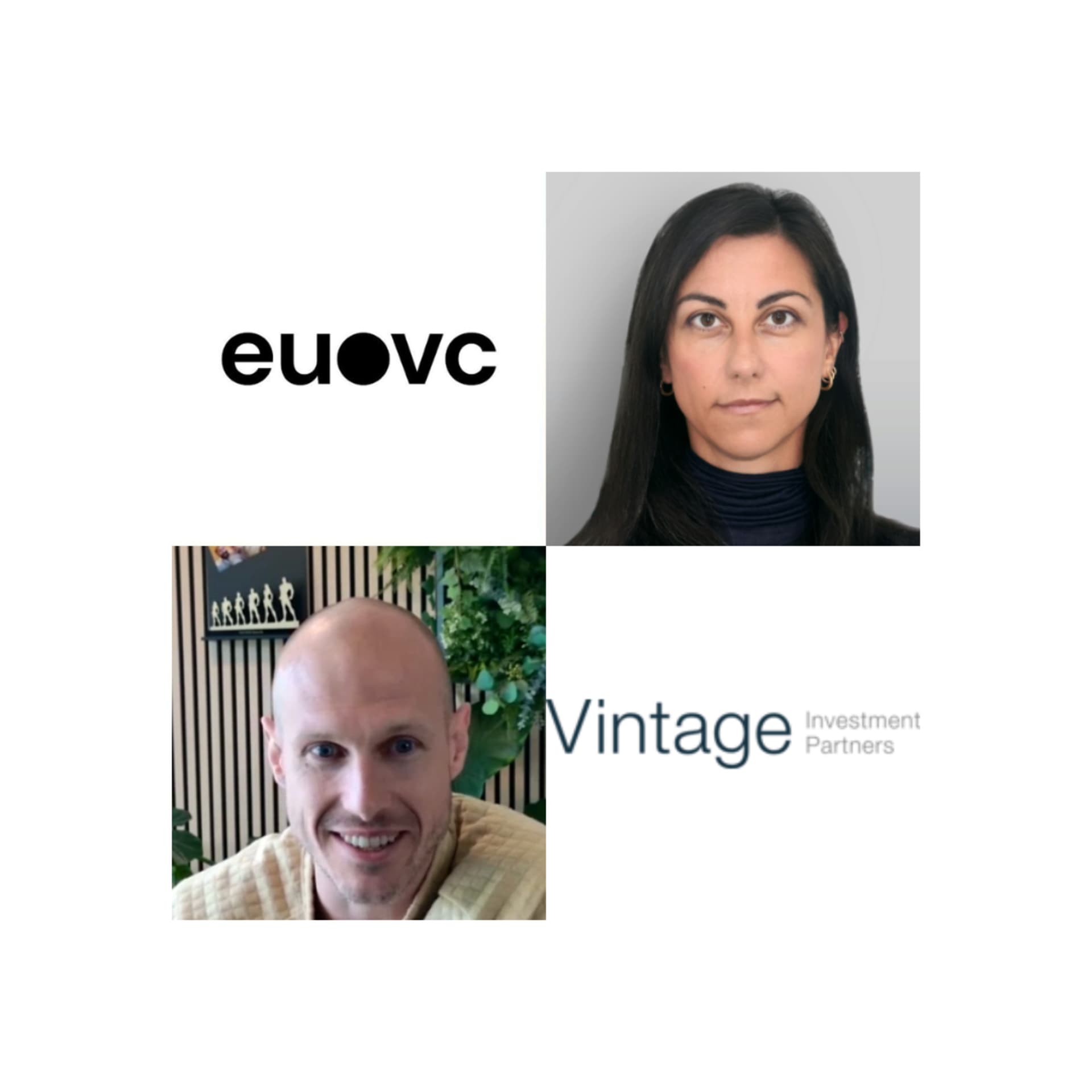
EUVC Podcast Episode Notes: E663 with Leyla Holterud
Episode Overview
- Podcast Title: EUVC
- Episode Title: E663 | Leyla Holterud, Vintage Investment Partners: European Venture: Growth, Secondaries, and the Future of Vintage Investment Partners
- Co-hosts: Andreas Munk Holm and David Cruz e Silva
- Guest: Leyla Holterud, Partner at Vintage Investment Partners
Summary In this episode, Leyla Holterud shares her insights on the European venture capital landscape, her transition from StepStone to Vintage Investment Partners, and discusses key topics such as growth, secondaries, and the future of venture investing in Europe.
Key Themes
Transition to Vintage Investment Partners
- Motivation for Change: Leyla moved to Vintage to engage more deeply with the European ecosystem. She appreciates the team's alignment with her investment thesis focusing on growth.
- Expectations at Vintage: With the firm managing $4.3 billion, Leyla aims to leverage Vintage's London office to strengthen their presence in European VC.
Evolution of the European VC Landscape
- Growth and Resilience: The European VC ecosystem has matured, now accounting for over one-third of US venture capital volume. This growth persisted even during market contractions in 2022.
- Key Growth Metrics:
- Increased unicorn creation (up four times).
- Emergence of dense talent pools as seen in Silicon Valley.
- Availability of smarter, stickier funding options.
Barbelling in Venture Capital
- Barbell Strategy: Leyla discusses the "barbelling" phenomenon, where there are both large and very small funds, leaving the mid-sized funds seemingly disadvantaged.
- Personal Viewpoint: She argues that this scenario might reflect a natural evolution rather than a definitive trend. Growth in fund sizes and the rise of solo GP funds is significant, making the landscape more complex.
AI and Venture Capital
- Impact of AI: Leyla highlights AI's transformative role in venture capital, particularly in enhancing platform strategies and creating deeper investment opportunities.
- Capital Requirements: Many AI-related business models require substantial capital investment, impacting growth-stage funding dynamics.
Underwriting Managers and Emerging Fund Managers
- Criteria for Success: Leyla emphasizes backing individuals with unique advantages and strong operational experience. Personal relationships and transparency are crucial for long-term partnerships.
- Emerging Managers: Vintage actively seeks out emerging managers and values both proactive outreach and inbound inquiries from potential partners.
Navigating European Regulation
- Regulatory Landscape: The regulatory environment presents both challenges and opportunities. Leyla notes that founders need to be adept at navigating this landscape to succeed internationally.
The Role of Secondaries
- Complementing Strategies: Leyla discusses Vintage's unique position with fund-of-funds, growth investing, and secondaries, which provide liquidity solutions and support for founders seeking to scale.
Closing Thoughts on the Future
- Vision for Vintage: Leyla envisions Vintage as a respected partner in the ecosystem, supporting emerging managers and fostering successful investments over the next decade.
Key Takeaways
- The European venture landscape is evolving, with increased relevance and resilience compared to previous years.
- The "barbelling" effect observed in venture capital may be more of a natural market evolution than a strict trend.
- AI's growing presence in venture capital is reshaping investment strategies, impacting both fund size requirements and business model viability.
- Building strong personal relationships with fund managers is essential for success in venture capital.
- Regulatory challenges can create both obstacles and competitive advantages for European startups.
Conclusion Leyla Holterud's insights provide a valuable perspective on the current state and future of the European venture capital ecosystem, emphasizing the importance of adaptability, strong individual leadership, and a keen understanding of market dynamics. As Vintage Investment Partners continues to expand its influence, its commitment to supporting both established and emerging managers will play a critical role in shaping the future of European venture capital.
Written by AI. May contain mistakes. Listen to the episode to check what was said.
Transcript
Automatic transcript. May contain errors.0:00Welcome back, friends, to another episode of the EUVCBizy Podcast. Quick note, if you're building or running a fund, you know it takes the right partners. At EUVC, we only work with sponsors we truly believe should be part of your tech stack. Please do take a moment to hear about them. And if you do, reach out, mention EUVC. It's the best way you can support what we do. Thank you so much. First up, Ace Alternatives. Every fund manager needs clean operations behind the scenes. From fund admin to tax and compliance, Ace handles it all across VC, PE, private debt, and real assets. They're trusted by some of the best investors in the world.
1:02And if you want peace of mind and a scale-ready back office, Ace should be part of your step. Finding deals and managing your portfolio is at the heart of running a fund. Synaptic helps you discover startups before others do. And Portfolio IQ keeps your portfolio data sharp and ready for LPs. Together, they're essential tools for modern fund managers. When it comes to legal, you need a team that truly knows venture. Hainspoon supports LPs, GP's, startups and scale-ups across the full fund lifecycle. Smart managers make Hainspoon part of their stack. We have two at EUVC. Tech BBQ. Oh my god, who doesn't love BBQ?
1:36Europe's startup scene meets the loudest, friendliest family reunion ever at Tech BBQ. From Nordic founders to global VCs, this is where ideas catch fire and relationships get real. If you're building or backing in Europe, Tech BBQ is where you want to show up. And hey, if you've got a big fun announcement coming up, want to hit the headlines or just want to tell you a story about, do reach out to us because we'd love to help. And we've got some pillar partners to help you get in the right media places. They've held us land Bloomberg, CNBC, Financial Times, Forbes and many more for the EUVC Summit.
2:08And we'd love to do the same for you.
2:13Tear down this wall. It's more than just an alliance. This is a union of values. Let's start acting. This show is not investment advice, and the hosts of this episode may be invested in the funds and companies featured. Leila, welcome to the podcast. Thank you for having me. It's great to be here. Tell me a bit about the decision to move to Vintage. Vintage is a well-renowned firm, but so is Stepstone. Why was Vintage the right move for you now? So I think it's a very, very, and we'll talk more about it in a moment. I think it's an interesting point in time for European venture. And I'm best in London.
3:01I have been so for the past 17 years and wanted to double down on the European ecosystem. And Vintage has kind of a similar thesis to me. So kind of made a lot of sense. I really love the team at Vintage. I mean, I left many good friends at StepStone as well, not to say, but it was just a great opportunity to join a very smart and experienced team with a similar kind of thesis on going long and doubling down. Yeah, it's exciting. And you're also in a very interesting space with, of course, secondaries in there, which is one of the places that we're seeing a lot of activity that we have not seen before in Europe.
3:49Okay, but let's start a different place. Let's just start on the overall European venture landscape. Tell me a bit about, because you've obviously been investing for a while, so tell me a bit about where you see the continent today versus earlier. Yeah, it's a great question. You know, when I started investing in European VC, that was kind of more than a decade ago. It was quite promising, but still underdeveloped. Today, I think it's really evolved into an established ecosystem, like a genuine global relevance. The Europe's share of global venture capital has clung sharply. It's kind of over a third of the US volume.
4:31The other interesting thing is, although the pool remains smaller, it also kind of passed a very important test, posed a reset in the market in 2022, when actually investment contracted less in Europe than in the US, which of course is probably because also the exuberance here was kind of at the smaller scale. But we've already seen sort of the ecosystem, you know, grow ahead of the pre-pandemic levels. So I do think it underscores really not only the growth that we've seen, but also actually resilience. And I think that's underpinned by the fundamentals basically being stronger now. We've seen that unicorn numbers are up four times.
5:25we are seeing that we now have kind of these emerging founder factories and that historically has been a big driver of success in Silicon Valley sort of that density of talent and recycling of talent and then I think we also have more abundant, smarter and stickier funding for rent in Europe. So I think it all comes together for something very interesting. Tell me about, like, there's two very obvious places to jump into. One is the barbelling of venture, which everyone, of course, talks about. I have a special view on maybe compared to some at least. And then, of course, also AI. And you're sitting at a place where you're looking at growth stage deals and secondary deals, both in Europe and in the States.
6:16So I'm sure you have an interesting vantage point. So maybe you will talk a bit about the barbelling of European venture. or if I just add the context, people are kind of describing it as such, meaning, of course, that we have more and more very large funds and we have more very small funds. And then in the middle, there's a group of funds that are a bit stuck in the middle is the thesis people use when they call it barbelling. And they, of course, argue that the funds in the middle will die. What I've noticed when I look at that argument is that it's typically described by people that for some reason or somehow fit themselves into either of the two categories.
6:59So they use it to justify a bit their own role in the ecosystem and explain that as the winning strategy. The fact of the matter, to me at least, when I look at it is, and I might be wrong, this is just one viewpoint, of course, but when I look at it is that, well, maybe it's just the natural evolution of European venture that we have some funds that used to be around 200 million that are now looking at 300, 500 and a bit more. So we have all of a sudden an end of the barbell that we didn't have before unless in the index and axles of Europe. And then we have in the lower end, of course, all the spinoff funds and the solo managers that has grown up here in Europe.
7:41And of course, a newer and very important new addition. But I don't really buy the description of it as barbelling as such, because I still see so many funds in the 150 or 200. And it depends a bit back to the point that I made with where do people come from when they make this argument? Because to some, they call it barbelling and then they say anything sub 100 million is the lower end and above 500 million is the other end. And there's a bit like, wow, is that really barbelling? Is that not just sizing of venture funds? Tell me what you see, Leila. Yeah. So I would agree with some of the things that you said and maybe slightly disagree on others.
8:24Like people call different fund sizes differently depending on their own perspective, as you said, right? Like if I run 100 million fund funds, I have one perspective of what is small and what is big. It's very different if I'm a large institution that is deploying, say, 50 million in equity checks, right? So that's point number one. So I'll probably sort of step away a little bit from kind of the pure sizing argument because I think it's not really about that. I do think there is bifurcation in the market and it's around sort of, yes, size, but it's also not only size, right? Like when we talk about bigger funds, we also talk about platforms, so multi-strategy, big platform teams in addition to investor teams.
9:18So it's more to it than just is it a big fund in terms of size. And then, as you say, on the other end of the spectrum, we have the smaller funds and we can argue whether a small fund is a hundred million or a 50 or a 25 or a 15 for that method. And I do think there the question more, or frankly, across the spectrum, the question is, what is the right fit for the investors as in the VCs that deploy these funds? how are they actually going to generate outsized returns whether they're a tiny fund or a big platform or something in between and they can be successful across the piece or they can be massively unsuccessful across the piece just because you have a small fund doesn't mean that you'll be successful right and so if we step back and look at kind of the basics of you know what do we look for when we see successful investments in funds So it's, you know, at the end of the day, we back individuals, right?
10:25And so the first and foremost thing is how do we back an individual or set of individuals that have an unfair advantage to see and access the best founders? And then they, and of course, also kind of a part of that is what type of organization they're building around themselves and or developing across time or just maintaining to support, right, specific strategy, A, O, and etc. And then the other thing is like, how are they constructing a portfolio depending on what kind of strategy, which is related to the size, right? They've chosen and they can demonstrate they can be successful with. So you would run a very different strategy and a different infrastructure if you are a 50 million solo GP fund or 25 million solo GP fund to like a 500, 600, 700 million sort of platform.
11:27I think there is truth to sort of the statement that the less differentiated or undifferentiated managers that raise funds that are just way too big for the ponds that they're fishing in or for a not rightly sized for the infrastructure that they built or for kind of the access that they can get as in ownership stakes, etc. I think they're already seeing it as a challenging environment, and I think it will just become more challenging. So that I 100 % agree with. Will we see an annihilation of funds that are undifferentiated and that raised either too much or created organizations that were too heavy or thought they could deploy strategies that obviously turned out to not be deployable through raising in a very frothy market?
12:22Absolutely. And were we seeing people getting money that maybe should not have gotten money to deploy? Absolutely as well, because we had a period where a lot of the private market walked around with their head under the arm or they just wanted to get in the race because of SERP. That has definitely created a very special environment. So my point is just, I don't see it happening as a fund size. It's not the product of the market barbelling as such and the dynamics of venture changing. I think it's more just that we come from a time where we saw funds get raised that should not have been raised.
13:01Yeah, I mean, and it's maybe a good segue to talking about the other point around kind of AI. I think the way venture is changing that is impacting franchise is two ways. the trend that is favoring the platform and the larger fund size approach is there's more investment in infrastructure place at the moment. And by definition, many of those business models and more deep tech, right? And many of those business models actually genuinely require more capital versus a CapEx-like SaaS application. And also companies are staying private for much, much longer. So that requires kind of some of the bigger checks and bigger sort of...
13:52Maybe, Leila, I can ask you to kind of shed light on what many in Europe don't really know, I think, which is what does it take to build a multi-strategy, large, successful platform VC? And you have, of course, seen that. You haven't built it yourself, but you've diligenced, I don't know how many. And that's what would you say that you see with the real outliers in this, that they are getting right and that you're seeing maybe a lot of people trying to grow into this not really having in place? Great question. Number one, it is going back to a set of individuals that are very special and being given room to play to their strengths.
14:44Even in the large platforms, ultimately founders, very often big individual partners with, you know, relevant experience, whether it's operators or board members. I think it is also very often, there's a lot of talk about momentum, right? I do think the few larger platforms with big fund sizes that will persist either are ahead of the trend and so sort of identify very interesting investment topics before everyone is there or yeah comes down to individuals have just an unfair advantage of winning the very best NF1 founders and there's very few of them frankly like even globally forget about Europe, right?
15:39And then it's, of course, the flywheel of supporting these companies to realize their potential. So run faster, sell to an enterprise as early as possible, if that's the kind of ideal customer profile. Or, you know, have kind of amazing support with partnerships, playbooks, if that's kind of the relevant thing. You know, kind of a real flywheel of platform support. How about the growing up from doing seed deals, so to say? Because most often we see firms growing from being a good seed investor to then a Series A and then they go to the growth stage and that's where they then go from being a middle-sized firm to being a really big one.
16:25And what do you normally see that that's actually not that hard of a transition? You hire in a growth stage investor and then you build out that capacity that way? Or do you think that it's perfectly viable that a good seed investor can grow to be a great growth investor as well? How do you think about that transition? That's a tough question to answer. I think ultimately the reality is that it's just like very specific to different individuals. I would say there's not that many groups that have shown success proliferating and going from seed all the way to growth. I certainly think if you want to do that at scale and really, really well, you tend to basically build dedicated teams.
17:17there are groups that can do it effectively across stages. I mean, ultimately, you know, we at Vintage do that, right? Like we invest kind of very early stage, albeit through funds. But again, we're very deep into the portfolios and underwrite these portfolios even at the early stages and work with very young companies and kind of cross all the way to sort of the very late stage pre-IPO type of businesses. But ultimately, even if I look at our team, we have people who come from different backgrounds and would naturally gravitate to, you know, being more effective and successful working with one or the other.
18:04I know it's not a perfect answer to your question, But I think that's more of an art than actually kind of like science. Well, you go also back to another point you mentioned before, which is the unique individual. You end up in the end backing an individual. So let me ask you, we have so many podcasts and content pieces out there describing what is a unique founder? Like what does it take to be a unique tech founder? Because I agree very much with you. It's the same thing you look for in a VC founder. and in the end you back the VC founder more than you back maybe the strategy because the strategy kind of comes from the individual and if the individual is strong, then the strategy will be as well.
18:46Tell me, how do you underwrite a manager? What do you look for in uniqueness in the individual? Yeah, so outside of just character traits, we tend to actually like to develop a personal relationship with individuals for a long time. when that's possible. It's not always possible in the reality, but that's... And also because we invest for the long term, we look for durable, long-lasting partnerships. So for us, it's very important to partner with folks that are kind of very special in terms of, you know, an operator that's been very successful in whatever they did and they will click immediately with a very technical founder and they'll absolutely want to take their money or maybe you know sort of an investor who comes from a more of a financial investment background but has sat on the boards of you know incredible success stories has also seen over the years miserable failures and that's like invaluable to founders and that would be them right but decides kind of those things that you can get from references and maybe kind of looking at what's boxing down in the past, it's also, are you partnering with hungry and ambitious people who are also transparent?
20:15Right. Because it's an early stage venture, it's a 15 year plus marriage that actually most funds last longer than the average marriage. And so you really want to walk hand in hand with someone that will tell you when things are going great and when they're not so great. The other thing is ultimately, of course, it's important to also understand from an investment perspective, especially if it's an emerging manager, what are the signs where we can underwrite potential success in terms of these individuals getting absents? To rate them. And that can be an angel track record or can be an actual track record from an investment firm, or even if someone has been an operator, but in a team where they had the ability to do some M &A, strategic M &A, or maybe prioritize and fund projects that already kind of teaches you a lot as an individual, how to pick and choose where to put resources and informs you, I think, as an investor.
21:22Tell me, Leila, just because you mentioned emerging managers here, how do you think about emerging managers at Vintage because Vintage is a large allocator. You tend to do larger investments as well, but you do also do emerging manager investments. And I know a couple of that have received money from you, are very grateful for the partnership and have enjoyed the process with you a lot. But tell everyone, what do you look for? When is it relevant? How do you even run your emerging manager program? Is it worthwhile even reaching out or is it then she comes knocking on your door as an emerging manager.
21:59I mean, the last part of your question is the easiest. It's both a push and a pull. So people should absolutely feel free to reach out to us. And we're working very hard to hopefully be knocking on a lot of doors as well. So that goes both ways. We are very excited about identifying the next generation of amazing managers. And it is just a core part of our overall program. As you said, we invest across from sort of small and managing managers all the way to the large platforms and also kind of the what we call boutique elite managers. And we've heard before that one of your investments in Europe, at least on the emerging manager front is Anthony Dannen and his re-rail.
22:52Say a bit about what excites you in Europe now. Obviously, FinTech is everything as a thesis you like, but what else? When we look at the companies, also on a look-through basis through the managers, right, we seek to get exposure to the very best founders and builders. That's kind of the core of what we seek to invest in venture. And especially in early stage venture, that's a lot about like where, like what are the sectors or topics where the smartest, most talented, most ambitious founders want to build. At the moment, a lot of that is AI. In Europe, I would say it's with some exceptions more at the application layer or maybe kind of infrastructure with integration up to that.
23:40application layer so that's very exciting that's very interesting obviously we have some phenomenal success stories already coming out of Europe from kind of Gen.ai from the Gen.ai topic I personally am very biased I love fintech I actually think it's a very interesting time to invest in fintech I think with Gen.ai there's like a lot of enablement of course sort of the crypto is pretty topical again. And so I do think there's a lot of interesting topics within FinTech. And outside of that, we're seeing a lot of things in energy that are interesting in a world where the grid is very old. As an example, I mean, there's just so many things like energy is a huge topic, right?
24:30Tell me then, because energy is incredibly... I agree and we can all see it. We also have at the same time, a lot of funds in Europe, most of the funds that do energy in Europe are also coming with a bit of a green perspective. Electrification is obviously big, but that doesn't necessarily mean that it's carbon neutral. And we have a very big debate happening there globally, especially from the people that are in the tech ecosystem, because we're one year to the US, one year to Europe, and it's very contrasting what we see. How do you think about that when you're under of underwriting a manager in energy today.
25:05Do you think that we've got to make sure that these guys and girls are focused on energy and not green transition? Or do you think green transition is just as important and you've got to back that and it is a sector that's still alive and kicking? So I'll answer your question in a slightly different way. Generally speaking, right, venture is about finding a needle in a headstand. What does that mean? That means we want to optimize the talk of funnel and be possibly as broad as possible to kind of eventually end up with a 1 % that is the most phenomenal outcome. Right. So I would say for us, but also like if I just think how portfolios tend to be constructed more broadly, being as generalist as possible tends to be the best approach and so what I'm kind of trending towards with that comment is we don't do a ton of specialist managers outside of some very specific verticals like say cyber or fintech maybe gaming where it just makes a lot of sense for a variety of reasons and the funds are right size for the sort of vertical day plane.
26:28Most of how we think about energy would be through all the generalist strategies that we support on the fund side. That is super interesting. Tell me why, when is it correct slash worthwhile slash meaningful to do a specialized strategy in the vintage? Like if you look at the vintage view, one, does it make sense that here's a, because you call it like fintech, cyber, gaming, that's three industries where you find it really valuable that there is a right-sized fund for the opportunities. Yeah, healthcare maybe, right? I just picked a couple. So tell me, when is it relevant and when is it not? It's relevant when the duration or the risk return or like something from a portfolio construction or playbook in terms of value creation for the companies sort of makes sense or as a generalist investor you lacking the domain expertise you won't be successful so those are some of the considerations now ultimately it has to be a standalone very very large market opportunity to justify that and as I said I think if we're talking about fund investing it needs to the funds that are rightly sized to the opportunity.
27:50Okay, now let me ask you a different question, which is just because you are, and also, of course, with your StepStone background, in touch with many LPs that are thinking about Europe. So let me ask you the broad question. What is the dialogue between you and the big LPs when you talk about Europe? What are the questions? What are the answers? Yeah, a couple of topics come to mind. First of all, LPs want to see distributions from just paper returns. And while our analysis suggests that actually the top performing European funds are all par, if actually not exceeding their US peers, European funds certainly, at least in aggregate, that there are, of course, outperformers do lag on DPI.
28:43And so a lot of the questions that we get asked are about, you know, liquidity timelines, secondary strategies, how our portfolio is managed in an environment where, you know, like, exits are taking longer. And there's also, I would say, question marks around the capital market's depth and dynamism and structural disadvantages in Europe versus the US. So that's kind of like the broader topic of liquidity in DPI with all of the subtopics there is a recurring theme. We're also fielding questions about Europe's resilience versus other markets. Topics around, or rather question marks around the lack of growth, the regulatory and tax complexity and I would say Europeans perceived inability to sell are all sort of top of mind challenges that folks that are not too close I would say to the ecosystem and those that are close but maybe perhaps take a more negative sort of view on the situation ask about.
29:54You know ultimately I think for those that are willing to look into the details and have access also to the best managers and or the best entrepreneurs, the reality is that it's possible to successfully navigate it all and generate very attractive interest in Europe. And I do think that the DPI topic, while real, is going to be partially solved, quote-unquote, through secondary switches, becoming more of a tool in the tool belt of both managers and LPs and companies. Tell me a bit about the resilience point and would you gauge that interest in Europe from large-scale LPs is higher, the same, or lower considering, let's say, the last five years?
30:46I think from at least the folks we talk to I talk to there's more more interest it's to some degree perhaps reallocation of capital from Asia to some degree it's recognition that now Europe is consistently about a third maybe close to 40 % depends on whether you're looking at volume, value, whatever metric you're looking at, of the global venture ecosystem and kind of recognition that we do have now these building blocks in place to really sort of accelerate the flying wheel and eventually that will lead to more and bigger outcomes, right? Venture outcomes. So, yeah, I see a lot of interest, but again, there's also constructive pushback.
31:40Okay, then let's talk a bit about secondaries and growth. You, of course, have a unique combination of funder funds and secondaries and growth. I'd love to just first hear how those three complement each other, just the power of having that in the same house. It's great to have all three because having the mix allows us to really be a very valuable partner to everyone in the ecosystem, right? The LPs, the entrepreneurs, and the GPs. So the LP side, which is actually more than half of what you do, so it's a core part of our business, right? It just allows us to amplify the impact of investing in smart venture capitalists that nurture great talent and support business building.
32:34and it allows, on the other hand, our LPs to get access to, you know, the best established and promising, hopefully, emerging managers in kind of like an out-of-the-box, appropriately diversified portfolio. So that's kind of the fund-of-funds piece. Our growth primary investing efforts, there we were able to support founders and our managers with additional capital firepower as a co-investor, but also tactically, right, with saves and bridge rounds, top-up rounds, maybe internal rounds if an external small part is helpful. And I also think it makes us better LPs because we, as we discussed earlier, we can hopefully be smarter about assessing early-stage portfolios and assess future potential of funds where maybe the performance is not in the benchmarks, right, and it's not so obvious if you're not very deep into the detail.
33:33And to complete kind of the picture, secondaries, it's providing liquidity solutions to, again, sort of all players in the ecosystem, right? To the LPs, the GPs, founders and employees, and just a natural extension of our activity on the LP side and the direct investing activities. I think it does provide essential off-ramp infrastructure in a market where companies are staying private for longer, as we discussed, and the time to DPI is getting expanded for all participants in the market. Tell me, Leila, and I might be getting you into trouble again, or at least taking you somewhere where it might be difficult.
Read the full transcript
34:21just because what I'm about to ask is AI as a tool for you as an investor. I imagine that given the underlying, like the huge underlying portfolio that a firm as vintage has, the opportunity set is just, has for a long time been, it's got to be built on the back of strong relationships, very close touch basis with the managers to understand what's happening in portfolios. because the sheer amount of data from having thousands and thousands of underlying portfolio companies is very hard to deal with. That I imagine, now that you have the proprietary data from years and years of reporting, I imagine that this has opened up an incredible opportunity set for you.
35:10Our relationship with our partners, and the managers are one group of partners, right, is very, very important. Like our business is built on integrity and just kind of serving our partners. And so we tend to be very, very careful how we deal with that proprietary information and make sure like we're very quote unquote religious about not misusing it. I'll probably leave it at that. Well, that's a good point. Okay, so anyone be comfortable putting your data in the platform if you have a vintage SNLP. I get why you say it as such. Tell me a bit about then the secondaries market. And maybe let's start at growth, actually, because we keep, especially in Europe, we keep seeing our governments doing more and more in growth and saying we lack growth capital.
36:13There's a lot of, at the same time, people that say, no, no, we're not lacking growth capital because if you're a good growth company, you'll just attract U.S. growth capital. And there's kind of two sides to that, right? Because on the one hand, a great company might be able to attract growth capital. But if you want to keep the returns in Europe, you've got to have it be in European firms. I love to hear your take on that, both from a policy perspective, also from a, is it true that a good growth company will attract growth capital just global? Or is it not? Is that oversimplified? Yes, I do think that for the very best founders, and actually that's not only a growth stage.
36:56I think at this point, it is also in the earlier stages. There is enough capital, both locally here in Europe, but also from afar, including the US. And I actually think this is a great thing. I think it, A, underscores that there is quality companies across stages in Europe. I do think that it creates a very healthy competition for the European managers. I do think that, you know, there are phenomenal European managers, there are phenomenal American managers, and it's all about finding the right supporters from a capital perspective, but also value creation perspective for each individual founder.
37:45And that might mean different things, right? And so, yes, if we were generalizing, I do think that many of the best founders building, especially anything that touches enterprise, will most likely be interesting and eligible for and get capital or get funded by US managers. I do think that there is value in European founders thinking global from day one, wanting to build massive businesses. And very often, again, especially if you're selling to enterprise, that doesn't mean you need to have presence in the US. And having help from investors that know how to support hiring, how to support relocation, how to open doors to large corporates in the US is invaluable for European founders and companies.
38:47and eventually is also beneficial for the European funds that are invested in these businesses. Actually, we do that with our Value Plus team, which I think you know. We do support the portfolio companies of our managers and those where we're directly invested with business development. And a lot of that is also making connections between Europe and the US. Now, that doesn't mean that You cannot have strong local investors in growth. And it also doesn't mean that as the ecosystem matures and develops, certain founders are not going to choose to actually stay in Europe and are going to be disadvantaged because of that.
39:37That has definitely been the case in the past and in the recent past, and maybe to some extent still true. but we're in the business of looking 5, 10, 15 years out and we'll see how things evolve. Let me ask another question on this government in markets part. I want to ask you about the regulation that we have shaping the opportunities set in Europe. It's obviously sometimes it's an active driver for success. Sometimes it's the opposite. Some would say that GDPR and climate regulation is a moat for European companies. in something that drives our ecosystem forward. Others would say that they're blockers.
40:17Could you tell me a bit about where you think that the European regulation set is a strength for the European ecosystem? Yeah. I mean, again, I would agree it's both the good news and the bad news, right? There are challenges because of regulation. I think the benefit is that most European founders with big ambitions that want to built cross-jurisdiction businesses, which in most cases, I think you need to be really big outside of maybe some fintech kind of business models, et cetera, that can be very local and still very big. Founders know this. It's not kind of a surprise or new news to anyone.
41:01The investors know that. So again, I do think it just gives an edge to those that know how to navigate the fragmentation and the legal red tape and this creating, in many cases, a mold. Yeah. All right. So, Leila. With that said, again, we need to solve for a lot of things. Right, Sajj? I just, I don't want to sort of break it. No, no, we're nowhere near being where we need to be. We definitely have more work ahead of us. Let me ask you, we started with your move to vintage. Now, let me close the podcast with asking you to look 10 years ahead and tell me what success for vintage looks like. It's a big, big question.
41:47I would hope that in 10 years, we can look back and be proud that we've built a team locally and just generally as a team at large be recognized as great people that other smart investors, BLPs, managers, entrepreneurs, corporate, just consider a good partner and want to collaborate with. we would have hopefully supported or continued to support many of the best established managers and identified and nurtured and shared best practices with a number of great emerging managers. I would hope we would have given back to the ecosystem supporting brilliant entrepreneurs and also, you know, having unlocked more capital both as a kind of primary direct growth investor as well as on the secondary side.
42:45and supported that much needed DPI going back to LPs, GPs, and builders. Leila, getting you on board to build the UK presence is definitely a good first step. So Leila, thank you so much for joining me on the podcast today. Thank you so much for carrying it. Before we start the show, a quick note. If you're building or running a fund, you know it takes the right partners. At EVC, we only work with sponsors we truly believe should be part of your tech stack. Please do take a moment to hear about them. And if you do, reach out, mention your VC. It's the best way you can support what we do. Thank you so much.
43:23First off, Ace Alternatives. Every fund manager needs clean operations behind the scenes. From fund admin to tax and compliance, Ace handles it all across VC, PE, private debt, and real assets. They're trusted by some of the best investors in the world. And if you want peace of mind and a scale-ready back office, Ace should be part of your step. Finding deals and managing your portfolio is at the heart of running a fund. Synaptic helps you discover startups before others do. And PortfolioIQ keeps your portfolio data sharp and ready for LPs. Together, they're essential tools for modern fund managers.
43:57When it comes to legal, you need a team that truly knows venture. Hainspoon supports LPs, TP, startups and scale-ups across the full fund lifecycle. Smart managers make Hainspoon part of their stack. We have two at EUVC. Tech Barbecue. Oh my god, who doesn't love barbecue? Europe's startup scene meets the loudest friendliest family reunion ever at Tech BBQ. From Nordic founders to global VCs, this is where ideas catch fire and relationships get real. If you're building or backing in Europe, Tech BBQ is where you want to show up. And hey, if you've got a big fun announcement coming up, want to hit the headlines or just want to tell you a story about, do reach out to us because we'd love to help.
44:34And we've got some pillar partners to help you get in the right media places. They've held us land Bloomberg CNPC Financial Times Forbes and many more for the EUVC Summit and we'd love to do the same for you.
From the publisher
Welcome back to another episode of the EUVC Podcast. Today, we’re thrilled to feature Leyla Holterud, partner at Vintage Investment Partners. Many know Leyla from her years at StepStone, where she led venture growth across EMEA. Now, at Vintage, she’s helping deploy $4.3 billion from their global platform to double down on Europe, anchored by the firm’s new London office. With a strategy spanning fund-of-funds, growth, and secondaries, Leyla offers a rare vantage point on the European VC landscape.


