
In short
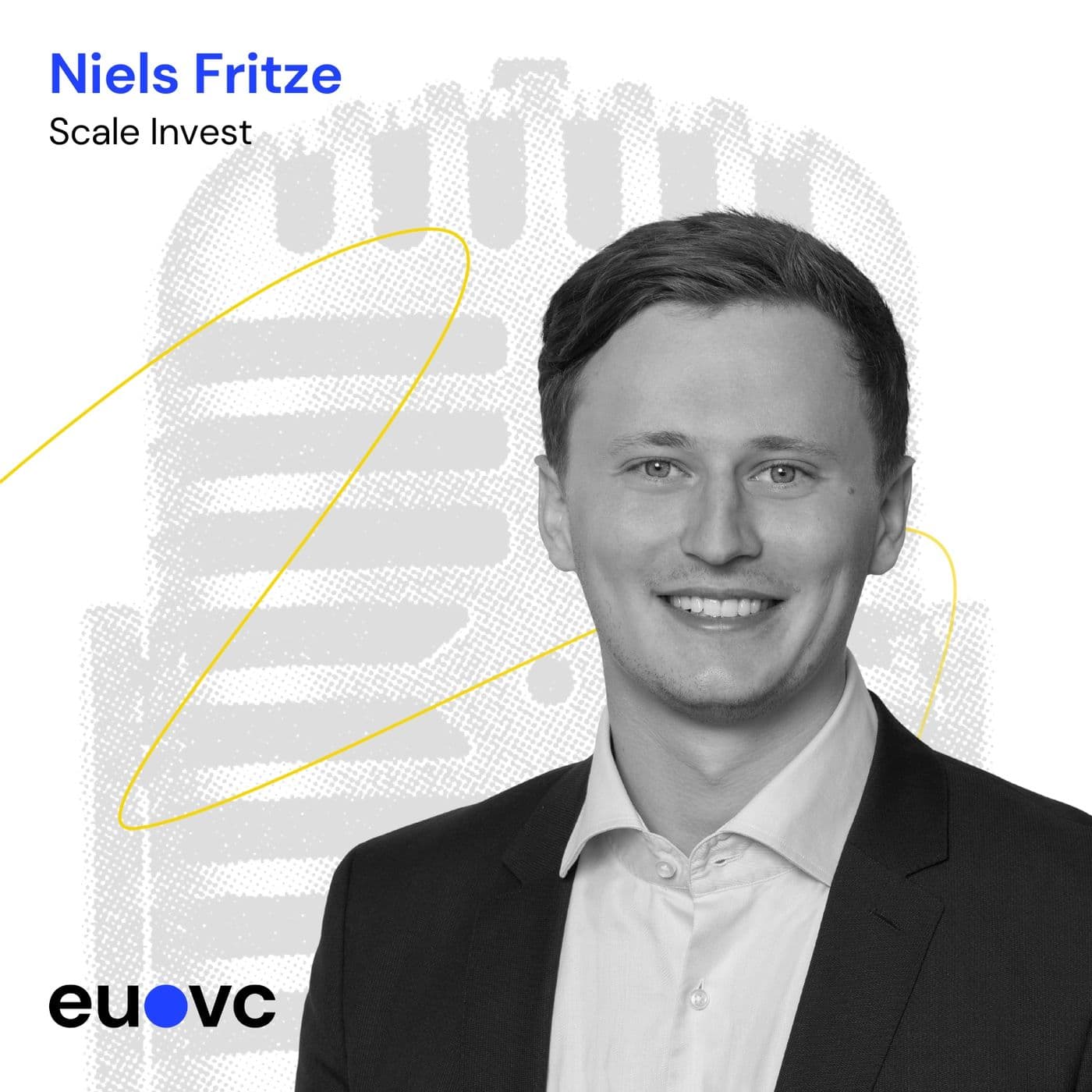
EUVC Episode #215 Summary: Family Office Perspectives on Venture with Niels Fritze
Introduction In this episode of the EUVC podcast, co-hosted by Andreas Munk Holm and David Cruz e Silva, the guest is Niels Fritze, the Head of Scale Invest, a young Single Family Office. The discussion revolves around how family offices interact with venture capital (VC), their investment strategies, and their unique perspectives on market trends.
Key Topics Discussed
- The Role of Family Offices in Venture Capital
- Definition and Purpose: Scale Invest is described as an entrepreneurial single family office managing the financial affairs of the Wase family.
- Investment Focus: Niels emphasizes building a VC portfolio alongside private equity holdings to diversify investments.
- Market Trends and Economic Conditions
- Impact of the "Black Swan Year": Niels reflects on the uncertainties faced during the COVID-19 pandemic and its influence on risk assessment and investment strategies.
- Alternative Investments: There is a growing interest in alternative assets, particularly in the US, which is influencing European family offices.
- Investment Strategies of Family Offices
- Focus on Efficiency: Family offices prioritize efficient capital deployment and prefer investments in companies prioritizing profitability over rapid revenue growth to avoid dilution.
- Co-Investment Preferences: Family offices often prefer to co-invest with VC funds to leverage due diligence and maintain anonymity.
- Family Office vs. Venture Capitalist Dynamics
- Investment Approaches: Niels discusses the differences in how family offices and traditional VCs view investment opportunities, emphasizing a preference for slower, sustainable growth.
- Return on Capital Efficiency: Family offices seek to maximize returns on capital deployment and view fee structures critically compared to VCs.
- The Importance of Brand Building
- Building Reputation: Niels highlights the significance of brand building in the family office space for gaining access to better investment opportunities.
- Networking and Relationships: Establishing strong connections within the investment community is crucial for accessing top deals.
- Lessons for Emerging VCs
- Pitching Effectively: Niels advises VCs to refine their pitch and focus on delivering compelling narratives within the first 30 seconds to capture attention.
- Understanding Team Dynamics: Emerging VCs should have comprehensive knowledge about their team members to showcase team spirit and commitment.
Quickfire Round Takeaways
- Advice to Younger Self: Niels emphasizes the importance of enjoying life and exploring diverse interests outside of VC.
- Fundraising Tips for VCs: He suggests knowing how to pitch effectively and seeking expert help in refining presentations.
- Counterintuitive Learnings: Niels believes that reinvention of existing ideas can often yield better returns than pursuing novel concepts without proven demand.
Conclusion Niels Fritze provides valuable insights into the world of family offices and their evolving role in venture capital. The discussion highlights the importance of strategic thinking, efficient capital deployment, and the need for strong networks in the investment landscape.
For more information and to watch the full episode, visit [eu.vc](https://eu.vc).
Written by AI. May contain mistakes. Listen to the episode to check what was said.
Transcript
Automatic transcript. May contain errors.0:00Welcome everyone to this very very very special episode of the European VC because we have moved to the great outdoors on the rooftop terrace of our good friend Marc Pengele. We're here at Superventure and we're talking to Nils. And Nils, you're joined next to you by David. And as I said, Mark Penkele here. Tell us a bit about why are you at Superventure? So I'm at Superventure because we as a family office, we are a family office. So first of all, that's I would say that's important. So we are the family office of Jens Wase, who founded this company 10 years ago, then sold it or not sold it merged with another company and created we call it the entrepreneurial single family office and so we want to build up you know our VC portfolio venture capital portfolio but also while super venture there's a super return so we want also to build up our private equity portfolio and so I want to get to know interesting GPs interesting VC funds to see where we should invest which are interesting and which are not interesting I would say.
1:08We're both at Superventure and Super Return and I think we just spoke a bit about Krim Kardashian being here and we agreed that well the big money is at Super Return but Superventure is the hot place so most likely he'll be at Superventure. I assume so. That was the conclusion.
1:33It's more than just an alliance. This is a union of values. United and determined we can serve as a model for other regions of the world. The nature of a problem requires a European response. Europe is a story of new beginnings. Let's start acting. This show is not investment advice, and the hosts of this episode may be invested in the funds and companies featured. First of all, let's start out by diving a bit into your story. How did you break into venture? So my first experience with venture, I would say, I started at university. I started at WHU, which is, I would say, not famous, but quite common for venture building, founding.
2:26But also the first touching points with VCs, when they pitch on you know those events you want to become an analyst at our vc so that were my first touching points but then later on i moved into wealth management and tried to sell vc to people so did that as well how did that work um i did that 2020 and 2021 so i would say quite perfect the you know everything was nice the money was there money was cheap so and then you pivoted to a new role because 2020 yeah so i had to pivot so i pivot pivoted to a new role from i would say they call it from the sell side to the buy side so i became the head of family office for the family office and now i i you know i explained i'm now in the really nice seat because i can decide if you want to invest or not and I don't have to sell anything I have to sell sometimes our family office but I can decide if you want to work with the VC or not let me just ask you Nils because we're gonna get into a pivotal moment in your career but I think we'll have some people and we spoke about that later this interview we're gonna ask you what's your advice to your younger self and then you said I thought what would I say to a 16 year old Nils yeah and I have to ask you How does one end up being the head of a family office as a 26-year-old?
3:54I would say I started young at university and then I didn't do a master's degree. That was the first difference. So I started right after a bachelor, went to London, did some investment banking, decided, okay, investment banking is not 100 % what I want to do in the near future or the next 10 years. So I switched to wealth management. What do you do in wealth management? You speak to very interesting people. sometimes you speak to very, you know, prosperous, you know, they build their own company and they're, you know, you learn a lot from them and you start to, you know, develop your own network.
4:29And then when you network, you have the opportunity and then sometimes the opportunity comes and you don't have, I would say you have a clear vision and you sometimes look also left and right and then said, you know, do you really want to get into the family office space? And then I said, yes, of course, why not? and then me and Jens really got along very well and he said you know smartness has nothing to do with age it's about you know how you commit yourself and how you you know turn or how how often do you you know you say you have to think outside the box I think you know that's the most important thing he says because you know that makes really the difference to all the others and so then he said you know on my side i'm fine he said okay let's do it and so then he said here's the job let's start that is a great start now give us your pivotal moment in your career what what has shaped you as you know it was you know i i'm now in the industry now for almost five years and i think you know i experienced something you know people didn't experience the last 20 30 years you know corona um and it was really interesting i was sitting in london um right at that time in the equity research department and you looked at you know the senior analysts left or right who are in the market for like 20 30 years and they had no clue what's going on they had no clue they were like i don't know what to tell the investors we don't know it's like markets are crashing stocks are crashing investors are ringing every five minutes what's with their portfolio what's the stock do we have to sell it and the answer was we don't know and you know yeah yeah it's but you know it was like you know we don't know and that was like really really interesting to see how markets can really crash it's it's crazy so you know they call it the black swan year but you know it happens and so it was quite interesting in the start of my career I was sitting in my apartment in London, I was not allowed to leave my apartment due to the restriction, markets were crashing, nobody had a clue.
6:38I was like, okay, nice start into, you know, your business career. We don't know if we have to stay the next 20 years at home. We don't know if the bank will survive because, you know, that was a big topic. Does a bank survive if there's no investment banking revenues, if everything is crashing? So I was like, you know, I was quite, you know, and then what pivoted was like, I became a little bit more risk averse, really. I was like, you know, don't be so much risk loving. You have to have a great mixture, for example, in a family office portfolio to sometimes to react to certain market conditions.
7:15Try to, you know, we call it like statistic, try to have the, you know, the correlation effect as small as possible. How you can do that, you have to be, you know, creative. Which asset classes do you want to include in your portfolio? And then venture capital is like one piece of the portfolio. then private equity is another piece of for the real estate.
7:45Now I'd love to hear you take a stance on the statement that most family do pre-seed and seed funds for the co-invest opportunity. 100 % why? Just a short question to that. Family offices or families or rich families, I would say, well, wealthy, rich is not wealthy families. We can't say rich anymore. That's only in the U.S. they can say rich. Wealthy, wealthy families. They don't like to be known. It's really crazy. For example, we work sometimes with really wealthy family offices. And they say, you know, your family office is like the first barrier. You do the DD. And if you say it's a great investment, then you can introduce them to them.
8:25Because they don't want to do good at introduce to every startup. up and they don't want to have a website which states okay this is the family of there and there and they invest in the VC space so that's the reason why they enjoy VC investments or fund investments because it's more anonymous.
8:45Go 20 years back we would have definitely a different view from what we have today on how much alternative assets should be in your portfolio from a wealth management perspective and last two years definitely saw vc also growing some and i'm curious to know how do you think about that now because about alternative investments overall or dc the entire alternative asset class and then vc as a subsection it's it's nice to see you know you always say you know that the states or the u.s is always first you know when they do something you know europe follows five ten twenty later years later on and what happened in u.s you know alternative investment illiquid investments became so popular if you look at the biggest endowments in the u.s like it's like it's huge part of course you know 2020 and 2023 maybe they have to reduce a little bit because you know and stocks were crashing bonds were crashing and they have like a fixed strategic asset allocation so they were forced to sell the alternative investments they didn't want to sell it they were forced to sell it but i would say overall for every family office for every investor, it doesn't have to be a family office.
9:58You have to be really keen in building up a really diversified portfolio which includes alternative investments, which includes venture capital. It doesn't have to be sometimes a fund, sometimes you can also use, you go the other way, you go like direct into the company and do something there, but you have to diversify yourself to be ready for the next crash, for the next black swan year. The question that is probably for you ever since you transitioned been, you know, a lot of learnings, right? Because the first time now in a family office, really, you know, have to get into the mindset of how does a family think?
10:39And that is what I want to dive into because that is, I think, probably the most often heard question from a VC is, well, so how do I raise? And then there's all kinds of questions about how you raise from LPs. And given that we speak to a lot of emerging VCs, it's primarily families. So I'm looking very much forward to dive into the topic of how does your family think? And how do you see families in general literature? You strike me as someone who's probably read a bit about it as well. You know, you phrase it on the VC side also. But, you know, we get a lot of questions from startups, which also start to ask, how do I raise when I go to a family office?
11:19Because it is different. So when they say, Nils, okay, here's my pitch deck. Is there anything you would change so we get more attractive for family office? Why? Because I would just say pre-match, a big part of their cap table was family offices or there was family office involved. And so the other startups want to have family office as well as now as LPs and investors. But for VCs, I would say what makes us family office or why are family office sometimes different is that we look at VCs a little bit more different. For us, it's really important that VC works with our capital very efficiently and maybe also invests into companies which strive more for profitability than revenue growth.
12:09Why? Because we don't want to dilute our shares in the next funding round. We want to have always a big share in our investment. And we say it's for us better when the company grows a little bit slower but healthier. And you're saying that because you prefer to co-invest with the VC either at first ticket or later on. And your temperament as a family would rather invest in something that doesn't dilute as health and maybe doesn't grow as big. But then at least we know what we're looking at. Yeah, I would say that's a big part. Also when we invest in VCs, I don't, you know, I can drop some names, but, you know, for us, like a very nice VC investor was a VC which convinced us that they would invest rather in more mature companies, which have a track record of profitability than a VC which tells us, you know, we are going to find the next 1000x and that's how we're going to do the, you know, how we're going to do the return.
13:15And that is incredibly interesting because I'm usually definitely banging the drum of the unicorn hunters. And I'd love to bring in both market perspectives and David here because, you know, I tend to say, well, it's not that there's not a place for the other type of investors and a place for the other type of startups. It's just that that is what I'm looking for when I do venture. No, it's very interesting. When we started fundraising, we talked about what kind of type of investors do we have as a VC fund. So we looked obviously at high-end individuals, family offices, multifamily offices, fund of funds, institutionals, and all of them have a different rationale how they approach LP investing.
13:57And interestingly, we had all of them today here. We had a fund of fund, we had multifamily offices, we had... By design. By design, yes. It was all tailored. And the motivation differs a lot. So I wouldn't say that our pitch differs when we speak to them, but we try to detect what are they actually looking for. A fund of fund, it's a pure financial play. They put money into a fund, they pick 15, 20 funds, and they want to have a blended return of X, and this is their business model. Institutional, they have a little more, okay, look, we have to deploy a lot of money. So yes, we do need financial return.
14:29It doesn't have to be the stellar 30 % IRR. It has to be way above private market equivalent, and we're happy with that. looking at high nets you have to convince them with your brand you as person they have to like you they have to feel engaged sometimes they look for co-investment opportunities family offices are very different animal because the reason why they invest can differ so much it could be we want to learn that's the first touch point to vc we go into fund of funds then established vcs and then we go all the way down to emergent managers others look into i need funds which invest in in my ecosystem things i would do by nature as a direct investment and there's others which are either driven by impact or i want to do something good i want to pay back or a combination out of hey it has to be something which i understand and like plus i need the stellar return yours is very atypical not worse not better no judgment it's just atypical like how we approach this but actually very interesting so i think it's very important for you as a family office but as well for all the funds to understand the actual rational why they would love to invest into a fund before they pitch to them otherwise it's just going to be a waste of time if you speak to them to one hour to detect at the end of the call no there's actually no fit because what we seek for is something different it's a build on that answer your question i think it also comes we come from also different perspectives right so you you said like i i'm i'm drumming the beat of of unicorn because I'm less so, to be honest, and you know that, right?
15:58But I think what we have in common, and Mark, you as well, right? We love the early stages, right? And we come from that because we are only doing venture. It's a very different context, a very different perspective, very different risk profile, very different strategic objectives. And so, I wouldn't drum the beat of the unicorn hunter. I love dragon hunters, actually, above all, right? I love fund returners. And I think a lot boils down to that, right? because we're hunting for different things at the end of the day. We're trying to achieve very different things. It's interesting that for you it's unicorn, for you it's something intermediate.
16:35For us it's like we look at it from a portfolio perspective. So we look for neither unicorns nor dragons. For us it's called Seboros. We look for the companies which can sustain by having a bread and butter business in SME but still go up the ladder into enterprise where they have the sherry on top in terms of very long contracts with high average contract values. So companies which are very close to cash. And for us, this is the way to go because you can nurture them and grow them steady, slow but steady, and can build very great cash flow positive businesses which create value throughout that approach.
17:07And not by hyper growth, I create 2 billion in valuation with 1 billion in revenue, burn through 5 billion to generate the 2 or 1 billion value revenue, which is like, okay, that doesn't make sense. Which is also right now crazily expensive, I would say. Yes, exactly. It takes a lot of time and you're exposing yourself even to more risk because you have to go to multiple rounds, multiple dilutions, and you literally die the moment where VCs say, okay, we can't fund this. And there's this very weird magical ceiling in Germany where it becomes very hard to raise funds because you have to tap different pockets from the US, from institutional investors, from pension funds, endowments.
17:46And that's a different ballpark. You don't have too many entrepreneurs who have the skill set to do that. Yeah, and it's nice to say that every fund or some of our VC funds, there was a specific reason why we invested into it. Either impact or a special strategy or, for example, Auxo with the female fund in terms of that, it had all a specific strategy which the fund follows. And they convinced us and we thought, you know, that's a great idea. I think it will be way harder for funds or for better funds who just experienced or they did the return on just on the beta factor and they didn't really generate alpha.
18:35So they were surfing the wave of the beta to differentiate themselves from the other VC funds. And so I'm really interested how the next couple of months will really turn out for VC funds in terms of, you know, how maybe they shift in their strategy, how they want to differentiate themselves from all the other funds, maybe also consolidate. That would be also maybe an interesting thing to see that, you know, some VCs try to reduce cost and maybe, you know, they see some synergies within their portfolio when they consolidate. So I'm really looking forward. I want to try to tease something out of you because you just said something about costs before you said about deploying capital efficiently could you expand a bit what do you mean by that because a skeptic listener might might feel ah that's that's someone that's adverse to fees uh and that brings us to the old topic of and especially us doing a fund of funds play it's even worse right so i think it would be great to hear your perspective it's a that's different as well when you go like for family offices and for maybe like angel investors or like for retail investors I would call them we also have a really I would say a hawk eye on the fee structure so for us a red flag normally is fees on the committed capital or not on the invested capital it's just because we want to operate our family office or family offices they see a family office like a business throughout the process throughout the lifetime of the fund or in the It depends in the development period.
20:09But a family office operates like a company, like a real business. And we want to deploy our capital, which is scarce, because what I say to investors or to startups, which makes the biggest difference between a family office and a fund, we have only one guy who has the capital, the principal, the founder, who did the exit, the family. We cannot raise somewhere else money and deploy it. So we have only a very limited amount of capital. So for our object, it's extremely important to efficiently deploy the capital. And then fees, it's also a part of it. We have to look into it. So what's an appropriate fee structure looking at?
20:53You have 100 % of the fund. What's the maximum which can actually go into fees like organizational expenses, management fees and setup costs? Where's the threshold? I have a number in mind, which I like. I looked at a lot of funds, I worked with a lot of funds, and we, in particular, took lots of time to think about it. How do we actually draw fees? When do we draw fees? And how much do we draw to maximize the actual amount which we deploy into assets? Because when you kind of have a smaller spread between the fund size and the deployable capital, you increase, obviously, the potential return because Moik and TVPI get closer together.
21:32So it's easier to create like dollar fund returns. So do you have a number in top of your mind? No, I have to pass on that and we don't have a number of that. I would say it's different. We are open for every fund. So it's know that, you know, of course what we have to do, we have to analyze. It's like every investor, like also a VC investor. It has to make sense. It has to make sense and that's different. And if the fund and we like the GP, the strategy makes 100 % sense and everything is perfectly fine and they do a fee structure on committed capital and the fund is super expensive. Then we will also say, let's do it because we believe in the idea or in the strategy.
22:15But it's just one part of analyzing or like, you know, we do like a grading of if you want to invest or not. The devil's advocate here would be, well, fees is one part of the equation because it's all about that marked TVPI difference. And there are ways a fund can offset the fee effect, right? There are ways and there's also ways for fund of funds, right? So at the end of the day, fees is one small part of that big equation of deploying capital efficiently, right? I would say my founder would say, you know, when a fund does like, you know, 5, 6, 10x, no one gives like a flying hmm about the fees.
22:50Because they were rich, you know. they made a huge ton of money in a really short time. We always think about eight to ten years. It's really short when you take it into the investment horizon perspective. Of course, now we're getting into more choppy water. And I would say it's harder, or it's not possible, but really harder to achieve the same returns which were achieved in the last couple of years. And that's more about macroeconomic reasons, political reasons. There are so many reasons why it's going to be harder. I think it's just going to be harder on short term on paper, but in the long term, it's going to be the best vintage in the next decade.
23:30True that. And then, you know, this really, really famous thing, under pressure, you know, you create diamonds. And maybe if you have those maybe solid rocks or coals in your portfolio and they become now diamonds, then maybe like a 10X is nothing because it will be like, you know, a thousand X. But we as, you know, as a family office would say, We look very differently, we look on, you know, return on capital efficiently, how efficiently we can deploy capital and opportunity costs. And nobody talks about the opportunity costs. You know, we can invest in VCs or we can go on the bond market. We had this discussion earlier, that's why everyone is laughing.
24:11It's like, where's the magical threshold of what kind of money does a VC has to return in terms of IRR to justify the illiquidness plus the risk? And it's very hard to answer. But the funny thing is a private equity who is like in business for 40 years could not answer the question. I would say it's not. It really depends on. And I would say VC and PE are two asset classes which are necessary for every portfolio. That's 100 % sure. And there's statistically data which clearly supports that. And luckily in every, I would say, strategic asset allocation which are done by banks, you see the pe and the vc the liquid uh share is getting bigger and bigger and bigger from year to year however um you have to be careful that you know the the liquidity of the investment makes it for some investors more difficult to handle i would say how exposed are you guys in venture capital or let's let's call it alternative assets to to make it more it's like especially as a family officer you said okay you're an asset allocator you want to be diversified you want of course mitigate risk but by nature usually the highest yielding asset class venture capital has the lowest allocation looking at like all the stuff you've been doing from real estate to pe to bonds and name them all so is there a magical number you you're looking for is it yeah we have one so we have our illiquid investments which we don't count real estate into it just private equity, private debt and venture capital is 10 % of our AUMs we want to maybe deploy in those regions.
25:53However, it makes a little bit why we are different because we have our own scale apart, like we have our own founding company or incubator, we call it, which are also illiquid. so we say we found our own companies we don't want to get into so much in the vc space when we're also doing direct investments and okay so when you say uh 10 percent to alternatives you don't count your direct investments in that that's in a bit of different bucket it's a separate bucket it's a it's a separate bucket the 10 is really like um i would say illiquid institutional products. Alright, well what's looking at all your allocations and all the buckets, what's the outperformer as of now?
26:39It's sad to say from you know from my side because I love you know private equity and capital markets but it's really the real estate. You have study cash flows and it's so predict, it's not predictable but it's predictable in terms of you know cash flow. Also you know can then say you know the interest rates are so high and stuff like this but it's really still one of the most profitable or return driver of our portfolio because the leverage impact has such a big such a big impact on on the the return but we spoke about it just earlier no no totally makes all the sense i mean venture capital by nature is just illiquid and it's risky but it usually yields if you're in top quarter uh like performance uh terms just the highest returns but but you have to be a good picker people say you you're not really talking too positive about VC.
27:35For example, I say venture capital on a fund basis is perfectly for every investor or every investor who wants to get a foot into the VC world. For example, I would say it's way more risky for angel investors, in my opinion, to invest into companies they have no clue about. It's for me like going to the casino. this is exactly exactly that's exactly our thesis we have i don't know how much you know about us but at a uvc what we do is we do syndicates that primarily angels that join us in investing into funds and we're exactly touting that horn all the time because it's you're seeing so many people you know i think the most often heard story in angel investing is well i did five investments and now i'm kind of out of cash so i'm out for two years or so and then hopefully one of them will and like no way five are going to return anything right so for example our plan is to like 15 at least a year this year we will not reach 15 but that's more because of i would say human capital shortages on our side right now yeah you're setting things up let me let me ask you a parallel topic because we we're talking from a very quantitative perspective right now but you also said that you've committed to funds because of the impact angle yeah and i also want to ask you i think i know the answer but i want to ask you know real estate is amazing but you just said that but there is something that is non-quantitative with the idea of funding the future which vc allows you to right and how much does that matter to you guys it's a really interesting question but well the funny thing is i would say there is a solution in quantitative real estate in terms of impact and it's called the energetic restoration of buildings and that's what we focus on in our real estate portfolio so we're doing impact as well on our real estate side but i would say in terms of investments we also look at vcs or also direct investments where there is a positive impact which the fund can make for example we invested in today which is a positive impact fund my my founder says you know we have now the capital and i want to give something back to the you know to the community in terms of mentoring capital and anything else i can provide because you know i took something the last 10 years you know i made money of course he had to pay taxes so of course he gave something back but he wants to also you know said my time is not up to give back and so that's really important for him um that we have a strategic aim in terms of impact investment on the real estate side in terms of energetic renovation and then also on investment sides how how active or passive are you or do you want to be as you mentioned earlier that like the thing which is scarce for you is the human human resources and you know uh like the ability just to to be very active like looking at your fund investments are how active are you so i would start you know there are some parts we totally do passive and it's for example you know a big part of our portfolio of our assets which are just plain in etfs i would say that's what i think should every family office do because you know it's so hard to generate alpha in the in the in the capital markets world on the other side real estate venture capital and direct we are extremely active.
31:10As an LP in terms of VC, I would say we're not as active because we don't sign the sizes which really matter or whether we cease. We'd say okay it's one of our biggest investors so we have to care more about them but I would say on the direct investment cases we are extremely active. We would like to work with them together. We want to see if there are any synergy effects we can develop as an investor and on the fund size I would say that's the reason why we're hiring right now an investment manager because we want to analyze more VC's cases. We want to analyze more VC funds and say really, okay, this is a great VC and this is not a great VC to then go to our angel investor network and say, you know, we have analyzed the funds, we have invested there as well.
32:02Our investment manager tells us it's a really nice opportunity, you should invest as well. what's your magical power you bring to the table for a fund and for direct investment so usually like an angel's family office does as well like you bring something which is like a domain expertise knowledge network whatever what is yours like my or my like the family office like in general i mean like i would say i don't i don't have any expertise so uh i would i would be no value driver i would say one that's vc humbleness i was about to say this is this is this is going to be titled the humble family office guy.
32:37I would say first of all we bring capital which is I would say one of the most important thing because without capital you cannot invest and what we do when we are really committed into a VC case or into any other case we will target our angel investor network or other family office we know and say you know this is a great opportunity you should invest as well so that's one benefit vc gets when they work with us and the funny thing is the vc the family office space it's really it's a community so when we invest in them it's for them like made in germany i would say when when one family invests in this thing okay it can't be bad because you know they have analyzed they have did their dd on the vc they did all the other stuff we should invest as well and then on the other side which we can also bring for example if it's like e-commerce and then we say my founder he had like a really uh you know one of the biggest not amazon aggregator but aggregator you know like amazon shop builder in europe you know he knows how to do online e-commerce for example so and he would say you know if you have anything to do with like direct to consumer or like any other stuff you can always ask our founder anyone from the outside would quickly look and then probably also expect that if they're investing in that space you know as a vc then you're going to be more interested is that true or false because some would say well we we like to complement our directs with also doing uh you know vc investments in the same space or do you go the opposite route and say we do that in direct so don't come to me with more of that it depends i know this word it's okay so you can see the bad ones quicker so for that reason they're quickly out no no no no and for example you know it's just you know for example my my founder says you know my principal he would right now invest so much into the e-commerce space it's just because you know he said we had the corona was the best which could happen to the e-commerce you know and it cannot really get better and so he's saying you know there might be you know like a downturn right now maybe also valuation downturn so like for example like an eco like an vc which would focus just on e-commerce would be not into our best focus but it doesn't mean that when we also do the direct investments in that area that we don't want to invest in a vc which also does direct investment in that area for example sometimes we say we have to invest into VCs so we have to take VCs into our book because if we see sometimes gets the better deals and we have that's totally true and we know it and that's reason why you have to invest into VCs as a family officer as well sometimes to get into the top-notch deals but that would also be my main argument and also why I would always say well even though you are very active in in in e-commerce as an example then you'd still do the best VCs there and you have a you probably know them already because you're active there and as you said the main thing you guys bring is the capital in the end yeah and most vcs will say well give me capital i'll be your friend no totally i mean it's like in an up market capital was a commodity so it was just vastly accessible so you had to bring something else because good funds have been oversubscribed in a down market it kind of it reverses so it's like okay bring the cap that's absolutely enough i'll take it um but on the other hand if somebody as well brings something which is very valuable and in this case the second layer for everyone who's raising right now is obviously network and access to others and signaling like look this one is participating in our fund like name dropping is a thing institutional family offices like if you can just bring this up say hey they've invested and it gives you this certain halo where people always said oh they invested okay that must be good so obviously just a brand can be a very very powerful asset aside of money and this is not you literally have to work on you just have it because you have done this for the past 20 years and you build a brand.
36:41You mentioned a really important topic brand building in the family office space. We are trying to do our best and because through brand building you get the nice deals and that's that's reason why we love to speak to a lot of people who want to expand our network and we do that also through VCs and say okay maybe we don't invest in your fund but if you have a nice investment which fits to us we are very happy to like a co-investment with you to take also a share and support you there as well or do some or you can think about us like an angel investor you're going to take within the cap cap table um yeah but the problem here is it's funny because like you run a vc you have a co-investment opportunity so the most obvious thing is you ask your piece first if everybody says hey no thank you then they're going to come to you because he didn't invest in the fund it's like i have the special opportunity only for you and it's amazing you should do this so the likelihood that you will not see top notch is very high you're going to see the end of top notch and this is not what you want to do so that's why i think like from a family office multi-family office perspective having like a brand blended approach to fund investing having 10 15 funds with 30 companies each having a portfolio which is indexed 300 to 450 companies then do specific picks on the ones which are interested with you like because you can a build conviction b you have the entry point and c you are the first person to be asked not the third third or not the fourth and that's a very hard aspect even though if you have a brand even though if you have the relationship you still be not the first one to be asked to invest it's funny that you bring that i just want to add to it because one of the things i do think about with the funds that we have invested is and it's it's not putting the onus or them or critique to any of the funds that we were working with it's just like i do think about are we getting offered the good co-invest right or not that we're doing it now we're actually never done a deal like that but we'd be interested in looking at them right and so i think about we're such a small lp we are an lp we're such a small lp am i am i getting those and i to be very honest i don't think we would get the hot ones go first i have a good answer how i see the world but uh it's it's a really interesting topic i would say there's a switch right now from seller to buyer and this is also in the family office space i mark 100 2021 the family office they only got the shit deals like the real bad ones like if you're startup and you're not you can't raise anything you go to a family office and they they say they deploy their dumb capital and what happened for example and then you know at a certain growth a certain size big startups go to banks and they say okay vcs don't want to give us any money more what can we do and then the banks come and say we have family offices maybe you can pitch them your idea and they will invest in 2021 2022 i would say or 2020 family office were in the food chain the last person to eat except you were like a huge family office and everybody knew you and stuff like this but now there's like a shift we have some founders who come to us now and say we want to invest or we want to have a family office as an LP rather than a VC why the pressure a family office gives in terms of growth is way less and the strategic impact they want to you have is way less like a family office sometimes more like you convince us about your idea you'll have a great team do it now this is in a way a stupid thing to dive into because we don't have too many founders listening to our podcast right but i've always thought that there's so many people raising vc money uh founders raising vc money that should not be raising vc money right and because they're not on that path it's not and and then there's vcs that are not really vcs and they're just investing in startup stuff.
40:52But in my perspective, they're not looking for the big enough valuation increases or growth journeys, however you want to frame that, right? To be really put in the real VC bucket. And then now everyone is at their pants burned on people not knowing what they're doing. And I cannot help but think that what you just described is, well those founders should not ever have raised VC and neither should they today right it's only sobering and I'm happy to hear that they're they're they are seeing that there's an alternative to VC and that we needed a market to blow up for them to realize that maybe my business isn't fit for VC but especially what you picture not every case which is built is made for VC and sometimes it needs patient capital like people who are evergreen who don't have like oh look by the way i have to divest in six years you're going to be ready to sell your company right so you've never met a fucking vc if you think that that's patient capital yeah yeah exactly did that guy picking up on what you said about like do i see great deals i think it's very interesting it's completely unattached whether you're going to put a 200k check or 4 million check into a fund unless you have a side letter then you're like literally like okay i'm going to see these deals and i have the first dip and i can execute upon that it's building the personal relationship between the LP and the GP.
42:15Because at the end of the day, it's on his decreation to say, I'm going to give this to you and to you. And as an LP, who am I going to give it to you? All of them who want to give me money, give me one thing, money. The second question is, what are they adding to this specific company? If it's access knowledge whatsoever, which is highly relevant for them to become successful, I'm going to pass it to exactly that specific LP. So for us, it's always like, how can we build a good relationship with the LPs of interest? and for them it should be the same thing how can they build a specific relationship to the gp if you never call them in four years throughout the investment period and all of a sudden the investment period after five year ends and there's an opportunity and you call them eight times a week you're like well we have not built a relationship it's the first time you literally call me but if you are interested if you actively help obviously the likelihood increases that you having the first dip on a great deal whether you put 200k or like 2 million so for me like it's our view is like as a lp you should try everything you can do to help your gp why yeah so it's like it's a no-brainer i would not every lpx like that yeah but but i don't understand why resources knowledge okay it could be but you know if you have the knowledge and have you have the resources it's like okay then you know okay maybe if you you know if i put everything in the others will get the return as well and didn't do nothing but still like i would say you know but you get the return as well so so it should be an intrinsic motivation to say i'm gonna help it's like with a startup i give you money and i give you everything i know i can and my network because i want you to succeed and i don't care if all the other succeeds it's fantastic so every money gets rich but for me obviously the intrinsic motivation that they become successful is very high because I have skin in the game.
44:07It's as simple as that.
Read the full transcript
44:16And now I want to hear you give your shout out. And for our audience, I just want to say it's super funny because you're mentioning someone here who you said something earlier where I thought he must know that guy yeah give us your shout out uh it's jan fos he works for bn capital which is always say one of the more known family offices and in berlin and through him i got the job um he was the guy i always talked to and then he said he referred me to jens to my founder and so he works also as my sparing partner in some ideas and in some areas and so great investor great family officer and he has an extremely you know if you read his linkedin post he know he knows his stuff and you can learn it you can learn a lot from him
45:14so guys i want to take us into the three biggest learnings from ulp investing we will not be diving deep but I want to just hear them from you. I would say time is important. Really choose who you want to talk to. Don't talk to every VC because you know you have limited time. When they ask you for a meeting look at their website, look at how they invested and if it's really interesting then you meet with them because you know it makes no sense meeting with a thousand LPs, VCs. That's, I would say, one of the most important learnings. And then, which is quite important, ask the VC if they really know the portfolio companies.
45:56It's crazy, like, do you know the management team, how you interact with the management team? Because, you know, you really sometimes, you know, hear it when they talk about every detail about the portfolio company. Then you know, okay, they really have their skin in the game. It's not just buying and holding it's more you know creating the alpha get into the business model and create value i think that's a really good one it's not it's actually funny because i and i'm i'm messing up andreas is hosting here but but it's sometimes you talk with these gps and they just get so fucking excited about the companies they're investing in to a level where sometimes you even find yourself zoning off a tiny bit right but it's actually a good sign but it's actually good sign it's actually a good sign because as you say they are really in it right they're really really really kind of working with these companies i love that yeah i would say it's hugely important now let's go to the quickfire round
47:02the very first question in the quickfire round is what advice would you give to your own 10 year younger self that's the 16 year old nils that's 16 years old um right now i would say enjoy your life to the fullest i would say that's always the first advice i give try to look left and right all the time don't have like you know like like only one vision you know and the last one is become like or do something in handcraft man like you know it's like a market which is so unsaturated and it can be so it's like the best market i would say to work so investing in vc is not a handcraft could be yeah but um physical handcraft then refer did a lot of mistakes i like that one and now i'd ask you what are your top tips for emerging vcs racing across europe So first learning by far is know how to pitch your VC and get expert help, I would say.
48:07You know, get the coaching where, you know, get coaching, active coaching in terms of how to pitch your VC and how to pitch your strategy. What, you know, I experienced a lot after 30 seconds, I'm not really interested, but it's not sometimes it's not about the VC. but it's just about you know how they talk to you there's like no fire and there's like they explain something which is it's not really relevant for you and so I would say get professional help in terms of pitching which I also did or got when I was at my bank then he said you know you have to get coaching terms of how to pitch because as I said 30 seconds in the beginning are the most important 30 seconds you have and you have to convince the other party in the first 30 seconds i would say you have another one that i know that we spoke about just before which is know your team very well have a great story for each team member i love that one that's for emerging um i would say funds extremely important because i would say emerging funds would have not the team size as well-established funds and so I always ask him you know okay who's in your team and who's the team member and when they don't really know it it's like a really bad answer because it shows like there's no really team spirit and there is like no and they don't know what's going on the company and why do I want to have team spirit because I would say for emerging VC maybe you have to work way harder than an established VC and you have to have a really nice and great team to achieve that to become from a merchant to maybe established.
49:54Absolutely now the final one what is the most counterintuitive thing you've learned since you've started investing in venture? Sometimes it's really it pays out way more when you reinvent an old idea or idea which was already in place than invent something which has no use it's sometimes really when i look at startups and ventures say you know i don't need it nobody needs it maybe you should focus or pivot your strategy to something you know in the same space but the market is already there so that's my statement i would say thank you so much for joining us today it has been amazing to have you with us no thank you for the invitation you're welcome This will never find it down.
50:41Tear down this wall. It's more than just an ally. This is a union of values. United and determined we can serve as a model for other regions of the world. The nature of a problem requires a European response. Europe is a story of new beginnings. New beginnings. Let's start acting. Acting
From the publisher
Jump to the parts that matter to you 🎧 and watch the highlights below 👀
00:00:00 - European VC on Marc Penkala’s Rooftop Terrace
00:02:26 - Transitioning to a Family Wealth Management
00:05:25 - The Black Swan Year and Market Uncertainty
00:07:18 - Diversifying Your Portfolio with Alternative Assets
00:09:13 - The Popularity of Alternative Investments in the US
00:11:18 - Family Offices and VC Investment
00:14:23 - Understanding Family Office Investment Approaches
00:16:54 - The Benefits of Slow and Steady Growth in Startups
00:19:07 - The Importance of Deploying Capital Efficiently
00:22:17 - The Role of Fees in VC Fund Investing
00:23:42 - Assessing the Return on Capital Efficiency in Family Offices
00:28:23 - Commitment to Impact Investments
00:30:00 - Active vs Passive Investment Strategies
00:36:01 - The Importance of Brand Building in the Family Office Space
00:36:57 - Co-investment Opportunities and the LP Perspective
00:40:06 - Family offices vs venture capitalists
00:45:18 - Lessons Learned from LP Investing
00:46:45 - Quickfire Round and Tips for Emerging VCs
🔫 The Quickfire Round 🔫
Q: What advice would you give to your own 10 year younger self?
A: Enjoy your life to the fullest.Try to look left and right all the time. Do something else than just VC, like physically, some sort of handcraft work.
Q: What advice would you give to VCs fundraising?
A: Know how to pitch your VC and get expert help.
Q: What is the most counterintuitive thing you've learned since you've started investing in venture?
A: Sometimes it really pays out way more when you reinvent an old idea which is already in place, than invent something new which has no use.
Watch the full episode on eu.vc


