Ask ChatGPT
 EUVC
17 Nov 2026 · 12m · 6 chapters
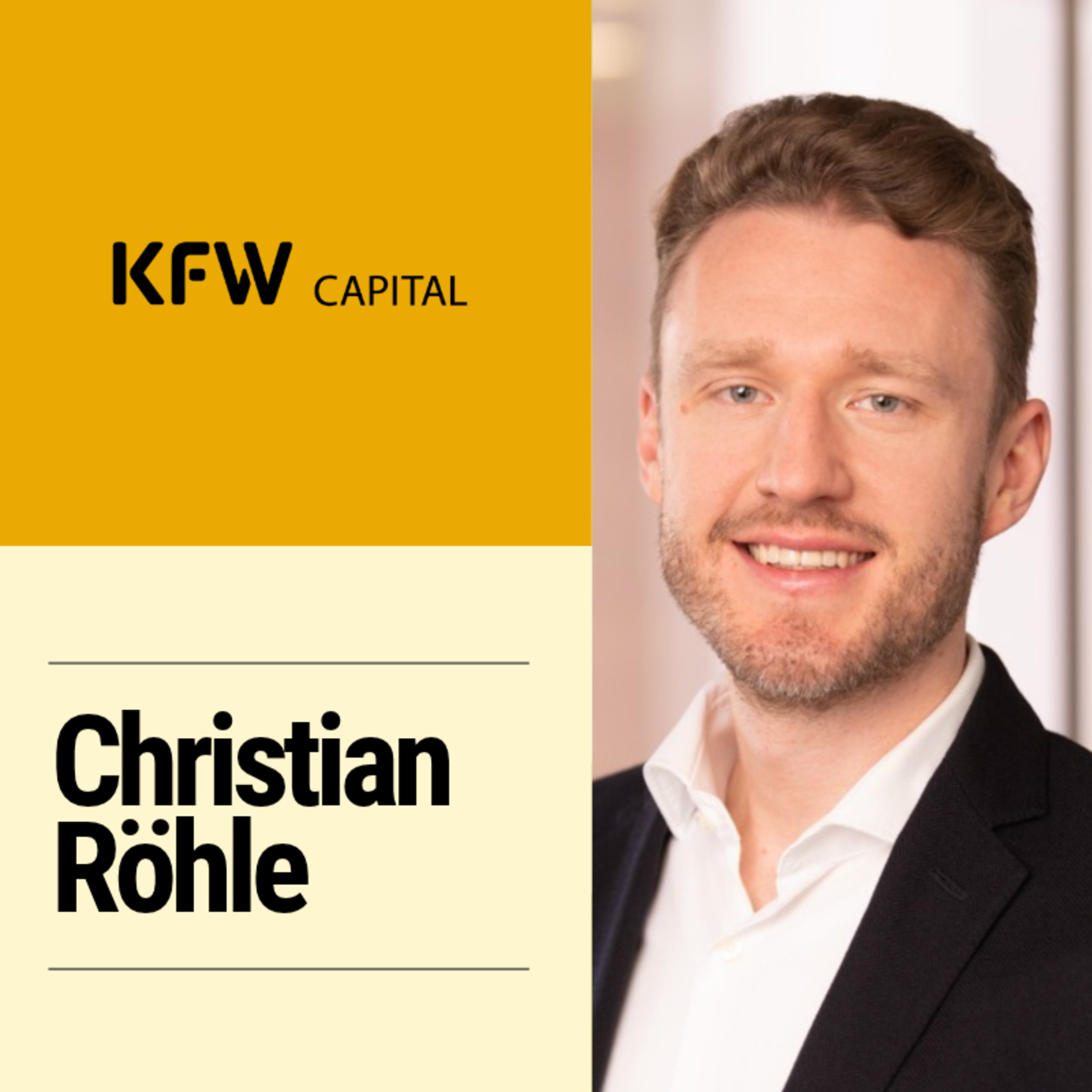
Christian Röhle (KfW Capital) shares five lessons from allocating €2.9B to European venture, focusing on LP due diligence, manager selection, and how co-investments/secondaries should be built as core capabilities.
Christian Röhle works at KfW Capital, a regulated-bank subsidiary; he covers venture investing and biotech, and discusses LP processes and internal team building.
Underwrite the firm (not just the fund); track records can be misleading (stale, firm-structure, attribution, and weak benchmarking—e.g., biotech cost-to-exit vs 1x-to-5x); LPs must professionalize their own operations (tech stack, career paths, compensation); co-investments/secondaries aren’t bolt-ons—require dedicated staff and tight GP integration.
Live science marking at cost until exit; a fund lacking a management-fee cap; a manager appearing across three fund generations with shifting team dynamics; Trade Republic secondary >€1B; biotech “Tubeless” sold to Gilead for up to €5B.
Written by AI. May contain mistakes.
Learn about the issues faced when a fund underperforms and the implications of management fees.
“We had a case where basically a fund wasn't performing well.”
Understand the importance of evaluating the management firm beyond just the fund.
“Christian, I challenged you to give us in 10 minutes your five biggest learnings from deploying so much money into venture.”
Learn why a great track record might not be a reliable indicator of future success.
“Could you just maybe line out the most important steps to take once you've got interest?”
Explore how LPs need to professionalize to support their GPs effectively.
“And I would really highly encourage any LP to do at least three or four or five checks, even before doing a second deep meeting, because it's so easy in the venture ecosystem.”
Discover the complexities of integrating co-investments and secondaries into investment strategies.
“So maybe just to name two aspects, our tech stack, I think that's an important part.”
Understand how European venture capital can yield significant returns through successful exits.
“We have a mandate to invest 1 billion until 2030 in German scale-up companies.”

Get the gist, explore an idea or ask about something said.
 Claude
On EUVC, what are the key points of this episode?
Searching your listeningAutomatic transcript. May contain errors.
0:00We had a case where basically a fund wasn't performing well. We didn't have a management fee cap in the documentation. So there was an incentive for the manager to keep on managing the portfolio just in order to gain some fee. So in live science you typically see cases where the portfolio stays at cost until the exit. We have multiple cases where the position was marked at 1x and then it was a 5x plus exit. so generalist benchmarking data doesn't really work right and the final example maybe a measure we didn't back in the end but they turned up three times for three generations of their fund and each time the team slide looked very different if you did a little bit more deeper digging you'd find out that the founding partner didn't want to give up any shares initially it was a little bit of a side project for part of the team because we had a sort of hen and egg problem, right?
0:57You need funds, you want to invest, but at what point do you start investing in resources and dedicated stuff?
1:04Christian Röhle: We are live. We are live. We are live. We are live. We are live. We are live. We are live. One.
1:21Christian, I challenged you to give us in 10 minutes your five biggest learnings from deploying so much money into venture. Your first one was underwrite the firm, not just the fund. Could you expand on that? I mean, performance is quite obvious, right? And on the other hand, you have factors that actually matter if you go a little bit beneath the layer, or I should say with some experience in the portfolio. And the caveat is, of course, our portfolio is still quite young. The oldest funds are from 2015. But so far, we've had cases where two GPs stopped getting along, blocking each other in the investment committee.
2:01We had a case where basically a fund wasn't performing well. We didn't have a management fee cap in the documentation, so there was an incentive for the manager to keep on managing the portfolio just in order to gain some fee. And a final example may be a manager we didn't back in the end, but they turned up three times for three generations of their fund, and each time the team slide looked very different. If you did a little bit more deeper digging, you'd find out that the founding partner didn't want to give up any shares. You'd see that when you referenced the firm, you'd find out that he'd like to have the final word in all internal investment discussions.
2:46So the churn of the team was quite considerable. And maybe just with these anecdotes, at least our experience, you should probably spend some time of looking deeper into the firm, talk not just to the top partners, but also the second and third level, individual interviews, references, stuff like that, in order to get a little bit more comfortable. Could you just maybe line out the most important steps to take once you've got interest? Because as an LP, any LP, we'll see many, many decks. But once that interest is there and you want to look deeper, what are their first like steps to take to really quickly figure out should we go full dd here or that we'll on to the next one so to say it's a good question i think you can actually make use of network effects in a way right because we already have a portfolio of gps we work with and we trust so we just basically ask and management pitches like what their co-investors call them up, see how they are actually working in the market.
3:55And I would say references are probably a very good source of initial insights beyond what the managers tell you. Yeah, it's always so interesting because you meet GPs and unfortunately there are still first-time managers out there that you'll ask them who their co-investors are and then they'll mention a great friend and then that great friend doesn't know them. It's incredible. but it's really, really quick to do that first reference check. And I would really highly encourage any LP to do at least three or four or five checks, even before doing a second deep meeting, because it's so easy in the venture ecosystem.
4:36Now, let me ask you about your second one, because your second quick or big learning was that a great track record can be a truly bad indicator. Yeah, and that needs some explaining probably. I don't want to say that you should disregard the track record, of course, but you should probably look at it with a little bit more caution and not take it as the only indicator of whether a manager is good or bad. And those kind of caveats about track records, to name a few, there's a stale track record issue you've had with older firms where basically they had some success back in the day, some very early funds and so on.
5:20And then there's actually a link to the firm issue, how the firm is set up. So whether the people who are actually there, they are empowered to basically build on that or not. Then you have the issue, of course, of attributability. It's very rare that you see the top deals by a firm actually being sourced by people who have left the firm, according to the firm. So that's another common question to look at. And then maybe a more structural point, since I also cover our biotech sector, the availability of benchmarking data is quite bad. So in live science, you typically see cases where the portfolio stays at cost until the exit.
6:07We have multiple cases where the position was marked at 1x and then it was a 5x plus exit. So generalist benchmarking data doesn't really work, right? So if you take those points together, it just shows that track record is not the one indicator you should look after. And if you want to dig deeper, look through this is good, I think. And to get all KPIs you can get on the portfolio companies, operational performance and so on, which is not always shared very proactively, but that we try to incorporate as well. Christian, I asked you specifically for learnings for other LPs in the ecosystem. Your third one goes directly to the LP, and it's a bit about knowing what's in their own house, so to say, and making sure that they clean their own front door.
6:58Your third learning is, if you want your GPs to professionalize, you also need to do so yourself as an LP. Today, somebody said the price always goes up, I think, for the LPs. it can be a trap, right? To stick to the minimum and the minimum viable product being an AP is not that complex, right? I think you won't build a great team, you won't have an above market average return. So maybe just to name two aspects, our tech stack, I think that's an important part. And obviously with our background being subsidiary of a regulated bank, it's not like that everyone always goes, oh yeah, let's try that new tool.
7:37and so I see part of the role of our team as well to sort of broadcast what we learned from working with the GPs into the organization to actually affect some change. And the second aspect regarding the team building that I implemented was basically about the career path and also the salary structure because there you see a lot of GPs actually having a very clear structure. Obviously, there are some downsides to that as well. I mean, I couldn't hire some people I would have loved to hire because obviously they didn't really fit in that structure that perfectly. But I think the upside is that there is more sense of stronger equality or fairness in the team, which is, I think, better for the team in the long run.
8:26And your fourth one, which at first face value might be a bit surprising because many LPs think of it as such because your fourth one is co-investments and secondaries are not bolt-ons. And of course the point here is that most LPs, many LPs, especially on the family side, will be investing thinking that they have this bolt-on dream of also doing co-investments and follow-ons. Can you talk to that point? Yeah, sure. I mean, that's another learning we had because we set up our co-investment program and I can say it took us longer than we thought. Initially, it was a little bit of a side project for part of the team because we had a sort of hen and egg problem, right?
9:12You need funds, you want to invest, but at what point do you start investing in resources and dedicated stuff? At some point, we did that. We built the product and we are now actively deploying that. We have a mandate to invest 1 billion until 2030 in German scale-up companies. We also, the fund of fund I mentioned there, we also can invest, do co-investments. What really made a difference is to hire dedicated people who have that as a clear mission and at least for the time being to have them integrated in the team because the relationship with the GPs from our first experience is essential because otherwise what's your edge, right?
9:54You in terms of sourcing you You need a close link there. And you also, if you know your portfolio well, you'd see signlets in the quarterly monitoring, for example, where you say, okay, there's a series B coming up. I really want to be part of that. So you can proactively talk to the GP. Please put us in the term sheet with you. And then there could be a decent chance of success. And then the final one is one that will make us all happy because your final point is that VC in Europe actually pays off. Yes, and I think I'm probably not the first person today to mention some good examples, but I also brought two examples.
10:31First is Trade Republic, German fintech Decakorn, who did a secondary transaction last year in excess of one billion. And I think it was just an amazing transaction because, well, first of all, it helps with further development of the company because there were some really experienced late-stage investors coming on board. But on the other hand it had the early stage GPs to show some DPI Which actually is that yeah is a validation of venture as an asset class that there are some Exits and DPI happening so that's the first one I wanted to mention And the second one may be a little bit less well-known a tubeless.
11:10That's a biotech company we've had exposure through multiple funds actually and And this one was built in Germany with local GPs in the oncology space. Yeah, they had a very strong development. Last year they did one of the biggest biotech funding rounds in Europe, actually, with also top US GPs joining it. Now this year there's been the exit, selling the company for up to 5 billion to Gilead. and again a good showcase of how actually European tech in the broader sense pays off.
A strong track record is not always enough, and some of the biggest risks in venture sit inside the firm rather than the fund.
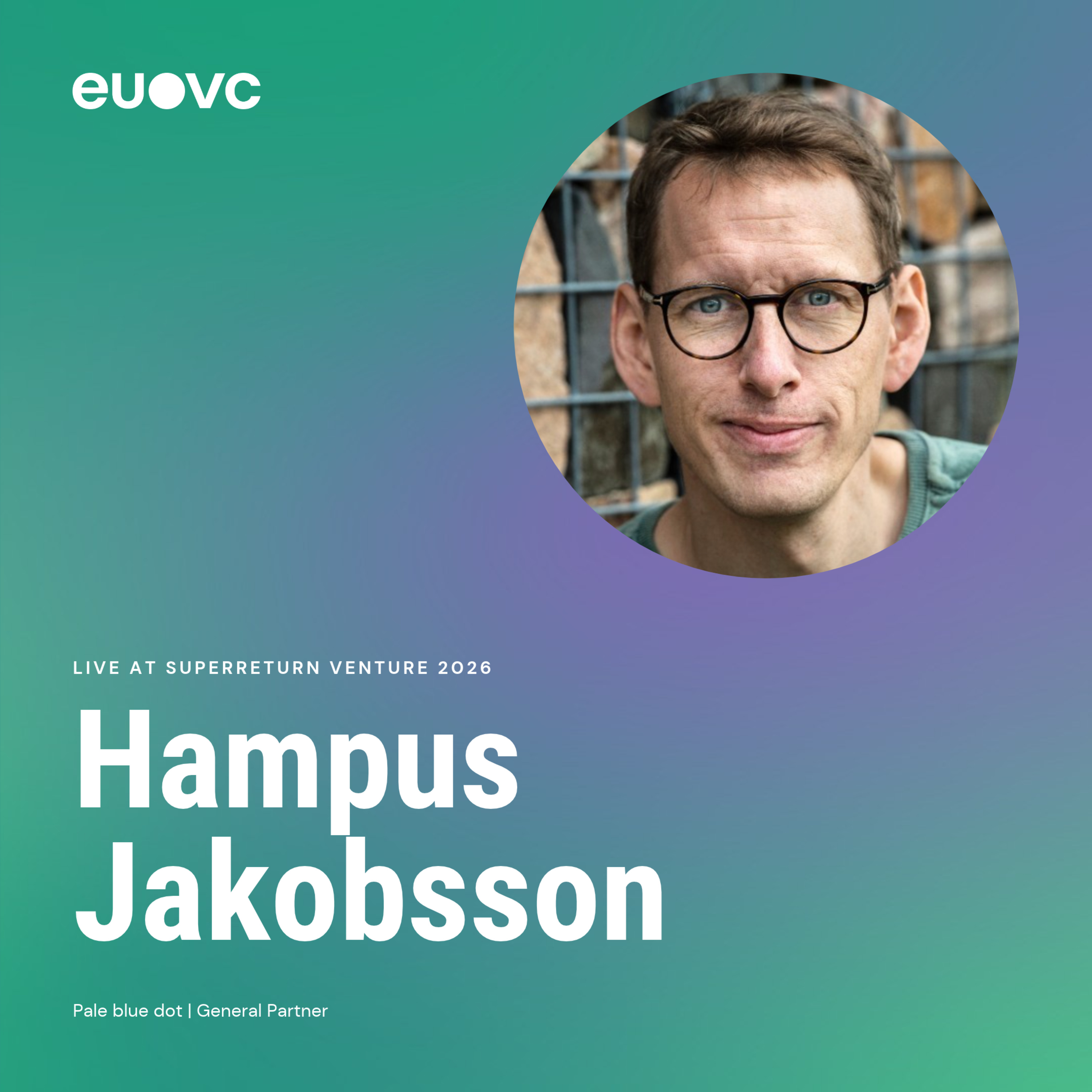
In this conversation from EUVC Summit 2026, Christian Röhle, Co-Head of Investment Management for Life Science, Deep Tech and Impact at KfW Capital, shares five lessons from allocating €2.9B across European venture.
Christian explains why LPs need to look beyond performance and diligence the organisation behind the fund, from partner dynamics and team churn to governance and incentives.
He also explores why track records can be stale or poorly attributed, why allocators should examine portfolio company KPIs more closely and why LPs asking managers to professionalise need to raise their own standards too.
The conversation also covers KfW Capital’s experience building a dedicated co-investment capability, the importance of strong GP relationships and why recent liquidity events give Christian confidence in European venture as an asset class.
Highlights