Ask ChatGPT

 EUVC
29 Oct 2026 · 12m · 4 chapters
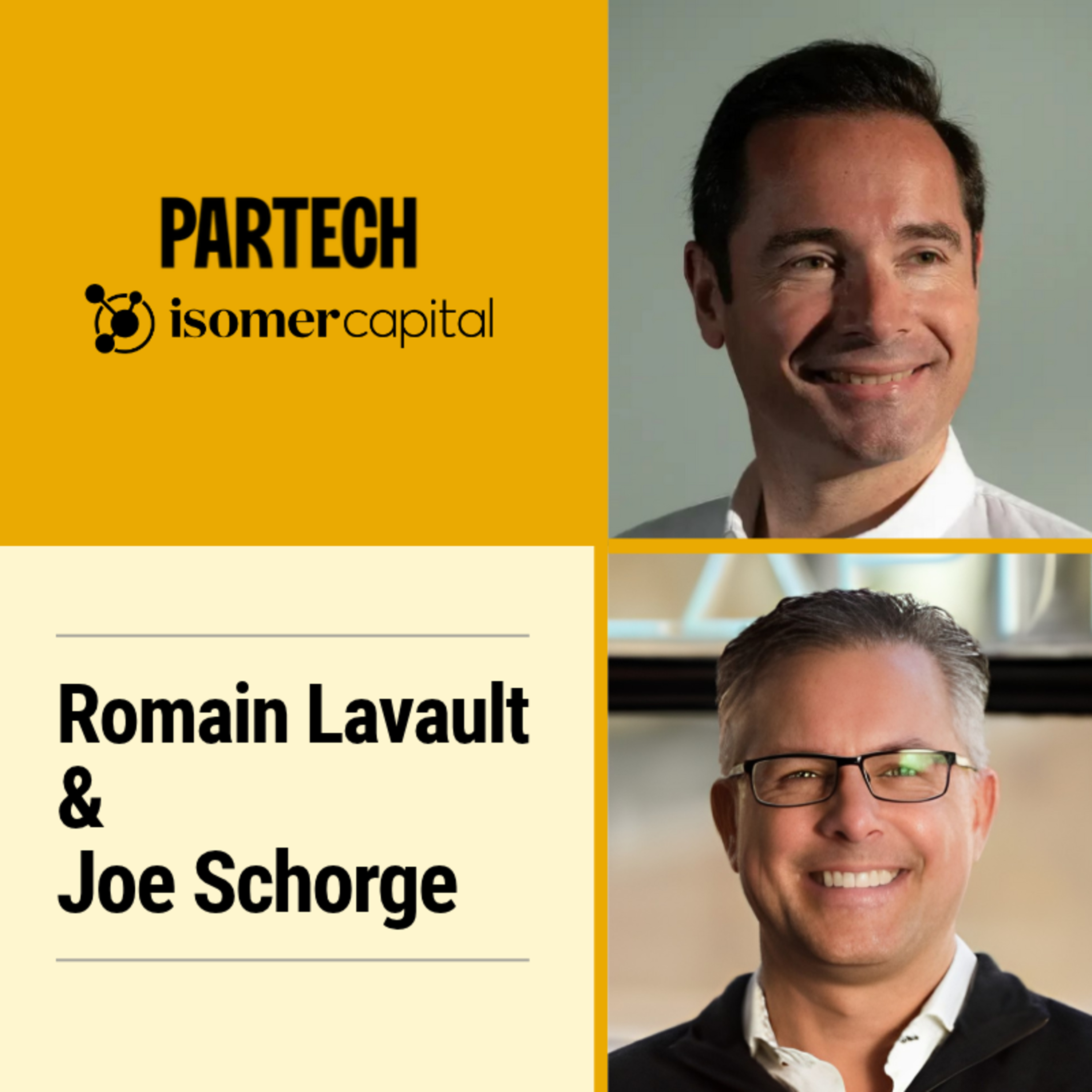
How European seed funds manage liquidity today—when to sell stakes, how much to sell, and how to handle LP pressure for DPI while “ride-the-winner” instincts push against exits.
Romain Lavault, Partech seed fund leader; previously joined Partech when it was a €200M fund focused on France/US, later grew to €1B then €3B, now closing Seed Fund V. Joe Schorge, Isomer Capital (seed/early-stage investor).
Liquidity is “in the heart today not a science”; secondary sales and internal secondaries are now major exit channels. Seed fund economics changed because median European exits (~€22M a decade ago) are far below today’s seed valuations, and top companies raise growth capital later (years 5–6), delaying exits. Notable examples/framework: Partech targets returning money by fund year 8–9 (1x DPI). Tier 3: 0x DPI; Tier 2: ~0.5x DPI; Tier 1 requires partial sales. Rule: when a company hits ~$1B valuation, sell ~one-third; at ~$2B sell another third; continue until reaching 1x DPI, then pause and “shoot for the highest multiple.” Founder engagement: prepare founders 2 years ahead, align on preferred buyer types, and ensure they actively pitch buyers since seed stakes can be only ~3–4%.
Written by AI. May contain mistakes.
Exploring the tensions between investor expectations and the reality of seed fund returns.
“So, Roman, we've had a similar discussion a couple of times.”
How the landscape of seed funding and expectations has changed over the past decade.
“when I joined Partec, it was a very small fund, 200 million, rather focused on France and a bit in the US.”
Discussing a structured approach to liquidity and exit strategies for seed funds.
“And I guess the thing that's changed also that you didn't mention is that these unicorns raise large late-stage rounds, and quite often now those investors are saying, I'd be happy to buy some of your stake, right?”
The importance of founder relationships in navigating liquidity events.
“I've experienced different levels of situation where, especially if you have a small stake, I mean, if it's a multibillion dollar company, your stake as a seed fund will be in the 3%, 4 % range.”

Get the gist, explore an idea or ask about something said.
 Claude
On EUVC, what are the key points of this episode?
Searching your listeningAutomatic transcript. May contain errors.
0:00Romain Lavault: So we have more options than ever, which is great, but I want to ask you two things. One, first of all, the framework for when to sell and how much to sell.
0:07Joe Schorge: Secondly, the level of ambition means that the best companies are actually raising growth capital in their year five or six of existence. And so that means the companies will not have pressure to exit before year 14, 15, which is completely beyond our own horizon.
0:25Romain Lavault: And what's something wonderful you said, by this point in European venture development, everybody's got a fun model, right? Ten years ago, that was, whoa, what's that? Everybody's got one now.
0:35Joe Schorge: Secondary buyers, they are smart. They're only looking at the ones that have the maximum upside from the point you're at. And so this is where there's this tension, where we have to sell the best jewels of the crown.
0:49Romain Lavault: We are live. We are live. In five. We are live. Four. We are live. Three. We are live. Two. We are live. One.
1:06Romain Lavault: So, Roman, we've had a similar discussion a couple of times. I want you to help us try to resolve a big tension in Europe. There's a really big tension today. It's come out a little bit already. We feel the tension in a real way, I know you all do, between what we were told early in our careers, ride your winners, if you manage to invest in a great company, ride it forever, capture that return, to what those pension funds that Stefan told us about, they're asking us for DPI, they're asking us for money back. And so there's a real tension there today. The first thing I want to ask you about, you said to me, managing a seed fund today and thinking about liquidity is very different than 10 years ago
1:51Joe Schorge: what did you mean by that so to borrow dennis world i think uh liquidity is actually in heart today not a science so we're all learning and yeah we're actually now in the liquidity phase of funds that were raised 10 12 years ago and at the time our model did not account for what is happening today, by all means. So just for context, when I joined Partec, it was a very small fund, 200 million, rather focused on France and a bit in the US. And 2015, there was an inflection point for us where we went from 200 million to a billion. And now it's 3 billion. So which means we're now exactly in the money time of the fund that we raised starting in 2015.
2:35Joe Schorge: And we didn't raise like one large fund, we raised five very focused funds managed by independent teams with their specific DNA and I lead the seed funds and at the time when we designed our seed model the median exit in Europe was 22 million so more than half of companies were sold for under 22 million so the economics of a seed fund were okay but 22 million is not even the mere pre-money valuation of a seed round today so it has completely changed what has changed as well dramatically is that at the time there were very few serial entrepreneurs so the level of ambition was what I would call pre-California it was the first wave.
3:24Joe Schorge: Today the level of ambition is through the roof. I sold my company for 40 million in 2011 and it was noticeable today no one would even care it would not make the press so the level of ambition means that the best companies are actually raising growth capital in their year five or six of existence, and those growth capital VCs, they have another 10-year window ahead of them. And so that means the companies will not have pressure to exit before year 14, 15, which is completely beyond our own horizon of a closed fund of a 10 plus 1 plus 1. This is the commitment we've taken with our piece. At some point, we need to return the money.
4:07Joe Schorge: And so now we're just a few weeks away from closing our fund five in seed. So you can imagine we've had a lot of liquidity discussions with our LPs. And so when we look at the situation today, what was not in a model 10 years ago, is that most of our money is trapped in unicorns, which is a great thing. And in our seed funds alone, we have seven unicorns today, plus three ex-unicorns, but that's another story. 21. And so the question is, how do we get the money out of those unicorns that are still flying and absolutely not looking for an exit?
4:49Romain Lavault: And I guess the thing that's changed also that you didn't mention is that these unicorns raise large late-stage rounds, and quite often now those investors are saying, I'd be happy to buy some of your stake, right? the secondary that is internal.
5:08Joe Schorge: Yeah, secondaries were not a thing 10 years ago. And interestingly, it has become almost one of the biggest channel, exit channel for us these days because of that. If you look at three ways, three relatively simple ways to get our money back. There are the full exits. Honestly, the full exits are more today in the lifetime of a seed fund are more like the tier three and tier two companies. tier three we're losing money, tier two we can probably get to get our money back more or less and then there are the tier one so the one that you want to ride as long as you can and of course for those ones the exit is not in our time frame so the the only two come the only two possibilities are as part of a round making secondary which is really easy because the process is done for you and there is the more complex one where you need to exit in between rounds and that's the case for profitable companies because profitable companies have the luxury of waiting for the next best fundraising window for them which might be two years three years and depending on where you stand in your fund cycle at some point you need to sell at least some and that those are the most difficult
6:22Romain Lavault: ones so we have more options than ever which is great but i want to ask you two things one first of all the framework for when to sell and how much to sell secondly if we have time how do you talk to founders and when but but first let's start so a lot of seed funds in Europe have one or two companies which are really killing it Fred Wilson wrote a great blog years ago about a third and a third and a third but tell us a little bit you've developed a framework tell us a little bit
6:50Joe Schorge: about it yes because I mean there's so much emotion I mean you found this awesome company even better you found many of them uh you want to ride them and and the majority of those unicorns they were super hard to get in so you don't want to get out uh and and you've had the privilege to live those extraordinary adventures from the inside why would i sell and you have insider information you know how they're doing you know they're here to stay the interesting thing is that in this market in secondary we can only sell the top companies i mean the secondary buyers there or some in this room are smart, they're only looking at the ones that have the maximum upside from the point you're at.
7:31Joe Schorge: And so this is where there's this tension, where we have to sell the best jewels of the crown. That's where the tension is and the emotion is. So to depassionate it, we had to adopt a framework and stick to it. Just like you have a fun model, you stick to it. We had to have a liquidity model and stick to it. when we talk to LPs and that was literally hundreds of conversations there was basically one average point which was we want our money back by your eight or nine of the fund so we want the one x dpi by your eight or nine after that you're free to shoot for the highest multiple as you can so it's it's interesting because we didn't have that when we modeled the funds initially so now we have to take that into account.
8:18Joe Schorge: Tier 3 companies, you can basically say it's 0x DPI. Tier 2 companies, it's going to bring you to 0.5x DPI if you sell it all. But you're not going to get to 1x DPI with your tier 2 companies, which means you have to sell some or portion of your tier 1 companies. So that's where the tension is. And so the rule is, if we're not at 1x DPI, and a company in our portfolio reaches a billion in valuation, which is for a seed fund, 30, 50x return, we sell one third. Ideally, as part of a round, because the discount can be low, sometimes 0%, but we sell a third. And with that, we can return a third of the fund.
9:01Joe Schorge: When the company or another company reaches 2 billion in valuation, we sell another third. And we do this across the portfolio until we reach 1x. Once we're there, we can pause, and sometimes for several years, and then shoot for the highest multiple. The beauty is we can continue to ride those incredible companies, of course with a reduced stake, but we can see it's a completely different relationship with our LPs when you've returned the money. And we've done that with our 2015 vintage, with our 2017 vintage already, and without this, there wouldn't be any fun five today. And it's very clear.
9:38Joe Schorge: And so having a framework kind of removes the emotion because it's not a call you have to make case by case. You apply this until you return the money and then it's different. And then your other question was about the founders. Nothing happens without the founders. It's true for investment. It's even more true for liquidity. I've experienced different levels of situation where, especially if you have a small stake, I mean, if it's a multibillion dollar company, your stake as a seed fund will be in the 3%, 4 % range. Well, if you're not part of a huge fundraising round, you need to have the founder attention and goodwill to make sure they are going to pitch your buyers.
10:20Joe Schorge: Because there is nothing in it for them. There's no money. It's just secondary. They don't see it. So I prepare that ground two years in advance. I tell them, look, in two years we'll need liquidity so that they don't feel like we're reacting to bad business use or high valuation that we believe is inflated or something like this. They know that that time frame is approaching. And we agree on what would be the best case for them. Like, if we were to sell, who do we want to sell to? And we come up with a list. and they say, well, if you were to sell, I'd love to have an investor from that country or I'd love to have that CVC because I want to target this industry or et cetera, et cetera.
11:06Joe Schorge: And we narrowed the list down to a number of potential buyers. And on those buyers, I know I will get their corporation and I've experienced the opposite situation where, well, if there is really nothing in it for them, they just say, look, well, here's a minimal data room. We won't bother spending time with a buyer. Take it or leave it. And it's leave it. So working with the founders very early on, educating them on the fact that it's not a bad signal that we're selling. It's completely normal that the capital rotates, just like it does in private equity. It rotates regularly. And the new reality of seed funds today is that the capital must rotate because those companies are on incredible trajectories.
Seed investors are often told to ride their winners. But when the best companies remain private well beyond the original fund horizon, that creates a difficult question: when should a fund start turning paper gains into cash?
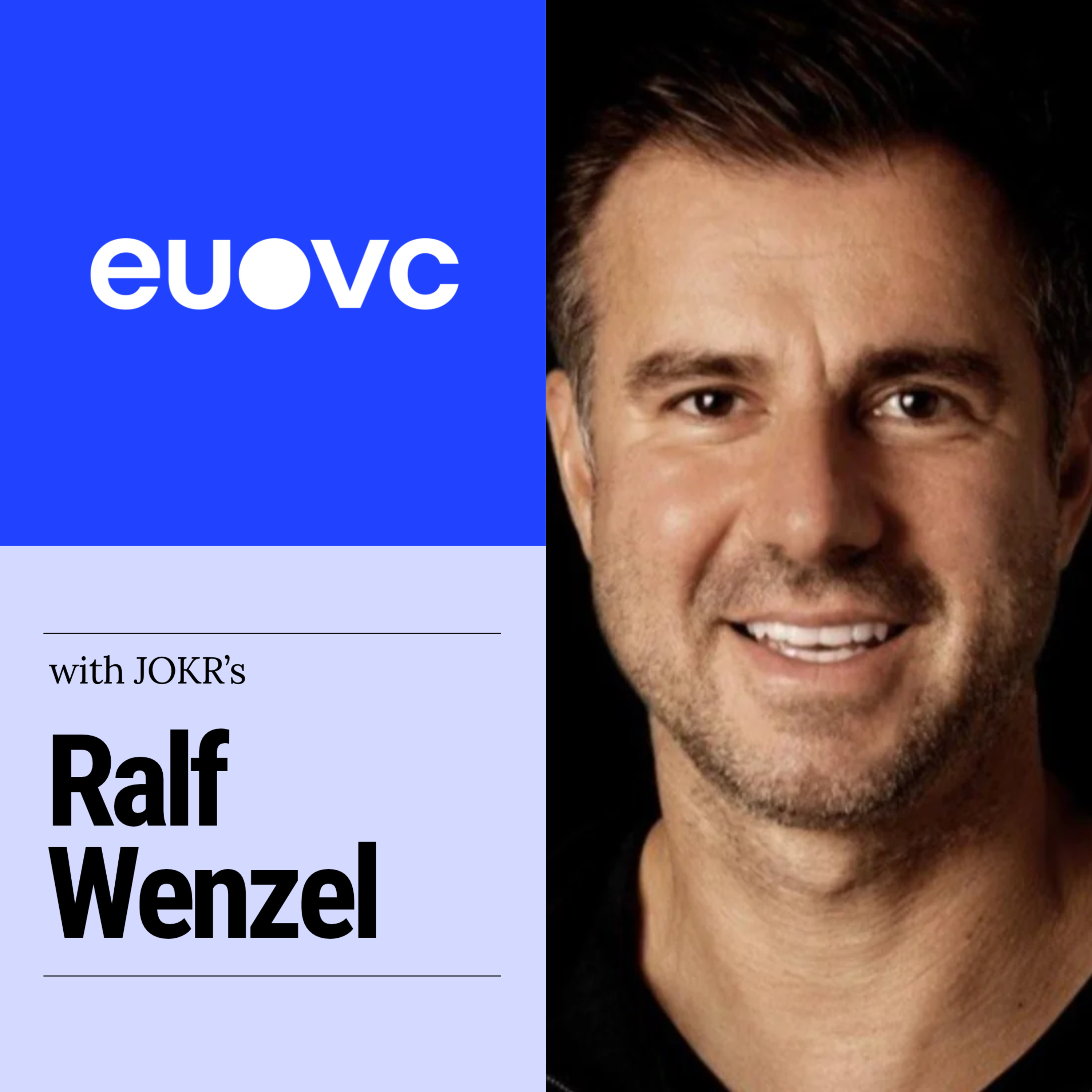
In this conversation from EUVC Summit 2026, Romain Lavault, General Partner at Partech, joins Joe Schorge, Founder and Managing Partner at Isomer Capital, to discuss how seed funds can manage liquidity without giving up too much of their strongest positions.
Romain explains how longer company lifecycles have changed the economics of seed investing, why secondaries have become a major route to liquidity and how Partech uses a framework to decide when to sell portions of high-performing companies.
They also explore LP expectations around DPI, why liquidity decisions should be planned rather than emotional and how early conversations with founders can make future secondary transactions easier.
Highlights