Ask ChatGPT
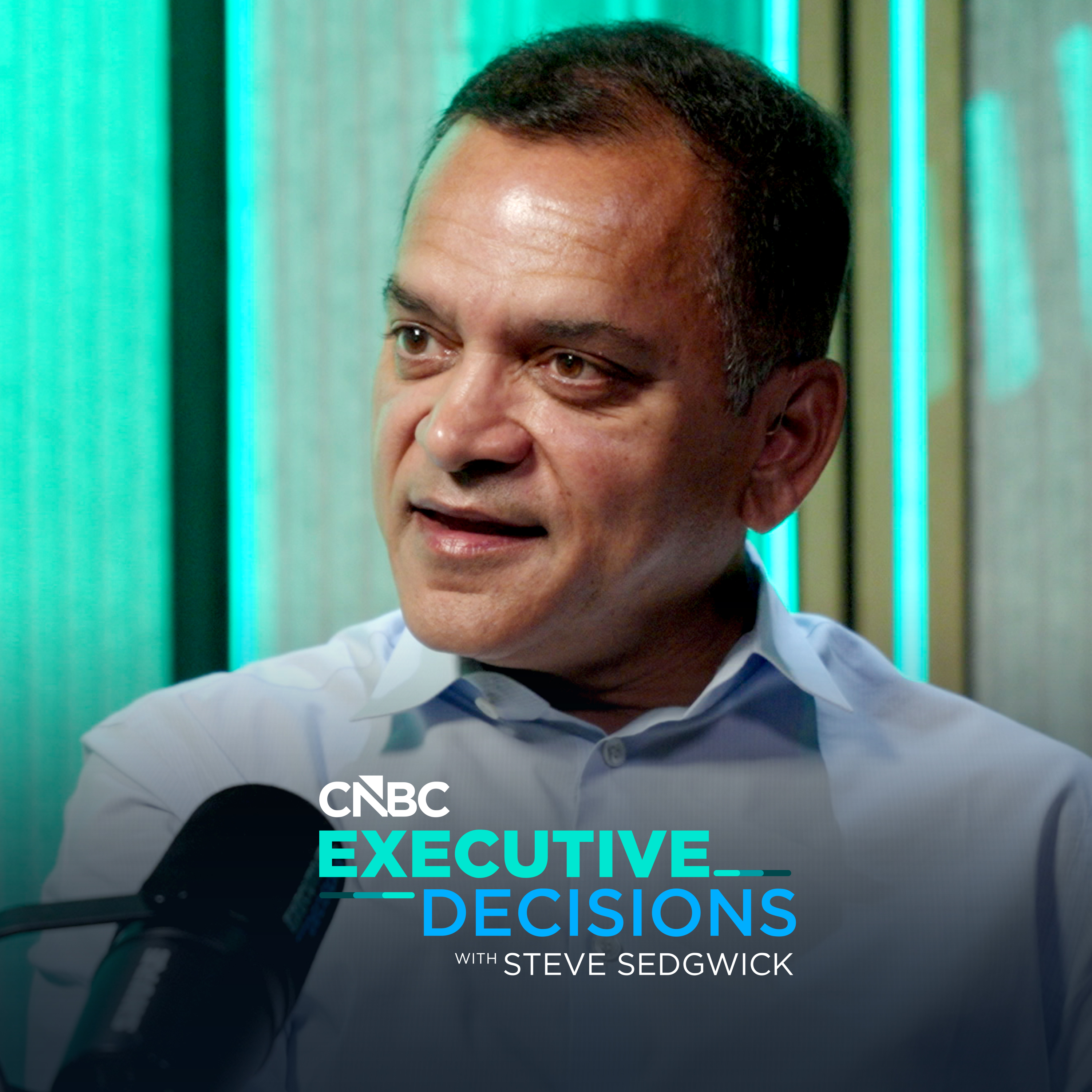

 Executive Decisions with Steve Sedgwick
10 Nov 2026 · 32m · 15 chapters
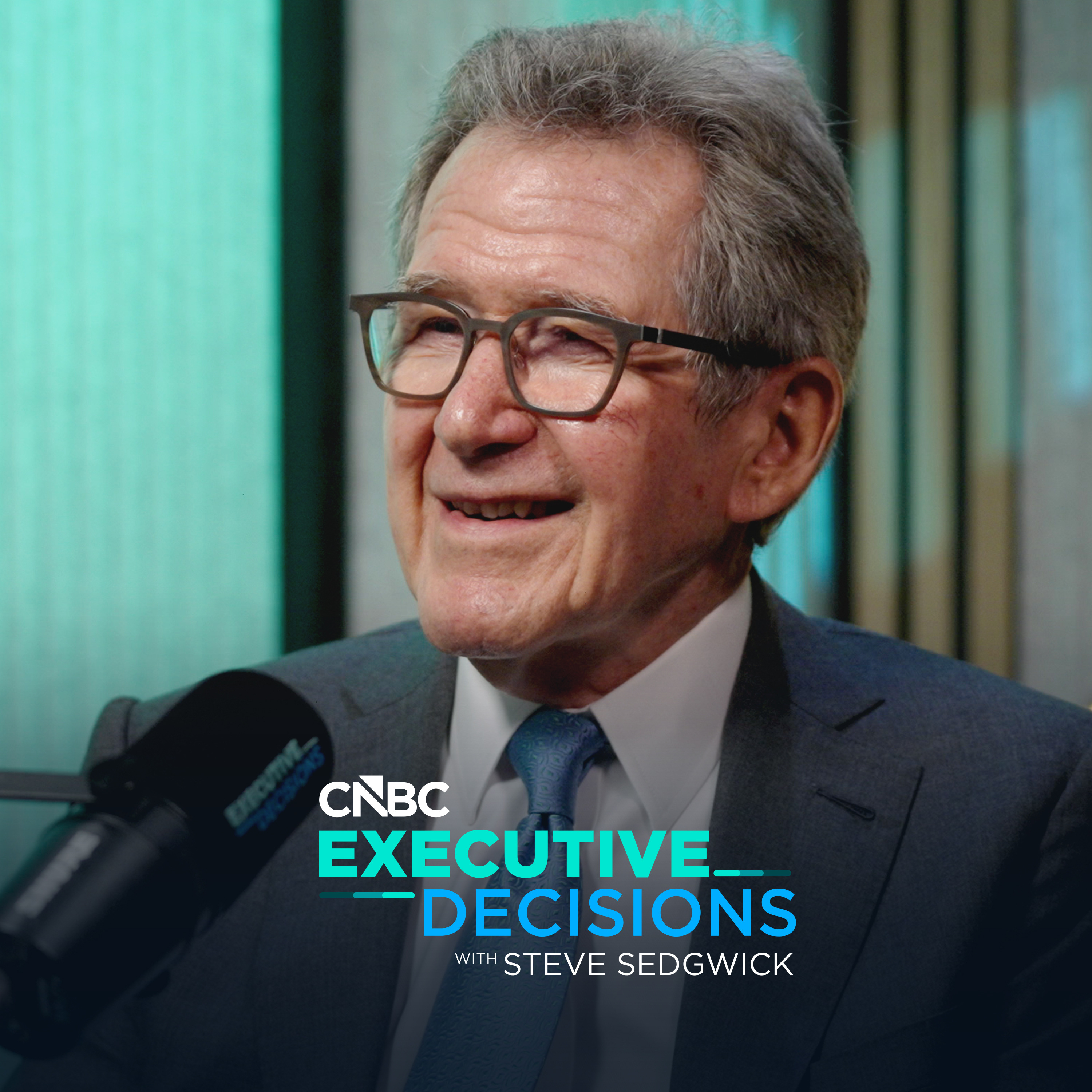
Lord John Browne, former BP CEO, reflects on how his mother’s Holocaust survival shaped his secrecy, how fear and law influenced his closeted years, and how those experiences later informed his role in diversity and climate activism. He also discusses BP’s major acquisitions and Russia strategy, plus lessons from business risk.
Lord John Browne (former BP CEO; author of The Glass Closet; climate advocate after his 1997 Stanford speech; involved in BP’s Amoco-era expansion; later wrote about diversity/inclusion). Interviewer: CNBC journalist (host of Executive Decisions; previously interviewed Browne decades earlier).
“Never tell anyone a secret” and “future matters, past doesn’t” guided Browne’s life. He says he stayed closeted due to illegality and fear, and later corrected an inaccurate witness statement during BP’s Daily Mail-related legal battle, admitting it was “a very bad thing.” He argues diversity/climate can’t be checkbox exercises.
Holocaust details (Auschwitz; family lost in Birkenau); 1997 Stanford speech targets and controversy; BP’s Amoco deal and subsequent acquisitions; Russia Sedanko/TNK-BP joint venture strategy; “only the paranoid survive” business mindset.
Written by AI. May contain mistakes.
Exploration of Lord John Browne's upbringing, his career at BP, and his struggle with his sexuality influenced by his mother's experiences.
“But throughout his career, he concealed his sexuality, shaped in part by lessons from his mother, a Holocaust survivor, who had warned him about the dangers of revealing personal secrets.”
Discussing the profound impact of Browne's mother's Holocaust experiences on his life and decision-making.
“You were the first big interview I ever prepared for as a journalist at CNBC.”
Browne reflects on his mother's advice about being cautious with secrets and the consequences of visibility as a minority.
“And you actually only found out a lot of the details at a memorial service after your mother had passed.”
Browne discusses societal perceptions of being gay and how those views affected his personal and professional life.
“And while I was even at Cambridge, it was illegal to have sex with someone of your own, with another man.”
An exploration of Browne's leadership style, the importance of approachability, and lessons learned from his experiences.
“I've been privileged to speak to many great CEOs as part of this podcast series.”
Browne recounts the challenges he faced during his departure from BP and the importance of honesty.
“Not that you took so long to come out because that was a really tough decision and look I think a lot of people have learned from your experience.”
Browne shares insights on being a role model for diversity and inclusion in the corporate world.
“Do you see yourself as a role model now?”
Discussion on the advice Browne received from his father regarding work and how it shaped his career path.
“And it's really important in building teams to remind yourself that the person who's not included will be the person looked at to determine whether a team exists or not.”
Explore Lord John Browne's unexpected journey to BP and the experiences that shaped his career.
“So I asked for a job if I could possibly come for a year and go to America.”
Learn about the pivotal moment when Lord John Browne addressed climate change at Stanford.
“that actually allowed people to come into a higher standard of living and actually out of poverty.”
Discuss the enduring conflict between climate change advocates and the oil industry.
“And I chose my alma mater, Stanford, to do that at.”
Examine the potential for renewable energy and the importance of technology in the future.
“to get that done at a cost that was affordable to all parties, governments, consumers, corporates.”
Discover the strategic decisions behind BP's major acquisition of Amoco and its implications.
“You created off the top of my head, like$140 billion company in 1998.”
Learn about the complexities and strategies of doing business in Russia from former BP CEO Lord John Browne.
“James's probably 20 years ago, was the trouble you were having with the Russians?”
Discover Lord John Browne's perspective on the future and his optimistic view on young entrepreneurs.
“any something out of kilter causes great suspicion.”

Get the gist, explore an idea or ask about something said.
 Claude
On Executive Decisions with Steve Sedgwick, what are the key points of this episode?
Searching your listeningAutomatic transcript. May contain errors.
0:00A CNBC original podcast. Lord John Browne was one of Britain's most powerful business leaders, having spent more than a decade as CEO of BP. But throughout his career, he concealed his sexuality, shaped in part by lessons from his mother, a Holocaust survivor, who had warned him about the dangers of revealing personal secrets. So I concluded, based on what my mother told me, the circumstances of the day, that I would go firmly into the closet and throw away the key. In 2007, Brown resigned from BP after a legal battle over a newspaper's plans to publish details of his private life. During those proceedings, his initial witness statement contained an untrue account of how he had met a former partner, which he later corrected.
0:48It was a very bad thing to have done and something I've never actually ever forgotten doing. I should not have done it. Looking back, Brown says his fears about being openly gay persisted. And I never changed that view, whereas the world was changing around me. These are not John Brown's executive decisions.
1:11You have been so important in my career. You were the first big interview I ever prepared for as a journalist at CNBC. And we're going back roughly a quarter of a century. So thank you for that. You won't remember it, but thank you because you were very kind to a young cub TV reporter. I know you've spoken about it many times previously, but I think where you come from and where your parents came from, I look at who they were and the influence that they had on you. And I see it as absolutely pivotal in all the decisions you made thereafter, academically and professionally. I'm defined by who my parents were, what they taught me and the places they put me, whether it's traveling with them over the world or going back to boarding school, which I didn't like, in the UK to become an English gentleman.
2:06Your mother, if we can start off with her, had a harrowing, horrific childhood. She is a Holocaust survivor. She was in Auschwitz. She and you lost family in Birkenau. And yet she never talked to you about a lot of the details. And you actually only found out a lot of the details at a memorial service after your mother had passed. but tell me about the influence she had on you and and and the things that she instilled upon you my mother was uh put into auschwitz uh she she was uh in her 20s by then and managed to survive after a year there whenever asked about her life she always said I've got lots of chapters, and then the bit that was missing was between 44 and 45.
3:01And when asked what happened then, she said, you asked me about a life. That wasn't a life. But what she learned there, I believe she probably went into the camp with, which is the future matters, the past doesn't. And you have to always remember that whatever you've got, you'll lose everything. and you have to start again. My mother, you know, told me various things and the way she behaved was clear in retrospect what happened to her. So she always told me, never tell anyone a secret because they will certainly use it against you. And never be too visible as a member of a minority because when the going gets tough, the majority always hurt the minority.
3:54And these things are very important things to remember in life, I believe, and they've affected me hugely. But what's also affected me hugely is it's about the future and a real belief that the best is yet to come. And I believe that firmly. And just going back to your childhood where your mother said, never divulge a secret that anyone can hurt you with their knowledge of. Do you think that's why you behaved as you did regarding your own private life at that period of time? I think it was one of many things. I was born, remember, in 1948. Sounds a long time ago. And while I was even at Cambridge, it was illegal to have sex with someone of your own, with another man.
4:44It was illegal and you would go to prison. And so people would use that against you if you weren't very careful. So I concluded, based on what my mother told me, the circumstances of the day, that I would go firmly into the closet and throw away the key, which is kind of what I did for a long time. And I didn't actually update myself. First, the law changed. That doesn't change many things. But over time, which I didn't notice, his behavior changed. It didn't change as fast as it's changing today, but it certainly did change. And so, So in my head, I had figured out that being gay was wrong. Being gay was a sign of weakness.
5:38Being gay would be the end of your business career and your social standing with your friends because they'd think you're not worthy of them or you were just too different. And I never changed that view, whereas the world was changing around me. I was going to say, it's absolutely extraordinary and damning of society that you felt like that, John, because world had changed by then. I've been privileged to speak to many great CEOs as part of this podcast series. And Dame Julia Hoggett talked about coming out in the early 90s and choosing J.P. Morgan, which is well over a decade before the problems you have with your departure at BP.
6:23and choosing J.P. Morgan because they had a really good diversity policy as well. That was 15, 16 years before. I suppose the oil and gas business was a bit like football. As the saying goes, there are no gay footballers until they retire. And so there was some sort of sense that, at least a sense I had, maybe I was wrong, that it was the wrong thing to be and I was doing business in the Middle East, in Russia, various places which weren't as progressive as maybe the United Kingdom or the US was. It's quite a macho business, isn't it, the oil industry? It is, but actually in reality it's less than that.
7:06I remember when I wrote a book about coming out called The Glass Closet, which has helped a lot of people and I'm always so touched when people come up and tell me it's helped them. When I presented at the Hay Festival, a guy gets up in the audience to ask a question. And he says, you know, I used to be with your competitor, Shell. And he said, the thing was, John, we all knew you were gay. The only problem is none of us were brave enough to go and tell you you were gay. And in that statement says many, many things. and I think it really did make the point that I was out of touch with my reality and it reminds people that you really do have to look around and ask people what's changing and change yourself in line with that.
8:06Do you see that as a fault in yourself? Not that you took so long to come out because that was a really tough decision and look I think a lot of people have learned from your experience. But the fact that you were seen as a really strong, almost imperious character. I mentioned to our producer beforehand, she'd never heard that you were called the Sun King. You were such an influential businessman. I'm going to say, and I don't think it's arguable, the most influential British businessman at around about the turn of the century. Did you feel actually you didn't need to approach people to be more approachable perhaps?
8:44I had hoped that I was more and more approachable. By the way, my personal experience with you is that you've always been approachable. My predecessor as a CEO, the great David Simon, was a wonderful man. And David always counseled me and said, you know, John, better to give more sun than moon. And he was right. You know, to get things done in life and get things done in business, you've got to be approachable. You don't have to be a soft touch the whole time, but you have to be approachable, balanced, fair, and smile when you can. But don't always look grim and always take the negative. Nothing works if people take the negative side.
9:31John, I remember full well those events and the period. And I remember having great empathy for you despite the fact that you had purchased yourself in court. I hadn't actually perjured myself. I'd written, technically, I'd signed a witness statement, which inaccurate, which I corrected. Thank you for correcting me. But that was a very negative thing. It was a very bad thing to have done. Yeah. And something I've never actually ever forgotten doing. I should not have done it. It must have been an awful period for you. It was awful. I remember having signed that statement because I was so embarrassed about how I'd met this guy who sold his story to the Daily Mail.
10:18And so I plastered over it incorrectly. And that was the only thing which was wrong, but that was enough. I corrected it. I couldn't sleep for about a week. I corrected it, but it was too late. and it says just be very careful. You know, never hide away the truth. Never hide it away. I spoke to so many amazing people from all walks of life who have become CEOs and they say it's very important to use that amazing elevated perch that they have, not only to lead the company but also to be a role model for others who are going through the same problems. Do you see yourself as a role model now? Now I do in this area.
11:05I hope I was a role model to an extent when I was running BP, because I think we did lots of things to change the way in which companies interface with people. but now it took me time to write the book The Glass Tosset about other people who'd been in similar circumstances and situations and it became the point at which I was very much prepared to stand and say this is a very important point about diversity and inclusion. Words which I I still support, I may say, in spite of the fact of all these changes in corporate sentiment today. Really important to get that right in a company because it allows you to build proper teams of great strength.
11:57I'll ask you one more question on this one because you mentioned diversity and inclusion and the assault it's under, especially in corporate America at the moment. But I spoke to a diversity and inclusion champion just this last week. had an amazing lunch with people still pushing that agenda and saying, actually, they don't mind so much that companies have dropped so much diversity and inclusion in their corporate results or their annual report, because now we can see the wheat and the chaff rather than people who are just talking about it. We can see the people that are actually acting rather than putting this diversity wash on their corporate results.
12:29They're right. I mean, a lot of it, actually the same with climate, had become checking boxes on surveys rather than actually doing something about it. And the key point about people is inside a company is to build great teams where everybody is appreciated, respected, and valued for what they are for the company. And it's really important in building teams to remind yourself that the person who's not included will be the person looked at to determine whether a team exists or not.
13:11I want to, if I may, move on to your father as well, because I think I want to frame both parents. And your father gave you a very tough lesson or certainly a piece of advice at an early age where I think you basically said, I love academia. I love being at Cambridge. I want to stay there forever, father. And actually, he turned around and said, I don't think so. I think you should go and have a work with BP or Anglo-Persian company, what he worked for, and maybe try and get a job, John. He said, get a job, go and work. And I said, well, I am working. He said, no, no, a real job. He said, a real job with real people.
13:47And he said, you know, you should try it for a year. In those days, it was just BP then. I think it was the Anglo-Iranian converted to BP, recruited very few graduates. So I asked for a job if I could possibly come for a year and go to America. And surprisingly, they said yes to both. And America turned out to be Alaska, not quite what I had in mind. I was thinking of New York, but that turned out to be a wonderful experience and one year converted into a career. But that decision to join BP has framed your entire professional life. Was it an easy decision to make? Well, it was a very easy decision because it was an option.
14:36And the thing about having choices is, you know, they're equal handed. And if you can always go back and go forward, then it was an easy one to make. What was so interesting was the extraordinary environment in which I found myself. Not only did I learn a lot about people I'd never met before, I'd learned about working in the field, learned about all sorts of different ways of behaving, you know, going up into the high Arctic. I was working 200 miles north of the Arctic Circle. But when I came back to the office every two weeks, I had to learn to become an engineer. And then I began to be exposed to problems that had never been tackled before.
15:23And that was the thing that really made me so excited about working. It's so fascinating because people know Lord John Brown as probably the most successful BP CEO, British oil executive in history. And yet I look at so many parts of Lord John Brown that I've met and known, and the one that keeps coming back to me is engineer. Engineer. You love engineering and problem solving as well. So I've asked you 15, 20 years ago about Russia. Are you a politician, John, more than a businessman? But actually now I'm thinking more than a politician and an oil executive. You're an engineer, aren't you? Well, I like to think that everything, the way I think, is both the scientific and the engineering training that I got.
16:12And I love solving problems. And I particularly love solving problems that express themselves, the results express themselves in something real, the real economy, real objects, real things. And I love that. And that's why I like the oil industry. It's a combination of very complex thinking, then working out how to solve a problem, then solving a problem and executing it on the ground and building enormous oil fields or refineries or ships or terminals, and then finding a way of delivering a vital product to a market that needs it, that actually allowed people to come into a higher standard of living and actually out of poverty.
17:04And so that's what I loved about the industry. And I still love about the industry. You've mentioned about diversity and we've covered that, but it's under the same assault that climate is now as well. And my goodness me, if John Brown is known for something as well, it's for that Stanford speech in 1997, where you stood up and it was 19th of May. So we're nearly 30 years on as well, where you stood up and said, we, what's the effect? BP is part of the problem. BP can change. BP can help. The oil and gas industry can do its bit. And you've referenced previously about Robert Hall and coming back from the Rio summit and thinking we really need to do something here.
17:42Tell me about how Lord John Brown, the CEO of one of the most systemically important oil companies on the planet, became a green activist or certainly more climate aware. It was based on the data and the observations that I made of the way in which scientists and economists were looking at the world saying, this is a risk which is getting bigger and bigger and we need to do something about it. The risk being that if the climate changes, what we can use as land, where we can live, how we live, the health of people, all of these things will change. And therefore, the risks to business, to governments, to politics begin to mount.
18:30So it was a very simple point that talking to people who knew what they were talking about, assessing the situation, we decided we had to do something about it, not least to get around the same table as people who were discussing our future. We didn't really want to be in a room separate from those who were saying, this is what we should do to oil and gas companies. We wanted to be saying, well, we could do something here. We couldn't do everything, and I never pretended that we could do everything, but we could begin a journey to change what we were doing for the better. Tell me about the night of the 18th of May, 1997, when you're drafting this speech with your team and you've got amazing advisors, Sir John Houghton, Jake Jacoby, I know that.
19:21That's good, smart people telling you, this is fact, John. Did you know you were going to set the world alight with a speech that was going to ultimately end up with a lot of the American oil She's saying, oh, well, he's left the church. Did you know? How did you feel? Well, we knew it would be controversial. And we had decided that we should do it on the west coast of America because it was the place where, first of all, people might actually listen. And I chose my alma mater, Stanford, to do that at. And secondly, there was enough people who were in financial centers distant from us, and it would take time for them to hear the message and do something about it.
20:08So we knew it was controversial. We believed we could get more alignment than we did. We had a lot of alignment internally. We tested that, of course, with the team. We had a huge alignment inside BP. and a lot of alignment with our investors at the time. We decided we would limit the amount of activity we would do. And our main purpose was to demonstrate that something could be done, that policy could change, and that we could get that policy working for the benefit of the climate and for oil and gas. So we set ourselves a limited number of targets, all of which we achieved. You hit the 10 % reduction nine years earlier.
20:57We did. We did, but with very basic efficiency. And interestingly, even today, when I'm investing in companies that make good, very good profits and also reduce carbon dioxide emissions, it is clear that the amount of efficiency available is still very, very high. How we use the grid, how we think about wildfires, how we recycle things, how we simply replace inefficient activity with more efficient, it's still all available. But John, you must have known that lighting that touch paper in 1997 would start a battle that would last and has lasted and is lasting to this very day between shareholders and stakeholders, between those who believe that the oil industry should lead on climate change and those believe it is for others, for others with different expertise.
21:58That same debate you started in 1997 is still here as we approach, dare I say, 2027. I knew that. And I knew it because the same battles were fought over clean air, clean water. And people said, we can't afford it. It will destroy industry. So that battle we knew would take place. And what I think we didn't know was how very difficult it was to get the things we needed to get done to reduce the impact on the climate, to get that done at a cost that was affordable to all parties, governments, consumers, corporates. And that battle is still being fought. But I think there are solutions to it. It seems that the battle hasn't been won, John.
22:57No, it hasn't. But there is progress. There's definitely progress. So, first of all, I think understanding that even natural gas is better than coal to produce electricity has been a battle which has been fought and won. Secondly, renewable energy is definitely still growing, and it may not be growing in the US, Yes, it may not be growing in parts of Europe, but it certainly is growing globally and will continue so to do. Thirdly, costs are coming down. The cost of renewable energy in many parts of the world is certainly well competitive with fossil fuel energy, even at prices which prevailed before the Iran war.
23:51So we know that these things happen. We also know that people want secure sources of energy, and secure usually means domestic, which usually does not mean oil and gas unless you're in some places that produce it. So renewable energy is very important. Nuclear is very important. And some newfangled things which will happen in the future to create fuels from waste and all sorts of things like that. those things are really important but they're very important provided the cost comes down and that is where technology is the servant of the consumer
24:39i do want to go back to the time when i started looking at you and bp when it really splashed everywhere and you became the biggest company in Europe, the biggest acquisition ever in the United States by a European company. And this is the Amoco deal as well. You created off the top of my head, like$140 billion company in 1998. Huge deal, huge decision as well. Talk me through it, John. So this was a matter of either go up or out. It was very clear to all of us. that the energy industry, and oil and gas in particular, needed a scale to win, scale to get costs down, but importantly to get intellectual scale and to get impact.
25:35And so we concluded that BP was small. Someone once said it's a delight running BP because you're a lightweight and you can scamper through the legs of the heavyweights as they punch each other. I said, that's not actually what I want to do. And it's not a way of getting BP to be the company people want to invest in and work for, for the future. So we tried a couple of people. We picked two. Our first choice, which was mobile, didn't work. But we could bridge the gap with Larry Fuller and I with Amoco. but Amoco wasn't enough. Let me say we had to fill in lots of other things and so we proceeded to buy 10 other companies all in reasonably short order to strengthen our European position, to strengthen our Alaskan delivery position, a variety of things like that and to make sure that we had a presence in China in particular.
26:42So we did a lot of acquisitions. We built a big company and it was performing very well, big profits as well as big assets. And in the end, it worked pretty well. So over the time I was CEO, we gave our investors a 5x return. Wow. So that wasn't too bad. Did you get adrenaline from all those deals? Well, Amoco plus 10 or Amoco plus another night. It must have been amazing. We were on a roll. We had to use that moment to create clear water between us and people who might otherwise eat our lunch. I remember when I was on the board of Intel, I was so influenced by Andy Grove and Gordon Moore who were on the board then.
27:32And Andy's point that it really is true. Only the paranoid survive. everybody in business, if they're on their metal, should be plotting for your downfall. So you either go up or you go out. I mentioned earlier in this podcast interview that I'd asked you a long, long time ago, are you a politician or a businessman? And I was referring to when I asked you that at the BP headquarters in St. James's probably 20 years ago, was the trouble you were having with the Russians? So Sedanko, we bought a piece of Sedanko. I remember going to the board saying, I'm going to put 500 million in Russia. We explained why we could lose it all.
28:14We nearly did, but we didn't because we began to understand a fascinating thing, which was how the law and regulation was used against us inside Russia. Every company there made of many, many subsidiaries with a general manager in each subsidiary, and they will have local debt. So the idea was that Russians would bribe a general manager, he would declare bankruptcy, said couldn't pay for the debt, and then someone who owned the debt, some Russian, would get the company for nothing. And so you'd find the company slowly withering away, And you couldn't get to court because very often the courtroom was protected by people with Kalashnikovs not allowing you in.
29:02So we figured all that out. And then we got a response which says, well, maybe we could begin to move Sedanko and other assets into TNKBP. So we did. We did a 50-50 deal. We threw in all our assets and some money. And we did a 50-50 deal. And I have to say, during my tenure, and I met Mr. Putin, I must have once a quarter over seven years, we never had real trouble. We had lots of guerrilla activity, you know, which was very annoying and really unpleasant. Things like suddenly work permits were canceled and things like that. But we managed to amazingly negotiate these things back again and again.
29:52But it worked very well. And the key thing we had agreed to was a joint venture with our Russian partners, which was exclusive. In the end, BP made a lot of money there. The key thing I remember about Russia and dealing with Russians is this. that you have to have a fixed agenda and you mustn't vary the agenda. Any correction, any something out of kilter causes great suspicion. So better not change. And I remember when I went to see Putin, every time I went, I went with the same agenda to such an extent that when I last went to see him, he sort of repeated the agenda back to me. You're still learning.
30:45We're all still learning. What is the greatest lesson that being such a successful businessman with, albeit some large vicissitudes of fortune, what is the greatest thing you've learned? Well, I still have been reinforced in my view that the best is yet to come. That today I look around and I see great young people, starting new businesses, doing new things. And I want to be part of that. And I am. And I want to make sure that the companies that I've invested in with my team and beyond net zero do well for the future because they all produce profits and reduce greenhouse gases. And that's a great thing to show that you can do because I believe more of that is possible, especially with these new ideas and technologies, which reinforce to me again, my big lesson, best is always yet to come.
31:43Lord John Brown, thank you very much indeed. A pleasure. Thank you for joining me on Executive Decisions. I hope you enjoyed the episode. Before you go, click on that follow or subscribe button. And I'd love to hear from you. So please leave a comment or a review. I read them all. On the next episode, I'll be speaking to the CEO of IFS, Mark Moffitt. He said, I did your reference. Thing is, Mark, you'd be a great partner and you'd be hugely successful and congratulations. The thing is, you'll never reach your potential. I'm looking forward to it. We'll see you then.
Lord John Browne was one of Britain's most influential business leaders, transforming BP through a series of major acquisitions and publicly challenging the oil industry's approach to climate change.
But throughout his career, Browne concealed his sexuality, influenced in part by lessons from his mother, who survived Auschwitz. In 2007, he resigned as BP CEO following a legal battle over a newspaper's plans to publish details of his private life. During those proceedings, his initial witness statement contained an untrue account of how he had met a former partner, which he subsequently corrected.
In the latest episode of Executive Decisions, Browne tells CNBC's Steve Sedgwick how the experience shaped his understanding of honesty, fear and the importance of questioning assumptions. He also reflects on his landmark 1997 Stanford speech on climate change, the decisions behind BP's expansion, and his experiences doing business in Russia.
See Privacy Policy at https://art19.com/privacy and California Privacy Notice at https://art19.com/privacy#do-not-sell-my-info.