
In short
Podcast Summary: Extraordinary Life Stories - Dr. Carly Jones
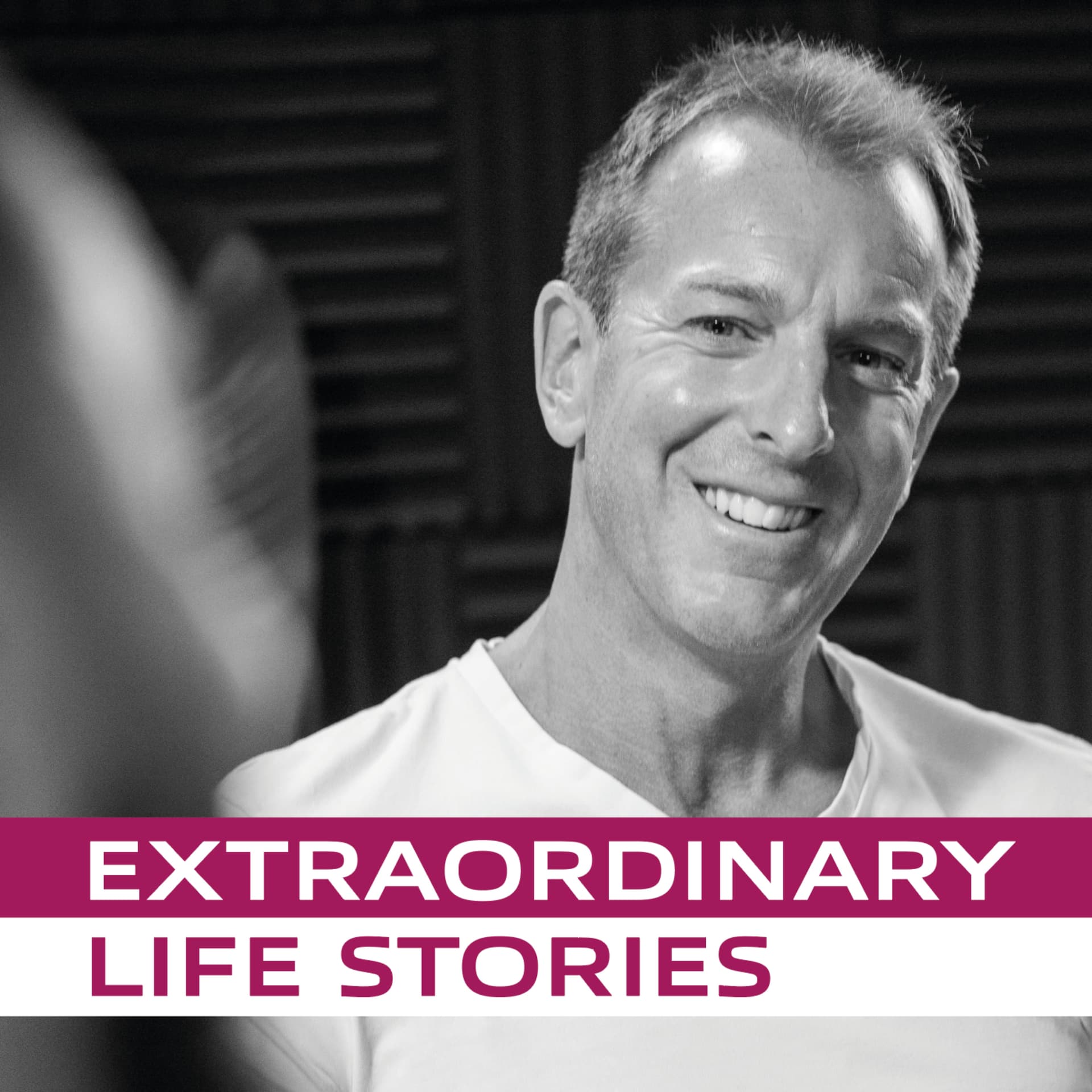
This episode features a candid conversation between John Reynolds and Dr. Carly Jones, where they explore Carly's extraordinary journey as an autistic woman and advocate for the rights and wellbeing of autistic individuals. The discussion highlights her personal experiences, challenges, and the impactful work she is doing in various professional capacities.
Key Takeaways
Introduction of Dr. Carly Jones
- Autobiographical Context: Dr. Carly Jones describes herself as an autistic woman, mother of three adult children, and advocate for autism awareness.
- Early Life: She shares her struggles with sensory issues and social interactions prior to her late diagnosis of autism at age 32.
Challenges Faced
- Struggles Before Diagnosis: Carly recounts her challenging childhood, including being sexually abused from the age of five and the difficulties she faced in asking for help due to her autism.
- Late Disclosure: She reveals that she didn't disclose her abuse until she was 15 years old, influenced by the misconception that others must have been aware of her suffering.
Learning to Ask for Help
- Overcoming Barriers: Carly emphasizes the importance of learning to ask for help, describing how she took small, deliberate steps to practice this skill.
- Social Imagination: She explains how autistic people may struggle with understanding social cues and implications, complicating their ability to seek support.
Statistics and Advocacy
- High Rates of Abuse: Carly cites that 91% of autistic women report experiencing some form of abuse, drawing attention to systemic issues that contribute to this vulnerability.
- Empowerment Post-Diagnosis: After her diagnosis, Carly found that a significant portion (73%) of respondents in her survey report either not experiencing abuse or being able to report it post-diagnosis.
Personal Growth and Motherhood
- Journey to Motherhood: Carly discusses her experience as a teenage mother and how it shaped her resilience and drive.
- Advocacy for Change: Motivated by her experiences, she dedicates her life to advocating for autistic individuals and addressing the systemic issues surrounding abuse and support.
Impact and Initiatives
- Work with Organizations: Carly has worked with various organizations, including the UN and the Ministry of Justice, focusing on issues like safeguarding and accessibility for vulnerable populations.
- Campaigning for Change: She emphasizes the need for improved sex education and domestic violence support tailored to the unique needs of autistic individuals.
Future Aspirations
- Continued Advocacy: Carly expresses a determination to continue her advocacy work, believing that small changes can lead to larger societal improvements.
- Building a Trustworthy System: She aspires to create a system where vulnerable individuals can trust those in positions of authority to provide appropriate support and justice.
Personal Wellbeing
- Coping Mechanisms: Carly shares her methods for maintaining mental and physical health, which include listening to others' experiences, reading, and staying active.
Conclusion Dr. Carly Jones's journey is one of resilience, empowerment, and advocacy. Her experiences shed light on the unique challenges faced by autistic individuals, particularly women, while also showcasing the importance of asking for help and the need for systemic change. The conversation not only highlights her personal growth but also her ongoing commitment to improving the lives of others through her work and advocacy.
---
This episode serves as both an inspiration and a call to action, emphasizing the importance of understanding, support, and advocacy for autistic individuals in society.
Written by AI. May contain mistakes. Listen to the episode to check what was said.
Transcript
Automatic transcript. May contain errors.0:12Kylie, thank you for joining me. Thank you so much for inviting me, John. I was very shocked when you called. And obviously I replied straight away. I was like, yes, please. Who is Dr. Kylie Jennings? I'm the mother of three adult children, which makes me feel incredibly old. I'm an autistic woman, diagnosed late in life, a survivor. And I was once described, my first day in Whitehall, I was very, very lucky to be working with who was Margaret Thatcher's aide back in the day. and he said I can say this he said but you are an iron fist in a velvet glove and I had no idea what that meant I went oh thank you very much Tim and then I went home and oh gosh I don't know if that's a good thing but it's is it a compliment I think determined I think is the right word resilient I mean I've had the pleasure of almost sort of crash course if you like the last two weeks it's been quite a quick kind of get to know but wow you're an MBE for services to autistic people you know you sit in so many kind of political positions now where your lived experience and your kind of if you like sort of educated experience is helping so many people i want to go back to a young carly the lived experiences that have shaped what you now do life before my autism diagnosis was incredibly tricky i was very fortunate very loving parents um but i found everything very very challenging and the the biggest thing I found challenging apart from the sensory issues which were overwhelming and um apart from the the social issues my poor mother had to go to preschool nursery and the whole of primary school just so I'd attend so of course at secondary school I'm out um all of those kind of social things I I did not know how to ask for help and that's looking back was catastrophic and I never knew why I didn't know how to ask for help now um for autistic people part of our diagnostic criteria is that social imagination so I know autistic people that are brilliant with traditional imagination you know so they might be great acting they might be poets they might write stories but social imagination is kind of understanding if something happens I say this someone else says that this could be the consequence and for me that made asking for help impossible it's different for all people or autistic people but for me that's and still now that is my biggest problem is knowing how to ask for help so I had um a loving family but I was sexually abused from the age of five and I couldn't ask I couldn't really tell anyone about that not because of fear so it's from five to the age of 11 someone very close to the family I but I just thought well if I know everyone else knows and if everyone else knows then this must not be a problem because of where someone would say something but of course nobody else knew My poor mum and dad never knew.
3:20They didn't know until I was 15 when I told them. By then this person had passed away. So it's the first thing my doctor said to me when I was diagnosed at 32 was, you know, do you know how to ask for help? Do you know what help is? What made you tell your parents at 15? Just on that track, you did not ask for help, not telling people. Was that a cry for help? No, I told my parents at 15 because the particular person died and I thought to myself, I was pregnant with my first daughter at 15 and I just kind of prayed that they'd be dead. I found out I was having a girl in the march and the person died two weeks afterwards.
4:06Did you feel guilty then? I thought I'd murdered them through the power of thought or something. so I was like oh gosh I've done a really bad thing and and they were just they were absolutely heartbreaking um but then again they also don't understand well why did why didn't she ever say anything or and I feel so sorry for them but I later found out at 32 exactly why I can ask for help so it's been a bit of a salvation for me and for them I think getting the diagnosis thank you for sharing that and I'm now my heart goes to uh anyone that's watching or listening that's either a parent or someone that has has gone through this journey of not knowing how to ask for help you've clearly done so much now for your work through writing a book to be trying to help people with autistic kind of behavior what advice can you give to a younger version of yourself someone that's not sure how to ask for help so at the ripe young age of 32 i thought i'm gonna have to train myself how to ask for help now luckily john i'm very very short so i would go into the supermarkets and say you've got like the crisps on the top shelf i'd find a nice tall man um and just say excuse me could you please pass me the crisps off the top shelf this is a deliberate decision to go out of your comfort zone and start the process start the habit yeah just asking for help and then i realized that people would help you and it wasn't a big deal and no one was you know and it just and it just worked and i don't know if you've ever seen that film the invention of lying with Ricky Gervais great film so um he basically discovers that you can lie right and um no one else in the world can lie and he uses it to his benefit and I felt like I'd like learned this trick that no one else knows about that you can ask for help and it was like this magic thing um but of course I was the only one or one of not as many people that kind of knew but everyone just asked for help I never ever understood it and I think helps really difficult for autistic people And it's certainly, I don't speak for all autistic people, but for me, because you have to know, right, this is what's happening and I'm struggling with it.
6:11And it could be as simple as I can't reach the crisps on the top shelf. That's in my brain, but it's not in somebody else's brain. So for an order for that need to be in somebody else's brain, I need to talk and communicate to them. And once I've done that, there's an advantageous consequence, which is kind of social imagination. So for me, it was just amazing to learn to ask for help. And then once you've built the habit, that becomes something you then be able to bring into every day. Yeah. Is there one kind of behaviour or tendency that you have now identified as something that really is a trait of autism that really catches people out of it, that holds them back and removes them, if you like, from what would be considered normal?
6:52Well, I think when we're thinking about safeguarding, John, and if there are parents at home with autistic daughters listening, please don't be worried about the statistic that I'm just about to say um 91 % of autistic women will um be abused 91 % that's been academically proven um so I went to the UN in 2014 I did an informal survey I'm not an academic um and by informal I mean I asked people on Facebook with a survey monkeying Twitter and all of that kind of stuff and I asked them the question you know if you're autistic have you encountered abuse and it came back at 91 % I was like that's really high but that's what you know the survey says I'll go to the UN and I'll raise it Can I clarify abuse so you were sexually abused I mean you're talking about bullying you're talking about in terms of just clarifying abuse That was just in any form for that particular very very amateur survey I did But ultimately it's taken advantage of Yeah Yeah, and that was then backed up with a spotlight on sexual violence by academics in France in 2022.
8:06And it came back with 91%, so unfortunately it was, you know, the right statistic. But the plus side to that, which hasn't yet been proven in academia, but that survey I did in 2014. team. I also asked after diagnosis or being aware that you're autistic and asked two questions with it was have you encountered abuse or have you been able to report it so those two stats together it was 73 % said after the autism diagnosis they either didn't experience abuse or were able to report it so if anyone's listening and they know their daughter's autistic and they're doing great things by listening to podcasts watching shows reading up about autism you've probably got your child in that 73 percent um category just by knowing it's it's the not knowing it's the hidden in plain sight that's the biggest struggle with it so i hope that gives somebody a assurance thank you for explaining that so your journey that this this lived experience which clearly you know in just just what you told me in this conversation is is shaping you to to be the resilient you know um sort of driven person that you are take keep take me through that journey from 15 years old onwards to 32 which become of course involves being a mother and i know that's a key part of this um because then we can open up what you are doing now so at 15 i was pregnant and it was um devastating i think well for my parents although absolutely brilliant now because I've got a 27-year-old granddaughter who they absolutely worship, but, you know, at that, for a few weeks, they were very upset.
9:54I went into local authority slash Catholic church. So our local authority back then in the 90s, they had these things, Catholic mother and baby homes in the local authority area. They're really not good places, and I didn't want, there was other girls in there which I got on with. Sometimes we did, sometimes we didn't. We're all kids. There's no adults in them. They pop in maybe twice a week for five minutes and that's it. And you're just left to get on with it. So you've got this house full of four very vulnerable girls with their babies just trying to survive. It's horrendous. You know, sometimes they weren't running toilets.
10:40And there's one toilet between eight of us. the toilets wouldn't work sometimes for I think the longest time was six days and I walked to the council and told them and yeah it was just it was it was horrendous uh dirty it was yeah dirty horrible places and I thought I don't want my little girl growing up in this so um I worked three jobs um I would work I did an mvq in a legal company and my only job there that was kind of nine to five. My only role there was essentially to do the shredding but of course I didn't know, I've got black and white thinking and so I could see all the contracts and I could go oh well that one I could see well this one's not going to work, it's not watertight, it's ambiguous because it's almost as if the grey areas were coming out of me highlighted and I'm so glad I did my NVQ there because it's really helped me.
11:33I would not be able to do policy if it wasn't the facts that are like oh teenage mum put her in the shredding room for two years on end or what should have been two years i completed it in five months but for five months on end but i still would have been in there and um i actually bumped into one of the really nice nice guys a couple of years later one of the lawyers there even wh smith and um and said oh that shredding's really really piling up and i said still making loads of mistakes then and i remember thinking oh that was a bit hard i just literally did that but um but you thought it's all the funny side um and uh and yeah so i did that and then i um after work i would pick up my daughter and then i'd do avon um avon's calling and um i only had one customer um and this these customers were a little old couple and they lived in a little bungalow near the mother and baby hostel and they would just buy always invite me in and then they give us tea and cake and order everything off of avon and i don't it back then i thought she really likes avon but i could think that she just saw that i was like six stone and exhausted and i don't i don't think she likes avon at all yeah she's looking a very good soul um and then i danced in nightclubs um which i shouldn't have done because that's kind of 16 17 and i danced in nightclubs in the week and proper graft well um yeah and it was i mean that just about paid for child care i think i used to have one pounds 25 a day left after food nappies bus fares child care and rent you have to pay rent in the homes hospitals if you're working so um and you kept that work effort going right you know if anyone googles you um if you're of intrigue watching and listening to this they'll see just how many awards and and sort of things you've achieved and done but the the link to autism was through diagnosis with your children yes it was So my parents did, at 14, they did take me to see a psychiatrist.
13:37She's really not coping with bright light. She's absconding from school. And she wants to spend a lot of time in the room, you know, lights off sometimes for days. And they said, oh, we think that she's just like very, very lazy. So my diagnosis was lazy, which is ridiculous. And then later on when the girls were diagnosed, I tried to look at stuff. This is kind of 2007-ish, 2008. And everywhere I went, every book was written for boys, autistic boys. Every parenting group or parenting course, everyone had autistic sons. I was like, what's going on here? So I put on my FBI glasses and I thought, right, let's get on the internet as this mums do.
14:17And there was a bit out there, not much, but a bit about autistic women and girls. And what I read up, I was like, it's my whole life explained. which was a huge relief. I remember texting my mum going, mum, you know the girls were autistic? And she said, yeah. And I said, I think I am too. She was like, that's nice, dear. Would you like to come around for tea? She just, I think she knew, there just wasn't a name for it. Yeah, she was like, how lovely. But to know changes, I've recently been diagnosed with ADHD. We had this chat on camera. And so no one was shocked. No one was surprised. But it allowed me to reflect, allowed me to process things where things made sense and things that like you said earlier in this chat actually things that you just assumed everyone else did or everyone else thought you know you start to have that whole compartmentalization of like oh gosh maybe this is just me and i think one of the things i've got so much respect for you is there's clearly a lot of pain trauma literally abuse that manifests into probably mental health you know which would have got you to that sort of age of 32 for you to then look at how can I now stop other people go through this what can I do to change it and I want to open that up what what has changed from the minute you started sort of plotting and campaigning and wanting to make a difference and the separate question would be what still needs to change it was the fear that started that so after that relief of oh suddenly things make sense I'm not a bad character or this wasn't my fault or um this this explains everything so you're kinder to yourself much kinder but then the kind of aftertaste to that is looking at my girls and other girls like my girls and i thought oh gosh if everything all the vulnerabilities i've experienced if that is likely due to i mean well first of all perpetrators um if there were no perpetrators in the world there wouldn't be any abuse will start with so it's not the autistic person's fault but it's what gave me hurdles in being able to get support and ask for help if it's because of this word called autism does that mean that my girls and other girls like my girls are going to have the same trajectory and i don't think there's a stronger mix um than fear and love and when you've got fear and love combined it was just that's it that's what i'm going to do and i'm i was kind of 25 26 at the time i thought I'll do this for a year.
16:47I'll get it sorted. 43 now. I'm still here. I'll be sat here at 83 going, we've still got more to do, John. And it was just, that's it. And it just lit a fire and flame. And it hasn't gone out. You can feel that. Yeah. Proper purpose and passion. And I'm interested, you know, back to kind of what have you managed to, what can you always sort of be proud of? And I know how humble you are. I mean, you probably almost flinched at that word. But as a woman, the finding out about, you know, going back to that sort of 2007 time when you're realising everything about autism was talked about from a boy's point of view you've got that whole prejudice if you like to come through as a woman with autism let alone a kind of almost a blanket prejudice of women in position and power if you like not really being role models so have you had to battle through glass ceilings to achieve what you've done definitely and actually that was from both sides of genders there would be male psychiatrists, male psychologists, some of them very well known, who would be like, absolutely not, this must be a mental health condition.
17:49So autistic men could be diagnosed as being autistic if they didn't have an additional learning disability. But back then, it was very rare for women to be diagnosed as autistic and unless they had an additional learning disability. So it was real misogyny. Wasn't that long ago either, right? No, no, We're talking, yeah, not that long ago, 15, 20 years, not long ago. So many adults watching this now, this will resonate. Absolutely. And I think there'll be a lot of people that might have been guessed with kind of having those kind of thoughts in their head. Could it be this? Could it be that? And this is why we're seeing so many more women come through for a diagnosis because they're not all kind of 10, 15, 20.
18:29They're 40, 50, 60 and older. So that was very challenging. there'd be a lot of times where people would when I was kind of campaigning they'd say um she's just in this for attention she must have kind of like BPD or she must have um she must be bipolar or she must be and it was as almost that and but actually in a way that's which I'm not I've been tested um and if I was I wouldn't be ashamed it was really a good way to show exactly what autistic women go through when they're going into the clinician's room. I mean, it's much easier to go, oh, we think it's this, take some medication. And it's not.
19:12The misdiagnosis was and still is vast for autistic women and girls. It was very, very challenging. People could be quite cruel or she's just got a learning disability as well would be another one. I mean, I can't add numbers, but I've got a calculator so um you know um it was it was really really tough people just didn't didn't believe it so what would you say is something you have impacted um change that you know you sort of campaigned and something that's changed that allows people to have a better journey through now well we never used to talk about masking and I can remember us opening up a a conference um back in i think it's about about 2014 as well up in harrogates and i the first slide i said uh imagine you've gone to watch a play um and you're you're just in the audience and someone pulls you up on stage and you don't know the words and everyone's going come on say the right thing or do this and you're not sure where to go next but then just imagine that's buying pint of milk that's how it feels every day so you've become good at masking observing in copying so so that that was a really positive thing because people you know they now call that masking or camouflaging the UN was was a really a really good star so I kind of went out there thinking that first of all I didn't realize I was the first British autistic woman to do it I did not know that um and someone told me afterwards oh that's a really this has been a really big day and I I didn't really understand I just wanted to go and talk about it and um and but it really got the ball moving a lot of disability outlets and magazines in in in the UK wanted to wanted to talk about that that got things moving I then when I got actually before that when I got my official diagnosis Dr Judith Gould the woman who not only changed my life but saved my life she coined the term Asperger's syndrome in 1981 and I met her when I did that slide about you know trying to fake it be the day and uh and she said yeah come come in and see me i think i think you might need some support she diagnosed me um it all very clinically above board we filmed it and it went to can's films festival which then ended up in butan um rome america um this i had no money the budget for my film is 250 pounds and even that felt extravagant at the time I remember reading that and um and uh and I was just like oh gosh people are very interested and Bhutan have a name for autism since 2017 so that's a good start so actually that's change that's change you're you're affecting change what needs to change sitting here now middle of 2025 five if you were campaigning for one really necessary change what would it be i've got to go for the safeguarding um i would like there to be and i'm going to say autistic specific not because i'm trying to be divisive because i think if we do something really well with the hardest most vulnerable reach person designed by proxy it affects everyone so it would be universal but with that design mindset in the blueprint we need to completely overhaul our sex education we need to overhaul overhaul our um our domestic violence and our our support services dare i say it i do work for the moj but our judicial system how they're supporting recognizing and and uh and getting justice for all women but starting from that specific vulnerability point so that's actually education school curriculum if you like yeah right the way through to then probably the workplace and just the social kind of justice side of things so it's prior reaching we need to start with our most vulnerable first and build something because then if it's i mean it's a bit like you know if i was coming in today you only had a ramp well that's great i can use the ramp or the stairs but if i had a buggy or if i was a wheelchair user the ramp's the only option so we design for the ramp you don't design just for the stairs and then everyone everyone's sorted and you're you know to get back to this sort of the energy if you've got the drive this relentless kind of you know energy what what does a typical day week and what have you got coming up because i feel like this journey has been very organic you know you sort of mentioned the un something then how that opened up different things what are you working on now and is there almost like a destination is there something you'd really like to achieve if I just do maybe the last six month fish of what what works looks like I've been very very fortunate to um to work for Baroness Tani Gray Thompson in aviation um with the the task and finish group for that and um and she invited me to be the the lead for hidden disabilities on that so uh we that's all about accessibility but of course I'm always there to think about safeguarding as well within that um There's a lot going on for aviation globally, some of that NDA'd too, but that could look like making sure things are secure, thinking about unaccompanied children in the air globally, making sure they're safe, very important.
24:44and we know trafficking is a big issue for all young people but particularly the most vulnerable. I'm also doing lots of work with the Ministry of Justice so this isn't the last six months, this was a little while back but I was fortunate enough to be one of the people that were helping to select the new parole board and with lots of other bits and bobs as well but I think what we need to do if we see something and we're thinking, oh, that could be better. Instead of shouting about it or writing an angry status. Always trying to be constructive. Yeah, get involved and, you know, do these jobs in order to go, okay, well, this isn't going to be solved with an angry rant online.
25:30This isn't going to be solved in the next year. It might not even be the next 10 years. But if you can meet the right people who are going to do the right thing in the right position and be part of that very merit-based very um you know it's not just me there's a few of us they'd soon shout me down if they thought i'd make the wrong choice um and get these people in the right position she can go do you know what if this person ends up in this situation then they end up in front of these people they're they're a safe pair of hands and it's just getting the right people in the right places so you can hopefully one day go i can trust society because i know we've got the right people in the right places and i love that I love that.
26:08I get really excited. You're on such a mission now, and I love that because there's clearly no destination. Of course, you could pick certain things, but the journey is multifaceted, but all to affect change, to make things that are clearly broken or not working really much better than they have been and need to be. And that makes you a very, very important person to a lot of people, a lot of people, because the things you've been through in your own lived experience and witnessed, you're now you know you're really turning your head into a positive it's turning a negative into a positive light and just to humanize you a bit you know there's there's clearly so much you're doing so much you're working on and you look fabulous you look really there's a proper spark in your eye and you look after yourself what do you do what do you do to keep yourself kind of mentally and physically fit and kind of always coping mechanisms mentally fit um i i like to I like to listen a lot for me if I start to kind of get into my own head a bit I think well let's listen let's listen to somebody else let's listen to what something else is going through and and I find that gives me great perspective so I'm always like to learn I like to read um I find reading very relaxing I tend to do that in the garden horizontal um constantly reading because I just feel like if if you're kind of getting if you're ruminating thoughts just focus on something else for me it's probably not very healthy but working is is how i relax your work is very mission-led isn't it it's very stimulating yeah it's very very purpose purpose-led um and that gives me a sense of release i guess because i think well okay well today was better or whatever has happened today is going to make things better for other people in the future so it feels like it wasn't a wasted day you know um and i have i do just have got a treadmill i'm not very good on it i've got dyspraxia john so i'm not very good on it better but i'm kind of a always take the stairs and if i know where i'm going never take the tube and because i'm always busy here then and always say yes someone says in-person meeting yes please because i know i'm gonna be doing getting loads of steps in so it's just little things um like that that kind of keep me as healthy as possible well i know how busy you are um and then i'm just so grateful you made time to come and talk with me today.
28:30It's a conversation that I've been looking forward to. I've so enjoyed. I don't want to end, but we have, we've got to run out of time. I know. Thank you so much, John. Thank you. I mean, I love learning too. I love listening. So, you know, it's been a pleasure and a privilege for me to listen to you and learn from you today. So thank you.
From the publisher
In this episode of Extraordinary Life Stories, John Reynolds talks with Dr Carly Jones


