
In short
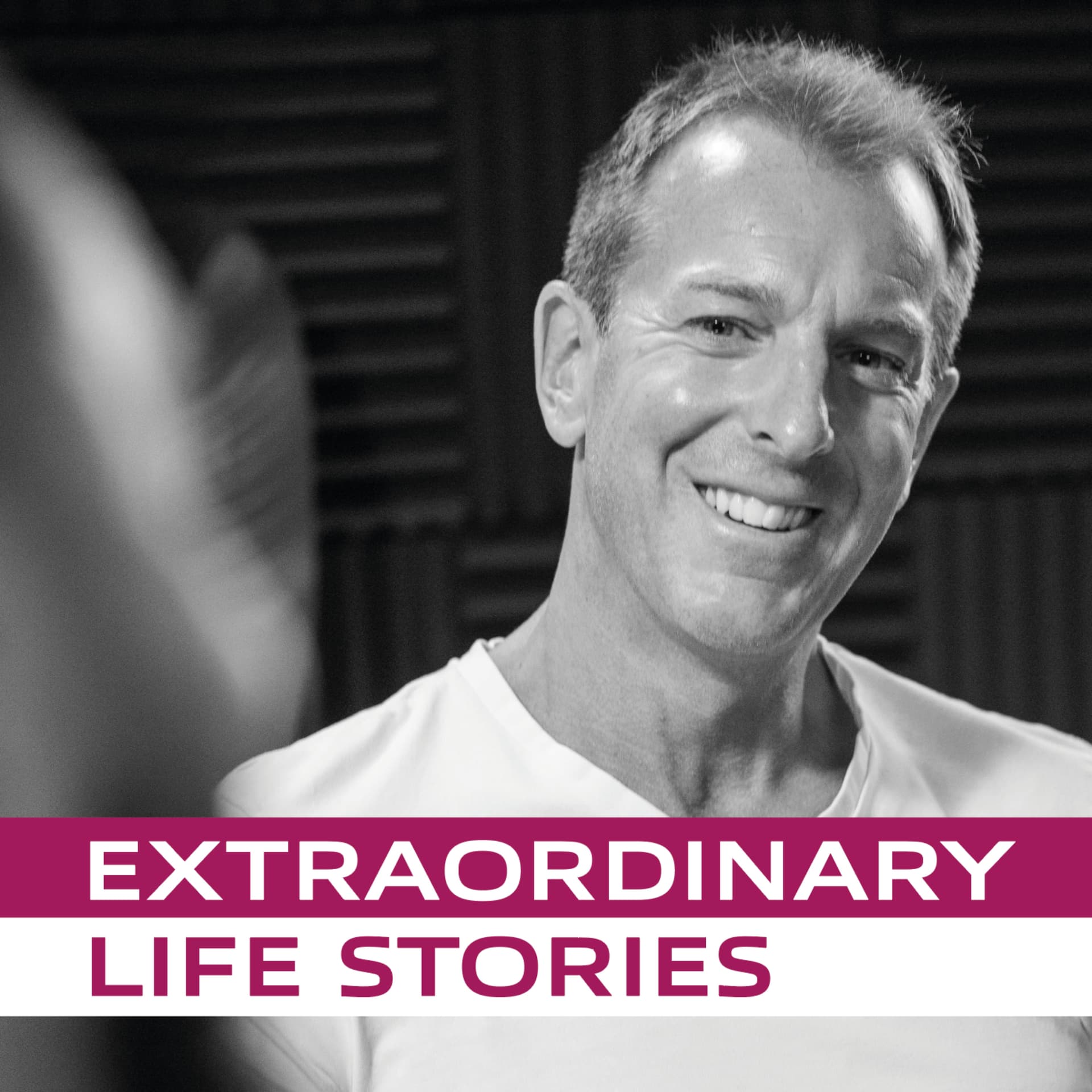
Podcast Notes: Extraordinary Life Stories | Stefanie Sword-Williams
Episode Overview In this episode of *Extraordinary Life Stories*, host John Reynolds engages in an inspiring conversation with Stefanie Sword-Williams, an author, speaker, and founder of F*ck Being Humble. The discussion revolves around her journey of self-discovery, overcoming societal pressures, and her mission to empower others, particularly women and minority groups in their careers.
Key Themes and Concepts
- Personal Background and Early Influences
- Creative vs. Academic Background: Stefanie grew up in an academic family, which led to feelings of inadequacy in creativity.
- Finding Authenticity: Her journey into creativity was both a rebellion and a search for joy, eventually studying fashion communication and promotion.
- Struggles with Enoughness: She discusses the omnipresence of "enoughness" in her life and how this drove her to seek spaces that allowed her to be authentic.
- Entrepreneurial Journey
- Resistance and Glass Ceilings: Stefanie highlights the challenges faced as a female entrepreneur, including systemic pay disparities and societal resistance to self-promotion.
- Brand Philosophy: The provocative nature of her brand name reflects her mission to encourage unapologetic self-promotion and confidence.
- Empowerment and Community Engagement
- Creating Opportunities for Others: Stefanie aims to leave doors open for others, particularly women and minorities, through accessible training and community-based initiatives.
- Making People Believe in Themselves: Her self-identified "superpower" is the ability to instill belief and inspiration in others.
- Vision for Change
- Legacy Studio: Stefanie aims to launch a studio that donates a portion of profits to global issues, reflecting her commitment to impactful work.
- Bravery in Marketing: Advocates for brands to have the courage to shift their marketing budgets toward meaningful societal contributions rather than traditional advertising.
- Cultural Reflections
- British Humility vs. American Confidence: Stefanie contrasts the British cultural norm of humility with the more assertive self-promotion seen in the U.S.
- Challenging Societal Norms: She emphasizes the need to disrupt cultural conditioning that discourages self-promotion and ambition.
- Mental Health and Boundaries
- Self-Care Practices: Stefanie discusses the importance of managing her mental and physical health, including therapy and setting boundaries to avoid burnout.
- Embracing Vulnerability: She shares her journey of grief and authenticity, emphasizing that true success is tied to a calm nervous system and freedom.
- Lessons Learned and Advice
- Control Your Narrative: The importance of taking control of one's own story and not letting external opinions define success.
- Transforming Pain into Purpose: Encourages using struggles as fuel for positive change and personal growth.
- Defining Success
- Core Values of Success:
- Calm Nervous System: Feeling safe and secure in one's self.
- Ease: Recognizing that success does not have to come from hard work alone.
- Freedom: The ability to choose one’s path without feeling constrained by societal expectations.
Key Takeaways
- Self-Promotion is Essential: Embrace self-promotion as a necessary tool for success, especially for women and minority groups.
- Community and Collaboration: Support and uplifting others in their journeys is paramount.
- Challenge the Status Quo: Question cultural norms around success, humility, and ambition.
- Personal Well-being: Prioritize mental health and boundary-setting to sustain your journey and energy.
Conclusion Stefanie Sword-Williams' conversation with John Reynolds encapsulates a journey of resilience, empowerment, and the importance of authenticity in redefining success. Her insights encourage listeners to embrace their unique narratives, challenge societal norms, and support each other in their paths to fulfillment.
--- This summary serves as a resource for understanding the key messages and inspiration offered in the episode with Stefanie Sword-Williams.
Written by AI. May contain mistakes. Listen to the episode to check what was said.
Transcript
Automatic transcript. May contain errors.0:12Steph, thank you for joining me. Thank you so much for having me. Tell me, who is Steph Sword-Williams? She is an eternal optimist, a cheerleader, a champion and a change maker. I love that. Where did that all begin? What were the who and why influences that have got you to where you are now? So I have always been a creative person, but I grew up in quite an academic family. So I always felt this feeling that maybe I wasn't enough in certain areas or I wasn't going to be smart enough or I wasn't going to pass the test enough. That enoughness has always been quite omnipresent in my life. And going down a creative route, which no one in my family had really explored before or knew much about, was obviously an element of rebelling, but also just following my curiosity and what really brings me joy.
1:01So right from the outset, I knew communication, creativity and change was something I really cared about. And I actually went to study fashion communication and promotion. which was just a bunch of fashion girls try to be fashionable uh it was about it was like three years of the apprentice so you'd get live briefs and you'd have three days to come up with a new campaign for boots and then you'd be pitching it to boots head office three days later so it was really on the job kind of learning experience we did a whole semester on self-promotion and it definitely taught me about the need for promoting and marketing and advertising and i kind of fell in love with the idea of working at ad agencies and that was the journey into wanting to turn the characteristics that I knew and loved about myself into a professional career of being a storyteller.
1:50I love that because as a personal experience and journey this also led to you probably realizing a lot of other people were looking for that as well and probably feeling constrained by societal kind of pressure to go academically. Yeah and I'm originally from Leeds And, you know, in Leeds, you don't hear that much about Forbes under 30 winners or public speakers or people who have got no academic background going to write two books, you know. So it's actually it was as much about the role modelling or their lack of at the time that I didn't always feel I had that creative environment set up for me from the outset.
2:24and so going to find those rooms in which I fit in which I felt I could be authentic which I could show up and actually not only enjoy life but also like find a career that meant something to me I realized quite quickly that I couldn't settle on the environment I was in and I had to keep moving and keep moving until I found the spaces that really brought out the best in both my professional and personal career. I love that a lot of what you did is entrepreneurial but did you still have to break through kind of a glass ceiling scenario making a change maker always has resistance because you're female and there's this sort of resistance against entrepreneurship have you felt you've had to push harder yeah i mean i run a business called f being humble so naturally i have had to push harder i have been met with resistance and discussed by some people in the first instance of meeting me well i believe in being humble so i'm going to end this conversation is what someone said to me once so I've absolutely been met with that friction just by creating a business with a provocative title let alone the fact that when you're pitching yourself for jobs and you know you know that men are getting paid double what you're getting paid or this person got paid triple and you know you can't always understand why that is it's not necessarily your fault it's a systemic issue but that's ultimately why my brand name and my movement that I've created is so needed and for me everything I do is how do I embody the message I'm sharing so one of the reasons I have been able to be successful with my brand is because I have to self-promote like I have to show people how it's done and that has meant probably more so than others I have been able to break down doors and not break down doors knock down doors smash them smash the doors and you know either create a better future for myself but the hope is leaving those doors open for other women to follow through and minority groups to be able to access opportunities which is why so much of my work is obviously I deliver talks and training at corporate businesses to develop their staff but so much of my work has always been community-based it's always been creating accessible learning accessible training resources so that you know I'm a strong believer that I don't think access should be a reason that people can't get the support they need and so you know I've always had a bit of a Robin Hood theory which is you know take from the rich and give to the poor and that's why I do the great work that I do with businesses and I love the transformation and the stuff the work that I do but the part that has always lit me up is being able to leave that door open or create more opportunities uplift and inspire I've started working with a business coach recently and she sort of asked me what my superpower was and I was like oh it's public speaking like that's obviously and she's like I don't think it is and we kind of landed on it recently is that I make people believe in themselves and that's actually just a really powerful thing that I hadn't been recognizing is the reason that I can light up rooms and create inspiration and make people feel like something's possible that's that's the superpower I think that I have that I maybe only just recently realized in the last in the seventh year of running my business I knew I could make people feel seen and celebrated but the real underneath core is making people feel like there's a belief and there's a future for them but i'm leading by example which makes you a role model and you use that word ellen just talking briefly off camera i mentioned i've got two tino's daughters so you smashing through these doors paving away for girls coming through and being so visible and so with it is powerful and you've got so much energy when you talk with us so the the kind of journey you've gone on to be doing what you're doing is there is there a sort of destination because i can see in your eyes you're fulfilled you're full of purpose and you're you're realizing even recently that you're instilling belief into other people but have you got somewhere you want to get to and a change you really want to make happen so when i wrote my first book i read the book the dream manager and if anyone's read it it's a beautiful book where this company is struggling to retain its staff and what they think is happening is that they just want to leave because they're not getting paid promotions getting higher salaries all those things but when they actually speak to the people that are leaving the company they say I just don't believe my dream is going to come true and it was things like learning to drive buying their first house giving their kids the Christmases they deserve and so what the company did was hire a dream manager and it was essentially a financial advisor where they sat with employees and they said how can we make your dreams come true and keep you here and help that so that meant for some people who want to learn how to drive they'd get a Wednesday afternoon off to go learn to drive because they were reaching their goals at the company and I remember reading the story it's actually fictional but businesses have taken it on and there are businesses around the world that have a dream manager to help create that change whilst also retaining their best talent and I remember reading it thinking god we don't really get asked what our dreams are that much definitely about seven years ago when I was asked it and you know when I was younger I used to say I wanted to be a ballerina and then it was an artist but you don't get rich until you're dead and all you know all of those silly things that you hear and I remember writing down what my three core dreams right now and it was public speak to inspire I always loved the idea of being a TED speaker and thinking that I had something of such value that was worth being put on a stage that people could really learn from I wanted to create communications that could change the world and I wanted to travel you know any any opportunity where I got the chance to travel and for me every time I moved jobs in the advertising industry it was because I was really yearning for that purpose-led work.
7:59And every time it just, sadly, in the advertising industry, 95 % of it is not so great and 5 % of it might be purposeful. But often you are selling things people don't need. And there was something quite jarring with my identity doing that. Lack of purpose. Yeah, and I felt like if I really wanted to make significant change, I needed to create a brand myself and a movement that I could do that through that didn't have red tape around it that was unapologetically me and was really born on an insight that so many people struggle with so when I think about where I'm going and what I wanted it to be what I feel like I've done is public speak to inspire I have traveled I've had great times and the final chapter that is still kind of a little bit unread or not developed yet is that changing world changing communications and so i'm actually about to launch a new studio called legacy studio where we donate a portion of humble's profits towards uh tackling what global problems wow so there's a whole mission-led thing behind this as well yeah so that's what your personal ambitions if you like and i'm going to come on to that actually that's a good word to go into the whole humble thing right you know your ambition benefits so many other people so you're getting fulfillment out of what you do every day that then actually builds other people's self-belief and confidence that's really that's proper mission led there's a really brilliant book called moral ambition that's recently been written and i listened to it and the author very rightly says if you weren't a key worker in lockdown your jobs are relevant and it's a hard one to hear but actually it's true you know if a marketing department fell down tomorrow the world would go would go on you know um people would go on without me whilst i know i'm leaving a great legacy and the book just kind of crystallizes that we spend a lot of time pouring into things that aren't serving people communities tackling big issues and for me personally i feel a heavy weight to be relying on the institutions who are not doing the right things and not spending where they should and what I know I have is a connection with brands because they've been working with me for the last seven years and I want to now go to them and say let's go tackle some global problem let's seriously try and work on this because I believe brand marketers leaders CMOs I think they have the great potential and they want to create change I just think we've lost our way through the pandemic where people were so are so worried about losing their jobs they're worried about the industry the scarcity mindset that we're not being brave enough and if there's one thing that i've been throughout my career and the one thing that i've embodied always is bravery and courage and that is really now what i want to start speaking to brands about is how can you be brave instead of that budget you're going to spend on making a cgi floating perfume bottle how could you actually funnel that into tackling helping young children from deprived areas in the summer holidays when we know they need resource and support so really i think you know we tapped on it earlier but i just I don't really see limits I'm quite like why not why not me why not you why not them I'm quite open to have that push those buttons and to have that open dialogue and just make people think bigger because so much of it people just get drilled down and taken over by doing the do that they don't look up and go what's the bigger picture and does that tap in nicely to the whole we were talking about briefly off camera this this whole almost like a very british thing to not champion success to not big yourself up and in a very non-arrogant way you are right now i am i'm sort of doing what i'm doing and i'm making a difference and i'm making change but you're doing it from a place of passion and a place of sort of purpose but what is this that sort of seems to be a very british thing where people put themselves down the press is so negative whereas is you mentioned just come back from New York and sort of the time you spent there everyone's positive everyone gets behind people if they're being successful and how do we how do you change that yeah it's something I'm obviously really passionate about I always laugh now saying should I have just started my business in the US because I would have been flying half my conversations over the last seven years is here's why we need to self-promote like first let me convince you of that and then the second half is now I want you to f being humble you know like it's it's two big asks I've been trying to single-handedly challenge an entire nation's culture and conditioning one of the things I love when I go to New York is what we would call delusional confidence but it is this I'm gonna make it I know I'm gonna make it and I'm come along with me for the ride it's this very like invitational very open very transparent very honest very ambitious but they vocalize their dreams they vocalize their goals they vocalize their ambitious because they know more people who know are more likely to help them yeah what we what we do is minimize it don't talk about it resent anybody that gets what we want it's a really sad conditioning and i would love you know that that was why i entered the market with such a disruptive message because if i had just said shoot for the stars or self-promote now nobody would have been interested it needed a shake-up like we needed to go hold on a minute is this working and when I did my TEDx talk one of the things that I said was the saying if you work hard you will go far is massively flawed because how many people do we know that have worked really hard and haven't gone far and I believe it's because they're not talking about the 50 % of the story which is they're telling the story of how hard you've worked like anybody who knows I had a call yesterday with someone who said yeah I just know so many founders who don't want to self-promote and I was like then don't start a business seriously because you cannot start a business if you're not willing to talk to it about it to anyone and everyone that is so important to keep up to keep up with it and i think we have to resist or at least question is it serving us to be humble in all instances it's not to say it's not a good idea if you said to me after you were a great guest i'm not gonna be like i know you know at that point i'd be modest i'd be gracious and i'd be like thank you so much it means a lot to hear that from you it's a different thing arrogance isn't it but the next time i was on a podcast pitch call i'd be like oh well i was recently on a podcast and i got called a great guest so that's what you should know about me so it's really about dialing up and down when we want to be modest and humble and when we need to step it up and earnest hemingway says you can be humble once you've made it and i think every founder entrepreneur business owner needs to hear that because i don't want to say this in a overworking you know lose yourself in chasing this ambition and you know never stop hustling absolutely not but there is reach a point particularly in the last year for me where I can be a bit more humble and I can slow down because I have been shouting from the rooftops everything I've done for the last seven years consistency does pay off I have been doing that so jobs do come in easily this year has felt effortless and that is what years of self-promotion does it allows you to step back because you are now known it's brilliant that's really inspiring for people listening and watching to hear that there's probably people in the trenches right now putting in the effort trying to make change but it could be quite lonely yes and i want to touch on that i can imagine being a friend of yours being around you like you know i'm with you now and your energy is magnetic right you you do make people feel good about themselves and you're putting that energy out how many people particularly might be another kind of british entrepreneur thing where people put other people down so you're having a chat in the pub about an idea or you're having a conversation with a friend and then the person says well what makes you think that would work or it's all quite negative how did you get through that and have you deliberately attracted yourself to people that are sort of with you and pushing you forward it's a really good question for me personally it's been twofold I have surrounded myself with people who absolutely believe in it and my main goal has been the people who get it get it and the people who don't I'm not wasting my energy on convincing you because what I've noticed is in the first few years everyone's like self-promotion isn't for me um I've got this far without self-promotion I don't really need that and I'm like okay you do you then that's fine like I am not here to waste my energy on that because I have other people coming up to me being like oh my god this is life-changing advice I wish I'd have met you 20 years ago you have changed the way I see myself like all these beautiful moments where I think well I know people are connecting with it so why waste my energy on people that don't get it first of all the second thing is post-covid and pandemic and I realize I talked a lot about it but my business grew through that period was job security is gone loyalty is dead companies aren't looking after employees so actually everybody has realized self-promotion isn't optional it's a necessity so post-pandemic I have seen such a difference in people being drawn to the message and knocking on my door with the you know the tail between the legs and be like oh maybe you were right like do you mind looking at my portfolio my website or whatever it may be so I think it's not necessarily about needing to surround myself with people that just you know float smoke how wonderful i am it's more really protecting my energy to focus on the people who need it the most and that has been the most important thing i also got featured in a lot of national press at the very start of the business so i the times wrote a double page spread about me i was on bbc world news i was on bbc radio one and then the ft wrote an article about me titled why shameless self-promoters aren't welcoming my inbox and they basically ripped me to shreds in three paragraphs and it was like soul destroying and I remember calling my dad and being like this is awful like this is three months into the mission no one's going to take me seriously I have been absolutely slammed by a woman journalist in one of the biggest newspapers in the world and he was like you know consoled me and then a few hours later my sister called me and she was like you know how are you feeling I was like she's just not my demographic right and after that moment I kind of was like throw anything at me.
18:24So resilience was building in the fire basically. Absolutely and you know from then I've had to endure conversations or interactions that you know weren't always amazing but I didn't it kind of was like water off a duck's back for me it wasn't definitive. So when I speak to my business coach about failures sometimes I feel like I struggle to bring them out to the surface because I don't know if I've got those really big deep failures and something she highlighted to me is that you just don't let other people define what a failure is like in your eyes it's a lesson it's learning move on to the next it's innovation it's experimentation because you do that a lot right so you get to where you've got you've had to go down and you've known when to pivot you've known when to come back but that's not failing that's changing direction but still always going up like somebody would argue that ft thing was a massive failure but i put it in all my talks now when i deliver a talk on imposter syndrome and I highlight to people, it will never be as bad as this.
19:17If I can stand on this stage in front of you all and share this very vulnerably, if I had listened to this critic at this time, I wouldn't be here talking about it. So for me, it's now like this brilliant anecdote that I'm like, I survived this. And I think I'm behind a lot of founders' stories. They've experienced trauma, setbacks, major things that even allowed them to think it was possible in the first place. And I think that strength and that grit and determination is often built off the life experiences that people don't see i think a lot of people think this all might come very easy to me and they will absolutely not see behind the scenes how much of a difficult process it's been at different points of my life because i don't necessarily make my life content in every aspect possible you know i'm not allowed to protect that it's private that's your business but it's like it drives you but i think the humanizing element of you that seven years clearly has been graft you know and it's been um relentless so there's a lot talked about in the world of entrepreneurship and boundaries where it's really early mornings you know it's late nights it's you know no time for yourself i'm interested to know how you've managed that because you know any one time you're working long hours and there's probably been an element of loneliness to what you've been doing as well how do you sort of manage and prioritize your mental fitness and your physical fitness?
20:35So it's really important, and I'm also really open about this. When I started my business, I side-hustled for two and a half years, working a full-time job in advertising that was extremely demanding, and running FB Humble as a side-hustle, and writing a book in eight months. So I did all of that. Now, granted, I didn't have kids, and I didn't have other commitments. I was able to allocate that time, but it was six days a week out of seven. I was working long hours every day. and that process for me one of the things for anybody who's on the journey of having to double up at the moment I would say track your energy levels of what's actually possible at what time so on a Monday night at 9 p.m if I finish late at work I'm obviously not going to try and start writing the book because that would be stupid and I would be spiraling within 10 seconds so I just broke down like the really small habits that could create obviously long-term impact so it would be just connecting with people on LinkedIn you know just a quick I'm watching love island and i'm also connecting with people on linkedin just commenting on posts supporting people like what could i do when you actually start to observe where you waste time it's a massive time give a back right like you really do like okay that's a conscious effort though right so you were very present to make sure an hour before work scrolling on instagram right why don't we actually start saving some posts down that i could reshare like let's actually i actually started it in the first place that i knew i had an instagram addiction and i thought i could really do with channeling this in a more purposeful way right and then I think now as I've grown into a founder and I build a bigger business and I have a lot of requirements and expectations on me it's also just managing that so I have a therapist I do somatic therapy which for anyone listening that's not aware it's where you listen to your body kind of more than your mind so if 20 % of our body is our head and we generally listen to our mind but we ignore all the signals from our neck down right and I experienced something quite a traumatic incident and I connected to the body and I ended up disconnecting to the body and if I'd have gone to talking therapy I would have talked my way out of it but somatic therapy is how do you feeling when you're speaking right now and I'd be like my chest is really tight feels like someone's stabbing me in the back you know really understanding when I tell certain stories or I share certain things what is happening in the body and that has been transformative for me to understand my boundaries what I'm sharing when I'm sharing am I ready to say yes to that opportunity because something in my body is telling me it's not feeling right listening to your gut listen to your intuition so it's been really amazing in terms of that aspect to it and the other thing has been really managing schedules I'm an opportunistic person and not in a you know sleazy way of like oh how could I get the most out of that but more if an opportunity comes I'm always like this could be my life-changing event that I attend.
23:28You're ready for it and you embrace it. Yeah who could who could be there and I really struggle with saying no and that has been something about to work on over the last year which is due to the incident I experienced I couldn't I didn't have the same capacity that I had. I used to be able to do three or four talks in a day which was outrageous to be honest and now it really is one to two max and I have to protect my rest and recovery time it's non-negotiable so now when opportunities come in and I'm already busy I literally have to look at my schedule and go well what's coming out then because we're not piling on like that is not how it is and somebody said to me recently like you need people to pay for your recovery time in order for you to show up and shine because you cannot do what you do every hour of the day and it was a really important reminder that now when I'm resting I'm not resting with guilt I'm actually resting being like if I want to show up to this podcast today and absolutely nail it then I need to spend the first half of my day really relaxed that's brilliant minimal contact even things like posting on social media I wouldn't I wouldn't post today because I'd be obsessing over what the engagement is like it detracts me you know I think recognizing your own weak spots you know where where do you get taken away in certain situations where do you get drained where do you feel distracted and start to really pull out I'm not perfect I'm saying all of this as if I've got it teed up and I haven't like I'm I've been through a really difficult year and I've had to genuinely reflect on my hyper independence my struggle with asking for help has been major my need for holding it together can't let anybody see the mask fall can't see behind the brave face and almost using work as an avoiding space because i preferred being the step on the stage than what i was struggling through behind the scenes where are you at with that now i am the best i have been yeah i can i feel the brightest what did you do to get to that point because i had to grieve the pain yeah couldn't rush it which is really difficult so i read you like a fast pace absolutely i read the book slow productivity by cal newport which is excellent and it literally was like do less and I think I just needed the permission I went to Mexico with my friends in December and it was the new year and we all went around the table like what's one year with one word we're taking into the year and mine's always you know money more travel whatever and this year it was less and I committed to my six like best friends and I said it's gonna be less and I really feel like I've I've embodied that this year but less asking for help and not seeing it as a vulnerable thing so and accepting it receiving that help really important yeah doing less so I've just written a second book and my go-to is like right what's the next project and I just had to sit and say to myself no Steph the project next is just to get that book out there so Renee Brown really famously a lot of people don't know the story but her first book flopped because she wouldn't self-promote it because she was too worried about what her academic peers would say about her self-promoting i did not know she spent a year writing a book that actually ended up in bargain bins she talked about this on elizabeth day's how to fail podcast and the biggest mistake she made was letting other people question her self-promotional desire to around her book she actually said you writing it and making the thing is literally 50 the next 50 is go tell the world about it and i know that i've always known that but i've been too quick to move on to the next thing to keep churning out people expect to see an international women's day campaign from me so i must create it and i had to have a word for myself this year i was like no steph you're in the worst place you've ever been you are not creating a campaign because you have made up a reputation in your head that you think everybody's waiting for this for me and yes sitting in that slowness grieving that like changing that identity it's it has been the The most I've cried, the most honest I've been with people, probably the most authentic I've come through as, because one of the things that you have to do is, you know, therapists talk a lot about this, you have to choose between authenticity or attachment.
27:37So there are certain relationships or, yeah, many relationships where I show up in a certain way to keep the attachment. But whilst I'm on this journey of authenticity, and I know everyone throws that word around and I know it's so overused, but whilst I'm taking unmasking and, you know, really revealing who I am I have to make conscious decisions and learn to sit in them I went on a podcast recently and said what book film or piece of art should we watch that would tell me more about you and I sat for a minute and I felt like I should say something really profound and I was like Bridget Jones like how to lose a guy in 10 days and I came away I was like god I sounded so stupid on that and I text my like well-being friend and I was like should I have said something like more profound and she was like no like this is you this is you being relatable this is you being honest this is she said to me authenticity is unmasking and that was like really important for me to hear because a lot of people come to me like how did you how did you make yourself f being humble and I how did you reinvent yourself and I always say to people I didn't I just revealed myself and I think that's what I'm going on in my journey which I think every founder does every business owner everyone does but particularly when you run a company and particularly when you've launched something you're constantly revealing new parts to yourself whether you want to accept those new parts is up to you but I'm I'm leaning into it and accepting it more and it feels nice to be in my own skin yeah you can feel that and that authenticity is the right word to be using for this and actually that makes me think in context of whether it's my daughters people looking at you as a role model which you are you know and the rawness of how you just talk then and being humble in the true sense of the fact that no matter how successful and and sort of things you're doing in business you know actually there's a human behind all this but that relentless drive you've got flipping that back to someone looking at you that's aspirational what price would you give them one piece of advice where they're looking at you going i want to be like her but I don't know how to do it people are going to make up stories about you so you might as well try and influence them and I think we we often let life happen to us so take control take control like the biggest learning I had when people asked me why did you start your business I was like I had terrible bosses that didn't pay me what I deserved like truthfully I was annoyed like what lights me up is let me prove you wrong because you're using pain yeah let me let me show you what you should have done differently because you're going to regret the day that you didn't do what you said you were going to do sort of thing and then i look i'm being transparent here i'm not going to give you know a fake story with it that that inner charge came from the moments of struggle yeah feeling overlooked undervalued any of those things there's a really positive message there there's people that are sitting watching listening and they're resentful they're frustrated they're angry you can turn that into a a proper positive force of nature right i think it's also about you know i people often ask me you know do you are there things you want to tick off the things you want to do and i don't live through that many what ifs i don't have that many like oh i wish i'd gone for that direction i wish i i feel like i fully throw myself into things when i was in new york i did uh went to washington square park and i sat with a free career advice sign and offered free career advice to strangers now in my head there's no way that wouldn't have gone well right but for the first 20 minutes no one turned up and I had to sit by myself with a sign that said free career advice the man with 100 pigeons on him was getting more attention than my offer of free support and my ego was coming through my chest like I was like this is awful what am I going to say to that and I just had to have a word myself and be like Steph get over it like you can tell this story however you want to tell it so I think the storytelling piece is like we have more control over our narrative and our destiny of sorts than we think and only ever assuming that everybody else controls that is the place where it feels like you're in prison and you're you're literally like you've got no control so I think look I'm super aware we're going through extremely turbulent employment crises things aren't the same it's not as simple as quit your job and go be an entrepreneur tomorrow that's absolutely not what i'm saying what i am encouraging people to have is honest conversations direct dialogue set boundaries if you want changes they can only come through you and if those changes can't be met then you do look at other environments or you look at other ways that you can fill that cup up or you can create that joy that you're looking for maybe it doesn't come through your career maybe your career really is just to pay your bills and live your life and you find joy elsewhere but let's not be defeatist about it and assume that this is the only option because it's not we have never lived through the world with so much option we have option paralysis right so let's just actually be honest with ourselves I'm quite a tough love agony and I don't really like sugarcoat it I think that's why people do like working with me on a one-to-one basis because I will probably say the things to them that their friends or their partners want to say but they don't want to rock the boat and I think truthfully that's probably in the UK why I have been successful whilst people are scared of self-promotion and they want to be humble, they also like directness and they want people to say it how it is.
33:02So when I reference Bridget Jones, it probably is because she's a relatable character that is messy and is not perfect, but at least wears a heart on a sleeve and people know where they stand with them. And that's something I really care about. A lot of sort of negative press, as you say, which the British do really well, actually, standing out and sort of saying as it is, and again, that word authenticity, I'm craving that. That's a key reason why I couldn't wait to meet you today. And it's just a pleasure are listening or learning for you, you mentioned the word success in that last bit. And from a time point, it's probably the last question I've got for you.
33:33But sitting here now with the fact that you've got a really successful seven years behind you and a really exciting future, how do you define success? I would say it's threefold. A calm nervous system. Making sure I feel safe in my body, safe in my mind, safe in my existence. Ease. We've been taught that success is about gruelling hard work and the people that have cracked the system are the ones that monetise the skills that come easy to them and don't feel shame around that. So I'm really leaning into that and especially for the women listening to this, if there is a skill that comes easy to you, charge double, right?
34:16Because for whatever reason we are conditioned to think if it is not extremely hard grueling work we can't charge for it or we can't be proud of that being our contributions to the world and we can and the second thing is freedom so freedom has always been a core value of mine the freedom to pack up close my laptop and have nobody need to rely on me for the next two months if I want to go to Bali the freedom to say no to things the freedom to enjoy the moments that i'm in without feeling i've got 100 emails to come back to so freedom has always been a core value and you know i've always been unsure whether i want kids and buying a home i think there are things that i've not checked off on my list because at the core of what i really value is freedom it's not to say that that can't flex and it can't change but i'm not in it to make millions and and be sell out and sell my company and be on a fortune but i'm much deeper than that it is like it does not bother me i moved to paris for half a year and it was i dropped my revenue and i was living the best time of my life and literally was like life changingly great and that taught me i it's not the money if money will come and i know i can always find a way i have a very abundance mindset i know what i can provide to the world and how i can serve others but i know what i need to live a happy life everything else is a bonus you are so refreshing to talk to you've been told that you make people believe in themselves i'm like i feel like i'm superman like i can go out of here now and i'm i think what you're doing is i've already said in this conversation so mission-led it's so needed and i'm so behind you and you've made and you've made time clearly and again like you described earlier you've clearly sacrificed time earlier to be totally present with me now and I thank you so much for that.
36:09Well thank you. I've loved talking with you. It's been a lovely conversation. Thank you.
From the publisher
In this episode of Extraordinary Life Stories, John Reynolds talks with Stefanie Sword-Williams.
Stefanie Sword-Williams is an author, speaker, employee development trainer and the founder of F*ck Being Humble, a community devoted to helping people to get the most out of their careers and be unapologetically proud of their achievements.


