
In short
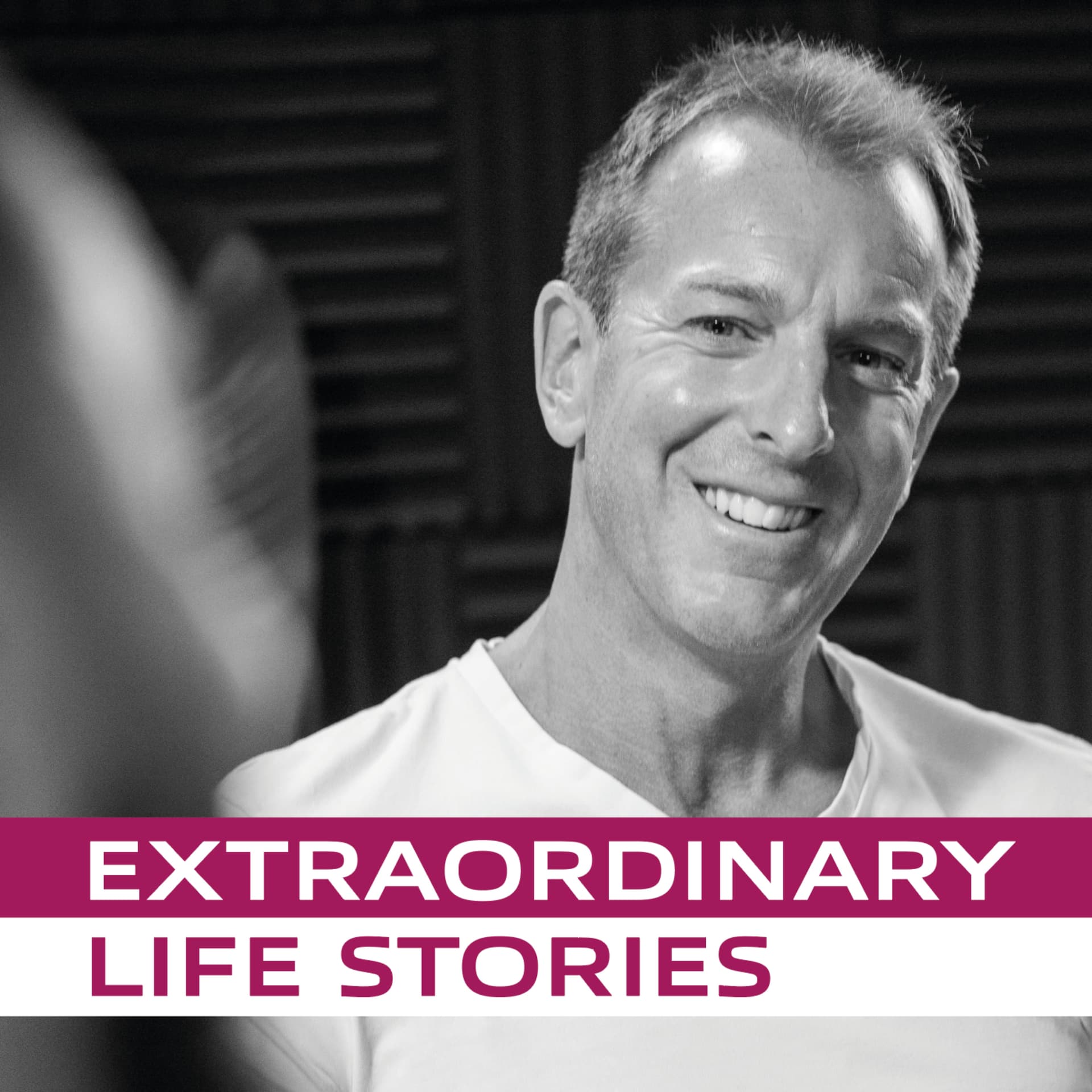
Extraordinary Life Stories - Episode Summary: Nicolas Hamilton
Podcast Overview Title: Extraordinary Life Stories Host: John Reynolds Guest: Nicolas Hamilton Description: John Reynolds interviews extraordinary individuals, sharing their inspiring life stories with a focus on mental health, motivation, and the balance of personal and professional life.
Guest Introduction
- Nicolas Hamilton: A British racing driver, author, and motivational figure living with cerebral palsy spastic diplegia. He aims to inspire others through his journey in motorsport and life.
Early Life and Challenges
- Family Background: Motorsports run in his family, being related to renowned driver Lewis Hamilton.
- Initial Struggles:
- Diagnosed with cerebral palsy, Nicolas faced multiple barriers growing up, including physical limitations and bullying.
- Lacked exposure to other individuals with disabilities during childhood, leading to feelings of isolation and identity struggles.
- Physical Challenges:
- Faced difficulties walking; initially struggled with balance and mobility.
- Chose to use a wheelchair for convenience but later decided to learn to walk at the age of 16.
Turning Points
- Determination to Walk: Nicolas actively worked to walk again, defying initial medical predictions.
- Discovery of Motorsport: At age 17, he was given the opportunity to drive a race car, which ignited his passion for motorsports.
Personal Growth and Mental Health
- Mental Health Awareness:
- Acknowledged the importance of mental health; highlighted experiences of loneliness due to his disability.
- Discussed the stigma around seeking help for mental health issues, particularly within his familial context.
- Therapy Journey:
- Engaged in therapy for the past decade, focusing on self-awareness and coping mechanisms.
- Emphasized that vulnerability is a strength and that mental resilience is crucial.
Motorsports Career and Achievements
- Current Status: Competing in the British Touring Car Championship.
- Unique Modifications: Discussed modifications made to his racing car, including pedal adjustments to accommodate his physical abilities.
- Message of Inspiration:
- Aims to be an example of resilience, encouraging others to pursue their dreams regardless of their circumstances.
- Asserts that being a role model was not his intention; rather, he aspires to motivate others to be their best selves.
Perspectives on Motorsport
- Changes in the Sport: Nicolas expressed concerns about the commercialization of Formula 1, suggesting it has shifted from pure sport to entertainment.
- Admiration for Past Eras: If given a choice, he would race in the 2008 era when his brother won his first title, citing its competitive spirit.
Key Takeaways
- Resilience and Determination: Nicolas's journey from the sidelines to the racing circuit exemplifies overcoming adversity.
- Mental Health Advocacy: Importance of acknowledging mental health struggles and seeking help.
- Empowerment and Individuality: Encourages people to focus on their personal journeys rather than comparing themselves to others.
- Continuous Growth: Nicolas emphasizes that personal and professional development is an ongoing journey, regardless of the challenges faced.
Conclusion
- Nicolas Hamilton's story is one of perseverance, showcasing the power of determination and the importance of mental health. He serves as a reminder that everyone can strive towards their personal best, regardless of their challenges.
Written by AI. May contain mistakes. Listen to the episode to check what was said.
Transcript
Automatic transcript. May contain errors.0:13Nick, hi, thank you for joining me. No worries, thanks for having me. I've been really looking forward to this. Yeah, me too. Tell me, who is Nick Hamilton? Nick Hamilton is a British racing driver, author, and general hopeful inspiration to a lot of people born with cerebral palsy spastic diplegia and just trying to live my life in the best way that I can. Amazing, what a purpose. We're aligned by a mutual interest in motorsport. I was brought up in a family that were always watching the Grand Prix at the weekend clearly you were too I wanted to go back to that sort of early thought process you had of your own desires your own ambitions to get into motorsport and we'll bring that right forward to what you're doing now motorsport runs in my family um obviously being related to Lewis and so we started um you know from a from a one bedroom flat as a family um found motorsport my brother obviously loved it and and my dad really focused on trying to um you know get him to where he is today and we collectively worked as a family to to get him where he is today and I think it was just natural for me to fall in love with motorsport because I eat sleep and breathe it I was always there every race you know in my wheelchair on my walking frame or whatever it was and I always wanted to have a shot or a go-kart but never thought I could because of my disability and that's where the love for it started but because I didn't get the shot as a young kid.
1:41You know, I just sat on the sidelines watching Lewis and trying to support him as much as I could, but still had that love and that passion for motorsport. As we sit here now, we'll be competing at Brands Hatch in the British Touring Car Championship in a few days' time. So from the kid that was not able to get into a go-kart and not able to kind of pursue your dream to now be racing, what's the journey been there? And what barriers have you broken that, dare I say, have opened up opportunity for others coming through from a disability point of view? Yeah, I mean it's pretty amazing. You know, if you look at little baby Nick at two years old, I think looking at me now, I think he wouldn't realise, you know, where I've come from.
2:22And it's been a terrible and difficult journey, I would say, as well as it being a very fruitful and positive one. Obviously, with my disability, things were very hard for me to overcome. I didn't really know who I was as a young kid. When I was born and diagnosed with the condition, my parents knew nothing about it. So they didn't really know the best route, you know, like a lot of parents do. You know, they seem to struggle to start with. And then it's all about trial and tribulation of trial and error, of figuring out what they can and what they can't do. And so I got to a point where I started to walk or tried to walk.
3:04but were struggling physically and because of the tightness and the spasticity of my muscles I couldn't walk long distances and I was falling over all the time and I was hitting my head and I was just hurting myself generally and so you know going into into general schooling was tough I didn't go to school with you know disabled individuals I was the only disabled person at school so when I was like eight years old I'd never seen another disabled person so I felt like I was the only disabled person in the world at this point so I was really struggling for purpose struggling physically to overcome the disability I was segregated a lot by a lot of people all my friends were outside playing tag or whatever it was at lunchtime and break time and I'm trying to understand this condition doing physiotherapy and all that sort of stuff so I was in a really dark spot and then over time I got older and older got bullied more bullied more and realized it was because I was in this this wheelchair that I chose to be in you know it was my choice and it was going to help me throughout my teenage years where I didn't have to walk at all you know to go out with my friends or to just do stuff at school so that was a good choice for me but as I got older you know I personally believe I became quite lazy you know there's a lot of people that see wheelchairs as you know empowering you know and positive and powerful but unfortunately in my life it became a negative where people overlooked me didn't give me the right opportunities and so I made a decision myself at 16 to basically get out my wheelchair and learn to walk and so it was tough it was hard and I won't go into detail but you know you've been told you weren't able to walk as well right you'd actually been ultimately that's not something you were actually able to do yeah you just decided to override that and I'm going to make this happen yeah I mean obviously in the initial the initial diagnosis was um that would be highly unlikely I'd ever walk um and if I if I was it would be at best with some sort of like stick or aid but my parents you know they never take no for and they pushed me from a really early age and it gave me that that strength and determination to to start with yes I was in a wheelchair but I looked internally and was like Nick if you want to do something that you think is positive in your life and you don't want people to overlook you all the time because this was back in the you know late 90s as well you know where you know I don't think a lot of people were getting the help that they needed they couldn't really be outspoken and so I had to find it internally to pull myself out and I did.
5:52And then I just started walking longer distances and, you know, I did all the things I did as a kid at 16, you know, where I was falling over, hitting my head, all that sort of stuff. And then I found my passion for motorsport and asked my dad if he'd ever put me in a real race car and he did when I was 17. But when I drove it, I was actually quite fast. I was the same speed as the chief instructor on my first day, which was great at a BMW M3. But physically, I was struggling with my legs. So then I had to go to the gym. So I started going to the gym and working on my legs physically. And it just built my strength for a race car.
6:30But it completely changed my life because it meant that I could now travel to London or go out with my friends and not worry about struggling for physical strength. I'm feeling so much resilience there. that's almost like i've used this expression before like a cork out of the bottle that suppression you had as a youngster not being able watching from the sidelines having your own dreams to then take ownership of okay i'm going to get out of this wheelchair i'm going to i'm going to walk with which is so lovely to hear encouragement from you know from your from your parents from your family of course to make that happen to then ultimately go through these these challenges which you actually described as terrible but you're smiling you've come through and you've got you actually achieving these these incredible milestones now competing you know the weekend in the in the race yeah that resilience there's a physical element you realize you need to get fit and build your strength up how important is mindset yeah i think i think it's absolutely everything um you know the the hardest thing when you talk about mental health is is i think from my experience a of people you know roll their eyes at you when you say I'm struggling mentally or whatever and I think the most powerful thing you can do is accept that you're struggling mentally is the first is the first step I think it's the best step you can make then the second step is to to ask for help and go and find the correct help from people whether that's professionals or friends or family and for me I think I was with a disability it's very it's a very lonely and solitary spot because no one in my family had a disability everyone that I was around was all able-bodied and it was just me and it was great that my mum was like yeah Nick you can do this you can do that why don't you do this why don't you try this you'll be okay at school where it was only me that really had the disability and I know my mum would do everything she could for me.
8:33It was only me that actually could get up and try and walk or try and overcome an obstacle that's really, you know, quite difficult but really simple for able-bodied people to overcome. And then as time went on, you know, I started looking for help in therapy because my parents are very old-fashioned and And they taught me a way of being like, you don't need to speak to anybody. You don't need anybody. You're strong enough on your own. That's old school protection, isn't it? Coming from the right place. Yeah, it was all positive. Absolutely. All positive stuff. But for me, it was like, no, I actually need some sort of help and guidance.
9:12It's great you recognized that. I did, absolutely. And that's what I chose to do. And I've been in and out of therapy for like 10 years trying to find, you know, the best therapist or the best technique or whatever it is. And yeah, I just found different methods, different people along the way and really learning to understand myself more and more just helped me mentally. And it just builds my strength. But also I'm keen in saying that although I seem like I'm, you know, this beacon of light that's overcome a condition and is really strong and is overcoming loads of things, you know, I'm super vulnerable and fragile like everybody else.
9:52and working on your mentality to try and stay as strong as possible is super important. So many powerful messages there. You're coming at it from the point of view of disability, but that being the best version of yourself. And again, going back to the grid this weekend, there's no one on that grid that wants it more than you. And no one's going to argue with that, right? There's no one that's come through a journey to get onto that grid quite like yours, which is an interesting concept of competition because all your peers on the grid would accept that. and yet they're all there to win. Of course.
10:24The support side of things, you know, going back to that therapy, there's an element of parents and I can relate to that. I'm a dad to two daughters and you're often trying to fix. You're trying to just take me through that sort of therapy journey to where you've got to because it feels like at no time in your life have you had sort of more clearly maturity but perspective and almost a comfort and contentment without any arrogance because you're still on a journey. Absolutely. But was there a moment through the therapy where you really recognised that there was a huge amount of help there and sort of perspective that ultimately gave you an opportunity to grow more as a person?
11:00As a kid, I think I was lost with my disability, you know, and I got a lot of stick a couple of years ago when I was on Loose Women and I was talking about my story with disability and I didn't want to upset disabled people but I managed to, which was really tough and I don't want to do the same again in this type of interview, but I'm just talking from my own perspective and that's how I saw disability and at the time, you know, I was, I didn't have a good relationship with it and I really struggled to understand it. The more I went through my life with my disability, the more I sat with it and the more I learned that it's okay to have these really difficult and troubled days physically.
11:39And not every day is an amazing day and the next day could be better and if it's not, that's okay. But then that's just disability, you know put that to one side I was I was trying to find where I was going to go in my life you know my brother was a very successful able-bodied athlete my dad was a very successful businessman and I was a disabled man who was struggling with his identity and to be perceived by able-bodied people in the way that you would like to be as a disabled person is quite difficult and so I was struggling for where I was going for in my life in terms of career and motorsport was very important to me but it's very hard to continuously raise the money and the funds to be on the grid and all that sort of stuff so I went through a real dark patch I went through a gambling addiction and I just went through like the darkest times of my life where you know I prefer to be asleep than than awake almost you know my flat was an absolute tip I just didn't understand where I was at and that's where I really started to notice the power of mental health and the power of psychology and therapy so that's when I started reaching out to people to professionals and then as I almost recovered from my traumas from you know bad times in life through therapy I then found my purpose and I believe my purpose is to be a disabled person here in service of others and use my voice and my story to try and inspire other people and I do that through learning more and more about myself and I do that through therapy and so I'm here and I'm completely open and I'm completely authentic and I'm not I'm not going to shy away from difficult questions I'm going to sit here and say I'm nowhere near perfect and I'm happy that I'm not and I struggle just like everybody else and I'm not 100 % amazing I've just done what I can with what I have and I'm trying to do it in the best way that I can but also by being you know decent and genuine and trying to take people on the journey at the same time so much strength in your vulnerability though in a world where young lads are really struggling with role models and uh it's been heightened with the adolescence documentary and also yeah you know there's just you know so much strength in what you said there there's also a huge amount of fight for independence and you open your own opportunities you got out of that wheelchair and you walked to to be doing the things you do now we met through a mutual friend and business contact who um introduced me on the basis that he's supporting your sponsorship it or racing on your own back you took yourself to an event you you ultimately presented the opportunity you impressed him enough to want to back you to be part of that that's all on you and the reason why i say that is because you could potentially go through your father your brother or leverage kind of that the family something but you're not chosen to do that do that at all you're doing that on your own yeah and i always have and i always have done um i gave for the first year or so um when I started in 2011 you know my dad helped me with sponsorship um you know we got partners that were part of McLaren F1 team or whatever it was but my dad has always taught me to graft and grind and get everything yourself and work for it yourself and yes my dad could have helped me and he could have made a couple of a couple of phone calls to maybe get a bit of sponsorship over the line but he didn't um and I guess as a kid I I resented him for it slightly because I was like, why can't you just make things a little bit easier?
15:31But it was the same with my disability. My dad wouldn't help me up the step. You know, I'd have to find my own way to get up there. You wouldn't change it now, though, would you? Absolutely. And you wouldn't change it now. So, you know, I'm constantly, yeah, constantly trying to evolve in where I want to be in my career. And my motorsport is a very, very important part of that. You know, finding the sponsorship is very, very difficult. And the majority of people, you know, think because of who I am and who I'm related to with Lewis, you know, he's just going to pay for everything. And away I go.
16:05And it's all a bed of roses. But I would never accept Lewis's offers to help me because, you know, I'm a man in my own right and I work for everything myself. I get my laptop like every other driver and, you know, go to events and meet people and, yeah, not necessarily sell myself. but just be a decent person with a with a goal and a passion and hopefully people you know back me not because I sit and win races because unfortunately I actually you know I don't necessarily win races but you know being the only disabled athlete in a in the pinnacle of British motorsport in therapy I realized you know I'm doing pretty well and I'm winning at life really from from where I was to where I am now and yeah it doesn't matter whether I come first or last I'm a champion in my own right and and that's what I go into when I go into meetings and it's a great moment to get the right thing I love hearing that from you I'm always going to say that to you heartfelt thank you thank you but on those goals aspirations drive is there a north star because it feels like this is a journey that you're embracing and others are embracing to be part of but is there something that you'd love to achieve in motorsport well I mean I would love to to be able to say that I'd love to win a race and stand on the podium and you know firstly it'd be quite funny because I wouldn't be able to get up there and I'd have to you know ask the person that I've beaten to to give me a helping hand down to the podium so that would be one goal but to be honest you know I got a life-changing result at Donington Park in 2023 really proved that I could do it took me a long time to get to that point and so I feel like I've achieved what I set out to do which was just drive I wanted to just drive that's all I wanted to do I wasn't I didn't you know wake up and think I want to be an inspirational character that helps all these people or there's someone that people can look up to as a role model I was just like I want to do something with my life I don't necessarily want to be in a wheelchair and That's not saying that it's a negative to people that are.
18:18It was my choice that I don't want to be in one. So I'm going to do the work that I can to get out of one. And I would like to race. And that's my plan. That was my goal. And all of a sudden, I've created this career now where, you know, I'm helping people and I'm doing public speeches and I'm flying around the world using my voice. So when you say, is there a North Star? Is there something else I want to achieve? I'm actually achieving everything I set out to do right now. I'm just trying to sustain it and try and do the best job I can with the situation that I have with the platform that I have and try and help as many people at the same time and whilst evolving as a human.
19:00I love that there's an element of mental fitness that clearly you you know are giving off you can feel the vibe off you and then the physical side of things you have to keep yourself physically fit. So with your disability, how much of the training can you, and I'm sort of bringing that into the kind of almost the driver controls from the car you're driving. What do you do to keep fit and what is that sort of morning routine and kind of what works for you? Yeah, so obviously the first thing I have to do is keep my disability in check. You know, my pelvis gets tight. You know, I pop ribs like no tomorrow.
19:37You know, I struggle with my neck and just general movement. When I first started training, you know, leg press was absolutely everything. Trying to build the pressure, the leg strength that you need to hit the brake pedal, you know, effectively and get good pressure. When I first started training, I could only push like 10 kilos with both of my legs and I needed to get to like 100 kilos with one. So I remember just training hard and pushing, you know, three hours a day I was in this gym and yeah, I got to a point I could push 130 kilos of my left leg and and actually fortunately I've I've been able to keep that up right and and so that's a consistent discipline it's yeah it's a yeah it's a consistent thing and I don't go in the gym all the time and really focus on trying to build more and build more and build more I try to consolidate and I realize that I don't have to be in the gym also to work because actually just walking around in London and doing what I do is a is a workout in itself you know and my basic fitness is really really strong my legs are really fit and strong but just actually working on the pelvic muscles and trying to keep everything in place is the biggest challenge because also you're getting older and as I'm as I'm getting older the disability is sort of getting worse in certain areas of movement so it also got to a point the more I pushed on leg press the more it affected my pelvis in a negative way and so swimming is very important now because it's weightless and it doesn't affect the body in any way but it also keeps me fit and strong and just continue walking as much as I can and then the odd leg press and whatever but I have everything I need and I feel strong enough to do the races that I need to do.
21:26And talk to me about the modifications to your car coming up at the weekend. What's needed to be changed? So the things you can do and the things you can't, what's the modification? Main thing is I can't flex my ankles. My ankles are pretty fixed in one position and a lot of, or all able-bodied drivers, they brace their heels on the floor of the car and they accelerate using their ankles and they brake using their ankles. So I can't do that. So all of the control and the power comes from the thigh muscle itself. So that means I have to have a leg bend in my knee. So my pedals are like double the width of normal pedals.
22:04So my brake pedal is double the width and my accelerator pedal is double the width. And then I have a hand clutch instead of a foot clutch. And that's it, pretty much. But it sounds really simple, but it's super complicated. it takes me about 12 and a half hours to do a seat fit. When I do a new seat and I do my modifications and stuff, it takes me a long time because I actually have to pick my leg up and drag it from side to side to use the pedals and it affects the way I steer and turn. Loads of detail, but it can be a bit of a pain in the bum. That's fascinating. I've got a question for you specifically on almost like the sort of direction of motorsport, specifically Formula 1.
22:42I want to bring it back to when we were watching it as fans, enjoying watching it. And this is, of course, pre-Lewis and then actually him being part of the history of the sport now in the most incredible way. But it was always a sport. And my point being that in the infamous kind of championship clincher with Max Verstappen, that for me has had so much that wasn't sporting. and the point about this part of the conversation is that in that moment I'm a fan I'm watching you were probably there I was I'm watching it on on the tv I'm out of my seat with kind of how's this happening what's going on the cameras are on Lewis and your dad goes up to him and has a conversation and within seconds he's shaking Max's hand and I'm kind of having a whole moment well this is this is incredible.
23:38I wouldn't be doing that. And I'm quite a calm person." And whether you were a Lewis fan or not, bring it back to the healthy kind of sport element of it. There's Drive to Survive that's kind of brought more of an entertainment element to it. And I just wondered, because you're really close to it, one, I'd love to know if you know what was said then, because that echoed around the world of like, wow, values. I mean, you know, And whatever your opinion is of what happened, how Lewis dealt with that. And of course, that's very much something that seems to come from a family point of view. Has the sport changed?
24:13And, you know, do you know what was said in that moment as well? No, I don't know what was said in that moment. But I know my dad well, and I know Lewis well. And I know my dad would be, you know, Lewis wears his heart on his sleeve. And you can see that, you know, from any interviews that he does. He doesn't blame anybody. He blames himself most of the time, which we do as a family. And I think that's because we are humble and we stay honest. My guess, my dad would have said, you know, people know that you won that race. People know that you deserved it. People know that that was an eighth world title, you know, and it wasn't meant to be.
24:50You know, but hold your head high, you know, be humble in defeat. You know, it's not, it wasn't Max's fault, you know, that that decision was made. Max just drove the car, you know, and so I think my dad would have supported Lewis in that way where he would have picked himself up and, you know, done the right thing, which he did. It was powerful to watch. Yeah, and, you know, it didn't surprise me at all. You know, that's what we've been brought up to be like, you know, from day one. My dad always taught Lewis to do his talking on the track, you know, be, you know, be almost merciless on the track and be arrogant on the track.
25:28But when you're in front of people be honest, be kind, be decent and you know we've kept that all the way through. But I think as a sport, yeah, okay, you know Formula One is the most popular it's ever been but from my personal perspective it's lost its way, it's lost its authenticity and it's become more of a show than a sport from my perspective and it's great that we have you know 300 ,000 fans a weekend or or whatever but um I feel like the rawness and the reason why most of the people you see on the grid now why they got up in the morning and started racing in the first place I feel like that's completely gone and disappeared in Formula 1.
26:14I echo that what what's your favorite year or era so if you could race in any era of Formula 1 is there one that you just go i'd want to race then i would go to like 2008 um uh when lewis won his first world title i think um you know the cars were great and the championship was in a really good place um it was raw and you know even even back into to the 90s you know you could say you would race in those but you know i thought you'd say that i thought you'd go i don't know why i just thought you might have gone to the sort of late 80s 90s with the center sort of yeah McLarens yeah I mean I think most people would say that and and that's you know because those eras were so great but also you know 2008 to 2007 2008 were really good years I think for the sport as well um because technology was starting to come in but the rawness of the motorsport and the cars were the same which was great and you know you were really seeing drivers being able to overtake and dive bomb each other which is what you learn as a kid from go-karting and all that sort of stuff but now everything seems to have completely changed unfortunately and um yes it's really sad to to see and i know these guys they're on the track and they're risking their lives out there and it's it's hard work you know but as a spectacle um i think you know form one's lost this way slightly it's become a spectacle i think yeah but but very much wanting to end on a on a positive because that's really frustrating to me actually but the the the kind of role model element you know we're talking about the greats of the sport if you like going back to different times when you'd love to race and um again role models being so important i hope you feel that that's very much what you've become in context of and i think i wondered if you've had that um sort of almost mentoring scenario that you feel now through people that dare I say didn't think they could get out of a wheelchair didn't think they could do something they now can and do those people approach you and do you try and help them in their journey to try and be competing with you on the grid yeah I mean look I have to be very careful with my messaging um and my messaging isn't if you're in a wheelchair you can get out of it and rate a touring car for example.
28:32I think what I'm trying to say in my whole career with my messaging is regardless of whether you're disabled or able-bodied you should try and live your life to the edges of your own personal abilities and maximize your opportunity physically if you can, you know, both able-bodied people and disabled people. You know, I don't class myself as a role model. You know, I'm just a normal standard bloke, you know, just living his life like everybody else is. For some reason, you know, I'm now seen as, you know, someone that people can find inspiration from. But really, that wasn't my goal. That wasn't my plan.
29:24I just wanted to race cars and try and find a career as a disabled person because it's hard to find a career as a disabled person in normal society. I think it's great that people find me inspiring and I've always got time for people to come to me.
29:46I don't want people to say I want to be like Nick Hamilton I want to race cars or I want to do this I want to do that I would rather people say I want to be the best version of myself because you can only win at your own life you can't win at other people's lives and so my messaging is to try and get people to maximize their life brilliant and you are inspiring thank you and you articulate that beautifully you're absolutely right being the best version of you in the moment but striving to be better you know there are things you've done that are extraordinary. Thank you. And I guess the point is that you can't assume or expect that anyone else could do that.
30:23But for that reason, I'm 100 % going to call you inspiring. Thank you. And thank you for making time to have this conversation. Absolutely. Thank you for having me. Look forward to it. And I'd love to. I hope you have. Absolutely. It's been amazing. Yeah. Thank you, Nick. Pleasure. Cheers.
From the publisher
In this episode of Extraordinary Life Stories, John Reynolds talks with Nicolas Hamilton.


