
In short
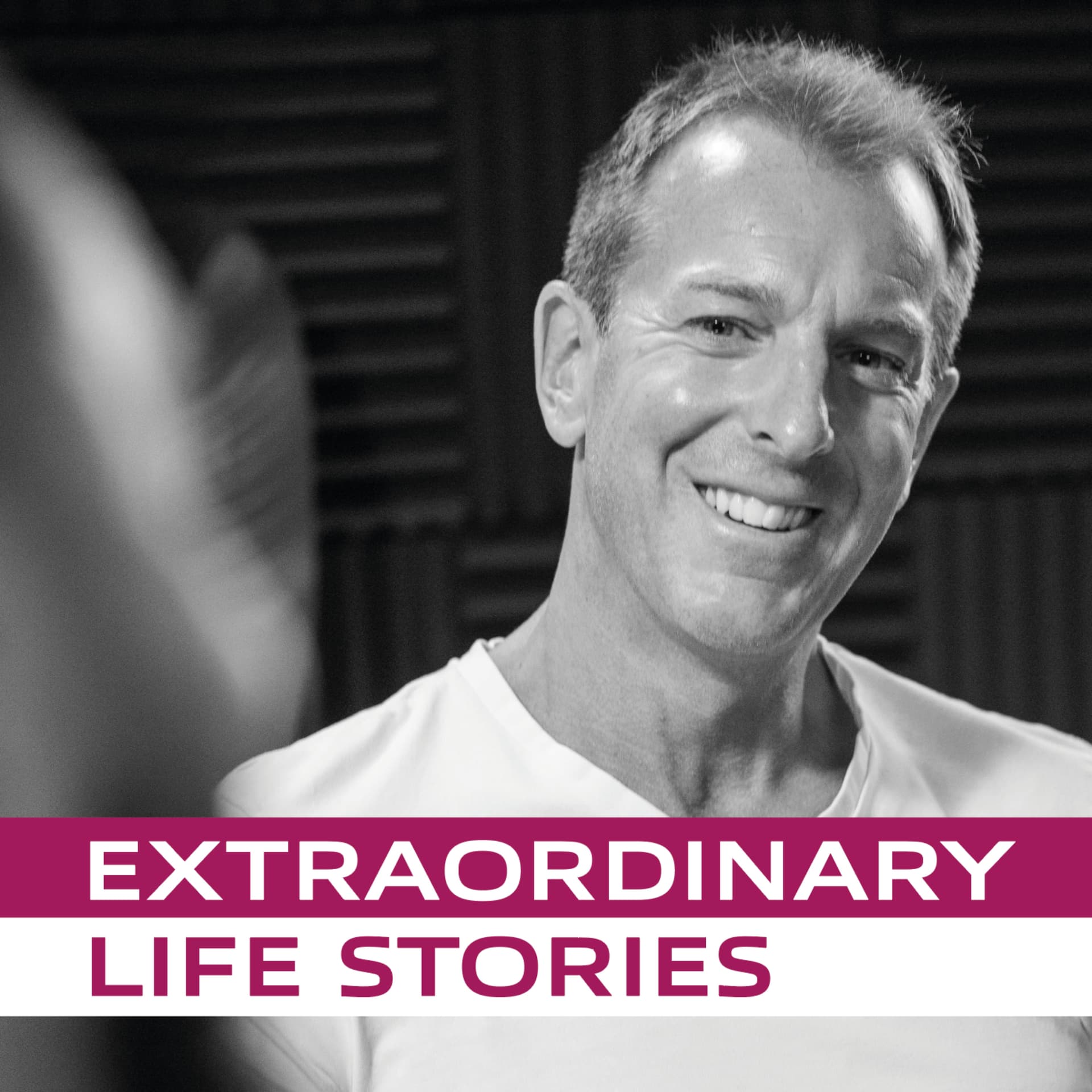
Podcast Summary: Extraordinary Life Stories - Simon Waterson Episode
Podcast Overview
- Title: Extraordinary Life Stories
- Host: John Reynolds
- Description: John interviews extraordinary individuals, delving into their life stories, mental health, motivation, and balancing personal and professional lives.
Episode Details
- Episode Title: Simon Waterson | Extraordinary Life Stories
- Guest: Simon Waterson
- Description: Simon Waterson, a renowned health and fitness advisor for actors, discusses his journey and the intersection of mental and physical fitness in the performing arts.
Key Themes and Discussions
Who is Simon Waterson?
- Role: Performance coach, facilitator, and support person rather than just a personal trainer (PT).
- Perspective on Labels: Labels don’t encapsulate the entirety of his role, which includes mental fitness alongside physical fitness.
The Importance of Mental Fitness
- Mental health is integral to performance; Waterson stresses that many high-profile individuals face mental health challenges despite their success.
- He views himself as a facilitator who provides tools for both physical and mental health.
Working with A-List Actors
- Celebrity Transformation: Waterson has trained actors like Daniel Craig, Chris Pratt, and Chris Evans, focusing on their physical training while being aware of their mental health needs.
- Building Trust: Establishing a connection is vital since many actors have a small trusted network.
Training Process
- Customization: The training process is tailored per role, factoring in the specific physical demands of the character.
- Timeframe: Preparation can take years or months, depending on the film’s requirements.
Challenges in Training
- Waterson discusses the contrast between compliant and non-compliant clients and the pressure to deliver results.
- Managing expectations from studios while ensuring the well-being of the actor is crucial.
Daily Routine and Self-Care
- Emphasizes the importance of self-care, hydration, and a routine that includes both physical and mental health practices.
- Shares his morning routine which keeps him energized and focused.
Advice for Aspiring Trainers
- Authenticity is key; it’s essential to be true to oneself and develop a personal philosophy in fitness training.
- He encourages aspiring trainers to implement their theories and tailor their approach to their unique experiences.
Actionable Takeaways
- Embrace Mental Health: Understand that mental health is as critical as physical health, especially in high-pressure environments.
- Custom Training: Ensure that training is specific to the role and individual needs, considering both physical and emotional aspects.
- Build Relationships: Foster trust and communication with clients to create a supportive training environment.
- Self-Care: Prioritize your own health and well-being to better support others.
- Be Authentic: Stay true to your philosophy and approach in your work, focusing on genuine connections with clients.
Conclusion Simon Waterson’s insights highlight the intricate balance between physical fitness and mental health, particularly in the high-stakes world of acting. His journey underscores the importance of authenticity, trust, and a tailored approach to training, offering invaluable lessons for aspiring fitness professionals and anyone interested in personal development.
Written by AI. May contain mistakes. Listen to the episode to check what was said.
Transcript
Automatic transcript. May contain errors.0:13Simon, thank you for joining me. Pleasure, absolute pleasure. Tell me, who is Simon Waterson? Oh, that's a really tough question in my kind of space because people love to invent their own kind of like... I would say I'm probably a facilitator, maybe a performance coach, a friend, you know. All the things that you don't expect me to be, I think. you know labels now are kind of like he's a he's a PT or he's a endurance athlete coach or something like but I would just say I'm a good facilitator and a good listener and very good at working things out um so I suppose performance coach is all right that'll kind of like do well let's go with performance coach because I know from everything I've seen and kind of what's put out there maybe on socials and you read there's a lot of physical coaching there but I imagine there's a lot of mental connotations as well the mental is probably almost equally as important if not more I wanted to open it up straight away because you work with and train with you know A-list celebrities film stars dragon this morning from dragon's den right I want to know the journey there that marries the mental fitness to the physical fitness the people that you're normally working for are nine times out of ten at the top of their game anyway they're kind of very tuned into what they want what they require and their mental side of things I'm the person to take responsibility to allow them to do their job so I try and take everything I take the responsibility of kind of like don't think about your nutrition don't think about like your performance don't you don't have to think about your fitness I've got your back I'll hand you what you need when you need it and I like to think I've got a really good toolbox of things whether that's the psychology psychology part of it the performance and fitness side of it the recovery side of it the nutritional side of it I've I can facilitate kind of like most things but um a lot of the time it's just there as just being a really a good a good support person I suppose and everyone comes with their own baggage and every job is different and you never know what you're going to get and that's what makes it so interesting for me um i don't know if some people are stronger from a fitness perspective and quite weak for maybe like a mental health not necessarily weak but just not so strong at being able to kind of like figure out mental health issues or figure out the tools to help with mental health issues which there's lots of tools out there that you can you know you can use so because there's the the pt side for me has always been a physical yes yeah um but actually there must be people that come to you saying they need and want to get fit for a film or a role or just improve their fitness but actually you then have to unpick the mental health side of things and actually work with that which almost makes you a therapist as well yeah of course i mean but everyone's a therapist in some way shape or form conversation conversation a buddy um and and then when you work with quite high profile people their kind of network is normally quite small so the trusted the trusted group is quite small so after it takes a while to build a relationship and you start to be able to like you said like unpick certain things of you know because everyone struggles with different things especially through mental health and it could be you know there's I suppose there's actors and athletes who really struggle but you know anxiety or all the all the all the things that you know that you don't expect them to struggle with because we only see the finished product.
3:55So we see the finished product on the screen, but to get to that finished product, there's a struggle to get there. Or sometimes there isn't a struggle to get there. And then the struggles are different because some are super compliant to maybe my methods, and some people are totally non-compliant and pretend they're compliant, and then behind the scenes, they're not compliant. But you always figure that out quite early on. Yeah, I bet. And that's an intuition and a trained skill that must now be complemented with a vast amount of experience. Yeah. And we were talking off camera just a minute ago.
4:28I think using that example you say of like the screen. So take Liam Hemsworth, who on screen is killing it. You know, he's the product, I guess, of a lot of hard work that involves you as well. How long will that often be? Because we'll see a film that's being announced, being released, and then we'll and watch it in the cinema, stream it, what have you. But the work for that may well have started, you know, years in advance, right? Normally. Normally, yeah. And that's what... I mean, the process of doing a film is... It's quite automated. It's a pretty same process every single time. So they'll get somebody like me in to look at a kind of like an actor, and they say, right, the director will say, right, we need him to look like this and perform like this.
5:15and it's my job to kind of like figure out so I get the script I would break it down into maybe like what's aesthetic what's performance related and what they're going to ask him to do and then it's my job to condition that person to be able to kind of like do all the things they're going to ask him to do in the stunt room and then take it to the stage but the process is depend depending if they get me on nice and early that's kind of like great the more time the better um so and And that's where it kind of all starts. So I have to unpick what the relevance is as well. So relevance is in my business is the biggest thing.
5:50There's no point in me teaching someone to swim when they've got to sprint. There's no point in me teaching somebody to condition them to climb when they've got to, I don't know, fight choreography. So you're trying to just find all the relevances of what's going to happen in the film. So with Bond, for instance, that's big. You've got to cover every bass because with Daniel, obviously, he does everything. So he does fight choreography, he jumps out of planes, he drives the cars, he sprints, he can't absolutely everything. And then on top of that, he's got to do it gracefully and look amazing.
6:22So you've got to be able to teach the mental side of it as well, of kind of like being able to do it controlled. So it's a controlled environment. So there's the mental side of things, being able to kind of breathe and kind of come through a scene and make it look seamless and effortless. And he's absolutely, he's got it down to an absolute T. but he's had you know he's had five goes at it so that's brilliant yeah so did did the um film producers bring you in or do the do the daniel craigs of this world get to choose you it's like an any it's almost like an interview process you know you have you have a certain amount of reputation or being in being in films and um people they know they may know your name or they know what you can like do or you can what you can and yeah and i've been very lucky that you know for me you know daniel in 2006 when he walks out the the water in the blue trunks and that's that's a lot of work that that's like years and years of kind of like graft to get to that point and then you have a bit of a reputation from that but you it could be sometimes you've got to be really careful with that because um you then have to manage expectation for the jobs coming up because everything will be referenced to that and then I did Captain America and they're kind of like the the Captain America is that we just want Captain America to look like Daniel Craig and you go okay but he hasn't got the same genetics is he as compliant and is that the look that you kind of like that you want and then and then you'd say you do Bond and then you do Captain America and then you get given something a real challenge and and a real good challenge I did Guardians of the Galaxy with Chris Pratt and turned him from you know he was doing Parks and recreation in America, and then I had to turn him into a superhero.
8:05But that's fun now. I was just going to say, your eyes lit up then, right? Yeah. Because I remember going back as far as, for example, Speed with Keanu Reeves. Yeah. I couldn't believe it. You know, he was in Matrix and films where he was just, you know, wafer thin, and then suddenly he was buff. Yeah. And I wanted to almost bring that back to, like, if you are in a position where you're given a brief where, you know, someone needs to bulk up or get fit for a film. You know, is there any danger in actually going at stuff too quick? And yeah, because, you know, there's all sorts of, it could be supplements, it could be destroying your body, right?
8:41You've got to manage expectation and it's all, it all comes, like you said before, it all comes down to that kind of, you've got, I've got a lot of experience. I'm really good at, I won't say analysing, but you know within seconds, like genetics, what they're going to be capable of, how they could possibly look, what have their compliancy and what they're kind of like, what they're going to be willing to put themselves through. But the compliant ones are kind of like, they're easy because they eat, sleep, everything. Fitness, work, the whole lot. Then you get the uncompliant ones who are kind of like pretending they're doing everything, but not really.
9:21You're going to know, right? Yeah, they're always trying to pass it through you, kind of like you're going, well, you're rowing a boat across the ocean and you're meant to look like a slave. And every time you're going, you get a phone call from the studio going, hey, Simon, so this guy looks like he's not rowing a boat as a slave across the ocean. He looks like he's been on tour. So you have to kind of get it. And then you kind of ask them, are you sticking to all the parameters of what we've put in place? Training, kind of the nutritional aspects and stuff like that. And they're like, yeah, yeah, honestly, sorry, yeah, I'm definitely sticking to it.
9:57And you're like, okay. And then three weeks later, you get another call going, no way, this guy does not look how he's meant to look like. And he's throwing me under the bus. He's going to go, no, I'm sticking to everything. You go, okay. And I just didn't know. That's your reputation. Yeah, it is your reputation. And you've got to be really careful. and and so and so i like um you know i wouldn't do this all the time anyway i'm like right i'm not going to get thrown in the bus under this one so i like rang the production and i said you pay his room bill and they're like yeah yeah so just send me his room bill and you kind of like it and then so you look at the room but you go hamburger fries red wine pasta kind of like you go and you kind of like go this ain't me i'm like and so but you know you can't do you can't do that with everybody but no but it's uh early in my career that intuition and that whole like you said you can tell really quickly now yeah another thing that intrigues me is you know going back to almost that sort of polished on the screen daniel craig looking ripped and looking dedicated you you see these guys at their home at seven in the morning on a monday on a rainy day are they happy to see you or is it like i've got to do this because i know i need to or are they actually that committed It's like, right, I know...
11:08I'm almost making it easy for you. I know I need to do this. Let's go. At that level, they're committed. At that level, they're completely committed. You know, there's a reason why they're in that role. There's a reason why they're doing that job. And that's because they're meticulous. And I mean super meticulous. It must be a pleasure for you then. Because you're turning up and they are relying on you. Yeah. As a sort of a partner and a friend and a therapist and a PT. All these things like make me the best version of me. But there's a lot of... I mean, it's pressure. There's a lot of pressure on me as well because it's like in pro sport, you know, the physios and the strength and conditioning coaches, they've got to get their players get injured.
11:47They've got to get them back on the field as quickly as possible. Now, my job in big budget movies like that is to prevent all those things, prevent illness, prevent injury, maximum energy, looking fantastic, being able to perform. Because if they lose a day or two or three or four, you know, that's kind of like a lot of money. it's kind of time is money yeah so you've got to be really careful to find that that balance i suppose of not pushing too hard that your immune system is on its floor and then they end up getting ill and then they kind of like go well i think i've been training too hard so you've got to find that real delicate balance of being a being ever and i do it on a daily basis i mean i ask particular questions on on on the day how did you sleep you know how was your food last night you know how's like you know home life all good and all that because those are stresses external stresses that can kind of like really spill over into work stresses and I'm not I'm not meant to be a work stress I mean I'm not part of it I'm the I'm relieving that and we have I have a gym or we have a different place that I can't set up as soon as that door is shut and it's locked this is you this is your time now this is not work time anyone can bang on the door because when you're on a film set you know people banging on the door we need to do this we need to do that we need to do that it's like you just turn that you put your own music on this is your time so and sometimes what happens in the gym is not necessarily what people think we're doing in the gym it could be a lie down a bit of meditation feet in the air it could be um just let's do a nice bath at a sauna it It could be just a stretch.
13:25It goes back to the mental side. It goes back to that, yeah, all the time. So I'm always very, very conscious. But then there's the times when we go, right, I need you to perform now because we have got an aesthetic scene in six weeks. There's a big red X in the calendar, and you're taking your shirt off, and you're on camera, and millions of people are going to see that. Now, let's not make it contrived because I don't do contrived physiques. we do it looks natural and there's a relevance and your physique like with bond like a lot of marvel characters your physique has come around from the nature of your work not from the nature of being in the gym because you've never seen probably james bond in the gym unless he's been kind of like um test you know it was a test or something like that i remember there was a couple of movies where you had to go through a like a medical and it was like a gym kind of like thing I remember that.
14:17Yeah. So, you know, and we prepare for that. You must have a great relationship because there's a huge amount of trust there. They're trusting you. As you say, they're at the very pinnacle and they want to look their best. But also, I can imagine, I call it a friendship. You know, these guys are able to confide in you and talk to you. I imagine there's a whole what gets discussed in the gym stays in the gym kind of thing because they can actually have that conversation. Well, it starts off professional and then notoriously, like anything, like Dan would say and like the different Chrissie's would say and Liam would say, they were all kind of like, well, I spend more time with you than I do with my partner.
14:52I was thinking that. And normally that's the case. Yeah, as long as they don't say they enjoy it more than their partner, then you're in trouble. Yeah, then you're in kind of like trouble, yeah. But one of the things that I was thinking about before we were talking, and you really highlighted it here, is that connection and that need to be operating at the best you can, flipping them back to you, what do you do to look after yourself? And I mean this not just in the physical and mental side of things, but also the fact that you have become an entrepreneur, built your business, built your personal brand around what you do, which is clearly a passion.
15:24You've got to make time for yourself. Yeah. And I wonder sort of almost like what your morning routine looks like when you aren't training with someone and what you do to both mentally and physically keep fit. Well, different clients have different kind of needs. Now, the first time with Daniel, for instance, before pre-Casino Royale, his thing was kind of like, I don't want a trainer. I want a training partner. So whatever he did, I had to do. So actually, you're keeping fit, right? So that actually ticked every single box. So I actually was never... And you enjoy that? Yeah, I do. I do. But there's a certain aspect of kind of like, I have to be professional and making sure that you're doing the right things at the right time.
16:02and I can't be doing one thing here and he's doing something over there and I don't notice and he gets injured or you know So there's a certain amount of kind of juggling there But my kind of like my routine is I'm very I'm very much like I have the same I have the same routine You know most mornings I hydrate before caffeinate that that's a big thing I have these few little rules so I kind of like we'll just get a pint of water and I'll put my five grams of creatine in there And then electrolyte in there and then I can't so that's my first kind of thing then I'll go outside and I'll have a nice bath for kind of like three minutes at three degrees and I get out the ice bath and then I ground, I walk, get some energy kind of like through into my body, recharge my kind of like batteries.
16:42Then I would like go back in and then I would have like, then I would like caffeinate because I like a coffee, put the coffee in the car, go off to work. It's really simple but super effective. They're all the real, real, real effective things because if I'm charged, it means I can charge someone else. That was what I was... Because you're this... You're a strength to so many people. Yeah. And you can feel that. I felt for a minute I met you, the composure, but it's that whole... You've got to be strong yourself to be able to be strong. Yeah. And you know, and there are like... There's drains and radiators, isn't there?
17:16And this is the thing. And I know when I've been with a... With kind of like a drain and... And it's hard. And if that person comes at the end of the day and I've got to be right on my if i'm doing multiple things it's um it becomes tough but you've got to maybe i you know use that philosophy again maybe i do it mid-afternoon and go right i'm just going to get jump in the ice bath i'm just going to ground i'm just going to have like a coffee i'm going to hydrate i'm going to you know do i'm going to meditate for kind of like kind of like three or four minutes all those little things add up on a daily basis it doesn't matter people just put a huge time thing on it so it's time no it doesn't it's like you can you can probably do all that in in about seven minutes.
17:55So you are training people to be, in some cases, absolute machines. But if someone's watching, listening to this and thinking, I would just, I want to sort of stay fit. I want to maintain a level of fitness, but without being a gym buff, without giving it an hour. Is there one particular form of exercise that you kind of swear by that, you know, I know one size doesn't fit all, but for me it became press ups. It became different things that I could do in a hotel room quickly before i have a shower and so on so just create your own intensity right and that's the best thing to do and and it doesn't you know and they're now even even the science is now kind of saying that these long kind of like drawn out workouts are not as beneficial as doing 15 20 minutes high intensity three times a week and it's like coming towards that because that's allowing you know you're releasing endorphins you're having a nice bath it's releasing kind of like dopamine you're grounding, it's giving you energy, you're taking your, you know, you're having your, like, your electrolytes and your creatine, that's the, that's the cognitive side things, and then you can just sprinkle little things of kind of what suits you and your lifestyle around it, and when you've got time, you can go for it, and when you haven't, just do the little things, the 10-minute things, and it makes a huge, huge difference, and I always add them up, like, over the year, if you were to do 10 minutes a day, you know, seven days a week, over a month, over a year, you look at, you look at kind of like what you've accomplished and it's huge.
19:16There's a consistency there, right? And I try to live by that. I try to do something every morning, otherwise the day can run away from me. I wanted to also touch on the kind of almost entrepreneurial journey. So you know, the kind of route in, if you like, to being able to work with these big stars and films and so on. Talk me through that. To be honest, like when I first started, wellness was not a huge thing in the film business or even so much we weren't that aware of a lot of things so my my i suppose like fitness kind of like um not journey because it wasn't that wasn't a journey that was what i had to do from the military side of things and that taught me you know things that not not people think oh yeah so so you're really militant you can really get it's like no it doesn't it teaches you structure and it teaches you discipline yeah structure and discipline and um and you're dealing with a lot of people and you've seen different people at different levels and you do different things in the military and how to cope with pressure and stress and it's like it's all it's all kind of like fine so and then and then i just wrote i was writing military philosophy of like how the fitness kind of like what we used to do and stuff like that which they're doing a lot of the trendy kind of like bespoke stuff now what people are doing it's like people think that's new that's like about 40 years old and it's still the stuff that's working high intensity kind of like condensed workouts you know elevating your heart rate and and you can attribute that to whether you want to it's a cardiovascular thing or whether it's a kind of like hypertrophy thing so you want to kind of like um put a bit of muscle tissue you can still kind of do that using that kind of method now i kind of like um i do my own method i quite like it i have this method where i like to So I have five exercises, a body part, and then I sprinkle in a bit of mobility and a little bit of kind of like core work in between.
21:11I use it all the time and it works. And the problem is that it's like there's so much out there that you've just got to find the thing that works for you. And that works for me and it works for the people that I'm prescribing it to. Clearly. Yeah, and I'm just lucky. I don't know why. Sometimes I don't know why it works and we don't know why it works. It just does. but i think you know what i like about that is there's an authenticity in that and they're doing what what feels right for you yeah then ended up being what other people wanted but that that journey that was there a moment was there a particular scenario that happened where the door opened or you opened the door to be able to ultimately work with all these a-listers because i imagine once you got into that world there's a huge amount of referrals that a studio yeah will want to work with you again.
21:59And so, and dare I say, I don't want to say it got easier, but that became your niche. Yeah. Whereas, and did you aspire to do that? Was that deliberate? No. So what was the catalyst there? What happened? It just snowballed after one. I mean, I did my first movie with Pierce when he was Bond. So I did two movies with him. And then whilst you're there, Pierce, could you look after Halle? So I look after Halle Berry. Can you look after this? So you end up going, oh, I'm looking after Robert I'm looking after this. So you've got a bank of like eight people you're looking after. And then work wasn't really that great after that because the big action movies were very few and far between.
22:36And they didn't understand the wellness side of things. It was just an expense. It's something you do in your spare time. It's something you do as an additional thing. Nice to have. Yeah, but then, you know, especially like the Bond journey, and the lovely producer like Barbara Broccoli she always had the insight of like just look after him no matter what he's doing because not wrap him in cotton wool but just give him what he wants not in a he can have what he wants way of I don't know the word I'm looking for it wasn't a spoiler way it's like some people need that support and let's like keep because it's such a brutal schedule so you've got like the the preparation then you've got like the um then you've got the actual filming then you've got the post and then you've got to go out and promote it so you could be like six weeks on the road promoting it around the world one day china canada brazil madrid and it's like are you traveling with this travel yeah so all around the world maybe might me naively would think that it's all about the training for the program or the film.
23:51You are actually then a constant through the whole process of promotion, distribution. Yeah. You've got to be fit. And you know, if Daniel said, he wants to look good in a suit, doesn't everybody? He wants to have like maximum energy. There's interviews after interviews and radio shows. Yeah. And we... Like you asked me about the process of what I have in the morning, we will do that before you do all this. So we kind of like go... We do the gym, we do a little bit of you know whatever we're going to do that day and then i organize all the wellness behind the scenes i'll say tonight i booked you um with a chiropractor and then we're going to do like and then i've got you a deep tissue here then we're going to then we're going to go and we're going to do sauna steam ice bath and then we're going to so you're constantly kind of like making sure that the wellness is always there and that's me alleviating the pressure on um on on kind of like him or her not having to think about it themselves it's all right simon's got my back it's all right yeah we're all good food sorted great i'm having a massage tonight brilliant we're working out tomorrow great and it's done i get that but it's not before it's not about being part of an entourage now before it was the perception was you're part of an entourage and it's just because it's cool now it's a necessity that's great it's good to hear so that's a shift of mindset yeah it's interesting because a lot of just listening to you and sort of at this stage of the conversation there's the military background there's the discipline there's the consistency i'm now interested in the sort of the day in the life of which actually reminds me of our call last week where i think you were leaving daniel craig's house going to avengers yeah yeah and you were smiling and i've actually just kind of mentioned it to the builders in my home that are doing this work and they were like they're looking like is he for real is that did he just say liam hemsworth Yeah.
25:37But the point I'm making there is no day is the same. Do you embrace that? Because you have come... You've definitely had periods in your life where there's been almost probably sort of regimental... Regimental routine. Do you thrive off the fact that now, at any one time, you may not know where you're going and you're going off and doing interviews with the next star for Avengers and... Could... Yeah, could do it. Yeah. I don't... I'm not really that... It can really phase me now, that kind of part of things. The... I didn't mean the starstruck bit. I can tell that. I meant more as it's almost like it's normal.
26:08I meant more as in embracing the fact that no day is the same and you thrive on that rather than at times. And people watching, listening could be all about the routine and the structure. But I feel like you really embrace that. I get a text message at 10 o 'clock at night. Can we do 4.30? Like in the morning and you're going, oh, yeah, that's fine. so again but that's a three o 'clock set your alarm to get there at 4 30 and that particular person and and i won't mention it i won't mention his name but he's very consistent of and and just a huge kind of like athlete you know he and he and he does um you'll know who i'm talking about anyway i mean he does he does marvel and then he and then he plays football for like unicef and he's he's a he's a huge he's a very much and his kind of thing is and i did a whole movie with him and I thought he would fade away at the four o 'clock start.
27:00I thought he would fade away and it didn't. It was like kind of like three months later, we're still doing it at four o 'clock in the morning. I'm thinking, I'm struggling. He isn't, I am though. It's like, this is getting like, this is getting like tough. And his kind of thing was like, listen, Simon, you know, with all this, you're the keys. The analogy he gave is like, you are the keys to my car. And so you're the keys, you come with the key. Then we switch on the engine and it allows me to go to work. and so I'm like okay and he said I can't and he they are it's quite a lot of pressure I can't do it without you because if we don't put the key in the ignition and turn the engine through our kind of like fitness rate team in the fitness regime in the morning it's very difficult for me to kind of like have a kind of like a very smooth day because it switches on my brain it switches on my body and yeah so that's that's that person so that's just one it's one.
27:54It tells you how important you are to these people like the keys to the car keys to the car there's a lot you can't say have a think about this is there a story is there a scenario that makes makes you smile that you can tell me where you've worked with someone that might give a bit of an insight into kind of the relations you have with these people or or or you know and and someone that you can actually name and they'd be almost they'd almost want to hear this well yeah there's lots of i mean i've been really lucky to work with i mean i just lately i've just done i've worked with um with jeremy renner who we know has gone went through a horrific accident and um a lot of rehabilitation and stuff like that and i was really flattered that i was trusted to look after him on this on a particular movie that we've just kind of like done for like four or five months because the work and now now we are really getting into you know territory of like very very medical and and the science and the um physiology of everything because you know and he will be the first person you know he's made of a lot of metal and there's a lot of things going on but oh what an athlete now what an athlete but getting into the cognitive side of things you know he especially with him you know he was his brain spends a lot of time switching his body on so sometimes a couple of times i remember being at the gym i'm walking past kind of one another and um and i'm like Jeremy, he's like, and you are, and you go, you remember Simon?
29:18Hello. Yeah, but, you know, he's concentrating so much on switching his kind of like, his kind of like his body on. Now that, the, you know, the physiology from that and the, you know, everything that he's kind of like went through and to come through the other side is just like phenomenal. And what a great guy to kind of work with. Now that's a real, that's really flattering for me to, for somebody who's had that amount of things, happen for me to look after him was was was quite kind of like um it was really flattering and then there's the other side of things that you were talking about then the funny side of things are the compliant things and and and you go and you have an interview and um i remember it was an australian actor and um i don't think he would mind me he wouldn't mind me saying it was sam worthington he'd done terminator and he'd done all these kind of things and i went like for a little interview and and um and he was doing wrath of the titans and and yeah he he worked out a little bit but he wasn't he wasn't the most kind of like oh yeah he was going through a phase of if i have to do it i will and he would be like and i'm like so i'm like so what we're going to do mate yeah mate so basically just the arms we don't see anything else i'm like but sam we can't train arms like every day every day for the next six months he's like yeah we can match in little skirt got a sword just the arms just need to look great and I'm like okay and then you get I'm like alright alright so I can normally manipulate that into other stuff and then I said and so he just that's all he wanted to do I said then how is it and what about food wise yeah mate I don't really like food and he goes sorry for my really bad accent I don't really like food and I'm like what do you mean you don't like what do you mean you don't like food and I took him and I took him like to the cafe I just walked through the cafe because I forget sometimes I forget that oh yeah you're famous i forgot about that so everyone's like staring and going yeah mate loved you in that yeah mate loved you in that it's like you know all that kind of stuff that i mean walking through the studio with like woody harrelson and we go love doing white men can't jump and they're like and i'm like they always go back to white men can't jump don't they not your body of work that you've done and they go and he's like yeah it's just unbelievable that they just love that so with sam he was kind of like the huge you know that they were they were kind of waving.
31:33I loved you in Avatar, I liked you in Terminator, blah, blah, blah. And then I said, right, I'm going to have a baked potato with some tuna and this, that, and the other. And he's like, yeah, man, I'm not really eating. I'm like, so what's your go-to food? He's like, yeah, to be honest, cheese on toast three times a day. And I'm like, you just eat cheese on toast three times a year. And I'm just like, alms three times a week, cheese on toast three times a day. And I'm like, how am I going to get through this for six months with you? But you kind of get through it. Did you get him off the cheese on toast?
32:06Not really, no. Not really. So he was set in his ways. He's just like that. But he's, you know, and he's... It's working for him though, right? It's quite a good example of actually... It works. It's his lifestyle and it's what he wanted to do. So I've just got to kind of try and sprinkle a little bit of magic in without him noticing now and again. There's no cheese on toast today, mate. It was this really nice grilled piece of fish with some vegetables and you know and a bit of like that's all there is oh okay okay man i'll try it but you know i said i know you're a cheese on toast man but there you go so yeah there's different examples or all all different and i've made many many kind of like mistakes yeah that giving people it's fascinating experience giving people drinks that they shouldn't be drinking when they've got a blue mouth and they're filming jim and hall right prince of persia i gave him like he's like imagine one of those energy drinks you give him an energy drink and it's like oh i forgot it's blue i'm like okay everyone stop there jake your mouth is like your teeth everything is just like bright kind of like blue i'm like you know sorry i'm like oh i'm really sorry i didn't really realize yeah so it's all those them all those like small nuances like working that builds camaraderie and it builds that it builds trust and it builds we're not all perfect but there is a way you can find a way and if you you know implement these tiny little things into your life it can make you happy it can make you laugh there is a little bit of pain involved but it's essential to have all those emotions to make you very you to make yourself very well rounded i feel so interesting has there ever been anyone that you've quite simply not managed to make it work with or not wanted to work with you've got a phenomenal track record there's lots of people that have that kind of eye me from a distance and they go and i'm just like and i just you know i could be on set and i have and it's been lately and i'm like i'm not interested in working for them i know that's gonna be your life is literally over and i know it and i know it and i know their trainers are going their trainers or their they're gonna i've done four years i'm kind of like done i'm like you're interested in the job massive high profile person i'm like no chance i'm like i don't want to do that because you could be that's your intuition that's all that experience and also as well it doesn't it doesn't a lot of some you have to do again you get to the point where i'm in a really privileged position where i can pick and choose the people and where i think oh that's going to be really nice that feels really really really really good but also as well i like i like the challenges you know the worst thing is is turning up and someone's like absolutely ripped and I do this, this, this, this, this, and this, and you go, we'll carry on doing that then, you know, that's, that's great.
34:51I kind of like the little kind of like challenges, you know, and that's what, that's what happens. People turn up. Lately, I mean, the funny thing lately is that I've been managing like a lot of trainers to be trainers to their clients, like behind the scenes. I'm thinking, I'm teaching you how to teach them. I'm like, And I'm not even being, you know, I'm not on the payroll. I'm not being paid. But I'm giving you all the information. And I just think, you know what? It's quite nice. It's a really good feeling. It's a really good currency. And the currency that I like at the minute is helping people and not being paid.
35:28And that sounds crazy. Because the currency in your heart far outweighs the currency in your bank account. You've just said that. It's so profound. That aligns us as well. I had to mentally condition myself to pull away from trying to make the next pound three years ago to go after fulfillment. Yeah. To find purpose. Yeah. And you don't hear that very often. No. And I said it beautifully. And also, I can feel the authenticity of you when you say it. You mean it. Yeah. And I've worked with a lot of people lately who, you know, you're getting them out of trouble. They're kind of, you know, they're aches and pains.
36:07Like with the Jeremy thing, maybe. And other people as well. and the fulfillment of that is, I'm learning now, it just far outweighs anything else. And you can't replace fulfillment with a paycheck. It's impossible. And you can be very kind of like, it's really emotional to help people. And that one thing of someone asking if you're being paid, but the other thing of somebody thanking you and saying, thank you i'm not in pain anymore i know my purpose i've got a routine and i'm looking forward to life powerful it actually brings me on to what was going to be my last question and i know that you've earned and put yourself in a position of being able to do what you want when you want and go after the work that you want but a lot of people watching and listening will be aspirational um pts performance coaches what advice would you give almost to your younger self stroke someone that's coming through sees this as something they'd like to do sees the opportunity to get fulfillment from it what's that one piece of advice you give to them i think just being true to yourself with your own theory and philosophy it's very hard to take someone else's theory and philosophy and implement it as your own it's a real struggle you have to kind of like have your own what's whatever in your heart and that's worked for you you've got to have that tailor it implement it because it makes it a lot easier don't try and be something out don't try and be somebody that you think somebody wants you to be but you've got to be original and that that applies whether it's in in any in any way shape or form whether it's a relationship whether it's work it's like authenticity kills everything brilliant you're a pleasure to talk with Simon thank you I know how busy your schedule is clearly so to make time and film with me today thank you so much hope you enjoyed it nice to be able to share yeah I think that's the thing I selfishly wanted to learn from you today and it's a pleasure to share it yeah thank you so much my pleasure my pleasure
From the publisher
In this episode of Extraordinary Life Stories, John Reynolds talks with movie health & fitness advisor Simon Waterson.
Simon is known from transforming actors including Daniel Craig, Chris Pratt, Chris Evans and Tom Hiddleston into the athletes you see on screen.


