In short
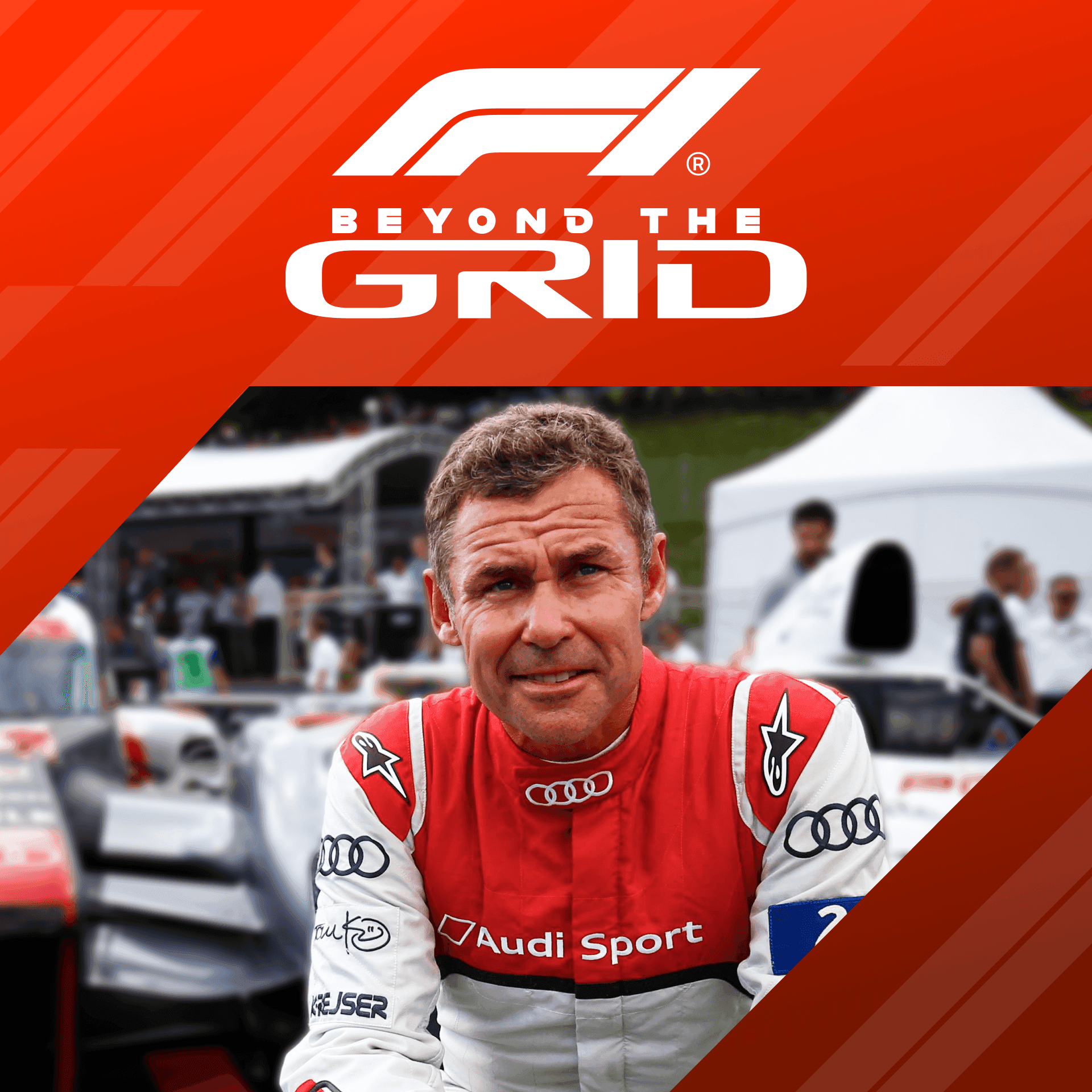
Episode topic: Tom Kristensen discusses why he never raced in Formula 1 despite being “the best who never raced,” his near-misses in the 1990s/early 2000s, and how his sports-car success (especially Le Mans) came from mindset, teamwork, and endurance skills. He also recounts a 2024 McLaren F1 test arranged by Zac Brown, comparing F1 then vs now, and comments on Audi’s F1 entry and current F1 drivers.
Guests
Tom Kristensen (Danish racing driver; “Mr. Le Mans,” nine Le Mans wins; long-time sports-car standout with Audi/BMW; tested for F1 teams like Minardi, Williams, and Michelin-era Williams). Host: Tom Clarkson (interviewer).
Key claims
Kristensen says he was “not ruthless enough” to take a risky Minardi half-season offer because he lacked about $2M funding. He argues sports cars suited his style: efficiency, stint focus, and team integration. He says Michelin groove-tire testing in a Williams FW21 (2000) went well and that modern F1 testing showed him the importance of trusting data/ground effect.
Notable examples
1999 Le Mans retirement while leading by 3.5 laps; BMW 1999 “race of the century” near-miss; Williams FW21 Michelin testing at Magny-Cours with V10 engines swapped mid-day; McLaren test at Red Bull Ring (Sept 3, 2024) where he trusted the sim and stayed near fastest laps; Le Mans night traffic and preparation starting from the first scratch for manufacturers.
Written by AI. May contain mistakes. Listen to the episode to check what was said.
Chapters
Tap a time to open that second in VOThe Road Not Taken: Kristensen's F1 Aspirations
0:03 to 1:09
Discussing Kristensen's desire to race in Formula One and his close calls.
“If you're a small business, hoping the right people see your job posting isn't the best growth strategy.”
The Road Not Taken: Kristensen's F1 Aspirations
4:06 to 6:00
Discussing Kristensen's desire to race in Formula One and his close calls.
“Le Mans and rightly so after your nine victories there.”
Comparing Paths: Kristensen and Schumacher
6:01 to 7:43
Exploring the parallel careers of Kristensen and Schumacher in racing.
“Schumacher won that championship the year before and look what happened to him.”
Opportunities and Challenges in F1
7:44 to 10:46
Kristensen shares insights on the challenges of entering Formula One.
“actually was part of the first one with Mercedes.”
The Williams Test: A Glimpse into F1
10:47 to 12:27
Kristensen talks about his testing experience with Williams and racing dynamics.
“Were you part of the conversation when BMW were coming into F1 with Williams in 2000?”
The Williams Test: A Glimpse into F1
12:30 to 13:35
Kristensen talks about his testing experience with Williams and racing dynamics.
“If you're a small business, hoping the right people see your job posting isn't the best growth strategy.”
The Williams Test: A Glimpse into F1
13:42 to 13:53
Kristensen talks about his testing experience with Williams and racing dynamics.
“This is a job for Indeed-sponsored jobs.”
Testing Experience with Williams
14:41 to 18:08
Tom Kristensen shares insights on his testing experience with Williams and the challenges of groove tires.
“Can you tell us about that Williams test at Manicor?”
Tire Evolution and Manufacturer Competition
18:08 to 20:34
Discussion about the evolution of tires during Kristensen's testing and the competition between tire manufacturers.
“But in the slower corners where you, the F1 car there with that light body mass was really inspiring to drive.”
Transition from BMW to Audi
20:34 to 21:56
Kristensen talks about his decision to switch from BMW to Audi and its impact on his career opportunities.
“Zac Brown, he more or less on the spot, actually during a live interview or shortly after, it was a little bit like, Tom, when were you last in an F1 cockpit?”
Show all 23 chapters
On Driving in Formula One Today
21:56 to 22:46
Kristensen reflects on the changes in Formula One cars and how they differ from sports cars.
“And then I think Paul James said, OK, that's going to be Red Bull Ring, especially Sector 2 and Sector 3.”
Simulators and Real Driving Experience
22:46 to 25:59
Discussion of Kristensen's experience with simulators and how they prepare drivers for real racing.
“Yeah, so we asked about where the toilet was because motion sickness was suddenly also in play.”
Return to the Track at Red Bull Ring
25:59 to 28:00
Kristensen describes his emotional return to driving at the Red Bull Ring and the challenges faced.
“And then I didn't need the support they had on the sides because obviously I am larger now than I used to be.”
Driving Experience Insights
28:00 to 29:40
Learn about Tom Kristensen's experiences and challenges while driving a McLaren.
“And there I just trusted completely the sim.”
Modern F1 Car Dynamics
29:40 to 31:30
Explore the complexities and sensations of modern Formula One cars.
“I was in Austin sitting with the Viaplay team because they had done a nice feature around that, which is still running on Viaplay on the test.”
Modern F1 Car Dynamics
33:05 to 34:06
Explore the complexities and sensations of modern Formula One cars.
“When the pressure's on and you need the right hire, this is a job for sponsored jobs.”
Tom's Sports Car Success
35:06 to 36:11
Discover what made Tom Kristensen successful in sports car racing.
“If you're a small business, hoping the right people see your job posting isn't the best growth strategy.”
Tom's Sports Car Success
36:16 to 36:40
Discover what made Tom Kristensen successful in sports car racing.
“This is a job for Indeed-sponsored jobs.”
Le Mans Experience and Team Dynamics
36:40 to 42:04
Insights into Tom's experience at Le Mans and the importance of team dynamics.
“for many years is that you know you could have should have would have been in Formula One and would have been very successful but where you found all of your success was in sports cars Let's talk about that now.”
The Team Effort at Le Mans
42:04 to 47:16
Learn about the collaborative dynamics and strategies that define endurance racing.
“And you asked about a team effort in the way of being with a team.”
Audi's Shift to Formula One
47:16 to 49:26
Discover Tom Kristensen's insights on Audi's transition to F1 and the importance of sustainability.
“So I think they've done things right and I just want to see them progress.”
Versatility in Racing
49:26 to 55:21
Explore the significance of versatility in a driver's career and its impact on performance.
“and now one of my sport car teammates is running it together with obviously Mattia Binotto.”
Versatility in Racing
57:31 to 57:56
Explore the significance of versatility in a driver's career and its impact on performance.
Transcript
Automatic transcript. May contain errors.0:00This episode is sponsored by Indeed. Building a great team is never easy. If you're a small business, hoping the right people see your job posting isn't the best growth strategy. When the pressure's on and you need the right hire, this is a job for sponsored jobs. Indeed Sponsored Jobs gets you quality candidates when you need them most. Because when you're hiring, you don't just want more applicants, you want the right applicants. Sponsored jobs posted directly on Indeed are 95 % more likely to report a hire than non-sponsored jobs. That's because it helps you reach candidates that meet your specific criteria, such as skills, certifications, or location from the word go, boosting your job post in search results so you can reach the people that help your business thrive.
0:45So spend less time searching and more time actually interviewing candidates who check all of your boxes. Less stress, less time, more results. When you need the right person to cut through the chaos, this is a job for Indeed-sponsored jobs. And listeners of this show will get a$75 sponsored job credit to help get your job the premium status it deserves at Indeed.com slash podcast. Just go to Indeed.com slash podcast right now and support our show by saying you heard about Indeed on this podcast. Indeed.com slash podcast. Terms and conditions apply. Need to hire? this is a job for Indeed Sponsored Jobs.
1:25Cadillac has entered Formula One, deepening the racing pedigree behind every V-Series on the road. Discover a line-up that delivers pure adrenaline in the form of modern luxury. Experience the quickest Cadillac ever, the all-electric Lyric V, the peak performance of the CT5V Blackwing, the nimble agility of the optic V and the legendary roar of the Escalade V, all engineered to thrill. Find out more about Cadillac's performance story in Formula One and our race-tested V-Series lineup at cadillac.com. This is Jonathan Goldstein from Heavyweight. If your finance team spends more time finding data than using it?
2:11If there's one entity here, and one here, and one here, and one here. If scaling your business feels like starting over, you need the Intuit ERP. Intuit Enterprise Suite is the AI-native ERP solution that's powerful, painless, and proven. Learn more at intuit.com slash erp.
2:40I'm certainly fast. I'm committed. I certainly have some of my dad's DNA in me. There was a lot of the determination of doing him proud, doing myself proud and doing my team proud because every time I was in a racing car, I was always depending on somebody making that happen. This I never forget. Fast? Definitely. A winner? Repeatedly. In the 1990s, Tom Christensen seemed destined for Formula One. They were interested in me and they offered me half a season. My mum and family always said, if you risk too much, don't do it. And I think I was a little bit not ruthless enough, I would say, because many people would say I should have done it.
3:24It never happened. Instead, he stood on other podiums, including the top step at the Le Mans 24 Hours a record nine times.
3:36I'm Tom Clarkson, and this F1B on the Grid is about what might have been for Tom Christensen. How he was on the same path as Michael Schumacher. The times he came close to an F1 drive. The risky offer he wasn't willing to take. And why he was so successful in sports cars. And Tom talks about the day he impressed a world champion in a modern F1 car.
4:05Tom, it's great to have you on the show. How are you? Very good and happy to be here, Tom. Well, you're known as Mr. Le Mans and rightly so after your nine victories there. But can we start by talking about Formula One? And my first question to you is how much would you like to be out there now doing battle with the likes of Verstappen, Alonso, Hamilton? Of course, you would love that. in generally my dream and ambition as a very young was always going towards Formula 1, no doubt. But seeing how well it's going today, Formula 1 has grown, all the drivers, all the teams, it's really fascinating seeing how many followers there is around the world.
4:51And yeah, I think Stefano and his team are doing a fabulous job. But yes, the racing, the core racing, being in the cars, that's what you will always have as a racing driver. But I'm a little bit over my birth certificate for that now to be realistic. But TK, I want to take you back to the 90s, okay? Because I remember back then headlines saying that you were the best driver not to be racing in Formula 1. Do you remember those headlines? Yes, and I absolutely was very happy about that to be seen as the best not to have started in a Grand Prix in a way. But my career was, it was always parallel.
5:35Like the whole ecosystem, I believe is a little bit parallel. Formula One has grown tremendously over these years and so has sports cars as well and the whole racing community in many ways. But there was a lot of links to Formula One. There were several testing, but I always stayed around the sports car racing and that was my path. Was it the case of right talent, wrong time for you? Because you won the German Formula 3 championship in 91. Schumacher won that championship the year before and look what happened to him. What happened to you as the German Formula 3 champion? Were there lots of offers from F1 teams?
6:14Not a lot of offers. When I won the German F3, there was more or less going towards Formula 3000. But it was very inspirational about Schumacher, Schumacher-Hackinen. I beat their lab record at Hockenheim the following year when they had their great battle in Formula 3. So I was very inspired by all that. But I went to Japan. I stayed several years in Japan driving all kinds of cars in Japan. And I owe a lot to Japan about the whole thing. Education of life, I believe. I really love Japan, but it was also a step away from Formula 1, even though I was linked to several kind of opportunities. but it's a different time.
6:55I didn't have any budget at all. I'm kind of trying to be a modest boy, but I'm certainly from humble background, born on a gas station in Hobro, Denmark. My dad was a racing driver, a hard one, particularly in touring cars or even rally cross, things like that. As he always said, don't hit the others, but touching is fine. And that was kind of always the commitment I went into racing with. My time in Japan was fascinating, but just touching on Schumacher I believe we were a little bit parallel in the way of he really did well in Formula One and at the same time I was part of winning teams in sports car racing so in that sense I have been very inspired of having more or less the same the same generation as because there wasn't TK there wasn't the amount of young driver academies back then I mean Schumacher actually was part of the first one with Mercedes.
7:50But were F1 teams back then reaching out for young people to take through to F1 in the way that Mercedes were? No, I love what the academies are doing now. Looking, I mean, it's very hard. If you're really a strong driver, it's very hard to be overlooked by the academies today. Back then, it was a little bit more, let's say, the F1 world was... First time I went into the F1 paddock, It was on my CIK FIA super license for karting. That took me everywhere in Hockenheim. And you can know even in Hockenheim, being very strict with a ticket to get into the paddock. But there I was just having my go-kart license.
8:31And I went in and I talked to several teams already in those years. But I would say who was very good at motivating young drivers? That was Eddie Jordan. Eddie was always telling me he needs me. And at one point it will happen. But of course, there was always money involved, which I never had. But it was also a motivating factor. So I'll say him and his team was probably the one reaching out the most. Then later over the years, not speaking chronologically, I was testing for Minardi in the winter in Barcelona a few times. What era are we talking now? Now we are talking, must be 97, I think, maybe 96, 97, something like that, 98, maybe.
9:18I remember interviewing Esteban Tuero, who was a Minardi driver in 98. Yeah, I tested with Luca Badua at that time. But I had just signed with Honda in Super Touring and BMW for Le Mans. So it must have been 97, 98. But Tom, if you'd already signed for BMW at Le Mans, why did Minardi put you in the F1 car? Yeah, they were interested in me and they offered me half a season. But half a season and then I'm a little bit more, you know, I'm an educated bank clerk, actually. So my mom and family always said, if you risk too much, don't do it. And I think I was a little bit not ruthless enough, I would say, because many people would say I should have done it and then have half a season and see what happens after half a year where I should sign.
10:05I would bring, I think at that time, it was in the region of a little bit below$2 million. Where were you going to find$2 million, though? I couldn't, but I mean, I kindly declined, did super touring, went to Le Mans with BMW, had two fantastic years with them. My biggest near miss was actually 1999 with BMW, where all the manufacturers were there, the race of the century. And we were leading by three and a half laps with Muller and Leto. When we, a few hours to the end, we retired. We were still leading 17 minutes after that. So that was a hard blow. But good things happened later that year. It was testing for Williams.
10:48Were you part of the conversation when BMW were coming into F1 with Williams in 2000? I was never at any, let's say, meeting in that sense. But I knew from as Williams were building the chassis for the Le Mans cars for BMW. I speak very fondly at that time with Patrick Head, John Russell. Those guys were very much in favor of me. And that call, when Frank called me, I know. Hey, Christensen, I need you to test the FW21 at MagnaCour. Can you make it free for us? It will be lovely. Things like that just stays in memories. He was the one who was very close to giving me the chance back then. But Williams were the team in the 90s.
11:38And then they had this dip in the end of the 90s. Obviously, this was now with a later on. They were with a Megachrome. deal when I was testing. And then with BMW, they came in. Michelin came in. A lot of things were good. Michelin was pushing me. Michelin was going in with the groove tires. And I was doing a lot of testing there with them and their chassis. So I would say in those years, if I had had better funding management, clearly I would have been in. But there was a lot of drivers around. Montoya, Ralf Schumacher, John Carer, Jenson Button. So it was obviously on the other side also tough competition, but that was where I think it could have been in one of these meetings, could have gone one way or the other.
12:27This episode is sponsored by Indeed. Building a great team is never easy. If you're a small business, hoping the right people see your job posting isn't the best growth strategy. When the pressure's on and you need the right hire, This is a job for sponsored jobs. Indeed Sponsored Jobs gets you quality candidates when you need them most. Because when you're hiring, you don't just want more applicants, you want the right applicants. Sponsored jobs posted directly on Indeed are 95 % more likely to report a hire than non-sponsored jobs. That's because it helps you reach candidates that meet your specific criteria, such as skills, certifications, or location from the word go, boosting your job post in search results so you can reach the people that help your business thrive.
13:12So spend less time searching and more time actually interviewing candidates who check all of your boxes. Less stress, less time, more results. When you need the right person to cut through the chaos, this is a job for Indeed Sponsored Jobs. And listeners of this show will get a$75 sponsored job credit to help get your job the premium status it deserves at indeed.com slash podcast. Just go to indeed.com slash podcast right now and support our show by saying you heard about Indeed on this podcast. Indeed.com slash podcast. Terms and conditions apply. Need to hire? This is a job for Indeed-sponsored jobs.
13:52Cadillac has entered Formula One, deepening the racing pedigree behind every V-series on the road. Discover a lineup that delivers pure adrenaline in the form of modern luxury. Experience the quickest Cadillac ever, the all-electric Lyric V, the peak performance of the CT5V Blackwing, the nimble agility of the optic V and the legendary roar of the Escalade V. All engineered to thrill. Find out more about Cadillac's performance story in Formula One and our race-tested V-Series lineup at cadillac.com.
14:41Can you tell us about that Williams test at Manicor? What was the car like to drive? How did you get on in the groove tires? I mean, Zanadi had come over from America and struggled with the groove tires. How did you find it? The first test there was actually when Zanadi, I think they had decided that he should not continue the great man. And then I was testing there in Magna Cura between the races in the East, I think before the Japanese Grand Prix. I had it okay with the groove tires, but nobody was a fan of them. So obviously with Michelin, what we were trying to do was particularly of nursing out that sensation of one or two very good laps.
15:23And then they would normally grain and you will drop off and lose lap time before you would then it will clean up and you will come back. that was more or less what it was all about particularly at the fronts obviously so they had the disadvantages but there was clearly a mission for Michelin and from me testing with actually it was overseen by Pascal Vassilon in those days and we got on on pretty well and I think at the end of the day Michelin did a great job when they were in in Formula One with the And yeah, what do you say? A difficult regulation change to kind of slow down the cars a little bit.
16:03Tell us about the Michelin testing that you did. What chassis were they? What car were you driving? I was driving a white Williams chassis. So obviously that was, again, the FW21. There was a Bibendum on it. And we were testing on circuits, free testing, where there was only marshals and an ambulance and then us as a team. So kind of secret. Car was brilliant. They were, what is it? 560 kilos? Yeah. V10. They were just every break, lunch break particularly, they would change the engine. They used the engines. This is in year 2000. They used engines from the team was already having at the Grand Prix, which had some mileage left.
16:49And I can believe and tell you they went below a mileage of 400 kilometers. so you can see sometimes they were going down to about 350 kilometers then they would go for renovation so obviously they had an engine with 180 kilometers left they will put it in and I would go they would say all right you will go for a long run with these three sets and we at Michelin wanted to do three times 20 laps and engine people would say can we cut that to 15 laps each and then And they will make an agreement of maybe 18 laps. And of course, on the third stint, it could happen. It was three times, free spirit.
17:36Engineers were pushing limits beyond. And with these cars being so agile, so light, it was a fantastic time. And I've just been, you know, I mean, just thinking about it, that was a really, really good time to have entered Formula One. And I would love to have done it because it became a bit more, you know, I was in sports car racing. The top speeds were the same. The braking points, things like that in the G-forces were pretty similar to Le Mans because Le Mans was free spirit as well. But in the slower corners where you, the F1 car there with that light body mass was really inspiring to drive.
18:16What a great opportunity for a young driver like you at the time, though, to be doing all that testing for Michelin. How much did the tires evolve in the time that you were testing? That was all about the groove tires. So they evolved, definitely. There was also free spirit, a little bit about the, let's say, the rubber, which was being kind of used. Because remember, it was a competition. I mean, what it was all about was there was a Michelin team, there was Bridgestone teams, and Goodyear had just left. So the whole environment was about who would match up to have the right tire manufacturer at times.
18:58And what was good was Ferrari, as you remember, very exclusive with Mercedes at times, with Bridgestone. So they had to prove their way in. And that was particularly done with Williams, with Jaguar as well, where I also tested. Because what happened that year when I was testing with Michelin was I had just won some races with BMW, but had switched to Audi. I have done the switch to Audi, which, of course, in German terms would, at one stage, I think Gerhard Berger, Mario Tyson, the great guys. They thought, all right, I think we need to let Tom go because he has gone to the other side. Did you know by going to Audi that you were letting that opportunity go?
19:43Yeah, I probably did because that should have happened that winter. So in that sense, I thought I would look for an opportunity. I remember, I mean, Gerhard will tell me now, he's a little bit laughing because back then he said, are you crazy? You're going to Audi. We were driving in circles around Audi. And I said I had a good feeling. And I was honest with him. I said, I went to Audi and I met Dr. Ulrich. He showed me the Humboldt facility back then up near Ingolstadt. And he showed me a drawing of the car. And it was very inspiring. So I signed. And then that following year, we were in Sebring.
20:24BMW was still there, but kind of just for the American Le Mans series. And we were driving in circles around BMW. TK we're going to get on to the sports car era in a moment there's one other thing I wanted to ask you about was a couple of years ago Zach Brown put you in the TPC McLaren at the Red Bull ring July 24 I think wasn't it no September 3rd it was September was it the day but I think in July was I was in the sim at the walking doing the seat can you just tell us about the whole process and how how Formula One had changed between the 90s and 2024? Zac Brown, he more or less on the spot, actually during a live interview or shortly after, it was a little bit like, Tom, when were you last in an F1 cockpit?
21:16And I started to look and count back. And I said, oh, that's many years ago. I said, we need to change that. And off he went. And then sometimes later that winter, because this was in Abu Dhabi, then I think in January, there was an email to me, Paul James and a few other people from McLaren on it. And then he set it up and made it happen. I chose later in the year. I think there was kind of options around, I believe, Silverstone and Red Bull rings. So he already made sure, which he said to me, some tough circuits because I need to test it in the toughest possible way. And then I think Paul James said, OK, that's going to be Red Bull Ring, especially Sector 2 and Sector 3.
22:02And then it was planned, I went to Woking in July, doing the seat fitting, doing some sim work with the team. Can we break that down? Is the seat position in a Formula One car different to a sports car? Not a lot. Not a lot. I think actually you sit a little bit more upright in the Formula One car today than you did back in the early noughties. But you are laying down a little bit more in a Formula One car. Of course, it's certainly more cramped. And actually, it's a bit more perfected around you because a prototype, it is a two-seater in a way. So you are never, depending on its right or left-hand drive, you normally there's always one corner side where you are a little bit less supported where in a formal car everything is a build around just you and what about the sim did you use sims back in the day not really i i we did uh towards the end of my career we started to have a to do a little bit of sim and where we actually used maglaren initially as a partner so we were there a few times and I've seen a few of the drivers, Magnesh including, where we asked where was the closest toilet because of the drive sickness, the seal, what do you call it?
23:22What do you call that? Motion sickness. Motion sickness. Yeah, so we asked about where the toilet was because motion sickness was suddenly also in play. But we didn't use a lot of simulators. How did you find the McLaren one? I think McLaren was early on. They were probably a little bit ahead in the game back then. But when I came in July now for testing this car, you could already feel in the sim that I would say what is kind of the topic which has already been worked on. that's the inertia of a car so the the weight of a of a Formula One car for me is the is the main thing which has hopefully will come down in future as well in 2026 we're already 30 kilos lighter than the year so the trend is changed and I think we should all applaud that and for certainly for the driving you get a lot better feel out of a car kind of the lighter it is but how well prepared were you for the real driving at the Red Bull Ring because of the simulator?
24:30I trained a little bit up to it, then I came in the simulator and I think I was in it three times. The first time I think Paul James was a little bit worried because I believe one of these crash I had, I think I went off two or three times in the first run in the morning and one of them I think would have totaled the McLaren TBC car. Then I had another one which was not bad. What happened TK? what happened? I think one was I got on the curb. Another one, I just got on the throttle earlier. And another one, I was braking too late. I think these were kind of the things. Is that because you were struggling with the feel of the sim?
25:08Or were you just exploring the limits? Yeah, probably that. And then just when you... I have not been a professional racing driver in 10 years. So, you know, I've gone. I love going to Goodwood. I love going to these things, more historic racing. Once in a while, Audi puts me in a good car for demo or something like that. But when you're out, you are not in sync with the speed of a racing driver. But I was committed, and I think that's what they could see. So the team helped me. So in the second run, it was pretty okay. Then we had lunch. Then up, checked the seat again, as that was the first thing I did, jump in the car.
25:46And then later in the afternoon, I forgot which seat. I think I used Lando's seat. Hang on, you couldn't fit. You and Lando can fit in the same seat. Ask Paul James, but he did. And I just needed the pedals a little bit changed. And then I didn't need the support they had on the sides because obviously I am larger now than I used to be. Well, that's my point, is that you in your 50s are sitting in the same seat as Lando Norris in his... Yeah, and I was also, I said the same. I said, I can't be in his seat. And they, and then, oh, trust me. They said, he's, he's larger than you think in some ways.
26:25So take us to the Red Bull ring now. Just the whole process of pulling out of the pit lane for the first time. How did it feel? And, you know, don't be modest. How were the lap times? Yeah, I mean, modest. I mean, the thing was the third time after lunch, I was in the sim. And I was just nine tenths of the sim drivers who are probably faster than the racing drivers in McLaren and they were quite impressed. But I remember, God bless Paul James, when we went out. I mean, he said, Tom, we're really, it's fantastic. We have you. You should really enjoy it and enjoy it. It's a good opportunity for you as well.
27:04So kind of telling me, calm down, man. You are in proper equipment here. So yes, he probably felt I was a little bit too committed. so when we later went this was end of july so in beginning of september we went to red bull ring i had the opportunity of seeing another driver having his first test spending most of the day which was kind of the proper test obviously a certain driver well wasn't that wasn't that gabriel bortoletto there you mentioned it yeah no because he was part of the mclaren young driver program back then yeah he had his first test and he was there doing all morning doing the most part of the afternoon and then around 3 p.m.
27:46they swapped and I got in the car and had my two, I think it was five laps and then a break and then six laps and that's what I had on one set of soft tires and it was absolutely brilliant and I will always remember Zach asking me so late, It's kind of made a full circle. It was good. It's fast. What surprised you about the car? To be in sync with the braking. And there I just trusted completely the sim. So I would say that's when I was bravest, particularly down to what you call turn four, as it's downhill. And basically one time you log off, you are off in the gravel. That was kind of the toughest in that sense.
28:35Physically, it was clearly turned nine. Over the crest, right-hander. I mean, different laps, you will see Landu and Oscar doing in sixth gear on seventh gear, even in seventh gear at times. So that's fast. And that's barely a little lift. You're flirting with sixth gear. And you know, when you have not been in a racing car for 10 years, it felt like my flesh, my whole body flesh, was smashed up against the monocoque on the left-hand side. And it was simply just my bones, teeth sticking together and the commitment trying to match that going through that corner and without putting a foot wrong on top of that, thinking about Paul James and Zach Brown not doing any damage.
Read the full transcript
29:23But that was where there was the biggest offset through that corner. But generally, I mean, I was within the fastest laps towards the end when the tires run out was around a couple of seconds. So it was, I think it was really good. I mean, what was very nice was, this was September 3rd. When was Austin? I was in Austin sitting with the Viaplay team because they had done a nice feature around that, which is still running on Viaplay on the test. We were sitting on a barbecue house and having these famous ribs or sticks in Austin. And suddenly, as I'm grabbing some fries, I get a knock from the back and there's a few people and one standing with a hat, or let's say, what are you calling?
30:12A woolly hat. A woolly hat, something like that. In Austin, it's normally quite hot there. Yeah, it's quite hot. And then he goes, hey, you want my seat? Or well done on the test. That was Lando. He was there with his engineer and maybe the chief mechanic and his trainer. They were there just having a taste as well. But that was nice. I actually spoke to the team about it, TK. They were very impressed. Look, final question about driving that McLaren in 24 is tell us about downforce, all right? Because those cars under the last regulation set, there was so much ground effect being produced. when you're going through turn nine the quick corner at the red bull ring how much of it is feel that you're getting through your bum through the pedals through your hands and how much of it is just believing in the data that the car will do it slightly blind trust if you like there's no doubt that it's blind trust it was was needed particularly these ground effect cars not sheer commitment because then you could overdrive it and then if you push too much and you get you know any turbulence any bouncing in the car could really generate the offset suddenly and and these snap what we have seen which looks from the outside kind of what are you doing but these cars were very critical and I can see already now shorter wheelbase narrower track they are looking much better nimble and with a weight lower the more you go on that there will be a much more benefit for the feel of the drivers.
31:51But I have to say that McLaren, the brakes, wow, they were spot on. The gearbox in sync with the gears and down changing, everything in that sense was perfect. And you're guided out, you know, just with the engineer in terms of warming the tires. But basically for me, it was, I just had to get on with it. I knew every lap was running into being the final. So I just went on with it. DRS was also tough. There's a very complex in terms of everything on the steering wheel. And there's a lot of things which you have to optimize with a modern Formula One car. It's a bit like in Le Mans, but there you have more or less more straights or even in the sports car races to do it.
32:40So I would say modern F1 car, very complex. everything really sensational in the way of feel the feedback from the car it was an awesome awesome experience just have to make them lighter please this episode is sponsored by indeed building a great team is never easy if you're a small business hoping the right people see your job posting isn't the best growth strategy When the pressure's on and you need the right hire, this is a job for sponsored jobs. Indeed, sponsored jobs gets you quality candidates when you need them most. Because when you're hiring, you don't just want more applicants, you want the right applicants.
33:23Sponsored jobs posted directly on Indeed are 95 % more likely to report a hire than non-sponsored jobs. That's because it helps you reach candidates that meet your specific criteria, such as skills, certifications, or location from the word go. boosting your job post in search results so you can reach the people that help your business thrive. So spend less time searching and more time actually interviewing candidates who check all of your boxes. Less stress, less time, more results. When you need the right person to cut through the chaos, this is a job for Indeed Sponsored Jobs. And listeners of this show will get a$75 sponsored job credit to help get your job the premium status it deserves at indeed.com slash podcast.
34:06Just go to indeed.com slash podcast right now and support our show by saying you heard about Indeed on this podcast. Indeed.com slash podcast. Terms and conditions apply. Need to hire? This is a job for Indeed-sponsored jobs. Cadillac has entered Formula One, deepening the racing pedigree behind every V-series on the road. Discover a lineup that delivers pure adrenaline in the form of modern luxury. Experience the quickest Cadillac ever, the all-electric Lyric V, the peak performance of the CT5V Blackwing, the nimble agility of the optic V and the legendary roar of the Escalade V. All engineered to thrill.
34:54Find out more about Cadillac's performance story in Formula One and our race-tested V-Series lineup at cadillac.com. This episode is sponsored by Indeed. Building a great team is never easy. If you're a small business, hoping the right people see your job posting isn't the best growth strategy. When the pressure's on and you need the right hire, this is a job for sponsored jobs. Indeed Sponsored Jobs gets you quality candidates when you need them most. Because when you're hiring, you don't just want more applicants, you want the right applicants. Sponsored jobs posted directly on Indeed are 95 % more likely to report a hire than non-sponsored jobs.
35:34That's because it helps you reach candidates that meet your specific criteria, such as skills, certifications, or location from the word go, boosting your job post in search results so you can reach the people that help your business thrive. So spend less time searching and more time actually interviewing candidates who check all of your boxes. Less stress, less time, more results. When you need the right person to cut through the chaos, This is a job for Indeed-sponsored jobs. And listeners of this show will get a$75 sponsored job credit to help get your job the premium status it deserves at indeed.com slash podcast.
36:11Just go to indeed.com slash podcast right now and support our show by saying you heard about Indeed on this podcast. Indeed.com slash podcast. Terms and conditions apply. Need to hire? This is a job for Indeed-sponsored jobs.
36:37well what that TPC run proved is something that people who follow the sport closely have known for many years is that you know you could have should have would have been in Formula One and would have been very successful but where you found all of your success was in sports cars Let's talk about that now. What made you so good? What made you so effective as a sports car driver? I don't know. I certainly have some of my dad's DNA in me. He was, there was a lot of the determination of persistence of doing him proud, doing myself proud and doing my team proud. because every time I was in a racing car, I was always depending on somebody making that happen.
37:25This I never forget. And this I certainly also felt I learned also at the times in Japan. But it was a certain Bertram Schaeffer who actually took me out of the bank clerk situation, which I had just been educated as long as I had a thousand days where I was just jumping from a small seat, one time go-kart, sometimes a Formula 2000, then an Obel Lotus race, then an old Formula 3 race, something like that. But Berge Schaefer called me in February 1991, joined, signed, Volkswagen F3 driver, and off I went. I won my first race in Solda, won the championship, and since then I was a professional racing driver until I called it off with Audi now more than 10 years ago.
38:10Yeah, but specifically to talk about sports cars, your record at Le Mans, but not only at Le Mans, at Sebring, all of the great sports car races you've been there done it why i don't believe it's a coincidence you must have been doing something special in the car um i'm certainly fast i'm i'm i'm i'm committed i am looking at the efficiency in in it i'm not necessarily want to win next corner i'm always thinking about more stint time than lap times but still it comes from from being the determined, I think. I mean, I think I joined with Stefan Johansson, Michele Albrecht, the way they embraced me, particularly Michele, as he knew the car better.
38:59You know, there was no data at all. I mean, there was no sim or anything. I come to Le Mans, I don't know the circuit at all. So Michele and me, we go on a scooter and we talk a little bit about it. At the end of the day, in the night we were starting to to see dawn approaching and they asked me for an extra stint and I do a lap record at that time and then since then it was obviously a very good camaraderie with the way I was dealt in with the team with those two drivers that was for sure the fundament and the way they're talking about 97 aren't you when you were parachuted in to that team at the last minute because Davy Jones couldn't make the race at the last minute.
39:44And, well, you delivered and then suddenly your reputation sort of stood you well for the next few years, right? Yeah, it's very much the way you're embraced by the team. You know, the German mechanics speaking in dialects. There was only 12 mechanics. It was a one-car team, Reinhold Joost. But Michele and Stefan were very good at embracing me there for my debut. They gave me confidence instead of, you know, you could always have a young driver coming in, supporting them. We have never met before. And all of this happens literally during the week up to Le Mans. And I think all that I always took with me further on because I have been, I've had 16 different teammates over 18 starts at Le Mans.
40:30and I think what we have had together was important when the teammates became young towards the end of my career. I was always thinking in a way of how they embraced me. That's how you have, because you are, I'm not saying, you always have to look out and be comfortable with everyone. There should be no weak link and if there's a weak link, that should be the focus and weak link means sometimes if you're not confident. It could be myself at times with certain situations. I mean, you know some of my teammates. I can mention them very fast if you want. But 18 starts, 14 times we arrived to the finish, and we were on the podium.
41:08Every time, I know. Yeah, nine wins of those. So we had a few retirements, which hurts. The 99 with BMW, the biggest lead I've ever had. Then 2007 with Dindo and Alan, where we lost the wheel going down to Indianapolis at high speed. Poor Dindo was in the car at that time. It was four or five laps after a pit stop. And there we were already three laps ahead. So we lost that one too. So that's 16. Then there was one race where I didn't get in the car. And then there was when Alan, we remember with the Ferrari, very early on in the race, he was leading. But the cars were so difficult. You had no visibility out of the car.
41:51Very tough. There was a BMW in 98. The first time there we had a very low drag car. but we were retired because the wheel bearings were were too dangerous and they pulled the car out and I was driving with Steve Sober he was staying in the car six laps after they called him to retire the car in sheer commitment because we were running between third and and fifth at the time but we were pulled out so that was 18 starts the rest was wins or podiums I'm just sort of counting all the near misses it could so easily have been 11 wins at Le Mans even 12 right Yeah, but Le Mans is very much a team effort.
42:30And you asked about a team effort in the way of being with a team. It's all about wanting to help and wanting to feel part of the team. Because for endurance racing, that's something I think is what I try to help or to make sure there is a good atmosphere around your car. So it's mechanics, it's engineers, and certainly all the drivers I've had. I mean, Michaela Stefan Johansson, then there was Steve Sober, Hans-Joachim Stuck, JJ Leto, Jörg Müller, Bieler, Emmanuel Pirro, Frank Bieler. It's a kind of who's who of motorsport, this list. Who was the fastest teammate you ever had at Le Mans? Of course, light is good.
43:12So, I mean, they always said the perfect combination were Capello, Magnesian, myself. But if you look at it, we didn't win so many as we actually did with Bielapiro and myself. We won three on a throt. But why was Dindo, Alan and you the perfect combination? On paper at least. Different personalities, different way of being. We were very tightly knit. We were still good mates. We had a great way of racing and very committed together. And I think we were all three very fast and very consistent. how much are you on the limit in a race like Le Mans are you driving it like a single seater in a Grand Prix you are full on the limit but you have in the back of your head the importance of it's now it's not like you know overshoot going and going off or whatever you can't allow that so you have that in your mind so the limit it is is there and then it's even more tough because you have the importance of that one race.
44:18You know, there's only one race a year. So it takes a whole year to get to. So some of these setbacks, some of the failures you had at Le Mans, they tear you. They really set you deep. And that you feel when you are going for Le Mans. You feel the history heritage when you're there, no doubt. When does the preparation for Le Mans start? For the manufacturer, it starts from the first scratch because they want the car to be successful at Le Mans and then they optimize for all the other circuits even for the World Endurance Championship and I think for the whole thing that's how it goes it always whenever you go testing it's a little bit in terms of all right we have a fast car now can it last we need the reliability on these parts we need to make sure that these tires yeah okay here they go off a little bit fast but at Le Mans we can run normally tires a little bit softer as you cool down on the on the Hünnet-Yer, down to Indianapolis, the longer straights, things like that.
45:13So it always plays, a second thought always goes around Le Mans. But we are always on the limit. There is a traffic situation in sports cars which you never should underestimate because you need sometimes, it's kind of good to know who's in the cars you're approaching because you're passing 7 to 14 cars every lap. And someone in the straights comes quite easy. but sometimes there's two or three cars there in a fight themselves there you have some time to say oh careful here and how much more complicated does everything you've just described get at night passing traffic visibility yeah they know you're approaching at night because you're constantly having lights on the cars but at night they will they will know they will notice you so in that sense they just don't know where they so the traffic's actually easier at night or for those reason in some yeah i would say so it's it's easier to feel the trust that they will definitely know you are coming uh no doubt about that and what about just the process of driving the car at night that's a tougher no doubt there's more floodlight now than there was back in the day the lightning on the cars has evolved like everything involved in racing that's a good thing about it and even helped my eyesight towards my career because at the same time the light got better outside the dim light on the cockpit in terms of the steering wheel complexity of all that you had to optimize you you always had to change the the view of of the apex of the traffic and sometimes to what you had to do on the steering wheel and that became a little more and more that was one of the reasons why I was oh now it gets a little bit you know when you have a few seconds you feel like you have to adjust so I would say racing drivers plus 50 at night that's not a good idea do you sleep during that 24 hours as a driver in the first years i barely but like just the adrenaline adrenaline you're feeling there you have the radio you want to hear everything but i did i did 18 starts i would say um 15 of them i got some sleeps some more than others but i would say an average three three and a half hours maybe four test of endurance isn't it for everybody in the team actually yeah but you know adrenaline is so lovely so when you have it you can do it and in the week after you are probably a little bit more tired especially if you come away after after a bad one let's talk about Audi now what was your reaction when you heard they were going to do Formula One I knew it at that time because it has been going on a little bit in the background and of course my my role with FIA at that time and I know the meetings that was going on Sean taught those years there was uh it was coming and it was looking very good and at the time sustainable was very important that was a key word for Audi to Audi come in and I think it was right time there has been so many times when I was at Audi that there was times when we were linked towards Formula One or particularly the Volkswagen group so I thought now with this new regulation the timing is right and for sure it's very special for me to to see and to feel I'm really I'm really happy for the progress they have already already done with the impact they have done and and how would you describe the Audi way the Audi way of going racing and do you think the way they won in sports cars is applicable in Formula One or do you have to do things slightly differently in Formula One there's no doubt you have to do things differently in Formula One and it's already been done.
48:50I mean, the way they have, obviously they have running it completely independent from Audi AG in terms of the merger with Sauber in Hinville and then making the engine, the engine facilities in Neuburg that's built on the great Audi facility like we ended up with at that time. So I think they've done things right and I just want to see them progress. And the way the impact they have done already, I think is very extraordinary. Two good drivers building on the teams and now one of my sport car teammates is running it together with obviously Mattia Binotto. I've put him in place there. So there's a lot of emotion about seeing how well they are going forward.
49:45has Alan McNish approached you about a job at the team as well? I don't think so the old drivers are coming back. I don't think he has time and and he's doing a good job remember he was team principal of the Formula E team after since he he put his helmet off and retired from racing I had a feeling he says he never himself had the feeling that he will go that way but I always had the feeling. He's a great person, a great motivator. He knows the craft, he knows the business. And I think he's the right man of having, let's say, the genes of how we went racing in the sports cars back then. And he knows the DTM sites as well, all the Audi motorsport program under Dr.
50:29Ullek at that time. And then you have Stefan Dreyer sitting ahead of the engines in Neuburg. and he's a big racer with a big heart going forward there as well. Are Audi ruthless in the way they go about their racing? The stated aim is to be challenging for the world championship by 2030. Do you have every confidence that they will reach that target? Yes, I have. But definitely you need to be more open about that in Formula 1. In sports car racing, you probably will have to be approached in the media after every session. So in that sense, it's a lot more media-orientated sport, Formula 1. Every session, you are going to be dealt with questions going in that direction.
51:21But in short, as long as they improve, every time they improve, it's going for the right target. I remain confident that it's the right people and they have the opportunity. TK I have so enjoyed this chat can we end it just by talking about F1 2026 can we talk about Kimi Antonelli yes age 19 is he ready to win the world championship you're never ready to win the world championship in that sense you're never ready but you're doing it and he's ready doing it because he's doing so well look how he has improved since last year he also is Some drivers really like these cars better. And this year he's doing incredibly well.
52:06Remember how he started the European season after actually have kind of breaking. He broke the lock, I would say, or what do you say, the key he found in Miami 2025 when he was on pole. And then he had that miserable European season last year. Three points from what, nine races or something? This is not going to happen this time. the way he has approached and he's racing this year he's committed he is confident he's just lovely to watch and I hope that's going to continue and at the same time also the perception in terms of George is really on the top of his game as well so it's an interesting internal battle there as well but Kimi is just raised to that potential as what Toto Wolff and his team have seen a little bit earlier than others and they are benefiting from that now.
53:03And George has to constantly deliver, not being unlucky as he has been a few times. And then we will see when the other teams are slipping in. Ferrari looks hot at the moment in Monaco. McLaren will come back. They are the constructors and world champion with Lando Norris. They also want to come back and they are nearly there as well. and when do we see Max on the top step again when surely not too long actually on the topic of Max you're someone who's driven so many different cars in your career what do you make of Max going and doing his GT3 racing on the side yeah I love what he's doing and I love that and I think we really have to let's say embrace that and it's just nice to see and I think it benefits the whole ecosystem i mean okay if you like the forest and nürburgring it's probably changed now it has been been seen by the most people ever during the 24 hours of nürburgring but i like that i like alonso when he comes to leman and and uh and he won a leman so so big respect for that and that's the same with will hültenberg with porsche do you think driving different cars makes people better racing drivers do you think max actually benefits his formula one career by doing that gt3 stuff Yes, in general you benefit, no doubt.
54:23But how much you can do and how often you can change, it might upset the things a little bit. But I think as a driver, a motivated person, human being, you should do what you would like. And like that word versatility. for me the word versatility is for me is the best word in motorsport because you can use versatility about your car about the situation about the circuits about the weather condition everything you can use that and you can jump between the series and you can say okay I might be a little bit romanticizing thinking back in the old days when people did that when there was no sponsors in the car things like that but hey I take that with me I like that and I like to see people who have the opportunity to do it.
55:11Please do it. It benefits the whole system about racing. The ecosystem about racing is only benefiting from each other. The pinnacle is clearly and deservedly Formula One, no doubt. Look where it is today. Unbelievable. But all the other categories are doing very well too. TK, thank you very much for your time. Great chat. Pleasure. Thanks, Tom.
55:43What an extraordinary conversation with a true motor racing legend. Tom thinks versatility is the best word in motorsport, and it's certainly the best description of his ability behind the wheel of a racing car. Formula One's loss was sports car racing's gain, but it's wonderful that we still get to see Tom at Grand Prix in his capacity as a TV pundit. Thanks for your time, TK, and I'll see you again soon. Well, that's almost it for this week. But before you take your headphones off, why not check out another official F1 podcast? F1 Nation's review of the Barcelona-Catalonia Grand Prix is out now.
56:19And on the same podcast feed, you'll find a deep dive into the race start procedure on F1 Explains. And if you head over to the F1 YouTube channel, you can watch all the latest episodes of F1 Beyond the Grid. I will, of course, be back next week with another great guest from the world of Formula 1. But for now, thanks very much for listening. F1 Beyond the Grid is produced by Formula One and Audioboom Studios. Until next time, keep it flat out.
56:51Cadillac has entered Formula One, deepening the racing pedigree behind every V-series on the road. Discover a line-up that delivers pure adrenaline in the form of modern luxury. Experience the quickest Cadillac ever, the all-electric Lyric V, the peak performance of the CT5V Blackwing, the nimble agility of the Optic V, and the legendary roar of the Escalade V. All engineered to thrill. Find out more about Cadillac's performance story in Formula One and our race-tested V-Series lineup at Cadillac.com. kitchen and bathroom professionals know what goes behind the tile matters that's why trade pros trust fiber cement hardy backer board to keep tile firmly in place resist cracking and help block moisture chosen in over 40 million kitchens and bathrooms hardy backer board what the best build on shop now at participating home depot lowe's and floor and decor stores for more information visit jameshardy.com slash hardybacker.
From the publisher
Tom tells Tom Clarkson about the ‘risky’ offer he received from a Formula 1 team in the 1990s, the sportscar decision which harmed his F1 chances, and the day he impressed a World Champion in a modern F1 car.
‘Mr Le Mans’ also remembers his history-making days at the world’s most famous endurance race, and explains how racing different cars made him a better driver.
This episode is sponsored by:
Leesa - go to Leesa.com for 25% off select mattresses PLUS get an extra $50 off with promo code GRID.
Liquid I.V. - visit liquidiv.com and get 20% off your first purchase with code GRID at checkout.
Shopify - sign up for your $1 per-month trial today at shopify.com/beyondthegrid.
Vanta - get started today at vanta.com/GRID.