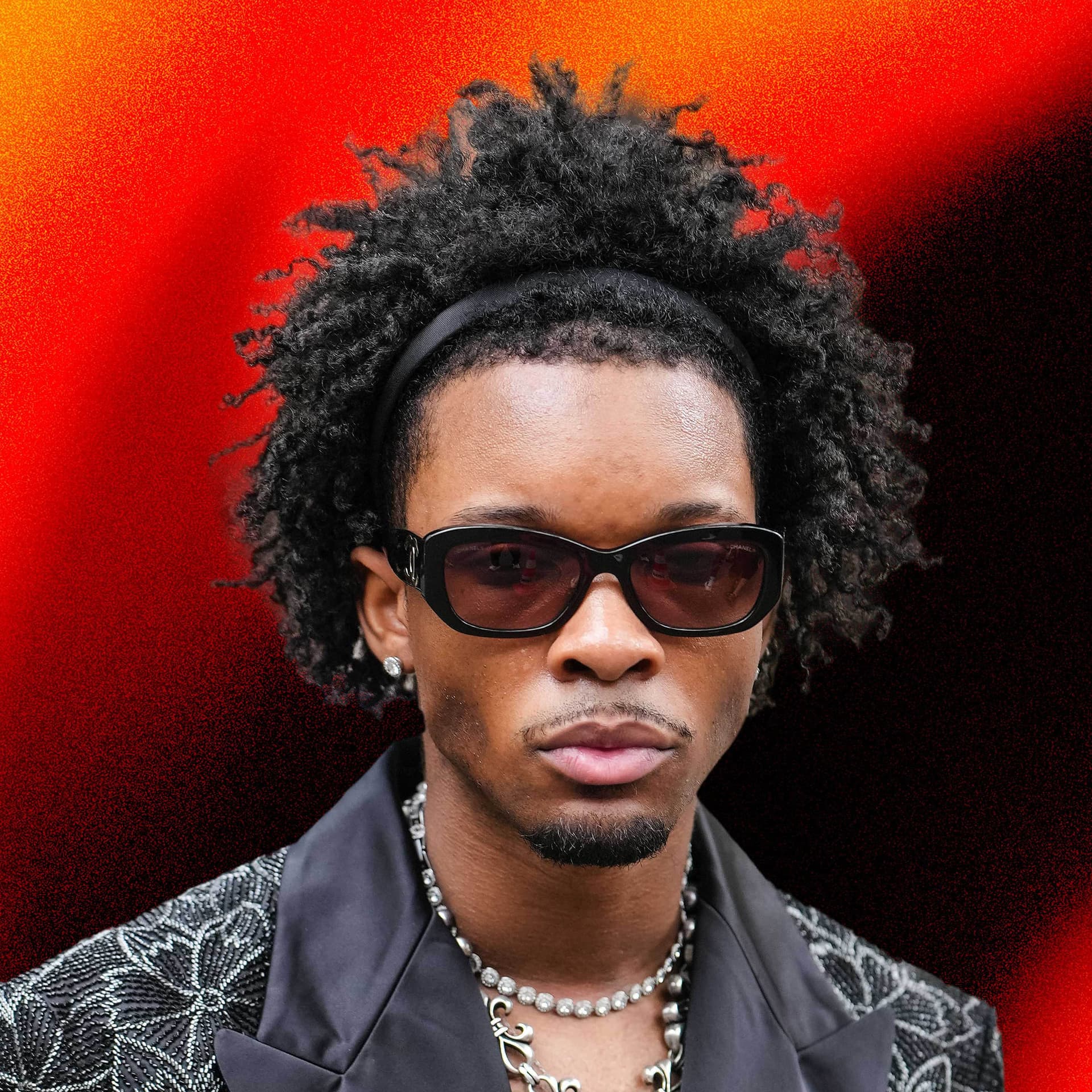
In short
The episode is a legal wrap-up of the preliminary hearing in the South Carolina case against David Burke (real name), accused of murdering Celeste Rivas Hernandez. David pleaded not guilty on all charges; his attorneys say evidence will show he didn’t murder her or cause her death.
Guests
Sean Kent, a resident trial attorney in South Carolina (replacing court reporter Sam Mulek). Key claims discussed: repeated welfare-check concerns for vulnerable adults; whether parents/schools/abortion clinics are mandatory reporters (HIPAA limits, but clinics may have duties when minors are involved); discovery rules prevent “surprise” evidence like a murder weapon appearing mid-trial; prosecutors’ language about the Tesla being “linked” rather than definitively owned/used by David.
Notable examples
alleged fake IDs at the abortion clinic; alleged Discord contact when Celeste was 11; defense theories targeting murder special circumstances (e.g., “laying in wait,” financial gain, possible self-defense) and the “continuous sexual abuse of a minor under 14” standard (three acts over three months).
Written by AI. May contain mistakes. Listen to the episode to check what was said.
Chapters
Tap a time to open that second in VOOverview of the D4vd Case
0:59 to 1:44
Discussion of the preliminary hearing and David's not guilty plea.
“And I'm just happy that I was able to get back on the team.”
Concerns About Welfare Checks
1:44 to 2:52
Analysis of the implications of welfare checks and responsibilities of law enforcement.
“Yeah, if everyone's sending messages going, where's Sean?”
Parental Responsibilities and Reporting Laws
2:52 to 4:08
Discussion on parental duties regarding child safety and mandatory reporting laws.
“And that could be against what the family, against the state?”
Legal Implications of Abortion for Minors
4:08 to 6:01
Examination of legal requirements surrounding minors seeking abortions.
“So if somebody reports, let's say for argument's sake, the following happens.”
Trial Procedures and New Evidence
6:01 to 8:01
Exploration of trial procedures regarding the introduction of new evidence and discovery rules.
“again, I don't know the facts of this scenario.”
The Concept of Mistake of Age in Law
8:01 to 11:14
Clarification of how the mistake of age defense works in sexual abuse cases.
“And the defense attorneys are not required to tell everybody everything.”
Understanding Age in Legal Context
14:00 to 15:44
Learn how reasonable person standards apply to age assessments in legal cases.
“Would a reasonable person believe that Celeste was under or over a specific age?”
Developmental Stages and Legal Implications
15:44 to 17:48
Explore how developmental stages influence legal definitions and protections for minors.
“And I'm going to give you the background and the real reason.”
Defense Strategies in a Murder Case
17:48 to 20:34
Examine possible defense strategies and arguments in the context of a murder trial.
“continuous because they don't have to prove specific sexual acts tied to specific dates.”
The Role of Testimony in Self-Defense Claims
20:34 to 22:45
Understand why the accused may need to testify in self-defense cases.
“being very angry that he might've been in a relationship with somebody else.”
Show all 11 chapters
Trial Timeline and Legal Expectations
22:45 to 24:48
Get insights into trial timelines and the legal expectations surrounding them.
“Whether you like it or not, David's on trial for his life.”
Transcript
Automatic transcript. May contain errors.0:00This BBC podcast is supported by ads outside the UK. Pop quiz. What's in your kid's lunchbox? At Whole Foods Market, they've already done the studying. Over 300 food ingredients are banned from their shelves. No hydronated fats in the peanut butter and no high fructose corn syrup in the cookies. And for sandwiches, there are no synthetic nitrates or nitrites in any of their deli meat. So you can pack lunchboxes with peace of mind. Get back to school ready at Whole Foods Market.
0:59Shaun Kent:warning the details of this case are graphic and some listeners may find them upsetting now david has entered a not guilty plea on all charges and his attorneys have previously told us that quote the actual evidence in this case will show that david burke that's his real name did not murder celeste rivas hernandez and he was not the cause of her death we will vigorously defend david's innocence now joining me today is not our wonderful los angeles court reporter sam mulek but But somebody called Sean Kent. Hi, Sean. Welcome to the program. I just feel replaced. I'm hurt. I'm going through withdrawal.
1:34And I'm just happy that I was able to get back on the team. Sean broke up with us.
1:37Shaun Kent:He said he never wanted to see us again. And then he disappeared and we couldn't get hold of him. It's good to be back. Yeah, if everyone's sending messages going, where's Sean? Here he is. I'm here! I'm here! In a very big court case in South Carolina. But we knew we had to get you on to go through this, Sean. And we've been doing this pretty much since it was released that David was a, quote, target of the grand jury. Now we know this is officially going to make its way to trial. There are a few things that we want to go over. That welfare check, that's coming up over and over again. Well, that bothers me the most because these are vulnerable adults.
2:11We count on law enforcement. We count on officers. We count on the system protecting children, adults and animals. And so when you literally have a welfare check going to somebody's house and saying, we have information that you might have been engaged in a relationship with somebody who's under a specific age and it doesn't go further, that's a problem. And that's something that could lead to a potential civil lawsuit down the road. I know that doesn't seem important now, and it probably doesn't seem important to the family now, but there will be down the road somebody who makes a comment, had you done your job, we wouldn't be in this situation.
2:45Had you stopped, this presupposes David's guilt. And I'm not saying that right now because he's still innocent until proven guilty. I'm saying if down the road, if, if, if, if, if down the road, there is a conviction and David is convicted and more information comes out, I can see a situation where someone says, had law enforcement done their job, had the welfare check worked, had he been stopped at this point in time, we wouldn't have gone here. And so you could see a lawsuit.
3:12Shaun Kent:And that could be against what the family, against the state? That could be against the state. Exactly. The state who did the welfare checks and they didn't do their job. They have checks and balances they're supposed to do. They didn't do their job properly. They can bring a lawsuit. Now, is it going to be multimillion dollars? Probably not because those lawsuits are limited and the amount of money you can sue a state. But it's something. That's interesting. If say if you were a parent, either David's parents or Celeste's parents, and you had an inkling that something was going on, that something untoward was happening.
3:40Shaun Kent:Do you have like a legal duty to investigate that? Investigate is a strong word because believe it or not, parents are not what are called mandatory reporters. But a parent, you have a duty to your child. And that's what I talked about. You have an unlawful conduct towards your child's standard. And what happens in the law is if law enforcement comes in and says, you are putting your child in a dangerous situation. And that's why we have those welfare checks. That's the exact point of it. So if somebody reports, let's say for argument's sake, the following happens. A child goes to school. They have marks on their body.
4:15They look very thin. They are dirty. They are not eating. Well, the school is a mandatory reporter. The school has a duty to contact welfare, DSS, whoever's agency is in that state and say there's something wrong with this child. The agency has a duty to then go to the parent and check. And when they check the parent, if they've done something wrong, then they can bring a lawsuit. And they don't necessarily say you have a duty to tell us you're doing something wrong. You have a duty not to hurt your dang child.
4:43Shaun Kent:Okay, well, let's keep talking about mandatory reporters because what came out during those text messages was the allegation that Celeste was pregnant and had an abortion and that she perhaps felt forced to do so. That's the allegation from the prosecution. And a big question there is how on earth does a 14-year-old, 13, 14-year-old, have an abortion without parental consent? Is it incumbent upon the abortion clinic to then mandatory report to the police? What are the rules in California? The rules are going to be the same almost everywhere. First, you have to start with the assumption that there are HIPAA privacy laws that we've talked about.
5:13HIPAA laws protect the fact that these clinics, that these places cannot just go and give your information. If you're 18, 19, 20, they cannot give adult information. And this goes with any medical provider. The difference is when we're dealing with children, when you're dealing with someone under a specific age, if the clinic, if the association knows there's something happening with the child, they have a duty. the same way that I talked about with the school. They are a mandatory reporter under statute that they must go to their agencies, DSS, law enforcement, and say, look, there is a 13-year-old child in here having an abortion.
5:51By definition, that's statutory rape. That is a crime. We are reporting a crime that has happened. We cannot avoid it. We're going to do it. I don't know, again, I don't know the facts of this scenario. I do not know what happened. I don't know if she had parental consent. I don't know if she went in there with a fake ID. I do not know. I'm just telling you generically, it is very strange to assume that a 13-year-old can go into a clinic without giving proper ID in the clinic, not trigger and have to report them to somebody. That's why.
6:21Shaun Kent:Right. So it comes down into what documentation she might have shown when she was in there. We did have mentions of fake IDs throughout the preliminary hearing, although the defense did jump in and say that that evidence hadn't been actually entered in yet. So I'm sure So we'll hear more about that as we move towards trial. I've got a really good question here from Gloria. She says, I've been wondering what happens in a trial. Let's say the prosecution discover new information the day before they go into court, but said information was not mentioned during the preliminary hearing. Assuming this new info is not known to the defense because of such short notice, is it still admissible to court?
6:51Shaun Kent:And she's put in brackets, I was thinking of a miraculous discovery of a murder weapon mid trial. I'm going to say it. Don't you give me a hard time. Should we do it together? There it comes. That is a great question. That is a great question for so many reasons. Everyone out there in cartoon land, ignore all the stuff you see on TV that at the last moment they said, we found it, your honor. We found the murder weapon 30 seconds before the witness gets off the stand. Stop. Let me say it louder. Stop. It doesn't happen that way. And it would be inadmissible. There are rules and they're called discovery.
7:32Discovery requires the state to turn over all of the evidence in their possession within a specific period of time before the trial occurs. Why? Because this is not Perry Mason. This is not movies. We do not want surprises and the court doesn't want surprises. They don't want them either way. The state is not required to tell the world all of their evidence. So even though we are watching it, they don't have to put it all out there. Now, they are required to give all of that to the defense attorneys. And the defense attorneys are not required to tell everybody everything. My gut reaction is you did not see the entire trial.
8:08You did not see the entire caboclade, Anushka, of evidence. You did not see all of it at once. What you did is you saw enough that they thought was necessary, one, to get past probable cause, and I think they could have done that in 37 minutes, but two, enough to influence a jury is what I think they were really trying to do to show we have a strong case. But yes, if the murder weapon showed up during trial, the defense would ask for a continuance. They would get it. The prosecution would ask for a continuance. They would get it because there's so much testing, so much other stuff that has to go on.
8:43If they even have a hint of where the murder weapon is, I promise you the defense knows, the prosecution knows, but no, stop watching movies. No, no, no, no, no. It does not happen. But I do love that question.
8:54Shaun Kent:Got another great question here from Anthea on Instagram. Hi, Anthea. Why do we keep saying the Tesla is linked to David rather than saying it belonged to him or he owned it? So we've been really careful with the language that we use around this story with the Tesla being linked rather than this was absolutely David's car because we don't know what the defense are going to say. And if they're going to introduce the idea that, yeah, it was in his name, but 55 people drove it. Yeah, it was an artist car. Yeah, it was also driven by his security guard, etc. So we are waiting to see what they're going to say about that.
9:26Shaun Kent:We can say that the car was registered to him and also that the prosecution claim that they have CCTV footage that prove he was the last person to drive it. Remember, they said that he drove it to Ross's, that he drove it to Santa Barbara, and they have all of this on camera. But the use of the word linked is because we just do not know what the defense are going to come out and say. And so for us to say it was absolutely 100 percent David's car is us making a determination on on the evidence, on the facts of who had access to that vehicle. Sean, do you want to add anything to that? There are defense lawyers everywhere in America just clapping on that because that is the perfect way to say it linked to.
10:01And the court of public opinion has 100 percent convicted David. Let's be honest. We've looked at social media. We've seen what it is. And the court of public opinion has said he killed her. Maybe he did. OK, I'm not saying he did. I'm not saying he didn't. But you cannot make that gigantic jump in the court of law with all of the breadcrumbs of evidence, because one of the major things is we do not know whether you say it or not. You do not know at this point in time from what we've all watched. How she died. And don't come at me and say, well, the medical examiner, when I say how she died, who put the final wound inside of her?
10:43What happened inside of that residence? Is the defense going to be self-defense? And so when we use phrase like link, the law does not allow us to guess. The law does not allow us to assume. And so what happens a lot that we watch in social media is people put the breadcrumb together and they say, it was his car. He put her in the trunk. He must have put her in the trunk because he was the only one. If you catch yourself using phrases such as he must have, we believe, I think, that's not evidence. A lot of times I just get in trial. what I do to officers when I get them on the stand, and I think they're doing what people do, is I'll say the following.
11:20Officer, without using phrases such as, it must have, we believe, I assume, what evidence do you have that blank did this? And they just pause. And they're like, well, and that's the question you need to watch as a listener. If you're saying, it must have, I believe, we assume, then you don't have evidence. The evidence is, we have a witness who saw this. The DNA says this. The video camera saw this. So I love the fact that the BBC is using the phrase link to.
11:48Shaun Kent:Gold star from Marcus. Gold star from Marcus. I wonder if anyone gets these references. No, no. Do you not think? No, no. Okay. You need to get into the Eddie Murphy filmography and catch up. So for anyone who was with us through Diddy, everybody was quite surprised that he was not convicted on all three charges. He was only convicted of transportation for prostitution because the court of public opinion had decided that he was, well, they kind of decided that he was the devil and a witch and also a necrophiliac and all manner of other things. But another question that I've been thinking about a lot, and I've seen it come up online, is the fact that the defense have started to put forward the idea that Celeste misrepresented her age, that she said she was 16 and sometimes 18 to David.
12:30Shaun Kent:And then we have this crime of the continuous sexual abuse of a minor under 14 years old allegation from the prosecution. If there's a world in which they were engaged in a sexual relationship, but David believed she was of age, does that mean he can still get convicted of that? So it's something that people don't really understand. And it's interesting. Generally, I'm going to talk very generally. In the United States of America, mistake of age is not a defense. And the reason that it is, is you do not want to have an individual coming in there and saying the sentence that we all hear. I thought she was blank years old.
13:04I believed she was blank years old. Now there's the case, it's called People vs. Hernandez. And it says every now and then you can use mistake of age as a defense. But what it is, is it takes what's called a reasonable person standard. A reasonable person in that shoes, in that position, would they actually believe that the person was under a specific age? And then it talks about some of the stuff in this situation. Did they give a fake ID? Would a reasonable person believe it? Did they give text message saying they are a specific age? Sound familiar? Did they tell this person? Did they hold themselves out to be of a specific age?
13:40There's an exception in people versus Hernandez. They say all of this, but nine times out of 10, they say, yeah, none of this matters if the person's under 14. You know what I'm saying? So they say they do all this reasonable standard, but there's at some point in time, they do employ a common sense test. They're like, the person is 14. Okay. The person is 13. That, I think, is going to be a challenge. Would a reasonable person believe that Celeste was under or over a specific age? And let's not put on our, we hear the age and we're making an assumption. We have to do a critical look at the evidence from David's standpoint as a reasonable person.
14:19Would there be anything in David's standpoint that would trigger that she was under the age of first 18, then 16, and then 14? And I know you said, why would you take those age classifications? Because that's what the court is going to do. Would a reasonable person in this position believe she was over 18? Most people would say no. But what if she said she was? And then you ask questions such like this. Well, didn't you go to her school to pick her up? Wouldn't a reasonable person know not to go to her school? The text messages. You have to go through all of that standard and try to figure out.
14:50But generally, mistake of age is not a defense. A client cannot come in and say, I thought she was this age. Courts most likely will say, no. And in South Carolina, we can't even utilize that unless you have very, very, very, very specific reasons to believe why. Like you met her in an adult chat room that says you must be over the age of 18 to get in. That's something where an adult only would think those situations.
15:18Shaun Kent:And of course, the prosecution alleged that they met on Discord when she was 11. They also alleged that he paid her classmates to give her a phone after her phone was confiscated by her parents. So there are lots of different avenues that they could take to try and show that he was aware of her age. And I should keep reiterating, we're in the world of what ifs and possibilities here and theories that we have about what the defense and what the prosecution might say at trial. But we just don't know. Can we just go over why there is that sort of line in the sand there for the age of 14 years old?
15:48Shaun Kent:Why is that specified in law? And I'm going to give you the background and the real reason. I mean, and they're both about the same. The background, of course, when you talk about children in general, the rules are not complicated. They have not developed abilities. They have not developed their frontal cortex to make decisions as we would assume normal adults would. We talk about the rules of seven that people develop in ages of seven. Somebody from zero to seven develops in a very specific way. Seven to 14 develops in a very specific way. 14 to 21 develops in a very specific way. And a lot of our rules are based on those developmental patterns.
16:25And Anushka, a lot of times the criminal penalties are higher depending on what range you fall into. And so that's a lot of times when people say, well, why is the criminal penalty between somebody zero to seven higher than between seven to 14? Well, one, yes, ew, it sounds nasty, But more importantly, what it is, is that developmental age, that they're more susceptible at certain ages. And so we're in that 7 to 14 age range that we're saying that Celeste is in. The courts have universally said at this age, they are more susceptible, they're easily influenced, and they are not allowed to make their decisions.
17:01And you also have to be careful. Once you get to that 13 to 14, you're able to leave easier, able to go by yourself easier. That's usually the age range where parents trust you to be able to go do things. Those are the age range where people are starting to get their cell phones. And so that 7 to 14 range, it's easier. I'm going to say this, and I am not accusing David, and I'm not talking specifically about Celeste. But at that 7 to 14, that's when our pedophiles have an easier access to get to those individuals. So those are the ones we protect. When we get a little older, that's where the penalties are a little bit different.
17:34And that's where the courts are just like, all right, would a reasonable person believe this 15, 16-year-old is 18, 19, 20. And that's where those laws change a little bit.
17:45Shaun Kent:But it's not just that she is under the age of 14, also the nature of the allegation being continuous because they don't have to prove specific sexual acts tied to specific dates. They just need to prove that sexual conduct occurred at least three times over three months. Is that correct? Three times over a three-month period of time. Yeah, we don't know a lot, but we have started to see a little bit some of the legal routes that the defense might be taking in their closing arguments? Not so much through their cross-examination, because they didn't do that much, but in the closing arguments, we started to see perhaps what they could argue at trial.
18:16Shaun Kent:Can you just walk us through that, Sean? I think we saw a very strong glimpse at what the defense is and what they're going to do, it appears, is to be not necessarily going on the offensive, but to be attacking little elements of what the prosecution is trying to do. They have charged David, first, let's start with murder. Murder in California carries 25 years. Now, if it's done with a weapon or something of this nature, it increases by one year. I think it turns into 26 years. And more importantly, if they have special circumstances, that's when he starts looking at a life sentence. And so it appears as though the first thing that the defense appears to be doing is getting rid of those special circumstances.
18:55One of the first special circumstances when you talk to murder, murder is the intentional killing of another being with malice aforethought. The biggest issue with That is premeditation. In California, they're saying that one of their circumstances of aggravation is he laid in wait. Basically, he trapped her, tricked her, was waiting behind a bush for her to come in because this was a plan to kill her. You could see from the defense's questions and from the text messages that they brought in that they are making the suggestion that David was not planning for her to come over. He did not want her to come over.
19:25He told her many times not to come over, and she was pushing this. So one of the things is going to be, how in the world could I be laying in wait when she was the one, she was the aggressor of coming over to our residence? I'm not saying that's strong or not strong, but you can see that that's a part of the defense. Two, one of the situations is this was done for financial gain, that he was doing this to make sure that he didn't lose his career, that he was worried that she was going to come out and tell the world about him. When they went through the text messages, there's two things that are strong about this.
19:53One, she never threatened to out him to the law. I think one of the text messages said, I'm going to tell my daddy lies about you. So one of the things would be, he would not be worried about her destroying his career. Number two would be the fact that he would not be worried, this is a possible defense strategy, about the world finding out, because as far as he's concerned, the world already knew about the relationship. And then the last, you can see a defense that they're trying to say one of two things. Did she stab herself? I think that's unrealistic. realistic, but they offered text messages potentially of this child's violence, possibly being bipolar, threatening David's life in the past, wanting to come to the residence, being very angry that he might've been in a relationship with somebody else.
20:40There might've been a series of disagreements or fight before them in the past. He could get on the stand and say, she came over. She got very angry. She was very jealous. She came at me, a fight incurred. I didn't want to kill her. This is what ended up happening. Yes, I ordered chainsaws and all of this other stuff, but it wasn't offered before she was dead. I ordered this stuff afterwards and I panicked because I knew it was going to end my career and I did a bunch of stupid stuff. So he could admit to a lot of it and say that this would happen because there's only two people inside of the house.
21:12But that means he would have to testify.
Read the full transcript
21:14Shaun Kent:Oh, he would have to testify to do that? They couldn't present that theory without him? Because to prove self-defense, every state's a little bit different. But I will tell you, if he's going to offer that theory, he 1000 % would have to testify. Because in self-defense, one of the crucial elements is a reasonable person, meaning you, David, was in reasonable fear of your life and you reacted the way you had to. So he would have to explain to a jury why this small child, I think at all, Tachi, was 78 pounds. Give her best case scenario, 90 pounds. But David is also a small person. But why were you so fearful of her you felt it was necessary to kill?
21:50You must testify to get the fear element in or a judge will not give you that charge. So you were in a place that you had a lawful right to be. You did nothing to bring on the difficulty is the second thing. And you were in reasonable fear of your life when you did this situation. And so those are things he would have to testify, not as lawyers. He would have to get on stand. And two, we always find that when you're making these type of strong allegations, the client is the one who has to look directly in the jury and say, I did it, but this is why.
22:21Shaun Kent:And then, of course, the text messages that they bring in on the final day that she was already angry about his relationship with another person called Asia. Yep, I see where you're going with that. There was commentary within the courtroom that they were dirting up the witness and that was something that they shouldn't be doing. It was kind of immoral, but I think you're going to tell me as a criminal defense. Yeah, here we go. I hate when people say that. I hate that they're like, oh, they're dirting up the witness. David is on trial for his life. Whether you like it or not, David's on trial for his life.
22:48Shaun Kent:Well, we know we have that arraignment on the 31st of August. Could he still, could he decide to plea there? Yes. But he won't be given a plea deal. He will not. Like, here's the thing. You can never stop anybody from saying, I want to plea straight up. I don't want a recommendation. I want to plea guilty. I want to be done with this. Absolutely, you can. So yes, a plea is still in the realm of possibility. Do I believe it's going to happen? No, not because David would not be looking for a deal, but I do not believe the state would offer. Yeah, I mean, considering there's still sort of the question of the death penalty is yet to be answered.
23:24Shaun Kent:Nathan Hockman didn't press it, saying we haven't decided yet, still on the table. What do you think? A trial within 90 days of August 31st, a speedy trial? Would I be shocked? Yes. Could it happen? because here's the thing from the state's position. I mean, that is a quick trial. It really is. 90 days is quick from arraignment. But from the state's position, you know what they're thinking? You just saw our case. We're ready to go. We could go tomorrow. The defense will be the ones who are saying, Judge, we need more time. This prelim took a long time. We have experts we need to consult. We need to go through the evidence.
23:55I think they will ask for at least one content.
23:57Shaun Kent:Well, given the fact that during the preliminary hearing, the defense were photographing bits of evidence they said they didn't have access to, maybe that's an indication that this is going to take a little small little small indication yeah yeah and terabytes and terabytes of information which was more than we had for the diddy trial yeah i think that's a fair prediction to make i mean this is an awful case and i don't want anyone to think i'm making light of it it is beyond sad i don't know what david did what he didn't do but a child lost their life and it's so disturbing and so i don't want anyone to think we're making light of what has happened because it is it is a it is a sad case but we still have to look at it in a practical legal aspect on what's going on.
24:35Shaun Kent:And just a reminder, David has entered a not guilty plea on all charges and his attorneys have previously said that the actual evidence will prove that he did not murder Celeste Revis Hernandez, nor was he the cause of her death. Sean, thank you so much for joining us. Thank you for having me. I appreciate you guys. That was our resident trial attorney, Sean Kent, joining us once again from South Carolina. And that's it for this episode of Fame Under Fire from BBC Sounds with me, Anushka Matanda-Doughty. Now, in a couple of weeks, we're headed to Las Vegas to cover the Tupac murder trial. Yep, 30 years later, who killed Tupac?
25:06Shaun Kent:So we'll be dropping an All You Need To Know episode, so make sure you are subscribed and ready to listen to that. And as always, if you've got any questions, send them to me on social media. It's Anushka underscore MD on Instagram and TikTok. Christmas 1988. A plane takes off from Heathrow Airport. 38 minutes later, everyone on board is dead. A Libyan man, Abdul Bassett al-Megrahi, is convicted of murdering 270 people. But that's not the end of the story. Almost four decades on, fresh evidence and a new trial. I'm Miles Bonner. In this podcast, I'm delving into a world of extremist groups, mysterious intelligence agents and global politics.
25:54From Radio 4, this is Intrigue, Lockerbie. Listen first on BBC Sounds.
From the publisher
Fame Under Fire’s resident trial attorney Shaun Kent talks to Anoushka Mutanda-Dougherty about the legal questions raised by the D4vd preliminary hearing. Includes some disturbing content that some listeners and viewers may find distressing. Shaun and Anoushka examine possible strategies the defence could use at trial and whether D4vd could enter a plea. The singer, whose real name is David Anthony Burke, is charged with murder, unlawful dismemberment and continuous sexual abuse of 14-year-old Celeste Rivas Hernandez, whose body was found decomposing in the front trunk of a Tesla linked to him. David has pleaded not guilty and denies all charges. If you’ve been affected by anything in this episode and you’re in the UK, details of organisations that can provide help and support are available at bbc.co.uk/actionline. Host: Anoushka Mutanda-Dougherty Series Producer: Louise Clarke Senior Impact Producer: Melanie Stewart Smith Digital Journalist: Leona Gasper Researcher: Helena Warwick-Cross Production coordinator: Phoebe Lomas Technical Producer: Cameron Ward Editor: Clare Fordham Commissioning Producer: Adam Eland Assistant Commissioner: Chris Walsh-Heron Commissioning Editor: Rhian Roberts