In short
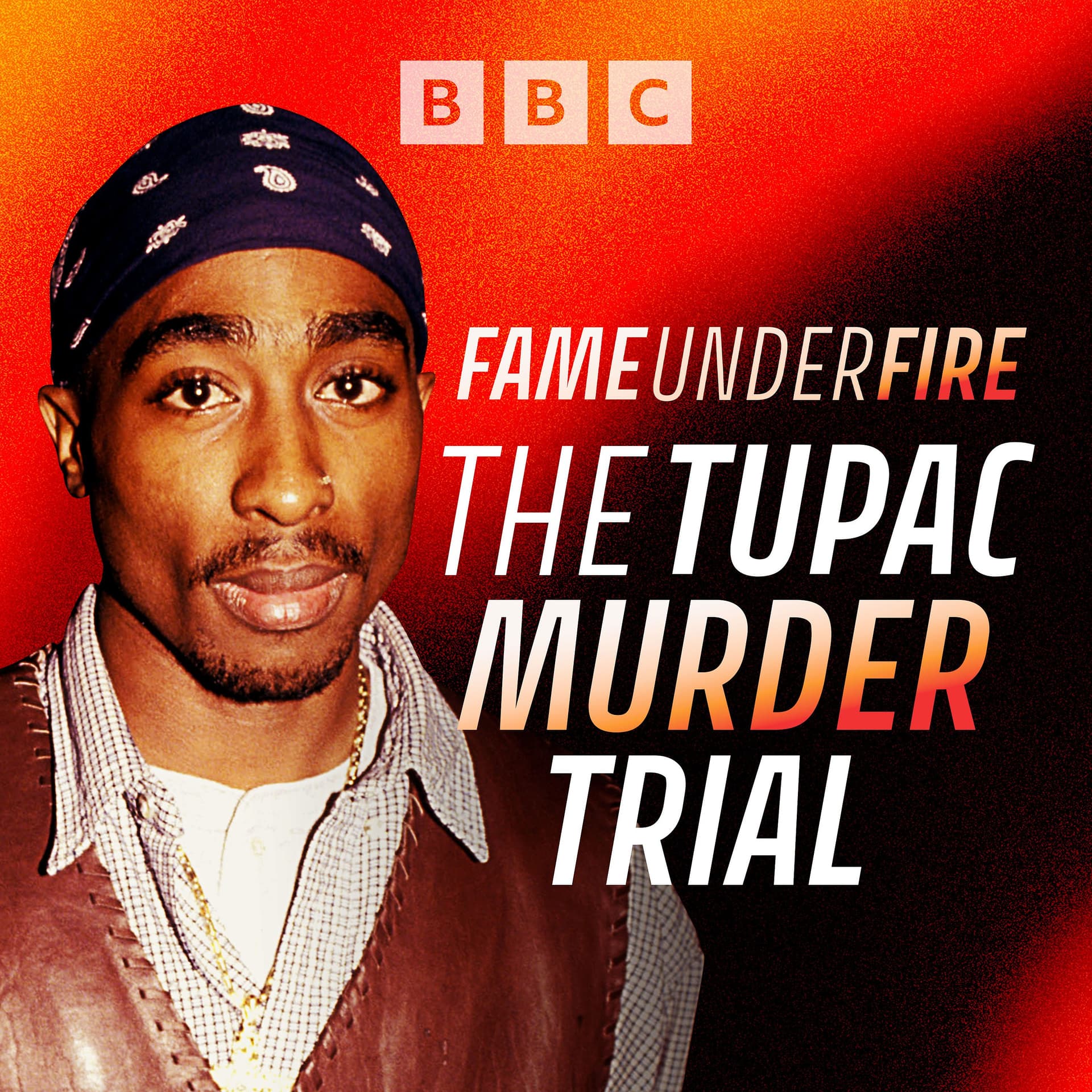
A BBC podcast episode revisiting the “Diddyverse” amid a leaked sex-tape controversy and Diddy’s ongoing appeal to overturn his sentence. It focuses on whether leaked intimate videos change the legal picture, and explains “acquitted conduct” used at sentencing.
Guests
Sean Kent, a resident trial attorney (South Carolina).
Guest background
Trial attorney specializing in criminal procedure and appeals; explains evidence retention and sentencing standards.
Key claims
The tape’s origin is unknown; a woman in the video (Daphne Joy) says she self-identified and describes “inner turmoil” and “abuse” in her Instagram statement. Kent argues revenge-porn-style criminal liability likely requires proof of intent to harm, and third-party sensational leaks may be more civil than criminal. He says federal judges can consider acquitted conduct when sentencing, potentially undermining the jury’s “not guilty” findings.
Notable examples
Diddy’s conviction for transportation for prostitution; acquittals on RICO and sex trafficking. Judge Arun Subramaniam’s sentencing remarks referencing Cassie Ventura and Jane testimony, including the Cassie hotel hallway footage; discussion of the Mann Act and the First Amendment “art”/recording defense.
Written by AI. May contain mistakes. Listen to the episode to check what was said.
Chapters
Tap a time to open that second in VODiddyverse and Legal Expert Introduction
0:30 to 1:25
Introduction to the topic of Diddy's appeal and the resident trial attorney Sean Kent.
“Listen now wherever you get your BBC podcasts.”
Discussion on the Alleged Sex Tape
1:25 to 2:26
Exploration of the implications of the leaked sex tape featuring Diddy.
“Yeah, that's why you're wearing a three-piece suit.”
Handling Evidence in Legal Cases
2:26 to 4:12
Explanation of what happens to evidence after a trial, including appeals.
“Do they live forever, or is it like a delete after 30 days situation?”
Legal Implications of Non-Consensual Releases
4:12 to 5:36
Discussion on the legal ramifications of leaking intimate videos without consent.
“Is it like you've got 10 years or is it that there is no limit?”
Daphne Joy's Statement and Victim Perspectives
5:36 to 8:05
Exploration of Daphne Joy's statement about the leaked tape and its implications.
“If you have intimate videos leaked of you, the people in the video who did not consent to it coming out are being personally victimized.”
Diddy's Appeal and Acquitted Conduct
8:05 to 11:47
Detailed examination of the arguments in Diddy's appeal regarding acquitted conduct.
“She says, quote, it took me all day to find the courage to rewatch my abuse.”
The Mann Act and Its Historical Context
11:47 to 13:20
Discussion on the Mann Act and its controversial history related to Diddy's case.
“The Mann Act, I'm not going to go all into the history of it.”
Judge's Remarks at Sentencing
13:20 to 14:03
Overview of the judge's comments during Diddy's sentencing and their implications.
“So go back and listen if you want more detail on that.”
Judge's Sentencing Remarks and Their Implications
14:03 to 15:25
Explore the judge's comments during sentencing and their impact on the appeal.
“And Sean, I just want to read you these specific sections of what Judge Arun Subramaniam said at sentencing.”
Acquitted Conduct: Federal vs. State Systems
15:26 to 17:26
Learn about the differences in how acquitted conduct is treated in federal and state systems.
“And that's what they're having a problem with.”
Show all 13 chapters
Diddy's Case: Charges and Sentencing Outcomes
17:27 to 19:45
Discuss the specifics of Diddy's charges and the implications of the sentencing outcome.
“is not unwanted sentence disparity, to make sure everybody is treated same, to make sure this won't happen again.”
The Nature of Consent in Diddy's Defense
19:46 to 22:24
Analyze the defense's argument regarding consent in the context of the case.
“The transportation for prostitution charge, which he's been convicted of, is not a victimless crime.”
The Far-Reaching Implications of the Appeal
22:25 to 23:08
Understand the broader implications of the appeal beyond Diddy's case.
“Which one do you think is a stronger argument for the appeal?”
Transcript
Automatic transcript. May contain errors.0:00This BBC podcast is supported by ads outside the UK.
0:30Listen now wherever you get your BBC podcasts.
1:00Shaun Kent:the woman in the video did self-identify when she posted a statement about it on her Instagram, talking about how difficult it is to watch it back as she remembers, quote, the inner turmoil and pressures she says she felt in those moments. Now, all of this is going down in the midst of Diddy's current appeal to get out of jail ASAP. We're going to go through all this as I guess we're stepping back into the Diddyverse. And if we're in the Diddyverse, it's only right that we have our resident trial attorney, Sean Kent. Hi, Sean. Hey, Anushka. How are you guys doing? I'm good. How are you? I'm doing good, just hot.
1:30It's June in South Carolina. What would you expect otherwise?
1:33Shaun Kent:Yeah, that's why you're wearing a three-piece suit. Yeah, I mean, do you own shorts? No. Do you own things of that nature, Sean? Shorts? Funny girl. Now, this sex tape, okay, so we have an alleged sex tape that's been released online. No one knows where it's come from. The man in it, the male adult performer, has self-identified as being Cabral Williams, who goes by the name Sly Diggler. If you followed us along on the trial coverage, you might remember his name came up during the trial as one of the male performers Diddy would use in Freecoffs. Sean, like I said, right now, nobody knows where the tape has come from or who leaked it, but it got me thinking about the amount of sensitive material that exists in the world of Diddy, of some of the women that testified at trial and of these adult male performers that was used as official evidence in that federal trial.
2:25Shaun Kent:Where do those freak-off tapes go after the jury have sat down and watched them? Do they live forever, or is it like a delete after 30 days situation? You almost caught me saying that is a great question, but I didn't do it. So what ends up happening, it really depends. If there is a conviction or there is an acquittal. If there is an acquittal, someone is found not guilty, what they do with all of the evidence, all of the information is they give it back to the parties. If there's stuff that the prosecution put in, they just put it back on the prosecution table and say, do whatever you want. If it's given to the defense, they give it back to the defense, and the defense does it what it wants.
3:02Now, the defense is required under most state rules because they have a file on their client to keep all the evidence within like a seven-year period in case the client wants to complain or have an issue or something of that nature. So you have to keep your full file for a certain period of time for the client no matter what happens. If there is a conviction, then all of the evidence is usually kept in the clerk's office. The clerk of the court from where there was the conviction is required to keep all of the evidence for a certain period of time. And then if it goes up to an appeal or something of this nature, it really depends, but it is required, all of this information is required to be kept.
3:41Why is it required to be kept? For two reasons. One, he's still going through an appeal. He is still incarcerated. And so, for example, what could end up happening is the appellate court can come back and say, you know what? We remand. We think Diddy's arguments were correct. We want you to have a new trial. I'm not saying that's going to happen, but that's a possibility. And then all that evidence is allowed to be brought back and utilized in case they want it for a new trial. And so you want to make sure that stuff's not destroyed because if it's destroyed and doesn't exist, it can't be used again.
4:12Shaun Kent:So how long can you appeal for? Is it like you've got 10 years or is it that there is no limit? No, there is 100 percent a limit. Now, usually what ends up happening in most situations is you have to give notice of an intent to appeal within a short time period after your conviction. In state court, usually what the judge will tell you is you have 10 days in which you have to tell this court that you want to appeal. So you have a short period of time. What will happen at a lot of the end of trials in Nushka is the judge will say, Mr. Blank, the conviction just happened. Do you want to file post-trial motions?
4:48Amongst those post-trial motions is a right to appeal. So what a lot of lawyers will say, judge, can we have 20 or 30 days so we can file our post-trial motions? The court will say yes. But in that motion, you must say, we disagree. We want to appeal. If you don't file it within that time period, you don't get one. After you file it, the appeal process could take a while, but you cannot file appeals ad nauseum forever.
5:14Shaun Kent:So Diddy was convicted of the transportation for prostitution and acquitted on the two more serious charges, RICO and sex trafficking. But having an intimate video leaked, anybody in that video who did not consent to it coming out, a crime has been committed against them. So I'm saying a crime has been committed against Diddy, unless you're going to tell me that's not true. But over here, if you have, it would be called revenge porn. If you have intimate videos leaked of you, the people in the video who did not consent to it coming out are being personally victimized. Does that hold sway across the pond?
5:44We do have revenge porn statutes, but my criminal defense lawyer mind is going to one, did he leak the video? And did they leak the video in some type of punishment way? Because the revenge porn statute usually covers that if you're doing something vindictive to get somebody back. Now, if somebody just leaked it for a purient interest or somebody just leaked it because it's Diddy and it's sensational, I don't know if it would be covered under the revenge porn statute here. What I'm saying in this situation is do we actually have that knowledge that Diddy or somebody is leaking it out of revenge?
6:16Then there would be an issue because, as you said, we don't know who leaked the video. Yeah.
6:19Shaun Kent:So if someone just leaked the tape, a third party who wasn't involved in any way, shape or form, but did it because, yeah, like you say, it's sensational. There's no criminal comeback. Diddy can't pursue charges or Daphne or Cabral can't pursue charges. I think it'd be more civil. I do not think it would be a criminal unless you could show some type of intent to harm or intent to violate the law. And I think just leaking the video, think about it. If that was the situation, then TMZ and all these other agencies would have so many criminal charges against them. Leaking a video in and of itself would not satisfy criminal intent element, would be my belief.
6:55Shaun Kent:It's interesting though, because although that is in no way the total amount of Freecoff's tapes that were watched by the jury, it's really the first time that we've seen a little bit of the evidence that was put in front of them. We know that the jurors sat and watched with their headphones on and we weren't privy to what they were seeing during the trial. And we know that a couple of them reflected on it afterwards saying, you know, it was pretty tame what we were seeing in those videos compared to what we expected to see. So it's interesting to get that kind of other perspective almost a year later.
7:25Shaun Kent:And another thing that I've seen online is a lot of people saying underneath the leaking of this tape, this completely vindicates Diddy. And it shows that although we, the internet users might think that this is a little seedy, this isn't criminal. And the people were willing participants in the video. And therefore it shows that the federal government of the United States were overreaching when they charged him with all of these things because the sex tapes, the freak off tapes was so central to the sex trafficking argument, the Rico argument and the transportation for prostitution. I just want to remind everybody though, we have got a statement from Daphne Joy, who is self-identified as the woman in the video on her Instagram.
8:02Shaun Kent:And she goes some way in pushing back on that narrative. She says, quote, it took me all day to find the courage to rewatch my abuse. Having to watch this tape was triggering and painful because only I knew the inner turmoil and pressures I felt in those moments. I was not and was never in my right mind throughout the entirety of that relationship. Seeing myself so lost is excruciating. I just want to hold the girl in that room and get her out of there and tell her that wasn't love and she didn't need to do this for love. My heart is breaking as I type this. What she said there, that mirrors actually a lot of what the prosecution's argument was, doesn't it, Sean?
8:33Absolutely. It mirrors a lot of what their argument was and it tracks what she's saying. And it also tracks what you were just saying, that a lot of the jurors were watching those and said, we saw willful participants who are, and I'm not trying to digress, but have buyer's remorse or buyer's regret at this point in time. And you don't know if people are watching this video going, I've done way worse than this. I'm not going to commit because we don't want the federal government in the bedroom.
8:58Shaun Kent:We hear Daphne's perspective there in her statement, where she's entitled to have whatever that jury decided during the federal trial. But we do also have this appeal process that's going on alongside this and and her perspective becomes relevant in the appeal process along with cassies and mears and the other women who testified during the trial because one of the central arguments that diddy's team are making is that the judge ruled on acquitted conduct and i'm going to play a clip that was almost immediately after sentencing they came out this is mark igniflo lead counsel for diddy outside on the steps of the southern district of new york court There is a human being now in custody for 50 months.
9:36Look, did he was just sharing. Based upon conduct that a jury heard, the jury resolved, and the jury rejected. It is really a sad day for everybody. I don't feel that way. We are planning to appeal. We think we have strong bases to appeal. The strongest base is that the jury reached a verdict on coercion. It found there was not coercion. And I think the judge said coercion today as a basis for a sentence at least a dozen times. The jury's verdict was resoundingly clear. There was no sex trafficking. There was no racketeering. Everything was consensual. Everything was adult, which is why he was convicted only of the prostitution offense.
10:26What we feel happened today was that the judge acted as a 13th juror, one that we did not choose, and that he second guessed the jury's verdict.
10:36Shaun Kent:Sean, when we say ruling on acquitted conduct in the most basic form, what does that actually mean in layman's terms? Acquitted conduct is what the jury has found you not guilty of. And if we remember looking at the Diddy case, when that jury came back, they found him not guilty of the sex trafficking. And one of the sex trafficking elements was coercion. So the jury says you're not guilty of that. And so that is acquitted conduct. You were found not guilty of that. The concern in the federal system is that the court can look at that acquitted conduct and say, I believe it actually happened. It occurred.
11:11And so even though I cannot punish you for the stuff that the jury found you not guilty of, I'm going to give you a bigger sentence on the stuff that they found you guilty of, because I think that this is relevant conduct is the other phrase that they use. And so based upon that and based upon the Mann Act violations, I'm going to give you more time. And that's what Diddy's team was arguing. He got the largest sentence ever for a Mann Act violation. And they feel like he wasn't convicted because of the Mann Act. He was convicted because of the stuff that he was acquitted of. And that should not be fair.
11:43And that was their central argument to the appellate court.
11:46Shaun Kent:Can you just explain what that is? The Mann Act, I'm not going to go all into the history of it. The Mann Act is an act from like 1910 in the United States. We call it a Mann Act because of the senator who actually passed it. But the long and short of it is it makes it illegal to transport individuals across state lines for the purpose of illicit acts. Not just prostitution, but for illicit acts, but specifically transporting someone across state lines for prostitution. Wasn't it actually born of trying to stop Caucasian girls who were getting transported over? It 100 % was created. If you go back, there's a famous boxer in the United States.
12:24He was a African-American male who was engaged in a consensual relationship with a Caucasian female. They were trying to figure out a way to stop because they had problems with interracial marriage and dating. He ended up marrying the young lady, but they passed the Mann Act. The original concept of the Mann Act was to stop anybody for transporting a woman across state lines for any immoral purpose. And so that's how it started. And they utilize the line immoral because they could come up with anything they could think of to get someone convicted. It has since evolved into what we have now. And that's why I said now it's specifically for transporting a woman or a person across state lines to engage in prostitution.
13:03Shaun Kent:Yeah, if you want to understand that more, we did a whole episode on this and why Diddy's team was saying it was ultimately racist that he was accused of this. Literally, I think it was called, I think it was originally named the White Slavery Act of 1910, if I'm not mistaken, something like that. So it had a racial connotation when it started. Yeah, well, we did a whole episode on that. So go back and listen if you want more detail on that. And I'm going to play a little bit of our show from the day of sentencing and what the judge said. This is our New York correspondent, Neda, telling me what went down in court that day.
13:33Shaun Kent:What the judge said was that one side wasn't taking into account the mitigating factors here, his drug abuse, his past trauma, and the effect he's had on the community and the black community as an icon, while the other side wasn't taking into account the aggravating factors, just how much he abused these women and the overwhelming evidence of abuse against these women, saying it wasn't some kind of mutual toxic relationship, it wasn't a modern day love story, that this was pure and simple, him using his power and control to force these women into what has been lifelong trauma. And Sean, I just want to read you these specific sections of what Judge Arun Subramaniam said at sentencing.
14:14Shaun Kent:He says, quote, we read about it in text messages and emails. We saw it in the images of gashes, bruises, broken doors. And we saw the video of your savage beating of Miss Ventura. He also said this was subjugation and it drove both Miss Ventura and Jane to thoughts of ending their lives. This is the reality of what happened. And I want to pick up on this because he's directly there referring to the footage of Cassie in the hotel hallway. And that was so specific to the sex trafficking charge because it was sex trafficking by force, fraud or coercion. And the prosecution were making the argument, this is force.
14:47Shaun Kent:He assaults her and then drags her back down the hallway to a room where an adult male performer was waiting to participate or continue participating in a freak off. That is sex trafficking by force. The judge is referring to it as abuse, talking about that, but also bruises, broken doors, gashes, which would come under domestic violence, which wasn't even on trial here. How can he talk about those things without it immediately being, well, actually, that's been disproven. The jury decided that that's not what happened. This wasn't sex trafficking. And we weren't here to abjudicate on a domestic violence charge.
15:22And that is the crux of their appeal, is what you're saying. And that's what they're having a problem with. And the courts have gone back and forth on whether or not the judge can utilize this acquitted conduct. And one of the language they use, Anushka, is the judge is in the best position to judge the credibility of witnesses and listen to information on the things that happen in front of him. The judge did a very good job on the record, though, of saying, I believe all of this stuff happened. However, I'm charging and sending you under this for this rationale. And I'm using the rest mostly, basically, to sprinkle a little extra on top of it.
15:56And that's what they have a problem with. That's what they find objectionable.
16:00Shaun Kent:How does that make any sense? Because then that undermined the point of a jury sitting down anyway. That was their whole point. Like, you're taking away from the point of the jury. If the jury wanted him convicted of that, they would have. And so why are you able to utilize this against him? So am I right in thinking that what happens during this appeal could set a bit of a precedent or make a determination about? Absolutely, because there is no real direction in the federal system on how to handle acquitted conduct. And there's been a change back and forth that people are pushing that acquitted conduct should not be considered.
16:32Because what ends up happening is, unlike the state system, Anushka, in the state system, it's more like the wild, wild west. In the state system, what ends up happening if somebody is found not guilty of one charge, and this happens to us all the time. Let's say somebody is on trial, and I've had this, somebody is on trial for murder. And they're also on trial for, let's say, assault and battery of a high and aggravated nature. Murder carries 30 years, and the assault and battery of a high and aggravated nature maximum carries 10. The jury finds you not guilty of the murder, which carries life.
17:07The judge obviously upset says, well, you know what? Then I'm just going to max you out on this assault and battery of a high and aggravated nature and give you the 10 years. That's a judge considering acquitted conduct when sentencing. And that is almost accepted in the state system. And the federal system, when a judge gives you a sentence, he has to give what's called a statement of reasons. And he has to be very specific on why he is giving you this sentence to make sure there is not unwanted sentence disparity, to make sure everybody is treated same, to make sure this won't happen again. And he has to go through those.
17:38And in his statement of reasons, he doesn't really say that he sentenced him high because of acquitted conduct.
17:44Shaun Kent:But I remember thinking this when I heard Judge Arun Sabramaniams, what he'd said at sentencing, especially this quote in particular. He said, Sean Diddy Combs, he abused these women physically, emotionally and psychologically and added that he was sitting right there during Cassie Ventura and Jane's testimony. and the way that it was framed was such, it came across that everything Jane and Cassie was saying was kind of the absolute truth. Absolutely. I had the same problem. I was watching this. It's like, what's the point of the trial if you're just like, I believe what they're saying, but this happens to us all the time in the federal system.
18:17It happens all the time. And that's one of the things that lawyers have a problem with. It's just like the jury has spoken and you are ignoring it. You are saying, I don't care what they said are true. And so I'm going to give you a bigger sentence on this Mann Act charge sentence. That's why Diddy's team is upset that he has gotten the largest sentence in Mann Act history. And the question is, if he was just charged with his Mann Act violations and nobody knew about this other stuff, he'd be looking at a probationary sentence or maybe some type of federal PTI where he is not looking to do any criminal time whatsoever.
18:50Shaun Kent:I mean, there are other examples of similar cases where they weren't even charged. Exactly. And that's what he is saying. And so when people are thinking of quitted conduct, think about it like that. Yeah. If Diddy was only charged with Man Act violations, I mean, that's it. He never went to trial on the sex trafficking. The jury never saw the sex videos. All the stuff he was acquitted never happened. What would the world think would be an appropriate sentence? If nobody knew about it, social media didn't know about it, and they're just like, hey, they just charged Diddy with bringing some women over from this state for prostitution.
19:20Shaun Kent:But there's even more nuance in that, isn't there? Which they kept arguing that he's not a pimp. He wasn't making money out of this, which is usually you're supposed to go for the the pimps, not the customers. What do they call them? The Johns? You're not supposed to go. Yeah, you're not supposed to go for the Johns. Whereas in this case, he was the user. He wasn't running an organization whereby he was making money out of the transportation for prostitution or the crime he was convicted of. But I do have, I've had this question for a while, actually. The transportation for prostitution charge, which he's been convicted of, is not a victimless crime.
Read the full transcript
19:55Correct.
19:56Shaun Kent:So can they not be coerced into being transported for the purposes of prostitution? Can they not be abused as a method of being forced into or could the violence that they experience not contribute to them being in a position where he's able to transport them for the purposes of prostitution? So could it not come in that way? Absolutely. And I think that's what the prosecutors are trying to argue during the appellate argument is that there were some coercive actions that were happening on planes and stuff of that nature. But you're exactly right. Coercion could have happened in that exact way.
20:26Shaun Kent:Yeah. But there's a secondary argument there, which is about the nature of what took place at the freak offs. And so the prosecution was saying these freak offs were these days long orgies where the women were forced to participate. They were drugged. They were uncomfortable, covered in baby oil, wearing tight lingerie and six inch stripper heels. And it was an experience whereby they were victimized throughout. out. But what the defense have said, and they're saying again during their appeal, is actually he was making basically home amateur pornography because he was recording it. Everybody was consenting and he was engaging in voyeurism because a lot of the time he was sat watching and directing.
21:02Shaun Kent:And that's constitutionally protected under the First Amendment. Is that them saying it's constitutionally protected because it's art? Yeah, we talked about it. Remember when we had our whole free speech conversation? You're exactly Free speech, literary art. And we talk about the fact that you may not like somebody's art, but it is their art. And we're not supposed to get into the position where we judge. Because if we're not careful, where do the line get drawn? That you say, you know, one man's art is another man's trash. And somebody will say, well, I don't like that. I don't. I think you should take it down.
21:32Our Constitution, the United States, protects people's theory of art. And so that's what his argument is. You may not like it, but it's artistic to me and some other people.
21:42Shaun Kent:OK, but if at the point you're saying that some of the participants in the, quote, artwork are saying we were victimized, I look back at this and I can't bear to watch it because it's abuse and I was in turmoil. At what point does the status of artwork become revoked because of that? And that's the argument, Anushka, and that's why they went to trial. And that's why they're saying these victims did not think it. And Diddy's team is just like, look, they're not having buyer's remorse. They're looking back on this as saying something because they're being influenced by the federal government. but none of them have ever complained of the things that I have done.
22:13And don't forget what the jury was saying. We were watching it, and these people look like willing participants at the time. What's my phrase? Cameras don't lie. So we were willing participants at the time, and this is art. You don't like it now because the federal government is over there knocking on your door saying, we're charging them with this bevy of criminal activity, and now you're just like, let me make sure so I don't get myself charged.
22:37Shaun Kent:Yeah. Which one do you think is a stronger argument for the appeal? The acquitted conduct, I really think, is a strong argument because people have had problems with that. And I think some of the I don't know if either one are going to win, but I think the acquitted argument is a much stronger argument. And then that will set a precedent. It's interesting that it's it's that important, not just a specific case. These cases have such far reaching ramifications. And going back to the conversation we had last week, that's why you have these amicus curie briefs and things of this nature, because people understand what's happening with Diddy could affect a bunch of people way down the road.
23:10Shaun Kent:Thank you, Sean. Brilliant. Thanks for fitting us in in a busy week. We appreciate you. Thank you for having me, Anushka. Much appreciated. That was our resident trial attorney, Sean Kent from South Carolina. And that's it for this episode of Fame Under Fire from BBC Sounds with me, Anushka Matanda-Doughty. But before we go, we need to tell you about this. The Crossed Wires Podcast Festival is back bigger and better this year in Sheffield. From Thursday the 2nd to Sunday the 5th of July, BBC Sounds and Radio 4 Fringe are treating podcast listeners to an exciting lineup of shows all for free, including none other than Fame Under Fire.
23:44Shaun Kent:And guess what? Sean Kent will be there in person. We will be live at Cole Brothers in Sheffield on the 4th of July with a special edition of the podcast. You do not want to miss this. Visit crosswires.live forward slash fringe for the full list of programs and how to get free tickets. and as always if you've got any questions send them to us on social media you can find me at anushka underscore md on instagram and tiktok or you can whatsapp us on 033 0678 1114 that's 033 0678 1114 make sure you subscribe and turn on your push notifications so you never miss a thing
24:20this is a nightmare i need to get out of here because i do not want them to see me A search across borders in some tricky situations. Shoot, there's a boat in the back of that car. No, no, don't get out. Watching smugglers who bring thousands of people to the UK. They have gun, they have knives. They have no shame. And at the top, a man who keeps his identity well hidden. If they know I'm talking about him, they come tonight, they will kill me. Pop, pop, pop, pop. Can we find out who he is? From Radio 4, this is Intrigue to Catch a King. Listen first on BBC Sounds.
25:21closer look at the life and fortune of Beyonce. Good Bad Billionaire from the BBC World Service. Listen now wherever you get your BBC podcasts.
From the publisher
An alleged sex tape linked to Sean “Diddy” Combs spread rapidly online as Diddy’s lawyers appeal his sentence.
Sean “Diddy” Combs is asking the Second Circuit Court of Appeals in Manhattan to overturn prostitution-related convictions, reduce his sentence or order his immediate release from prison.
Defence lawyers argue the jury acquitted him of the most serious allegations, while prosecutors continue to point to evidence of violence and coercion presented during the trial.
Anoushka Mutanda-Dougherty and Shaun Kent discuss questions around leaked evidence, intimate recordings and the judge’s remarks at sentencing.
Got questions? Send us a Whatsapp message on 0330 678 111 4. Subscribe to Fame Under Fire on BBC Sounds and turn on push notifications so you never miss an episode. We’ll let you know as soon as new episodes are available.
Details of help and support in the UK with sexual, or domestic abuse is available at bbc.co.uk/actionline
Host: Anoushka Mutanda-Dougherty Series Producer: Louise Clarke Senior Impact Producer: Melanie Stewart Smith Digital Journalist: Daniel Raza Researcher: Helena Warwick-Cross Production coordinator: Phoebe Lomas Technical Producer: Nicky Edwards Editor: Clare Fordham Commissioning Producer: Adam Eland Assistant Commissioner: Chris Walsh-Heron Commissioning Editor: Rhian Roberts