In short
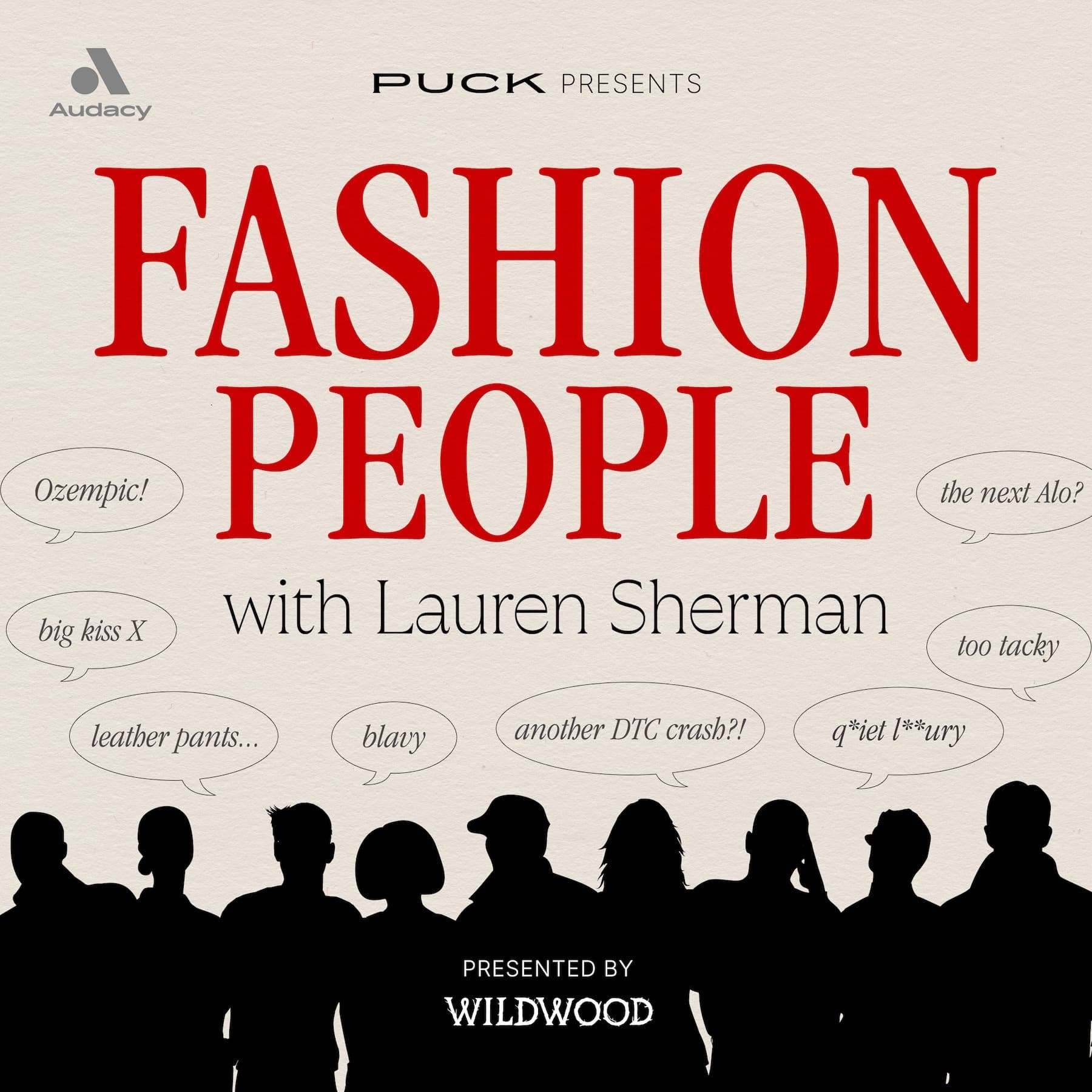
Podcast Notes: Fashion People - Episode: Do Celebrity Fashion Campaigns Still Work?
Episode Overview
- Host: Lauren Sherman
- Guest: Greg Krelenstein, casting agent and founder of GK-LD, member of the Misshapes.
- Main Topics:
- The current state of celebrity fashion campaigns.
- The evolution of campaign casting.
- Personal anecdotes from Krelenstein's time with the Misshapes.
Key Themes and Discussions
Introduction to the Guest
- Greg Krelenstein shares his background, mentioning his work as a casting director and his role in the DJ group, the Misshapes.
- Discusses the significance of celebrity culture in the fashion industry.
State of Celebrity Fashion Campaigns
- Celebrity Ambassador Racket:
- The prevalence of celebrity endorsements in fashion.
- Understanding if these campaigns still drive sales and brand recognition.
- Death of Street Casting:
- Transition from street casting to what is now termed "real people casting."
- The evolving definition of celebrity and notoriety in casting decisions.
Personal Stories from the Misshapes Era
- Krelenstein reminisces about the Misshapes weekly parties at Don Hills.
- Discusses notable moments, including Madonna's attendance.
- The influence of nightlife and social media on celebrity culture at the time.
Evolution of Casting
- Transition from casting for nightlife to casting for fashion campaigns.
- Discusses early projects that bridged Hollywood and fashion, like Miu Miu campaigns featuring A-list celebrities.
Changing Landscape of Celebrity Campaigns
- The shift in the types of celebrities brands are now looking for, including K-pop stars and influencers.
- ROI for Brands:
- Importance of measurable return on investment in celebrity campaigns.
- Challenges in ensuring the right impact and visibility for the brand.
The Role of Print Media
- How magazines are adapting to the decline of print.
- Krelenstein describes how magazines now play a crucial role in the overall branding strategy for fashion campaigns.
Future Trends in Casting
- The idea of carving out unique identities for brands in a saturated market.
- Strategies for smaller brands to compete with larger ones that have celebrity endorsements.
Key Takeaways
- Celebrity Influence: The relationship between brands and celebrities is becoming increasingly strategic, with both sides recognizing the power of authentic branding.
- Cultural Fragmentation: The landscape of celebrity is more diverse than ever, with brands needing to cater to various audiences through multi-level casting and real people.
- Evolving Roles: The function of casting agents is shifting, requiring them to be strategic advisors in an increasingly complex market.
Conclusion The episode provides an insightful look into the current state of celebrity fashion campaigns, the evolution of casting in the industry, and the personal anecdotes from Krelenstein’s career. It highlights the necessity for brands to adapt to a changing cultural landscape while maintaining authenticity in their campaigns.
---
Production Credits
- Produced and edited by Molly Nugent
- Executive producers: John Kelly, Ben Landy, Gabi Grossman
- Additional thanks to the team at Odyssey.
Written by AI. May contain mistakes. Listen to the episode to check what was said.
Transcript
Automatic transcript. May contain errors.0:03Hello and welcome to Fashion People. I'm Lauren Sherman, writer of Puck's fashion and beauty memo line cheat. And today with me on the show is legendary casting agent, Greg Krelenstein, founder of GKLD and member of the Miss Shapes. We're talking the state of celebrity fashion campaigns, the golden age of Don Hills, and so much more. Before we get going, I wanted to remind you that if you like this podcast, you'll definitely love Puck, where I send an email called Line Sheet. If you're a fashion person, you get that reference. it's an original look at what's really going on inside the fashion and beauty industries line she is scoopy analytical and above all fun along with me a subscription to puck gains you access to an unmatched roster of experts reporting on powerful people and companies in entertainment media sports politics finance the art world and much more if you're interested listeners of fashion people get a discount.
1:05Just go to puck.news slash fashion people to join puck or start a free trial. Happy Friday, everyone. I am rounding out my week in New York. I had a great dinner with swap commerce last night at Laveau d 'Or. As always with puck private dinners, the conversation was off the record and it was fabulous. I can't tell you anything. I do love doing these things because as we sort of huddle with the partner, whoever we're working on it with, decide who to invite, give them a real reason to be there, go forth, hope people have good conversation, maybe do some business. It feels very effective and efficient, and we always do it at a good restaurant.
1:45Anyway, I love it. Well, I'll invite you to one soon, if it makes sense. Don't beg me for an invite. In other news, lots of stuff happening this week, a big, giant rush of Condé layoffs that I only started to get into on Wednesday, but there's more on Friday. Plus, Sarah Shapiro joined the Inner Circle on Thursday to check in on the state of the department store. Really looking at the rise of Bloomingdale's as a real competitor against Nordstrom and Saks Fifth Avenue, looking at how Nordstrom is changing its strategy with its privatization. I also dug into the exit of Olivier Roosting at Balmain, the end of LVMH's negotiations with ABG to buy Marc Jacobs, and plenty more.
2:27I will see many of you next week in Los Angeles. There are a ton of events. I'm doing two speaking gigs, and we're also doing a big Stories of the Season event Puck Oscars-related stuff. I'm interviewing a bunch of costume designers, but more about that next Tuesday, and I hope you enjoy this conversation with Grace. So Greg Krelenstein, welcome to Fashion People. Thanks for having me, Lauren. Okay, so what'd you have for breakfast this morning? Still early here in LA. Yeah, I had my typical matcha latte, macadamia milk, shot of espresso. So when you are traveling, as you are right now, how do you get that macadamia nut milk available to you?
3:15I gotta find some place really special because it's not the easiest to find actually, but I have my spots. Not the easiest to find though. No, I am a very particular, I like almond milk specifically. I'll do a macadamia nut milk if I'm desperate, but I like almond milk, but only like either homemade or a few brands of almond milk. That's even more particular than me. I'm a little. Yeah, because I'm not a Calafia girl. I don't mess with that. I can't deal with it. I would love for them to advertise on the podcast, though, so I could be one. Yeah. What are you doing in L.A.? Just work stuff you just got back from Paris.
3:59Yeah, I had actually two really big shoots. One, well, actually both I'm really excited about. One will be a very exciting issue for a special project that I took on this season. and one is also another special project with a big pop star. So I'd say coming back from Paris, this was a real sort of like continuation of, you know, the fashion and celebrity that we just witnessed for the last, I don't know, month. Yeah. So you're a casting director, but what that means has changed a lot over the years. But I want to talk about you. Because so the reason this happened was I was working, I did a little item about a casting for a company called Old Navy.
4:50Little one, yeah. You don't need to comment, but I know you, I've heard you've worked with in the past. And there was just like a lot of like who cast this one commercial they did. And a lot of stuff about Greg kept coming up. You need to talk to Greg. Greg knows everything about this world. Greg is the king of casting. And also I said you were formerly in the Misshapes, which you are still in the Misshapes. So I definitely saw you at, what was that? Not Sway on Sunday night. Did you guys do that? No. We never did Sway, but I attended it quite frequently. Well, we definitely were probably together there.
5:30I probably went twice because it was Sunday night. And even back then I was like, I can't believe people go out on Sunday nights. but then I remember going to what was that club Don Hills? Don Hills which was across the street from it yeah it was a you know it was a weekly party that went on kind of simultaneously this way and I guess we were at the time I would say I guess we were we were a little slightly younger slightly younger fan base and slightly you know younger ourselves but we always you know loved that music and you know we were we sort of viewed ourselves a part of that, but we were a little bit adjacent and kind of, you know, I guess talking about DJing was kind of, you know, I never, I never really aimed to be a casting director or a DJ, frankly, and I kind of got into both of them somehow.
6:20So tell me, how did you, let's start with how you ended up in New York and like got into the, this world in the first place, because the misshapes were a huge I remember there was a piece on you in in um nylon magazine and I was living in London and I read it and I was like I'm missing out on this situation that's happening in New York this is probably like oh four or oh five yeah exactly but like what were you did you go to college in New York did you grow up in New York how did you end up in in this world Yeah, I would say I grew up, I was born in Brooklyn, lived in New York for sort of the younger part of my life, and then came back there for college.
7:07It went to NYU for communications, media studies. and while I was in college I you know I guess I interned a lot that was kind of the best kind of the best I don't know what I learned in college apart from the fact of you know knowing that I wanted to be in New York and I wanted to be close to an industry which I thought at the time was going to be more film based and that's kind of where I started um doing film publicity uh that was actually my first two jobs and in the industry and then simultaneously to that you know I always like going out. I've always been really into music and nightlife.
7:45And I think, you know, I met some friends at a time where you could just meet people going up to people in clubs and being like, hey, like you're at the same party as I am. And we see each other every single week. And, but none of us knew each other before. We all, you know, Jordan and Lee, my partners in that, we all literally just met at night. And I would say it was sort of at the advent of the beginning of social media through social media networks like you know at the time it was myspace and then it was facebook and then it was gawker and you know i think we all i mean especially jordan really saw the potential of sort of like how sort of these online photos of these people that we you know shot every single week that we had in this photo gallery of people really kind of propelled these people and actually now that i'm thinking about it i guess was sort of my first exercise in casting because we sort of actually had the sort of gallery of photos that ran every single week that different outlets picked up on.
8:46And there were nicknames for these people. And these weren't celebrities. These were just people that went out at night, you know, and then people were just people that were our friends, friends of friends. And then it gradually sort of expanded in just the way that nightlife could at that time where, you know, some celebrities could go out to clubs and you know they weren't photographed in the way that they are now and you know we always say it was sort of like and you know we did this piece for w recently where we had to kind of kind of do our like a look back at this and look back at the photos and it was kind of this you know that last moment of going out without your phone really yeah um and but yet everything is really also well documented at the same time because we have photos from every single week of that party so can you break down for people who aren't familiar with this so you were in this dj group called the misshapes you did this saturday night at dawn hills which is like on the western edge of soho yep and i remember going probably when it was not it was like towards the end of your cycle but um because i'm not very cool but but i remember going and thinking it was a cool I think one night I went Madonna was there is that possible that was the biggest yeah that was that did happen but so there was so so you all you did this DJ night and then you have a photographer there too was it Mark the Cobra snake or was it well we had those kind of like those kind of documentary like photographers that came all the big websites of the time but we had our own person that wasn't necessarily famous but he would document everyone against a black like a black wall or white wall and that was kind of the signature look I guess of all the photography and then did you work with a PR firm to release the images or did you just have like an email never we just posted on the website oh wow it was literally and then it would be picked up on like gawker or so it's like that and people would kind of make fun a little bit of like some of the people and have commentary and you know it was pre-instagram it was you know and i think at the time none of us you know nothing that we did was ever pre like we didn't know that it would have this ubiquity and ever like live on as it did but um yeah it was pre-instagram pre-social media so what for for those listeners who did not experiences can you talk about the gawker like 2006 to 2010 that era the pre-instagram pop culture died in 09 type vibe of like what was it like to be a part of that cultural moment in new york because it was who was i talking about recently with about julia allison and someone said they ran did i hear this on a podcast or i was maybe talking about it with one of my friends my husband was a tech reporter and i was when we both worked at forbes i was writing about fashion and lifestyle stuff and i remember someone it was just like this thing of she was so famous her and jacob lodwick were so famous on gawker and you all were sort of in that too in a different scene but like similarly lionized or like made characters in the world of New York and in the what was it like?
12:16I mean they had nicknames for us I think that like it was so funny because I was always known as the other guy because I was sort of a little more low-key than the other two um yeah mostly because I and I still feel this way I'm really not I've never been really fully comfortable in sort of like that kind of front and center role. I've always liked being behind the scenes. And I think because I always had a full-time job the entire time. I was working at a film studio at the time. So I think I always sort of like, it was always something that I was part of. And I mean, I think, but going back to your question about Gawker, it was just like, it was really just like this crazy, you know, a media site that at the time documented local sort of New York quote unquote celebrities I guess what they'd be called, you know, influencers now and kind of like, you know, said some pretty mean things actually in a way that, you know, you can't really talk about people anymore and you don't talk about people.
13:14So I'd say that kind of thing that kind of it was but it was all in good fun and it was very tongue in cheek. And I think at the time we only realized we only saw it as a tool to kind of like help build to kind of build the brand and help build us up. And, you know, I think when we ended the party, it was kind of at, you know, the right time because we started getting a lot of calls from fashion brands actually to DJ parties. And it was funny, I'll never forget the first time I, and the first time we went to Paris for fashion week was actually to DJ the event. I don't remember, but I do remember staying at Hotel Cost.
13:52And I know that that was probably the nicest hotel that I'd ever stayed at at the time. And we sort of unlock this world of like going to Fashion Week at times when there were real after parties for brands and like seeing what it was this time. I mean, it's such a buttoned up, you know, definitely more of a very different world. But at that time, these, and we, and there are some photos that we later created a book of all the images from Miss Shapes. And a lot of the, there were part of the images were from sort of Fashion Week outings and just like having sort of that other network of Paris, because there were also kind of like sister parties that were happening in other cities that were around, that were kind of the same mentality.
14:35and we would like partner with the DJs. And that's kind of how I know like, you know, like Steve Aoki and Mark Bronson and like going to, you know, the parties in LA that they had. There was a similar thing in LA. What was the thing in Paris? Le Baron or something like that? Exactly. Yes. I remember. Kind of how we know, like Jason and Chris from, you know, How Long Gone also at Cinespace in LA. And it was sort of this network. Oh, yeah. This network of DJs. DJ Them Jeans. Exactly. like you know and kind of seeing how everyone's sort of grown up have you been on how long gone never oh my god but they've talked about them again but they've talked about them again they've talked a lot about us and it's so funny i think the first time like they mentioned our names and i you know i know i know them socially you know over the years many years but i think yeah yeah they've never been on rude yeah jason chris they may listen okay i mean chris never listens but Jason listens sometimes.
15:36Okay, good. I'll mention to them, I'll be like, you gotta have Greg on. But I'm glad I got the scoop. I got the exclusive with you. So you're doing this, you're living, working in New York, you're doing this DJ thing, you're working in film. How did you become a casting director and what did that look like when you started? I was working at Fox website at the time and I got a call from a company called Starworks, which at the time... R.I.P., man. R.I.P. Starworks, Roman Kia. So many funny names. Wow. Okay. Yeah, we can go there. Justin Padgett also worked at Starworks. Yeah. I mean, the thing is, it was really a great company, you know, started by really smart people.
16:22And everyone, I actually just saw a couple of former colleagues in the lobby at Chateau Voltaire in Paris. And they all have their own company. And you're just like, yeah. Too many people were at Chateau Voltaire in Paris. I can never go back. I went to like have a drink with a friend and we ran into like 45 people. We're like, we gotta leave. No. And I asked him, like, what are you guys doing? There's too many. Too many people. They were waiting for a celebrity to come outside. And, you know, I'm like, nothing has changed between this. But I would say, like, you know, the company at the time was pretty revolutionary.
16:57They were sort of, I think, one of the first to sort of recognize, kind of bridge really Hollywood and fashion. And I was kind of, you know, I kind of followed the company because they were also represent. I'm a huge magazine reader, always been. And they were representing a lot of the magazines that I read a lot and a lot of kind of niche fashion publications and worked with really amazing photographers. And I sort of followed their journey. And one day I got an email from someone who works there saying like, would you be interested? And, you know, I've thought it was really exciting to sort of like transition into that world of sort of deciding and being a part of kind of who kind of who would be in the magazines and that was kind of that was kind of the first start of it but um you know so really um it was really starworks so what was so starworks was like they had a pr part they had a kind of marketing agency where they did performance marketing that might have been later on but then they also did they also have like um what what was the Hollywood element of it.
18:10Yeah, the Hollywood element was the owner, one of the part owner of the company, Alana Varel, was she represented Ashton Kutcher at the time. Oh, I remember this. She was a model agent. Do you remember fascism? Yes. I was just, when you mentioned, that's so funny you mentioned Ashton Kutcher because when you were talking about pre-Instagram, I remember this, I was, I thought, oh, I forgot about fascism because I know Brooke Moreland because I'm friends with, my husband is friends with her husband, Joe Weisenthal. And so when she was doing that app, her and her partner, I think her name was Ashley, where it was like basically you'd put two outfits up on the app and be like, which outfit should I wear?
18:56And that you could mark. Do you remember this? And Ashton was an investor in it. Sorry, that was it. But this is all connected. Yeah, it's all connected. And I think like they, so she, I think at the time was the, she ran, I think the men's division of Next Models where she represented him. And I think she kind of helped like bridge him into Hollywood. So that was kind of like, and I think when she got there, I mean, literally like, you know, talking about this place as if it's like Hollywood and, you know, but it was very foreign to a lot of fashion brands, like 20, you know, whenever they started their company 25 years ago or whatever it is now.
19:29and yeah it did have this kind of arm of casting which was the main thing and then you know they kind of bridged into all sort of necessary um yeah parts of the industry editorial just working with magazines casting the celebrities who would be in the magazines and then it kind of expanded to like vip that's where i met justin and that's where i met so many amazing people who sort of um because they really did recognize the idea that like which again is so commonplace now is it was more than just the celebrity showing up for the photo shoot. It really was how are they going to integrate this, you know, the brand into their career, into the red carpet, into the brand strategy, into the talent strategy.
20:12So it really was sort of like something, again, that's so basic and common now, but I think something that they were very instrumental and kind of starting. What was an early example of a project that you worked on that sort of felt like it was the start of that. Because now what you're talking about is just so commonplace. But I remember when it was still like a big deal to cast a celebrity in a campaign, that type of thing. Yeah. I mean, they were very responsible, I think, for that when I first started in a lot of the early Mimu ads with, you know, when I think it was like at the time, I think I got there, it was like Selma Blair and Evan Rachel Wood.
20:53And then it was like Kim Basinger one season. And then it was like Kirsten Dunst and Lindsay Lohan and Katie Holmes. I think we even did. I think like there was just like, it was just a series of like kind of these celebrities and fashion brands. And that was like a huge part of my knowledge and kind of understanding, but also it was kind of also the, the real sort of like bigger picture was kind of understanding, okay, Like the creative agency and the stylist involved was also involved in maybe magazines, which was their portfolio. And that's how we got involved in doing the casting for the magazine.
21:30So there was definitely a very strong connection between who was in the campaign and what covers they would be doing and what show they'd be attending. that makes sense and um you know it's interesting that you mentioned mu mu because i feel like mu mu and prada were just really very smart early on about how to always recruit new talent and think about new talent and to this day obviously but like so many of the other big houses sort of emulated their strategy with working with people and she was never afraid of celebrity which I think is Nutra Prada obviously I'm speaking of is so integral to the like it's such an intellectual brand but she's not she doesn't fear famous and that I think is so unique but at the time I actually just wrote a piece about the sort of changing face of celebrity campaigns and things a couple of months ago and I was thinking about the fact that Like even even 10 years ago, it wasn't like every single campaign was a celebrity.
22:44And now it feels like that. What what do you think changed? Do you think that like as as ROI has become more measurable that having like making sure getting the right impact with the exposure from a celebrity that a lot of people know who they are has become more important to brands? Like, why do you think that has happened? yeah i mean i actually don't think much has changed it's i mean it's such a competitive marketplace and i think always like kind of dressing the right person or putting them in a magazine cover i think still matters and there obviously must be some kind of metrics that translates into sales i think the biggest shift has probably been this which shifted is the range of personalities that you're kind of talking about whereas like every single brand needs to have not only the marquee star but the k-pop star but also the upcoming star and the influencer sir and i think that we're you know i think the first campaign that we worked on that i felt like kind of did set this trend and was we worked on the mike calvin's campaign maybe a decade ago and that kind of i think established like a very new norm of all this kind of what you're talking about this kind of multi-level ensemble casting which included you know as you said the notable personality the very a-list star and i think even to also that that campaign which has been such a awesome short that you saw during fashion week having quote-unquote you know what was once known as street casting which is now better known as real people casting i think that brands also need that and whether that that's influencers or kind of how it all fits in but i think it's the bigger picture is kind of bigger than than just that one person now how has the kind of idea of street casting changed like how do you do that now in this world where no one and feels anonymous yeah well i think exactly i think it's like street casting is now like what i would call real people casting.
24:50And the truth is when like a brand asks for that, it's really just like a different level of notoriety. I don't know that you can find someone that you'd want to cast at this point that would be attractive to a brand that doesn't have a following of some sort. And that doesn't, I think again, that's sort of an outdated, it feels to me like street casting is an outdated term. And I think, I think what we've kind of learned and what we see all the time is that just like the definition of celebrity has just expanded and changed. And what are you looking for when you're casting someone? Like, obviously the brand's going to come to you with objectives.
25:28How do you meet those objectives in a way that feels like it's also meeting the moment? Because I'm sure you have brands that come to you and say, I want this A-list celebrity. And you're like, that sounds awful. how do you figure out like how do you meet the brand objectives and also like nail it on the casting because i'm sure it takes a lot of i mean a you have to get the person you want b you have to get the right person c you have to make everybody happy how do you what's what's your sort of strategy yeah i mean i'd say we don't really take a one-size-fits-all approach to any project. It's really, you know, a part of the curation.
26:09And again, like, I think like once you've noticed a trend, it's then it's already been reported, like the culture probably has already moved on. So I think often we're, you know, we're kind of asked to tell the future, which is always fun. Where's this actress going to be in 12 months? And I think having the crystal ball of knowledge from working with so many amazing magazines, kind of working those like 12 months in advance on stuff. It's kind of the strong foundation, which will kind of what we lean on with the clients. It also can help with negotiations because we could identify, you know, kind of, I think we're also looking to identify talent, you know, very early on.
26:48So when a project, and at this point, again, when a project, even an A-list project gets announced at this point, often the talents are almost already secured. So it is, I do think it's become a little bit harder. and I think also of course you're also working with brands that will always want the A-list and you know that's really interesting at a time when it's been so hard to produce mass cultural celebrities to kind of to fulfill the needs of the marketplace right now and maybe that's what you're talking about when you think it's kind of at a peak because really I think what you're talking about is actually trying to fulfill the you know the needs of these top tier brands to have A-list stars in a time where A-list stars are maybe different and what we thought about 10 years ago.
27:30And then you think you look at something like Chanel with Nicole Kidman, you're like, maybe it's the same. So it's a really interesting time right now. Yeah, I think that the Chanel strategy so far, post, I mean, in the Matu era is interesting because they've got Nicole Kidman, Maya Rudolph was at the show, is working with them. I don't know if that's official yet. But Ayo Edabiri obviously is the incredible people. And also she's, I mean, I think she's the first official person they've announced. It's interesting. I mean, I'm curious to know what you think of Ayo and Greta Lee in particular, because to me, obviously big fan of their stylist, Daniel Goldberg, and also big fan of both of them from their work and all of that stuff.
28:21But they are so interesting to me because Greta is obviously now an ambassador for Dior. She's very close friends with Jonathan Anderson. I think he and she used not use each other, but they fed off of each other as their stars were rising when he was at Loewe. She was doing past lives and all these films and they kind of rose up together. And Io was also part of that as well. But the two of them are so interesting to me because they're obviously for me, like exactly the person I want to see. That's who I want to see in a campaign. But they aren't, they're indie film actresses. They're not in Marv.
29:02They're not Serla Johansson, who does a mix of Marvel and indie. They are right now. I know that Greta's in this Tron movie, but who's seen? I haven't seen that. I don't I don't that doesn't have anything to do with my life. So but it's interesting because if you look at like Dior, they have Greta, they have Mia Gough, but they still have Charlize and obviously Rihanna is sort of fits every bill. But then Chanel, the same thing. It's this mix. It sounds like to me it's that cast of characters thing that when you're budgeting, you have to think about the fact that like, okay, yes, I need to get this person everyone's heard of.
29:43But I also need to get the person that like this one particular cohort that might be really good to recruit will be engaged with. And that sounds like a lot of it's do they rely on you? Do the brands rely on you a lot to advise on like, what should my strategy be? Okay, what I'd say like, you know, discretion is always kind of part of the process. But it usually is similar, you know, when a brand or a magazine, when it comes to us, like we're usually asked to provide a casting based on the brief and, you know, the team's direction. And we kind of come back with like a list of ideas. But I think, you know, why you're looking at those particular people and those particular brands that are doing it, what I think you know incredibly well is that you know the most important thing is that it really feels authentic to what these brands and where sort of the careers kind of like as you're saying these a lot of those talent have kind of grown up with the brands now and it feels very authentic and even if they're not the biggest names um at the time it does feel transparent a lot of the time when you know when a talent's doing something just for a check and I think that that's really the most challenging part of doing this job because the best partnerships are always when it appears kind of, I would say, seamless.
30:59And also the imagery links with the talent and, you know, the brands, you know, the brands sort of where they're sitting in both of their careers. And I think where you're sort of kind of pointing to those particulars, you're talking about people that have also inherent personal style and it doesn't feel forced. And I think that's what's such an incredible marriage for those brands. And they're very lucky to have them. Do you think that the brands understand the fragmentation of culture and the fact that like, I mean, I'm sure this is a sweeping generalization. So like, I'm sure some of them do and some of them don't.
31:34But generally, like, how much are they thinking about that part of it? Because to me, I think about all these YouTube people that like Mr. Beast and shit, who I've literally I only know about because my husband has written about them, him, you know, like there are all these. TikTok stars. There are, even within celebrity culture, there's so much fragmentation. We live these very individualist lives. And so how much do you think the brands get that? Because sometimes I do see a campaign where like they hire the most famous person in the world and you're like, ooh, that's not the right person for you.
32:17It's so obvious that you need to not, that needs to not be it um and i'm just curious how you how you like manage for that and also if you feel like there is a sensitivity among the the brands that didn't exist even five years ago that because of the how fragmented everything is becoming i think that they i think that they do because i know that the kind of the intention of the celebrities is also different as well because the celebrities kind of know like i think i think that part is actually the more interesting part because i don't know that it's the that it's always the brands that are making decisions because i think the celebrities are also knowing how strategic they have to be to kind of get these contracts and they're so financially success you know so financially fulfilling for them but i think there's a I think there's kind of a there's kind of a marriage between both of them and I think that there definitely is intent I would say people are doing something more intentional now than what they were doing five years ago on both sides so I don't think anything's an accident I do think that a lot of these kind of seeds are being planted early on um and I think I think in terms of like but again I think where it kind of goes the most out that kind of goes the best is when it really does feel like there's a genuine connection between the designer and the talent.
33:44And you can sense that.
33:50I want to talk about the sort of the business of it and the economics of it, but really quickly on the magazine part. Yeah. Can you explain like how you work with magazines and how that is? You sort of touched on the fact that it's a feeder into these campaigns, But I'm curious, especially now, given the sort of precarious state of print, how do you work with them? What do they rely on you for? Are you fulfilling the role of the sort of celebrity wrangler as used to be Jill Demling at Vogue type vibe? Or are you brought in more on specific projects, that type of thing? Yeah, I'd say the magazines that we work for, I would say we're kind of an outsourced entertainment editor of them.
34:44And mostly because it's something that some of those magazines, I guess, would traditionally do themselves. But I think having a third party with a bit of knowledge and, you know, the network of relationships that we have kind of removes the stress of finding, of helping them find and negotiate with, you know, the talent. and the kind of the magazines can just rely on the creative and make sure that the rest of the negotiations are handled so by the time we get on set they are you know the shoot goes seamlessly but i'd say um the role of print is it's interesting because i actually think it's become almost more important because when the brands are not are not advertising in the same way traditionally they're kind of using these kind of print these these particular you know i work in a lot of niche magazines, I would say, and still very tastemaker, cultural important ones.
Read the full transcript
35:36And I think that the way that the brands are using them is kind of, you know, their outlet to do something more creative. And I know what's funny, I listened to Jen Brill, who, you know, we both know. I listened to her episode before and she was kind of saying that like, even when a brand comes to a magazine for partnerships, you know, you're able kind of in the editorial space to do something a little bit more creative than what they would do in the traditional advertising. So I think it all works together in a very holistic picture. But I think the role of magazines is probably just as important, especially in the way that magazines are brands now.
36:12I mean, not only, you know, the magazine that Jen works with, Homegirls, but like, I would say... We love Homegirls. Yeah, great magazine, shout out. Fruit of the Loom collab. Everybody buy it. But I think that like, you know, I think that all these magazines, with their social channels and the brands using them to have events. And I think I had a project once recently come to me about how the magazines are not just magazines anymore. They're really kind of fulfilling the space for brands to have this other outlet to really do something in motion in real life. Okay, two quick questions on the celebs.
36:53I don't want to keep you too long. one is has the way the publicists I mean obviously you have great you're a nice person and you have great relationships I know a lot of these celebrity wrangler people who used to work at these magazines it sounds like the worst job in the world to me like it's like a very stressful thing has the relationship between people like you doing the casting and publicists changed over the last few years. Is it, it just feels like, because I think, I think that the importance of all this fashion stuff to celebrities has gotten bigger as their paychecks for movies have, has gotten smaller.
37:36And so do you feel like the dynamic between, and in, in one way they need you more, right? They need, they need the campaign, but in the other way they have their own Instagram account and they can just post and they don't really need to be on the cover of Vanity Fair anymore. Like they can be and it's interesting. Like one of Paltrow doing it a couple months ago I thought was interesting. But it's not, it doesn't, it's a different, it's a different thing. Do you feel like your conversations with the celebrity publicists and teams and agents and things has changed at all over the years? I think that they realize the value of excellent imagery still being, you know, kind of like pumped up through the even if it's through the channels i mean what i will agree with you on is the the way that the power of celebrity has changed like you know in terms of like using the cultural shift i think of using like their even hair makeup or having more of an input or even approvals but i'd say the process is definitely still the same and i think what you know what we try to offer is always to just to be you know smart honest and i guess trust and trustworthy, I think, and I guess always available.
38:49Because as you know, the agents are, you know, there's a lot of, there's a lot of work that goes on behind the scenes, behind when they, before they actually get in the camera. And I think that, but I think that they do realize the importance, like when I would call, I don't know, like when I first started, like 15 years at V Magazine, and say certain names, I think they would get like, you know, they would literally be like, what does that stand for? You know, and I think that like now kind of everyone sees the role of all those magazines in just sort of like the bigger wheel of the celebrities promotion.
39:20So I do think it has gotten a little easier as talent have also realized that that imagery is what's getting them the campaign. And that actually is the one thing that hasn't changed, is that they still know, you know, I think when I was at Starworks, sort of like the thinking, and I think what we always said was, having those images taken by those top photographers and landing on the creative director's desks in the lawn or Paris somewhere is still how they see them. It still is how, you know, everyone's busy. Yeah. Everyone has like, but so I think there's still those mass channels. Like I don't definitely don't discount the importance of a Vogue or a GQ cover either.
39:59You know, you still see it's what you see. Yeah. Yeah. I thought these Vogue covers with io and nicole kidman and who was the third person like greta lee i mean that she looked oh incredible yeah so beautiful um i mean all three of them are but so okay two two more quick questions one i have written a lot about and i know you're not you're not an agent you're not a manager you're not negotiating these rates but like i've written a lot about this sort of amount of money these brands are willing to throw at celebrities for these big campaigns. And I'm curious from your perspective, do you think the brands need to be a little more like, because the thing is, it's great.
40:46I'm happy for all my friends in Hollywood who are making a shit ton of money because they're like, here, just you have to spend this amount. But then I'm like, are these brands really thinking about what the return on investment is going to be here? and it feels like a lot of times they don't know and they're like we have to just put all of our marketing money towards this because we know it works to an extent nothing else works right now and they're just throwing a large amounts of money it reminds me of in hollywood when the the um paydays got really high and then they eventually like sort of went back down they've got generally the the bar was raised but then like kind of trickle it got it went back down again And do you think that like from a pricing perspective, it's gone out of control?
41:32I mean, I don't know if you have an opinion on this. You might not care. I mean, what I'd say is, again, like you, I'm happy for everyone to get more money. So if our, you know, if our friends in Hollywood and our agents are getting a bigger commission, I think that's great. Because I think that like, you know, in terms of like what there were, you know, whether the ROI is exactly trends, you know, translatable. I think you know just the element of the global ubiquity of celebrity I think has just gotten so much bigger I mean yeah and I think it is the thing that you still will see on the feeds whether you know Gwyneth Paltrow and Demi Moore at the Gucci show it is you know and I think I think even just going what we just went through for Paris like friends would say like oh how was the collection I'm like I didn't see the collection I saw the front row you know I saw so I just don't think you can underestimate that.
42:23So I think for the brands, it's, and it's funny because I listened to you actually when in Milan, and I think you were actually saying that you think it's at peak. And I was kind of knowing what I was working on in Paris and kind of seeing what was going to happen. I'm like, she has no idea. Like, it's going to be. No, well, I mean, here, here is the thing I will say. I love the, I think Prada, I love that it's like their entire front row is celebrities. And I think that it's the right way to do it. Like, I don't think I don't judge them. I support that kind of way of working. But I think you everyone always thinks it's a peak.
42:58It's the peak. Like you always think I've had enough. And then next week, there's more. But I guess the last question for you would be, what are you working on next? Like, what do you think? I know a lot of your job is proprietary and having this secret sauce that you kind of can't reveal to me why you were so smart to cast Lindsay Lohan in the Old Navy commercial. But what are you working on in the next year that you feel like is going to change in this market? Like, how is the market changing? If celebrity is not going away, if the need for like A-list isn't going away, what do you think is changing?
43:39the trend is always you know the trend will always be bigger better and i think that is something that there could be a peak to but i think that like what you're saying about the peak i don't think we've reached the peak and i do think that like that somehow there will be like there are tons of brands that are getting that are signing more ambassadors by the day and i think in terms of what we're working on really is kind of, I think, refining the strategy more importantly, you know, more importantly than actually, even than expanding it. I think a lot of the, a lot of the products that we're working on coming up are really about kind of finding a way to sort of like, if you're, even if you're a smaller brand to kind of, how do you compete with the bigger ones that have all those A-listers on contract?
44:29So I think what the most interesting thing is kind of to kind of build kind of a new identity from a brand that even if like they're a they're a brand a legacy brand I think that kind of carving out their their own unique identity will kind of be the biggest challenge that we're working on but I think the most exciting one because you can always be the bigger brands with the bigger checks but I think where we kind of fit in best is when we're asked to sort of like help with repositioning or help with kind of expanding the brand's language that they kind of already have. And it's great that the collection is also beautiful as well.
45:05Craig, it was such a pleasure. I'm so glad we finally met. Yeah, me too. I hope we can meet in person soon. And congrats on all your success in the DJing world and the casting world. Thank you. And thank you for being such a big part of my life without ever introducing yourself. I hope we can meet soon. Fashion People is a presentation of Odyssey in partnership with Puck. This show was produced and edited by Molly Nugent. Special thanks to our executive producers, Puck Co-Founder John Kelly, Executive Editor Ben Landy and Director of Editorial Operations, Gabi Grossman. An additional thanks to the team at Odyssey, J.D.
45:47Crowley, Jenna Weiss-Berman and Bob Tabador.
45:55He feels like a gecko. For those who have like a gecko, now capital, tax-steuer, comfortable and automatically so it's going to be a simple investment. So it's just a simple investment. FlatEx. Better right to handle. Investing is a risk of losing risk.
From the publisher
Lauren is joined today by casting agent Greg Krelenstein, founder of GK-LD and a member of the Misshapes. (Yes, they are still together.) They discuss the state of campaign casting, from the celebrity ambassador racket to the death of street casting. They also get into Greg’s life as a Misshape and the DJ group’s legendary weekly party at Don Hills, what it was like when Madonna showed up, and plenty more.
To learn more about listener data and our privacy practices visit: https://www.audacyinc.com/privacy-policy
Learn more about your ad choices. Visit https://podcastchoices.com/adchoices