In short
Podcast Summary: Fashion People - Episode: Gold Standard
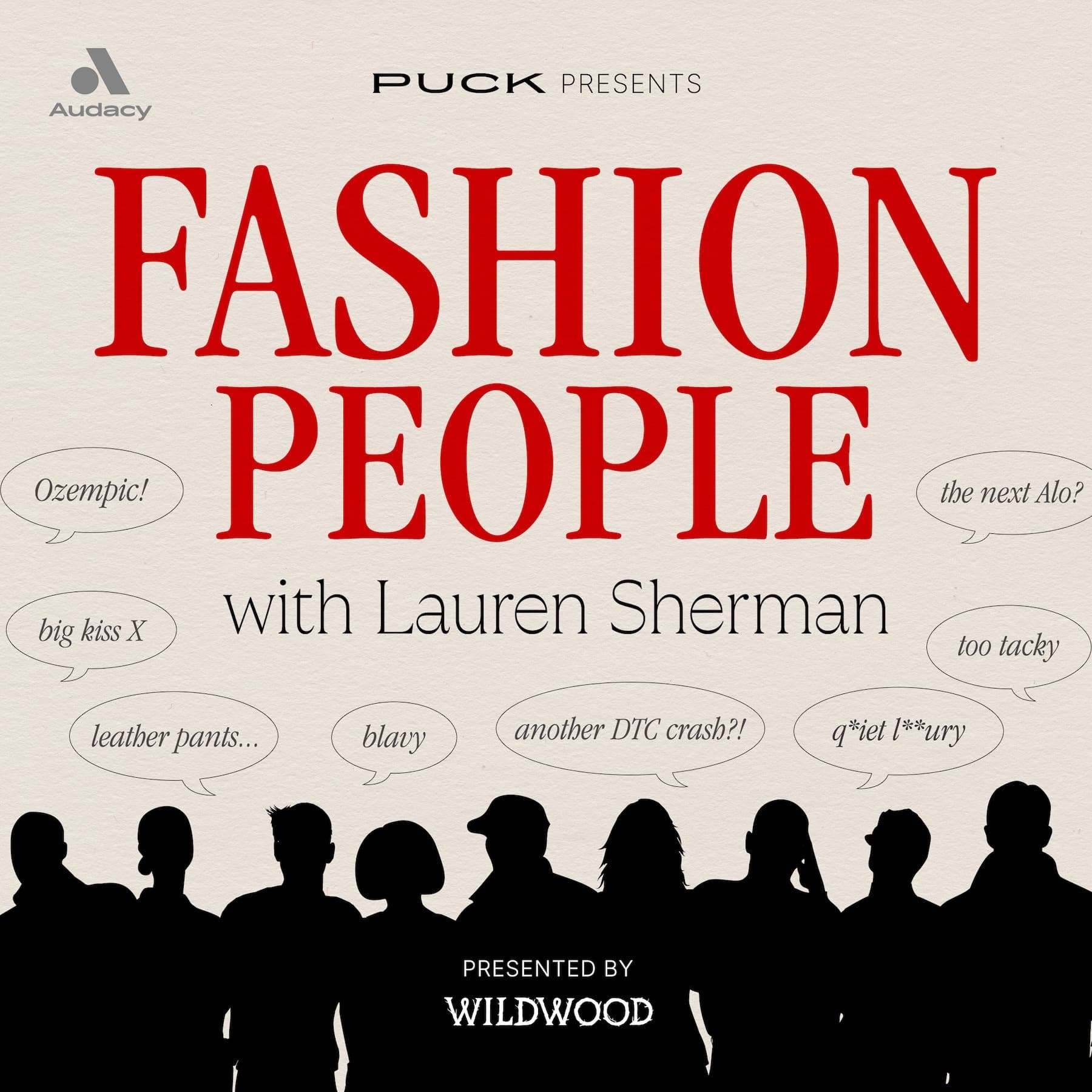
Podcast Overview Fashion People is a podcast hosted by Lauren Sherman, a correspondent for Puck. The show dives into the behind-the-scenes discussions within the fashion industry, covering topics such as creative direction changes, mergers and acquisitions, and trends in fashion retail.
Episode Title
Gold Standard Description: This episode features jewelry designer Charlotte Chesnais, known for her unique jewelry line that has gained popularity in and out of the fashion industry. The discussion includes insights into building a jewelry business in France, the jewelry market nuances, and reflections on Chesnais's design philosophy.
Key Themes and Discussions
- Charlotte Chesnais's Background
- Education and Early Career:
- Attended a small fashion school in Paris, Studio Berceau.
- Worked for Nicolas Ghesquière at Balenciaga for nearly a decade, where she transitioned from ready-to-wear to jewelry design.
- Establishing a Jewelry Brand
- Inception of the Brand:
- Launched her jewelry line in 2015, driven by a desire to express herself creatively.
- Initial focus on silver and vermeil (gold-dipped silver) to create accessible yet sophisticated jewelry.
- Market Reception:
- The brand received warm support from press and buyers, leading to rapid growth without extensive business planning.
- Insights on the Jewelry Industry
- Jewelry Categories:
- Discussed different categories in jewelry: custom jewelry, fashion jewelry (often in brass), and higher-end pieces in silver and gold.
- Explained the classification of vermeil in France and the significance of using noble materials.
- Market Dynamics:
- Current price fluctuations of silver and gold due to demand from various sectors, including electric vehicles.
- Challenges faced as an independent designer in a market dominated by established luxury brands.
- Creative Philosophy and Design Process
- Approach to Jewelry Design:
- Emphasizes the sculptural quality of jewelry, which combines aspects of design and art.
- Focuses on creating timeless pieces that resonate with personal identity rather than just following trends.
- Influence of Market Trends:
- Recognizes the impact of social media and the evolving landscape of fashion, where the cycle of trends is faster and more fragmented.
- Sustainability and Value
- Discussion on Diamonds:
- Preference for natural diamonds over lab-grown ones, emphasizing emotional value and the narrative behind natural stones.
- Understands the broader market context of diamond valuation as a construct of marketing.
- Challenges of Pricing:
- Pricing jewelry involves balancing material costs with market expectations and accessibility.
- Future Endeavors
- Upcoming Projects:
- Currently working on a fine jewelry collection that reflects a more timeless and upscale vision.
- Interested in exploring sculptural pieces beyond traditional jewelry, including collaborations with different mediums.
Concluding Thoughts
- Personal Reflections:
- Charlotte expressed the importance of passion and creativity in her work, despite the challenges of running a jewelry business.
- The discussion highlighted the unique position of independent designers in the luxury market and the necessity of adapting to market changes while staying true to their creative vision.
Key Takeaways
- Building a brand in the jewelry market requires a blend of creative passion, business acumen, and strategic partnerships.
- The importance of narrative and emotional connection in luxury purchases, particularly in jewelry.
- Continuous adaptation and exploration are essential for sustaining creativity and relevance in the fashion industry.
---
For more insights into fashion and beauty industries, check out Puck's Line Sheet for in-depth analyses and updates.
Written by AI. May contain mistakes. Listen to the episode to check what was said.
Chapters
Tap a time to open that second in VOMilan Fashion Week Recap
1:06 to 3:54
Discussion about Milan Fashion Week and upcoming shows.
“Happy Friday, everyone, and happy Milan Fashion Week.”
Charlotte Chesnais' Background
3:54 to 6:15
Charlotte shares her journey into jewelry design and her education.
“Charlotte Cheney, welcome to Fashion People.”
Experience at Balenciaga
6:15 to 7:59
Charlotte discusses her time at Balenciaga under Nicolas Ghesquière.
“I mean, he said Gessguire, but it's true that French-wise, you could say Gessguire as well.”
Influence of Balenciaga Collections
7:59 to 10:40
Analysis of the impact of Balenciaga's collections on fashion.
“Yeah, it's interesting because I wonder if that's why it was so influential because of the fact that like, that's what I remember even his first Louis Vuitton show, the same thing.”
Launch of Jewelry Brand
10:40 to 14:00
Charlotte narrates the launch of her jewelry brand and its unique aesthetic.
“Now I've been thinking about it a lot in the context of the kind of Gucci relaunch and which I'm very excited about, but it's just never going to be like Alessandro at Gucci, the way that that changed the whole world.”
The Intersection of Jewelry and Design
14:00 to 14:47
Exploring the connection between jewelry and broader design principles.
Material Choices in Jewelry Making
14:47 to 16:10
Discussing the selection of materials and their implications in jewelry pieces.
“the DNA of the brand was anchored and was born.”
Understanding the Jewelry Industry
16:10 to 19:52
An overview of the jewelry industry, from costs to market dynamics.
“Because you mentioned you couldn't afford it because you were self-funded.”
Navigating Consignment vs. Wholesale
20:28 to 23:02
Insights into the business models used in the jewelry market.
“Let's rewind back to that beginning and you had a lot of interest from buyers immediately.”
Consumer Trends in Jewelry
23:02 to 25:18
Exploring consumer preferences and the evolving market for jewelry.
“And so when you started and you got such amazing feedback, why do you think it hit so quickly?”
Show all 21 chapters
Luxury Jewelry as Status Symbol
25:18 to 28:00
Discussing the role of luxury jewelry in conveying social status.
“But generally, it's either like a little cheesy or a little too feminine, or it doesn't feel original.”
The Resale Value of Jewelry
28:00 to 29:23
Learn how jewelry maintains value compared to fashion items like bags.
“that's not Hermes or Chanel that can will go down in price.”
Natural vs. Lab Diamonds
29:23 to 31:20
Explore the emotional and marketing aspects of natural versus lab-grown diamonds.
“What do you think about the change in the value of diamonds?”
Creating a Fine Jewelry Collection
31:20 to 32:56
Understand the thought process behind designing a fine jewelry collection.
“But it's when you buy to a brand, you also buy the stories that the brand is selling you.”
Pricing Strategies in Fine Jewelry
32:56 to 35:08
Discover how to price fine jewelry based on materials and market standards.
“I was doing fine before, but really on the side.”
Challenges of Independent Designers
35:08 to 40:09
Learn about the supply chain challenges faced by independent jewelry designers.
“How did you figure out the pricing given the extreme costs of the raw materials?”
Balancing Passion and Sacrifice
40:09 to 42:01
Hear about the personal sacrifices required in pursuing a design career.
“drawn by like big big company hopefully yeah yeah no that's true i mean i think well it's some certain rules that you have to play.”
The Challenges of Balancing Work and Family in Fashion
42:01 to 44:10
Learn about the sacrifices made by designers to pursue their passion amidst challenges.
“and that is um that's like impossible to do so that yeah it's it's interesting yeah it's super I mean, thank you so much for your words first.”
Fashion Inspirations and Shopping Habits
44:11 to 46:24
Explore the guest's current fashion inspirations and unique shopping practices.
“So it's easier for me to work on projects that are very far from my DNA and far from the universe where I am.”
Reflections on Designer Collaborations and Market Trends
46:25 to 48:44
Discover insights on collaborations and how market dynamics shape designer choices.
“as a consumer point of view i'm less excited yeah um i'm having like really archetype clothes like good denim good shorts good leather good knitwear like men's shoes most of the time I don't buy that much.”
Creative Exploration Beyond Commercial Jewelry
48:45 to 51:11
Understand the importance of creative freedom in the jewelry business and beyond.
“But it has this very clever merchandising vision that is more American.”
Transcript
Automatic transcript. May contain errors.0:03Lauren:Hello and welcome to Fashion People. I'm Lauren Sherman, writer of Pucks Fashion and Beauty Memo Line Sheet. And today with me on the show is jeweler and designer Charlotte Chesnais. We're talking about building a brand in the fine jewelry market, the cost of gold, shopping for fashion in 2026, and so much more. before we get going i wanted to remind you that if you like this podcast you'll definitely love puck where i send an email called line sheet if you're a fashion person you get that reference it's an original look at what's really going on inside the fashion and beauty industries line sheet is scoopy analytical and above all fun along with me a subscription to puck gains you access to an unmatched roster of experts reporting on powerful people and companies in entertainment, media, sports, politics, finance, the art world, and much more.
0:59Lauren:If you're interested, listeners of Fashion People get a discount. Just go to puck.news slash fashion people to join Puck or start a free trial. Happy Friday, everyone, and happy Milan Fashion Week. We've seen a lot this week already diesel jill sander fendi margney emporio armani today's gucci and laura piana tomorrow's bottega and ferragamo and then i am out i'm not staying for giorgio armani if you are please send me a full report next week becky malinsky will be here to discuss what we liked and what we didn't like and why we love the city of milan and we love eating here uh i still need to have some gelato i'll do that tomorrow but this week online sheet you'll find plenty of reports from the shows.
1:42Lauren:But also, I did a big deep dive on the business of Jens and Emma Greed, Popular Culture, their holding company, which is where they operate Skims and Good American. And more recently, The Elder Statesman, that super high-end cashmere label started by Greg Chait in Los Angeles. More recently, I heard from a bunch of sources that they were in talks to partner with Elsa Hosk on her fashion line called Hulsa, which is currently produced in partnership with Revolve. She owns it, but Revolve is like the operating partner. And I've heard from many sources that she's looking to go outside and it sounds like she's gotten pretty far with the Greeds and their investment partners.
2:35Lauren:So it's a really interesting story about sort of like, and there's some tidbits about how Nike Skims is performing. So if you're interested in the Greeds, if you're interested in Nike Skims, if you're interested in Greg Chait, if you're interested in Elsa Hosk, which she has like 8 million followers, she's one of those people who obviously know her work. And I wrote a book about Victoria's Secret. I obviously have, you know I know a decent amount about her but she's incredibly influential and and the business from my reporting is about 35 million dollars it could be 350 million many of these investors believe so one to watch but I hope you enjoy it on Wednesday Rachel had a great deep dive on Sephora and on Friday Sarah Shapiro is looking at what people are actually buying in stores right know it's kind of hard to tell so please check that out and enjoy this interview with Charlotte it's a really nice sort of prep for the fashion week that is to come which is Paris she'll be showing her new collection I think but more importantly she's very French and talks about being a business owner in France and all that stuff and it's fascinating enjoy
3:54Lauren:Charlotte Cheney, welcome to Fashion People. Hello, hi, nice to see you everyone. I'm so happy you're here.
4:00Charlotte Chesnais:So what did you have for breakfast this morning? Like regular breakfast, a soft boiled egg. Like a grill, how do you say in English? Sourced bread. Sourdough bread. Sourdough bread, exactly. Yeah, perfect. And a piece of ham.
4:19Lauren:That sounds delicious.
4:20Charlotte Chesnais:Yeah, yeah, yeah, yeah. I love breakfast.
4:23Lauren:Oh, me too. That savory breakfast is the way to go for sure. So Charlotte, we were talking a little bit offline about your sort of life from real life to work and you work in the first. Tell us a bit about what you do.
4:42Charlotte Chesnais:So I'm a designer. I have a jewelry brand that I launched 10 years ago, almost 11, actually, 2015, and still working for other brands as a regular designer. So regular, I don't know if it's really mean anything, but I'm working on like, also like ready to wear line, shoe line, bag line, and recently also working on home interior collection for another brand. So, yeah, let's say that my main job is working on my jewelry line and I also design other pieces for other brands on the side.
5:14Lauren:So how did you end up becoming a jewelry designer? Did you go to school for that? Did you go to school for...
5:23Charlotte Chesnais:I went to school for fashion. Although it was quite a quick, I would say, like, apprentissage. Because I just said, like, it's a small school that's called Studio Berceau. And it's closed since. But after Studio Berceau staying there for two years in Paris, I started to work almost immediately after at Balenciaga with Nicolas Ghesquière. And I stayed there as a designer for almost 10 years. I stopped just after he quit, so nine years and a few months.
5:55Lauren:Were you working on ready-to-wear there?
5:58Charlotte Chesnais:Yes, I was working on ready-to-wear because I come from a more ready-to-wear school. And I started there also working on jewelry quite randomly. But now that I look at it, maybe it was not so random. But basically, Nicolas asked me to work on collection for jewelry because he wanted jewelry for a show and nobody was doing it at that time. so it was like oh you want to do you want to explore jewelry and I was like yeah sure and this is how I started so having no clue about how you do jewelry how you work on it so but the way we were working at Nicolas studio was very like almost from scratch every season trying to learn about the technique about the fabric about the material so spending a lot of time in like craftsman place and this is where I learned a lot of how to make jewelry I'm so glad that you
6:45Lauren:mentioned, Nicola, because I always thought it was Gessguire and not Gessguire, but all Americans say Gessguire.
6:53Charlotte Chesnais:Yeah, I know. No, no. I mean, he said Gessguire, but it's true that French-wise, you could say Gessguire as well.
7:00Lauren:You could say it. Well, but you know, Delphine Arnaud has said it when I remember interviewing her and she also says Gessguire. So I am going to go with what what you just said. But what was it like working there at that time? Because I've been thinking about those collections a lot. They're very much in the air fashion-wise. And even the new Chloe campaign, there's this shot of all the girls wearing floral dresses that feels very his era Balenciaga. I remember I had a knockoff dress of the dresses that he did. And I have a couple pieces that I got at sample sales and things like that but it feels so it just feels so right right now but it was so influential on everything it was a dream to work there
7:51Charlotte Chesnais:uh it was really hard a lot of commitment a lot of sacrifice but super happy I did it and I learned so much and so rich and so impactful on who I am today so yeah it was terrific like we had to learn basically from one season to another we had to relearn everything because Nicolas was not I wouldn't say he was bored quickly but he really loved to go from one I don't know story for a season to a totally different one the season after using different technique different material different silhouette and also the way we worked on the collection was quite unusual because we didn't really work on clothes we work on silhouette so immediately from the first uh fitting six months before the show we were already trying on this jacket with this skirt and immediately it was going to be this look until the end of course sometimes it changed but it was not like sometimes like most of the fashion house today they work on different clothes and then before the show they do the styling session and poof the silhouette arrived with nicolai it was totally different so the process and also the way to look at fashion was very different because you really had in mind a full silhouette from almost from the beginning.
9:10Lauren:Yeah, it's interesting because I wonder if that's why it was so influential because of the fact that like, that's what I remember even his first Louis Vuitton show, the same thing. It was like a little skirt and that skirt proliferated everywhere but it was so it was also the era that the high street and czar and h &m had become really important and it was just like every single thing that balenciaga did it was somehow dictating what everyone was wearing day to day and i don't think
9:45Charlotte Chesnais:that really happens anymore like that yeah no i think different for sure today and there is so many so many more brands today like yeah fashion not high fashion but i mean at that time probably it was more curated and we didn't have instagram and everything as well so we we didn't have so many image from all over the world it was more the message was maybe more focused in a way and it's true that his show specifically were really um i don't know how you say in english but everybody was waiting for it. Yeah.
10:22Lauren:Yeah. Yeah. I mean, it was most anticipated, but it was just yeah, it's so different now because everybody, everyone has their own little corner of the internet. And so you don't feel that same. Sometimes it happens, but it's less and less and less. Now I've been thinking about it a lot in the context of the kind of Gucci relaunch and which I'm very excited about, but it's just never going to be like Alessandro at Gucci, the way that that changed the whole world. That just doesn't happen. And I think the closest right now is Chanel. And I saw that a lot on the runways, or Aliyah previously in New York.
11:06Lauren:I always like, what's happening in New York? And I could feel the last few seasons, I've definitely felt the Aliyah presence. this season I felt the Chanel like they took something from those shows and just like there's a new feeling in the air but it's not as dictatorial as it once was yeah yeah I see what you mean so when you launched your brand what was your sort of idea around it because it was really
11:33Charlotte Chesnais:focused on silver to start correct yeah it was like silver and vermeil which is still dipped in gold yeah I mean the idea was it was a very personal creative project I didn't really had any idea of business or this becoming a business I remember at that time I was doing a lot of freelance designer projects basically focused on ready-to-wear I was missing doing jewelry complaining that I was not doing jewelry so my friend were like well just do your own brand stopped complaining and it was like oh yeah why not starting it and at that time I did an audition for a job of a jewelry designer at Dior that I didn't had but for this job I prepared I trained I did the I did a book and I worked on the packaging and fake campaign and everything and then because I didn't get the job I was like oh I mean the premise of a brand is already here because I had like a collection that was done for you know for this job and I had like some fake asiery and and i was like maybe it's you know a good starting point on having my own brand but once again more on a very like what do i want to say in jewelry i have to express myself and it's going to be with this medium uh so yeah we launched the brand i mean i launched the brand by myself at the beginning and then it came really the the welcoming was so warm uh the press was super, super supportive.
13:00Charlotte Chesnais:The buyers were quite super supportive as well, very early in the story of the brand. So it became a business quite quickly without even like trying to do a business.
13:10Lauren:Yeah, I mean, it's interesting because I remember when it launched and I was so excited because there isn't, it looks like nothing else. And there isn't a lot of jewelry for there for women who like sculptural or it's not minimalist but there it's just like your aesthetic there isn't there's nothing like it and it also just appeals to a very certain type of woman and also the price was was good it's not um the prices aren't crazy it feels really sophisticated but it's also playful and were you were you into sculpture when you were younger like
13:57Charlotte Chesnais:did you practice sculpture it's so sculptural yes I was into design more sculpture but I was into design before being into fashion like being younger and it's true that when I started jewelry at Balenciaga I felt that jewelry was so close to of course fashion but also very close to design regarding I don't know I don't know I find beauty very early in a spoon or in a teapot or you know so I was like oh actually your jewelry can also have this like triple aspect of being an object when it's not worn when it's on a table so I really really love this like 3d aspect of the object and because I couldn't sketch properly my ideas I started to mold it so this is how I guess the DNA of the brand was anchored and was born.
14:50Charlotte Chesnais:It's because I was doing in 3D what I couldn't sketch properly.
14:55Lauren:Yeah, that's cool. I think what the result was that like it truly looked like nothing else. And but it was also so fit into the sort of way women were dressing at the time and has evolved with that as well when you started with silver and the gold dip silver why did you do that why not do platinum or do you know um I didn't want solid gold yeah so I didn't want to
15:27Charlotte Chesnais:do like brass because I was coming from fashion and this project was something different to me I wanted something very timeless, not to do so many styles. I really wanted like classical, in a way, pieces, like new classical pieces. So I thought it really deserved a noble material. So this is why I didn't go to brass. Of course, I thought about gold, but very quickly I realized I couldn't afford it because I was totally self-financial at that time. And I was like, yeah, I'm super happy also to do like silver and vermeil because I can wear it, my friend can buy it, my mother can buy it. You know, it was about like I wanted to see these pieces on actual people.
16:07Charlotte Chesnais:And it was super important for me.
16:09Lauren:Can you explain a bit how the jewelry industry works? Because you mentioned you couldn't afford it because you were self-funded. It's extremely expensive to even make one collection of fine jewelry, right? So can you talk about how it's sold differently than ready to wear?
16:31Charlotte Chesnais:Basically, you have three categories. If you want to be like, you have like custom jewelry, fashion jewelry. Most of them, they are in brass or even different material, but not noble material. So they can use resin. They can use like crystal. Most of them, they are in brass. So anything you will find almost in any fashion brand, you will be in brass. or cousin of the brass. Then you go into higher level, I would say, which is like silver. So silver, I don't know in America, but the law in France is considering silver as a precious material. So there's a mark on it. There's a, you know, you follow it.
17:14Charlotte Chesnais:There is rule and everything. Of course, silver, you can dip it in gold with a coat of five micron of gold, 18 karat gold. In France, we call it vermeil. In America, you don't really have the equivalent because you don't have a classification for this. It also exists, but I don't think you have this name, Vermeille, that is a very French appellation. And then you go into gold. Gold, you have several levels of gold. You have 9 carat, 14 carat, 18 carat, 24 carat. In France, in Europe, all the Place Vendôme brands, they use 18 carat gold. we don't really use 9 or 14 here in europe barely um which is something you find more a bit in asia and in america but the the classical fine jewelry brands most of them they are in 18 karat the the main difference if i want to i don't know exactly the the the price of a kilogram of brass but it's quite low today uh the price of a kilogram of silver is reaching 3 000 euro just to give you an idea it was only above a thousand euro six months ago
18:28Lauren:oh my god yeah yeah why did why has silver gone up so much different reason the main reason is
18:36Charlotte Chesnais:is not is not linked to the crisis we are living now it's mainly due to like the the use of silver in many like battery for electric cars, for example.
18:48Lauren:Oh, wow. So the demand has increased, but in different ways than...
18:54Charlotte Chesnais:For jewelry, yeah.
18:56Lauren:Wow.
18:57Charlotte Chesnais:So basically silver is still affordable, but still has triple in six months. And then you go to gold. So gold, when I started my brand, you could buy, so 10 years ago, you could buy a kilo of gold. Sorry, I speak in kilo, but you could buy a kilo.
19:13Lauren:No, that's fine. whatever it's people can figure it out 30 000 euro uh-huh then in july six months ago more
Read the full transcript
19:23Charlotte Chesnais:more than six months ago you buy a kilo of gold 90 000 euro so triple but triple in 10 years but still triple yes and then today in six months due to like the world we live in now we almost reach almost 140 ,000 euro kilo. Unless in six months. Wow. Yes. So... Nightmare.
19:52Lauren:It's a nightmare. Go behind the scenes of one of TV's most watched true crime series with the 48 Hours Postmortem Podcast where correspondents and producers take you inside each case. Every Monday, listen to a new episode of 48 Hours And then join me, 48 Hours correspondent Anne-Marie Green, every Tuesday for a new episode of Postmortem. Follow and listen to 48 Hours on the free Odyssey app or wherever you get your podcasts.
20:28Lauren:Let's rewind back to that beginning and you had a lot of interest from buyers immediately. I know fine jewelry they tend to do it's it's based on um you like operate a consignment right so like you make everything you pay for everything you send it to them they it sits in the store they take a commission if you sell it was your other jewelry when you started that was vermeil and um silver were you on consignment for that as well or no that was a wholesale operation.
21:04Charlotte Chesnais:It was a simple wholesale business and I couldn't afford being on a consignment because basically consignment you explain but you sell the goods to the sellers and when they sell it you get paid. So if let's say you produce and you ship three months later and then it's getting sold six months later it means for nine months you don't get paid. so this it's an exercise that people can do but at that time i couldn't do it because i didn't have the money yeah everything was based on like wholesale business so you sell and then they sell they resell but yeah and it really helped my company to grow because people really really play the game and yeah wholesaler were buying and then i could launch my production and i don't have this you know financial like fluid to deal with uh regarding fine jewelry business it's a different way because of course it's much more expensive and it's a very uh it's a cash consumer so yeah most some i would say really depends on your connection with the wholesaler and your also your track record but basically usually they're like yeah we love the collection we'd love to have it we want like i don't know 25 pieces of this and 10 of this and da da da oh by the way uh we are on the consignment term so it means i put all the money in it i invest my money in it i produce i send the pieces and eventually when you sell i get paid but this is a rule it's not a it's not the only rule it's it's it's usual it happens quite a lot yeah and You decide to play the game or you don't decide to play the game.
22:51Lauren:It makes the barrier for entry in this market higher than in fashion.
22:57Charlotte Chesnais:Super difficult. This is why I waited 10 years to launch Fine Jewelry as well.
23:02Lauren:And so when you started and you got such amazing feedback, why do you think it hit so quickly? Because I remember when it launched and it was just like everybody wanted it immediately, like the rings and the earrings. and it was, I feel like maybe it was sold at Dover Street in the US and it was just like immediately desirable.
23:27Charlotte Chesnais:You know, I think the things that really put the light on the project was also the fact that press was very curious about what the ex-Balenciaga studio were actually doing today. So of course it helps a lot. I remember the first article in the style.com ah do you remember who wrote it i i don't oh my god i should but i don't remember but i remember being on the first page like which i was surprised because it was basically like every morning i was checking style.com and then i was on the first page and the title was like something like oh what x like jewelry designer from balenciaga nicolas jesquière is doing now yeah for sure it helps a lot and then regarding the the the desire of like the what the pieces like express i told i mean it's such a personal project that i really wanted these pieces to be i don't know they come from from my brand and i i try them on so much and i love them so much i really want to wear them myself so i guess this is why maybe it's it works like this i'm not a jewelry lover originally i don't collect like vintage jewelry of course i like it but before launching my brand i was not wearing so many jewelry and i became part of myself um like another piece of clothes in the end and it's not that i have so many girls that contact me and they say like i never wore jewelry before or i'm not a jewelry girl but with you i want to have it i want to wear it and I can't really explain this but I think there's just not a lot on the market as someone
25:07Lauren:who I feel that way I have very few few pieces and there's just not a lot on the market that feels especially new stuff that feels like my style there's a few brands that I really connect with including yours. But generally, it's either like a little cheesy or a little too feminine, or it doesn't feel original. And it's not, I don't know if we were sort of trained, I think now this generation is buying more jewelry. But I also think, curious what you think. I've written a lot about the sort of unbranded jewelry market versus the big brands. And comparing it to fashion, why are the big brands in jewelry so powerful?
26:04Lauren:And do they make it harder for independent brands to sort of grow and become home, you know, brand names?
26:17Charlotte Chesnais:Household names. I mean, to answer in a different way to your question, yes, it's hard. And I'm not even thinking about competing with them because we don't even play in the same courtyard. Yeah. I think to the jewelry, I really think it has a very, a very lot of similarity with like car business. It's a sign of richness of who you belong to. Are you like the blue box at Tiffany? Are you the red box at Cartier? Do you have the love bracelet? Do you have this watch? Like, what does it say about you? It's really about, it's a status. It's a social status. to me like maybe in in fashion you can have this with a bag yeah but it's really like okay you have what car what kind of car do you have you have a family car you have a coupe you have a break you know and i really feel like i'm talking for the big big big brand of jewelry today which are like quartier tiffany boucheron they are like i don't know less than 10 they compete to i mean the way I see is that it's really about yeah, that the breast lead that costs like 5k and you can find it in any different brand and it says about you like you're going to have one with diamond with no diamond.
27:44Charlotte Chesnais:Of course, we all think about the love, for example. So it's really more about who you belong to, like community less than, I believe, emotional buy.
27:58Lauren:Yeah. And it also feels like because of the prices of the raw materials that like, there's also a thing where the luxury consumer believes that it's an investment versus buying a handbag that's not Hermes or Chanel that can will go down in price.
28:20Charlotte Chesnais:whereas like a piece of fine jewelry they think yeah it is you can you can re re-melt you can redo with gold and diamonds for example forever there's not like i don't know five time or six times that you can melt a ring a gold ring you can really re-melt it forever which you cannot do you cannot do it with any bag i mean i'm sorry but even a chanel bag you cannot like sell just the closure by itself in five years it's cost nothing yeah we cannot just sell the chain which you can do with a piece of jewelry you can you can just take back the diamond and just do another setting you can just like sell the gold that everyone is doing now for example a lot of people have gold or silver in their you know when they need money you actually can resell it super easily so it's true that it's kind of i mean it's the only piece of goods i think that you can buy and then resell and then redo forever.
29:22Charlotte Chesnais:You don't do this with any other kind of object.
29:25Lauren:No. What do you think about the change in the value of diamonds? Do you use any of the man-made diamonds?
29:35Charlotte Chesnais:I don't. I only use it when I do like prototype because then it's allowing me to have a a nice final view without buying immediately the diamonds. So this is where I'm using it. Otherwise, we don't. But we have a personal private project. And people sometimes, they ask for lab. So I have contact and I can sell lab. The way I see lab today is a bit like, you know, if you are vegan and you go in a really nice restaurant, I guess a good chef can provide a very nice vegan menu for you. So I see it a bit like this. Like, I'm not pro or against. My religion will lead me more to, like, natural diamonds.
30:23Charlotte Chesnais:Yeah. If I have a customer who really want to project with lab, I can do it.
30:27Lauren:Yeah.
30:28Charlotte Chesnais:I'm happy to do it for, you know, special order and everything.
30:31Lauren:Yeah, it's so interesting because the value of diamonds is such a kind of construct anyway. Totally. So, yes, yes. So like, but there is something that just I'm all I'm drawn to natural and and feel like I if I'm going to spend, I would like it to be the quote unquote real thing, even though I know that there's no difference.
30:57Charlotte Chesnais:Of course, but in the end, the diamond is selling a piece of dream. It's selling a piece of, I don't know, like a piece of star from the sky. It's a piece of dream that you can wear at your finger or at your ear. If you know it's coming from a lab, where is the dream? So, of course, in the end, everything is marketing because we know that the molecule is the same. But it's just a story you buy. And in the end, I mean, even if it's regarding a diamond that doesn't belong to any brand, But it's when you buy to a brand, you also buy the stories that the brand is selling you.
31:29Lauren:Yeah.
31:30Charlotte Chesnais:And it's the same for diamond and not love diamond to me. It's like, what is it giving you as an emotion? It's about emotion and what you feel about the project. Some people are totally cold about it and they don't care. And they just want something sparkle with the good shininess. And then they will go for lab and it's fine. Or some people will go for more like ecological reason, of course. But in the end, it's really about what you feel and what the emotion, what the pieces are bringing you.
32:21Charlotte Chesnais:It doesn't even look like payments. All over. With Visa Sinceemitic parts.
32:30Lauren:To win the mm Leistung for 30 minutes.
32:39Charlotte Chesnais:Because remember ertpetitRY we took time to understand where we wanna… like, the pool we want to swim in and how much it's going to cost and everything. So we work on the collection for like three years. We released it last year. I was doing fine before, but really on the side. Disregarding like the rest of the collection, I was doing like one of a kind project. I had few, very few collections that I was just doing when I was, you know, oh, let's have this little drop at the store and everything. It was not really built. This collection is more like properly, like the official fine jewelry collection of the brand.
33:19Charlotte Chesnais:I had it in mind for a very long time also because I'm getting older and I want to wear more gold. I don't want to change my jewelry so often. So there's something about the extra juice of the brand. Like what if you just have to wear one ring or two rings instead of changing your ring every day? What would be this ring? And what would be this? Also, I love to work with archetype, like very classical pieces. So what would be your solitaire ring at Charles Chenet? what would be the the you know the pearl necklace like what would be the really pure shot like you know this ginger shot you got in the morning like that wakes you up what would be the essence of the brand if you had to work with only this material and going from a ring that weighed 30 gram to a ring that will weigh 8 gram because of course you cannot afford to go 30 gram I mean you could but you have to also understand the market where you work in.
34:18Charlotte Chesnais:So basically, I was sketching before on a bigger format. And now I'm also challenging myself to be as creative, but on a much more smaller format. I don't know if it makes sense.
34:30Lauren:Yeah, for sure. I think the sort of timelessness and the foreverness of that kind is a different challenge for you as a designer. Yeah. Do you, when you were pricing it, because I was just scanning it, the prices are reasonable. I mean, the diamonds you're using are not giant, but it feels accessible to a woman who has a good job and likes to spend a little bit of money on herself or however you want to do it. How did you figure out the pricing given the extreme costs of the raw materials?
35:17Charlotte Chesnais:Yes, it's a good question. We did a lot of like shopping, not actual shopping, but we looked at so many other brands. And like I said, in the end, if you deep dive a little bit, it's quite not easy to read, but you always end up by having, for example, we realized that every single brand we were benchmarking always used for the entry price a 0.3 cara and not a 0.4, not a 0.2. They all use a 0.3. So because initially I launched my ring with a 0.4 and then we always end up being a little bit too expensive. And then we realized that actually almost all of them were starting with this price because they had this size of stone.
36:04Charlotte Chesnais:So pricing regarding fine is very linked to the amount of gold you use, of course, the amount of cara you use in the stone. So it's kind of a mix of design and mathematics in a way because you always like, for example, I re-challenged my own design because it was too heavy in gold, for example. And I was like, oh, it's still too heavy. And then it ends up being too expensive. So we tried a lot, re-sketching from like what maybe you wouldn't see with your eyes from option A to option, I don't know, M sometimes for some option, for some style. But I redesigned like some of the rings, like, I don't know, maybe 15th time to find the proper ways.
36:50Charlotte Chesnais:But this was in July. I mean, before July. And then, for example, last week, we had some reorder to do and then we realized our price are not good anymore because the raw material is so different now. So to be honest, I'm learning now and I'm talking to you of things that we are in the middle of this. And we are in the middle of how many times a year do you increase your price when you are in an independent brand? Because, for example, a big brand, what they do is they buy gold in advance. So they are not so sensitive to this increase like I am not buying so much gold because I cannot for the moment.
37:33Lauren:Yeah, it's interesting. I heard from Brooke Nidick about this. Have you ever met her? I feel like you would like each other. She's really cool. The owner of Sydney Garber jewelry. but she mentioned to me a couple years ago that essentially what they do, the big brands often do with the factories, and I'm curious, I don't know enough about your supply chain, but I'm curious if your supply chain has been affected by this, that the big brands are so competitive that they essentially buy out the factories, even if they don't own them, for like four years. Where she said there was a factory that she used in Italy forever, and they were like, we love you and we still want to work with you, but they have like contracted us for our work for the next, we're just going to make stuff for the next four years for them.
38:21Lauren:How do you manage that? I'm sure being in Paris and like having such an understanding of the network in Europe, but how do you manage your supply chain stuff? Because it's the same kind of thing where the big brands can sort of just take over if they want to.
38:38Charlotte Chesnais:I mean, this was another subject why it took three years. It was finding the good partners who want to play the game, who don't belong to Big House. Because now a lot of my atelier I used to work with has been buy, bought, buy Richemont, LVMH, Kering. Kering actually is not buying so much. But LVMH and Richemont, they buy the atelier.
39:04Lauren:I think Kering just bought one, though.
39:06Charlotte Chesnais:Maybe, maybe.
39:07Lauren:Yeah, for Boucheron. It was like their main, something like their main factory or something.
39:12Charlotte Chesnais:But yeah, you're totally right. It's super, super difficult to find the good partner that will follow you, that will not drop you, that will be interested in making a young brand bloom. and it's funny like one of my supplier actually sold this company to a big group and then he sold it will not work anymore he's gonna retire because he sold this company super well and then after like few years he was bored and he was like i'm missing this my job again i want to go back i want to build my new atelier i really and so i'm working with him but because he's now independent again and he wants to keep it small and he wants to help like young designer and because he went through this big thing of selling to a big big company he's not into this anymore and hopefully for me there is still some people like this where you know not everybody is drawn by like big big company hopefully yeah yeah no that's true i mean i think well it's some certain rules that you have to play.
40:22Charlotte Chesnais:It's a certain reason. It's so many constraints and not everybody wants to accept them.
40:27Lauren:The other thing is I think that you are so strong as a designer that you can cut through all of that. Whereas there are so many people whose work, and this is in every industry and in fashion, in every category of fashion or jewelry or whatever, but your work is so clear and so people will will seek it out no matter what and they'll figure out the pricing because it's it was so strong from the beginning that that is really I mean it's the greatest example of like talent does matter because sometimes it feels like a friend of mine who you probably know who is based in Paris was messaging me about a designer in New York not really understanding why that this designer is so successful and I was trying to explain it and I think it's like I without naming either of these people it's it's an American thing but the point being that like there are I think this the frustration is there just are so many so many brands and so many ideas like how do you really break through and I think your your clarity of who you are all this pain in the ass stuff you can deal with because like someone will come to charlotte chanee for charlotte chanee you can't get that anywhere else you can't get it with the junkie knockoffs of the the alphabet rings or whatever like the it's oh it's only you and that is um that's like impossible to do so that yeah it's it's interesting yeah it's super
42:09Charlotte Chesnais:I mean, thank you so much for your words first. And yeah, you know, we got so many copies in the past 10 years from like bigger brands, smaller brands. And it's hard. It's really hard in many different ways to develop like fine recently, to develop, to be self-financial, to being a mom at the same time. I mean, it's a tough, it's a tough job. I'm doing many sacrifices. I'm not seeing my friends so often, not seeing my kids so often. And in the end, I still believe it's worth it because, I don't know, I still have this fire inside me that I strongly believe in my design.
42:48Lauren:And not being pretentious, but I still believe it's really worth it.
42:52Charlotte Chesnais:And yeah, but at the same time, you still need to have an advance because you have so many copies. And it's true that what you said, that finding the proper partner, for example, I can feel that some of them are very excited by the funny person that I am, maybe, and the crazy person that I am, and things that I ask that are not possible, but in the end, they are possible. and yeah of course we in this in the story of the brand for the past 10 years the key people are the people who accept the the challenge to work with us to develop with us to grow with us and this would not I mean I would be nothing without them and so my atelier is really people like Cherish a lot and the relationship I have with them and I mean it's key to find a good person.
43:44And it's true that when we decided to launch Fine, it was a long process to identify
43:50Charlotte Chesnais:the good partners.
43:52Lauren:Yeah. Yeah, I'm sure. And it does also speak to sort of a European sensibility, which is, to me, is like, it's not all just about making money. Like the money comes after.
44:05Charlotte Chesnais:Yes. Which is in America.
44:06Lauren:It's not like that.
44:08Charlotte Chesnais:It's a different project. You know, identify my project that is not a money project it's retreat it brings money eventually and it's great but if i wanted to have a money project i would not be doing this i would be doing something different today i designed for other brands and they asked me for super commercial collection and i know how to do this commercial collection but this is not where i have this fire that i'm
44:33Lauren:talking about do you ever consult on jewelry or is it usually different categories no i do consult
44:40Charlotte Chesnais:on jewelry i i used to do it a lot in the past yeah um maybe i think i wouldn't do it so easy today because uh because i'm trying to exist as a jewelry brand so it's like sometimes i got some big brands asking me to design some collection and it's kind of like tricky for me to give them I'm a part of me in a way and being my direct competitor. So it's easier for me to work on projects that are very far from my DNA and far from the universe where I am.
45:11Lauren:So our mutual friend Delphine Delval, speaking of sort of your DNA and how it applies to other categories, her question for you was like, what did she say? She said, I want to know what designer she buys. What feels as hot as her jewelry? and then ask me a bunch of other stuff that has nothing to do with you. But what are you into fashion-wise right now?
45:39Charlotte Chesnais:I don't buy that much.
45:41Lauren:Yeah. I like your shirt. Where is your shirt from?
45:44Charlotte Chesnais:Yeah, it's from Mato. Oh, it's super nice. Yeah, I love Mato. I mean, to be totally transparent, I work for brands that give me a lot of clothes. Yeah. So it's true that it's nourishing my shopping addiction. easy because yeah so i'm i'm getting a lot of clothes i'm also getting a lot of clothes from other brands that are kind enough to give me some clothes and then after that i just want to have vintage like so basically i'm i'm i'm i'm buying i don't know how to say i think because i'm in the industry for 21 years i'm not so i understand the industry and it's feeding me and it's great to be inside but as a consumer point of view i'm less excited yeah um i'm having like really archetype clothes like good denim good shorts good leather good knitwear like men's shoes most of the time I don't buy that much.
46:50Lauren:Have you found vintage shopping in Paris to become more challenging as it's sort of the first stop for a lot of people there?
47:03Charlotte Chesnais:I see what you mean. Yes, sure. I buy less vintage in Paris. I do buy a lot online. Like we have this really good thing in France called Vinted.
47:12Lauren:Oh, Vinted, yes. Yeah.
47:14Charlotte Chesnais:When you be in France, I give you like a few. I can't wait. you listen but you can find like thank you really really crazy thing for not so expensive uh i i travel a lot in japan because i have a store there and vintage cool it's great um but yeah in the end i don't buy that much i borrow a lot to my boyfriend like the good shirt and everything we almost we share a lot um and yeah when i when i need a really beautiful dress for an event i i'm good friend with some brand so i will call alaya and i will borrow dress at alaya for dinner uh because i don't need to own them yeah yeah yeah i get it to own the all these pieces so i'm to pull the keys that i can borrow them then i when i need yes uh yeah i I mean, recently, I'm quite excited by the new Chanel.
48:11Charlotte Chesnais:Eventually, I'm very curious to see what it will give in store. It doesn't mean I'm going to be a customer, but it's kind of exciting. It's exciting me. I really love also the work of Michael at Céline because he's a friend. We work together. Super great. Yeah. And it's quite desirable, I have to say. Like for somebody who don't buy clothes, he wants to make me buy clothes.
48:35Lauren:it's it's so great to hear that because i felt it at couture talking to french people who are like i only buy vintage i don't buy any of this stuff that you silly americans buy and but everyone was like i want to like my friend who who works in who's a marketer who always like embodies the brand that he works for was like i want to go work at saline and it was like wow it's it's um it's amazing to see that this american guy i know that he has mostly worked with you all in europe and has like a is super sophisticated but it's amazing to see it that like the really discerning french and italians are into it i i'm very proud he has a very good
49:22Charlotte Chesnais:understanding of the european market and it has a very strong culture also of like french fashion house. But it has this very clever merchandising vision that is more American. Yeah. Well, yeah, no, I'm very, I'm very happy that pieces are arriving in store and I'm looking at it online and we'll see.
49:41Lauren:It's exciting. I know I want to get a shirt. So I guess the last question for you is what are you thinking it has? Like, what are you design wise? What are some of the sort of things in your mind as you, I'm assuming you're working on a collection right now?
49:57Charlotte Chesnais:I am. It's funny because I'm so I'm working on jewelry because now the company is based on the jewelry business. We have stores and people come from this. They come for this, sorry. But I'm also really into like exploring a bit more sculptural pieces that maybe could have a different purpose, such as just piece of art. Or I just released last year this Christoph's collaboration where I did some cutlery. so that's cool yeah I always make sure that you know I need to fit the best that the brand has became as you know the jewelry business and everything but I want to make sure that I always have kind of a a spare a spare spot like a carte blanche on the side where I can make sure I can still stimulate my brain because in the end any craftsmanship that I have in my hand not any but lost of them, I can get excited about and maybe want to create something different depending on the material I'm having and everything.
51:01Charlotte Chesnais:So I'm still trying to be very curious on the side and to see how it can become something, even if it's not a commercial business, but just exploring.
51:11Lauren:Well, we're so lucky that we have access to your mind. Charlotte, thank you so much for being here. This was so fun. And I'm excited to see you in Paris.
51:21Charlotte Chesnais:Of course. When do you arrive?
51:22Lauren:March 1st.
51:24Charlotte Chesnais:Oh, wow. Okay, in two weeks.
51:26Lauren:Yeah, I'm around for many months, so we'll hang.
51:29Charlotte Chesnais:Of course. Thank you so much. Thank you for being here. It was so great. Me too. Just you, buddy. Bye.
51:35Lauren:Fashion People is a presentation of Odyssey in partnership with Puck. This show was produced and edited by Molly Nugent. Special thanks to our executive producers, Puck co-founder John Kelly, executive editor Ben Landy, and Director of Editorial Operations, Gobby Grossman. An additional thanks to the team at Odyssey, J.D. Crowley, Jenna Weiss-Berman, and Bob Tabador.
From the publisher
Lauren's guest is jewelry designer Charlotte Chesnais, the designer whose singular, namesake jewelry line has become a wardrobe essential for many inside the fashion industry and out. They discuss what it’s like to build a business in France, the nuances of the jewelry market, the price of gold, the meaning of the term “vermeilles,” the greatness of Michael Rider at Celine, and why her stuff is so cool.
To learn more about listener data and our privacy practices visit: https://www.audacyinc.com/privacy-policy
Learn more about your ad choices. Visit https://podcastchoices.com/adchoices