
 Ask ChatGPT

 Fresh Air
4 Nov 2026 · 44m · 23 chapters
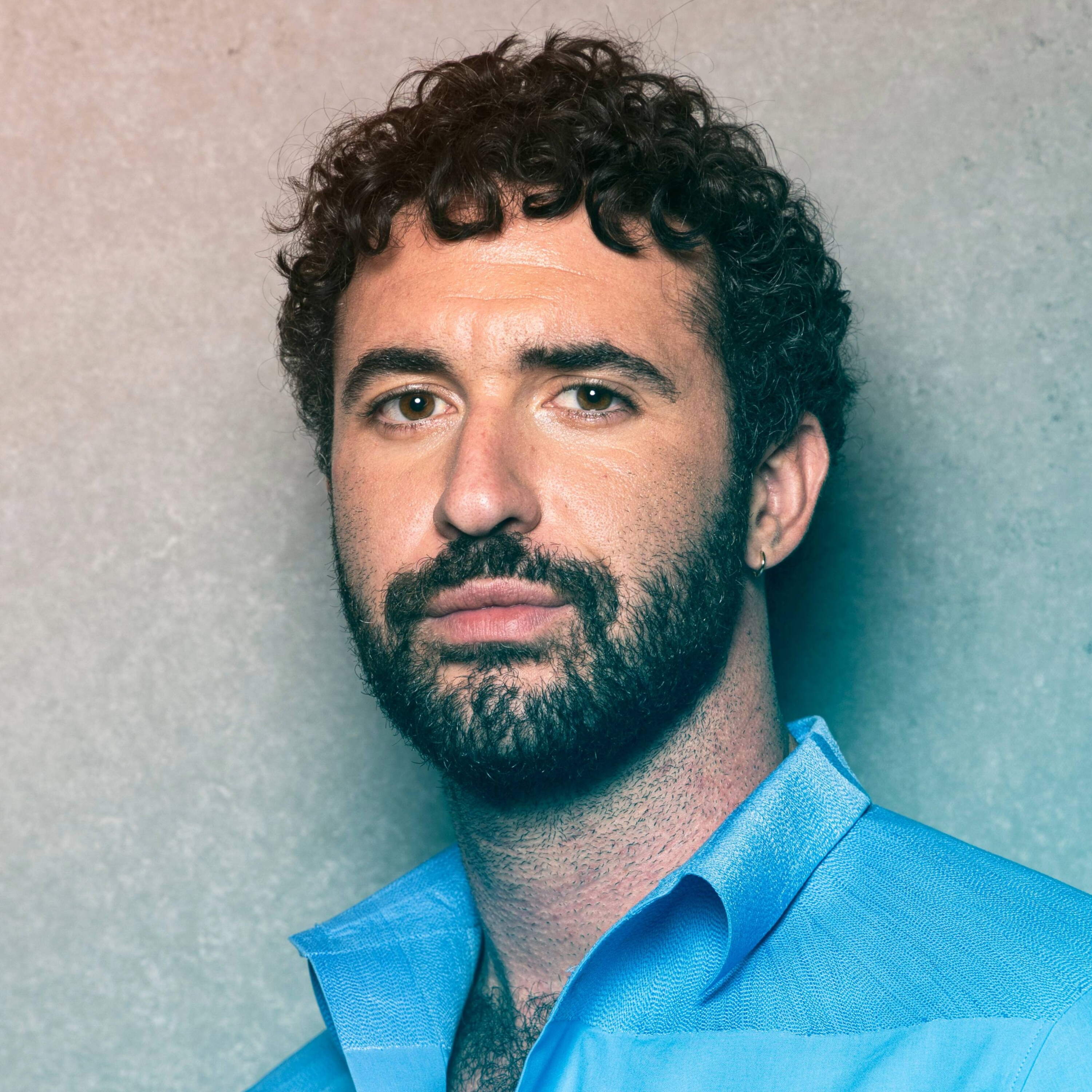
Jordan Firstman captures the highs and lows of being a ‘Club Kid’
In short
Jordan Firstman discusses his film Club Kid and his own life—how gay club culture mixes joy and danger, and how a party-centric man confronts fatherhood and trauma. The movie follows Peter, a 2016 Lower East Side club promoter who runs parties involving sex, drugs (including ketamine), and confetti, then fast-forwards 10 years to when he’s forced to care for his 10-year-old son Arlo after Arlo’s mother dies. Arlo’s arrival pushes Peter to question his lifestyle and learn to provide safety and consistency.
Guests
Jordan Firstman, actor/writer/director/comic known for Instagram comedy during the pandemic; wrote for Search Party, The Other Two, Big Mouth; starred in The English Teacher, Rotting in the Sun, and HBO’s I Love L.A.; released the album Secrets based on strangers’ Instagram-submitted secrets.
Key claims
Peter’s “first step forward” is admitting he doesn’t like himself; kids with trauma grow up fast and seek consistency; Firstman reframed the script from dark comedy to drama-with-humor; he aimed to portray both highs and lows of queer nightlife.
Notable examples
Berlin’s Berghain scene; filming in real New York clubs and on authentic streets like Chinatown/Lower East Side; audience reactions including older men weeping at Telluride.
Written by AI. May contain mistakes.
Chapters
0:34
Exploring 'Club Kid' and its Protagonist
Discussion about the main character Peter and his chaotic lifestyle.
“Jordan Firstman spoke with Fresh Air's Anne-Marie Baldonado.”
1:40
Introduction of Arlo: A Turning Point
The arrival of Peter's son Arlo leads to a major change in his life.
“Arlo's arrival leads Peter to reevaluate everything and to question if he's outgrown his old lifestyle, and if leaving it would make him a better father and human.”
2:24
Clip from 'Club Kid': Emotional Exchange
A poignant scene where Peter comforts Arlo about sadness.
“Arlo, the 10-year-old, played by Reggie Absalom, has been living with Peter for a bit and shares that he knows about his mother's death.”
4:00
Jordan's Personal Reflection
Jordan shares his feelings about being on Fresh Air and discusses the emotional depth in his character.
“Listening to your intro, it's a bit surreal to be here.”
5:06
The Complexity of Arlo’s Character
Jordan discusses the psychological aspects of writing Arlo's character.
“But to explain it simply to a kid, I think like that's maybe the first time Peter's just like, yeah, I don't like myself.”
7:17
Inspiration Behind 'Club Kid'
Jordan talks about his journey of writing 'Club Kid' and finding his voice.
“I started in the winter of 2023, I believe.”
8:12
From Humor to Drama: A Shift in Tone
Discussion on transitioning the project from comedy to drama while maintaining humor.
“And I was, you know, around 32-ish at the time.”
9:56
The Role of Sadness in Jordan's Work
Jordan explores why sadness is a recurring theme in his projects.
“I drive around LA listening to Frank Ocean and crying every day.”
11:10
Life in Berlin and Its Influence
Jordan shares how his experiences in Berlin inspired parts of 'Club Kid'.
“And then, you know, I, I think I developed my, my humor out of necessity being, you know, a gay teen that came out really young.”
12:07
Exploring the Famous Berghain Club
Discussion about the iconic Berghain Club and its significance in queer culture.
“Can you talk about that and how that kind of informed Club Kid?”
Show all 23 chapters
14:00
The Essence of Clubbing
Explore the unique atmosphere and vibe of clubbing at Bergheim.
“But, yeah, it's like it's a whole world.”
15:00
Portraying Gay Nightlife in Film
Discover how the highs and lows of gay nightlife shaped the film Club Kid.
“gym shorts, sneakers, and like a windbreaker and a tank top.”
18:00
Film Inspirations and Aesthetic
Learn about the 70s cinema influences and the nostalgic New York feel in Club Kid.
“But it was, yeah, it was very important for us to, you know, capture a nostalgic New York that, you know, might not really exist anymore.”
21:18
Growing Up on Long Island
Jordan Firstman discusses his suburban upbringing and early ambitions.
“On the latest episode of Sources and Methods, a blue tsunami, earthquake, avalanche, Democrats swept the midterms.”
26:20
Becoming an Independent Artist
Jordan reflects on his transition to independence and pursuit of acting.
“I think you should check the attendance.”
28:00
Jordan's Troubled Family Trip
Jordan shares a painful family memory from a trip to Italy that shaped his perspective.
“And the first night we get to Italy, she does one half a shot of limoncello and immediately says she's divorcing my dad.”
29:52
Introduction of Jordan Firstman
Host introduces Jordan Firstman, discussing his new film 'Club Kid'.
“My guest is writer, director, actor, and comedian Jordan Firstman.”
30:28
Life in LA and 'I Love LA'
Jordan discusses his experiences in LA and his role in 'I Love LA'.
“There is money, but maybe not for France.”
31:21
Life in LA and 'I Love LA'
Jordan discusses his experiences in LA and his role in 'I Love LA'.
“I want to ask you about the HBO show, I Love LA.”
36:54
Jordan's Viral Impressions and Creativity
Jordan reflects on his viral Instagram impressions and their impact.
“Yes, the days are getting shorter and colder, and the rain can be a drag.”
40:38
Jordan's Comedy Album Inspired by Secrets
Jordan talks about his comedy album 'Secrets' and its unique concept.
“So last year you released a comedy album of real songs inspired by real secrets that people sent you.”
42:00
Jordan Firstman's Musical Journey
Learn about Jordan Firstman's inspiration behind his comedy album and the secrets shared with him.
“That I turned into songs I go on for a lot longer.”
45:00
Navigating Fame and Personal Growth
Explore how Jordan Firstman grapples with fame and personal transformation while promoting his film.
“Now in Club Kid, Peter has to figure out how to hold onto the parts of his old life that matter while making room for something new.”

Ask about this episode
Get the gist, explore an idea or ask about something said.
 Claude
On Fresh Air, what are the key points of this episode?
Searching your listeningTranscript
Automatic transcript. May contain errors.
0:00This message comes from Capella University. That spark you feel? That's your drive for more. Capella University's FlexPath Learning Format lets you earn your degree at your pace, without putting life on pause. Learn more at capella.edu. This is Fresh Air. I'm Terry Gross. Our guest today, Jordan Firstman, is an actor, writer, and director who became known for his comedy on Instagram during the pandemic. His feature film debut, Club Kid, premiered at the Cannes Film Festival earlier this year and will be in theaters this Friday. Jordan Firstman spoke with Fresh Air's Anne-Marie Baldonado. When we first meet Peter, the main character in Club Kid, it's 2016 and he's the life of the party.
0:45He's a New York City club promoter who not only promotes the parties, he owns them. getting people in, keeping people out, giving out drugs, and taking them himself. His parties are filled with music, sex, drinks, ketamine, and confetti. It's a lot. And Peter loves being in the middle of it all. Fast forward 10 years, and Peter is still promoting parties like he used to, but he's older, a little worn out, wanting to take a break, but still getting sucked back into the center of the scene. That changes when a 10-year-old British boy is brought to his Lower East Side rent-controlled apartment. The boy, Arlo, is the product of a hookup Peter doesn't remember.
1:28He doesn't even remember ever sleeping with a woman. But it turns out Arlo's mother has died, and Peter, the boy's biological father, is the only family that he has left. Arlo's arrival leads Peter to reevaluate everything and to question if he's outgrown his old lifestyle, and if leaving it would make him a better father and human. Jordan Firstman wrote for TV shows like Search Party, The Other Two, and Big Mouth. He became Instagram famous as a comedian during the pandemic. He starred on the TV show The English Teacher and played a fictionalized version of himself in the film Rotting in the Sun.
2:09He currently stars in the HBO comedy series I Love L.A., which is coming back for a second season. He also released an album called Secrets, inspired by actual secrets that strangers messaged him. Let's start with a clip from the film Club Kid. Arlo, the 10-year-old, played by Reggie Absalom, has been living with Peter for a bit and shares that he knows about his mother's death. Peter, played by Firstman, is trying to comfort him. How does that make you feel? It's sad. Yeah, that makes sense. It's super sad. But that's okay, you know, to feel sad. You know that, right? You don't? You don't think it's okay to be sad?
2:58Why not? I don't know. Well, in my house, it's definitely okay to be sad. Encouraged, even. You know, if you want to cry for a week straight, like, it's fine by me. You know, sometimes I cry for a week straight. Well, why do you cry?
3:24You want the real answer? Yeah.
3:30Yeah, I basically don't have any self-esteem. What does that mean? It means that I don't really like myself a lot of the time. But you know, actually recently, you know, kind of since you got here, I've been feeling better about myself, which is, that's good. Yeah. It's good. Yeah. Jordan Firstman, welcome to Fresh Air. Thank you for having me. Listening to your intro, it's a bit surreal to be here. I'm like, we were a Fresh Air family. Oh. And, you know, we'd be in the car listening to Terry Gross, and I'd be like, Mom, put on something else that's so boring. Like, let's listen to Nirvana. Now look at you.
4:22Yeah, now look at it. I mean, I think my parents will be gagged, so to speak. But, you know, then I became a Fresh Air fan when I got my senses together. And so it's really an honor to be here and actually a bit emotional. Oh, well, we're very happy to have you here. I want to ask about that scene we just heard. I like how in the scene, you know, your character Peter is trying to make the kid Arlo feel better by saying it's okay to cry for a week. And it kind of feels like Peter is also trying to convince himself that it's okay. Yeah, I think it's interesting to try to explain something in its simplest form to a kid.
5:03Because I think Peter has never, you know, he knows the way he feels and like he spirals about the way he feels. And, you know, when you're in a state of spiraling, whether you're coming down from drugs or not, like when you're in that space, it's millions of thoughts about how you're not good enough and how you don't matter and how you're doing the wrong things. But to explain it simply to a kid, I think like that's maybe the first time Peter's just like, yeah, I don't like myself. And to maybe hear it out loud for him, I think is kind of his first step forward. You cast Reggie Absalom as 10-year-old Arlo.
5:41He's so good in the film. Can you talk about writing from the son's perspective, like what he might be thinking or feeling after going through really difficult things in his young life? You know, I did a lot of kind of psychological research on traumatized kids. My sister's actually a social worker for his exact age in Minneapolis. So we talked a lot. And she read every draft of the script and really helped me with Arlo. And, you know, she said a lot of times kids that have dealt with a lot of traumatic experiences do grow up a lot faster. And they do tend to know how to try to make consistency work for them or try to make something that feels good work for them.
6:29And so I think that's what's going on with Arlo. I think he knows what is waiting for him back in London is bad. And I think there's this chance of hope with Peter. Even though he's a mess, he's kind and he feels safe. I just wanted to make sure he had his own kind of intentions and motivations. And even as a 10-year-old, with what he's been through, I think he just, he yearns for safety and he yearns for consistency and he yearns for consistent love. And I think he sees that Peter is capable of that. Seems like Peter is also looking for that. Yeah, I think Arlo teaches Peter to grow up and I think Peter teaches Arlo to be a kid.
7:16Well, what inspired this story? When did you start writing Club Kit? I started in the winter of 2023, I believe. And I had had another project, a TV show in development, that I really was like, I had always kind of categorized my projects. Like my A projects I put my whole soul into, and my B projects were like my fun idea projects. and I had my A project and it was like seemingly moving forward at a network and my B project, I was like, oh, that's a fun idea, me and a kid. Like I feel so inappropriate in my life that like what would happen to my life if a kid showed up? And then the A project didn't happen.
8:03Thank God actually now that it didn't. And, you know, I had to then find my soul in the fun project. and I just had to kind of sit down and look within myself. And I was, you know, around 32-ish at the time. And I was like, am I an adult? Like, when is that going to happen? When am I going to feel like adult? I was partying too much. I was having these comedowns. I was having this self-hatred. And I was like, okay, there's a way to overlap these two stories. And, you know, and I wanted to, yeah, make a delayed coming of age film about, you know, a gay guy in his 30s. And so that's kind of how it started.
8:50Well, I read that somewhere in the writing process, you cut a large percentage of the jokes. So was it starting out as kind of a more comedic project? And then as you worked on it more, it still had that humor, but it maybe became darker and sadder? yeah I think like everything I do has like an undertone of of sadness and so that was always going to be there it's like if if I'm making it it's going to be a little sad um but uh once I I reframed it in my mind as a drama with funny stuff instead of a comedy with dark stuff yeah it completely changed and I felt like I could just actually live from a truthful place and and be honest with myself and be honest with the story.
9:34And I knew the jokes would be there because, you know, jokes are all around me. Jokes are always a part of my daily existence. And so, yeah, I think just leaning on the honesty and leaning on the drama is what, like, pushed the story forward. And then, you know, there's still a lot of jokes left in the movie, so you can imagine. Why do you think all your projects have sadness in them? I think because I'm a sad guy. I think I'm an emotional person. I feel a lot. I'm a cancer. I drive around LA listening to Frank Ocean and crying every day. I would say I cry every day, almost, especially in the last couple of years.
10:15I think, yeah, as I've gotten to my adulthood, I think I feel, I guess, more in touch with my emotions. And it's actually my favorite feeling to cry. I think, uh, sometimes more than laughing, even, you know, Joni Mitchell says, uh, laughing and crying. It's the same release in a song called other people's parties, which is very club kid adjacent. Um, and so I think I value laughing and crying, uh, basically equally, but crying a little bit more. And, you know, I was, I remember being a kid and I would lay on my floor listening to Natalie and Bruglia's Torn and I would just cry. And my parents were like, what's going on with this kid?
10:56Like, why is he? Cause I think they like saw how much I relished in it. And like, I liked the big emotions and I liked the big feelings. So I think it's, it's just like always been part of me. And then, you know, I, I think I developed my, my humor out of necessity being, you know, a gay teen that came out really young. I came out at 12 years old and definitely faced some amount of bullying. I think, you know, others have had it worse, but, you know, there was some pushes into lockers, traditional gay teen behavior. And, you know, you have to build this defense. And so I got funny, maybe even became a little bit of a bully for a couple of years.
11:41Still kind of have to temper myself sometimes when I like feel threatened, You know, I want to go into that defense mode. But, you know, I think as I grow older, I've shed a lot of those defenses. And this movie actually has helped me shed a lot of those defenses. I read that you lived in Berlin for some of the time when you were writing this and your time there kind of inspired it, specifically the gay club scene there. Can you talk about that and how that kind of informed Club Kid? yeah I just fell head over heels for this guy um that I met in Berlin that became my boyfriend and it was just like the most in love I had ever been and you know he was he was a party boy in Berlin and so I got really really into his scene and his friends were amazing and like amazing people but it was yeah I was doing drugs from Thursday to Monday you know when I was in Berlin and you know even like trying while i was writing the tv show that didn't happen so you know when you're doing this marathon style partying like you start you know thursday it's like oh chill dinner but there's cocaine and then friday is like now we really party like a night at berghain or a night and in in the club can feel like a lifetime and then it becomes monday morning somehow monday and tuesday you spend you know in bed wanting to kill yourself and then you're like I have one day of the week to work, Wednesday.
13:10So I got to get a lot of work done on that Wednesday. For people who don't know, can you describe what Berghain Club is in Berlin? It's kind of like the pinnacle of gay club culture. Yeah, I mean, it's a club that's been there for a long time, and they really value queerness. I think it's become way more mixed, but I still do think they value its roots in queerness. But I don't know. They just have the best DJs in the world, and the best sound system in the world. And there's different mazes and different places to have sex and to do your substances. And, you know, there's Panorama Bar on the top that's more kind of like house music, like a little more fun.
13:54And then the main room is techno and people really get down there. It's like not really encouraged to talk on that floor. You kind of just dance. But, yeah, it's like it's a whole world. It's a whole world inside that place. And, you know, it's become a little bit of like a meme or a joke, like, oh, getting into Bergheim. But like, then like anyone who goes, it's like, yeah, it's still kind of is just that girl. Like they just do it right. They care about the space. The reason it's so hard to get into is because the people at the door are curating the experience inside and they can really sniff out a vibe.
14:29Like if you belong there and you can wear as much black as you want in that line and you can not smile and you can do all the right things. But if they they can smell the vibe. When you were getting into Burkheim Club, what would you wear? I would usually wear like gym shorts and either like a T-shirt or a white tank top or yeah, just kind of like gay guy outfit, like very, very minimal gay guy outfit, like fanny pack, gym shorts, sneakers, and like a windbreaker and a tank top. Very casual. You didn't have to try that hard. They just knew. No. They just knew. And I just, I don't want to brag, but I have never been rejected from Berkheim.
15:17Ever. I want to talk about how you made the club scene look in your film. Like how you portrayed gay nightlife in New York. what was important for you to kind of convey because I feel like you ended up conveying like the joy of it like the pleasure of it but also the darkness of it and how did you sort of manage to do both yeah I think that was my exact intention I wanted to I wanted to show the highs and the lows because you you do have both I think uh it's not going to be like a like an oral history of like what it is to be gay. But I think we as gay men specifically, you know, we put ourselves in high risk behavior, high risk and high reward.
16:07I mean, we really live. And I think because we, for so long, we're not able to live. I think, you know, we choose to live very hard and love very hard. And that comes at a cost sometimes. And yeah, so I wanted to show the beauty and the joy and the pain in my life and the culture around me. You shot the movie with film, and that gave the movie kind of a look that connects it to other films about New York. Were there certain films that inspired you that you kind of wanted Club Kid to kind of be in conversation with? The 70s are just my favorite era of film ever. Like, I need to be a little bit more knowledgeable about like what exactly went down with this.
16:55I know the studios collapsed and then, and then like, you know, they were just taking more chances on our tours. And so, you know, you were having these movies with, you know, a bit of a budget that felt so creative and so free. And, you know, we had Altman and Cassavetes and Paul Mazursky and, and Scorsese. And it was just, I mean, everything was happening and it felt so alive what was happening then and so I've always just loved 70s cinema and in New York specifically so yeah I mean of course we were we were looking at um you know after hours and and king of comedy and Scorsese's early work but yeah so I just I just love the texture of 70s New York and so we really tried to also we shot only only in places that felt like old New York.
17:47That's why we shot in Chinatown and Lower East Side because it feels kind of unchanged. And Soho and some streets in Soho. And we tried to shoot with streets, shoot with, shooting streets with no cars. So it kind of had that older, older feel to it. But it was, yeah, it was very important for us to, you know, capture a nostalgic New York that, you know, might not really exist anymore. But then, you know, we have the modernity of the club. And for those club scenes, you did shoot in real clubs and real parties. We did. We did. I mean, we have these real parties where people are really partying, I'll say.
18:26And we were allowed in those spaces because of, you know, just my involvement in the last decade of clubbing and having friends. And there was a community feeling happening in the film that made made the queer underground New York rave scene like really want to show up because they they trusted that what we were making was going to be a positive depiction because of its honesty, I think. And I think they just I think I was in the perfect point in my career and I don't think I'll ever be able to do this again. I think it was I was in the perfect spot because I was like they knew my work enough to know that I was not going to make something horrible.
19:10But I was also not big enough that it felt like I was, you know, coming in and taking advantage. Well, you wanted to get it right, too. You didn't want to make a movie about the scene and have it not feel authentic. No, I mean, that would be the worst thing I could have ever done. It was like the most important thing to me and like no shade to background actors, but like they don't look like club kids. They just don't. So, you know, we had to have a certain amount just like for SAG rules, but we kind of hit them in the back. And yeah, we got a lot of, just a lot of people showed up for this movie in the community.
19:51My guest is writer, director, actor, and comedian Jordan Firstman. His new film is called Club Kid. We'll have more after a break. And for a behind-the-scenes look at Fresh Air, plus recommendations from producers, sign up for our free newsletter at whyy.org slash fresh air. I'm Anne-Marie Baldonado, and this is Fresh Air. Stay tuned for the following announcements and messages from our sponsors. This message comes from Google Workspace with Gemini. Ever notice how every new AI tool asks you to explain your business to it all over again? Google Workspace with Gemini skips that. You get Google's AI built right into the premium versions of Gmail, Google Docs, Sheets, and more.
20:38No new tools, no extra logins, just one subscription that gives you personalized AI right inside your actual workflow. Try Google Workspace with Gemini at goo.gle slash Workspace with Gemini.
21:18On the latest episode of Sources and Methods, a blue tsunami, earthquake, avalanche, Democrats swept the midterms. What does this mean for President Trump's ambitions overseas? And why is Iran paying such close attention to the changeup on Capitol Hill? Listen this week to Sources and Methods, the national security podcast from NPR. Now, you grew up on Long Island. Did you have a very suburban Long Island childhood? I would say so. Yeah, it was I was I was in kind of a picturesque town, like kind of Gilmore Girls vibes even called North Port. And my parents were both journalists at a newspaper.
22:01My mom ran the health and science section. My dad ran the sports section. Very kind of 90s rom-com vibes. And yeah, I had two older siblings, twins. We had a dog named Molly, a cat named Jasmine that they weren't getting along. So like my mom said, she like gave her to someone good, but I kind of don't trust her. You got an agent when you were 14, I read. Did you go to New York and get an agent or did you start calling people? Like, how did you do that? And what kind of actor did you want to be? Yeah, I remember like dragging my parents to an open call for Lion King to play Simba. and like which is famously like oh was always like a person of color like there was never a white simba ever and i went to the audition there was like 500 black kids and me and i was like i think i could i don't know maybe like i'll be the one to like change the rules but i don't know i had this like blind confidence and and my parents were like i don't know what's going on but yeah i I don't remember how I found that agent, but she would start to send me on auditions.
23:13And, you know, when I was 16, I got really close to being the lead in Brighton Beach memoirs on Broadway. And I was going into the city all the time to audition for acting stuff as a kid. And my parents were very supportive of it. But I just, I don't know. I just, I knew what I wanted very early. I think it's funny now that, you know, I am where I am, and filmmaking has become the thing for me. But for the first couple years, it was definitely acting. And you were very much into musical theater. What musicals were important to you? And did you want to perform in musicals, or did you want to write musicals?
23:53I hid for so many years that I liked musicals. I just thought it was the least cool thing. And I still do believe it is the least cool thing. But I can also admit, told two truths that I do also enjoy it. But I just, I like the good ones, though. Like, I like Sondheim. Fancy musicals. Some artists transform the art form. You know, I'm not going to see, like, I don't know, whatever, like, recreation of a movie that's, like, going on Broadway. You know, that's not my type of musical. But, you know, I became obsessed with Sondheim when I was like, yeah, probably 12 and like obsessed with company.
24:34I'm like, I like related to Bobby and company, like a 35 year old single bachelor in the 70s. I'm like, I am Bobby. Like I like, yeah, like someone to hold me too close. Someone to sit in my chair. Someone to ruin my sleep. Like I'm like a being alive. Like that's me. And but also I'm Elaine Stritch. And actually, I dressed up as Elaine Stritch for Halloween for three years in a row from ages 14 to 17. So yeah, I loved it. I live for the stuff. And, you know, I've gone through many, like, many loves of art. And like my, you know, then I got really into Keith Haring when I was 17. And like, that became my whole identity.
25:15And, you know, then I, then, you know, Mazursky came at 21. And then that was my thing. And so, yeah, I think I've looked to like certain artists more than art forms, I would say. Like certain artists have really changed my life. Mike White, when I watched Enlightened, that was a game changer. Frank Ocean, like Tyler, the creator, SZA, Lana Del Rey, Amy Winehouse. Like it's really artists who shaped me rather than art forms. You've talked about how you became independent in your teens. Was being an actor or trying to be an actor part of that? I think so. I think I liked the idea. I like always, again, it's like I think company and like I guess watching Woody Allen movies, like I wanted to be in the 70s and be a bachelor on the Upper East or West Side.
26:08Like that is what I felt I was born to do. and so I think going into the city by myself with my with my backpack and and you know go like going to auditions alone and then you know I would like crash at friends houses that I knew from summer camp and you know I convinced my parents I didn't have school on Fridays for two years and they were going through their own divorce so I don't think they were listening to anything at all so they believe me somehow and um my teachers would be like girl you need to come to school on Fridays. And I'm like, I think I do. I think you should check the attendance.
26:42I think I'm there. Um, but I would, I would take the train from where my high school was in Syosset to, uh, to the city on Thursday, stay at my friend Ben's house on, on the Upper West side from Thursday to Monday morning, go back, go to school for a couple of days and then, and then do it again. So I was really like, yeah, I was living, I was living a very independent life. My parents did not know where I was from Thursday to Monday. Well, so then did acting or, you know, life in New York become a way to escape what was going on at your house? Probably. Yeah. I mean, I didn't know. I think, I think that's another part about part of the film like that in that conversation that you, you played, I think I didn't like know my parents were people and I feel like they kept so many secrets from me.
27:33And like, I, you know, I, for my bar mitzvah my parents were like you could either have a big party um or you can have a party at the house and go and we'll take you on a trip anywhere in the world and so i was very cultured at a very early age and i chose the trip and so i chose italy and you know it of course took like four years to get the trip together so by the time we were doing the trip i was 17 and like all of a sudden my dad like had work and couldn't come and it just became me my mom my sibling and my mom doesn't drink. And the first night we get to Italy, she does one half a shot of limoncello and immediately says she's divorcing my dad.
28:13And so obviously the trip was ruined. We like left early, like my, it was like the worst trip ever, but you know, I didn't have any indication of what was going on. And like, there were some factual things that were really bad happening and I was just so in the dark and then I was so mad at my mom for so many years and then so mad at my dad for so many years and I just like never knew the story and I never like I never knew them as people and so I think I was definitely just trying to create my own life of of me having an honest experience and like living too I was like going in the city and like hooking up with guys too.
28:54You know, I was like interested in being an adult. I felt like I, from the age of like 15 on, I wanted to be an adult and start my life. And then how soon after that did you move to LA? I did like a year and a half in college in Ohio and I dropped out to do a play in New York. And I had a really traumatic year in New York that I don't want to get into so much, but a lot of bad stuff happened. And, uh, yeah, I was just like, I can't live here. And I, you know, I'd never been to LA before I had, I didn't know anyone there and I didn't know how to drive. So, you know, I learned how to drive in two weeks, like past my driver's test, like within an inch of my life.
29:39And, and, you know, just, just moved to LA. And I was like, I'm gonna, I'm gonna, you know, like why people move to LA, I'm going to reinvent myself and, and start a new life. And that's what I did. My guest is writer, director, actor, and comedian Jordan Firstman. His new film Club Kid opens in select theaters this week. More after a break. This is Fresh Air. Stay tuned for the following announcements and messages from our sponsors. This message comes from Google Workspace with Gemini. One subscription that does it all. Personalized AI and premium business versions of Gmail, Google Docs, Drive, and more.
30:20Try it free for 14 days at goo.gle slash workspace with Gemini. On the latest Planet Money podcast, protesters in France are asking their government for more money for schools and for pensions. No, why not? There is a bunch of money in the world. Don't say there's no money. There is so much money. She's right. There is money, but maybe not for France. Why does the market seem to be turning on France? And what can the rest of us learn from this? Listen to Planet Money on the NPR app or wherever you get your podcasts.
31:17When you subscribe at ProlonLife.com slash NPR. I want to ask you about the HBO show, I Love LA. It premiered last year, and I believe you're making season two right now, or you're in the process? Oh, you finished shooting it. That's wonderful. It's about a group of friends who are trying to make it in LA. Some of them are New York transplants. Rachel Sennett created the show, and her character is trying to be a high-powered talent manager. You play Charlie. who's trying to become a high-powered celebrity stylist. Charlie is a high-powered stylist. He already is. He's not trying. He already is.
31:56Yeah. I'm sorry. I apologize. Now, here I'll have - Maybe season two, he flounders a little bit. But season one, he's still a pretty big pop star. Well, I want to play a scene from the first season. You're working with Mimi, a pop star, played by Iowa Debrey, using a British accent. And in this scene, you're helping her with some clothing. Mimi, oh my, you are literally bound. Thin, I love what Corbin is doing with your body. He's still doing like the cell scraping stuff. No, but it's not even about being thin for me anymore, honestly. It's about strength. Like I need Mimi Rush to be the strongest Mimi Rush she's ever been for this tour.
32:32I love that. Thank you. I love that. Genius. Mimi, by the way, I forgot to tell you, Acne sent over an extra jacket for you that's like way too big. I don't understand. It's like they randomly sent my size which I'm like I can send it back but Charlie yes You know how I told you about my new music video? We finally locked down is gonna play my mother and that's what's really gonna tie it all together You wanna tell me?
33:00What Zendaya as your mom wow so there's flashbacks to when you were a baby or like how are you gonna work that out? No, she's my mother now. Right. And I'm me now. Right. No, only because of the age that she is. Yeah, I just think she reads maybe a little. No, no, no. I think you don't understand because you don't have a brain for film. I think you have a brain for clothes and like being gay. Gay, clothes, end of person. That's a scene from I Love L.A. How would you describe Charlie? I mean, in addition to being a high-powered celebrity stylist. I think he's like a go-getter and he's scrappy and he's manipulative and he knows how to get what he wants and he's ambitious.
33:50And I think underneath it, he's a softy and a sensitive guy. But I think he's, you know, had to fight so hard to make it in L.A. that he's kind of, you know, he has to have his defenses up. And so, yeah, I think he's a bit more caustic and, you know, a bit more rough around the edges and, you know, hard to penetrate emotionally. Rachel Zenit's character is from New York and trying to adjust to L.A. and it's not easy for her. You moved from New York to L.A. What was that like for you? Do you recognize anything that comes up in I Love L.A. from your early days there? I do I think it takes so much tenacity to make it in Hollywood and it's not easy it is like and you have to have so much faith in yourself to keep going because there are I mean like god years years and years of like you get these minor signs that maybe you're you're worth something but most of the time it's major signs that you're not and uh you know I was a photo booth operator for celebrity events from the ages 21 to 23.
35:03And so I was around all these celebrities and like, it's really funny. Like there's people that I won't name that I took photos of in the day that were so mean to me that are now like in my DMs being like, I'm obsessed with you. Like we're seeing at parties and being like, you're my favorite actor. So it's just funny. It's funny how LA works and the social hierarchy. But yeah, I worked really hard for a lot of years. And I don't know, I feel at home in LA now. And I feel like I've made a name for myself and I accomplished what I wanted to accomplish. And, you know, I feel good about that. Well, let's take a short break here and then we'll talk some more.
35:45My guest is writer, director, actor and comedian Jordan Firstman. His film Club Kid, which premiered at the Cannes Film Festival earlier this year, will be in theaters later this week. More after a break. This is Fresh Air. Stay tuned for the following announcements and messages from our sponsors. This message comes from Google Workspace with Gemini. One subscription that does it all. personalized AI and premium business versions of Gmail, Google Docs, Drive, and more. Try it free for 14 days at goo.gle slash workspace with Gemini. This message comes from Thumbtack. Recommendations can be great.
36:25Maybe someone recommended this podcast and here you are. But home projects are different. If a podcast isn't your thing, you lose a few minutes. If you hire your cousin's neighbor to mount your TV, you might end up with a lopsided screen and wall damage. That's why Thumbtack works. It matches people with top-rated local pros, with photos, reviews, and credentials all in one place. For your next home project, try Thumbtack. Hire the right pro today. Happy fall! Yes, the days are getting shorter and colder, and the rain can be a drag. But this is also the perfect time of year to get cozy. LifeKit has lots of ideas so you can embrace the change of seasons with episodes on everything from making soup to exercising outdoors.
37:10Listen to the Life Kit podcast in the NPR app or wherever you get your podcasts. Now in 2020, near the beginning of the pandemic, you started going viral for videos you would post on Instagram. It wasn't for regular impressions. It was for impressions of things and concepts like being a publicist for banana bread or being Mother Nature. let's hear a little example of you as mother nature oh no i'm okay i'm okay i've been like i've been kind of sick lately for the past like it's been a thousand no more than that like a couple thousand years yeah it started when i like i was young i was like a lot younger and i ended up creating humans and effort like i did it as a joke for my boyfriend um and then it just became this like toxic situation where it was like i couldn't say no to them and then they were just like taking taking taking advantage of me and like i finally got to a point like like now it's actually really affecting my health and like i feel like i feel like this is bad i think i'm them all wait it's that bad i feel bad but like i want to i'm like over this phase like i'm literally ready for a new chapter that's jordan firstman for on instagram in 2020 yeah i don't know how often you listen to that i should have asked you before if you if you wouldn't mind listening that was i thought it would be tough but i was oh no that's kind of funny smart witty witty you have to admit like that sounds like a different person right than you then now then now yes it sounds like a character created by a different person yes yeah i'm like i i see that and i'm like wait that's me it's it's a very surreal thing um my voice sounds different right yes um weird what inspired you to do these videos so i had just gotten out of like a pretty toxic relationship and a big part of that toxicity was like him holding me back creatively and kind of like only just like making me not believe in myself and my own creativity in a lot of ways and so you know that relationship ended I had another show that I had sold that seemed like it was going and that got killed and the pandemic happened and I I challenged myself one week I was like I'm just going to like do a like esoteric impression once every day for a week and i did on my stories and i was getting a lot of like cry face emojis and and hearts and likes and so i i posted them all and then from my first post it was like off to the races ariana grande found them and posted them every week for eight weeks and all of a sudden i had hundreds of thousands of followers and celebrities in my dms and yeah it felt like it was just this this crazy surreal moment because You know, everyone was on their phones, like everyone was in their home on their phones wanting to laugh a little bit.
40:14And and I I locked into a format and I I was feeling very creative. Yeah, I guess I get the constant is that after breakups, I feel very creative. So, yeah, it just it's just kind of spiraled and maybe spiraled out of control a little bit. And but it definitely it helped me get some recognition for sure. One of the things that happened was that on social media, people would start sending you their secrets. And you're also a musician. So last year you released a comedy album of real songs inspired by real secrets that people sent you. And I'm going to play the first track of the album, which is called Secrets, because it lays out the premise very nicely.
40:57Let's hear it. This is a concept album. This is a concept album. I'm breaking the fourth wall to tell you That this is a concept album I just wanna tell you exactly what it's gonna be Every song is based on a real person's secret That they submitted to me on Instagram May sound like a thin premise May sound like a trite premise But there's depth if you look for it Or not if you don't I don't care Cause this is a concept album This is a concept album Based on real people's secrets That I turned into songs I go on for a lot longer. It's called Six Minute Interlude, and it is six minutes. Yes, that's a track from Jordan Firstman's comedy album called Secrets.
42:17Why do you think people sent you their secrets? And how did that inspire this album? Which, by the way, each secret, a lot of them kind of blew that we can't mention on the air. But they kind of all represent a different genre of music, too. Yeah, I think I was so open on Instagram at that point. And I would get drunk on Four Loko and people would send me their secrets. And at first it wasn't music. I would just kind of respond to them or make fun of them or just be silly. And I think people just trusted me. I don't know. I feel like nothing shocks me and I don't believe in like good and bad and in that kind of way.
43:00And so I think, you know, it was a cathartic thing for people to be like, I have this shameful thing and I can reveal it to this like funny gay guy and he, he can make something silly about it. And so, yeah, I think people just like wanted to be a part of that, but there also was, yes, some catharsis in people getting out these dark secrets that they haven't told anyone. Well, it's interesting how people respond to you on social media as someone who became famous for being on social media. And I'm wondering about that fame at that time and if people ended up confusing you for the characters that you play.
43:37I will say your videos poke fun at people who are self-important and they poke fun at celebrity. And I'm wondering if it was frustrating because people would kind of confuse you with the different personas that you had. Yeah, it definitely was. But I've come to a place with it where I'm like, I can't control how people see me and I never will be able to. And it's a fool's errand to try to control any sort of narrative about yourself, especially on the internet, especially in modern times. So I think what I've learned is like, all I can do is put out whatever creative thing I am going through at the time like secrets like just like it's so random like I was like why am I making an album this is so random no one was asking me to make an album no producer was like coming to the studio today I was like I was booking those studios like forcing but then when we got in the studio they're like it was refreshing for a lot of my producers because they're getting pressure from the label to make the next pop hit.
44:45And then I come in and I think it was a fun and refreshing experience for everyone involved and very freeing for me as an artist to just do something really silly and stupid and free. Now in Club Kid, Peter has to figure out how to hold onto the parts of his old life that matter while making room for something new. Is that something you've been dealing with yourself? I've heard you say that it's difficult for you sometimes to leave the party, like literally and kind of figuratively, and I'm wondering where you are with that. Yeah, I am just so proud of this work. I'm so proud of this movie. And so I'm just focused on getting the movie out there because this movie does touch people, And I think it touches a lot of, a lot of different kinds of people that I wasn't expecting.
45:39And, you know, we went to Telluride and I, I watched 75 year old men, white men, like walk out of the theater weeping. And I was like, oh, okay. That was not what I had planned for, but then it is there now. So now it's kind of my job to like, you know, a 75 year old man isn't going to see like the premise of like club kid and go to the movie. So I have to figure out how to get it to them. And then after that ends, I need to really recalibrate and think like, what do I want next for my life and my art? And what do I what do I want to talk about? And, you know, where where is my head at? I've been nonstop working for about three years now without any breaks, like really not like even a week.
46:28And so I think I need a little bit of a break and just time to like really think about where I am and where I want to go. Jordan Firstman, thank you so much for joining us. Thank you. Did you like it? Yes, it was great. No, it was so great. Jordan Firstman spoke with Fresh Air's Anne-Marie Baldonado. His new film Club Kid opens in select theaters this Friday. Tomorrow on Fresh Air, novelist Min Jin Lee's last book Pachinko sold more than 5 million copies and was adapted into an Apple TV series. Her new novel, American Hogwan, is about whether education can provide salvation. Lee will talk about the book, her obsession with the Korean diaspora, surviving a terminal diagnosis, and why it takes her a decade to write each book.
47:18I hope you'll join us. Fresh Air's executive producer is Sam Brigger. Our technical director and engineer is Audrey Bentham. Our interviews and reviews are produced and edited by Phyllis Myers, Ann Reboldonato, Lauren Krenzel, Teresa Madden, Monique Nazareth, Thea Chaloner, Susan Yacundi, Anna Bauman, and Nico Gonzalez-Whistler. Our digital media producer is Molly C.V. Nesper. Roberta Shorrock directs the show. Our co-host is Tanya Mosley. I'm Tariq Rose. Stay tuned for the following announcements and messages from our sponsors.
48:16If a podcast isn't your thing, you lose a few minutes. If you hire your cousin's neighbor to mount your TV, you might end up with a lopsided screen and wall damage. That's why Thumbtack works. It matches people with top-rated local pros, with photos, reviews, and credentials all in one place. For your next home project, try Thumbtack. Hire the right pro today.
From the publisher
Firstman's new film, Club Kid, is about a gay party promoter whose life is upended when he discovers he has a young son. "Arlo teaches Peter to grow up, and I think Peter teaches Arlo to be a kid," he tells Fresh Air’s Ann Marie Baldonado. The filmmaker and actor talks about his own years partying in excess, finding inspiration in heartache, and his esoteric impressions that went viral during lockdown.
Subscribe to our free weekly newsletter
Follow us on Instagram
Subscribe to our YouTube channel
Check out the Fresh Air Archives
See pcm.adswizz.com for information about our collection and use of personal data for sponsorship and to manage your podcast sponsorship preferences.
NPR Privacy Policy
Subscribe to our free weekly newsletter
Follow us on Instagram
Subscribe to our YouTube channel
Check out the Fresh Air Archives
See pcm.adswizz.com for information about our collection and use of personal data for sponsorship and to manage your podcast sponsorship preferences.
NPR Privacy Policy
More from Fresh Air
All episodes
We use cookies.They keep VO running smoothly and help us improve it. Privacy policy