 Ask ChatGPT


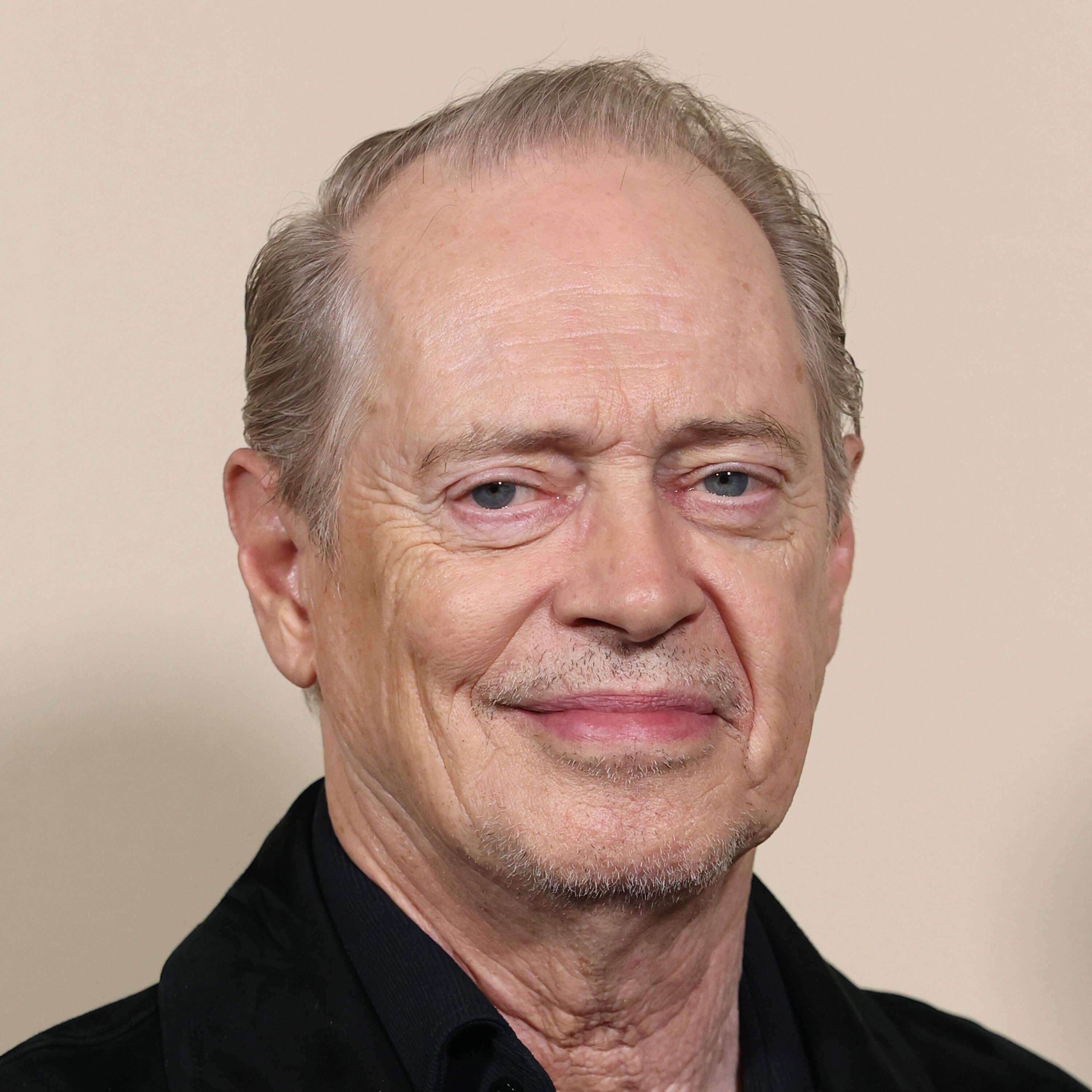
Fresh Air interviews actor/writer/director Steve Buscemi about recent films and his long career, including how his working-class New York life shaped his roles. Topic: Buscemi discusses The Only Living Pickpocket in New York (John Turturro as an aging, struggling pickpocket; Buscemi plays the pawn-shop owner), Wild Horse Nine (1973 Chile coup; he plays CIA boss “MJ” supervising Malkovich’s Chris and Rockwell’s Lee), and his past work in Fargo, Boardwalk Empire, and Reservoir Dogs.
pickpocketing is harder in a digital world (phones traceable); “MJ” tries to keep secrets as Chris forgets and talks too freely; Boardwalk’s Nucky Thompson became darker and more isolating over time; Buscemi’s FDNY firefighting background and 9/11 reconnection shaped him.
pawn-shop haggling over tracked cell phones; Easter Island location life (sunrise behind Moai); 9/11 digging for five days.
Steve Buscemi (solo).
Written by AI. May contain mistakes.
Steve Buscemi talks about his role and experiences in The Only Living Pickpocket in New York.
“The Only Living Pickpocket in New York, it's the story of an aging pickpocket who's played by John Turturro, who is struggling with some family needs.”
Buscemi discusses the character dynamics and challenges in the film's plot.
“I mean, these are two guys who are old friends and a stranger might not know that they're friends because you hear them haggle and kind of trade insults.”
Buscemi shares insights about his role in Wild Horse Nine and its historical backdrop.
“Which leads to a plot twist which puts him in some serious trouble, which draws you into it and will let folks see the film and get all of that.”
Buscemi describes the filming experience on Easter Island and its impact on the cast.
“So all that stuff is just, It's just lovely for an actor to play with.”
Buscemi reflects on his journey from firefighter to actor and family influences.
“Not a bad place to work if you got to work.”
Steve Buscemi recounts the details of being hit by a bus at a young age and how it shaped his life.
“I was hit by a New York City bus when I was four.”
Discussion about Buscemi's breakout role in 'Reservoir Dogs' and his character in 'Fargo'.
“This week on Here and Now Anytime, the spy scandal rocking NVIDIA exposed how lax the government has been in forcing its ban on AI chip exports to China.”
Discussion on NPR's Newsmakers and the benefits of NPR Plus.
“Can the incoming senator and his colleagues also work with the president?”
Steve Buscemi discusses his role in Boardwalk Empire and its impact.
“It's set in Atlantic City just as Prohibition is coming on in the early 20th century.”
A review of the PBS concert exploring the history of the space race.
“PBS is presenting a new televised version of a multimedia concert staged at Carnegie Hall last April.”
Learn about Neil Armstrong's early life and the historical context of his achievements.
“Previous ones have included presentations on World War II and Vietnam.”
Discover the influence of Star Trek on science and representation in media.
“She tells this story in character as Nichols, quoting the black actor directly and passionately.”
Get insights into additional content and behind-the-scenes details of the show.
“We chose to go to the moon is out of this world.”

Get the gist, explore an idea or ask about something said.
 Claude
On Fresh Air, what are the key points of this episode?
Searching your listeningAutomatic transcript. May contain errors.
0:00This message comes from Capella University. That spark you feel? That's your drive for more. Capella University's FlexPath Learning Format lets you earn your degree at your pace, without putting life on pause. Learn more at capella.edu. This is Fresh Air. I'm Dave Davies. If you're a fan of the Coen Brothers movie Fargo, this line might ring a bell. Are we square? Are we square? That's our guest today, Steve Buscemi, in one of the more memorable roles of a career that's earned him well over 100 film and TV credits. They include Reservoir Dogs, The Big Lebowski, The Sopranos, and Boardwalk Empire, to name just a few.
0:41He's also directed television and film, including the movie Trees Lounge, which he wrote and starred in. And at age 68, he's still busy. Buscemi has roles in two recently released movies, The Only Living Pickpocket in New York, starring John Tarturo, and Wild Horse Nine, directed by Martin McDonough and starring John Malkovich and Sam Rockwell. Buscemi has had an interesting career path. He was a New York City firefighter for four years while he was getting his start in theater and stand-up commie. We'll talk about all of that. We recorded our interview last week. Steve Buscemi, welcome to Fresh Air.
1:18Thank you. Nice to be here. Good to have you. Let's start with your recent projects. The Only Living Pickpocket in New York, it's the story of an aging pickpocket who's played by John Turturro, who is struggling with some family needs. And you own, I guess, a pawn shop in the Bronx, isn't it? Yeah. Let's listen to a clip here. In this clip, John Turturro, the pickpocket, has come into the pawn shop that you run in. He unloads his latest haul of cell phones and jewelry and stuff on the counter for you to assess and decide what you can pay him. Let's give this a listen. All right. We talked about these.
1:54The fancy ones, they track them. I got a guy in Chinatown. He sends them back. Okay. Watches? This brand is no good. But it looks great. I'll tell the editors the details. This one this one is good Swiss you see the sweep Hold on That's for Gatsy I don't pull that on me. I look here This movement Right, it's all jagged no jewels. It's only beating three times a second not five unfinished alloy gold plate Probably not even that I was legit. He had platinum cards, you know, war Aldens I mean, it keeps time, but everything's got a clock in it now. All these microwaves I'm trying to move for 40 each, they got clocks.
2:39You want a microwave? Mark like that, you don't see them on the shoot that often. Yeah, even suckers get a day off sometimes. Yeah. All right, this is gold. This is good. Yeah? Yeah, 14 carat. Probably 400 for me, 150 to you. So I'm going to walk in here tomorrow and see this for 400? You got Esty? F*** that. Like eBay on the computer, except for antiques and jewelry and water bottles with the stupid phrases on them. It might cut better there. I could ask Evie. I don't have time for this. So you want$150? No, I don't want$150. I want more, but give me$150. And that is John Turturro and our guest Steve Buscemi in a scene from The Only Living Pickpocket in New York.
3:25I heard you giggling at that. It's a fun scene, isn't it? It is, yeah. And I love working with John. That was a real joy to get to do that. This is such a New York scene, right? I mean, these are two guys who are old friends and a stranger might not know that they're friends because you hear them haggle and kind of trade insults. You lived in New York most of your life, right? I guess this is a pretty comfortable setting for you. It is, but I was never – You never ran a pawn shop. I was never much for going into pawn shops. And when I read the script, yeah, I was a little, you know, like, I don't know what this stuff means.
4:04Like, what are they talking about? But luckily, Noah Sagan, the director, I guess he knows about it or he's done his research. And so he helped explain everything that I was talking about. Yeah, well, you sound like you know what you're talking about. I guess, right? I mean, the interesting thing here is that Harry, this aging pickpocket, I mean, you know, decades before he would pick pockets and get wads of cash and really valuable watches. But it's a digital world now, right? He's kind of in trouble, isn't he? And nobody carries cash anymore. So I imagine the life of a pickpocket has just gotten really hard.
4:49Right, right. Phones that can be traced, all that. Yes, absolutely. Which leads to a plot twist which puts him in some serious trouble, which draws you into it and will let folks see the film and get all of that. You know John Tortura well? I've known John – yeah, I guess I met him right before I was going to do Miller's Crossing, which is the first Coen Brothers film that I did. and yeah I mean John and I we played lovers in the film but there's no scene of us we don't have a scene together but I was excited just to be in a film with him and of course to be in a film with the Coen brothers and then we did get to work together in Barton Fink and I loved that scene doing that with John yeah you know I when I first met him I guess I was still living on the Lower East Side.
5:49And then in the early 90s, I moved to Park Slope, Brooklyn, and he was there with his family, and it just felt good that I was in the same neighborhood as John. I always looked up to him. You know, we're the same age, but he seemed to have gotten his start in film and theater before me and was, you know, already doing great work, and I just admired him so much and it was such a treat to then to get to know him and work with him. Yeah, well, I really enjoyed the film. You're also in Wild Horse Nine directed by Martin McDonough who were people that may remember these titles also directed in Bruges, Banshees of Innesharon, Three Billboards Outside Ebbing, Missouri.
6:36Here you play a CIA official in the days before the coup that overthrew the Chilean government of socialist president Salvador Allende. This is way back 1973. And you're supervising these two agents, played by John Malkovich and Sam Rockwell, who were there to destabilize the Chilean government and facilitate the coup. Not one of the proudest moments of American policy. Not at all, no. You want to describe your character, this guy we know only as MJ? Well, he's the head of the whole operation there. And, you know, he's a boss and he has his job to do. And he's got this one agent, Chris, played by John Malkovich, who is not that he's going rogue, but he's he's wanting to write a memoir.
7:29And and plus, he's having trouble with his memory. He's not well. And so there are things that my character, MJ, just doesn't want revealed. And he gets no respect from Chris. So he tries in his own way to try and find out things through Lee, played by Sam Rockwell. and Lee is Chris's partner and they've known each other and worked together for years and it's an interesting relationship because they're sort of like an old married couple that bicker but you know that they love each other and they're going to take care of each other and you know in the rehearsing of it and just hanging out with Sam Rockwell talking about the characters you know we sort of came up with the back story that MJ and Lee used to work together and that I was you know maybe sort of his original mentor.
8:31And then I sort of moved up through the ranks and became a boss. And I'm a little bit jealous of this relationship now that he has with Chris and that he's had for years. And so, you know, all that stuff is just really fun to play. Chris, the agent played by Malkovich, I mean, has been in every kind of dark American intervention going back to the 60s. in Africa with Patrice Lumumba. And so he knows a lot and he's getting loose-lipped. He's kind of talking to strangers about some of this stuff. And this bothers your character a lot. Well, and the other component is that I look up to him as well.
9:10You know, I want him to like me. He's kind of like the gold standard, you know, and it really bothers MJ that he just doesn't get any respect from Chris. So all that stuff is just, It's just lovely for an actor to play with. Yeah. You've played a lot of criminals over the years. I have. MJ isn't exactly that, right? No. I mean he is quote-unquote one of the good guys, right? But that's questionable. Yeah. So he's not a gangster. He's not a criminal. But he certainly has, you know, had to make decisions that were really, really bad for other people. Right. And, you know, the other interesting thing about this film, a lot of it is shot on Easter Island, which is this amazing place.
10:04It's like way out in the Pacific Ocean, although I guess it's a territory of Chile. And for people who may not know, I mean, Easter Island has these amazing sculptures of human heads throughout the island. And it's a very verdant place. Did it sort of lend an atmosphere that affected performances? I think just being there in an island that is so remote, we were all staying at the same resort. And so we would see each other all the time. And the place is magical. The Moai are just incredible. The statues of these giant heads, any time of day you see them, they're impressive. But on our days off, my wife and I would go at sunrise just to see the sunrise behind these beautiful majestic heads.
10:55And then at sunset, we'd go to the other side of the island and see another set of heads as the sun was setting. And there's that. And the horses really do run wild there. I mean I've never been in a place where horses are free. It was just incredible. Yeah, yeah. Not a bad place to work if you got to work. It was, I think, one of my favorite places that I've ever been to shooting on location. So you grew up, I guess your family lived in Brooklyn, then you moved out to Long Island when you were a kid, right? You were one of four brothers, right? Right. Working class family. A lot of people know, but not everybody knows, that you were a New York City firefighter.
11:42I mean, for real, full time working at an engine company in lower Manhattan. What's interesting is that you entered the department after you'd already gotten the acting bug and had taken classes and begun doing – performing in stand-up and plays and such. I gather your dad was kind of instrumental in both ends of that, right? He was. My dad was a sanitation worker and he knew about civil service jobs and when the tests came up. And so when I was 18, the test for the fire department was available. And so I took it and I trained for it because the physical was quite demanding. And I, you know, read up on past tests for the written test.
12:26But what's interesting, you know, my dad, yeah, he grew up in East New York, Brooklyn. And he had two best friends growing up. One was Charlie Doggety, who became a firefighter. And the other was Peter Miller, who became an actor. So my Uncle Pete, he was not a real blood relative, but we knew him growing up as Uncle Pete. He went to the neighborhood playhouse. He studied with actors like Steve McQueen, and he was in films in the 50s like Blackboard Jungle. He was in Robert Altman's first feature, The Delinquents. But he lived in California. You know, we lived in Brooklyn and I think my dad was just trying to keep me in New York.
13:14And so he suggested, he says, look, if you want to be an actor, you know, Uncle Pete, you know, he went to, he took acting classes. You know, that's what you have to do. And he took me into the city and we actually stopped by the neighborhood playhouse. And then I don't know how he knew of the Lee Strasberg Institute, but he did. And I ended up going to the Lee Strasberg School on like a six-month kind of like full-time course of four acting classes, a voice class, a movement class. And that's what kept me in New York. And I'm grateful for that. The other interesting part of this story, and tell me if I have this wrong, was that, I mean, those classes aren't free, but you had a fund from having been hit by a bus when you were four years old.
14:05I was hit by a New York City bus when I was four. I had a fractured skull. I was in the hospital for a little bit. And, yeah, I got a settlement. It was something like$6 ,000. And I got it when I was 18. it was released to me. And I, you know, I think I bought my first car with that, a used Pinto. And then I also used that money to pay for the classes. I think it was like, you know, like$1 ,500, you know, which I would not have had otherwise. And, I mean, I always had jobs too. I mean, I always worked. But having that money as a cushion was nice. Do you remember being hit by the bus? Yes, I do.
14:57I know. I remember it. I mean, I don't remember ever seeing the bus, but I remember the circumstances around it. I was with my mom and my older brother, Johnny. We were across the street at the butcher shop, and I really had to go to the bathroom. and I kept bugging my mom and she was like, okay, okay. She took me across the street, got me in the front door of our building and she just says, okay, go up to the apartment and just go to the bathroom and stay there and she'll be home in a few minutes. And then she said, if you get scared, you could go to Aunt Alice's apartment because all of my dad's sisters lived in the same building.
15:47And I don't know if she planted the seed if you get scared, but I did get scared. And so I never made it up to the apartment. I remember banging on my aunt's door, and she didn't hear me. And I just ran back downstairs, and I was like screaming across the street to my mom. And finally, I just went, I just got to get to her. And the last thing I heard was, watch out for the bus. And, um, thankfully it was, it was winter time and my mom had me sort of dressed like the Michelin man. I had, you know, really like thick coat on and hat. And I think that's what saved me. Um, but I remember the aftermath of, you know, like a crowd of people around me and picking me up and like laying me on the front stoop of another building and cut to, I remember them being in the hospital and, and crying when my mother had to go.
16:45Poor little Steve and poor your mom living with – Oh, my God. She carried this guilt for years and years and years and years. But look, it got you into acting school and look at you now. It did, yes. I was wondering when you were at the firehouse and by then you were living in the East Village and getting into performing and stuff, did you kind of hide that from the firefighters? Oh, yeah. I mean, at the time, I was working as a furniture mover. So that's what I told them. When you got the job. Yeah. Yeah. You know, like my first day at the firehouse, they asked, you know, like, so what did you do before this?
17:23You know, like – and I told them that. I did not tell them that I had done stand-up comedy or taking acting classes. And I really hadn't done any acting work really. I had done like one little play. But they found out one day because there was another actor, firefighter. His name was Dean Tulipane. And he worked at Engine 24 in the village. And he was very open about what he did. So he sort of outed me. And my fellow firefighters in Engine 55 were just shocked because I was probably one of the quietest guys in the house. But that helped me come out of my shell and sometimes at fire parties I would like have a few drinks and get up and sort of do a stand-up routine kind of like a Don Rickles where I would just go down the line and just insult each one and they loved it.
18:26Wow. So – and then when I started doing plays, you know, then they were interested and they would come and see me and enjoy it. But there was that – also that feeling of, you know, you're funny, Stevie, but don't quit your day job. Right, right. Well, I mean there came a point at which your acting career was such that you really wanted to pursue that and you left the firefighting. But it remained a big part of you. I just know from reading your bio. I mean, in 2014, you were named an honorary battalion chief and you starred in and narrated a documentary about firefighters. But then there's also 9-11 where I assume you knew guys who were killed.
19:08Absolutely. There were five members of Engine 55 that were killed and one of them I worked with, Faust Apostle. And before that, I had sort of lost my connection with the company. By that time, I had moved to Brooklyn. A lot of the guys that I worked with were either retired or were transferring to other houses. And so when I would visit, I always felt a little awkward because I didn't know the new guys that were there. But when 9-11 happened, I just knew that I was going to know guys, and I couldn't get in touch with the firehouse. So I went down there the next day with my turnout coat and helmet and I was brought into the site and, you know, learned about the guys that were missing.
20:02And so ever since then, you know, and then I worked with them for a few days there. And ever since then, I've been connected to, you know, I mean, I always say this. I hate the reason, but I love that I got reconnected with my old company and with the FDNY in general. You spent like five or six days on the site digging through these. Yeah, it's like five days. It must have been some pretty tough stuff to be digging through. Yeah, this was like right after it happened. I was down there on 9-12 and then for a few days after that. And it was like nothing I've ever seen or hopefully ever will see again in my life.
20:45We are speaking with actor, writer and director Steve Buscemi. He's currently appearing in the films Wild Horse Nine and The Only Living Pickpocket in New York. We'll continue our conversation after this short break. I'm Dave Davies and this is Fresh Air. Stay tuned for the following announcements and messages from our sponsors. This message comes from Whole Foods Market. Host Thanksgiving with industry-leading quality standards from Whole Foods Market. There are no antibiotics in their meat department ever, so carve up turkey and spiral-cut ham with peace of mind. Shop organic sides like stuffing mix and cranberry sauce from 365 brand.
21:21And all their delectable pies are made with no high-fructose corn syrup. Gourmet Thanksgiving flavors with the quality you want only at Whole Foods Market. This message comes from Google Workspace with Gemini. One subscription that does it all. personalized AI in premium business versions of Gmail, Google Docs, Drive, and more. Try it free for 14 days at goo.gle slash workspace with Gemini. This week on Here and Now Anytime, the spy scandal rocking NVIDIA exposed how lax the government has been in forcing its ban on AI chip exports to China. Also, meet the scientists studying kids who claim to have memories of past lives.
22:01You know, a toddler talking about a traumatic death is surprising to a lot of parents. Here and now, anytime. Listen on the NPR app or anywhere you listen to podcasts. You know, earlier in your career, you played some pretty well-known criminals. Your breakout film, I think, was Reservoir Dogs, which was Quentin Tarantino's first film. You were one of a gang of guys who planned a daytime jewelry heist that goes really, really wrong. You know, I wanted to play a cut from this because I think you have a great character. But the profanity in the language is so rich and thick. Any cut I could pick, I would have to bleep it to death.
22:40So we're going to let them. A lot of folks will have seen that. So I thought we would listen to a cut from a film a few years later. This is Fargo, one of several films you made with Coen Brothers. And in this one, you're in a bar with your partner in crime waiting for a visit from this Minnesota car dealer, Jerry Lundegaard. who is played by William H. Macy. He has arranged through a mutual acquaintance to hire you two to kidnap his wife, and he's going to give you a new car from his dealership and then cash when the ransom is paid. And so we'll listen to this. The car dealer speaks first, and then you respond.
23:18I'm Jerry Lundegarden. You're Jerry Lundegarden? Yeah. Shep Proudfoot said— Shep said you'd be here at 730. What gives, man? Shep said 8.30. We've been sitting here an hour. He's peed three times already. Oh, I'm sure sorry. Shep told me 8.30. It was a mix-up, I guess. You got the car? Yeah, you bet. It's out in the lot there. Brand new burnt umber Sierra. Yeah, okay. Well, sit down then. I'm Carl Showalter. This is my associate, Geyer Grimsrud. Yeah, how you doing? So, we all set on this thing then? Sure, Jerry. We're all set. Why wouldn't we be? Yeah, no, I'm sure you are. Shep vouched for you and all.
24:00I got every confidence here in you fellas. I guess that's it, then. Here are the keys. No, that's not it, Jerry. Huh? The new vehicle plus$40 ,000. Yeah, but the deal was the car first, then the$40 ,000. Like as if it was the ransom. I thought Shep told you. Shep didn't tell us much, Jerry. Well, okay, it's... Except that you were going to be here at 7.30. Yeah, well, that was a mix-up then. Yeah, you already said that. Yeah, but it's not a whole pay-in-advance deal. See, I give you a brand-new vehicle in advance, and then... I'm not going to debate you, Jerry. Okay. I'm not going to sit here and debate.
24:40I will say this, though. What Shep told us didn't make a whole lot of sense. Oh, no, it's real sound. It's all worked out. You want your own wife kidnapped. Yeah. And that is our guest Steve Buscemi rattling the stuttering William H. Macy in the film Fargo. You know, this character reminds me in some ways of your character in Reservoir Dogs, who's called Mr. Pink. All the criminals are not supposed to use their real names. He's not a guy who kind of, he's not dumb. I mean, he seems to have a little bit of education. I mean, there's a scene in Fargo where he's calling Jerry to demand more money.
25:17And he says, you know, circumstances have changed, Jerry. Acts of God, force majeure, which must have been fun stuff to read. How did you see these guys? I mean, I sort of see them as, you know, kind of working class guys like me, except they chose a darker path, you know, like a more riskier path. But that they, you know, especially Mr. Pink, you know, he considers himself a professional. Yeah, says it a million times in the movie. I'm a professional. Yeah, it's really important to him, yeah. And they, you know, both think a lot of themselves, you know, they're both opinionated and especially Mr.
25:57Pink. I think I somehow think Mr. Pink was a little bit smarter and Carl. But I loved both the characters, you know, because they I don't know, they had these instincts about them. And, you know, Mr. Pink, you know, he was the only one that got away. You did six films with the Coen brothers. Is that right? Five or six, isn't it? Yeah. What would you say about working with them? What's their style? And why do you think you had this special relationship? They took a liking to me, you know, when I auditioned for Miller's Crossing. You know, I just, you know, they were just laughing a lot, especially Ethan.
26:44And that's a great feeling when you can make those guys laugh. They're pretty laid back. You know, they're not like their characters at all. And then when you'd hear them laughing off camera, and that was always a good sign that they liked what you were doing. And they kept bringing you back. They did, yeah. I wondered when you looked at the script for Fargo, there were two different characters in there who were police or trying to track you down. And these characters who had some contact with you describe you as kind of funny looking? Yeah. What did you think of that? I thought I need to do something for, you know, to make myself funny looking.
27:27And when I presented that to Joel and Ethan on the phone, you know, I was like, are we going to do something makeup wise with my nose? Or what should we do to sort of enhance that, you know? and there was sort of silence at the other end. You looked just fine. I said, well, they didn't say it, but I just went, or we could do nothing, you know, and I just moved on.
27:53We are speaking with actor and director and writer Steve Buscemi. He's currently appearing in the films Wild Horse Nine and the only living pickpocket in New York. We'll talk more after this break. This is Fresh Air. Stay tuned for the following announcements and messages from our sponsors. This message comes from Squarespace. A beautifully designed Squarespace website is the difference between thinking about photography school and selling your portraits online. It's the difference between giving away cookies for free and running your cookie empire. A beautifully designed Squarespace website is the difference between having a movie reviewing hobby and a movie reviewing career.
28:30Squarespace, because no matter what you're into, a website makes it real. Use offer code DIFFERENCE for 50 % off select plans. Terms and conditions apply. This week on NPR's Newsmakers, Democrat Abzal El-Sayed says his party should treat the president as the, quote, unserious fool that he is. Can the incoming senator and his colleagues also work with the president? I dare Donald Trump to veto. I dare him.
29:03NPR Plus is a great way to support independent journalism. But did you know it also saves you time? Over a year of fresh air, NPR Plus listeners can save more than 17 hours with sponsor-free episodes. As a thank you for your support, get more NPR in less time, plus bonus content and dozens of other sponsor-free shows. Sign up today at plus.npr.org. Well, I want to talk about Boardwalk Empire, this extravagant HBO series which ran four seasons, which you were really the heart of. It's set in Atlantic City just as Prohibition is coming on in the early 20th century. I mean the set's amazing. I mean you see the Atlantic City boardwalk, which being not so far from where we are in Philadelphia, I've seen many times.
29:50You play a corrupt politician and power broker, technically the treasurer of Atlantic City, called Nucky Thompson, Nucky short for Enoch. And I want to listen to a scene here. You've been illegally importing liquor and selling it to a variety of criminal figures. And here you come into a group of these characters that you've hosted to tell me actually you're changing plans and you won't be supplying them liquor directly anymore. This does not go over well. And we hear a lot of complaining. The one with the complaints the most is a gangster named Jip Rossetti, who is played by Bobby Cannavale. It begins by you walking in to greet the group.
30:29Let's listen. My apologies, gentlemen. I trust you've been enjoying yourselves. We're getting real friendly. As I was saying, I'll do 500 cases a month of rum. Plus, I need to stop you. I won't be selling you alcohol anymore. Things have changed. How come? It's not really your concern. Exactly, the kind of high-handed attitude that makes... I've got friends in politics. Highly placed friends. As a favor to them, and for my own peace of mind, I prefer to simplify things. Well, I got money, you got booze. What could be simpler than that? That I sell to one buyer only. Effective immediately, I'll be exporting exclusively from Atlantic City to Mr.
31:12Rothstein. If you'd like, you can buy directly from him. And a 50 % markup. You could always buy from Brooklyn. It's Peg Lake Lannigan. Sorry, boys. New year, new rules. Oh, see, that makes sense. I know. Runs the laundry. Tells me 23 is the year of the pig. This is a business decision, Mr. Rossetti. And that is our guest Steve Buscemi telling some criminals how it's going to be in Boardwalk Empire. You know, you've played a lot of, you know, marginal kind of miscreants, hard luck characters. This guy is, you know, he's a man of stature. I mean, right? He wears nice suits and calmly exercises leverage over gangsters and powerful politicians.
32:02He even ingratiates himself with women, suffragettes, and temperance activists. He's a smooth operator. How did you get the part? From working with Terrence Winter on The Sopranos. He was one of the great writers there. And so we became pretty close. so he wrote the pilot for and he was the showrunner for Boardwalk and so he was in my corner you know he really had me in mind for the role I don't think that HBO had me in mind for the role the executives there and you know the character is based on a real guy named Nucky Johnson who was a big guy you know I really feel like if The Sopranos had never happened and Boardwalk came along, you know, without The Sopranos, that Jimmy Gandolfini would have been perfect for this role because Nucky Johnson was that, like, big of a guy.
33:06And then I was lucky that Martin Scorsese was directing the pilot because I had also worked with him and he liked me and he and Terry, you know, both agreed that I was the guy. And I guess they convinced HBO that I should be offered the part. You know, when I read it, you know, before I got the offer, I thought, oh, wow, this is a part that I would love to play. It's never going to come to me. It's, you know, it's nice that they sent me the script, but I don't think I'm going to get the offer. And in fact, when Terry Winter called me to say that I had the part, I kind of didn't even hear it. I said, I know you're still looking at other actors, but I appreciate you thinking of me.
34:00He says, Steve, did you hear me? I said, you have the part. And yeah, and that marked a big change in some of the work that I had done because now I'm playing a boss. I'm playing a guy who's not an underling. He has power. He has charm. He, you know, he wears these incredible suits. He has confidence. He had, you know, and so that was big for me. Yeah, I think a lot of people, when they saw you in it initially, kind of thought, well, this is really casting against type or character. Right. After about three episodes, man, you were nucky. I mean, you were that charming man of power. And I think he really carried it.
34:44And it gets kind of darker. I mean, he, you know, he takes some bruises. He becomes more isolated. Was it kind of hard to wear this character for so long? Yeah, that was the challenge as it went on. You know, in the beginning, he's a guy who liked being, you know, a politician and liked being out there and, you know, sort of controlling the purse strings and glad handing and making promises and, you know, getting out the vote and all that. And as the show went on, you know, and he became more of a gangster, he had more attempts on his life and people that wanted his position and people who were betraying him.
35:28yeah he became more isolated maybe a little bit more paranoid um and not wanting to be in public so much and then having to do things that you know were really required of that position of being a gangster that he rose to but i think all that stuff weighs on a person and also weighed on me as you know an actor playing this guy so it became darker and yeah like you say more isolating and I had never played a character, like the same character for that long. And yeah, it was, and plus, you know, there were long hours on set and it took, you know, it took a lot of time to, you know, with those sets and the costumes and, you know, that period.
36:16It was a big undertaking. And yeah, towards the end, I think it started to wear me down a little bit. Yeah, how did it weigh on you? Were you more irritable? Did you get depressed? I think I became sort of, you know, a little bit of a grump on set. And I hope I wasn't, you know, too bad. But, yeah, I just, it took me longer to actually get to set. I remember one time we were shooting in Staten Island and I was waiting around for a long time. Like I had done some scenes in the morning and then I wasn't scheduled to work again until like the end of the day. And here I was kind of in Staten Island.
37:00I couldn't go home. I couldn't, you know, and I ended up taking a walk. And I actually went missing for a couple of hours because I got lost. I actually got on a bus thinking I was coming back to set. It was a bus driver who recognized me. And the weird thing was there was a picture of me on the bus as Nucky for, you know, advertisement. And I'm just like riding and riding, talking with this bus driver. And then I go, you know, I need to be back on set. Are we heading towards? He goes, oh, no, no, let's back the other way. And I said, oh, God, let me off. And as soon as I got off the bus, I get a text saying, where are you?
37:39You know, your scene is up next. And I had to sheepishly, you know, text my driver, my Teamster driver, and tell him where I was. And he came and got me. Were you wandering around in this beautiful 1920s suit? Well, halfway. I had on my suit, but then I had on, you know, but not the jacket. I had on my own, like, jacket, but the pants, you know. And, yeah, it was a weird mixture of me and Nucky. You know, over the years, you've done a lot of directing movies and episodes of 30 Rock, Nurse Jackie, The Sopranos. You directed the Pine Barrens episode, which for fans of the series will stand out. I'm wondering how directing has informed your acting, if it has made you think differently about it.
38:28it's definitely made me more aware of what directors go through and you know sort of uh the pressure that they're that they're under to get you know to make their day you know to get everything that they're supposed to do done in one day so as an actor now i feel like i may be more accommodating to what a director is trying to do and uh just to be more aware of time you know And, yeah, you know, I remember reading in Patti Smith's book, Just Kids, because she also did some acting, I think, with Sam Shepard and La Mama. And she realized that she didn't really want to pursue acting because she said, you know, to be an actor, you have to be a good soldier.
39:22and I thought, yeah, that's a pretty apt description of how I sort of view it that I want to do my best for my director and make sure that they're getting everything that they need and so whatever it takes to do that that's the kind of actor that I try to be. Yeah, you show up on time, you know your lines, you're ready. Yes, exactly. Steve Buscemi, it's been great fun. Thank you so much for speaking with us. Oh, it's been a real pleasure. Thank you. I appreciate it. Actor, writer, and director Steve Buscemi. He's currently appearing in the films Wild Horse Nine and the only living pickpocket in New York.
40:02Coming up, David Bianculli reviews a PBS version of a multimedia concert at Carnegie Hall called We Chose to Go to the Moon. This is Fresh Air. Stay tuned for the following announcements and messages from our sponsors. Happy fall. Yes, the days are getting shorter and colder, and the rain can be a drag. But this is also the perfect time of year to get cozy. LifeKit has lots of ideas so you can embrace the change of seasons, with episodes on everything from making soup to exercising outdoors. Listen to the LifeKit podcast in the NPR app or wherever you get your podcasts. On NPR's Wildcard podcast, Busy Phillips, on the moment her doctor told her she had a brain tumor, And I was like, okay, can this wait till November?
40:50Like, I have to shoot this TV show, so I don't know if this is going to work for me. Watch or listen to that wildcard conversation on the NPR app, YouTube, or wherever you get your podcasts. Support for NPR and the following message comes from the Robert Wood Johnson Foundation. R-W-J-F is a national philanthropy working toward a future where health is no longer a privilege, but a right. Learn more at rwjf.org. PBS is presenting a new televised version of a multimedia concert staged at Carnegie Hall last April. It's called We Chose to Go to the Moon and tells the history of the space race in what our TV critic David Bianculli says is a very unconventional, extremely emotional, and exciting approach.
41:38Here's his review. The onstage narrator of We Chose to Go to the Moon, John Monsky, also is the show's creator and writer. As a historian, he knows his stuff. And, like Ken Burns, he's interested in finding and hearing lots of different viewpoints, especially from minorities, women, and often overlooked contributors. But for his American History Unbound concert series, Previous ones have included presentations on World War II and Vietnam. He's also one hell of a showman. For we chose to go to the moon at Carnegie Hall, there was a 45-piece orchestra, Broadway stars who acted as well as sang, film footage, and still photos.
42:23All of it combining to bring history to life in ways as touching as they are illuminating. Take Neil Armstrong, for example. He was the first astronaut to step foot on the moon in the summer of 1969, but we learn about him much earlier in his life, as a teenager obsessed with taking flying lessons. By age 20, he's called up by the Navy and flying jets off an aircraft carrier during the Korean War. Skylar Astin from Broadway's Spring Awakening reads from Neil Armstrong's letter to his father, while the orchestra plays Suicide is Painless in the background. which, of course, was the theme to TV's MASH set during the Korean War.
43:05Dear Dad, a short note to you with some pertinent details. Things aren't quite as easy as I pointed out in my last letter to Mother, although they could be a lot worse. I don't want to worry her too much. The day after I wrote my last letter, I was hit by enemy fire and I almost lost my aircraft in a dive about 100 miles behind enemy lines. However, I managed to nurse the plane back to friendly territory, and I bailed it out safely. But the next day, two of our boys in the squadron were shot down. It's a pretty grim day. Music plays a huge part in this production, and not just because it's a multimedia concert.
43:46The songs chosen and performed reflect popular culture's obsession with the space race. There's not only a stellar version of Fly Me to the Moon, sung by Skylar Astin, but versions of Rocketman by Elton John, Mr. Spaceman by The Birds, and two seminal David Bowie songs, Life on Mars and Space Oddity. But the less familiar music matters, too. We learn that Armstrong was so much a fan of an obscure album called Music Out of the Moon that he took a recording of it with him into space. Its featured instrument was an electronic gizmo called the theremin. At this point, historian John Monsky picks up the story.
44:27In 1932, the Theremin Orchestra, led by Leon Theremin, performs right here, on this stage, in this spot, at Carnegie Hall. And now, 94 years later, I present to you Music Out of the Moon.
45:03But we're not through with the theremin just yet, because it's also the featured instrument in a much more familiar song from the mid-60s, when the United States was racing against the Soviet Union to establish dominance in outer space. So the space race continues, and we are all caught up in it. Space exploration opens the world for us to dream big. Reflecting on all that will be a sensational hit TV show called Star Trek.
45:44Monski calls Star Trek a hit TV show, which it wasn't. but it mattered greatly to many of those who watched it. Some future scientists would design phones and computers based on what they saw on that show. And there was even more Star Trek-related history to come. Joy Woods, who was nominated for a Tony for her role in the recent revival of Gypsy, steps downstage to explain that Nichelle Nichols, who played Lieutenant Uhura, was about to quit Star Trek midway through, until she was talked out of it by one very influential viewer. She tells this story in character as Nichols, quoting the black actor directly and passionately.
46:26Dr. Martin Luther King Jr. sees me in the crowd and comes right up to me and says, I am your biggest fan. Your show is the only show that my wife Coretta and I will allow our three children to watch. And I tell him, thank you for watching, but I am leaving the show. His entire demeanor changes. You cannot do that, he says. Don't you know that Uhura represents more than just a part for Nichelle Nichols? And then he says, while we're out there marching and having hoses turned on us and dogs jumping on us, there is a TV show that says, we don't stop here. We go on. And there is a woman on that show who looks just like us.
47:12We are there. That's what you represent. And this character tells us that this is worth it. You cannot leave. And I did not leave. The entire presentation is like that, full of delightful surprises and unexpected connections. Performers dressed as astronauts are suspended above the stage, as in Peter Pan, but instead of flying, they're walking in space. Cartoons and movies are projected at certain points, as are such breathtaking real images as the first Earthrise seen from space and, of course, Neil Armstrong's famous lunar landing. It's all a thrill to behold and a persuasive template for a dynamic, fresh approach to teaching history.
48:02Please take the effort to seek it out. It'll be worth it. We chose to go to the moon is out of this world. David B. and Cooley reviewed We Chose to Go to the Moon, available on PBS.org and the PBS app. If you'd like to catch up on interviews you've missed, like our conversation with Martin McDonough, who directed The Banshees of Innesharan and the new film Wild Horse 9, check out our podcast. You'll find lots of Fresh Air interviews. You can also watch some of our interviews on our YouTube page, This is Fresh Air. And find out what's happening behind the scenes of our show and get our producer's recommendations for what to watch, read, and listen to, subscribe to our free newsletter at WHYY.org slash Fresh Air.
48:47Fresh Air's executive producer is Sam Brigger. Our technical director and engineer is Audrey Bentham, with additional engineering support from Diana Martinez. Our interviews and reviews are produced and edited by Phyllis Myers, Roberta Shorrock, Anne-Marie Baldonado, Lauren Krenzel, Teresa Madden, Monique Nazareth, Susan Yacoundi, Anna Bauman, and Nico Gonzalez-Wisler. Our digital media producer is Molly C.V. Nesper. Thea Challener directed today's show. For Terry Gross and Tonya Mosley, I'm Dave Davies. Stay tuned for the following announcements and messages from our sponsors. The number one issue in America right now is the economy, whether it's the high price of gas, a potential AI bubble, or the unsteady job market.
49:29At NPR's The Indicator, we've got you covered. Understand the economy in 10 minutes or less each day. Listen to The Indicator from Planet Money on the NPR app or wherever you listen to podcasts.
49:44Why are we all obsessed with the same show? Why does something happen online suddenly feel like it says something about real life? And what do the things we can't stop talking about say about us? I'm Brittany Luce, and on It's Been a Minute, we look beyond what's happening in culture to get at what it means and why it might matter to you. Listen to It's Been a Minute on the NPR app or wherever you get your podcasts.