Ask ChatGPT

 FULL COMP: Restaurant Tactics, Tools, & Strategies
11 Sep 2026 · 42m · 15 chapters
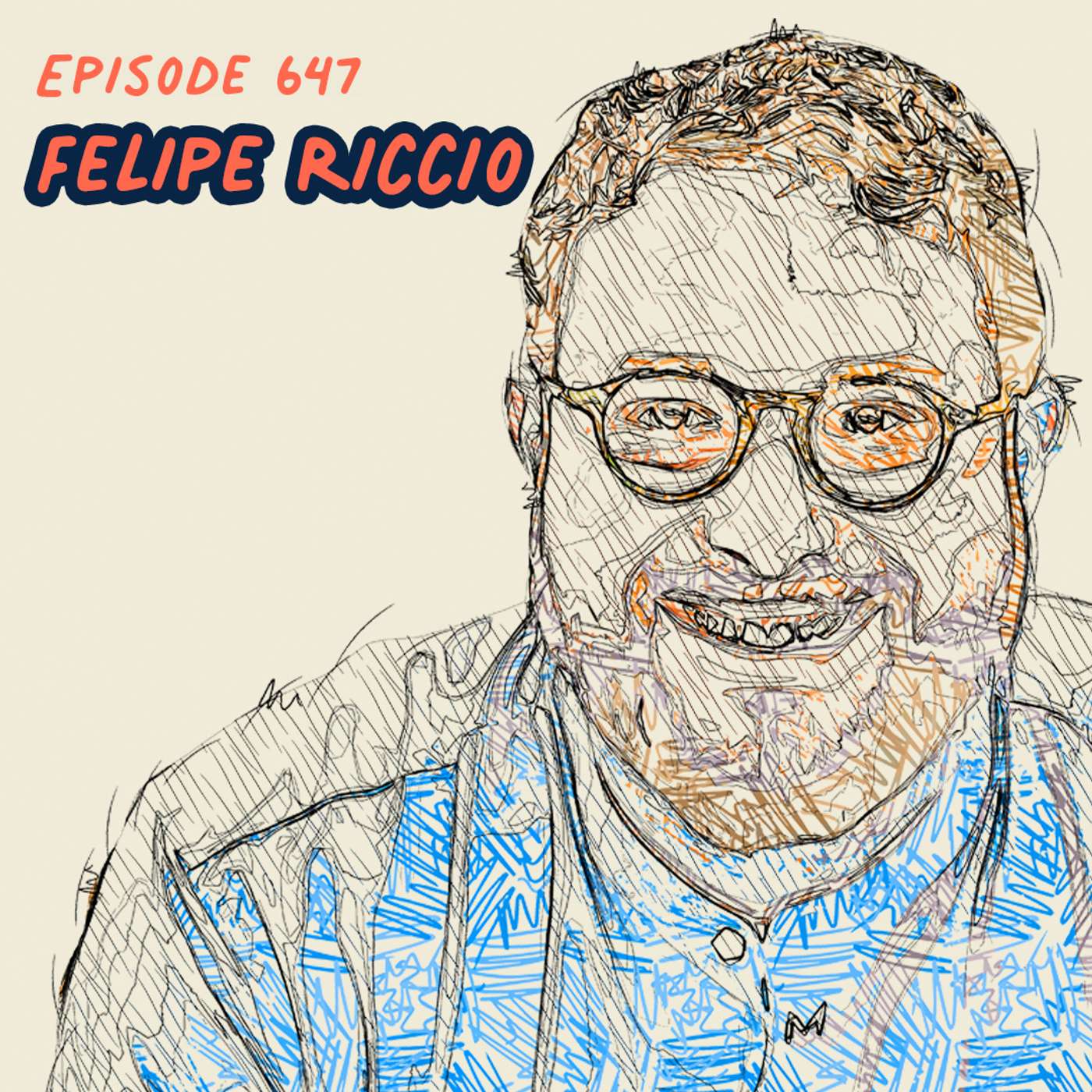
Chef Felipe Riccio (Goodnight Hospitality, Houston) discusses March, his Mediterranean tasting-menu restaurant that changes its entire menu twice a year, and the operational/business discipline behind keeping it consistent. He also ties this to broader hospitality strategy: how to build product-market fit, how to translate global dining context into Houston, and why systems (paperwork, recipe guides, costing, allergy matrices) enable creativity.
Riccio is a chef and partner in Houston. He grew up around food and hospitality, trained in culinary, worked in Houston for most of his career, spent years in wine and staged in Europe (Italy/Spain), then helped open and expand Goodnight Hospitality concepts including March, Rosie Cannonball, and Monster Cheese and Wine.
Twice-year menu resets are “probably not a winning formula,” but discipline and learning between seasons make it work; context matters more than technique; different dining tiers don’t translate; product-market fit is crucial because fine dining has little margin for error.
March’s menu shifts from Spain’s north/Spain Verde to Portugal; a “fried olive” martini pairing never changes; two-week closures twice yearly for retraining and menu rebuilds; Houston’s diner sophistication and diversity; partners’ “Southern European comfort food” framing for Rosie Cannonball.
Written by AI. May contain mistakes.
Discussion about the unique concept of changing the entire menu twice a year.
“At its core, Marge has this idea of exploring the Mediterranean.”
Felipe shares his journey from aspiring lawyer to chef and restaurateur.
“If your guests like you, but they don't come back, this is a great place to start.”
Exploration of Felipe’s experiences in Europe and their impact on his culinary approach.
“You When you fall into this world, it's so vast and the history of it.”
Felipe discusses the restaurant landscape in Houston and community-driven concepts.
“But yeah, that kind of, you know, sort of in-town culinary school, then the break of wine and then this getting ready to operate these restaurants, which I think every operator ends up at least chest deep.”
Discussion on the evolution of culinary standards and restaurant concepts in Houston.
“And again, we have multiple restaurants.”
Felipe shares insights on how to communicate culinary concepts effectively to local diners.
“And I think that's why the partnership works so well, because, and we're also trust each other, we're able to say, Oh, I didn't think of it that way.”
Learn about the unique aspects of Houston's dining scene and its diverse clientele.
“And so a lot of the talent here, I mean, a lot of the talent in Houston is Houston grown, is Houston based.”
Discover the innovative menu approach at March and its Mediterranean focus.
“answers the question, what if we made restaurants more expensive to run?”
Explore the complexities and operational challenges of changing menus biannually.
“experience for that guest and this dish that you're making this for is maybe the one time and only time that this guest is going to have it in their life.”
Understand the importance of trust and communication in restaurant partnerships.
“Marge does influence what Rosie Cannonball or the Marriott Club.”
Examine the realities of running a restaurant and the need for financial sustainability.
“Those hard conversations continue to happen because, as you know, one bad quarter or one bad month can really, really hurt you.”
Learn how transitioning from focusing solely on culinary skills to understanding business operations can lead to restaurant profitability.
“Nobody gets into chefdom to say, oh, well, you know what I really care about are spreadsheets.”
Explore the importance of adapting restaurant operations to address rising costs and shifting market demands.
“Seven years ago, you were a much younger man with probably no outside experience as it relates to like this professionalization of the industry.”
Discover the crucial role of product market fit in restaurant success and how to achieve it through menu development.
“But you can't be so rigid that it's going to break you.”
Learn how to maintain a strong restaurant concept while allowing flexibility for innovation and team input.
“We understood what, to a certain extent, we believe we understood what they wanted to see in these multiple restaurants.”

Get the gist, explore an idea or ask about something said.
 Claude
On FULL COMP: Restaurant Tactics, Tools, & Strategies, what are the key points of this episode?
Searching your listeningAutomatic transcript. May contain errors.
0:00I'm going to ask you a question that might sting a bit. How many holiday parties do you have booked for the month of December? Not like how many do you expect? It's how many are on the books right now with the deposits collected and the contracts signed. And for many of you, I worry that the answer is not enough. And here's why that matters. I think that the companies that are going to throw those parties are picking their venues right now. This is a sweet spot between August and September. And by the time you start thinking about December, the decision's already been made. You're not losing those parties in November.
0:34You're going to lose them this month. And that's why I built the Private Events Engine. It's a simple three-part system that leverages AI to do most of the work for you. And this month in the Marketing Masterclass, I'm going to walk you through it. It's going to show you how to package events, how to get in front of the people that are booking them, and how to close them without discounting. And you get the whole thing for free. So show up to this month's Marketing Masterclass. Go to restaurantbusinessschool.com today to sign up. Now here we go. At its core, Marge has this idea of exploring the Mediterranean.
1:12We do that with two different menus a year where the entire menu changes. Is it a winning formula? No, probably not. But we continue to get better at operating it and making it work for the team and for the guests and for the city. and I do think we learn from it. Welcome to Full Calm, a show offering insight into the hospitality industry, featuring restaurateurs, thought leaders, and innovators, served up on the house.
1:42What if the only reason your guests came once is that nothing changed after they left? Today's guest is the chef and partner at Goodnight Hospitality in Houston, Texas. It is restaurant in March, his tasting menu restaurant, the entire menu is thrown out twice a year and rebuilt around a different corner of the Mediterranean. And he's 12 seasons in. And he'll tell you that it's probably not a winning formula, but what we unpack today are the elements of that formula that win. In today's conversation, we get into why a concept nobody can repeat back to you will never travel, how discipline and paperwork are what buy a chef creative freedom, and what it costs to close a restaurant for two weeks, twice a year on purpose.
2:22If your guests like you, but they don't come back, this is a great place to start.
2:34So I've been cooking since, you know, I haven't done anything else but being in restaurants and in kitchens. I wanted to be a lawyer growing up. Both of my grandparents were lawyers. And so I said, you know, I'll be a lawyer and maybe own a restaurant. I should have stuck with that plan, but I ended up taking intro to criminal justice as a freshman in high school and hated it. Like, absolutely, like, enjoy it. I was like, what is this? This is not what I want to do. I didn't know this at the time, but I mean, years later, I realized it had more to do with sort of that teacher, you know, and just that not a good teacher, not a good mentor.
3:09It's just sort of, I was like, oh, man, if I don't want to do this anymore, well, if I want to own a restaurant, I should learn how to cook. and I grew up around food. My grandmothers and my dad, they're great cooks. So I grew up around food and restaurants. My parents were in hospitality, but more of the hotel side. And so I went, okay, well, I'll go to culinary school. I talked to my high school counselor and she said, there's a culinary program, but you got to be a junior and a senior to take it. I was like, okay, cool. Well, I got the whole, all of my sophomore year to learn as much as I can.
3:41You When you fall into this world, it's so vast and the history of it. And, you know, there's just so much around it that I really don't head first. And, you know, truly haven't looked back since. Most of my career has been in Houston, which is awesome. I took a break for about three years, three, four years. And I did wine, which was also sort of, it kind of marks that division of, you know, those eras, right? As a young cook, you know, learning, just hustling. but then sort of stepping back which now i recommend to all the young cooks i'm like find something else that you enjoy if it's restaurant related or hospitality related great if it's not they'll make you a better chef or a better some or whatever so i ended up doing wine for four years that's where sort of the genesis of the partnership comes from you know from this wine bar here in houston but in between there i ended up moving to europe and i spent a couple years, mostly in Italy, a bit in Spain, and then came back to the States for a little bit and did some staging around.
4:40But it was very deliberate. I staged recently for two years, knowing already that I was going to come back to Houston and open the restaurants. And so it was very intense, but very deliberate. And yeah, I mean, Rosie Cannonball turns seven later this month. Monster Cheese and Wine, which is where, you know, our little cheese shop concept, just turned seven this past weekend. It's kind of crazy to think back and it's like, you know, seven years, you know, we're starting to hire people or I'm starting to hire cooks that, you know, were born when I started working, which is crazy to think about. But yeah, that kind of, you know, sort of in-town culinary school, then the break of wine and then this getting ready to operate these restaurants, which I think every operator ends up at least chest deep.
5:28I was weighing over my head, you know, when we first started. But you just learn, you know, That's normal for cooks. So I've got a question about the travel. One of the things that I was thinking about, and it's not just your story, like it's mini chef stories is, you know, oh, I went to Europe and I work under this guy and that guy. I'm like, I'm a front of house guy. I can't boil an egg. I got into it because I like people and I like making people happy. And apparently I like being yelled at. All of these things, right? To the confluence of what I think makes someone a front of house operator or a restaurateur, but not someone tied to culinary.
6:02And you just don't hear a lot of stories about, well, you know, I was GMing this place in Houston, and then I got the opportunity to stage as a GM at this amazing three-star Michelin restaurant in Italy. It's not a thing we get to do. And so obviously there's culinary technique, right? And all of these things that you learn when you travel the world doing these things. But what are the intangibles? What are the things that kind of change the way you see yourself, your role within the industry? What did you learn beyond technical ability? Yeah. And I'll be honest, at that point in my career, I had been cooking for a lot of years.
6:41I wasn't a young 18, 20-year-old cook like a lot of these cooks do in stages where they're just immersed in these techniques. And 100%, I learned a ton of cool techniques, 100%. But I do think that at that point in my career, like that, you know, this idea of like the context and these intangibles matters so much more. And I picked up a lot more of those. And also because I think the context I was in, knowing I was going to open these restaurants. And when we first started, it wasn't, I mean, it was one restaurant originally, and then it developed into this whole campus with multiple restaurants.
7:14But we had a plan, we had a vision that I was sort of able to, okay, what am I getting from this restaurant or this stage that I'm not going to get from the next one? But context was a lot of it. Understanding for me and sort of the salad cook, like understanding the cultures. My family is from Southern Italy and Southern Spain. I cook mostly Mediterranean and Southern European food. So for me, those intangibles are being in the place, being in that circumstance. And that can be as simple as obviously being in the south of Spain or the Basque country and understanding why these flavors, these ingredients, these type of dining, you know, the Pinches culture.
7:56you can't just like take a pinches restaurant and put it in houston and just one for one because the culture isn't quite there yet so you have to build a culture you have to tweak that culture to match the culture that you know exists around dining in your city or wherever your establishment your restaurant might end up being so those context clues and then also like you know i mean being at these amazing restaurants like osa de franciscana or azur mendi and seeing how excited and how devoted both the staff and the guests can be, you sort of realize some of the power of food and dining at this level, you know, at the fine dining level.
8:33And again, we have multiple restaurants. We have a tasting menu, a fine dining restaurant. We have an everyday. You can go once a week for sure. So that context, those different circumstances matter so much. That really is sort of like the biggest thing that stayed with me, you know? When you talk about like a community of brands, Like somebody that's listening that maybe doesn't have that, I had that myself, they would think that that's a hedge, right? Oh, that puts you in a really safe spot. But the reality is those are different customers. Every tier of dining is a different customer. It's a different use case.
9:06And sadly, spoiler alert for anyone who hasn't done it, nothing translates. When we went from nightlife into fine dining, there were no lessons to take from one into the next. And when we went from fine dining into fast casual, there were no translatable skills or tactics or tools because it was a different customer with a different expectation. We see that so in the everyday because all the restaurants are literally next to each other, on top of each other. So you see that very much so right away. Let's talk about Houston. So, and this isn't me talking shit. This is me saying like when I moved from Southern Louisiana to LA in like 2000, 2001, LA wasn't like a culinary capital.
9:51They had gorgeous restaurants with mediocre food. It really wasn't until LA started pulling in New York chefs, the culinary evolution really started to take place over the course of the next 10 to 15 years. It was primarily driven by nightlife and experience, but not culinary excellence. But having grown up in Baton Rouge in proximity to Houston, Houston in the late 90s, early 2000s, very Applebee's, right? Very TGI Fridays. I would argue like a steakhouse driven market. Very mediocre. Nobody was really pushing boundaries with very few exceptions. Yeah, there's exceptions. But yeah, I think as a general course.
10:33Yeah. And so when you decided to plant roots and to build out multiple concepts, how did you hedge your back? How were you able to take what you had found globally, insert it into, because Houston's a big city, but I would also argue like it's super folksy, hyper local, right? Very community centric. And I think that there was a massive opportunity there for you to screw it up by making something that didn't feel accessible. A hundred percent. It's very true. Right. For sure. So when you were conceptualizing all of the concepts, how did you do it in a way that made it feel like it was for the community and not for your own ego?
11:12Yeah, I think a lot of that truly, I definitely owe a ton of that to the partnership, you know, all of us together, you know, the rest of my partners, June, Pete, Bailey, and the different understandings that, you know, we come from different backgrounds, we see things in a different way. And I think that's why the partnership works so well, because, and we're also trust each other, we're able to say, Oh, I didn't think of it that way. I'll tell you, I think a great example. And we'll sort of talk about the evolution of Houston as well. when I was pitching the idea for the restaurant for Rosie Cannibal or where we came Rosie Cannibal and what I was seeing and the food and all this my business partner Bailey you know she I think she literally asked like but what's the food what's the style of the food and I was like and then here it goes you know this long story of me like you know the wood burning hours later you know it's like yeah two hours later and she's like yeah yeah but like what does this say I think she was like you know what does this say on mine or on the tag or something like that and I couldn't really answer because I was like, well, it's Italian, but I don't really want it to be Italian.
12:13You know, we do pizzas, but it's not Italian. It's Southern Europe. And, you know, it's France and Italy and Spain and the Y-Fire. And like literally, I think round and round conversation and she goes, she pitched this idea of like, well, it's Southern European comfort food. And, you know, it's like I had never heard those words put together. But to me, she heard me. She my tired, you know, my whole long spiel. She heard it. She understood it. And that's and she's translating it to me in a way that I wasn't seeing it, that a lot of other people in town, if they understand it and they pay attention, are hopefully going to see it.
12:47It stuck with me where I'm like, oh, okay, like I need to find a way to translate this in a simple way where a lot of people are going to understand it and they're going to be attached to it. You know, you think of Southern Europe, okay, cool. The majority of people can sort of think of where that is and comfort food. You put those two together, everyone understands comfort food and it gets you somewhere new, somewhere different. I didn't want to just call it Italian. I didn't want to just call it Mediterranean or whatever. And she was able to recognize that and sort of translate that in a way that maybe I wasn't able to at the time.
13:16And really, I mean, it stuck. And to this day, we talk about the food in that way. But like you said, Houston is a big city. It's very community driven. It reminds me a lot of LA as far as like neighborhood driven, you know, because it's so sprawled. So I came from a good understanding because most of my career, was in Houston. So I was not out of town chef at that point. You know, yes, I had left town, but I was coming back. And I also, I think a lot of it, I benefited from, like so many of us, you know, benefited from those who came before, right? And those other restaurants before me that I had worked at or had friends at or had dined at in Houston and understood maybe what made those restaurants really successful and maybe what didn't make those restaurants successful in town.
14:03And so a lot of the talent here, I mean, a lot of the talent in Houston is Houston grown, is Houston based. Very little of it is sort of imported from the major markets. Houston's the fourth largest city in the country. It is one of the most diverse cities, which is another thing that I truly understood. And it's very, there's a lot of money. So I think early on, and a big lesson that I took from my time guest facing at the wine bar, being able to communicate directly with a guest that as a cook, you don't really get to. It helped me to understand the diner in Houston. And we're very lucky. We have fabulous, very well, very good diners, very well traveled, well resourced.
14:42They are interested in finding out more. They travel a lot. And so they want to see some of that here, but they also are okay going and seeking it and sort of putting that effort. And because the city is very diverse, the restaurant scene is very diverse. So they're very adventurous. They're okay with a little bit more boundary pushing flavors, but you got to know them and you got to understand them. And so I think that time really helped for me to understand the diners. And I go back all the time and say that like the reason why March works, we get asked often, oh, why not a restaurant like March in New York or Chicago or San Francisco?
15:18Well, first of all, we wanted to do that in the community that we're part of. My business partners, Pete Bailey, they live here. I was great steer, you know, since I was a young teen that moved from Mexico, but my whole career had been here. And so we really wanted to bring that to the community and not again, not in a way of like, oh, well, Houston doesn't know this. This is in New York and we want to bring it to Houston. It was like, well, what do Houstonians want that they are going out and traveling for? They're still going to travel. Houstonians are still going to go to Aspen. They're still going to go to, you know, the Vineyard or New York or Italy or France, but they want to have that connection here as well.
15:56You mentioned March, which, you know, in doing background research, I think that March answers the question, what if we made restaurants more expensive to run? Yes. Oh my God, for sure. I always joke, whose idea was this? Right? Oh my God, like what a terrible thing to do. Like what if we had more expense in more work? Would that make it more fun? And that's what we're here to find out today. I love a contrarian take. And it's like spitting in the face of Bourdain, who said consistency is the religion of our industry. For those that don't know, explain the concept of March and why it is so provocative.
16:40Yeah. So at its core, March has this idea of exploring the Mediterranean, right? What is the Mediterranean, the center of the known world from a Western perspective? What does that mean in food and the culture around food? And so that's sort of like, how do we do that? Well, we do that with two different menus a year where the entire menu changes. It's always within the boundaries of the Mediterranean and we can sort of push what those boundaries mean, but always within the Mediterranean. And there's a reason for that and we'll get to it, but we changed the menu entirely. For example, we just started Portugal.
17:16Right before Portugal, we were in España Verde, so the north of Spain. Everything from Galicia, just north of Portugal, to the Basque country, you know, on the border of France. So some of these are modern-day regions or modern-day cultures. Some of them are ecological or linguistic regions or historical collection of regions like the Venetian Republic, which, you know, all the way from modern-day Venice to parts of the Middle East and Greece. And so the entire menu changes, the entire pairings, of course, the entire menu changes. Like just to underscore that the entire menu changes every six months.
17:55A fried olive that doesn't change, but a fried olive is the only thing that goes with the martini that never changes. And yeah, I mean, like, I'll be honest, a hundred percent, it makes it more difficult to a certain extent. Then I'll push back on this a little bit because the thing with restaurants And you know this, like you make something that it gets consumed by your guest and it's gone forever. You don't make a sculpture or a T-shirt. You know, you make a T-shirt like, yeah, you don't have it at the store anymore, but it's still out there. You make the sculpture or painting, you paint it, you sell it, you hang it or whatever.
18:29It's there. It's physically still present. Food is gone. You make this and it's gone forever. So restaurants already, and that's the reason of the repetition, like you have to consistently deliver time and time again a chef one of my first chefs his name was fridgeric perrier he was a master french chef and i was a young cook and i said i'm tired of doing this i'm so bored of doing the same things and it was like mediocre work right like a low level entry line cook work he was like peeling potatoes i'm tired of doing this and he said every task that you're doing matters because it all adds up to the final you know play the final experience for that guest and this dish that you're making this for is maybe the one time and only time that this guest is going to have it in their life.
19:14That sort of made an impact in me and I translated it to the entirety of a restaurant. Someone's meal with us is probably the first time and maybe the only time that they're going to have this experience. March is that on steroids as well. But and even again, even if it isn't true, even if that pasta dish they're going to come and get as a regular every week. If you work with that level of intention, that pasta bowl is going to be that much better and it's going to have that much more of an impact. And it also helps for as a cook or as whatever the position is to understand why consistency matters so much.
19:48For March, it's a little bit different. I never wanted to hear, oh, we've been to March. We've done the tasting menu on March. We don't want to go again. there's four million people in Houston that's a lot of people to come down in March obviously you narrow it down by who's interested you know it was it's expensive blah blah blah it's still a few million people a few hundred thousands you know of people that can come and dine in March but I never wanted to hear oh we've been to March and we don't need to go again because it hasn't changed and especially at that level of fine dining and experience dining that you have to It's the whole package.
20:25It isn't just that bowl of pasta. It really needed to be part of the concept in my mind to deliver that for people and get people excited to come again and to experience it again. And your point of consistency, I think if you get really good at it, and we are still getting really good at it, you know, the first many change, like we crawled to the end and, you know, we didn't even know what we were doing. But there's a process for it now. You are able to deliver on that consistency and you're able to deliver not just for the guest, but also for the team, right? Like they understand the level of expectation.
21:00You know, they understand how we're going to do things. And so, yeah, like it's difficult if that one dish, there's things we learn at the end of the season about a particular dish that we're like, oh, man, I wish we would have known that 20 weeks ago when we first started this because now it's that much better. But I do think we translate that and we take that on to the next chapter in the next season. So there's some level of learning from every season that that happens. But operationally speaking, yeah, it's tough. You know, you got to close, you got to redo the menu, you got to do all these things.
21:32And some of it helps, you know, giving time off to the team. Right now we take two weeks off in between each season and then we come back for retraining. All that costs money. It costs us money. It costs them money because... And you're not making any money. Correct. You know, you're not making any money right now. So you really have to be judicious with it and smart with it and be prepared for it. Is it a winning formula? No, probably not. You know, is it for every restaurant group? Yeah, probably not. But we continue to get better at operating it and making it work for the team and for the guests and for the city.
22:06And I do think we learn from it. Marge does influence what Rosie Cannonball or the Marriott Club. And some of it could be ingredient sourcing. It could be a particular way of doing a prep list. For example, a lot of that documentation is all standard throughout the companies. You know, I can pull out just recently. We had to pull like pastry line cook. We had someone out sick. We had to pull a pastry line cook from the Marigold Club into Rosie Cannonball. And they were doing the prep list at the end of the night like it was nothing else because the standard is the same. Right. So these things do translate, but they have to be unique as well for the guest.
22:46And how do you how do you sell it to your partners? I was a creative once. I mean, still kind of am, but I've also been in the industry long enough that a lot of it is tampered or dampened by like the realities of the situation. You know, I opened a bar in Hollywood and it made a ton of money. And like I would tell you, like I didn't care about money. And then I opened a fine dining restaurant and ate shit for years. And I cared very much about money. Money is not something you care about when you have a ton of it. It is something you care very much about when you don't. So you guys have these successes and you have these winning models.
23:24And not only is this a winning or a very different model, but it's also not a model that's been proven out at scale nationally, globally, locally. What did those conversations look like? The other question I would ask is this, how do you mitigate the downside? Because I'm sure that that was part of the conversation as well, right? If we open this thing and a year in, we've lost a quarter million dollars, this is how we can turn it around. Yeah. And, you know, you put that on top, you know, we opened and we're supposed to open in March of 2020, you know, so we ended up opening a year later, you know, and sort of all the craziness of the past, you know, seven years that we've, as an industry, we've endured.
24:06Yeah, you know, I think it goes back to the trust and the long-term vision. Our partners, Pete and Bailey, you know, they have trusted us tremendously in the operations of the restaurants. You know, their vision and their eagerness to support that vision has been crucial. You know, someone like June and her operational, you know, knowledge has helped tremendously to stabilize, not just as a concept, as a fine dining concept that is expensive to operate in. And, you know, even Rosie, you know, as a concept that opened right after the pandemic, right before the pandemic. All of those things together, I think the trust, the willingness to see this as a long term part of the community, right?
24:48It isn't something that we're going to come into Houston, into, you know, mantras where, you know, we spend so much of our time and then just yank it the first moment things get hard. Those hard conversations continue to happen because, as you know, one bad quarter or one bad month can really, really hurt you. And so it is a constant conversation. It is a constant analyzing of how to be honest with ourselves and also be good stewards of the concepts and the projects and the work that has been put behind them. I mean, they're beautiful spaces. We take care of the walls at March, not just because they're beautiful, because we know how expensive they are to paint Venetian plaster.
25:30All these things, we become stewards of these spaces that aren't just, it's just the space where we serve the food. No, every element of it is thoughtful and there's a reason for it. And so we have to be good stewards of that. But yeah, I mean, you also have to, it's a business, right? And so you have to have the discipline. You know, as a young chef too, like it was frustrating at times when I wanted to make changes to the menu and there's all these steps that you have to go through. And we're pretty systems oriented, text sheets, recipe guides, you know, the order sheet gets updated, the allergy matrix, the menu online, the picture, you know, the social media team, all the things that need to happen.
26:10And that can be for a lot of chefs. It could stop you in your tracks with creativity. But for me, and what I learned, because I didn't come into it with it already, is that this discipline, which cooks are very familiar with discipline, but this discipline is what allows you the creativity. Discipline is not a boundary for creativity or a block for creativity. It's the other way. And so that allows you as an operator to say, okay, these management changes, yes, we want them, we need them, you know, summer produce, fall produce, whatever it is. but this is how you get to that creativity. And then it also means that your costing is correct.
26:49Your allergies are correct. Your communication with the PR team is there. Your communication with the servers so they can sell the dish. All of those things are there. And operationally, all those things make you stronger as a restaurant. So that's part of the thought process behind the operations. But as far as the partnership and how we keep going, is that trust in each other. Looking at June and the McCarthy's, the nature of the partnership in general, Like, it just seems like such, such a big opportunity as an outsider. So like, you know, I was an independent restaurateur. I had really only worked for independence, which is very much the blind leading the blind.
27:25No one knew anything about anything. You become a parent and you realize like, oh my God, my parents didn't know anything. They were just guessing. And you become a restaurateur, right? And you think the same thing like, oh my God, everyone I worked with was just fucking guessing. But then you look at the team that you have, like the partnership group, and like, these are smart people. Like they are professionalized and they're steeped in business within, but also outside of the industry. And it seems like such an amazing opportunity, but then it comes up against you're a chef, which means, you know, by nature, you're a creative.
28:01Nobody gets into chefdom to say, oh, well, you know what I really care about are spreadsheets. and there are barriers there because I would argue that most independents are running a bad playbook. It's just, it's a flawed model. I learned it in my own restaurant. We weren't making any money at the fine dining restaurant. We were like 18 months in the first 12 months, we just did a shitty job. And then six months in, like we're doing a better job, but we're not making any money. And so I hired a consultant for like$5 ,000 to come in and watch everything, like totally disrupted operations. And after like three weeks and after having paid$5 ,000, he was like, well, you just need to make more money.
28:41And then he left. And I was like, well, that's a fucking bummer. That's not helpful at all. And here's what I realized. What I realized was, is that the model for the restaurant, he was right, that there was no way to streamline. There was no way to trim. there was nothing to cut in that business model. That's the wrong business model. If I re-imagine the business model from the ground up, which I did, we were able to become wildly profitable. I just, I couldn't morph what this was into that. We just had to start from scratch and say, if we're going to make this much money, this is how we need to operate.
29:21And I can remember sitting across from my chef, who's still a close friend and was my business partner at the time. And he was like, there's just nothing to change. There's nothing to cut. I said, then just shut it down. There's no point in like going on another day. If we're not going to make any money, the whole point of this is to make money. It's to do good, but you can't do good if you can't pay your bills. And like, that was a difficult conversation. And I think that that was where we both went from being restaurateurs and chefs to being business people. Seven years ago, you were a much younger man with probably no outside experience as it relates to like this professionalization of the industry.
30:01And I would ask you, what did you learn and how did you change? And then what was that process like for you? I mean, still going, still learning. I think, because I agree that there's a point where, especially again, so many things have changed, you know, so many things have become so much more expensive. The size of Rose as a restaurant, Rosie, you know, when it first opened right now, it's a little too small, right? For the current sort of world, right? When it first opened, it was the right size. People wanted this size restaurant, right? Now, like, you know, it's like, where are we going to, you know, we have that demand of people that were like, oh my God, where do we put them?
30:40And also just logistically, the restaurant, you know, restaurants nowadays need to be just a little bit bigger just to be able to get those butts in seats. Obviously you still have to have the butts in seats. I think part of the learning curve is realizing that all these systems, all these numbers, hey, they're just that. They're just systems and numbers. And if you don't keep up with them and you don't learn from them, they're doing nothing for you. And seeing them as tools, truly seeing them as tools and analyzing them and seeing what is this decision that you make today? What does that mean for the cost of your food cost or the bottom line number for that quarter?
31:16Sometimes, you know, if something breaks, something breaks. You're going to have to fix it. And, you know, maybe it's, you know, waiting a little longer or maybe it is purchasing, you know, this few ribeyes at the beginning of next week or, you know, because, you know, beginning of next month or whatever, instead of right now, just because it's easier. All these things, these little things that those numbers become the tools to understand all these decisions. The other big thing I think that I've really learned and taken and applied to sort of the, not just the business side of it, but all of it.
31:49Because yes, there's a business side, there's the human side of it, there's the creativity side. There's so many facets to owning a restaurant. But none of them really will last and become anything else if that business isn't strong. Was the fact that not one person holds the pieces to the entire puzzle. You know, not June, not myself, not even the both of us together can hold all the pieces to the puzzle. So that's really where the collaborative effort, the sort of the open book management of these businesses and communicating with our chef de cuisine and our sous chef and our general managers and all the managers in the chain.
32:30so they truly understand and they can add their pieces to the puzzle, right? And say, yes, if we make this change, we can get a few more reservations in. Or if we make this change to the verbiage on the menu, we can sell a little bit more of this because there's less questions from the server because they don't understand or from the guest to the server because they don't understand what this means or whatever it is. And so, you know, obviously these can be very practical day to day, like having the cooks give feedback on how the stations are set up, what tools they have, all the way to sort of the executive level teams and be like, this manager is doing really well, and they can take on these tasks, or the manager's drowning, and we have to take these tasks away.
33:13Whatever it is, if you're able to listen to the team that's there, and we're very hands-on partners, like we're there, you know, the way we expanded with the Marigold Club with, you know, Austin Waiter as a partner, who's an operator, not just a chef as well, And so we're there. We're operating with the team. So we have a lot of the pieces to the puzzle, but they also do. And I think that translates into the understanding of the business and knowing where a lot of owners and a lot of operators at the sort of owner level have this idea that is so rigid that ends up breaking them. They have this idea of what the restaurant needed to be, and they're not listening to the guest.
33:51They're not listening to the staff, and it's a breaking. You can't be so fluid and so flexible that you look two years later, three years later, and the concept is totally different than when you imagine and you pour your soul and money into. But you can't be so rigid that it's going to break you. And so those things combined, I think, help with navigating how expensive restaurants are to operate. At the end of every episode, I was asked this question, like, what should we steal from you? But I know what I want to steal from you. So this is like a grand exception. I want to talk about product market fit because I think it's super important.
34:30When you have it, you don't think about it at all. And when you don't, it's the only thing you think about. I opened this bar in Hollywood, right? And just crushed, absolutely crushed. Then I opened a fine dining restaurant. It was just a bag of shit because we didn't have product market fit. I didn't even understand what it was at the time, you know, I've interviewed like 600 people for this show. And what I found is the operators that nailed product market fit out the gate, they don't understand why they're successful. Like, you know, they'll say, oh, you know, it's just great food, great drinks, great service, consistently offered.
35:03And I'm like, dude, those places go out of business every fucking day. That's not what it is. Like what it is, it is seamless product market fit is where it starts. And the reason I want to talk to you about it is because twice a year, you guess, like with March, like there's nothing that, you know, and again, it's no day every time it's a brand new restaurant, right. With the same name. And so you don't know whether you've achieved product market fit. And the truth is one bad season could probably send you down the wrong path because nobody goes to a restaurant has a shitty experience. It goes, well, you know, maybe they were off a little bit.
35:40I'll try them again. And so the margin of error is non-existent. And so I want to talk about like menu development and research. And how do you know you're right every year when you flip the menu? Is it navel gazing? I don't mean that in a shitty way, but is it like, I'm just going to do what I want and people will love it? Or are you actually looking to achieve that seamless product market fit? Yeah, it definitely is. And like, you know, we're just going to do whatever we want and people will love it. Right. To a certain extent, a fine dining tasting menu is already that, right? Like you already are asking people to trust you with the entire experience.
36:19When we first opened, it was six courses or nine courses. We recently, you know, it was our second menu that we, this is many season 12. So 12 menus in, we change to just seven courses. so last year and this year. So menu 11, menu 12, only seven courses. Part of that is we are 10 menus in, people trust us. People are able to let go of that choice, right, for now, and then really commit to the restaurant and the whole experience. And so March already is some of that, letting go of these choices and trusting us. And so we have to be really careful that not everything else becomes that And you're just getting every other element, every other thing is just shoved down your throat and say, you don't have a choice.
37:05And so, you know, we are doing that by listening to the guests every season. We're very lucky that, again, we have repeat. So we're looking at data, right? How many times have these people been in? What seasons did they miss? Why did they miss a season? It was husband and wife and she's pregnant, you know, and they missed the season or they missed the season when the baby was born. Understanding all of that, understanding who hasn't been in this season. Why have them been in? You know, let's talk to them. oh well you know maybe we know they had a not a great experience the last season or they're out of town or you know so again all this data can give multiple examples but looking at all this data and understanding what makes people come back to march was key and again it started with that we i never wanted to hear we've been to march already we don't need to go again and so if that is the case we need to look at it and say what 12 seasons in what is making people come back in and I 100 % agree in the sense that we didn't really start with that, knowing that.
38:00It wasn't like, oh, all this market research tells us that this fine dining, ever-changing restaurant, nerdily exploring the Mediterranean is going to be the right fit for this neighborhood. It wasn't that. But we understood, again, going back, we understood the diner, the Houston diner. We understood what, to a certain extent, we believe we understood what they wanted to see in these multiple restaurants. A lot of it was my own ego and my own desire to have a restaurant like this and operate a restaurant like this. But again, it goes back to our guest coming back. Are they enjoying it and why?
38:34And we constantly talk about those things that make people say, oh man, I feel like I'm back in Portugal. Or I feel like I went to the French Laundry or name restaurant two years ago. And I feel like some of that is here. that experience and that feeling that I got. Some of those feelings are intangibles. So we try to deliver on all those things that we constantly hear from guests that excite them to come back. I love to hear, this is our favorite menu. I'm like, well, you didn't like the last one, you know? But at the same time, I understand where they're coming from. They're saying, hey, you've delivered on this experience again.
39:10I can argue like, hey, yeah, Portugal, the menu is great, but like the menu for Sicily was fantastic. And because of this, this, and this. but what they're telling is if you guys have delivered again and hopefully they keep coming back and i tell the team let's do the math you know we're up in 20 each season is 24 26 weeks five days a week you know 50 40 to 60 covers let's say a day let's do the math how many people do we need to get to come back every single season to stay at this level and uh we're not booked 100 but we're pretty solidly booked and you know year over year increases and so we just need to keep going and keep growing.
39:48So again, as far as like fitting in the market is, I go back to understanding it, listening, being flexible, but also being rigid enough to deliver on a concept. And especially for me, like I like very strong concept restaurants. The restaurants aren't built around me and my image or June's or Austin. It's a collaboration of them. And they've evolved with a collaboration of the rest of the teams and leadership. But they have a core concept that hasn't changed. The concept is the same. But if I have a chef, a current chef of cuisine at Rosie, Melvin, he understands the food, he gets the concept, but he has a different palate in mind and a different sensibility.
40:30And so I have to allow that in because it'll make the restaurant better, ideally. He can't change it so much that the guest doesn't understand it anymore. but I love hearing, oh my God, this dish, this is such a rosy dish. And it's a new dish from one of the sous chefs. You're like, okay, they get it. You know, they're understanding it. I can see how this is just different than I would have made it, but the guest and the team are seeing the vision and that is so hard. And I think to a certain extent, we just got lucky in some of those things, but it's just a lot of hard work as well. that's Philippe to learn more about goodnight hospitality visit goodnighthospitality.com hey it's Josh I wanted to take a hot minute to thank you for listening to today's episode and to ask that if you are getting value from full comp please like and subscribe and be sure to leave a review those reviews matter and they help other independent owners and operators find the show also if you want to take the stuff that we're talking about in these episodes from idea to execution, head to joshcopal.com.
41:37There you will find a ton of free templates and tools and all of the details on upcoming learning events so you can keep building momentum. I know you're busy, and so don't take your time for granted. Thank you again for listening, and I'll see you on the next episode.
What if the only reason your guests came once is that nothing changed after they left?
Felipe Riccio is chef and partner at Goodnight Hospitality in Houston, TX. At his restaurant March, his tasting menu restaurant, the entire menu is thrown out twice a year and rebuilt around a different corner of the Mediterranean. He is twelve seasons in. He will tell you it is probably not a winning formula.
In this conversation, we get into why a concept nobody can repeat back to you will never travel, how discipline and paperwork are what buy a chef creative freedom, and what it costs to close a restaurant for two weeks twice a year on purpose.
If your guests like you but do not come back, this is a great place to start.
To learn more about Goodnight Hospitality, visit goodnighthospitality.com.
_________________________________________________________
Free 5-Day Restaurant Marketing Masterclass – This is a live training where you'll learn the exact campaigns Josh has built and tested in real restaurants to attract new guests, increase visit frequency, and generate sales on demand. Save your spot at restaurantbusinessschool.com