Ask ChatGPT

 FULL COMP: Restaurant Tactics, Tools, & Strategies
28 Jul 2026 · 39m · 19 chapters
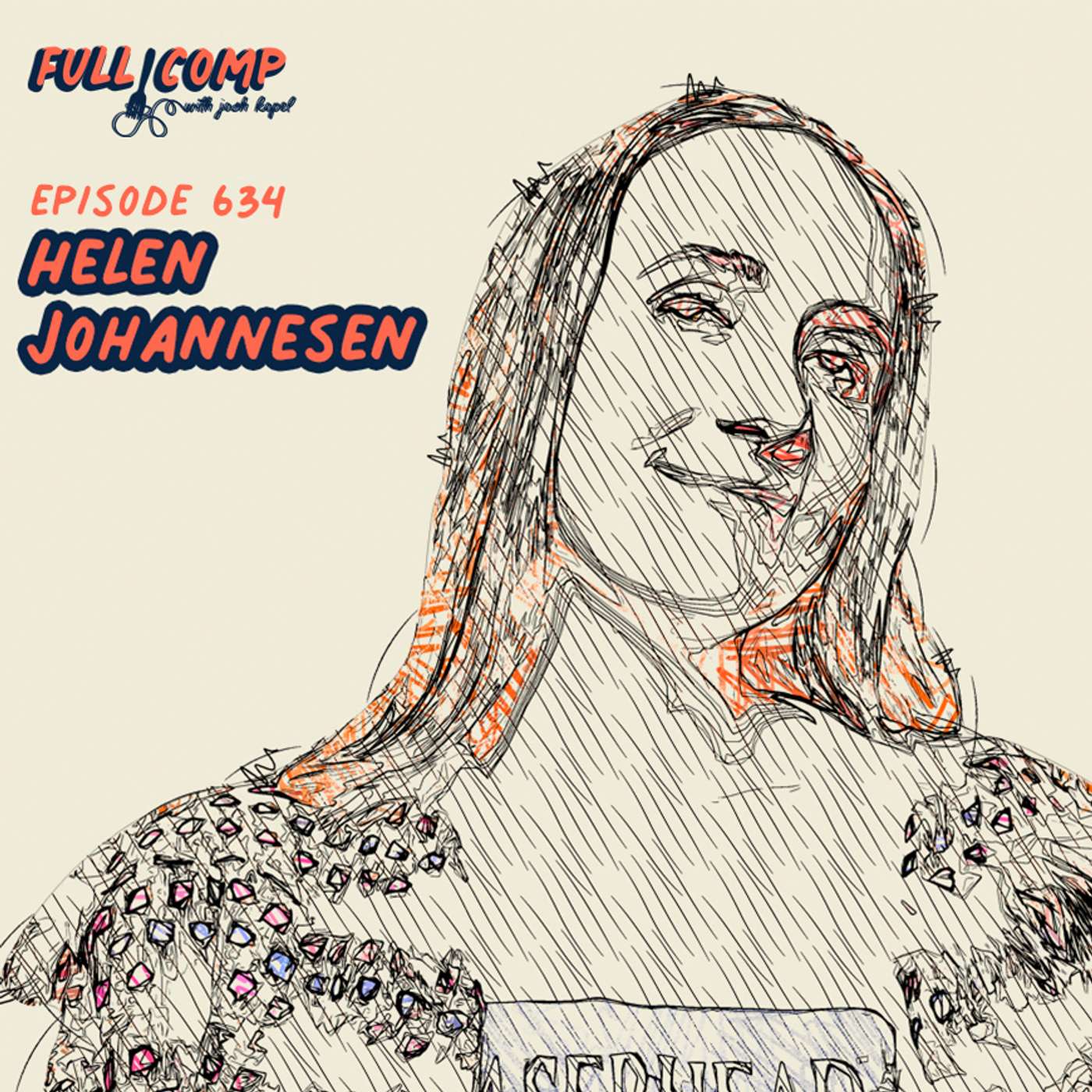
Helen Johannesen argues that restaurant “ownership” is often misunderstood as a win; it’s a complex, risky commitment that many teams can’t sustain. She also explains how her wine brand, Helen’s Wines, built inside John & Vinny’s, creates recurring engagement and profit stability through anti-gatekeeping education, a curated wine program, and a wine club.
Helen Johannesen is a partner behind LA hospitality group John & Vinny’s and founder behind Helen’s Wines. She joined John & Vinny’s as an employee, later became a partner after taking a major pay cut. She learned wine hands-on at Kraft, then built the Animal wine program by self-teaching and tasting reps.
Revenue can mislead without profit visibility; equity isn’t the right incentive for most teams; pathways to ownership shouldn’t be guaranteed; wine should be accessible (not snooty) and rooted in food.
Fairfax store refocus via fixing service/team issues; Helen’s pink sticker as an “approval” seal; no upselling culture; wine club started with handwritten invitations; Table 22 partnership; selection for Amex Centurion lounges (over 200 wines, staff training videos).
Written by AI. May contain mistakes.
Discussion on the misconceptions of restaurant ownership and the sacrifices involved.
“It's hard for people to understand when they see top line sales, but they don't see the take home.”
Helen shares her path from employee to business partner and the challenges faced.
“Helen didn't just step into ownership, she sacrificed for it.”
Helen discusses the risks of ownership and the financial sacrifices made.
“I worked at Kraft in Los Angeles and I met a chef there.”
Exploration of the complexities of revenue and profit in the restaurant industry.
“And I think pathways to ownership are something that should not be guaranteed.”
Helen shares insights on how her perspective on ownership has changed over time.
“Like when you decided you wanted to be an owner and then how is that perspective evolved?”
Discussion on the ups and downs of the flagship store in Fairfax and strategies for improvement.
“Ownership since then, it's an evolving dynamic because if you're lucky to grow, we have been incredibly lucky and we do try and grow with intention and at a pace that feels reasonable.”
Helen explains her unconventional route into the world of wine.
“I want to talk about your path to wine because it's certainly not like the traditional sommelier track.”
Helen discusses her approach to creating a wine program that emphasizes accessibility.
“But I think that the issue that you're speaking of is kind of foundationally built into the cake.”
Learn how to build a customer-focused community by prioritizing knowledge over formal qualifications.
“Every person we hire is like, I don't care what degrees you have.”
Discover the importance of genuine engagement and cultural foundations in sales.
“I don't think we've figured out the best way to inspire our team or sell more or engage the customer.”
Understand the challenges of scaling a wine program within a restaurant business.
“well, in Calabasas, which I guess is Ventura County.”
Explore the origins of Helen's Wines and its branding journey within John and Vinny's.
“We also were getting our asses kicked in John and Vinny's.”
Learn how retail and subscriptions provide stability and growth for restaurants.
“background of every John and Vinny's, right?”
Discover how resilience and adaptation to market changes are key to success in the restaurant industry.
“John and Vinny's with a lot of intention.”
Uncover the secrets behind building a successful wine club and maintaining customer loyalty.
“So it started as a handwritten invitation to join my wine club to 25 women.”
Learn about the complexities and strategies in managing a successful wine subscription business.
“telling people this, but I had them pick the wine.”
Discover Helen's journey as the wine curator for Amex Centurion lounges and her unique approach.
“And it is like, I think you have to have this marathon stamina of like, just when I finished last month's club, I'm working on next month because it's like, you can't just pick the wines without tasting them.”
Explore the rigorous RFP process and the significance of industry recognition in Helen's career.
“It was a human prior to me for 17 years.”
Understand the emotional evolution and dedication required to be a respected authority in the wine industry.
“And like, you know, and then we didn't hear for a while past.”

Get the gist, explore an idea or ask about something said.
 Claude
On FULL COMP: Restaurant Tactics, Tools, & Strategies, what are the key points of this episode?
Searching your listeningAutomatic transcript. May contain errors.
0:00What are you doing this month to make sure your business grows? Do you mind if I make a suggestion? This month's free Restaurant Marketing Masterclass is about one thing, using AI to create an unfair advantage. And not by replacing what makes your restaurant special, but by helping you move faster on the work that actually drives growth. I'm taking my proven tactics, tools, and strategies and showing you how to use AI to sharpen your marketing, speed up execution, and turn good ideas into action without getting buried in the details. You'll be working with me personally to build these strategies into your business in real time.
0:36And because of that, space is limited. But you can sign up for free today by going to restaurantbusinessschool.com. Again, you can sign up for free today just by going to restaurantbusinessschool.com. I'll see you there. Now here we go. It's hard for people to understand when they see top line sales, but they don't see the take home. And it's like, well, we had to replace an AC and we had a leak in our roof. And like a lot of people don't want to play on that scale of improbability. Welcome to Full Calm, a show offering insight into the hospitality industry, featuring restaurateurs, thought leaders, and innovators served up on the house.
1:23What if owning a restaurant isn't the wind that you think it is, but a risk that most people misunderstand? Helen didn't just step into ownership, she sacrificed for it. Walking away from financial stability and taking a major pay cut, she bet on herself in a single restaurant that could have gone either way. Today, she's a partner behind one of LA's most respected hospitality groups, and the force behind a wine brand built on trust, not intimidation. In today's conversation, we unpack what ownership really demands, and why it's not a universal path. Helen Ning goes on to break down the illusion of revenue versus profit, why equity isn't the right incentive for most teams, and how she built a wine program that rejects exclusivity in favor of access.
2:06If you're chasing ownership or at this point questioning it, this episode is a reset.
2:18I worked at Kraft in Los Angeles and I met a chef there. I worked with a chef there who ultimately introduced me to John and Vinny. And it was right at a moment when I thought about leaving hospitality forever because it had been like a slightly disheartening, toxic experience. And I met them and I was like, oh, my God, let's go. I think we could do something. and that was when they just had Animal. And so fast forward to John and Vinny's about 11 years ago, we opened our first store as partners. So I went from being an employee of theirs to us being business partners in what is now John and Vinny's and Helen's Wines.
2:57Let's talk about that because I think that one of the critical issues within our industry is that like every owner on the planet goes, like nobody gives a fuck. Like everybody wants to treat it like it's just a gig. And like, I want people to see it as a career, but we're not really giving them the roadmap, the path, the opportunity to see it that way. What did that look like for you with John and Vinny? I think I saw the opportunity and took it, to be honest. And I'm not discrediting them. I think to their credit, the partnership came to be because I said I was going to leave. I love you guys.
3:31You're my brothers. I want more. I want to be creative and I want to own a business. Like they knew this when they hired me. I was very upfront about my goals. So it wasn't like I blindsided them. And they said immediately, without skipping a beat, like whatever business you're in, we want to be into. And that's how the conversation about partnering on John and Vinny's came. And look, that pathway was not like, oh, I'm here and I'm going up even more, which I think optically from the outside people probably see. I took a huge pay cut and like basically all the gains I had made in my career thus far.
4:07And I think for me, it was never about the titles, but you do reach a certain amount of making money. You adjust your life to that to gain a percentage ownership of this business that we didn't know what it would be. It was just one restaurant. I had to take a huge financial step back. And that was my Vegas moment. Right. That was the dice roll that I just believed in. And they did open the door to that opportunity. They could have been like, you know, we love you. Bye. And I would have done something else. And I think pathways to ownership are something that should not be guaranteed. I firmly believe that.
4:43And I'm not trying to say like gatekeep, but it's really complicated. And I don't think every single person has what it takes to become an owner. pathways to more money and some sort of bonus structure within the restaurant industry is absolutely more sustainable. And I think easier for owners to manage so that they don't confuse people. It's hard for people to understand when they see top line sales, but they don't see the take home. And it's like, well, we had to replace an AC and we had a leak in our roof. And like a lot of people don't want to play on that scale of improbability. What did ownership mean to you?
5:24Like when you decided you wanted to be an owner and then how is that perspective evolved? I guess the reason I bring it up is because I think we all want to be an owner, but most of us behave like managers. We don't behave like owners. Yeah. I think I always worked like an owner. I always took it to an 11 when it didn't need to be. It's how I am at the only way I knew how to be. But like becoming an owner for me meant that not only it was like validating all of the work and creative energy and foresight and passion that I had already poured into our company, but was then going to continue to pour into the future of it.
6:06But to me, it was like sort of the ultimate test of my humanity, right? I'm taking a risk on myself. Life is for the living. I mean, I got to tell you, though, I was in a crazy place when we opened Fairfax, which was the first location for John and Vinny's. Like I had just literally left my ex-husband. I was living in John's guest house. Like I was in a mental state of let's fucking do this. Ownership since then, it's an evolving dynamic because if you're lucky to grow, we have been incredibly lucky and we do try and grow with intention and at a pace that feels reasonable. You add more people to your team and you add layers and you add SOPs, you add all kinds of shit.
6:47But the weight and the frustrations, you have to learn how to manage them. Weirdly, it gets harder, I think. Like the desire to like bang your head against the wall is more because you're like more removed from fixing a problem. Whereas like we're still really hands on, but we're not like running the floor five days, five nights a week. I want to talk about the Fairfax location in particular. For those of you that don't know or aren't rooted in L.A., where they're located on Fairfax is generally where best in class brands go to die. The last six, seven years of LA in general feels like just a sucker punch.
7:31But for Fairfax specifically, oof, we've had some lows. You know, we've had lower moments. We've had higher moments because we can look at the trajectory of our sales over 11 years. You know what? We've been very aware that it's our flagship store. And I think that a lot of it came down to like, who's running the store? Who are the people there? What's the energy of the store? Okay. You know what? We're seeing sales trickling off here. That means we need to focus on it. I think you have to adjust your controllables. I mean, this sounds so business obvious, but you adjust your controllables when your sales aren't as much there.
8:10And then you build it back up as the sales increase. And we don't take anything for granted. But Fairfax, about three years ago, became a refocus for us for several reasons. and they were a little bit struggling, but they just weren't performing as they should, as this neighborhood beacon that like, even if you don't want to come to Fairfax, this is an institution for that part of LA. And we were approaching our 10 year anniversary and we put a lot of energy and effort into celebrating those 10 years by making it this like year long project of collaborations. And so in that run up, we really just started picking apart what's going on here?
8:53Is it the neighborhood? Well, you can only blame externals so much. Is it the service? We found there were issues in kind of every area and then as a team went in and fixed them. And now it's doing great. I mean, it was never not doing well, but it had its dips. Yeah. I want to talk about your path to wine because it's certainly not like the traditional sommelier track. So how did you get into wine and what made you fall in love with it? I got into wine when probably like officially when I worked at Kraft. I was just like the basic entry level manager there, but they had a huge wine cellar and I sort of assigned myself to their beverage director and was like, let me open bottles and like learned how to open really old Bordeaux and tasted a bunch of wine.
9:42And I was like, wine's so cool and it's so interesting. And then I think it really accelerated when I took over Animal. One of their questions was like, do you know how to run a wine program? The GM buys the wine. And I just lied. I was like, yeah, I do. And I didn't know anyone. I didn't have anybody's emails. I just did it. And I basically tasted with every rep that was available at the time, which this is L.A. 2008, 2009. There was not as much wine as there is in L.A. now. And I sort of down selected the books that had the best wine. And it just happened to be wine that was like some of the best producers who are farming correctly.
10:22That was what my palate gravitated towards. And I just taught myself from there and read and tasted and traveled. And it is non-traditional. I did try the Court of Master Sommeliers before that. And it just really wasn't for me. It was a bad culture fit. I didn't like that you had restrictions on what you had to wear. I didn't like the testing. I didn't like flashcards. I was like, this shit is like going to make me crazy. And the narrative at the time was like, if you want to work in wine, you need to become a master sommelier. You want to make money if you want to make money. And I think in my heart, I was like, well, I guess I'll find another way.
11:01That's sort of what I did. I did it my way. Like Frank Sinatra did. it. But I think that the issue that you're speaking of is kind of foundationally built into the cake. Wine is built to be inaccessible. It's built to feel snooty and you're not good enough for this. And it's built for people that want to spend. But I feel like your approach to wine is completely different. Can you talk to me about like what you learned, right? As soon as you began to build a program, what was your approach to that? Well, first was like, you got to think about the food. Some songs come in and they're like, it's all about me and like what I think and let me buy this one.
11:46So I scratch someone else's back. Like I've never played that game. I've never said, take me to lunch. I don't do that kind of you scratch my back. I scratch yours. And maybe that's, I'm not the classic trope of what someone in this position, I'm not talking shit. hey, go get all the free meals you want, like all good. I just didn't want anyone to be trading on a currency that I didn't control. So building the program was rooted in the food. And for animal, everyone thought like, oh, it's a steakhouse. And I was like, actually, Burgundy and Albarino and all these places and old world style wines and grapes that people have never heard of, like Chenin Blanc.
12:26I was like, this is what goes the best with our food. And it was like not accepted. I'm just going to say it that way. People were like, what is this organic wine? What are you doing? Like, give me a cab from Napa. And it was something that was challenging at times, but I just built the program and I built what I saw as this like beautiful arc. I just saw it as a piece of art that could go along with the food and they were always constantly in conversation. But I think for me, it was like, what does it mean to be the best producer? Not how much money, but like what's the practices that layer in the foundations of what does it mean to be?
13:05Why is La Romani Conti the best? Let's take it there. We didn't have that on the list, but like, why? And so understanding terroir and understanding all the aspects and deliverables of a winemaker were like key foundational blocks to then creating programs that I felt had so much integrity and would like make people feel amazing. This like euphoric intoxication. But I think as far as what I felt very early on and even in those early years of being a buyer and running a business was a lot of judgment, a lot of like being the only woman in the room and a lot of people who maybe were doubting my approach, but I never doubted it.
13:48So I think that's the most important thing. And then I all like immediately realized that I would always open this door to anybody who wanted to learn about wine. So that's Helen's foundationally. Every person we hire is like, I don't care what degrees you have. I just need you to know some basics. Can you tell me what grape Sancero is made from? Tell me some basics. I'll layer in the rest. but that sort of anti-gatekeeping, I think, helped spawn our community of customers because that pink sticker on the back of every bottle, it's not just about the brand Helens. It's like, I approve it. That's a seal of it's going to hit these factors and you should be happy.
14:32I mean, people tell me they go to house parties, they look at the wine, they look for my sticker, they drink that wine. And I'm like, great. That's awesome. A program isn't a minion. It's a sales strategy. It's so much more than just that. Honestly, I think you could sell ice to Eskimos, but you're not in the fucking room. So talk to me about the program. How are you training part-timers to be able to sell on your behalf? And not just with the knowledge, right? Because it's a small part of it, but like with the enthusiasm, it's really gonna get people excited about what they're about to experience.
15:09Honestly, I still think we could do it better. You know, it's constantly something. I don't think we've figured out the best way to inspire our team or sell more or engage the customer. Right. But there are some foundational cultural things about being a team member at Helen's that haven't really changed in 11 years. One is like, don't be a weirdo. Just don't be weird with the customers. And price should never be a factor. If you're starting with a customer interaction from that perspective, you're talking human to human. You're not trying to sell them anything and you want to match their price point initially because my least favorite thing is trying to get upsells right off the bat.
15:54So we do no upselling. It's like, you tell me, what did you come in here wanting to get? And then it's about engaging in the conversation and pulling out options. So it's not like, you know what, for you, it's just this one wine and like, get the fuck out of here. It's kind of like, hey, here's six that are great. And like, here's why. And here's something you didn't even ask for, but I'm super into it. We build that culture, I think, because it's in a dynamic space where you're a shop and a restaurant. It's the same business. So there's really the employee is multitasking constantly throughout the shift.
16:28So they're selling retail, then they're out on the floor. They're pouring bottles. So they're working in a space that demands them to kind of be busy, be on their toes and be respective of their own time. So we also leave people alone. Hey, I'll be right back. Hold their hand. You know, it really depends what people want. But because it's in a restaurant, we open bottles of wine pretty much every day. So they open a wine they've never had before. There's a price threshold, obviously, because we need to break even on pouring that for guests. So we don't overcharge. It's just like pour to make our costs back.
17:02But this encourages education and hopefully gets the service team. See, the bigger goal now has been let's not isolate the SOM team. We need to infuse more of this into our managers and our service team. And in the last two years, we've really been able to do that, but we're not done. I have way more I want to infuse, which is exciting. But the program is evolving. And that's the honest truth. We're going to be opening our sixth store in Los Angeles County, basically, well, in Calabasas, which I guess is Ventura County. And you can't necessarily scale. Like when you think about scaling, this is what we're going to do.
17:41500 bottle wine cellar inside of each restaurant is maybe not the right thing to scale because that is that the sweet spot of the concept. So that's getting into sort of like the business logistics of when we think about it. you probably want to scale more what we did in Studio City, which was it's an 80 bottle seller. It's smaller. There's a full bar. And we're like working on that as its own dynamic space. But then the key there is like, how do you get all the managers and servers to know all those 80 bottles? Well, the answer is it's really hard. So we might even make it smaller. But the program changes, it evolves.
18:20As you grow, you shift it because you have to, because you're like, As an owner, there's a real thing in any business. It's like money in the bank versus money on the shelf. And I think that the pandemic shined a light on that for all of us so much. What game are we really in? And you always have to ask yourself that. Talk to me about the genesis of Helen's Wines. You've mentioned it a couple of times to reassure the audience. She's not speaking about herself in the third person. There is a bottle shop, a retail shop within John and Vinny's called Helen's Wines, which I would argue is it's a retail component, but it's also an independent brand.
19:01Is it not? You know what? It's actually interesting. We've been talking about this so much. It is its own brand. It's the same business. So each location is a John and Vinny's and inside each location, Helen's exists in one way or another. It's typically we think of it as like all the beverages you drink from like the coffee to the wines, the cocktails, depending on where you are. now how that wine shows up whether it's a physical jewel box shop well that's three of the locations have that if it's up on a wall two of the locations have that and now Calabas is going to have like kind of hybrid we're trying out where it's like a much smaller shop but then also bottles in the wall but so we opened John and Vinny's for 20 2015 just a few days ago 11 years ago um and And people walked into the space and we inherited this license where we could serve alcohol super late and we could serve wine and beer to go.
20:01And 11 years ago, this was incredibly uncommon in L.A. For sure. You'd see it in Paris, you'd see it in London, but like not in the United States. The pandemic like changed all that. So the first thing was no one understood that you could have a retail wine shop inside a restaurant. So what was kind of fucked up is like I didn't sell a lot of wine that first year. We also were getting our asses kicked in John and Vinny's. And so I was like running the restaurant and people thought Helen was John and Vinny's aunt or their grandma. And it was a wine cellar to store the wine. And there was a lot.
20:35But about a year and a half in or a year in, I was like, no one's going to buy wine unless I brand Helen's, unless I make it a thing. And that's what I did. The way I did it initially was I took it outside of the location and I did these invite only wine classes. And then I started the pink stickers and then I started branding the boxes. And so beyond it being a wine shop, it was more of like a lifestyle. And this is what I'm serving. And so I took this stance of like, I'm going to educate people, but I'm mostly going after women because they don't know as much. They haven't been taught and it worked.
21:14And I think the hardest sort of stumbling blocks along that are like, how do you explain to the diner that every bottle has two prices. How do you get people to come into the wine shop who are eating there? That should be an automatic slam dunk of 100 customers a day, which is still something we think about and talk about. But really where Helen's took off was outside the four walls of any John and Vinny's, our wine club, events, classes, things like that. But it did help drive sales to the locations. And I got to say, anyone who's trying to like build a brand, especially a brand within a brand, which it's the same business.
21:52We just are like crazy and did two brands in one cup is it's really you just have to be relentless and you're just like putting yourself out there and you got to do it over and over. And I did so much shit for free. I mean, literally was like, let's go. But it worked and then have a good product. And that's sort of where we came to today. And I think a lot of what I think about was like, where does Helen's go from here? Because it can simmer in the background of every John and Vinny's, right? Because 75, 80 % of what we sell is food. And that's not going to change. But how do you raise the heat on it?
22:29What is that next iteration? And I think that's what's kind of cool and exciting that I am thinking about now. But the weird thing is like people are drinking less wine. We adjust to that. That's okay. It doesn't have to affect your bottom line. You have to react to these things timely, you know. Here's what I want to talk about. I want to talk about how foundationally Helen's Wines has changed John and Vinny's. And the reason I bring it up is because when we say that like this industry hasn't changed in 2000 years, I don't say it in a complimentary way, right? The strategy is you open up and people come in and they give you money and hopefully they come back and they tell other people and all of this.
23:10And if it's not butts in seats, you're screwed. And what I see is I see that the retail component and the subscription component, like it gives people reasons to engage with you. It gives people reasons to come back and it solidifies your brand because Lord knows, like you're able to look at your P &L and you can tell when it drizzled in LA. Your business cannot be dependent on the weather. So it seems like the retail component, the subscription component, like these things give you that security, that monthly recurring revenue that you need to just make sure you can pay your bills even when it storms.
23:51Yeah, I mean, look, I think the most extreme example of that would be like when we had a COVID hit and they were like, you got to close your stores down. And like, we're pretty much set up to ship wine. We had the license. so that business ballooned you know it's a separate company it has its own license but like that's tied to the website like all those online sales and we were just already so lockstep with retail that it did make us a diversified business for an extreme drizzle I will say that we opened John and Vinny's with a lot of intention. Everything you see in that space was thought about, chosen.
24:36How is it going to look in person? What is it photographed like? You know, there was a lot that went into it, but we also did takeout from day one. We always did takeout. It's an Italian American restaurant. You got to do takeout. And I think it's not just the subscriptions and the things that Helen's has layered in the gift boxes and all that. I think it's the entire sort of holistic thing that we built helps us sustain and weather whatever storm there might be. I don't think that people have a loyalty problem. I think they have a memory problem. I think like cool shit opens in LA every single day.
25:17And because cool shit closes in LA every single day, people want to get out there before it closes. And so it's not that people don't love John and Benny's. It's that they come in, they have an excellent time, and then they forget that you guys existed moments after the experience. And so what I think we need is an industry or touch points. Right. I think that the restaurant itself is a touch point. Delivery is a touch point. You touched on subscriptions a couple of times, which, you know, we've been talking about subscriptions in this industry for like 10 years, at least. And like everybody's trying to figure it out.
25:51Like, how can I get someone to subscribe to my restaurant? You guys seem to have figured it out. Can you tell me like what the subscriptions look like and how you guys execute it? For the wine club? Yeah. So it started as a handwritten invitation to join my wine club to 25 women. And they all signed up. And this was 10 years ago. And I gave them a credit card authorization form. and I literally once a month would drive around LA hand delivering those subscriptions. And from that point to now, the whole thing has changed and I have gone through so many life lessons with it. But I gotta say the thing that moves the needle or has the most is two things.
26:36Honestly, table 22, and I'm not just plugging Sam, but like I resisted. He talked to me for a month. He was like, I mean a year. He was like, we meet. you got to be on table 22. And I was like, nah, I'm not sharing revenue. Like that's insane. But then I kind of rethought it. We had a big conversation, did a little negotiating. And like, I was like, let's give it a shot. And it has been incredible. It is also opening up a pathway for me to grow the club even more to people who don't know what Helen's is, which is the ultimate goal, right? That's what I'm focusing on and working on with them and independently.
27:15but I think the thing that has helped add subscribers and then sustain them is people press and we didn't ask for it and like that's just good fortune but any you know bon appetit and the New York Times like the New York Times did the wire cutter thing and it was like came out of the blue they wanted free product and I said yes like absolutely and I think sometimes you have to take that risk and spend the money if it comes to you. I mean, you can also solicit, but that hasn't helped a lot. But the biggest thing beyond that, I would say is the time and intention that I give it for what's actually getting sent to people.
27:55And I'll only say that because after I had my first son, I had someone else do the club and I feel like I'm cheating, telling people this, but I had them pick the wine. I wrote the descriptions, but I was like six months, not really around as much. And we took a fucking nosedive. Like it was bad. And I was like, this is not good. And I had to claw my way out of it. And I did. And I think table 22 allows me to see what people like, why are they joining? And the word of mouth aspect is huge. But the quality, if you're going to do a subscription, you don't want bullshit in the mail. Let's just be real.
28:32You want something that's dope. You don't want something that you're going to go on Wine searcher and find out with$7. I would be so mad. So a lot of times people will go on and see like, oh my God, this is such a great deal. I think that's how we've gained and added and sustained our membership. You can't pay someone to get the interest. Like if someone is set with the course of like, what are the best wine clubs in the country? Well, if you're lucky enough to have someone ask if it's yours and they want to try it and see, then like you're doing something right. I'm sure there's a hundred other amazing wine clubs, but it's a grind.
29:15And it is like, I think you have to have this marathon stamina of like, just when I finished last month's club, I'm working on next month because it's like, you can't just pick the wines without tasting them. That is a foundational pillar of Helen's is we don't blind buy ever unless it's like really nice burgundy or, you know, unless it's like, yo, you're going to buy this or you're not going to buy it. But I think it's fatiguing. And like even I have those months where I'm like, oh, shit, dude, I got to write the descriptions. But I make the time. And it's hard to do that, especially if you're doing other things or you're busy or like maybe you're a smaller business and you got to be on the floor.
29:53You're running the shop. It's hard. It's really, really hard. And I think people can get disheartened. The last thing I want to talk about is your evolution. You have gone from being a purveyor, right, which is what I think most restaurants are, to an arbiter of taste. And I think one of the things that beautifully illustrates that, and this is insane to say out loud, I hope it feels that way, that you select the wines for every Amex Centurion lounge in the country. Yeah, I know. It does actually feel crazy. I mean, that's just that's wild. Not that it's you, but that it's like one person. There is a human that decides this.
30:34And you're like, it's me. Like, I'm that person. It was a human prior to me for 17 years. He's a guy out of New York. really great guy I actually have met him know him OG in the scene so this whole thing is crazy I still can't believe that it's happening because also the wines yesterday was their first day live in all the lounges so like I'm somewhat terrified but also incredibly excited like the terrified part of me is that like you know I put orange wines in a couple lounges I put wines that like Like, there's no cab in some of the lounges. Am I going to get a huge clap back? Or are people going to be stoked because there's a chilled red in every lounge, Centurion Lounge in the country, and, like, in Lambrusco?
31:24And, like, that's what you want when you're traveling. And the Prosecco doesn't make you feel like shit and it's organic. I mean, my other big fear is that people are going to consume way more than the estimates. That's my fear is because I approach this. Like I approach pretty much everything. And I think it really is a test case of how I've done everything in my life. I did way more work than what they asked me to do because there's no other way I could have done it to have it make sense. I guess previously the way the programs ran was there was like each lounge has 14 different wines. And 10 of those, let's say, were core wines that were the same across the entire country supplied by one mega distributor who could keep that inventory in stock.
32:13Right. Just to give you an idea of scale, that is fucking massive. And then there would be four wines that were seasonal every quarter. This, my brain couldn't accept. I didn't even know that was a possibility. I didn't really ask how it was done before. I said, I'm going to curate different wines for every lounge. So that's over 200 different wines that have to meet a certain amount of stock in many different marketplaces. And it was insane. And then on top of that, they said, we need you to make videos for the staff training videos. So instead of just like a five minute phone it in, I made a video about each wine, TikTok style.
32:56And I was like, I'm getting through to you. We're going to not sell these wines, but I want it to be. And it was insane. And I think I'm proud of myself. I'm terrified. I'm very nervous about the feedback. You know, we did go live at one lounge first in Las Vegas. They opened this new concept called Sidecar, which is sort of like a bespoke speakeasy. You order off a QR code. It's great. Like a la minute food. I knew the day they were tasting the wines and I didn't hear anything. But then like everyone loved them. So I was like, ah, so it's cool. It's we're going to be doing the international soon, too.
33:33So I'm excited. I'm nervous. I can tell you how I even got to pitch for it. And I think it comes back to having the right people in your life. And that would be John and Vinny. They, in a roundabout way, put me in the position to be invited to do an RFP, which if anyone hasn't done an RFP, it's a crazy process when you basically are submitting a presentation to a huge corporation to land a contract like this. And that was also slightly terrifying. But I knew that they might not have directly thought of this, but I know that they had pushed my name forward. And like you're missing if you don't work with her in some of these bigger corporate settings.
34:19So they know it and I know it and we've talked about it. And I'm so grateful that, you know, the people I'm in business with believe in me the most, which feels great. It's crazy. I don't know. It's insane. It's wild. It's amazing. No, it's crazy. But I had to do the RFP and I was like, the RFP was nuts. And I did it by myself. And like, you know, and then we didn't hear for a while past. And then I had about a month to put these selections together. But it was cool. It all worked out. It's like when the Michelin guide reaches out and you get an email from like Michelin and you're like, this is spam.
34:55There's no way this is real. And they're like, send us all this shit. And so you send them all that shit. And then like you hear nothing. You hear absolutely nothing for like six months. And you're like, why did I send them the last four digits of my social security number? This is some spammer somewhere. And then you find out. And it's very exciting. It's totally true. Yeah. Honestly, as someone who like, and I don't say this with a chip on my shoulders, just facts. It's like, I've never been considered for a James Beard award or anything like that. So as someone who's been in hospitality so long, I don't play that game.
35:33I know it's a game. So that's a game that we don't really play, but to have this kind of recognition, it does feel amazing on a certain level of like, no, I do know what I'm doing. I can do this. Well, and that's where I want to round out the conversation, which is for you to become an arbiter of taste. You've got to believe in yourself and you've got to believe in yourself in an industry where like there's just so much direct feedback, Helen. Everybody's looking to shit on your day. It's just it's a thing where when you do things and people like it, they say nothing. And when they don't, everyone says what they think to your face.
36:09And so like confidence and maintaining that confidence because you are putting yourself out there is an arbiter of taste. You're putting your name on the wines that you select. Talk to me about the evolution and how you got there emotionally. I think it sounds so cheesy, but like having kids, I have two. It kind of puts you in this mindset of like, okay, now we're really not fucking around. I need to figure out my life in a way that you never felt like you had to before. But I think to become an arbiter of taste in your words or the evolution of the self or the professional self, it's dedication.
36:49It's the team around you. And it's like being ready. You have to be ready for the opportunities that come into your life in order to fully embrace them and excel. I mean, readiness and determination is a core value. We have five of our company, but it actually is the thing that will set you up. If you're not ready when you open the doors to your restaurant, you're always behind. If you're not ready with your assignment in school, you get a bad grade. And I think it's such a simple truth, but consistency and that readiness and that sort of determination to keep pushing myself is what pushes you forward, you know?
37:30And then I think another thing that's really important to say is like, you got to be real careful who you talk shit with because everybody loves to talk shit and you like talk a little smack and like that's human. But I keep that shit talking circle real, real small because negativity is never going to get you anywhere. And sometimes you got to blow off a little steam and sometimes you got to do that. But some people can't separate their emotions in a way and maintain composure. And I think that is very important in this business because it's in your face, as you said. It's right there. Or it's with your peers or it's with your fellow wine shop owners, you know.
38:12I don't know. People just got to believe in themselves and like stay off social media to a certain degree. Like who cares what everyone else is doing? Just do what you want. that's Helen Johannesson to explore selections and join the wine club visit helenswines.com hey it's josh i wanted to take a hot minute to thank you for listening to today's episode and to ask that if you are getting value from full comp please like and subscribe and be sure to leave a review those reviews matter and they help other independent owners and operators find the show also if you want to take the stuff that we're talking about in these episodes from idea to execution, head to joshcopal.com.
38:52There you will find a ton of free templates and tools and all of the details on upcoming learning events so you can keep building momentum. I know you're busy, and so don't take your time for granted. Thank you again for listening, and I'll see you on the next episode.
What if owning a restaurant isn’t the win you think it is, but a risk most people misunderstand?
Helen Johannesen didn’t just step into ownership, she sacrificed for it. Walking away from financial stability and taking a major pay cut, she bet on herself and a single restaurant that could have gone either way. Today, she’s a partner behind one of LA’s most respected hospitality groups and the force behind a wine brand built on trust, not intimidation.
In this conversation, we unpack what ownership really demands, and why it’s not a universal path. Helen breaks down the illusion of revenue versus profit, why equity isn’t the right incentive for most teams, and how she built a wine program that rejects exclusivity in favor of access.
If you’re chasing ownership—or questioning it—this episode will force a reset.
To explore her selections and join the club, visit helenswines.com.
_________________________________________________________
Free 5-Day Restaurant Marketing Masterclass – This is a live training where you'll learn the exact campaigns Josh has built and tested in real restaurants to attract new guests, increase visit frequency, and generate sales on demand. Save your spot at restaurantbusinessschool.com