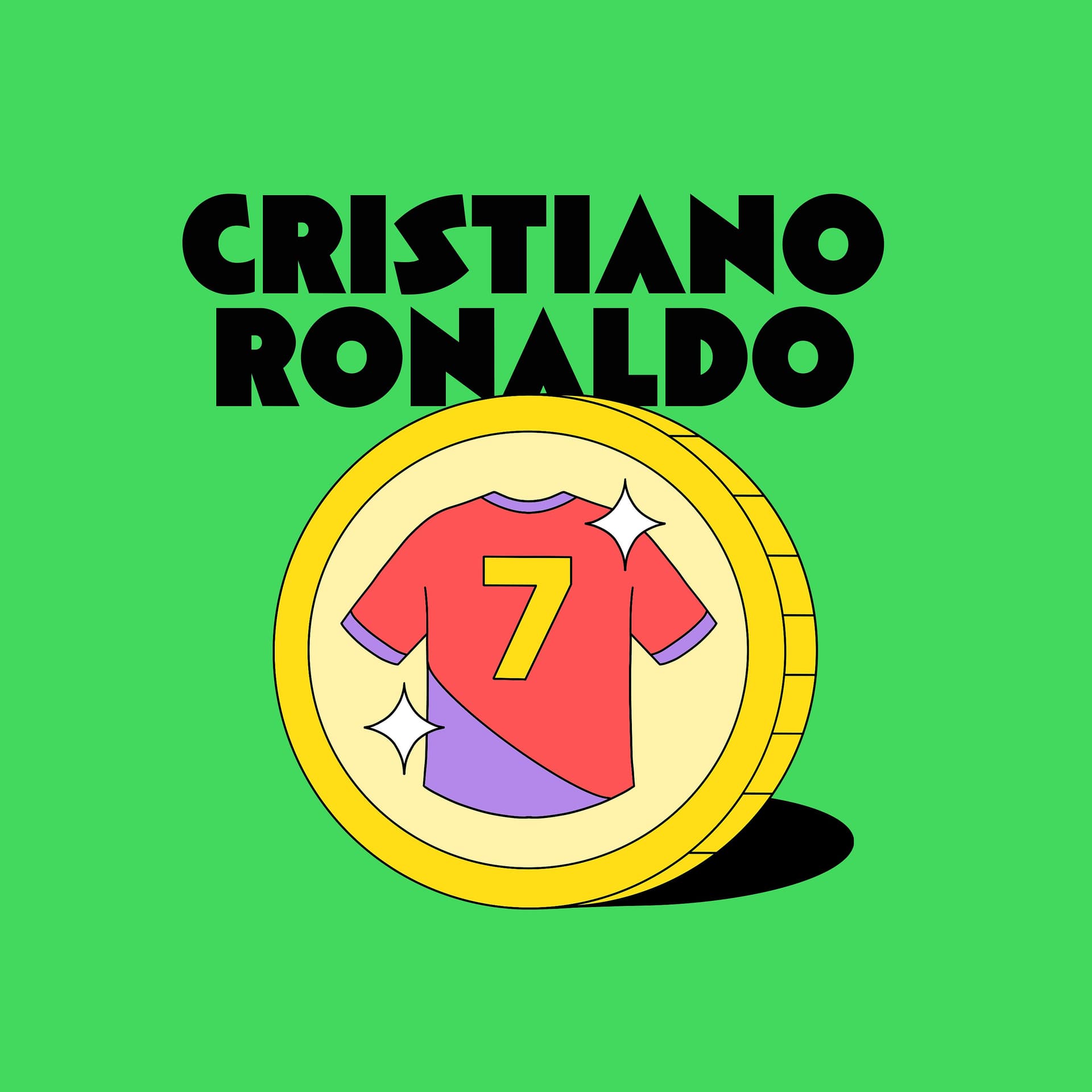
In short
Cristiano Ronaldo’s rise from poverty to becoming the first football “billionaire,” focusing on how his on-pitch work ethic and global celebrity translated into earnings (salary, endorsements, and CR7 branding), plus controversies and business strategy.
Guests/backgrounds
Host Ling Singh (journalist/author/podcaster) and Simon Jack (BBC business editor). They discuss Ronaldo using reported figures and quotes; no additional guests appear in the transcript.
Key claims
Ronaldo was declared a billionaire worth about $1.4B (Bloomberg) and is portrayed as earning most wealth from playing/salary and sponsorship rather than owning companies. His “steely mindset” and relentless training helped him dominate, while image rights and social media amplified club and sponsor value. Saudi move is framed as “sports washing” context.
Notable examples
2009 Manchester United transfer (about £12M; salary ~£1.5M/year); 2007-08 “European double” and first Ballon d’Or; Nike lifetime deal (reported ~$1B+ over time); CR7 brand expansion (hotels, underwear, fragrances); 2023 Al Nassr contract (~$200M/year, tax-free). Controversies: 2009 Ferrari crash, alleged rape lawsuit dismissed, Spanish tax evasion fine, and 2022 Piers Morgan interview leading to Manchester United exit.
Written by AI. May contain mistakes. Listen to the episode to check what was said.
Chapters
Tap a time to open that second in VORonaldo's Humble Beginnings
0:00 to 1:01
Explore Ronaldo's childhood and early struggles in Madeira.
“This BBC podcast is supported by ads outside the UK.”
Ronaldo's Humble Beginnings
3:16 to 5:50
Explore Ronaldo's childhood and early struggles in Madeira.
“He said, I really think it will be kind of tough.”
Early Football Career and Challenges
5:50 to 8:06
Learn about Ronaldo's early football career and personal challenges.
“at a children's tournament where he was elected the best player.”
Transfer to Manchester United
8:06 to 11:30
Understand the significance of Ronaldo's transfer to Manchester United.
“He was diagnosed with something called tachycardia.”
Becoming a Millionaire
11:30 to 13:53
Discover when Ronaldo officially became a millionaire.
“So the new club will then pay the player their wages.”
Ronaldo's Personal Struggles and Rise to Fame
15:35 to 16:46
Exploring Ronaldo's emotional challenges and early career ambitions.
“Now we're going from a million onto a billion.”
Becoming a Dominant Player
16:46 to 17:51
Ronaldo's transformation into the Premier League's star player.
“One thing that was really interesting about, I remember Wayne Rooney talking about him, saying that his work ethic and he would be first to training, last to leave.”
The Role of Endorsements in Wealth Accumulation
17:51 to 18:38
How Ronaldo's endorsements contributed to his wealth beyond his salary.
“It's something that people really want to win in a big way.”
Growing Fame and Team Dynamics
18:38 to 19:52
The impact of Ronaldo's rising fame on his relationships with teammates.
“So he was getting 12 million from product endorsements.”
Record Transfer to Real Madrid
19:52 to 21:29
Ronaldo's monumental transfer to Real Madrid and its implications.
“In his teammate Rio Ferdinand's autobiography, he wrote, the game became the Cristiano Ronaldo show.”
Show all 27 chapters
Financial Aspects of Football Clubs
21:29 to 22:34
Understanding how football clubs manage finances and player salaries.
“So that's nearly a million euros a month.”
Rivalry with Lionel Messi
22:34 to 23:32
The dynamics between Ronaldo and Messi during their peak times.
“The image of that player in that shirt so clearly the shirt is the intellectual property of the club.”
Brand Ronaldo: Celebrity and Wealth
23:32 to 25:20
The development of Ronaldo's brand and celebrity status off the pitch.
“She's currently very invested in the longevity industry.”
The Business of CR7
25:20 to 28:05
How Ronaldo expanded his brand into various business ventures.
“So he won the Bola Andor four more times between 2013 and 2017.”
Ronaldo's Metrosexual Image and Nike Partnership
28:05 to 28:36
Explore the evolution of Ronaldo's public image and his lucrative deal with Nike.
“I mean, male hair transplants are a huge industry now.”
Social Media Influence and Financial Impact
28:36 to 29:44
Understand how Ronaldo's social media presence drives significant revenue and brand value.
“a lifetime deal with the biggest and richest sport brand.”
Move to Juventus: Promises and Challenges
29:44 to 31:16
Discuss Ronaldo's transfer to Juventus and its implications for the club and player.
“I would not, if you'd asked me who is the most followed person on Instagram, he would not be it.”
Return to Manchester United: Highs and Lows
31:16 to 32:42
Examine Ronaldo's return to Manchester United and the challenges he faced.
“But his three years at Juventus were not quite as glorious as Ronaldo hoped or promised.”
Personal Life and Legal Battles
32:42 to 34:34
Delve into Ronaldo's personal life and the controversies surrounding his legal issues.
“Well, Ronaldo met his girlfriend, Georgina Rodriguez, in 2016 in a Gucci store.”
World Cup Struggles and Final Contract
34:34 to 36:24
Review Ronaldo's performance in the World Cup and his lucrative deal in Saudi Arabia.
“A year after joining Manchester United, Ronaldo is unhappy at the club.”
Impact of Sports Washing and Future of Saudi Football
36:24 to 37:58
Discuss the implications of Ronaldo's move to Saudi Arabia and sports washing.
“Don't forget, everything's tax free in Saudi.”
Ronaldo's Billionaire Status and Wealth Analysis
37:58 to 39:37
Analyze Ronaldo's rise to billionaire status and how he manages his wealth.
“Qatar itself did very much the same by holding the World Cup.”
Controversies Surrounding Ronaldo's Career
39:37 to 42:03
Explore the various controversies that have marked Ronaldo's illustrious career.
“Most of his wealth is derived from his salary on the pitch.”
Ronaldo's Wealth and Controversies
42:03 to 44:12
Explore the complexities of Ronaldo's wealth and the controversies surrounding his career.
“Having been mocked by his teacher for his poverty.”
Power Dynamics in Ronaldo's Career
44:12 to 45:58
Analyze the power dynamics within Ronaldo's teams and his global influence.
“No one can deny just how many goals he's scored, nearly 1 ,000 in top flight football.”
Ronaldo's Legacy and Impact
45:58 to 46:52
Discuss Ronaldo's legacy, scoring records, and his work ethic compared to peers.
“It's like JFK, John Lennon, Louis Armstrong, Cristiano Ronaldo Airport.”
Ronaldo's Legacy and Impact
47:53 to 49:03
Discuss Ronaldo's legacy, scoring records, and his work ethic compared to peers.
“But when they don't show revenue, well, that's a not so great conversation with the CFO.”
Transcript
Automatic transcript. May contain errors.0:00Zing Tsjeng:This BBC podcast is supported by ads outside the UK.
0:29Zing Tsjeng:CFO. LinkedIn has a word for that. Bull spend. Now you can invest in what looks good to your CFO. LinkedIn ads generates the highest ROAS of all major ad networks. You'll reach the right buyers because you can target by company, industry, job title, and more. So cut the bull spend. Advertise on LinkedIn. The network that works for you. Spend$250 on your first campaign on LinkedIn ads and get a 250 credit for the next one. Just go to linkedin.com slash broadcast. That's linkedin.com slash broadcast. Terms and conditions apply.
1:10Simon Jack:Host unforgettable backyard barbecues with savings from Whole Foods Market. Get the good times going with made-in-house chicken or pork sausages and ready to cook kebabs for hassle-free flavor. Grab tasty flatbreads and their new balsamic chicken salad in the prepared foods department. Keep things fresh with organic red cherries, strawberries and peaches at their peak. And stock up on bug sprays and sun care must-haves. Make your summer sizzle at Whole Foods Market.
1:44Zing Tsjeng:It's 2009, a cold January morning. A 23-year-old grips the wheel of a two-day-old $300 ,000 Ferrari. Overhead, aeroplanes are coming in to land at Manchester Airport.
1:57Simon Jack:He zooms down into a tunnel and then he smashes into the wall. The front of his sports car crumples and the windscreen smashes.
2:06Zing Tsjeng:He gets out of the car, his tall body ripped with muscles. The car is totaled, but he's OK, with barely a hair out of place on his perfectly coiffed head.
2:14Simon Jack:He jumps into a Bentley that was following right behind him. There's no time to lose. He has to be on the pitch within the hour.
2:22Zing Tsjeng:Because this footballer never misses training and it's his dedication, obsession, some would say, that will make him a billionaire.
2:31Simon Jack:Welcome to Good Bad Billionaire from the BBC World Service. Every episode, we pick a billionaire and we find out how they made their money.
2:38Zing Tsjeng:We take them from zero to their first million and then from a million on to a billion. My name is Ling Singh and I'm a journalist, author and podcaster. And I'm Simon Jack. I'm the BBC's business editor.
2:47Simon Jack:And on this episode, we've got a billionaire who is actually the subject of several requests from listeners.
2:53Zing Tsjeng:Yeah, a few of you have requested this one, including Mark, who emailed to say, I just wanted to say how much I enjoy listening to the podcast. Thank you, Mark. It's consistently interesting, well-researched and very engaging. As a suggestion for a future episode, I'd love to hear the story of Cristiano Ronaldo. He's a slightly different kind of billionaire, a genuine rags to riches story. It'd be fascinating to see him through the good, bad or just another billionaire lens. He said, I really think it will be kind of tough. Interesting.
3:20Simon Jack:Well, if you're a football fan, whether he's good or bad, probably depends on whether he's playing for your side or not.
3:25Zing Tsjeng:Yeah.
3:25Simon Jack:I mean, the closest I can come to describing it as someone who doesn't watch tons of football is like it's like watching someone dance ballet next to someone who can't dance at all. Yeah.
3:35Zing Tsjeng:No, he had a fleet of foot for sure. He's got dozens of world records, including the most goals scored in international football, 968 at the time of recording, and the most international caps, 226 for his home country of Portugal.
3:49Simon Jack:Now 41 years old, he was declared a billionaire just last year worth$1.4 billion.
3:55Zing Tsjeng:Now that puts him in a very elite club of billionaire athletes, which you can actually count on your fingers. By many metrics, he's the most famous athlete, some would say, in the world. I'm sure Lionel Messi might have something to say about that.
4:07Simon Jack:Well, Ronaldo is also regularly described as arrogant, as narcissistic and his behaviour both on and off the pitch is very rarely out of the headlines. So let's try to answer Mark's question. And to do that, we'll have to go back to the beginning of Ronaldo's story.
4:28Zing Tsjeng:Cristiano Ronaldo dos Santos Evero was born in 1985 in Madeira, a small Portuguese island out in the Atlantic Ocean. His mother, Dolores, was a cook and a cleaner. His father, Denis, worked as a municipal gardener.
4:41Simon Jack:Dennis had been a soldier at war and he struggled with depression and alcoholism. Ronaldo was their fourth child and he was an accident. His mother actually considered having an abortion and she's Catholic and very religious, which just goes to show that they were in pretty dire straits at the time. He was raised in poverty and Ronaldo has said, I was brought up with nothing. I had no toys, no Christmas presents. I shared a room with my brother and two sisters and my parents slept in the other. and him and his siblings would apparently often wait outside a local McDonald's late at night when hungry, hoping the workers might sneak them leftover Big Macs.
5:14Simon Jack:But he said it wasn't a bad childhood. He said it was all we knew. Everyone around us lived the same way and we were happy.
5:20Zing Tsjeng:There was a football connection. His father worked part-time as a kit man at the local club and arena and he asked a player there to be Ronaldo's godfather. Now this godfather said that from a young age, Ronaldo played football constantly. When the other kids were studying, he put his studies on the back seat in order to play football. He also bought him a toy car one Christmas, but Ronaldo kicked up a fuss because he wanted a ball.
5:41Simon Jack:At the age of seven, Ronaldo started playing for Andorina. He wore number seven on his jersey for his first match and he scored a goal in the team's 4-0 victory. And within a year, he'd won his very first individual trophy at a children's tournament where he was elected the best player. But he also, and this will be familiar to anybody who's followed Ronaldo's career, struggled with his emotions on the pitch. His mother, Dolores, said, as a boy he would get angry and cry easily if the other boys didn't pass him the ball or because they did not play as he wanted. They called him Cry Baby, a nickname that's kind of dogged him through his career somewhat.
6:16Zing Tsjeng:The word brat comes to mind.
6:18Simon Jack:Exactly, and we will get into that.
6:20Zing Tsjeng:In 1995, age nine, he was transferred to Madeira's biggest club, Nacional, who paid for the transfer with 20 balls and equipment for the children's team. Now, a couple of years later, he went on a three-day trial with top Portuguese club sporting CP. He impressed them. They paid around€2 ,000 to sign him to their youth academy. This meant, just on the cusp of becoming a teenager, he moved from Madeira, which is obviously that island out there, to just outside Lisbon, the capital of Portugal.
6:47Simon Jack:I think 20 balls and a bunch of children's sports equipment is probably the cheapest transfer for Ronaldo in history.
6:53Zing Tsjeng:I bet a Saudi Arabian club at the end of his career wished they could have got him for that kind of money.
6:57Simon Jack:Well, Ronaldo had never left Madeira before and he was on his own and incredibly homesick. If you've visited Madeira, which I have, it's a small island, you know. I'm not surprised he felt really longing for home. And the other boys also mocked his Madeiran accent. He described this as the hardest period of his life. Dolores has said she felt like she was abandoning him, but it was for good reason. And, you know, he's almost a teenager. It must have been really hard.
7:22Zing Tsjeng:It's quite interesting because I knew some people from Madeira and there's quite a different accent from Portuguese. So he would have snuck out, I think, in Lisbon. He would have been seen as a sort of hick from outside, whatever. Plus, he's very young. Plus, you know, he's emotional. So it must have been pretty tough. Age 14, he was expelled from school after he threw a chair at the teacher because, in his words, he disrespected me. It's reported the teacher had made a comment about his family's poverty. Dolores eventually flew in from Madeira to help look after him and they agreed that he should leave education instead, just pursue football full time.
7:55Simon Jack:Ronaldo said that he felt he had potential, But he says, I thought I was maybe good enough at the time to play semi-professionally. And at the age of 15, he was very nearly forced to retire from the sport. He was diagnosed with something called tachycardia. His heart beat irregularly. And even when it was resting, it beat too fast. And to save his career, he had to undergo heart surgery. And just a few days after the operating table, he was back training. And so by 2002, by the age of 17, he was promoted from the youth squad to the main team in a Champions League qualifying match against Inter Milan.
8:28Zing Tsjeng:That's amazing. Champions League is obviously the top tier of European football. Inter Milan, legendary team. So playing in that tournament, it doesn't get higher level than that. But this is about the money, right? So what is he earning? There are wildly different accounts of how much he was earning at Sporting, from as low as€20 ,000 all the way up to€1 million. Now,€1 million seems pretty high for a new player. And either way, this is pre-tax. So he's not a millionaire yet. but he was being noticed as a rare talent and international managers started looking for him, started courting him basically.
8:59Simon Jack:Liverpool and Arsenal had scouts in Portugal at his games every week and Arsenal's manager Arsene Wenger tried to woo him, flying him, his mum, his agent to London and there was a fee of£8 million agreed but then it completely unravelled. Ronaldo had been recently working with his agent Jorge Mendes who would go on to be described as a super agent.
9:19Zing Tsjeng:Yeah, back then he was a former nightclub owner and semi-professional footballer who'd been working with Portuguese players. According to someone with inside knowledge, the Arsenal deal fell apart because it was classic Mendes. With Jorge, you always found yourself in a bidding war, which he promoted and ultimately was to his benefit. It's very interesting when big money started coming into football 20, 30 years ago, the role of the agent is absolutely super important because every time they move club, they get paid a percentage. And if you've got some of the players like him on your books, these super agents can make as much money or even more than the players themselves.
9:53Simon Jack:And Wenger wasn't very happy about this deal, was he?
9:55Zing Tsjeng:No, Arsene Wenger was pretty unhappy, to say the least. He never signed another player from Jorge Mendes, so he didn't do himself much favours on repeat business there. But he did describe losing out on Ronaldo as my biggest regret. And that's, you know, given a whole career that Wenger had, that's saying something.
10:10Simon Jack:Instead, Ronaldo signed with Manchester United. And the signing came a week after a friendly between Sporting and Man U. And the story goes at the time Ronaldo put in such an amazing performance that Man U's players actually begged their manager, Alex Ferguson, to sign him to the team. Real Ferdinand remembers Scolzi, Butti and me were all saying, we've got to sign this guy.
10:31Zing Tsjeng:Scalzi, Butty, everyone's got a Y on the end of their name in footy, haven't they? The truth, though, apparently was a little bit different. Alex Ferguson had already convinced Ronaldo that Man U was the place to go to develop into a world-class player. And, you know, this was a pretty fabulous team at Man U at the time. They were riding high. You had Beckham. The money was probably a draw. The fee that Manchester United paid established Ronaldo as the most expensive teenager in English football. Why was he so valuable? Well, at the time of the signing, Alex Ferguson said he's an extremely talented footballer, a two-footed attacker who can play anywhere up front, right, left or through the middle.
11:09Zing Tsjeng:Classic manager speak. But in terms of the money, the transfer fee was£12 million just over. But that money doesn't go to Ronaldo.
Read the full transcript
11:17Simon Jack:No, it doesn't. So for those who aren't in the know, this is the basics of how football transfers work. So players sign contracts with clubs for a fixed term. if a player transfers before their contract expires, the new club pays compensation to the old ones, so they pay them off. The player, their agent, the club, or the lawyers, of which there are many, they thrash out a new contract, including their salary and bonuses, such as a signing on bonus, loyalty bonus, and the player, the agent, and everyone will also share a lump payment for facilitating this move. So the new club will then pay the player their wages.
11:50Zing Tsjeng:And we don't know all the details, but it was a five-year contract. His salary was more than one and a half million a year. Within days, a private jet flew Ronaldo to Manchester and he said it was the first time I'd ever been on an aeroplane. I don't believe that because how would he have got from Madeira to Lisbon?
12:05Simon Jack:Maybe he means a private jet.
12:07Zing Tsjeng:He was still 18 years old only and was seen holding Dolores' hand, his mum, as he crossed the street in Manchester.
12:15Simon Jack:So when can we say Ronaldo becomes a millionaire? on a£1.5 million salary. He would have taken home just under£900k after tax, minus Jorge's agent fees, which will sit somewhere between 5 % to 10%, and minus his living expenses and casual spending. We will discuss this later. It is probably safe to say that within a couple of years at Manchester United, so around the age of 20, Ronaldo will have a million in the bank. So he's officially a millionaire.
12:48Thank you.
13:17Zing Tsjeng:Well, that's a not-so-great conversation with the CFO. LinkedIn has a word for that. Bull spend. Now you can invest in what looks good to your CFO. LinkedIn ads generates the highest ROAS of all major ad networks. You'll reach the right buyers because you can target by company, industry, job title, and more. So cut the bull spend. Advertise on LinkedIn. The network that works for you. Spend$250 on your first campaign on LinkedIn ads and get a 250 credit for the next one. Just go to linkedin.com slash broadcast. That's linkedin.com slash broadcast. Terms and conditions apply.
14:01Simon Jack:Host unforgettable backyard barbecues with savings from Whole Foods Market. Get the good times going with made-in-house chicken or pork sausages and ready-to-cook kebabs for hassle-free flavor. Grab tasty flatbreads and their new balsamic chicken salad in the prepared foods department. Keep things fresh with organic red cherries, strawberries and peaches at their peak. And stock up on bug sprays and sun care must-haves. Make your summer sizzle at Whole Foods Market.
14:29Zing Tsjeng:Decisions made in Washington can affect your portfolio every day. But what policy changes should investors be watching? Washington Wise is an original podcast from Charles Schwab that unpacks the stories making news in Washington right now and how they may affect your finances and portfolio. Listen at schwab.com slash Washington Wise. That's schwab.com slash Washington Wise. Support comes from Wise, the smart way to manage the currencies you need around the globe. Fed up with losing out to hidden fees when you send money abroad with your everyday bank? Choose the smart way. Wise. You can count on the exchange rate you'd usually find on Google.
15:12Zing Tsjeng:No unwelcome surprises. Plus, ditch that where's my money feeling. Most transfers arrive in under 20 seconds. Join millions saving billions on hidden fees. Be smart. Get wise. Download the Wise app today. T's and C's apply.
15:34Zing Tsjeng:So age 20, got the world at his feet, he's a millionaire. Now we're going from a million onto a billion.
15:40Simon Jack:So just as Ronaldo became a millionaire, his father actually died age 53 from liver disease from his alcoholism. Ronaldo said, I cried every day. People say we have money and cars, but we suffered. It frustrates me that he was never able to see my successes. So a really sad time for Ronaldo. And Alex Ferguson supported him through that time, with Ronaldo describing him as a football father for me. The feeling was mutual. Ferguson's written in his autobiography, Cristiano Ronaldo was the most gifted player I managed. He surpassed all the other great ones I coached at United, and I had many.
16:15Zing Tsjeng:Yeah, I wonder how those people feel. How do the Beckhams, the Roonies, the Roy Keanes feel that Ronaldo, in the eyes of Alex Ferguson, Sir Alex Ferguson, was considered the best. He's quite tall for a kind of player who plays in those kind of positions. He's six foot two. When he arrived, he had spots and braces, but he started working on the body, which he's kind of famous for now. So he started working with Manu's power development coach, who said that in the first couple of weeks, Cristiano came to me and said he wanted to become the best player in the world. He wanted to be better than everyone.
16:49Zing Tsjeng:One thing that was really interesting about, I remember Wayne Rooney talking about him, saying that his work ethic and he would be first to training, last to leave. So even though he was the most talented, well, some people will say that Messi was the more natural talent, but Ronaldo worked the hardest. So he really applied himself. And the biggest change, this is interesting, came from brain cognition. His coach said he built his brain as much as his back and biceps. He went from being easily manipulated, pushed around, wound up by opponents, to having arguably the steeliest mindset in football is the actual quote there.
17:25Zing Tsjeng:So that's interesting.
17:25Simon Jack:Well, just off the back of all this training, Ronaldo soon became the Premier League's most dominant player. And he also knew it. He's saying, I started to believe I was the best. In the 2007 to 2008 season, he scored 42 goals for Man U, helping them win the Premier League and the UEFA Champions League, aka the European double. and he won his first Ballon d 'Or trophy, a prestigious award which is given to the best footballer in the world.
17:51Zing Tsjeng:It's the creme de la creme. It's something that people really want to win in a big way. And his salary started reflecting his status on top. He was earning over£6 million a year for playing football. Not bad. That's around£120 ,000 a week. What I find is really interesting is that all our other billionaires, we don't talk about what they make a week. It's a peculiar thing about football is that we always translate it to what they make a week. And that comes from its working class roots as a football game, when basically players say, he's on a tenner a week, he's on five-bomb a week, 120 grand a week.
18:25Zing Tsjeng:I mean, no doubt car salesmen are knocking on your door the whole time.
18:29Simon Jack:Yeah, I mean, that's a lot of very fancy shops on Regent Street you could walk into.
18:34Zing Tsjeng:Yeah, exactly. But by this point, his salary wasn't his actual major earner. So he was getting 12 million from product endorsements. We've talked before, Tiger Woods, for example, Michael Jordan, LeBron James, exactly, how important Nike has been in making athletes very, very rich. And Ronaldo's sponsorship deal with Nike began in 2003 when he joined Man U, reportedly worth a few hundred thousand pounds per year then. But by 2009, that was worth around nine million pounds. In 2009, he signed a deal to become the global ambassador for the petrol company Castrol. He had deals with Coca-Cola, Suzuki, FIFA video games, Xerox copier, an Indonesian energy drink.
19:14Zing Tsjeng:I mean, his agent's working overtime to get him this money.
19:17Simon Jack:He really, I think at this point in his career, was just raking in the sponsorship deals.
19:23Zing Tsjeng:Well, the thing about sports people is their careers are short, right? If you make it to 35, you're doing really well. So your big earning years are actually quite short. So I don't really blame them for trying to make Haywell the Sunshires. Also, you could break your leg at any time. You could be out of commission.
19:40Simon Jack:Well, you know, Indonesian energy drinks and Xerox copiers aside, at this point of his career, Ronaldo is a global superstar. And so this obviously starts causing tensions within what's essentially a team sport. In his teammate Rio Ferdinand's autobiography, he wrote, the game became the Cristiano Ronaldo show. He was trying to show his skills and nothing was coming off. We lost and afterwards the manager absolutely destroyed him. playing by yourself. Who do you think you are? I'm not going to try and do Alex Ferguson's voice for this. When Ferguson substituted him for one game, Ronaldo reacted very badly.
20:14Simon Jack:The manager publicly admonished him and he told the media, you cannot get everything your own way. And to top it all off, Ronaldo also made headlines when he crashed his two-day-old 300 grand red Ferrari in a tunnel near the Manchester airport. He was uninjured and he caught a lift to practice, but, you know, I'm sure his teammates were not very impressed with that either.
20:35Zing Tsjeng:Yeah, I remember this was a period when he was doing a lot of showboating on the pitch. He had this thing where he would do what they call stepovers, which is you look like you're going to take the ball that way and you step over it. It's kind of a dummy. And you can do lots of these at once and it can end up looking quite ridiculous. And Alex Ferguson's character, being a hard Glaswegian former pub owner, would not have taken kindly to that kind of showboating. Anyway, after six years at the club, where they were fantastically successful, and he had become, if not the best player in the world, one of the top two, he was making it very public that he wanted to leave Man U because Manchester United, as illustrious as it is, there is one other club in European football which really stands above them all in terms of success, and that is Real Madrid.
21:19Zing Tsjeng:And he got his wish to play there. Because in 2009, they bought the 24-year-old for€93 million. That, at the time, was a world record transfer fee and Real Madrid agreed to pay Ronaldo a reported 11 million euros salary per year. So that's nearly a million euros a month.
21:35Simon Jack:So at this point, it's probably worth stepping back and asking the question, how can these football clubs afford these enormous transfer fees and salaries? Well, they make a lot of money. Ticket sales do account for some. The tickets are very expensive, as anyone who's bought a season ticket will know. But they also sell broadcast rights to their games.
21:54Zing Tsjeng:Which is huge. But sponsorship and merchandising, They also make a lot of money out of that.
21:59Simon Jack:Yeah, they want to profit off a player's name and his image. So they normally try to negotiate an exclusive right to control how images of a player appears in advertising and publicity. But because if you're a player, this is where your power is. You're reluctant to give this up because this means giving up big money from sponsorship from, you know, your Adidas, your Nikes. So image rights are really fiercely contested over in contract negotiations. So a deal will be struck, maybe 50-50 split between player and club. although we don't know what the Ronaldo split with Real Madrid was.
22:29Zing Tsjeng:Yeah and also just don't forget about these video games like FIFA and what have you. The image of that player in that shirt so clearly the shirt is the intellectual property of the club. The image of the player in that shirt is you know so you can see how they fight over this and there's lots of money involved so that's why image rights become really important. And a player's value to a football club then is not just about how good they are on the field That's the foundation of it. It's about their earning power as a global celebrity. And if you remember, Real Madrid had a great rival. One of the great rivalries in international football is Barcelona versus Real Madrid.
23:06Zing Tsjeng:And at the same time he was at Real Madrid, Lionel Messi was at Barcelona. So you had these two and sports fans and people and advertising people and whatever love these kind of dynastic rivalries. It was a perfect combination of factors and influence at the same time. But he was also making headlines off the pitch. The night before his Real Madrid deal was confirmed, he was photographed at an LA club with Paris Hilton. I haven't heard from her for a while. What's she up to?
23:33Simon Jack:She's currently very invested in the longevity industry. Is she? Oddly, yeah. She's got a cryogenic freezer or something in her house.
23:40Zing Tsjeng:Oh, really? OK. A crisis PR consultant said, call me a cynical old publicist, but it's a marriage made in franchise heaven and an act of sublime stuntsmanship. It cannot be a coincidence. He noted Ronaldo had huge appeal to the US-American Latino market, important, very lucrative market.
23:58Simon Jack:Well, Paris Hilton wasn't the only celebrity when Ronaldo was romantically linked to in the tabloids. He was reported to have been seen kissing Kim Kardashian in Madrid. He also dated the supermodel Irina Shayk from 2010 to 2015. And there are also plenty of other models that he's been linked to. The Playboy image probably doesn't hurt, especially if you're lining up a deal with places like Armani. Brand Ronaldo was about being this well-dressed, metrosexual, multi-millionaire athlete, and the spending was ostentatious to keep up with that. We're talking he was spending eight grand a month on clothes.
24:32Simon Jack:He even told a newspaper, I love this, that Forbes had underestimated his fortunes when he put his wealth at 160 million, saying, that is not correct. On paper, it's actually much closer to 245 million.
24:45Zing Tsjeng:That kind of chimes, doesn't it, with the whole I'm the best on the pitch, da-da-da-da-da, don't underestimate me kind of thing. He did keep one thing very secret, though, the identity of the mother of his child. Now, Cristio Ronaldo Jr., of course, was born in 2010, and in agreement with the mother, the baby was raised under his exclusive guardianship, and it's reported that the mother was paid£10 million for full paternity. He said, my son is the most important thing in my life. After that, it's the football that matters to me most. Money comes after that. Anyone who says that is usually already rich.
25:19Simon Jack:Well, while he was now a celebrity off the pitch, on the pitch he was becoming a legend. So he won the Bola Andor four more times between 2013 and 2017. He was a star player at Real Madrid. He had a lot of power, a lot of influence. Keeping Ronaldo happy was basically the number one rule at the club. Even something as important as a team's formation was shaped around how he actually wanted to play. And his pay reflected his super status. By 2016, he had become the world's highest paid athlete, according to Forbes. And his contract was worth around 15 million euros a year in salary and bonuses.
25:53Simon Jack:For instance, he got a seven-figure bonus for shooting the winning penalty for the Champions League title.
25:59Zing Tsjeng:He was also earning 30 million euros a year in endorsements. He got the Nike contract, of course. Tag Heuer, the watch company. Dietary supplements, a poker website. Again, the agent really pulling his weight there. But Ronaldo understood that if he was selling his image, why not own the brand? So in 2013, he launched something called CR7, which is Cristiano Ronaldo and his number seven. And it began just with men's underwear, retailing at about$30, but soon went into shirts and footwear. So he was not doing the designing himself. He partnered with a designer and Danish manufacturer. And of course, there was the obligatory celebrity CR7 fragrances.
26:36Zing Tsjeng:So really rinsing the brand here as hard as he can.
26:40Simon Jack:Well, he also went all out. He spent thousands of pounds having CR7 etched into the windows of his home. Can't imagine what that does to the light you get in there. He emblazoned his sofa, tables, plates of CR7. He said it was probably the most extravagant thing I've ever done, which is big coming from Cristiano Ronaldo. Things really did step up a gear, though, when he opened a CR7 museum in Madeira, a space dedicated to his trophies. I've actually walked around outside. I've walked around outside this museum. Oh, yes, you went, didn't you? Yeah, I didn't went as in go in, but I did go outside and I saw the statue of Ronaldo.
27:14Simon Jack:The statue at the museum is not the famous one that had to be taken down because it looked too bad. But I will say the statue in Funchau on the harbour also does not really look like him either. So whatever he says about etching CR7 into his plates and homes, he really needs to get a better sculptor.
27:29Zing Tsjeng:Yeah, and he got into a chain of hotels. He opened a gym franchise, all these CR7 products like the underwear, the fragrances, the hotels, the gyms, all on licensing and partnerships. And it's a pretty great way of making money because there's no capital at risk here. All you're using is your image, your name, what have you. This, once you've got it, is kind of free and the earning power is enormous. So in terms of return on capital, it's a dream.
27:56Simon Jack:Interestingly, the one brand he owns that doesn't bear the CR7 name is a hair transplant clinic called Inspiria, which is quite interesting. I think it ties into his whole metrosexual image, right? I mean, male hair transplants are a huge industry now.
28:10Zing Tsjeng:Yeah. Speaking as someone in their mid-50s, actually just now late 50s, I have to say, which is sad to say. Don't out yourself on air. I can tell you the hair transplant was not a thing when I was in my 20s and 30s. It was unheard of.
28:27Simon Jack:And certainly if you had one, you wouldn't want to talk about it. No, for sure.
28:30Zing Tsjeng:Well, we've mentioned the Nike partnership, but the end of 2016, he got the ultimate cash cow, a lifetime deal with the biggest and richest sport brand. This is only the third lifetime deal they have made. And we've actually covered the other two on this podcast. LeBron James and Michael Jordan reported this lifetime deal could be worth more than a billion dollars over time, an annual fee of just under 18 million plus. Nike gave Ronaldo performance bonuses like an extra four and a half million dollars for winning the Ballon d 'Or in 2016 and again in 2017. So the more successful he is on the pitch, the more the sponsors pay him for, you know, his increased profile.
29:08Simon Jack:But, you know, as expensive as this is, it's probably really good value for Nike. Ronaldo was becoming one of the big social media giants. You know, and social media is now probably the primary way to sell to people. It's reported that over 329 posts across his social media platforms, he generated just under$500 million in value for the brand. In fact, in 2018, he overtook Selena Gomez to become the most followed person on Instagram. We've actually also done Selena Gomez on this podcast. And just a few years later, he became the first person ever with half a billion followers on the platform.
29:44Zing Tsjeng:I find that absolutely amazing. I would not, if you'd asked me who is the most followed person on Instagram, he would not be it. I think it goes to show just the power of football as the world's most popular game. Astonishing, half a billion followers. And of course, you know, as you rightly say, this coincided with where brands realised the way to get to the mass market was through social media platforms. So obviously he's incredibly powerful in that way.
30:07Simon Jack:But the contract with Nike comes with a couple of strings attached. Well, he had this lifetime deal, but the specific contract itself was only 10 years, right?
30:15Zing Tsjeng:One of the conditions was he had to still be playing for a top-tier club. On average, professional footballers retire, I would say, mid-30s. With this contract, he had years left on the field. So in 2018, age 33, pretty old for a player, he left Real Madrid and moved to Juventus. The transfer cost€112 million. That was the highest ever for a player who was over 30 years old. His new annual salary, around€30 million. Euros.
30:42Simon Jack:And on moving to Juventus, Ronaldo promised that they would win the Champions League. Big promise. The club was probably thinking about more than just how many goals Ronaldo could score them though, because within 24 hours of this deal being announced, Juventus got 5 million new social media followers. In his first season, the club's revenue grew by 58 million Euros, including selling double the number of shirts. I bet Ronaldo's shirt comprised quite a lot of those shirts.
31:06Zing Tsjeng:Yeah, it's fascinating how quickly when a star player signs for a club, how quickly the shirt with their name and number manages to make it into their shop.
31:16Simon Jack:But his three years at Juventus were not quite as glorious as Ronaldo hoped or promised. He didn't bring the team that much success. They didn't win the Champions League. And, you know, you can kind of go back and forth on this. Was this actually a good move on the club's part?
31:31Zing Tsjeng:But football fans are very club focused. You don't change your allegiance to your club. It's for life. So there might be a lot of Ronaldo fans who perhaps supported Manchester United, who might like the idea of the Juventus shirt. So they would buy one with Ronaldo on because they've got an association with the player.
31:46Simon Jack:And that must be such an ongoing tension in football, right? Because you have these superstar players. You say, well, I'm bringing you the money. I'm bringing you the fans. And the club can say, well, at the end of the day, you're playing for us. And the club, you know, la mafioso triumphs overall.
31:59Zing Tsjeng:The club is bigger than any individual, matey boy. Classic, yeah.
32:03Simon Jack:Exactly something Alex Ferguson would say.
32:05Zing Tsjeng:But he had another move up his sleeve because in 2021, now aged 36, he moved back to Manchester United. I remember this very clearly. Everyone said he's back. It was like homecoming and suddenly all the people who hated him for having left in the first place welcomed him back with open arms. Man United paid a lot less than Juventus. They paid 15 million euros compared to 112 just three years earlier. But it didn't go that well, to be honest. The time back at Manchester United was pretty troubled. The goals didn't come as easily. He's 36, after all. There was tension behind the scenes. He had some big distractions happening off the pitch.
32:38Zing Tsjeng:And we should probably actually take a moment to catch up with his personal life.
32:42Simon Jack:Well, Ronaldo met his girlfriend, Georgina Rodriguez, in 2016 in a Gucci store. Of course. She was working as a sales assistant. And according to them, it was love at first sight. Yeah. What attracted you to the millionaire footballer? Mm-hmm. A year later, he announced he had become father to twins via an American surrogate. And just six months later, Georgina gave birth to a child they had together. So now we get to spring 2022. He's playing for Man United. Georgina was expecting twins. But sadly, they announced that one of those twins died during childbirth.
33:13Zing Tsjeng:Oh, dear. Yeah. There was also a legal case playing on Ronaldo's mind in the summer of 2022. A US judge finally dismissed a rape allegation, a civil lawsuit against him that had been rumbling on for a few years. Catherine Mayoga allegedly raped her at a Las Vegas hotel in 2009. Now, he denies the allegations. He does not deny the two met in Las Vegas in 2009. He said what happened between them was consensual and he has never been charged.
33:38Simon Jack:The Clark County District's Attorney Office in Las Vegas said she reported an assault in 2009, but refused to state where it had happened or who the attacker was. and as a result, police were unable to conduct any meaningful investigation. She reportedly reached an out-of-court settlement with Ronaldo in 2010 for$375 ,000. But at her request, the allegations were investigated by police in 2018. And in 2019, US prosecutors said he would not face charges over the accusations as they could not be proven beyond reasonable doubt.
34:10Zing Tsjeng:She also brought a civil lawsuit seeking millions more. She said that while she had agreed to the settlement shortly after the alleged incident, Her emotional trauma at the time did not allow her to participate in the mediation process. She felt pressured to accept the offer. But in 2022, the lawsuit was dismissed. The judge said her lawyer had improperly attempted to use documents that were leaked or stolen in a cyber attack to pursue the case. They're not admissible. The lawyer had sought and used documents from a website called Football Leaks, including those clearly marked attorney-client-privileged.
34:40Simon Jack:So we finally get to autumn 2022. A year after joining Manchester United, Ronaldo is unhappy at the club. So he does an interview with Piers Morgan, which is described pretty much everywhere as explosive. In it, he says he's got no respect for the current manager, Eric Tantag. He takes shots at former teammates, even the club's owners. Big no-no. These are the guys who are paying your bills. The fans hate this, as does the club, obviously. And the club releases a statement. Cristiano Ronaldo is to leave Manchester United by mutual agreement with immediate effect. The interview even caused a breakup between Ronaldo and his long-term super agent, remember him, Jorge, who described it as a huge screw-up, although he used a much ruder word, as you can imagine.
35:26Zing Tsjeng:So in December, at the World Cup in Qatar, Ronaldo was no longer the star player. Polls in Portuguese newspapers even called for the national team manager to drop him. It's so brutal, this. You know, this happens in sport. You know, you can't be on top forever. And it feels very brutal when, having once been the god of Portuguese football, people are then saying, should he even be in the team? In Portugal's final two games, Ronaldo suffered the humiliation of being downgraded to a substitute. He left the pitch in tears as Portugal exited the World Cup.
35:56Simon Jack:Yeah, I remember this. This was a big viral moment. But we're not quite at the final whistle in this story yet, are we? No, we're not. Ronaldo saved his most lucrative signing for the very last. In 2023, he signed to the Saudi Arabian club Al Nasser, relocating his family to Riyadh. Now, he may have been 37, geriatric by football terms, but the new contract earned him the highest average annual pay for a sports person. That is around 200 million a year in salary and bonuses. Don't forget, everything's tax free in Saudi. Plus perks, including a 30 million dollar signing bonus. and his contract also reportedly includes other perks such as an equity stake in the club and access to a private jet.
36:37Zing Tsjeng:Yeah, this is an interesting one. Saudi Arabia has been on a mission. They've got a kind of 30-year plan to diversify their economy away from oil, which is 90 % of the kingdom's revenues, into things like tourism, shopping, sport, entertainment, etc. So they did this with football. They wanted to have a big league there and lure some top players, a bit like the US does as well. If you think Lionel Messi went to play for a team in the US at the end of his career and they've done it in golf as well. They have this thing called the Live Tour to try and rival the PGA Tour. And some people will call this sports washing.
37:12Zing Tsjeng:It's basically putting another lick of international sport to legitimize itself. You know, despite some human rights issues. You remember, of course, the murder of the Saudi journalist Jamal Khashoggi. the arrests and alleged torture of women's rights campaigners, for example, ongoing arbitrary and opaque nature of Saudi Arabia's justice system. How do you put that to one side? One way of putting it is presenting things like a desirable tourist destination. Ronaldo, remember, is still the most popular person in the world on Instagram with over 675 million followers. If it's good enough for Cristiano Ronaldo and his 675 million followers, you try and start thinking differently about Saudi as a place rather than some of its old associations.
37:56Zing Tsjeng:So sports washing can be pretty effective. Qatar itself did very much the same by holding the World Cup.
38:01Simon Jack:Well, along with the human rights criticism, Ronaldo has also faced blowback from moving to a football league that also was just not particularly good. Yeah, exactly. There's no way of getting around it. Well, in a press conference, Ronaldo was caught up on this. He has said, it's normal to criticise what league is not criticised, where there aren't problems and controversy. There are everywhere, Spain, Portugal. So Ronaldo has argued that he's actually paving the way for other footballers to join him in Saudi saying, everyone thought I was crazy. It's a privilege to change a country's culture and football to have great stars.
38:34Simon Jack:It makes me proud. I was the pioneer and I feel proud of it.
38:38Zing Tsjeng:I think there is some truth in that. I think that people saw someone like Ronaldo go. And if you are a he's the top of the tree. if you're a jobbing footballer in the middle leagues and you're not making much money and you know you're never going to get to the top of the premiership or the European Champions League, whatever, someone offers you some money in a way, the fact that Ronaldo's playing there, does that make it an easier decision to take you? I think it probably does. Yeah, that is true. And in 2025, he extended that contract with Al Nasser, reportedly worth now$400 million, blimey. Tax-free.
39:11Zing Tsjeng:He got a 15 % stake in the club. After that deal, the Bloomberg Billionaires Index, we often use Forbes, but Bloomberg said Ronaldo's net worth was$1.4 billion. So Ronaldo is a billionaire. The very first football billionaire aged 40. And interestingly, he stands apart from the small group of billionaire athletes who made the majority of their fortunes from sponsorship or owning companies. You know, Nike was the big factor in Jordan fortune. Most of his wealth is derived from his salary on the pitch. thanks very much, I think, to the tail end of his career in Saudi.
39:47Simon Jack:Yeah, that's undeniable. So what does the future hold for Cristiano Ronaldo? Well, I mean, he's getting on a bit in football terms. He's going to have to stop playing the sport at some point. He's also, you know, not just a footballer, right? He's like a case study in how you can monetise global celebrity and sporting fame. He's still the most followed person on Instagram. Wow, I just find that incredible. Yeah, incredible. He's still earning£18 million each year off the pitch from Nike. And he also now has five hotels in the CR7 hotel chain and over a dozen locations for his hair transplant clinic.
40:20Simon Jack:So if you ever wanted to fix your hairline in a Ronaldo approved way, you can visit one of those clinics.
40:29Zing Tsjeng:So that is the Cristiano Ronaldo number seven superstar story. It's now time to score him in a bunch of categories. It's kind of a bit of fun, really, between 0 and 10 on some different categories.
40:40Simon Jack:Well, the first category is wealth. We all judge power, controversy, legacy later on. But in the wealth stakes, you know, he's relatively minor,$1.4 billion.
40:51Zing Tsjeng:That's according to Bloomberg.
40:52Simon Jack:According to Bloomberg. Forbes hasn't listed him that yet, which is quite interesting.
40:55Zing Tsjeng:Yeah.
40:56Simon Jack:But boy, does Ronaldo know how to spend it.
40:58Zing Tsjeng:He sure does. I went to Portugal to see a friend and we played a bit around the golf just outside Lisbon. And there was this vast home being built right over the gold course. And I just kind of said, I think I know who that must be. And it was. It was Cristiano Ronaldo having this whopping great house built right there on the golf course. Probably one of many, many properties.
41:17Simon Jack:He's got a Gulfstream G200 jet that cost about$19 million.
41:22Zing Tsjeng:He's got 20 supercars. He's got a Bugatti, Maserati, Bentley, Lamborghini, Rolls-Royce Phantom, blah, blah, blah, blah, blah, etc. So he even bought his agent, Jorge Mendez, a Greek island. Good Lord. And he recently got engaged at Georgina. Now, the ring had a diamond the size of a walnut, I'm told, apparently around 37 carats, nearly$5 million. Wow. When we do these things, it's not just how much money they have, but how they spend it. I think he scores quite highly in that category for sure.
41:49Simon Jack:And also, don't forget, we also like to factor in a rags-to-riches element into this. Yeah, how far have they come? And he has come really far. Yeah. From sleeping in a single room with all his siblings, having to basically wait outside McDonald's, begging for food, essentially.
42:03Zing Tsjeng:Having been mocked by his teacher for his poverty. Yeah, no, I think he scores pretty highly in this one, actually. I'm going to give him a seven or eight, I think.
42:12Simon Jack:I think I'll give him an eight because, you know, that rags to riches journey and how he spends it.
42:17Zing Tsjeng:And also how much money he's made from actually doing the thing he does. The amount of money he's actually earned with his two feet playing football is quite amazing. So I think you're right. Eight, eight for wealth. What about controversy?
42:30Simon Jack:Well, we've already spoken about the rape case, which he denies. But there are also other instances of controversy in his career. There's, for instance, a tax evasion.
42:38Zing Tsjeng:In 2018, he accepted a nearly 19 million euro fine, a 23-month suspended jail sentence in Madrid. In Spain, a two-year sentence for a first offence can be served on probation with no requirement for custody. He was accused of avoiding paying tax in Spain between 2010 and 2014 when he was playing for Real Madrid. And it was kind of all around the image rights deal. Prosecutors said the proceeds were funneled through low-tax companies in foreign nations to avoid paying the required tax. And in court, as part of the deal, he acknowledged four incidents amounting to nearly€6 million owned. It's amazing how often sports players get involved in these tax things.
43:17Zing Tsjeng:I often don't think that they are particularly – often the tax advisors advise them to sell a bit close to the wind. But I remember Boris Becker got done for that.
43:26Simon Jack:Yeah, if you're a superstar athlete, maybe worth paying a little bit more attention to who you're hiring as an accountant and what they're advising you.
43:32Zing Tsjeng:I think for the football fan, the controversy about Ronaldo is about his demeanour, his behaviour on the pitch. Is he a team player? Is he not a team player? Is he arrogant? Does he showboat? Those are kind of issues. Yeah, I mean, the word theatrics comes to mind, right? And Ronaldo has said modestly, if God can't please everyone, I won't either.
43:54Simon Jack:Oh, my God. I mean, that is the kind of behaviour that makes you put your head in your hands, doesn't it?
43:59Zing Tsjeng:And, of course, there's the decision to play for Saudi Arabian team, which we have discussed. So there's quite a lot there, a smattering of lots of different types of controversy there, aren't there? So I'm going to give him, I'm going to score him highly on this one. He still divides opinion as we look back on his career. No one can deny just how many goals he's scored, nearly 1 ,000 in top flight football. But I would say I'm going to give him a solid seven for controversy.
44:21Simon Jack:Oh, I mean, I'm actually going to come down on seven as well. I mean, it's a buffet of controversy. Yeah, it is. If you can look at it that way.
44:31Zing Tsjeng:And let's talk about power, which is another of our categories. And this is an interesting one. And I would say his arrogance crops up again here. Because during his Piers Morgan interview, Piers suggested that Cristiano Ronaldo and Trump were the most famous people in the world, to which he insisted he was the most famous thing. I think worldwide, even in the small islands, they know me more than him. I think in the world, nobody's more famous than me.
44:55Simon Jack:Tell me one. Tell me one. Those are the words of a man who has rejected press training. I can tell you that. Yes, exactly. I think Taylor Swift would have something to say about that. Yeah, definitely. Yeah.
45:04Zing Tsjeng:Oh, yeah, for sure. Anyone else on that? Anyway, we've probably covered them if there is anyone up there. Throughout his career, he's also held a lot of... This is an interesting one. We talk about power, power within a team structure. He scores very highly on that.
45:17Simon Jack:Yeah. And not just, you know, kissing the ring. Right. It's about you're changing the entire way your team plays around one man, which, you know, definitely does rub people up the wrong way.
45:28Zing Tsjeng:Yeah. Power. I think within within the sport and within his teams, he would be a nine. Outside of sport, I'd give him a four. So I'm going to come down at six.
45:36Simon Jack:Ooh, OK. Maybe I'll go even lower, like maybe five out of ten. I just feel like at this current point, could he get an audience at the White House? Well, Trump certainly wouldn't want to meet him after he said he was more famous than Trump.
45:49Zing Tsjeng:And then Legacy, the record books are full of Ronaldo's name.
45:52Simon Jack:His own hometown in Madeira changed the name of his airport to Cristiano Ronaldo International Airport. OK, you've made it. So you've made it. It's like JFK, John Lennon, Louis Armstrong, Cristiano Ronaldo Airport.
46:03Zing Tsjeng:Yeah. legacy I think that his scoring record of nearly a thousand goals in football will be very very hard to beat I would say because he played for so many years at the top level so for legacy I think he's going to be whenever you look up scoring records for the history of time his name will be right at the top or very near the top so I'm going to give him an eight for legacy yeah I think
46:22Simon Jack:I'm going to give him an eight despite all the controversy I think he'll go down in history as
46:26Zing Tsjeng:one of the most talented players of his generation I think he will go down as the person who brought application and hard work to maximise his talent. No one thinks he's as talented as Lionel Messi, but everyone thinks he worked harder than anyone else to maximise his talent.
46:40Simon Jack:And he certainly showed individual footballers that the sky's the limit when it comes to earning money.
46:45Zing Tsjeng:For sure. My God. Okay. So is he good, bad or just another billionaire? What do you think of Cristiano Ronaldo? Email goodbadbillionaire, that's all one word, at bbc.com or drop us a text or WhatsApp to 001 917 686 1176 and tell us what you think.
47:03Simon Jack:And don't forget to include your name as we may read out your message on a future episode.
47:11Zing Tsjeng:So who's our next billionaire?
47:13Simon Jack:Well, he's been called the Mozart of the attention economy.
47:16Zing Tsjeng:He's the living embodiment in a way of the YouTube phenomenon which has transformed the media landscape and he managed to crack the code of how to make something go viral.
47:28Simon Jack:And he's become very rich off it. That is Jimmy Donaldson, a.k.a. Mr Beast.
47:33Zing Tsjeng:On our next episode of Good Bad Billionaire.
47:38Zing Tsjeng:Good Bad Billionaire is a BBC World Service podcast produced by Hannah Hufford. The editor is Paul Smith and it's a BBC Studios production.
47:46Simon Jack:For the BBC World Service, the senior commissioning producer is Sarah Green and the commissioning editor is John Manel. Thank you.
48:23Zing Tsjeng:impressions, reach and reacts. But when they don't show revenue, well, that's a not so great conversation with the CFO. LinkedIn has a word for that. Bull spend. Now you can invest in what looks good to your CFO. LinkedIn ads generates the highest ROAS of all major ad networks. You'll reach the right buyers because you can target by company, industry, job title and more. So cut the bull spend. Advertise on LinkedIn, the network that works for you. Spend$250 on your first campaign on LinkedIn ads and get a 250 credit for the next one. Just go to linkedin.com slash broadcast. That's linkedin.com slash broadcast.
49:09Zing Tsjeng:Terms and conditions apply.
From the publisher
Cristiano Ronaldo grew up in poverty on the remote island of Madeira, but became football's first billionaire player, and one of the most recognisable people on the planet. BBC business editor Simon Jack and journalist Zing Tsjeng trace Ronaldo's rise from a homesick kid playing for the academy at Sporting CP, to global superstardom at Manchester United and Real Madrid, where relentless training and record-breaking performances turned him into a sporting and commercial machine.
Zing and Simon explore the business of modern football: from mega transfers and billion-dollar brand deals, to tax battles and legal disputes. Ronaldo leveraged social media fame to build his CR7 empire, so is he the ultimate self-made success story, a divisive global brand, or simply the most effective monetiser of talent in sporting history?
Good Bad Billionaire is the podcast that explores the lives of the super-rich and famous, tracking their wealth, philanthropy, business ethics, and success. There are leaders who made their money in Silicon Valley, on Wall Street and in high street fashion. From iconic celebrities and CEOs to titans of technology, the podcast unravels tales of fortune, power, economics, ambition and moral responsibility. Simon and Zing put their subjects to the test with a playful, totally unscientific scorecard — then hand the verdict over to you: are they good, bad, or simply billionaires? Here's how to contact the team: email goodbadbillionaire@bbc.com or send a text or WhatsApp to +1 (917) 686-1176. Find out more about the show and read our privacy notice at www.bbcworldservice.com/goodbadbillionaire