Ask ChatGPT

 Great Company with Jamie Laing
12 May 2026 · 1h 4m · 31 chapters

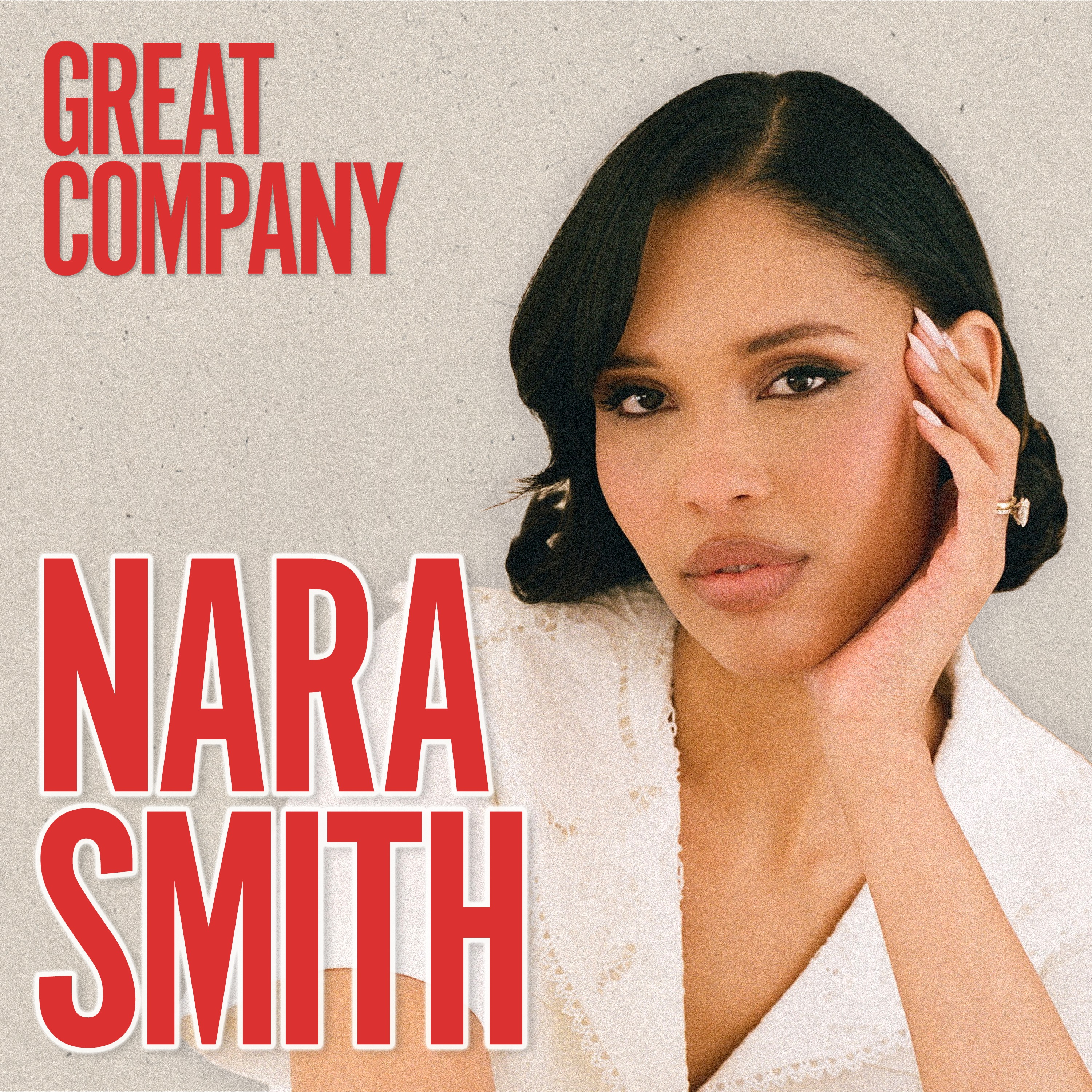
Emma Barnett discusses her IVF journey and infertility, including endometriosis, multiple IVF rounds, miscarriage, and the emotional toll; she also reflects on how her experiences shaped her approach to interviewing, including asking tough questions, using silence, and “running towards the fire.” She argues infertile people often can’t be comforted by “fertile” friends, and she calls out media narratives that only cover IVF success.
Emma Barnett is an award-winning BBC journalist and interviewer, known for deep, high-pressure conversations. She has spoken about her own infertility, endometriosis, and having two children after IVF.
IVF can feel like “a fucking casino” with loss of control; NHS IVF is accessible (still costly but not private-clinic “bells and whistles”); fertile friends may unintentionally fail to comfort the infertile; motherhood and maternity leave can feel deadening and alienating; social media abuse often lacks context.
collapsing during half-marathon training; IVF on NHS; miscarriage on the fifth round; nearly skipping the final round before conceiving; “IVF fairy” friends texting during treatment; silence moments during live BBC interviews (e.g., 12 seconds).
Written by AI. May contain mistakes.
Emma shares her personal struggles with infertility and IVF.
“When your friends are having children and you can't, it has a particularly difficult flavour to it because you want to be happy for your friends and you are happy for them.”
Emma and Jamie discuss the challenges of interviewing and comfort with discomfort.
“A few things to tell you today, which I'm really excited about.”
Emma reflects on her past, including challenges in physical activities and her health issues.
“I get nervous when I interview who I think are smart people because I think at school I had bad dyslexia, but it wasn't diagnosed as dyslexia, so people thought I was stupid, right?”
Emma discusses how her upbringing and relationships shaped her approach to life and interviews.
“And, you know, it's a condition where tissue like the lining of the wombs that should leave the body doesn't and builds up.”
Learn about the vital role my godmother played in shaping my independence.
“I didn't know that phrase then, but that's a guiding motto of most journalists or should be.”
Discover the motivation behind my interview series on the BBC.
“And I feel she, more than anyone, taught me to kind of row my own boat.”
Explore the challenges and excitement of conducting live interviews.
“So there's those types of interviews and I go deep and I'm not scared even in those interviews, of course I'm not, of pushing and exploring.”
Hear about two intense moments during live interviews that tested my skills.
“Anything can be going on or nothing can be going on, but you've still got to hold the space with that person and get there.”
Learn valuable techniques for conducting interviews, even under pressure.
“I asked her a question if the Justice Secretary should have always had legal training because for the first time we were having Justice Secretaries who didn't have any legal training.”
Understand the value of asking meaningful and direct questions in conversation.
“If it's only eight minutes, six minutes, two minutes.”
Listen to my emotional journey through fertility struggles and IVF.
“And they'll be like, we just had a great time.”
Reflect on the emotional challenges faced during multiple IVF rounds.
“And I think, as you mentioned before, when you had endometriosis, right, which is an issue within your own body, your own body was letting you down in a way.”
Discover the pivotal moment that led us to start IVF treatment.
“I think it tested us in different ways, especially when it became extremely medicalised.”
Gain insight into the daily challenges and realities of undergoing IVF.
“I feel like I only just met you, but I feel you would be the same.”
Hear about my struggles with miscarriage and the decision to continue IVF.
“And he would come in just a bit earlier because I needed to go and do my bloods at 5.30 before getting to the studio at six.”
Emma shares her struggles and emotional rollercoaster during her IVF journey.
Discussing the importance of having a supportive network during IVF.
Emma reflects on the feelings of jealousy and mourning during her IVF journey.
“when your friends are having children and you can't, it has a particularly difficult flavour to it because you want to be happy for your friends and you are happy for them.”
Emma discusses her evolving views on motherhood post-IVF and societal expectations.
“I cannot believe on Mother's Day, pickle one and pickle two, as we'll call them.”
Emma shares her insights on maintaining personal identity while being a mother.
“But it actually feels like, and you write about this sort of in your book, it's meant to be like a holiday, but it's the opposite of a holiday.”
A candid conversation about the pressures of social media in parenting.
“I have genuinely mistimed something with my daughter's nap then having to do the school pickup because once you have the blessed position of two, you have to time two children.”
Emma discusses the challenges of being in the public eye and handling criticism.
“You have to develop a talent as a woman in the working world, certainly, and sometimes socially for being disliked, even if you don't want to be.”
Emma shares a personal story about receiving negative comments after childbirth and the underlying emotions behind them.
“I love Hanukkah and then we've got to go straight into Christmas.”
Discussion on how personal circumstances influence online criticism and comments.
“it's a 35 pound hair dry blow dry situation anyway i was so like no you don't get to shit on my parade here.”
Emma reflects on her experience returning to work shortly after having her first child.
“It might just be basically the old green-eyed thing as well.”
Emma recounts how she met her husband during her time at university and their early connection.
“And they didn't really go for her, but I can't stand that.”
Discussion about the changes in dating dynamics and challenges faced by younger generations.
“I mean, it wasn't the first proper date that happened about three months later in London, but that was the start.”
Emma explores the importance of deep conversation and compatibility in relationships.
“thousand people that you find attractive and all these different things so it's a lot harder So what were those things that really attracted you to Jeremy?”
Discover the complexities of relationships when faced with life’s unexpected challenges.
“You fancy them, you know, and that doesn't mean, as we know, with divorce rates, what they are, that doesn't mean it will carry you through everything.”
Explore the hard truths of entrepreneurship and managing work-life balance.
“The other thing my husband and I did, which was probably ill-advised timing wise, but has been amazing, is we set up a business together.”
Enjoy rapid-fire questions that reveal personal insights and preferences.
“And sometimes it's very hard to do that.”

Get the gist, explore an idea or ask about something said.
 Claude
On Great Company with Jamie Laing, what are the key points of this episode?
Searching your listeningAutomatic transcript. May contain errors.
0:00When your friends are having children and you can't, it has a particularly difficult flavour to it because you want to be happy for your friends and you are happy for them. But you're mourning either a miscarriage or another failed round. I nearly didn't do the last round, which led to our daughter, because we had a miscarriage and I was done, Jamie. I was like, I am, you know, spent. Just for someone who is listening, who's going through IVF, as a friend or as that individual, what can you say or do to help them? Somebody might say this is confrontational, whatever, but it's just truth. Hi, I'm Emma Barnett and I am in great company.
0:38Award-winning BBC journalist and one of the sharpest interviewers in Britain. So how much will it cost? The way you interview is so great because you are not afraid to ask the tough questions. I held somebody's eye contact. No, you didn't. For 12 seconds while they tried to answer the question. Who was it with? So there's two. You have to hear about both. My producer Darren's looking at me and he's going like this. Please talk. Please talk. Emma, break it. And I was like, not breaking it. Not breaking it. A journalist runs towards a fire. They don't run away. You have to keep looking at them and keep going towards it.
1:14And don't be put off by politeness. I don't think I've actually spoken about this properly before, but I collapsed in the park. And it was so awful, Jamie. And I now know I have endometriosis, but at the time I didn't know. What did you expect from the IVF journey? It's a fucking casino. Hey everyone, welcome back to Great Company. A few things to tell you today, which I'm really excited about. We have an amazing guest on the show. Her name is Emma Barnett. Now, you may have heard of Emma Barnett, but you may not have heard of Emma Barnett. Emma's interviewed some of the biggest names on earth.
1:50She's one of the most intelligent, wittiest, smartest, funniest people that I've ever had the pleasure of interviewing. And I want to interview her because she is a master at doing this. She has a way with words, a way with interviewing that is second to none. And I want to get really into the depths of how she does that, how she finds ways to ask the hard questions, how she feels comfortable sitting, being uncomfortable, because a lot of us in life always want to be comfortable rather than being uncomfortable. She kind of feels quite comfortable in that space. we spoke about our upbringing um her life we also tapped into business and all those different areas you're going to absolutely love this episode today i'm really excited for it now before we start i just want to say that if you haven't subscribed to um great company if you can do that one thing for us just click that button and join the amazing community of incredible people who are already following us it means we can keep making a better show keep delivering on guests and just make the whole experience for you even better.
2:46So if you can do that one thing, thank you so much. Okay, here we go. Enjoy this amazing episode of Great Company with Emma Barnett. Do you know what I'm nervous about today? Oh, okay. Oh, don't be. That's not going to be good. I get nervous when I interview who I think are smart people because I think at school I had bad dyslexia, but it wasn't diagnosed as dyslexia, so people thought I was stupid, right? So ever since you're a kid, you then think you're stupid. I think that's still stays with you. So knowing how smart you are, I am intimidated at interviewing. Recollections vary, as the Queen once said.
3:25That's sad though, that it's still in your, like, do you think you can rewire that? Because obviously, it's not, you know, the way that we judge smarts at school, I've thought about that since is, and I'm thinking about it now, I have an eight-year-old who's going through the school system and I have a three-year-old who thinks she's going through the school system, as in she's looking at all his homework and trying to get involved, as three-year-olds do. And I think the ability to pass exams and the way that we emphasize that is just, it's quite uninspiring, isn't it? Yeah, totally. And what I find about the school system is life is about collaboration, it's about copying, it's about being inspired by others.
4:03But at school, you're told to do the opposite, which is kind of like a weird thing. You're not meant to copy or collaborate. You're not meant to do that. You're not meant to copy or collaborate, that's such a good point. But you are also meant to be able to remember the exact same information as the person next to you. Which is wild, right? And produce it. And produce a similar thing, right? And also there's not, at school, it's not very unique, right, the way that you do things. The argument's the same, the same sort of essays you're writing, everything's quite similar. So I didn't excel at school, so that sort of stayed with me.
4:33But my question to you then is, What intimidates you? I don't like not being prepared for things, you know, just because you've put me in a frame of mind of, I suppose, work or intellect or I'm predominantly a live broadcaster. But for instance, I have done many interviews where somebody's just been sprung on me and it's gone really, really well. You know, it's a dynamic. I love live because anything can happen. And there's an adrenaline to that. But of course, if, you know, you were suddenly in a situation where you had to interview the prime minister and you hadn't read any of the papers in advance that they were about to talk about or something quite policy or detailed.
5:10That would intimidate you? I would find that, I would find it really concerning, yeah, because I would want to do a good enough job for our listeners and our viewers, you know, and I would want to do a good enough job for me. Okay, but is it when, if you had to interview the Prime Minister suddenly and you weren't prepared, will you be intimidated because you are going to let yourself down all the lists of boats? I have horribly high standards. Do you? Yes. And I really believe, I really believe in asking the questions that have been very carefully thought about. And that's what I want to be able to do.
5:44And an interview with someone who needs to be held to account, make no mistake, is very different to an interview I would do with somebody like yourself, through to even, you know, someone who actually perhaps has something quite difficult to answer, but is a member of the public. Like there is a difference. I always think if I can explain that to people, there is a difference to how we have to at times speak to those who hold office and need to be held to account. It's a job. I don't ask them about their husbands. I don't ask them about their kids. All that's off limits, really. If it's about how you're deciding the lives of the British people, I have to know exactly what you know.
6:23So, yes, it would be very wrong if I wasn't worried about that. But I think speaking to your wider point around intimidation, and I tried to learn to roller skate last year. It's gone spectacularly badly. Roller skate or blade? Skate, let's be honest here. My husband can blade. I could not. He could annoyingly do everything physical and lots of other things as well. But I tried to set myself this challenge because you'll laugh at the reason. I watched the film Barbie. Okay. Slept for most of it. And the bit I liked was her going down a boulevard. And I was about to turn 40. And I was like, do you know what?
6:59I'm going to learn to fucking skate. Because I'm going to look really cool. I'm going to look amazing. Getting out some kind of bum bag and doing that. And I love where this has gone. That is the wildest way to think about roller skating that you wanted to look like Barbie. I was going to fly to America. I was going to do the other thing. I love Miami. I love the boulevard there. All life is there. Lots of our family live in America. And I had this crazy idea. Anyway, I got an injury week three of the lessons. and then I got really intimidated by the whole thing. So I have to get back on my skates soon because I have not achieved the treatment.
7:30Sorry, that is the lamest intimidation I've ever heard. You're intimidated to roller skate. You try having two C-sections, perimenopause and endometriosis and then getting back up from an injury. Come on, Jamie. I thought I just opened up. I'm intimidated by my body. I thought I'd opened up a real thing. I was like, here we go. We're going to get deep. And it's like, I am intimidated by roller skating. He just talks about interviewing the prime minister and roller skates. It was the definition of the high-low. It was. So that's the only thing that intimidates you, roller skating and interviewing the problem.
8:03Well, I suppose roller skating, skiing, things where I'm out of control physically. So that makes me, ah. So what I'm trying to say is, I would like to return in some ways to the physicality of my youth. I'm 41, I'm not that old, but I'm not what I was. And, you know, I was thinking about your running and that amazingness. I used to love running. And I genuinely, I don't think I've actually spoken about this properly before, but I tried to train for a half marathon when all of our infertility was going on. Because that might be something positive I could do with my body because I couldn't get my body to have a baby.
8:39And we tried for, without any assistance, for two, two and a half years. And I collapsed in the park. And it was so awful, Jamie. You know, it was my local park. I was with a really good friend who was training with me. It was the Royal Half. Never done anything like that before. It was just a half. I mean, not that halves aren't anything, but I wasn't going, I'm going to do the London Marathon, you know, straight two. And basically, my body just couldn't do it. It was all churned up. And I now know I have endometriosis, but at the time I didn't know. And it was all over my bowel. And, you know, it's a condition where tissue like the lining of the wombs that should leave the body doesn't and builds up.
9:18And at the time I had it quite badly. And I again, didn't know. And that was the reason for our infertility as well. So I collapsed very badly and I've not really run since. And that was nine years ago. So I think there is a deeper answer probably linked to roller skating, skiing, kind of sort of vigorous pursuits. And I can walk very well and walk very fast. I'm a good walker. I don't walk anywhere slowly. I'm not a woman who's sedentary, shall we say, although I love a sedentary job. Microphone's great for that. but I and I have a trainer now twice a week my investment of time and money has gone towards weights and I'm really strong but I have it's a great way to train with I had well I wouldn't have known how you know it's that's intimidating walking into a gym trying to lift weights for the first time not hurt yourself but I feel I'm trying to get my strength and confidence back around my body I mean you you're a super high achiever right and everything you do you've sort of achieved what you've wanted to achieve and you'll continue to achieve, right?
10:23So perhaps that's what it suggests is that when you can't do something that you want to do, that's what gets you irritated, upset, angry. You know, that's what intimidates you because you're like, oh, I might fail at that. So therefore, I don't want to approach it because, oh my God, I can't do that. And that's annoying. I think there's something in that. I mean, people aren't very honest about not going near things that they'll fail at. Totally. And I think that's a really clever observation by you. And I would say, though, I have put myself in scenarios that aren't the most comfortable in terms of job and life.
11:02You know, at times I am that person in the group who gets asked to do the difficult things, you know, the difficult conversations. Like, we don't want this person to live with us at uni. I had to tell the person. No. No, I am the shit shuffler. Wait, wait, hold on. So how does that conversation go? There's several versions of those sorts of things that happen in my life. No, just there was a large group. You remember uni, I don't know if you had this. Yeah. Where you try to figure out who's going to live with who and whatever the reason, it wasn't even that personal. This person didn't really fit into how the group shut down and everyone went, Barnett.
11:43Barnett? You need to tell them. Barnett. And I was like, Barna, this is you. Everyone call me Barna at university. This is in Nottingham, right? Yes. Why has it got to be me? And I thought, do you know what? They deserve to know. Role play it with me. So I'm your roommate. Let's just try this out. Well, we were all in like halls, obviously. Yeah, yeah. Not yet in the house. So you're not in the house yet. No, no, no. They've not moved in and I've been told to have picked up. And I'm your friend and I say, so I'm going to live with you. Yeah. Is that okay? I'm really sorry. It's just not going to work out.
12:14Oh my God, brutal. But you've got this person. That'll be great. I'm not even sure you should want to live with us. I'll probably be more at yours than at mine. I'm really sorry, but I just wanted you to know straight so you could make your own alternative plans. Fantastic. Everyone can learn from that. But, you know, my husband is not, he of course married me, he's not someone who's unable to, for instance, you know, have hard conversations to tell me if he doesn't agree with something, all of that. I hate that sort of sexist thing that if a man's married to a strong woman, they must be like whatever.
12:50No, not at all. But he doesn't like confrontation. Well, no. Or that sort of thing. Whereas I don't love it. And I've actually grown to like it less as I get older in my personal life. But you've trained yourself. But I do feel a responsibility, and maybe it comes back to that again, to at least tell people the truth or at least try to share what's going on. Let's talk about your interviews because your interview style is pretty... impeccable. But the way you interview is so great because you are not afraid to ask the tough questions. I lean away sometimes. I'm trying to do it much better. I lean into the uncomfortable.
13:25I'm trying to do that. You feel like you're comfortable being uncomfortable. Yeah, I've got very comfortable with silence as well, which lots of people can't deal with. I can't. Only child over here. So basically lived in silence. But do you think that's what it is? Do you think because I'm trying to understand where that comes from because if we look at what we've spoken about today, university, let's get Barnett to do it. Let's get Barnett to have those difficult questions. That's a university, right? And who's teaching you that or where are you learning that? Well, I do think when you're an only child, you grow up only having your meals with adults.
13:58So I very quickly learned to engage without fear or favour. I didn't know that phrase then, but that's a guiding motto of most journalists or should be. And I think I was encouraged to be inquisitive. One of the most important relationships in my life was with my godmother, who you would have loved. Champagne cocktail, always at 6pm. Crafty fag on the go. Had been told to stop by the doctors. Had a very glamorous hair salon in Manchester. Used to do all the Coronation Street stars. And had her own business always, even though her husband was also doing his thing. And she was very independent. She was my grandmother's best friend.
14:36My grandmothers, both of them died before I was six, both young. And so the greatest gift my mother gave me was my godmother. It was an inspired choice to give me this woman, Auntie Jean. And I feel she, more than anyone, taught me to kind of row my own boat. And they're going this way, you can go that way. I think, you know, being a Northerner, living down South, and never really, I mean, journalists by definition, again, proper journalists, are the ultimate outsiders. I am not friends with people I interview typically. It would be very awkward if we were. And so I launched Ready to Talk, my interview series on the BBC.
15:20We're speaking now, yeah, about three or four months ago. And I've gone back to some people. I've interviewed easily more than 2 ,000 people in my life. And I've gone back to some people that I have kept in my head, Jamie, because when you're a live broadcaster, you get four, 10, 11 or 13 minutes tops with people and i have had i've had like you know questions 16 17 18 19 to get to and i didn't get to ask them and i've been able with this new space i've wanted to create for years to go back so the woman who was strip searched by the police what happened next you know this incredible woman that i i once interviewed on women's that we went back to her through to we had Tracy Emin on where we could really go there about womanhood and pain and art.
16:06So there's those types of interviews and I go deep and I'm not scared even in those interviews, of course I'm not, of pushing and exploring. But then you've got live interviews and they're a whole other category of conversation. Live broadcasts and live conversation, it's like normal conversation but on steroids. I've got two people in my ear, I've got the weather to go to. I've got the news coming on. Breaking news is happening. Anything can be going on or nothing can be going on, but you've still got to hold the space with that person and get there. I've had two, I think of the longest silences on BBC radio where the listener has thought either I've died or the guest has died or the whole network has died.
16:48One was, I think, nine seconds and one was 12. I held somebody's eye contact for 12 seconds while they tried to answer the question. Who was it with? So there's two. There's two. You have to hear about both. One was a woman trying to become an MP in Yorkshire. And the Labour Party was under fire. She was for Labour. About racism and antisemitism. And I just asked her a question about what she thought about it. And she did not know what to say. And so that was one of the... And she just didn't... She just didn't speak. and my producer Darren's looking at me a bit like your team are here now and he's going like this please talk please talk we're getting messages from the controller everybody thinks we've died Emma break it and I was like not breaking it not breaking it and so we just literally sat and she had a battle and then she said something but the silence was the thing and then the other one was do you remember Brenda Hale, Baroness Hale, she, the judge of the one who ruled about Boris Johnson, she came on.
17:59Judges and lawyers are so diplomatic. I asked her a question if the Justice Secretary should have always had legal training because for the first time we were having Justice Secretaries who didn't have any legal training. It's actually just an interesting question. she realised that she might be viewed as being political and she was head of the Supreme Court at the time I think that was the role she just didn't speak but can I ask in your head right when you are asking like a hard question or you know someone is fumbling and most people find it awkward and they're like are you thinking in your head no I'm doing this because actually I want to know are you also thinking as a producer this is going to be great as well I'm thinking this is a decent question.
18:46Can you please answer it? So it's a natural thing. You're not thinking in your head. I've gone down the road. I need to know what you think. And I think we all need to know what you think. All of the moments that have been moments are usually from, Jamie, the simplest of questions. Jeremy Corbyn, how much will that policy cost? So good. It's so good. And you say something like, you've just done this. You should know the number. You should know what the number is. He's announcing the policy. Yeah, you should know what the number is. And he's going to come back to you and you go, well, you should know what it is.
19:20It's so good. Who, what, where, why and when. Five W's of journalism. For someone who's listening right now, who's studying journalism, who wants to get into it or perhaps interview people, what are those techniques that you think can really nail an interview? If it's only eight minutes, six minutes, two minutes. You don't have to nail anyone. But once they're not doing what they're meant to be doing, you just don't back away from it. So I don't design interviews to nail I design interviews to find out What I would say to anybody Is do your research Think in the round And then if there is a silence Or an awkward moment You know, a journalist runs towards a fire They don't run away You have to keep looking at them And keep going towards it That takeaway, running towards the fire Running rather than away So good But I think that's in life as well So good You know, while I am a journalist, I would say I have also, by dint of speaking to so many people, become, you know, basically a professional conversationalist.
20:20Yeah. And I can tell when people are not, you know, one of the most underused questions, under like sort of abused questions we have in our societies, how are you? So we throw it away at the beginning. We start every conversation on the phone or in person. Hey, how are you doing? Yeah, I'm great. How are you? Okay. You've got to go back to that question. So another tip is don't be afraid in life or if you were to be a journalist or interviewer, go back. You know, if you don't get the answer the first time, nobody answers how are you accurately the first time. We sort of trash it away. And to me, it's everything.
20:57How are you really? What's going on? You know, as you can tell, I'm not the best at small talk, but I like to know what's going on. Like, I come home, I know there's this trope about men, and sadly, I do think it's a little bit true that they can come home from a night out and their partner, man or woman, but let's say a woman in this scenario, says, how is so-and-so? How are they? What's going on? Have they changed job? What's, you know? And they'll be like, we just had a great time. It was really fun. I'm like, you know, probably through journalism, but I think I've always been a bit like this.
21:33Key lines. Come away with key news lines. What are the headlines? The headline can be, he stubbed his toe, but that's still, there's something that happened and I want to know about it. In a relationship, you have to go through the great and you think it's always going to be great, but there's also the bad and there's the hard. And you went through a really hard time with your fertility journey, right? Yeah. And I think, as you mentioned before, when you had endometriosis, right, which is an issue within your own body, your own body was letting you down in a way. And your husband was there to support you.
22:08And that must have been hard in a relationship point of view. Can you talk to me about that? Because we had to have two lots of IVF. We ended up having seven rounds in total, but we did six of those rounds for our daughter, our second child. and actually the first time trying when we couldn't get pregnant was awful in a different way because we didn't know why it wasn't working for quite a long time and then it was one round of IVF but the endurance then required to do six times and we lost a baby on the fifth round when trying to have our daughter was of a whole other magnitude plus it was locked down so my husband wasn't allowed to come we did all our IVF in the NHS and I say that I had to pay for it after the first round, we had to pay for it.
22:54But I always want to say that so that people don't think they always have to go to Harley Street or to really expensive places. You can do it on the... Because that's the narrative, right? Yeah, you can do it on the NHS. You still pay thousands, but it's quite a bit cheaper. And what's beautiful about the NHS is there are no bells and whistles. All the drugs arrive. It looks like a big Chinese takeout, way less fun. And it just comes and you do it. And, you know, we created IVF in this country. It's incredible. It was in a cold lab in Bolton, not far from where I grew up. The first ever IVF baby is only a few years older than me.
23:27She's 43 now as we speak. I've met her. I've interviewed her, Louise Brown. It was quite a stigma back in the day, but we've come a long way. Anyway, I say all of that, and to go back to the relationship, I think it tested us in different ways, especially when it became extremely medicalised. What was incredible about Jeremy is at no point did he blame me. I felt terrible. we couldn't have a baby because of me that is not the narrative of I'm trying to blame myself or no it's just fact you know I didn't work and my god this lovely wonderful man deserved to be a father I deserve to be a mother I hoped but I wasn't able to do it naturally and he I mean it was quite funny when the IVF decision was made because that was made within seconds as you can tell relatively decisive met an amazing woman in the nhs and she she just said oh for god's sake just try ivf what are you doing you've got endometriosis you've tried for two years it's not going well you've got nothing to lose you know i always imagined if you did have to take that particular decision it would be quite a big moment you'd go home you'd have a chat jeremy was in the other room at the hospital and i came out and said i've just signed the papers for starting ivf tomorrow and he was like sorry do we need to talk about this i went no on this particular occasion like i i it's all me anyway you have to appear for one thing yeah yeah here we go good luck um i'm sure you'll manage it and i'll just be doing the rest and um but obviously it's not just like that although he's not one of those men i do have to say those couples or people who do it certainly not just with themselves where the partner in the case where it's a heterosexual couple the man does all the needles and you see it on social and he's so nice and she's so like thank you and Jeremy said yeah well I can't do any needles so good luck I didn't think I'd be able to do that either I mean by the end of it Jamie the first time I did it I was obviously very nervous to inject myself by the end I'm like you know wherever I am pants down Pulp Fiction style just like whatever like chuck it in my needle my sharps like I had a ruxail in my sharps bin round with me um so yeah I mean obviously did all the right things at the right time but it was it was part of my life for a long time but our relationship really was very strong I had a very good friend that I also could rely on at the time he was going through it and that also helped so not everything had to be said to Jeremy um he did not talk to anyone about it when we were going through it I told him he could though I it wasn't like I was like we can't talk about it.
26:07I said, please do if you want to. I tell you the amazing thing about him. I feel like I only just met you, but I feel you would be the same. Is he said he knew it was going to happen. Yeah. Yeah. Whole way through. I'm like, no, no. And the second time, and it really wasn't happening, you know, round three, round four, I'm going mental, they're trying me on all sorts of hormones. Um, but even throughout that, he's like, it'll happen. It might sound silly, but what did you expect from the IVF journey then, but the actual reality? I think what you read about IVF is, can be quite gruesome in the sense of how many rounds it can take.
26:42And some people go on and on and on. And, you know, for so many different reasons. And for other reasons, people can't go on, you know, financially, emotionally. They're told by the doctors, there's no point, heartbreakingly. I think I was intimidated by how much it could be my life. There are a lot of medical appointments. You have to go in every single day at certain points in the cycle. I didn't know that. The amazing doctor who looked after me, I was on air at 10am every day. This was when I was at Women's Hour the second time around. And he would come in just a bit earlier because I needed to go and do my bloods at 5.30 before getting to the studio at six.
27:23And we have, you know, quite a long lead up time for a 10am programme because we have to book things on the day. And, you know, things like that are just amazing. But it was my life. Even though I tried very much for it not to be I was worried about that and that did come true but you you asked what wasn't or what was different I mean in other ways I completely didn't want to know about it and did you not I did the opposite of what I usually do I didn't read anything didn't research it why because because I was like there is no control here it's it's it's a it's it's a fucking casino yeah it's just roll the roll the dice this is this is casino time like I yeah I don't like casinos so you didn't so you didn't read anything so you just went into it yeah naive because you just thought right this is gonna be i'll submit to this i spoke to lots of people in the sense of when i spoke to the doctors i didn't not ask questions but i didn't then go and do loads of extra i think people can drive themselves it's like the google method just googling google crazy yeah and i really despite the challenges i have with endometriosis and doctors i still very much trust medicine and I put my myself in the hands of people who are trying to help me have a family yeah I nearly didn't do the last round you know which led to our daughter because we had a miscarriage and I was done Jamie I was like I am you know spent I'm I'm emotionally physically wrung out and my friend Dr.
28:53Katie as we always call her she's not a doctor in the IVF world but she's a completely different sphere but she was the one going through it at the time it's like a film we lived on the same road we hadn't known each other before we both had one boy each the audacity of us wanting a second child haunted us you know we should just be happy with what we've got but we would like another child and she was a couple of rounds ahead of me if you like but we had a miscarriage on the same round and weirdly her response was the thing that got me back in the ring because she said to me Emma I know it's awful you've had a miscarriage and we did find out there was was something wrong with that baby she said nature's done what it needed to do but it works we've got proof you can get pregnant again you gotta go again and I was like you're crazy you are fucking crazy like I can't do this again and she was like and I'd gone out for a walk with her because we'd done so many COVID walks when you were allowed and I came back and Jeremy was also like we're not gonna go again that's fine like I know I can't watch you go through this again and um because i honestly did all of it on my own like he was not present for any of it because of covid and um it's a lot it was yeah it was a it was a huge amount anyway i came back in and i was sort of like like vibing buzzing a bit he was like oh my god we're going again she got you to go again and i was like anyway that was our baby and she also got pregnant that same round and our babies were born three days apart which is just insane That is amazing Just for someone who is listening Who's going through IVF As a friend or as that individual What can you say or do to help them?
30:32Somebody might say this is not very kind Or confrontational or whatever But it's just truth I'm sorry to say that I do find That the fertile can't really comfort the infertile Okay You can a bit But not really I believe in life the older I get With certain things I've had to navigate age you've got your always got your you know your woman she's very close to you always she'll love you she can depend on you you can bring her soup you can bring her vodka whatever she needs right but then for certain scenarios you get a new squad and certain people step up I had an IVF fairy I've had two I'm now a fairy to a few other women who are going through it and they just text to me any time of day i drop everything i reply like we have a we have a hidden language similarly with endo similarly now with perimenopause for me you know there are just certain people that step up a little bit more because you're in it together and that doesn't mean your other friends can't help you and i can understand that some of my friends especially my ivf years felt left out because I go, you know, you go into a bit of a hole.
31:48And especially that particular thing, when your friends are having children and you can't, it has a particularly difficult flavour to it because you want to be happy for your friends and you are happy for them. But you're mourning either a miscarriage or another failed round. Yeah. So I just think it's particularly complicated. Is there a sense of unfairness and, dare I say it, jealousy? see the feelings of darkness suddenly when you can't get something it's not it shouldn't be about other people but pregnancy especially as a woman it's so hard to see on other women when you can't get there and that is why I'll never forget and I've done quite a lot journalistically I don't think I've done a lot personally but I've tried to do it through the platforms I have to always remember the women who don't get there and the women and men who don't get there and when my last episode of Women's Hour I prioritised having a conversation with women who wanted children and could never have them because history is written by the victors Jamie the people who do well get to have the biggest voice so after the miscarriage I was sat downstairs in our living room and I didn't sleep and my husband came down the next day and we've still got a child at this point we've got a three year old it's not like when you're trying and you don't have a child we've still got to look after a baby boy our incredible son And, you know, the boy made me a mother.
33:14And he said to me, well, I feel like you've made some big decisions tonight. And I was like, yeah, I've made three quite big decisions. He was like, what are they? And I was like, one, I'm going to resign from Newsnight. Oh, my God. He was like, okay. I said, two, I've said yes to going on Michael McIntyre's The Big Wheel. I was like, fuck it. I'm getting in this giant wheel and answering some questions and winning. As it turned out, Becky, I helped get this woman 90 grand. and number three I've written an article and I've submitted it to the Times and he went sorry what? about what? and I said that we've been trying and we've had five rounds one miscarriage and there was no baby I am done with people only writing about IVF when it works and that is still the article that I get the most I get men loads of men write to me I found this article me and my wife are reading it we're sobbing because I wanted to write about it when it went wrong I didn't want to write about it when I got it's interesting because that's so open it's it's so open it was a bit it was a bit but i was like fuck this i was so frustrated fertile people women who want to have children don't have to give it a lot of thought you don't sit and go oh i really want to be a mom i mean maybe you do but typically you don't weirdly when you're infertile you have to sign up for a whole system and process potentially that makes you have to decide got it and then I made a clear thing which a lot of women come and talk to me about still that I would also allow myself to say if it was shit being a mum or not because I wasn't going to make myself have that terrible thing of be grateful for them every single second of every single day be grateful for the experience of course I am.
35:03I cannot believe on Mother's Day, pickle one and pickle two, as we'll call them. They do love eating pickles and they are my absolute pickles. And I'm a Jewish mum, right? I'm looking at pickle one and pickle two, crawling all over my husband, our virus ridden household as it happened to be. Thanks so much to my son's class. And at certain moments I'm like, oh my gosh, how? I think I'll never get over. I will never get over being a mother in a way that's different to saying I love being a mum it's a sliding doors moment and yeah I work very hard at that sliding doors but you can work really hard and leave the casino with nothing you gave me your paperback book maternity leave service a love letter to mothers from the front line of maternity leave um and you've written in this which I saw maternity leave can seem as though it is almost designed to make you not feel like you on the outside just as much as the inside.
36:00That's so interesting for so many different reasons, right? We, 12 weeks into our baby, right? And - Mazel tov. Thank you so much. It's fucking wild. Yeah, yeah. It is. How you doing over there, kid? Fucking hell. How many sweets are you eating? Oh my God. I don't know if I'm coming or going. I don't know what the hell is going on. People, you say to me, oh, make sure you get sleep before. And I was like, I don't really need - You can't bank sleep. You can't bank. And I was like, I don't need sleep. Robly bank, doesn't happen. Freaking okay. But it actually feels like, and you write about this sort of in your book, it's meant to be like a holiday, but it's the opposite of a holiday.
36:40I just, I had sort of three outfits on repeat. I did look like Steve Jobs. Five stretchy black polo necks. I just, I had a drill time. I mean, I was just walking miles with nowhere to go. But then can I ask you this? because you had been through IVF and all these different things, did you feel like you had to love it? But at the same time, you were like, well, this... No, I'm a massive feminist and I read my way through anything, Jamie. I was like, hang on, let's find the Cusks, the Rachel Cusks of this world. There's an amazing book, I'll send it to your wife, called What Mothers Are Doing When They Look Like They're Doing Nothing.
37:16And it's really liberating because it tells you, amongst loads of other things, it's the accounts of lots of different women. Don't take credit for the good stuff your kid does because you also then don't have to be responsible for the bad stuff they do. It's a very liberating account of motherhood and a healthy way. There's a whole section of the world that doesn't know about the psychology of a good enough mother, which was coined by the British doctor Donald Winnicott. I had access through my one superpower, Jamie, I can read anything quickly, conjugate it and explain it. Get out of here. You're like chat GBT.
37:53I read everything about the experience of the mother. Now, what I didn't think was out there, and this is a very, very short book, and I honestly get amazing messages because of how short it is people are happy, is that I wanted to capture the experience live because I couldn't find anything about this period of time. And I suddenly realized it was like service, maternity service. The word service, when I'm chopping the ninth carrot of the week, the 12th cucumber, the 14th red pepper, and it's so deadening and boring. Service helps me dig deep. The word service is linked to the word family, but it's also linked to the word love.
38:28And I have came, now I'm a second child, I made peace with so much of it. But the first time I fought loads of it. Because it's not stimulating. I have watched time pass. I have genuinely mistimed something with my daughter's nap then having to do the school pickup because once you have the blessed position of two, you have to time two children. it's like a really bad DJ set and I've missed time something by 40 minutes once so that everything was done I was ready to go and get my child but it was an hour early and I literally watched the clock turn because I was I didn't have anything else to do and I wasn't going to start anything else and you actually don't often I don't know if your wife said this to you if you do get a tiny bit of a moment to yourself I call them from this amazing writer um she said sips of selfhood so me and my husband try and give each other like an hour or two here you've got to know what you want to go and do with that time 100 % you've often lost the energy yeah by the time you get it and that's the talent of parenthood is to snatch some joy as well as the joy of the parenting okay so can I ask you something then honest opinion be very honest with me right so I don't seem capable yeah I don't think you're that honest so here we go so I'm as you I'm a big enthusiast I'm a very big optimist, right?
39:42I'm high energy. I know, I really like the energy. I'm like marinating you. Is there a Jamie marinade? Yeah, you can, like Sydney swinging her bathwater, you can get mine. But when my wife gave birth and then she was on maternity leave and we had Christmas and all these different things, I would, as I do post social media things, I'd post social media things. Oh my God, the table looked phenomenal. Oh, so you've seen this. Okay. The table looked divine so I want to know your honest opinion I had such a good table and it was nowhere near okay so I want to hear your honest opinion where did the tablecloth from anyway that's a separate conversation so I want to hear your honest opinion so I would write something like POV when your wife is smashing Christmas smashing Christmas and postpartum and then I did another one where she hosts a red carpet at the BAFTA film and I did another one where I said when your wife is 11 weeks postpartum and hosting an award and her biggest fear was this she's built up her career especially come from reality TV she's built it up yeah right in an incredible way and she's worried that as soon as she had a baby it was all going to go so when an opportunity comes up she's like well I have to do it because otherwise it's going to go and that's what she slightly feels so that just came up yeah but I mean however you get you got a bit of shit didn't you yeah so what is your opinion on that did you get a whole dumper truck I like it though I don't I sort of wait are you actually okay with it yes you are oh my god so many people are not oh you get it's quite hard to touch sides of me why what's wrong with you I don't know boarding school I don't Fuck I need to go to boarding school Yeah you do At 41 As the oestrogen leaves my body I need a dose This is maybe what's been wrong We should send all perimenopausal women Yeah To the schools that teach you how not to feel But my weird thing is this Is that If I think what I'm doing is right Yes Then I don't care Then you're okay Then I'm okay If someone says something that If someone said to me I don't know I don't know what it would be But something that I'd be on the edge I would then get worried I'm a big people pleaser.
41:37I want people to like me. I like people liking me and I like making people feel happy. But if I do something that I think is right, I don't really care what other people think. We're very similar and different because I, as a woman, have you ever heard of the thing called the dominance penalty? No, I can't wait. So you can be in a meeting as a woman and a man. Yeah. And I could say the same thing as you said it. Maybe it's something like we have to change as a business. Yes. Jamie, great point. Emma, what a bitch. You have to develop a talent as a woman in the working world, certainly, and sometimes socially for being disliked, even if you don't want to be.
42:10So I also want people, of course, to engage with me and hopefully like me, but I can't guarantee that. So maybe I hope they could respect me, okay? You know, that would be a good second. But the line of work I'm in, you can only imagine the types of messages at times that I also receive, whether I've done a big interview with a prime minister or the man trying to be, and something went wrong in that interview and now they blame me for the state of the country, you know, whatever the situation is. So I was interested how you feel. Do they affect you? Well, to your point where we're similar is I have come to the position, and I've had to learn this though, because it's not something you're born with.
42:50We weren't also born in an era where we are a similar age, where social media was the norm and anyone could contact you. And it's incredible that in some ways anyone can contact you, but it also has completely no context to it, is my view is those who matter, know and those who don't don't and i live by that that is great and so it sounds like i'm stealing that but it sounds like you are as well yeah um sorry to come back to your question but i really care what my friends think and my family thinks people who matter and they and they know yeah and then therefore they'll know so to your question about your wife which you know i'm so i'm all here for not least because the table was so gorgeous and i really need to know how she did it I'm a Hanukkah Christmas Jew, okay?
43:36I love Hanukkah and then we've got to go straight into Christmas. And my Christmas game just needs to get a little bit better. Sorry, Rabbi, but I love Christmas. Anyway, the thing is about that is I think your optimism is swimming in a sea of increasing cynicism that is the internet. So I think what comes to you as support or this is beautiful or look at this cheerleading, you'd be a lovely cheerleader, is going to come across as smug, bragging, different. That's what you think it is. No, no, to those people. Yeah. So I've never told this story before, but I very rarely reply to people who send me abuse, of course.
44:22And a lot of them are men, so it's quite scary. And, you know, it can be very sexist, very sexual, and at times anti-Semitic. so you know that's a really nice combination not gonna be like slipping into your dms right perfect combination beautiful but there was a woman who wrote to me not long after i'd had a baby and i went cool night out to the british museum and it was an opening it was a reception and i had honestly the schlockiest outfit like a black polo neck black stretchy jeans but i had a cool blazer and it's an old one from zara and i love it and i'd had my hair done and done for ages had some shades on you know a lot you know you look good but like i looked fine it wasn't like banging okay it was anyway i just sent a little selfie on instagram and this woman messages me you bitch you smug bitch think of all those women who can't afford to dress up have their hair done and have any support so they can go out a few weeks after their baby's been born jamie i was wearing basically the steve jobs outfit but with a blazer i don't think i smelt great but my hair was good i'll admit it barnet by name barnet by nature is my thing but like it's a 35 pound hair dry blow dry situation anyway i was so like no you don't get to shit on my parade here.
45:50Fair enough if I've interviewed Corbyn or Boris Johnson and you don't like that. But no. So I wrote back to her privately. I never do things publicly. I just said, my blazer was about 45 pounds five years ago from Zara. My outfit is the one I've worn all day and breastfed in. I'm going to the British Museum to see the opening of something Egyptian. And I'm trying to have a nice night. You didn't need to send me that. It's really upset me. she wrote back or maybe I didn't say I said it's hurt me she wrote back I'm so appalled at how I wrote to you I've shown my daughter what I sent to you I'm so sorry and she's just made me fulsomely apologise and realise how awful it was especially to a new mum my daughter's going through IVF and it's not working and I just feel really jealous that you've managed to have a child I think the people who shit on you not all of them it's often about them.
46:47That's really interesting because I do think that when people are, there's that whole thing that when people are saying online comments, which are terrible, it's because they're reflecting what's happening in their own lives, right? That's why they're doing it. Margaret Atwood once said, the great writer who I've loved interviewing over the years, context is all. The context of you posting that, somebody who didn't like the post, for instance, may have only seen that post. They don't know that you're an optimistic, kind of cheerleading kind of guy. They might just think he's got an amazing house.
47:24You know what I mean? It might just be basically the old green-eyed thing as well. They need context. You need context. We all need context. So, listen, I did a job 12 weeks after the birth of our first child. One job. And I was very impressed. a man asked me to come and stand in for Andrew Marr on BBC One to host his Sunday morning political interviews programme. He very rarely was ever off. And I had been in the running for if there was ever an opening to stand in before I'd had a baby. And to his credit, this guy remembered that. And even though I just had a baby, he still offered it to me.
48:02And I was like, I'm going to do it. Because I don't know when this will come around again. And I was breast pumping like just before I hadn't read the news. for two months, three months. It was the height of Brexit stuff. I was breastfeeding as I went on. I was breastfeeding as I came off. And then I was back home, you know, four hours later. And a few days later, I had the surreal but amazing experience of watching the people on Gogglebox watch me do it, which was hilarious. They were like, who's this Holly Willoughby type on Andrew Marr? And then they were like, fuck, she's like a lion. Oh, she's just killed him.
48:41You know, and I was like, this is amazing. This is amazing. But it's really to put those who criticized your wife or you around the 11 week red carpet thing. She will have had, I don't want to speak for your wife, and the Andrew Marr and the BAFTA thing, you know, whatever it was. They're all different, but they're not in some ways. When you've had a baby, it's like your skin has come off. And she will have felt so many different things doing that. Completely. And that's the only thing that ever gets my back up, right? is that I don't care people going after me, whatever, but if someone, you don't know the backstory of what my wife has been through to the pregnancy and everything like that, but yet you can come out.
49:17And I don't care, but it's when people go for someone else. And they didn't really go for her, but I can't stand that. Well, in America, 11 weeks postpartum, you'd be back running your law firm or whatever, your shop, you know, that's the whole thing. In your university days, did you ever have to break up with anyone? I think the only major break-up we sort of did with each other, the one that I would classify as that. We were in a friendship group, and we're still friends, actually. And then quite quickly, I met my husband in the third year. And so all the previous experiences were not really sort of serious relationships.
49:58Why was your husband different? Oh, it was proper slam dunk. It was incredible. It really, really was. It really, really was. And I am not that woman, and I became that woman or that person. A friend introduced us. She's a very, very funny, lovely woman. I studied politics with her. And I had just become the president of the student theatre and I was so excited. But I go to this meeting. Jamie, spreadsheets are not my thing. Okay. I think, you know, I've got other strengths. And I get to the meeting and it's very clear, kind of commensurate with the country, the arts budget is being cut. So my first meeting and I'm at the student union or whatever and I was, what?
50:40And I'm thinking, how are we going to send plays to Edinburgh and all these crazy ambitious things you can do at a student theatre? And my friend taps me on the shoulder and she's sitting next to Jeremy and she goes, Jeremy knows all about this shit. He knows all about budget. He's really good at all of that. He's to do with the week one exec or whatever it was called. He's single and he's really fit. That's literally like in front of us both. And I looked at him and I'm told I'm much, I was, I had a slightly it was never that strong but I believe it that I had a slightly stronger northern accent than being from Manchester and I looked him up and down apparently I don't really remember that bit and I said okay and I like came around to him or got him to come around to me and apparently I asked for his number within seconds again I don't really remember that bit so confident well he was going to help me so there was that but then I was like yeah he is really fit and I want to go to this particular club that night he ran a club night at uni Anissa seemed to be able to get tickets to things.
51:39I see. He's quite cool as well. And I was like, okay. And then that was the beginning. I mean, it wasn't the first proper date that happened about three months later in London, but that was the start. And when I went on that proper date in London, he took me out in Covent Garden and he was panicking. It was a Sunday night. And what do you do then sort of 21 years ago on a Sunday night? It wasn't quite a seven-day-a-week operation, London, in the same way, perhaps as it is now, or any city. So he took me to Ronnie Scott's. Love Ronnie Scott's. Live jazz. Yeah, I mean, he is a musician, not as his job, but he's a beautiful percussionist.
52:20So it was a cool move, right? Yeah. I texted a friend from the toilet and said, he's the guy I'm going to marry. I'm a really, not always, but often very decisive person. I can feel that. And I couldn't believe, though, because, you know, people had said to me, Fio, you'll know when you know. I was only 21 at the time. But I did know. And I thought, wow, that's a bit early. It's a bit early. It is a bit early. It's a bit early. It's a bit early. It's a bit early. Yeah. It's a little bit early. He did not feel that. I just want to put for the record. But you said that. He took him a bit longer, for sure.
52:56So I don't want to make out we were in this kind of like filmic moment. I think it took Jeremy a few more months. What was it? listening now when they're when they are trying to find their person right because trying to i think when we were younger it was much it's not easier but there was a lot less complications finding your person there were no real dating apps and social media wasn't a big thing you'd have to sell yourself you'd have to sell yourself there weren't other options the grass wasn't greener you met someone that you fancy that you'd like that you found attractive it was like well this is the first person i found now you've got now you've got instagram and there's a thousand people that you find attractive and all these different things so it's a lot harder So what were those things that really attracted you to Jeremy?
53:33I loved his face. That's a great start. Yeah, that's a good start. I still feel I could look at that face forever. We were never running out of anything to say to each other. There was a constant back and forth. There was just a connection conversationally. And I hadn't, till that point, met anyone who went toe-to-toe with me on everything. and I don't mean I don't mean debating I mean thoughts ideas observations about the world just someone I never wanted the conversation to end with and I still do his head in like we'll go to bed and we will have been speaking certainly from when the children have gone to sleep because they don't let you talk you'll find this when your baby gets older and they literally say stop talking and conversation block but once we're allowed to talk to each other we may have been speaking for two hours of an evening and then we'll go to bed and I'll go off pillow, even if I've got a 3am alarm or whatever it is for the next day.
54:32I'll be like, can we talk? He's like, Emma, no, we can't talk anymore. How can you have anything else to say? But I store stuff up to tell him throughout the day. And that stimulation is what connects us, right? Like having that, I think conversation is everything. I remember when I met Sophie and I did a television show called Made in Chelsea, which you've seen, right? I may have admitted to you that I haven't. Congratulations I heard it did quite well It did quite well It's a reality show about being posh That'll make you love it more But I made a deal with myself That I wouldn't fall in love on the show And what I would do is This was a show This was entertainment This was fun This was exciting But it's a show So you have to almost Like go in in a certain You go in and you have a certain mentality Because you would have to Lots of people on that Were my friends before So I was very good friends with them But the other people I never really tried to get close to Because it meant that If you had to have tricky conversations conversations to make entertainment, you were able to do it because there was a barrier.
55:30This is slightly subconscious, right? God, that is a lot of like... Yeah, but coming out of it, I psychologically realize that now. That's what I would do. But I would do it subconscious, right? Which is a weird thing. And I think I learned that from boarding school. Anyway, with my wife, when she came on, it was like a whole different thing. And I remember when we started dating, we dated privately and quietly. We didn't tell anyone because I didn't want the show to know. I remember my mum phoning me up and saying, are you dating? I said, I've met this person, it's different. And she went, oh, here we go.
55:56and I went no it's different and and it was the same thing you know when you know and I and it's I did know it was so weird and I don't understand I just was different she stimulated me I found her I loved her face as you said I just loved everything about her and I remember thinking I could go and sit in a pub in the middle of nowhere just playing Jenga with her and it'd make me happy and and I had to be stimulated all the time Jenga's a great game the best but it's interesting isn't it like I um I've done a couple of interviews recently on um my podcast ready to talk and it's amazing that that exists that if you know you know and then what that might have to see you through and I've interviewed two women in different scenarios who have ended up basically being their husband's carer in the end of their 30s early 40s and And, you know, if you think about what gets you together, yes, that connection and all that, but it's also quite base.
56:58You fancy them, you know, and that doesn't mean, as we know, with divorce rates, what they are, that doesn't mean it will carry you through everything. You know, life is going to deal to you what it's going to deal to you. So it is kind of amazing what when those relationships do last and they get tested to levels you could never imagine. And you take it right back to, we just had a great snog in a club. And from there on, I was in or we met on a crazy TV, reality TV style show. And that was it. And now we have a baby. The other thing my husband and I did, which was probably ill-advised timing wise, but has been amazing, is we set up a business together.
57:38One of the things that you were interviewed about that I felt very interested by and wanted to ask you about was, you know, it's amazing to build a business. So we have a business called Color Your Streets, which is, um, we're mapping the whole of the UK and then the world in coloring books. So local coloring books of neighborhood cities and towns. And we have more than 200 in the UK. We've also done big cultural institutions like museums and Buckingham Palace and whatnot. But you were interviewed and I remember reading, I think it was in the times and you talked about while entrepreneurship is glamorized you also are your own boss and you can never stop and i find you know i think it's got huge benefits but how do you deal with the fact that because we're i'm now living and breathing this we have our own business it's basically like our third child it's not but you know it all started in our home now it's not all in our home thank god our daughter's bedroom is no longer a stock room especially now you're a dad how are you finding that have you got any advice because you're much further along And it's a great question.
58:41So I look at it like this. I think there's a narrative that's happening, right, that you should be an entrepreneur. You should start a business. You shouldn't be part of this matrix. Go and start a business. Be your own boss. And I agree with that in lots of ways. However, be careful what you wish for. Because I think a lot of people see it as they see the end goal. So they see the Steve Jobs or they see these people. They think, oh, I'm going to make lots of money. And so that's what their vision is. I'm going to make lots of money and be my own boss. Being your own boss is one of the hardest things I think I've ever done.
59:13It is so hard because you have to manage people. You have to make sure their lives are okay. You're responsible over them. You have to make sure the product, whatever you're doing is still going. It's 24-7. It never stops. So balancing it is really, really, really hard. And once you start it, you can't turn it off. You have to keep going. No. And that's the hard thing. Then you mix in doing it with your partner as well, which I do with my wife. we have a podcast we have a business where we media business jam pot together um and that comes with its complications as well any advice you gotta love it what you do because you have to turn up every single day we both said we like coloring it you like colors it's great um i think remember it's just coloring in books sometimes we get so obsessed with it that we think it's the be all and end all and actually we're just making content you're just doing i'm just selling sweets Yeah, you've got to put it in perspective.
1:00:08You've got to put it in perspective. And sometimes it's very hard to do that. And communication is everything. Everything. I mean, that was sort of a half-hearted. Those are the key things, I think. And I think your message, though, around what I would say with a front row seat now to, you know, a proper business. Yeah. Like, we're not just a startup anymore. You know, this is a living, breathing organism in our lives. But it doesn't get easier, by the way. It probably gets harder. Right, okay. Yeah, get ready. I'll be speed dialing you doesn't get easier Emma thank you thank you are you kidding me like I want everyone to go and listen to your podcast ready to talk we're going to leave a link in the show description go and check out your colouring books as well colour your streets that you do with your husband it's incredible and just with that it's exciting but oh it wears you down to get ready hold on you won't but it's great it's the best thing in the world I do need in exchange the entire details of the Christmas table.
1:01:06Okay? Yeah, to ask my wife. Okay, fine. But you know, at some point, I need to up my game. She's amazing. Honestly, Emma, thank you. Listen, we'd like to end our conversation with eight quickfire questions. Oh gosh, okay. Are you ready? I am. What's the saying or phrase that makes you smile or cheers you up? This too shall pass. It's one of my favourites. I love that. Best compliment anyone's ever given you? Oh, that was a great snog. That is good. What scares you most about yourself? Oh, my body. The pain. When was the last time you cried? About four hours ago. I'm just fighting the end of a virus and I'm so frustrated by being poorly.
1:01:49And so you cry because of that? Sheer frustration. What's something you can't let go of? I do this thing when I can't sleep. I walk around mentally every room of my childhood home, which we don't have anymore. So I miss it. What's your guilty pleasure? Chippy chips, like fat ones, salt and vinegar. Really? Fat ones, salt and vinegar? Yeah. More, lots of vinegar? A lot of vinegar. I am northern. And you don't have any curry sauce? No, but I do quite like a bit of curry sauce. But on the side, I have to have my food in constituent parts. It's quite strange. What turns you off? I don't like iron filings.
1:02:30Do you remember at school if they were magnetised and they looked like tiny hairs? Sorry. That is so niche. That's it. That turns you off. I love that. Do you know what? As a journalist, specificity is golden. Yeah, it's amazing. The details is the best. What turns you on? A wonderful whiskey or a vodka martini and a roaring fire. Do you have vermouth in your... Do you have a martini or anything like that? Yeah, vodka martini. And you like vermouth in it? Yes, and an olive. Really, you have the olive? Do you eat the olive or do you just leave it and decorate? You eat the olive. At the end or beginning?
1:03:02The beginning. That's the detail. what do you like most about yourself? I like that I want to have joy. You know, I like trying to live a good life. Emma Barnett, thank you so much. You are great company. You're the best. I really appreciate it. Thank you.
Emma Barnett is an award-winning journalist, author and broadcaster, with more than two thousand interviews under her belt and a seat on BBC Radio 4's Today programme.
Emma was encouraged to ask questions from a young age and she’s built her entire career around them. Whether she's holding a politician to a 12-second silence on live radio or interviewing the Prime Minister, she’s known for running towards difficult conversations, not away from them.
She’s also become a powerful voice for women. In our conversation, Emma opens up about her IVF journey and the miscarriage that left her so defeated she nearly didn’t go through another round of treatment - the one that led to her daughter.
In this episode, Emma shares:
Emma is proof that the best interviewers aren't the ones with all the answers, they're the ones brave enough to keep asking the questions of others and of themselves.
Emma Barnett is Great Company.
You can follow Emma on Instagram HERE
Listen to Emma’s podcast, Ready To Talk, HERE
Discover Colour Your Streets - Emma’s family colouring book company HERE
If you enjoyed the show, you can also follow us:
Instagram- @greatcompanypodcast
TikTok - @greatcompanypodcast
Jamie - @jamielaing
And if you've got thoughts, questions and comments, you can email us at: [email protected]
THE CREDITS
Producer: Helen Burke & Faye Lawrence
Assistant Producer: Issy Weeks-Hankins
Video: Josh Bennett
Senior Social Media Manager: Laura Coughlan
Audio: Rafi Amsili Geovannetti
Executive Producer: Ewan Newbigging-Lister
Great Company is an original podcast from JamPot.
Hosted on Acast. See acast.com/privacy for more information.