Ask ChatGPT

Scott’s eight-year effort to make amends after stealing his WWII grandfather’s Mauser Luger from his father, leading to a complicated investigation, legal constraints, and an eventual return that reshapes family relationships.
Jonathan Goldstein (host/narrator). Scott (former heroin addict; now works at a Colorado residential treatment facility). Scott’s father Wynne (shy, avoids direct conversations; later buys the gun back). Scott’s sister Mary (record-keeper; finds the WWII “bring-back papers”). Uncle Bill (military veteran; knows the gun’s importance; provides leads). Gun experts: Giovanni (Colorado historical firearms shop owner; helps narrow serial number 459). Klaus (German immigrant collector; owns the gun; hesitant due to Scott’s past). Pawn shop clerk George (sold the gun to Klaus; lost it amid family tragedy).
Scott stole to feed addiction and anxiety; his father reported him to police; the Luger was the one item that caused lasting trust damage; Klaus initially refused to sell, then sold only to Wynne; straw purchases would be felonies.
Scott’s jail detox; the Christmas “Luger” reveal; bring-back papers listing serial 459; Klaus’s shop with Nazi memorabilia; the final background check and handoff without incident; Scott later watching WWII documentaries without changing the channel.
Written by AI. May contain mistakes.
Discussion about the investigative nature of the episode and a preview of Scott's journey.
“And here's a little glimpse behind the curtain.”
Jonathan introduces Scott and begins detailing his struggles with addiction.
“I couldn't hear if you said truth or dare.”
Scott recounts his early drug use, the impact on his life, and the consequences of his actions.
“Maybe the thing to do would, yeah, go on.”
Discussion of Scott's arrest, feelings during detention, and the path to recovery.
“When he was finally sentenced, the judge decided to dismiss the charges if Scott completed this two-year treatment program that was modeled on rehab programs from the 70s.”
Scott's journey post-rehabilitation and efforts to make amends with his father.
“He has a wife, two young kids, and a job at a residential treatment facility in Colorado, where he works with addicts and their families.”
Scott recounts his emotional journey of recovering family heirlooms and the impact of a missing Luger.
“I went to the old sports memorabilia spot to see if I could track down the baseball that I had sold.”
Scott seeks advice on how to find his grandfather's stolen Luger, leading to discussions about gun culture.
“He wants to find his grandfather's Luger and has no idea where to begin.”
Scott seeks advice on how to find his grandfather's stolen Luger, leading to discussions about gun culture.
“This is Jacob Goldstein from Business History.”
Scott and the narrator contact Uncle Bill to gather information about the Luger’s serial number.
“run by someone named Jan with an iron cross for an avatar.”
Uncle Bill shares insights about the Luger and its significance in family history.
“The gun disappeared to help beat his habit, and I was really pissed at him.”
Scott's sister Mary discovers crucial documents that could aid in retrieving the Luger.
“gave him money for the commissary, and helped him with his court case.”
Learn about the challenges of tracing the history of a specific Luger.
“And so, armed with the serial number, I get ready to make some headway.”
Discover the emotional backstory of George and the gun's tragic past.
“It turns out that when George bought the gun from Scott eight years ago, he intended to keep it for himself.”
Explore the complexities of talking to a gun collector with a controversial past.
“I have some things that are very, very unusual.”
Follow the conversation on whether the gun can be reclaimed by Scott.
“It's a matter of whether we'll be able to get it.”
Learn about the turning point in negotiations over the gun's return.
“Scott says he's willing to pay whatever Klaus wants for the gun.”
Scott shares an update about Klaus's willingness to sell the gun but reveals trust issues.
“A couple days later, I catch Scott at work.”
Scott and the host discuss various options for buying the gun due to legal constraints.
Introduction to the podcast 'Before the Moment', hosted by Niall Rogers.
“If you're a music fan, here's a new podcast to check out.”
Promotion of ChatGPT and its capabilities for project management.
“Get started at ChatGPT.com by selecting Work Mode, available on Plus and Pro plans.”
Scott and his dad meet Klaus to finalize the purchase of the Luger.
“Scott and his dad, Wynn, meet me on the way to see Klaus.”
Exploring the complexities of father-son dynamics and their impact on identity.
“My main memory of my dad was being afraid of him.”
Discussing the significance of a family heirloom and its emotional weight.
“A few weeks later, I get this text from Scott.”
Insights into dealing with the passing of a parent and the resulting changes.
“But it meant so much more to my uncle, you know?”

Get the gist, explore an idea or ask about something said.
 Claude
On Heavyweight, what are the key points of this episode?
Searching your listeningAutomatic transcript. May contain errors.
0:23I'm also recording. I don't remember being asked for my consent. Jonathan, can I record? Yes, you may. Thank you, Jonathan. So we're going to be re-listening to an encore presentation of an episode that we did or that, you know, you produced six years ago about a man named Scott. Yes. And here's a little glimpse behind the curtain. There's a lot of investigation. Yes. That takes place. And you're captain of the heavyweight investigative bureau. I love pretending that my job is a PI. Well, it's kind of, I mean, it's like it is. That's what I am. You did a lot of research. I did. I will say that this is an episode that genuinely at every turn, we were surprised by what happened.
1:15Yeah. And that was really, I feel like that was like really fun while making it. Yeah. But like, I do feel that that translates into the story in a really amazing way. Yeah. And at the very end, I'm going to catch up with Scott. We're going to find out where in his life he is all these years later. So I guess, should we play it for the people? Without a do or a don't. Mm-hmm. Let's sit back, pop the footrest on your Barker lounger. And enjoy. But, oh, sorry. Did I scare you? No. No. Okay. Well, I just wanted to, sorry, I got excited. But first, a word from our sponsors. This is an iHeart Podcast.
1:58Guaranteed human. This is Jacob Goldstein from Business History. When the Internet arrived, most people used it to look things up. Others saw what it could really do. The same is true with ChatGPT. ChatGPT work goes beyond answering questions. Give it a goal, plus things like notes, files, feedback, data, or project plans, and it can help create a brief, analysis, deck outline, tracker, or workflow. You stay in control reviewing the work and choosing the final result. Put ChatGPT to work on your most ambitious ideas and projects. Get started at chatgpt.com by selecting Work Mode, available on Plus and Pro plans.
2:39If you love music and great artist interviews, check out Before the Moment, hosted by Niall Rogers. This new series follows Niall as he travels across the country talking with some of today's most fascinating artists about the moments that shaped their lives and careers. From hitmakers like Miguel to rising stars like Alex Warren, Niall explores the stories behind the careers, the songs, and the moments that changed everything. Because every musician remembers the point where everything changed, and this podcast tells the stories that came before it. Listen to Before the Moment, a Lincoln original series on the iHeartRadio app, YouTube, or wherever you get your podcasts.
3:21I'm Martha Stewart from the Martha Stewart Podcast. When you want to make your best, it's got to be McCormick. From everyday meals to hosting dinner parties, turn to McCormick. Their convenient, versatile flavors elevate every dish. McCormick has been and is an essential in the kitchen. Now they have a new line of signature seasonings crafted by flavor experts. with everyday favorites like garlic and olive oil, globally inspired ones like chimichurri, and more. McCormick's signature seasonings make it easier to add bold flavors that make each bite of your meal more delicious. Try the chimichurri blend that elevates grilled meats.
3:58Explore the full array of blends and find your favorite at mccormick.com.
4:09Let's play truth or dare. Okay, go ahead. No. Jackie, you cut out. Yeah? You cut out. I couldn't hear if you said truth or dare. Which one did you say? No, I'm not willing. I'm not interested. I don't want to play truth or dare. Have you ever... Have you ever peed in a shower? Tell the truth. Have you ever peed in a shower? John? Jackie? That's just not a question, John. That's not a question. Is it because the answer is yes? Affirmative. Okay. Have you ever peed in a bathtub? Negative. You've never peed in a bathtub? That's disgusting. Why would you pee on yourself? I'm not saying that I did.
4:45You just said. You just said you did. No, I didn't. You just said you did. Okay, you could... By the fact that you were surprised, but I hadn't. No, because I'm not in the hot seat. No, but you are... You're not in the hot seat, so I thought we were having a conversation. I want to have a conversation with you. We are having a conversation. Okay, you could... This is not a conversation!
5:08From Gimlet Media, I'm Jonathan Goldstein, and this is Heavyweight. Today's episode, Scott.
5:27Okay, we're rolling. So, Scott, first of all, thank you. No, absolutely. Maybe the thing to do would, yeah, go on. No, go ahead. If you're lucky, the mistakes you make as you move through life are small and harmless. calling your teacher mommy, leaving gum in your jeans in the wash, or talking over the person you're trying to talk to. No, no, sorry. Sure. Hang on a second. Yeah. Yeah, tell me more. Scott, can you? Yeah, yeah, yeah. But the mistake Scott made wasn't the small kind. It was the big kind. Big because it hurt his dad, one of the people Scott loves most. And he's been trying to fix that mistake for the past eight years.
6:08For Scott, the story all begins when he was a kid, which is when he first discovered drugs. The first one was weed. That was when I was 13. And then alcohol. And then it quickly kind of descended from there. So I first did cocaine when I was 14, 15. First did meth when I was about 15. And then it was around that same time that I found opiates. Scott's mom suffered from chronic pain, and there were always pills in her medicine cabinet, stuff like OxyContin and fentanyl. It was this feeling of finding a missing piece to a puzzle. All of a sudden, my anxiety was gone. I didn't have as much self-doubt.
6:45And I was able to speak my mind and connect and talk and approach girls. And at the time, it really felt like a cheat code that I would have for life. And for a while, it worked. Scott graduated high school, then college, and found his way into a job as a well-paid graphic designer. But he was still using drugs the way he always had, to manage his anxiety and make friends, like the friend who got him to shoot heroin for the first time. And I say friend now, but looking back on it, we weren't necessarily friends at all. But he said, if you can give me a ride to go pick up some drugs, then I'll give you some for your trouble.
7:26And so we're driving down I-70. He's in shotgun. I'm in the driver's seat with my arm extended out over the middle part of the car as he shoots me up for the first time. And I instantly passed out and kind of swerved across three lanes before he grabbed the wheel. And then I kind of came back to, you know, a foot away from hitting a guardrail.
7:54That right there just threw gasoline onto the fire. It went from, you know, doing it on the weekends, once or twice a month, to doing it every weekend, to doing it every few days, to every other day. Within a year, Scott lost his job and moved into his dad's basement, back into his childhood home in Colorado. He still needed to get high every day, and now had no money. There were boxes in the basement filled with old jewelry and silverware, stuff that had belonged to Scott's mom before she'd passed away. So Scott started stealing stuff from the boxes to bring to a pawn shop down the road. He figured an item or two wouldn't be missed.
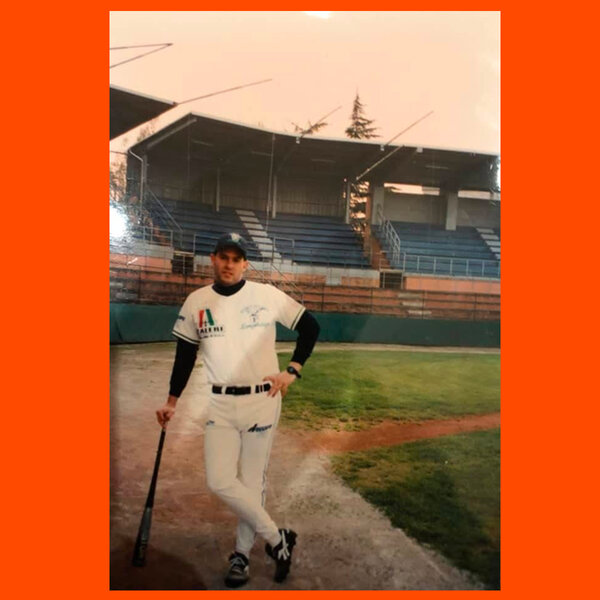
8:31But pretty soon, it became a daily thing. All the while, the voice in the back of my head was still there, knowing what was right and was wrong. And so I felt immense guilt. Soon the boxes were empty, and Scott began to eye other things. Things right out in the open. Things that belonged to his dad. So like a radio on the shelf just right there in the living room. taking that. And then a baseball signed by the early 30s New York Yankees, you know, Babe Ruth and Lou Gehrig and everything like that. Did your dad know what was going on? I mean, my dad is a very unique person. He's kind of like chronically petrified of direct conversations.
9:14You know, I remember even as a kid, he would have me order the pizza, you know, when we were ordering a pizza or something like that, because he didn't want to talk to the person on the phone. So Scott's dad never brought up the missing stuff until Scott started taking money. I knew right where his checkbook was. You know, it was right there on the secretary by the front door. And I had a light table where I put down a piece of paperwork that I'd found with his signature on it and then put the check over it and kind of traced over it. The checks were small,$60 here and there. But soon the account was thousands of dollars overdrawn.
9:48So his dad had to make a decision. It was one thing for a clock to go missing, another thing entirely for his savings to disappear. So the man who couldn't bring himself to pick up the phone to order pizza picked up the phone and reported his son to the police. So then they piled me into the back of the police car and then brought me to the jail. Were you scared at this point? I was petrified. I was petrified of the legal consequences I had, but I think I was equally or more petrified of the detox that I knew that was coming. I remember scrawling out the hours I was sober on a little jailhouse notepad that they give you.
10:28And I was doing$300 a day of heroin at that point. So it was a really, really, really bad withdrawal.
10:40There was just a series of horrible days where I just couldn't stop crying. I would have these kind of vivid dreams of seeing family or being happy. and then wake up to realize I'm still in a jail cell. A couple weeks into his detention, a garbled voice came over the loudspeaker. Scott had a visitor. Nobody had visited me yet, and so I thought it was a mistake at first. So I go up there, and there's my dad. Come to visit me. But, um... But Scott's father wasn't there to offer support. He was there to present his son with a list of all the things he'd stolen. The radios, the watch collection, the family silver.
11:22It was two columns containing some 50 items, and at the very top of the page... His most prized possession, the Luger. This German pistol that my grandfather had taken off a German in World War II. This gun was something that I knew was like his pride and joy. That was like the quintessential memento and the biggest piece that my dad had to remember his dad by. And so that was the one big thing that I had promised myself that I would never take. And I took it.
12:07Of all the things Scott had stolen from his dad, of all the mistakes he'd made, this is the one he regrets most. I've only seen my father cry when his dad passed away, when my mom passed away, and in that jail when he was telling me about him knowing about the gun being gone. You know, this was a piece of his father that he thought he would be able to hold on to for the rest of his life, and I sold for$1 ,400 worth of drugs. For four months, Scott sat in jail awaiting trial. When he was finally sentenced, the judge decided to dismiss the charges if Scott completed this two-year treatment program that was modeled on rehab programs from the 70s.
12:57Scott would have to shave his head and scrub the floors with a toothbrush, that kind of thing. The judge told Scott that of the roughly 300 people he'd sent there, none had made it through. So that was encouraging right at the very beginning. But I was like, get me in. Whatever I need to do, I'm going to do it. After two years, Scott walked out of the facility, and he's been clean since. He has a wife, two young kids, and a job at a residential treatment facility in Colorado, where he works with addicts and their families. He's trying to make up for who he used to be by paying it forward. But there's one person he's never been able to pay back.
13:39I have all but forgiven myself for a lot of the things that I've done in the past. But this is one thing that no matter the amount of counseling, it still bothers me on the deepest level that I did this to my dad. So about five years ago, Scott took his dad's list of the stolen items and set off to recover the Luger, along with everything else. So I went to the old antique stores that I used to go to. I went to the old sports memorabilia spot to see if I could track down the baseball that I had sold. He succeeded in getting some things back, a Crosley Antique radio, a ham radio. And that Christmas, with his sister, all his aunts, and uncles gathered round, Scott surprised his dad with the items he'd recovered.
14:24Scott was feeling pretty proud of himself until Uncle Bill piped up. And my uncle, you know, basically says, oh, well, is the Luger in there? Is the Luger one of the things that you were able to get back? Uncle Bill was close with Scott's grandfather. Like him, he'd also served in the military. He believed the Luger should have been his to begin with, not his little brother's. And I was like, no, no, I wasn't able to find that. And then that led to probably about a 10-minute spiel of his about how important that gun was to him. And I remember the day when I found out that that was stolen. It still bothers me.
15:01And it was just like in the middle of Christmas morning. And we're handing out presents. and every word that he said just like, ugh, it felt like a kick in the gut. And how do you think it made your father feel? Very uncomfortable. Very uncomfortable, yeah. Yeah. But he's not the type of person that would toss it back in my face. You know, that's kind of my uncle's style, but not necessarily his.
15:33Although Scott's dad didn't say anything Scott understood that his dad felt the same way as Uncle Bill That it was nice to have all those items returned But the only one he really cared about Was the Luger And it was gone All because of Scott I know that there's still trust issues there I know that there's still pain there And I've told him over the years that I'm going to do what I can to try and get it back. And I know by the glean in his eye that that would matter quite a bit, and that if I am able to track this down, it would be seismic. No matter what Scott accomplishes in life, or how good he feels, there's always that nagging voice that cries out, what about the Luger?
16:16Were you able to get that back? Even when Scott is relaxing in front of the TV, if anything about World War II comes on, he has to change the channel. And so Scott's come to me. He wants to find his grandfather's Luger and has no idea where to begin. My first thought is, why me? Why not the guys from Firearms Chat Podcast, the Reloading Podcast, Wasted Ammo Podcast, Socialist Rifle Association Podcast, Concealed Carry Podcast, New Shooter Canada, or Gun Girl Radio, the firearm show for the Second Amendment woman? I'm more the wistful type than the pistol type more the pun type than the gun type do you think we'll have to go to a gun show?
17:03I don't know I think it just kind of depends on where it ended up like the thing that's a little scary and maybe I'm completely like out of line with thinking this but is it possible like that these guns can filter back into like a kind of netherworld of like Nazi sympathizer people? Exactly, like, yeah. It's possible. Yeah. I don't abide by Nazi sympathizers, but I'm rapidly becoming a Scotsie sympathizer.
17:36As Anton Chekhov once said, if a gun shows up in the first act, it must be fired in the second. And that's a lot of presh. But as Jonathan Goldstein once said, if a gun's to be fired at all, please don't let it hit me in the wallet, because that's where I keep the charge card I use for purchasing quality products like the ones coming your way.
18:21of today's most fascinating artists. From hit makers like Miguel to rising stars like Alex Warren, Niall explores the stories behind the careers, the songs, and the moments that changed everything. Because every artist can point to that turning point, that moment before the breakthrough, before the success, before everything changed. Through candid conversations and personal stories, you'll hear what happened before the moment that made them who they are today. Listen to Before the Moment, a Lincoln Original Series on the iHeartRadio app, YouTube, or wherever you get your podcasts. This is Jacob Goldstein from Business History.
19:00Imagine Henry Ford trying to create the assembly line. He had factory plans, production schedules, supply information, research, and ideas coming from all directions. His team spent years studying how to make the process work. Now, imagine having ChatGPT work. ChatGPT work can help with big projects that have lots of steps. You give it the goal along with real information like notes, files, reports, feedback, and project plans. It can use approved apps, connected tools, and files to help turn all of that into something useful. A plan, an analysis, a tracker, a presentation outline, or a workflow you can keep improving.
19:39And you stay in control. You give direction, review the work, approve actions, and choose the final result. Would Henry Ford have built the assembly line faster with ChatGPT? We'll never know. Ford didn't have ChatGPT. You do. Put ChatGPT to work on your most ambitious ideas and projects. Get started at ChatGPT.com by selecting Work Mode, available on Plus and Pro plans. I'm Martha Stewart from the Martha Stewart Podcast. You know what I love about cooking? The endless inspiration, sharing exceptional flavors, and of course, the best ingredients. I refuse to make a dish without them. McCormick has been and is an essential in the kitchen.
20:22Now McCormick's new line of signature seasonings make bringing fresh inspiration and endless versatility to everyday dishes easier than ever. There's the everyday essential garlic and olive oil, the savory sweetness of caramelized onion, and globally inspired flavors like the herby with a touch of heat, chimichurri, and chili garlic that elevates everything from ramen to stir-fry to even grilled meats. Try the chimichurri blend to make your steaks delicious. Each signature seasoning is crafted by flavor experts to make every dish more delicious. When you want to make your best, it's got to be McCormick.
21:04Find your favorite at mccormick.com.
21:11Not knowing where to start, I spend several hours on a gun collector's discussion board run by someone named Jan with an iron cross for an avatar. I introduce myself to my fellow gun nuts and announce that I'm looking for a gun. Right away, an internet pop-up pops up telling me that my content has been blocked and to, quote, see administrator immediately. After the Gimlet Media HR Department confiscates my computer, I unholster my weapon of choice, the telephone. I dial gun dealerships all over the country to seek advice. It's going to be almost impossible. There may not be any type of record.
21:55Because it could just be in some private collector's collection. It's going to be hard for you. I'm going to tell you straight up. Do you know when it was sold? Do you have any type of serial number? Of course, a serial number. Scott doesn't know the serial number, but he admits there's one person who might. Uncle Bill, my dad's older brother. Yeah. Mr. Christmas Morning himself. Are you in touch with your uncle? I am. I mean, not a ton, but I am, yeah. So maybe he would be a place to start.
22:37Um, now, I'm, uh, I mean, of course, there's a cloud of anxiety. My chest starts tightening when I think about actually doing it. Shortness of breath would come next, then burning in the chestal region. It was sounding to this reporter like the healing process had already begun. But maybe we could both do it. Yeah. We could do a three-person call. So with me on the line as his emotional defibrillator, Scott dials up Uncle Bill.
23:17Good afternoon, this is Bill. Hello, Uncle Bill. How are you? I'm good. Mr. Goldstein. Yeah, hi. After Scott and I jockey over who will hide behind whose petticoats, Scott boldly peers out from behind my petticoats and asks Uncle Bill about the serial number. I believe it had a fairly low serial number, but unfortunately we never took a photo of the writing on the inside of the holster. So you don't have the serial number? I do not. But the moment we bring up the gun, it's Christmas morning all over again. It's a piece of history, of his history. That was part of what formed him to be the man that I knew.
24:07And that's about all we have from him from that era. And now we don't have that.
24:19When Uncle Bill speaks of the gun, it's as though Scott, the person responsible for its disappearance, isn't there, even when he pipes up to defend himself. The gun disappeared to help beat his habit, and I was really pissed at him. Yeah, I paid off every cent. I wasn't real happy with his dad either. It wasn't like I was going to go and beat him up or anything, but I was pissed. That he felt the need to, quote, keep it safe, and then he didn't keep it safe. Do you still feel like you fault your brother for that? Somewhat.
25:00Now, the reality of World War II vets is that they didn't really like to talk about the war. We didn't have PTSD as a diagnosis. The damage was usually dealt with with alcohol. And he and an awful lot of them drank too much. And that's how they self-medicated. After the war, Scott's grandfather became an alcoholic. He spent his days in an easy chair with a glass in his hand. and in the evenings he kept a bottle of whiskey on the nightstand to make sure he didn't wake up in a withdrawal. Like the Luger, it seems addiction has also been a part of Scott's family for decades.
25:44Before getting off the phone, Uncle Bill does offer a couple helpful bits of information. He tells us that the Luger was a Mauser and that returning World War II soldiers were often issued something called bring-back papers, documents detailing any items they took home. If we could find those papers, Bill says, there's a chance the gun's serial number might be there. He also says that if anyone has the bring-back papers, it'd be Scott's older sister, Mary, the family record keeper, and also one of Scott's biggest supporters. He's a good person and an honest one. When Scott was in jail, Mary was the one who visited most, gave him money for the commissary, and helped him with his court case.
26:27When I explain the length Scott's going through to get their dad's gun back, Mary becomes emotional. The whole thing reminds her of a story from when they were kids. Mary, Scott, and their dad had gone out shopping. He accidentally stole a bookmark from a store just because he thought we had paid for it and we hadn't. And he cried all the way home and made us go all the way back to the store almost an hour away to return it. Mary still sees her little brother as the same well-meaning kid who's trying to make things right. She's not sure she has the bring-back papers, but wants to help. So over the weekend, she digs through their grandfather's old stuff.
27:02She finds wartime postcards, letters to their grandmother, photos of their grandfather and his army buddies huddled in foxholes. And then she found the actual document, the bring-back papers. Holy cow. Okay, so what, and... I know. It's pretty crazy. Yeah. Yeah. It's yellowing. It almost looks like it has a coffee stain right through the middle. And then it has just written in underneath it, Luger pistol, serial number 459. Wow.
27:39This is Giovanni. Hi, Giovanni. How are you, Jonathan? I'm good. How are you? I'm doing well, doing well. I get Giovanni's number from another gun dealer who tells me that if I'm looking for a World War II-era Luger, Giovanni is my man. Giovanni owns one of Colorado's largest historical firearm shops and is something of an expert in Luger's. And so, armed with the serial number, I get ready to make some headway. The serial number is 459. Okay. No. You have an incomplete serial number. Giovanni explains that Luger's serial numbers have both numbers and letters, so there could be a 459A, 459B, and so on.
28:23I re-examined the scan Scott sent me, but no letter. How many 459 serial number guns are there probably out there? Lugers? Probably about...
28:40It could be 100. Hoping to narrow the pool, I tell Giovanni it wasn't just any Luger. It was a Mauser. Does that give you any... Nothing. Okay. Nothing. So in giving you that serial number, it's not like you can look it up in a database or anything? No. Oh, absolutely not. No. Hmm. What would you do if you were trying to track down this gun? I will give up.
29:17Before hanging up, Giovanni says there's one last thing we could try retracing the gun's path go back to the pawn shop clerk to see if he has a record of who he sold the gun to Giovanni says the clerk has no obligation to reveal that information, but it's worth a shot the clerk's name is George, and he and Scott were friendly back when Scott was living with his dad They're still connected on Facebook. So Scott messages asking if George might be willing to talk to us. And George says yes. And then he calls me back a couple minutes later just in tears. It turns out that when George bought the gun from Scott eight years ago, he intended to keep it for himself.
30:00At the time, George and his wife were expecting a baby. And about two weeks after I had sold him that gun, he found out his wife had brain cancer. Oh, my God. Like, really aggressive brain cancer. And she ended up having to undergo really aggressive radiation. And so because of that, they ended up losing the baby. Just months after buying the gun from Scott, George sold it to pay for his wife's medical bills. And then she passed away a number of months after that. And it just brings up these kind of horrible memories that he's trying to avoid diving back into. Each time the gun has changed hands, it seems it's been in the midst of violence, desperation, and personal tragedy.
30:50While George doesn't want to talk, he does remember the name of the person he sold the gun to. The owner of a rare coin and gold bullion shop, a man named Klaus. I just keep my collecting interests private. You know, some people think just because you buy Nazi guns that you're a Nazi. When I first phone Klaus at his store, he's reluctant to talk. He's nervous about being judged for his hobby. I'm a collector, but, you know, some people associate collecting World War II German memorabilia with, you know, Nazism. I reassure Klaus that that's not what I think. But over the course of our phone call, I become less sure of what I think.
31:32I have a Luger serial number 7. What makes it so interesting that Hitler's party pin number was number seven. So he was, you know, the party member number seven. I have a number seven Luger. How did you acquire something like that?
31:56I have some things that are very, very unusual. You know, I came, I'm an immigrant. I came from Germany. My grandfather was a Nazi officer, and my father was in the youth. I have many questions for Klaus. First and foremost, why are you telling me, Jonathan Goldstein, about your familial ties to the Nazis? But I'm not here to interrogate Klaus. I'm here to find Scott's gun. So I try to steer us back on track. I tell Klaus that I'm calling on behalf of a man named Scott, whose grandfather once owned a Mauser Luger that George sold to him some years ago. Klaus tells me that's not possible. He tells me he never bought a gun from George.
32:48He doesn't even know who George is. And besides, he says, he's never owned a Mauser Luger. Maybe you're mistaken, I say. All these guns kind of look alike. Black, shiny, shooty. Maybe you lost track of it. Maybe it fell behind the couch. Klaus tells me he'll look around, but he's noncommittal, just trying to get me off the phone. Then, at 11.13 p.m., I get a text. Hello, Jonathan, it reads. Call me at your convenience. And speaking of convenience, no need to so much as move a muscle because I'm about to march right over there and dump a truckload of savings directly onto your face.
33:44If you're a music fan, here's a new podcast to check out. It's called Before the Moment, a new series hosted by the legendary Niall Rogers. You know him as the producer, songwriter, guitarist, and co-founder of Chic. But in this series, he's hitting the road to sit down with some of today's most fascinating artists. From hitmakers like Miguel to rising stars like Alex Warren, Niall explores the stories behind the careers, the songs, and the moments that changed everything. Because every artist can point to that turning point, that moment before the breakthrough, before the success, before everything changed.
34:23Through candid conversations and personal stories, you'll hear what happened before the moment that made them who they are today. Listen to Before the Moment, a Lincoln original series on the iHeartRadio app, YouTube, or wherever you get your podcasts. This is Jacob Goldstein from Business History. Imagine Henry Ford trying to create the assembly line. He had factory plans, production schedules, supply information, research, and ideas coming from all directions. His team spent years studying how to make the process work. Now, imagine having ChatGPT work. ChatGPT work can help with big projects that have lots of steps.
35:01You give it the goal along with real information like notes, files, reports, feedback, and project plans. It can use approved apps, connected tools, and files to help turn all of that into something useful. A plan, an analysis, a tracker, a presentation outline, or a workflow you can keep improving. And you stay in control. You give direction, review the work, approve actions, and choose the final result. Would Henry Ford have built the assembly line faster with ChatGPT? We'll never know. Ford didn't have ChatGPT. You do. Put ChatGPT to work on your most ambitious ideas and projects. Get started at ChatGPT.com by selecting Work Mode.
35:42Available on Plus and Pro plans. I'm Martha Stewart from the Martha Stewart Podcast. You know what I love about cooking? the endless inspiration, sharing exceptional flavors, and of course, the best ingredients. I refuse to make a dish without them. McCormick has been and is an essential in the kitchen. Now McCormick's new line of signature seasonings make bringing fresh inspiration and endless versatility to everyday dishes easier than ever. There's the everyday essential, garlic and olive oil, the savory sweetness of caramelized onion, and globally inspired flavors like the herby with a touch of heat chimichurri, and chili garlic that elevates everything from ramen to stir fry to even grilled meats.
36:32Try the chimichurri blend to make your steaks delicious. Each signature seasoning is crafted by flavor experts to make every dish more delicious. When you want to make your best, it's got to be McCormick. Find your favorite at mccormick.com.
36:54This is Scott. Hey, this is Jonathan Goldstein speaking. How are you? Well, I have some news for you. I found the gun. What? Yeah. Are you kidding me? No, no. Are you kidding me? No. Oh my God. Yeah. You found it? Yes. Wow. Yeah. I'm blown away. It's a matter of whether we'll be able to get it. Okay. It's still in Klaus's possession. So did you talk to him? I did. And it was an interesting conversation. So you found the gun. Yeah, you know, I was surprised. Last night I took a look, and I went into my vault room, and I found it. The Luger was still in the original holster. Attached to it was a tag with Scott's grandfather's name.
37:58Would you be open to the idea of selling it back to him? Well, my first thought is, probably not.
38:17It's just that I legally purchased the gun, and I mean, I'm a collector, you know. I paid for it, so. I mean, would you say that his grandfather paid for it with his service? I mean, it's war bounty that someone brought over from Germany. You know, he didn't pay for it. From Klaus's perspective, the gun Scott stole was already stolen property. He took it off of a German officer. And, you know, as we spoke prior, my grandfather was an officer in World War II, and, you know, my thoughts were, gee, you know, could that gun have been hit? At this point, I'm not really compelled to let go of the gun, but I still give it some thought.
39:10so the way that we left it was uh he said that he'd think about it okay well i won't start celebrating yet but we know who has it we know where it is so now it's just kind of tactfully figuring out what it's going to take to get it back i really i really do respect your optimism I don't think we're going to get the gun back personally I'm going to try we're going to get that gun since Scott's not ready to admit defeat I suggest he try making his case directly to Klaus in a letter so Scott writes from the heart he explains the full story of his addiction his time in jail and his guilt about his dad my greatest regret was that I would never be able to get this heirloom back in the hands of my father, Scott writes.
40:08But now, for the first time, that seems like a possibility. Eight years ago, I was so addicted to heroin that I was pretty sure I was going to die. That fact has since been replaced with another, more hope-filled one. Second chances are real. Klaus receives the letter, but offers no response.
40:32Two weeks go by, and still we hear nothing. So I send another email. Klaus's answer is short. I have considered Scott's response and I have decided to not sell the gun at this time. If my position ever changes, I will contact you. Klaus. That's just ridiculous. Settling on the fact that we know where it is and not getting it back, that's just, like, super frustrating. I mean, there's got to be something we can do. Scott says he's willing to pay whatever Klaus wants for the gun. So again, I contact Klaus. It's not a money issue, Klaus responds almost immediately. I am just not interested in selling a gun to an individual.
41:20I can't figure out what exactly Klaus means by an individual. Maybe in the past he sold guns to organizations or museums. But when I write him back, he responds with this. Based on the background information, I would not sell this gun back to Scott. So it's not really an individual, per se. It's this individual. Scott's letter hadn't made Klaus feel sympathetic. It had made him feel nervous. Like with Scott's criminal past, a gun and a second chance might not make for a great combo. If there was any hope, it's now gone. Well, I have an update. Update, okay. A couple days later, I catch Scott at work.
42:05Yeah, I have another update. Uh-huh. It looks like Klaus is willing to sell the gun. Ugh, you're kidding me. No, you were right. Ugh. You were right to be hopeful. I did not think that I was going to be reporting this back to you. What brought it about? What changed his mind? I'd asked Klaus the same question. It seemed as though over the weekend you had a change of heart. I figured you were going to haunt me until I finally get it back to the guy. I probably would. I just thought, you know, it seems like the guy really wanted that item back. Yeah. I just didn't want to be haunted about it, so.
42:52I can't even believe it. But there was still one thing that Klaus hadn't changed his mind about, and I feel bad having to tell Scott. He is saying that he is willing to sell the gun, but he won't sell it to you. Klaus doesn't trust Scott. Bottom line. I mean, he doesn't know me. He doesn't know that I've become a contributing member of society. After everything Scott's done to redeem himself, the rehab, the good works, Klaus's judgment stings. But Scott gets it. It's something he's experienced before. People accusing him of theft when things go missing. Women breaking things off when they learn he was once an addict.
43:32The world still sees Scott as a bad bet. But he sweeps aside his feelings to address the more pressing question. Who can we get to buy the gun? The first person that comes to my mind is the person who's always believed in Scott most. What about your sister? Yeah, absolutely. No, she would be totally open and willing to do that. Oh, 100%. Well, it looks like we're going to be buying a gun. Let's buy a gun, guys. Except we don't. After looking into Colorado's complicated gun laws, we learned that because Mary's not a full-time Colorado resident, it's illegal for her to buy the gun. So we discuss options.
44:14Scott's wife could buy it and give it to his dad, but that's also illegal. In Colorado, only blood relatives can gift each other guns. We consider Uncle Bill totally legal, but Scott's worried he'd buy it and then want to keep it for himself. Out of viable family members, we consider getting a middleman to buy the gun from Klaus, then sell it to Scott, who can then give it to his dad. But as it turns out, there's a term for this, a straw purchase, and it's a federal felony.
44:48It's been nearly two weeks of phone calls, with Scott, with lawyers, with the Colorado Firearms Unit, and with each passing day, I become increasingly nervous about Klaus changing his mind. So I present Scott with what might be our last remaining option. His dad, Wynne. Scott falls silent. For the first time in the course of this quest, he seems defeated. The thought of placing his father Wynne, the man afraid of the crack-voiced pizza boy, in a room with Klaus, the man with the gun vault and the Luger that may or may not have belonged to Adolf Hitler, makes him wonder if maybe it's all just gone too far.
45:30But at this point, it's the only way to get the gun. So Scott agrees. Wynn will buy the Luger.
45:39After the break, Wynn and Klaus.
45:51If you're a music fan, here's a new podcast to check out. It's called Before the Moment, a new series hosted by the legendary Niall Rogers. You know him as the producer, songwriter, guitarist, and co-founder of Chic. But in this series, he's hitting the road to sit down with some of today's most fascinating artists. From hitmakers like Miguel to rising stars like Alex Warren, Niall explores the stories behind the careers, the songs, and the moments that changed everything. Because every artist can point to that turning point, that moment before the breakthrough, before the success, before everything changed.
46:29Through candid conversations and personal stories, you'll hear what happened before the moment that made them who they are today. Listen to Before the Moment, a Lincoln Original series on the iHeartRadio app, YouTube, or wherever you get your podcasts. This is Jacob Goldstein from Business History. Imagine Henry Ford trying to create the assembly line. He had factory plans, production schedules, supply information, research, and ideas coming from all directions. His team spent years studying how to make the process work. Now, imagine having ChatGPT work. ChatGPT work can help with big projects that have lots of steps.
47:08You give it the goal along with real information like notes, files, reports, feedback, and project plans. It can use approved apps, connected tools, and files to help turn all of that into something useful. A plan, an analysis, a tracker, a presentation outline, or a workflow you can keep improving. And you stay in control. You give direction, review the work, approve actions, and choose the final result. Would Henry Ford have built the assembly line faster with ChatGPT? We'll never know. Ford didn't have ChatGPT. You do. Put ChatGPT to work on your most ambitious ideas and projects. Get started at ChatGPT.com by selecting Work Mode, available on Plus and Pro plans.
47:51I'm Martha Stewart from the Martha Stewart Podcast. You know what I love about cooking? The endless inspiration, sharing exceptional flavors, and of course, the best ingredients. I refuse to make a dish without them. McCormick has been and is an essential in the kitchen. Now McCormick's new line of signature seasonings make bringing fresh inspiration and endless versatility to everyday dishes easier than ever. There's the everyday essential, garlic and olive oil, the savory sweetness of caramelized onion, and globally inspired flavors like the herby with a touch of heat, chimichurri, and chili garlic that elevates everything from ramen to stir fry to even grilled meats.
48:39Try the chimichurri blend to make your steaks delicious. Each signature seasoning is crafted by flavor experts to make every dish more delicious. When you want to make your best, it's got to be McCormick. Find your favorite at mccormick.com.
49:01Hello. Hi. Scott and his dad, Wynn, meet me on the way to see Klaus. Hi. Mary's here, too. She's come along for support. Klaus told us to meet him at a gun shop he knows, where they can run the necessary background check. We all get into Scott's car. People with microphones and stuff. Scott's dad, Wynn, is seated up front. He's brought along the Lugers' empty case, which sits on his lap. Wynn is bright-eyed and smiley, but knowing from Scott how shy and nervous his dad can be gives his jolliness a slightly forced quality. Oh, there's road work. Case in point, when our ETA gets pushed back due to road work, Wynn bursts into song.
49:46Road work. Here we go. Or, this is Wynn, as Scott tells us, about his day. His pretty dark day. Wynn is the one giggling in the background. We got four people into detox programs this morning. So, a lot of distraught parents and overdosing teenagers. to deal with this morning.
50:15The destination is on your left. Maybe you can even pull in, oh, what's it, private parking. We pull into a parking lot, and we all get out of the car. All except for Scott. After the way Klaus responded to his letter, he's afraid if he goes in, he'll blow the whole deal. We'll be right back. Cool. Well, have fun. Yes. All right. From behind the windshield, Scott watches as his father ambles towards the gun shop, empty gun case in his hand.
50:46I can imagine how Scott's feeling. Scott already believes he's failed his dad in so many ways. Sending him to buy back his own gun in a run-down-looking gun shop with bars on the windows must feel like one more failing.
51:06Let's buy ourselves a gun. Time to buy a gun. At the door, a large man wearing sunglasses and a holstered gun silently greets us. Wind ducks inside. The walls and shelves of the gun shop are full of Nazi medals, Nazi helmets, Nazi hats, belts, uniforms, guns, and swastika armbands. And at the center of it all is Klaus, who is, at present, chumily talking to a large tattooed clerk with a white goatee. They quiet down when Winn, Mary, and I approach.
51:45Klaus appears to be in his 60s. He's a slight man with thinning, slick-back hair. Winn walks over, smiling nervously, as Klaus turns to greet him. And then, the grandson of a Nazi officer shakes hands with the son of an American soldier.
52:04As Mary and Klaus introduce themselves, I adjust the levels on my recorder. The goateed man has a look about him that says, I don't listen to podcasts. Just the same, I take a deep breath, scoop my testes out of my NPR tote bag, and, in my best vocal approximation of Ira Glass, demand my journalistic rights. And would it be okay if we were to be recording for the thing that we're doing in the background? Absolutely not. Absolutely not. Cut it. The Luger sits on a glass display counter. Wynn walks over. That's it, he says. His father took it off of my grandfather, Klaus jokes to the goateed man.
52:53The gun is pristine. Mary and I take turns holding it. It's heavier than we expect. Wynn hands his driver's license over for the background check. While we wait, there's an awkward silence. I consider asking if anyone's seen Mamma Mia 2 Here We Go Again, and if so, whether they thought the closing Super Trooper number at the Hotel Belladonna was a bit much. But before I can clear my throat of anxiety mucus, the background check is complete. After all the hoopla, it took all of ten minutes. Winn gives Klaus the money, and Klaus gives Winn the gun. For perhaps the first time ever, the Luger changes hands without incident.
53:38Klaus watches as Winn carefully places the gun back into its case. Don't let it get out of the family anymore, he says, as the goateed man watches us wind our way to the exit.
53:55On the ride back, everyone is quiet. I imagine Scott is feeling relief, Mary, pride in her brother. But watching Wynn in the front seat, staring out the window, gun case at his feet, it's hard to say what he's feeling.
54:14God, this is crazy to see At Mary's apartment, we all huddle around the dining room table Scott's grandfather's gun has been placed at the center Scott and Mary marvel at it Wait, I'm amazed that the tag is still on it Yeah And then it has a number 459 Look at that This is crazy You don't understand how crazy this is If Wynne does understand how crazy it is, it's hard to tell. There's something muted about his response. In fact, since we've entered the apartment, Wynne hasn't seemed interested in his father's gun at all. When Scott asks him if he'd like to hold it, he declines. While Scott and Mary pass their grandfather's gun between them, Wynne sits silently.
55:02I try to draw him out. Did you put any hopes in ever getting that gun back? I thought it was unfortunate that it disappeared, but I wasn't saying, darn, I wish I could find that gun. It's just a material object.
55:26No one is sure what to say. Sure, it's a material object, but it's a material object that carries great meaning. It's a material object that connects him to his dad.
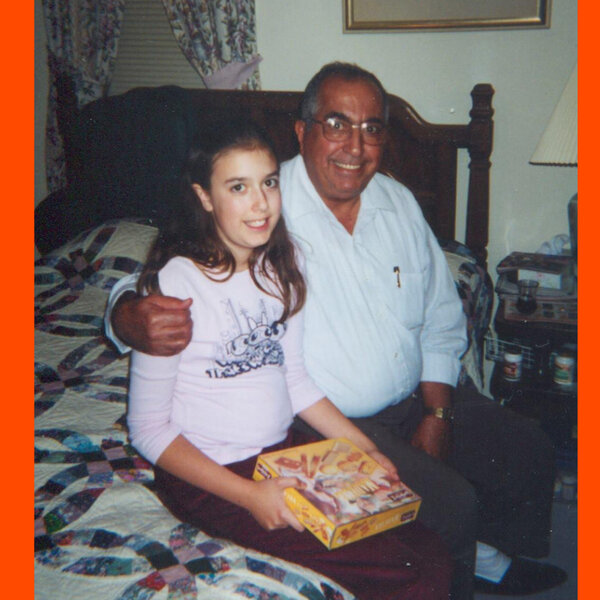
55:41I was not as close to my dad as I would like to have been. The guy with a glass of scotch whiskey in his hand sitting in the easy chair, tossing out criticisms as needed. The way you grow a better son is to criticize him. For the first time all day, Wynn isn't cracking a silly joke or smiling. My main memory of my dad was being afraid of him. I remember one of my early memories is that I'd somehow succeeded in getting a bruised bone on my shin. And I was like three years old. And my mother was sufficiently concerned that she took me to the doctor and had it x-rayed. And it was, oh, how in the world did little Teddy, that was me then, get a bruise on his bone?
56:30And I think what it is is that I think I got kicked by a guy wearing size 12 wingtips. Scott's never heard this story before, and it seems almost like he doesn't want to believe it. Were there good parts about your relationship with him, if you had to name? If I had to name? Hmm. I don't know. It was just kind of scary all the time. Wynn explains that his relationship with his father wasn't the same as Bill's relationship with their father. I think I felt criticized mostly for not being as good as my brother. He always did well in school, and I wasn't always so wondrous. And I always saw myself as a little more plump and a little less athletic.
57:23Bill was always the louder voice in the room. So that Christmas, when Bill lectured Scott about the significance of the Luger, Scott had assumed Bill was speaking for his dad, too. But he wasn't. I saw it as this treasured possession that linked you to the good parts of Grandpa. But your relationship with him is complicated and different than I even knew. Scott was right in believing that the gun was a reminder of Wynne's father and that it carried a lot of meaning for Wynne. He just misunderstood the nature of that meaning.
58:05To know that, like, Scott had been thinking about it all these years, even maybe past your having thought about it, how does that make you feel? It makes me feel loved, that he would make it a part of his life to try to track it down. It feels like maybe I was at least partially successful in not being like my dad. Yeah. That I was somebody he could run over to and climb up in the lap of when he was little and stick his fingers up my nose. He used to like to do that. I could never stick my fingers up my dad's nose.
58:47Wynn looks over at his son. Don't let it bother you anymore. The greatest prize that I got out of this whole thing was the fact that even though all this crap disappeared, I got to get my boy back. The funeral plot that I had bought for myself to be next to your mom, I thought I was going to have to bury my son in it. And I am delighted that I never had to do that. That's ever so much better.
59:20Maybe eight years ago, during Wynn's visit to Scott in jail, it wasn't the missing gun that had made him cry. It was missing his son. But now, the gun tells a different story. The gun has grown, so it's not just my dad anymore. It has a whole story to tell about my son. And it's back. returned by this guy here. Thank you for doing all that. Of course.
1:00:05A few weeks later, I get this text from Scott. The other night, it reads, I stumbled upon a World War II documentary. And for the first time in eight years, Scott didn't change the channel.
1:00:55Now that the furniture's returning to its goodwill home Now that the last month's rant is scheming with the damaged deposit Take this moment to decide If we meant it, if we tried Or felt around for far too much From things that accidentally taught Hello? Hey, Scott. Scott? Hello, how are you? I'm good, how are you? Yes. Good. I'm good. This is kind of suiting that we're out of sync. This is exactly what happened during our first interview. Do you remember? I remember. That is suiting. Yeah, I just wanted to catch up with you and see what's changed? I mean, the biggest change is my dad passing away.
1:01:59Oh, I'm so sorry to hear this. Thank you. I mean, it was truly in his style of how he let us know that he had liver cancer was a group text message. And the words were, I have terminal cancer, and there's nothing that they say I can do. Very sad news. Oh, no. Kind of a thing. And that was in alignment with his wanting to avoid talking over the phone. Yeah. He wouldn't even talk with the pizza delivery guy. Yeah. And so then it was about a year, a little over a year from when he sent out that mass text that he passed away. Do you think that returning the Luger changed your relationship with your dad in his last years?
1:02:55Our relationship opened up on a much deeper level after this. And I mean, that's the full circle part of it is you go back to, you know, those early days, my dad changing the locks on his house so you go from that fear of me to cut to 15 years later i was the only person with a key to his house i was the one that was at his bedside all throughout him declining through this disease and then i as the you know executor of his estate like i'm the one combing through and looking through all of these things to figure out what sentimental belongings to hold on to and what to let go of. Where is the gun now?
1:03:42After my dad was diagnosed, he had offered the gun to me. Oh. And he said, I would like you to have this just because of all of the work and everything you did to get it back. But it meant so much more to my uncle, you know? Yeah. So it's actually Uncle Bill who has the gun now. Scott, thank you so much for talking. Yeah, absolutely.
1:04:21Thanks to everyone who helped put this episode together. We'll be back next week with another Encore presentation and along with it, another update from our guest.
1:04:36Thank you.
1:05:06by Niall Rogers. This new series follows Niall as he travels across the country talking with some of today's most fascinating artists about the moments that shaped their lives and careers. From hitmakers like Miguel to rising stars like Alex Warren, Niall explores the stories behind the careers, the songs, and the moments that changed everything. Because every musician remembers the point where everything changed, and this podcast tells the stories that came before it. Listen to Before the Moment, a Lincoln original series on the iHeartRadio app, YouTube, or wherever you get your podcasts. For I don't know how long, maybe 12, 13 years, I've worn a Whoop band on my wrist.
1:05:48I started doing it because I met the founder of Whoop at a conference. He heard that I was a runner, and he said, oh, you'll love this. It's perfect for athletes. And he was right. I've worn one ever since. Every time I work out, I see how hard I worked, how long I need to recover. I wake up in the morning and I get a complete picture of how my sleep went, which helps me understand the kinds of things that lead to a bad night and the kinds of things that lead to a good night. It's sleek, long-lasting battery, and now with AI looking at all my numbers and coaching me. Whoop is a winner. New members can try Whoop with a 30-day free trial before committing to a membership.
1:06:28That's Whoop.com for your free month of Whoop. Let's talk about something everyone has an opinion on, healthcare. We all know it should work better than it does. Optum believes that too, and they're trying to improve it. They're helping healthcare teams and pharmacy services work together, like bringing primary care and prescription drugs straight to your home so you can stay on top of your health. Optum's also building technology that connects the whole healthcare system so it can better take care of the whole person, you. Optum is making healthcare work as one for everyone, See what Optum's up to at Optum.com.
1:07:04This is an iHeart Podcast. Guaranteed human.
This week, we check back in with Scott to find out what turns his life has taken since the original episode aired in 2019.
When Scott was a heroin addict, he crossed a line he thought he would never cross. And he’s been trying to uncross it ever since.
Credits
This episode was produced by Jonathan Goldstein, Stevie Lane, Kalila Holt, and BA Parker, with editing by Jorge Just. Special thanks to Emily Condon, Alex Blumberg, Nathan Foster, Jacob Eppler, and Jackie Cohen. This episode was mixed by Bobby Lord. Music by Christine Fellows, John K Samson, Blue Dot Sessions, Michael Hearst, Michael Charles Smith, Podington Bear, Shadowlands, Stratus, Haley Shaw, and Bobby Lord. Our theme song is by The Weakerthans courtesy of Epitaph Records.
See omnystudio.com/listener for privacy information.