 Ask ChatGPT



How OpenClaw (AI agent system) helps an executive eliminate “1% annoyances” via automation, especially for approvals, communications, scheduling, travel, food ordering, and smart-home control.
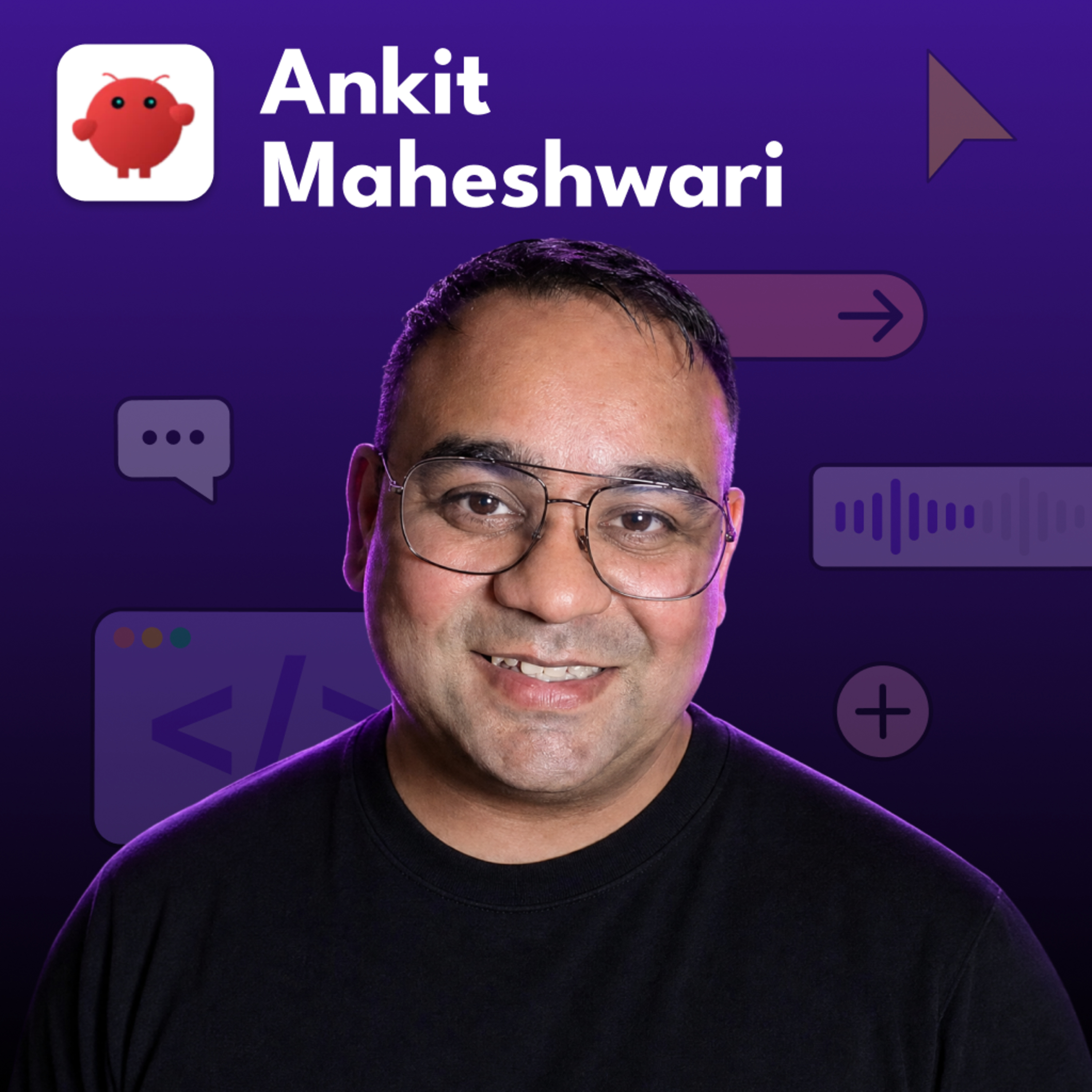
Ankit Maheshwari, CTO of InnoVecear; runs OpenClaw on a Mac mini in his SF home. Builds multi-agent “Jarvis” workflows with guardrails and sub-agents.
OpenClaw provides more control than typical agents (can act with passwords/sessions when allowed). Sub-agents with well-scoped roles reduce hallucinations (e.g., different personas for voice calling vs appointment booking). Guardrails prevent risky auto-actions (e.g., unintended approvals).
Slack non-repliers get WhatsApp/voice calls; every 4 hours cron checks pending hiring approvals and flight approvals; automated DoorDash lunch orders with learning; travel planning using points and voice negotiation for restaurants; reverse-engineered home automation (REA) to switch AC automatically based on commute timing; elevator “call” idea to avoid waiting.
Written by AI. May contain mistakes.
Learn how OpenClaw is used by executives for efficiency.
“CEOs, you use your open claw to call people who are not replying to you fast enough on Slack.”
Explore Ankit's experience with OpenClaw and its advantages.
“Ankit, I'm so excited to have you here on How I AI because it is late 2026 and you are still committed to my original AI agent love, Open Claw.”
Ankit shares how he overcame challenges using OpenClaw.
“where they live, and what did you have to build to make it work for you?”
Learn about Ankit's setup using sub-agents for efficiency.
“know you never know um but like what kind of like primitives did you have to add and think about in terms of your open claw setup and visibility and all that stuff so that it worked really well for you?”
Exploring various use cases for Open Claw in everyday scenarios.
“Okay, you're really going to bring me back.”
How Open Claw optimizes tasks like food ordering and travel planning.
“And I like sometimes text my husband in the middle of the night when he's sleeping on the couch to get five minutes of sleep.”
Discussing how to automate minor annoyances in daily life.
“I want to have like, I want to be able to be the best, but as a human, it is hard to be the best across every, across booking travel, across picking your meals.”
Insights into the architecture of Open Claw and the importance of guardrails.
“It cannot have a God-willing thing that I need to go and it can just press that button so that there's always an elevator for me and I don't have to wait for it.”
Discussion on local models and the experimentation with AI technologies.
“But then having the right amount of guardrails, because if you don't have the guardrails, it can become risky.”
Learn about the strengths and weaknesses of Jarvis in various tasks.
“So, like, all these secret ideas that I used to have, summarizing some of those things, emailing, those things it can do really well.”
Discover different prompting strategies users employ with Jarvis.
“Okay, well, and then my last question for you, which is when Jarvis is not doing what you want, when it doesn't press that elevator button, it doesn't reply, how do you prompt?”
Hear how to connect with the guest and their work addressing healthcare annoyances.
“Where can we find you and how can we be helpful?”

Get the gist, explore an idea or ask about something said.
 Claude
On How I AI, what are the key points of this episode?
Searching your listeningAutomatic transcript. May contain errors.
0:00CEOs, you use your open claw to call people who are not replying to you fast enough on Slack. If I need to get a status, they are not basically replying on Slack or something, or the other, they can just call them up, remind them of basically, and they will reply to the agent that is calling on my behalf. The first app to reverse engineer was this home automation piece. It reverse engineered the home automation, understood the whole protocol, at what time basically to switch on my air conditioning, where I don't have to do anything. I don't have to tell it, oh, I'm leaving for home. Can you switch it on?
0:31It does it automatically. Can there be a way where if I have to go out, the elevator gets called automatically for me so that I don't have to wait for an elevator? If it's 1 % annoying, you are going to automate it.
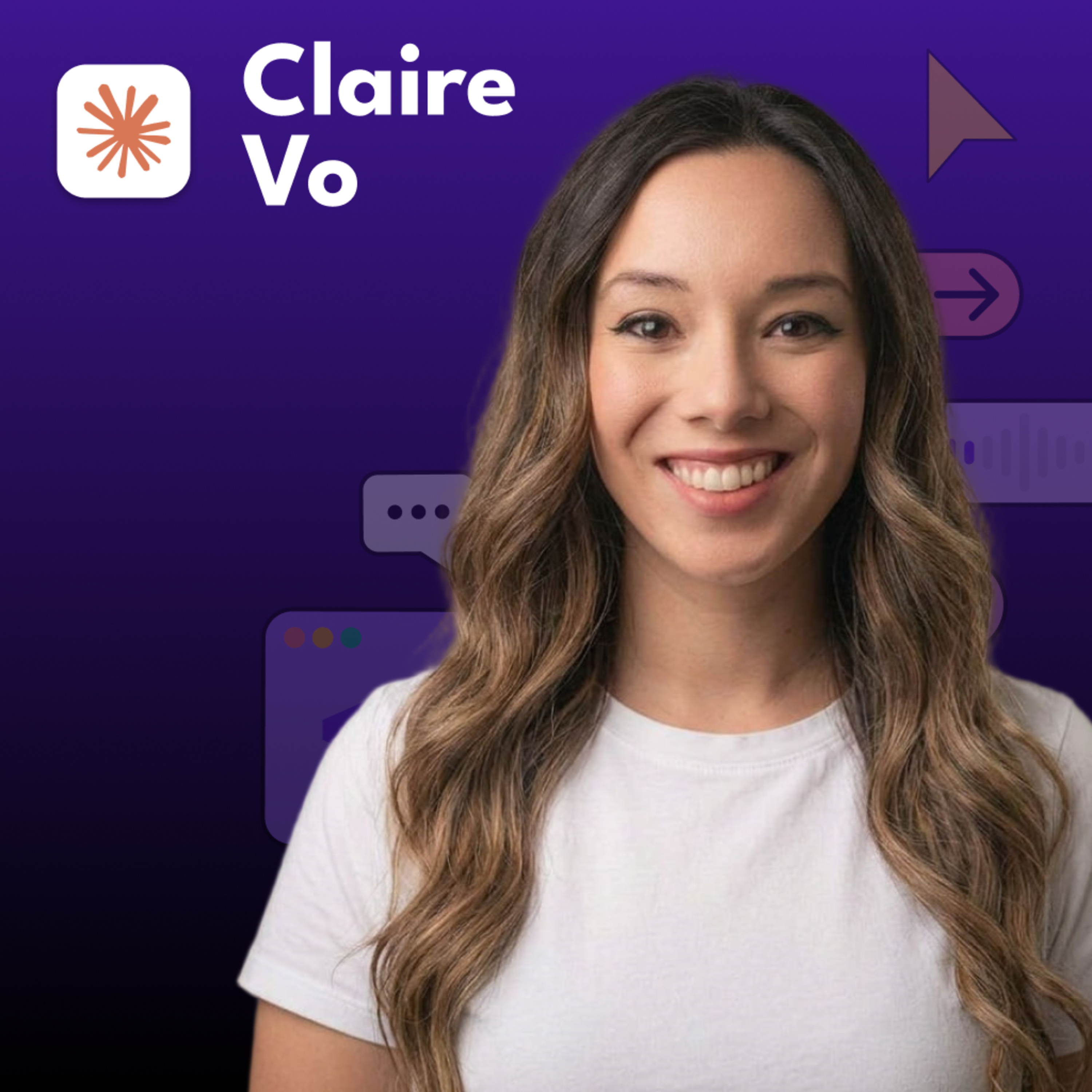
0:48Welcome back to How I AI. I'm Clara Vau, product leader and AI obsessive here on a mission to help you build better with these new tools. Today, I have Ankit Maheshwari, the CTO of InnoVecear, and he is still on OpenClaw. Yes, the 2026 early favorite OpenClaw. He is still running it and he's still running it on a Mac mini. That's because he's figured out his system for running a Jarvis with the brains, the productivity and the tools he needs to reduce all the friction in his life and eliminate everything that's even 1 % annoying. Let's get to it. This episode is brought to you by Parallel, web search built for AI scale.
1:29When your agents get it wrong, how often is search to blame? Parallel gives your agents the freshest, most accurate web data with sources at every speed and price. Searches come back as fast as 200 milliseconds, fast enough for live products. Harvey, Notion, and Rogo run it in production at volumes where accuracy can't be second best. Need a decision, not just search results? Meet WebGEV, Parallel's new decisions API that just launched. Use it for fast and accurate classification of changing data. It checks the live web, not stale training data and returns a cited answer in under one second. Pay only for what you use, starting at a dollar for every thousand searches.
2:15So costs scale with you. Start in minutes and try it free with up to$80 in credits at parallel.ai slash howiai. Ankit, I'm so excited to have you here on How I AI because it is late 2026 and you are still committed to my original AI agent love, Open Claw. And you figured it out because I don't know if you watched a recent episode. I recently with GrokBot executed my Open Claws. It was very sad. It was a very, very, very sad moment. But you have figured it out. And so tell me high level why you're still loving Open Claw, where they live, and what did you have to build to make it work for you? Oh, sure.
3:07And first of all, thank you for having me. And you said, right, like still having, still being in love with Open Claw when every new week you have a new one hitting the market. I think for me, the level of control, yes, it does get a little frustrating sometimes, but still the level of control that you can get, right, where yes, it can take my password and actually do stuff rather than basically always checking back, hey, this is not allowed for me to do. I think that was the biggest piece of why I still have been still sticking to open clock. Where it runs for me, right now it runs on a Mac mini sitting in my SF home basically right now doing all the work and where it all started I think where it all started was this one piece that was always frustrating me because my team was always on my neck, hey you are the bottleneck, you have so many resumes to basically approve, they are sitting at your stage and my My thing is I can't approve until I've seen the resume, the pedigree, what everybody has said on the feedback and then go ahead.
4:18And that is when OpenClock came in and I gave this. That was the first task I gave it. So, every four hours have a cron run, what is pending on me to approve, go through that, give me a full list to basically check in and where I can also ask basically follow-up questions. Hey, can you check the pedigree? can you check their github link and basically tell what they have done basically in the past so all those questions which otherwise i would have to ping the person who would have interviewed them right was very easy and that is the first problem that i kicked off basically uh with it and once i did that that is when basically the whole domino effect started playing that okay now it can do this let's give it never no one for all my flight approval that i need to do for people and keep asking them basically, okay, why are you flying?
5:09Basically, are you in budget and all those kind of things. And the one is pretty crazy because it doesn't give you notification either on your email. So it was always somebody pinging a slack. Hey, we have a flight for your approval waiting. Can you go there and approve that particular piece? So I have to say you like Open Claw as a busy executive. Same reason I like Open Claw or agents in general, which is I say these agents really let me embrace my inner micromanager, which is I just want to approve everything. I want to see everything, every hire, every expense. It's very annoying for people.
5:47But you put an agent in the right spot. I mean, I really do think that's one of the points of leverage, which is like high performance oriented executives like to look at what's going on in the business at a very detailed level. I always say like the best leaders sweat the details, including who's being hired, why are they being hired, where is money being spent inside the company? And so it sounds like for you, trying to do that just as a human was very, very hard. But doing that in partnership with a good, well sort of personalized open claw was much easier. But you have to admit sometimes open claw, like is it perfect and i know you built this system around open claw to make it easier for you to manage so tell me like a little bit about your open claw setup because maybe i'll go back i don't know you never know um but like what kind of like primitives did you have to add and think about in terms of your open claw setup and visibility and all that stuff so that it worked really well for you?
6:54No, definitely. So I think right now my open claw works directly with me on my WhatsApp is basically where I keep checking in. I think during the initial phase, I think the hallucination of sometimes basically misbehaving, not doing its work, I think, and just setting up the guard rails very well right when you're setting up the soul for the open claw. I think that is where I put a lot of effort in basically that how do you make the soul right enough basically with the right amount of guardrails and basically where it can move and the other piece was right can I said like how you have right and that was a different than Javed's son of Anton concept that can you have basically micro agents with an orchestrator agent right so a master soul MD and basically then you have the other souls as well so that it knows where to route what like for my food ordering piece to have a health coach kind of a persona that's very different thing rather than basically someone who is going and fetching me what is the right CTO digest or one that is going through my emails to tell me okay what is the most important piece that you should definitely reply right now and something that are mostly FYI and can wait and you don't need to basically bother for that.
8:15And when you're free, then I will bother you about them. So I think setting up those four files was something basically where I spend a good amount of time in. And you, so you were probably very similar to me because I had my master claw. Her name was Polly, RIP Polly. We all miss Polly. She was like a, she showed up at a podcast one day. So we really miss her, but I had like sort of my master agent And then I set up individual agents with like well-scoped jobs, souls, access, all that kind of stuff. Do you think that, I mean, you seem similar to me in that, like, do you think the one agent to rule them all is just too hard to get good at everything?
8:54And is that why you kind of have these sub-agents do a better job? Like, what appeals to you about that setup? Because I think there's this big debate in the market about like the one agent versus the many agent experience. Yeah, at least in OpenClaw, I started seeing it sometimes hallucinating a lot of missing memories. Like, for example, I created, so there's a voice piece, like, right, which right now, I used to use in 11Lab plus Twilio. Now I use Bland AI, basically, to power that piece up, to say, book appointment for me, basically, either in a restaurant or even call my co-workers and check on with them.
9:35Like if I need to get a status, they are not basically replying on Slack or something. They can just call them up, remind them up basically and they will reply to the agent that is calling on my behalf to them and then summarize and give it back to me. Now, sometimes if I had the same agent, my master agent do that, it would hallucinate a lot on what persona. If it is calling somebody say in a restaurant versus calling to set up an appointment to calling a co-worker there were different personas I wanted it to behave like. Somewhere basically it doesn't have to be very bossy sometimes it can be.
10:16Those things it was not handling very well even though how much I was yelling at it. That is when I thought that okay it's just too confusing for it because it's getting so much to be done. right it's also doing this task that task it's not able to do it will keep apologizing to me but it will keep making this mistake that is when i said okay this is a separate thing one person who just knows how to do voice calling rate know have different personas um put easier easier into the different categories who they're calling and basis who they're calling they will uh get that kind of brought one out.
10:53Okay, so you've got your sub-agent structure figured out, and I totally agree. Well-scoped threads just really improve agent experience. So I use Cloud Projects a lot. I'm really liking Opus 5.5. I use Cloud Projects a lot because I think it's really good at managing sub-threads and coordination between threads. And I think that, one, for people who don't know, it's a good way to manage your context costs in large companies. And two, it actually does, I think, do a better job. Wellscope things, Wellscope agents, Wellscope threads. Okay, so let's get into how you built this whole system around your OpenClaw.
11:35Like, what did you do? Because I was at some point running Codex to run my OpenClaw. Like, it was totally bonkers. Tell me how you built kind of like this whole system. Yeah. So I think, and I tried it. Like I think when I was reading through that, like, okay, how do you set up? There were a lot of basically threads and logs that use a codex or use a plot code to build your OpenClaw. I chose a very simple step. Like once I got into the OpenClaw, I had my main interface as what it says is the operator interface, the normal TUI, the terminal user interface. And that was my command interface. I never used cloud code for it to run it.
12:20I just kept prompting like how you talk to a human. I just keep talking. And even today, that is my primary interface to build anything new with that. In the TUI layer, basically I go there, I keep prompting it, talking with it. I keep talking back what it understands, what it has built, what it will give back to me. And that is how I have been able to build. even when I want anything to be coded, I ask it and it will, behind that basically the OpenClaw will fire up a cloud code, will fire up basically anything and will do it for me. To run the OpenClaw piece, I never use cloud code or codec. I just use the TUI interface where I'm directly talking to OpenClaw and asking it to learn more research about this, get better at this, figure out basically how it needs to integrate with Twilio or with Blanc or figure out some new service which is better, but do it itself basically.
13:20And when it doesn't, basically, then I... This episode is brought to you by GiveDirectly, a nonprofit that puts money directly in the hands of the world's poorest people. No strings attached. GiveDirectly's model means you don't have to wonder where your donation goes and if it does any good. They use mobile money, a technology across Africa that lets people receive cash on a basic phone. GiveDirectly signs people up and pays them through a text message. And GiveDirectly is innovating with their use of AI. During a crisis, they use satellite imagery and cell phone metadata to find the people most impacted and send emergency cash straight to their phones.
13:58AI lets them sift through tons of data in a matter of minutes, getting aid out in hours, not weeks. That's what I love about GiveDirectly's model. It's not only simple, efficient, and dignified, it's building on mobile phone technology to get cash to people in need quickly. If you're just hearing about GiveDirectly, don't donate yet. Just go read up on how it works at givedirectly.org slash howiai. I did, and I found it really eye-opening. That's givedirectly.org slash howiai. Okay, you're really going to bring me back. Maybe, yeah, we're going to bring me back to the open call. We're going to do a late 2026 Open Claw revival because I think you've convinced me that some things have gotten better.
14:42But let's go into actual use cases. And just a few minutes ago, I just want to pause. CEOs, before we get into the other use cases, I want to make sure you didn't miss the one from a couple of minutes ago, which is you use your Open Claw to call people who are not replying to you fast enough on Slack. I'm kind of obsessed with this. I have a 10 month old baby and we're like sleep training him. And I like sometimes text my husband in the middle of the night when he's sleeping on the couch to get five minutes of sleep. And we do this trade off where I'm like, come help me. And he doesn't reply. I'm just going to get my open claw to call him.
15:16It's genius. This is you're really this is a key, key use case. People do not forget this. All right. So other than voice calling people who don't reply fast enough, what else does Jarvis do? Yeah. So like I said, hiring and approval was the first piece that I started. There's approval across everything, across Navan, across Koopa, basically. Is there any, basically, of no spending on me, right? So any new thing that is where I'm becoming a bottleneck, it goes through, figures it out, basically, that how I'm not anymore the bottleneck. The other piece was the food ordering piece, right? So this was another thing discovered that when I'm in SF office, we have this meal, door dash meal manager and it has a like very um like stop time basically before 10 a.m you have to place your order otherwise basically it doesn't get added up uh into the daily list and i was always missing that because i earlier like i will always have early morning meetings and it will always get missed and i won't have my lunch so i figured out where it can now go it uh i trained My meal preference is okay.
16:29I'm a vegetarian. When do I like Indian when I do I like healthy food and everything and all the instructions and It learn and then basically placing orders for me so that I don't go hungry, right? And it know that First it will Take a confirmation for me at 9 30 a.m. If I don't reply it will just go on its own whim and order for me and it keeps learning that it from when it makes mistake like for example ordering Indian food and just ordering the curry and not the bread and then getting a batch from me basically it learned oh if I'm ordering curry I also need to order bread but in I did that and then it learned there are certain meals that come with bread so when it's all ordering and people from India will understand so like it comes like the meal in itself contains a bread so in that case it won't order a bread so it did all that research only after one scolding it got but that was a way but that was a very and I think that is one of the most used thing for me that I always get my lunch um since then uh the other piece I talked about the voice call and travel planning right that has been one thing uh right going on vacation with my wife.
17:48Now all my planning basically are done by OpenGlaw. It sees, okay, it has to be a Star Alliance flight where I can use my points. It sees basically where I can use my Amex points and everything. All those complex things which I had to do, opening five different browsers basically out there, finding out time. It does. Even booking places. And one good thing with the voice call feature it can do is also negotiate on your behalf at places. And I have used that, right, that go train yourself, see videos, read literature, what are good negotiation skills and build this in and then negotiate. And it has been able to get me some good restaurant looking that, hey, why it means basically, why it is my 10th anniversary and they definitely need to give me a seat.
18:44this is so i mean you're a dangerous man that's what i have to say if you don't get the slack you're open clause calling if you don't get the table your youtube trained expert fbi negotiator is going to go in there and get you the best table in the restaurant what what i love about your use cases is like i just think i you know i think you and i will be friends but like just the expression of your personality, which is just like, I want to be detail oriented. I want to be on top of my stuff. I want, you know, I want to make sure to eat lunch, which is also a big problem for me. I want to have like, I want to be able to be the best, but as a human, it is hard to be the best across every, across booking travel, across picking your meals.
19:28And so to me, I look at this and I'm like, okay, your agents are like the best version of what you would want to do yourself here. And I think that's really like a great way, a great way to frame and think about it. Yeah. Any other ones you want to show? The latest one is the smart home control. So when I'm in India, right, so I have this whole completely home control piece, but the application was not well tuned with, say, a Google Home, right? It was a proprietary stack and everything. When the reverse REA thing became viral, I asked my open cloud to learn the whole thing, go into GitHub, implement the REA and everything.
20:14And the first app to reverse engineer was this home automation piece. Reverse engineer the home automation, understood the whole protocol, how it can basically now operate everything at my home. And now it knows when I leave from office because it's run from my WhatsApp. with my Android Auto. So at what time basically to switch on my air conditioning where I don't have to do anything. I don't have to tell it, oh, I'm leaving for home. Can you switch it on? It does it automatically. So why even I need to prompt a Google Home when it knows I'm going to reach home in the next 15 minutes, that's the right time for it to switch on the air conditioning.
20:54So this is the latest one that I did basically using for for the first it learn how to reverse engineer stuff right using the rea and then finding an app and doing that for me yeah and then how do you how do you think i mean how do you think of things around your house that you because that you want to automate because i think a lot of people like me i i hacked this light bulb um because it was sitting around and i was so annoyed that i never used it and now it's like my nice little rotating podcast light It looks super cool. But I mean, I think a lot of people struggle with this idea of like, what is possible?
21:33Are these all ideas that you had? Are these all things that like you did when you got home and you were like, oh, if I could never have to do that again, that would be great. Like, how do you how do you brainstorm and discover these new ideas? Do you have any tips for people that are looking for inspiration? And these have been the ideas because when you growing up have been like those fantasies which I always wanted to do, right? You watch movies, you watch stuff. Now with AI, all these things being possible is how the brain works, right, for me. And if any of these things becomes even a little bit of an annoyance, my thing is like, oh, how can I now build basically with the AI piece?
22:16Oh, can this be automated? Can that be automated? Now, so I think that is what, like even if it is like 1 % annoyance, and then I said if I have to do it twice or thrice, like right now we have these large elevators and I was thinking, hey, can there be a way where if I have to go out, the elevator gets called automatically for me so that I don't have to wait for an elevator and till then I figure out basically that particular thing. It cannot have a God-willing thing that I need to go and it can just press that button so that there's always an elevator for me and I don't have to wait for it. Can I have that breathing?
22:56This is hilarious. This idea of like, if it's 1 % annoying, you are going to automate it. Like this friction, I think that's hilarious. Well, this has been awesome. You have shown me so much that I think I want to bring back into my, you know, my open claw. Anything about the architecture you want to show off or somebody wanted to build this themselves, like any tricks, any things that you think like, pay attention to this. This was really hard. From an architecture point of view, right, like I said, like I went very simple in and that is when people ask me also, like after the car was seeing that in my office, my CEO, like building OpenClaw, going through rather than a complicated route, just going the TUI route where you are just talking once you have installed.
23:46just imagine you new human new assistant that you have hired and keep talking to it for it to learn and right and keep in improving that piece is core for me the multi-service agent basically piece figuring out that okay what can do on whatsapp what are basically you're setting up a scrum what are things basically you want to give it control on the browser to be done right some of those pieces, like figuring those flows out and also what things you are comfortable with. I am very much comfortable sometimes giving my username or password or basically opening up the session. But then having the right amount of guardrails, because if you don't have the guardrails, it can become risky.
24:34For example, something that freaked me out was at one point in time, I was in a transit. I was flying out and there was some travel approval from my team members that were waiting for me and they were about to expire. And because it couldn't reach me because either I was sleeping or I was on myself on a flight, it just auto approved it. And it auto approved it. And though it told me, hey, I looked for everything that you used to look that, oh, it was in budget. It was an essential customer travel. And because I didn't want it to expire, I auto approved it. And those cases were fine, but you don't want sometimes those auto approval to happen, say, for a job role or something.
25:15So setting up those guardrails and these things, you would never do these things. You are fine doing. I think those are something important, what I see. I love it. Okay, well, so this has been the late 2026 open claw pitch that we all need. I bet you're going to get a couple people. I have four Mac minis over here. So I'm going to dust off the Mac minis. They're currently remote codex coding machines. So I can get this stuff off my computer. But I love this. Before we let you go, I want to do a couple of lightning round questions. One that I'm curious about, which is like, how are you thinking?
25:57Because you said this is all running Opus 5.5. But how are you thinking about local models, you know, going outside the open AI anthropic ecosystem? Like, are you playing with any of that? Yeah. One of my Mac Winnie's right now is running GLM 5.2 Flash. Right. So I'm been tinkering with some of these open models, right? Even work-wise, we are very heavy on that. Personally, I do believe in enterprise architecture. There is going to be a threshold after which a frontier model at scale financially won't be able to make sense. in somebody think something like a healthcare you can't give an opus to all the patients that you have otherwise you will end up with a bill that you can't afford right so we have been very high on this open model so even on these agent um having those smaller agents so yeah i run this 5.2 flash has a 230k uh context window can do tool calling and can do a bunch of these smaller stuff It's not as powerful as Java's.
27:01It can do anything and everything that I ask it to do, but can do smaller things. And that is what I'm pressure testing, okay? And because the cost, like running Java's basically cost me whatever, like say$500 to$600 a month. Like it just runs out and probably built. If there is something that I'm not paying, like virtually free, like just the running cost over there, how much can I accomplish with that? So open modern is definitely one piece that I'm playing more and more with, what it can run across these different form factors and devices. Is there a task that you think GLM in particular does well where somebody was saying, what could I move to a 5.2 flash?
27:45Is there one that you found that, yep, it's pretty solid at whatever? So right now what I found it, any of my browser stuff, it can't do. Like, so that is where it, right? But any of the summarization piece that I used to have, right? So, like, all these secret ideas that I used to have, summarizing some of those things, emailing, those things it can do really well. But when it has to operate through complex browser function, because that is what it will do, right? It will take a screenshot of the browser, what is happening over there, and then form what the next action. there is where GNM basically start like at least the flash one starts to fail but normally like for calling for that it does very very fine because it is not the main function it is calling something like a blind to make the call get summarization of that call it can do it can do fine there and take those pieces it is great at summarization doing some of these cron checks on my email it's great at right wherever where it doesn't have to play with a browser, it's good at.
28:56When it starts to play with the browser, then it starts to fail. Got it. Okay, well, and then my last question for you, which is when Jarvis is not doing what you want, when it doesn't press that elevator button, it doesn't reply, how do you prompt? Are you a yeller? Are you kind to Jarvis? What's your prompting strategy? I'm more of a yeller. I'm more than a yeller and I do get mean, right, that this is really stupid. Like I have told you this five times and it also apologizes. Oh, I understand. I'm really sorry. It won't happen again and those kind of things. But I do make it feel really bad that it did a really bad job at it.
29:41So it's like that. It's between a yeller and a kind person. It's like being mean. I was I found myself pretty frustrated with Codex this morning. I was like, you didn't even ask me. Like I was so exasperated. You know, sometimes we have high expectations. Then they get failed to be met. Well, this has been super, super fun. Thank you for showing us your setup. Where can we find you and how can we be helpful? You can find me on LinkedIn and on Twitter. write Ankit Maheshwai on LinkedIn, Ankit tweets on Twitter. And right now at Innovator, I believe the engineering and product, and we are looking for people who also feel that even 1 % annoyance need to be solved, and especially if that annoyance is in healthcare.
30:36And that is what we do. That is what I do, basically, when I'm not basically playing with Jarvis. And people who are looking to follow the healthcare annoyance, we are always looking to hire smart people like that. I love it. Well, thank you so much for joining Howai AI. Thank you. Thank you for having me. Thanks so much for watching. If you enjoyed the show, please like and subscribe here on YouTube or even better, leave us a comment with your thoughts. You can also find this podcast on Apple Podcasts, Spotify or your favorite podcast app. Please consider leaving us a rating and review, which will help others find the show.
31:14You can see all our episodes and learn more about the show at howiaipod.com. See you next time.
Ankit Maheshwari, the CTO of Innovaccer, walks me through the OpenClaw Jarvis he still runs on a Mac Mini. He started with the approvals that were making him the bottleneck at work, then kept going until the same system was ordering his lunch, calling coworkers who haven’t responded on Slack, negotiating restaurant reservations, and turning on the AC before he gets home. We get into the soul files and guardrails that make it trustworthy, why he split voice calling into its own subagent, and why he’s pressure-testing GLM 5.3 Flash against a $500-to-$600-a-month Anthropic bill.
What you’ll learn:
—
Brought to you by:
Parallel—Web search built for AI scale
GiveDirectly—Send cash to the world’s poorest
—
In this episode, we cover:
(00:00) Teaser
(02:26) Why OpenClaw
(03:57) Approvals
(05:01) Flight approvals in Navan, the notification problem, and the domino effect
(06:38) Soul files and subagents
(07:28) Subagent structure: health coach, email triage, and the master soul
(08:45) Why one global agent hallucinated on personas, and the fix
(10:53) Why well-scoped subagents beat one agent for everything
(11:42) How he builds
(15:52) Food ordering
(17:36) Travel and restaurants
(19:45) Smart home
(21:07) The 1% annoyance rule
(24:12) Guardrails
(25:49) Local models and cost
(27:37) What GLM 5.3 Flash can and can’t do
—
Tools referenced:
—
Other reference:
—
Where to find Ankit Maheshwari:
LinkedIn: https://www.linkedin.com/in/ankit-mah
Innovaccer: https://innovaccer.com
—
Where to find Claire Vo:
ChatPRD: https://www.chatprd.ai/
Website: https://clairevo.com/
LinkedIn: https://www.linkedin.com/in/clairevo/
—
Production and marketing by https://penname.co/. For inquiries about sponsoring the podcast, email [email protected].