In short
Ryan Hoover (Weekend Fund) explains “productizing VC” by treating venture as scalable systems: productizing LP communication, using tools for founder intros, and scaling via weekend partners/scouts. He also covers venture deal-winning logic, portfolio construction, and LP/GP operations.
Guest backgrounds
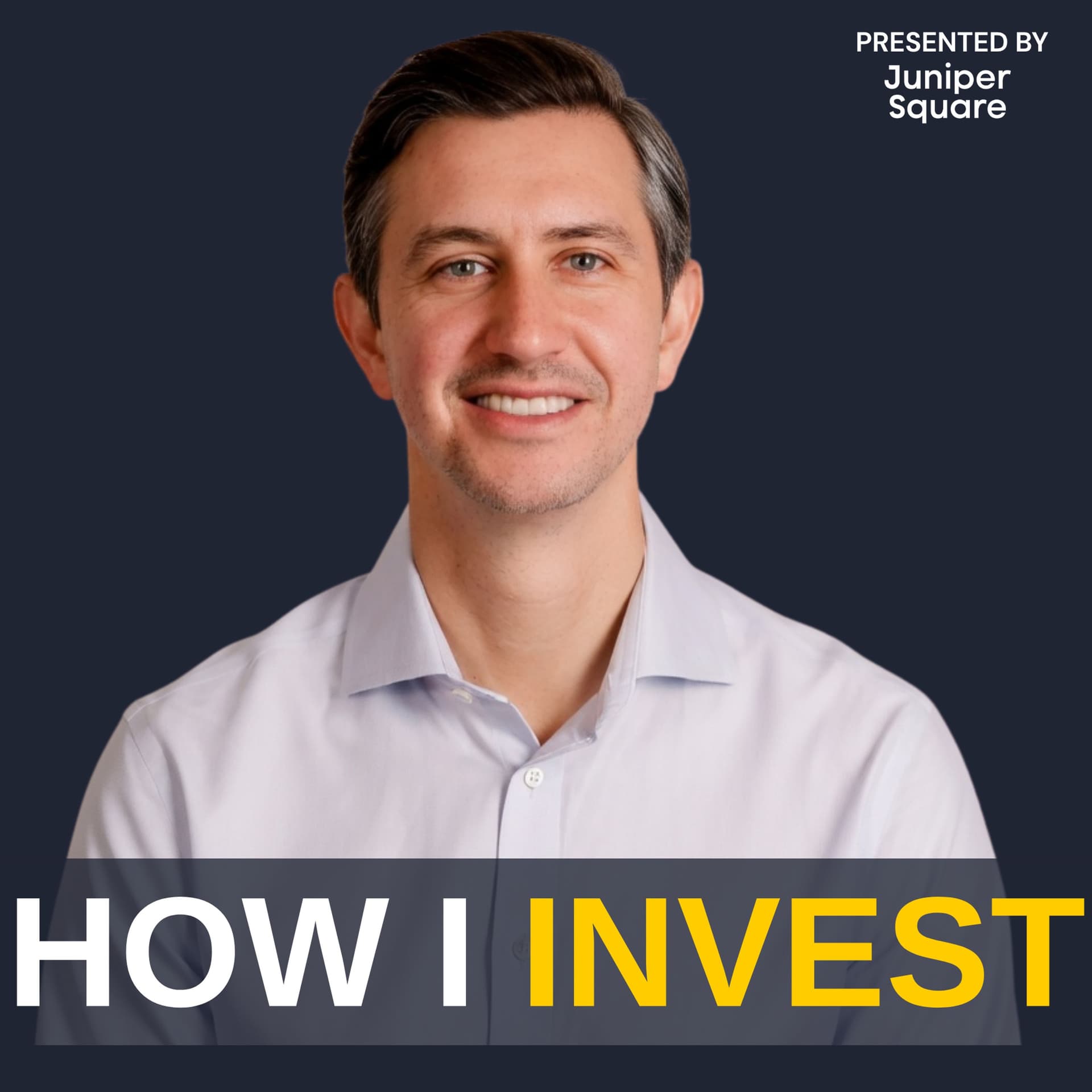
Ryan Hoover is a product/community builder and fund manager at Weekend Fund; he previously built Product Hunt (acquired by AngelList). He describes himself as introverted, behind-the-computer, and scaling through products and social. He runs a small $21M fund and invests in ~30+ funds as an LP.
Key claims
VC alpha comes from “earned secrets” via lived experience, not raw IQ. Investors should avoid being “net negative” to founders due to reputation. LPs must understand capital-call commitments; small checks reduce headaches. Transparency enables scalable operations.
Notable examples
Weekend Build (8-week mini-accelerator for side project builders; ~1000 applicants → ~10 teams; failed due to selection bias and scale needs). Rolodexer (searches Hoover’s Twitter followers to generate high-conversion founder/customer intros). Deal example: Deals (seed) cited as ~$12B company, ~400x outcome. Portfolio targets decacorns; average check ~$350k for 2–3% ownership.
Written by AI. May contain mistakes. Listen to the episode to check what was said.
Chapters
Tap a time to open that second in VOThe Importance of Founder's Secrets
0:45 to 4:00
Discussion on what makes a successful founder and the importance of unique insights.
“So when we last chatted, you mentioned that you are productizing LP intros.”
Productizing LP Introductions
4:00 to 6:40
Exploring how to leverage newsletters for fundraising from limited partners (LPs).
“We had one LP, funny enough, ask for their money back.”
Fundraising Strategies and Challenges
6:40 to 9:30
Insights into the pros and cons of having a large base of LPs during fundraising.
“to have a product like a venture capital fund i'm an introvert i like to be behind the computer i love building products that can scale infinitely that can provide value or help people while i'm sleeping.”
Experiments in Building Venture Products
9:30 to 13:00
Ryan shares past experiments aimed at helping founders and the lessons learned.
“Yeah, it's just the nature of, I guess, tech in some ways and sort of my experience building product hunt.”
Becoming an Elite Super Connector
13:00 to 14:01
Discussing the traits and principles of effective networking and introductions.
“that tend to make the best super connectors.”
The Importance of Non-Distracting Investors
14:01 to 16:41
Learn about the significance of maintaining a positive investor relationship.
“So they don't have the scarcity in terms of giving.”
Winning Deals in Venture Capital
16:41 to 19:17
Discover strategies for securing investment deals and the role of accessibility.
“Many of them have launched on Product Hunt before.”
Portfolio Construction and Fund Strategy
19:17 to 22:41
Understand how to structure a venture capital fund and the evolution of fund sizes.
“And the overall fund construction is going to remain the same for our next fund, roughly.”
Evolving as an LP in a Changing Market
22:46 to 25:52
Explore the evolution of limited partner investing and its strategic benefits.
“More specifically, how have you evolved your LP investing activity being a GP now on your third fund?”
Scaling Investment Strategies with Scouts
25:52 to 28:00
Learn about innovative scouting strategies to enhance investment opportunities.
“in spaces that may be irrelevant to what the founders need help in.”
Show all 19 chapters
Scouting and Collaboration in Venture Capital
28:00 to 29:16
Learn how scouting works in venture capital and the importance of collaboration.
“We also have a strong perspective, I do, which is, it's changing so quickly.”
The Importance of Transparency in Scaling
29:16 to 31:02
Discover the role of transparency in effective team scaling and investment.
“But in many ways, they're not doing it all for the economics.”
Investing in the Unconventional: Embracing Weirdness
31:02 to 33:56
Explore the value of investing in unconventional ideas and the nature of risk.
“It's a small example, but it touches on what you're referring to.”
Experience as a Source of Investment Insight
33:56 to 36:14
Understand how personal experience influences investment decisions and perspectives.
“I think it's exceptionally hard to generate alpha risk-adjusted returns in venture in general because everybody's so smart.”
The Role of Founders' Secrets in Venture Success
36:14 to 37:57
Learn how identifying a founder's unique insight can drive investment success.
“where the holes are, what problems emerge.”
Crafting an Effective Information Diet
37:57 to 39:22
Discover how to curate an effective information diet for better decision-making.
“I would like to understand like, what is a secret?”
Advice for Early-Stage Investors
39:22 to 42:00
Gain insights on crucial lessons for new investors from past experiences.
“But it's the things that people either can't say publicly or maybe haven't had the time to write about that other people don't have access to or very few people have access to.”
The Art of Seed Investing
42:00 to 44:36
Learn about the balance of product selection and portfolio construction in seed investing.
“especially for a product turned, for a CEO turned VC.”
Closing Thoughts and Future Conversations
44:36 to 45:01
Hear about Ryan Hoover's impact on startups and the importance of ongoing discussion.
“Well, Ryan, you've literally helped launch hundreds of thousands of startups.”
Transcript
Automatic transcript. May contain errors.0:00As I've gotten to know you recently, Ryan, I could see that you're a product genius and that you basically think of everything as a product.
0:14I love building products that can scale infinitely, that can provide value or help people while I'm sleeping. A lot of what we're looking for is secrets. We're looking for a founder with a secret. What are they seeing that other people aren't? So the question is, why is your 140 IQ better than another person's 140 IQ? And that's because of your lived experience. You have this, you know, what Ben Horowitz called earn secrets in this specific domain that allows you similarly minded person as another very similarly smart minded person to have alpha in that trade that other people don't have. Helping a founder when no one else would is, I think, meaningful and important.
0:44The worst thing you could do as a founder is bring on an investor who is net negative and word gets around. Reputation matters. So when we last chatted, you mentioned that you are productizing LP intros. What did you mean by that? Yeah, I mean, productizing might be a little bit generous. As a fund manager, we're on our third fund raised not only as a founder, but also as a fund manager raised before. And it sucks. Fundraising is no fun for most people, at least. And I have a lot of friends and a lot of people that I respect who are fundraising. So what I'm doing is a couple of things. One, I have a newsletter.
1:15It's a very basic newsletter, but it reaches about 150 LPs, maybe deploying, give or take,$50 million a year. Some of these are small LPs. They're 10K LPs that can be helpful and value-add in other ways. Some of them are institutional LPs writing$2.5 plus million checks. So it's a newsletter and I just share what I'm investing in. So I've been investing in funds casually, just personally, small checks to support people and for many other reasons. But it's just sharing what I'm investing in. And so there's hopefully a little bit of a signal there if I'm spending my own money and investing my own capital and sharing with these people.
1:51So you have 360 LPs. Tell me about how you went about fundraising from that LP base. And tell me about the pros and cons of having such an LP base. Yeah, it's a lot. So we're a small fund. We're$21 million by design. We like being small. It means we can write smaller checks. And I could talk more about that if that's useful. But we raise from many, many LPs. We first raise the majority of the fund from existing LPs. So fund one and fund two LPs. Some of these are product investors from back in the day. Some of these are people I've known for a long time. Some of them are institutions. and then we raised the rest of it publicly.
2:25So our goal and strategy was we wanted to bring on an army of operators and founders from salespeople to designers, AI researchers. We want to bring them on board into the fund as sort of an extended part of the family of sorts. And so we publicly launched the fund or maybe not launched, but we announced the fund publicly as a 506C fund so that we could legally do that and took applications from LPs. Some of these LPs wrote very small checks. It wasn't about the money. We were already almost at our target goal anyway. It was really about bringing them on board and getting them to hopefully support with the portfolio, with diligence, with investor intros, deal flow, that kind of thing.
3:07A lot of people might be thinking, oh, I'd love to raise from 360 LPs. We get all this value add, all this network. There's certainly downsides. What are the downsides of having 360 LPs? It was our first time raising from that many people. We'd had almost 100 LPs in our last fund. So it wasn't like we started with nothing, but over 350 LPs is quite a lot. So the risk was certainly, one, we could have a problem. You never know when you take someone's capital, there always could be a problem with their expectations. We took applications and transparently, we wanted to accept capital from people who really understood what they were getting into.
3:45We didn't want someone who was expecting their money back in two years, because that's just not realistic in early stage. So some of the questions we asked were to assess that out and try to understand, are they experienced investing in funds or early startups? And surprisingly, we've had very few issues. We had one LP, funny enough, ask for their money back. This is maybe two years into the fund. And initially, like, that's not how it works. You know, you can't just ask for your money back. But they had a good excuse. They're going to become a monk. They're like, I'm going to be offline. I won't have internet access in the future.
4:16And so we found a solution for them and it was a relatively small amount of money anyway. But yeah, we've had very few issues. Maybe one or two LPs had some issues with capital calls. But yeah, overall, it's been a net positive for the fund. So 360 LPs, one month, a couple of capital call issues. But other than that, easy. I think about this, the education aspect. The most interesting solution I've seen on that, there's a billion dollar FinTech fund. And if you're a family officer, high net worth individual, they will not put you as a first product into their 10-year fund. They have a six-year fund.
4:50And they essentially force you to go into the more liquid strategy before you become acquaintance of venture. So instead of having all these issues on the back end, these downstream consequences, they solve for this problem on the front end. That's smart. Yeah, in our case, for better or worse, we were accepting smaller checks. And so none of these people relied on us to pay for their child's tuition in college. And so that also leads to less headaches potentially in the future. Having 20-20 hindsight, how would you have changed that process of having all these LPs and what parameters or operational improvements would you have made to the process and to the relationship that you built with those LPs?
5:36So I mentioned a couple of capital calls. We had a few issues there. Nothing severe, nothing that has prevented us from deploying kind of our strategy as we expected. However, there are some LPs that maybe just don't understand when you do commit to a fund, you are committing to future capital calls and it's not optional. And so we've had one issue in particular where, you know, it's fine. We worked through it, but we didn't have protections in our LPA against that. So they technically legally could just stop committing capital, even though we've allocated and reserved that capital for them. And so in the future, we'll look into that and provide some protections for ourselves.
6:16Nothing aggressive, but the fact that we do need to deploy a strategy and we set out our fund strategy from the beginning with an expectation that we'll have that capital in the future. We need to make sure we have some sort of recourse to follow through on those commitments. as i've gotten to know you recently ryan i could see that you're a product genius and that you basically think of everything as a product whether it's literally starting product hunts starting your fund so talk to me about venture capital as a product and what does it mean to have a product like a venture capital fund i'm an introvert i like to be behind the computer i love building products that can scale infinitely that can provide value or help people while i'm sleeping.
6:55I've always just had that kind of DNA. And so a lot of what we've explored at Weekend Fund is a number of experiments. Most of them are complete failures, to be quite honest. Could you give me a couple of those? Yeah. So we did one experiment. And I wouldn't call it necessarily a product, but it's more of like a system. It was called Weekend Build. And the thesis was, there are so many people who want to build a company, who have great ideas, very talented, and they're working on side projects. They might be employed at a thing. Well, I guess we don't call them FANG companies anymore. But back when we ran this experiment, like a FANG company is like a Meta or Apple.
7:28And they might have these experiments and side projects, but they don't have one, frankly, the conviction to take a leap and quit their job and pursue it. And so long story short, we ran this experiment. It was basically for side product builders, people who are already building something. And we did an eight-week, almost like mini accelerator. We didn't take any equity. We just worked with them in Slack and did weekly meetups, or I should say syncs with the rest of the community, the people that we brought on board. We had almost a thousand people apply and whittled it down to about five, no, I'm sorry, 10 teams.
8:04And it was a failure in the sense that we ultimately didn't... Our thesis was, okay, we'll eventually over these eight weeks, see some founders and find some founders that are compelling, that are building venture scale companies and give them the capital and support to quit their job and pursue it full time. And we ultimately didn't find that. We realized that I think there was a selection bias towards people who maybe hadn't already made that leap. They were working on a cyber project for some cases over a year. And there's probably a reason why they hadn't left already or why they hadn't gotten traction.
8:38It wasn't necessarily the conviction or support or advice from us per se that was missing. And so I think we selected incorrectly. And we also realized, while this strategy could work with some different selection criteria, it does require massive scale. And a lot of that is very difficult to productize. And so to do it well, we'd have to bring on not 10 teams, but maybe 100 teams in the same amount of time. And so we ended up holding up that experiment. We learned a few things, but it was worth doing at least. What are some other experiments that you've tried? So some experiments that have done really well, we built this tool called Rolodexer.
9:15And founders are always asked for intros. It's whether it's recruiting or I'm a B2B company, I want to reach out and find people at these companies. This is my target list. And the reality is a lot more people know, this is going to sound egotistical, I don't mean it to, but a lot more people know me than people I know. Yeah, it's just the nature of, I guess, tech in some ways and sort of my experience building product hunt. And on Twitter, I have about 300 ,000 accounts. Let's say half those people are active. That's still a lot of people, 150 ,000 people, mostly tech. And so we built a tool to search my Twitter followers.
9:48And so when a company, the best use case is when a company is looking for introductions to like an early design partner or an early customer. What we do is we ask, hey, what are the companies you're looking to target? Let's just make up one. Let's say it's Ramp. Let's say I don't know anyone at Ramp, but I can search for Ramp and anyone who's working at Ramp that follows me. And then I use that to DM them and make an introduction. And the conversion rate is relatively high. It's much higher than email because there's a lot fewer. When you get an email or I should say DM from someone that you actually follow, you're going to pay attention.
10:18You're at least going to read it. You might say no, but the conversion rate, I'd say 30 to 50 % of people accept an introduction from those at-bound requests. You're a super connector, maybe an introverted super connector, but a super connector still. What are some first principles for how to become an elite super connector? In some ways, I don't feel like I am. I guess my approach is a little different than some people. The traditional way of doing venture is going to a lot of events, meeting a ton of founders and spending a lot of time in person. And that's exceptional for like extroverted people who really get a lot of energy from that.
10:59I would say my partner, Vedika, she is more like that. I wouldn't necessarily describe her as a pure extrovert, but she's in San Francisco. She's meeting founders every day in person. She's going to events. So she illustrates more of that approach or that mindset. Me, I prefer and love being behind the computer. and I scale through social, through products that we build. I do a lot of Zoom calls with founders, but when it's first-time meetings, they're relatively quick because you can get a pretty good sense if there's time worth investing, to be quite transparent, in a 15-minute call, a 20-minute call sometimes.
11:34And so my approach has been a little bit different. It's a little bit more wide scale and light touch, at least in the beginning before we start partnering up and working with founders directly. I've given a lot of thoughts to this in many ways the value of my network is the connections that you make and I think there's a couple of first principles that I come up with one is every introduction you make is either a creative or value destructive there's no introduction that's just literally a zero so you're either providing value for both parties or not and there's a couple of first principles and a couple things to avoid one is you have to look for intrinsic value for both sides So taken to the extreme, you might connect two CEOs of public companies.
12:16They have no way to collaborate. That's a waste of both of their times, even though on paper that looks interesting. And the opposite is also true. You could connect two first-year analysts that actually have a lot of synergies in common. That becomes super valuable. And of course, the double opt-in, I'm a huge believer in it. People sometimes jab me for doing it, but I think it's so critical for that. and I think just policing that. It's this paradoxical traits in the super connectors that are both very, very strict about who they introduce. They must have value on both sides, but also have this desire to give and to help people.
12:54It's a very small niche of people that are both like super picky and super empathetic towards others that tend to make the best super connectors. Yeah. Something I sometimes do, this isn't specific to introductions all the time, but it might be a piece of information I share. Let's say with a founder. Sometimes what I'll say is like, here is a piece of information. I think it might be useful for you. No response needed. And they usually still respond, but I think it lowers the pressure of someone feeling like, oh, I got to like draft. I mean, even if it's 10 seconds, 20 seconds, everyone's inbox is super full.
13:26And if I give them permission to just hit instant archive, it's fine for me. It's fine for them. It's just, it's a little bit lighter touch, I feel. You're truly giving without the expectation of return. and you're taking that to extreme, you're essentially preempting the need first. Yeah, in this particular case, it's a founder, they don't owe me a reply. Well, in this context, I think founders do owe investors replies in certain contexts. But yeah, when you're sharing information that's a little bit more proactive, it doesn't require them to take time out of their day. Because the way we approach is we don't bug founders unless we absolutely have to for let's say legal or operational reasons.
13:59We try to be somewhere in the middle. We don't disappear and we don't bug them. We try to be very proactive, respond to every email, of course, and every investor, we usually respond and try to service their ass, but we're trying not to be distracting because the worst thing you could do as a founder is bring on an investor who is net negative and word gets around, reputation matters. I think one of the underlying principles to some of the most value-added investors on the planet is this concept from the beginning of infinity from David Deutsch, which is essentially there's an infinite amount of innovation.
14:31You could always make something better. You could always improve something. So they don't have the scarcity in terms of giving. For example, you're on your third fund. Let's say I find you an anchor for a fourth fund. You're going to be happy about that. But guess what? You might want another institutional investor on the fifth fund. And the sixth fund, you might want to start a credit fund. There's an infinite amount of value add I could give you or somebody could theoretically give somebody else. So those people inherently do not have the scarcity mindset. And paradoxically, as they give more value, they get reciprocity back and they have more value to give.
15:00So it's this non-zero-sum perspective to not only connecting people, but also value add at a higher level. I've seen almost every single top super connector and top person that gives value add has this one principle that they believe in. Yeah. Yeah. Yeah, Coralie, who is COO at Product Hunt back in the day, she would describe us like a piggy bank. And not in the sense of it's a transaction, but when you're supporting or working with a team or working with people in general, you're sort of depositing pennies or quarters or whatever currency you want to use. And you want to fill up that piggy bank is sort of the goal.
15:37And I think this applies, especially in venture and tech, where it's a big industry, but it's not at the same time. It's like everybody kind of knows each other. it feels like in some ways. Tell me the secret in terms of using value add to win deals. Do you ever go in and provide a bunch of value add to win deals or is it always kind of it's inbound, you decide you want to invest and then you're kind of value add on? Yeah, the question's more around how we win deals. Yeah, how you win deals. Yeah, you know, this is part of venture that I don't like talking about because it makes, I just don't like sounding like I'm pumping my chest, but I guess there's no other way to answer it.
16:19I mean, venture and winning deals is partly, you know, it's a combination of things. It's one, it's accessed. You even can even see the company, of course. Two, can you get a meeting with the founder? And fortunately, I've built Product Hunt. Now it's been almost 12 years, but still going. And 100 ,000, roughly 100 ,000 makers and founders launch on Product Hunt every year. So it's still extremely active. I don't know if I met a founder who doesn't know what Product Hunt is. Many of them have launched on Product Hunt before. So at the very least, there's a relatively easy in to a conversation through that.
16:51And I feel like a lot of founders at least have some respect because I've spent some time chewing glass, as they say, myself as a founder. And so that's one part of it. And then when it comes to winning deals, part of it is our fund strategy or rather our fund size, I should say. There's a lot of people who, this is our third fund, it's$21 million. It has grown from our first funds, but our plan actually in our next fund is not to scale it all that much. And our goal is to continue writing smaller checks. And I feel strongly that we're, for us, and this isn't applicable to every investor, of course, but for us, we feel like being a smaller investor, not being a lead and not getting stuck in that middle ground where you're not a lead, but you're also having to write a$750K check to get meaningful economics.
17:34That's really tough. So when we meet a founder, in many cases, we're a small enough check where even if they're tight in allocations, they can make room. And then when it comes to winning those deals, especially when it's competitive or there's not much room, sometimes it's using things like Rolodexer saying, hey, tell us your B2B target customer list. Let's go make some introductions now. Some of it's references. I would say most founders don't ask for references, but occasionally they do. Or I should say, maybe they are doing references and we just don't know it. They just don't tell us. And so I like to think we have a pretty good reputation and we've supported our portfolio well.
18:13And so it's all those things kind of compound. There's no single cookie cutter template, I would say, to win deals per se. But a lot of it's custom based on the founder in the context of the situation. And when you're using Rolodexer, which is people that follow you, you're able to introduce them to that founder. Are you doing that ahead of getting allocation? And that's basically you're sampling your value add to the founders? Sometimes, yeah. If it comes up in a conversation or we know that this is a priority for them, then yeah, we'll make that offer. And the honest truth is we normally don't have to show that type of proactive support before you write a check.
18:51And for us, to be honest, it's better for us to do that, to secure an allocation and write the check and then do that. If we're thinking about a sequence of events, but yeah, occasionally we do that. So tell me about your portfolio construction. You're on your third fund now. Certainly you've learned some lessons. What have you evolved into in your third fund? Yeah, we, so we want to keep playing the same game for the most part, but that doesn't mean that we don't experiment, you know, with new ideas. And the overall fund construction is going to remain the same for our next fund, roughly. So our average check size are$350,$21 million funds.
19:26We're securing around 2 % to 3 % ownership. And while that is a small amount, it's meaningful for us, because we're ultimately chasing Decacorn outcomes. I mean, yes, a$1 billion outcome is great. But today's, you know, yesterday's unicorns, arguably are becoming tomorrow's decacorns. We're seeing the scale of companies, revenue growth, like scale tremendously very quickly. There's also a strong argument to be made that, I hate to say it, AI is going to eat more into the services side of GDP. It's just going to eat more of the market in general. And I do, we have seen just more and more large outcomes emerge.
20:06And so we are playing the game where we're looking for those big, life-changing companies. Example, that's like Deals is one of our seed investments. And it's a$12 billion company at this point. We invested a 10 mil cap, almost a 400x outcome for us. So we're looking for those types of companies. Obviously, most will not be that. But you only need one of those to potentially return a 5x fund, 10x fund. thought a lot about this. Like why is yesterday's unicorn, today's Deca unicorn? Why is Anthropic raising out hundreds of billions of dollars? And I've thought about it in a simple way. The market size is both getting bigger and companies are penetrating it deeper.
20:52So if you think about Anthropic, it's coding tools and for every vertical. So they're both getting large share of market and also going horizontal. And that's why it's getting bigger. Same with Palantir and same with some of these companies. Even Tesla today, even public companies are now, it's not just a car, it's robots and all these things. When I started 10 years ago, technology was kind of its own industry. So there's like these tech companies when I started investing. And now it's like technology is in everything. And now it's like AI is in everything. So the AI companies will dominate the entire ecosphere.
21:26So I think there's this kind of contextualization on technology in general that's just growing by 10, 100X, which is why you have this kind of downstream consequences. It's in my best interest to believe this, that there's a huge opportunity right now to invest. But we haven't seen this big of a shift in the stack and the ingredients that we have to build companies since... I mean, some people argue the world war web. In my lifetime in tech, it's mobile. Mobile was a huge shift that birthed a lot of massive companies. And also in some ways, not just massive companies, but a shift in status, a shift in tech, a shift in the tool set, it just disrupted a lot of how we traditionally built companies.
22:08And so it's exciting. Managing risk for your business may be complicated, but your relationship with your insurance broker doesn't have to be. NFP, an Aon company, can help you navigate insurance markets and negotiate with carriers to build the right coverage for your business, helping you turn your risks into leverage. NFP's advisors are total business partners who help you protect your business and connect you with solutions to your toughest financial and workforce challenges. Whether your goal is to manage risk more effectively, attract top talent, empower your workforce, or grow your legacy, NFP is ready to help you succeed.
22:41Visit nfp.com slash how I invest today to unlock your full potential. You're also an LP in 30 funds yourself. Tell me about that. More specifically, how have you evolved your LP investing activity being a GP now on your third fund? Yeah. So I've actually been investing in funds for maybe seven-ish years. Now, my checks are small. I don't have a ton of liquidity. I'm also, as you can imagine, very tech liquid heavy in my personal investment portfolio. That said, I don't necessarily invest for the returns per se. I do invest in funds I think will do well. But I'm ultimately doing it to one, support other fellow GPs.
23:24Two is to get some perspective, like read their updates, see how they're thinking about the market with strategies they're deploying. And sometimes it's, this isn't the highest priority, but it's deal flow occasionally. This goes back to the fund strategy where I would say like a collaborative investor in terms of how we invest in our check sizes are small enough where we've invested in between rounds, like after the seed or pre-seed round is closed. So for that reason, I've invested in about over 30 funds, mostly smaller funds. Most of what I invest in is like sub$30 million fund size. And it's either a combination of very narrowly focused, specialized funds, or it's funds that are generalists, but highly connected.
Read the full transcript
24:05And we think the highly, or I think the highly connected piece is very important just because it's, when you're a generalist and you're investing broadly, in some ways, you just need to see a lot and be in the right places to see those breakout companies and spaces that maybe are just emerging and not really, there's no blog post for it yet by a VC, for example. I'm sure you've seen Menlo invested a billion dollars in Anthropic rounds into these crazy SPVs. That was via SPV reportedly. Have you thought about how do you get, you get these, you build these deep relationships with the founders at the infancy, how you get those kinds of allocations, those SPVs as the companies grow?
24:46Yeah. So we have done some SVGs in later stage, like Series A, B stage companies. And those have all been opportunistic. There is a part of me which thinks, okay, we should maybe be more proactive and more outbound and make that more of a priority for us. But the honest truth is our game is played more in the early stage. That's where I think we'll have the best returns and where we're better suited as an investor. So occasionally, we will do more opportunistic SPVs, but it's not something that we've pursued all that much in terms of our overall time spent and capital deployed. Now, of course, you have breakout companies in the portfolio and doubling down on those companies.
25:28We reserve the right to do an SPV in those companies if they're in the fund. And then we invite our LPs to get first dibs. I feel like they are the ones that trusted us with their capital and put it up to begin with. And so they get first take. And then we open it up from there. Oftentimes, we try to bring in strategic angels, let's say. Angel LPs effectively into these SPVs or angel investors in spaces that may be irrelevant to what the founders need help in. Let's say you have the next Anthropic and you're around. You have Series A and Sequoia. And obviously, Sequoia wants to take all of it.
26:06How do you deal with it? And do you have to re-win it? is there this assumption that you were there for me and from the beginning, this is like something that I owe you from reciprocity and just double click on how you win those very competitive deals. So we haven't done a ton of SPVs, let's say into other companies relative to like our pre-seed, C-stage investing. A lot of it's just based on, okay, how have they actually helped us? You know, a lot of venture is relationship driven. As much as I love to productize things and, you know, scale myself, It is very much relationship-driven. And so a lot of that is, have they been helpful?
26:42Do I feel like I owe them in some way? Them as in myself and Vedika. So as you mentioned, you like to productize yourself. You're always thinking scaling. You're thinking systems. Give us some of your best practices today. How are you scaling Ryan Hoover? And how are you 3Xing, 5Xing your productivity? Part of it is, it's myself and Vedika. So we both are tag-teaming and dividing and conquering in many ways. We're also exploring, this is another experiment of sorts. But I think it's one, I have high conviction that it will not fail or it will continue, which is essentially our version of a Scouts program.
27:15We call them weekend partners. And the thesis or perspective there is one, yes, there are a million Scout funds out there. And there are a lot of options for Scouts or investors, let's say, to Scout for other multi-stage funds or others. We don't require exclusivity, meaning we don't require someone to be like, okay, you can only invest with us as a Scout. we have some people who scout for multiple firms. And the reason why that works for us is in part because we're small. We're a smaller check, we're earlier stage. Some of these scouts are also focused more on like Series A plus. So this is in some ways for them to, well, it's actually a double benefit for them.
27:52In some ways they can maybe deploy capital earlier than they otherwise would have. And then also get access potentially even more so for their other deployments in later stage rounds. We also have a strong perspective, I do, which is, it's changing so quickly. Tech is changing so fast. And as smart as I think I might be, I only know a little bit. I'm like a product person, community person. And having people who have experience and who are actually building products today in maybe their own company, like Connor, for example, is a weekend partner. He's sort of mission control, hacker house in San Francisco.
28:26He's in the current YC batch, or I should say the next YC batch with an AI focused company. And so he's scouting for us and supporting us. And he's on the floor, You know, speaking with other founders, building in this kind of emerging, changing tech ecosystem. And so for that reason, that's one way we're thinking about how do we scale ourselves and how do we see more and get different perspectives beyond just like our own perspective. And what are those structures typically have in terms of scouts? And what's industry practice? Yeah, it varies. So you see some scouts get all the economics. So let's just say there's 20 points carry in a fund.
29:04they get all 20 points carry. In some cases, there are scouts that get much, much less. We do 25 % of our carry. And so the economics are not as good as what you might get with like injuries in Horowitz or Sequoia. But in many ways, they're not doing it all for the economics. Yeah, that's a part of it. But it's really to be part of our ecosystem and support us. At least that's what I think. And again, it's not exclusive. And so they might be actually scouting and deploying checks of their own. They might be, Factero is one of our weekend partners. He has his own, he invests, he's invested 150 companies himself.
29:41He's actively investing and essentially scouting with us as well. And so it's sort of a no brainer in some ways for people that want to partner and align with us. One of the things I try to catch on the podcast, what makes really great investors or what makes really great managers. One thing that I've seen in people that scale systems, the most implicit thing is that there's full transparency see in their organizations in other words you can't scale on non-transparent systems is that a principle that you live by when you say transparent systems can you give me an example maybe i can give you an extreme example so yeah i got to meet alex ramosi i've interviewed him multiple times and i walked around in his headquarters and he has these five floors and he's this huge organization he scales everything and he's he's putting out i think he has something like half a billion views on his content per year.
30:32And I basically asked, I'm like, how is this possible? Like, how do you do this? And he said, every one of my employees, or my key employees have access to every one of my social networks. I have zero privacy. My texts, my Instagram, he's like, what I give up is privacy and what I get in return is scalability. And I found this, you know, I'm not surprised that you answered the question very succinctly on your venture partner program and on your scout program and things like that. I see this as a principle and people that create these systems. Is that something that you see? Yeah, maybe an example.
31:03It's a small example, but it touches on what you're referring to. So every weekend partner is in our Slack channel with us. And when they're sharing deals, they don't DM us. We actually encourage them to put it in the Slack channel. And what they typically do is share, here's a company. Here's why I'm excited. Here's how I know the founder. Here's some other thoughts. And of course, we'll respond, but we may have somebody else as a weekend partner and say, oh, here's my thought on that space or here's, oh, I know this founder or things like that. And so it does create, just gives us more signal.
31:34And also it's useful for everyone because part of the motivation for weekend partners and for myself too is I want to see what other people are looking at. Like I'm excited. Like the reason why we invest is because we're excited about new companies. And so even if they don't contribute, I think there's some value in, okay, I can see what flow and what deals are kind of coming through and maybe also learn from my experience or Vedicus experience and share it when we share our perspective in those channels. So, you know, we could do it a different way. We could have people DM us. And there's a lot of reasons why I think that's the wrong approach for how we're structuring things.
32:09I was in person gathering with Lee Jacobs from Long Journey Ventures. And one of the things that he said that if you want to be very early, you have to have huge misses and you have to invest in very weird things that binary, a lot of times, I just almost complete scams or just do not end up happening? Is that a principle that you believe is necessary in the pre-seed, this investing in things that completely go to zero? Yeah, I mean, yeah, we've had some zeros. It's the nature of the game. And you can't not, ultimately, when you're investing this early. I do like weird things. And I like Lee. I've known him for maybe a decade now, and he's been really supportive of us.
32:50And I know some of the weird things they've invested in. some of the things that we've actually passed on, they've invested in them. You know, I'm sure they've done great. But yeah, I appreciate his perspective. And I also take, I always question myself because it's really easy to get caught up in consensus thinking. And not that consensus thinking is necessarily all that bad, or I should, let me rephrase it. It's not that hot deals are bad. Hot deals are often good, actually. But if you're only looking at hot deals, then you're only playing the consensus game and you might do well, but you're going to miss some of those weird companies.
33:25And it's actually the weird companies that no one backed that are going to give you the most status to. Not that that's why I'm investing, but status and reputation and helping a founder when no one else would is, I think, meaningful and important. So yeah, weird stuff is fun, especially weird consumer stuff. Granted, we don't invest in that much consumer because I think it's really, really hard. But I'm constantly wanting to find weird consumer products and companies. Because, I mean, it's just so fun. Fun to explore that from a human psychology and technology perspective. I think it's exceptionally hard to generate alpha risk-adjusted returns in venture in general because everybody's so smart.
34:04I had Abe Othman from AngelList and we went over his data set of tens of thousands of companies and things like being a serial entrepreneur, going to Harvard or Stanford CS, that's priced in. There's no alpha there. You don't get an edge by investing in these like consensus good things, or today I would argue AI as well. But if you truly want, you have to ask yourself, you have to step back and say, if I want non-consensus returns, you truly need to do something that is seen as non-consensus by extremely smart people. And what are you giving up? Sometimes that's structural alpha. So you have like secondary funds, you have continuation vehicles, you have kind of another counterparty on your trade.
34:42Oftentimes it's doing things that are politically incorrect or are seen as crazy. That's also a source of alpha. So it's like, what are you willing to give up that a bunch of other smart people are not willing to do in order to generate that alpha? And it's like one of these Peter Thiel questions that are much harder to answer than actually on the surface, it seems. So part of my feeling is life experience or experience with a particular problem that a founder is solving is like the best alpha that you can get. And so an example is, I mentioned Thiel earlier. So we were investing in the seed round.
35:17Product Hunt was a fully distributed team. I'd been building that company before I met Alex for four or five years prior to that. And I'd seen both the pros and cons of building a distributed and remote company. I also had really strong conviction that this was going to be a growing trend. This is 2018. I had a strong conviction that it was going to be more of the norm. This is obviously pre-COVID for a bunch of reasons, primarily because recruiting in San Francisco is expensive, very difficult to retain talent. And just the nature, it felt like is inevitable that we're going to have to hire more than just outside a five square mile radius.
35:50And so based on my experience building product hunt, that was the reason why we invested and I invested in Deal. And one of the reasons why we're building products too, we're working on something I can't share yet, but an investor workflow tool that uses a lot of LLMs and third-party data enrichment sources. It's been really fun and frustrating. And as a result, by building and working on this, I've gotten a better perspective of what LMs are capable of, where the holes are, what problems emerge. And the last thing I'll say on this, this is also going back to the weekend partners component. Like Connors is one, he's building a company, he has direct hands-on experience and will have perspective that other people won't.
36:29And so, I don't know, I'm a big believer if you can invest in things that you really understand. Not that everything has to be something I have direct experience with. A lot of companies are just outside of my own personal domain. just the nature of the numbers of the volume investment we're doing. But it could be very helpful and provide a lot of insight. Another way to reframe that is if you think of VCs, top VCs, as 140 IQ plus people, if you put a bunch of 140 IQ plus people in the room, they'll come up with a consensus thesis. So the question is, why is your 140 IQ better than another person's 140 IQ?
37:06And that's because of your lived experience. You have this, you know, what Ben Horowitz called earned secrets in this specific domain that allows you similarly minded person as another very similarly smart minded person to have alpha in that trade that other people don't have. Yeah. Yeah, that's a more concise way of putting it. What would you like our listeners to know about you, about Weekend Fund, about anything else you'd like to share? If anybody's a founder, of course, or an investor, and we do invest broadly. And so we invest in everything from boring SMB tech to weird consumer stuff to everything in between.
37:40a lot of what we're looking for is kind of going back to you said, secrets. We're looking for a founder with a secret. And one way to kind of concisely frame a lot of the ways that I look at venture, which is I want to back a founder that has a secret or has traction. If it's pre-launch, I would like to understand like, what is a secret? What are they seeing that other people aren't? If it's post-launch, they have traction and I just still don't understand it. Well, I'm going to look. I'm going to try and understand what I don't get. Because if there's true traction, then something's working. And so obviously, yeah, always looking for interesting early stage, pre-seed, seed stage founders.
38:17I've been really obsessed about this concept of information diet. I literally think about it as my diet, as important as it is what I eat, what do I listen to? And also most importantly, what do I not listen to? Highly underrated. What to ignore? What is your information diet? What are some best practices? Yeah, for better or worse, I'm on Twitter. I have been for years. has been very useful professionally and personally very inspiring, inspiring in some ways. And so Twitter is a firehose and a lot of it is serendipitous. So that's certainly part of my information diet. Obviously not a unique one by any means.
38:55A lot of the most interesting insights are from conversations though, whether it's with a founder, maybe it's during a pitch or it's just with a founder, a portfolio founder, sharing what they've learned or what challenges they're encountering. And actually, before venture, before product, I used to write a lot, blog a lot. And a lot of my blog posts were inspired by just conversations with smart people. So I don't know. I think conversations is in some ways maybe the ultimate alpha in terms of information diet. It's also harder to scale, of course. But it's the things that people either can't say publicly or maybe haven't had the time to write about that other people don't have access to or very few people have access to.
39:37I think also conversations are highly contextual to you. So it's like a podcast made just for you on exactly what you're thinking about, exactly what you're worried about. It's like this fully customized, just-in-time information for what you're dealing with today. Yeah. It's like Notebook LM, but like old school, like with real humans. If you could go back in 2017 when you were just starting your first one, which was$3 million, what one piece of advice would you give your younger Ryan then that would either accelerate your path or keep you from making mistakes? In the beginning, I made zero investments actually before I raised the fund.
40:20Part of that was because I was building product and at the time, pre-2017, it wasn't socially acceptable to invest as a CEO or a founder. It You're not focusing on your company. I raised the fund after Product Hunt was acquired by AngelList. I was still CEO at the time and ran Weekend Fund and Product Hunt for many years after that together. But yeah, I'd made zero investments. And so in the very beginning, I have very few data points. I'd spoken to a million founders. I'd seen a gazillion launches. But it's very different when you're thinking about it from here's a cool product versus here's a great business.
40:59It's a very different muscle. And so if I was to go back and tell myself, I think I would have emphasized that importance. Meaning sometimes I get excited back then, get way too excited about the product and almost impart my own excitement on it and own vision, in a sense, versus thinking, trying to learn from the founder and what is their actual plan? Why are they building this company? And what might this look like from like a business perspective, not just like a, oh, this is a cool product. So that's probably the biggest shift or challenge, I suppose, that I had to unlearn or revise in the early days.
41:39The paradox there is that you have to see it as a steady state. Like where is the founder today? And if they're extremely self-driven and able to solve problems, then ironically, that's who you want to help. So you want to help the people that essentially need you the least and you want to avoid helping people that need you the most. It's not something that people say out loud, but it's one of the first principles, especially for a product turned, for a CEO turned VC. That's one of the common mistakes that they make. Yeah. Yeah, and you can feel really good about yourself when you're like, I just gave this person so many good insights and they're like nodding their head.
42:14And what you kind of want is, you want to give and take and you want to contribute, but you also want the founder to be like, actually, no, I don't think that's right. And here's why. And then, oh, actually, that's a good idea. But like, let's twist it and like modify it based on like, you want it to be more of a conversation, and I'm not a lecturer. And if a founder is listening to everything I say, then I'm concerned. How much of being a great seed investor is about just finding the best product in business? And how much of it is portfolio construction, just all these fun things that you have to learn on the job?
42:46Fun construction matters. As much as I love to just throw any check at anything that is interesting or exciting or promising. Historically, we've avoided writing very small checks where a$10 million outcome doesn't even return the fund. And part of that's because the economics, part of it is because when we write those checks, it could actually conflict us out for maybe the right investment in the future. We are rethinking some of that strategy, to be quite honest, as the market is changing. We're seeing companies grow very fast and just an explosion of companies. I think this is only going to accelerate too with how little it takes to actually bring something to market.
43:27But yeah, a lot of it relies on a construction that is realistic. And what I mean by that is, how many checks can you realistically deploy? You have to kind of work backwards and say, how many people do I have to meet? Do I even have time to meet that many people? Because you're not going to have a 10 % conversion rate from, let's say, meeting to check writing. If you do, you have the most ridiculous access and deal flow of all time. And so part of it is thinking through that. part of us thinking through how many portfolio companies can you manage and support effectively. And so for us, we're looking at about 50 companies or so per fund, which is quite a few, but it's very manageable.
44:07Because again, we're not a lead investor. We are very responsive and in some cases proactive, but we're not on boards. We're not pinging the founder every week. So we're able to scale ourselves. And then that's also why we have products. every founder has access to Rolodexer, the tool I mentioned earlier, and they could use it to search my followers and even their followers too, if they have a following. And so that's one way for us to support and help without requiring any of our time. Well, Ryan, you've literally helped launch hundreds of thousands of startups. I don't think I've ever met anybody that had that feat.
44:43You've inspired me from afar. It's been great getting to know you and look forward to continuing the conversation live. Yeah. Thanks, David. Appreciate you having me. Thanks for listening to my conversation. If you enjoyed this episode, please share with a friend. This helps us grow. Also provides the very best feedback when we review the episode's analytics. Thank you for your support.
From the publisher
What happens when one of tech’s best community builders turns his playbook on venture capital itself?
Ryan Hoover — the founder of Product Hunt and Investor at Weekend Fund — joins me to unpack how he’s reinventing early-stage investing. From building one of the internet’s biggest startup communities to managing a fund with 360+ LPs, Ryan shares the hard-won lessons on productizing VC, scaling systems as an introvert, and finding founders who hold true “earned secrets.”
We dive into his journey from launching Product Hunt to building Weekend Fund’s third vehicle, how he thinks about portfolio construction, why weird ideas often win, and what it really takes to back the next generation of breakout founders.
Whether you’re a founder, operator, or investor — this episode is packed with insights on scaling yourself, spotting alpha before it’s obvious, and turning community into competitive advantage.