In short
Three rules great investors follow: (1) don’t obsess over cognitive consistency; treat beliefs as heuristics and prioritize results as markets change (including AI-driven shifts). Key claim: top investors may contradict themselves in the same sentence because logical consistency is less important than adapting to new information. (2) Guard time like a hawk and “buy back” time; responding to every email is framed as virtue signaling and unrealistic. Key claim: time is upstream of productivity and revenue. (3) Be extremely specific about the “game” (e.g., lower middle-market PE targeting $10–$20M EBITDA or $50–$100M revenue).
Notable examples
clear buy-box filters and explicit “yes/no” criteria (e.g., no $5M EBITDA companies; AI Series D excluded).
Guests
none mentioned; solo episode.
Written by AI. May contain mistakes. Listen to the episode to check what was said.
Chapters
Tap a time to open that second in VOGuarding Time and Productivity
0:28 to 1:26
Discover why top investors prioritize their time management for better results.
“You see a lot of truisms in the market changing on a daily basis.”
Specificity in Investment Strategies
1:26 to 2:30
Understand the importance of being specific in the types of investments sought.
“Another thing that the very top investors do is they're extremely, extremely specific in the game that they're playing.”
Transcript
Automatic transcript. May contain errors.0:00Today, I want to talk about three things that the very best investors care and do not care about. One is cognitive dissonance. The best investors do not care about being consistent. In fact, the very best investors will contradict themselves in the same sentence, and they are 100 % comfortable with this. Why? The best investors understand that beliefs and thoughts are forms of heuristics that should not be taken literally, should only be taken figuratively. In the world of investing, things change every day in a way that's quite profound, especially today with AI. You see a lot of truisms in the market changing on a daily basis.
0:40What's the opposite of being focused on being logically consistent? The opposite is being focused on results. Second thing that the very top investors do is they guard their time like a hawk. They do not let anybody infringe upon their time, and they also buy back their time. Oftentimes you hear people say, I respond to every email. I have never in my entire life, now speaking to over a thousand investors on and off the record, found this to be true. If this confuses you, that's because it's a form of virtue signaling. There's no investor in the world that is even humanly capable of responding to every email, let alone thinks that this is a good idea.
1:16Guard your time like it is your business because time is upstream of the productivity of your business. In other words, if you have more time, you will get more revenue. If you have less time, you will have less revenue. Another thing that the very top investors do is they're extremely, extremely specific in the game that they're playing. You'll oftentimes hear this in quite boring ways. Lower middle market PE firm buying between 10 and$20 million EBITDA companies or 50 to$100 million revenue companies. Although this is extremely boring, this is a very useful meme because that's when they know how to filter out opportunities that are both coming to them on a day-to-day basis, they're coming to their team on a day-to-day basis, even coming to their EAs on a day-to-day business.
2:01But perhaps most importantly, they're very clear to the outside world what kind of opportunities they want to see. It's very clear when you say, I want a company with 10 to$20 million in EBITDA, whether you want an AI Series D. It's very clear the answer is no. It's very clear when you say that, I want a company with 10 to$20 million in EBITDA, that you don't want a company with$5 million in EBITDA. This crystallization of the game that they're playing serves as both a protection on their time as well as an acceleration on people getting them what's in their buy box. Those are just a couple examples.
2:36If you enjoy this podcast, please share with a friend. If not, tell me, want to know either way. Thanks for listening. Thanks for listening to my conversation. If you enjoyed this episode, please share with a friend. This helps us grow. Also provides the very best feedback when we review the episode's analytics. Thank you for your support.
From the publisher
What separates the good investors from the great ones?
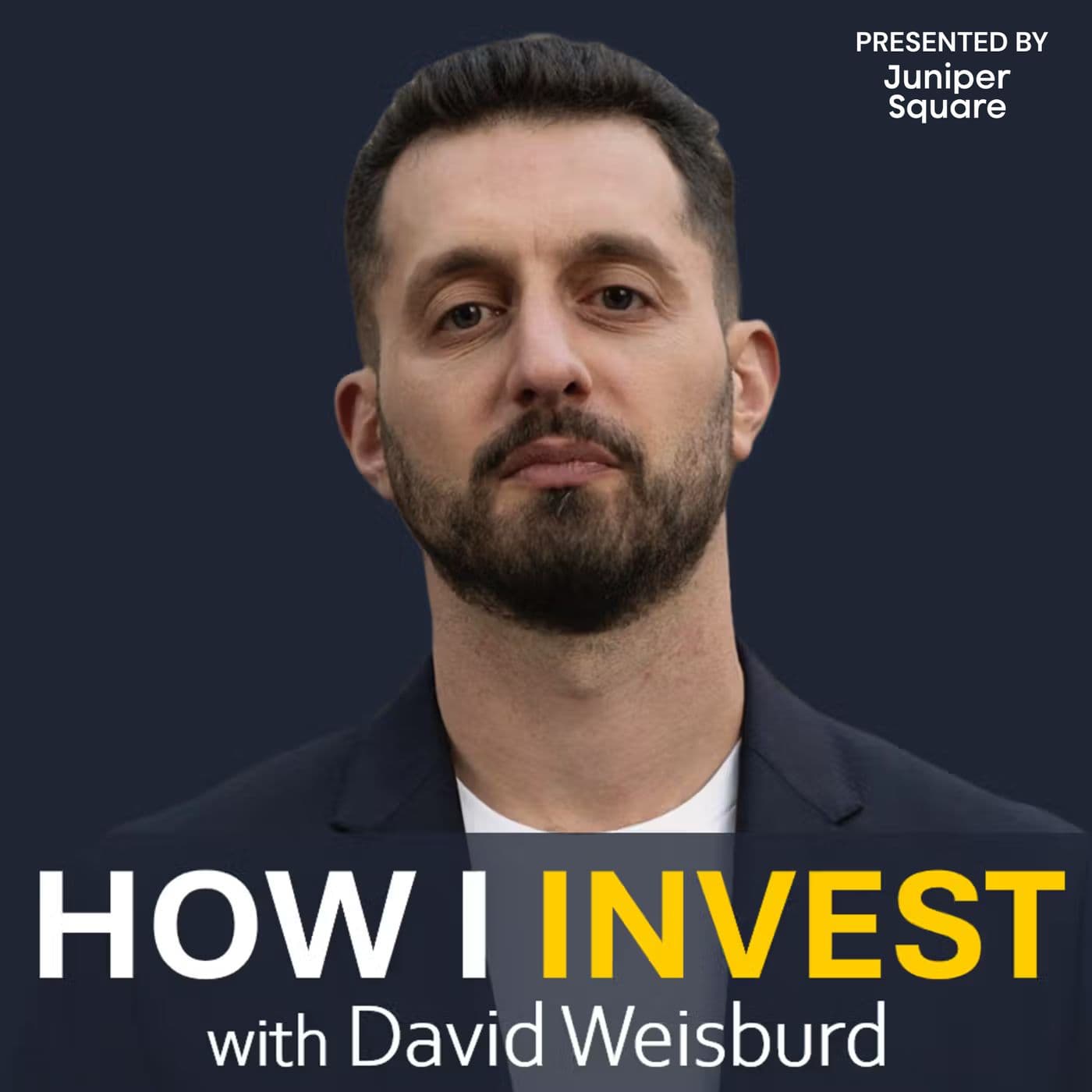
In this 2nd solo episode, David Weisburd shares the three rules that every world-class investor follows—rules that have nothing to do with IQ, luck, or access, and everything to do with how they think, use time, and define their game.
Drawing on hundreds of private conversations with elite fund managers, David breaks down why consistency is overrated, how to buy back your time, and why clarity about your “game” might be the biggest competitive edge of all.
If you’re an investor, founder, or builder looking to sharpen your mental model, this episode offers a rare inside look at the mindset of the best in the business.