In short
Podcast Notes: How I Invest with David Weisburd
Episode Title
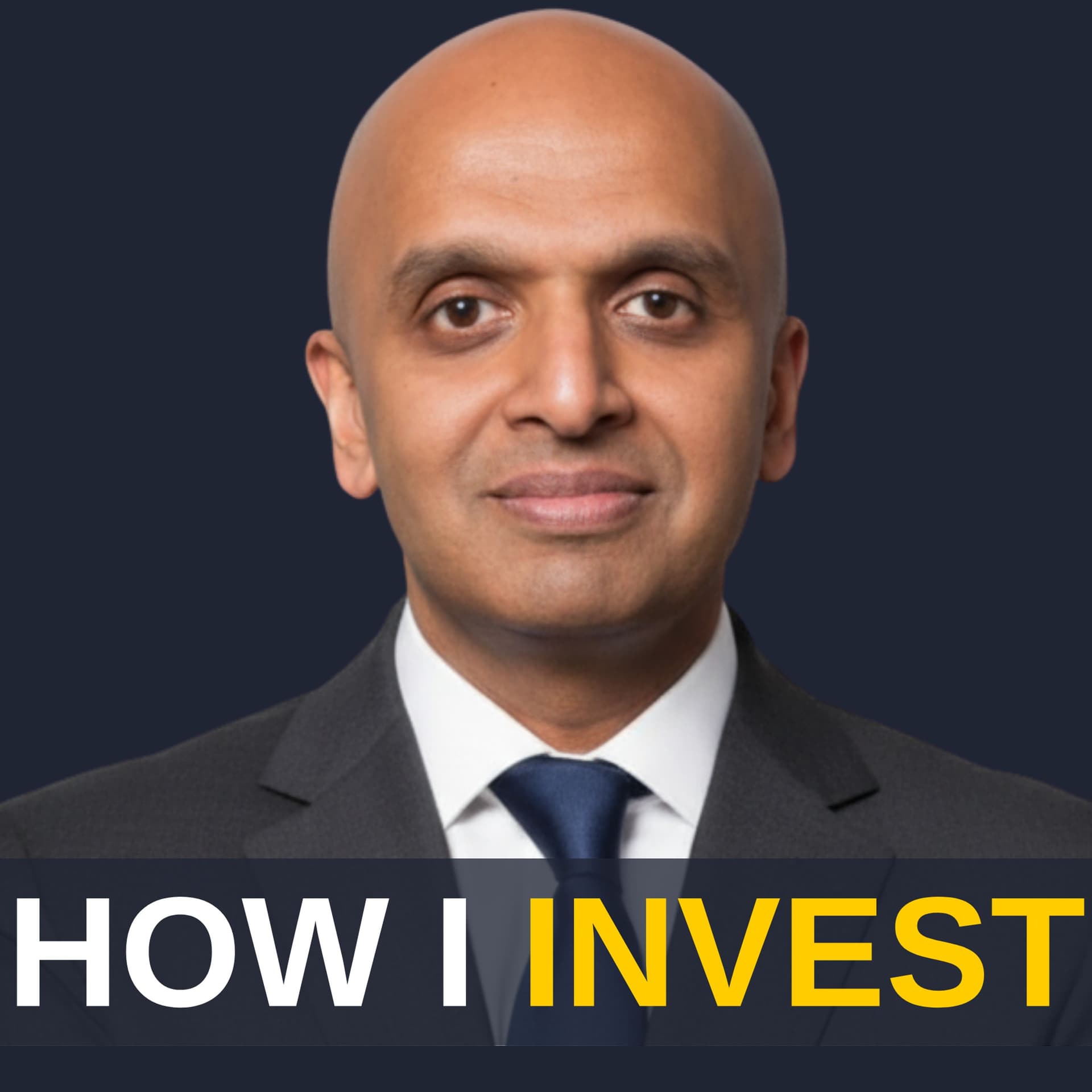
E300: How I Raised $100 Billion w/Rahul Moodgal
Podcast Overview
- Host: David Weisburd
- Guest: Rahul Moodgal
- Focus: Discussion on capital raising in the institutional investment space, emphasizing the importance of patience, long-term relationships, and alignment of values between Limited Partners (LPs) and General Partners (GPs).
---
Key Points of Discussion
- Capital Raising Challenges
- Current Market Conditions:
- Raising capital is increasingly difficult due to various factors affecting institutional portfolios, such as:
- Changing US government policies.
- Liquidity issues.
- Exposure to international markets (e.g., China).
- Many investors are taking their time, leading to a cautious approach in capital allocation.
- Patience in Fundraising:
- Institutions are now more cautious and prefer to wait and assess the impact of events rather than reacting impulsively.
- Long-term relationships and understanding manager philosophies are prioritized over short-term performance.
- Importance of Alignment
- Philosophical Fit:
- Successful partnerships often stem from shared values and long-term alignment rather than purely performance-driven decisions.
- GPs should focus on building meaningful relationships that can withstand market fluctuations.
- Long-term Relationships:
- Moodgal emphasizes that successful investors often take years to make commitments, with some partnerships developing over 5 to 15 years.
- Consistent communication and understanding of investors' needs are crucial in maintaining these relationships.
- The Role of Performance
- Performance vs. Relationship:
- While performance is important, it is not the sole factor determining lasting partnerships.
- Investors concerned only with performance metrics may redeem investments during downturns, signaling the importance of relationship quality.
- Investor Psychology:
- It is vital for GPs to understand that many investors are looking for consistent, transparent partners that allow them to feel secure in their investments.
- Building Investment Strategies
- Incremental Approach:
- Moodgal compares investing to eating a sandwich; it’s crucial to take small bites to understand what you are dealing with rather than jumping in entirely.
- Adaptability in Strategy:
- GPs may need to adapt to the evolving needs of LPs, which can include understanding their governance structures and liquidity needs.
- Dynamics of the LP-GP Relationship
- Trust and Communication:
- Open and transparent communication, especially about mistakes or challenges, is essential for building trust and long-term relationships.
- Due Diligence:
- LPs should engage in thorough due diligence and understand the operational and strategic details of the GPs they invest in.
- Personal Insights
- Importance of Integrity:
- Integrity is highlighted as a critical, yet often undervalued trait in the investment industry.
- Personal anecdotes illustrate the significance of honesty in dealings and the positive impacts of maintaining a good reputation.
- Mentorship:
- Moodgal encourages those in the industry to help younger professionals, reflecting on the importance of giving back and fostering new talent.
- Emerging Trends
- Impact of New Structures:
- Discusses the advent of retail push and new fund structures, and how they impact the institutional investment landscape.
- AI in Investment:
- Moodgal shares his evolving perspective on AI and its potential role in enhancing investment practices.
---
Conclusion
- The episode culminates in the emphasis on the importance of relationships, patience, integrity, and a long-term perspective in investment practices.
- Moodgal's experience and insights serve as a guide for navigating the complex world of institutional fundraising.
Key Takeaways
- Build Relationships: Focus on long-term partnerships rather than transactional interactions.
- Communicate Openly: Regularly update LPs about challenges and changes within the organization.
- Prioritize Alignment: Ensure that values and investment philosophies align between GPs and LPs.
- Be Patient: Understand that building trust and a solid relationship takes time, and successful partnerships often grow over years.
---
Call to Action
- If you found value in this episode, consider sharing it with someone in your network or leaving a review to help others discover the show.
Written by AI. May contain mistakes. Listen to the episode to check what was said.
Chapters
Tap a time to open that second in VOCrossing the $100 Billion Milestone
0:45 to 4:10
Rahul shares his experience of reaching $100 billion in capital raised and discusses investor dynamics.
“It's getting harder and harder because people have so many issues.”
Current Challenges in Capital Raising
4:10 to 6:40
Rahul discusses the difficulties faced in today's capital raising market due to various issues.
“It doesn't tell you anything about the future.”
The Importance of Taking Time in Investing
6:40 to 9:10
The conversation shifts to the value of patience and cautious investing in uncertain times.
“It's something that's beyond your control.”
Building Long-Term Investor Relationships
9:10 to 12:20
Rahul emphasizes the importance of building long-term relationships with investors over transactional interactions.
“you somehow somebody needs access to a specific manager that you fit that bill they invest maybe they only know 10 about what they should know about your fund but that they start to learn as an investor?”
The Philosophy of Investment Timing
12:20 to 14:00
Exploration of the rationale behind waiting for the right investment opportunities and the philosophy of aligning values.
“So it's, again, the person-to-person thing.”
Understanding Capital Raising Dynamics
14:00 to 15:00
Learn about the strategic approach to raising capital and the importance of alignment with investment managers.
“And then I'll get blamed for not raising money.”
The Challenges of Rapid Growth
15:00 to 17:00
Explore the pitfalls of rapid capital growth and the need for discipline in investment management.
“And obviously ODD is a big part now of people investing.”
Philosophical Approaches to Investments
17:00 to 18:58
Discover different philosophical approaches to managing investments and building relationships.
“And so when it goes wrong, they don't understand how to deal with that because from day one, they raised more money than they expected.”
Trust Over Performance in Investing
18:58 to 22:24
Understand why trust and integrity can outweigh performance metrics in investment decisions.
Short-Term vs. Long-Term Mindset
22:24 to 24:46
Examine the tension between short-term career management and long-term investment strategies.
“It's whether I could justify my decision, whether any of my funds are going to blow up, all these kind of asymmetric downside situations.”
Show all 25 chapters
Building Meaningful Client Relationships
24:46 to 27:42
Learn the significance of nurturing client relationships and understanding their needs over time.
Best Practices of Lead LPs
29:15 to 31:06
Discover the top practices that leading Limited Partners use to succeed.
“So I think first of all, process in terms of how they get to know you.”
Building Long-Term Investor Relationships
31:06 to 34:26
Explore how long-term relationships with investors are cultivated and maintained.
The Art of Asking for Investments
34:26 to 37:14
Understand the subtleties behind asking for investments without being direct.
“So any other sales process, you're always asking for the clothes.”
Importance of Investor Alignment
37:14 to 40:08
Learn why aligning with the right investors is crucial for long-term success.
“I'll spend time with them or help them out, whatever.”
Impact of LP Quality on Fund Performance
40:08 to 42:00
Examine how the quality of Limited Partners can dictate the success of a fund.
“Usually it's because they're chasing performance.”
The Importance of Relationships and LP Capture
42:00 to 44:20
Explore the significance of long-term relationships in finance and the concept of LP capture.
“The quality of your LPs could dictate your fund.”
Engaging LPs and GPs Through Summits
44:20 to 46:30
Learn about innovative summit formats that foster collaboration between LPs and GPs.
“The main thing is we started doing these summits post-COVID.”
Philanthropy and Its Impact on Perspective
46:30 to 48:50
Understand how philanthropy shapes personal perspective and career motivations.
“You don't know them or you don't know what they're after, but if they're just saying, listen, can I just have five minutes or 10 minutes of your time?”
The Importance of Mentorship and Integrity
48:50 to 50:30
Discuss the value of mentorship and the importance of integrity in professional relationships.
“So I need to take that and say, well, let's help a young person in that situation.”
Transparency and Long-Term Relationships
50:30 to 52:10
Examine the role of transparency in maintaining long-term professional relationships.
“So I don't think people realize that line of reporting.”
Mindset Shifts: AI and Personal Growth
52:10 to 55:20
Discover a personal shift in mindset regarding AI and its potential in everyday life.
“It's picking up the phone when you've made a mistake.”
Exploring AI and Personal Growth
56:01 to 56:53
Discover how AI influenced personal creativity and reflection on its relevance.
“charity and so I for the first time I think it might have been the first time I ever used AI I typed in all the names of all the champagnes and just went, can you create a picture?”
The Art of Handwritten Notes
56:53 to 57:50
Learn about the significance and nostalgia of sending handwritten cards.
“Tell me about this, and do you send this to everybody that you meet?”
Memorable Connections Through Cards
57:50 to 58:04
Understand the emotional impact of receiving and sending cards.
“that Andrew Luke quote, people may not remember what you said or what you did, but they always remember how you made them feel.”
Transcript
Automatic transcript. May contain errors.0:00Last time we spoke, you were at$99 billion raised.
0:04Rahul Moodgal:I've been waiting to ask, have you reached$100 billion?
0:08David Weisburd:And if so, who's the check? I reached it at the end of September with a handful of investors. And we took a third of that capital and then we'll deploy it over. We've deployed it and then we'll call on them when we see more opportunities and stuff. So, yeah, so I've done it. I'm officially now post-October, 100.1 billion. Okay. Yeah.
0:35Rahul Moodgal:Excellent. Now you're immediately thinking about 200.
0:38David Weisburd:I said to someone the other day, 250, but I don't know if I'll be alive that long. It's getting harder and harder. How's the capital raising market today? So hard, so hard, and it's still hard. It's getting harder and harder because people have so many issues. in their portfolios, particularly institutions, whether it's changing government policy in the US or it's liquidity or it's China exposure, whatever it may be, there's a lot of things going on. So it's not that people are, I think people are very active, they just take their time.
1:16Rahul Moodgal:And double click on that. So you have these liquidity issues, these China issues. Essentially, people don't have dry powder or they're stuck in some governance hell.
1:28David Weisburd:It's a lot of things. So I think they don't have dry powder and the dry powder they have, they have to pay out. So that's, that's, they have more requests for funds. Funds are, well, they have re-ups and then they have, you know, they're non-for-profit. They have their 5 % they have to pay out every year. So they need to have that, um, available to them. And then I think just people are taking their time. They're being more cautious. I think we've got a real economic cycle finally, because we've got inflation, we've got interest rates, we've got volatility. and so people are sitting back and saying well what might be said in the political arena may it pays not to just react to everything let's step back and just wait and see what what happens as a consequence because sometimes what you expect to happen doesn't happen and sometimes what you don't
2:11Rahul Moodgal:expect to happen happen do you think it's rational to wait and see and in what ways does that make
2:16David Weisburd:sense in what ways is is it the thing is with all with all politics everywhere today people say one thing one day and another thing the other day so if you react every time something is said you're chasing your tail the whole time because if you just sort of take a step back and see what is said and say see what happens and really what is the impact going to be so for example when there was endowment tax it was a really big thing that people worried about talking about everything everyone's calmed down right now we we know where things are going to land and how to think about things if at that moment everyone decided they're going to do something dramatic and then I realized I didn't need to do it, it would have been probably overzealous and people sort of thought, oh no, I overreacted.
2:56David Weisburd:So I think I see now people actually just taking their time and just being more slow, more patient. You know, the hardest day, Ted Sealy always says the hardest day to invest is today. And I agree with that. So I think just taking your time, which is what people are doing more and more, is the right way to do it. You know, pre-GFC, everyone was in a rush. I just don't see that now. People are fine. And this kind of JOMO, this phrase I heard, Joy, of missing out, I think people are fine to miss out on stuff now. It's not like it was.
3:24Rahul Moodgal:And when they say they're taking their time, are they actually doing more diligence? Are they waiting to see macroeconomic factors play out? What does that mean exactly?
3:33David Weisburd:So taking the time to make sure they get to know a manager and if it's the right fit. Smart investors don't chase performance. They're trying to understand, is there a philosophical fit? are the values of our organization the same as the values of this manager as a person are they going to be transparent are they going to give us access are they doing something that we don't have in our portfolio already so it's just watching someone you know i think over time people just want to find someone that's consistent that allows them to sleep at night and it's just adding value to their portfolio the thing about performance right it's it's hindsight it's 2020 It doesn't tell you anything about the future.
4:12And you never know, even if someone's got a great track record, if it's the right thing for your portfolio.
4:17David Weisburd:I think the philosophical alignment is more important. If someone invests in you because you've got good performance, then when you don't have good performance, they're going to redeem. So I think people taking their time is a good thing because the longer they take, the longer they'll stay with you.
4:32Rahul Moodgal:Have you found that to be the case? In what cases is it that people that take time are actually long-term holders versus the ones that are first off?
4:42David Weisburd:Good example. The investors that we took on board in October took between 5 and 15 years to come. And it's fine. But I knew at every stage what they were thinking, why they were taking their time, whether we were fit for their portfolio at the time or not. and so just having those ongoing relationships i think really really helps you understand how they see you as an organization if someone says oh you've had five great years i want to give you money and then we have a terrible year and they're redeemed what's the point it's a lot of hard work for nothing and you're not building a partnership it's transactional but what are they de-risking over that five to fifteen years it's it it could be anything it could be changing governance changing CIO actually want more equities no we want less equities or actually your portfolio is more correlated than we thought it was or it's less correct than we think it was already have a lot of exposure in the names you already have in your portfolio let's wait and see it's it's so many things it's not you ask 100 people it'd be 101 different things it's just not the same thing so I think I've just learned over time to just take my time and be patient because again the thing for me i said it said it to you before i think the thing for me is if i can pick up the phone and call that person 20 years time that's what's more important to me than if they're going to invest with the manager that i work with having access to people is is more important than if they invest with you why is that because at any time in the future you could end up working with them if you're short-term and transactional about it and they don't invest with you you tend to just walk away from it and say move on to the next person but a lot of people who are transactional also tend to have inappropriate behavior they're really annoyed that someone's not invested in them or they don't understand or they don't agree with their reasoning and so they go away and they tend to have behavior which upsets an LP and they'll be like I'm never going to deal with that person again because they behaved inappropriately and the master I worked with for I've worked with the Hewlett Foundation since 1998 and her for 21 years and she's worked with me across 11 managers right and the first manager i ever worked with her when she fired me i fired my phone still came the next manager she invested with so the first manager i worked with her on was the first manager she fired the next manager she invested me with is the biggest manager in her portfolio ever and still today so the fact is you've got to maintain those relationships with people regardless of what they do sometimes it's not their choice sometimes the governance thing It's an investment committee thing.
7:11David Weisburd:It's something that's beyond your control. So I just think about it in that way.
7:17Rahul Moodgal:There's a GP hat, which is you have to be patient. You have to wait until they have an opportunity in their portfolio, until the strategy makes sense. But there's also the LP hat, which is they're waiting five, 10 years. Is that rational? My default framework is that the worst thing you could do is not invest. So the second worst thing you could do is invest too much or be over allocated in the strategy. But the worst thing you could do is just not invest because over time, you know, the market goes up every five years typically.
7:49David Weisburd:But those people are always invested. They're just another strategy. Every GP will say the worst thing you do is not invest with us. Every GP would say that, right? Because every GP thinks their fund's the greatest fund in the world. But the reality is if someone invests with you at the right time, when you know they're going to stay with you for 20 years, I'd rather wait for that. then they invest with you and you have having a rough period and they redeem what's the point so i think this whole philosophy of building a relationship and them investing at the time is right for them but they build the position and build the relationship is the right way to do it so i kind of always say to people it's like eating a sandwich if you take bites of it you taste it and you know what's in it but if you if you eat the whole thing you'll be sick right you never know what a manager is going to do until he's actually in your portfolio and then in your portfolio all of a sudden like oh wow actually it's more volatile or it's more correlated or it's not doing what i thought it would do well there seems to be a correlation between this strategy and that strategy and i don't understand why so i prefer to sort of take your time you know if you go dating with someone you don't want to meet them on the first day and tell them everything about you you need to sort of build that relationship that rapport that trust that alignment of values there's a speed limit to it i think there is and look sometimes it goes faster in certain phases sometimes slower but i'm lucky because it's a lot is the opposite also true
9:11Rahul Moodgal:you somehow somebody needs access to a specific manager that you fit that bill they invest maybe they only know 10 about what they should know about your fund but that they start to learn as an investor?
9:24David Weisburd:100%. 100%. But I always say to people, you know, you should ask these questions when you meet managers. Investors, there's a lot of questions investors don't ask that they should be asking, or they ask a question, but not in the right way. And this is just me sitting on the other side, because I sit on the receiving end when they find out things that are surprising, not just from me, but from other managers, like, did you know this? Did you know that? I didn't
9:50Rahul Moodgal:realize this i didn't realize that it's it's kind of the difference i would call your playbook the hundred billion dollar playbook but maybe not the best billion dollar playbook in other words what got you to a billion dollars might not get you to a hundred billion dollars one of the hardest things of investing is seeing what's shifting before everyone else does for decades only the largest hedge funds could afford extensive channel research programs to spot inflection points before earnings and to stay ahead of consensus meanwhile smaller funds have been forced to cobble together ad hoc channel intelligence or rely on stale reports from sell-side shops.
10:24Rahul Moodgal:But channel checks are no longer a luxury. They're becoming table stakes for the industry. The challenges have always been scale, speed, and consistency. That's where AlphaSense comes in. AlphaSense is redefining channel research. Instead of static point-in-time reports, AlphaSense channel checks delivers a continuously refreshed view of demand, pricing, and competitive dynamics powered by interviews with real operators, suppliers, distributors, and channel partners across the value chain. Thousands of consistent channel conversations every month deliver clean, comparable signals, helping investors spot inflection points weeks before they show up in earnings or consensus estimates.
10:59Rahul Moodgal:The best part, these proprietary channel checks integrate directly into AlphaSense's research platform, trusted by 75 % of the world's top hedge funds, with access to over 500 million and premium sources. From company filings and brokerage research to news, trade journals, and more than 240 ,000 expert call transcripts. That context turns raw signal into conviction. The first to see wins, the rest follow. Check it out for yourself at alpha-cents.com slash how I invest.
11:28David Weisburd:100%, 100%. But it's the first money you raise is the hardest money to raise, right? And then after that, um it should get easier the irony for me it's been the other way around the first money i ever raised was the easiest to raise because of the market cycle market cycle the firm that was at where things were in terms of um how people are investing and thinking about
11:58Rahul Moodgal:things you mentioned last podcast i believe it was tamasic that had two million in exposure into one of your funds and then I think in the next fund 50 million yeah yeah is that common is that how you've scaled your business and that you get large investors to write small tickets and you
12:16David Weisburd:build trust over time that was just pure luck David honestly so I worked at a private bank and they were I looked after all the international institutional clients they were a client of mine and they had two million in this with this manager that I went to work for and when the announcer to come i'm going to work they said can we give you 50 million i hadn't even started and when i went to see the cio i said oh by the way i've got my first ticket he said you haven't even started i said i know but these guys are a client and they they love what you're doing and they want to do it and for them it was a big ticket at the time it was 20 years ago they they understood what the manager was doing and they were able to get access and so but that's for me it's a trust thing and I still have a relationship with them and speak to them.
13:01David Weisburd:So it's, again, the person-to-person thing. I just emphasize it time and time again.
13:08Rahul Moodgal:Your episode, episode 199, one of the most listened to episodes we've had on the show. And the one piece of feedback I get over and over, and I think you said that you got similar feedback, is it must be nice to be able to think so long-term, to be able to wait 5 to 15 years. why is that not the ultimate luxury and is it really is there a whole model something that could be replicated by everyday people it's a luxury it's a luxury and i pinch myself every day
13:36David Weisburd:that i'm in a situation where i can be that long term but when you do fundraising marketing whatever you want to call it the first principle is that there's an alignment between the person who's doing the fundraising and the CIO or the founder of the firm it's this the first principle that everyone doesn't understand or doesn't realize and if you have that and that person trusts you or you have an agreement of how this should go what pace it should go the quality of clients you want to have then you're right with it for me I'm in that situation so I'm very lucky not everyone's in that situation so for me that's that is a luxury and I'm lucky to be in that situation I don't ever want to be in a situation where I'm forced to raise capital, either because I don't believe in the manager or the manager is pushing me to raise money when they're having a terrible time and no one's ever going to buy it.
14:26David Weisburd:And then I'll get blamed for not raising money. So I think everyone who does what I do needs to sit down with the person they're working for or working with and say, right, what's the five year plan? What do you expect to achieve? I always say it to people when they're building a firm. Three things you need to think about is that what's your edge? what are the mistakes you made and the lessons you've learned because that's what shaped your philosophy and your process and then really let's get a one page build a timeline along the bottom whether it's five years or ten years and think about assets under management infrastructure and people because those are the three things that everyone wants to understand today people don't just invest in funds they want to understand what you're trying to build and do they want to be part of that journey funds can lose money but if a business goes wrong you're dead so i think people spend more time trying to understand that.
15:12David Weisburd:And obviously ODD is a big part now of people investing. So I think that finding that alignment and that path to success is really...
15:21Rahul Moodgal:Is that just on the downside that people are concerned about the processes or why wouldn't LP care about a manager that might grow? Isn't that kind of a negative?
15:30David Weisburd:It depends. So if a manager's got 100 million, they want to go to 2 billion. They want to understand, do they understand what it takes to get from 100 to 2 billion? billion are they going to build up their technology and their infrastructure are they going to build an ops team and things like that as they grow so you know i i had mentioned suggested this idea to someone who um had built a firm in london should remain nameless and an investor that i know very well said to me i could see that you'd give him in your advice but he had no clue what he was doing because it was just him at the top with tons and tons of investment people no infrastructure no ops super or anything like that so he kind of misunderstood the whole thing so i think that that is the stuff that's going to make the whole thing work and if it's not that it's not going to work so i think people paying more and more attention to that now
16:21Rahul Moodgal:and for new firms maybe their fund one maybe they're just going into fund two how many years does it take to get to scale and what are some predictable things that they run into as they scale you have the guys who are you know the goal scorers they they come out they launch they shut and then you have the guys who are like planting seeds endlessly to try and grow the business right so on the first one obviously that's that's the dream
16:51David Weisburd:but the problem about that and i've worked with a firm like that who is four times oversubscribed is that they think it's easy, right? And so when it goes wrong, they don't understand how to deal with that because from day one, they raised more money than they expected. Everyone wanted to give them money and they can walk on water. And then when it doesn't go right, they don't know what to do and they're lost.
17:13Rahul Moodgal:Why is that? Because they never put in the discipline or they never...
17:17David Weisburd:They had it easy. They didn't fight, right? If you have a PM who starts with 10 million and it takes them two years to get to 100, then another two years get to 250 i love those guys because they never go up they're fighters and they know how hard it is to raise money and so they appreciate every investor i think this whole industry is to me about a fine line between it being an honor to manage people's money and people who feel it's their right to manage people's money and that's a very fine line and if you feel it's an honor you appreciate the process and you appreciate how people think and what it takes them to commit to you and say, I'm going to invest with you.
17:56David Weisburd:And what that partnership really means. If you raise all that money quickly because everyone thinks you're amazing, all of a sudden there's a lot of pressure on you. And then when it doesn't go right, you're like, oh my goodness, what am I going to do? I thought I walked on water. And we've seen endless numbers of those in the last 10 years, right? So all these spin-outs come out, raise 2 billion, 3 billion, whatever, and then it doesn't work.
18:21Rahul Moodgal:And they lose, what happens next? They lose talent.
Read the full transcript
18:23David Weisburd:they're they're not able to turn into family offices they shut down they start again you know it's it's um same old story we were talking before we started i had somewhat of an opposite
18:41Rahul Moodgal:philosophical episode with yasmin from from sine fine yeah and she actually focuses on she'll work with LPs and she'll figure out what holes they have in their portfolio and she'll only deal with providing them those funds at the time that they need it and it's much more pragmatic and that
19:03David Weisburd:you're trying to fill a hole with specific product yeah yeah almost like an opposite of your strategy
19:08Rahul Moodgal:which is you build a relationship and wait until they actually need or could benefit from one of your funds is there truth to to that model and why can't that model also be true they're all true
19:21David Weisburd:i whenever i speak about how i think about things i always say it's one way it's not the way right i always put think about frank sinatra it's my way not not not the way there's loads of ways to do this but the philosophical long-term minded relationship everything is kind of suitable to my personality because i'm a people person i'm not a transactional it's founder product fit essentially it's fit to your strengths yeah it fits my personality my strengths how seriously i take relationships and also i i sort of have this aversion to what i call wheelbarrowing hey hey david you want this no hey david you want this hey there's going to come a point is that a british thing it's not a british thing i've seen plenty of people do it everywhere but i guess the terminology is is british i i kind of just have an aversion to doing that i rather contact people less but when i contact them it's substantive and you have a good conversation even if they don't work with you you understand what they're doing what they're up to um where they need help and to be able to have access to people and spend time with them is just that's priceless you can't put you know i always people more my peers in london will say to you why do you go to the u.s every month it's like to spend time with people because i get a feel for what's going on in the market i get feel for what people are worried about what they're interested in and literally if there's a path to taking an extent with any of these people or not and there always isn't and sometimes there are people i meet that i'll never have a relationship with or i never will have a relationship with them again i had it before it doesn't matter i learn a lot and people move they transcend organizations you know we've had some people have invested with us five times they've moved to different organizations and stuff so you just never know what's around the
21:07Rahul Moodgal:corner you never know why is that that they'll invest with you from different positions or for different ones of your funds what's the consistent principle there that they're relying on i don't
21:18David Weisburd:think it's performance even though some of them say is i think it's relationships is it trust trust transparency accessibility and just allowing them to sleep a night knowing that if something goes wrong i'm going to pick up the phone and tell them it's it's funny because i'm
21:36Rahul Moodgal:more of this cynical person that i believe that i'm this hyper rational performance investor myself and then i realized i had this moment of self-awareness when i was investing in crypto this was I think 2019 and I realized I wasn't actually investing into the fund that had the best track record and I'm like why and it's because there's another fund which I won't name because it's kind of a backwards top on it but it's somebody I really trust and I knew that he might lose my money but he wasn't going to lose my money which was a real concern in crypto at the time so I realized that me myself I was investing not on profit maximization but also on trust, on transparency all those things
22:16David Weisburd:one of my friends said to me and i quote it all the time is performance is commoditized but integrity is not and it's i would rather someone invest in me because of trust then because of performance because performance is not always going to be there but you know i i i always believe that i've been brought up to do the right thing and i would always do the right thing
22:38Rahul Moodgal:Is that a principal agent thing in that if I'm at ABC endowment, my career is not based on am I getting an 11 % or a 10 % return? It's whether I could justify my decision, whether any of my funds are going to blow up, all these kind of asymmetric downside situations.
22:58David Weisburd:It is, but every organization is different. It startles me every day how different every organization is. whether it's process whether it's governance whether it's legacy um and just i i in covid um i was part of this group that organized um these get-togethers online and we'd have to lesson yes exactly and we'd have these discussions about different topics and the stuff that people said i i'm glad we did it on what was that technology clubhouse clubhouse we did on clubhouse and I was so glad that people couldn't see my face because some of the comments that people made I was so shocked they were saying why would I invest in a new fund because by the time it does well I'm not going to be here and I won't get conversated on that and I was like you're in a situation where you have permanent capital and you have the ability to be long term and go early and really really take advantage of that and get people at their you know their best time and their today i i think all the all the principles that we think lps have they don't all have them a lot of them do but not all of them what do you mean by that so i think people don't take advantage of their situation or their seat to fulfill their abilities and um their potential based on the asset base the client sort of the client base are the assets they have um and they think too
24:35Rahul Moodgal:short term they just said another way they don't care about their mission or they're not aligned
24:39David Weisburd:with their mission yeah they're just their mission is long term but they're yes 100 % and they're short term so it's not investment management it's career management what do you think uh i had a
24:48Rahul Moodgal:conversation with dan fetter from university of michigan yeah and he really focuses on he wants to go in early on a lot of funds because he wants to build that really he wants to help that fund build yeah and you believe that it creates a lot of great goodwill with fund managers a lot several elite lps believe that do you believe that to be case and what are some examples of that
25:12David Weisburd:i think it's a huge thing and i think more and more people do that and you you know you think about all the funds that yell back day one when they went on to become some of the best funds in the world whether it was farrell or bow post or loan buying um and i think over time i remember seth alexander said to me when he left yale and went to mit you know everyone calls david i want everyone to call me and he's achieved that now right i think even i would say he's almost turned the model upside down because today in the old days you had a jigsaw puzzle and everyone's like right i've got it my my endowment model i need a bit of this a bit of this a bit of this to make it work but he sort of said well actually i'm going to be a treasure hunter and just go and find the best managers whatever they're doing tpa approach exactly so they both work but everyone calls him now right when they first
26:05Rahul Moodgal:want to and these are not even contractual the this is just good old fashion loyalty you backed me earlier i'm going to show you that or some some people go and they get really good
26:15David Weisburd:terms um because they can give people big checks and things like that i guess those aren't mutually
26:20Rahul Moodgal:exclusive even if they're getting good terms they still could king make yeah but everyone does it
26:25David Weisburd:differently some people want terms some people don't want terms some people want economics some people don't economics it just depends on what aligns with you or how much money you want day one or whatever it may be everyone's different everyone's different um there's no right or wrong model i think you just have to find the person and the firm that suits you and is aligned to what you're trying to build you know mighty will have a limit on how much they want you to raise day one and some people i don't want to raise that small amount i want to raise a bigger amount so there's not alignment and other people say it doesn't matter to me um some people say as you grow i want your asset your um management fees to come down so you just have to find the right partner that's aligned with you and how you think about it and some people want to work with certain mission-based organizations but there's an endowment that they went to or a foundation whatever that's doing work in the space they're interested in so this this is all just so much less black and white than it's ever been i think because there's no one way there's lots of ways similarly to raising capital i have a way but it's not the way for everyone and you know i wake up every day and pinch yourself saying i'm lucky to be able to be in that situation but i would have breakfast lunch and dinner with every single client that we have because i love them all and they're great people.
27:43David Weisburd:They've really taken their time to get to know us. And I think I really believe if you take your time to get to know someone, they'll stay with you for longer because they understand what you do and they understand where you fit into their portfolio.
27:56Rahul Moodgal:When you want more, you start your business with Northwest Registered Agent. They give you access to thousands of free guides, tools, and legal forms to help you launch and protect your business all in one place. With Northwest, you're not just forming an LLC, you're building your complete business identity from what customers see to what they don't see, like operating agreements, meeting minutes, and compliance paperwork. You get more privacy, more guidance, and more free resources to grow the right way. Northwest has been helping founders and entrepreneurs for nearly 30 years. They're the largest registered agent LLC service in the US with over 1500 corporate guides, real people who know your local laws and help you every step of the way.
28:32Rahul Moodgal:What I love is how fast you can build your business identity with their free resources. You can access thousands of forms, step-by-step guides, and even lawyer-drafted operating agreements and bylaws without even creating an account. Northwest makes life easy for business owners. They don't just help you from your company. They give you the tools you need after you form it. And with Northwest, privacy is automatic. They never sell your data because privacy by default is their pledge. Don't pay hundreds or thousands of dollars for what you could get from Northwest for free. Visit northwestregisteredagent.com slash invest free and start using free resources to build something amazing.
29:08Rahul Moodgal:Get more with Northwest Registered Agent at northwestregisteredagent.com slash invest free.
29:14David Weisburd:What are some other really top best practices that the lead LPs do that almost no one else does? So I think first of all, process in terms of how they get to know you. Some great examples of that, Rothschild Investment Trust, some of the best due diligence I've ever seen in terms of them laying out their whole process and who's going to be involved when from our side from their side how long they need the documents they need just incredibly diligent thoughtful Texas teachers again they have a document called the Texas way which sets out their entire organization and what they manage internally what they manage externally then what they expect from the external managers and the process of getting into their system as it were and then how you get onto the premier list and then how they invest and how they think about different managers and I think when you lay that out that people know what you're doing and how you fit into that process you know it's interesting I always say to investors you always say these managers keep contacting me all the time and I'm not interested it's like well then tell them you're not interested they don't know all the time now some of them will still ignore it and still contact you but if you say to them listen it's not a fit if it changes we'll let you know nine times out of ten I think they'll leave you alone
30:36Rahul Moodgal:I always thought this kind of playing for optionality is an absurd strategy because there's just enormous opportunity costs. If you're spending half of your time for a one in a hundred chance that somebody turns around a hundred million dollar fund into like the next Sequoia.
30:55David Weisburd:Yeah.
30:56Rahul Moodgal:Then you're spending half of your energy on these extremely long tail bets that it didn't ever seem to, it might make sense if you have infinite energy and infinite time. but this like play for optionality to me always seems absurd and yet it seems like the default operating principle of LPs there's always a free call option for LPs always good isn't there a trade-off there in terms of time energy
31:19David Weisburd:opportunity cost I think LPs and LPs will always have that some GPs have it not many but GPs are always gonna be at the mercy of what the old piece one because ultimately they're the ones with the money right now there's ways around and people say i'm not going to succumb to those um those terms or those requirements everything but the reality is at the end of the day the lps are the ones who will fund the business and give the capital
31:50Rahul Moodgal:to to go forward i want to double click a little bit and bring it to life for the audience so you went from 99 billion to 10 point 100 100.3 billion 100.1 yeah 100.1 so 1.1 billion yeah and last close some of those were five to 15 year processes unpack that how did specific relationships evolve over the five to 15 years and and more specifically how are you providing value in the short term in order for them to want to meet with you for five ten fifteen years so
32:20David Weisburd:with all of those people five fifteen i've known them all for at least 20 years okay so the one that took 15 years ironically was a day one in betster of ours and then there was changes in personnel and the person who was there when we got fired just decided they didn't want to work with us anymore so um it just went away and it was a horrible ending um and then the person that took over is someone who was a someone i'd worked with before and we just we're friends and we just talked and they said three years later can can you just send me some information on what you guys are doing i said yeah sure so i sent it and then over time we sort of talked just kept on talking just kept on talking just kept on talking and then about three years ago the conversation changed and said what you guys do is actually really interesting and over the next two three years we're going to do some work but i've got lots of other priorities right now and there was some change in the team whatever and then it came came to the fore this year and said right we're ready now to do some work the adding value was just maintaining the relationship with the person number one number two helping them with things that they were looking at whether it's japan whether it's india whatever it may be making introductions to managers to managers or to other people who are looking at the same space or they're traveling to different parts of the world hey meet these people they're really smart meet these people they're really smart inviting them to dinners in London where our clients are there so all of those things it worked out it worked out great you know another one was someone I've seen is this is their third CIO role but someone on their team has been an investor of ours twice before and it's just been a slow burn the organization had a lot of change a lot of turnover and but eventually they got to it but we've been speaking for nine years on and off on and all.
34:13Rahul Moodgal:And I've seen you challenged on other podcasts about this, this issue of you never actually ask people to invest or send them materials, which the reason I think a lot of people challenge you on this is because it's antithetical to any other business process. So any other sales process, you're always asking for the clothes. That doesn't mean you push things on them. It doesn't mean that you're wheel bearing them and sending them five different products, but you're always asking for the sale. Why do you not believe in asking for the sale and maybe
34:42David Weisburd:unpack the wisdom behind your strategy it's because it's a binary outcome that's a yes or a no and i'd rather not know if it's a yes or a no i'd rather wait because the longer you leave it the chances are hopefully that it works in your favor um i think everyone has a gut instinct whether someone's ready or not ready but it's not necessary that you don't ask for a sale you just have this sixth sense of when the time is right look there's ways to do it rather than to you know i sat next to a really dear friend of mine who asked um an investor we were at we were at lunch said so so you're gonna invest with us a lot and i went no you're not fair and i just wanted the world to swallow me up because i felt terrible for my friend and i also felt bad for the investor because that question shouldn't have been asked in front of me, number one.
35:38David Weisburd:And number two, it just wasn't asked in a delicate, articulate way. I would have sort of said, so how are you feeling about the world? What are you looking at? What are you not looking at? You don't have to say, is what we do of interest? There's ways around it. And I always ask people for feedback. When you look at a firm like ours, what are the things that excite you? What are the things that worry you? So there's ways around it and ways to ask it. and I just kind of do it.
36:02Rahul Moodgal:There's more delicate ways of gauging the temperature.
36:05David Weisburd:Yeah. Well, maybe it's, I don't want to be rejected, but I think when you do this role, I always say to all these young people that I meet that want to do Iron Business Development, I said, the first thing you'll be able to do is have every door shut in your face, right? I literally say, you need to be punched in the face and if you can take that, you're going to be fine. You know, you think every hundred investors you meet, 20 will do work, five might invest. this is to kiss a lot of frogs and deal with people's processes and governance and issues and whatever it may be but if you can deal with all that then i think you can you can take it and deal with all those no's and those rejections i i don't want i think i guess i'm scared of those conversations being permanent no's i'm more interested in let's let's stay in touch see what happens and you know i've met plenty of investors who are looking for managers in our space but i never talk about us and then another manager says if they're not told have you not asked him about his firm he's like he never talks about it it's a deliberate thing that it's so funny i was with had breakfast today with one of our clients who'd been with us for a long time and um he said to me i see you guys pop up more and more i said yeah what i love is there's people who say you guys have been around for 21 years and i'm an investor in tcr and you're on the tcr platform i've never interviewed and i love that because i don't want i want to be that extra little bit special um i don't want to be the manager that's harder to find that's more interesting i don't want to be the manager that everyone's invested in you know you can have fewer relationships that you can have proper relationships with people and deal with them and pick up the phone to them and interact with them and have time for them that's just much more interesting than saying, oh my goodness, I've got whatever, thousands of investors, I can never see all of them.
37:59David Weisburd:I'll spend time with them or help them out, whatever.
38:04Rahul Moodgal:Today we have a lot of, you mentioned some of the endowments and foundations are taking a step back, but you also have the retail push, you have these interval funds, all these new structures coming on board. How does that affect your business?
38:16David Weisburd:It doesn't because I stay away from it. I'm quite cynical about it. maybe it's because I'm old-fashioned I like institutions I split investors into asset owners and asset allocators so the asset owners are the people that have fiduciary responsibility for the assets they're managing or they're the principles of that capital the problem is when you're dealing with intermediaries you never know who you're dealing with you never know who's behind the curtain and the problem is the person who's guarding the curtain is guarding their business first before they're investing so I always want to know who I'm dealing with the principal agent
38:50Rahul Moodgal:an issue 100 why is that not just a cost of doing business where you get access to more capital some though there's going to be some churn and then you know that's just part of the business i just
39:02David Weisburd:don't like that business i want to know who i'm dealing with i want to understand how they're thinking and why they're with us rather than them giving getting giving us capital because someone told them to or someone's forcing the money on us rather than understand the rationale for being a partner of ours that's what i'm more interested in why have you chosen to work with us and i remember it goes all the way back to the first firm i worked at where we were growing we were small and we won this massive pension client and i was really happy we won the client but i said to the cio the first time i saw him why did you give us the money not to sort of say oh my goodness are you crazy and he said we met everyone in your space and you were the smallest firm but we gave you the money because when we asked if you had any trading errors you were the only firm who admitted you had trading errors and you'd log them and you told us what went wrong and why it went wrong and how you're going to mitigate against those in the future that's why we gave you the money it's a trust issue and that's always stuck with me and so having those relationships and understanding why someone's going to work with you is really important because when they stop working with you understand the reason when you have allocators you don't always know that because people are just pushing money around.
40:16David Weisburd:Usually it's because they're chasing performance.
40:18Rahul Moodgal:And this is one of those things that everybody talks about having a hole in your portfolio once an LP leaves. But it seems like getting from fund one to fund two with any capital, good or bad, is probabilistically smarter than optimizing on LP quality and avoiding any holes on fund three, fund four fund five and no one wants to publicly talk about this trade-off but isn't there something to be said about just getting capital in and solving the problems as they go on and why is the quality of the lp so important early on the caps the quality of the capsule determines the duration of that capital and that duration comes from understanding who you're invested with
41:05David Weisburd:and that there's an alignment. If someone invests in you because you've got good performance, when you don't have the good performance, they're going to go. So that's why I think it's so important to spend time understanding who's sitting across the table from you, what they're looking for, are you a fit, are you not a fit. I've said when we closed our long-earning strategy in October, I met probably seven or eight investors this year who were interested in us. I didn't even follow up with half of them because there was not a philosophical fit. and the moment we have a tough time all my energy is going to be spent on trying to explain to them why we've lost money and i don't mind explaining why we've lost money but that's all they're focused on they're not going to be focused on that the reason we lost money is because it aligns with how we invest right we're contrarian so we're going to lose money before we make money and things like that or we're going to be too early or there's a change in regulation but we're not worried about that change in regulation so i just i think about that alignment thing has just being the most important thing and having that quality of relationship and if those people move you know what they're going to come back like it's happened to us many many times because they understand who we are and what we do and why we do it not that where the guys are making loads of money of course that's important but it's one factor if that's the only factor then they're going to go away when it's not there it's interesting because i think one of the most
42:24Rahul Moodgal:underappreciated aspect in finance is the concept of LP capture. The quality of your LPs could dictate your fund. So people kind of look at GPs and LPs almost as this two different worlds and LPs being passive, GPs being active. But oftentimes the LPs can massively change the trajectory of the fund. An example, today everybody's yelling for DPI, which obviously is an important thing, but forcing managers to get DPI, especially in assets that don't naturally have a liquid buyer or a lot of demand could destroy the, could cut off the legs of that fund for future vintages versus other endowments that are thinking really long-term and want to be long-term capital partners.
43:08Rahul Moodgal:Not only can they avoid kind of forcing this DPI, but sometimes to your point, sometimes the best LPs will back you when the market's down because that's a great buying opportunity.
43:19David Weisburd:To me, that's the epitome of having the right LP, is that they double down, not that they run away. That's exactly, to me, the definition of finding the right LP. That's exactly.
43:32Rahul Moodgal:That's a limits test.
43:33David Weisburd:It is, it is. Do you ever pre-screen that? We ask questions. I always ask, how do you think about volatility? How do you think about concentration, lockups, all of that. but it also plays into you know when you work with someone you say to them give us a quarter or a third of your capital and then when the volatility comes and you call capital like we do brexit ukraine covid do they add or do they not add and then that's the first test and 99 percent of the time they add they usually don't add either because they haven't got liquidity or because they're full enough but yeah so outside of parvis you also have a lot of other
44:14Rahul Moodgal:interesting activities. So tell me about the other things that you work on.
44:19David Weisburd:So I do loads of stuff with Ted Seides. The main thing is we started doing these summits post-COVID. We sort of took the model of summits and what people were doing and turned them on its head. So we don't have any kind of panels or anything. We do small group discussions. Because the reality is that people want to talk to other people. Their peers. Yeah, their peers, and they want to do it in a safe environment. but we mix LPs and GPs for most of the part and so we have always a session where the GPs are challenging the LPs and the LPs are challenging the GPs and it's great same where she's come up but also the perspective for the for the GPs understand what the LPs are going through in terms of their processes in terms of governance in terms of liquidity and all the rest of it and nine times out of ten they walk away and go I didn't realize all this stuff was going on at these organizations it's not that they're not interested but they've got someone else it's so much else to deal with and then it's lps giving gps advice on how to build a business well and do all that stuff so that takes up a lot of time and then um working with ron ron biscardi eye connections um which is was great and i'm on the board of a few funds and then loads and loads and loads and loads of charity work and especially september to december is just crazy time so um it's something i i learned from my mom and i really care about and i think my mom always said to me there's always going to be people worse off with you and then people better off than you so just you know make sure that you're lucky and make sure you realize you're lucky and um do good things but also my kids are seven and i want them to see that saying something is one thing but doing it is another and if you do it then they pick up on it and they say actually this is a real thing and we can we can help people who are less fortunate so twice a year we make our kids clear out their their playroom and and and their bedrooms aren't this stuff's all going to kids who are less fortunate than you or these clothes are all going to this kids as far as you and they they like it they like doing it does that help does that help bring perspective to your career and helped you in 100 career wise 100 100 and it makes you want to work more and more mission-based organizations um but there's some amazing families that do so much philanthropy incredible amounts of philanthropy in so much so that some of them we have one family that we work with i wouldn't even say it's a family office i say it's a foundation they give all their gains away every year to charity so just incredible people and then obviously working for pensions where you're working for teachers or firemen whatever it's an honor you know those people sacrifice so much to serve the public so it's great at the end of the day it's just finding the right people you can have great conversations and have a good time with and you know hopefully work with for a long time yeah you've had this illustrious career but you've also seen other
47:12Rahul Moodgal:people's careers maybe some not as illustrious and what are some timeless lessons that you've seen that gps or lps that succeed in the space i love people who are just themselves and they don't
47:28David Weisburd:conform so they always stand out i kind of am envious of people who who do that because they just have managed to just be themselves regardless of what's going on in the market or what's going on in the world i love people who always send the elevator back down i think it's a really important thing a lot of people don't but those who do in terms of career development or career development or, you know, someone pings, someone pings you on LinkedIn. Yeah. You don't know them or you don't know what they're after, but if they're just saying, listen, can I just have five minutes or 10 minutes of your time?
48:04David Weisburd:It's never five, but it's usually half an hour.
48:06Rahul Moodgal:Yeah.
48:07David Weisburd:And you can't do all of them, but you know, it's, we are in this industry of really lucky and privileged to be in this industry. Right. You know, I saw something on LinkedIn recently, which was great. You know, it's we are privileged to wake up Ty we are privileged to wake up and have choices we are privileged to wake up and you know be able to do all the things we want to do and when you're in that situation and they're not everyone's in that situation I think we have an obligation a right to to help people who are not in that situation that's how I think about it but maybe I'm too too emotional about it but I just think um why wouldn't you I'd always help a young person because I was a young person once and not everyone helped me.
48:50David Weisburd:So I need to take that and say, well, let's help a young person in that situation.
48:54Rahul Moodgal:I think there's definitely some younger people that have the skill of being menteed. Sometimes I observe, you know, I don't respond. There's a whole question of why do you respond to some LinkedIn messages, not others. It seems like it's random, but it's typically like how they're phrased, how they present themselves. So there's this interesting skill. It's a unique skill set that some people have of being great mentees. It's an underappreciated skill.
49:18David Weisburd:I think that's spot on. But also I think when you have these LinkedIn messages where you're like, where's this going? I just say, how can I help you? I literally just go straight to the point. And they'll say something and I'm like, I can't help you with that. Or you should do this or think about this. I think you shouldn't ignore people. I don't anyway. Even if it's one-liner.
49:45Rahul Moodgal:what's an underrated quality or behavior in the industry that you feel really sets people apart and makes them successful integrity it's just so undervalued i think so many people chase
50:04David Weisburd:performance i've had investors tell me of managers they're invested in where they don't actually like the manager or they don't trust the manager i'm like why are you invested with them then they record all their phone calls they record all their meetings they're like because we don't trust that person i'm like how can you invest with that what's the answer makes money do you think that's
50:26Rahul Moodgal:bad answer it's not my i would never it's a tough lifestyle it's tough right but i always say you
50:34David Weisburd:know if you're cio of an endowment and you've got two managers that you're down to two managers for strategy and one makes 30 a year but gives you no transparency has a tough personality you can't get access to them you don't know what's in their portfolio versus someone who gives you 15 fully transparent you can see the team you know what they're invested in which you're going to do some will say the 30 give me the 15 because i know what i'm investing in and i know and that's
51:05Rahul Moodgal:quite a difference 50 and 30 if it's 30 and 25 i'd say probably 99 of people would say the 25
51:11David Weisburd:yeah but the reason i've emphasized that difference is because for me it's it's worth that trade-off because what certainly the gps forget is is that line of reporting right you're dealing with whether it's an md or an analyst and it goes all the way up then to the cio then to the investment committee chair the investor committee and then maybe to a board and president above that. So I don't think people realize that line of reporting. Now, if I'm in that situation, I would take the 15 % guy because I know what I'm investing in and I know when it goes wrong, what's gone wrong, and I know when it's working, what's making money.
51:51David Weisburd:But if you don't know that, then how are you going to report to your board when that person loses 20%, 30%, 40 % if they're not telling you what's in their portfolio?
51:59Rahul Moodgal:You gave this example earlier of integrity, which is you tell them when you had trading errors, and that's why this small pension fund invested. What's another example of having integrity?
52:10David Weisburd:It's picking up the phone when you've made a mistake. It's telling people when someone's leaving your phone. It's this major personal thing that's going on with someone and in your organization, and you tell your clients about it.
52:24Rahul Moodgal:It's something that almost invariably or definitionally has short-term cost to you. that's in the nature of the long-term relationship the way i think about it is
52:35David Weisburd:this industry there's a lot of rumor and a lot of gossip and stuff what is it that i need to do to control the narrative in case something gets out right so if something's going to happen or something's going to go wrong it's more important you communicate that then the communication finds its way to your lps and then you've got to explain why you didn't talk about it so for me that's you know doing the right thing also just got to remember that these guys have responsibility and they've entrusted their capital it's not it's not david's capital or my capital it's that they're working for an institution or a mission so you i think you've got to help them do their job right and when you're transparent people are just going to stay with you and again going back to what i said before when people sell their business i always say always talk about the mistakes you've made unless that you've learned because that's what shaped who you are and what you do and to be honest if someone's doing good work on you they're going to find out about the mistakes you made from your previous shop and things you got wrong so just be honest about it you know i said this to someone recently if you start dating someone and you say oh when i drink i'm a bit of an idiot at least they know right but if they find out after you got married and you've got kids they're going to be like hold on what's going on here so you know i just kind of think just be
53:56Rahul Moodgal:open up front I learned this from the vault and the vault Ravikant yeah had on my second date with my now wife Jessica I told her like all the negatives or many of the negatives and I'm like this is this is my positive these are my negatives and I just love with them and we we kind of had a long conversation about it and as I could see that she was fine with those and then then it was the basis of the relationship but it's counterintuitive because everyone wants it's that optionality they rather i rather have been alone and find my true life partner rather than keep it going with
54:30David Weisburd:somebody that i thought would not be a fit 100 so again i quite often start a pitch with these are the reasons people don't invest with us and you should see people's faces and they're like what's going on here i'm like you spent whatever a day two days a week in london getting pitched by every fund on the street we're not here to do that we're here to tell you what why people don't invest with us and if it's a fit we can talk more and if it's not it doesn't matter
54:56Rahul Moodgal:what's something you've changed your mind about in the last 12 months
55:02David Weisburd:probably ai i think i'm so old school um i'm not gonna use ai for my relationships but i'm curious about learning about how it can be used to probably allow me to do even more things than I do. I'm curious about it. I don't know if I'm a believer. I mean, obviously it's going to grow and be a bigger and bigger part of our world and what we do. I chair my kids' schools development board. So one of the parents is obsessed with Verbe Co-Champagne. And so we had these special ones made for our school, for a charity night. And even though they were meant to go into an auction, we had some spare ones.
55:43David Weisburd:And the mum came to me and said, well listen I'm obsessive verb can you get me some of those and I said well these are the tickets and she said I could spend all this money on these raffle tickets but I just want those bottles so I offered her a price point which wasn't cheap and she said I'll take them and she bought them off me so then I thought I'm going to create a Verve Chico champagne collection for the school charity and so I for the first time I think it might have been the first time I ever used AI I typed in all the names of all the champagnes and just went, can you create a picture?
56:17David Weisburd:And it came out like, do you want them in height order? Do you want them in age order? Do you want them? I was like, wow. And it created this beautiful picture of all these bottles together. I thought, oh, this is quite cool. So my daughter keeps, she's seven. She keeps saying AI. She said it to me on Sunday, like three times. I'm like, how do you even know about that phrase? So I need to learn about it and be cool with the kids, hanging out with the kids. But I think that's probably the biggest thing that I've changed my mind on.
56:52Rahul Moodgal:After our last podcast, you've sent me three handwritten notes. Tell me about this, and do you send this to everybody that you meet?
57:01David Weisburd:There's nothing like getting a piece of mail because no one gets it anymore. It's such a lost art. and I remember when I was a kid you know I had a really close group of friends in high school and none of our parents had any money but the one thing that we like had an agreement is that we're always going to give each other a card it was like a thing as I don't care about a person but I want a card um so it sort of started from there my mum was always sending cards to to family and we were getting cards from them so it's something I've grown up with and I don't know if it will be a thing when my kids are adults, you know, Denmark's just closing down its whole postal system now.
57:38David Weisburd:And so maybe more and more countries follow in that way. But when you send a card across the ocean, I know what it means to people. I always go back to that Andrew Luke quote, people may not remember what you said or what you did, but they always remember how you made them feel. And I know when people message you, like, I love my card, or thank you for writing me a card. I know how I feel when I get one. So I want to just do that back to people.
58:04Rahul Moodgal:Yeah, well, it was quite an experience. Even Jessica mentioned, she's like, who's sending you cards? I'm like, don't worry, it's a guy. So on that note, thanks so much Rahul.
58:14David Weisburd:I appreciate you jumping on. Thank you, David. Thanks for having me.
58:17Rahul Moodgal:That's it for today's episode of How to Invest. If this conversation gave you new insights or ideas, do me a quick favor. Share with one person in your network who'd find it valuable or leave a short review wherever you listen. This helps more investors discover the show and keeps us bringing you these conversations week after week. Thank you for your continued support.
From the publisher
Can institutional capital really afford to rush or is patience the ultimate edge in fundraising?
In this episode, I sit down with Rahul Moodgal to unpack what it actually takes to build long-duration institutional relationships in today’s cautious capital environment. We talk about why capital raising is harder than it looks, how elite LPs think about alignment over performance, and why the best partnerships are often built over a decade—not a quarter.