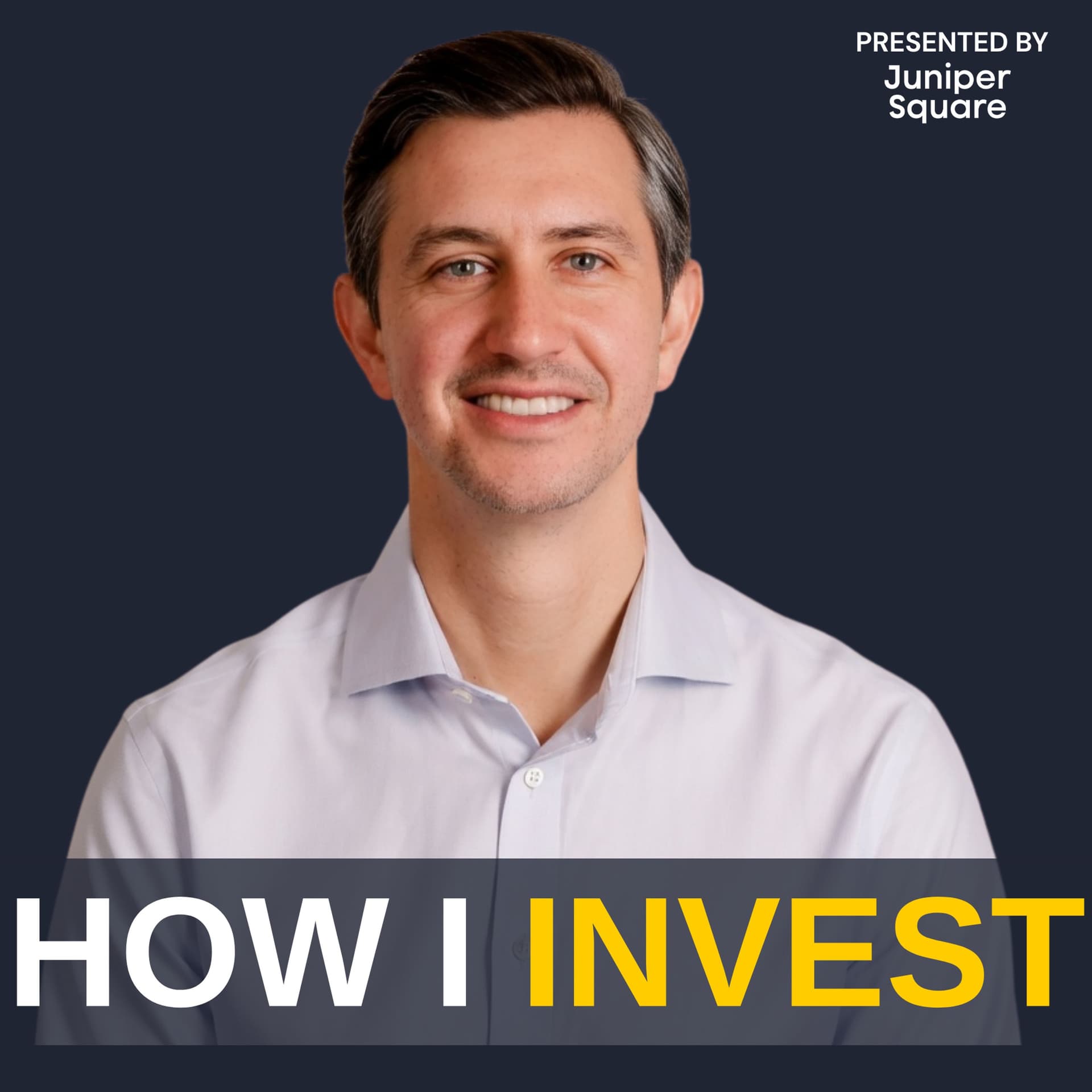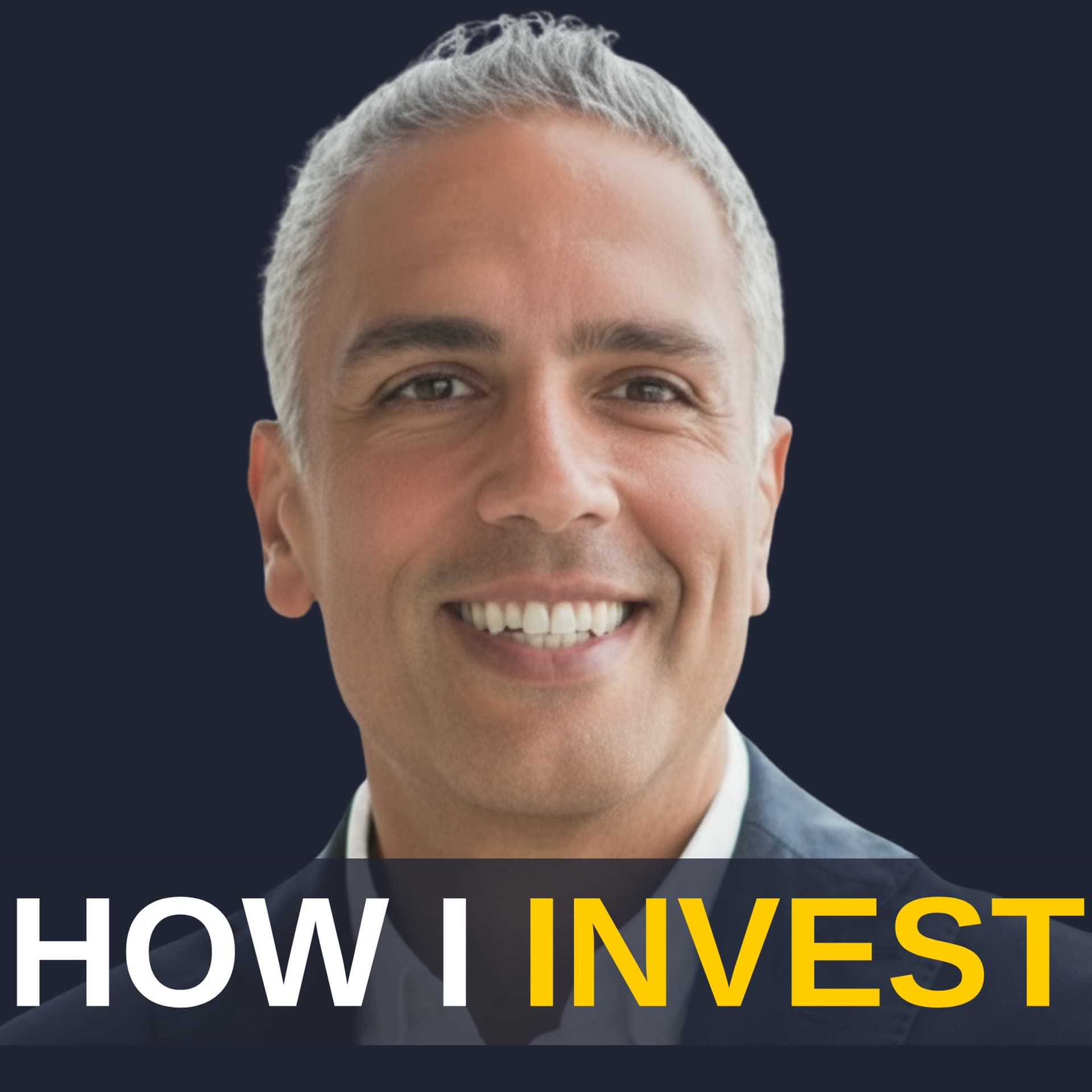
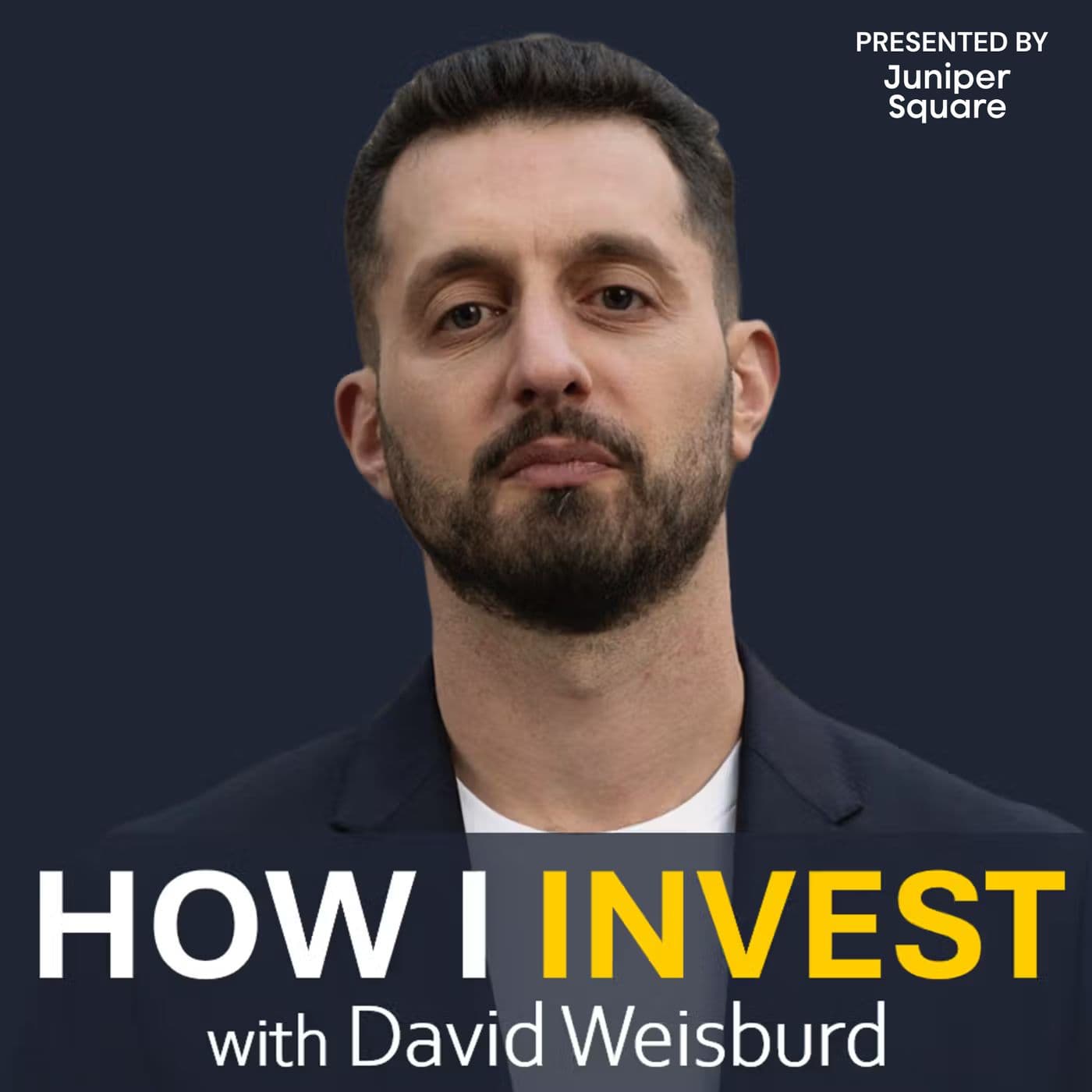
In short
Shane (a family-office/angel investor and former SaaS founder) argues that “capital preservation” is a misleading goal; better is “grow the pie” via transparent co-investing, founder-aligned incentives, and a barbell portfolio spanning deep tech and resilient consumer/real-economy businesses.
Guest background
Shane spent ~20 years bootstrapping SaaS companies, then became a family-office investor. He co-invests alongside emerging niche managers and writes some seed checks himself; he also invests in public equities and crypto (often via Bitcoin ETFs).
Key claims
Family offices can be nimble and avoid VC “black box” co-invest constraints; he shares diligence materials openly and joins founder Zooms for real underwriting control. Governance is a major alpha driver; “preserving capital” ignores inflation and dollar debasement. Seed/pro-rata alone isn’t enough—founder relationship and value-add matter.
Notable examples
Nara Organics (baby formula), Athletic Greens/AG1, Flex Storage, Figure (humanoid robotics; CEO Brad Adcock), Paradromics (BCI; Austin), Anthropic and SpaceX secondaries, plus crypto war story (Ripple wallet lost).
Written by AI. May contain mistakes. Listen to the episode to check what was said.
Chapters
Tap a time to open that second in VOLessons from SaaS to Investing
0:45 to 3:30
David discusses how his experience as a SaaS founder informs his investment strategies.
“One of the edges and not for all VCs, right, is that I was a founder for a long time.”
The Family Office Advantage
3:30 to 6:00
Exploring the unique advantages family offices have over traditional VCs.
“I recently spoke to an Ivy League endowment and they talk about that.”
Transparency in Investment
6:00 to 8:10
David emphasizes the importance of transparency in his investment process compared to VCs.
“So I am investing in really deep tech, frontier tech companies.”
Direct Deal Trends with Institutional Investors
8:10 to 10:30
Discussion on how family offices and institutional investors are shifting towards direct deals.
“And with AlphaSense Expert Call Services, the AI-led expert calls are just one option because we know the importance of a hybrid expert research approach.”
Barbell Investment Strategy
10:30 to 13:00
David explains his barbell strategy in investing in both frontier tech and stable businesses.
“And I'm kind of using this hive brain to tell me where I'm going wrong, which is unique, I think.”
Polarizing Investment Decisions
13:00 to 14:01
A pivotal moment where David shares insights from a polarizing investment decision.
“And by the way, a lot of people right now think for agentic AI companies that are like SSI that is raising for like a 30 billion with no revenue, right?”
Investment Strategies: Early vs. Late Stage
14:01 to 15:00
Learn about the dynamics of investing in different rounds of funding.
“But they got FDA approval and Matt Engel is an extraordinary founder.”
The Fallacy of Capital Preservation
15:00 to 16:16
Understand why focusing solely on capital preservation might be misguided.
“Because I do think family offices, depending on the dynamics, many of them are actually over-diversified.”
Real Estate Investments and Lessons Learned
16:16 to 18:28
Discover insights from real estate investments, including successes and failures.
“So I still have some juice left in me and I want to do things.”
Diversification vs. Focus in Investment
20:35 to 23:16
Explore the balance between diversification and focused investments.
“Support for today's episode comes from Square, the all-in-one way for business owners to take payments, book appointments, manage staff, and keep everything running in one place.”
Show all 21 chapters
Crypto Investment Insights and Experiences
23:17 to 28:00
Gain insights into early crypto investments and the evolution of the market.
“And one of the things that he talked about is one of the mistakes that investors make is they double diversify.”
The Crypto Wallet Experience
28:00 to 28:30
Learn about the risks and challenges of managing cryptocurrency wallets.
“And I feel, I don't know, maybe one day it'll come back to me, but probably not.”
Bitcoin ETFs vs. Direct Ownership
28:30 to 29:45
Explore the debate between owning Bitcoin directly and through ETFs.
“First of all, it's dangerous to do crypto.”
Scaling as an Investor
29:45 to 31:35
Understand the challenges of scaling an investment firm and growing a team.
“I feel like that's a much better trade than actually keeping it in cold storage and waiting for this nuclear option.”
Seed Investments and Relationship Building
31:35 to 34:05
Discover the strategies for making seed investments and fostering founder relationships.
“I'm leaning towards doing that because I'm having a lot of fun doing it.”
The Importance of Governance in Startups
34:05 to 36:10
Learn why governance is crucial in startup investing and how it affects outcomes.
“I literally found myself as a seed investor.”
Advice for Young Investors
36:10 to 37:05
Hear key advice on balancing potential outcomes with investment probabilities.
“your 40s, but you've had two large exits.”
The Dilemma of Holding vs. Selling
37:05 to 40:05
Examine the complexities of when to sell investments and the risks involved.
“No one's going to hate you for making a profit.”
Tax Strategies for Investors
40:05 to 42:00
Explore various tax strategies that can enhance investment outcomes.
“And by the way, you're very right about that.”
The Complexity of Selling Investments
42:00 to 43:35
Explore the challenges investors face when deciding to sell their positions.
“I mean, they're not the only ones that are getting murdered, right?”
The Allure of Illiquidity and Future Potential
43:36 to 45:36
Learn about the benefits of illiquidity and the potential of companies like SpaceX.
“So even when you don't sell, it still hurts.”
Transcript
Automatic transcript. May contain errors.0:00Before you became a family office investor, you spent two decades bootstrapping SaaS companies. What did that teach you about being an investor? What it taught me about being an investor is really kind of putting myself in the shoes of the founders that I'm investing in. I can see clearly the challenges that they have. I can relate to them very well. I can see their blind spots because I have about 20 years of experience doing that. It's just generally built a instinct inside of me about what companies do well and which ones don't and which founders do well and which founders don't don't and whether or not they have the chops.
0:39And obviously, when you're investing, you're also competing against very sophisticated venture capitalists. What edge do you have there that VCs don't have? One of the edges and not for all VCs, right, is that I was a founder for a long time. So one of the things that I just mentioned, what makes me different than like, let's say like larger VCs, for example, I'm investing my own capital, right? And I don't have the same kind of incentive structure where I have to deploy capital like VC funds do because they, that's how they make a living. So it's a totally different mindset. Also, because I was a founder, I think a lot of founders relate to me better.
1:15I think the age of the family office investing in venture has come upon us because there's no investment committee to go through like a traditional VC. Family offices can be just as smart money and just as nimble and not be as onerous as venture capitalists are. What's also interesting, I think, for the founders who want these types of syndicates is that they are getting access to investors that can really add value. except instead of being like a black box in a VC where VCs obviously have LPs that invest in them right but you never get to see who those LPs are right the way I work is is really kind of open source I give the diligence materials in a data room to all to everybody they can see all all the memos and cap table financials you know you name it they can see it and I usually do a zoom with the founder where everybody joins and they can hear the hear the founder speak about the company and also ask questions so it's really transparent and i think that kind of radical transparency is very different than what's been traditionally bc something more why is that so different than the traditional venture co-invest process most co-invest processes you have to be in the main fund to do a co-invest which is a black box i would say uh and and then there are only a kind of allowing select LPs to go into their best deals and they write an investment memo and ask you if you want to invest or not.
2:45I don't think that they allow you to really get into the weeds and do your own underwriting. People really want that semblance. It's not even a semblance, it's actual control. They want to be able to create their own portfolio. I think that post-exited founders, ultra high non-worth individuals, family offices, they are very sophisticated and they can make their own decisions, right? They're buying secondaries in Anthropic, they're doing secondaries in SpaceX, Neuralink, and they want to be the ones that can also underwrite that next unicorn. They're just as smart as any other VC, just to be honest with you.
3:21There's nothing magical or unique about a VC, in my opinion. Interesting. It's a trend not only in family offices, but also in institutional investors. I recently spoke to an Ivy League endowment and they talk about that. they're really focused on minimizing their unfunded liability, being able to do more direct deals, being able to have access to liquidity, being in their own kind of pools of capital so that they could transact if liquidity needs came to mind. So it's not just family offices that are Yeah, institutional investors are avoiding blind pool funds. Institutional investors are really focused on how do we get more into direct deals?
4:00How do we get more into co-invest and how do we control our destiny? That for me in specific is why I've also, I've thought about it. And a lot of people have asked me to do it. I haven't really kind of created a fund. First of all, I'm not really interested in that because I think that although I am invested in some funds, just as a practical matter, I'm invested mostly in, I wouldn't say generalist VC funds, but I'm in very niche emerging managers or really high conviction managers that are doing very specific things like biotech VC or crypto VC or synthetic biology VC, things that I just really wouldn't, first of all, know how to underwrite because they're just way out of scope for me.
4:43But I want to have access. I want to have exposure to those industries. And I'm usually picking one to three, let's say, exceptional managers. And I tend to like emerging solo managers. They have an edge, usually. And also, I can also see their deals more often and they're willing to share more often with me. And then I can do those co-invest with them or maybe even do my own syndication for something that I think is exceptional. Some of these SPVs that you're doing, they get as large as nine figures, 100 million plus. Tell me about how you get to these kind of quantums on single deals. You got to be really lucky, first and foremost, let's just say, because I think for me, it's been a combination of luck, combination of really selecting only the best of the best that I think are outliers in terms of doing co-invest for them.
5:37For me, the way it's really kind of worked is I usually write a seed check into companies and then when the time comes and they've kind of hit, let's say, and there's a real name lead or they've kind of hit some sort of technical milestone, My investment, by the way, just to kind of back up so that it's a little bit clearer, my VC investments are barbelled, right? So I am investing in really deep tech, frontier tech companies. And I've been doing this for about six or seven years when it wasn't as fashionable as it is now. So that entails a lot of hardware companies fall into that in a theme, let's just say robotics, quantum, AI, which is too much of a general term, I would say.
6:26Synthetic biology, those types of things, right? And then I'm barbelling it with things that I think that cannot be crushed or killed or vaporized by those frontier technologies that I just mentioned, right? And so what would constitute that? It's a very hard thing to define, but I can give you concrete examples of that. So we just invested in a company called Nara Organics, which is a baby formula. So the idea being that regardless of how much AI or robots or whatever there are, you're going to feed your baby formula. And as a practical matter, I know way too much about baby formula. It's a beautiful business.
7:04and I could spend a lot of time telling you about that, but that's, I'm trying to give an idea where we did AG1, for example, Athletic Green, which a lot of people probably who listen to podcasts know who are early investors in that company. We did a company called Flex Storage, which is a competitor to pods where they bring storage units to you, right? And they're tech enabled and there's a lot of reasons why it's better than pods, but the idea being that you're gonna always need to store your stuff, right? So that's the other end of the barbell And maybe those will not have the same kind of, let's say, trillion-dollar outcomes that a deep tech company can have.
7:39But they're still really good investments. So I think the flexibility of that is unique as well. Expert calls have always been one of the most powerful ways to build conviction. But today, investors are asked to cover more companies, move faster, and do it with leaner teams. With AlphaSense AI-led expert calls, their TGIS call service team sources experts based on your research criteria and lets the AI interviewer get to work. The magic is in the AI interviewer, purpose-built and knowledgeable-based information to conduct high-quality context-rich conversations on your behalf, acting as a trusted extension of your team.
8:15Then they take it one step further. Your call transcripts flow natively into your AlphaSense experience and become querible, searchable, and comparable, so your primary insights plug directly into earnings preps, digital work streams, and pitch books with zero tool switching. And with AlphaSense Expert Call Services, the AI-led expert calls are just one option because we know the importance of a hybrid expert research approach. AI for coverage and efficiency. Humans for complexity and conviction. It's the institutional edge that scales research without scaling headcount. For hedge funds, that means validating thesis assumptions across dozens of experts before earnings instead of a handful.
8:52For private equity, it means faster pre-IOI scans and deeper commercial diligence. For investment banks and asset managers, it means pulling real operator perspectives straight into models and sector positioning without disconnected tools or manual handoffs. All of it lives inside the AlphaSense platform, trusted by 75 % of the world's top hedge funds, alongside filings, broker research, news, and more than 240 ,000 expert call transcripts, turning raw conversations into comparable, auditable insight. Take advantage of AlphaSense AI-led expert calls now. The first to see wins. The rest follow.
9:28Learn more at alpha-sense.com slash how I invest. I think the closest thing to that is Founders Fund. They like to go super early or super late. Once it's consensus, they basically, you could think of it as alpha and smart beta. Just to kind of retrace back to your original question, how did some of these get very large? We did, we did, I'll give you an example. One of the larger ones that we did is figure, right? Which is, which is a humanoid robotics company. The CEO is Brad Adcock. It's gotten a lot of attention lately because it's freaking awesome. Just to be honest with you, if you've seen the videos, it's an autonomous humanoid.
10:03It sells itself. Yeah, it sells itself. But when we first did that Zoom with Brett, I'll never forget it because it was really polarizing because I brought in a bunch of investors with me as well. And by the way, I've been convinced by my investors sometimes never to not go forward and a deal isn't good. So that actually works in my favor. Sometimes I have the blind spot, right? And I'm kind of using this hive brain to tell me where I'm going wrong, which is unique, I think. It's kind of the original angel groups. So these angel groups, I was part of one in Silicon Valley probably around 2010 or so.
10:44And you actually get a lot of value through crowd wisdom. And sometimes there's just so many different lenses to look at it. And sometimes you end up in the same situation, but you have higher convictions. Sometimes you change your mind. Sometimes you are no, and now you're yes. It's all over the place. But just hearing different perspectives is so valuable. It's something that venture firms have as their strength. Maybe their weakness is they have too much money, but their strength is they have this different ways of looking at the same deal. Having too much money is adverse incentive, by the way, because you can you'll you'll ignore some of the signals just to kind of deploy funds.
11:13You know, after all, they're human. Right. So like that's that's the way it works. It was really polarizing. It was Brett just had a hand, just like this robotic hand. And all he had was like 10 engineers that he had recruited from Apple, Tesla, Boston Dynamics. He had put 20 million bucks of his own money in, which really kind of stood out in alignment with investors. He had obviously the pedigree from Archer and Vetteri before that, being the post-exited founder. But after that, that, that Zoom, I got two different types of texts. Either people were like, this guy's freaking bananas. I'm out.
11:54Right. Or this guy's the next Elon. I mean, he was, he's a visionary. He is this. And that actually gave me signal, right? That gave me real signal being, because by the way, those two types of texts were being sent to me by very smart people that I really, really, really respect. It wasn't just random people. Right. And, and so I, I knew there was asymmetry in that. I didn't know he was going to win a hundred percent and it's still yet to be seen if he's going to win. Right. Even though he's, they just raised that, uh, you know, 40 billion or something dollar, you know, 40 billion valuation and they have Microsoft and Nvidia and all these other guys backing them.
12:33Um, but those are the unique situations that you can get into where you get valuable insight by doing these, doing it just the way that I do it, let's say. Was this a$2 billion round? No, it was the A round. It was a$300 million round. So I think we did close to$5 million in the A round. And then. So it's essentially$300 million on a prototype, which this was a while back, was unusual. Correct. People thought it was insane. And by the way, a lot of people right now think for agentic AI companies that are like SSI that is raising for like a 30 billion with no revenue, right? That seems insane to people.
13:18And it very well could be. Or if they're right, it might just be really cheap. I don't know. It's only time to tell. I can tell. But that's how these things get really big because all of a sudden, you know, at the$40 billion valuation, the mark is like whatever 65 times just 65 times and you see how that those numbers work uh we did a much larger raise in the in the b round because microsoft and open ai and nvidia and all these other major investors came in and um you know people are mostly followers and leaders at that point and we were able to raise i think close to like 40 40 million uh in that in that round in order for you to get these allocations and later rounds is it prerequisite that you come in early or could you have gotten in at the series b seriously it's much easier let's just say right because i already have the right uh let's say the relationship and that kind of thing i have come in into later rounds on certain certain companies we just did for example paradromics which is a brain computer interface company like neuralink based out of austin um and you know they've been around for 10 years, but they don't get the spotlight because Elon, they're not Elon, right?
14:33But they got FDA approval and Matt Engel is an extraordinary founder. They're based in Austin. That's a later stage one that we came in alongside PIF and Neom, which is the Saudi fund. One of the reasons I wanted to have you on the podcast is you kind of have two sides to you. You have the crazy deep tech investor who goes very bullish on certain opportunities, but you also have the family office lens where you're building a portfolio strategy. And you do have a rational side to you, not just investing into crazy startups that could go 100x or 0. Because I do think family offices, depending on the dynamics, many of them are actually over-diversified.
15:14You call it de-worsified. And there's these principal agent problems where the principal's job is not to lose money, and they're not really trying to increase the family office. you're obviously in growth mode. Tell me how you build your portfolio construction when you're looking to grow, not just preserve your capital. I actually don't believe in preserving your capital, just to be honest, because I think it's like this false sense of security. I mean, just look at how much the dollar fell this year. Look at inflation. I live in Miami. You couldn't give away the houses like six years ago that are now selling for tens of millions or hundreds of millions of dollars.
15:51So this idea that like, oh, let's just say I'm just making up a number, right? I'm worth$50 million. I'm good. Let me just make this like last. Is this, it's a fallacy, right? If you're not growing, at least at the pace of inflation, you're really deteriorating, right? And so I'm very cognizant of that. Maybe it's because I'm younger. I'm 48, right? So I still have some juice left in me and I want to do things. And I was a founder, so I still have that bug in me too, right? But I listen to a lot of smart investors and I don't see them trying to preserve capital. I see them trying to grow the pie.
16:34And really, if you even look at these institutional investors, they have much bigger allocations to things that have more alpha like venture, right? Or crypto or these types of things. And obviously I'm not reckless, right? Like I haven't, I put away enough that if something bad happens, I can fall back on it. But with the rest of the stuff, I'm trying to get thoughtful alpha, right? And so I do do real estate, for example. I've invested in a lot of real estate. I have a lot of real estate exposure. we've done we have shopping centers industrial um i've done a hotel which was the bane of my existence to be honest with you we did the boca hotel i could tell you uh the marriott and boca which we i bought like two weeks before covid and um you know i learned i learned how to run a hotel let's just put it that way right um which i never thought i would do uh and and and uh and it became the worst investment because of covid the best investment because everybody came um everybody came to South Florida and we had these crazy ADRs.
17:41You picked the one location in the U.S. that actually was growing during COVID. Yes. And then like about a year and a half ago, then it started going severely downhill because people stopped coming, right, as much. And then everybody got priced out of Boca. So even just getting labor got quadrupled the price. And then insurance prices went four or five times. So it became a bad business again, right? Time will tell you whether something's good or bad. And I got out of that unscathed. I actually broke even. Finally, we sold that just about six months ago. But, you know, I am trying to find alpha in real estate too.
18:21I'm trying to do the real, doing, you know, giving a shot to doing a hotel, which I never had done before. Now we're trying to do things where we can actually own the business on top of it or partner with someone where we do the improvements and then there's a real operating business and we can get part of the profits, not just rent, right? So I'm a partner in this racket club called the Racket Lounge in Southampton in New York. And it has pickle, paddle, tennis, and paddles grown. A lot of people are very, very into that sport right now. And it's a members only club. We own the real estate. And then we brought in a partner to operate the club.
19:05I'm trying to do more unique things than just buying, let's say a five cap multifamily, right, that I could, you know, increase rent support for today's episode comes from Square, the all in one way for business owners to take payments, book appointments, man and staff, and keep everything running in one place. Whether you're selling lattes, cutting hair, running boutique, or managing a service business, Square helps you run your business without running yourself into the ground. I was actually thinking about this the other day when I stopped by a local cafe here. They use Square and everything just works.
19:36Checkout is fast, receipts are instant, and sometimes I even get loyalty rewards automatically. There's something about businesses that use Square, they just feel more put together. The experience is smoother for them and it's smoother for me as a customer. Square makes it easy to sell wherever your customers are, in store, online, on your phone, or even at pop-ups, and everything stays synced in real time. You can track sales, manage inventory, book appointments and see reports instantly, whether you're in your shop or on the go. And when you make a sale, you don't have to wait to get paid. Square gives you fast access to your earnings through Square checking.
20:10They also have built-in tools like loyalty and marketing, so your best customers keep coming back. And right now, you can get up to$200 off Square hardware when you sign up at square.com slash go slash how I invest. That's S-Q-U-A-R-E dot com slash go slash how I invest. With Square, you get all the tools to run your business with none of the contracts or complexity. Run your business smarter with Square. Get started today. Support for today's episode comes from Square, the all-in-one way for business owners to take payments, book appointments, manage staff, and keep everything running in one place.
20:43Whether you're selling lattes, cutting hair, running a boutique, or managing a service business, Square helps you run your business without running yourself into the ground. I was actually thinking about this the other day when I stopped by a local cafe here. They use Square and everything just works. Checkout is fast, receipts are instant, and sometimes I even get loyalty rewards automatically. There's something about businesses that use Square. They just feel more put together. The experience is smoother for them, and it's smoother for me as a customer. Square makes it easy to sell wherever your customers are, in store, online, on your phone, or even at pop-ups, and everything stays synced in real time.
21:18You can track sales, manage inventory, book appointments, and see reports instantly, whether you're in your shop or on the go. And when you make a sale, you don't have to wait to get paid. Square gives you fast access to your earnings through Square checking. They also have built in tools like loyalty and marketing so your best customers keep coming back. And right now you can get up to$200 off Square hardware when you sign up at square.com slash go slash how I invest. That's s q u a r e.com slash go slash how I invest. With Square you get all the tools to run your business with none of the contracts or complexity.
21:53Run your business smarter with Square. Get started today. Support for today's episode comes from Square, the all-in-one way for business owners to take payments, book appointments, manage staff, and keep everything running in one place. Whether you're selling lattes, cutting hair, running a boutique, or managing a service business, Square helps you run your business without running yourself into the ground. I was actually thinking about this the other day when I stopped by a local cafe here. They use Square and everything just works. Checkout is fast, Receipts are instant, and sometimes I even get loyalty rewards automatically.
22:23There's something about businesses that use Square. They just feel more put together. The experience is smoother for them, and it's smoother for me as a customer. Square makes it easy to sell wherever your customers are, in store, online, on your phone, or even at pop-ups, and everything stays synced in real time. You can track sales, manage inventory, book appointments, and see reports instantly, whether you're in your shop or on the go. And when you make a sale, you don't have to wait to get paid. Square gives you fast access to your earnings through Square checking. They also have built-in tools like loyalty and marketing, so your best customers keep coming back.
22:56And right now, you can get up to$200 off Square hardware when you sign up at square.com slash go slash how I invest. That's S-Q-U-A-R-E dot com slash go slash how I invest. With Square, you get all the tools to run your business with none of the contracts or complexity. Run your business smarter with Square. Get started today. I had Roger Vincent, who spent a lot of time at the Cornell Endowment. And one of the things that he talked about is one of the mistakes that investors make is they double diversify. So they diversify within the fund. Sometimes they'll diversify, they'll triple diversify.
23:29Then they'll diversify within the fund asset class. So let's call it venture. So you diversify within the fund and you diversify within the venture asset class. And then everything has to be diversified. And that's where you actually get a poor performance versus if you look at venture as playing a role, which is outperformance and the spikiness. And you build around that, you realize you're not going to have 80 % of your money in this really spiky asset class, but you take venture for what it is, which is sometimes it'll outperform, oftentimes it underperforms, and it rarely loses money as an asset class.
24:02But I think that's something that you uniquely do in your portfolio. You don't optimize every asset class as if it's your entire portfolio. No, I don't. I think what I think is reasonable is probably unreasonable to most if you're trying to preserve capital, I would say. If you're not, I think it looks very reasonable, right? That this is what you have to do. I mean, like, what else can you do, right? I mean, obviously, I have the largest allocation personally to equities, to public equities. And recently, I think public equities have actually been acting like venture and giving venture-like returns, especially for during this AI boom.
24:38And if you were in the right sectors and that kind of thing, going back to your your the spikiness thing right that you just you just spoke about i think that's really interesting because you really have to be built for vc or crypto or these types of things because it's very hard psychologically to consecutively lose because you know sometimes the spikiness is like you lose 12 times and then you hit right and you know by that 10th time you're like man I really suck at this why am I doing this right like it's very hard to keep going because psychologically it could ruin you right um especially if you if you suffer big losses you know because because they were all consecutive said another way the j curve is learned helplessness it's like no no no no for seven years and although people know to expect it just feeling it it's just very different when you're just constantly being reinforced and then suddenly you have something that returns 5x your portfolio in year 10, you're like, what just happened?
25:42I technically got a 4x in my entire portfolio, but that felt that I don't want to do that again. If you think about it, that's what happens to founders. Like, so that kind of founder mentality is like, you're just told no so many times. And then when you get a yes and you get a win, it feels like, I don't know, you just won the lottery, right? So it's almost like one in the same, I would say. You got into crypto in 2012, very early. You bet big. What early signs did you see in crypto that made you really double down in it in 2012? I had a development team in Kiev. We had about 50 developers there.
26:18And at that time, it was a smart thing to do because actually Kiev has amazing talent. Ukraine has amazing technical talent. They actually are very close in culture to Americans, especially the young people. And so it was a really good cultural fit. So we had developers here and developers there, and they needed to play nice with each other and understand each other. And I would go and visit for a month. And also, I spent a couple of months there setting up the office and hiring people. It was a group of developers there that just kind of installed a minor on my Mac and taught me about it. And these guys were young and smart and PhD students.
26:56I just got curious because they were curious. I didn't go that deep initially, just to be honest. I mean, I guess you could, for very little money, you could buy a lot of Bitcoin at that time. And in fact, I have a funny story. I learned about Ripple XRP. And back then, I think it was 2013 or 14. It was around that time. It was 2013. Ripple had their own wallet. That was the only way you could actually own Ripple. At least that I knew of, right? Maybe there were other ways. And the way that you would actually buy Ripple or get onboarded was you had to go through some crazy exchange that, I mean, I don't know.
Read the full transcript
27:33I have a degree in computer science and I couldn't figure it out. But you literally went to a Wells Fargo bank, right? You filled out the deposit slip and you put your wallet address or your wallet ID on the deposit slip and you would deposit cash. And then like, I don't know, miraculously, a couple of days later, Ripple would show up in your wallet, right? Like, if you can imagine that, that's pretty crazy. and at that time it was like I don't know fractions of a cent and I bought maybe a couple a couple thousand dollars worth maybe five thousand dollars worth I think and then um I forgot about it and that five thousand dollars would probably worth I don't know I can't I can't I don't even want to calculate it because I lost it because that's that's the that's the moral of the story ripple discontinues their wallet I get an email it goes to my spam I lose the key I can't I can't I can't recover it anymore.
28:23And I feel, I don't know, maybe one day it'll come back to me, but probably not. I have one of these war stories. Today, I'm not doing... First of all, it's dangerous to do crypto. I think just to own a lot of crypto in a wallet or something like that. I just buy the ETF. And I tend to buy, mostly buy the Bitcoin ETF. And I just buy it for my kids whenever I get a chance. I had this argument the other day about that, which is there's this Bitcoin purist argument, which is if you own Bitcoin in ETF, it's kind of like owning gold in ETF. It's only when the government seizes Bitcoin at some point, then owning the ETF isn't going to help you.
29:08It's not truly decentralized. But my counter argument to that is if you actually run the math, so let's say for now, 20, 30 years from now, the government, quote unquote, seizes Bitcoin, which I think probably less than 10 % chance. At that point, first of all, it's very unlikely that the government will actually seize Bitcoin. They'll probably force sell. So you'll wake up in the morning and all your ETF will be sold. And now you'll have cash. It's very unlikely that they're just going to literally take your Bitcoin ETF. There's no real president for that. But on top of that, to me, the benefit of holding an ETF outside of safety and all these things is that now I can use it and I can borrow against it.
29:45I can leverage it. So whatever 10%, 20 % gain or whatever 10 % to 20 % loss I would hypothetically have in year 30, discounted back today, if I'm getting an extra 5%, 10 % return on that Bitcoin, not that I'm saying you should leverage Bitcoin and things like that, but you could put it into real estate or other safe assets. I feel like that's a much better trade than actually keeping it in cold storage and waiting for this nuclear option. I understand both sides of the argument. You know, I've heard Michael Saylor speak and, you know, he has got a really good argument about why you want it in, you know, in a wallet.
30:21My parents, you know, my parents came during the Iranian Revolution to the United States. You know, I viscerally know what it's like to leave with nothing, you know, and have to escape. There's definitely that kind of value in having it in a wallet. But as a practical matter, and from a family office standpoint, I agree with you. I know that Coinbase has solutions for this where you can borrow against your Bitcoin now. But as a practical matter, like even for estate planning, it's almost impossible to estate plan for a wallet. I don't even really think they have a good solution for it. So like, you know, you want some sort of custodian.
31:00I tend to agree with you. I think it's much safer and a bunch. better outcome to just buy the ETF. Today, you're up to a dozen entities with 850 million AUM of deals you've invested in, you've brought in other investors into. What breaks at that scale? What's proven hard? You have to grow your team. And basically, I've come to the point where either I want to continue to what started as a, let's just say, a side thing, right? Do I really want to kind of grow this into a full-fledged business, asset management business? I'm leaning towards doing that because I'm having a lot of fun doing it. It lets me vicariously live through founders and back the types of companies that I really am interested in, whether they are deep tech or not.
31:47Right. But I really like keeping this format because. I like to have it in a way where the investors that are coming in with me are really my partners and making the decision. I'm not making the decision for them. They're making it on their own. Right. They're deciding whether or not this company is worth backing or this founder is worth backing because they're informed and they're empowered. As long as I can do it that way and we can continue to have hits, I'll keep doing it. And I'll continue to do the other things where I'm writing seed checks by myself because they may be just too crazy to show to other people or too boring or whatever it may be.
32:27Have you evolved that strategy where you really want to go to at least Series A, but really Series B and beyond for co-invest? Or are you putting other people into seed checks? It's very hard to do seed checks, really like early, early seed checks. except for like, let's say now with these AI companies, because they're not really usually raising a lot of money, right? So as a practical matter, the economics of creating a co-investment vehicle, I mean, I know that there are these angel list guys that do it, right? They may raise a couple hundred thousand dollars here and there. But at my level, unless we're doing a significant amount into a company, it just really doesn't, it's not, it's not worth the effort, let's just say.
33:06And it's also like, it's not economically good either because of the expenses that are for the vehicle, for maintaining the vehicle too. So it eats away at your return. It may likely happen more because now you're seeing seed and A rounds that are in hundreds of millions of dollars, and maybe even billions of dollars in valuations where they can actually raise large amounts of capital. But someone's raising a million dollar seed rounds You know, it just doesn't make it stop. You know, it's much more. It's just much more. Simpler to just write a check to them. We're not taking the whole thing, right?
33:45There's going to be a bunch of other maybe fifty hundred thousand dollar check people that are going into that seat or angel angel round as well. But you find writing that seat check is a way to put your foot in the door, build the relationship. And then you have that optionality as a company. And I consider that seat check gone. I consider it zero. I literally found myself as a seed investor. I just found today that I get surprised now when I get seed investments back. I've internalized that it's lots of money. I just put it out there and then it's like, okay, the money's gone. And I realized because I'm like, oh, that's crazy.
34:19I do have these investments. They're not actually zeros. I have to remind myself. Yeah. Some of them do materialize. Some of them don't. Some of them lead to other opportunities. For me in particular, the two keys to this is having extraordinary deal flow and being able to obviously identify that deal flow. It's hard, which one of those are the outliers. That's, that's, that's hard. And then also having a network that trusts you, right? Those are the two things that you need. And part of that, that part of that seed investment is ensuring that I'm going to get the best deal flow because founders remember you when you help them in the beginning, right?
34:59And maybe it's not even that founder. It could be they're in SF or they're in wherever they are, and they're talking to another founder that they think is amazing. And they're like, you really need to talk to Shane because he's a good guy or something like that. You just never know the serendipity of it, basically. Speaking of the founder relationships, what percentage of the time are you relying on pro rata rights versus the relationship of the founder? Usually the pro rata is not enough. It's really the relationship. it's like we've shown that we can add value i've shown that i can um support that founder the way that they want to be supported and that i'm also not the type that overwhelms the founder right i'm not constantly asking them for board materials or this or the other thing it's actually irrelevant in the end of it like i could have all the financials and all the all the updates i want it'll make no difference in the outcome it really won't in in the institutional investing space governance is the key source of alpha having good governance and see see startups you have great governance no product market fit matters absolutely zero what does a liquidation preference mean when the thing goes to zero nothing it means nothing you've had a storied career you're only in your 40s, but you've had two large exits.
36:19You were early in so many great companies, Perplex City, Figure, and many others. If you could go back and give younger Shane one piece of timeless advice, what would that be? The biggest piece of advice is, you know, you can't like really conflate the magnitude of a potential outcome with the probability that you'll actually capture it. And what do I mean by that? I mean, look, that Ripple story that I told you is a great example, right? Like I wasn't able to capture that, right? It's literally, I wasn't, and I'm still not able to capture it, right? And so I think one of the things that have kind of been downside protecting me is I do see a lot of outliers, right?
37:05That I don't do because I just don't see the exit or how it can be monetized and i don't think a lot of people really contemplate that right i was in a co-investment with my friend at red sea venture scott birnbaum convoy which was kind of like uber uber freight it was one of the first ones and we i went into him i went in it with him as seed and you know it it got like a five or three billion or five i don't remember exactly a couple years later i got a three or five billion dollar valuation and we could have sold into that and we didn't right and then covid literally decimated the company and it went to zero and so i think there there is this thought of you know you you hold you hold you hold or hodl or whatever it is but there there definitely have to be times when you take the take take the win and it's very hard in a venture mindset to also temper that right because you're going for the moon right and not just for yourself, getting returns for yourself, but also getting returns for the investors.
38:14No one's going to hate you for making a profit. I'll take the other side of that. So I've evolved my thinking. I've had many different things. I sold DraftKings. I returned roughly 90 million to investors and DraftKings. I had, in many ways, the top of the market post-COVID. Complete luck. Obviously, the company was good. The investment thesis was good, but the exit was luck. I've had Robinhood that I got in with Sequoia because it was during COVID and then I sold it at the wrong time, basically. And then, well, the quote unquote wrong time because I had another 10x. I had Palantir that did the same thing.
38:41I did really good, but I missed another 10x. And I just did the math. And if I had just held everything, I would be doing much better. So if I basically just turned it into kind of my public S &P 500, I was having dinner with Anthony Pompliano on this very topic. And he's like, I never sell. And I'm like, wow, that's like really interesting. I never thought about that strategy, which is basically just building this public portfolio. In venture, he never sells? He never sells or in public? He was talking about Bitcoin and a couple, like if he really believes in the asset, he never thinks about selling.
39:10Like it just never, never enters his mindset. And I was thinking about, I'm like, okay, that's really, that's much more directionally smart than what I do. But two caveats. One is if the founder is no longer leading the company, I think that's where a lot of the alpha comes from is these founder driven companies that are still public. They still have that 10x. I think Amazon has gone up a thousandx and starting public and same with Google. So that's one caveat. The second caveat is what you referenced, which is if it's somebody else's money, you have to have some win. There's career risk. There's reputation risks.
39:41You have to have DPI. It doesn't necessarily make it the right strategy. It makes it the right, I guess, like asset management strategy. It's the right thing to do because not everybody is going to, you know. And not everybody has the same bullishness. Right. And also, especially if you're doing it my way, where it's not an actively managed fund, right? It's a bunch of co-invest. Not everybody goes into every deal, right? So you can't aggregate them. So when you do get a win, and by the way, you don't have to take the entire thing, right? Like you can liquidate part of it. It's a fine line. And by the way, you're very right about that.
40:17Maybe the strategy is never to sell. And just at the end of the day, those really, really outlier ones like Amazon and Google that, you know, even 10 ,000 X after they went public, you know, they totally make up for all the ones that didn't do so well. Obviously, full disclosure, this is what I do with my own shares. It's not what I do with LP shares, obviously, like we're talking about. If you take that thought experiment and play it out, if you have 500 of these companies, first of all, they're going to come to a mean. And the question is, what are you going to do with the money? If you're going to sell it, pay 35 % taxes, and then buy the S &P 500, why do that versus having a founder-led S &P 500?
40:56I know it's not the most sophisticated, but as a rule of thumb, I found it to be a useful raiser. Well, I think Equity Zen did something similar to this. I saw them try and figure this out with secondaries. It was an interesting deal where they were going to founders, and I think they do it with forward contracts, right? So it's not an actual thing, but they tried to make kind of like an index of startups, which is pretty smart, I think. It's yet to be seen if it outperforms S &P, but I think they did something similar. And then for a taxable investor, even just that drag, like, are you going to really outperform by 35 %?
41:29And then now you have tax loss harvesting. So not tax advice, but you have firms like AQR, Quintino, that allows you to put your shares in kind up to 20 % of a portfolio into a tax loss harvesting. So now you're harvesting tax losses against these concentrated positions. You might, let's say you have five companies, you could be harvesting huge losses and capital gains. And there's even ones that you could do around income as well. So now you have not only you don't have the tax drag, you also have tax alpha or structural alpha on top of that. I think there's an argument for that. it's a it's not a very conservative position to have and it's not necessarily a sexy position or it doesn't make you seem like a genius where oh if i had sold these nine and bought this one like i've never seen like so many of these narratives are revisionist in history i'm often at these dinners with these large investment banks and they're always saying the same thing like they saw every little thing it's just it's almost absurd and people eat it up people literally eat it up at the dinner they're sitting they're eating up these these narratives and it's just kind of it's not very intellectually honest to say the least the best you can do is just make smart decisions with the information that you have at the time and if i think if you do that consistently you'll tend to win more than lose and that's just it's really boils down to that i think and and and part of that intelligent decision making is whether or not to sell not just whether or not to invest in the first place right it's hard man it's hard when you're liquid i have this whole concept of the virtue of illiquidity i have made all my money in my career by being locked up and i'm getting better at holding liquid positions it's a skill that i'm building but it's so damn hard when you have a 10x and it goes down 20 you're like i'm gonna have an 8x do i not lock it in it's a hard i mean look at look at right now with sas companies like i for example i bought atlassian an ipo right it's arguably an amazing company i mean it's literally almost back to its ipo price i was up 2 000 at one point during covid on that on that on that stock.
43:24I mean, they're not the only ones that are getting murdered, right? I mean, today in particularly is a very bad day, unfortunately for the markets, but I'm not selling it. It's just really taking everything out of me not to do it, right? So even when you don't sell, it still hurts. That's why I think I'm a big fan of illiquidity. Again, some portions of your portfolio in venture. I got into the$4 billion evaluation on Anthropic and now it's having some issues, but it was just at$350 billion. And I'm sitting here thinking a lot of people are like, oh, I can't wait for a type of, I'm like, no, don't IPO.
43:56Keep on compounding. Cause I think personally not financial advice. I think it's going to be a multi, multi-trillion dollar company, perhaps at 10 trillion plus company. It's hard to imagine today, but if you just, if you just go from first principles on their revenue growth. So I don't want, I don't want the ability to sell. My mentor, Eric Anderson said that on your worst day as an entrepreneur, if someone brings you a suitcase of a hundred million dollars and puts it in front of you and you're having a shitty day, it's not as easy to say no as it is maybe on a regular or greater. Absolutely.
44:23I mean, think about all those people who sold at the last SpaceX tender. They probably want to kick themselves right now because now they know it's going to, I mean, it's pretty, I think it's pretty known now that they're going to go public. 1.75 trillion. Yeah, 1.75 trillion. I mean, if I had sold at the$800 million tender, I would be kicking myself right now. I'm also an investment of mine, but more at 90 billion. So a little bit later stage, but still looking good. I came in at double. I came in at like, I think it was 180 or 200, or I don't remember, something like that. But when I did it, by the way, I thought it was overpriced.
45:00Me personally, the thing that did it for me is one of my friends was invited to go to SpaceX here down in Orlando. And he took me with him. And I've only seen magic two places in my life, like true magic. one was at SpaceX where we kind of got to put our heads in the engine and I touched a Starlink which was like I don't know unbelievable we drove um Tesla's down the down the landing strip where the where the shuttle used to land it was like the most incredible experience I ever had and I came back and I'm like I never wanted to buy SpaceX and I was like I need to buy SpaceX no matter what the price and then um figure figure is absolutely magical I don't like I don't think that people really understand what it's like to see a humanoid robot literally walking around autonomously and doing things.
45:51Initially, it's kind of like this. It's really visceral because, you know, you're a primate and that reptilian part of your brain all of a sudden like ignites and the hair goes on, goes up in the back of your neck and you're like, what kind of animal is this kind of thing? And then, you know, after a couple of minutes that dies down, but then it's just, it's really insane. Well, Shane, this has been an absolute masterclass. Thanks so much for jumping on podcast. Thanks so much for having me. I really, this was a lot of fun. Thank you. If you found this conversation valuable, please click follow how I invest so that you don't miss the next episode with the world's top investors.
From the publisher
What if your family office could invest like a founder and a VC at the same time?
In this episode, I sit down with Shane Neman, founder of a multi-entity family office with $850M AUM, to explore how he approaches venture investing, deep tech, and portfolio construction. Shane shares how his two decades as a SaaS founder shape his edge as an investor, why transparency and founder relationships matter more than fund mandates, and how he balances high-conviction bets with a rational family office lens. He also dives into frontier tech, co-invest structures, and building a diversified yet opportunistic portfolio.