
In short
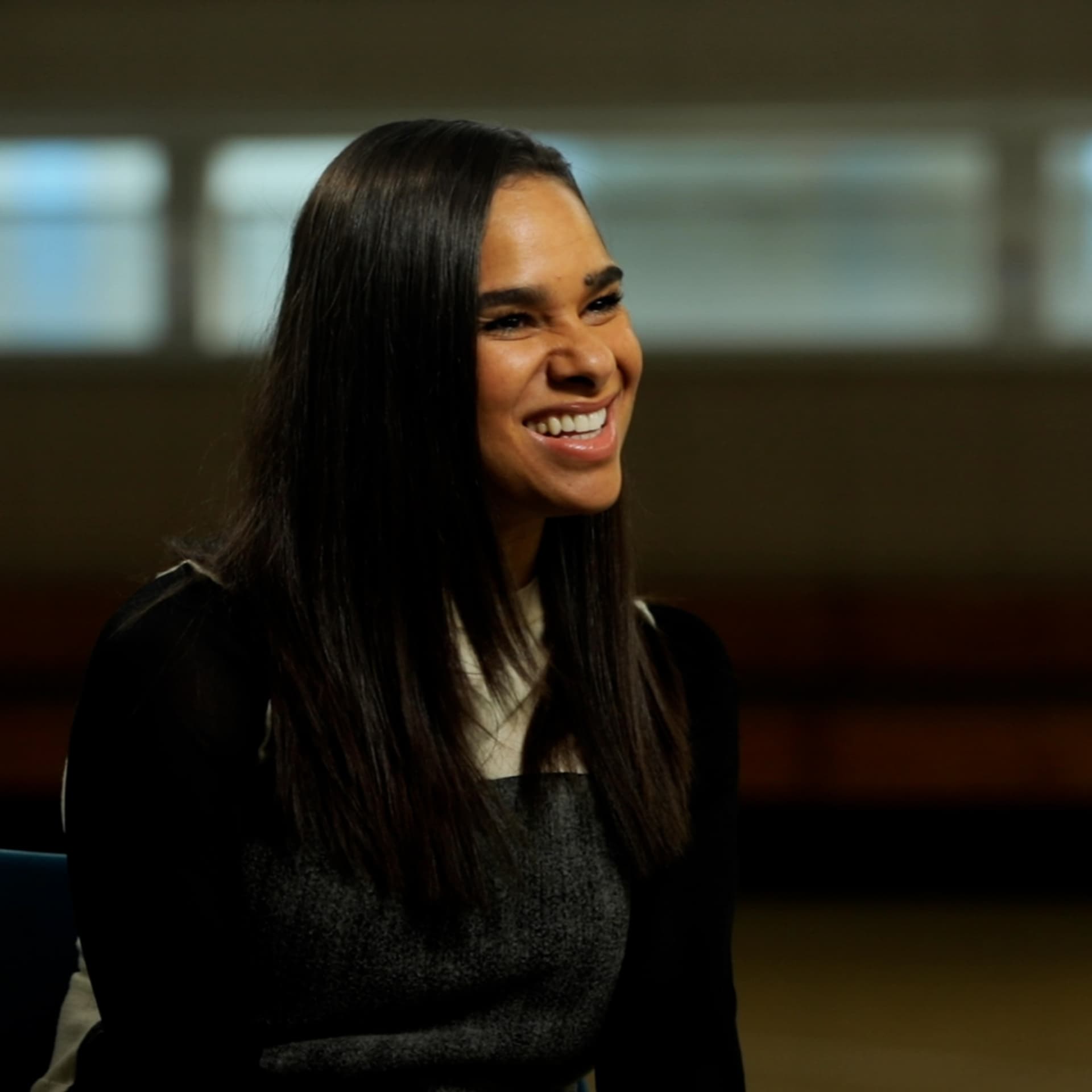
Misty Copeland discusses discrimination in classical ballet, using her experiences at American Ballet Theatre (ABT) and the impact of public recognition, plus specific moments where she challenged racist practices.
Guest backgrounds
Misty Copeland is a Black principal dancer and a prominent figure in ballet; she reflects on her career path and her mother’s history of repeatedly leaving situations without resolving underlying issues.
Key claims
Mainstream acknowledgment of Black dancers’ exclusion (e.g., a New York Times article) intensified her loneliness and doubts; ABT and the ballet world can operate in a “white bubble” with little consequence. She describes ongoing microaggressions and barriers, including forced “white” tights/slippers and hair restrictions.
Notable examples
A makeup incident in Sleeping Beauty where she asked why she had to be made into a “white cat,” leading to a “brown cat” change; her decision to consider leaving ABT for Dance Theater of Harlem but choosing to address systemic roots instead.
Written by AI. May contain mistakes. Listen to the episode to check what was said.
Chapters
Tap a time to open that second in VOMisty Copeland on Racial Identity in Dance
0:00 to 0:26
Misty discusses the challenges of being a black dancer in a predominantly white industry.
“As soccer takes center stage this summer, Comcast helps bring the experience home to America.”
Misty Copeland on Racial Identity in Dance
0:46 to 3:30
Misty discusses the challenges of being a black dancer in a predominantly white industry.
“There was a New York Times article titled, Where Are All the Black Swans?”
Taking a Stand Against Discrimination
3:30 to 6:55
Misty shares her experience of standing up for her identity in a ballet performance.
“aggressions, you know, having dancers of color not be allowed to wear tights that are their skin color, that they're being forced in order to fit into a company environment.”
Transcript
Automatic transcript. May contain errors.0:00As soccer takes center stage this summer, Comcast helps bring the experience home to America. As the exclusive Spanish-language home of the tournament in the U.S., Telemundo is set to present its most expansive coverage ever. 700 hours of programming, live on-site presence at all 104 matches, and with multi-view and real-time 4K, Xfinity will deliver the most innovative and immersive sports viewing experience for fans watching on Telemundo, Peacock, Fox, and FS1. Learn more at ComcastCorporation.com. Hey, it's Graham. It's Thursday. And that means we're offering you another positive piece of a past interview.
0:38Each week, our team digs through the archives to find our strongest feel-good stories to present to you in podcast form. This week, Misty Copeland. There was a New York Times article titled, Where Are All the Black Swans? And you said that it was the first article you ever read reflecting the heartbreak and the loneliness that you felt. How so? When this article came out, I felt like it was the first time I was experiencing acknowledgement outside of the black dance community that this was an issue. to have it be recognized in such a concrete way. It just like opened the floodgates of all the things I've been like, you know, that I have to hold inside in order to like keep it together every day and not, you know, be realistic maybe and think like what will ever come of my career?
1:36Is this a reality for me? Instead, it was like convincing myself day in and day out that like this, yes, I can do this. I can maybe break a glass ceiling And then this article came out and it was just like, ugh, I don't know that it's ever going to happen for me. Why am I any more special than any black dancer that's come before me to be able to, you know, push through and become a principal dancer? And then it was somebody you were friends with in the company whose reaction really had kind of a negative impact on you. Who didn't intend it that way, probably. No, not at all. to have someone who doesn't maybe understand the pain and the realities around all the roadblocks for black dancers, you know, to read that article and think it was silly or that it maybe wasn't accurate or true was devastating.
2:38And it just kind of was a reflection of what I felt everyone at ABT was probably thinking, or everyone in the dance world that didn't understand our history as black dancers in the ballet world, the importance of our impact, and the fact that we're not given the same opportunities or access to be a part of this world. And I think that the ballet world comfortably has been able to live in this very white bubble, and there's no repercussions for their lack of support, acceptance, inclusion. It should be a collective conversation that not just black dancers are having, but dancers, period. The lack of diversity, the racism that still exists, you know, even if it's these microaggressions, aggressions, you know, having dancers of color not be allowed to wear tights that are their skin color, that they're being forced in order to fit into a company environment.
3:48You have to wear pink tights and pink ballet slippers representative of a white person's skin. Or you don't have the right hair texture to put into these hairstyles, so therefore, you know, we're not going to accept you in this company. There was a situation where you were playing a part in, I believe, Sleeping Beauty. Yeah. and the makeup person's coming over with white powder. What was it about that that made you decide to finally kind of take a stand? I think it was, you know, coming to a place where I felt comfortable, starting to feel comfortable in my skin and with who I wanted to be, especially when you're on stage and you're, you know, a role model and you're, you know, all these young kids in general, black and brown kids looking at you and they should be able to tell that you're black when you're on stage.
4:40And it just, I just hit my limit, I guess. And I turned to the makeup artist and I, and I said, why do I have to be a white cat? You know, I was playing the role of Puss in Boots in Stimbing Beauty. And, and she just kind of looked at me and she was like, I guess you don't. And I was, and so we made me myself a brown cat and it, you know, it was a small, like kind of silly step, but it wasn't. It wasn't. I've had these conversations and small adjustments are made, but in their ongoing conversations that are still happening today. When the dance theater of Harlem was first pursuing you, what was it about thinking about your mom that made you decide to stick with your trajectory?
5:25Yeah, you know, the thought of watching this, you know, this pattern from my mother of running away and starting a new situation that ended up with the same issues because they were never dealt with. There was something about that that was triggered in me when I thought about leaving ABT and going to Dance Theater of Harlem. You know, am I just running away so that things are gonna be easier for me because I'm surrounded by other black dancers? Or do I stay and really get to the root of the issue. How do we make changes, systemic changes in the classical ballet world where a black dancer can be in a white majority company?
6:10The impact that you'd like your success to have had on people of color would be what? I think that, you know, within our history in America, I think often black people, black women are kind of pinned against each other. And we're in situations where there's one opening, one position for a dancer of color in a company, and it just doesn't create an environment that, you know, is for us to support one another. And I think it's important that we create a different system in that the next generation of black and brown dancers feel a supportive environment around them coming into this space. One quick favor before you leave, please consider giving the podcast a rating and review.
7:00Those go a long way in helping us reach new listeners. Thanks for your support.
From the publisher
Misty Copeland - named one of the 100 most influential people in the world by TIME Magazine - takes us through encounters with racism and microaggressions throughout her illustrious career in ballet. Misty recalls dance companies forcing her to wear tights accustomed to white dancers, a makeup artist who planned to apply white powder to her face and more generally a shortage of opportunities and access for Black ballet dancers. Later, she talks of an impulse to run away from racial disparities and obstacles at American Ballet Theatre, but instead leaned into lessons learned from her mother


