
In short
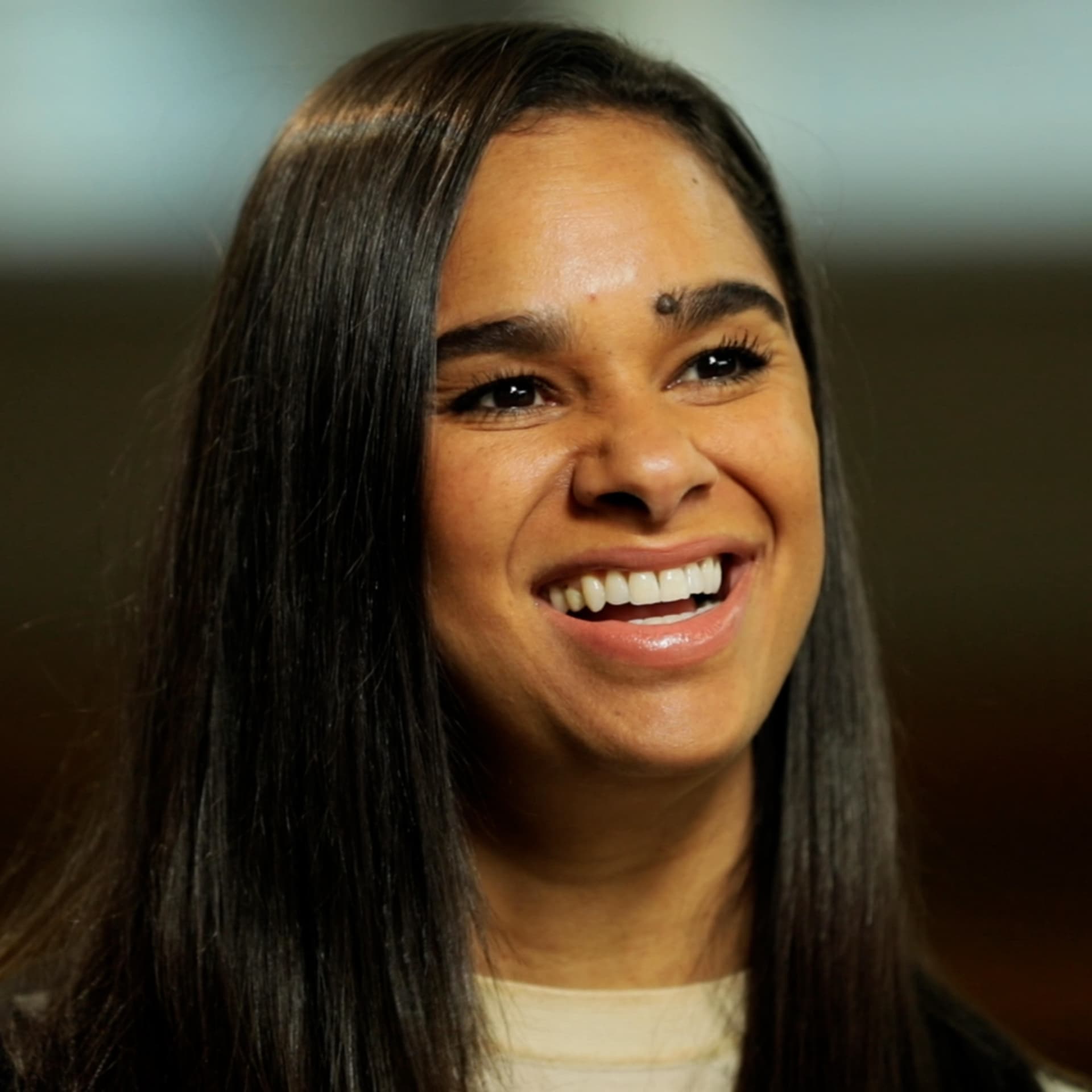
Episode topic: Misty Copeland, the first African-American woman promoted to principal dancer at American Ballet Theatre, discusses her path into ballet, the role of representation and social justice, her anxiety and trauma history, motherhood, and major injuries and comebacks.
Guest background
Misty Copeland is a principal dancer at ABT (promoted at age 32). She grew up with instability and anxiety, including periods on food stamps and living in motels, and credits a Boys and Girls Club in the Bronx and her foundation’s Be Bold After School Dance Program. She also partnered with Prince early in her career and later expanded into endorsements, books, and screen work.
Key claims
Copeland says ballet gave her stability and purpose when her childhood lacked control and safety. She argues classical ballet must diversify and treat dancers as adults, not children. She links her performance anxiety to pressure and criticism, and describes therapy as helping her manage it. She says one day off can make dancers’ small muscles “forget,” and that injury risk is real even at elite levels.
Notable examples
Taye Diggs invited her to his table at age 21; she describes his support and shared background. She recounts a Firebird injury at Lincoln Center where the audience included many black and brown attendees, then she discovered six stress fractures. She describes a later surgeon who put in a plate and got her back on stage in eight months. She also discusses motherhood guilt, her son Jackson (born April 22), and why she delayed having children until after principal status.
Written by AI. May contain mistakes. Listen to the episode to check what was said.
Chapters
Tap a time to open that second in VOMisty's Journey to Ballet Stardom
0:00 to 0:24
Explore Misty Copeland's rise to becoming a principal dancer at ABT.
“Hey, it's Bill from the Bill Simmons podcast.”
Misty's Journey to Ballet Stardom
1:37 to 2:49
Explore Misty Copeland's rise to becoming a principal dancer at ABT.
“It's, you know, social justice through dance.”
Navigating Personal Life and Fame
2:49 to 3:07
Misty discusses her dating life and meeting Taye Diggs.
“All that's coming up right here on the In-Depth Podcast.”
First Love and Relationships
3:07 to 4:40
Hear about Misty's first serious relationship and its impact on her.
“Yeah, no, this is a very fun way to start this interview.”
Motherhood Reflections
4:40 to 6:04
Misty shares experiences and insights on motherhood and family.
“It was like, I'm gonna stay on the street and narrow.”
Balancing Career and Family
6:04 to 11:19
Misty discusses the challenges of being a dancer and a mother.
“I mean, he has no dance experience, even though he teases me all the time.”
The Importance of Dance in Life
11:19 to 14:00
Misty reflects on how dance has shaped her identity and stability.
“for a couple of years before, you know, stepping back and having a child.”
Misty's Ballet Journey and Personal Struggles
14:00 to 18:42
Misty Copeland shares her experiences of returning to ballet after a break and the emotional challenges it brings.
“Just taking a ballet class, that like ritual of taking the same ballet class over and over again.”
The Physical Demands of Ballet
18:42 to 19:38
Misty discusses the intense physical training required for ballet and the challenges of maintaining muscle memory.
“So you had said how a single day off can cause your muscles to forget what your mind knows by heart.”
The Legacy and Future of Dance
19:38 to 22:37
Misty reflects on the need to pass opportunities to younger dancers and her thoughts on the future of her own career.
“I wonder if, you know, when you get going again, if there's any chance you could just be like, screw this, been there, done that, had unbelievable success ready to move on?”
Show all 36 chapters
Injuries and Resilience in Dance
22:37 to 27:33
Misty talks about her injuries throughout her career, the emotional impact, and the importance of trusting her body.
“in one moment specifically when you're playing Firebird.”
Connection to Music and Dance
29:11 to 31:00
Misty Copeland discusses her connection to music and how it influences her dance.
“Well, for me, connection to music my whole life, which is how I made that entry into dance.”
Facing Anxiety and Pressure
31:01 to 32:48
Misty shares her experiences with anxiety and the pressures of being a trailblazer in ballet.
“And that's what I was seeing when I looked at Mariah Carey and her success and, you know, being given an opportunity and reaching this this level of success.”
Understanding Criticism and Commitment
32:49 to 34:14
She reflects on how success led to more scrutiny and the importance of commitment.
“It was like, no matter what I do on the stage, I'm not going to win everyone over.”
Childhood Fears and Control
34:15 to 36:18
Misty talks about her childhood fears and the need for control in her life.
“You know, it's important, I think, for me to check in, like, daily, especially before performances, and get a sense of, like, why I'm feeling anxious.”
The Stage as an Oasis
36:19 to 38:37
She explains how performing on stage provided a sense of safety and empowerment.
“All of these things just created this severe anxiety inside of me.”
Discovering Ballet and Overcoming Fears
38:38 to 41:26
Misty describes her journey into ballet and overcoming initial fears and hesitations.
“How did a lifetime movie impact you when you were seven?”
Challenges of Late Start in Dance
41:27 to 42:08
She discusses the challenges faced due to starting ballet at a late age and learning the craft.
“and I felt in control, that's when it all clicked and changed.”
The Journey of a Young Dancer
42:08 to 46:01
Misty shares her early experiences in ballet and the challenges faced.
“I think that there's always time to catch up, but it's not something that you can get done quickly.”
Understanding Her Mother's Pain
46:01 to 48:25
Misty reflects on her mother's troubled upbringing and its effects.
“You said her childhood was kind of filled with pain.”
Childhood Struggles and Shame
48:25 to 51:18
Misty discusses her family's struggles with instability and food insecurity.
“When you have stability and you have a support system around you, it's easier to say that and be able to look at yourself, which I have as an adult.”
A Life-Changing Offer
51:18 to 55:04
Misty recounts the moment she was offered a chance to live with her mentor.
“The shame being that I didn't have a home, that we didn't have food, that we were on food stamps, that we lived...”
Navigating Trauma and Support
55:04 to 56:00
Misty shares the protective environment she found with her mentor's family amidst turmoil.
“It was like the thought of not dancing again.”
Misty's Traumatic Experiences at 16
56:00 to 58:25
Misty Copeland shares her emotional experiences surrounding her court case and emancipation at 16.
“And I never, ever felt that in their house.”
Navigating Family Dynamics
58:25 to 1:01:06
Misty reflects on her complex family relationships and the impact of her childhood trauma.
“during that period with the emancipation and court case and all of that?”
Reconnecting with Her Father
1:01:06 to 1:02:36
Misty discusses her decision to reconnect with her father and the emotional journey that followed.
“So your dad, you wake up, you know, one day, I don't think you'd seen him since you were two years old, and decide you want to reconnect.”
The Impact of Prince on Her Career
1:02:36 to 1:06:26
Misty recounts her surreal experience receiving a call from Prince and how it influenced her career.
“And I think as someone who didn't verbally express herself, that was my way of doing it.”
Confidence Through Uniqueness
1:06:26 to 1:10:00
Misty shares how Prince helped her recognize her unique identity and the power it holds.
“And the touring started in Europe and then it came stateside.”
Navigating Identity in Ballet
1:10:00 to 1:12:02
Misty Copeland discusses her unique position as a black woman in ballet and the societal pressures around identity.
“of what, you know, generations and generations of dancers have looked like, and trying to be that, and everyone trying to look the same and be this kind of uniform thing, especially as a corps de ballet dancer.”
Acknowledging Struggles in Dance
1:12:02 to 1:12:49
She reflects on the loneliness of being a black dancer and the importance of recognition in the ballet community.
“Zootopia has a secret reptile population.”
The Burden of Expectations
1:12:49 to 1:17:06
Misty shares her experiences dealing with doubt and the impact of systemic racism in ballet.
“Like a good neighbor, State Farm is there.”
Breaking Barriers in Ballet
1:17:06 to 1:20:23
She recounts her decision to confront issues of representation and inclusivity within ballet productions.
“You know, things like that that have gone on for far too long and need to be addressed and changed.”
Creating Opportunities for Future Dancers
1:20:23 to 1:22:45
Misty discusses her foundation's mission to increase diversity and accessibility in ballet for young dancers.
“I think that, you know, within our history in America, I think often black people, black women are kind of pinned against each other.”
Expanding the Reach of Dance
1:22:45 to 1:24:01
She shares her vision for utilizing media to bring ballet to a broader audience and highlight untold stories.
“it's, you know, social justice through dance.”
The Evolution of Dance and Personal Mission
1:24:01 to 1:26:26
Learn about Misty Copeland's mission to elevate dance and the role of athletes in the arts.
“And to be able to tell stories of artists that we should know about and we don't, that was one thing that we were really looking to do, to give opportunity to dancers.”
The Impact of Mentorship on Copeland's Career
1:26:26 to 1:27:31
Discover the influential relationship between Misty Copeland and her mentor Raven Wilkinson.
“the Ballet Russo Mentecarlo, in the 1950s, getting to know her, finding out she lives a block away from me.”
Transcript
Automatic transcript. May contain errors.0:00Hey, it's Bill from the Bill Simmons podcast. FIFA World Cup 26 fans, listen up. As the official beer sponsor of the FIFA World Cup 26, Michelob Ultra is giving away$1 million worth of FIFA World Cup 26 tickets and prizes. Enter now at MichelobUltra.com slash SuperiorAccess slash FIFA World Cup 26. Michelob Ultra, FIFA World Cup 26, Superior Access, no purchase necessary. Open U.S. Residence 21 Plus begins on December 1st, 2025, ends on July 31st, 2026, multiple entry periods. Visit www.micelobUltra.com slash SuperiorAccess slash FIFA World Cup 26 for free entry, entry deadlines, prizes, and details.
0:30When you finally find your thing, you want the whole world to know about that thing. So you use a thing called Canva to make it an even bigger and better thing. Whether you want to create flyers for that thing, make presentations for that thing, or design merch for that thing, you can do anything. So people can see your thing, feel your thing, love your thing. The next thing you know, it's a thing. Canva, the thing that makes anything a thing. This week on the In-Depth with Graham Bensinger podcast, trailblazing ballet dancer Misty Copeland. All these young kids in general, black and brown kids looking at you, and they should be able to tell that you're black when you're on stage.
1:16Copeland's story is one of the most inspiring we've ever featured. Her incredible will to achieve what seemed impossible matched only by her natural talent and unique style. We met at a Boys and Girls Club in the Bronx, an organization that played a pivotal role in Misty's young life and now hosts her foundation's Be Bold After School Dance Program. It's, you know, social justice through dance. Copeland made history when she became the first African-American woman to be promoted to principal dancer at the prestigious American Ballet Theater. The applause stopped the show. Yeah, I mean, it was so much bigger than me.
1:53Copeland's 5 '2 muscular physique had already made her an outlier. It was like no matter what I do on the stage, I'm not going to win everyone over. But her singularity and undeniable skill opened up unexpected doors from touring with Prince. I wasn't just a backup dancer for him. It was a collaborative effort. To endorsement deals and even the silver screen. And I'm doing all of this to benefit, you know, to bring more people to ballet, to diversify it. Her fierce commitment to ballet provided stability through a chaotic childhood. And that was at our lowest point, you know, on food stamps, not having a home.
2:35And a platform to promote equality and diversity in classical dance. It should be a collective conversation that not just black dancers are having, but dancers, period. All that's coming up right here on the In-Depth Podcast.
2:59So I actually wanted to start by talking about dating life and husband. I want to go back to when you're out somewhere and somebody comes up and says, actor Taye Diggs wants you to come to his table. Yeah, no, this is a very fun way to start this interview. Gosh, I was 21, living, I think, any young adolescent, young adult dream, dancing for ABT, experiencing being young in this lively, diverse city. and I love to go out and be around people and kind of not the atmosphere I'm used to being in day in and day out at ABT, which really in reality, I was the only black woman at ABT for the first decade of my career.
3:58So the majority of my time, eight hours a day I'm spent in this building with only white people. So any chance I can be out and on the town. And so, um, well, and that's what, that's what I read too. It seemed like because of the commitment to your craft, it really was kind of at the expense of social life. Right. You were telling a story in the book about how, uh, as of like senior year in high school, you hadn't had your first kiss yet. Oh, no. I was, I was really, really, um, underdeveloped, I think, in my maturity and just life experiences. and also just this fear of like going down the wrong path, you know, coming from the circumstances I grew up in.
4:42It was like, I'm gonna stay on the street and narrow. And I think I reacted the opposite of a lot of, how a lot of children might respond in that situation. I just kind of was like even more introverted and afraid of ending up like a lot of people I saw around me. So getting to New York City, it was this sense of freedom in a different way for the first time. Like I was going out and like meeting artists and people from different walks of life. And then it was actually Taye Diggs who walked up to me and asked if I would come to his table because his cousin was interested. And I was like, I didn't know who he was at the time.
5:26And you're thinking what? And I was like, who's your cousin? And he pointed to this guy that I had actually been eyeing all night. I was like, I'll come right over. And the rest is history. I mean, it's pretty amazing that he was my first boyfriend. There was a connection, I think, you know, both of us being from California, like West Coast, being biracial. He listened really well and had like a different kind of like response and reaction to hearing that I was a classical dancer. His mother was on the board of directors of San Francisco Ballet when he was younger. He actually danced in San Francisco Ballet's Nutcracker when he was a kid.
6:04I mean, he has no dance experience, even though he teases me all the time. And it's like, remember when I learned at San Francisco Ballet? I'm like, you did an audition to be like a mouse, not quite the training of a classical dancer. But there was just a different bond and understanding and respect that I don't think I'd ever experienced. He said the first time he saw you that he was going to marry you. What made you realize he was the one? I think it was the consistency. You know, he left the following morning after we met at this nightclub to go back to Atlanta where he was living. He was in law school there.
6:43And it was his commitment to staying connected, like talking on the phone. We'd spend hours talking on the phone. And it was just like a real genuine care. You know, the conversations we were having were, you know, about our careers and about things of substance. And I think it was just timing, too. I was ready. You gave birth to your first child, a son, April of 22. What's that experience been like for you? Ah, it's eye-opening. You know, it makes me look at relationships in my life so different. How so? It's, there's like, you know, first of all, just looking at my own mother and looking at my parents, looking at my husband's mother and, you know, the way that we were raised and just, like, how did they do it?
7:38You know, we are in a loving marriage and are very supportive of one another, and it's hard. And you have the means. And we have the means. And, you know, you think about so many people that, you know, didn't have what we have. And it's just, it's really commendable to think about, you know, it just makes me look at all of my relationships with a new kind of respect and light, you know, and maybe understanding of why people are the way they are. And there's just like a different openness and love in my heart. How do you think your upbringing impacted how you are as a mother? I think it's given me this balance of I know what I want Jackson to have and what he deserves, but I also want him to be grounded and know that not everything should just be handed to him.
8:30Me and all of my siblings have worked so hard for, you know, the stability we now have in our lives. and I want him to know where I come from, where my husband came from, and that to appreciate the things you have and to be respectful and yeah, it's just exciting. And what's funny is we've been fortunate to feature a lot of really successful people for episodes of the show and that's kind of an ongoing topic we'll talk about where you want to create opportunities for your kids that are endless and that you have earned the right to do, but the balance between that and avoiding raising a little brat.
9:19Exactly. It's on our minds every day. Really? I mean, he's only six months old, and we're still like, do we see it coming out? Do we see a little brat coming out? What do we need to do? How about the hardest part so far in motherhood? I think it's just not having guilt. I'd say that's the hardest thing. You know, I went back to not dancing work, but everything else that I'm doing pretty immediate. But there's just this, you know, like sense of, I can do more or I'm not, you know, I'm not doing enough or I'm going and I'm missing, you know, one of his feedings or something. And I think that's been the hardest part for me is just knowing that, you know, we're, me and my husband are doing our best and that we care so much.
10:05And that's what should matter most is the love that we're giving him and just trying not to get caught up in the guilt. More kids? Yes, I would love to. I mean, I'm 40 now, so, you know, it's, I mean, women have children into their 40s now. But I come from a big family. I'm one of six children, and I've always wanted to have my child to have a sibling or siblings. It was one of the best things about my childhood was having five best friends right there with me every day. Conscious decision to have kids later in life? Yes and no. I feel this is when it was supposed to happen. But it's also really difficult as a classical dancer, as an athlete, as a woman.
10:56and so you know if I were to have had a child when I was a soloist at ABT I don't think I would have become a principal dancer which is terrible to think about. Why do you say that? It's a you know you're looked at differently maybe you're not taking your career seriously you know a lot of dancers will you know maybe wait until they become a principal dancer but I wasn't promoted to principal until I was 32 years old and then I had to actually be a principal for a couple of years before, you know, stepping back and having a child. So it's to what extent do you think it's important that that perception changes?
11:36I mean, it's it's so difficult. It's a difficult to be a working woman. And I mean, that perception absolutely should change. I think that it's, you learn so much by living your life and you become a better artist by having all these experiences. And so there's this like, this kind of double-edged sword where in professional companies, they expect you to be so committed to your craft and not have these outside experiences. And then all of a sudden it's like, well, we want you to be this artist, but you have no experiences. So like, what are you drawing from? So, you know, I think that it's important that we're treated like adults in the classical ballet world, which is rare.
12:28You know, we're often treated like children and called boys and girls. As adults, there's just like a respect level that you can be responsible and have a child or have these other, you know, outside experiences and still be committed to your craft. The time off. We were talking about it a little bit before the interview, but you wrote in your memoir a while back, quote, when I can't dance, I feel lost. Describe that feeling. Throughout my childhood, I was like searching for a place to belong. And thinking about it like we're here at a Boys and Girls Club, and I think that was the first place that I started to feel a sense of like stability and consistency in my life.
13:15coming to the club every day, having adults around that, you know, cared about whether or not my homework was gonna get done, you know, the mentoring and the tutoring. And then finding ballet, it really gave me a sense of purpose and in a way I'd never experienced. So that just kind of became like the stability in my life. So, you know, even as an adult, when I would take time off, it was like my center of gravity was like gone. And how would that come out in you when you would be off? Yeah, you know, when I don't have like this sense of control over like a situation or my body in particular, I don't know, get like agitated and just not grounded and not myself.
14:06Just taking a ballet class, that like ritual of taking the same ballet class over and over again. It's a sense of, you know, like practice, like yoga or breathing, meditation, that it can give you, and just coming back into your body day after day. So then these past three years have been like what for you? These past three years is the longest that I've gone without dancing at the level I'm used to. And it's kind of been replaced with other things though. Of course, my son coming into my life, there's like a different focus. There's part of myself that is not feeling like whole because I haven't been dancing the way that I need to.
14:59Initially, I was really thrilled to stop, to take a break. Oh, you were? Yeah, initially. It's been a long run for me. And I think about a lot of dancers who are principal dancers and typically will step into that role pretty young, in their 20s. A company, an artistic director, artistic staff will see potential in a dancer. They'll nurture them. But the point is to get them fairly young so they can really become this principal artist and grow into this position. And correct me, but I'm not sure. if I'm wrong, the schedule's supposed to ease up some once you become a principal dancer. You're not on stage every night.
15:42Yeah. You know, your rehearsals are intense, but they're shorter kind of spurts. And my whole experience was like the opposite of what's typical. And so, you know, at 32 years old and, you know, having had that run of working, working, working towards this goal for that long, it's exhausting. And with the pressures of being African American, of being the first, I got to a point where, right before the pandemic, I ended up with a back injury and had to pull out of my final performances before the company, before the renumbered live performances. And I was ready. I think I was at a point where I was already starting to think about, you know, like what the end looks like of a professional career with American Ballet Theatre.
16:38So, I kind of got used to not being in that routine of things. But there wasn't that same sense of groundedness throughout this time because I haven't had that. In a rehearsal season, we're in the ballet studio taking class every morning from 10.15 to 11.45, and then we rehearsed from noon until seven. And for the majority of my career, I wasn't getting breaks. You get a five-minute break on the hour. You get to use the bathroom, get a drink of water. And then during a performance season, you're in the studio from like 10.30 to 5.30, and then performances start at 7.30, and that can go till like 11 o 'clock.
17:25It's more physical than I think a lot of people realize, and all of that training is, you know, of course going towards becoming a character, telling story through movement, keeping our technique refined, but it's also about making it look effortless. And I think that's why people are, you know, assume that it's so simple, because we train really hard to make it look that way. So I understand you might be starting to get a little anxiety at the thought of going back in January? A lot. I have many nights that I wake up and I'm like, oh my God, I'm not gonna be ready even though I have like really a year before I plan to be back on stage.
18:02But I have those moments where I wake up and I'm just like, it's just never enough time. But I think all dancers feel that way. Even when you're in the best shape of your life. I look back on times, I look at photos and videos and I'm like, what was I thinking? When I was like, I'm not ready, I'm so not in shape. And I'm like, wow, you know, but I do have that anxiety right now. And I think that once I'm just take that first step and really get back in the studio and working towards the goal, I'll have less of it. And then by the time you're on stage in front of an audience, it'll have been almost four years, right?
18:36Or somewhere upwards of? My last live performance was December of 2019. So you had said how a single day off can cause your muscles to forget what your mind knows by heart. The ballet technique is so incredible. I mean, just the idea, the thought of standing on point on one leg and balancing all of your weight, it takes years and years of practice.
19:05But it's a life commitment to be able to get to this place and you take one day off and those tiny little muscles that people don't even think, I mean, these aren't the big muscles that you think about when you're in the gym and you're using, these are the smallest little muscles underneath and between your toes, those types of muscles and tendons and ligaments that you take one day off. And of course, your mind remembers exactly how it should feel, but your body so easily forgets. I wonder if, you know, when you get going again, if there's any chance you could just be like, screw this, been there, done that, had unbelievable success ready to move on?
19:52I don't know. You know, as an athlete, really, anything can happen to your body. You know, of course, you have control over a lot of things and getting rest and taking care of, you know, training correctly and all that. But in the end, like, you don't have that much control over something happening to you, like, physically. And so I think I've always had this mindset of really enjoying everything I'm doing in that moment. So I feel like I've done everything. I really have. And then some, you know, but it's a bonus people to go on stage and do roles that you've been doing for years and continue to grow in them.
20:34Like that's an incredible privilege, but I've done it all. And, you know, I'm so content and happy with my career, But, you know, I would love to be able to give back to the audiences who have supported me. You know, in these final years, I'm going to dance forever. Let's just say that. But in terms of being in a company the caliber of American Ballet Theater, that's a big lift. So, you know, looking towards the end of that, I feel good about where I am. But I think it's about a celebration. I know when people used to ask you about the future, you would always say, rehearsal. Yes. What will make you realize when you're ready to be done?
21:17I think once I'm back on stage, like I'll have more, I think it'll make more sense to me. But I feel like I've always looked at the company like as a whole and not me as like an individual in the company. And so, you know, from my own experience of being a young dancer, and there's just never enough opportunities for young dancers. And you have guests, artists, and dancers who've been, you know, as principal dancers for years and years, some decades, and they continue to do these roles. And I've just always felt like it's going to come to a point where it's like you have to pass the baton to the next person.
22:03for the good of the culture, of the morale of the company. Like, I feel like that's always been something in the back of my mind. And right now, you know, I've been away from the company for three years, and it's a different company. It's a young company. I'm one of the oldest, you know, members in this company. Which is crazy to think, too. Which is crazy. Yeah. But, you know, it's the circle of dance life, And I think it's okay to let go and give opportunity to the next generation. I wanted to ask about playing through injury as well, in one moment specifically when you're playing Firebird. Right.
22:47You know, I've had severe injuries throughout my career as any other professional athlete does. And if you could rattle off as many as you can think of. Right, okay. I've had so many sprains. Like, I remember one of the worst sprains I had, I'm not even exactly sure what happened because I was supposed to have surgery and ended up, they were like, oh, you're walking, it's fine, you don't need the surgery. But there's a muscle on the side of my foot that completely went away in my left ankle because of an attachment or something that was ripped and was never attended to. So I think that's the reason that I have ended up with the shin injury because I didn't have the right support on that side of my leg.
23:33But I've had a stress reaction in my lower lumbar where I was out for a year. I was wearing a back brace from my ribcage to my hip for eight months, 23 hours a day. I was 19 years old and I had only been a professional for a year. And they told me, I don't know if you're ever going to be able to really do an arabesque or arch your back in the way that you need to. I did. I was able to. I healed completely. And that was a reoccurring theme, doctors telling you that you might not be able to do something. Yeah, yeah. I mean, I've learned so much about these injuries, and it's been an important lesson to get more than one opinion.
24:06And trust yourself and the knowledge you have of your body because you know your body best. The most severe was the injury that I had in 2012, preparing to perform the Firebird. It had been a long season of learning and rehearsing principal roles, doing performances on tour, and not resting enough. You know, that fear of, this is my one shot. I can't take a day off, which is not smart. You know, the reality of it, you have to rest. But there was a hugely consequential role for you for multiple reasons. Yes. There were several of those roles happening that year, but the Firebird in particular, to be the lead.
24:49you know, the first principal dancer in a full length classical work as a black woman at American Ballet Theater. And so, you know, it got to a point by the time we were at Lincoln Center, which, you know, yes, I did the performances on the road. The first was at home in Orange County, California. But I needed to get on the stage at Lincoln Center at the Metropolitan Opera House. And as a black woman, what that meant was huge. So that was kind of the goal. Even though the Firebird was happening halfway through the season, I still had a full rest of the season to finish. And I didn't make it through the rest of the season.
25:29I did one performance of the Firebird and it was the most unbelievable experience of having more than half of the audience at the Met full of black and brown people and young people. We'd never seen that at the Met. I remember one of the cleaning women that had worked at the Met for like 40 years and she came to me and she asked if it was my family in the audience and I was like well I don't have 2 ,500 family members that I know of they're all coming to support me because it was like to see that much diversity was unbelievable but it stopped the applause stopped the show yeah I mean it was it was something that I'd never experienced before and it was so much bigger than me and then to go from that extreme high to you know the following morning I went into the artistic director's office and I said I'm in so much pain I can't perform anymore and no one knew the extent of how much pain I was in because I knew that if I let them know they would have taken me out of rehearsals they would have taken me from performances I would have found out the severity of my injury much earlier and I would have never done the firebird and I never would have been promoted to principal dancer.
26:39So I knew the risk I was taking and why. And even at that point, it was like, if that's the one show I get to do as a principal dancer, you know, with that title role, that's enough. And the impact that it might've had on that audience that night, and the possibilities of knowing that that could happen again. But I ended up finding out I had six stress fractures, six stress reactions in my tibia, and three of them were dreaded black line fractures, which are almost full breaks through the bone. It was bad, like really, really bad. Did it surprise even you? Yes. I did not realize it was that bad.
27:20I thought maybe I had a stress fracture, but not that many. And I was told by, I think, six or seven doctors that I would never dance again. So that was pretty devastating to see that many doctors and for them to tell you or give you options that just weren't practical, realistic to continue on. And the last doctor I saw was the one I stopped with, and that was Dr. Martin O'Malley, and he is a surgeon for professional athletes. And he said, oh, I see this injury all the time with football players and basketball players, and I can put a plate in, and we'll have you back on stage. And I was on stage in eight months.
28:00So tell about this really loud, very angry rap music that you'll sing along to when injured. Are all batteries the same? That's like asking if all soccer players are the same. Take Messi, the most decorated player ever. Is there any other player who has achieved that? No, just him. Now take Duracell. Is there any other battery with power boost ingredients inside? No, just Duracell. Remember, goats only trust goats because they're built different. And Messi only trusts Duracell.
29:00There's no place like Chrome. Check responses set up required compatibility and availability varies 18 plus.
Read the full transcript
29:10That's so funny. I think that there's been a connection. Well, for me, connection to music my whole life, which is how I made that entry into dance. Yeah, I get that, but that wouldn't necessarily be somebody who's aware of Misty Copeland wouldn't necessarily expect to see you jamming out to them. Right, I know. But it's been like having a wide variety of music to be able to express yourself through. But I heard you go to that when injured or when time off. I think I love hip-hop and rap. And again, I listen to such a big variety of music. But I mean, there were times in my younger years, I remember just finding myself and listening to a lot of Eminem and kind of having that outlet.
30:01I don't know about angry, but there's just something that, you know, even if I'm preparing for like a Swan Lake, where people might assume that I'm listening to like Tchaikovsky or something before, and it's like whatever mood I'm in, there's a lot of like hip hop or like a lot of Drake, like before a Swan Lake performance that might get me like hyped up. But it's a range of music that allows for me to express myself and prepare to express myself on stage that just activates something. In contrast to what you'd listen to when your family was watching sports back in the day and you'd go into your bedroom, right?
30:41Mariah Carey. A big Mariah Carey fan. Huge, yeah, yeah. having that connection to someone who I felt I could relate to, you know, being a biracial girl, you know, not coming from a lot of instability like, you know, she did growing up. And I don't think I recognized until I was older, like, the power of representation. And that's what I was seeing when I looked at Mariah Carey and her success and, you know, being given an opportunity and reaching this this level of success. It was it was really impactful sports psychologist. What made you decide to go.
31:26I think that the conversations that I've had with my husband throughout the time I've known him it's it's. Not kind of pushing things under the rug and really facing fears you have, holes in, you know, your kind of belief in yourself or understanding of why things happen. And it got to a point where I started to have anxiety around performing. And I've just felt it was the smart thing to do, to speak to a professional and to get tools to how, you know, understanding how to deal with those things. And, um, which a lot of elite athletes. Yeah. Yeah. And, you know, I've never, ever, ever had like the connection to the stage and performing and me, it was like the opposite of what a lot of people feel.
32:26Like there has never been stage fright. It's always been, um, a sense of comfort, like in this bubble where no one could touch me and I could just, uh, express myself through, through movement. But it got to a point where, you know, being put on this kind of trajectory to be the first and the pressures of this white ballet world that I felt never was going to accept me. It was like, no matter what I do on the stage, I'm not going to win everyone over. And that started to develop anxiety in me around my performances. Some would probably think that as you've had more success, the criticism or the noise would maybe go away.
33:11But for you, it got to you more, right? Yeah, you know, I think that it was like a combination of not only my success within the ballet community and the ballet world, but to go beyond it and to go outside of it, you know, with endorsement deals, you know, books, speaking engagements, you know, the ballet world's not used to seeing that. And, you know, it's like how, what is my commitment to this craft and the purity of what a typical principal dancer looks like. And it's like, I don't fit any of those molds. and the reason that I do have these opportunities outside of ballet or because of my career as a classical dancer, and I'm doing all of this to benefit, you know, to bring more people to ballet, to diversify it, and that's how you do it.
34:07You have to go outside of the small isolated bubble that the ballet world has existed in for forever. What did you learn from talking? Going. Yeah. You know, it's important, I think, for me to check in, like, daily, especially before performances, and get a sense of, like, why I'm feeling anxious. like getting to the root of what it is and then deciding how real it is. Is that something that's in my mind or how important it is that I need to give it that much focus? And what's an example of that? You know, I went through a period where I was anticipating who was going to be in the audience and what they were gonna say, like what blog they were gonna write.
35:05You know, literally like every step I was taking on the stage, it was like, is this right, is this good enough? I'm, you know, in the midst of preparing to do the 32 Fuetes, which is one of the most difficult technical feats in the classical technique and repertoire, and in the middle of preparing for this, I'm thinking about what some critic is gonna write and then completely losing my focus and not being able to physically accomplish what I needed to on the stage. Like that was beyond anything I'd ever experienced up until that point. And so to be able to step back and just be present and in the moment and stop getting ahead of myself.
35:49You wrote in your book when you were younger and growing up, I think I was born worried. There wasn't a day I didn't feel some kind of anxiety. My panic would begin from the moment I woke up. Yes. How so? Yeah, this fear of not knowing what was going to come day in and day out in my childhood, you know, whether it was my mom waking us up in the middle of the night and saying, like, we're leaving your dad, we're moving, and not knowing where we were going, not having a consistent place to stay or knowing if we were going to have food on the table. All of these things just created this severe anxiety inside of me.
36:27I would sometimes go to sleep with my school clothes on with this fear that like I wasn't gonna wake up and have enough time to get ready or I'd need to be at school an hour early and just like I needed a sense of control. And you would map the route out right before like a school year? I would rehearse going to school. I would have my mom take me to school and walk from classroom to classroom to make sure I knew where all the classrooms were gonna be, how much time it was gonna take me to get from one place to the other. It was really just this young, insecure girl looking for control in some way because I didn't have any control over anything that was happening in my life.
37:11And it's a scary feeling. Also being a middle child. There was just so much chaos and I didn't really have anything that allowed me to find who I wanted to be until I started dancing. You wrote, for a little girl who lived in terror of making a mistake, of being embarrassed or criticized in front of others, the stage was somehow an oasis. What made it that for you? When you look out into the audience, you can't see anyone's faces. It's just a sea of darkness, of black. But you feel the energy. So there is something so safe to me about like not seeing people's like reactions, but just feeling the love, like whether it was the applause or just an energy you literally feel from the audience, from a group of people being in the room.
38:03And then, you know, the fact that no one could say anything to me, like there, you know, it was like I was just up there and no one could do or say anything, whether that was, you get coached and you train, and you have the coaches or ballet masters and mistresses that are saying stuff to you while you're dancing and yelling out things, or there's constant feedback. But when you get on stage, it all goes away, and you're responsible for yourself. And there's something so empowering about that, to be able to be responsible, be in control, and do something I love. Being able to express myself through non-verbal art form, it was the perfect fit for me.
38:47How did a lifetime movie impact you when you were seven? My mother grew up dancing. She was a professional cheerleader for the Kansas City Chiefs football team. My sister was on the drill team at the middle school. So I had a connection to movement, but I didn't really understand what that looked like and what it was I was drawn to. but I was attracted to gymnastics. So whenever the Olympics would come on TV, I was watching floor exercises. And then this Lifetime movie came on about Nadia Comaneci, who was the first to score a perfect 10. And there was something about her story that was so incredible to me, to see these amazing ups and downs, but this connection that she always had to gymnastics.
39:35But looking back, the floor exercises, the way they move, it was so similar to classical dance. Though I'd never seen classical dance, but I was drawn to that. And that just kind of like opened up my mind to what was possible. I heard you sat for a week observing class before. Might have been more than that, but yeah. Okay, before you first participated in it. And then you're at Boys and Girls Club. And you quit after your first class, or think about quitting. Yeah. I had just gotten on the drill team. This was like the biggest thing I'd ever done in my life to decide I wanted to be on this dance team where you were putting yourself out there in front of people performing.
40:17And then I not only auditioned for the drill team, I auditioned for the captain of the drill team and made it and was named captain. So I finally found something that was just enough outside of my comfort zone. So then when I was asked to take this free ballet class from the Jilton coach, she thought I had a lot of potential. It was like, are you kidding me? Like this is so far outside of my comfort zone. And the teacher, Cynthia Bradley at the time, you know, she just kept pushing me, you know, she was like, it's okay that you don't have the right attire. That was another thing too. It's like not fitting in, not having a leotard and tights and slippers and being on a basketball court.
40:56I was like, this just all feels wrong. So I sat in the bleachers for weeks, and every class, you know, Cynthia would come over and just say, like, just come down one more seat on the bleachers, and just get closer and closer, and it was scary. It took going to her ballet school, where she gave me a full scholarship. And once I was in the studio, was in the proper attire, was surrounded by other dancers, and I was looking in the mirror and I felt beautiful and I felt in control, that's when it all clicked and changed. And the rest, I guess, is kind of history, but you were quickly viewed as a prodigy, but you started late.
41:42And because you started late, there were steps or productions that you were unfamiliar with. How would that come out in you? You know, even up until I had been a professional for like five years, I was still like finding holes in my technique, in my knowledge of classical dance and the repertoire. And it's there's no shortcuts. There's no shortcuts in dance. I think that there's always time to catch up, but it's not something that you can get done quickly. It's going to take years. So starting at 13 years old, four years later, I was already a professional. And there were still, yeah, there was still vocabulary I didn't know.
42:31I mean, it's a new language. It's all in French. It's literally a new language you're speaking. And I remember still learning to do steps when I was already dancing at the Metropolitan Opera House with American Ballet Theater. And I believe at various points in your life, your peers have been resentful that you'd get opportunities that may not be afforded to them. Tell about this book that you wrote in China while you were like over there. Did Layla tell you about this?
43:08I don't even know if I remember the details of it. I heard it was sitting on your bookshelf for a long time at your old apartment. I don't even know if I remember. I mean, I was all about documenting. You guys were getting beaten up on by the other dancers. We documented everything that happened with us. My best friend, Layla, we definitely found commonality in being different. Who's now your partner with your production company. But, you know, both of us not coming from backgrounds where we had family members or people who understood the classical ballet world and, you know, Leila's first generation, you know, American and being Lebanese, Cuban and Persian and me, you know, being black and white.
43:55And we just had this connection and bonded and I'm so happy that I had her. But yes, our first tour with American Ballet Theatre to China, we definitely, you know, I think it was just a part of the like hazing, but we definitely were bullied and made fun of. I remember being told by a dancer, a male dancer in the company, like just being made fun of because everything, again, like it's this, it all comes back to like this idea of like needing control over everything. And I would come to class every day like impeccable, Like, my hair, there wasn't a hair out of place. It was, like, pulled back so tight.
44:37You know, everything that I wore, I was never that dancer that had on the, like, holy leg warmers and the shirt hanging off my shoulder. Like, that wasn't me. And, you know, I was called a bunhead, which, as a young person, that's, like, you're a part of this, like, cool squad. And you're one of the kids that, you know, is walking around with their feet turned out and the bun in their head. But once you become, you know, a professional adult, it's like calling someone a nerd or, you know. And I remember being called a bunhead over and over again and people coming up to me and pretending to spray shellac on my hair because it looked so hard and pulled back with hairspray.
45:15And not knowing the protocol and what it is to be in a professional company where as a young person, you have to wait until everyone in the company finds their place at the bar for you to find a place. So sometimes, you know, a principal dancer may come in 10 minutes late and you have to give up your spot at the bar and you're holding on to like the edge of a chair. Like it's just, it's pretty ridiculous, you know. But it got to you guys then, especially. Yeah, yeah. And we were apprentices in the company. So we were like the lowest on the totem pole and like, and treated accordingly. So it was, it was a lot.
45:51I'm just glad that I had, I had Layla in that time to go through it with me. I was trying to come up with some stuff you haven't been asked about. I know that threw me. I was like, what? Your mom. Yeah. You said her childhood was kind of filled with pain. Yeah. In what ways? My mother's adopted. She never knew who her, you know, really where she came from. She was raised by two older parents that died when she was pretty young and raised by her adopted cousins and aunts. I think never really having a true connection to any group of people, like never really having a family. Her mother was an alcoholic.
46:41She dealt with, you know, she was married very young and he was murdered. And there was just a lot of searching for family. And I think she created that by having six children, you know, made a family for herself. But there was a lot of abuse and instability and movement in her life and then eventually in ours. You think that upbringing impacted her how? Well, I think that she was just, like I was saying, just like constantly searching for for a sense of family and consistency and love. And I think that's why she married so many times. And it's just always searching for what she didn't have growing up.
47:33And I guess creating that on her own by having all of us. And you said you always loved her, but you didn't really understand her. Yeah, I think that as an adult, like it's easier to look back and say something like that. Right. Because, you know, I think it's understanding like who you are first. And I don't think she ever did that. And I think that it's, you know, before having a family. And I don't think she had the liberty to, you know. I think that as a young person without a support structure or system around her, she was just kind of trying to do all of this on her own. I didn't always understand the constant moving ahead rather than stopping standing still and examining oneself.
48:27When you have stability and you have a support system around you, it's easier to say that and be able to look at yourself, which I have as an adult. Explain what would happen where she would fear for her life and essentially you guys would have to immediately pack up and move on. It happened many times and we'd never know when it was going to happen. But yeah, whether it was, you know, physical abuse in the house, which happened on many occasions with different husbands. And you would witness that? Yes, witness it. A lot of verbal and emotional abuse as well. And I remember very vividly, you know, being like in the middle of the night or something and someone coming and a car pulling up and all of us just taking what we could and just jumping in the car.
49:15and out of fear of our lives, just not being in a safe situation and having to kind of go hide out for a little while in other people's homes and sleep on the floor, staying in motels and just a lot of chaos in that way. One time, I believe you heard gunshot and then a thud. must have been 14 years old, and we were staying at, we would call them aunt and uncle, but they were not related to us, friends of my mom's from somewhere. And they lived in downtown LA, and we were sleeping, all of us kids were sleeping in their living room on the floor, and it just was not a safe area. And there was a drive-by shooting, and I ended up with this guy bleeding on our porch and trying to help him, and just things I shouldn't have seen.
50:14You know, there were guns in the house. I remember my brother, you know, finding one and pointing it at me. And just the thought of, like, just no security. I felt that a lot as a child. And that was, you know, just added to the anxiety that I had. What was kind of the hardest part of life when your mom applied for food stamps? It was around 12 or 13 years old. and that was at our lowest point, you know, on food stamps, not having a home. Like from day to day, it was like, are we going to have enough money to pay this week, weekly rent at a motel? You know, but it was also just like this shame and this sense of like having a secret for most of my childhood.
51:03So I never had close friends. My siblings are my best friends. And, you know, it was just this fear of people finding out and judging. And so I just kind of kept everyone at a distance. The shame being the circumstances? My circumstances. The shame being that I didn't have a home, that we didn't have food, that we were on food stamps, that we lived... We didn't even live in San Pesja where I was going to school. We lived far away, had to take, you know, a public bus. All of these things that just be, you know, it's just not a good feeling to have, like, secrets like that. And, you know, even when I started training with Cynthia, she didn't even know the extent of my home circumstances and wouldn't find out until I actually told her I had to quit dancing and she drove me home and saw that I was living in a motel.
51:53And that was when she invited me to live with her. Before she found that out, just to give her context, how did she really build your self-confidence? When I met Cindy, I'd never met someone who was so free in her body, in herself, and open and accepting of me. I never felt judged by her. She was just a support, a friend, a mentor, all of these things to me. and a ballet teacher that was just so open to giving as much of herself to me to get me to where I needed to be professionally. It didn't, I mean, she make you feel like beautiful and that you'd be performing for kings and queens and like all this stuff like kind of zeroed in in terms of her focus on you in a way that.
52:51I'd never had. Yeah. Yeah. Being one of six children, there's not a lot of focus individually that I experienced. And she definitely gave me that in a way I'd never had, but also had these grand predictions of what my life and career would be like. Of course, you know, I think at the time, I just thought she was a little quirky and I was like, oh, that's cool that she's saying all of that, but I don't know how realistic it is. But to have someone that had that much belief in you was something I needed. And so your mom kind of says, look, because of how far away ballet is, it just is going to have to stop.
53:32Take me to the conversation that Cindy had with your mom at the motel and what you remember from that. Yeah, I remember just being this ball of tension on the way home, just waiting for that moment. We turned into the Sunset Inn, and Cindy realized that's where I was living. And so as soon as we got, we turned into the parking lot, I ran out of the car, like I didn't even say bye. It was just like, I'm so mortified. I'm never gonna see this woman again, but I'm so mortified and I just want to go inside and like bury myself. And what was it about that place that made you feel that way? I mean, what child is, you know, wants to show that they're living in this dingy old motel like off the side of the highway, you know, all living in one room.
54:19and it was embarrassing, it was embarrassing. And I don't recall what I had told her up until that point. I don't know if I had lied to her and told her we were living in an apartment or what it was, but she had no idea. So I went upstairs and kind of just went back into my shell, like the person I was before dance. I sat in the corner and was just like zoned out and a couple of minutes later, there was a knock at the door and Cindy had turned around. She had left and was just kind of in shock with what she just witnessed and then decided to turn back around. And she spoke with my mom for a while.
54:55And my mom turned to me and said, Cindy asked if you would want to go and live with her so you can continue training. And it was shocking. And I was like, yes. No, really not a doubt in your mind? Not at all. It was like the thought of not dancing again. It was like this hole already. and what my life would be, I'd become so attached to it and it started to develop as a person in ways I never had before. I was actually stunned that my mom let me go. So I took the few clothes I had and put in my book bag and left. As a kid, when there's that transition, one would think it would be really traumatic, but I believe that was the first transition you had that was not.
55:46Yeah, it was the most loving, supportive, warm environment. Like from the moment I stepped into their house for the first time, again, I just feel like I spent so much of my life feeling judged and or waiting for judgment to come. And I never, ever felt that in their house. They made me feel like I was a part of the family always. There was a lot of protection, you know, when it came to what I'd experienced, there was a lot of trauma. I mean, even when I turned 16, it was towards the end of the time that I was training with Cindy and was living with her family. And there was a big court case that ended up ensuing and my mom was trying to get a restraining order against the Bradleys.
56:38I was starting the process of getting emancipated. So it blew up into something bigger than I ever imagined. It became a national story on talk shows, and it was really traumatic. And so it was around that time, my 16th birthday, and I think that everyone was doing their best to protect me and to not talk about things that were happening in my life that would kind of bring up that trauma again. And it was, you know, I was a really fragile girl at the time. And so many, you know, I would get these severe migraines throughout my childhood. Which you don't have anymore. I don't have anymore. Because you were concerned that it would, like, could flare up when you got to New York and prevent you from competing.
57:29There was this fear of, you know, I would get these migraines and I would literally be bedridden for a night throwing up. And I just couldn't be in light. and the thought of going and becoming a professional and having that, you know, like, what if this happens? I can't just not go on stage. And, you know, but so much of the stress, it was all connected to the stress I had as a child. And, you know, on my 16th birthday, it flared up and we were, I had a couple of parties, but there was one at the new ballet school that I was attending and, you know, and everyone kind of, they didn't know me, but they all came together to welcome me in this place and they knew what I had been through.
58:12It was all over every paper and all over TV. And I ended up in the back room with a severe migraine, sleeping in the dark while everyone was out there eating cake and celebrating my birthday. What's your opinion now on what transpired during that period with the emancipation and court case and all of that? I don't know. I feel like things happened so quickly and there wasn't a lot of time spent thinking about what the repercussions could be on me. And, you know, if things didn't go smoothly, which they didn't, I think that it was just kind of a panic to keep me training, you know, a fear of if I went back home and stayed with my mom, who knows what would have happened with me in my career in those environments, and how would I continue my training?
59:10And so I think it was just a panic from the Bradleys, from me. And then I understand why my mother would react that way. I can't imagine being a mother now, being in a situation where you felt like you didn't have control over your own child. Because your mom essentially said, need to come home. Yes. And then Cindy picks you up one morning and says, not taking you to school. You're going home. Yeah. It's, yeah, it was a complicated, complicated time. And I eventually ended up back home with my mom. And she eventually got an apartment in San Pedro. And I continued to train at another school. It took me like a decade just to be able to say the words and revisit that time without getting so emotional.
1:00:06But yeah, I've had 20 plus years to heal and also recognize that it's not my fault. I think when I first was coming out of that situation that I felt a lot of guilt, you know, whether it was, you know, that I put my family through that, you know, that we were all kind of exposed in a way. You felt guilt. Yeah. That it was like this situation with me that made this happen. And my siblings were kind of brought into it. And everyone knew about our home situation, like the secret that we all had. So it took time for me to recognize that it wasn't my fault, that I was a child. And, you know, just trying to maintain good relationships with everyone.
1:01:02I was going to say, how has time impacted your relationship with them? I had great relationships with everyone, which is incredible. So your dad, you wake up, you know, one day, I don't think you'd seen him since you were two years old, and decide you want to reconnect. What made you make that decision? I think it was getting to a place in my young adult life, you know, as a professional, as an artist, and wanting to understand, like, who I am. And I think that it took, like, looking back and connecting with my father to really understand that and become, like, the person and the artist that I wanted to become.
1:01:45My oldest brother, Doug Jr., he was when he reached out first and found him in Wisconsin. And I think it was maybe a year later that I called my brother and I said, like, I'm ready. Like, I want to meet him. So it was a beautiful, you know, reunion, I guess. And me and my brother, Doug, we both resemble him so much. So like the three of us, I felt like we're connected in a different way. Because you'd never even seen a photo, right? I'd seen very few, but it was like looking at my brother. It was mind-blowing. And did the interest first start in your journal before actually reaching out? I was journaling.
1:02:33I mean, that's something I had done since I was very young. And I think as someone who didn't verbally express herself, that was my way of doing it. And so there was, yes, a lot of journaling about, you know, what that would look like in the anticipation and who we might be. And it's such a, it was very fascinating. How did the process of reconnecting compare to what you would have thought? You know, you imagine it's going to be like this lifetime movie, I guess. And then I was going to have this like emotional kind of outburst. but it wasn't. It was meeting a stranger, ultimately. And it took time to build an emotional bond and connection with him.
1:03:19But I would never take back going through that and eventually meeting him. All right, I want to completely switch gears here now that I've grilled you about family life. I actually wanted to talk about Prince. What happens where one day somebody asks for your number and then that afternoon he's on the phone? Yeah, it's pretty surreal. You know, it's I just there's so many things in my life that happened that I'm just like it's so crazy that it's like it was meant to be. I was at a point in my career. I had been a soloist for a couple of years and I was kind of a standstill. You know, even thinking about my promotion when Kevin McKenzie promoted me to soloist, there wasn't From my memory, there wasn't this like huge excitement.
1:04:10It wasn't like, it was kind of like, I'm giving you this opportunity. Like, you know, it's time for you to step up and take it. But I didn't feel like a real sense of support. Like, I believe in you and we're doing this. So, you know, from the time I became a soloist, it was kind of like shaky. And I kind of felt on my own and trying to figure out what my future looked like and whether or not I really belonged in this world as a black dancer. Really? Yeah, even up until that point of being, I was only the second African-American female soloist to be promoted to that position in the company's history, but it still just felt, I just didn't feel like a big sense of guidance in what it meant to be a soloist and work towards being a principal dancer.
1:05:00and then I got a call from someone asking if Prince could have my number. And none of it made sense to me. I was shocked and I said okay. And I remember him calling while I was in the middle of a ballet class and I knew he was gonna be calling and so like elusive, I had no idea when, like what that looked like so I stepped out of class. I was gonna say presumably that's one you step out for. Gilda, that was okay. I was like, I'll be back. And I stepped out and I took the call from him. And he pretty much said, I've been looking for you for over a year. And I haven't been able to get in contact with you, which I was like, that's crazy.
1:05:43But he had remade the song Crimson and Clover. And he just had, you know, when he has his mind set on something, like he is going to do it. and he envisioned me dancing in this video. And he ended up shooting the video with another dancer and just thinking like, this isn't it. This isn't what I had envisioned. So finally connected and within a couple of days, I was in LA improvising on the set. And that was the start of this beautiful friendship that brought me to a better place of understanding like what I wanted out of my career, which is why I was saying like the time, you know, the timing was just so perfect.
1:06:27I ended up touring with him all over the world and having that experience of, you know, someone that was such a creative genius that believed in me and was pushing me to explore my dance in a different way, it just, it allowed me to become the artist that I am today. And the touring started in Europe and then it came stateside. Yes. Tell about those rehearsals at the ISAD in New Jersey. Yeah, it was an interesting time. You know, Prince was great that he understood that ABT and my career as a ballerina, like that's my career. And it's amazing to have the opportunity to do these performances outside of ABT and and also expose his audience to classical dance, maybe who didn't have interest or would never step into the Metropolitan Opera House.
1:07:26But I was in the midst of rehearsing for the Nutcracker, for ABT, when his performances were also going on in Jersey. Talk about a grueling schedule. It was unbelievable. I would finish rehearsing at the New Jersey Performing Arts Center, and we'd finish like around nine or 10 and then Prince would pick me up in a limo and we'd drive to the IZ, or wherever we were, was it the IZ in New Jersey?
1:07:57And rehearse all night there for his shows and then wake up in the morning and have my full day with ABT. You know, I was young and these were sacrifices that I wanted to make because I could see the bigger picture. And it's Prince. And it's Prince. And it was an incredible experience. you know, performing at Madison Square Garden. What was it about that moment at MSG? Hmm.
1:08:22There was an energy and a connection with another artist on stage that I'd never experienced before. You know, someone, again, of like his musical genius, and, you know, he would do things in rehearsals that, you know, he wouldn't do them in rehearsal, and then he would become this other person on stage that was unbelievable to see this person like blossom into this magnetic thing on stage and to be a part of that and to have him, you know, the first time that I came onto the stage for my solo and he introduced me, Misty Copeland, like to his audience was just shocking. You know, I wasn't just a backup dancer for him.
1:09:09You know, it was a collaborative effort, and it really... You're thinking what in that moment? It shocked me. I, like, jumped out of my skin, and I had to, like, get back in my skin to finish performing because I wasn't expecting for that type of acknowledgement or respect or introduction, and it was a beautiful moment. And the impact he had on your self-confidence and understanding your self-worth was what? To have another artist, again, of his caliber kind of say to me, to acknowledge the power in being unique, which is like the opposite of what we're told in ballet. You know, it's like everyone's trying so hard to fit into this cookie-cutter mold of what, you know, generations and generations of dancers have looked like, and trying to be that, and everyone trying to look the same and be this kind of uniform thing, especially as a corps de ballet dancer.
1:10:14And Prince was like, this is amazing. It's amazing. You're the only black woman in the company. Do you know what power that you have by standing out and being different and being unique? And I never looked at myself that way. And as she, I just, he gave me a sense of, yeah, confidence and empowerment that I'd never recognized before. There was a New York Times article titled, Where Are All the Black Swans? And you said that it was the first article you ever read reflecting the heartbreak and the loneliness that you felt. How so? There is a black ballet community out there. You know, I think that it was during that time that it was a little more, you know, Dance Theater of Harlem was not operating.
1:11:07They were on a seven-year hiatus. The black dance community, ballet community, was not as strong as it had been, and I felt like I didn't have a lot of that. I couldn't go to Dance Feet of Harlem and look at dancers that looked like me. There just wasn't that same community that was intact. and you know when this article came out I felt like it was the first time I was experiencing acknowledgement outside of the black dance community that this was an issue to have it be recognized in such a concrete way it just like opened the floodgates of all the things I've been like you know that I have Zootopia 2 has come home to Disney Plus let's go get ready for a new case we're Now crack this case and prove we're good.
1:12:03Cori and his partners of all time. New friends. You are. Gary the snake. And your last name? The snake. Dream team. New habitats. Zootopia has a secret reptile population. You can watch the record-breaking phenomenon at home. You're clearly working at it. Zootopia 2. Now available on Disney Plus Rated PG. This episode is brought to you by State Farm. You know those friends who support your preference for podcasts over music on road trips? That's the energy State Farm brings to insurance. With over 19 ,000 local agents, they help you find the coverage that fits your needs. So you can spend less time worrying about insurance and more time enjoying the ride.
1:12:46Download the State Farm app or go online at statefarm.com. Like a good neighbor, State Farm is there. I have to hold inside in order to keep it together every day and not be realistic maybe and think like what will ever come of my career? Is this a reality for me? Instead, it was like convincing myself day in and day out that like this, yes, I can do this. I can maybe break a glass ceiling. And then this article came out and it was just like, I don't know that it's ever going to happen for me. Why am I any more special than any black dancer that's come before me to be able to push through and become a principal dancer?
1:13:28And then it was somebody you were friends with in the company whose reaction really had kind of a negative impact on you. Who didn't intend it that way probably. No, not at all. to have someone who doesn't maybe understand the pain and the realities around all the roadblocks for black dancers, you know, to read that article and think it was silly or that it maybe wasn't accurate or true was devastating. And it just kind of was a reflection of what I felt everyone at ABT he was probably thinking, or everyone in the dance world that didn't understand our history as black dancers in the ballet world, the importance of our impact, and the fact that we're not given the same opportunities or access to be a part of this world.
1:14:29And that's a big problem.
1:14:34Cindy once told you something about why a company rejected you, and it was important to you to save that letter for what purpose?
1:14:48It was very interesting at a time when, you know, I was auditioning for summer intensive programs. I think I was like 14 years old. And I mean, I did not have a lot of training under my belt. I had like a year, year and a half of ballet training under my belt. But every single school that I auditioned for, I was given a full scholarship to, except for one school. I wasn't even accepted. Here in New York. Yes. And, you know, a lot of these schools and companies have reputations for not being inclusive and not being diverse. and she just felt that it was important for me to remember and acknowledge that this had a lot to do with my race.
1:15:39But something to look back on and feel empowered in the future, which I do now. And also recognizing just the work that needs to be done, the work that needs to be done internally internally within the in the ballet community, which is what that I think that a lot of it's happening right now. You know, within the pandemic, I've seen a big shift. But I think in order for us to rebuild and and do the work we need to see we need to be exposed. And I think that the ballet world comfortably has been able to live in this very white bubble and there's no repercussions for their lack of support, acceptance, inclusion, and I think we're at a point where people are speaking out and beyond me, and it shouldn't solely be coming from my voice.
1:16:42It should be a collective conversation that not just black dancers are having, but dancers, period. The lack of diversity, the racism that still exists, even if it's these microaggressions, having dancers of color not be allowed to wear tights that are their skin color, that they're being forced, in order to fit into a company environment, you have to wear pink tights and pink ballet slippers, representative of a white person's skin, or you don't have the right hair texture to put into these hairstyles, So therefore, you know, we're not gonna accept you in this company. You know, things like that that have gone on for far too long and need to be addressed and changed.
1:17:29There was a situation where you were playing a part in, I believe, Sleeping Beauty. Yeah. And the makeup person's coming over with white powder. Right. What was it about that that made you decide to finally kind of take a stand? I think it was, you know, coming to a place where I felt comfortable, starting to feel comfortable in my skin and with who I wanted to be, especially when you're on stage and you're, you know, a role model and you're, you know, all these young kids in general, black and brown kids looking at you, and they should be able to tell that you're black when you're on stage. And it just, I just hit my limit, I guess.
1:18:13And I turned to the makeup artist and I said, why do I have to be a white cat? You know, I was playing the role of Puss in Boots in Sleeping Beauty. And she just kind of looked at me and she was like, I guess you don't. And so we made myself a brown cat. And it was a small, like kind of silly step, but it wasn't. But it wasn't really small. It wasn't. And, you know, these are conversations that I've continued to have throughout my career, where we're really kind of dissecting or, like, understanding, deciphering, you know, what these things mean. Like, you know, when you play a role as, like, a Willie in Giselle or a Swan in Swan Lake, why do we have to paint our skin white?
1:19:00I understand the idea of wanting to take away the shine so that you look otherworldly or like an animal or whatever it is, but that doesn't mean you have to be white. So I've had these conversations and small adjustments are made, but there are ongoing conversations that are still happening today. When the dance theater of Harlem was first pursuing you, what was it about thinking about your mom that made you decide to stick with your trajectory? Yeah, you know, the thought of watching this, you know, this pattern from my mother of running away and starting a new situation that ended up with the same issues because they were never dealt with.
1:19:45There was something about that that was triggered in me when I thought about leaving ABT and going to Dance Theater of Harlem. You know, am I just running away so that things are gonna be easier for me because I'm surrounded by other black dancers? Or do I stay and really get to the root of the issue? How do we make changes, systemic changes in the classical ballet world where a black dancer can be in a white majority company? The impact that you'd like your success to have had on people of color would be what? I think that, you know, within our history in America, I think often black people, black women are kind of pinned against each other.
1:20:32And we're in situations where there's one opening, one position for a dancer of color in a company. And it just doesn't create an environment that, you know, for us to support one another. And I think that we're at a place where we have to like really come together and, you know, have the same mission in mind. And for me, I'm always thinking about opportunities for black dancers, using my voice and my platform to call out companies that aren't, you know, taking these things into account and that should be. But I think it's important that we create a different system in that the next generation of black and brown dancers feel a supportive environment around them coming into this space.
1:21:23And in the remaining couple minutes we have, you know, as you look to the next chapter for yourself, there are all these kind of extensions of you that you're creating to help in progressing that, whether the foundation or production company, et cetera. On the foundation front, what are your goals with that? Yeah. My intentions with creating a foundation are, like you were saying, everything that I'm a part of, it's all connected to dance, and all with the same mission and goal in mind. It's to bring more diversity and equity to ballet. It's to expose people, expose young people that don't have the means to be a part of it, don't have the access, don't have maybe the support or their families or caretakers who ever don't have an understanding of this world, but that it can be an outlet.
1:22:19It can be a way of developing tools and becoming better citizens in society and their communities, bringing people together, that dance is, should be a part of everyone's lives. And I think there's something particularly incredible about ballet, and it just hasn't been something that's been open to all communities. And so, you know, through the foundation, it's, you know, social justice through dance. And to be able to create our first program, the Be Bold program, which stands for Ballet Explorations. Ballet offers leadership development. To have that, our first kind of run of the program be at a Boys and Girls Club, at five Boys and Girls Clubs in the Bronx, a free ballet class in that after school period, such a vital time for children.
1:23:12It's like a full circle moment. And then with the production company, I was talking to Layla yesterday. First, it's amazing some of the people that have had ballet in their lives. Let me see, Billie Eilish, Penelope Cruz, Charlize Theron, Rahm Emanuel, among others. But you're trying to accomplish what with kind of the media extension? I mean, we were talking earlier just about the opportunity to bring dance to more people. The reach you have through film and television or on social media, but this visual art form that you shouldn't just have to be in a theater to experience that. And to be able to tell stories of artists that we should know about and we don't, that was one thing that we were really looking to do, to give opportunity to dancers.
1:24:15Why do we make dance films and tell stories and not use real dancers. You know, it's a real missed opportunity. But just to give, to show more people, to expose more people to dance, and for me, ballet in particular. And lastly, if you view your life in kind of decade chunks, you know, life's changed a lot for you over the past 10 years. You go 10 years before that. You know, it's obviously changed a lot. 10 years from now, where would you like to see yourself? You know, to continue on with the same mission, with everything that I'm a part of, you know, whether it's Life in Motion Productions, whether it's the books, you know, it's amazing to be at a place as an entrepreneur and to be a founder in Greatness Wins and, you know, this athletic wear brand with other athletes who understand, you know, you know, to have been in similar positions and, you know, it's all kind of aligned with
1:25:30exposing, you know, bringing more exposure of, you know, dance to more people, showing that dancers are athletes and deserve to be in a position of getting endorsement deals and the respect. I'll forever be a part of dance and bringing it to different communities. But, you know, I think just showing the power and beauty of dance and how it can heal people and bring people together. I should ask, too, the motivation behind writing the eighth book. Yeah, the motivation behind, yes, my eighth book. Which is remarkable. I know. It's crazy. And how you even have the time. I don't know. I don't know how.
1:26:17But the wind at my back, it was really, you know, the relationship with my mentor, Raven Wilkinson, who was the first black ballerina in a major ballet company, the Ballet Russo Mentecarlo, in the 1950s, getting to know her, finding out she lives a block away from me. I don't know how many years ago that was now when we met for the first time, but having her come into my life and show me what it really means to to have passion and perseverance and want to stay connected to this art form, even with all the extreme hate she experienced, being chased out of her company by the KKK, her life being threatened, her career being cut short in America.
1:27:03But to get to know her and to develop this relationship and her giving me a renewed sense of purpose in my career. So this is the story, it's her story, it's my story and how they kind of collide. And I don't think I'd be in this position and be a principal dancer, be the person I am without that relationship in my life. And you can find out how your husband proposed too. Yes. Thank you very much for doing this. Thank you so much. It's such a pleasure. Thanks for listening to my chat with Misty Copeland to see more of our time together, including our visit to a Be Bold class and her attempt to teach me how to plie.
1:27:42Go to youtube.com slash Graham Bensinger As always, before you go, please leave us a rating and review. Thanks again for listening.
1:28:15is everything. Gambling problem? Call 1-800-GAMBLER. 21 plus only. Must be physically located in Illinois. Tees and Seas apply. In-app only. You can't reason with the sun. Trust us. We've tried. This summer, it's time to put that angry ball of fire on mute. Columbia's OmniShade technology is engineered to protect you from the sun's harsh rays that can burn and damage your skin. The sun is relentless, but so is our gear. Level up your summer at Columbia.com to spend more time outside and less time slathering on aloe lotion. You're welcome. Columbia. Engineered for whatever.
From the publisher
Graham sits down with dancer, Misty Copeland to discuss her history-making performance as the Firebird, inequality within the ballet community and her newest role as a first-time mom.


