In short
Episode Notes: Inflection Moments - #17. Kylie Jenner: Building a Billion-Dollar Brand by 21
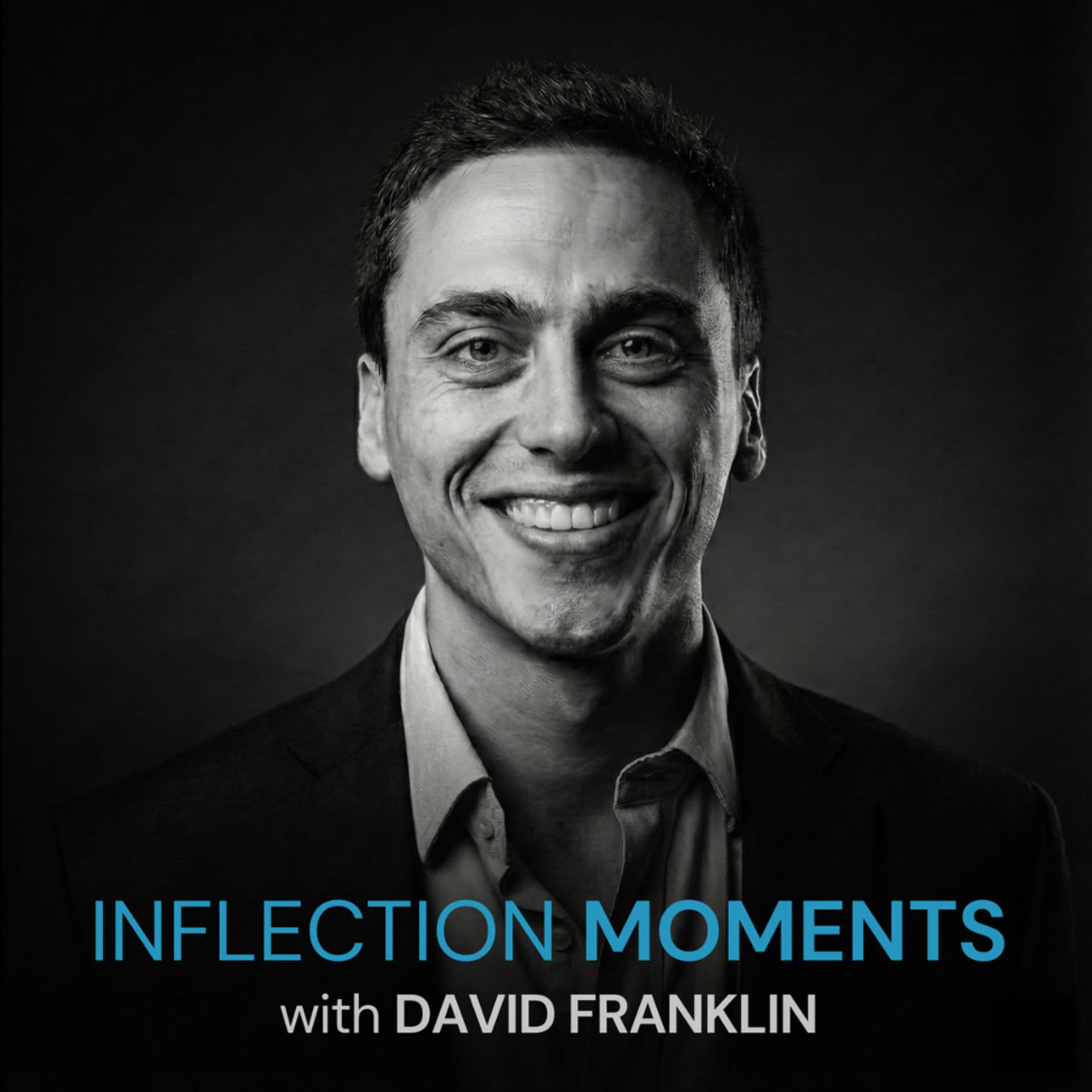
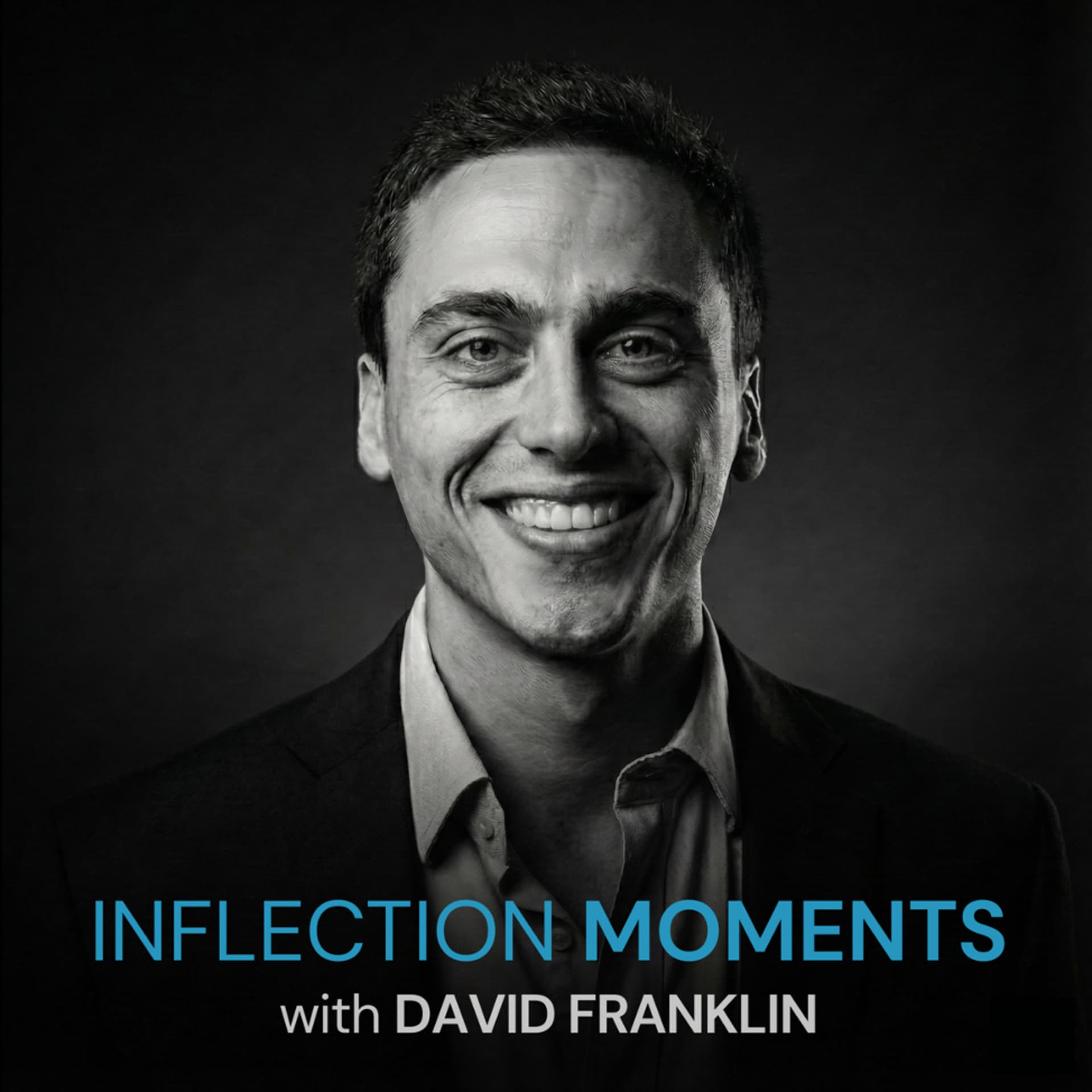
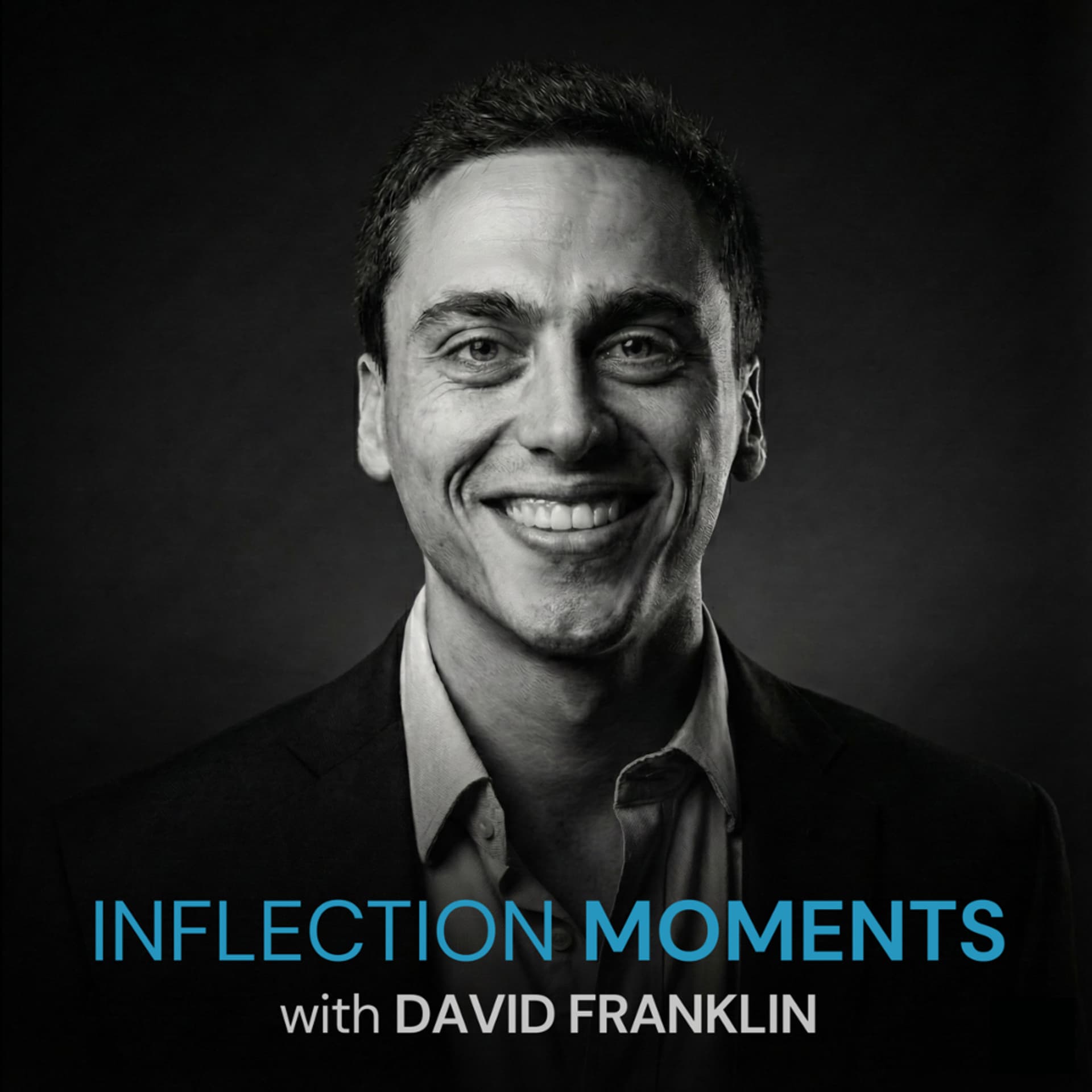
Podcast Overview Title: Inflection Moments Host: David Franklin Description: A podcast that explores the pivotal moments in the careers of successful entrepreneurs. This episode focuses on Kylie Jenner and her transformation from a reality TV star to a billionaire entrepreneur through Kylie Cosmetics.
Episode Summary In this episode, David Franklin delves into the journey of Kylie Jenner, founder of Kylie Cosmetics, highlighting the strategic decisions and pivotal moments that led her to become one of the youngest self-made billionaires. Jenner capitalized on her public persona, her insecurities, and the power of social media to build a brand that redefined the beauty industry.
Key Themes and Takeaways Introduction
- Kylie Jenner's transformation from a young girl dealing with insecurities to a billionaire entrepreneur is explored.
- The significance of personal branding, scarcity-driven product drops, and digital storytelling in her business model is emphasized.
Inflection Points
- Turning Insecurity into Opportunity (2014)
- At 16, Jenner faces insecurity about her appearance, particularly her lips.
- She recognizes that her insecurities resonate with many young women, leading to the idea of creating her own beauty products.
- The First Launch (Nov 2015)
- Kylie Lip Kits launch with huge anticipation, selling out almost instantly, which validates her business idea and approach.
- The success of the launch showcases the effectiveness of leveraging social media for marketing.
- The Shopify Partnership (2016)
- As demand increases, the infrastructure struggles to keep up, leading Kylie to partner with Shopify for a better e-commerce solution.
- The transition to Shopify allows for scalability while maintaining the exclusivity and urgency of product drops.
- Going into Retail with Ulta (2018)
- Kylie strategically partners with Ulta to expand her market while maintaining online sales dominance.
- The partnership illustrates a new approach to retail where online and offline strategies complement rather than compete.
- The Coty Deal (2019)
- Kylie sells a 51% stake in Kylie Cosmetics to Coty for $600 million, valuing the company at $1.2 billion.
- The decision balances the need for growth and infrastructure with maintaining her role in the brand.
Common Threads in Kylie's Strategy
- Turning Weaknesses into Strengths: Kylie's insecurities become the foundation of her brand, allowing her to connect authentically with her audience.
- Direct Customer Relationships: Bypasses traditional beauty industry channels, leveraging social media to create a direct connection with consumers.
- Strategic Scarcity: Uses limited product drops to create demand and urgency, turning perceived scarcity into a unique selling point.
Final Thoughts
- Kylie Jenner's success is attributed not just to her fame but to her innovative business strategies that reflect an understanding of her audience and the digital landscape.
- The importance of knowing when to leverage personal experiences and insights in business decisions is emphasized.
Conclusion Kylie Jenner's journey is a case study in how personal branding, authenticity, and smart strategic decisions can transform insecurities into business success. Her story illustrates that traditional business paths can be reimagined, particularly in the age of social media and direct-to-consumer marketing.
Connect
- Website: [Inflection Moments](http://www.inflectionmoments.com)
- LinkedIn: [David Franklin](https://linkedin.com/in/david-franklin8456/)
- Spotify: [Inflection Moments on Spotify](https://open.spotify.com/show/0aqoOm53QLcOgyOkXFXNkO?si=5c7fc64ca22348e1)
- Apple Podcasts: [Inflection Moments on Apple Podcasts](https://podcasts.apple.com/us/podcast/inflection-moments/id1841530808?i=1000743810616)
- YouTube: [Inflection Moments Channel](https://www.youtube.com/@InflectionMoments)
If you enjoyed this episode, consider sharing it with friends and subscribing for more insights from successful entrepreneurs.
Written by AI. May contain mistakes. Listen to the episode to check what was said.
Chapters
Tap a time to open that second in VOKylie's Early Insecurities and Experiments
0:45 to 2:16
Explores Kylie's teenage struggles with her identity and appearance.
“So much so there's actually viral challenges where teenagers are hurting themselves, trying to copy her look.”
Building a Billion-Dollar Brand
2:16 to 3:22
Discusses how Kylie transformed personal insecurities into a business venture.
“Kylie Jenner one of the most explosive business success stories of the 21st century.”
Kylie's Decision to Start a Lip Kit
3:22 to 4:58
Details Kylie's pivotal decision to create a lip kit from her experiences.
“It's worth a brief bit of context about what makes her story so fascinating to study.”
The Launch of Kylie Cosmetics
4:58 to 12:00
Highlights the strategic marketing decisions leading to the launch of Kylie Cosmetics.
“Kylie Jenner is 16, turning 17 in August.”
Kylie's Launch Day: A Dramatic Start
14:02 to 16:50
Explore the chaotic launch day of Kylie's lip kits and her emotional response.
“What if people just like looking at my posts, but don't actually want to pay$29 for my lip kit?”
Recognizing a Business Opportunity
16:50 to 19:33
Kylie transitions her mindset from a side business to building a cosmetics empire.
“People aren't just buying because she's famous.”
Scaling Challenges After Early Success
19:33 to 22:22
Kylie faces major infrastructure challenges as demand for her products skyrockets.
“We're now in early 2016 and Kylie Cosmetics has what you might call a good problem.”
Rebuilding for Success: The Shopify Solution
22:22 to 24:28
Kylie transforms her e-commerce platform to handle increased traffic and sales.
“They're now making 500 ,000 kits instead of 15 ,000.”
A Lean Business Model Disruption
24:28 to 26:09
Kylie establishes a digitally native, efficient business model in beauty.
“Lots of people can have a hit product, but building systems that can scale while maintaining exclusivity in the customer experience, that's much harder.”
Exploring Retail Expansion with Pop-Up Shops
26:09 to 28:00
Kylie tests physical retail through successful pop-up shops to gauge market demand.
“And that focus on perfecting rather than expanding, that's going to be the foundation for what comes next.”
Show all 17 chapters
Kylie’s Strategic Retail Experiment
28:00 to 30:01
Learn how Kylie tested the retail waters with a strategic pop-up shop partnership.
“would be giving up control over how her products are displayed and sold and there's a real risk of diluting the brand because part of Kylie cosmetics appeal is the exclusivity, the limited drops, the scarcity.”
Kylie’s Retail Partnership with Ulta
30:01 to 32:40
Discover how Kylie partnered with Ulta while maintaining brand control.
“So the launch happens in November 2018, just in time for the holiday season.”
Kylie’s Strategic Stake Sale to Coty
32:40 to 40:15
Explore Kylie’s decision to sell a majority stake for strategic growth.
“That's the mark of strategic thinking rather than just chasing growth.”
What Sets Kylie Apart: Key Insights
40:15 to 42:00
Understand the unique strategies that differentiate Kylie in the beauty industry.
“Let's talk about what's actually going on here.”
Kylie's Authentic Connection with Customers
42:00 to 44:20
Learn how Kylie Jenner builds trust and a direct relationship with her customers.
“She recognizes that millions of other women have the same insecurity.”
The Power of Scarcity in Business
44:20 to 47:20
Discover how Kylie leverages scarcity to drive demand for her products.
“is that she intentionally uses scarcity that drives demand to levels most traditional brands never reach.”
Transforming Insecurities into Business Strengths
47:20 to 49:20
Understand how Kylie's insecurities became her competitive edge in the beauty industry.
“She's applying social media principles to business.”
Transcript
Automatic transcript. May contain errors.0:00Picture this. It's 2014 and a 16 year old girl is sitting in a school parking lot staring at her reflection in the car mirror. and here's what's going through her head. She's surrounded by cameras. She's been on reality TV since she was 10 years old. But right now, all she can think about is what a boy said to her after they kissed. And that thought is, you're such a good kisser, but you have such small lips. That sentence is playing on repeat in her head. She feels unkissable. So she starts experimenting. Lip liner, overlining her lips, anything to make them look fuller. And when people start noticing this, people make fun of her, but it's worse because given her public profile, the abuse follows her everywhere online.
0:47So much so there's actually viral challenges where teenagers are hurting themselves, trying to copy her look. The scrutiny is relentless, but here's the thing most people miss about that moment. Kylie Jenner isn't just dealing with teenage insecurity. She's the youngest of six siblings in one of the most famous families in the world. Her sisters have already carved out their identities. Kim has built a media empire. Kendall is walking runways in Paris and Milan. Chloe has a thing. Courtney has hers. Even Rob has a sock line. And Kylie, she's still trying to figure out who she is beyond being just the youngest one.
1:28Now, she's still making very good money. We're talking a few million dollars from modeling gigs and partnership. but here's what you need to understand. That's not her path. That's Kendall's lane. And being constantly compared to Kendall, who's naturally more of that classic model look, it's weighing on her. So what does she do with this insecurity? And what does she do with this feeling of being overshadowed with this relentless public scrutiny about her appearance? She decides to turn it into a business. Fast forward just five years, Kylie Jenner at 21 years old is named by Forbes as the youngest self-made billionaire in history, largely due to a$600 million deal in which Koty buys 51 % of Kylie Cosmetics, implying a$1.2 billion valuation.
2:15And it's this journey that makes Kylie Jenner one of the most explosive business success stories of the 21st century. So let's dive in. Welcome to Inflection Moments. I'm David Franklin, and you and I are about to dive into something fascinating. You know that moment when everything changes for an entrepreneur, when one decision, one pivot, one breakthrough suddenly shifts their entire trajectory. That's what we're hunting for today. If you're building something, if you're that founder grinding it out, making those impossible decisions that keep you up at night, this episode is for you. Because today, we're going inside the mind of one of the most successful entrepreneurs in history, to uncover the exact moments that transformed their journey from ordinary to extraordinary.
2:59Here's what we're doing. We're dissecting the five most pivotal inflection points in their career, but more importantly, we're uncovering the strategic thinking behind each decision, the kind of insight that separates the builders from the dreamers. Ready? Let's get started.
3:21Before we jump into Kylie Jenner's inflection points, It's worth a brief bit of context about what makes her story so fascinating to study. Whether you're a fan of the Kardashians or you can't stand them, there's something undeniably fascinating about how Kylie built this empire. And here's what makes it especially relevant today. We're living in the creator economy era. Everyone's trying to figure out how to turn their personal brand into a business, how to leverage social media, and how to go direct to consumer. Kylie didn't just ride this wave. She became one of the defining examples of the playbook that so many celebrity beauty brands now try to follow.
4:01But what gets lost in all the noise is the actual decision-making that happened at the critical turning points. Because it's easy to say, oh, she had a platform or her family was already famous. Sure, and that's true. But you know what else is true? There are dozens, and I mean dozens, of celebrities with massive platforms who launched beauty brands that completely flopped. Having fame doesn't automatically translate to business success. So what was different about Kylie's approach? What decisions did she make at pivotal moments that actually changed everything? That's what we're diving into today.
4:37Because the real story of Kylie Jenner is how she transformed herself from being the youngest sibling and feeling overlooked into one of the fastest growing consumer brands in history. So let's get into it.
4:57All right, so let's set the scene. It's 2014. Kylie Jenner is 16, turning 17 in August. Keeping up the Kardashians has been on TV for seven years now. The show is a massive hit. Her family is incredibly famous. But here's what's interesting. If you actually watch the episodes from this period, you can see Kylie struggling, not just in the way every teenager struggles, but struggling with her identity. Think about what it must be like to grow up on reality TV. Kylie was 10 years old when the show premiered in 2007. Her entire teenage years are documented. Every awkward phase, every insecurity, every relationship, it's all out there for millions of people to scrutinize.
5:45That's a lot. And here's what's happening in her world at this moment. Kim is at the absolute height of her fame, breaking the internet with magazine covers. Kendall, Kylie's older sister by just two years, is booking major modeling campaigns and walking in fashion week. Courtney and Chloe have their thing, and even Rob has a sock line. Everyone has found their lane. Kylie's doing some modeling work. She's the face of a few brands. she's making very good money, well into the seven-figure range from modeling gigs, TV and Brad partnerships by her mid-teens. That's not something to scoff at. But here's the thing you have to understand.
6:20That's not her passion. Modeling is Kendall's thing. And being constantly compared to Kendall, who according to industry specialists is deemed as more classically beautiful, that's weighing on her. So getting into Cardi's head for a moment, what she wants is to find something that's uniquely hers. Something where she's not constantly being measured against her sisters. She wants to be taken seriously as more than just the youngest Kardashian. But then there's this other thing brewing. She's dealing with this intense insecurity about her lips. Remember that story from the beginning? A guy tells her after kissing her that she has small lips and that comment, it sticks with her.
6:58And she starts saying she feels uncissable. Now keep in mind, this is 2014. Social media is everywhere. Instagram is huge. Snapchat is taking off and people are starting to notice that Kylie's lips look different. She's overlining them with makeup, but people are speculating that she's getting fillers. The scrutiny is intense. By May 2015, she finally admits it on Keeping Up With The Kardashians. She says, I have temporary lip fillers. It's an insecurity of mine. And it's what I wanted to do. And her family, Kim and Kendall tell her she went overboard. Her mom, Chris, is worried. But here's where it gets interesting.
7:39Most people in that situation would just want to hide from that attention, right? You put your head down. You'd avoid social media. You'd hope everyone just moved on. But Kylie, she's paying attention to something else entirely. She's noticing that whenever she posts a selfie, people want to know what makeup she's using. When beauty bloggers try to recreate her lip look, the products they mention sell out at Mac stores worldwide. So Kylie sitting there, dealing with all this negative attention about her lips, and she has this realization, people aren't just criticizing her. They want to look like her.
8:15They want her lips. They want to know her tricks. And that's when the idea hits her. So in 2014, at 17 years old, she goes to her mom with something. She wants to start her own lip kit, a combination of lip liner and liquid lipstick that come together. She's been looking for products that match and work well together, and she can never find them. And if she has this problem, other people must too, right? Now imagine being Kris Jenner in this moment. Your youngest daughter, who's still in high school, comes to you and says, she wants to start a cosmetics company. Would you take her seriously? but here's what Chris says about that conversation.
8:53She says this is like a mother's dream that somebody's figured it out this young that she said I want to be in the makeup business, I want to be in the beauty business and I know exactly what I want my product to be. But Chris is also practical. She tells Kylie something that's actually really smart. She says you better pick three colors that you really, really love because this is either going to be a huge hit or you're going to have loads of lip kits for the rest of your life in your garage. Think about that advice for a second. Chris isn't just saying go for it. She's saying something much more important that you better be damn sure about this because you're putting real money on the line.
9:36And here's what I love about Kylie's decision-making in this exact moment. She doesn't try to compete with established beauty brands on their terms. She's not thinking, I'm going to build a full line of makeup to compete with MAC or Estee Lauder. No. She's focusing on the one thing she knows better than anyone, how to make lips look fuller with makeup. She's turning her biggest insecurity into her biggest asset. Kylie says it later herself. She says, it's the most authentic thing I've done in my career. Kylie Cosmetics came from insecurity and I turned it into something. I think that's so smart because here's the thing about that move.
10:15She's not pretending the insecurity doesn't exist. She's not trying to hide it or overcome it in some aspirational way. She's saying, this is me. This is what I know and I'm going to build a business around it. So in partnership with her mom, Kylie connects with Seed Beauty, a manufacturer in Oxford, California. She takes$250 ,000 of her modeling money, of her own money that is, not family money, and she invests it into producing the first 15 ,000 lip kits. She picks three colors. She spends months teasing the product on Instagram and Snapchat. She builds anticipation. And here's what's important.
10:50She's not hiring a traditional marketing team or running TV ads. She's doing something that in 2014-15 is still pretty novel. She's using her massive social media following as her marketing engine. What makes this first inflection point so crucial is the shift in Kylie's thinking. She goes from being a girl, dealing with insecurity and living in her sister's shadows to being someone who looks at that insecurity and thinks, what if this is actually my opportunity? She realizes that her so-called weakness is actually her unique insight into what millions of other young women want. And here's the brilliance strategically.
11:28She's not fighting against the attention on her lips. She's leaning into it. She's essentially saying, you want to know how I do my lips? I'm going to sell you the exact products I use. Keep in mind at this point, she has no idea if anyone will actually buy these lip kits. She's 17, about to turn 18, and she's risking a quarter of a million dollars. But she's identified a gap in the market that she uniquely understands because she lives it every single day. So this first inflection point isn't about the launch itself. It's about the decision to transform her vulnerability into a business opportunity.
12:06Most people hide their insecurities, but Kylie decided to build a company around hers.
12:20So we're now in November, 2015. Kylie is 18 years old and she's about to launch something that she's been teasing for months on social media. The lip kits are ready. Three shades,$29 each. a combination of liquid lipstick and matching lip liner. So let's paint a picture of what's going on in her life right now. She's just graduated from high school a few months earlier, and she did it through homeschooling because her schedule was just too crazy. She's dating the rapper Tiger, which is controversial and getting a lot of media attention. And she's still on Keeping Up With The Kardashians. And now she's about to find out if this business idea is actually going to work, or if she's going to have, as her mom warned, thousands of lip kits sitting in her garage.
13:06Keep in mind, what Kylie wants in this moment is validation. She wants to prove that she can build something successful on her own. Something that's not just riding on the family name, but something people actually want. But here's the challenge. This is Cyber Monday in 2015. E-commerce is extremely competitive. Big beauty brands have massive infrastructure. Kylie, on the other hand, she's working with a small team. We're talking her mom and a few others. They built a website and they've manufactured 15 ,000 kits, but they have no idea what's going to happen when they go live. So getting into Kylie's head for a moment, she's been building hype on Instagram for months.
13:49She has about 40 million Instagram followers at this point. She's doing videos. She's creating FOMO, you know, fear of missing out. But there's this voice in the back of her mind that has to be saying, what if nobody buys? What if people just like looking at my posts, but don't actually want to pay$29 for my lip kit? And Kylie talks about her approach at that time. She says, I didn't even look at what these other big brands were doing for the last 50 years. I just knew my fans. Think about that for a second. She's not hiring brand consultants. She's not doing focus groups. She's trusting her gut about what her audience wants because she is her audience.
14:27She's an 18-year-old who loves makeup. She knows what works on social media because she lives on social media. Okay, so launch day arrives November 30th, 2015, and it's 12 o 'clock noon Eastern time. The website goes live. And then within seconds, the site crashes. the traffic is so intense that the infrastructure just can't handle it but before it crashes something remarkable happens all 15 000 lip kits sell out almost immediately we're talking about 435 000 worth of product gone in less than a minute to give you some extra context here in a direct quote kylie says before i could even refresh the page everything was gone and here's where it gets wild.
15:18Because people couldn't get them on the website, they start showing up on eBay. Lip kits that retail for$29 are being resold for hundreds of dollars, some for over $1 ,000. So imagine being 18 years old and watching this unfold in real time. You just sold nearly half a million dollars of product in under 60 seconds. Your website crashed because so many people were trying to buy from you. That should feel amazing, right? But here's what actually happened. Most people would be celebrating, but Kylie is super stressed because while the kit sold out, the website crashed so badly that thousands of her fans are angry.
15:59They couldn't complete their purchases. They're leaving negative comments and they're complaining to the Better Business Bureau. And Kylie, she genuinely cares about that. So she goes on social media and apologizes. And here's what's interesting. That vulnerability, that honesty, it actually makes her fans more loyal because they can see she cares. They can see she's not just celebrating the sale because she's upset about the customer experience. But internally, there's a much bigger realization happening at this exact moment. When Chris initially said this could either be a huge hit or Kylie would have lip kits in her garage forever, they were thinking small.
16:39Maybe this could be a nice little side business. Maybe it can make a few hundred thousand dollars. That would be a win. But now Kylie's looking at what just happened and she's thinking something completely different. This isn't a side business. This could be a real cosmetics empire. The demand is there. People aren't just buying because she's famous. They're buying because they actually want the product. And there's a quote from Kylie that perfectly captures this moment. She says, it started off as lip kit by Kylie. Then when I realized after the first launch that it could be something that I've always dreamed about, a real cosmetics line, then I renamed it Kylie Cosmetics.
17:20That's the moment everything changed for her. So let's dig in a little bit more into the strategic decisions that Kylie makes in the wake of this launch. First, she immediately starts working on restocking and expanding. She knows she needs more inventory, more colors, and more products. Second, and this is crucial, she's learning that there's a formula here. The formula is build anticipation on social media, create scarcity with limited quantities, drop the product, sell out immediately, and repeat. And this is what becomes her playbook. Third, she realizes her website infrastructure is a major problem.
17:57Selling out is great, but crashing isn't. And she knows that this is going to have to change. And spoiler alert, this realization leads directly to our next inflection point. In the immediate aftermath of this, Kylie and her team restock and do another drop. And another. Each time, products sell out in minutes. By December 2015, just weeks after the first launch, beauty industry insiders are taking notice. By February 2016, the brand has done well over$10 million in sales. But more importantly, Kylie's proven something to herself and to everyone watching. This wasn't a fluke. This isn't just celebrity selling power.
18:37This is a product people actually want, marketed in a completely new way. She's pioneered what would become the standard playbook for celebrity beauty brands. Build your audience first, create authentic demand, drop products as limited editions, and let scarcity drive desire. Think about what brands like Rihanna's Fenty Beauty or Selena Gomez's Rare Beauty are doing now. It's the same playbook. But in 2015, Cardi was figuring this out in real time as just an 18-year-old. So reflecting on this, the second inflection point isn't just about some successful launch. It's about Cardi recognizing something fundamental.
19:15She didn't just build a product. She built a new model for how to do business in the social media age. And that recognition, that changes everything. that comes next.
19:33Okay, inflection point number three. We're now in early 2016 and Kylie Cosmetics has what you might call a good problem. Demand is through the roof, but the infrastructure can't keep up. Every time they do a drop, the website crashes, customers are furious, and the reviews are piling up. This could kill the business before it really gets going. So Kylie's 18, her business has been live for three months, and according to reports, she's already done over 10 million dollars in sales. That's incredible. But go on Twitter or Instagram in January 2016, and you'll see what's actually happening. Some of the comments include, I tried to buy for two hours and couldn't get through.
20:13This is so unprofessional. And meanwhile, the Better Business Bureau is getting complaints. And each of those complaints is a relationship breaking down in real time. At this moment, what Kylie really wants is to scale her business. She knows the demand is real. She's sitting on a goldmine, but she needs infrastructure that can handle millions of people trying to buy at once. She needs to turn this scrappy startup into a real company. But there's a problem. She's young. She doesn't have years of business experience. She's trying to build something that can handle traffic that would make most e-commerce sites crumble.
20:48The wrong move here could damage her reputation permanently. Remember, social media builds you up fast, but it can tear you down even faster. One bad experience, one this brand doesn't care moment, and momentum disappears forever. This is where Christiana steps in, and this is where her momager role becomes absolutely crucial. Chris has connections in the business world. She's been managing her kids' careers for years. She knows people. More importantly, though, she knows which people matter. So Chris connects Kylie with Shopify, specifically Shopify Plus, which is their enterprise-level e-commerce platform.
21:30Now, Shopify already had a relationship with the family. They were powering the website for Dash, the Kardashian sisters' clothing store. But this, this is different. This is about handling what Shopify's VP would later call one of the most intense traffic events they'd ever seen. So here's what Kylie decides to do. She's going to completely rebuild the website on Shopify's platform. But not just any setup. Shopify writes custom software specifically for her. They create what's essentially a virtual queue system. When millions of people hit the site at once, instead of crashing, the system puts them in line.
22:06It's like waiting to get into a concert venue, except it's digital. The re-launch on Shopify happens in February 2016. Kylie renames the brand from Lip Kit by Kylie to Kylie Cosmetics, and she increases production by over 30 times what they did last time. They're now making 500 ,000 kits instead of 15 ,000. And here's the moment of truth. The first major drop on the new platform happens. Kylie's watching the analytics in real time. Millions of people are hitting the site. and this time it doesn't crash. The virtual queue works, products still sell out in minutes but the site stays up. Customers can actually complete their purchases.
22:47There's a moment on Keeping Up with the Kardashians where they show Kylie watching the launch and she gets genuinely emotional and she's relieved because she'd felt so guilty about the earlier crushes, about disappointing her fans. So let's talk about what makes this decision so smart because there are First, Kylie's admitting she doesn't know how to solve this technical problem herself. She's leaning on her mom's expertise and Shopify's infrastructure. And that's actually really mature for an 18-year-old, recognizing what you don't know and bringing in people who do. Second, she's willing to invest in proper infrastructure.
23:24The Shopify Plus platform isn't cheap. But Kylie understands something important. Losing customer trust could cost way more. Third, and this is crucial, even with the Shopify platform, she maintains the scarcity model. Products still sell out. Drops still create urgency. But now customers who don't get the product are disappointed, not angry. And there's a huge difference between those two things. By the end of 2016, just one year after the first launch, Cardi Cosmetics is reported to have generated over$300 million in revenue. Let me say that again,$300 million of revenue in a single year. The company is valued at nearly$400 million.
24:09And here's what Kris Jenner tells journalists in 2017. She says, she's in this business for life, hopefully for the rest of her life. The result of this third inflection point is that Kylie transforms from someone who launched a successful product to someone who's running a scalable business. and there's a massive difference between those two things. Lots of people can have a hit product, but building systems that can scale while maintaining exclusivity in the customer experience, that's much harder. And here's something interesting that doesn't get enough attention. Kylie Cosmetics continues to operate with an incredibly lean team.
24:47According to Forbes reports, even as the company was bringing in hundreds of millions of revenue, the core staff was just seven full-time and five part-time employees. Manufacturing is outsourced to see beauty. Fulfillment and sales are handled through Shopify. And Chris handles finance and PR for a 10 % cut. The overhead is tiny compared to traditional beauty companies. That's the insight that a lot of traditional businesses miss. Kylie's not trying to build a company the way MAC or Estee Lauder did. She's building a digitally native, direct-to-consumer brand with virtually no overhead. It's a completely different model.
Read the full transcript
25:23So think about what that means. Traditional beauty companies have massive teams, physical offices, warehouse management, complex supply chains, all of that overhead eats into your profit margins. Kylie's doing hundreds of millions in revenue with a small team, outsourced manufacturing, and a platform that handles the infrastructure. The business model itself is smarter. So reflecting about this moment, it's about choosing to scale smartly rather than scaling fast. And that's an important distinction. Kylie could have tried to open stores or get into major retailers right away. That's what a traditional beauty company would do.
25:58But she doesn't do that. Instead, she invests in the infrastructure to do what she's already doing, but do it better. Because she's not changing the playbook here. She's perfecting it. And that focus on perfecting rather than expanding, that's going to be the foundation for what comes next.
26:22Okay, it's now November 2018 and Carly Cosmetics has been online only for three years. The company is doing around$360 million in annual revenue. Carly is 21 years old. She's been on the cover of Forbes as one of America's richest self-made women valued at$900 million. But there's a decision looming. Should she stay online only or should she move into physical retail? This is one of those moments where the easy answer isn't clear at all. Let me explain why. On one hand, the direct-to-consumer model is working incredibly well. Kylie keeps almost all the margin because she's not giving a cut to retailers.
27:00She controls the customer experience completely. She can drop products whenever she wants. The overhead is minimal. For regular listeners of Inflection Moments, this sounds awfully familiar to one of the main inflection points in the career of Ben Francis, founder of Gymshark, that we explored a few weeks ago. But on the other hand, there are some real limits to online only. You cap your potential market. Some customers want to see and try products in person before buying. And there's something else. There's validation that comes with being in stores. It makes you feel more like a real beauty brand, not just some Instagram phenomenon.
27:39So getting into Khadi's head for a moment, what she really wants at this moment is growth. she's proven the model works online but to get to the next level to really become one of the major beauty brands in the world she needs broader distribution but there's a problem and it's obvious going into retail means giving up your margin alter or any other retailer is gonna take a cut Kylie would be giving up control over how her products are displayed and sold and there's a real risk of diluting the brand because part of Kylie cosmetics appeal is the exclusivity, the limited drops, the scarcity. How do you maintain that when your products are sitting on shelves in 1 ,200 stores?
28:21That's the question. But before she makes a big move into retail, Kylie does something smart. She tests it. In November 2017, she partners with Top Shop for pop-up shops in seven US stores. It's a five-week experiment. She creates exclusive of products just for Topshop, limited availability, only available in those stores for those five weeks. And the results are huge. Lines around the block, 25 ,000 customers in 14 days at just the first pop-up. This gives Kylie some crucial data. She sees that in-person retail done right can create an experience that drives demand even higher. But it has to be strategic.
29:05It has to protect what makes the brand special. So here's the decision Kylie makes. She's going to partner with Ulta, but on her terms. First, she's only putting select products in Ulta, not her full line. The website will still have more options, more exclusive drops. So this maintains the reason for her fans to keep shopping on Kylie Cosmetics directly. Second, and this is brilliant, she negotiates that the prices at Ulta will be exactly the same as on her website. There's no discount for buying in-store versus online. This protects her brand value and prevents the race to the bottom pricing that kills so many brands in retail.
29:46Third, she's using Ulta's 1200 stores as essentially free advertising. Every time someone walks past the Kylie Cosmetics display in Alta, that's brand exposure. Even if they don't buy in the moment, they might go home and order from the website. So the launch happens in November 2018, just in time for the holiday season. And the results are immediate. $54.5 million in sales at Alta in the first six weeks, just from Alta. The website is still doing its thing and industry analysts are shocked. So Kylie proves here that celebrity beauty brands aren't just an online phenomenon. They can drive traffic in physical stores too.
30:30For context, here's a quote from Stephanie Wissink, a beauty industry analyst at Jefferies Investment Bank. She says, Kylie Cosmetics is now a critical driver for Ulta's sales. It's continuing to make decisive moves. So taking a step back, what I think is so smart about this decision is how Kylie approaches the problem. She doesn't see retail as an either or. She's not abandoning the DTC model and she's not choosing between online and offline. She's layering retail on top of it as another channel and she's doing it in a way that actually makes her online business stronger, not weaker. Think about it.
31:09If you're in Ulta and you see Carly Cosmetics but the specific color you want isn't in stock, where do you go? The website. Ulta becomes a funnel into the online ecosystem. So she's not diluting the brand by going into retail. She's expanding the funnel. She's creating more entry points that actually feed back into her direct relationship with customers. So the result of this fourth inflection point is that Kylie proves her brand can work across channels. She's not just an Instagram phenomenon. She's built something that can compete with legacy brands on their turf, physical retail. while maintaining all the advantages of her digital first model.
31:50And here's what's interesting, and most people don't realize this. A lot of digitally native brands really struggle when they go into retail. They lose money. They lose their identity. Their exclusivity disappears. The whole thing falls apart. But Kylie doesn't. And the reason is because she maintains control over the key elements, pricing, product selection, and the relationship with customers online. she doesn't let the retailer dictate the terms. That's the difference between a strategic expansion and a desperate one. So tying this together, this moment is about Kylie recognizing that to build a billion dollar brand, she needs to be where her customers are.
32:29And some of them want to shop in stores, but she does it without compromising what makes her brand special. She negotiates the terms, she maintains control, and she tests before she scales. That's the mark of strategic thinking rather than just chasing growth.
32:52Okay, final inflection point now. We're in late 2019 and Kylie's 22 years old. Kylie Cosmetics is valued at around$900 million to$1.2 billion, depending on who you ask. She's launched Kylie Skin in May 2019, which is a skincare line that's generating tens of millions of dollars in sales. But she's at a crossroads. She can keep running the company independently, maintain full control and continue printing money. Or she can bring in a strategic partner, a massive beauty conglomerate with global distribution, manufacturing expertise and infrastructure. Those are very different paths. So here's what's happening at this moment.
33:30Multiple beauty companies are cycling. They see what Kylie's built and they want a piece of it. And they understand why. Remember, she's done this with minimal overhead. No debt, largely self-funded, except for that initial$250 ,000. That kind of profitability is super rare in the beauty industry. So at this point, what Kylie really wants is scale. She wants to be seen as a serious businesswoman, not just an influencer who got lucky. She wants global expansion to be in Europe, Asia, everywhere. And honestly, she probably wants some liquidity. She owns 100 % of a company worth nearly a billion dollars, but that's all on paper.
34:11A big acquisition would give her real spendable cash. But there's an issue here. If she sells a majority stake, she loses control. She's not the sole decision maker anymore. She adds a report to a board and adhere to quarterly earnings targets. The creativity and speed that made Kylie Cosmetics special could get bogged down in corporate bureaucracy. And she knows this. She has a front row seat into how these things go, because she's seen this happen with her family. The family understands how these deals work. They understand what you gain and what you lose. Chris, the ultimate businesswoman, is advising Kylie through all of this.
34:48And here's the decision Kylie makes. She's going to sell, but not all of it. She'll sell 51%, a majority stake, but keep 49%. This means she gets a huge payday, but she stays involved. She's maintaining meaningful control. The deal is with Koty, one of the world's largest beauty companies. They own CoverGirl, Clairol, Rimmel, and tons of other brands. The terms? Coty pays$600 million for 51 % of Kylie Cosmetics, valuing the total company at$1.2 billion. The deal closes in January 2020, but actually the news breaks in November 2019, and when it does, it's everywhere. Forbes declares Kylie the youngest self-made billionaire ever.
35:33She's 21. She just made$600 million before taxes from a company she started at 17. So let's break down why this deal makes sense strategically, because there's actually a lot going on here. First,$600 million is life-changing money. Even after taxes, she's walking away with over$300 million in cash. That's real wealth. Second, Koti brings things that Kylie doesn't have. Global distribution, relationships with retailers worldwide, manufacturing scale, and R &D capabilities. If she wants to truly compete with the Estee Lauders and L 'Oreal's of the world, she needs that infrastructure. It kind of reminds you a bit of the Dollar Shave Club sale to Unilever that we explored in our recent episode on Michael Dubin.
36:21Third, she's still the face of the brand. She's still involved in product development. The Coty deal explicitly keeps her in the creative role. So she's getting paid a huge amount of money to do what she was already doing, just being herself. But here's where it gets more complicated. In May 2020, Forbes publishes a bombshell article. The headline is Inside Kylie Jenner's Web of Lies and Why She's No Longer a Billionaire. That's a big claim. Forbes alleges that the revenue figures that Jenner's provided for Kylie Cosmetics were inflated. They claim the business was significantly smaller and less profitable than what had been presented.
37:01They point to Coty's public filings, which show Kylie Cosmetics did about$125 million in revenue in 2018, not the$360 million that had been reported. So Forbes rises Kylie's net worth down, saying that she's no longer the world's youngest self-made billionaire anymore. The article suggests that tax returns provided to Forbes were likely forged, and that the Jenners had inflated figures for years. And Kylie responds to these accusations on Twitter. She says, what am I even waking up to? I thought this was a reputable site. All I see are a number of inaccurate statements and unproven assumptions.
37:37I've never asked for any title or tried to lie my way there ever. Kylie's lawyers issue a statement denying everything, but Forbes stands by the reporting. So what's the truth here? And honestly, it's hard to say. What we know for sure is that Coty paid$600 million for 51 % of the company. That's real money that changed hands. Whether the company was worth$1.2 billion or less, clearly Coty saw value in the asset. What we also know is that the beauty industry is full of inflated claims. Revenue versus retail sales versus wholesale. These numbers get confused all the time. It's not always malicious.
38:16It's just how the industry communicates. But here's what I think is the real lesson from this inflection point. It's not about whether Kylie was technically a billionaire or not. That's almost beside the point. It's about the decision to sell when she did. Think about the timing. She sells in November 2019. The deal closes in January 2020. Then COVID-19 hits a few months later. And it's at that moment that the beauty industry gets absolutely hammered. Makeup sales plummet because nobody's going out. Cosmetics companies lose billions. Companies that spend years building brands watched the value crater in months.
38:53If Kylie had waited, if she had been greedy and said, I want to be worth$2 billion first, she would have been stuck. The Coty deal might not have happened. She might have seen her company's value crater right along with the rest of the industry. Instead, she locked in$600 million before the pandemic. So say what you want about the Forbes controversy. Say what you want about whether the numbers were right or wrong. but that timing, that timing looks pretty smart in hindsight. So the result of this fifth inflection point is that Kylie transitions from being a founder to being a founder with a formidable strategic partner.
39:28She's financially set for life. She's got the resources of a major corporation behind her and she's still the face of Kylie Cosmetics. So reflecting on this chapter of Kylie's entrepreneurial journey, it's about knowing when to take some chips off the table. Kylie could have held out for more. She could have tried to stay independent forever. Instead, she made a bet that partnering with Koti would give her the resources to build something even bigger while also securing generational wealth. Whether she's a billionaire or worth$900 million doesn't really matter at that level. What actually matters is that she's made a strategic decision at 21 years old that most entrepreneurs twice her age struggle with.
40:10when to sell, how much to sell, and to whom. That's not luck. It's real strategic thinking.
40:23All right. So we just walked through five pivotal moments in Kylie Jenner's journey from turning her insecurity into a business idea in 2014, to that first explosive launch in 2015, to building infrastructure with Shopify in 2016, to expanding into altered retail in 2018, to selling a majority stake to Koty for$600 million in 2019. Now let's take a step back. Let's talk about what's actually going on here. The common threads that make Kylie's decision-making and strategic thinking so different. Because here's the thing. You could give 10 celebrities the same platform, the same resources, and the same opportunities.
41:00And maybe, maybe one of them would have this kind of success. So what sets Kylie apart? I see three main things. First, she turns perceived weaknesses into her unique strengths. Think about this for a second. Being the youngest sibling in a famous family seems like a disadvantage. You're always being compared. You're overshadowed. You're not taken as seriously as the older siblings who've already established themselves. But Kylie flips that. Being younger means she's closer in age to the target market for beauty products, teenagers, and women in their twenties. She understands them because she is them.
41:40When she's 18 selling makeup to 18 year olds, that's not a weakness. That's a strength. She has perfect product market fit. Same with the lips insecurity. That seems like a weakness, right? Something to hide, something that should be embarrassing, especially when you're on reality TV and millions of people are watching. But Kylie recognizes something different. She recognizes that millions of other women have the same insecurity. And because she's dealt with it publicly, openly, she has credibility. When she launches a lip kit, people believe she knows what she's talking about. They believe it works because she's literally been living with this.
42:18Even the criticism about not being fully self-made, she addresses it head on. She doesn't hide from it. She says, there's really no other word to use other than self-made because that's the truth. I'm the face to my brand and I take responsibility for everything. Whether you agree with that characterization or not, she's owning her position. She's not pretending she didn't have advantages, but she's also not letting people diminish what she's built. She's finding the middle ground and defending it. The second common thread is that she builds direct relationships with her customers in a way that bypasses all traditional gatekeepers.
42:54And I think this might be the most important insight of all. Traditional beauty brands. Think about how they work. They spend millions on TV ads, magazine spreads, and department store counters. They go through retailers who take huge cuts. They hire celebrity spokespeople who may or may not actually use the products. Kylie does none of that. She has over 100 million Instagram followers. When she posts a photo saying new lip kit dropping tomorrow, that reaches more people than any TV ad could. And it's authentic because she's the person using and endorsing the product. But here's the deeper layer, and it's what most people miss.
43:31She's not just posting ads, she's showing her life. She's sharing behind the scenes and she's responding to comments. When people ask, what lipstick are you wearing? She tells them, and that builds trust in a way that traditional Ising never could. And then the direct-to-consumer model means she keeps the relationship. When you buy from Kylie Cosmetics, you're on her email list, you're on her text list. She can market to you directly forever. Compare that to selling through Sephora or Alta, where the retailer owns that customer relationship. Kylie owns it. She has the data. She has the connection.
44:07She's essentially disintermediated the entire beauty industry value chain. She went directly from celebrity with a platform to a brand that customers buy from without needing any of the traditional intermediaries. And the third common thread I noticed about Kylie's story is that she intentionally uses scarcity that drives demand to levels most traditional brands never reach. This is a controversial one, I'll be honest about that, but it's brilliant if you think about it from a pure business perspective. And I think it's worth examining, even if you disagree with the ethics of it. Carly could manufacture enough product to meet demand.
44:42She has the money, she has the manufacturing partners, Seed Beauty can produce as much as she wants, but she doesn't. And the reason why is because scarcity creates desire. It's basic psychology and it's basic economics. When lip kits sell out in 60 seconds, what happens? People who didn't get them are disappointed. They tell their friends, they set reminders for the next drop. The ones who did get them, they post about it on social media, which makes the ones who didn't get them want it even more. It's basic supply and demand, but it's weaponized through social media. Every sold out product becomes its own marketing campaign.
45:17The limited drops, the collaborations with their sisters that are only available for a short time, the never coming back language, it's all designed to trigger FOMO. And it works. Now, you could argue this is manipulative. You could say she's artificially restricting supply to inflate prices and demand. And you'd have a point as a fair criticism. But from a pure business strategy perspective, it's incredibly effective. It's almost genius, actually. Think about how most brands operate. They try to have products available all the time. They compete on distribution. they're trying to be everywhere but that means they're competing with everyone else on the shelf you walk into cbs or walgreens and there are 50 competing lip products carly's not on a shelf she's an event a drop something you have to show up for something exclusive so tying this all together here's what keeps coming back to me about carly's story she didn't follow the traditional playbook for how to build a beauty brand.
46:13She created her own playbook. And now that playbook is what every celebrity and influencer brand tries to copy. Personal brand comes first, build your audience before you build your product, create authentic demand, use scarcity strategically and own the customer relationship. But here's what I think the real pattern is underlying all of these threads. Kylie doesn't think like a traditional business person. She thinks like someone who grew up on social media and understands how it actually works from the inside. Most traditional business leaders come from business school. They learn frameworks, they learn best practices, they learn how things have always been done.
46:52Kylie comes from a different place. She understands what resonates with her generation because she lives it. She understands scarcity because she's watched TikTok and Instagram work. She understands authenticity because she's been sharing her life publicly since she was a teenager. She's not trying to apply business principles to social media. She's applying social media principles to business. And that's an important distinction. So it's worth repeating it. She's not trying to apply business principles to social media. She's applying social media principles to business. That's why she saw opportunities that other people didn't see.
47:27That's why she can move faster. And that's why she could build a billion dollar business while most people her age were still figuring out their careers. The common threads aren't really about marketing or business strategy in the traditional sense. They're about how Kylie thinks, about her ability to see her own experience, her own security, her youth, her authenticity as her true strength in business rather than a weakness.
47:56So here's what keeps coming back to me about Kylie's story. She took what everyone else saw as a liability and turned it into an asset. being young, being insecure, being overshadowed. And I think there's something really powerful in that for anyone listening who's trying to build something. We spend so much time trying to hide our weaknesses, trying to compete on the same terms as everyone else. But what if the thing you're most insecure about is actually your edge? What if being disadvantaged in some traditional way actually gives you an advantage in understanding a problem that nobody else sees?
48:29Kylie understood what young women wanted from makeup because she was a young woman figuring out makeup. That obvious advantage only seems obvious in hindsight. In the moment when she was 17 pitching her mom on lip kits, I guarantee people thought, cute idea, but you're too young to understand business. But she wasn't too young. She was exactly the right age. The other thing that strikes me, and I think this is really important, is how she managed to scale without losing what made the brand special. That's really hard. Most brands, when they grow, they lose their edge. They become corporate, impersonal.
49:05The founder disappears into the business. It stops feeling authentic. But Kylie's still the face. She's still posting. It still feels like you're buying directly from her, even though Koty owns 51 % of the company now. And that's a skill, one that you can replicate in your own business. Thank you for joining us on Inflection Moments. If today's story sparked a new perspective or challenged your thinking, be sure to share it with someone you know loves this stuff as much as you and I do. Maybe it's a college buddy, your water cooler buddy, or maybe even someone in the family group chat. If you enjoyed this deep dive, make sure to leave a five-star review and subscribe to our channels so you can be the first one to hear what we've got coming next.
49:48And if you're interested in insights, ideas, and lessons from some of the world's greatest entrepreneurs, sign up for our newsletter. The link is in the show notes. Until next time, keep building and talk soon.
From the publisher
Kylie Jenner is the founder of Kylie Cosmetics, the beauty brand that redefined direct-to-consumer marketing through social media and made her one of the youngest billionaires in the world. Her episode on Inflection Moments examines how a reality TV star turned her online following into an empire: using personal branding, scarcity-driven product drops, and digital storytelling to overturn how beauty products are created, distributed, and sold.
Jenner’s story runs from growing up in the public eye on Keeping Up with the Kardashians, to quietly launching Kylie Lip Kits in 2015 with near-instant sellouts, to scaling the brand into a global phenomenon backed by Coty’s $600 million investment. Along the way, she plays both founder and influencer: blurring the line between celebrity marketing and authentic entrepreneurship, and building a template that countless creators have since tried to replicate.
This story is worth studying because it shows how brand equity and audience connection can rival traditional capital or distribution when leveraged with precision and timing. For founders, the takeaways include how to turn personal authenticity into a product story, how to use digital channels to manufacture cultural moments, and how to operate at the intersection of brand and data. For investors, Jenner’s arc highlights the shift in modern consumer business models - from the power of mass media to the power of personal media - and how trust, scale, and profit can all emerge from a single person’s relationship with their audience.
Chapters
(00:00) Introduction
(04:58) Inflection Point #1: Turning Insecurity Into Opportunity
(12:21) Inflection Point #2: The First Launch
(19:33) Inflection Point #3: The Shopify Partnership
(26:22) Inflection Point #4: Going Into Retail with Ulta
(32:52) Inflection Point #5: The Coty Deal
(40:23) Common Threads
(47:56) Closing Thoughts
Connect
Follow our channels below if you're interested in insights, ideas, and lessons from the greatest entrepreneurs in history:
Newsletter: www.inflectionmoments.com
LinkedIn: linkedin.com/in/david-franklin8456/
Spotify: https://open.spotify.com/show/0aqoOm53QLcOgyOkXFXNkO?si=5c7fc64ca22348e1
Apple Podcasts: https://podcasts.apple.com/us/podcast/inflection-moments/id1841530808?i=1000743810616
YouTube: @InflectionMoments
If you're enjoying the episodes, make sure to like the video and subscribe to the channel so you never miss an episode.