
In short
Andy Grove’s life and leadership “inflection points,” centered on the idea that “only the paranoid survive” (externally focused, reality-based action under shifting fundamentals).
Guest backgrounds
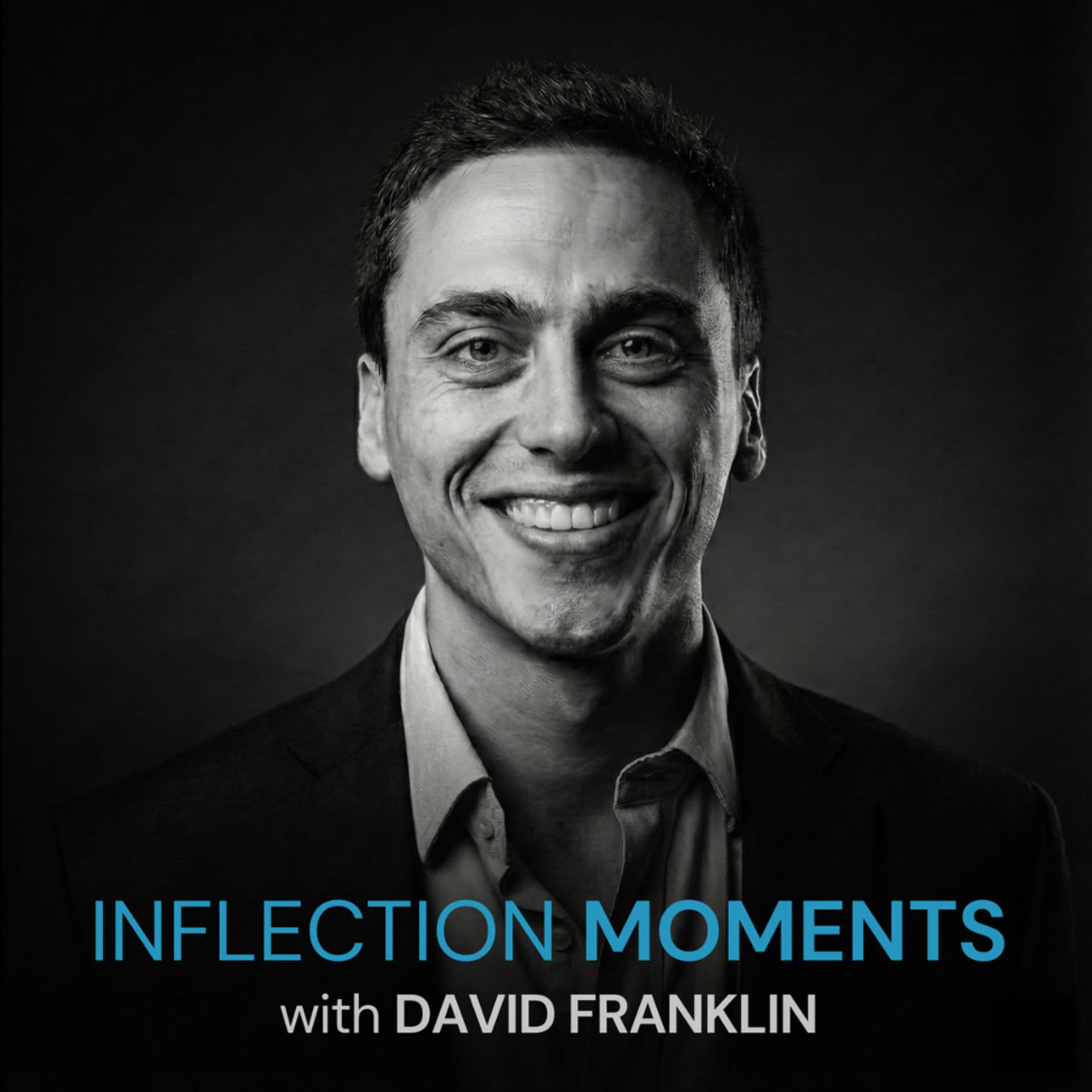
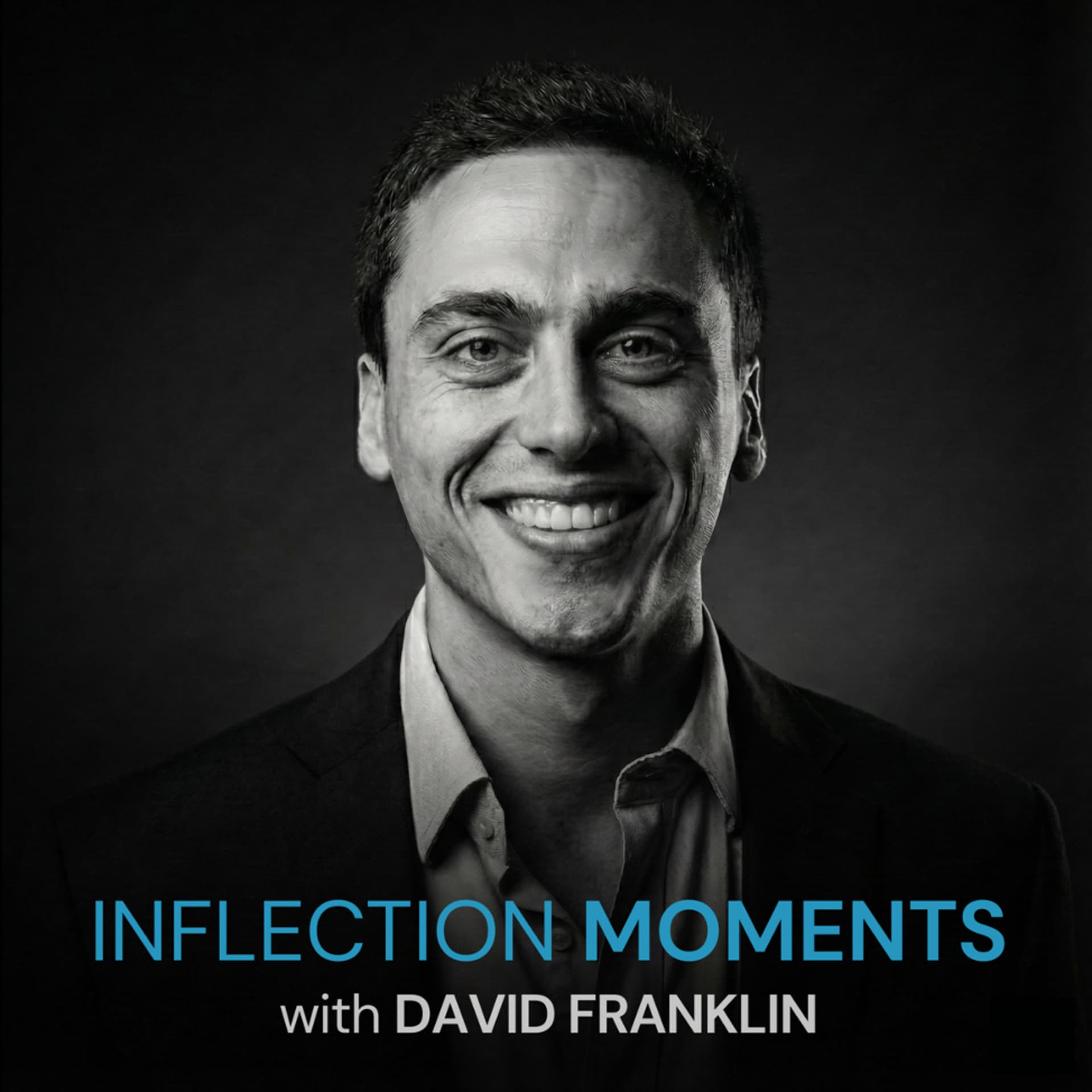
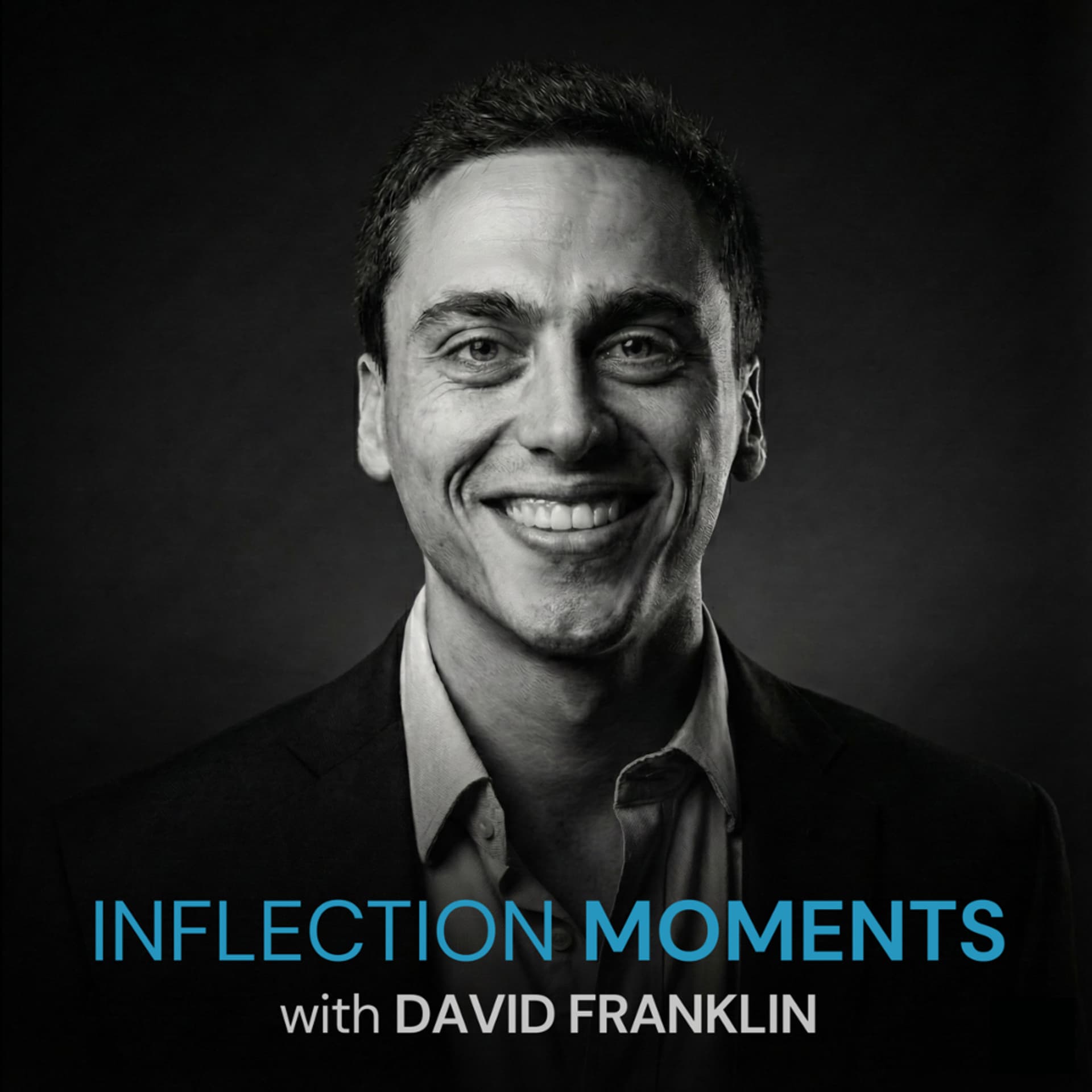
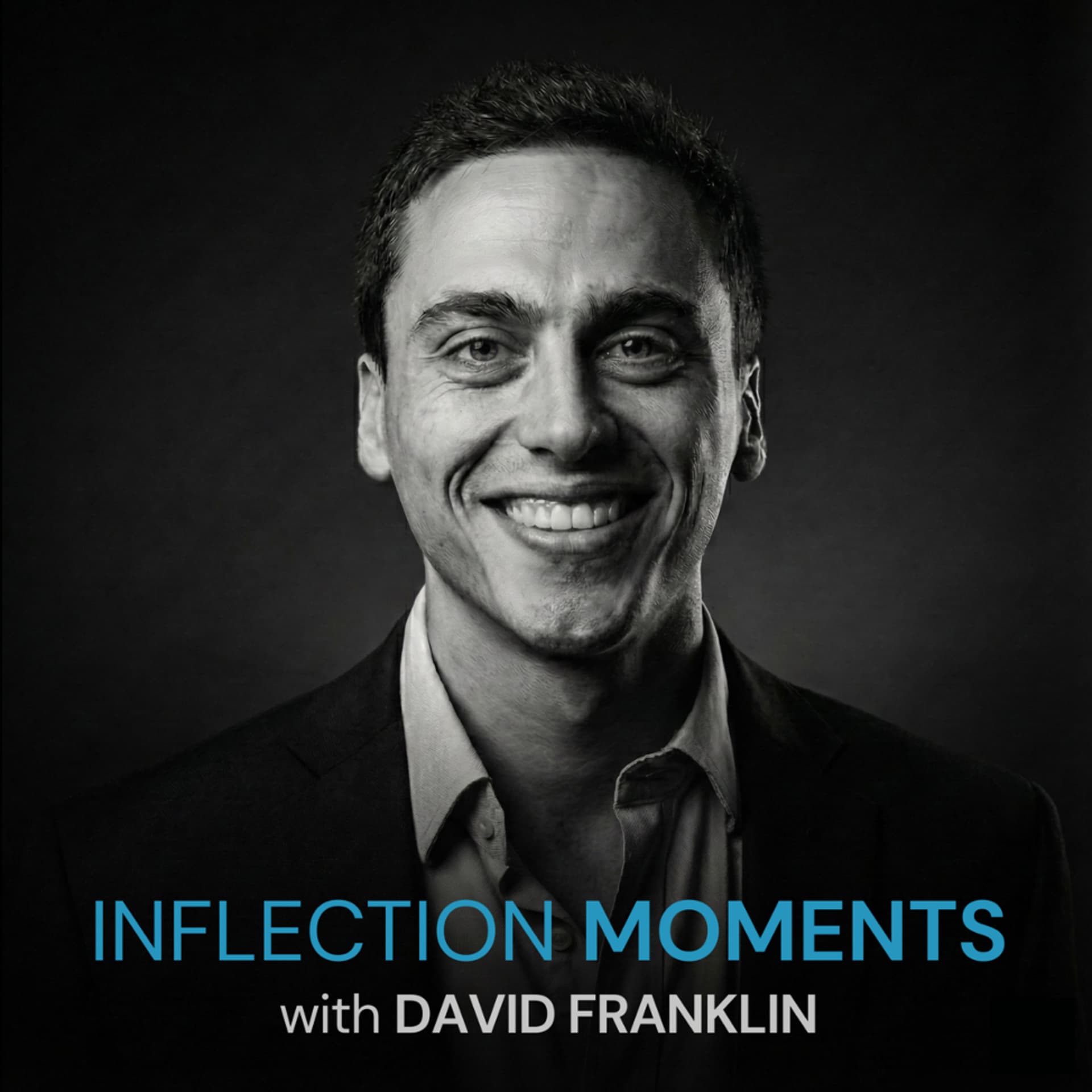
No guests are identified in the provided transcript; it’s hosted by David Franklin (“Welcome to Inflection Moments”).
Key claims
Grove’s survival lessons (face reality, total commitment, ruthless adaptation) shaped how he ran Intel. Strategic inflection points require outsider perspective, fast action, and data-driven decisions. Intel’s crises show the danger of emotional attachment (memory chips) and arrogance (Pentium recall PR). Culture matters: candor, discipline, and empowerment aligned to measurable objectives.
Notable examples
Hiding as a Jewish child in Budapest (forged identity, constant risk); escaping Hungary after the 1956 Soviet invasion; Intel’s “Operation Crush” vs Motorola 68000 using system-level “complete solutions” and OKR-like design-win targets; exiting DRAM in 1985 with 7,000+ layoffs and reallocating fabs; Pentium floating-point division bug and the 1994 recall after IBM halted shipments.
Written by AI. May contain mistakes. Listen to the episode to check what was said.
Chapters
Tap a time to open that second in VOUnderstanding the Volatile Business Landscape
0:45 to 2:10
Exploring why Andy Grove's experiences are pivotal for current business leaders.
“and how to design management systems that keep a company fast, learning, and accountable, even as it scales into a global giant.”
The Inflection Point Framework
2:10 to 3:07
Introduction to the concept of inflection points in entrepreneurship.
“I'm David Franklin, and you and I are about to dive into something fascinating.”
Surviving Nazi Occupation: Andy's Early Life
3:07 to 7:16
Detailed account of Andy Grove's childhood during the Nazi occupation of Hungary.
“Andras Groff, Andy Grove's birth name, he's eight years old, and everything, everything is about to change.”
Lessons from Survival
7:16 to 9:10
Key lessons learned by Andy from his harrowing experiences that shaped his future.
“Andy's father somehow survives the labor camp.”
The Escape from Hungary
9:10 to 9:48
Andy Grove's daring decision to flee Hungary during the 1956 revolution.
“without flinching, total commitment, and ruthless adaptation.”
New Beginnings in America
9:48 to 14:00
Andy Grove's journey to America and his pursuit of education against odds.
“Inflection point number two now, and it's October, 1956.”
Andy Grove's Early Challenges
14:00 to 16:40
Learn about Andy Grove's determination and struggles as an immigrant in America.
“Most people in Andy's situation would just be trying to survive, right?”
The Inflection Point at Fairchild
16:40 to 19:00
Discover how Grove's experience at Fairchild shaped his views on competition and company culture.
“He's watching Moore and Bob Noyce, two of the most brilliant engineers of their generation.”
Operation Crush: Intel's Bold Strategy
19:00 to 23:00
Understand how Grove reframed Intel's strategy to counter Motorola's dominance.
“It's legendary because Andy doesn't sugarcoat it.”
Crisis in Memory Chips
23:00 to 25:40
Explore the challenges Intel faced in the memory chip market and Grove's leadership during this crisis.
“You have to move faster than your competitors can adapt.”
Show all 23 chapters
The Decision to Exit Memory
25:40 to 28:00
Learn about the pivotal moment when Grove and Moore recognized the need to pivot away from memory chips.
“And this time, the enemy isn't Motorola.”
Andy's Defining Moment
28:00 to 29:10
Explore Andy Grove's pivotal moment questioning Intel's direction and strategy.
“Because of course that's the right answer.”
Cultural Shift at Intel
29:10 to 30:40
Learn how Intel's middle managers began reallocating resources towards microprocessors.
“And that's a profound statement because think about what Andy's actually doing here.”
Navigating Change and Challenges
30:40 to 33:10
Understand the brutal decision-making process that led to massive layoffs and company losses.
“They announce it internally and the reaction is one of anguish, real anguish.”
Strategic Inflection Points
33:10 to 34:35
Discover how Andy Grove identified and acted on critical inflection points for Intel.
“For the late 1980s and into the 1990s, Intel dominates microprocessors.”
The Pentium Crisis
34:35 to 39:48
Examine the fallout from the Pentium bug and how it impacted Intel's reputation.
“As Andy's about to learn when Intel faces a very different kind of crisis, one where the threat isn't competitors or markets, it's Intel's own arrogance.”
Learning from Crisis
39:48 to 42:00
Analyze how Intel turned a crisis into an opportunity for growth and improvement.
“And the cost of this is$475 million, almost half a million dollars just gone.”
Lessons from Crisis: Intel's Journey
42:00 to 43:24
Learn how Intel transformed a crisis into an opportunity for growth and reputation.
“Interestingly, the crisis also ends up helping Intel in a weird way because of all the press coverage, you know, CNN, Wall Street Journal, late night comedians, more people know about Intel than ever before.”
Common Threads in Andy's Journey
43:24 to 44:19
Discover the consistent patterns in Andy Grove's decision-making and leadership.
“And on the surface, these seem like completely different situations, right?”
The Paranoid Mindset: External Focus
44:19 to 46:58
Understand the importance of maintaining an outward focus in leadership.
“So first, Andy had this concept, and we've mentioned it already, only the paranoid survive.”
Facing Reality: The Hard Truths
46:58 to 48:56
Learn why facing harsh realities and making tough decisions is crucial for success.
“The third common thread is Andy's ability to face reality without flinching.”
Speed Over Perfection: Act Quickly
48:56 to 50:46
Explore why moving fast in crisis situations is essential for survival and success.
“getting more data, building consensus, but he didn't.”
Empowering Leadership: Clarity and Flexibility
50:46 to 52:05
Discover the balance of providing clear objectives while empowering teams to innovate.
“These aren't things that Andy was born with.”
Transcript
Automatic transcript. May contain errors.0:00Today, we're focusing on Andy Grove's story, and here's why. Andy Grove was the longtime CEO and chairman of Intel, the company he helped to turn from a memory chip maker into the world's dominant microprocessor business and one of the defining firms of the PC era. Andy was a Hungarian refugee who survived both Nazi occupation and Soviet oppression before emigrating to the United States. He brought an intense, almost paranoid focus on execution, famously capturing his philosophy in the book, Only the Paranoid Survive. For founders and investors, Andy's story is a playbook for how to confront brutal strategic realities like abandoning your core products, how to build a culture where candor and discipline are non-negotiable, and how to design management systems that keep a company fast, learning, and accountable, even as it scales into a global giant.
0:53And here's why Andy's story matters right now. We're living through one of the most volatile periods in business history, right? AI is writing entire industries overnight. Companies that seemed almost invincible five years ago are suddenly scrambling to figure out what's next. And if you're a founder, an investor, or someone trying to build something that actually lasts, you're probably feeling that tension right now. Here's the thing though. Andy spent his entire life answering that exact question. not in theory, not in some business school case study, in practice, under the most extreme circumstances you could possibly imagine.
1:33Now you probably won't ever face Nazi occupation, you probably won't build a semiconductor empire, I get that, but you will face moments, I guarantee it, where the fundamentals change, where what worked yesterday won't work tomorrow, where the world shifts beneath your feet and suddenly all your old playbooks are useless. And in those moments, you'll need to know how to think like Andy. You'll need to be willing to ask the hard questions, to face the hard truths, and to make the calls that absolutely terrify you. That's what Andy mastered, and that's what we're going to unpack today. So let's get into it.
2:10Welcome to Inflection Moments. I'm David Franklin, and you and I are about to dive into something fascinating. You know that moment when everything changes for an entrepreneur? When one decision, one pivot, one breakthrough suddenly shifts their entire trajectory. That's what we're hunting for today. If you're building something, if you're that founder grinding it out, making those impossible decisions that keep you up at night, this episode is for you. Because today, we're going inside the mind of one of the most successful entrepreneurs in history to uncover the exact moments that transformed their journey from ordinary to extraordinary.
2:44Here's what we're doing. We're dissecting the five most pivotal inflection points in their career. But more importantly, We're uncovering the strategic thinking behind each decision, the kind of insight that separates the builders from the dreamers. Ready? Let's get started.
3:06Inflection point number one, and we're in Budapest, and it's March 1944. Andras Groff, Andy Grove's birth name, he's eight years old, and everything, everything is about to change. The Germans have just occupied Hungary. Now, here's what I want you to understand about this moment. Up until now, up until this point, Andy and his family had been relatively safe. I mean, yes, there was antisemitism. He'd already learned about that at school where the Jewish kids sort of gravitated together, separated by this invisible wall that nobody really talked about. But they were still there, still functioning, still hoping that this whole nightmare would somehow pass them by, still believing maybe it would be okay.
3:48Then the laws change. Overnight, Jews had to wear yellow stars of David sewn onto their clothing. Signs start going up everywhere. We don't serve Jews. Andy's mother sees this happening. And she knows because she's been watching what's been happening across the rest of Europe. She understands the pattern. She knows about the deportations. She knows where this is heading. And then the thing that shatters everything. Andy's father gets rounded up, conscripted into a labor battalion on the Eastern Front. just gone. One day, no goodbye, no explanation. The family doesn't know if he's alive. They don't know if they'll ever see him again and they won't know for years.
4:29So Andy's mother makes a decision. She's going to hide them. But, and this is important, not in some attic or a basement, that's too dangerous, too obvious. Instead, she goes to a Christian family, someone who had been an associate of Andy's father, and she asked them, think about this for a second, she asked them to take her son. Do you understand what she's asking? She's asking someone to commit an offense punishable by death. There are literally posters all over Budapest. Harboring Jews is punishable by death. But they say yes. And now Andy, this eight-year-old kid, he has to become someone else entirely.
5:08His mother gets forged identity papers. He's now Andy Melesovich. He's Christian. That's it. That's his new life. And he has to be perfect because one slip, one moment where someone asks him a question and he hesitates, one time where he doesn't know the right prayer, one moment where he makes the sign of the cross wrong at church and they're both dead. Let me paint this picture for you. The Nazis and their Hungarian collaborators are deporting 500 ,000 Hungarian Jews to Auschwitz. The streets are filled with armed men hunting for people exactly like Andy, exactly like him. And this kid, he's out there hiding in plain sight every single day, walking to school, sitting in church, playing outside, pretending to be someone he's not.
5:54So what's going through his mind at this point? Years later, when Andy writes about this in his memoir, what really strikes me, what really gets me is how methodical he was about it. Even as a kid, he didn't just learn his fake name, he became that person. He studied how to behave, how to respond, how to never, ever let his guard down. One day he sees a poster, a list of names, people executed for hiding Jews, and one of them is someone he knows. And in that moment, Andy understands something that most people never really grasp, not in their bones. This is the stakes. This is the reality. There's no appeal.
6:32There's no second chances, no mercy, and no exceptions. But here's what's fascinating. What I'm genuinely fascinated by is that Andy doesn't freeze. He doesn't break down. he adapts. He learns to read people, to sense danger, to know when to speak and when to stay silent. This eight-year-old kid is developing this almost supernatural ability to assess threats and respond without emotion, without panic. And his mother, she's relentless, moving them around constantly. They hide with different families. They relocate to the outskirts of Budapest. At one point, she literally reclaims her apartment after the war, after everything ends, even though it's been occupied by someone else.
7:10She just takes it back. And here's the miracle. They make it. Against all odds, they survive. Andy's father somehow survives the labor camp. Typhoid, pneumonia, slave labor, torture, starvation. But he survives. And they reunite after the war, all three of them. But here's the thing that Andy says about this entire experience. And I think it's absolutely crucial to understand. In his own words, he says, By the time I was 20, I had lived through a Hungarian fascist dictatorship, German military occupation, the Nazis' final solution, the siege of Budapest by the Soviet Red Army, a period of chaotic democracy in the years immediately after the war, a variety of repressive communist regimes, and a popular uprising that was put down at gunpoint.
7:5620 years old. That's what his life looked like by age 20. Not some history textbook, his actual life, his lived experience. So what did all of this teach him? What lessons did Andy extract from surviving this nightmare? I think, and I've spent a lot of time with this question, I think it taught him three things that would define absolutely everything that came after. First, reality does not care about your feelings. When he saw posters announcing executions, he couldn't afford to think, this isn't fair or someone will save us. He had to see it exactly as it was and act accordingly. me. Second is that survival requires complete commitment.
8:37You can't half-ass hiding from genocide. You can't take a middle approach. One mistake and you're dead. So you become that role. You don't just play it, you are it. And third, the ability to adapt is the only real advantage that you have. Think about this. Andy wasn't stronger than the Nazis. He wasn't smarter than the SS, but he could change faster than they could find him. He could shift. He could adjust. He could survive by being more adaptable than the threats around him. And in the end, that's what saved his life. So there are the three lessons from this inflection point, you know, facing reality without flinching, total commitment, and ruthless adaptation.
9:16And these aren't just lessons from his childhood. These become the foundation for him, the absolute foundation of everything Andy does at Intel decades later at the height of his power. But first, first he's got to get out of Hungary entirely because survival as a hidden child is one thing, but staying in communist Hungary after what just happened, that's not survival. That would be a slow death.
9:48Okay. Inflection point number two now, and it's October, 1956. Andy is 20 years old now. He's studying chemistry at the University of Budapest. He's standing in the streets watching his city explode. The Hungarian revolution has just started. Students, workers, all of them rising up against the Soviet-backed communist government. And for 13 days, 13 incredible days, it actually looks like maybe, just maybe, Hungary is going to break free. There's this moment of hope, real hope, the possibility that things could actually change, that freedom might actually be possible. Then the Soviet tanks roll in.
10:25And I want you to picture the scene. Not from a history book. Picture it. Soviet troops storm through Budapest. There's fighting in the streets. People are being shot, arrested, disappeared, just gone. One day, a Soviet soldier kicks down the door of the Grove family house. Andy is there. The soldier takes Andy's mother into another room and he rapes her. And he hears it happen. He's right there. He's 20 years old and there's nothing, nothing he can do. And in that moment, something crystallizes for Andy. Not revenge, not anger exactly, but clarity, absolute clarity. And he makes a decision. I'm getting out of here.
11:05Now I want you to understand what this decision actually means. He's leaving his parents after everything they survived together, after hiding from the Nazis, after the war, after all of it. He's leaving his country. He's leaving the only language he's ever spoken. he's leaving everything he knows and he's doing it alone no plan no money no guarantee he'll even make it across the border alive but here's what andy says about this moment years later and i love this quote because it shows you exactly how he thinks he says in his own words i could sit on my ass here and go out for a loaf of bread one day and you'll never see me again or i can get out in today's terminology one had upside and the other didn't that's it no drama no agonizing no should I stay or should I go, just what's the scenario where I have a future?
11:53Because staying communist hungry after the uprising that just got crushed, after the Soviet tanks are rolling in through the streets, students being rounded up, the secret police are everywhere, there's no upside. If Andy stays, he's either going to get arrested or he's going to live under a totalitarian regime for the rest of his life, or both. So he escapes. And the way he does it is insane when you think about it. He and a friend leave Budapest. They take a train as far west as they can. Then they walk through fields, through forests at night, trying to avoid Soviet patrols who are literally hunting for escapees.
12:28And keep in mind, thousands of people are trying to do the exact same thing. 200 ,000 Hungarians will eventually flee to the west. 200 ,000. The borders are heavily guarded. The soldiers are looking for people exactly like Andy and his friend. But these two guys, they just trudge through the mud, hide when they see soldiers, one foot in front of the other, no dramatic shootouts, no close calls that make it into the movies, just persistence, just keep moving until you're free. And somehow, and I mean somehow, they make it, they cross the border into Austria, and they're out. In Vienna, he lines up at the US consulate with thousands of other Hungarian refugees.
13:07He gives them the names of his aunt and his uncle in New York, Lenka and Larjos. He has an interview with the International Rescue Committee, the organization that Albert Einstein founded to help people fleeing Hitler, and he gets approved.
13:20Andy Grove:A few weeks later, he's on a rusty US troop carrier crossing the Atlantic Ocean, leaving Europe, heading towards this completely unknown future. He arrives in New York City in 1957, $20 in his pocket, and barely speaks English. Now think about the magnitude of this transition. Three months ago, Andy was a chemistry student in Budapest watching Soviet tanks blow up his city. Three months. Now he's in America. And this place, this completely alien place he's been taught his whole life is just another totalitarian state. He doesn't know what's real anymore. He doesn't know what to trust. So he moves in with his aunt and uncle in Brooklyn.
14:00Andy Grove:And here's where it gets interesting. Most people in Andy's situation would just be trying to survive, right? Get a job. Any job. Keep your head down. Don't stand out. Just breathe for a minute. But not Andy. Not him. He enrolls at City College of New York to study chemical engineering. And remember, he's still learning English. And he's got a severe hearing impairment from having a scarlet fever when he was just four years old. He has to sit in the front row of every class and read people's lips just to understand what's being said. Imagine that. You're trying to learn advanced chemistry concepts in a language you don't speak fluently while reading lips in the front row.
14:39Andy Grove:Imagine how hard that would be. But by 1960, three years after arriving in New York, he graduates at the top of his class. Top of his class in chemical engineering in his third language. Then Berkeley, PhD under Professor Peterson, doing foundational work on silicon dioxide interfaces. This is the building block technology, the foundational stuff that eventually leads to the commercial manufacture of MOS devices, basically the building blocks of the entire semiconductor revolution. So what's the real inflection point here? You know, what's the lesson? I think Andy realizes something that most people never actually grasp, that to survive in America, you can't just be good.
15:21Andy Grove:You have to be exceptional. And the reason for that is because he's an immigrant. He's got an accent. He's got this hearing disability. Everything about him screams outsider. Everything. So the only way he gets a real shot is if he's so damn good that nobody, nobody can ignore him. They literally can't deny him. The data speaks for itself. Top of his class, others from Bell Labs, others from Fairchild. And this is where you see Andy's philosophy crystallizing for the first time. This is the moment where his survival mindset starts to become his competitive edge. He's not interested in fairness.
15:56Andy Grove:He's not interested in waiting for someone to give him a chance. He sees the reality of his situation. I'm a refugee with no connections and a disability. And he decides something. He decides, fine, I'll just outwork everyone. So here's what's crazy. It works. By 1963, he's got his PhD from Berkeley. He's getting offers from the best places in the industry. You know, Bell Labs, Fairchild Semiconductor. These are the top jobs, the places everyone wants to work. and he chooses Fairchild because that's where the action is. That's where things are really happening. That's where Gordon Moore is running the R &D department.
16:32Andy Grove:And that's where the next chapter begins. Because at Fairchild, Andy isn't just learning the science of semiconductors. He's learning something bigger. He's learning how to build a company. He's watching Moore and Bob Noyce, two of the most brilliant engineers of their generation. And he's seeing how they operate, how they make decisions, how they think. But he's also watching Fairchild fall apart. politics, infighting, good people leaving. And he starts to think, what if we did this differently? What if we built a company where the best ideas win? Not the best politicians, the best ideas. And that question is going to lead to Intel.
17:15Andy Grove:Inflection point number three now, and it's November, 1979. Andy Grove is president of Intel now. And he's staring at a problem that could destroy everything he's built. And that problem has a name. Motorola 68000. You see, Intel had been dominating the microprocessor market. They've had a great run. Their 8086 chip, it's been excellent. It's been winning. But now, Motorola comes out with something new. The 68000. And it's just better. It's faster. It's easier to program and customers are noticing they're switching. Intel Salesforce is getting crushed, absolutely crushed. Then in late November, something arrives at Intel headquarters that changes everything.
18:00Andy Grove:A telex, eight pages from Don Buckout as district sales manager. And Buckout spells it all out. Intel is losing. Motorola is winning. And if Intel doesn't do something drastic right now, not later. Now, Intel's entire microprocessor division is going to collapse, not just decline, not struggle, collapse. And Buckhouse boss, Casey Powell, he raised this telex and immediately sent it to Grove. Now imagine you're Andy in this moment. You've spent your entire life building this company. You're not just the president, you're employee number three. The company is your life, your legacy. And someone's telling you that your core business, the future of the company is about to get eaten alive by a competitor who's bigger than you, who has a better product, who's coming right at you.
18:49Andy Grove:Most CEOs would form a committee, commission a study, bring in consultants, spend six months analyzing what went wrong. But Andy doesn't do that. Andy calls an emergency meeting of the executive staff the next week. And what happens in that meeting? It's legendary because Andy doesn't sugarcoat it. He doesn't spin it. He doesn't try to make people feel better. He stands up and basically says, Motorola is beating us. The chip is better. Full stop. We're losing. And if we don't change course immediately, we're done. That's classic Andy, right? Face reality exactly as it is, no matter how painful, no matter how much it hurts to say it out loud.
19:29Andy Grove:But here's where it gets interesting. And this is the move that shows you what makes Andy different. Instead of trying to fix the chip, which would take years, Andy and his team do something completely different. They decide to reframe the entire battle. Think about it. At the chip level, Motorola wins. Their 68 ,000 is superior. That's a fact. They can't compete there. But Andy realizes something. Customers aren't just buying a chip. They're buying a system, a complete solution. And at the system level, Intel has advantages. Broader product family, better development tools, more experienced technical sales force, better system level performance.
20:08Andy Grove:Intel doesn't have to win on the chip. It can win on the total solution. So Andy says, and I love this because it shows us how strategically he is thinking. And he says, stop talking about chips, start talking about complete solutions. And that is how Operation Crush is born. And notice why they call it Operation Crush, not Operation compete or operation innovative, operation crush, as in we're going to destroy them. That is the mindset. And that objective is absolutely insane. They're going to win 2000 design wins in the next 12 months. Do you understand what that means? Design wins mean getting companies to choose Intel chips for their new products 2000 in a year.
20:49Andy Grove:I mean, it's ridiculous. And it's five times their normal rate. But Andy doesn't just set a goal and hope people figure it out. He reorganizes the entire company around it. And this is where his obsession with OKRs, you know, objectives and key results comes in. Every single person at Intel, from executives to engineers to salespeople, has the same corporate objective. When 2000 designs in the next year, not do your best, not try hard, the objective is clear and measurable and non-negotiable. And their key results are all aligned to that single goal. Every engineer gets paired with a customer, not to pitch them, but to listen, to understand what they actually need to solve their problems.
21:30Andy Grove:Andy creates massive tracking charts at HQ showing every single design win. You can walk by at any time and see exactly where the company is in real time. And he does something brilliant with Salesforce. He makes videos, videos of himself, Andy Grove, president of Intel, giving fiery speeches about how important this is, how critical, how urgent. And they send these videos out to every Intel office in the world. This is 1980, right? Video is expensive. It costs money, but Andy understands something. He needs to scale himself. He can't be in every office, but he can make everyone feel they're getting a message directly from him.
22:09Andy Grove:He's making every single person feel like they're part of something bigger, that they matter, that their work matters. Now, I love this because it's not about motivation for motivation's sake. You know, those companies that try to pump people up with rah-rah speeches, this is different it's clarity everyone knows here's what we're trying to do here's how we measure success here's how your work connects to the goal no ambiguity no confusion so the campaign launches in january 1980 and at first it's chaos you've got thousands of people suddenly working in a completely new way the old playbook is out the window everything's being reinvented in real time and he calls this and i think this phrase is brilliant and he calls this letting chaos reign because when you're in a strategic complexion point, when the fundamentals of your business are changing, you need to experiment.
22:57Andy Grove:You need to try things. Not everything will work, but you have to move. You have to move faster than your competitors can adapt. But then, and this is crucial, Andy also knows when to rein in the chaos. By the second quarter, the strategy is working. Intel started to rack up design wins. The message is resonating. Customers are seeing the value. And then, then they get the big one. IBM. IBM is developing their first personal computer, and they need a microprocessor. And after everything Intel has done with Operation Crush, all the customer engagement, all the education about system-level benefits, IBM chooses Intel's 8088.
23:37Andy Grove:This is the deal that changes everything, because IBM doesn't just buy chips from Intel. Every single IBM PC clone, every Compaq, every Dell, every no-name PC maker in the world, they all need Intel chips too. Suddenly, Intel is the standard. They're not fighting anymore. They've already won. By the end of the year, Intel hasn't just hit their goal of 2 ,000 design wins. They've exceeded it. They've crushed it. Two and a half thousand design wins. Sales go from a billion dollars to 1.6 billion dollars in a single year. 600 million dollars in new revenue in one year and Motorola, they're left in the dust.
24:18They never recover and they exit the microprocessor
24:21Andy Grove:business entirely. So what made this work? You know, what was different about how Andy approached this? First, Andy faced the reality that Motorola's chip was better. He didn't deny it. He didn't try to spin it. He accepted it. And then here's the key. He changed the game into one that Intel could win. Second, he aligned the entire organization around a single measurable objective. No confusion, no competing priorities. Just here's what we're doing and here's how we win. Third, he moved fast from crisis to action in literally one week because Andy understood something fundamental. In these moments, hesitation kills you.
25:02Andy Grove:It just kills you. And fourth, he combined something that most leaders can't. Clarity from the top down with empowering people bottom up. The goal was crystal clear, but he let the teams figure out how to achieve it. He wasn't micromanaging. He was setting direction and unleashing people. That is Andy at his best. Not the paranoid tyrant, the strategic thinker who can see around corners, who can mobilize an entire organization to do what seems impossible. But Operation Crush, that is just the warmup. Because in a few years, Andy's going to face an even bigger crisis. one that threatens Intel's very existence.
Read the full transcript
25:41Andy Grove:And this time, the enemy isn't Motorola. It's not some external competitor. It's Intel itself.
25:55Andy Grove:Okay, inflection point number four now, and it's the middle of 1985. Andy is sitting in his office at Intel, staring out the window, and he's in the worst situation a CEO can possibly face. He knows his company is dying. but he doesn't know what to do about it. Intel is getting destroyed in memory chips and this isn't just some product line, this isn't just some division that doesn't matter, this is the product that made Intel. In 1970, Intel introduced the 1103 DRAM, the first commercial dynamic random access memory chip. It was revolutionary, it made Intel's reputation. For years, for years, is memory chips were what Intel meant.
26:36Andy Grove:That's who Intel was. And now, Japanese competitors are absolutely crushing them. Companies like NEC, Hitachi, Toshiba, they're making better chips, cheaper chips, and they're flooding the market. Intel's market in DRAMs has collapsed from 60 % down to 35%, and it's still falling. Every quarter, it gets worse. By mid-1984, Intel's management is staring at a decision that makes them feel physically sick. To stay competitive in memory, to even have a chance, they need to invest$100 million,$100 million in new manufacturing for a one megabit DRAM. And there's no guarantee it will work, no guarantee at all.
27:19Andy Grove:So they pass. They can't justify it. They can't do it. And in that moment, without officially announcing it, Intel basically decides the company's going to fade out of the memory business. Except, and here's the problem, They haven't actually accepted it emotionally, psychologically. They're still a memory company. That's still their core identity. That's still what Intel means to them. So they're in this weird, painful limbo. They know they can't win in memory, but they can't bring themselves to actually exit. They just can't do it. Meanwhile, the company is hemorrhaging money. 1985 rolls around and they're losing ground every quarter.
27:58Andy Grove:Morale is tanking. People are confused. What's the strategy? where are we going what do you believe in and nobody knows and andy andy is in his office and he's discussing all of this with gordon moore gordon is intel's chairman and ceo at this point and their mood and andy's own word is downbeat they're stuck they're completely stuck and then andy asked the question the question that becomes one of the most famous moments in business history if we got kicked out and the board brought in a new ceo what do you think he would do and more without hesitation says he would get us out of memory. Andy stares at him.
28:36Andy Grove:None. Because of course that's the right answer. Of course it is. Anyone looking at this objectively would see that immediately. The data screams it. The market screams it. Reality screams it. But they can't see it because they're too close. They're emotionally attached. Memory is their baby. They invented this market. They built Intel's reputation on it. How do you just walk away from that. And then Andy says something profound, something that shows exactly how he thinks. He says, why shouldn't you and I walk out the door, come back and do it ourselves? And that's a profound statement because think about what Andy's actually doing here.
29:14Andy Grove:He's using a thought experiment to force himself and more to see their company the way an outsider would see it. No emotional attachment, no nostalgia, no, but this is who we are. Just what does the data say? what does reality demand? And reality demands that they get out of memory. But here's what's fascinating. By the time Grover and Moore have this conversation, Intel's middle managers have already started making that decision for them. See, Intel had this cultural rule. Information trumps hierarchy, meaning the people closest to the data, the people who actually know what's happening, have the authority to make resource allocation decisions.
29:54Andy Grove:And what Intel's middle managers been doing, they've been quietly, systematically shifting fab capacity away from memory chips and toward microprocessors. And the reason for that is that microprocessors were more profitable. The demand was exploding thanks to the IBM PC. And these middle managers could see it in the numbers. They could see the future. So they just started doing it without asking permission, without waiting for executive approval. They just reallocated. And Andy writes about this later and he's almost in awe of it. This is quite something to behold. Andy built a culture where data-driven decisions beat emotional ones, where the people on the ground had the power to act.
30:32Andy Grove:And when the moment came, that culture saved the company. It literally saved them. But make no mistake, officially exiting memory was brutal. Grover and Moore decide to do it. They announce it internally and the reaction is one of anguish, real anguish. Memory chips weren't just a product to Intel employees. They were the product. They were what Intel meant. They were Intel's reason to exist. And he has to oversee headcount reductions of over 7 ,000 people through layoffs. 7 ,000. More than a quarter of the workforce just gone. He shuts down fabs, entire manufacturing facilities. He takes a$180 million charge against earnings.
31:12Andy Grove:And in 1986, Intel posts a loss. The only loss the company's had since its startup days. Meanwhile, analysts are predicting Intel's demise. Employees are devastated. Customers are nervous. The press is asking, is this the beginning of the end for Intel? Is Andy making a huge mistake? But Andy doesn't waver. He doesn't second guess. He doesn't ask for another study. And the reason is because he's seen what happens when you try to hold on to the past. He's sore and hungry. He lived it. people who couldn't adapt, people who couldn't see the world had changed. They didn't survive. They died. And he's not going to let Intel become one of those companies.
31:50Andy Grove:The company that died because it was too attached to what used to work, too in love with its own legacy. So what does he do? He doubles down on microprocessors. And here's when Andy makes another brilliant call, another calculated gamble. He decides that with the next generation of chips, the 386, Intel's not going to license the technology to other manufacturers. they're going to be the sole source. That is a massive gamble because at the time the industry standard is to have multiple suppliers. It reduces risk for customers. It's safer. And Intel's biggest customer, IBM, is used to having second sources.
32:25Andy Grove:They expect it. But Andy looks at the 386 and he says, this is a real winner. If we want to control our own destiny, we need to win our way. So when Intel launches the 386 in 1985, they announced, we're not licensing this. You You want this chip, you buy it from Intel and IBM pushes back hard. They don't build the three, eight, six into their machines at first. They're like, we need alternatives. We need competition, but then compact IBM's competitor jumps on it and suddenly compact selling three, eight, six based PCs and they're winning. They're taking market share from IBM. So IBM has no choice.
33:00Andy Grove:They come back to Intel. They negotiate a deal. They'll make some three, eight, six is in their own fabs, but Intel stays the primary supplier and Andy's bet pays off. spectacularly. For the late 1980s and into the 1990s, Intel dominates microprocessors. The 386 becomes a 486, then the Pentium. Microsoft and Intel together become the standard for personal computing, and the entire industry is built around them. Intel's revenues explode. Now keep in mind, when Andy became CEO, annual revenues are at$1.9 billion. By 1998, over$26 billion, dollars more than 10 times larger in 11 years so what's the lesson here you know what is andy trying to teach us and he would say it's all about these strategic inflection points he defines these as moments where the fundamentals of your business are about to change when the old rules don't work anymore when what made you successful is now killing you and he says he says every company faces them eventually every single one the question is can you recognize them can you see them coming?
34:06Andy Grove:And more importantly, do you have the courage to act on them? Because here's what Andy understood, and it's crucial. The longer you wait, the harder it gets, the more resources you waste, the more people you lose. If you can look at your business with an intellectual objectivity of an outsider, without emotional attachment, you can navigate it. You can come out stronger, and you can win. That is what Andy did. He walked out the door, walked back in, became his own successor and he saved Intel. But surviving a strategic inflection point doesn't mean you're done making hard calls. As Andy's about to learn when Intel faces a very different kind of crisis, one where the threat isn't competitors or markets, it's Intel's own arrogance.
34:54Andy Grove:Okay, final inflection point now, and it's October 1994. A math professor named Thomas Nicely is sitting at Lynchburg College in Virginia, running calculations on Intel's new Pentium processor. He's working on something called Bruns constant, a number theory problem that requires incredibly precise calculations, like ultra precise, the kind where one decimal place off is a disaster. And he notices something weird. The Pentium is giving him the wrong answer, not by much, not in a way that most people would ever notice, but for Nicely's work, it's a problem. So he does what any scientist would do.
35:30Andy Grove:He double checks. He runs the same calculation on different processes. And yep, the Pentium's got a bug, a floating point division error. And the chip is calculating wrong. Nicely reaches out to Intel on October 24th to report it. He's being helpful. He's found a bug and he's telling them about it. And here's where things get interesting. Intel already knows about the bug. They discovered it back in June and they made a decision. It's so rare that it doesn't matter. The average user would encounter this error once every 27 ,000 years. So they fixed it in the next production run and didn't tell anyone.
36:06Andy Grove:Now, from a purely technical standpoint, this makes sense. The bug affects an incredibly narrow range of calculations. For 99.9999 % of users, this will never, ever matter, not in their lifetime. So the engineering logic is sound. Fix it in the next batch and move on. But Nicely's not satisfied. He posts about it on the internet, specifically on a Usenet news group. Just puts it out there. And suddenly, suddenly this obscure technical issue becomes a story. Other researchers pick it up. Tech publications write about it. And regular consumers start asking, wait, my Pentium has a flaw? My computer has a bug?
36:47Andy Grove:Intel's initial response is what you'd expect from an engineering-driven company. They basically say, we've assessed the risk. It's negligible. There's no need to worry. However, consumers aren't engineers. They don't care about probability of error. They don't think in terms of once every 27 ,000 years, they care about one thing. Intel knew about a flaw in their product and didn't tell them. They feel lied to. And that feeling matters more than the actual technical risk. And then IBM, Intel's biggest customer, announces their halting shipments of Pentium based PCs. This is huge. IBM is basically saying, we don't trust this chip.
37:24Andy Grove:We don't trust you. Now at this point, keep in mind, the story is in the mainstream press, CNN, Wall Street Journal. Everyone's covering it. Intel stock price drops. Customers are calling, asking if their computers are broken. And Andy Grove, who literally wrote the book called Only the Paranoid Survive, suddenly realizes he's been caught completely off guard. Andy's first response is to post on compsys intel, basically a message board. And it's not great. He tries to explain the technical details, tries to say that the issue is minor, that intel's got it under control, that people should just calm down.
37:58Andy Grove:But people think it's fake. They literally think someone's impersonating Andy because the message seems so tone deaf, so out of touch. So he posts again, making it clear it's really him, but the damage is done. The damage is already done. Andy and Intel are making a classic mistake. They're thinking like a business-to-business component supplier, which is what they were for most of their history. Engineers selling to engineers, specs and reliability, and data. That is the Intel playbook. But they're not that anymore. They're not B2B anymore. Thanks to the Intel Inside campaign that launched in 1991, Intel has become a consumer brand.
38:36Andy Grove:Millions of regular people know the Intel name. They see the Intel Inside sticker on their PCs every single day. So Intel can't just talk to technical customers who understand probability and error rates. They can't just use engineering language. They can't make a mathematical argument. They have to talk to customers, regular people who feel they've been sold as an effective product. Andy later says this was the kernel of the issue. And I think this is profound. He says, we presume to tell somebody what they should or shouldn't worry about or should or shouldn't do. And that's a problem. Intel was telling customers, you really shouldn't worry about this.
39:10Andy Grove:Trust us. We know better. And customers absolutely hated that. And customers revolt. The anger builds. The press coverage intensifies. Late night comedians start making jokes about it. And it becomes a thing, a cultural thing. Intel's reputation, something they've spent millions building, something that's central to who they are, is crumbling right in front of them. And finally, on December 20th, just before Christmas, Andy capitulates. Intel announces they're doing a full recall. No questions asked. Anyone who wants a replacement Pentium can have one free of charge. No arguing, no forms. Just send us your old chip and we'll send you a new one.
39:48Andy Grove:And the cost of this is$475 million, almost half a million dollars just gone. But here's what's crazy. It works. Not immediately. You know, there's still damage to repair. There's still anger and mistrust. But by offering the no questions asked recall, by essentially saying we screwed up, we'll make it right, Intel starts to win back trust. Not immediately, but it starts. And then Andy does something I find absolutely brilliant. Absolutely brilliant. Intel takes the flawed chips, the one they've recalled, and they turn them into keychains. Actual keychains for employees with a buggy chip encased in plastic.
40:28Andy Grove:And engraved on the keychain is a quote from Andy. It says bad companies are destroyed by crises. Good companies survive them. Great companies are improved by them. Think about that. Andy is so committed to this lesson that he wants every Intel employee to carry a physical reminder in their pocket every single day. Reminder of what happens when you're not paranoid enough, when you're not listening to your customers, when you let arrogance creep in, when you think you know better than the people that you're serving. because here's what the Pentium crisis taught Andy. Paranoia isn't just about watching your competitors.
41:05Andy Grove:It's not just about market dynamics and product roadmaps. Paranoia is about watching yourself. It's about questioning your own assumptions, especially when you're successful. Intel have been on this incredible run, revenues growing, market share growing, Intel inside making them a household name. Everyone knows the brand, everyone trusts it. And somewhere in that success, somewhere in that confidence, They started to believe they knew better than their customers. That is the trap. Success breeds confidence. Confidence breeds complacency. And complacency breeds failure. What I love about Andy's response, and this is important, is that he doesn't try to minimize it.
41:45Andy Grove:He doesn't say, well, it was only$475 million. We'll make it back. He says, this was a crisis. We handled it poorly at first. We need to learn from it. And they do. They really do. The Pentium floor becomes part of Intel's institutional memory, a permanent reminder that you're never safe. You're never above criticism. You're never too big to fail. Never. Interestingly, the crisis also ends up helping Intel in a weird way because of all the press coverage, you know, CNN, Wall Street Journal, late night comedians, more people know about Intel than ever before. The Intel inside brand actually gets reinforced.
42:20Andy Grove:Everyone's talking about Intel. And when Intel handles the recall gracefully, when customers see a company that stands behind its product, that says, we made a mistake. Here's how we're fixing it. And the public actually respects that. But the 1994 holiday season, just weeks after announcing the recall, demand for Pentium and 486 processors surges. The sales hit record levels. So Intel survives the crisis. But more than that, they're improved by it, just like Andy's keychain says. And this, I think, is the final lesson from Andy's journey, the final one. It's not enough to survive the obvious threats, the competitors, the market shifts, the technology changes.
43:00Andy Grove:You also have to survive your own success. You have to maintain that paranoia, that external focus, that intellectual honesty, even especially when everything's going great. The moment you think you got it all solved, that's when you're most vulnerable.
43:23Okay.
43:24Andy Grove:So we've just walked through five massive turning points in Andy's life from hiding from Nazis as a kid to navigating a billion dollar PR crisis as CEO, from escaping communist Hungary to building one of the most valuable companies on earth. And on the surface, these seem like completely different situations, right? Completely different contexts, different stakes, different enemies. But here's what I've been absolutely obsessed with as I've researched Andy. And I mean obsessed. There are these consistent patterns, these threads that run through everything and how he thinks and how he makes decisions and how he approaches moments of absolute crisis.
43:58Andy Grove:And I think actually I'm convinced that these patterns are what actually made him successful, not as intelligence, not as technical skill, not even his legendary work ethic. It's how he thought. So let's pull out the common threads because this is the stuff that you can actually use. This is what you can take with you and apply to your own situation, your own company, and your own life. So first, Andy had this concept, and we've mentioned it already, only the paranoid survive. And I think most people misunderstand what he actually means by that. They think he's talking about anxiety, about fear, about being worried all the time, but that's not it at all.
44:34Andy Grove:That's actually the opposite of what he meant. Think about it. When he was hiding from the Nazis, he couldn't afford to think about how unfair it was. He couldn't spend time feeling scared or anxious. He had to focus on the external reality. You know, where are the soldiers? Who's watching? What do I need to survive today? His attention was completely outward, completely focused on the threats around him. Same thing at Intel. When Japanese competitors were absolutely crushing them in memory chips, and he didn't focus on, but we invented DRAMs as our identity. He focused on the external reality.
45:06Andy Grove:What do customers actually want? And where can we win? And with a flaw with Pentium, the mistake was exactly the opposite. exactly the opposite. Intel got internally focused. They focused on what they thought mattered, technical probability of error, instead of what customers actually cared about. Trust, integrity, and being treated like intelligent human beings, not children to be managed. And Andy said something explicitly about this. He said, good fear is externally focused on imminent threats. Bad fear is internally focused on protecting the status quo. The second common thread is to adopt an outsider's perspective.
45:42Andy Grove:This is the walk out the door, walk back in thing. And it's so powerful because it forces you to drop your emotional attachment. When Andy asked Gordon Moore, what would a new CEO do? He's basically hacking his own brain. He's using a mental trick to overcome his own bias because he knows he's actually clear about this. He knows he's too close to the memory business. He can't see it objectively. He's emotionally invested. Memory is his legacy. How do you just walk away from that? So he forces himself to adopt an outsider's perspective. He imagines a new CEO, someone with no emotional attachment, no history, no, but we invented this to hold him back.
46:19Andy Grove:And that person sees it immediately. Get out of memory. This is what Andy did with Operation Crush. He didn't try to win at the chip level where Motorola was better. Instead, what would someone see if they looked at that problem from scratch? what if we weren't attached to how we'd always competed and the answer is to compete at the system level instead reframe the entire game and that's what makes this so powerful you can actually train yourself to do this it's not magic it's a technique a deliberate mental move when you're stuck when you can't see the way forward when you feel like you're being trapped by circumstances you know think about what an outsider would see someone who doesn't have your emotional baggage someone who doesn't have your history with this problem.
47:00Andy Grove:The third common thread is Andy's ability to face reality without flinching. This is maybe the most important one, and it's the hardest one to actually do. When Andy was eight years old, hiding from the Nazis, he could have told himself a story. You know, maybe it'll be okay. Maybe someone will help us. Maybe the war will end soon. Those would all feel good to believe, but he didn't. He faced reality exactly as it was, dangerous, immediate, requiring action now. In Operation Crush, Andy could have said, our chip is good enough. Our sales team just needs to work harder. We can win this eventually.
47:34Andy Grove:But that would have been a lie. Motorola's chip was better. That was the reality. Face it. And with the Pentium floor, Intel could have rationalized, you know, the probability is so low, we don't need to recall them. Customers are being irrational. But Andy eventually saw the reality. Customers feel lied to. And that feeling is the real threat. So here's what this means. When you're facing a situation, your job is to see it exactly as it is. Not as you wish it were, not as you hope it to become, but as it actually is. And then act accordingly. Now this is hard. It's hard because reality is often brutal.
48:10Andy Grove:It's often unfair. It doesn't care about your feelings or your plans or your investment in the current way of doing things. But that's actually the point. The world doesn't care about your feelings, so you have to. The fourth common thread in Andy's story is move fast because hesitation kills you. Andy understood something that most leaders miss. When you're in a moment of crisis, speed matters more than perfection. In Operation Crush, Andy went from reading that eight-page telex to calling an emergency meeting one week later. One week. Not six months of analysis, not committees or consultants.
48:45Andy Grove:One week. because he understood if you wait, you lose. The competitors keep moving. The market keeps shifting. Your window gets smaller. It's the same with the memory exit. Andy could have spent a year studying that decision, getting more data, building consensus, but he didn't. He saw the reality, Intel's dying in memory and moved. Yes, it was brutal. Yes, it was painful, but it happened. And the longer you wait in these moments, the harder it gets. The more resources you waste, the more talented people you lose, the more your credibility erodes. So when you're facing one of these moments and you will face them, the question isn't, do we have enough data or are we ready?
49:22Andy Grove:The question is, what's the delay really costing us? Because staying in analysis mode while the world changes, that's actually the most expensive option. And the final common thread in Andy's story is to rely on the organization, then empower your people. Andy combined two things that most leaders can't combine, this top-down level clarity with this bottom-up level empowerment. In Operation Crush, Andy set a crystal clear objective, 2 ,000 design wins in 12 months. That was non-negotiable. Everyone knew the goal. Everyone understood how their work connected to it. But, and this is crucial, he didn't tell people how to achieve it.
49:59Andy Grove:He didn't micromanage. He didn't create step-by-step procedures. He set the direction and unleashed people. Let them figure it out. Let them innovate. Let them own the solution. And with the memory exit, the middle managers at Intel's fabs didn't have the permission to reallocate resources, but they had authority and they used it. They quietly, systematically shifted capacity without waiting for executive approval. And Andy celebrated that. He understood that his culture, information over hierarchy had just saved the company. So here's what this means. You need to be crystal clear about what you're trying to achieve, but flexible about how you get there.
50:35Andy Grove:Crystal clear about the destination, flexible about the path. So if you step back and look at all five of Andy's moments, these five threads run through them all. Focusing externally, keep an outsider's perspective, face reality, move fast, clear objective, and empower execution. And here's the thing. These aren't things that Andy was born with. They're not genetic. They're not special talents that only certain people have. They're habits. They're deliberate ways of thinking. That's what makes this relevant to you. Because again, you're probably never going to face Nazi occupation. You probably won't build a$26 billion company.
51:11Andy Grove:The specific circumstances of Andy's life are unique to him, but you will face moments where the fundamentals change, where what worked yesterday doesn't work tomorrow, where you need to make a decision that scares the hell out of you. And in those moments, Andy's way of thinking, that's what you need. That's what will save you. So again, the question isn't, are you like Andy Grove? You probably aren't, and that's okay. The question is, can you learn to think like him? Can you develop these habits? Can you train yourself to see clearly, move decisively and stay paranoid even when you're succeeding?
51:43Andy Grove:Because that's the real lesson of Andy's story. It's not about being a genius. It's not about being ruthless or having no emotions. It's about how you choose to think, how you choose to see, how you choose to act. And that, that you can absolutely control.
52:05Andy Grove:So here's what keeps coming back to me about Andy's story. And I mean, really keeps coming back. He's not some founder who had a brilliant idea and rode it to success. He's not a visionary who predicted the future with some crystal ball. He's a survivor. A survivor who learned through the hardest possible experiences that reality doesn't care about your plans. The world doesn't care about your feelings. The market doesn't care about your legacy. Change doesn't wait for you to be comfortable. And the only way to win is to see reality exactly as it is and adapt faster than anyone else around you.
52:35Andy Grove:Andy escaped the Holocaust. He escaped communism. He escaped bankruptcy. He escaped obsolescence. He escaped the trap of success. And every single time, every time he did it the same way, face the truth, make the hard call, move fast and don't look back. But here's what I want you to really understand about Andy's paranoia. And I think it's crucial to get this right. His paranoia wasn't pessimism. It wasn't constant fear or anxiety or doom saying it was preparation. It was this constant clear-eyed awareness that the world can change overnight and that awareness kept him sharp, kept him humble, kept him from being complacent.
53:11Andy Grove:He used to say success breeds complacency, complacency breeds failure. Only the paranoid survive. Because here's the thing that I think is really important. Andy built Intel into one of the most valuable companies in the world. Not because he was the smartest guy in the room. He wasn't. There were smarter engineers, smarter strategists, smarter technologists, but he was the most willing, the most willing to face hard truths and the most willing to act on them. All right, that's it for this episode. Thank you for listening. We'll talk soon. Thank you for joining us on Inflection Moments. If today's story sparked a new perspective or challenged your thinking, be sure to share it with someone you know loves this stuff as much as you and I do.
53:53Maybe it's a college buddy, your water cooler buddy, or maybe even someone in the family group chat. If you enjoyed this deep dive, make sure to leave a five-star review and subscribe to our channels so you can be the first one to hear what we've got coming next. And if you're interested in insights, ideas, and lessons from some of the world's greatest entrepreneurs, sign up for our newsletter. The link is in the show notes. Until next time, keep building and talk soon.
From the publisher
Andy Grove is the former CEO and chairman of Intel, the semiconductor company that powered the personal computer revolution and became one of the most important technology businesses of the twentieth century. His episode on Inflection Moments follows how a Hungarian refugee who survived Nazi occupation and Soviet repression becomes one of the most disciplined, intense, and consequential operators in business history.
Grove’s story runs from fleeing Budapest and arriving in America with almost nothing, to helping build Intel alongside Robert Noyce and Gordon Moore, to making the brutal strategic call that defines his legacy: exiting memory chips and betting the company on microprocessors. He pairs that clarity with an operating philosophy built on paranoia, candor, and confrontation. These ideas that later shape generations of founders and executives through books like High Output Management and Only the Paranoid Survive.
His story is worth studying because it shows what real strategic inflection-point leadership looks like when the stakes are existential and sentimentality is a liability. For founders, you’ll take away how to confront painful truths early, how to build systems for rigorous decision-making, and how to separate identity from strategy when a company must reinvent itself to survive. For investors and backers, Grove’s arc is a blueprint for recognizing leaders who can navigate category transitions not by protecting the past, but by dismantling it before the market does.
Chapters
(00:00) Introduction
(03:07) Inflection Point #1: Surviving The Holocaust
(09:48) Inflection Point #2: Swimming To Freedom
(17:16) Inflection Point #3: Beating Motorola At Their Own Game
(25:55) Inflection Point #4: Killing Your Darlings
(34:53) Inflection Point #5: When Paranoia Isn't Enough
(43:24) Common Threads
(52:05) Closing Remarks
Connect
Follow our channels below if you're interested in insights, ideas, and lessons from the greatest entrepreneurs in history:
Newsletter: www.inflectionmoments.com
LinkedIn: linkedin.com/in/david-franklin8456/
Spotify: https://open.spotify.com/show/0aqoOm53QLcOgyOkXFXNkO?si=a6474541e17f4db7
Apple Podcasts: https://podcasts.apple.com/us/podcast/inflection-moments/id1841530808
YouTube: @InflectionMoments
If you're enjoying the episodes, make sure to like the video and subscribe to the channel so you never miss an episode.