Ask ChatGPT

 Just Ingredients
16 Nov 2026 · 59m · 22 chapters
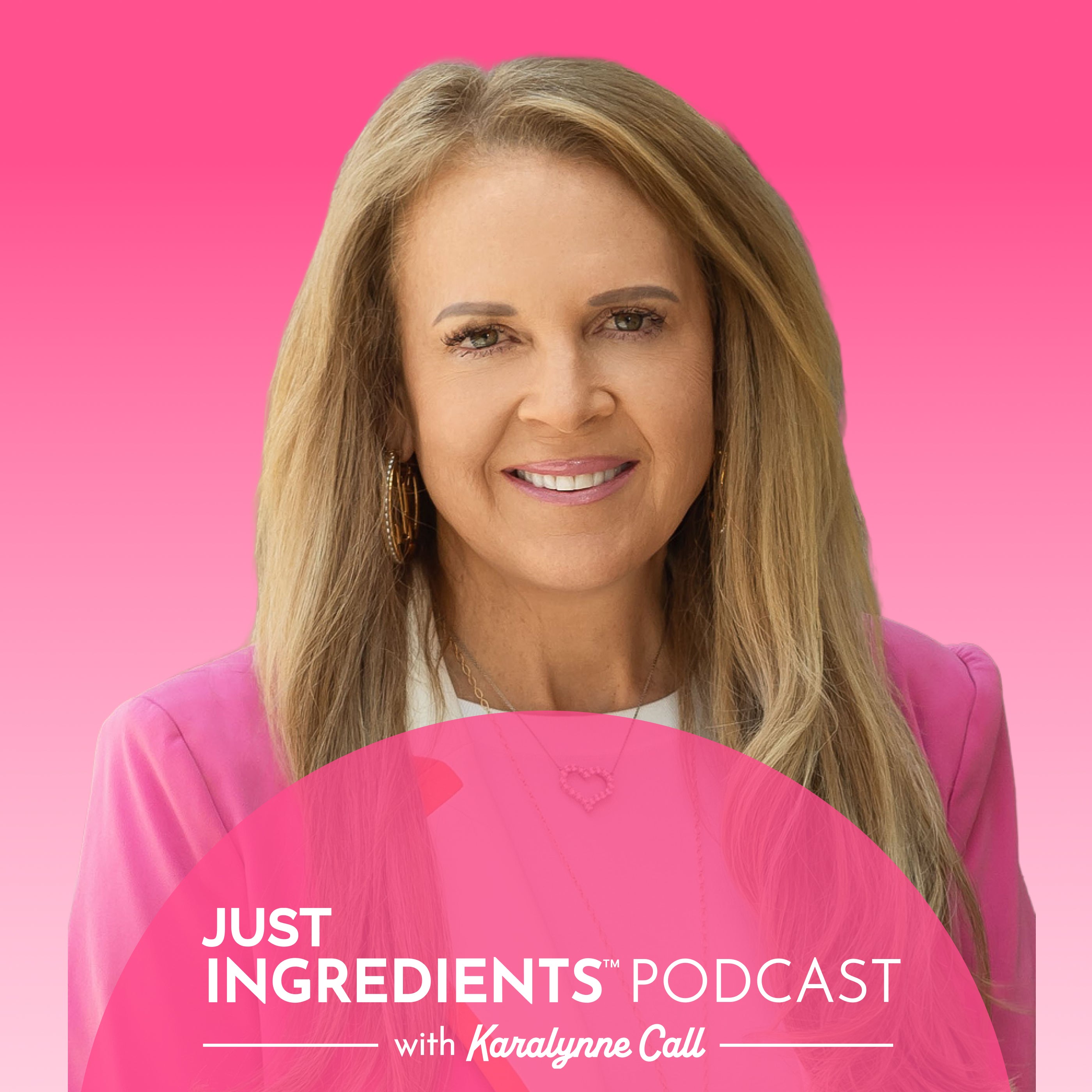
How to talk to kids about mental health and substance use, reduce stigma, recognize warning signs, and connect families to crisis and ongoing care. Christena also argues mental health should be treated like other diseases (cancer/diabetes), with clinical care plus research.
Christena Huntsman Durham is a mom of seven and grandma of nearly 17. She leads the Huntsman Mental Health Institute/Huntsman Mental Health Foundation efforts through the Huntsman Family Foundation. Her father (John Huntsman) helped build the Huntsman Cancer Institute; Christena’s sister died of a drug overdose and Christena has lived experience including a suicide attempt.
Utah lacked mental health infrastructure (ranked 51st in 2019); symptoms often go untreated for years (she cites 11 years). Crisis care should be 24/7, no appointment, and accessible regardless of ability to pay. Faith/prayer can support comfort but shouldn’t replace expert treatment. Parents should ask direct questions (e.g., “Have you thought about taking your life? Do you have a plan?”) and remove lethal means (gun locks).
Huntsman Mental Health Crisis Care Center (hotel-like rooms; pathways for therapy/refills vs inpatient; average inpatient stay 12–15 hours). 988 (originated in Utah) and SafeUT in schools. TeenScope/“Kid Star” program to keep hospitalized teens on track with school credits. Gun-lock guidance for the “suicide belt” (Rocky Mountain area).
Written by AI. May contain mistakes.
Cara introduces guest Christena, who is passionate about mental health.
“And you have such an amazing voice and platform and what you've done with your life.”
Christena shares her family's background and their commitment to mental health.
“As most of you know, John and Karen Huntsman were my parents.”
Discussion on the mental health crisis in Utah and the family's response.
“Now we have over 70 nationally designated cancer centers in the country.”
Christena talks about the lack of national standards in mental health care.
“So we were last in the whole United States for providing care and help.”
Exploring how mental health is viewed compared to physical health issues.
“And so you want to be the standard of care for the people.”
Christena reflects on her sister's struggles and the complexities of addiction.
“So you can imagine if you had diabetes or you had cancer and you waited 11 years.”
Discussion about the Crisis Care Center's mission and its necessity.
“You know, I am a mom and a sister and friend with just lived experience and just watching other people suffer.”
Christena emphasizes the importance of accessible mental health services.
“But the emergency room is not equipped to help people with mental health disorders.”
Learn about the challenges and solutions surrounding mental health care access.
“If you have a broken arm or a broken leg, you know where to go.”
Explore the stigma around mental health and the importance of community support.
“Well, and I do love that your crisis care center doesn't feel like a hospital.”
Discover how to identify potential mental health struggles in children and the importance of open communication.
“I like to call it bragagram, you know, because it's like comparison, you know, is a thief of joy.”
Discussing the importance of sharing stories and addressing mental health stigma.
“It's not, no, but we get to change that.”
Exploring ways parents can effectively communicate with children regarding their mental health needs.
“Okay, so I like some of this advice that you're giving.”
Discussing the complexities of mental health and the need for more research and understanding.
“So every patient that walks into our door comes in with different trauma and a different story.”
Learn how sleep and nutrition impact mental health and parenting.
“And then when I was raising our kids and, you know, but sometimes I know.”
Discover how to recognize signs of mental health issues in yourself and others.
“But let's talk about these busy moms that are working and laundry's piling up and they might be listening to this podcast wondering, huh, I wonder if I do deal with depression.”
Explore resources available for mental health crises, including the 988 hotline.
“And you may have seen the ads on the NBA, you know, NFL games.”
Understand the significance of research and community awareness in mental health treatment.
“So last night we hosted an evening with one of our researchers who was doing psilocybin research.”
Reflect on personal experiences and the importance of mental health advocacy.
“If your order ends in something 76 cents, donate up to that dollar in the 24 cents.”
Explore the importance of discussing mental health within families.
“You know, it didn't take us long because we had that empty chair of my sister with so many unanswered questions.”
Christena shares her thoughts on health topics, advice, and personal practices.
“The first one is what emerging health topic are you most excited about right now?”
Discussing how connection impacts mental health and the community.
“And when I say family, that circle is really big because friends become family.”

Get the gist, explore an idea or ask about something said.
 Claude
On Just Ingredients, what are the key points of this episode?
Searching your listeningAutomatic transcript. May contain errors.
0:00Welcome to the Just Ingredients podcast. I'm Cara Lynn, and here we dive deep into the journey of healing and wellness. If you're ready to learn, feel empowered, and take charge of your health, you're in the right place. Welcome back to the show, everyone. Today, I am so excited for our guest that is here and honored that she is here. She is doing incredible work in the mental health field and arena and just with so much stuff that she is doing. And you guys know that mental health is so near and dear to my heart from my health journey and from just the depression that I dealt with years ago. And so I have been wanting her on the show for a long time.
0:40And it is Christina Huntsman Durham. And thank you so much for being here. Well, thank you so much for having me. It's a pleasure to be here. And you have such an amazing voice and platform and what you've done with your life. You're an inspiration to so many. So thank you for having me. You're so nice. Well, thank you. I look at you and I'm like, someday I'm going to be like her. Someday I'm going to do all the good that she is doing. Well, but look at what the good you're doing every single day. So I was talking to one of my daughters on the way down here. She said, oh, my gosh, she is my role model.
1:12Tell her thank you so much for providing wonderful, you know, ingredients, wonderful products that we can give to our kids. Because that's how I was raised. My mother was very health conscious and we had to cook things from scratch and no packaging. And so I just love that you are taking that full force and giving, you know, amazing information and products out for our kids and grandkids. Oh, you're so sweet. Well, thank you. And tell your daughter thank you. I will. But I want the listeners to learn about everything that you're doing. Tell them maybe why you got interested in the mental health space.
1:49Yes. Well, my favorite role is I'm a mom of seven and grandma of almost 17. Oh, congrats. Thank you. Yes. I'm a very lucky, lucky woman. I was born into a family. As most of you know, John and Karen Huntsman were my parents. My dad grew up very poor. He grew up in a home where, you know, there was a lot of poverty. There was abuse. There was alcoholism. and don't really talk about it in those generations. You know, my dad would say, I learned the things that I didn't want to do. And he and my mother had a beautiful family, nine children. My father was able to build a successful business. There was a lot of risk.
2:35You know, life wasn't always perfect. But overall, he was able to build an amazing business. And he would always say to us, with whatever money I have, I'm going to turn it into good and it will go into a foundation. And he has done that. And so the latter part of his life, he focused on cancer. He lost both of his parents to cancer and I lost both of my parents around cancer. And so he helped build the Huntsman Cancer Institute. And at the time after he was diagnosed with cancer, My husband was his CFO at the time. And he said, I remember him coming in Monday morning and saying, I'm going to build a cancer institute.
3:17And he said, none of us are doctors. What, wait, what are you doing? Right. But he was just, he was a visionary man. And he knew what it was like to be diagnosed with cancer at a young age and not have answers. And at the time, there was no cancer institute for him to get treated. And he traveled the country. there were nationally designated cancer centers around the country. As he was thinking, what do I want to create? He could go and look at MD Anderson and Sloan Kettering and see what was around the country and what he could build and model after. Interesting. Because he had a roadmap. I didn't realize that's how this all started.
3:57Yes. And so Huntsman Cancer Institute, I think they were like 14th or 15th to be a nationally designated cancer center. Now we have over 70 nationally designated cancer centers in the country. And where Huntsman Cancer Institute sits, we have the largest regional area that takes care of so many patients. Interesting. And so geographically, we cover almost five states. So with our health care system, that's a large population. A lot of that is rural. And so when my father passed away, he said to his next generation, find the cancer of your generation and do something big. You need to work together.
4:39And so as we talked amongst ourselves as siblings, we thought, you know, what is that going to be? And I had lost my sister in about 16 years, and she died of a drug overdose, a mom of eight. And, you know, we talked about her journey. We also talked about us as parents and grandparents, the mental health journeys that so many of us deal with in our families, but we don't talk about. And we said, you know what, let's do something around mental health. We watched what my dad did with cancer in the partnership with the University of Utah because research is such a huge component. And the Utah Population Database is housed here in Utah, so you can get genetic records and do research.
5:26So we thought, okay, let's do that around mental health. So our family gave a gift of$150 million to partner with the University of Utah and help build out the Huntsman Mental Health Institute, which was uni at the time. So to build upon the work that was already there. We knew at the time, it was 2019, statistics in Utah. Utah was ranked number 51 in the country. We were dead last with mental health crisis, suicide, access to care. And so we knew that, you know, we only had one place to go, and that was, you know, go up. How can we help? And, you know, we knew that there was a huge need. So we were last in the whole United States for providing care and help.
6:15Well, when they looked at states for mental health care, they just called it at the time mental health care. Okay. And so we were number 51 at the time. Wow. I'm privileged enough that I get to represent my family and really lead out on the mental health front. And so it's been just the last couple of years that I've been able to carry this mantle and work. My siblings are great. We all run the Huntsman Family Foundation. And then we have the Huntsman Mental Health Foundation and Huntsman Cancer Foundation. Wow. That is incredible. So as Dad said, most foundations, like your foundation is so generous.
6:52to help and partner with us and support what we're doing. And dad's idea was, let's create something that people can give to. And so let's build something instead of giving our money to other people. So it's a huge responsibility. Then we say, okay, then we need to go out and raise those funds and awareness and, you know, build out the research arm. And so we have a wonderful model with cancer. And so when we started doing this with mental health, I asked myself, let's go around and see where the other nationally designated mental health centers are. And there are none. Oh, really? There are none.
7:31No, we don't. They don't exist. They don't exist. We don't have a national standard. So as I travel the country and talk about, you know, the work that we're doing in mental health, we want to be that national standard. We want to be the leaders in the field. Mental health needs to be looked at like cancer, like diabetes, like any other disease. And I think that will help with the stigma. Okay. So when you say you want to be the standard, what does that entail? Like, because I know you have the crisis center, the Huntsman Mental Health Crisis Center. Yes. And you also have the Institute. And so you want to be the standard of care for the people.
8:11You want to be the standard for research. Well, when you look at cancer to be a nationally designated cancer center, you have to have that clinical arm. You have to have the research arm. Most of the national cancer centers are partnered with the University of Utah because they have that R1 research component. And then the community care and community activation. So following the cancer model. But you have to have that research, clinical, the medical school arm. and legitimizing these diseases. But they did that in 1971 for cancer. Why haven't they done that for mental health? Right. We're just now talking about it, I feel like.
8:54We're just now talking about it. And when suicide is our number one cause of death for our youth in the state of Utah and around the country, we're way behind. We are. And so we don't have time to lose. And we know that there are treatments and that there are cures. and people wait too long to get the help that they need. And we know the data shows us that with most diseases, by the time symptoms first present themselves and you get a diagnosis, it's in a matter of weeks or maybe a month. With mental health, what do you think that is? By the time symptoms first present themselves? I'm afraid to answer.
9:34It's 11 years. Wow. So you can imagine if you had diabetes or you had cancer and you waited 11 years. You wouldn't make it. You wouldn't make it. And so how can we really change the narrative and how we talk about mental health and substance use? And I look at my sister's life. You don't wake up one day and you're an addict. Right. You know, it's a lifetime of, I think so many people suffering from substance use, it's a matter of numbing the pain that you're in. And it's easier to numb the pain than to find the resource. Yeah. And especially across America, there's so many rural communities and there's no access to care.
10:16Right. And so it's easier to numb the pain and self-medicate. Do you think with your sister, she was dealing with depression and that's how she did it? I don't know. or you don't know? We were raised in the same room. We're 17 months apart, raised with the same parents, the same opportunities. And I often ask myself, you know, why am I here to tell her story? And why am I here to go to her kids' weddings? And if she had died from cancer or any other disease, her legacy would be different. And so many people that suffer from substance use, because of the nature of the illness, there's a lot of manipulation and a lot of broken relationships leading up to when they finally do get help.
11:03And so, you know, I like to look at situations and then kind of back up and say, okay, what could we have done differently? And I remember at the time just saying, you know, we had our kids at the same time. And she would say, you know, more than anything, Christina. I just want to be a mom. That's the best thing I can do. But why am I choosing the drugs? What is wrong with me? And we don't say that when we have cancer. We don't put that self-stigma on ourselves. But my sister struggled with an eating disorder for years. And that's also another mental health condition. But let's back up what causes the eating disorder.
11:47And so many times it's a mental health condition. And so they just compound each other. And so one leads to another leads to another. Yeah. And so maybe it was early on depression is a young girl. And if she had been treated for that, maybe that would have affected the eating disorder, which led into the substance use. Yeah. And so I'm not a doctor. I'm not a physician. You know, I am a mom and a sister and friend with just lived experience and just watching other people suffer. Right. And like you said, mental health covers a whole variety of things. It could be depression, anxiety, but it could be an eating disorder.
12:29It could be that they don't even know they have a mental health issue and numb it with the drugs or the alcohol. And so it is really tricky. And then people aren't talking about it like you said. So I attempted suicide. And thankfully, by the grace of God. I love that you're here. I know. And I was blessed. I mean, I say it all the time. Like, I don't know why God kept me here when so many don't get that chance, you know? And so sometimes I feel guilty about it, but I'm trying to do good with the life that he's given me. But one, I lost hope. I thought I was going to just be miserable for the rest of my life.
13:04And I love that your foundation, the Crisis Care Center, like it gives people hope that they're not doomed with the sentence forever. Because you look at people that are suffering, and I'm sure you know your story, and I look at my sister, and where do you go? People that are suffering. So you think, okay, I'll go to the emergency room. But the emergency room is not equipped to help people with mental health disorders. And so we thought, okay, we traveled the country to look at what resources were there. and we sat together with the team and said, okay, if money wasn't an object, what would you build?
13:43And I remember talking with Kevin Curtis, who's the director of the Crisis Care Center, and he said we've never been asked that question because donors don't put money into mental health and we're always in the space that nobody else wants. Reimbursement rates are very low for mental health. Insurance doesn't want to cover it. If you have a broken arm or a broken leg, you know where to go. You're going to go get a cast and put the cast on and nobody thinks twice about it. We take our kids to emergency care or to the pediatrician when they have a sore throat or, you know, having a hard time breathing and RSV and all of that.
14:22But we don't look at mental health conditions the same way. Which is, I think, so dumb that still in 2026, we're still being quiet about it. Well, I think it's hard to fix the things that you can't see. True. So when you have a broken arm or leg, you know that it's broken. But when our brains are broken, we can't see it. And others can't see it. And so it's easier to say, oh, that must just be on me. And so we wanted to create a space. We look at what our parents did with cancer and create a space that people can go. And the Crisis Care Center is the first of its kind in the country where you can go.
15:01There's no appointment needed. It's 24-7. whether your ability to pay or not, you can go in and get assessed. And for some people, you get, for everybody, you get to define the crisis. But let's not wait until we're close to taking our life. For some people, it may just be a refill of their medication and they can't get a refill. And so they can get, you know, a refill of a prescription. So the team is there to look at all sorts of aspects with mental health. And it's helping the emergency room back up because if you're not bleeding out, you're going to get put to the back of the line. And you sometimes get the revolving door.
15:44And we look at law enforcement. They're not trained mental health experts. And if they come upon somebody in psychosis, what are their choices? They either take them to jail or they take them to the emergency room. When they take them to the emergency room, they have to wait sometimes up to 10 to 12 hours, and they are not able to go back on the streets until that person leaves the hospital. So, you know, working with all of the partners in, you know, in Salt Lake to say, what would you want? You know, how can we partner? Because this is a public-private partnership because we have to all look at this aspect When we look at our homeless community, we look at, you know, people dealing with mental health and substance use.
16:31It's in all of our families. Yeah. And, you know, our homeless individuals don't wake up one day and say, oh, I want to be homeless. Right. It's a lifetime sometimes of untreated mental health and substance use. Okay. So at this crisis care center that you're talking about, anybody can show up with no appointment. Even if they don't have the money, they can show up. But it doesn't have to be to the point of I'm wanting to take my life. It can be just that you're starting to feel depressed. You're starting to feel. You don't. I mean, this is the problem. We don't have the access to care. People don't know where to turn.
17:09And so we need to build out our primary care system where, you know, we're asking those questions. And where can people go to get the help that they need? I mean, our dream is to be able to have crisis care centers all over the country. You know, they're slowly being built, but, you know, we need them in every single community so we can get this on the front end. Well, and I do love that your crisis care center doesn't feel like a hospital. Right. Like the rooms are almost like a nice hotel room. Yes. It's very inviting and warm. And I remember there being rooms that like groups could meet in together.
17:46Yes. And so you purposely did that, right? Yeah, so when somebody comes in, we kind of say there's three different pathways they can take. And if that's just, you know, you need a session, a therapy session, or you need a refill, that's down one hallway. If it presents itself that you need immediate inpatient, we do have inpatient beds. So you can go up to the third floor. I think the average stay is about 12 to 15 hours. And we've had some patients stay for up to a month. If you need longer care, you know, we do have about 800 beds at our main hospital. So this is in, you know, in partnership with the main hospital.
18:28But how can we get those resources out to the community before people are in crisis? But it's an exciting place to be. This past summer, I was leaving the Huntsman Cancer Institute after sitting with my mother. and as I was leaving I took a video of all of the beautiful buildings and the beautiful space that's up on the campus and I thought if our mental health patients were being treated like in a space where the you know like you're treated for cancer at the Huntsman Cancer Institute with beautiful buildings it gives people hope. You go in for cancer you don't have stigma. Right. We know how to show up for people when they have cancer.
19:12We know how to support them. We know, you know, you get the prayer rolls, you get the meals, you get the bracelets, people show up. But when there's a mom or a dad or a child struggling in the neighborhood and doesn't have that desire to live and can't get out of bed, how do we show up for them? Where are the meals? Right. And why do you think that still is? Because of the stigma. And again, because we don't see it? We don't see it, but we don't want to talk about it because I think, you know, I remember as a mom, one of my daughters was diagnosed with depression and going to a pharmacy as far away as possible because I didn't want anyone to judge me as a mom and say, what are you doing wrong?
19:57Because one of your children has depression. I wouldn't have thought it with any other disease. Right. But now we can talk about it and talk about it more openly because I don't want anyone to judge me as a mom or judge my child. But, you know, it's a disease of the brain. These are diseases of isolation. And we know that it's a brain disease. And so many times I said to my sister, if you really loved us, you would just stop. But we don't say that with other diseases. With cancer or migraines. Yes, exactly. And I recently had the opportunity to speak at the Matthew Perry Foundation Summit. And I love, and we have doctors that say the same thing.
20:40I love, you know, we don't hear about doctors of addiction. And that you can go to a doctor that treats addiction and they say, we are so glad when patients come to us and we can tell them you have a disease and we can help you. We can cure you. I love that. And so that's what we need to talk about. But I think for so long, people hide in that stigma and shame because they think, what's wrong with me that I'm trying to numb the pain? I don't want to even open up that door because people will say, what's wrong with you? Well, and they don't want to be judged. Exactly. Because I will tell you when I was going through it, I was actually asking for help.
21:20And like, I am off. Like, I feel miserable. And people would tell me like, oh, you'll see the light at the end of the tunnel. Just buck up. Or just, you know. I mean and then some religious people would be like oh you need to pray more you need to do this more and I'm like praying is not changing this you know I don't know and like people just being really harsh like you just got to be tough like being a mom is tough you just got to be tougher and I'm like this is beyond with other diseases right and so when I was judged so many times I finally just shut up I was like oh no one gets this yes no one gets how miserable I am and so But you couldn't see that your brain was not feeling its best self.
21:59Well, and I didn't realize that until I finally got the blood work done and all these different tests that we did that showed that my body was not healthy. There was lots of things that were off. Therefore, my body's symptoms were depression. Yes. But we shouldn't be afraid of that. I know. Because we know there are things that can make us feel better. But sometimes it's opening and having that first conversation. And hopefully from, you know, when you had your symptoms that we are doing better, that we can, you know, hopefully we can learn from each other and not be judgmental. And I think we live in a world of comparison.
22:38And I think it's really easy to scroll through. I like to call it bragagram, you know, because it's like comparison, you know, is a thief of joy. Yeah. And I like to tell my kids, you know, we didn't have any of that growing up. I saw what was in front of me with my kids. My husband was traveling a lot when I was we were raising our kids. And, you know, we weren't all dressed up perfect every day. The kids weren't dressed up. We'd take the kids to the mall for kitty candidates, you know, to get our picture taken maybe a couple times a year. But I think today there's so much pressure on people to be the perfect family, to look a certain way, and your kids are dressed because you're constantly taking pictures and posting.
23:23And so it's just, it's hard because you're bringing in everybody else's perfect life and comparing that with yours and you're never going to win. Right. And I think especially for young moms, you know, you think, oh, people post right after they have a baby. They look gorgeous. This is the best time of my life. And you're like, I've just gone through nine months of throwing up, getting 50 pounds. You have this baby. You're completely exhausted. And you're like, this is the best time of your life. And you're like, what is wrong with me that I'm just so completely exhausted I can barely hold my baby or hold my head up?
24:00And just getting a shower and a load of washing, I've accomplished a lot. You're never going to win. And so I feel for this next generation that always feels like they're never good enough. Yeah, it's going to be hard. It is really hard. Can we talk about, though, mental health signs that, like, these moms might see in the home? Because this is so sad, but we just had a child at our high school take his life. and I always am like, were there signs maybe that we missed? Were there signs that people in the family missed? Because it makes me nervous. Like, am I missing signs with my own kids? Yes.
24:41And so what should we be looking for as parents? Yes. Well, and like I said, I'm not an expert. But what I've learned from our doctors is, you know, having these conversations with our kids and our loved ones where they feel like they won't be judged. And I mean, it's so tragic that we hear so many stories today of children, you know, taking their lives and their brains are not in a good place. And it's always those that you don't expect. Yeah. But these are diseases of isolation and maybe pulling back from loved ones, you know, not communicating as much, you know, being present as a parent. And I think our phones, we know that it's changed how we parent just with every single one of us our whole life.
25:31And he said from the time kids are born, they are fascinated with the phone because their parents are always holding it. They may not be on it, but we always have our phone with us. So babies, right from the time they're born, are seeing us always either taking pictures of the new baby. But, you know, that's in competition with the time that we could be giving to them. But it's our way of communicating, too. There's so many wonderful things about technology and our phones today. But I think we just have to be careful, you know, what are our kids seeing? But making sure that our kids always know that we are there.
26:12I know as a mom, that's one of your worst nightmares. but sometimes the kids are afraid to talk to us or afraid to share their emotions because of the stigma. And, and I think that's a question we can all ask ourselves with people that we've lost, you know, what, what did we miss? I know with my sister, I can say, you know what, we know better now and, you know, we, we need to do better. And sometimes we, we can't look back and say, I wish I had done this. I wish I had done that. We have to rip off the rear view mirrors and just look forward and say, okay, we need to do better. We need to, you know, sit down and ask, are you okay?
26:52But really with eyes of love and no judgment and, you know, ask those hard questions. Have you thought about taking your life? Do you have a plan? You know, let me stay with you. I am here for you no matter what. Let's get you to the trained medical professions that can help you. And I like to tell people when people go in to get treatment, this should be a happy time. This should be an exciting time because you're getting help. Just like with cancer, we know when people are getting treatments and going to chemo that there's that sign of hope. I remember the first time we checked my sister into detox.
27:32It was late at night. It was in secrecy. We didn't want anybody to know. so she had so much self-stigma and she was a mom so it's just you have so much of that self-stigma that you're looking inwardly saying i am a cause of this and it just propels you know propels the narrative and i think hinders you know getting help if we looked at you know getting help with mental health and substance use is oh my gosh this is so exciting you know you're gonna feel It's not how it is right now. It's not, no, but we get to change that. Yeah, we do. We get to change that because we get to share our stories.
28:11And I think every one of us could tell a story, our own story, or someone that we loved that we know has suffered from mental health or substance use. Well, that's the thing. Everyone knows someone. Yes. It is not some rare form of something these days. You know what I mean? But yet we don't talk happily like that. Because of the stigma. Yeah. Because of the stigma. And so we've gotten a lot better, but there's a long way to go. And so I think when you know that there's resources, you know, the state of Utah, we are leading the country. And over the last couple of years, the latest reports that came out about suicide, Utah is one of the few states where our numbers have gone down.
28:55We're still really high. But since we started, you know, 51st, and we are in what's called the suicide belt. So we do know that altitude plays into that. Interesting. I've never heard that before. Yeah. So the Rocky Mountain area is kind of the suicide belt. And we are the buckle. Interesting. Yes. Just because of altitude or something else? Well, there's a lot of things that play into it. The altitude, we have a lot of gun ownership. And so one of the tools we will give out is gun locks. So make sure that your guns are locked away. And so if there's somebody in your house that is struggling and they know that there's a gun and there's an easy way to end things.
29:43But because sometimes those thoughts can be there, but they don't last for long. So let's take away things that, you know, could be of a hazard. Let's take a quick break to hear from our show sponsor. This holiday season, Q for Quinn wants gift giving to feel as good as it looks. The Better For You apparel brand known for certified organic bodywear is bringing festive new colors and styles to its everyday essentials for the whole family. From stocking stuffers to gifts for the person who has it all, there is something for everyone on your list. Think breathable everyday knit boxers, organic socks, their organic sports bra everyone loves, their best-selling organic pointile collection, or buttery soft leggings for those New Year's fitness resolutions.
30:29Kufur Quinn's founder started the company eight years ago when she couldn't find organic cotton socks for her son with eczema. Since then, the brand has redefined quality and comfort with a growing line of GOT-certified organic socks, intimates, and activewear. Each piece is designed to be better for both skin and planet, free of BPA, phthalates, and other harmful chemicals. Make mindful gifting effortless this season and bring comfort, joy, and lasting value to everyone on your list. Use discount code JUSTINGREDIENTS for 10 % off your purchase at Q4Quinn. Now back to the show. Okay, so I like some of this advice that you're giving.
31:10So you're saying parents, ask the hard questions like, Are you doing okay? But have you ever thought about suicide? Have you ever made a plan? Do you need help? So I love asking those questions, putting a gun lock on your guns. But what other tips do you have if someone is listening to this saying, yeah, my daughter struggles. We go to a therapist. We go to a doctor. But she still struggles. Or my son. You know what I mean? What other tips are there? Well, and I think when we talk about therapists, we may say, oh, my gosh, we have the best therapist. You should go to him or her. We don't say, do they specialize in adolescent?
31:46Do they specialize in, you know, we go to a heart specialist if our heart, you know, if we have a heart condition, if we go to an orthopedic doctor, if we have something broken. But we're so lacking in mental health services that, you know what, if something isn't working, there's a lot of other avenues. And since we don't have national standards, a lot of people can say they're a mental health expert. and so look to see that they are truly mental health licensed therapists and they're not you know some can be a life coach that you got a degree online and so shop around yeah and so you know make sure that you are going to a licensed doctor i was able to speak at the faith summit last week and i brought you know representative steve elison and brett graham who runs the Institute and a doctor, a researcher and psychiatrist.
32:43And we said, we all need to work together because sometimes our faith communities are on the front line, but they're not experts in the field of mental health. But since people look at mental health as something that they can fix themselves, or we can pray it away, let's all work together to get people to the right resources. You know, there's always, there's 988, which is all around the country. And 988 actually originated here in Utah. And we have SafeUT, which we have over 10 years of data. It is in all of our schools. And that is housed in the back office of 988. All of those phone calls, text messages are all answered by a licensed therapist through Huntsman Mental Health Institute.
33:30Can I say something about the whole faith community thing and prayer? This is how I put it, because it used to really bother me that people would say like, oh, you're not praying enough or something like that. So this is the analogy that I have come up with. So how you're doing mentally can range anywhere from zero to 10, 10 being you want to end your life. And so some days you may be at a one or a two, right? Like you failed a test in college or your friend said something rude to you or you got your feelings hurt. Maybe you're at a one or two or three. Prayer might be really great to take that away and go serving others is really going to help that.
34:07But when we're at a 9 or a 10 and we're ready to end our life, prayer doesn't heal a broken arm. Prayer doesn't heal the heart attack. Like it can help support, right? And help comfort or things like that. We have to pray it away at a 10. And I mean, my 10, I had so many medical issues going on in my body that I wasn't aware of. That was just like my body falling apart being like depression is how your body is basically screaming for help at this point. But don't you think, I mean, you were doing all of those things. I was. And so I think that just puts more self-stigma when you say, I am doing all of those things and I still feel horrible.
34:49So that's why I think we have to be careful. So then it's like, what is wrong with me? And so that's where we like to say with the faith community, turn it over to the experts. Refer them to a doctor. Refer them to 988. Refer them, you know, to the Crisis Care Center. Refer, refer, refer. And, okay, at the—well, let me just ask you this. Do you believe that there's a whole different variety of underlying root causes for mental health? I just think there's so much that we don't know. And we're in the process of building the largest of its kind translational research building, the first of its kind in the world.
35:30And so we will be actually able to study the brain in a way that's never been studied before. With our imaging machines, you know, we'll have the vivarium going into clinical trials, going into imaging, and be able to really study the brain in ways that haven't been studied before. and bringing all these researchers together. And so I think there's a lot that I think 10 years from now, there'll be so many answers that we have that we don't have now. I love that because people will tell me like, well, you just need to do this. And I'm like, no, that's like telling someone with cancer. We have one treatment for cancer.
36:11There's so many different variations of chemo and radiation and the holistic things you can do and surgery. I'm like, it's the same with depression. One person may react really well to therapy, and another might have major nutritional deficiencies where the therapy doesn't help. One may have trauma. One may have, like, the list goes on and on. We all come into this with a different story. So every patient that walks into our door comes in with different trauma and a different story. So every patient has to be treated differently. I love hearing that. And when you're saying just replace mental health with cancer.
36:46so if somebody's struggling with mental health how would you talk to them if they were struggling with cancer and they had stage four cancer you're not going to say oh just pray harder or you know just back up and be stronger or you know I think I think we just have to change the narrative and how we think about it and how we talk about it yeah because you're really you really think that somebody that is so heavily depressed that doesn't want to be here another day, do you really think that's their choice? Right. That is true. I look at my sister and what she struggled with and how badly. She just wanted to be here for her kids and her family.
37:33And if she could have fixed it, she would. And you look at our homeless population. Do you really think that that's their choice, that that's how they thought their life would end up. And so how can we look at this in a bigger scale and say, you know, our brain is one of our largest organs that we know so little about. And so we've got to put our funds around research and really tackle what is going on in our brain. Well, also our gut, because our gut and our brain are so connected. Everything is interconnected. But that's what our researchers are discovering. And, you know, how many times the gut ache, it's really a mental health issue, and it's all interconnected.
38:19So is your research center already open? Right now, their researchers are located all across campus, but we'll be able to bring everybody together. So right now, we have over 300 research projects, collaborations that we're doing. And one of our big ones is a suicide research study. Is there a suicide gene? And if you have a suicide gene, so if you know that you have some of these things, then what can we do to prevent it? So we're looking at what can we do to prevent before our kids go in crisis? And, you know, we have the Crisis Care Center. And once we opened that, we started a pilot program for the kids crisis care center.
39:02Oh, okay. And so parents have a place where they can come 24-7, bring their kids. But what we're seeing is our inpatient is so much higher than at the adult crisis care center, which starts at 18. It's higher for the kids? It's higher for the kids because parents wait too long to get the help that they need. So as we're looking at this and looking at what are we doing for our youth and our adolescents is what resources can we do on the front end before they're in crisis? And then if they do have that hospitalization for a few days, what can we do after? And because it's a continuum of care. So you're hospitalized for two or three days and then you go right back to school.
39:51That's, you know, we have what's called the Kid Star in the Teen Scope program where kids sometimes are hospitalized and then they can go and the schools are accredited. And you can go to high school and you don't lose any of your credits. And you can actually graduate. But you're getting the mental health tools along with your schoolwork during the day. And sometimes it's just that bridge to help you get the resources that you need, you know. And I like to say, we probably all be diagnosed with something. And so what is that toolbox that we need to get us through those hard times? We don't know how our brains, you know, our brains all function differently.
40:35And we think whatever we're experiencing is normal. Right. So we think, well, this is how I wake up in the morning. This is how I feel. But this is probably how everyone else is feeling. So sometimes when you are struggling, you have that feeling of isolation, like I'm the only one dealing with this. And it's that loneliness I don't want to share because, you know, nobody else is feeling this way when there are a lot of people feeling that way, but they don't share it. Yeah. Okay. So this teen and kids crisis center. Yes. Is it by your other crisis center? Right now we have two locations. We're looking at expanding the services because there's such a wait list right now.
41:17For the kids. For the kids, yes. And our hospitals and our inpatient beds are always full. Why do you think it's just such an epidemic right now? I mean, there's so many things. There's so many things. Do you think our food plays a role? Nutrient deficiencies? I grew up with a mom that was just, you know, we couldn't have anything packaged. Everything was Whole Foods. And, you know, we had to, you know, I was the kid at lunch that was looking around saying, can I just have like a hostess cupcake or, you know, but I, but, you know, she would always, she, she believed that, you know, we are what we ate and we are what we put into our body.
41:56She was ahead of her time. So she was ahead of her time. And so that was always important for us, you know, growing up. And then when I was raising our kids and, you know, but sometimes I know. people that have an amazing diet, work out all the time, and they still get sick. But I think that maybe they would have gotten sicker sooner, you know? But health is everything. And we are what we put into our bodies. And so it does play a part. And our doctors and researchers will say the first question they'll ask a patient is, are you sleeping? Oh, interesting. Because that plays a huge role in mental health.
42:36That plays a huge role in mental health. So at our crisis care center, all the lights are to the circadian rhythm. Oh, I love it. So because so many patients, they know so many patients that come in are having trouble sleeping. And so that's one of the first signs. So as a parent, you know, are your children sleeping? Are you as a parent getting the sleep that you need? Good quality sleep. Yeah, good quality sleep. And I think those basics and what, you know what is your diet what are you eating are you exercising are you having meditative quiet times and i think for us it's like do you have time where you're just alone with your thoughts yeah you know do you have time where you can just be alone and take 10 deep breaths yeah and there's so many voices and so many things coming at us we have so much good information and bad, but there's just so much information out there.
43:32Do we ever, my kids laugh at me, I'm like, do you ever just drive in the car with just complete silence? Right. Just to meditate. Just to meditate and think and just have a moment each day of gratitude. Right. You know? Yeah, gratitude is huge. But I think for some people, you look, you know, so many single moms, you know, with a couple jobs, raising their kids, trying to make ends meet, you know, I feel like I'm very privileged. And that was not my life. I've had a husband, we've known each other since fourth grade. And I've, we've always had an incredible relationship. And so having that partnership, you can get through anything.
44:11And, you know, I was able to stay at home and raise my kids. And, but I look at so many moms that don't have that same opportunity. And I mean, I just admire these women that have to do it by themselves and, you know, work a couple jobs. And, you know, we don't talk about all the laundry that's constantly piling up and the clothes that we're folding in our dirty kitchens and, you know, unloading the dishwasher. And sometimes we get so focused on these pictures of a perfect life. And, you know, it's just those day to day things that, you know, you have to find joy in folding the laundry, you know, grateful that, you know, you're folding your kids laundry at the end of the day.
44:55So I have a question for you on that. So we talked about parenting tips to look for those that are struggling with mental health and their families. But let's talk about these busy moms that are working and laundry's piling up and they might be listening to this podcast wondering, huh, I wonder if I do deal with depression. I wonder if I do deal with mental health. Am I at the beginning of that 11 year span that you talked about? At what, like, what advice do you give them or what tips to understand if they really are dealing with mental health issues? Well, I think if it affects where you can't function in your daily life, you know, you have to ask yourself, is this situational sadness?
45:35Is this situational depression where I literally cannot get up and do my everyday function. I can't get up and get the kids to school. I don't have the feelings that I want to be around family. I don't, you know, those feelings of, you know, self-worth. So if they're like listening to this and they're like, oh, this is more than just situational. Yes. Because the situational, we all have situational, Right. We all have our bad days, our sad days, our sad things in life. And sometimes a good cry is what you need. Right. But it's when it's consistent and more than just situational. And you don't feel like you can take care of your children and you just feel like you can't get up out of bed.
46:20So what if they don't live in Utah with this amazing Huntsman Mental Health Crisis Center? Well, that's why there's 988 all around the country and they will connect you to the resources in your area. Okay. They'll know where to send you. So 988 is like 911. And so we had 911 forever, but this is just for mental health crisis. 988 all around the country. And it's an amazing resource that originated in Utah because of the work that we had done around SafeHUT and our call center. Oh, that's incredible. So it's a frontline resource that's going to connect you with somebody in your area. Okay. And you can call or text 988-247.
47:01And they will get you to the right professional to help you. It's a starting. We also partnered with the Ad Council and did the campaign Love Your Mind. And you can go to loveyourmind.org. And it's a resource page just talking about what does it feel like to be depressed if you're struggling. And you may have seen the ads on the NBA, you know, NFL games. Oh, yeah. Okay, I've seen those. Yes. So we did a partnership with Love Your Mind of just putting a little ad of, hey, what does it feel like if you're struggling, you know, call 988. There are resources available. Okay. And it's been great for just people opening up the conversation.
47:44Okay, this might be a question I shouldn't ask. Oh, no, go ahead and ask. But I have someone that said that, okay, so in other states, because I have someone that just recently told me that their niece was dealing with depression. So they admitted him to a mental facility. But she was so frustrated because immediately they just prescribed her something and didn't even try to understand what she was going through or understand any underlying root causes. Yeah. And so what if 988 sends them to something that... That's what we have to fix. And I think that's as a parent, you can, you know, shop around, look around and say, you know what, I, you know, so I'm glad that she called you and said, hey, you know, what are the resources?
48:30And, you know, there are other psychiatrists or other doctors and at the crisis care center, that assessment part is really, really important. It is important. Because we need to know what is bringing somebody in. And everybody leaves with a plan. And we have a free legal clinic, a free dental clinic, a free medical clinic. Is it a toothache that you haven't been able to get into your dentist that, hey, we can go fix that toothache? Is that going to help your mental health? So we've been open a year and a half and seen over 15 ,000 patients and doing the research of what brings people in the doors.
49:08And how can we fix that problem and not just put a Band-Aid on it, not just put a prescription on it? I love that. So women dealing with domestic violence, you know, they can't afford an attorney. So come to our legal clinic, free legal clinic. And that's in partnership with the University of Utah. So then we have dental students and students in the law school that can come and come to the facility and help these people dealing with mental health crisis. And it just helps them be more aware of, you know, people and situations. And I think hopefully have more care and compassion. Your dad would be really proud of you.
49:50Oh, well, thank you. And all the siblings. I mean, you're saving thousands of lives. Well, it's all partnership. You know, I get to be a voice and be able to elevate the work that so many amazing people are doing. And, you know, you often, you know about those amazing orthopedic doctors or the heart doctors, but our psychiatrists, our therapists, these are amazing, amazing people, researchers, and you don't hear a lot about them. Yeah. And so it's our job. I said to our team, we are so lucky that we get to elevate the work that so many have been doing. I don't mean silently or in secret, but the awareness is just not there.
50:32So last night we hosted an evening with one of our researchers who was doing psilocybin research. And, you know, so just letting the community know that, you know, research is being done in so many areas because we need to untap and we need to have new treatments. We need to have new cures because the medication route isn't going to work for everybody. I love that you're doing this research. Yeah, the research is where our answers are going to be. It is because I've had over 200 doctors on this show. And I mean, so many people have talked about the genes and depression. They've talked about the gut and depression.
51:11They've talked about nutrient deficiencies and depression, but they've talked about trauma and depression. So there's so much that can contribute to depression or mental health that I'm so excited for major research. Yeah, because that's going to unlock and give us the answers. I mean, how many people do you know of all the things that you've listed are suffering? Right. And we want people to live their best life. Our brains are all a little bit different, but we wish we could just have like a scan of everything and say, okay, this is my toolbox that I'm going to need. And it may look different for everybody.
51:45But I think by starting with, are you getting your sleep? Are you getting proper nutrition? Are you getting outside and, you know, working out? And I know for some young moms, it's like, I barely have time, you know, to take a shower. right um but it's you know just take a moment for yourself walk up and down the stairs you know a few times and but you know what when you look in the mirror like what's looking back at you because you are an amazing individual and if you've had the opportunity to be a mom and carry a child i know we don't give ourselves enough credit as women you know we we have a baby and people think, oh, it's really easy.
52:28But the toll that it takes on our body and our mind for the rest of our life, you know, things are forever altered. And we have to adjust to that. And we have to give ourselves grace. And we brought another human being into this world. Like what's looking back at you. Because you're an amazing person. I love that. Okay, so as we wrap up here, are there ways that people can give back to the Huntsman Foundation? Absolutely. You know, you can go to our website at hmhf.org. You can be a monthly giver and you get a t-shirt. My brain is beautiful. Being the best advocate is just sharing your story and just not judging and giving out the resources of 988.
53:12If you're here in Utah, the SafeUT app, and that's for everybody. We have it for frontline workers, our National Guard, our school children, any parent, and I I would like to say anybody, really, because you are connected to a licensed therapist within a text. That's incredible. Yes. So there are lots of ways to give, but go to our website. And it's people like you that are helping showcase the work that we're doing and being one of our partners. And, you know, the work that you're doing by giving real ingredients and, you know, hopefully improving people's whole digestive system that's going to help their mental health.
53:52But you want to be able to do all of that is the first step. Right. Okay. So we are actually doing something because, you know, mental health is near and dear to my heart. And that's why I try to speak out about it, because I tell people like I wanted to end my life because I lost hope and I lost the hope that there is healing out there. And so I love that you guys provide the hope and that there's healing out there and you help to try to find that healing. And so during our Thanksgiving Black Friday sale, we are doing a whole movement called Fuel the Good. And so we actually are coming to the Huntsman Mental Health Crisis Care Center and donating some stuff.
54:29But on our website during that time, people can round up and the extra change is going to go to you guys. And people will say to me, well, it's just a few pennies. And I'm like, yeah, but everybody's pennies adds up. Everybody's pennies adds up. Absolutely. And so maybe just tell the listeners if they round up, where do those extra pennies go to? Yes. Well, it's going to go into research and new developments and, you know, really building out that research arm so that we can have new tools, new treatments, and really unlock the discovery of our beautiful brains that we have. So thank you. Thank you so much.
55:05It's all about partnership. Well, you're welcome. And so listeners, stay tuned for that during our Black Friday sale. If your order ends in something 76 cents, donate up to that dollar in the 24 cents. Every penny makes a difference. Every penny does end. You and your listeners. And the research, and I'm loving that it goes to the research because I think that's where the answer is going to be. If we can figure out what genes are dealing with this and what gut bacteria is dealing with this and what foods or nutrients, like that's going to be the key. You get help on the front end before you're suffering.
55:39Right. Yeah. So you don't need to be in crisis. Exactly. So. Well, thank you so much for being here. Thank you so much. And thank you for just all the amazing work that you do. I actually am curious. This is a personal question. When your dad said, okay, I want you guys to find the illness, you know, that your generation is dealing with. Did you all immediately agree upon mental health or did you go through a lot of different illnesses? You know, it didn't take us long because we had that empty chair of my sister with so many unanswered questions. And, you know, I think all of us knew about mental health conditions that were in our families that we really didn't talk about.
56:18So we're like, OK, let's do the hard thing. Let's figure this out. It is this generation's cancer. It really is. So I love that you're doing that. Thank you for the awareness and thank you for your voice. Well, thank you. So I always end my podcast with just asking last few quick questions that are rapid questions. Are you okay with this? Okay. The first one is what emerging health topic are you most excited about right now? Well, we just talked about it, you know, mental health and substance use, how we can give relief to so many people that are suffering. Love it. Number two, what's a piece of advice you give your younger self?
56:54I would say just take a moment to take a deep breath and everything's going to be okay. I think we worry so much about our kids and the little things. Oh, they lost an election or little things. But you know what? Have faith and confidence in your kids that they are going to be okay. Oh, I love that. Okay, next one. What's the one health practice you'll never compromise on no matter how busy life gets? Working out every day. I love that. And last one. What is the best ingredient you've found to life? I love people. I love connection. and being with my family. And when I say family, that circle is really big because friends become family.
57:36So it's just that connection, it makes me happy. It makes me happy as well. So connection is huge. And connection is a part of the mental health journey. And so we need to remember that if we see others in our life that maybe need a little bit of connection. And connection and including everybody in that circle. Yeah. Again, thank you so much for being here and for everything that you do. And listeners, send this to somebody that you know is struggling. Let them know about the Huntsman Mental Health Crisis Care Center, if that is something that they need. And remember to take care of those loved ones.
58:09Take care of everybody. Remember, depression, mental health can be a silent illness. And don't be afraid to help out. Thank you. Thank you for being here and being part of this community. Don't forget to subscribe to the Just Ingredients podcast. we've got so much more to share with you and if you're not already come join us daily on all social media platforms at just dot ingredients until next time keep choosing what nourishes you
This episode includes discussion of suicide, substance use, and eating disorders. If you or someone you love is struggling, call or text 988 to reach the Suicide & Crisis Lifeline, available 24/7.
As a mom, one of my biggest fears is missing the signs that one of my kids is struggling. That’s exactly why I was so excited for this conversation.
Christena Huntsman Durham is the CEO of the Huntsman Mental Health Foundation and a mom of seven. After losing her sister to a drug overdose, she and her siblings made mental health their generation’s cause, and today she travels the country changing the way we talk about it. This conversation hit close to home for me, and I think it will for you too.
During our Black Friday sale, you can round up your order through Fuel the Good, and every round-up goes to the Huntsman Mental Health Foundation to support mental health research.
Here are a few of my biggest takeaways:
Treat mental illness like any other illness. We know how to show up when someone has cancer: with meals, prayers, and support. Christena challenges us to show up the same way when someone is struggling with depression or addiction.
Don’t wait for a crisis to get help. You don’t have to be at your breaking point to reach out. If you or your child can’t get through daily life the way you used to, that’s reason enough.
Ask the hard questions with love. Sitting down and asking “Are you okay?” — and being willing to ask whether someone has thought about ending their life — can open a door that stigma keeps closed.
There’s no one-size-fits-all treatment. Everyone’s story is different, so their care should be too. If something isn’t working, keep looking for a licensed professional who specializes in what you or your loved one needs.
Start with the basics. One of the first questions Christena’s doctors ask is “Are you sleeping?” Sleep, nourishing food, movement, and a few quiet moments each day all play a role in how we feel.
Make sure to share this episode with a friend or loved one who might need it.
About Christena Huntsman Durham Christena Huntsman Durham is CEO of the Huntsman Mental Health Foundation and Vice Chair of the Huntsman Family Foundation, and in 2019 she and her siblings made a historic $150 million gift to establish the Huntsman Mental Health Institute at the University of Utah. After losing her sister to a drug overdose, she became a dedicated advocate for substance use disorder awareness, recovery, and expanding access to care. A lifelong athlete and expert baker, Christena and her husband, Rick, share seven children and sixteen grandchildren.
About the Huntsman Mental Health FoundationHuntsman Mental Health Foundation is transforming the way the world understands, treats and heals mental illness. The Foundation raises funds and awareness to support the work of the Huntsman Mental Health Institute, a national leader in life-saving mental health research, inpatient care, outpatient resources, and advocacy. Learn more at HMHF.org.
If you or someone you know is in crisis, contact the 988 Suicide & Crisis Lifeline. No-cost, confidential support is available 24/7 by call, text, or chat.
Huntsman Mental Health Institute can help with services ranging from individual therapy to specialized treatment programs. Call 801.583.2500 or visit hmhi.org.
Connect with Huntsman Mental Health
Instagram: @huntsmanmentalhealth
Facebook: Huntsman Mental Health
LinkedIn: Huntsman Mental Health Foundation
TikTok: @huntsmanmentalhealth
Shop our show sponsor:
Q for Quinn: certified organic bodywear for the whole family, from socks and boxers to sports bras and leggings. Use code JustIngredients for 10% off your purchase at Q for Quinn. Shop today at qforquinn.com.
Looking for more Just Ingredients content?
Follow us on Instagram: @just.ingredients
Watch on YouTube: youtube.com/@Just.Ingredients
Facebook Community: Join Our Group
Learn more about your ad choices. Visit megaphone.fm/adchoices