In short
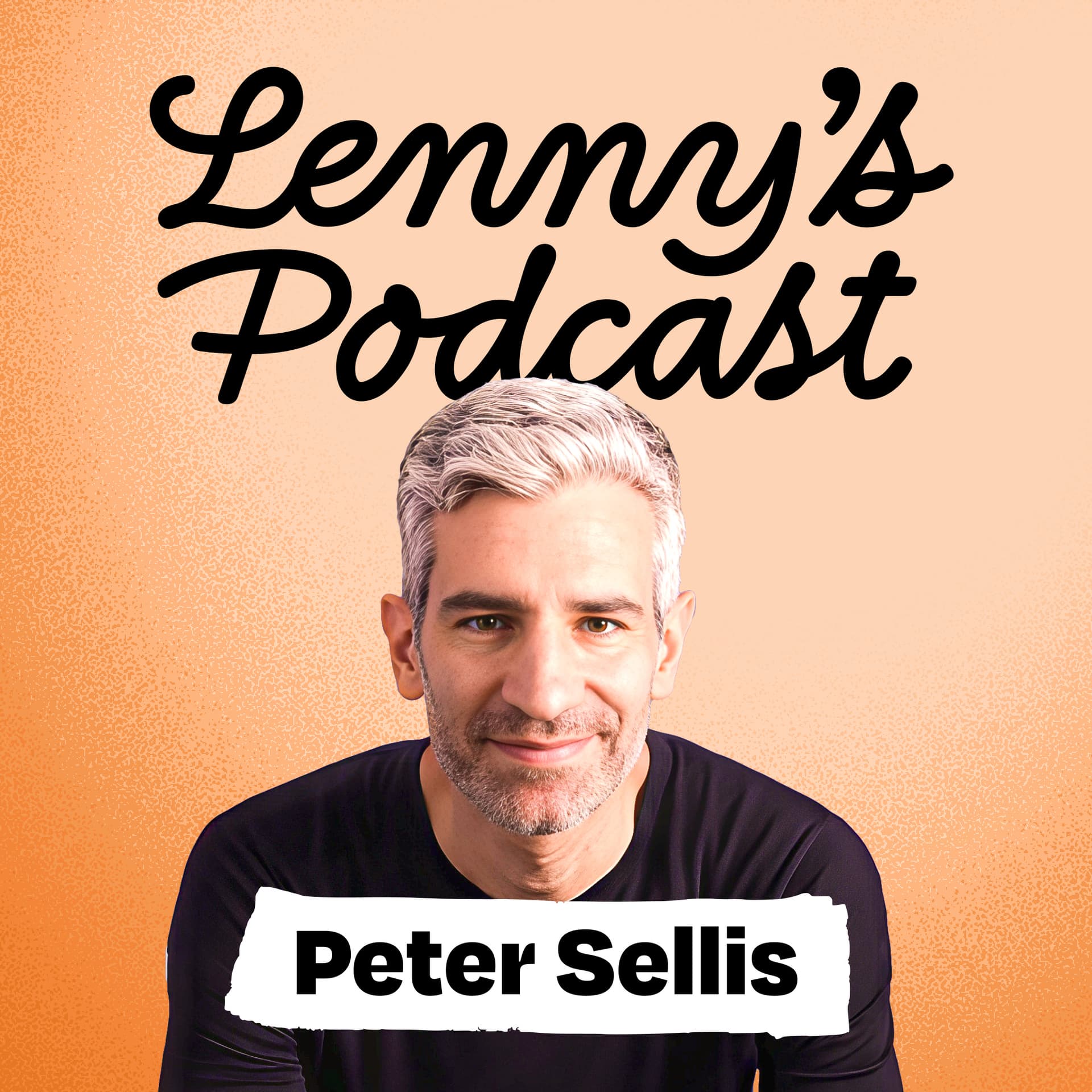
Peter Sellis (ex-Snap and Discord product chief) gives “unfiltered” product leadership advice, arguing for founder-like decision-making, high-autonomy team design, and a contrarian view that most product managers are net negative. He also analyzes why Snapchat scaled to massive usage but struggled to become an even bigger ad business, and discusses AI-era product taste (especially removing features) and how ads may evolve in chat/AI systems.
Guest background
Peter Sellis is described as the first product manager at Snapchat, spending seven years building the product; later he was head of product at Discord, helping grow it significantly. He’s between roles, so he says he’s not constrained by corporate comms/PR. He also worked with Nikita Beer (acquired startup; Beer later became head of product at X).
Key claims
- Design teams “like a terrorist organization”: ideological mission + clear decision trust boundaries to reduce coordination costs.
- Most PMs are often bad; top PMs tend to exit into founders/executives, leaving a weaker median.
- Snap’s ad limits come from audience age/measurement constraints, lack of natural ad placement in camera-first creation flows, and weak ad formats for messaging/utility.
- A key “taste” skill is restraint: saying no to better ideas; AI may struggle with removal.
Notable examples
- Snap struggled with “camera monetization.”
- Instagram copied Snapchat Stories; Sellis praises Instagram’s improved execution.
- He cites Evan Spiegel’s “no” behavior and Snap’s “Snapchat Plus” subscription success.
- He discusses OpenAI/AI ads using auction mechanisms that maximize trust over time.
Written by AI. May contain mistakes. Listen to the episode to check what was said.
Chapters
Tap a time to open that second in VOAuthenticity in Conversations
2:53 to 4:35
Peter discusses the authenticity he brings to conversations when not constrained by corporate teams.
“It feels like it's been a long time coming that you and I have known each other, but I'm really excited to be here.”
Designing Teams Like Terrorist Organizations
5:45 to 10:24
Peter explains his unconventional approach to team design inspired by terrorist organizations.
“The first thing I want to talk about, something that stood out in our jamming on what to talk about, is the way you think about designing teams.”
Managing Unique Talents
10:24 to 14:00
Peter shares insights on managing unique talents like Nikita Beer and the importance of adaptability.
“So yeah, that led to a lot of interesting reading lists.”
Leadership Lessons from Basketball
14:00 to 16:28
Explore leadership styles through the lens of basketball and product management.
“Like, I think he's like one of the most meaningful leaders from a leadership styles perspective of the last half century.”
The Contrarian View on Product Managers
16:28 to 20:02
Discussing the perception and reality of product managers in tech.
“But no, I think there's actually kind of a mathematical explanation for this.”
The Challenges of Snap's Monetization
20:02 to 22:46
Analyzing why Snap struggles with monetization strategies.
“and the place that they are at that time, to make sure that the team is actually just like net positive.”
Snap's Unique Product Ecosystem
22:46 to 26:04
Understanding the strengths and weaknesses of Snap's product offerings.
“And you can say all you want about like, oh, the teenagers influence their parents, blah, blah, blah.”
The Future of Snap and Subscription Models
26:04 to 28:04
Evaluating Snap's potential growth through subscription services.
“And you're like, that's an insane consumer product track record.”
Navigating Subscription Products: Lessons from Snapchat
28:04 to 38:47
Explore the challenges and strategies behind Snapchat's subscription model and its market positioning.
“And so I wonder if that was a hindrance is the low number of PMs involved.”
The Future of Ads in AI and Digital Products
40:06 to 42:05
Discuss the evolving landscape of advertising within AI tools and its implications for businesses.
“There's a couple of elements here that I think connect Snapchat and AI.”
Show all 37 chapters
The Evolution of Advertising in Digital Spaces
42:05 to 46:03
Learn about the integration of trust and advertising in chat environments and the implications for platforms like OpenAI.
“And this also is great because it allows you to mux both content, organic content and advertising content on a similar in a unified auction with dollars as essentially the ultimate denominator.”
Counterintuitive Leadership Lessons
46:03 to 46:46
Explore unconventional management strategies that prioritize leveraging top talent over average performers.
“So we were chatting about what to spend time on.”
Riding Your Best People: A Leadership Strategy
46:46 to 49:38
Understand the philosophy of maximizing the potential of your strongest team members and the risks involved.
“So the first is you like to spend time riding your best people into the ground versus improving the average people.”
The Power of Core Business Growth
49:38 to 53:46
Discover why focusing on existing users can drive significant growth in network-oriented businesses like Discord and Snap.
“But yeah, I think we talked about kind of my reasoning there.”
Focusing on Core Users for Sustainable Growth
53:46 to 56:01
Learn how prioritizing core user experiences can lead to effective product improvements and growth opportunities.
“during the pandemic, during crypto, during AI, et cetera.”
Understanding Core Consumer Growth Strategies
56:01 to 58:09
Learn how focusing on core users can drive product growth through targeted strategies.
“that's actually monster growth when you think about those pockets and moving up people's illness, like last seven out of seven days.”
When to Bet on New Innovations
58:10 to 1:00:08
Discover when it makes sense to explore new product features beyond the core.
“One is, if you boil down the core things about your product that are really, really great that people come to it for.”
Backcasting for Future Innovation
1:00:09 to 1:02:08
Explore the concept of backcasting to envision the future of product development.
“Like that's very constrained by the existing technology.”
Lessons from SpaceX on Innovation and Risk
1:02:09 to 1:04:59
Learn how SpaceX manages innovation while mitigating risks associated with competition.
“I actually think like this, you know, we were talking a little bit like SpaceX, is probably a good example, actually, of a company that like guards itself against this in some ways.”
Culture of Ambition and Systems Thinking
1:05:00 to 1:07:34
Understand the importance of ambition and systems thinking in product development.
“Like, clearly, the mission of SpaceX, make humanity multi-planetary, get to Mars.”
Navigating Conversations and Feedback
1:07:35 to 1:10:00
Get insights on how to engage in discussions that promote bigger thinking without backlash.
“And that's actually just not natural for most human beings.”
Punching and Personal Stories
1:10:00 to 1:10:24
Peter shares a humorous take on past physical confrontations.
“To be fair, I've been punched in the face a couple of times.”
Celicisms and Key Advice
1:10:24 to 1:11:28
Discussion on recurring pieces of advice and frameworks in product management.
“Things that you, how do you put, what's the word you use?”
The Concept of Long-Term Greedy
1:11:28 to 1:13:26
Exploring the importance of long-term thinking in advertising and product strategy.
“So you need to focus, your focus should be on driving advertiser ROI.”
Defining Core Product Value
1:13:26 to 1:15:06
Understanding how to create a clear product value that resonates with users.
“We're giving this, we're giving this away, we're making this happen today, because we know they'll come back tomorrow even bigger.”
Balancing Mission and Growth
1:15:06 to 1:16:30
The importance of aligning product mission with growth strategies.
“But the way you characterize it is exactly right.”
The Oxymorons of Great Product Managers
1:16:30 to 1:19:42
Identifying key traits that define effective product managers and their contradictions.
“Like there are two wolves inside of the PM three times.”
Contrarian Corner Introduction
1:19:42 to 1:20:33
Introduction to the Contrarian Corner segment of the podcast.
“Nikhil Singhal was on the podcast a couple of times and he talks about the it's like a different way of thinking about it.”
Contrarian Perspectives on Life and Product Management
1:20:33 to 1:24:00
Peter shares his contrarian views on personal relationships and the traits needed for great product management.
“take us to Contrarian Corner, which is a recurring podcast segment where.”
Inalienable Traits for Product Managers
1:24:00 to 1:25:51
Explore the inherent qualities in product managers that shape great consumer products.
“And by that, I mean literally gender, race, ethnicity, socioeconomic background.”
Transition to Lightning Round
1:25:51 to 1:26:28
Setting the stage for an exciting lightning round with Peter.
“this type of product but we're not going to go there uh before we get to our very exciting lightning round.”
Lightning Round: Book Recommendations
1:26:28 to 1:28:18
Peter shares his top book recommendations that impact his thinking.
“I will admit to our viewers and listeners that I have not prepared for these, which I guess is the point of the lightning round.”
Favorite Video Game Recommendation
1:28:18 to 1:28:46
Peter discusses a remarkable indie game worth experiencing.
“that maybe we still as a society haven't yet realized how to appreciate.”
Favorite AI Product
1:28:46 to 1:29:45
Peter reveals an AI product that's transformed his workflow.
“favorite interesting AI product right now?”
Life Motto and Reflection on Time
1:29:45 to 1:31:53
Discussion on the meaning of time and a powerful quote from Steinbeck.
“Do you have a favorite life motto that you often find useful in work or in life?”
The Shiba Inu Puppy Cam Experience
1:31:53 to 1:34:47
Peter shares insights from his role at Ustream and the impact of the puppy cam.
“Again, a quote nobody has shared before.”
Closing Thoughts and Gratitude
1:34:47 to 1:35:39
Peter expresses gratitude for the conversation and shares his insights on product thinking.
“There's also on your LinkedIn, you worked at a company that incubated Dollar Shave Club and Liquid Death.”
Transcript
Automatic transcript. May contain errors.0:00Lenny Rachitsky:I asked you, what are some counterintuitive lessons that you've learned that go against common startup wisdom? I'm no longer beholden to any corporate comms team right now, so I can let it rip a little bit. Do you like to design teams like a terrorist organization? A good terrorist organization essentially has two things. One is it has this ideological culture that everyone understands why they are doing what they're doing. And then it has a very, very clear organizational structure of who can be trusted with which decision. You like to spend time riding your best people into the ground versus improving the average people.
0:34If you see somebody drowning, you want to save them. I did the absolute opposite. If somebody is strong and crushing it, I'm just handing them more and more rope to hang themselves with.
0:43Lenny Rachitsky:Something that I know you believe most product managers are bad and are often net negative to the company. The great product managers are exiting the system. They're becoming founders. They're becoming executives. it's kind of set up to be this profession where the median product manager is actually probably pretty bad. Snap is quite famous for not hiring PMs for a long time. The baseline is we should just be able to operate this product without any product manager. So this person has to provide value over nobody. Feels like an interesting new skill for PMs is pushing back on things, AI, adding to your products.
1:14I think I saw Evan personally say no to better ideas than I've seen almost any other consumer startup launch. Exercising that kind of muscle of saying no, of restraint, is probably one of the few muscles of taste you can exercise. If a museum has all of their collection on the walls, then the curator hasn't done anything.
1:33Lenny Rachitsky:Today, my guest is Peter Sellis. Peter is a legend in the PM community. He was the first PM at Snapchat, where he spent seven years building one of the most delightful and popular consumer products in history. More recently, he was head of product at Discord, which he helped grow significantly. and now he's between gigs, which means he was finally able to come on the podcast without a comps team, without a PR team, which means that he's able to be especially honest and real about everything that he's seen and learned and has been excited to share. We cover so much ground from how the best teams are organized like terrorist organizations, what it's like to manage Nikita Beer, why most PMs are really bad, why Snapchat has struggled to build a truly massive business in spite of having a billion monthly active users and it's not what you think and so much more this episode is full of so much gold and that's why it went so long i couldn't stop digging into stuff that peter kept bringing up a huge thank you to jack brody and sriram krishnan for suggesting topics and questions for this conversation before we get into it don't forget to check out lenny's product pass.com for a free year of the hottest and most beautifully crafted AI and non-AI products in the world, available exclusively to Lenny's newsletter subscribers.
2:47Lenny Rachitsky:With that, I bring you Peter Sellis.
2:52Lenny Rachitsky:Peter, thank you so much for being here. Welcome to the podcast. Thank you, Lenny. It feels like it's been a long time coming that you and I have known each other, but I'm really excited to be here. You've never done a podcast before. You've been in product. You've been out there for so long. I'm very honored you chose to do this. Why have you avoided podcasts? Why have you decided to finally do this podcast? You know, it's not it's not avoiding podcasts. I've really just been avoiding you. No, I'm kidding. It's been, you know, I always I think there are two things to be totally frank with you.
3:25A lot of times when I saw, especially early on, because you have such wonderful distribution among so many influential people and teens. When I saw somebody going on Lenny's podcast, I was like, oh, that person's probably about to get fired. And they're going on and they're pimping themselves out for like their next role, which was like maybe one view of it. I was like, why aren't they just grinding? Now I think when I kind of take a step back, you know, a lot of the people I've worked with, a lot of teams I've had kind of the opportunity to lead, I think one of the things that I generally do is show up pretty authentically every day at work.
3:59There's, you can call it no filter, you can call it whatever you want. And a lot of the stuff that I say and do, I think it's probably better suited for behind closed doors. But as you and I have chatted about now, I'm between different roles. So I'm no longer beholden to any corporate comms team right now. So, yeah, I guess I can let it rip a little bit.
4:20Lenny Rachitsky:Okay. Amazing. These are the best conversations. No PR people involved, no comms people. Yeah, nothing to promote either. I have no book coming, no other podcast, no collaboration. Yeah. Wow. Just pure, pure alpha. Just pure, yes. About to drop some pure alpha, baby. This episode is brought to you by our season's presenting sponsor, WorkOS. What do OpenAI, Anthropic, Cursor, Replit, Sierra, Clay, and hundreds of other winning companies all have in common? They are all powered by WorkOS. If you're building a product for the enterprise, you've felt the pain of integrating single sign-on, SCIM, RBAC, audit logs, and other features required by large companies.
4:59Lenny Rachitsky:WorkOS turns those deal blockers into drop-in APIs with a modern developer platform built specifically for B2B SaaS. Literally every startup that I'm an investor in that starts to expand up market ends up working with WorkOS. And that's because they are the best. Whether you are a seed-stage startup trying to land your first enterprise customer or unicorn expanding globally, WorkOS is the fastest path to becoming enterprise-ready and unblocking growth. It's essentially Stripe for enterprise features. Visit WorkOS.com to get started or just hit up their Slack where they have actual engineers waiting to answer your questions.
5:34Lenny Rachitsky:WorkOS allows you to build faster with delightful APIs, comprehensive docs, and a smooth developer experience. Go to WorkOS.com to make your app enterprise ready today. The first thing I want to talk about, something that stood out in our jamming on what to talk about, is the way you think about designing teams. the way you described it to me is you like to design teams like a terrorist organization. Yeah, yeah. I should probably workshop this one a little bit. Like this is probably an example of the one that's better for behind closed doors. But yeah, when I actually talked to the chief people officer at Discord about this, and I think she was like simultaneously horrified and intrigued in a way, which credit to her for not judging me, you know, right off the bat.
6:19But But yeah, I think it comes from essentially like two primary beliefs from me. Well, one is that there's actually like a hidden cost to collaborating that no one really internalizes extremely well. Meaning like you'll never hear really any executive at any company be like, stop collaborating. And to me, that's kind of like a warning sign. collaboration comes with incredible coordination costs and coordination costs essentially assure that you're moving as slow as the slowest node in the system and so i try and like aggressively internalize the cost of collaboration sometimes and then i think the second thing separately from this is that at high growth companies especially and so many of the people that you know listen to your podcast i think aspire to be at these types of companies product managers should be in a position where they're making decisions that the founders would have made, like sometimes like six months ago, definitely like a year or two ago, these are decisions that the founders themselves would have made.
7:28And so like, set aside violence for a moment, like where I'm not saying that, you know, I designed my teams for violence. But a good, like terrorist organization, essentially, has two things. One is it has this like, ideological culture that everyone understands why they are doing what they're doing. And then it has a very, very clear organizational structure of who can be trusted with which decision. And I think like, creating a culture where there's a very clear, like ideological, almost like religious level goal, essentially, that the strategy is almost like a religion to the entire team. And an organizational structure where people understand who are the directly responsible individuals, who's single threaded on something, who's the throat to choke, we use whatever MBA, blah, blah, blah, ism you want.
8:23I think the combination of those two things can be leveraged in a way such that you don't need to over collaborate. And you can be assured of achieving the results that you wanted, as if you had collaborated. And so like, I think the components of what is this kind of like, great ideological setup, A lot of things I focused on, for example, because I think oftentimes the head of product at high growth companies where the founders are still in charge, the head of product is really kind of like a vessel for their vision. and both with Snap and at Discord, where I had the privilege of working with the founders in both cases, I tried to take and absorb and internalize their vision and then create like small phrases and language that could be used and repeated that were essentially shortcuts or almost like synecdoches of like the whole strategy.
9:18And so, yeah, I could go more into that, but that's kind of how I think of it. And obviously giving it like branding that, you know, I'm designing it like a terrorist organization at least gets people's attention. But maybe I need to workshop that a little bit.
9:31Lenny Rachitsky:No, you don't. This is perfect. This is exactly what I was hoping this conversation would be. So just to be very clear about the elements of the terrorist organization that we want to keep. One is this idea of autonomy, essentially kind of trusting people further down in case the leaders get caught or are uncommunicative. So basically giving more autonomy to folks further down the chain. And then two is having a very clear mission ideology, you might say, so that everyone's very aligned and decisions are quick and that kind of thing. Yeah, yeah. And to be clear, I didn't I didn't like start with I'm going to build a terrorist organization that I made me.
10:10But you built a great one, by the way. That would be a great one. But when I when I thought about the elements of what I wanted from from kind of the organizations I was building, I couldn't help but notice that there were organizations out there operating like this, and they just so happened to be terrorist organizations. So yeah, that led to a lot of interesting reading lists. I think the Peter Salas product reading list is almost like a banned-booked list at this point.
10:33Lenny Rachitsky:It's interesting because I've heard many people describe you want to build a cult, and this is not that different because, you know, cults are very effective at getting stuff done. It is not. Yeah, you can't spell culture without cult. And so I think, yeah, it is not very different from that. I think there are elements of a cult that are more about the person leading the cult, whereas terrorist organizations are more about a higher power or like kind of like religion or ideology. So that's why I tended more towards that. But yeah, I think you could read up on a couple of cults and then just take it all the way to the penultimate moment, like before they do the thing that makes them well known as a cult.
11:16And you probably could learn a lot, honestly. There's a lot of alpha in that. Speaking of a higher power, a fun fact about you is you managed Nikita Beer, who came on the podcast, one of the most popular episodes of the podcast, quite a character, was head of product for X recently for, I
11:34Lenny Rachitsky:think, a year. Very few people have worked with Nikita. I'm curious what it was like to actually manage Nikita, work with Nikita. Yeah, Nikita was on my team at Discord. We acquired his startup, and he was on the team at Discord for over a year with some phenomenal engineers that came along with him. I think managing Nikita, that's a very loose term of use of the word manage. I think much like, yeah, you don't manage Nikita. You only seek to control him or direct him. um i liken it a lot to like i mean nikki is an awesome uh personality and just actual operator in the product space like pretty much one of one um and i have a ton of respect for a lot of the stuff that he does i think of him a lot like liam neeson in like the taken movie series like like yeah if your daughter gets kidnapped like he has a very special set of skills and he's going to employ those skills and um and those skills are very hard to come by and very useful in certain situations.
12:36But then when you like need him to like raise the daughter or like, you know, buy some groceries or stuff like that, all he knows how to do is just like kill everybody in the grocery store or something like that. And so now he's like, yeah, incredible person to work with when you have him on kind of like the areas that he is an expert in and truly like one of one for that from that perspective.
12:56Lenny Rachitsky:How do you feel about having folks like that in your team? You know, a lot of people talk about having very distinct, you know, person, I don't know, roles for different different people for different roles and sometimes you need someone like that just I think it's like essential to be able to create an organization that can adopt that type of talent I I wouldn't I view it as like a failure state if you have kind of like product orgs that can't essentially handle really spiky talent I mean Nikita took it to extremes like you remember when he was on intro you know doing that things at one point I like was trying to get a one-on-one with him who by the way he reported up into me and I couldn't get him so I was like dude if you don't fucking answer my dms I'm gonna go on intro and book you so I can just have a one-on-one with you right now yeah um luckily we didn't get to that uh he he answered uh i think i hit him up on like four different messaging apps before i got a hold of him but um yeah i think this ability um to handle spikiness uh to to build teams that that can essentially adopt the type of talent that isn't necessarily like the perfect nine to five employee from a product perspective is you know i I look up a lot from like a management style to Phil Jackson, the coach of the Bulls.
14:05And Lakers. The Lakers. Like I think his ability to mesh talent of very different types that literally does not get along otherwise to create these winning teams, to have done it both as a player and as a coach in two different places, to use philosophies from different, from Eastern philosophies, Western philosophies to combine all this stuff. Like, I think he's like one of the most meaningful leaders from a leadership styles perspective of the last half century. And I think like the thing about product, like especially when it comes to consumer and anything that involves more creativity and taste, is I think of a lot of product leaders, more like bands putting out albums.
14:49And like you can like love a band, but sometimes they have a dud album. and what you do with the band as a fan during that time. Like, do you stay a fan? Do you still listen to the album? Like, do you ride it through? Do you just listen to the old stuff? Like, that's kind of how I think of a lot of the spikier product managers that I've worked with, which is like, man, sometimes they whiff on an album, but if I still believe in them as an artist, like, I'll stick with them.
15:17Lenny Rachitsky:Something that kind of coming back to Nikita, but going in a different direction, when he came on the podcast, he had this line that he's like, I'm honored to be on a podcast of our product management, someone that doesn't believe product management is real. And it's funny that he went on to be head of Product at X. But this connects to something that I know you believe, which is that most product managers are bad and are often net negative to the company. Talk about that and just like why you think kind of the median PM is not actually good. I feel like this might have been a contrarian take during like the Zerp era.
15:54But now it's like kind of, I think it's kind of bleeding into the mainstream of like holding a higher bar for product management. And it is funny, like you have this like kind of, because you had Tom, the CPO of whatnot as well, just to say something similar. And I think I agreed with a lot of the stuff he said. And I think, by the way, I think some of his most senior PMs are actually former Snap PMs from my team, which is great. Because it kind of like, I think, verifies a lot of this. But yeah, now we're a bunch of self-hating PMs who've made a bunch of money being PMs are now like, oh, PMs are bad.
16:28But no, I think there's actually kind of a mathematical explanation for this. First of all, I think any craft that is, essentially when you're at the top end of any kind of skill that is normally distributed, you're at the tail end of the distribution. And so for product management, if product management is normally, the skill of product management is normally distributed across the population, the ones who are actually product managers are all the way on the right-hand side of the distribution. So you lop that off and it becomes a power distribution. And for any power distribution, the median is going to be far below the average.
17:02Most people are on the left side of it. And I think this actually gets excessively emphasized within product management for two reasons. One, especially during the Zerp era, it became essentially the most lucrative career in tech for non-technical people. So once it has a very subjective definition, right, which is part of the reason why your podcast has been so valuable to people over the years because they're like, what do I need to do to be one? And so once you're in it, you're being compensated essentially as if you're on a technical ladder. So you have kind of a very high incentive to remain part of it.
17:39If you're very good at it, the skills you develop as a product leader are almost perfect for either other executive roles, just like overall leadership roles, or starting your own company. So you're on the right hand side of the distribution, like the great product managers are exiting the system. They're becoming founders, they're becoming executives, etc. And on the other side of the distribution, anybody who's in is doing anything possible to stay in. So the distribution just becomes more weighted like this. And I think during Zirp, you saw this and there were memes about it and stuff like that.
18:15And maybe there's been some correction. But yeah, I think mathematically, it's kind of like set up to be this profession where the media and product manager is actually probably pretty bad.
18:29Lenny Rachitsky:Do you feel like it's getting better? and do you think there's something i think about a lot that um a lot of people say that like pms suck they're useless and i find that that's usually the case because they've just not worked with a great pm and a lot of people haven't worked with great pms um and so it kind of like makes the whole profession feel look bad and sound bad when a lot of people have like as you describe are working with these kind of mediocre PMs. Thoughts there? Yeah, I think you're exactly right. I've also like kind of noticed this. I feel like so much in the world right now is explained by like some form of like the midwip meme in some way or another.
19:12But yeah, I think you're exactly right. Like that is a second order effect of this kind of distribution that I think governs the whole profession. I do think it's getting better. Because I think, again, like, when a lot of people reference, like the Zerp era, but I truly feel like when when interest rates go down, that means opportunity costs are lower. And so when opportunity costs are lower, people are doing things like just hiring that extra person, like doing stuff like that. But these opportunity costs, I think are, are, are higher than are internalized because of some of the stuff we started talking about that a lot of these costs are not are not internalized.
19:54And so like, I've been, and we can talk about this, but like, I've been really focused on developing a system for evaluating product managers, not just the person, but the person and the place that they are at that time, to make sure that the team is actually just like net positive. And in my experience, and we can talk about what some of those methods are. But like, in my experience, like, the way this kind of ends up is that I really don't hear great engineers complain about product managers that much. Because great engineers, A, they know how to bend product managers to their will, they get the use out of them that they want.
20:29And B, they just like don't put up with bad ones. So they don't get assigned or they don't get to work with bad product managers. I think ironically, in kind of a midwit wean or the horseshoe theory of things, really bad engineers also don't complain about product managers, because they know they can just like hide behind their decisions and stuff like that. So it's really just the ones in the middle that are complaining.
20:50Lenny Rachitsky:I do want to ask about Snap. I feel like it's a company that doesn't feel like it lived up to the potential of what I think Evan and everyone imagined it could be. I imagine the main reason from, and I had Evan on the podcast, is just the users that it's going after are just hard to monetize. Is that kind of the core of what has kept Snap from becoming a bigger success? or is there more to it? I'll try and be as objective as possible, Lenny, because this is a little bit of my life's work and maybe I do have some level of chip on my shoulder. Yeah, I'll try and be as objective as possible. So I'll say two things, maybe three things about Snap from a monetization perspective.
21:35At least it adds monetization perspective. And then we can talk about like, they've had a lot of success with Snapchat Plus and subscription products in general are doing well, but ads are truly the magical kind of like product market fit of consumer monetization on the internet. And there's a lot of mathematical reasons why that's true. And there are three things that hold back Snap from an ads perspective that I think the company, like we still kind of talk about as we deserve a little bit more credit maybe than we get, but I understand why we don't. The first is yes, the user base is extremely young.
22:04Like Snap appealed to Gen Z at an excessive rate early on. And now even I think Gen Alpha as they like kind of graduate from like Roblox and stuff like that. And there is a step change, like literally a suspicious discontinuity in advertising CPNs between 17 and 18. And between 18 and 21 in the United States and abroad. If you're under 17, the rules around how you can track and measure and target ads are extremely, extremely constraining and justifiably so, right, to protect teenagers. that means that it's essentially much harder to drive ROI from this group of people versus an 18 year old versus a 21 year old and 24 year old.
22:46And you can say all you want about like, oh, the teenagers influence their parents, blah, blah, blah. The key thing to think about is like, those are just harder to measure and it's harder to build performance products around things that are hard to measure. And so yeah, the Snaps audience is definitively like less valuable from that perspective versus like a Pinterest or an Instagram or a Twitter. The second thing is almost every ads business, every ad product you'll see that isn't search-based, every display ad product opens to the screen where you put the ads. There's a lot of studies around attention and just mathematically where you're going to get the impressions, where you need to kind of like maximize that for advertising.
23:30And Snap opens the camera. And that makes it awesome as a product, right? Like in terms of its ability to be the fastest way to capture a moment and share it with your friends. But in no part of that flow, the core flow of taking a Snap and sending it to your friends, is there like a logical place for an advertisement? It is just not a feed-based product. And it is not a consumption-oriented product. It is a creation-oriented product, a visual creation-oriented product. And there don't really exist a lot of advertising kind of formats that go after this. And we experimented with this a lot at Snap.
Read the full transcript
24:02And probably one of my biggest failures was the ability to drive camera monetization. It was literally just too hard. I couldn't figure it out or I couldn't greenlight the teams that could figure it out. And yeah, so it's a very hostile environment for advertising from that initial thing. And then at its core, it's a messaging app. And there aren't really great ad products for messaging apps right now. I think even the monetization of certain messaging apps via subscription or via business accounts, and people always cite some of the Asian chat apps as examples, you peel it back and from a dollars per time spent perspective, none of these are doing that well.
24:39Like none of these are like exceptionally great at monetizing. Message apps are incredible utilities are incredible to have as part of a portfolio. But Snap was trying to build a multi-billion dollar ads business very quickly on a lower value audience, a very tough format for ads and a service that was more utilitarian than consumption oriented.
25:03Lenny Rachitsky:Wow, that was fascinating. Like I think it's important to note what Snap is doing, it's like a many multi-billion dollar business. I think a billion monthly active users, you know, like all the teens use. It's like, like in the scheme of things, it's very successful. It's more just everyone thought it was going to be much, much bigger, like the next Facebook. And I think it, yeah, it really, if you were to peel apart Snap as a product, it's, again, some of my information is dated and I haven't really like looked at, but like, it's the number one messaging app among teenagers in almost every western country like 70 to 100 penetration of you know people under 21 uh it's their it's their default map it's used more than apple or google maps by by this group uh i think it's their the most popular astrology app for for mostly it's definitely the most common camera so like imagine if you're like hey there's a holding company there's a there's a a gen z berkshire hathaway that has the number one camera app the number one messaging app, the number one maps app, the number one astrology app, the number one content because like, I guess TikTok would be the number one content consumption one, which is part of the problem with the ad stuff.
26:12But you peel it apart. And you're like, that's an insane consumer product track record. And none of this credit goes to like, me at all, right? This is like, that OG design team that cranked out some of the biggest hits of like, our generation. But I think from an ads product, like maybe yeah, the chip on my shoulder is like, Snap started after Twitter, after Reddit, after Pinterest. It went public before all of them except for Twitter. It was quicker to$4 billion, I think, in ads revenue than all of them, despite starting later. And Twitter is a global town hall. All the most valuable people on the planet are talking on Twitter.
26:53Pinterest is literally a place where you tell it what you want to buy, right? These are really great places for ads. What was Snap known for at the time? I don't know, like, I don't want to make your podcast brand unsafe, but, you know, we can talk about what Snapchat was known for at the time. Disappearing photos of certain kind. It was still able to scale this ads business, which I think is like, yeah, it's pretty fascinating. But yeah, it's a fascinating company. And I think just given the dearth of like 100 million Dow consumer products that have been started in the United States since then, it still kind of like deserves to be studied.
27:27Lenny Rachitsky:Yeah, when Evan was on the podcast, I pointed out that I think it was the last big successful social consumer product to launch, which was 12 years ago. I think other than TikTok, which is not like social really. It's more of a content media sort of thing. Yeah. Discord technically started in 2015. Okay. But very, very, very like a niche product. like the world's biggest niche is gaming but yeah quite a quite a different vibe just like maybe a final thought here i'm curious to get your take you could almost argue that this is a example of more pms would have been helpful because uh it's such an incredibly beautifully designed product and experience and so delightful and people love it are hooked on it but it's just the monetization and the business basically was not solved and you would think that's where pms would come in.
28:23Lenny Rachitsky:And so I wonder if that was a hindrance is the low number of PMs involved. I think that Snapchat plus the subscription product, if it had launched, subscription products are tough because the math around them is pretty brutal. Like essentially like time is your enemy with subscription products. Like churn. Yeah. Anything you do takes a lot of time to matriculate in terms of impact. So I think Snapchat Plus has actually been quite successful and there's a lot of how it's been executed that's really, really, really great. But I sometimes wonder if it had been launched four years earlier, like where it would be.
29:06Just because like with messaging utilities, and you see this with Discord and Nitro as well, much different than content products like Spotify or Netflix, you first kind of like become acclimated to using the product daily and getting a lot of value out of it. And that's when you see the value of the subscription product. Not like right when you start, right? You're not like you don't open Snapchat the first time you're like, Oh, I definitely need to pay, you know, 20 bucks a month or five bucks a month for something. And so time is like, kind of like the cohorts essentially penetration grows slowly over time, but, you know, grows quite linearly usually.
29:41And so, yeah, if Snap had had this product out four years ago, there might have been less pressure on the ads business to scale as quickly as it does, less pressure on the ads business to scale as quickly as it does, allows for more freedom on the content consumption side of things and the experience and allows them maybe to compete more with TikTok. I don't know. It's a, yeah, it's a big brain system thinking, like, okay, Snap needs more PM, but yeah, interesting.
30:03Lenny Rachitsky:Man, systems thinking. That's like, I think the seventh time in a row that term has been used in this podcast. One of the, was it the Netflix? Yeah. Yeah, it was Stone. I think it was something about this. That was a big one, yeah. Yeah, sometimes you, like people say systems thinking, then they go out and buy that book. Yeah, with the slinky. Yeah, it's like, I'm a systems thinker now. Like, yeah, I think actually the most underrated aspect like of systems thinking is having a mathematical background to be able to describe the system in mathematical terms, like to actually map it out in terms of like stocks and flows and, you know, different probability, like is this bimodal or is this normally distributed?
30:45And just being able to understand, like to be able to mathematically communicate how a system works, because otherwise, like I think it's this famous method. It's a very like MBA-ish type bullshit thing. Ironically, it kind of works. I think it came out of like Toyota or something, like the five whys. And you're like, oh, what's the five whys? It must be the super amazing systems thinking method. it's apparently just asking why five times. And like, then you get to the bottom of things. And I'm like, that's like, that's how the majority of people when they say the system's thinking, I think they're basically just saying, like, I asked why five times, and I got to the first principle.
31:14Lenny Rachitsky:That is awesome. I was gonna ask you to help people understand what a system's thinking, because it's this broad term that is hard to really know. And so I love this answer. So you're finding basically just ask why is that is actually a really effective way to develop systems thinking to actually think about the bigger picture. yeah but i would i would love it if like maybe rather than reading the slinky book there was more like jay forrester system dynamics you know from the like manufacturing uh kind of stuff from the 1970s and then i think just like a mathematical like understanding of of how the system works like if you had to model it yeah i was gonna ask you basically just create like a spreadsheet model of how exactly yeah yeah this thing could be very clarifying from that is actually okay so that's a really good way to understand systems thinking model it out put in a spreadsheet what are all the variables what what comes in what comes out what can what are the levers yeah yeah what are the levers what are the distributions behind those levers um yeah i think it can it can be very clarifying even if you even if the spreadsheet goes nowhere other than you know your your shared drive like it can be very clarifying feature agent um i was gonna say real quick on snapchat plus the my favorite part of the story is that instagram launched instagram plus it's just like another classic snapchat story yeah i think the there was early on i remember snap it was like so so funny to see how aggressively instagram was was copying that they were actually copying like some of our worst features like ones that weren't working just because i think they just like assumed everything that we were touching was turning to gold what's that yeah and then there's some features that on instagram just don't make as much like the map and things like that that will take time but when it comes to stories which was obviously extremely effective from a copying perspective you'd be hard for us to to say anything but like the version of it on instagram is now much better um like what instagram has done with that format like it really suits the product super well um and that team is powered by a bunch of great designers and uh when they start thinking from from first principles and and with the taste that adam who was also on the pod has.
33:23That product is well architected from a human computer interaction standpoint in a way that I think is actually really admirable on many levels.
33:31Lenny Rachitsky:I keep trying to move away from Snapchat, but I have new questions come up as you share more. Something that came up in my chat with Evan about this is seeing everybody copying Snapchat for 15 years or however long it's been, his takeaway basically is software is no longer remote. you have to focus on other things uh he described that's why he's spending so much time on hardware it was his answer and also just like the ecosystem and the network effects of a product thoughts on that uh i have tremendous respect for evan and i think he's essentially been right on almost everything just early on some stuff um maybe early on everything actually too um even even stuff like avatars like uh um ai like essentially all of the like on-device ar that we were doing was at the time it was more just called machine learning but like employed some form of machine intelligence that was like super avant-garde at the time so i think when he says something like this there there's probably some truth to it i think a lot of people are are frustrated with snap because it doesn't have the financial profile to be able to support the type of hardware development that he wants to do it seems um and that like there still isn't like a great answer on the monetization front for which like obviously like i bear like a lot of responsibility but from that kind of like moat perspective like what he said i watched the pod um yeah i i kind of think like he's right but that the like maybe investors or the the world doesn't want to give him the space to to be right in some ways um yeah which has like yeah yeah it It has like artist vibes, you know, like rejected artist vibes or on the outskirts artist vibes, which like I think there's still so many things.
35:19Like it actually reminds me like there's so much talk these days about taste and things like that. And so hard to describe things. But one of the things that I learned at Snap is, I think I saw Evan personally say no to better ideas than I've seen almost any other consumer startup launch. And it kind of made me think of this. My goal as a product leader for founders at these high-growth companies was always to turn them into almost the best museum, the richest museum curators in the world, where whatever's in the product at any one time, It's just a small slice of the whole raw collection. It's whatever that curator thinks is right for this time and place in society.
36:08And I think if like one way you can kind of like get at somebody's tastes is when you're interviewing them is just ask them about some of the things they built that they never shipped. Not that they tested and got bad results for, but like that literally they held it in their hands, the prototype, and they're like, the world's not ready for this. Or like, this thing is not ready. and if they have a lot of high quality ideas that are on the shelf, exercising that kind of muscle of like saying no, of restraint, is probably one of the easiest, like one of the few like muscles of taste you can exercise.
36:39If a museum has all of their collection on the walls, then the curator hasn't done anything. And so, yeah, I think about this a lot because Evan is, yeah, probably the best at it.
36:50Lenny Rachitsky:That is such an interesting insight, especially these days, because AI is very bad at removing things from designs and from products. It always adds. It doesn't say, hey, maybe we should cut this piece. And so it's so interesting how this connects now to the there's like we talk about taste all the time with AI. And this is like an interesting element of that, of being good at understanding what to remove as AI becomes a bigger part of the building process and designing process. Yes. Yeah. This will be hard, I think. This is a hard skill for AI to replicate. I think in general, it seems like right now it's obviously at the code level.
37:35It's getting to the design level. In some cases, it's at the video and the photo level. it'll eventually maybe even get to physical level as well but it's really going to empower anybody to be a creator and we've seen this in the past right like lowering the threshold for creativity not just kind of like enables the existing creators to do more but enables people who were otherwise kind of like bounded out or restricted from entering the arena to enter it but this will put a lot of pressure on essentially creating stuff that deserves human attention in a way that i i wonder if there are some analogs to this in the past uh we'll have to think about
38:21Lenny Rachitsky:it and it just feels like an interesting new skill for pms is pushing back on things ai starting to your products engineers are like what if we had this sort of so it's like it's not even on ai right now it's on the on the product teams basically to to cut stuff anyway yeah yeah to Yeah, maybe they can. It'd be pretty funny if the conclusion of every Lenny podcast is basically, yeah, the world might just need more PMs. Crazy. Oh, man. This episode is brought to you by Mercury. Radically different banking now with spend. I've been a Mercury customer for so many years now. I switched all my business banking to Mercury.
38:57Lenny Rachitsky:And honestly, I could not be happier. It's what online banking feels like when it's built by product people, not by bankers. And now with Spend, you can give your team individual cards, set spending limits per person or per team, and have expense receipts automatically pulled in from Gmail or over text. You can even give your AI agents their own cards with their own limits and policies. Most founders start out the same way. One card used by everybody at the company. It works until it stops working. Someone goes over, a receipt disappears. You spend two days trying to figure out who spent what and why.
39:32Lenny Rachitsky:Spend is expense management built directly into Mercury. All your team's cards, budgets, and reimbursements all live in the same place as your business banking. No chasing, no manual reviews, no end-of-month scramble. The result is a team that can move fast and a founder who is no longer the bottleneck. Learn more and get signed up at mercury.com. Mercury is a fintech company, not an FDIC-insured bank. Banking services provided to Choice Financial Group and Column A members FDIC. The I.O. card is issued by Patriot Bank and a member FDIC pursuant to a license for MasterCard International Incorporated.
40:06Lenny Rachitsky:There's a couple of elements here that I think connect Snapchat and AI. Having seen the ads experience of Snap and where that has gone and not become as big as people may have thought, ChatGPT in particular is exploring ads. I imagine other AI tools will. Thoughts on that opportunity? Do you think that's actually a massive business opportunity for these companies? or do you think they're not understanding the actual business there i i i still i subscribe to like the the kind of like eric soyfort uh side of the world of like ads are ads are the product market fit for the internet and i still think that uh from monetization standpoint um there there's there's a number of reasons again mathematical for for why that is true and why i think like like subscription products and things like that are kind of overrated versus ads from a consumer side of things when i look at what open ai is doing from an advertising perspective they are they are speed running all of the like ads infra that is exactly what you would want and do at discord i i call this like last mover advantage uh because like we've we've learned so much and we're at like a certain place with online advertising um and really meta and the team there from like 2010 through 2020 really deserves i think most of the credit for this like uh like what drives a modern ads marketplace and auction is essentially like a solved problem and open ai is speed running all of the components of that and i do think that the the mechanism the mathematical mechanism, which is essentially like a modified, uh, VCG, I think, uh, Vickery, Clarks Grove, uh, kind of like auction mechanism.
41:55This mathematical mechanism is the correct way to build an ads auction in, uh, even like a chat environment in chat GPT. And what I mean by that is I think where the innovation came from, from meta was not just like the highest bidder and I'm oversimplifying like crazy, but like not just that the highest bidder wins, uh, but that the organic value of an advertisement and an advertiser to that user should be factored into their bid such that you essentially have to pay more as an advertiser to reach people who may not want to be reached or maybe harder to reach or may not necessarily be as relevant to you.
42:33And this also is great because it allows you to mux both content, organic content and advertising content on a similar in a unified auction with dollars as essentially the ultimate denominator. And the reason that I say that this is good for chat is not necessarily that organic value is what's important here, like how much you like an ad or not in a content feed. But in chat, it probably feels like this could be replaced or augmented with essentially trust.
43:01Lenny Rachitsky:Like, if you boil this down to something very simple, it's just like, hey, what X should I buy? What mic should I buy? and in that moment uh we have to decide uh like should i give you the objective answer should i give you a set of answers and how influenced should i be by a set of advertisers that want to get in front of you and i think the mechanism by which how influenced i should be should essentially be how much trust i'm trading off and you kind of see us failing at this a little bit probably and i don't want to i don't like i really don't want to pick on anybody because i I know how hard it is to build these types of things.
43:37But like a little bit on Amazon search in terms of like the ads, the sponsored experience there. It's not like, it's not, it's not threatening the product. Amazon is such a great product, but what is the great product of Amazon? It's like the selection and the next day shipping or whatever. Like it is getting a little crazy when you search for something and you have 16 ads before you get to the first thing. And you're like, oh shoot, is that like subtly influencing my trust in the system? And so that's why I actually think like OpenAI is speed running all the right stuff. And where the push is going to come to shove is how they instantiate it mathematically in their auction mechanism to maximize trust over the long term.
44:19Because trust maximization will probably be correlated with user retention, if not causal, and with advertiser value. And then on the other side of it, it's probably a format question. Like, what does this format look like in chat? Are we still going to be, what if it's voice? Like, we don't know. So I think like one of the coolest jobs right now for a PM and designer would probably be like ad formats at OpenAI. That's like a societal level job in advertising right now. And so, yeah, I think it'll be really interesting to see how they work on that. But yeah, maybe one other thing I'll say is like, I was kind of disappointed that they jumped right to an ad-free experience for the top tier.
45:10Because I feel like ads could actually be really additive to every part of the OpenAI, not like coding and things like that, but like actual chat, like let's set aside work and coding. And like lopping off your most valuable users so early, um i was i was a little disappointed but i understand why people do that it is so fun to
45:33Lenny Rachitsky:listen to you talk about this as you take a swig of your vodka right there i don't know people it's actually really really fancy douchey water so okay yeah yeah replace with vodka so nobody can tell this is the key right if you keep me on for another 30 or so so minutes it'll really get yeah uh so what i was saying it's so it's so fun to hear you talk about the ads ecosystem and it shows how much you know and how deep this goes like i feel like we could do a whole episode on this probably don't need to do that right now uh but it's amazing uh clearly clearly you've spent a lot of time thinking about ads uh what i'm also feeling now is opening i needs to hire you immediately to help them with this yeah yeah yeah i guess a free agent so you know this is maybe that's my my ulterior motive of this is the pot you know the interview well i think you fast Okay.
46:25Lenny Rachitsky:I want to go to something else. So we were chatting about what to spend time on. And I asked you, what are some counterintuitive lessons that you've learned over the course of your career that go against kind of common startup wisdom, common leadership wisdom? And there's four you shared. And I want to just go through them and get your take because they're awesome. Okay. So the first is you like to spend time riding your best people into the ground versus improving the average people. Share more. I'm realizing you write this out. He's building terrorist organizations and all he does is ride his best people into the ground.
47:06Lenny Rachitsky:This is going to be the title of the episode. Yeah. You're going to need to like there's going to be like a like a recovery group, like a therapy group of PMs that work for Peter Sellis. but um no you're about it probably should worry about that they're all sitting in discord chatting yeah oh god forbid it's a discord group oh jesus uh yeah the um yeah i think i think this this actually kind of flows from the the the whole um the kind of like vorp thing um is that like once you have somebody in a position and there are a lot of tropes around this too right like if you want something done quickly, give it to the busiest person kind of thing.
47:45But I think it's very, it's not necessarily counterintuitive. It's counter to like human nature, right? Like if you see somebody drowning, you like you want to save them. And like, I did the opposite, absolutely opposite. I just like kind of, and maybe it's, you know, we were right before we started, we started the podcast where I was talking about nominative determinism, where like your name kind of like creates who you are and like joking that maybe I need to be a salesperson because of my last name is Sellis. But there's also like a, this, uh, you know, MBA Peter principle where you're like, people are promoted to the level of their incompetence, which definitely could describe my career.
48:21But like, that's like kind of what I seek to do is like, if somebody is, is strong and, and, and crushing it, I'm just like, I'm just like handing them more and more rope to hang themselves with. And I'm pushing them as hard as possible, you know, like to the to the point of breaking. Because like, at the end of the day, like one of the biggest leadership, like principles for me is that, like, I will, the people on my team, I will always defend in public, like in front of exacts and stuff like that. I never, never criticize them in front of others. And so like, people who are making consistently good decisions, I just want to load them up with more decisions until I start to see them make bad ones.
49:02Um, I think like there's so much kind of like self self-reinforcement or self-fulfilling prophecy of like when you have confidence and when things are going well, like you're able to do more. And so, um, yeah, I think I like try and really show that I believe in people. Um, and when I don't, um, yeah, maybe this is just a personal thing. I just don't have a really good mechanism for, for helping people improve. So I, I, I essentially like let them fail on their own um which could be i think probably pretty frustrating uh for me as a leader to work for um and and some somewhat sad um i think the thing you need to control for when you adopt this type of management philosophy is that not paying attention to somebody doesn't mean they're failing um like there there are a lot of people that i've hired over the years especially if i've worked with them multiple times where i'm like i know you're you i know you know what to do so go do it and i i just like let them execute but um yeah it's uh you know spend time your winners ride your racehorses give a busy person something to do if you want it done quick whatever the whatever the stupid trope is um yeah i try to pursue it pretty aggressively
50:07Lenny Rachitsky:makes sense to me and uh there's many ways to say it the ones somewhere some are kinder than others uh another uh contrarian take you have is that collaboration is a pretty bad use of time a lot of times you talked about this earlier but is there anything more to add there i think when you're building a team and you talk about like the team's principles or tenets or whatever if if you find yourself saying things that like no one can disagree with either those aren't good principles or tenets or maybe they need to be challenged um and um and yeah i think collaboration like kind of falls under under this uh this umbrella a lot of the time.
50:46But yeah, I think we talked about kind of my reasoning there.
50:49Lenny Rachitsky:Okay. Another contrarian take you have is that growth typically comes from the core of the business. Yeah. I mean, this one was learned like a couple times, both at Snap and at Discord. And this isn't to say that like there aren't these like wonderful growth strategies about expansion into new markets or things like that. But I think the nature of like network effect oriented businesses is that they want to grow implicitly. And so what you can do to drive growth much more effectively is focus on people who are like essentially already using or wanting to use the product for what it's for, or some kind of derivative like nearby of that, and just making it much easier, much more performant, much more relevant, etc.
51:37I think the way you could think about this, like we're using very like, you know, eighth grade math where like if you want to like i think almost every consumer product maybe it's also a controversial take like needs to be optimizing for daily active use uh like there are very few things in in eventually you need to tie everything to people's natural lives and cycles and like days are real right weeks they can be real but they're not necessarily real for like like you don't think about there aren't a lot of things you do on a weekly regimen regularly really really effectively but like you wake up you know like they're there they're the circadian rhythm is real very few things are done on a monthly basis like a lot of b2b stuff like paying bills etc i guess we could there's some biological things that happen monthly we could get into that but like there's there's something about like the daily active use or even hourly active use that i think is is is essential for almost every consumer product and the idea like if you're thinking about like a daily active user uh if you're going for somebody who uses a product once a month, you're going to need 30 of those to equal somebody who uses it daily.
52:43That's like very, very, very, very basic math. And so that's why I think a lot of the most effective consumer products have extremely high DAU-MAU ratios. And so a lot of growth can come from essentially moving that ratio just a few basis points versus trying to go acquire a bunch of new monthly active users and seeing if they retain. And by the way, like DAU-MAU is just a form of retention. Like retention can be any period. It's just the next day. Like given you use it today, what's the probability you're going to use it tomorrow? And so at Snap, the lesson there came from that disastrous redesign in 2018, which was the only time I think that Snap's overall DAU actually flattened out quarter over quarter.
53:28And what we like laser focused on after that was performance, particularly on Android. Existing people who are already using the app just making it much, much faster and more performant for them. And that led to almost like a growth renaissance that went on for multiple years. At Discord, I think it was even more controversial because at the time, Discord has been something for a lot of people during the pandemic, during crypto, during AI, et cetera. So at the time you had MidJourney being built on Discord and MidJourney was phenomenal. Just like such a cool company, product, everything. And a lot of people on the outside were just like, wow, this is a moment.
53:59MidJourney must be huge for Discord. From a user perspective or daily active use, like a metrics perspective, if I were to show you like a, you know, you can even look at this online, right? Like Discord's use over time, you wouldn't be able to pick out mid journey. Like the reason people use Discord is to connect with their friends while playing before, during and after playing games. And what we did in 2024 was completely focus the team around this idea of how can we be the best place for you and your friends to play intentional multiplayer games together. And it turns out like even though Discord is technically it's A, that technical team is phenomenal and B, it's like near perfect in some ways when it comes to like voice and things like that.
54:44There were still things we could do to make it better before and after playing games with your friends. And when we focused on gaming, which at the time everybody was like, everybody who plays multiplayer games, especially on PC, they already have Discord, right? They already use it. It's only 100 % penetration, right? No. There were a lot of reasons that you were just on the edge and you decided not to join voice. You decided to use the in-game voice. You decided to call your friend on FaceTime instead, whatever it was. As we made Discord better, as we focused on performance, we were actually able to drive some of the fastest, I think it's not the fastest growth, and I'm not sharing anything that's not public, like since the pandemic.
55:22Obviously, Discord exploded during the pandemic. And this was by focusing on the thing that everybody already said we had 100 % penetration of, which was like intentional multiplayer gamers. Now, from there, you have a lot of options, right? There are a lot of things that look like multiplayer gaming. Crypto looks like multiplayer gaming, right? Intense coordination costs, you know, time sensitive, etc. Honestly, software development looks like multiplayer gaming. Like there are a lot of things that you could build off of that core. But by focusing on people who play games with their friends, we were actually able to like identify a lot of things that brought somebody from using Discord, you know, So let's say 10 days out of the 30 to 11 to 12 to 13, that's actually monster growth when you think about those pockets and moving up people's illness, like last seven out of seven days.
56:08I think I stole that from Meta, who once again wrote a great playbook on growth. And so focusing on that illness of the core consumer base, I think it just ended up being so positive in both the Snap and Discord examples.
56:24Lenny Rachitsky:This is a really important lesson for people trying to grow a product. The tilde art to me is there's always money in the banana stand. Like we were talking earlier about building a terrorist organization. Like that's a great example of a phrase that if you could ascribe in a strategy document, you could ascribe value. Like there's always money in the banana stand, right? Return to your core users, make sure it's perfect for them. Like there was always money in the banana stand. I think at Discord, it had exceptionally positive externalities because the most vocal, critical, honestly, like intelligent or like high IQ user base in the world are gamers, honestly.
57:08Like you think you've built for people who are critical about your product, who are detail oriented. Unless you've built for gamers, you haven't. and to be able to turn around and say we are focused like here's a bug thread on reddit show us what's messing up we don't care how small it is how big it is we will fix it it had this like unbelievable positive externality of like we are delivering for this community and i honestly think this is why like discord is is so so great and so without peer in this specific niche is because it's so laser focused on like if you play games with your friends and you care about it like this product is going to, like, there are people who sit in that office who will make it perfect for you forever.
57:50So this begs the question, when does it make sense to bet on something new and
57:53Lenny Rachitsky:try new things? Because, you know, it doesn't always make sense to just continue refining and refining the one piece of product market fit that's worked. Any guidance to folks, and this is for consumer in particular, any guidance for when it makes sense to still make bets outside that core? Yeah, I think there are two really like incremental ways to think about it. One is, if you boil down the core things about your product that are really, really great that people come to it for. So for Snap, maybe it's the camera, for Discord, it's voice. And then you look to other niches, other cohorts for which that could be useful.
58:35That's like a, it's a very like MBA style, like, you know, two by two type of thing. That's, I think, one method to do that. And you should honestly always be assessing that because, you know, that's a that's an easy one. And then I think the second thing is like one of the greatest gifts is when people use your product in a way that you didn't expect or like, didn't, you know, like, you know, didn't ordain. And because they're going through extra hoops to do what they want to do with the product. So whatever you're offering is so good that they're going through hoops to do that. And it's like for like for discord, for example, a lot of it centered around communities and like how people were using it to organize like larger and larger communities as opposed to the 20 person gaming friend group.
59:16And when people are doing that, they're essentially voting with their feet. They're telling you like, I want to use this product for this. What can you do to make it a little bit easier for me? So it kind of is a version of that, but it's like expanding to the next thing. And that's more like thinking about concentric circles. It's like, okay, we got it at the core. How do we expand, expand. I feel like I'm doing something with my hands here that's going to be memed. But we got it. But the I think then the other the kind of like, more, the more Snapchat, like a more innovative way to think about it is like, more to look at your company's philosophy around like why it was built.
59:56And then think about the future totally unencumbered by the present, like no incrementality from the present, more like future casting, like backcasting instead of forecasting. And be like, okay, right now, like the best way to share a moment is to pull out your phone and aim the camera at it and record. Like that's very constrained by the existing technology. If we were to envision a future of like, what's the future look like to be the best way? Like something just happened or my child just took its first steps. I'm at a concert. I just saw something really funny on the street. Like what's the best way to share that moment with my friends?
1:00:27Like, I think that's what leads to you to something like, oh, probably glasses or, you know, things like that. So this like backcasting method, I think, is what everybody wants to do. And in my experience, there are very few people that have this type of like blank sheet creativity to think about the future, totally unencumbered from the present. Most people like to like, even really creative people like remix versions of the present. or like I think these days most product managers like go on like an ayahuasca journey or travel to Japan or something and then come back and they're like, I've solved it.
1:01:01But like very few people I think are very good at this version of it.
1:01:04Lenny Rachitsky:And I think a big part of this is you found product market fit, something's working. You almost take for granted how lucky you are that you found something that works. And it may be easy to think, oh, we'll find the next thing now. And very few people do. Airbnb is actually a really good example of this. like nothing beyond the original idea has worked in a big way. It's still basically the same core idea. And, you know, I've worked there for a long time and nothing has significantly impacted the growth trajectory other than just exactly what you just described, continuing to make the core experience better, more supply, more demand.
1:01:39Lenny Rachitsky:So I think this is a really profound point for people to take in. It's also like you can keep teams leaner this way, things like that. The the biggest risk is it's kind of like that. Um, I think it's a Nassim Talib meme of like a thousand and one days in the life of a Thanksgiving Turkey where it's just like, yeah, everything's getting better and better and better until something comes along. That's literally 10 X better than what you're doing. And it takes you to zero overnight. Um, and guarding against that. I don't, I don't have any, if I knew how to guard against black swan events like that.
1:02:09Um, yeah, I think you'd be in finance. Yeah, I'd definitely be in finance. I actually think like this, you know, we were talking a little bit like SpaceX, is probably a good example, actually, of a company that like guards itself against this in some ways.
1:02:25Lenny Rachitsky:Okay, say more. I know your wife works at SpaceX. So you have a really unique insight into the into what how SpaceX works and what has worked there? Yeah, no, no, no, like, no inside information. I'm like a second party, you know, I'm not first party. But, you know, I sleep next to a SpaceX engineer every night. So that helps. Yeah, that's all you have to do. But no, I think like... And SpaceX is the greatest American company right now, greatest company in the world. Like truly phenomenal on every single level. And I'm talking more about SpaceX, like XAI, it's also doing insane stuff, but like just that.
1:03:03And I think the best example, what I mean by like guarding us a future, I don't think any company does anything close to what SpaceX does here. And there's a recent example, literally, I think in the last week of this perfectly, where they essentially announced some version of they are taking the Falcon 9, which is their primary launch system, the greatest launch system in the world ever by far, reusable, most cost effective, kilograms to low Earth orbit, to geostationary orbit. that every country on the planet would give up their GDP to have this technology to be able to launch and reuse Rihas.
1:03:42And they're sunsetting the Falcon 9. And this is like Cortez-level burn the ships upon arriving because they're essentially saying like, in order to reach our vision in the future, we need like a heavier lift launch vehicle. That is Starship. So, you know, starting in a few years, because, you know, they have customers and things like that. you'll no longer be able to buy rides on the Falcon 9. I don't think this is for everything, but they're gradually basically telegraphing that the Falcon 9 is the past. By the way, the Falcon 9 would be the future for literally every other country, nation state on the planet.
1:04:16It's an incredible machine. And yeah, I think this is the... Elon has built this culture that Clayton Christensen is dead, but he probably would shed a tear over how happy it would make him about avoiding the innovator's dilemma. Versus like, just because we have the thing that is the best, we're completely willing to build the thing that will compete against ourselves and make the thing that we built irrelevant. And I wish I had more insight into what drives that beyond maybe just Elon or that whole organization. But like, what I've witnessed top to bottom is like, everybody you talk to there is like, yeah, it's going to be awesome.
1:04:58Like, yeah, we're going to do this. like it's definitely part of the culture maybe the cult that they can do this even though on paper and now as a public company it like kind of looks insane and so yeah I think that's like actually a really underrated part about SpaceX is their ability to essentially burn the ships and focus on what's next
1:05:19Lenny Rachitsky:this to me comes well back to the original beginning of this conversation building an org like a terrorist organization In particular, the mission. Like, clearly, the mission of SpaceX, make humanity multi-planetary, get to Mars. And with that mission, I can totally see how they may be working backwards from, in order to do this, we need this larger rocket. It makes no sense to keep investing here. So to me, it feels very clear how they go about making these decisions. Yeah, I think there's another thing about both of Elon's major, like SpaceX and Tesla. I know less about like Neuralink, Boring Company, et cetera.
1:05:58But like you look in like on the website, I mean, now I don't know where it is, but like they publish essentially like 10 year plans. Like nothing SpaceX is doing is not something that they didn't talk about 10 years ago. Like Tesla talked about exactly what they wanted to do with the initial roadster to fund the S, to fund the three. Like in some ways, like the product roadmap is published, right? And that's like, as a product leader, I aspire to that level of swag where it's just like, yo, we're going to do something that's so aggressive and so ambitious that we can just tell you exactly what you're going to do.
1:06:37Because if you think you can do it better than us, you're welcome to try.
1:06:44But that's a mission that you can publish and turn into a product roadmap. Say you're going to do it, do what you're going to say, and then say like, yeah, copy us. And in the Tesla case, like, oh, and here are the patents too. Right.
1:06:55Lenny Rachitsky:I was just going to say, they released their, yeah, all the patents for the Tesla electric stuff. Yeah. So next level. It's so interesting. So one meme across this podcast over the past couple of months has been systems thinking. The other has actually been ambition and how much that matters now with companies and startups because AI is making it so much easier to build. You just tell it, build this thing, it does it. and what that means is the level of ambition has to keep going up and that's like a new habit people have to build because we're not naturally that ambitious we haven't evolved to try things that seem impossible and it feels like we need to learn that skill now as builders yeah i think there's like the status quo is the status quo for a reason like the like whatever again whatever framework you're using local versus local optima versus you know global optima like you know opportunity cost Like it's all basically just trying to build a muscle to help you gain the courage to just like make tomorrow not look like today.
1:07:56And that's actually just not natural for most human beings. And there are a lot of systems in the world designed to stop you from doing that. Like the world doesn't necessarily just like want to change. and so yeah it takes like a powerful nudge to beat that uh kind of like static friction of of where you are uh today and it's not it's not just it's not like it's not just the position it's the vector right like like again the falcon 9 is up into the right like this um but it's like okay i don't want the i don't want the actual position i don't even want the speed i don't want the velocity i want the acceleration and like in order to get that acceleration i need impulse right i need the third derivative, I guess, like I need to push it.
1:08:41And yeah, this is just not natural. And people who can do that regularly and repeatedly, but not just like disruptively all the time, like, you know, just always asking for more, blah, blah, blah. I think it became very trendy as like Steve, Steve Jobs is kind of like ethos grew. But like, yeah, the type of people who can do that within an organization, especially a large organization are pretty rare.
1:09:02Lenny Rachitsky:I just had Tara Seishin on the podcast. She's had a product for ChatGPT work, Like, although they're always shifting people around. I don't know what her role is these days. And she pointed out the job of PMs now actually more and more is to elevate the ambition of the team to remind them we can go bigger. What would it take to think bigger? What would a thousand X of this idea be? Yeah. Yeah. I mean, it's again, like if you can do that credibly, repeatedly, you know, not just by like showing up to meetings and be like, what if we did more? What if we did it faster? Yeah, exactly. Yeah, I have got white male, gray hair, fancy degrees.
1:09:42I can just come into any meeting and be like, have you thought about doing this quicker? Like, okay, why do I just, have you thought about punching yourself in the face? Like, yeah, maybe.
1:09:54Lenny Rachitsky:Oh, man. So that's the skill of saying that, but in a way that doesn't get you punched in the face. Yeah, yeah. To be fair, I've been punched in the face a couple of times. You don't get a nose like this naturally. you get you punch in the face a couple is this for real is that a real thing that you got i have gotten the shit kicked out of me a couple of times because i run my mouth non-stop but uh is there a story there there's a story there you can share or is that off that's that's more ancient history we like to move past these things come on i feel like there's trauma there we need to get in we need to uncover okay um final topic you when we were starting this podcast you told me there's some celicisms out there?
1:10:35Lenny Rachitsky:Things that you, how do you put, what's the word you use? What's the phrase? Celicisms? Celicisms. Celicisms. Things that you often share with folks that kind of become a thing that people that work with you know. Are there any that we haven't covered? Things that you think are kind of recurring pieces of advice or frameworks or even lessons you've learned that you think are important for people to hear that might be helpful? I don't think there's like too many. I mean, I think a few of them came up. I think when we were talking about ads, like one that I think I might have, like, I don't know if I deserve original credit for this, but I've used it quite a bit, is like this idea that ads is such a cutthroat, like hand-to-hand combat, very revenue-gold-driven product area, that it's very easy to become very short-term oriented.
1:11:25and one of the things and this harkens back to the kind of like the ideological stuff from you know building the type of organization you want that we really focused on um over the years both snap discord and even some of the companies i've advised on the ad stuff is like with as you really want to be long-term greedy and that was a phrase we used and uh long-term greedy is a is a is a funny phrase but it was actually backed by essentially the the kind of like mathematical realization that, which again, it's not rocket science, but like revenue tomorrow for advertising is essentially causally related to the ROI you drive for advertisers today.
1:12:05So you need to focus, your focus should be on driving advertiser ROI. The issue is that the easiest way to drive ROI is actually to decrease the denominator, the I. So you can you could lower prices right now in modern auctions prices and output not an input. But the kind of like powerful learning there is that, like, the way I will grow this business long term, the way I will hit my goals long term, the way I'll see compounding growth because of retention and increasing budgets, like net revenue retention for some of these like SaaS products is essentially by delivering ROI for people today, even at the cost of potentially short term revenue.
1:12:46And so this type of thinking, this type of phrase allowed for gave space for a type of thinking that was otherwise like, can get pretty tough. And people say like, Oh, yeah, it's thinking long term. Again, I'll take it back to like, there, there, you're going to encounter times in your career where thinking long term is actually like, really, really fucking tough. And a lot of this time will be when you are a public company, like when you are missing numbers, when like, you may have to do a layoff if certain things don't happen. And to be able to have an ideological setup for which you can like use it as cover to think long term.
1:13:20And that was that was what long term greedy was is like, we're not a charity, like we're not giving this stuff away, because we want to make people happy. We're giving this, we're giving this away, we're making this happen today, because we know they'll come back tomorrow even bigger. And yeah, that one was was was really, really, really effective. I think the other thing was like, at both Snap and Discord, where we created this concept of core product value. And this was related to my DAO comment was like, you need to define both from a theoretical or like a conceptual level as well as a metrics level, like what it means for somebody to come back to your product every single day.
1:13:59And so like Snap, I think at the time was like, Snap is the fastest way to share a moment with the people you care about. So it's like fast, share a moment, people you care about. And you could actually like break down, what does fast mean? you know, like time to load? What does share mean? It's like, okay, you're opening to the camera with sharing quickly. What does people you care about mean? Focus on best friends. Like you could actually break this thing down. And so you had fastest way to share a moment with your best friends. So if you're building a product roadmap on the consumer side and you're like, oh, should we work on this?
1:14:24It's like, well, does it help us be the fastest way to share a moment with your best friends? Kind of tenuous link to that. Like maybe that's not what we should prioritize. I think Discord was like the best way to talk and hang out with your friends before, during, and after playing games. So it's like, you know, talk, hang out, games. before, during, after, like you can break this thing down. And we actually had metrics definitions, which I think are like kind of proprietary internal, but like with metrics definitions that we were looking for, those metrics definitions made their way into the growth books, into the different, you know, into the hacks, like, like, okay, does, did this impact CPV?
1:14:55And this whole like ideological like language that everybody shared, you could onboard new data science to, um, I think got just got people on the program really, really fast.
1:15:05Lenny Rachitsky:These are awesome. this idea of core product value is such a nice way to frame it's like combines mission with like the levers essentially of the business and basically the idea here has come up with just like a phrase that describes the mission that happens to also connect with how we grow this business and it feels like three components is a consistent pattern here yeah three minute three Remitted, yeah, maybe it's just like a rule of threes. Yeah, yeah, that's it. But the way you characterize it is exactly right. And like, you can't over rely on one or the other, right? Like, if it's just metrics, it's kind of meaningless to people.
1:15:41If it's just a phrase, it doesn't get actioned day to day by data scientists, product managers, and engineers. So having both and building the story around that and telling that story repeatedly, like for core product value at Snap, we actually had an onboarding presentation, which I delivered to every single new hire for seven years straight every week or every other week later. that was about this because like that was part of the cult, right? Like this is how we deliver core product value. This is why people choose Snapchat every single day in the face of tons of alternatives and a bunch of savage competitors.
1:16:14And I think the same goes for Discord.
1:16:16Lenny Rachitsky:And the work is coming up with that phrase that actually is clear, simple, connects to all these things, not easy to imagine. And the metrics that are like causally demonstrated with retention, that's tough too. I think no data scientist likes working with me because I'm like, hey guys, we gotta figure this out interesting okay one other take that i uh you mentioned when we were chatting at this is this idea of how a great pm is an oxymoron yeah i can't i can't help but think like this is maybe why it's so hard to like come by some of them because like you see an over expression like there's basically these three and yeah i would love i bet you could actually come up with this from like a synthesis of so many of the amazing product leaders you've had on here but there are these three kind of like oxymorons, I think.
1:16:59Like there are two wolves inside of the PM three times. One is like, I think to be a really good, really good PM, you kind of have to be like really confident. And that borders on arrogance a lot of the time, especially at certain levels. And so that has to be balanced with like some form of humility, like really serious humility where you kind of, again, are so confident that what we're doing is the right thing to do and that we have conviction on this path. And also personally, that I will be recognized for my contribution. I can go out there and give credit to exactly who deserves it. The designer who made that last second change that made a huge difference, the engineer that stayed up all night to get out the thing on time for the partner event.
1:17:49Like, I think that this also ties to being a great leader, but like having the humility and the attention to detail to know who to give credit to actually comes from this sense of confidence that like you kind of know that pms are going to get too much credit no matter what and so like i think that's the first one the second one which i like really like and really try and test for in interviews and i'm not i'm not the best interviewer um is like you want these people who are like extremely organized and very like process driven like they understand the value of good process and not too much, not too little, et cetera.
1:18:26And then are just like super comfortable with ambiguity, almost to the point of like despising authority, like almost like pathological demand avoidance. And so it's just like, I have a checklist for everything, but I'm also comfortable if I have to throw it out and redo it all the time or something like that. And I think like these two wolves are like, if you can demonstrate that through some stories or through some kind of like examples, that's like so attractive to me uh in a candidate it's like yeah i'm i'm really comfortable with ambiguity but that doesn't mean i just like i'm not organized or like i i hate process another one of those things where like everybody it's really trying to just say like all process is useless but it's like i i like somebody who has both those wolves um and then i think the last one is a little more obvious but like you really a lot of the great pms that i've worked with really just always have some form of long-term thinking in their mind.
1:19:21Like they just know how they want the world to look six months, a year, two years from now. And they're patient and they know what building blocks need to come into place for the system to work. But yet on a day-to-day basis, their bias for action is just like borderline annoying. you know uh you know they're just like they're just uh such good people at setting the pace of the entire company like you know when they wake up in the morning like the company wakes up uh the group wakes up the team wakes up whatever it is and um yeah i think that combination of like urgency and bias for action with long-term thinking um yeah those are my three my three oxymorons the three pairs of wolves inside every great pm amazing description of what makes a great pm
1:20:10Lenny Rachitsky:Such a cool way to think about it. Nikhil Singhal was on the podcast a couple of times and he talks about the it's like a different way of thinking about it. But he talks about the shadow. You have a superpower, but then there's the shadow of what the downside of that is. It's a different thing. But but I love this. It's just like a really interesting way to just think about what is a great PM. OK, one one final thing before we get to a very exciting lightning round, I want to take us to Contrarian Corner, which is a recurring podcast segment where. I feel like you're going to have some good stuff here.
1:20:43Lenny Rachitsky:The question is just what's something you believe that most other people don't? Being contrarian is tough. It's very trendy to be contrarian, which is ironic. So maybe I should just be conformist. Can I break this into like a light spicy, medium spicy, heavy spicy? Love that. Let's do it. Okay. So my light spicy, I don't think everyone would disagree with this, but I think as a product manager in particular, I don't think we have time to go into everything, but like, I think the most important career decision you make is who your partner is, like who you marry, who you spend your time with personally.
1:21:22I think this like has both growth and just like knock on effects that are really hard to quantify. And yeah, you'd be, there's no, there's no amount of Lenny podcasts you can listen to and internalize that will match, you know, finding a great partner who will like help you support you and help you grow and be like kind of like intellectually a sounding board for you. So I think that that's probably my light take because I think a lot of people would kind of like agree to that in some degree. I know my, I know my super spicy one. So that one I don't think of. On the medium spicy, like, this is kind of related to my museum curator comment.
1:22:06I think a lot of people who I look up to in terms of taste, and like, I, maybe it's just being in Los Angeles, but like, I care a lot about like, stuff like art, like art behind me and stuff like that. is I've noticed that, you know, like the difference, especially in wealthy people, between those who have like taste and those who are seen as like gauche or something like that is the ones with taste like kind of like stop one step before everybody else does. Like, you know, maybe they're collecting like art in a certain trend, but then like they realize like when things are, whatever the old phrase is jumping the shark or like when things are like hitting a certain level where it's like okay now like now's the time to kind of like stop and look for something new and i think that like what you haven't shipped what you've built and tried and held in your hands like and and loved but haven't brought to the world i think is like kind of a like a test for that in in some ways um and so yeah i don't know if that's yeah that that's like a super contrarian but i think you can measure a lot is like people with great taste seem just like know when it takes something and get passionate about something and then kind of like when it gets cringe yeah let it yeah maybe cringe is it uh yeah let it go my spiciest one and like this is like this we'll bring it back here to the start of the podcast like why why am i doing this podcast now like you know you and i have known each other been in group chats chatted all the time for a long time.
1:23:45This one's probably a take where I don't even know if I'd be super comfortable saying it, depending on my employer. I think that to truly create great consumer products for certain cohorts of humans, of users, the product managers and designers that you put on some of those products, there are certain inalienable traits about those product managers that cannot be learned, cannot be acquired, that are essential to creating truly great consumer products. And by that, I mean literally gender, race, ethnicity, socioeconomic background. um and what i mean by this is not like oh if you want to create a product for um you know young black men you need to hire young black men like i don't mean stuff like that i just mean um and i don't think i don't know how comfortable i'm giving like examples but i do think that we are not comfortable as a society admitting this but there are certain things about um how people are brought up, who they are biologically, things like that, that suit them to better working on certain consumer products.
1:25:12Because at their core, like most consumer products are, and Nikita talks about this too, are like hitting against certain like parts of Maslow's hierarchy of needs. And in order to like understand those needs really well, I think there are certain people with, you know, backgrounds, upbringings, et cetera, that make them better at that. um that doesn't mean you can hire for it uh that doesn't mean you you can judge a book by its cover things like that and that that's why it's such a spicy take is like it's not necessarily even actionable in in many situations but um yeah maybe i'll leave it at that before i get myself
1:25:51Lenny Rachitsky:like the the real spicy version would be like that grid of here's the here's who you need for this type of product but we're not going to go there uh before we get to our very exciting lightning round. Is there anything else that we haven't touched on? Anything else you wanted to share? Anything you want to double down on before we get to exciting lightning rounds? We covered a lot of ground, so there might not. No, I think we covered a ton of ground. It's really great. Well, Peter, with that, we reached our very exciting lightning round. I've got five questions for you. Are you ready? All right.
1:26:28I will admit to our viewers and listeners that I have not prepared for these, which I guess is the point of the lightning round. That is the point,
1:26:37Lenny Rachitsky:except they're the same questions to everybody except the last one. Oh, okay, cool. So there's no, it's not too much of a surprise. Okay, then I heard these questions. All right. Okay, and I love it when people aren't prepared. Okay, two or three books that you find yourself recommending most to other people. I'm going to butcher the title a bit. How to Get Filthy Rich in Rising Asia and When Genius Failed. Oh. haven't heard of these uh amazing and then the third one uh so how to get filthy risk rising asia when jesus failed is about the fall and the rise and fall of long-term capital management in late 1998 caused like one of the crashes or nearly averted crashes and then my third one which i actually give to a lot of consumer pms is um einstein's dreams by alan lightman the physicist from mit very uh unique fix i haven't heard these on the podcast before favorite recent movie or tv show you've really enjoyed so i do not consume uh tv uh and i rarely i have i haven't watched as many movies i used to i used to be a big movie buff so if i could flip this um the to something i was closer to my heart gaming i think if you haven't if you if you don't play games video games you should give last year's game of the year Claire Obscure Expedition 33 a shot.
1:28:01Just a wonderful indie studio out of France that constructed a story with music and sound that is just like Louvre level beauty and really reminds you that games are a form of art that maybe we still as a society haven't yet realized how to appreciate. And I think the people behind it are phenomenal. I think what they produce is amazing.
1:28:27Lenny Rachitsky:Wow. I want to watch a Twitch stream of you playing it. How fun would that be? That could be our follow-up. Is that on desktop or is that like a console thing? It's available on console as well, but I think probably best experience on desktop. I think it works on Mac and PC. So cool. I think that's the first game recommended. I like how different this round is than most. favorite interesting AI product right now? In general, a lot of the AI products still feel like we're throwing spaghetti at the wall. I'll take a more, and I've heard a couple of people actually mention references on the pod. The one that I found that changed my workflow the most at work was Hex.
1:29:09It was the first time that I just like markedly found myself doing something differently immediately. and it was one of the only multiplayer AI experiences that worked. Literally me and the co-founder of Discord, Stan, in a meeting, in a Hex thread, interacting with Hex as we were having discussions in the meeting and getting data back and things like that. Obviously latency and inference time and stuff like that is still an issue, but I find that product to be really, really great and really changed, really just enabled me to feel like a super, super human.
1:29:44Lenny Rachitsky:I love how every one of these answers I don't think anyone's ever said. Two final questions. Do you have a favorite life motto that you often find useful in work or in life? There's this quote that I'm going to butcher because I don't have it in front of me that is from John Steinbeck in East of Eden, I think, about the passage of time. And I'm just generally obsessed with the passage of time because the people in my life, whether it's been personal or professional, who I've just always been literally like infatuated by, like I've just wanted to spend more time, like I've like fallen in love with these people.
1:30:19They oftentimes like seem to float through time and perceive time very differently than normal people. And this quote from Steinbeck, it's about like how time passes differently when you experience more or less. And essentially the quote is that like duration has no signposts, uh, sorry, time has no signposts upon which to drape duration. Um, from nothing to nothing is no time at all. Uh, and I really, I really want to get the full, full quote for you. Uh, but, um, cause it's like literally one of those things where you're like, how could a human write this? It's so beautiful. Um, but yeah, from nothing to nothing is no time at all.
1:31:07And so like a time, a life that is even scarred with tragedy or like essentially just do it, right? Like just, just get out there, meet new people, experience things because, um, the best way to, to slow the passage of time, uh, is essentially to, to do something with it. Um, and so I'm like, I'm pretty generous, I think with my time, uh, and like, you know, how I spend it with people and just like trying to, to do things that I want to do as soon as possible because, Because, yeah, you just never know. And, yeah, those time periods that really seem to pass slowly in a good way are the ones where you've just experienced a lot.
1:31:45And so, yeah, this idea that from like from nothing to nothing is no time at all, like is so scary and motivating to me.
1:31:53Lenny Rachitsky:That is beautiful. Again, a quote nobody has shared before. Final question. Okay. So I was looking at your LinkedIn, looking at your career history. Funny enough, you were head of product immediately. That was your first product role at a company. I was a product manager for a little bit, but. Okay, okay. You've overlooked that in your LinkedIn. So it was a company called Ustream and you described your role as product leader for the Shiba Inu puppy cam. We need to hear more. Yeah, yeah. Ustream is a funny, funny company. It was like the first live streaming. It was one of the first live streaming companies along Strive Livestream, the company actually called Livestream and just in TV with Justin Khan and him.
1:32:33Like kind of a golden age of live streaming that was first enabled by essentially like higher bandwidth and things like that. Sometimes we talk about failures. Like Ustream was essentially a failure because we should have focused on gaming. Justin TV focused on gaming, became Twitch, et cetera. But one thing about Ustream, or I'll tell you really quick, I know it's lightning round. The number one product advisor to Ustream, this is 2009, was Josh Elvin, which like that was like my come up in product was 17 years ago, like having a mentor who was Josh Elman, which was really, really phenomenal to learn product.
1:33:07And then the actual first product manager at Ustream was this guy, Matt Schlicht, who had dropped out of high school, I think, to work on the product 2008, 2009. Matt just sold Moldbook to Meta, the kind of a social network for agents. and so he is like one of the OG social hackers so it was really, really awesome to see him realize that but yeah, Ustream became really popular from the Shiba Inu puppy cam which was somebody taking a Logitech camera and aiming it at a litter of new Shiba Inu puppies and 24-7 just streaming these puppies growing up acting crazy, etc. And we should have learned there were actually three 24-7 cams at the time I think there was, there was the Shiba Inu puppy cam.
1:34:00Then there was the Eagle cam that showed the birth of baby Eagles in Decorah, Iowa. And then there was Jason Calcanis on just like 24, seven broad cause he was the only person who could afford like a broadcasting area is this week in startups. So two beautiful things and one hideous thing. No, I'm just kidding. But yeah, the Shiba Inu puppy cam, I, I, there was a lot to learn about that. People use it as their background just to have it in the background while they worked on their headphones just listening to these puppies was very soothing. And we got so many emails and people being like, this saved my life, like blah, blah, blah.
1:34:33So yeah, it was really fun. Live streaming is still kind of like an uncracked product category. Still technically challenging, quite expensive, etc. But I learned a lot from a consumer standpoint from that.
1:34:46Lenny Rachitsky:Incredible. There's also on your LinkedIn, you worked at a company that incubated Dollar Shave Club and Liquid Death. We're not going to get into that. Peter, you mentioned briefly a second ago how generous you are with your time. I really appreciate you making time to be here. We got through so much. And this is one of the longer episodes I've done, which says a lot about just how much there is to talk about and how much you have to share. So thank you for being here. Yeah, it's so great to talk about some of this stuff. And I haven't expressed it externally in a lot of ways. And really, I think it says a lot about you and your podcast and your readership and viewership.
1:35:29I think you probably have done more than any person to really shape what this career looks like and how it's improved over the years. So I'm really grateful for the time. I'm grateful for everybody who listened.
1:35:41Lenny Rachitsky:Final question, how can listeners be useful to you? I think like people, if they listen through this podcast, they probably got an idea of like, not necessarily like the contrarian takes, but just some of the aspects of like how I think about product that are maybe just like a little bit different than the typical product leader that came up in Silicon Valley or something like that. And yeah, if they feel like something resonates to them or that they disagree with something and want to correct it or they'd have beef with it or they just like something fascinated them about it, I would love to hear about it.
1:36:13I'm not, yeah, I would just love to hear. I just love, I love hearing when, I love disagreeing with stuff. I love hearing about stuff like that.
1:36:20Lenny Rachitsky:Sweet. And we'll point to your socials if folks want to disagree with you. Peter, thank you so much for being here. Thank you for having me, Lenny. Really appreciate it. Bye, everyone. Thank you so much for listening. If you found this valuable, you can subscribe to the show on Apple Podcasts, Spotify, or your favorite podcast app. Also, please consider giving us a rating or leaving a review, as that really helps other listeners find the podcast. You can find all past episodes or learn more about the show at lennyspodcast.com. See you in the next episode.
From the publisher
Peter Sellis was the first product manager at Snapchat, where he spent seven years building one of the most beloved consumer products in history. He went on to serve as Head of Product at Discord, where he helped drive some of the fastest user growth the platform had seen. Having left his role at Discord, he gets to be especially real and unfiltered — nothing to promote, no PR, no comms team.
In our in-depth conversation, we discuss:
1. Why Peter designs teams like . . . terrorist organizations
2. What it was really like to manage Nikita Bier
3. Why the median PM is so bad
4. Why Snapchat’s ads business never reached its potential
5. Why growth almost always comes from the core product
6. Peter’s three “oxymorons” of great product management
—
Brought to you by:
WorkOS—Make your app enterprise-ready, with SSO, SCIM, RBAC, and more
Mercury—Radically different banking, now with Command
—
Episode transcript: https://www.lennysnewsletter.com/p/90-minutes-of-unfiltered-product
—
Archive of all Lenny's Podcast transcripts: https://www.dropbox.com/scl/fo/yxi4s2w998p1gvtpu4193/AMdNPR8AOw0lMklwtnC0TrQ?rlkey=j06x0nipoti519e0xgm23zsn9&st=ahz0fj11&dl=0
—
Where to find Peter Sellis:
• X: https://x.com/petersellis
• LinkedIn: https://www.linkedin.com/in/disgruntled
• Website: https://pjs.lol
—
Where to find Lenny:
• Newsletter: https://www.lennysnewsletter.com
• X: https://twitter.com/lennysan
• LinkedIn: https://www.linkedin.com/in/lennyrachitsky/
—
In this episode, we cover:
(00:00) Introduction
(02:48) Why Peter avoided podcasts until now
(05:44) Designing teams like terrorist organizations
(10:35) Cult versus terrorist org: the key distinction
(11:19) Managing Nikita Bier
(12:56) Building orgs that handle spiky talent
(15:16) Why the median PM is probably bad
(18:28) Is the PM profession getting better?
(20:49) Snap’s three ads monetization challenges
(25:03) Snap’s underrated product track record
(27:57) Systems thinking
(32:19) Instagram copying Snapchat’s worst features
(33:32) Software moats
(35:27) Taste, museum curators, and the art of saying no
(40:05) OpenAI, ads, and the trust auction mechanism
(46:25) Counterintuitive lesson: ride your best people hard
(50:13) Why collaboration is often overrated
(50:50) Growth lives in the core product
(57:50) When to bet on something genuinely new
(01:02:18) SpaceX and sunsetting the Falcon 9
(01:07:01) Ambition as a learnable muscle
(01:10:26) Long-term greedy: the ads philosophy
(01:13:36) The Core Product Value framework
(01:16:33) The three oxymorons of a great PM
(01:20:29) Contrarian corner
(01:26:00) Lightning round and final thoughts
—
References: https://www.lennysnewsletter.com/p/90-minutes-of-unfiltered-product
—
Production and marketing by https://penname.co/. For inquiries about sponsoring the podcast, email podcast@lennyrachitsky.com.
—
Lenny may be an investor in the companies discussed.
To hear more, visit www.lennysnewsletter.com