In short
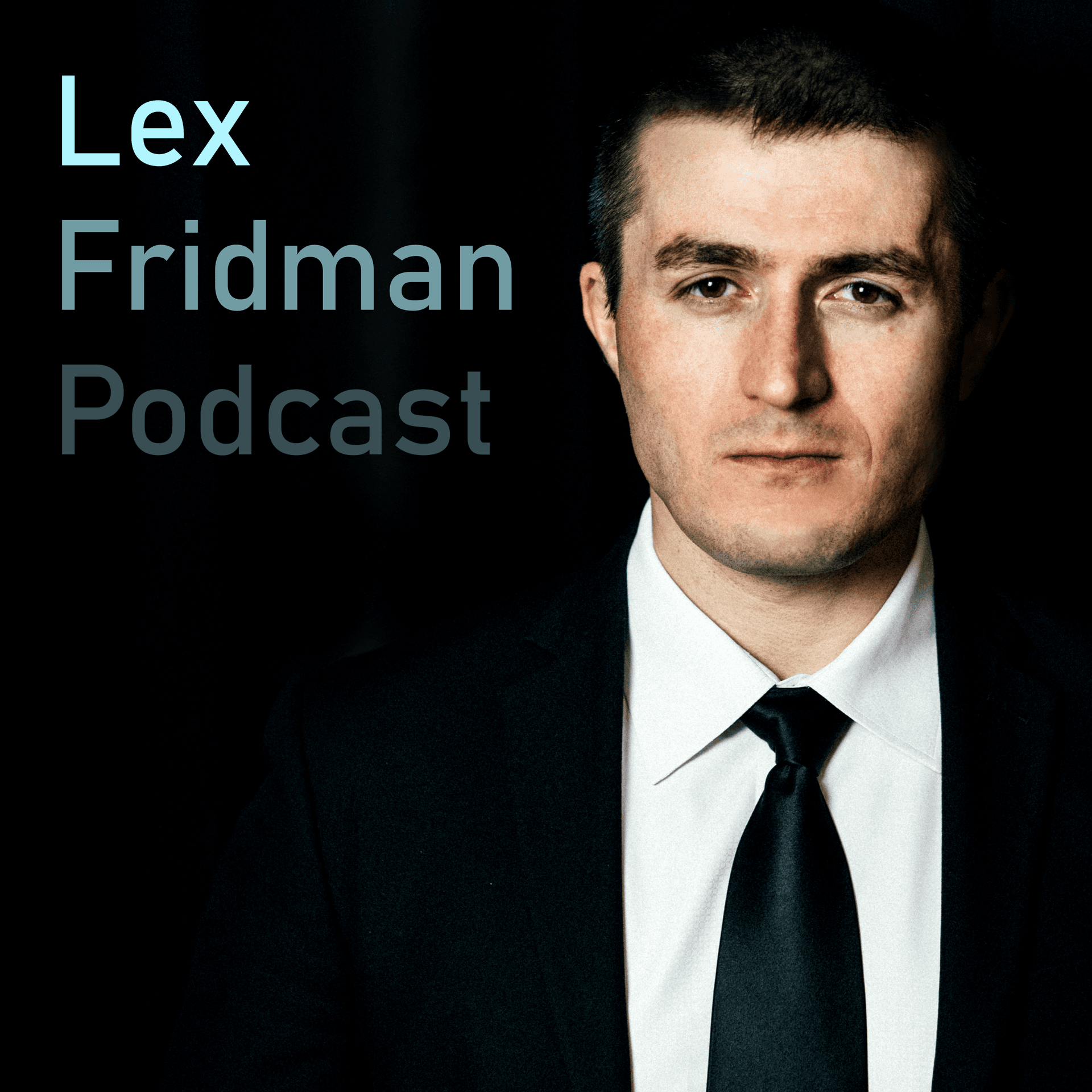
Lex Fridman Podcast Episode #413 – Bill Ackman: Investing, Financial Battles, Harvard, DEI, X & Free Speech
Episode Overview In this episode of the Lex Fridman Podcast, host Lex Fridman sits down with Bill Ackman, a renowned activist investor and the CEO of Pershing Square Capital Management. The conversation covers various topics, including investing strategies, the dynamics of the financial markets, and contemporary socio-political issues affecting universities and society at large.
Key Themes and Topics Discussed
- Investing Fundamentals: Ackman shares his approach to value investing, noting the importance of understanding price versus value as articulated by Benjamin Graham in "The Intelligent Investor."
- Activist Investing: Ackman discusses his role as an activist investor, detailing how he intervenes in companies to help them realize their potential.
- Recent Financial Battles: Ackman reflects on his experiences with high-stakes investments and significant losses, including his involvement with Herbalife and Valiant Pharmaceuticals.
- University Governance and DEI Issues: The episode explores the current state of higher education, particularly the implications of Diversity, Equity, and Inclusion (DEI) initiatives and how they relate to free speech and campus protests.
- Political Commentary: Ackman shares his views on former President Trump and the current political landscape, including his support for Dean Phillips in the Democratic primary.
Detailed Notes
Investing Fundamentals
- Value vs. Price: Ackman emphasizes the need to distinguish between the market price of a security and its intrinsic value.
- Investment Approach:
- Focus on understanding businesses thoroughly before investing.
- Seek companies with predictable cash flows and strong competitive advantages.
- Importance of "margin of safety" in investment decisions.
Activist Investing
- Definition: Activist investors buy significant stakes in companies and work to effect change to improve the company's value.
- Ackman's Activist Examples:
- General Growth Properties: Ackman's successful turnaround of this company post-bankruptcy.
- Herbalife: A controversial investment where Ackman took a short position, leading to a public battle with Carl Icahn.
Financial Battles and Lessons
- Valiant Pharmaceuticals: Ackman's significant loss of $4 billion due to mismanagement and subsequent issues that unfolded.
- Herbalife Saga: The intense rivalry with Carl Icahn, highlighting the tensions between short sellers and company supporters.
University Governance and DEI Issues
- Critique of Harvard's Leadership: Ackman discusses Claudine Gay's tenure and the board's failure to respond adequately to campus protests and issues surrounding antisemitism.
- Diversity, Equity, and Inclusion: A critical examination of DEI initiatives and their impact on free speech and campus culture, describing it as a framework that can promote divisiveness.
- Calls for Better Governance: A need for universities to adopt more meritocratic standards and ensure diverse viewpoints in leadership positions.
Political Commentary
- Support for Dean Phillips: Ackman discusses why he believes Phillips would be a strong presidential candidate and the need for a moderate alternative to Biden.
- Reflections on Trump: Acknowledges both the positive economic outcomes during Trump's presidency and the divisiveness that ensued.
Conclusion Bill Ackman reflects on his career and the lessons learned from his experiences in finance and activism. He expresses hope for the future, both in terms of financial markets and university governance, advocating for change and a return to principles that prioritize merit, diversity of thought, and effective leadership.
Key Quotes
- "Investing is about building a model of what a business will produce over its lifetime."
- "The short-term arc of the stock market is a voting machine; in the long-term, it's a weighing machine."
- "A wise person should have money in their head, but not in their heart." – Jonathan Swift
Relevant Resources
- [Bill Ackman's Twitter](https://twitter.com/BillAckman)
- [Pershing Square Holdings](https://pershingsquareholdings.com/)
- Books mentioned by Ackman:
- [The Intelligent Investor](https://amzn.to/3ONnaZy)
- [America's Cultural Revolution](https://amzn.to/3SDz1dY)
Podcast Links
- [Lex Fridman Podcast Website](https://lexfridman.com/podcast)
- [Apple Podcasts](https://apple.co/2lwqZIr)
- [Spotify](https://spoti.fi/2nEwCF8)
This episode provides deep insights into the world of investing, the dynamics of corporate governance, and the pressing social issues facing universities today, making it a valuable listen for anyone interested in finance, politics, and societal change.
Written by AI. May contain mistakes. Listen to the episode to check what was said.
Transcript
Automatic transcript. May contain errors.0:00The following is a conversation with Bill Ackman, a legendary activist investor who has been part of some of the biggest and at times controversial trades in history. Also, he is fearlessly vocal on X, FKA, Twitter, and uses the platform to fight for ideas he believes in. For example, he was a central figure in the resignation of the president of Harvard University, Claudine Gay, the saga of which we discuss in this episode. And now, a quick few second mention of each sponsor, check them out in the description, it's the best way to support this podcast. We got element for delicious electrolytes, policy genius for insurance, age one for overall delicious health, a sleep for naps, and better health for mental health.
0:49Choose wisely, my friends. Also, if you want to work with our amazing team or just want to get in touch with me, go to lexfremon .com slash contact. And now, onto the full ad reads, as always, no ads in the middle, I try to make this interesting, but if you skip them, please still check out the sponsors. We love them. I love them. Maybe you will love them too. This episode is brought to you by element. The thing I'm drinking right now, the thing I drink throughout the day, all days when I travel, it is forever with me. The only flavor I now acknowledge exists. It's watermelon salt. There's many other flavors, and other people say they're also delicious.
1:30I don't know what they're saying. They probably don't know what they're talking about because the greatest flavor of all time is watermelon salt. Do you ever just go to a thing, to a very particular flavor of a thing, and that becomes your thing? There's never a doubt. Are you going to a particular restaurant? Are you going to a nice cream shop? Are you going to the grocery store aisle with the delicious snacks? Exactly. I have that. There's these chips that have very low carbs. There's a lot of different kinds, but there's a particular kind of flavor. I can have a particular flavor, but I'm not ready to reveal what the brand or the flavor is to maintain the sense of mystery about my life.
2:18But more honestly, because I don't actually remember. I just remember the color. Anyway, that's me with watermelon salt and element is delicious. I have found the thing I need in my life, especially when I'm fasting or doing low -carb stuff. Get a simple pack for free with any purchase, try it at drinkelement .com slashlex. This episode is also brought to you by Policy Genius, a marketplace for all kinds of insurance, life insurance, auto insurance, home insurance, disability insurance. They have really nice tools for comparison. This is the thing I need in my life for everything. This is where the good aspect of capitalism can come in, where you have freely competing entities.
3:09Honestly, competing. Transparent will full information available to the consumer where they get to choose and choose honestly based on well -defined, clear, full set of parameters. I love it. I need that for other things I'm doing in my life. I need that for everything. In fact, going back to the other thing I mentioned, I need that for ice cream. I need a full detailed comparison of the different flavors. I also need data on who enjoyed which flavor throughout human history. I'm not talking about just that ice cream shop. I cost all ice cream shops. I want the data. I don't just want the mean or the median because that's going to end up on vanilla or chocolate, whatever.
3:51I want the clusters. I want to know which cluster I belong to. I want the data. Anyway. So the tools that allow you to explore the parameters are very important. That's what policy genius provides. With policy genius, you can find life insurance policies that start at just $292 per year for $1 million of coverage. Head to policygenius .com slash Lex or click the link in the description to get your free life insurance quotes and see how much you could save. That's policygenius .com slash Lex. This episode is also brought to you by AG1. And all in one daily drink that I drink to support better health and peak performance.
4:35The degree to which I love AG1 and my very good close friend Andrew Huberman loves AG1 has become a meme. And every meme is grounded in reality and truth. And my truth is that just brings me happiness. And days like I talk about in this episode where all I eat is some McDonald's beef patties. It just brings me both sort of physiological and psychological comfort knowing that I have at least some of the nutritional bases covered. Meat does make me feel good. But your body probably needs a lot of other stuff, especially for long term longevity and long term health and flourishing. But of course in the long term we're all driving towards a cliff.
5:27And one day too soon we'll be driving off that cliff. Hopefully with a smile. And maybe on that day we'll also be drinking AG1. I drink it twice a day now. It's actually one of my favorite ways to take a break. I just sit on a couch and sit, listen to this peaceful kind of music and just think prepare my mind for the work ahead. They'll give you one month supply of fish oil when you sign up at drinkage1 .com slash lex. This episode is also brought to you by 8th sleep. And it's bought 3 mattress. It controls temperature with an app. It can cool you down to as low as 55 degrees or as hot as 110 degrees.
6:12But you're going to need the next sponsor if you're the kind of person that puts it up to 110 degrees. I have a lot of questions. Next sponsor is brought to help by the way 110 degrees. I just have questions. I think I saw a social media post from Tim Kennedy saying when you're alone that guys oppose. Also, he's insane on the mat. Anyway, he was posting I think on Instagram that when you're alone the only correct temperature to exist in is 60 degrees, 58 degrees, something like this. Basically he likes it freezing. And I can somewhat agree, especially on the surface of the bed. Cold bed, warm blanket.
6:57It's just the best way to take an app. I need to go see Tim. Training to jets it with him is really fun. But he goes pretty intense. That guy lives life on 11. Anyway, check it out and get special savings when you go to 8thleave .com slash lex. This episode is brought to you by BetterHelp. It's about the H -E -L -P -E help. They figure out what you need and match it with a license therapist in under 48 hours individual or couples. It's easier to screen affordable available anywhere. Listen, this is the easiest way to start talking and start diving deep into the recesses of your subconscious mind.
7:40I'm a huge fan of talk therapy, of talking rigorously, talking like it's an important thing with a goal in mind, like you're digging for something. That's what I try to do with this podcast. That's what I try to do with conversations in my private life. When I'm just sitting there at a coffee shop and a stranger sits down and says hello, I'm not a licensed therapist. Neither is the other person. We're just there for an open mic or music thing or whatever the hell. We're amateur therapists of each other. Anyway, you should work with professionals. That's what BetterHelp provides. The whole point is they make it easy.
8:20Check them out at BetterHelp .com slash lex and save on your first month that's BetterHelp .com slash lex. This is the Lex Freedom & Podcast to support it. Please check out our sponsors in the description. And now to your friends, here's Bill Ackman.
8:54In your lecture on the basics of finance and investing, you mentioned a book Intelligent Investor by Benjamin Graham as being formative in your life. What key lesson do you take away from that book that informs your own investing? Sure. Actually, it was the first investment book I read. And as such, it was kind of the inspiration for my career and a lot of my life. So an important book. Bear in mind, this is sort of after the Great Depression, people lost confidence investing in markets. World War II. And then he writes his book. It's for like the average man. And basically he says that you have to understand the difference between price and value.
9:34Right? Prices what you pay, value is what you get. And he said the stock market is here to serve you. Right? And it's a bit like the neighbor that comes by every day and makes you an offer for your house. It makes you stupid offer you ignore it. Makes you a great offer. You can take it. And that's the stock market. And the key is to figure out what something's worth and you have to kind of weigh it. He talked about the difference between, you know, the stock market in the short term is a voting machine. It represents speculative interests, you know, supply and demand of people in the short term.
10:08But in the long term, the stock market is a weighing machine. You're much more accurate. It's going to tell you what something's worth. And so if you can divine what something's worth, then you can really take advantage of the market because it's really here to help you. And that's kind of the message of the book. In that same way, there's a kind of difference between speculation and investing. Yeah. Speculation is just a bit like buying trading crypto, right? Your strong words. Well, short term trading crypto, maybe in the long run, there's intrinsic value. But the, you know, it's many investors, you know, in a bubble going into the, you know, the crash.
10:49We're really just pure speculators. They didn't know what things were worth. They just knew they were going up, right? That's speculation. And investing is, you know, doing your homework, digging down, understanding of business, understanding the competitive dynamics of an industry, understanding what management's going to do, understanding what price you're going to pay, you know, the value of anything, I would say, other than love, let's say, is the present value of the cash you can take out of it over its life. Now, some people think about love that way, but it's not, it's not the right way to think about love.
11:21But it's, yeah, so investing is about basically building a model of what this business is going to produce over its lifetime. So how do you get to that? This idea of called value investing, how do you get to the value of a thing, even like philosophically value of anything really, but we can just talk about the things that are on the stock market. Sure. Companies. The value of a security value is the present value of the cash you can take out of it over its life. So if you think about a bond, you know, bond pays a 5 % coupon interest rate. You get that, you know, let's say every year or twice a year, split and half.
11:59And it's very predictable. And if it's a US government bond, you know, you're going to get it. So that's a pretty easy thing to value. A stock is an interest in a business. It's like owning a piece of a company. And a business, a profitable one, is like a bond. And then it generates these coupons or these earnings or cash flow, you know, every year. The difference with a stock and a bond is that the bond, it's a contract. You know what you're going to get as long as they don't go bankrupt and default. Well, the stock you have to make predictions about the business. You know, how many widgets are going to sell this year?
12:32How many are going to sell next year? What are the costs going to be? How much of the money that they generate do they need to reinvest in the business to keep the business going? And that's more complicated. But you know, what we do is we try to find businesses where with a very high degree of confidence, we know what those cash flows are going to be for a very long time. And there are a few businesses that you can have a really high degree of certainty about and as a result, you know, many investments are speculations because it's really very difficult to predict the future. So we do for a living.
13:04What I do for a living is find those rare companies that you can kind of predict what they're going to look like over a very long period of time. So what are the factors that indicate that a company is something is going to be something that's going to make a lot of money. It's going to have a lot of value and it's going to be reliable over a long period of time. And what is your process of figuring out whether a company is or isn't that? So every consumer has a view on different brands and different companies. And, you know, what we look for are sort of these non -disruptible businesses. A business where you can kind of close your eyes, stock market shots for a decade, and you know that 10 years from now, it's going to be a more valuable, more profitable company.
13:47So we own a business called Universal Music Group. It's in the business of helping artists become global artists, sort of recorded music business, and it's in the business of owning rights to sort of the music publishing rights of songwriters. And, you know, I think music is forever. Music is a many thousand year old part of the human experience, and I think it will be thousands of years from now. And so that's a pretty good backdrop to invest in a company. And the company basically owns a third of the global recorded music. That's, you know, the most dominant sort of market share in the business.
14:28They're the best at taking an artist who's 18 years old. He's got a great voice and has started to get a presence on YouTube and Instagram and helping that artist become a superstar. And that's a unique talent and the result is the best artists in the world want to come work for them. But they also have this incredible library of, you know, the Beatles, Rolling Stone, it's you too, etc. So, and then if you think about what music has become, used to be about records and CDs and, you know, eight track tapes for those of whom, and it was about a new format and that's how they drive sales. And it's become a business which is like the podcast business about streaming.
15:10And you can, streaming is a lot more predictable than selling records, right? You can sort of say, okay. How many people have smartphones? How many people are going to have smartphones next year? There's a kind of global penetration over time of smartphones. You pay, you call it $10, $11 a month through a subscription or last for a family plan. And you can kind of build a model of what the world looks like and predict, you know, the growth of the streaming business, predict what kind of market share universal is going to have over time. And you can't get to a precise view of value. You can get to an approximation.
15:43And the key is to buy at a price that represents a big discount to that approximation. And that gets back to Ben Graham. Ben Graham was about what he called, invented this concept of margin of safety, right? You want to buy a company at a price that if you're wrong about what you think it's worth and it turns out to be worth 30 % less, you paid a deep enough discount to your estimate that you're still okay. It's about investing, a big part of investing is not losing money. If you can avoid losing money and then have a few great hits, you can do very, very well over time. Well, music is interesting because yes, music's been around for a very long time, but the way to make money for music has been evolving.
16:24Like you mentioned, streaming, there's a big transition initiated by I guess Napster that created Spotify of how you make money on music with Apple and with all of this. And the question is how well are companies like UMG able to adjust the transformation? One, I could ask you about the future, which is artificial intelligence being able to generate music, for example, there have been a lot of amazing advancements with. So do you have to also think about that? Like when you close your eyes, all the things you think about, are you imagining the possible ways that the future is completely different from the present and how well this company will be able to serve the wave of that?
17:08Sure. And they've had to serve a lot of ways. And actually the music business peaked the last time in the late 90s or 2000 timeframe. And that really innovation, Napster, digitization of music almost killed the industry. And Universal really led an effort to save the industry and actually made an early deal with Spotify that enabled the industry to really recover. And so by virtue of their market position and their credibility and their willingness to kind of adopt new technologies, they've kept their position. Now, of course, had this huge advantage because I think the Beatles are forever. I think you too is forever.
17:43I think Rolling Stones are forever. So they had a nice base of assets that were important and I think will forever be. And the forever is a long time. But, you know, the, again, there's enormous, there are all kinds of risks in every business. This is one that I think is a very high degree of persistence. And I can't envision a world where beyond streaming in a sense. Now, you may have a neural link chip in your head that instead of a phone. But the music can come in a digitized, you know, kind of format. You're going to want to have an infinite library that you can walk around in your pocket or in your brain.
18:18It's not going to matter that much of the form factor, you know, the device changes. It's not really that important whether it's Spotify or Apple or Amazon that are this so -called DSPs or the providers. I think the values really kind of reside in the content owners. And that's really the artists and the label. And I actually think AI is not going to be the primary creator of music. I think we're going to actually face the reality that it's not that music has been around for a thousand years. But musicians and music has been around. Like we actually care to know who's the musician that created it.
19:02Just like one of know that who's the artist, human artist that created a piece of art. I totally agree. And I think if you think about it, there's lots of other technologies and computers that have been used to generate music over time. But no one wants to, no one falls in love with a computer generated track, right? And Taylor Swift, incredible music, but it's also about the artist and her story and her physical presence and the live experience. I don't think you're going to sit there. And so when it's going to put computer up on stage and then it's going to play and people are going to get excited around it.
19:40So I think AI is really going to be a tool to make artists better artists. And I think like a synthesizer, right? Really created the opportunity for one man to have an orchestra. Maybe a bit of a threat to percussionist, but maybe not. Maybe it drove even more demand for the live experience. Unless that computer has human -like sentience, which I believe is a real possibility. But then it's really from a business perspective, no different than a human. If it has an identity that's basically fame and influence and there'll be a robot Taylor Swift. And it doesn't really have a copy -readable asset.
20:23I would think. Right. Yeah. And then there'll be... Not just a world of... That's a different discussion. The world is not going to ask your permission to become what it's becoming. But you can still make money on it. Presumably there'll be a capital system and there'll be some laws under which AI... Which I believe AI systems will have rights that are akin to human rights. And we're going to have to contend with what that means. Well, there's sort of name and likeness rights. Yes. That have to be protected. Now, can a name be attributed to a Tesla robot? I don't know. I think so. I think it's quite obvious.
21:00Okay. So there's more potential artists for us to represent at Universe. Exactly. All right. That's sort of one example. Another example could be just the restaurant industry. If you look at businesses like McDonald's, right? So whatever. The company's like a 1950 vintage business. And here we are. It's 75 years later. And you can kind of predict what it's going to look like over time. And the menu's going to just over time to consumer taste. And I think the hamburger and fries is probably forever. The beetles, the rolling stones, the hamburger and fries are forever. I was eating at Chipotle last night as I was preparing these notes.
21:37Exactly. Thank you. Thank you. Yeah, it is one of my favorite places to eat. You said it is a place that you eat. You obviously also invest in it. What do you get at Chipotle? I tend to get a double chicken. Bowl or burrito. I like the burrito, but I generally try to order the bowl. Yeah. Cut the carb or heart. And double chicken, guac, lettuce, black beans. And I'm more of a steak guy. Just putting that in the record. What's the actual process you go through? Like literally, like the process of figuring out what the value of a company is. Like how do you do the research? Is it reading documents?
22:21Is it talking to people? How do you do it? It's all about Chipotle. What attracted us initially is a stock price dropped by about 50%. Great company, great concept. Athletes love it, consumers love it. Healthy, sustainable, fresh food made in front of your eyes. And great Steve L. is the founder, an amazing job. But ultimately, the company is lacking some of the systems and had a food safety issue. Consumers got sick, almost killed the rent. But the reality of the fast food quick service industry is almost every fast food company has had a food safety issue over time. And the vast majority have survived.
23:03And we said, look, such a great concept. But they, you know, their approach was not as far from my deal. But we start with usually reading the SEC violence. So companies file a 10k or an annual report. They file these quarterly reports called 10qs. They have a proxy statement which describes kind of the governance, the board structure. Conference call transcripts are publicly available. It's kind of very helpful to go back five years and kind of learn the story. Here's how management describes their business. Here's what they say they're going to do. And then you can follow along to see what they do.
23:34It's like a historical record of, you know, of how competent and truthful they are. It's a very useful device. And then of course, looking at competitors and thinking about, you know, what could dislodge this company? And then we'll talk to, if it's an industry, we don't know well. We know the restaurant industry really well. Music industry, you know, we'll talk to people in the industry. We'll try to understand, you know, the different publishing and recorded music. We'll look at the competitors. We'll talk to, we'll read books. You know, I read a book about the music industry or a couple books about the industry.
24:12So it's, it's a bit like a big research project. And you, these so -called expert networks now. And you can get pretty much anyone on the phone. And they'll talk to you about an aspect of the industry that you don't understand want to learn more about. Try to get a sense, you know, public filings of companies generally give you a lot of information, but not everything you want to know. And you can learn more by talking to experts about some of the industry dynamics, the personalities. You want to get a sense of management. I like watching, you know, podcasts, if a CEO were to do a podcast or a YouTube interview, you get a sense of the people.
24:47So in the case of Chipotle, for example, by the way, I could talk about Chipotle all day. I just love it. I love it. I wish there was a sponsor. I mentioned it to the CEO. Don't make promises you can't keep, Bill. I'm not making it. I can't. Brian Nichols, a fantastic CEO. He's not going to spend $1. He doesn't think it's a company's best interest. All right. All I want is free Chipotle. Come on now. I think, oh, and so you look at a company like Chipotle and then you see there's a difficult moment in it. It's history, like you said, that there was a food safety issue. And then you say, okay, well, I see a path where we can fix this.
25:24And therefore, even though the price is low, we can get it to where the price goes up to its value. So the kind of business we're looking for is sort of the kind of business everyone should be looking for. Right. A great business. It's got a long term trajectory of growth out into the force. Even beyond the foreseeable distance. Those are the kind of businesses you want to own. You want businesses that generate a lot of cash. You want businesses you can easily understand. You want businesses with these huge barriers to entry where it's difficult for others to compete. You want companies that don't have to constantly raise capital.
25:58And these are some of the great business of the world. But people have figured out that those are the great businesses. So the problem is those companies tend to have very high stock prices. And the value is generally built into the price you have to pay for the business. So we can't earn the kind of returns we want to earn for investors by paying a really high price. Price matters a lot. You can buy the best business in the world. And if you overpay, you're not going to earn particularly attractive returns. So we get involved in cases where a great business has kind of made a big mistake. Or you've a company that's kind of lost its way.
Read the full transcript
26:33But it's recoverable. And that's we buy from shareholders who are disappointed, who've lost confidence. They're selling at a low price relative to what's worth. If fixed, and then we try to be helpful in fixing the company. You said that barriers to entry. You said a lot of really interesting qualities of companies very quickly in a sequence of statements that took less than 10 seconds to say. But some of them were fast and all of them were fastening. So you said barriers to entry. How do you know if there's a type of moat protecting the competitors from stepping up to the plate? The most difficult analysis to do as an investor is that.
27:16It's kind of figuring out how wide is the moat? How much at risk is the business to disruption? And I would say the greatest period of disruptability in history, right? Technology, you know, a couple of 19 year olds can, you know, leave whatever university or maybe they didn't go in the first place. They can raise millions of dollars. They can get access to infinite bandwidth storage. They can contract with engineers in low cost markets around the world. They can build a virtual company. And they can disrupt businesses that seem super established over time. And then on top of that, you have major companies with multi -trillion dollar market caps working to find profits wherever they can.
28:03And so that's a dangerous world in a way to be an investor. And so you want to, you have to find businesses that it's hard to foresee a world in which they get disrupted. And the beauty of the restaurant business, and we actually are best track recorders and restaurants. We've never lost money. We've only made a fortune, interestingly investing in restaurants. A big part of it is a really simple business. And if you get your totally right and you're at 100 stores, you know, it's not so hard to envision getting to 200 stores and then getting to 500 stores. And the key is maintaining the brand image, growing intelligently, having the right systems.
28:39Now, when you go from 100 stores to 3500 stores, you have to know what you're doing. There's a lot of complexity, right? You know, if you think about your local restaurant, you know, the family's working in the business, they're watching the cash register. And you can probably open another restaurant, you know, across town. But there are very few restaurant operators that own more than a few restaurants and operate them successfully. And the quick service business is about systems and building a model that a stranger who doesn't know the restaurant industry can come in and enter the business and build a successful.
29:16It's an accessible franchise. Now, Chipotle is not a franchise company. They actually own all their own stores. But many of the most successful restaurant companies are franchise miles, like a Burger King, a McDonald's, Tim Hortons, you know, these various brands, Popeyes. And there it's about systems. But the same systems apply, whether you own all the stores and it's run by a big corporation, or whether the owners of the restaurants are sort of franchise ease, you know, local entrepreneurs. So if the restaurant has scaled to a certain number, that means they've figured out some kind of system that works.
29:45Yeah, it's very difficult to develop that kind of system. So that's a moat. A moat is you get to a certain scale and you do it successfully. And the brands is now in the understood by the consumer. And what's interesting about Chipotle is what they've achieved is difficult, right? They're not buying frozen hamburgers, getting shipped in. They're buying fresh, you know, sustainably sourced ingredients. They're preparing food in the store. That was the first, right? The quality of the product that Chipotle is incredible. It's the highest quality food you can get for, you can get a serious dinner for under 20 bucks and eat really health, you know, healthfully and very high quality ingredients.
30:25And that's just not available anywhere else. And it's very hard to replicate and to build those relationships with, you know, farmers around the country. It's a lot easier to make a deal with one of the big, you know, massive food producers buy your pork from them, then to buy from a whole bunch of farmers around the country. And so it's, that is a big moat for Chipotle, very difficult to replicate. And by the way, another company, I think, gave a stake is McDonald's. No, we own a company called Restaurant Brands. Restaurant Brands owns a number of quick service companies, one of which is Burger King.
30:56Okay. Well, it's been a meme for a while, but I've, Burger King is great to win these whatever, but usually it goes McDonald's. I'll just eat burger patties. I don't know if you knew you could do this, but a burger patty at Burger King can do this McDonald's. It's actually way cheaper. Not just selling the patty. And it's cheap. It's like $1 .50 or $2 for a patty. And it's about $250 calories. And it's just me. And despite like the criticism of memes out there, that's pretty healthy stuff. It's healthy stuff. And so when I go, when I go, the healthiest I feel is when I do carnivore, it doesn't sound healthy, but if I eat only meat, I feel really good.
31:36I lose weight. I have all this energy. It's crazy. And when I'm traveling, the easiest way to get me is that... So you've got to McDonald's, you order six patties. Exactly. So there's this sad meme of me just sitting alone in a car when I'm traveling, just eating beef patties and McDonald's. But I love it. And you got to do what you love, what makes you happy. And that's what makes me happy. Maybe Burger King featuring what about Flamethrower? What's with these fried burgers? We got to get you to Burger King grilled burgers. Wait, is this like fast with trash? I didn't know. I don't know the details of how they're made.
32:06I'm not sure. I don't have allegiance. I think we got to chance us to switch you to Burger King. Great. We'll see. I'm making so many deals today. It's wonderful. Okay. You were talking about most and this kind of remind me of Alphabet, the parent company. Sure. We're made. Where's the big position for us? So it's interesting that you think that maybe Alphabet fits some of these characteristics. It's tricky to know with everything that's happening in an AI and I'm interviewing Senator Parchae soon. It's interesting that you think there's a moat. And it's also interesting to analyze it because the consumer is just a fan of technology.
32:46Highest Google is still around. It's not just the search engine. It's doing all the basics of the business of search really well but they're doing all these other stuff. So what's your analysis of Alphabet? Why are you still positive about it? Sure. So it's a business we've admired as a firm for whatever, 15 years. But rarely got to a price that we felt we could own it because again the expectations were so high and price really matters. Really the sort of AI scare I would call it. You know Microsoft comes out with chat GPT. They do an amazing demonstration. People like this most incredible product.
33:24And Google, which had been working on AI even earlier, obviously the Microsoft Microsoft was behind an AI. It was really their chat GPT deal that gave them a kind of a market presence. And then Google does this fairly disastrous demonstration of BART. And the world says, oh my god, Google's fallen behind an AI. The future stock gets crushed. Google gets to a price around 15 times earnings, which for a business of this quality is an extremely extremely low price. And our view on Google and one way to think about it when a business becomes a verb, that's usually a pretty good sign about the mode around the business.
34:02So you open your computer and you open your search and very high percentage of the world starts with a Google page and one line. We type in your search. You know the Google advertising search YouTube franchise is one of the most dominant franchises in the world. Very difficult to disrupt. Extremely profitable. The world is moving from offline advertising to online advertising and that trend I think continues wide because you can actually see with your ads work. You know, it's to say about advertising, you know, spend a fortune and you just don't know which 50 % of its works, but you just sort of spend the money because you know, ultimately that's going to bring in the customer.
34:45And now with online advertising, you can see with granularity, which dollars I'm spending, you know, when people click on the search term and end up buying something and I pay. You know, it's a very high return on investment for the advertiser and they really dominate that business. Now AI of course is a risk. They've all of a sudden people start searching or asking questions of chat GPT and don't start with the Google search bar. That's a risk to the company. And so our view based on work we had done and talked to industry experts is that Google, if anything had a virtue of the investment they've made at the time, the energy they people put into it.
35:22We felt their AI capabilities were, if anything, potentially greater than Microsoft, chat GPT and that the market had overreacted. And because Google, you know, is a big company, global business regulators scrutinized it incredibly carefully. They couldn't take some of the same liberties. Startup like OpenAI did in releasing a product. And I think Google took a more cautious approach in releasing that early version of BARD in terms of its capabilities. And that let the market, the world to believe that they were behind and we also make concluded if any they're tied or ahead and you're paying nothing for that potential business.
36:00And they're going to and they also have huge advantages by virtue of all the data Google has like the search data. All the various applications, you know, email and otherwise the kind of the Google suite of products. It's an incredible data set. So they have more training data. They're pretty much any company in the world. They have incredible engineers. They have enormous financial resources. So that was kind of the bet. And we still think it's probably the cheapest of the big seven companies in terms of price you're paying for the business relative to its current earnings. It also is a business that has a lot of potential for efficiency.
36:35You know, sometimes when you have this enormously profitable dominant company, you know, all of the technology companies in the post March 20 world grew enormously in terms of their teams. And they probably over hired. And so you've seen some, you know, the Facebooks of the world and now even Google starting to get a little more efficient in terms of their operation. So we've had a low multiple for their the business. One way to think about the value of the business is the price you pay for the earnings or alternatively what's the yield if you flip over the price over the earnings. It gives you kind of the yield of the business.
37:10So a 15 multiple is about a almost a 7 .5 % yield and that earnings yield is growing over time as the business grows. That's a, you know, compared to what you can earn lending your money to the government, you know, 4 % that's a very attractive going in yield. And then there's all kinds of what we call optionality in all the various businesses and investments they've made that are losing money. We've got a cloud business that's growing very rapidly, but they're investing basically 100 % of the profits from that business and growth. So you're in that earnings number, you're not seeing any earnings from the cloud business and you know, they're one of the top cloud players.
37:44So very interesting. Generally well managed company with incredible assets and resources and dominance. And you know, and has no debt. It's going to ton of cash. And so pretty good story. Is there something fundamentally different about AI that makes all of this more complicated, which is the sort of the exponential possibilities of the kinds of products and impact that AI could create when you're looking at meta Microsoft, alphabet Google all these companies X AI or maybe startups. Like is there some more risk introduced by the possibilities of AI? Absolutely. That's a great question. You know, business investing is about finding companies that can't be disrupted.
38:35AI is the ultimate disruptable asset or technology. And it that's what makes investing treacherous is that you own a business that's enormously profitable management gets if you will fat and happy. And then a new technology emerges that just takes away all their profitability and AI is this incredibly powerful tool, which is why every business is saying, how can I use AI and my business to make us more profitable, more successful, grow faster and also disrupt or protect ourself from the, you know, the incomings. It's a bit like you know, Buffet talks about a great business like a castle surrounded by this really wide mode.
39:14But you have all these barbarians trying to get in and steal the princess. And it happens, you know, codec, for example, was an amazing, incredibly dominant company until it disappeared. Polaroid, you know, this incredible technology. And that's why we have tended to stay away from companies that are technology companies because technology companies generally the world is such a dynamic place that someone's always working on a better version. And you know, codec was caught up in the analog film world. And then the world changed. Well, Google is pretty fat and happy until tragedy came out. Yeah.
39:52How would you rate their ability to wake up, lose weight and be less happy and aggressively rediscover their search for happiness? I think you've seen a lot of that in the last year. And I would say some combination of embarrassment and pride are huge motivators for everyone from Sergey Brin, you know, to the management of the company. And then we saw this, throw them into the picture and all of deep mind teams and the unification of teams and like all the shakeups. It was interesting to watch the chaos. I love it. I love it when everybody freaks out. Like you said, partly embarrassment and partly that competitive drive that drives engineers is great.
40:36I can't wait to see what they've been just a lot of improvement in the product. Let's see what it goes. You mentioned management. How do you analyze the governance structure and the individual humans that are the managers of a company? So as I like to say incentives drive all human behavior. And that certainly applies in the business world. So understanding the people and what drives them and what the actual financial and other incentives of a business are very important part of the analysis for investing in a company. And you can learn a lot, you know, I mentioned before one great way to learn about a business is go back a decade and read everything that management is written about the business and see what they've done over time.
41:19See what they've set, you know, conference calls are actually, you know, relatively recent when I started in the business, there weren't conference call transcripts. Now you have, you know, a written record of everything management has said and responds to questions from analysts at conferences and otherwise. And so just you learn a lot about people by listening to what they say, how they answer questions. And ultimately they track record for doing what they say they're going to do. Do they under promise and over deliver? Do they over promise and under deliver? Do they say what they're going to do?
41:49Do they admit mistakes? Do they build great teams? Do people want to come work for them? Are they able to retain their talent? And then part of it is, how much are they running the business for the benefit of the business? How much are they running the business for the benefit of themselves? And that's kind of the analysis you do. Oh, we are talking about CEO, CEO, what does management mean? How deep does it go? Sure. So this very senior management matters enormously. We use the Chipotle example. Steve L's great entrepreneur business got to a scale he really couldn't run it. We recruited a guy named Brian helped a company recruit a guy named Brian nickel.
42:31And he was considered the best person in the quick service industry. He came in and completely rebuilt the company. Actually, we moved the company. Chipotle was moved to California. And sometimes one way to redo the culture of a company is just to move it geographically. And then you can kind of reboot the business. But a great leader has great followership. And over the course of their career, they'll have a team they've built that will come follow them into the next opportunity. But the key is, you know, really the top person matters enormously because and then it's who they recruit. You know, you recruit an A plus leader and they're going to recruit other A type people.
43:08You grew a B leader. You're not going to recruit any great talent beneath them. You mentioned Warren Buffett. You said you admire him as an investor. What do you find most interesting and powerful about his approach? What aspects of his approach to investing do you also practice? Sure. So most of what I've learned in the investment business I've learned from Warren Buffett. He's been my great professor of this business. My first book I read in the business was the Ben Graham intelligent investor. But fairly quickly you get to learn about Warren Buffett. And I started by reading the Berkshire Hathaway and reports.
43:44And then I eventually got the Buffett partnership letters. So you can see which are an amazing read to go back to the mid 1950s and read what he wrote to his limited partners when he first started out. And just follow that trajectory over a long period of time. So what's remarkable about him is one duration. Right. He's still out of the 93. Two takes a very long term view. But a big thing that you learn from him. Investing requires this incredible, dispassionate, unemotional quality. You have to be extremely economically rational, which is not a basic, it's not something you learn in the jungle.
44:24I don't think it's something that you, if you think about the, you know, surviving the jungle. You know, the line shows up, you know, you, and everyone starts running, you run with them. That does not work well in markets. In fact, you generally have to do the opposite. Right. When the lemmings are running over the cliff, that's the time where you're facing the other direction and you're running the other direction. IE, you're stepping in, you're buying stocks, really low prices. Buffett's been great at that and great at teaching about what he calls temperament, which is this sort of emotional kind of, or unemotional quality that you need to be able to do.
45:01You know, you're going to have to be able to dispassionate, look at the world and say, okay, is this a real risk? Are people overreacting? People tend to get excited about investments when stocks are going up and they get depressed when they're going down. And I think that's just inherently human. You have to reverse that. You have to get excited when things get cheaper and you've got to get concerned when things get more expensive. You've been a part of some big battles, some big losses, some big wins. It's been a roller coaster. So in terms of temperament, psychologically, how do you not let that break you?
45:36How do you maintain a calm demeanor and avoid running with the lemmings? I think it's something you kind of learn over time. A key success factor is you want to have enough money in the bank that you're going to survive. You know, regardless of what's going on with volatility and markets, you know, people who, one, you shouldn't borrow money. So if you've borrow money, you own stocks on margin. Markers are going down and you have your livelihood at risk. It's very difficult to be rational. So a key is getting yourself to a place where you're financially secure. You're not going to lose your house.
46:16Right? That's kind of a key thing. And then also doing your homework. You know, stock prices, stocks can trade at any price in the short term. And if you know what a business is worth and you understand the management, you know it extremely well. It's not nearly as it doesn't bother you when a stock price goes down or it has much less impact on you because you know, again, as Mr. Graham said, you know, the short term of the arc is a voting machine. You have a bunch of lemmings, voting one direction. That's concerning. But if it's a great business, that's not a lot of debt. And people are going to just listen to more music next year than this year.
46:52You know, you're going to do well. So it's a bit, some combination of being personally secure and also just knowing what you own. And over time, you build a calluses, I would say. So psychological, just as a human being, speaking of lines and gazelles and all this kind of stuff. Is there some, is it as simple as just being financially secure? Is there some just human qualities that you have to be born with slash develop? I think so. I think now I'm a pretty emotional person, I would say, or feel pretty strong emotions, but not an investing. I'm remarkably immune to kind of volatility. And that's a big advantage.
47:39And it took some time for me to develop that. So you weren't born with that, you think? No. So being emotional, do you want to respond to volatility? Yeah. And you just, it's a bit, again, I, you can learn a lot from other people's experience. It's one of the few businesses where you can learn an enormous amount by reading about other periods in history. And you know, watching, you know, following Buffett's career, the mistakes he made, investing a lot of capital, every one of your mistakes can be big. Right. So we've made big mistakes. The good news is that the vast majority of things we've done have worked out really well.
48:17And so that also gives you, you know, confidence over time. But because we make very few investments, you know, we own eight things today or seven companies of that matter. If we get one wrong, it's going to be big news. And so the other nature of our business, you have to be comfortable with. It's a lot of public scrutiny, a lot of public criticism. And that requires some experience. I think we'll talk about some of that. Yeah. Financial secure is something you believe also recommend for even just everyday investors. Is there some general advice from the things you've been talking about that applies to everyday investors?
48:58Sure. So never invest money. You can't afford to lose where it would, if you lost this, this money, you know, you lose your house, you know, etc. So having, being in a place where you're investing money that you don't care about the price in the short term, you know, it's money for your retirement. You take a really long term view. I think that's key. Never investing. We borrow money against your securities. You know, the markets offer you the opportunity to leverage your investment. And in most worlds, you'll be okay. Except if, you know, there's a financial crisis or, you know, a nuclear device gets detonated, got it for bid somewhere in the world.
49:42Or there's an unexpected war or someone kills a leader unexpectedly. You know, things happen that can change, of course, the history and markets react very negatively to those kinds of events. And you can know the greatest business in the world, training for $100 to share, and next moment it can be 50. So as long as you don't borrow against securities, you own really high quality businesses. And it's not money that you need in the short term. Then you can, you can actually be thoughtful about it. And that is a huge advantage. The vast majority of investors that seems tend to be the ones that panic and the downturns get overrelated in when markets are doing well.
50:21So be able to think long term and be sufficiently financially secure such that you can afford to think long term. Buffett is the ultimate long term thinker. And just the decisions he makes, the consistency of the decisions he's made over time and fitting into that sort of long term framework. It is a very educational. Let's put it that way for the, for learning about this business. So you mentioned eight companies. But what do you think about mutual funds that for everyday investors that diversify across a larger number of companies? I think there are very few mutual funds. There are thousands and thousands of mutual funds.
51:06The very few that earn their keep in terms of the fees they charge. They tend to be too diversified. And, you know, too short term. And you're often much better off just buying an index fund. And many of them perform. They look, if you look carefully, the portfolio is not so different from the underlying index itself. And you tend to pay a much higher fee. Now, all of the things that there's some very talented mutual funds managers, a guy named Will Danoff at Fidelity's had a great record over a long period of time. The famous Peter Lynch, Ron Barron, another great long term growth stock investor.
51:47So there's some great mutual funds. But I put them in the handful versus the thousands. And if you're in, you know, the thousands, I'd rather, I'm so in bought just an index fund basically. Yeah, index funds. But what, what would be the leap for an everyday investor to go to investing in the small number of companies like two, three, four, five companies? I even recommend for individual investors to invest in, you know, a dozen companies. You don't get that much more benefit of diversification going from a dozen to 25 or even 50. You know, most of the benefits of diversification come in the first, you know, call it 10 or 12.
52:31And if you're investing in businesses that don't have a lot of debt, their businesses that you can understand yourself, you understand, you know, actually individual investors did a much better job analyzing Tesla. Then the professional professional investors are analysts, the vast majority of them. So if it's a business you understand, you know, if you bought a Tesla, you understand the product and it's appeal to consumers. You know, it's a good place to start when you're analyzing a company. So I would invest in things you can understand. That's kind of a key. You know, you like Chipotle. You understand why they're successful.
53:02You can, you know, go there every week and you can monitor. You know, is anything changing? How these new kind of house chicken, Alpastor, is that a good upgrade from the basic chicken? You know, the drink offerings, improving the stores clean. I think you should invest in companies you really understand simple businesses where you can predict with a high degree of confidence what's going to look like over time. And if you do that and are not particularly concentrated fashion and you don't borrow money against your securities, you'll probably do much better than your typical mutual fund. Yeah, I think consumers that love a thing are actually good analysts of that thing.
53:39I guess a good starting point. But there's much more information available today. When I was first investing, literally we had people faxing us documents from the SEC filings in Washington, DC. Now, everything's available online. Conference called transcripts are free. You know, you have AI. You know, you have unlimited data and all kinds of message boards and Reddit forums and things where people are sharing advice. And everyone has their own, you know, by virtue of their career or experience, they'll they'll they'll know about an industry or a business. And that gives them I would take advantage of your own competitive advantages.
54:20I'm just afraid to find investments. You're probably I'll be like analyzing every little change of menu from a financial perspective and just be very critical. If it's going to expect your effector experience, I wouldn't buy the stock. Yeah, I mean, I should also say that I am somebody that emotionally does a spontane which is why I've never about index funds. And I just I just noticed myself psychologically being affected by the ups and downs of the market. I wanted to know because if I'm at all tuned in, it has a negative impact on my life. Yeah, that's really important. Can you explain what activist investing is?
54:56You've been talking about investing and then looking at companies when they're struggling stepping in and reconfiguring things within that company and helping it become great. So that's part of it. But let's just sum up. What's this idea of activist investing? I think recently in the last couple of days, I read an article saying that more than 50 % of the capital in the world today, it's investing in stock markets passive index money. That's the most passive form. So if you think about an index fund, a machine buys a fixed set of securities in certain proportion. There's no human judgment at all.
55:36And there's no real person behind it in a way. They never take steps to improve a business. They just quietly own securities. What we do is we invest our capital in a handful of things. We get to know them really, really well because you're going to put 20 % of your assets and something you need to know it really well. But once you become a big holder and if you've got some thoughts on how to make a business more valuable, you can do more than just be a passive investor. So our strategy is built upon finding great companies in some cases that have lost their way and then helping them succeed. And we can do that with ideas from outside the boardroom.
56:18Sometimes we take a seed on a board or more than one. And we work with the best management teams in the world to help these businesses succeed. So when I first went into this business, no one knew who we were. And we didn't have that much money. And so to influence what was to us a big company, we had to make a fair bit more noise. So we would buy a stake. We'd announce it publicly. We'd attempt to engage with management. The first activist investment we made at Persians Square was Wendy's. I couldn't get the CEO to ever return my call. I didn't return my call. So we actually in that case, our idea was Wendy's own company called Tim Hortons, which was this coffee donut chain.
57:01And you could buy Wendy's for basically $5 billion. And they owned 100 % of Tim Hortons, which itself was worth more than $5 billion. You could literally buy Wendy's separate Tim Hortons and get Wendy's for negative value. That seemed like a pretty good opportunity. Even though the business wasn't doing that well. So we bought the stake, called the CEO, couldn't get a meeting, nothing. So we hired actually Blackstone, which was at that time, had an investment bank. And we hired them to do what's called a fairness opinion of what Wendy's would be worth if they followed our advice. And they agreed to do it.
57:36Payed them a fee for it. And then we'd meld in a letter with a copy of the fairness opinion, saying Wendy's would basically be worth 80 % more if they did what we said. And six weeks later, they did what we said. So that's activism, at least an early form of activism. With that kind of under our belt, we had a little more credibility. And now we started to take things and stakes and companies. The media would pay attention. So the media became kind of an important partner. And some combination of shame, embarrassment, and opportunity, motivated management teams to do the right thing. And then beyond that, there are certain steps you can take of management for Calcitrant and the shareholders on your side.
58:13But it's a bit like running for office. You've got to get all the constituents to support you and your ideas. And if they support you and your ideas, you can overthrow, if you will, the board of a company. You bring in new talent and then take over the management of a business. And that's the most extreme form of activism. So that's kind of the early days, and what we did. And a lot of the early things that we did were, you know, call it what we call sort of like investment banking activism. Where we'd go in and recommend something, a good investment bank would have recommended. And if they do it, we make a bunch of money.
58:46And then we moved on to the next one. And then we realized an investment, a company called General Growth, was the first time we took a board seat down a company. And there was some financial restructuring and also an opportunity to improve the operations of the business, sit on the board of a company. And that was one of the best investments we ever made. And we said, okay, we can do more than just be an outside the board from investor. And we can get involved in helping select the right management teams and helping guide the right management teams. And then we've done that over years. And then I would say the last seven years, we haven't had to be an activist.
59:22An activist is generally someone who's outside banging on the door trying to get in. We're sort of built enough credibility that they open the door and they say, hey, Bill, what ideas do you have? So welcome. Would you like to join the board? We're treated differently today than we were in the beginning. And that is, I would say some people might just call it being an engaged owner. By the way, that's the way investing was done in the Andrew Carnegie, JP Morgan days, you know, 150 years ago. Right. You have these iconic business leaders that would own 20 % of US steel. And when things would go wrong, they'd replace the board and the management and fix them.
1:00:01And over time, we went to a world where mutual funds were created like in the 1920s, 30s index funds with Vanguard and others. And that all these controlling shareholders would kind of gave their stock to society or their children and multiple generations. And there were no longer kind of controlling owners of businesses or very few. And that led to underperformance and the opportunity for activists over time. And what activism has done, and I think we've helped lead this movement, is it restored kind of the balance of power between the owners of the business and the management of the company.
1:00:36And that's been a very good thing for the performance of the US stock market, actually. So the owner's meaning the shareholders. Yes. And so there's a more direct channel communication with activists investing between the shareholders and the people running the company. Yes. So activists generally never own more than 5 % or 10 % of a business so they don't have control. So the way they get influence is they have to convince the other, you know, but they have to get to the sort of majority of the other shareholders to support them. And if they can get that kind of support, they can behave almost like a controlling shareholder.
1:01:12And that's how it works. So the running of companies, according to Bill Akman, is more democratic now. It is. It is. But you need some thought leaders. So activists are kind of thought leaders because they can spend the time and the money. You know, retail investor that owns a thousand shares doesn't have the resources of the time. They got a day job, whereas an activist day job is finding the handful of things where there are opportunities. So on average is a good to have such an engaged, powerful, influential investor helping control direct the direction of a company. It depends whether that investor is, but generally I think it's a good thing.
1:01:54And that's why, you know, one of the problems with being CEO of a company today and having a very diversified shareholder base is the kind of short term long term balance. And you have investors will have all different interests in terms of what they want to achieve and when they wanted to achieve. And CEO of a new company has never a new CEO of an old company, let's say, hasn't had the chance to develop the credibility to make the kind of longer term decisions and can be stuck in a cycle of being judged on a quarterly basis. And a business, the best businesses are forever assets and decisions you make now have impact three, four or five years from now.
1:02:36In order to make and sometimes their decisions we make that have the effect of reducing the earnings of a company in the short term because in the long term, it's going to make the business much more valuable. But it's sometimes it's hard to have that kind of credibility when you're a new CEO of a company. So when you have a major owner that's respected by other shareholders sitting on the board saying, hey, the CEO is doing the right thing and making this expensive investment in a new factory. We're spending more money on R &D because we're developing something that's going to pay off over time.
1:03:06That large owner on the board can help by the time necessary for management to behave in a longer term way. And that's I think good for all the shareholders. So that's the good story, but can it get bad? Can you have a CEO who is a visionary and sees the long term future of a company and an investor come in and have very selfish interest in just making more money in the short term. And therefore, destroy and manipulate the opinions of the shareholders and other people on the board in order to sink the company, maybe increase the price, but destroy the possibility of long term value. So that's the good story.
1:03:48It could theoretically happen. But again, the activist in your example, generally doesn't own a lot of stock. The shareholder basis today, the biggest shareholders are these index funds that are forever, right? The Black Rock Vanguard State Street, their ownership stakes are just at this point only growing because of the inflows of capital they have from shareholders. So they have to think or they should think very long term and they're going to be very skeptical of someone coming in with a short term idea that drives the stock price up, you know, in the next six months, but in pairs, the company's long term ability to compete.
1:04:21And basically that ownership group prevents this kind of activity from really happening. So people are generally skeptical short term activists investors. Yes. And they're very few. I don't really know any short term activists investors. Not one with credibility. You mentioned general growth. I read somewhere called arguably one of the best hedge fund trades of all time. So I guess it went from $60 million to over three billion. It was a good one. But it wasn't a trade. I wouldn't describe it as a trade trade is something you buy and use flip. This is something where we made the investment initially in November of 2008.
1:05:06And we still own a company we spun off of general growth and it's now 15 years later. So can you describe what went into making that decision to actually increase the value of the company? Sure. So this was at the time of the financial crisis circa November 2008. What real estate has always been a kind of sector that I've been interested in. I began my career in the real estate business working for my dad actually. Ranging mortgages for real estate developer site. I have kind of deep ties and interest in the business. And general growth was the second largest shopping mall company in the country.
1:05:42Simon properties many people have heard of. General growth was number two. They own some of the best malls in the country. And at that time people thought of shopping malls as these non -disruptible things. Again, we talk about disruption malls have been disrupted in many ways. And general growth stock, the general growth company, the CFO in particular was very aggressive in the way that he borrowed money. And he borrowed money from a kind of Wall Street, not long -term mortgages, but generally relatively short -term mortgages. It was pretty aggressive as the value went up. You'd borrow more and more against the assets.
1:06:17And that helped the short -term results of the business. The problem was during the financial crisis the market for what's called CNBS, commercial mortgage back securities basically shut. And the company because its debt was relatively short -term had a lot of big maturities coming up that they had no ability to refinance. And the market said, oh my god, the lenders are going to foreclose and the shareholders are going to get bankrupt and get wiped out. The stock went from $63 a share to 34 cents. So, and there was a family, the Bucksbound family owned, I think about 25 % of the company. And they had a $5 billion stock that was worth $25 billion or something by the time we bought a stake in the business.
1:06:58And what interested me was, I thought the assets were worth substantially more than the liabilities. The company had $27 billion of debt and had a $100 million value of the equity down from like $20 billion. And one, that sort of an interesting place to start with a stock down 99%. But the fundamental drivers, the mall business are occupancy, how occupied are the malls? Occupancy was up year on year between 07 and 08, interestingly. Net operating income, which is kind of a measure of cash flow from the malls, that was up year on year. So, kind of the underlying fundamentals were doing fine. The only problem they had is they had billions of dollars of debt that they had to repay, they couldn't repay.
1:07:41And if you kind of examine the bankruptcy code, it's precisely designed for a situation like this, where it's kind of this resting place you can go to kind of restructure your business. Now, the problem was that every other company that had gone bankrupt, the shareholders got wiped out. And so the market seeing every previous example, the shareholders got wiped out, the assumptions the stock is going to go to 0. But that's not what the bankruptcy code says. The bankruptcy code says is that the value gets apportioned based on value. And if you could prove to a judge that there was the assets worth more than the liabilities, then the shareholders actually get to keep their investment in the company.
1:08:23And that was the bet we made. And so we stepped into the market and we bought 25 % of the company in the open market for we had to pay up, it started at 34 cents. I think that we're 300 million shares. So it was at a hundred million dollar value. By the time we were done, we paid an average of, we paid 60 million for 25 % of the business. So about 240 million dollars for the equity of the company. And then we had to get on the board to convince the director of the right thing to do. And the board was in complete panic. Didn't know what to do. Spending a ton of money on advisors. And, you know, I was a shareholder activist, you know, four years into Pershing Square.
1:09:02And no one had any idea what we were doing. I thought we were crazy. Every day we go into the market, we buy this penny stock. And we'd file what's called a 13D. Every 1 % increase in our stake. And people just thought we were crazy. We're buying stock and the company is going to go bankrupt. Bill, you're going to lose all your money. You know, run. Okay. And I said, well, you know, bankruptcy code says that it was more asset value than liabilities. We should be fine. And the key moment, if you're looking for fun moments, is there's a woman named Maddie Bucksbaum, who was from the Bucksbaum family.
1:09:36And her cousin, John, was chairman of the board, CEO of the company. And I said, as she calls me after we disclose our stake in the company, she's like, Billy Yakman, I'm really glad to see you here. And I met her like, I don't think it was a date, but I kind of met her in a social context when I was like 25 or something. And she said, look, I'm really glad to see you here. And it's just anything I can do to help you call me. I said, sure. We kept trying to get on the board of the company that wouldn't invite us on. Couldn't really run a proxy contest, you know, not with a company going bankrupt.
1:10:09And their advisor is actually we're Goldman Sachs and like, you don't want the Fox in the hen house. And they were listening to their advisors. So I called Maddie up and I said, Maddie, I need to get on the board of the company to help. And she says, you know what? I will call my cousin and I'll get a ton. Like, you know, she calls back a few hours later, you'll be going on to the board. I don't know what she said to her cousin. Which is convincing. Next thing you know, I'm invited to on the board of the company. And the board is talking about the old equity of general growth, old equities, what you talk about.
1:10:41The shareholders are getting wiped out. I said, no, no, no, this board represents the current equity of the company. And I'm a major shareholder. John's a major for shareholder. There's plenty of asset value here. This company should be able to restructure for the benefit of shareholders. And we let a restructuring for the benefit of shareholders. And it took, let's say eight months. And the company emerged from chapter 11. We made an incremental investment into the company. And the shareholders kept the vast majority of their investment. All the creditors got their face amount of their investment, par plus acute crude interest.
1:11:17And it was a great outcome. All the employees kept their jobs. The mall stayed open. There's no liquidation. The bankruptcy system worked the way it should. You know, I was in court, you know, all the time. And the first meeting with the judge. The judges like, look, this would never have happened. We're not for a financial crisis. And once the judge said, I knew we were going to be fine. Because the company really not done anything fundamentally wrong. Maybe a little too aggressive in how they borrowed money. And stock went from 34 cents to 31 dollars a share. And actually, fun little anecdote.
1:11:49We made a lot of people a lot of money who followed us into it. I got a lot of nice thank you notes. What you get on occasion in this business, believe it or not. And then one day I get a voicemail. This is when there was something called voicemail. Probably a few years later. And it's a guy with a very thick Jamaican accent. Living a message for Bill Ackman. So, you know, I return all my calls. I call the guy back. And he's like, hi, it's Bill Ackman. I just return your call. He says, oh, Mr. Ackman. Thank you so much for calling me. And I said, oh, how can I help? He says, I wanted to thank you.
1:12:23I said, what do you mean? He said, I saw you on CNBC a couple of years ago. And he were talking about this general growth and the stock. I said, where was the stock at the time? He said, it's 60 cents or something like this. And I bought a lot of stock. And I'm like, well, how much did you invest? I invest all of my money in the company. And he was a New York City taxi driver. And he invested like $50 ,000 or something like this at 60 cents a share. And he was still holding it. And he went into retirement. And he made $50 times his money. And those are the moments that you feel pretty good about investing.
1:13:01Well, it gave you confidence through that. Once at Penny's stock. And I'm sure you were getting a lot of naysayers and people saying that this is crazy. It's the same thing. You just do the work. Like, we got a lot of pushback for our investors actually, because we had never invested in a bankrupt company before. It's a field called Distressed Investing. And they're dedicated distressed investors. And we weren't considered one of them. So Bill, what are you doing? You don't know anything about Distressed Investing. You don't know anything about bankruptcy investing. But I can read. I can be learned.
1:13:32And I learned. And it sometimes is very helpful not to be a practitioner, an expert in something, because you get used to the conventional wisdom. And so we just, you know, abstractly read the step back and look at the facts. And it was just a really interesting setup for one of the best investments we ever made. How hard is it to learn some of the legal aspects of this? Like you mentioned bankruptcy code. Like, I imagine it's very sort of dense language and dense ideas. And we'll dilute holes and all that kind of stuff. Like, if you're just stepping in and you've never done Distressed Investing, how hard is it to figure out?
1:14:09It's not that hard. No, it's not that hard. Okay. And I literally read a book on Distressed Investing. Okay. Ben Branch or something. Something on Distressed Invest. So you were able to pick up the intuition from that, just all the basic skills involved, the basic facts to know all that kind of stuff. Most of the world's knowledge is already been written somewhere. You just got to read the right books. And also had great lawyers, you know, built up some great relationships. We worked with Selvin and Cromwell. And the lawyer there named Joe Shanker, who I met earlier in my career. Persion Square is actually my second act in the hedge fund business.
1:14:46I started a fund call, Gotham Partners when I was 26. One of my early investments was a company called Rockfell Center Properties that was heading for bankruptcy. And the lawyer on the other side representing Goldman Sachs was a guy named Joe Shanker. So he was like an obvious phone call because he had yet another real estate bankruptcy. And that one, we did very well. But I missed the big opportunity. And I suffered severe psychological torture every time I walked by Rockfell Center because we could have made. We knew more about that property, anyone else. But I knew less about deal making and didn't have the resources.
1:15:17And I was 28 years old or 27. And they hired a better lawyer than we did. And they outsmarted us on that one and away. So I said, OK, I'm going to go hire this guy the next time. So, OK, we'll probably talk about Rockfell Center and some failures. But first you said Fox in the henhouse. Yes. Something that the board and the chairman were worried about. Why would they call you a fox? So you keep saying activist investing is nothing to worry about. It's always good, mostly good. But that expression applied in this context. There was still worried about that. And so, I mean, there's a million questions here.
1:16:02But first of all, what is the process of getting on the board look like? So a board can always admit a member at any time in their discretion for a US company. And that maybe there's some jurisdiction where you need to shareholder vote. But in most cases, a board can vote on any director that they want. If the board doesn't invite you to the party, you have to apply to be a member in effect. And that process is called, you know, basically, is this the process of ultimately running a slate for a meeting where you propose a number of every any shareholder can propose to be on a board of a company if they own one share of stock in the business.
1:16:41And getting your name in the companies, you know, in the materials they sent to shareholders, those rules were written in a way they were very unfavorable and very difficult to get in the door. Those rules have been changed very recently. Where the company now has to include a candidate, really all the candidates in the materials they sent to shareholders to the shareholders picked the best ones. When we applied, when we applied, when we ran proxy contests in the past, that was not the case. And so you have to spend a lot of money, mostly mailing fees and all kinds of other legal and other expenses to let everyone know you're running like running a political campaign.
1:17:13And then you got to run around and beat with the big shareholders. You know, fly around the country, explain your case to them. And then there's a shareholder meeting. And if you get a majority of votes, you get on. What's this proxy contest slash battle idea? What's what's what's the battle comes when they don't want you gone? And a lot of that has to do with, I would say pride, normal human kind of stuff. You know, a lot of times a board of an underperforming company doesn't want to admit that they've underperformed. And boards of directors 20 years ago when we started Persian Square, were pretty cushy jobs.
1:17:50It's in a board of a company. You play golf at the CEO, you know, at nice golf courses. You make a few hundred thousand dollars a year to go to four meetings. It was kind of a rubber stamp world where boards, you know, at the end of the day, they, the CEO really ran the show. Once shareholders could actually dislodge board members and they could lose their seats. And that's really the rise of shareholder activism. Bords started taking their responsibilities much more seriously because directors are typically, you know, there are many cases they're retired CEOs. This is kind of how they're making a living in a later part of their career.
1:18:28They're sit on four boards. They collect a million, a million half dollars a year and directors fees. If they get thrown off the board by the shareholders, that's embarrassing obviously. And it affects their ability to get on other boards. So, you know, again, incentives as I said earlier, drive all behavior at the incentives directors, they want to preserve their board seats. So if you have a director, now the directors on board serve in various roles. The most vulnerable ones are ones who, for example, chair a compensation committee. And if they put in a bad plan or they overpaid management, you know, they're subject to attack by shareholders.
1:19:01But, you know, these contests are not similar to political contests, whereas mudslinging and other side puts out false information about you, you have to respond. And they're spending the shareholders money. So they have sort of unlimited resources and you're spending your and your investors money. You know, when you're a small firm, finite resources so they can outspend you, they can sue you. They can try to, you know, jigger the mechanics in such a way that you're going to lose. There's some unfortunate stuff that's happened in the past, you know, some manipulative stuff. So also some stuff that's public, like in the press and all this kind of stuff.
1:19:35Oh, of course, you know, there'd be, you know, articles about Campbell. Yeah, the dirty days where they would go through your trash and, you know, make sure that, you know, you're not sleeping around and things like this. But that's okay. I can, I'm subject to, I can survive extreme scrutiny because I've been through this for a long time. So you're saying the fat and happy hands can get very wolf -like when the fox is trying to break in. Is this how we extend the foxes a threat to the hands? Yeah. But you're, you've just cares, the charismatic fox just explained to me why the fox is good for everybody in the hen house.
1:20:18At the end of the day, it's actually very good on a board to have someone, you know, if you, there are many examples over time, and some handful of high profile ones, where the board fought tooth and nail to keep the activists off the board. And then once the activists got on the board and they said, you know, the guy's not so bad after all, the shareholders voted them on. It's got some decent ideas. And let's all work together to have this work out. And so there are very few cases where after the contest, when the, in other words, sometimes you have to replace the entire board. We've done that.
1:20:46But some, in most cases, you get a couple of seats on the board. And it's just, you know, you, you want to build a board comprised of diverse points of view. And that's how you get to the truth. What was the most dramatic battle for the board that you have been a part of? The Canadian Pacific proxy contest. So Canadian Pacific was like, it considered the most iconic company in Canada. It literally built the country because the rail that got built over the over Canada is what united the various provinces into a country. And, and then over time, because the railroad business, pretty good business, they built a ton of hotels.
1:21:25They owned a lot of real estate and it became this massive conglomerate, but it was horribly mismanaged for decades. But time we got involved, it was by far the worst run railroad in North America. They had the lowest profit margins. They had the lowest growth rate. Every quarter management would make excuses generally about the weather as to why they underperform versus. And there there's a direct competitor, a company called Canadian National, as the rail goes right across the country. And Canadian Pacific would constantly be complaining about the weather. And basically, you know, same country, same regions, the tracks weren't that far apart.
1:22:03But it was a really important company. And being on this board was like an honorary thing. And everyone on the board was an icon of Canada, you know, the chairman of the Royal Bank of Canada, you know, the head of the most important grain, privately held grain company. The, you know, sort of an important collection of, you know, big time Canadian executives. Here we were, you know, this is probably about 13 years ago. And, you know, still maybe 44 -year -old from New York, not Canadian, basically saying this is the worst run railroad in North America. And we bought 12 % of the railroad at a really low price.
1:22:42And we brought with us to our first meeting the greatest railroader ever, a guy named Hunter Harrison, who had turned around Canadian National. So we'd like, okay, we've got a great asset. We've got the greatest railroad CEO of all time. He's come out of retirement to step in and run the railroad. And we brought him to the first meeting. And they wouldn't even meet with him. And they wouldn't, certainly weren't going to consider hiring him. And that led us to a proxy contest. And this is where the engine starts churning to figure out how this contest can be won. So what's involved in the... A group of directors who would be willing to step into a battle.
1:23:25And we didn't want a bunch of New York directors or even American directors. We wanted Canadians. The problem was this was the most iconic company in Canada. And we wanted to high profile people. So we talked to all the high profile people in Canada. Every one of them would say, Bill, you're entirely right. This thing is the worst run railroad. It needs to be fixed. But, you know, I see John at the club. You know, I see him at the Toronto club. You know, I can't do this, but you're totally right. And we had to... And that was the concern. Because you have to follow your materials by a certain day.
1:23:55You got to put together a slate. We needed a big slate because we knew that we had to replace basically all the directors. And then one... I spoke to a guy who was one of the wealthiest guys in Canada, who was on the board at one point in time. And he said, Bill, I have an idea for you. Is this woman Rebecca McDonald's? Why don't you give her a call? And I called Rebecca. And she was the first woman to take a company public in Canada as CEO. And she was a kind of anti -establishment, not afraid to take on anything kind of person. And I called her. We had a great conversation. And she... She was in the Dominican Republic at her house.
1:24:35And I flew down to see her. And she said, yeah, I'm all in. And actually, once we got her, that enabled us to get others. And then we put together our slate. And we had some pretty interesting dialogue with the company. They tried to embarrass us all the time. In the press, publicly. What are we... Press, publicly. You know, at one point I wrote an email saying, look, let's come to a piece on this thing. But if we don't, we're really forcing my hand. And we're going to have to rent the largest hall in Toronto and invite all the shareholders and it's going to be embarrassing for management. And I made reference to some nuclear winter.
1:25:10Let's not have it be a nuclear winter. And they thought they'd embarrass me by releasing the email. But it only inspired us. And we rented a large hall in Canada and we put up a presentation walking through, you know, here's Canadian National. Here's Canadian Pacific. Here's what they said. Here's what they did. And we had Hunter get up. It was this incredibly charismatic guy from Tennessee. That amazing, you know, he's like a lion. Incredibly deep voice. Unbelievably track record. Incredibly respected guy. It's like getting Michael Jordan to come out of retirement and come around the company.
1:25:46And Hunter was incredible. And other Paul Laugh, other members of my team were, you know, super engaged. And the board, you know, Canadians are known to be nice. So one of the problems we had is shareholders would never tell management or the board that they were losing. It was not until the night before the meeting when the boat came in. The management realized that they lost. We got 99 % of the boat and they offered us a deal when they begged us to take a deal. They said, look, we'll resign tonight so that we don't have to come to the meeting tomorrow. That's how embarrassed they were. That was kind of an interesting one.
1:26:22So in both this proxy battle and the company itself, this was one of your more successful investments. It was. I mean, this talks up about 10 times and it's an industrial company. It's a railroad. It's not like a growth like it's not Google. So it's a great story. And the company's now run by a guy named Keith Creel. And Keith, it was Hunter's protege and in some many ways is actually better than Hunter. He's doing an incredible job. And we're. The sad part here is we made it. We did very well and tripled our money over several years. And then I went through a very challenging period because of a couple of bad investments.
1:26:56And we had to sell our Canadian Pacific to pay to raise capital to pay for investors who were who were leaving. But we had another opportunity to buy back last in the last couple of years. And so we're we now again a major owner of the company, but had we held on to original stock? It would have been epic if you will. So on this one, you were right. Yes. And I read an article by you. There's many articles about you. I read an article that said, Bill is often right, but you approach it with a scorched earth approach that can often do more. Sort of can do damage. I haven't read the often right article, but the good news is we are often right.
1:27:41And I say we because we're a team. Small team, but a but a fortunately very successful one. So our badding average as investors is extremely high. And the good news is our records totally public. You can see everything we've ever done. But the press doesn't rely generally right about the success stories. They write about the failures. And so we've had some epic failures, big losses. Good news is they've been a tiny minority of the cases. Now no one likes to lose money. It's even worse to lose other people's money. And I've done that occasionally. The good news is if you stuck with us, you've done very well.
1:28:20You know, we're a long time. On a small tangents, this is what we're talking about boards. Did you get a chance to see what happened with the open AI board? Because I'm talking to Sam Altman soon. Is there any insight you have? Just maybe lessons you draw from this kind of these kinds of events, especially with the AI technology company, such dramatic things happening? Yeah, that was a incredible story. Look, governance really matters. And the governance structure of open AI, I think, leaves something to be desired. You know, I think Sam's point was this, and maybe Elon Musk's point, originally set up as a nonprofit.
1:28:58And it reminds me actually, I invested in a nonprofit run by a former Facebook founder. He's going to create a Facebook -like entity for nonprofits to promote goodness in the world. And the problem was you couldn't hire the town you wanted because you couldn't grand stock options. You couldn't pay market salaries. And ultimately, he ended up selling the business to a for -profit. So it taught me, for -profit solutions to problems are much better than nonprofits. And here you had kind of a blend. It was set up as a nonprofit. But I think they found the same thing. They couldn't hire the town they wanted without having a for -profit subsidiary.
1:29:34But the nonprofit entity, as I understand it, owns, or a big chunk of open AI. And the investor's own sort of a capped interest where their upside is capped. And they don't have representation on the board. And I think that's a, you know, was a setup for a problem. And that's clearly what happened here. And there's, I guess, some kind of complexity in the governance. I mean, because of this nonprofit and cap -profit thing, it seems like there's a much complexity and non -standard aspects to it that perhaps also contributed to the problem. Yeah. Governance really matters. Boards of directors really matter.
1:30:22Giving the shareholders the right to have input, at least once a year, in the structure of the governance of companies, is really important. And private venture -backed boards are also not ideal. You know, I'm an active investor in ventures. And there are some complicated issues that emerge in private, as sort of venture -stage companies, where board members have somewhat divergent incentives from the long -term owners of a business. And what you see a lot in venture boards is, you know, they're presided over generally by venture capital investors who are big investors in the company. And oftentimes it's more important to them to give the, to have the public perception that they're good directors.
1:31:09So they get the next best deal, right? If they have a reputation for kind of taking on management to aggressively, word will get out in the small community of founders and they'll miss the next Google. And so their interests are not just in that particular company. That's also, you know, one of the problems. Again, it all comes back to incentives. Can you explain to me the difference in venture -backed like VCs and shareholders? So this means before the company goes public? Yeah, so private venture -backed companies, the boards tend to be very small, could be a handful of the venture investors in management.
1:31:45They're often very rarely independent directors. It's just not an ideal structure. Oh, I see. You want independent. It's beneficial to have people who have an economic interest in the business and they care only about the success of that company as opposed to someone who, you know, if you think about the venture business, getting into the best deals is more important than any one deal. And you see cases where, you know, the boards go along with, in some sense, cases bad behavior in the part of management because they want a reputation for being kind of a founder -friendly director. You know, that's kind of problematic.
1:32:21You don't have the same issue in public company boards. So we talked about some of the big wins and your track record. But you said there was some big losses. So what's the biggest loss of your career? The biggest loss of my career is a company called Valiant Pharmaceuticals. We made an investment in a business that didn't meet our core principles. The problem in the pharmaceutical industry and there are many problems as I've learned is it's a very volatile business, right? It's based on drug discovery. It's based on, you know, predicting kind of the future revenues of our company. We've a drug before it goes off patent.
1:32:56You know, lots of complexities. And we thought we had found a pharmaceutical company we could own because of a very unusual founder in the way he approached this business. It was a company where another activist was on the board of directors of the company and kind of governing and overseeing the day -to -day decisions. And we ended up making a passive investment in the company. And up until this point in time, we really didn't make passive investments. And the company made a series of decisions that were disastrous. And then we stepped in to try to solve the problem. It was first time I ever joined a board and the mess was much larger than I realized from the outside.
1:33:31And then I was kind of stuck. And it was very much a confidence -sensitive strategy because they built their business by acquiring pharmaceutical assets. And they often issued stock when they acquired targets. And so once the market lost confidence in management, the stock price got crushed and it impaired their ability to continue to acquire low costs, you know, drugs. And we lost $4 billion. $4 billion. Yeah. How's that for a big loss? That's up there. Just waiting in this whole conversation, both the wins and the losses and the stakes involved. And by the way, that loss catalyzed more other, what I call, market to market losses.
1:34:13So very high profile, huge number, disastrous press. Then people said, okay, Bill's going to go out of business. So we're going to bet against everything he's doing. And we know it's entire portfolio because we only own 10 things. And we were short a company called Urban Life. Very famously. We've only really shorted two companies. The first one, there's a book. The second one, there's a movie. We're no longer short companies. But so people pushed up the price of Urban Life, which is when you're a short seller, that's catastrophic. I can explain that. And then they also shorted the other stocks that we owned.
1:34:50And so that valiant loss led to an overall more than 30 % loss in the value of our portfolio. The valiant loss was real and we was crystallized and selling the position taking that loss. Most of the other losses were what I would call, market to market losses. They were temporary. But many people go out of business because as I mentioned before, large move in a price, if investors are redeeming or you have leverage, you know, can put you out of business. And if people assumed if we got put out of business, we'd have to sell everything or cover our short position. And that would make the losses even worse.
1:35:24So Wall Street is kind of ruthless. So they can make money off of that whole thing. Absolutely. So they use the opportunity of valiant to try to destroy you. Yes. Reputation financially and then capitalizing the make money off of that. Yes. Well, that's a terrifying spot to be in. Well, what was the like going through that? That was pretty grim. It was, it's actually much worse than that because I had a lot of stuff going on personally as well. So in these things, tend to be correlated. The valiant mistake came at a time where I was contemplating my marriage. And I was also, you know, the problem with the hedge fund business is when you get to a certain scale, the CEO becomes like the chief marketing officer of the business.
1:36:05I'm really an investor as opposed to a marketing guy. But when you have investors who give you a few hundred million dollars, they want to see you. You know, once a year, Bill, I'd love to see you for an hour. But if you got a couple hundred of those, you find yourself on a plane to the Middle East to Asia, flying around the country. This is pre -zoom. And that takes you away from the investment process. You have to delegate more. That was a contributor to the valiant mistake. So now we lose a ton of money on valiant. My ex -wife and I were, you know, talking about separating, getting divorced.
1:36:40I put that on hold. So I didn't want to make a decision in the middle of this crisis. And things just get getting worse. We were also sued. When you lose a lot of money, we didn't get sued by our investors. But we got sued by a shareholder because when the stock price goes down, shareholder's sued. We'd done nothing wrong other than make a big mistake. But, you know, so you have litigation. Your investors are taking their money out. I'm in the middle of the divorce. The divorce starts to proceed. My ex -wife's lawyers expectations of what my net worth was. It was about three times what it actually was.
1:37:14And it was going lower in the middle of this. And I remember the lawyers saying, look, Bill, you know, you know, invest in your net worth at X. But don't worry. We only want a third. But X was three X. So a third was 100%. And then we had litigation. And actually, never before publicly disclosed. And I'll share it with you now. We had a public company that owned about a third of our portfolio. That was called our version of Berkshire Hathaway. I tried to learn from Mr. Buffett over time. And it was so to speak permanent capital. The beauty of the problem with hedge funds, people can take their money out of be quarter.
1:37:59What Buffett has is a company where people want to take their money out. They sell the stock with the money stays. So we set up a similar structure in October of 2014. And then a year later, valiant happens. And then a year later, we're in the middle of the mess. And we're still in the mess. Like by mid -2017, we've got litigation underway. And another activist investor, a firm called LED Associates, which is run by a guy named Paul Singer, took a big position in our public company. That was the bulk of our capital. And they shorted all the stocks that we owned. And they went long, the short, probably went along the short that we were short.
1:38:40And they were making a bet that we'd be forced to liquidate. And then they would make money on our public company was trading at a discount to what all the securities were. So they bought the public company, they shorted the securities. And then they came to see us and to try to be activists and force us to liquidate. And that sort of... Wow. So I thought this was going to be... Wow. I envision an end where the divorce takes all of my resources. The permanent capital vehicle ends up getting liquidated. And another activist in my industry puts me out of business. And I had met Nari Oxman right around this time.
1:39:19And I had fallen completely in love with her. And I was envisioning a world where I was bankrupt, a judge fell me guilty of whatever. You know, he sends me off to jail. Or not that judge because he was a civil judge. But another judge sues the SEC, the Department of Justice. And I find myself in this incredible mess. And I decided I didn't want things to end that way. So I did something I'd never done before. I talked all four about you don't borrow money, I borrowed money. And I borrowed $300 million from JP Morgan in the middle of this mess. And I give JP Morgan a enormous credit in seeing through it.
1:39:58And also, you know, I had been a good client over a long period of time. And it's like, you know, it's a handshake bank. And they bet that I would succeed. And I took that money to buy enough stock in my public company that I could prevent an activist from taking over. I could effectively buy control of our little public company. And I got that done. And that I knew was the moment, the turning point. And I resolved my divorce. And divorces get easier to resolve when things are going badly. I was able to resolve that. We settled a little bit of gaysion. I was buying blocks of our stock in the market.
1:40:31I remember a day I bought a big block of stock in the market. I got a call from Gordon Singer, who's Paul Singer's son, who runs there. London, part of their business. And he's like, Bill, was that you buying that block? I said, yes. And he's like, fuck. So he knew that once I got that, they were not going to be able to succeed. And they went away. And that was the bottom. And then I, we've had an incredible run since then. And they're you able to protect your reputation from the valiant failure still? I mean, you know, this is a business where you're going to make some mistakes. It was a big one.
1:41:08It was very reputationally damaging. The press was a total disaster. But I'm not a quitter. And actually the key moments for us, we've never taken our core investment principles and actually really written them down. It's something we talked about at meetings, you know, kind of our investment team meetings. I had a member of the team, I said, look, go find a big piece of granite and a chisel. And let's take those core principles. I want them like Moses's 10 commandments. Okay, we're going to chisel them, then we're going to put it up on the wall. And once we produce those, we put one on everyone's desk.
1:41:42I said, look, if we ever again veer from the core principles, you know, hit me with a baseball bat. Yeah. And that was the bottom. And ever since then, we've done, we've had the best six years in history of the firm. So refocus on the fundamentals. And love helps the story. Love helps. I literally met Neri at the absent bottom. At first date was September 7th, 2017. That was very close to the bottom. Actually, there's one other element to the story. So this went on for a few months after I met her. The other element is that one day I got a call from Neri. She's like, Bill, guess what? I'm like, what?
1:42:15Brad Pitt is coming to the media lab. He wants to see my work. I'm like, that's beautiful sweetheart. I didn't know Brad Pitt was interested in your work. It has a man that's a difficult phone call to take. And apparently, he's really interested in architecture. Okay. Now, Neri and I were like, you know, we would WhatsApp all day every day. We'd talk throughout the day. Brad Pitt shows up at the media lab at 10 o 'clock. I talked her in the morning. I'd kind of text her to see how things are going. Don't hear back. And on WhatsApp, you can see like whether the other person's red or not. Okay. No response.
1:42:51Yeah. A couple hours later, send her another text. No response. Six o 'clock. No response. Eight o 'clock. No response. Ten o 'clock. No response. And, you know, yeah. Finally calls me at 10 .30. He tells me how great Brad Pitt is. So I had this scenario. Okay. I'm going to, a judge is going to find me. We're going to lose to the judge. All my assets will disappear. And then Brad Pitt is going to take my girlfriend. Yeah. Brad Pitt's your competition. This is great. So it was like a moment. Yeah. That was sort of the bottom. And then sort of, you know, the motivational thing. I didn't want to lose to an activist.
1:43:26I didn't want to lose my girl to some other guy. So Brad Pitt. And you emerge from all that, the winner on all fronts. I'm a very fortunate guy. Very fortunate. And lucky. You talked about some of the technical aspects of that. But psychologically, is there a... What are you doing at night? By yourself. That was a hard time. I'm hard time because I was separated from my wife and my kids. I was living in, you know, not the greatest department. You know, I had a beautiful home. And so I had to go find like a bachelor place. And I was... I didn't want to be away from my kids. I moved like 10 blocks away and I wasn't seeing them and they didn't like it.
1:44:07So I ended up buying an apartment I didn't like in the same building as my kids, like with a different entrance. So I could be near them. And I was home alone. I got a talk. That was a... a bar. And we call them a bar that's not the elephant. He's a black lab or doodle. He was supposed to be a mini, but he's not so as many. But I got him at six weeks old and he would keep me company. And I started meditating, actually. And our friend recommended TM. And I would meditate 20 minutes in the morning, 20 minutes in the evening. And I also, big believer in exercise and weightlifting and I played tennis.
1:44:48And I had been... This is not my first, you know, proximity to disaster. I had another moment in my career, like a, you know, 2002. And I learned this method for dealing with these kind of moments, which is, you just make a little progress every day. So today, I'm going to wake up. I'm going to make progress. You know, make progress in litigation, make progress in the portfolio. I'll make progress with my life. And progress compounds. A bit like money compounds. You don't see a lot of progress in the first few weeks. But like 30 days in, like, oh, okay. You know, like you can't look up at the mountaintop where you used to be.
1:45:27Because then you'll give up, right? But you're just okay. I'm just mixed step by step, my step. And then 90 days in, you're like, okay, I was way down there. Okay. I'm not okay. I don't look up. Just keep making progress, progress, progress, progress. And progress really does compound. And one day you wake up and like, wow, it's amazing how far I've come. And if you look at a chart of Pershing Square, our company, you can see the absolute bottom. Or you can see where we were. You can see the drop. And you can see where we are now. And that huge drop that felt like a complete unbelievable disaster.
1:46:04It looks like a little bump on the curve. And it really gives you perspective on these things. You just have to power through. And I think the key is, you know, I've always been fortunate, like, from a mental health point of view. And, you know, nutrition, sleep, exercise, and a little progress every day. That's it. And, you know, good friends and family. You know, I had, you know, go take a walk with a friend every night. You know, and a sister who loves me and parents who are supportive. But they were, you know, they were all worried about their son, their brother, you know, it was a moment.
1:46:42And also, by the way, the other thing to think about is when you recover from something like this, you really appreciate it. And also the, you know, as much of the media loves, okay, when some successful person falls. They love writing the story of success. They love you more of the story of failure. But when you recover from that, it's kind of like the American story. Right? You know, America, you know, you think of the great entrepreneurs and how many failures they had before they succeeded. You know, how many rocket launches, you know, to SpaceX have explode on the pad. Right? And then you look at success.
1:47:19I mean, that's why Musk is so admired. You mentioned Herbalife. Can you take me through the saga of that? It's historic. So we at Pershing Square, short of very few stocks. And the reason for that is short selling is just inherently treacherous. So if you buy a stock, it's called going long, right? You're buying something, you're worst case scenarios, you lose your whole investment. You buy a stock for 100, because the zero is a hundred dollars, right? Per share, by one cheer, a hundred. You short a stock at a hundred. What it means is you borrow the security from someone else. The analogy I gave that made it easy for people to understand.
1:47:59It's a bit like you think, you know, silver coins are going to go down a value. And you have a friend who's got a whole pile of these 1880 silver, silver US dollars. And you think you're going to go down a value and say, hey, can I borrow, you know, ten of those dollars from you? He's like, sure, but what are you going to pay me to borrow? I'll pay you, you know, I'll pay you interest on your, on the value of the dollars today. So you borrow the dollars that are worth a hundred dollars each today. You pay them interest while you're borrowing them. And then you go sell them in the market for a hundred dollars.
1:48:30That's what they're worth. And then they go down in price to 50. You go back in, you buy the silver dollars back at 50 dollars, and you give them back to your friend. Your friend is, fine, you borrowed ten, you gave them the ten back. And he got interest in the meantime. He's happy, he made money on his coin collection. You, however, made 50 dollars times the ten coins. You made 500 bucks. That's pretty good. The problem with that is, what if you sell them and they go from a hundred to a thousand? Now you got to have to go buy them back. And you got to pay, you know, whatever, ten thousand dollars to buy back coins, you know, that you would, you sold for five hundred.
1:49:04You're going to lose nine, five hundred dollars. And there's no limit, right, to how high a stock price can go. Companies go to three trillion dollars in value, right? Tesla, a lot of people short of Tesla. He's saying, oh, it's over valued. He's never going to be able to make a successful electric car. Well, I'm sure there are people who went bankrupt shorting Tesla. That's why we didn't short stocks. But I was presented with this actually reporter that covered the other short investment we made early in the career, a company called MBIA. Came to me and said, Bill, I found this incredible company.
1:49:35You got to take a look at it. It's a total fraud. And they're scamming poor people. And we should say that MBIA was a very successful short. It was big part of it was that we used a different kind of instrument to short it where you we reversed that sort of we made the investment asymmetric in our favor, meaning put up a small amount of money if it works and make a fortune. For a short selling is you kind of sell something and you have to buy back at a higher price. Urban life didn't have the what's called credit default swaps that you could purchase. Not a big enough company didn't have enough debt outstanding to be able to implement you had to short this stock in order to make it a successful to bet against the company.
1:50:12And the more work I did in the company, the more is like, oh my god, this thing's an incredible scam. You know that they report to sell weight loss shakes. But in reality, they're selling kind of a fake business plan. And the people that adopted lose money and they go after poor people. They go after actually in many cases undocumented immigrants who are pitched on the American dream opportunity. And because they have few other options because they can't get legal employment, they become our blood distributors. And it's a business where you suck all multi level marketing or peer multi level marketing sort of the name for a legitimate company like this or it's a pyramid scheme.
1:50:54We're basically your sales are really only coming from people who are you convinced the by the product by getting them into the business. That's precisely what this company is. And go okay, shorting appearance seems like one will make a bunch of money, but you know, two, the world will be behind us because they're harming poor people. You know, regulators will get interested in a company like this and we've that you know the FTC is going to shut this thing down. And we did a ton of work and I gave this sort of epic presentation laying out all the facts. Stock got completely crushed and we were on our way and the government actually got interested early on launching investigation pretty early, SEC and other, otherwise.
1:51:35But then a guy named Carl icon showed up and there's we have a little bit of a backstory. But his motivations who were not really principally driven by thinking herbal life was a good company. He thought it was a good way to. I heard of me. So he basically bought a bunch of stock and said it was a really great company and you know Carl, at least at the time through his way around a bit. It was a credible investor had a lot of resources and that began the saga. So he was, we should say a legendary investor himself. I'd say legendary in a sense. Yes, for sure. An iconic, iconic Carl icon. Oh, that's very well done.
1:52:18So definitely a iconic investor. So what was the backstory between the two of you? So I mentioned that I had another period of time where significant business challenges. This was my first fund called Gotham Partners and we had a court stop a transaction between some private, a private company we owned. And then a public company. It's another long story. If you want to go. I would love to hear it as well. But it was really my starting to wind up my former fund and we owned a big stake and a company called Hallwood Realty Partners, which was a company that owned real estate assets. It was worth a lot more than we were as a trading, but it needed an activist to really unlock the value.
1:52:53And we were in fact going out of business and didn't have the time or the resources to pursue it. So I sold it to Carl icon. But and I sold it to him at a premium to where the stock was trading. I think the stock was like 66 I sold to him for 80, but it was worth about 150. And I said, look. And part of the deal was Carl's like, look, I'll give you schmuck insurance. You know, I make you sure you don't look bad. And I had another deal at a higher price without schmuck insurance. When I deal with Carl at a lower price, which muck insurance and the way the schmuck insurance went, if I sell the stock in the next three years.
1:53:30You know, for a higher price, I'll give you 50 % of my profit. Well, that's pretty good deal. So we made that deal. And because I was dealing with Carl icon who had a reputation for, you know, being difficult. I was, you know, very focused on the agreement. And we didn't want him to be able to be cute. So the agreement said, if we sell, if he sells or otherwise transfers his shares. And we came up with a definition and include every version of sale, okay? Because, you know, it's Carl. Well, he then buys the stake and then makes a bid for the company. And, you know, plan is for him to get the company.
1:54:09And he bids like 120 a share. And the company hires Morgan Stanley to sell itself. And he raises bid to 125 and the 130 eventually gets sold. I don't remember the exact price. Let's say $145 a share. And Carl's not the winning bidder. And he sells his stock or he loses or transfers shares. $445 a share. So he owes actually our investors the difference between $145 and $80. And I had like, you know, lawyers never like you to put like a arithmetic example. I put like a formula, you know, like out of a math book in the documents. So there could be no confusion. It was only an eight page, really simple agreement.
1:54:50So the deal closes and he's supposed to pay us in two business days or three business days. I wait a few business days. No money comes in. I call Carl on my car. Congratulations on the hall with realty. Thanks Bill. As you call, just want to remind you, I know it's been a few years, but, you know, you we have this agreement. Remember the Schmuck insurance. It's like, yeah. I said, well, you owe us our Schmuck insurance. It's what I mean. I didn't sell my shares. I said, do you still have the shares? He says, no. I said, what happened to them? Well, the company did a merger for cash and they took away my shares, but I didn't sell them.
1:55:33You understand what happened? So I said, Carl, I'm going to have to sue you. So, sue me. I'm going to sue you. So I sued him. And the legal system in America takes, can take some time. And what he would do is we sued and then we won in whatever New York Supreme Court. And then he pealed. And you can appeal like six months after the case. We waited to 179th day and they would appeal. And then we fought at the next level and then he would appeal. And he pealed all of the Supreme Court. Of course, the Supreme Court wouldn't take the case. It took years. Now, we had, as part of our agreement, we got 9 % interest on the money that he owed us.
1:56:13So I viewed as my Carl icon, my name or could I count with a much higher interest rate. And eventually, I won. What was the amount? Just tiny. Now, it was material to my investors. So my first fund, I wandered down, but I wanted to maximize everything from my investors. These were the people back me at 26 years old. I was right out of business school. I had no experience. And they supported me. So I'm going to go to the end of the earth for them. And 4 .5 million relative to our fund at the end was maybe 400 million. So it wasn't a huge number. But it was a big percentage of what was left after I sold all our liquid securities.
1:56:48I was fighting for it. So we got 4 .5 million plus interest for eight years or something. That's how long litigation took. So we got about double. So he owed me $9 million, which to Carl icon, who had probably a $20 billion worth at the time. This was nothing. But to me, it was like, OK, this is my investors money. I'm going to get it back. And so eventually one, eventually he paid. And then he called me. I said, Bill, congratulations. Now we can be friends. We can invest, do some investing together. I'm like, Carl, fuck you. You actually said fuck you? Yes. I'm not that kind of person generally.
1:57:29But you know, he made eight years to pay me, not me, even me. My investors money they owed. So I, yeah. So he probably didn't like that. So he kind of hung around in the weeds, waiting for an opportunity. And then from there, I started purging. We had a kind of straight line up. We were up in the first 12 years. We could do nothing wrong. Then valiant. Purple life. Right. He sees an opportunity. And he buys the stock. He figures he's going to run me off the road. And so that was the beginning of that. And kind of the moment. And I think it's the, I'm told by CNBC. It's the most watched segment in business television history.
1:58:14They're interviewing me about the Urbolaif investment on CNBC. And then Carl icon calls into the show. And we have kind of an interesting conversation. We calls me all kinds of names and stuff. So it was a moment. It was a moment of my life. It wasn't public information that he was long an Urbolaif. He didn't yet disclose he had a stake. But he was just telling me how stupid I was to be short this company. So for him, it wasn't about the fundamentals of the company. It was about, it was just personal. 100%. Is there a part of you that regrets saying, fuck you on that phone call to Carl icon? No.
1:58:55I generally have no regrets because I'm very happy with where I am now. And I feel like, you know, it's a bit like, you know, you step on the butterfly and the forest and the world changes because, you know, every action has a reaction. You know, if you're happy with who you are, where you are in life, every decision you've made good or bad over the course of your life got you to possess where you are, I wouldn't change anything. He said, you lost money on Urbolaif. So what, so he did the long term battle. What he did is he got on the board of the company and used the company's financial resources plus his stake in the business to squeeze, squeeze us.
1:59:34And a squeeze in short selling is where you restrict the supply of the securities. So that there's a scarcity. And then you can encourage people to buy the stock and you drive the stock up. And as I explained before, you're short those coins at 10, they go to 100. You can lose theoretically an unlimited amount of money. And that's scary. That's why we don't short stocks. That's why I didn't short stocks before this. But this was, unfortunately, I had to have the personal lesson. So how much was for him personal versus part of the sort of the game of investing? Well, he thought he could make money doing this.
2:00:09He wouldn't have done it if he had otherwise. He thought his bully pulpit, his ability to create a short squeeze, his control over the company, would enable him to achieve this. And he made a billion, we lost a billion. So you think it was a financial decision out of personal? It was a personal decision to pursue it. But he was waiting for an opportunity where he could make money at our expense and was kind of a brilliant opportunity for him. Now the irony is, well, first of all, the FTC found a few interesting facts. So one, the government launched an investigation. They ended up settling with the company, and the company paid 220 million dollars in fines.
2:00:43I met a professor from Berkeley a couple of years ago who told me that he had been hired by the government as their expert on her life. And he got access to all their data. I was able to prove that they're a pyramid scheme. But the government ultimately settled with Karl, because they were afraid they could, you know, they could possibly lose in court, so they settled with him. But if you look at the stock, if we've been able to stay short the entire time, we would have made a bunch of money. Because the stock had a six billion dollar market cap, and we shorted it today. It's probably a billion, a billion and a half.
2:01:17So you left the show up as it, or whatever that's called, covered, closed it out. Yeah. When we sold Valiant, we covered Herbalife. That was the resetting moment for the firm, because it would just psychologically. And, you know, the beauty of investing is you don't need to make it back the way you lost it. Right? You can just take your loss. But the losses are valuable, and that the government allows you to take a tax loss and that can shelter other gains. And we just refocused. Can you say one thing you really like about Karl Leicon, and one thing you really don't like about him? Sure. So he's a very charming guy.
2:01:52So in the midst of all this, the Hallwood one, he took me out for dinner to his favorite Italian restaurant. Really? Yeah. We're in the middle of the litigation to see if he could resolve it. And he offered 10 million in my favorite charity. The problem was that it wasn't my money. It was my investor's money, so I couldn't settle with him on that basis. But you know, I had the chance to spend real time with him at dinner. He's funny. He's charismatic. He's got incredible stories. And you know, actually I made peace with him over time. We had a little hug out on CNBC. Even had him to my house, believe it or not, I hosted a something called a Finance Cup, which is a tennis tournament between people and finance in Europe and the US.
2:02:38And we had the event at my house. And one guy thought to invite Karl Leicon. And so we had Karl Leicon there to present awards. And again, I have to say I kind of like the guy.
2:02:51But I didn't like a much during this. Is there because at least from the outside of perspective, there's a bit of a personal vengeance here. Or anger can build up. Do you ever worry the personal attacks between powerful investors can collage a judgment? What is the right financial decision? I think it's possible. But again, I try to be extremely economically rational. And actually the last seven years have been quite peaceful. I really have not been an activist in the old form for many years. And the vast majority of even our activist investments historically were very polite at respectful cases.
2:03:33The press of course focuses on the more interesting ones. Like Chipotle was one of the best investments we ever made. We got four of eight board seats and we worked with management. It was a great outcome. I think I've ever been a story about it. And the stocks up almost 10 times from the time we hired Brian Nichol C. Eau. But it's not interesting because there was no battle. Whereas Herbalife of course was like an epic battle, even Canadian Pacific. So for a period there, most people when they meet me in person, they're like, wow, you seem like a really nice guy. I thought. So things have been pretty calm for the last seven years.
2:04:11Of course, there's more than just the investing that your life is about, especially recently. Let me just ask you about what's going on in the world first. What was your reaction and what is your reaction and thoughts with respect to the October 7th attacks by Hamas on Israel? You know, it's a sad world that we live in that one, we have terrorists in two that we could have such barbaric terrorism. And yeah, just a reminder of that. So there's several things I can ask here first on the your views on the prospects of the Middle East, but also on the reaction to this war. And in the United States, especially on university campuses.
2:05:01So first, let me just ask you said that your propal Estinian, he explained what you mean by that. You know, with all of my posts about Israel, you know, obviously very supportive of the country of Israel, the Israel's right to exist, Israel's right to defend itself. My Arab friends, my Palestinian friends, you know, we're kind of saying, Hey, Bill, where are you? You know, what about Palestinian lives? And I was pretty early in my life, the Ghani and Marty Parritz, who's been important to me over the course of my life, professor or first investor in my fund, introduced me to Nari, asked me when I was right out of school to join this nonprofit called the Jerusalem Foundation, which was a charitable foundation that supported Teddy Colleck when he was mayor of Jerusalem.
2:05:49I ended up becoming the youngest chairman of the Jerusalem Foundation in my 30s and I spent some time in Israel. And the early philanthropic stuff I did with the Jerusalem Foundation, I think what I was most interested in was kind of the Palestinian, the plight of the Palestinians and kind of peaceful coexistence. And so I had kind of an early kind of perspective and, you know, as chairman of the Jerusalem Foundation, I would go into, you know, Arab communities, I would meet the families in their homes. You know, you get a sense of the humanity of a people and a care about humanity. I generally take the side of people who've been disadvantaged, you know, almost all of our philanthropic work has been in that capacity.
2:06:31So I'd sort of mind natural perspective, but I don't take the side of terrorists ever, obviously. And the whole thing is just a tragedy. So to you, this is about Hamas, that about Palestine. Yes, I mean, you know, the problem, of course, is when Hamas controls, you know, for the last almost 20 years, has controlled Gaza, you know, they've, including the education system, they're educating, you know, you see these, you know, training videos of kindergarteners indoctrinating them into hating Jews and Israel. So it's, it's, of course, you don't like to see Palestinian celebrating, you know, some of those early videos of October 7th, where, you know, dead bodies in the back of trucks and people, you know, cheering.
2:07:21So it's, it's a really unfortunate situation. But I, you know, I think about, you know, a Palestinian life is important, as valuable as a Jewish life, as a American life. And, you know, what are people really want? They want to place, want to home. They want to be able to feed their family. They want a job that generates the resources to feed their family. They want their kids to have a better life than they've had. They want peace. I think these are basic human things. I'm sure the vast majority of Palestinians share these views. But it's such an embedded situation with hatred and, as I say, indoctrination and then, you know, going back to incentives, you know, terrorists generate their resources by committing terrorism.
2:08:07And that's how they get funding. And that's, you know, there's a lot of graft. You know, there's a plutocracy, right? The top of the terrorist pyramid, you know, if you accept the numbers that are in the press, you know, the top leaders, you know, have billions of dollars, you know, 40 billion or so has gone into Gaza over the last and the West Bank of the last 30 years, a number like that. And a lot of it's disappeared into some combination of corruption or tunnels or weapons. And the tragedy is, you know, you look at what Singapore has achieved in the last 30 years. Right. Do you think that's still possible if we look into the future of 10, 20, 50 years from now?
2:08:50Absolutely. So not just peace, but peace comes with prosperity. You know, people are, you know, under the leadership of terrorists, you're not going to have prosperity and you're not going to peace. And I think the, you know, the Israelis withdrew in 2005 and fairly quickly, Hamas took control of the situation. That would, that should never have been allowed to happen. And I think, you know, if you think about, I have the opportunity to spend a call on an hour with Henry Kissinger, a few months before he passed away. And we were talking about Gaza or in the early stage of the war, he says, look, you know, this is not.
2:09:32You can think about Gaza as the, as a test of a two -state solution. It's not looking good. These were his words. So the next time round, you know, the Palestinian people should have their own. State, but it can't be a state where, you know, 40 billion resources goes in and it's been on weaponry and missiles and rockets going into Israel. And I do think a consortium of the Gulf states, you know, the Saudis and others have to ultimately oversee the governance of this region. If I think if that can happen, I think you can have peace. You can have prosperity. And you know, fundamentally an optimist.
2:10:13So a coalition of governance. Governance matters, you know, going back to what we talked about before. And, you know, that, that kind of approach can give the people a chance to flourish. 100 % I mean, look at what Dubai has accomplished with, you know, no mads in the desert, right? And that's become a major, it's a tourist destination. Gaza could have been a tourist destination. Take me through the saga of university presidents testifying on this topic, on the topic of protest on college campuses, protest that call for the genocide of Jewish people and the university presidents.
2:11:13And you know, you can do a comparison contrast with how Dartmouth managed the events of October 7th and the aftermath and how Harvard did.
2:11:28And then, you know, the Dartmouth president, who had been in her job for precisely the same number of months that the Harvard president had been in her job. The first thing she did is she got the most important professors of Middle East studies who were Arab and who were Jews and the convened them and held a, you know, an open session, Q &A for students to talk about what's going on in the Middle East. And began an opportunity for common understanding among the student body. And Dartmouth has been a relatively benign environment on this issue. And students are able to do work. And there aren't disruptive protests with people with bull horns walking into classrooms interfering with, you know, people pay today $82 ,000 a year, which itself is crazy to go to Harvard.
2:12:19But imagine your family borrows the money or you borrow the money as a student and your learning is disrupted by constant protests and the university does nothing. You know, when George Floyd died, you know, the Harvard president wrote a very strong letter denouncing what had taken place and, you know, calling this an important moment in American history and took it incredibly seriously. Her first letter about October 7th was not that. Let's put it that way. And then her second letter was not that. And then ultimately, you know, she was sort of forced by the board or the pressure to make a more public statement.
2:12:59But it was clear that it was hard for her to come to an understanding of this terrorist act. And then the protest erupted on campus and they started out reasoning benign. And then the protesters got more and more aggressive in terms of violating university rules on things like bullying and the university did nothing. And that obviously for the Jewish students, the Israeli students, the Israeli faculty, Jewish faculty created an incredibly uncomfortable environment. And the president seemed indifferent. And, you know, I went up to campus and I met with hundreds of students in small groups and larger groups.
2:13:38And they're like, Bill, why is the president doing nothing? Why is the administration doing nothing? And that was really the beginning. And that, you know, I reached out to the president, reached out to the board of Harvard. I said, look, this thing is head in the wrong direction. And you need to fix it. And I have some ideas, love to share. And I got the heistman, as they say, you know, they just kept pushing off the opportunity to meet with the president and meet with the board. And a certain point in time I pushed, you know, I'm kind of a activist when he pushed me. It reminded me of, you know, the early days of activism where I couldn't get the CEO of Wendy's turn to return my call.
2:14:22I couldn't get the CEO of Harvard. You know, take a meeting. And then finally I spoke to the chairman of the board, woman, Pennie Pritzker, who I knew from a amount of business school board with her. And it was, as I described, one more disappointing conversations in my life. And it did not seem she seemed a bit like, if you will, deer in the headlights, they couldn't do this. They couldn't do that. The law was preventing them from doing various things. And that led to my first letter to the university. And I sort of ended the letter, you know, sort of giving this president of Harvard a dared be great speech as is your opportunity.
2:14:59You know, you can fix this. This could be your legacy. And I sent it to the email to the president and the board members, whose email addresses I had posted it on Twitter. I got no response, no acknowledgement, nothing. And in fact, the open dialogue I had with a couple of people on the board basically got shut down after that. And that led to letter number two. And then, and then when the Congress led by Lisa Daphonic announced an investigation of anti -Semitism on campus and concerned about violations of law. The president was called to testify along with two other, you know, the president of MIT, you know, the president of University of Pennsylvania.
2:15:47And we're having similar issues on campus. I reached out to the president of Harvard and said, well, one, the Israeli government had gotten in touch and offered the opportunity for me to see the Hamas, if you will go pro film. And I said, you know, I'd love to show it at Harvard and they thought that would be a great idea. And so I partnered with the head of Harvard, Habad, a guy named Rabbi Hershey. And we were putting the film up on campus and I thought, you know, if the president were to see this, it would give her a lot of perspective on what happened and she should see it before her testimony.
2:16:21And so I reached out to her, we're actually, her, she did. And he was told to be out of town and couldn't see it. And then I reached out to her again, said, look out, I'll facilitate your attendance in the Congress. And then she said, you know, come see the film, I'll fly you down. That was rejected. And then she testified. And I watched, you know, a good percentage of 80 % of the testimony of all three presidents. And it was an embarrassment to the country, embarrassment to the universities. You know, they were evasive. They didn't answer questions. They were rude. They smirked. You know, they look, you know, very disrespectful to our Congress.
2:17:04And then of course there was that several minutes where finally, at least a phonic was not getting answers to your questions. And she said, you know, let me be, you know, kind of clear. What if protesters were calling for genocide for the Jews does that violate your rules on bullying and harassment. And the three of them basically gave the same answer, you know, depends on the context. And not until they actually executed on the genocide to the University of the right to intervene. And the thing that perhaps bothered me the most was the incredible hypocrisy. You know, Harvard was, you know, each of these universities are ranked by this entity called fire, which is a nonprofit that focuses on free speech on campus.
2:17:46And Harvard has been in the bottom quartile for the last five years and dropped to last before October 7th at about 250. I should mention briefly that I've interviewed in this podcast, the founder of fire and the current head of fire, we discussed this on length, including running for the board of Harvard and the whole procedure of all that. It's quite a fascinating investigation of free speech for people who care about free speech absolutism. That's a good episode to listen to because those folks kind of fight for this idea. It's a difficult idea actually to internalize what is free speech in college campuses look like Harvard has become a place where free speech is not tolerated on campus or at least free speech that's not part of the accepted dialogue or.
2:18:34You know, this whole notion of speech codes and microaggressions really emerged on the elite, you know, the Harvard Yale. Campuses of the world and you know, the president of Harvard's then president of Harvard's explanation for why you know, you could call for the genocide of the Jewish people on campus was Harvard's commitment to free expression. And you know, one of the more hypocritical statements of all time and really can't have it both ways either Harvard has to be a place where it's a free speech. She basically said we're free speech absolute is place, which is why we have to allow this.
2:19:09And Harvard could not be further from that and so that was a big part of it and I I was in the barber chair if you will get in haircut. And I had a guy in my team send me the three minute section I said, you know, cut that line of questioning and I put out a little tweet on that and call my greatest hits of of posts got some 110 million views and you know, everyone looked at this and said what is wrong with you know university campuses. And their leadership and their governance by the way, you know, in a way this whole conversation has been about governance. Harvard has disastrous governance structure, which is why we have the problem we have.
2:19:54And just the link around the testimony you mentioned, you know, smirks and this kind of stuff and you mentioned dare to be great. I myself am kind of a sucker for great leadership and those moments you mentioned in Churchill or so on. Even great speeches. People talk down on speeches like it's maybe just words, but I think speeches can define a culture and define a place to find a people they can inspire. And I think actually the testimony before Congress could have been an opportunity to redefine what Harvard is dare to be great for dare to be a great leader. President Harvard had a huge opportunity because she went third right the first two gave the world's most disastrous answers to the question.
2:20:45And she literally just copied their answer. It's self, you know, kind of ironic and light of ultimately what happened. It's tough because you can get busy as a president as a leader and so on. There's these meetings. So you think Congress maybe you're smirking at the ridiculousness of the meeting. You need to remember that many of these are opportunities to like give us speech of a lifetime. Like that if there is principles which you want to see an institution become an embody in the next several decades, there's opportunities to do that. And you as a great leader also need to have a sense of when is the opportunity to do that.
2:21:29And October 7th really woke up the world. On all sides honestly like there is serious issue going on here. And then the protests woke up the university. There's a serious issue going on here. It's an opportunity to speak on free speech and on genocide both. Yes. Do you see the criticism that you are a billionaire donor and you sort of used your power and financial influence unfairly to affect the governing structure of Harvard in this case. First of all, I never threatened to use financial other resources. The only thing I did here was wrote a republic letters. I spoke privately to a couple members of the board.
2:22:15I spoke for 45 minutes of the chairman. None of those conversations were effective or went anywhere as far as I could tell. I think my public letters and then some of the posts I did see it. And that little three minute video excerpt had had an impact. But it wasn't about, I mean, you can criticize me for being a billionaire but that had, you know, it was really the words. It's a bit like again going back to the corporate analogy. It's not the fact that you own 5 % of the company that causes people to vote in your favor. It's the fact that your ideas are right. And I think, you know, I was disappointed after the congressional testimony the board of Harvard said that they were 100 % behind unanimously 100 % behind President Gay.
2:23:01And so clearly I was ineffective and ultimately what took her down was other, I would say activists who identified issues with academic integrity. And then she lost the confidence of the faculty. And once that happens, it's hard to stay. And I wanted her to be fired basically or be forced to resign because of failures of leadership. Because that would have sent a message about the importance of leadership, you know, failure to stop a emergence of anti -Semitism on campus. And you know, there's some news today. The protests are getting worse. Is there some tension between free speech on college campuses and disciplining students for calls of genocide?
2:23:42Yes, there's certainly a tension. And I think, first of all, I think free speech is incredibly important. And I'm on the side. I'm a lot closer to absolutism on free speech than otherwise. The issue I had was the hypocrisy, right. They were restricting other kinds of speech on campus, principally conservative speech, conservative views. So it wasn't a free speech absolutist campus. And the protests were actually quite threatening to students. And there are limits to even absolutist free speech. And they begin where people feel, you know, intimidation, harassment and, you know, threat to bodily harm, etc.
2:24:22That kind of speech is generally, I didn't get it. It's pretty technical. But as people feel that they're an imminent harm by virtue of the protest, that speech is at risk of not meeting the standards for free speech. But Harvard is a private corporation. And as a private corporation, they can put on what restrictions they want. And Harvard had introduced only a few months before bullying and harassment policies. And that's why representatives to panic focused on, it's not like she said, it's calling for genocide against the Jews, violate your free speech policies. She says it's calling for genocide against the Jews, violate your policies on bullying and harassment.
2:24:56And I think everyone looked at this when they said, it depends on the context. And they said, look, if you replace Jews with some other ethnic group, students have been who views the N word, for example, have been thrown off campus or suspended, you know, students who've, you know, hate speech directed at LGBT, and then there's a lot of people as led to display action. But, you know, attacking, spitting on Jewish students or, you know, kind of roughing them up a bit seemed like, you know, or call for their elimination didn't seem to violate the policies. So it's, you know, look, I think a university should be a place where you have broad views and open viewpoints and broad discussion.
2:25:39But it should also be a place where students don't feel threatened going to class where their learning is not interrupted when final exams are not interrupted by, you know, people coming in and with loud protest. Students asked me when I went up there, what would you do if you were a Harvard president? I said, this is before I knew what was happening on the Dartmouth campus, I said, I would, I convene everyone together. This is Harvard, we've access to the best minds in the world. Let's have a better understanding of the history. Let's understand the backdrop. Let's focus on solutions. Let's bring Arab and Jewish and Israeli students together.
2:26:09Let's form groups to create communication. That's how you solve this kind of problem. And none of that stuff has been done. It's not that hard. Do you think this reveals a deeper problem in terms of ideology and the governance of Harvard in the, maybe the culture of Harvard. Yes, so on governance, the governance structure is a disaster. So the way it works today is Harvard has two principal boards. There's the board of the corporation, so called fellows of Harvard. It's a board of, I think 12 independent directors and the president. There's no shareholder vote. There's no proxy system. It's really a self perpetuating board that elects, it's effectively elects its own members.
2:26:54So there's, you know, once it becomes, once the balance tips politically one way or another, they can, you know, it can be kept that way forever. There's no kind of rebalancing system. You know, if a US corporation goes off the rails, so to speak, the shareholder is going to get together and vote off the directors. There's no ability to vote off the directors. Then there's the board of overseers, which is I think 32 directors. And there are a few years ago, if you could put together 600 signatures, you could run for that board and put up a bunch of candidates. And about five or six get elected each year.
2:27:26And a group did exactly that. And it was an oil and gas kind of disinvestment group. They got the signature as a couple of them got elected and Harvard then changes the rules. And they said, now we need 3 ,200 signatures. And by the way, if there are these dissident directors on the board, we're only going to allow, we're going to cap them at five. So if three were elected in the oil and gas thing, now they're only two seats available. And then a group of former students, kind of younger alums, one of whom I knew approach means had looked bill, we should, we should run for the board. And they decided it's pretty late.
2:28:03Only a few weeks before the signatures were due and love your support. I took a look at their platform. I thought it looked great. I said, look happy to support. And I posted about them, you know, did a zoom with them. And they got thousands of signatures. Collectively the four got whatever 12 ,000 signatures or something like this. And they missed by about 10 % of the threshold. And what did Harvard do in the middle of the election? They made it very, very difficult to sign up, you know, for a vote. And it just makes them look terrible. And they've got now thousands of alums upset that, and again, this wasn't an election.
2:28:38It was just to put the names on the slate. So the only candidates in the slate are the ones selected by the, you know, the existing members. And so it's, it's, business is fail because of governance failures. Universities fail because of governance failures. It's not really the president's fault because the job of the board is to fire higher and fire the president and help guide the institution academically otherwise. So that's governance. An ideology. I was like, how can this be? October 7th, the event that woke me up was 30 student organizations came out with a public letter on October 8th. Literally the morning after this letter was created and said, Israel is solely responsible for Hamas's violent acts.
2:29:25Again, Israel had not even mounted a defense at this point. And there were still terrorists running around in the southern part of Israel. And I'm like, Harvard students, you know, 34 Harvard student organizations signed this letter. And I'm like, what is going on? You know, WTF, right? And that's when I went up on campus and I started talking to the faculty. And that's when I started hearing about actually builds, it's this D .I. ideology. I'm like, what? D .I. like it. Diversity, equity, inclusion. You know, I obviously am familiar with these words and, you know, I see this in the corporate context.
2:30:07And they say, yeah, and they started talking to me about this oppressor oppressed framework, which is effectively taught on campus and represents the backdrop for many of the courses that are offered and in the various. Some of the studies and other degree offerings. I'm like, I had not even heard of this. And you know, I'm pretty aware of person. But I was completely unaware. And basically, they're like, look, Israel is deemed an oppressor. And the Palestinians are deemed the oppressed. And you take the side of the oppressed and any acts of the oppressed to dislodge the oppressor regardless of how violent or barbaric.
2:30:47Okay. I'm like, okay, this is a super dangerous ideology. And so I wrote a like questioning post about this. Like, here's what I'm hearing. You know, my is this right? Then I had someone a friend of mine sent me Christopher Rufos book, AmeriSculpture Revolution, which is sort of a sociological study of the origins of the D .I. movement and critical race theory. And I found it actually one of the more important books I've read and also got quite concerning. And really, it's sort of a ultimately D .I. comes out of a kind of a Marxist socialist backdrop, waved to look at the world. And so I think there are a lot of issues with it.
2:31:34But it unfortunately, it's advancing, I ultimately concluded racism as opposed to fighting it, which is what I thought it was ultimately about. So maybe you can speak to that book a little bit. So there's a history that traces back across decades. And then that infiltrated college campuses. So basically, Rufo argues is that the black power movement of the 60s really failed. It was a very violent movement and many of the protagonist ended up in jail. And out of that movement, a number of kind of thought leaders, this guy named Arcus and others built this framework kind of an approach. So look, if we're going to be successful, can't be a violent movement number one, number two, we need to infiltrate, if you will, the universities.
2:32:27And we need to become part of the faculty and we need to teach the students. And then once we take over the universities with this ideology, then we can go into government, and then we can go into corporations, and we can change the world. So I thought an important book and the more I dug in, the more I felt there was credibility to this, not just the kind of sociological backdrop, but to what it meant on campus and faculty, Harvard faculty were telling me that, you know, there's really is no such thing as free speech on campus. And that, you know, there was a survey done, I don't know, a year or so ago, the Harvard faculty and only 2 % of the faculty admitted, even an anonymous survey admitted to being having a conservative point of view.
2:33:14So we have a campus that's 98 % non conservative, liberal progressive. That's adopted this DI construct. And this, and that I learned from a member of the search committee for the Harvard president, that they were restricted in looking at candidates, only those who met the DEI offices criteria, and I shared this in one of my postings and I was accused of being racist.
2:33:44But, and that's someone who believes in a diversity is a very good thing for organizations, and that equity, fairness is really important, and having an inclusive culture is critical, you know, for a functioning of organization. You know, so here I was, someone who was like, okay, DI sounds good to me, you know, at least in the small D, small E, I version of events, but this DI ideologies really problematic. So what's the way to fix this in the next few years, the infiltration of DEI with the uppercase version of universities and the things that have troubled you. The things you saw at Harvard and elsewhere, the same way this was an eye opening event for me, it has been for a very broad range of other people.
2:34:33I've never gotten, you know, I mentioned general growth, I got a lot of nice letters from people from making money on a stock that went up 100 times. But I literally get hundreds of emails letters, texts, handwritten letters, type letters from people, the ages of 25 to 85, saying Bill, this is so important, thanks for speaking out on this. You were saying what, you know, so many of us believe that have been afraid to say, you know, it's a, I described it as almost a McCarthy -esque kind of movement, and that if you challenge the DEI construct, people accused who are being racist, it's happened to be already.
2:35:08You know, I'm perhaps, you know, I'm much less vulnerable than a university professor who can get shouted off campus, canceled. I'm sort of difficult to cancel, but that doesn't mean people are going to try. And, you know, I've been the victim of a couple of interesting articles in the last few days, or at least one in particular in the Washington Post, written by what I thought was a well -meaning reporter. But it's just clear that, you know, I've taken on some big parts of at least the progressive establishment, DEI, I'm also, you know, believe it, Biden should have stepped aside a long time ago, and it's only getting worse.
2:35:48You know, so I'm attacking the president, DEI, elite universities, and you make some enemies doing that. But I should say, I, you know, I'm still at MIT, and I love MIT, and I believe in the power of great universities to explore ideas, to inspire young people to think, to be, to inspire young people to lead. Let me ask, okay, how can you explore how to think when you're only a shared certain point of view, right? How can you learn about leadership when the governance and leadership of the institution is broken and exposure to ideas? If you're limited in the ideas that you're supposed to. So I think universities at risk, I mean, the concerning thing, right, is if 34 student organizations that each have, I don't know, 30 members or maybe more, right, that's a thousand.
2:36:45Okay, that's a meaningful percentage of the, of the campus, perhaps that ultimately resp - now, 10 or so, the 30 withdrew the statement once many of the members realized what they had written. So I don't think it seems like the statement was signed by the leadership and not necessarily supported by all the various students that were, were members. But if the university teaches people these pre -cebs, this is the next generation of leaders. Normally, if you think about, wrote my college thesis on university admissions, the reason why controlling, you know, the gates of the Harvard institution, the admissions office is important, because many of these people who graduate end up with, you know, the top jobs in government and ultimately become judges, they're, you know, permeate through society.
2:37:37And so it really matters what they learn. And if they're limited to one side of the political aisle, and they're not open to a broader array of views and this represents some of the most elite institutions in our country, I think it's very problematic for the country long term. Yeah, 100 % agree. And I also felt like the leadership wasn't even part of the problem as much as they were almost out of touch, like unaware that this is an important moment, as an important crisis, as an important opportunity to step up as a leader and define the future of an institution. So I don't even know where the source of the problem is, it could be literally government structure as we've been talking about.
2:38:26Well, two things. I think it's government structure. I also think universities are selecting, they're not selecting leaders. Yeah. You know, it's not clear to me that university should necessarily be run by academics. Right. You know, the, the, the, the dean of a university, you know, the person who helps, sort of the business of the university, right. And then there's the academics of university and having a, I would argue, having a business leader run these institutions and then having a board that's involved a board that has itself diverse viewpoints. And by the way, permanently structured to have diverse viewpoints is a much better way to run a university than picking an academic that the faculty supports because, you know, one of the things I learned about how faculty get hired at universities ultimately signed off by the board.
2:39:26But, you know, the new faculty are chosen by each of the various departments. Once the departments tip, there's sort of a tipping point politically where once they tip in one direction, the faculty recruit more people like themselves. And so the departments come more and more progressive, if you will, with the passage of time. And they only advance candidates that match their, they meet their political objectives. It's not a great way to build an institution which allows for small D diversity allows for, yeah, diversity in diversity. And diversity, by the way, it is not just race and gender. And that's also something I feel very strongly about.
2:40:08Well, luckily engineering robotics is touched last by this. It is touched, but, you know, I've, when I am at the computing building, stata, and then you won, politics doesn't infiltrate or I haven't seen it infiltrate quite as deep as elsewhere. But it's in the biology department Harvard, because the biology is controversial now. Yes, yes, because biology and gender, you know, there, there are, there are faculty. There's a woman at Harvard who was literally canceled from faculty as a member. I think she's the med school. And she was, you know, she made the argument that there are basically, you know, two genders determined by biology.
2:40:48She wasn't allowed to stay. That's another topic for another time. That's topic. You should do a show on that one. That would be an interesting one. So as you said, technically, Claude in the president of Harvard resigned over plagiarism, not over the thing that you were initially troubled by. It's hard to really know, right? It's not like a approval fact. I would say at certain point in time she lost the confidence of the faculty. And that was ultimately the catalyst. And whether that was how much of that was the plagiarism issue and how much of that was some of the things that proceeded it or was it all of these issues and their entirety.
2:41:26We don't really, there's no way to do a calculus. Can you explain the nature of this plagiarism for what you remember? So, Aaron Siberium and Christopher Rufo, once in the free beacon, Chris, you know, surfaced some allegations on or identified some pleasure in the issues that I would say the initial examples were, you know, use of the same words with proper attribution, some missing footnotes. And then over time with, I guess, more digging, they released, I think ultimately something like 76 examples of what they call plagiarism in, I think, eight of 11 of her articles. And one of the other things that came forth here is as president of the university, she had sort of the thinnest transcript academically of any previous president, you know, very small relative, a small body of work.
2:42:21And then when you couple that with the amount of plagiarism that was pervasive. And then I guess some of the other examples that surface were not missing quotation marks where the authors of the work felt that their ideas had been stolen. And really, plagiarism is academic fraud. There's, there are indicia play one indicia plagiarism is missing footnote. I could also be a clerical error. And so when a, you know, professors accused of plagiarism, university does sort of a deep dive. They have these administrative boards. And it can take six months, nine months, a year to evaluate, you know, intent matters with this intentional theft of another person's idea that's academic fraud.
2:43:02Or was this sloppy, you know, you missed or just humanity, right, you miss a footnote here or there. And I think once it got to a place where people felt it was theft of someone else's intellectual property, that's when it became intolerable for her to stay as president of Harvard. So is there a spectrum for you between a different kinds of plagiarism, maybe plagiarizing words and plagiarizing ideas and plagiarizing novel ideas? Of course, the common understanding of plagiarism, if you look in the dictionary, it's about theft. The theft requires a intent. Did the person intentionally take someone else's ideas or words?
2:43:51Now, if you're, if you're writing a novel, right, words matter more, right, if you're taking Shakespeare and presenting it as your own words. If you're, you know, writing about ideas, you know, ideas matter, but you're not supposed to take someone else's words without properly acknowledging them, whether it's quotation marks or otherwise. But in the context of an academic's life's work before AI, everyone's going to have missing quotation marks and foot notes. I remember writing my own thesis. I would write, I would take, or books you couldn't take out a wider library, so I'd have index cards, and I write stuff on index cards, and I put a little citation to make sure I remember decided properly.
2:44:36And, you know, scrambling to do your thesis, get it in on time. What's the chances you forget at what point, what are your words versus the author's words and you forgot to put quotation marks? Just the humanity, you know, the human fallibility of it. So, you know, you don't get, it's not academic fraud to have human fallibility, but it's academic fraud if you take someone else's ideas that are an integral part of your work. Is there a part of you that regrets that, at least from the perception of it, the President Harvard stepped on over plagiarism versus over refusing to say that the calls for genocide are wrong.
2:45:16Again, I think it would have sent a better message if a leader fails as a leader, and that's the reason for their resignation or dismissal, then she gets, if you will, caught on a technical violation that had nothing to do with failed leadership, because I don't know what lesson that, you know, what's less than that teaches the board about selecting the candidate. The future of Harvard, a lot of it's going to depend on who they pick as the next leader. Here's an interesting anecdote that I think is not surfaced publicly. So, a guy named Larry Bako was the previous president of Harvard. Larry Bako was on the search committee, and they were looking for a new president.
2:46:01And what was strange was they picked an old white guy to be president of Harvard when there was a call for a more diverse president. And what I learned was Harvard actually ran a process, had a diverse new president of Harvard, and in the due diligence on that candidate shortly before the announcement of the new president, they found out that the president, that presidential candidate had a plagiarism problem. And the search had gone on long enough, they couldn't restart a search to find another candidate. So, they picked Larry Bako off the board, off the search committee to be the next president of Harvard as kind of an interim solution.
2:46:42And then there was that much more pressure to have a more diverse candidate this time around, because it was a big disappointment to the DEI office, if you will, when I would say to the community at large, that Harvard, of all places, couldn't have a, you know, racially diverse president. It sounded an important message. So, the strange thing is that they didn't do due diligence on president gay, and that was a relatively quick process. So, the whole thing, I think, is worthy of further, you know, exploration. So, this goes deeper than just the president. Yes, for sure. When a company fails, most people blame the CEO.
2:47:24I generally blame the board. Right, because the board's job is to make sure the right person is running the company, and if they're failing, help the person. If they can't help the person make a change. That's not what's happened here. The board's hand was sort of forced from the outside, whereas they should have made their own decision from the inside. You still love Harvard? Sure. It's a 400 -odd year institution. It enormously helpful to me in my life. I'm sure my sister also went to Harvard, and you know, the experiences, learnings, friendships, relationships. You know, I'm very happy with my life.
2:48:06Harvard was an important part of my life. I went there for both undergrad and business school. I learned a ton, met a lot of faculty, a lot of my closest friends, so I still really keep in touch with. I made then. So, yeah, it's a great place, but it needs a reboot. Yeah, I still have hope. I think a university is a really important institution. You know, when I went to Harvard, there were 1600 people in my class. I think today's class is about the same size. And their online education really has not sort of taken off. So, I heard Peter Teal speak at one point in time. And he's like, what great institution do you know that's truly great that hasn't grown in 100 years?
2:48:52And the incentives in some sense of the alums are for it. It's a bit like a club. If you're proud of the elitism of the club, you don't want that many new members. But the fact that the population is grown of the country is so significantly since, certainly, I was a student in 1984. And the fact that Harvard recruits people from all over the world, it's really serving a smaller, smaller percentage of the population today. And you know, some were most talented and successful entrepreneurs anyway. You know, it's a token of success that they didn't make it through their undergraduate years. They left as a freshman or they didn't attend at all for entrepreneurs.
2:49:34But it's still a place. Very important for research. Very important for advancing ideas. And yes, in shaping dialogue and the next generation of Supreme Court justices. And the members of government, politicians. So yes, it's critically important, but it's not doing the job it should be doing. Nary Oksman, somebody you mentioned several times throughout this podcast. Somebody I had a wonderful conversation with, a friendship with, I've known. Looked up to her, admired her, has been a fan, I've been a fan of hers for a long time, I've worked. And of hers a human being. Looks like you're a fan of hers as well.
2:50:20Yes. What do you love about Nary? What do you admire about hers as scientists, artists, human beings? I think she's the most beautiful person I've ever met. And I mean that from like the center of her soul. She's the most caring, warm, considerate, you know, thoughtful person, I've ever met. And she couples those remarkable qualities with brilliance, incredible creativity, beauty, elegance, grace. Yeah, I'm talking about my wife, but I'm talking incredibly dispassionately. But I mean what I say, she's the most remarkable person I've ever met. And I've met a lot of remarkable people. And I'm incredibly fortunate to spend a very high percentage of my life time with her ever since I met her.
2:51:19You know, six years ago. So she's been a help to you through some of the rough moments you described. For sure. I mean I met her at the bottom, which is not a bad place to meet someone if it works out. Is there some degree of yinning yang with the two personalities you have? You have described yourself as emotional and so on, but it does seem to you have slightly different styles of a high approach to the world. Well, interestingly, we have a lot of like, you know, we come from very similar places in the world. There are times where you feel like we've known each other for centuries. You know, I met her parents for the first time a long time ago, almost six years ago as well.
2:52:04And I knew her parents were from Eastern Europe originally. So I asked her father what city they had found me come from originally. And I called my father and asked him, you know, Dad, what's grandpa Abraham? What's the name of the city? And then I put the two cities into Google maps and there were 52 miles apart. Which I was pretty cool. Then of course at some point we did genetic testing. Make sure we weren't related, which we were not. But we share incredible commonality on values. We are attracted to the same kind of people. You know, she loves my friends. I love hers. We love doing the same kind of things.
2:52:49We're attracted to, you know, we like spending time the same ways. And she has, yes, more emotion, more elegance. She doesn't like battles, but she's very strong. But she's more sensitive than I am. Yeah, you're constantly in multiple battles at the same time. And there's often the media, social media is just fire everywhere. You know, that hasn't really been the case for a while. I've had relative peace for a long time because I stopped being, as I haven't had to be the kind of activist I was earlier in my career. I think since October 7th, yes, I do feel like I've been in a war. Can you tell me the saga of the accusations against Mary?
2:53:39So I did not actually surface the pleasure of malrogation against President Gay that surfaced by, you know, Aaron and maybe Christopher Rufo as well, or maybe Chris helped promote what Aaron and some anonymous person identified. But I certainly was a point in time with a boardhead said we're 100 % behind her and unanimously. And I really felt she had to go. So it didn't bother me at all that they had identified problems with her work. So I shared, I reposted those posts. And then when the board, she ultimately resigned and she got a $900 ,000 a year professorship continuing at Harvard. I said, look, in light of her limited academic record and these plagiarism allegations, she had to go.
2:54:29I knew when I did so, I assumed I was actually a bit paranoid about that thesis I had written. I only had one academic work, but I hadn't checked it for plagiarism. And I thought, that's going to happen. Actually, I had it. I had someone I did not have a copy on hand. So I got a copy of my thesis and I remember writing it Harvard at the time was pretty. They kind of gave you a lecture about making sure you have all your footnotes and quotation marks. I learned later that apparently that a copy of my thesis at the New York Public Library. And a member of the media told me he was there online with a dozen other members of the media all trying to get a copy of my thesis to run it through some AI.
2:55:16They had to first do optical character recognition to convert the paper document into digital. But fortunately, through a miracle, I didn't have an issue. I didn't think about Nari, of course, who has whatever 130 academic works. And so we were just at the end of a vacation for Christmas break. And I was early in the morning for a vacation time. And all of a sudden, I hear my phone ringing in the other room or vibrating in the other room multiple times. I pick up the phone and it's our communication guy, Fran McGill. And he's like Bill, a business insider has apparently identified a number of instances of plagiarism in Nari's dissertation.
2:55:59Let me send you this email. He sent me the email. And they had identified four paragraphs in her 330 page dissertation where she had cited the author, but she had used vast majority of the words and those paragraphs were from the author. And she should have used quotation marks. And then there was one case where she paraphrased correctly an author, but did not footnote that it was from his work. And so we were presented with this and told they're going to publish in a few hours. And we're like, well, can we get to the next day? We're just on about to head home. And they're like, no, we're publishing by noon.
2:56:38We need an answer by noon. And so we downloaded the copy of her thesis on like the slow internet. And you know, Nari checked it out and she said, you know what? Looks like they're right. And I said, look, you should just admit your mistake. And she wrote a very simple, gracious. Yes, I should have used quotation marks. And on the author, I failed to cite. She pointed out that she cited the maybe other times and wrote a several paragraph section of her thesis acknowledging, you know, she always worked. And none of these were like important parts of her thesis, let's acknowledge her mistake. And she said, you know, apologize for my mistake.
2:57:16And I apologize to the author who I failed to cite. And I stand on the shoulders of, you know, all the people came before me and looking to advance work. And we sort of thought it was over. We head home. In flight in the way home, although we didn't realize this till we got back the following day, business insider published another article and said, Nari oxman admits to plagiarism. Plagiarism, of course, is the academic fraud. And this thing goes crazy viral. Oh, Bill, the title is Bill Ackman's wife, celebrity academic, Nari oxman. And they use the term celebrity because there are limits to what legitimate media can go after.
2:57:59But, you know, celebrities, there's a lot more leeway in the media and what they can say. So that's why they call her a celebrity. First time ever, she'd been called a celebrity. And they basically, she's admitting to academic fraud. And then they said, and then the next day, at 5 .19 p .m., I remember the timeline pretty well. An email was sent to Fran McGill saying, you know, we've identified, you know, two dozen other instances of plagiarism in her work. 15 in which are Wikipedia entries where she copied definitions. And the others were mostly software hardware manuals for various devices or software she used in her work, most of which were in footnotes where she described a nozzle for a 3D printer or something like this.
2:58:50And they said, we're publishing, you know, tonight. The email they sent to us was 6 ,900 words. It was 12 pages. It was practically indescribable. You couldn't even read it in an hour. And we didn't have some of the documents that we're referring to. And I'm like, Nari, you know what I'm going to do? I think it will be useful to provide context here. I'm going to do a review of every MIT professors, dissertations, every published paper, AIs, enabled this. And so that was, I put out a tweet basically saying that. And we're doing a test run now because we have to get it right. And I think it will be a useful exercise.
2:59:28Provide some context, if you will. And then this thing goes crazy viral. And, you know, Nari is a pretty sensitive person, pretty emotional person. And someone who's a perfectionist and having everyone in the world thinking you committed academic fraud is a pretty damning thing. Now, they did say they did a thorough review of all of her work. And this is what they found in my sweetheart. That's remarkable. I did 130 works, 73 of which were peer reviewed, blah, blah, blah. And she's published in nature science and all these different publications. That's actually pretty good batting average. But, you know, they can't, this is wrong.
3:00:07Right? This is not academic fraud. Okay, these are inadvertent mistakes. And the Wikipedia entries, Nari actually used Wikipedia's addiction area. This is the early days of Wikipedia. And they also referred to the MIT handbook, which has a whole section on plagiarism, academic handbook. And if you read it, which I ultimately did, they make clear a few things. Number one, there's plagiarism, academic fraud. And there's what they call inadvertent plagiarism, which is clerical errors where you make a mistake. And it depends on intent. And there's a link that you can go to, which is a section on if you get investigated in MIT, what happens, what's the procedure, what's the initial stage, what's the investigative stage, what's the procedure, if they identify it.
3:00:50And they make very clear that academic fraud is, and they list plagiarism, you know, research staff to a few other things. But it does not include honest errors. Honest errors are not plagiarism under MIT's own policies. And in the handbook, they also have a big section of what they call common knowledge. And common knowledge depends on who you're writing your thesis for. And so if it's a fact that is known by your audience, you're not required to quote or cite. And so all those Wikipedia entries were for things like sustainable design, computer -aided design. She just took a definition from Wikipedia, common knowledge to her readers, no obligation under the handbook, totally exempt.
3:01:35On the using the same words, she referred to like connect, whatever, some kind of 3D printer, she was the stratocyst 3D printer. And she quoted from the manual, right away, stratocyst is a company you consult it for, the very, you don't need to, that's not something, you're not stealing your idea as you're describing a nozzle for a device you use in your work and a footnote. That's not a theft of idea, right. And so I'm like, this is crazy. And so this has got to stop. And so I reach out to the guy I knew was on the board of business inside of the chairman. And his name is going to come public shortly.
3:02:13I committed that time to keep his name confidential. It's now surfaced publicly in the press. Can I just pause real quick here? I don't know, there's a lot of things I want to say, but you made it pretty clear, but just as a member of the community, there's also like a common sense test. I think you're more precisely like legal and looking at, but there's just like a bullshit test. And like nothing that Neri did is plagiarism in the bad meaning of the word. Plagiarism right now is becoming another ism like racism or so on using an attack word. I don't care what the meaning of it is, but there's the bad academic frolic theft, theft of an idea.
3:03:02And maybe you can say a lot of definitions and this kind of stuff, but then there's just a basic bullshit test where everyone knows this is a thief and this is definitely not a thief. And there's nothing about anything that Neri did anything in her thesis or in her life. Everyone that knows her, she's a rock star, right? I just want to make it clear it really hurt me that the internet, whatever is happening could go after. Could go after a great scientist because I love science and I love celebrating great scientists. And it's just really messed up that whatever the machine we could talk about business inside or whatever.
3:03:48Social media, mass hysteria, whatever is happening, like we need the great scientists of the world because that's like the future depends on them. And so we need to celebrate them and protect them and let them flourish and let their do their thing and like keep them out of this whatever shit storm that we're doing. To get clips and advertisements and drama and all this kind of we need to protect them. So I just want to say there's no, there's nobody I know and a million friends that are scientists, a world class scientist, no ball prize winners. They all love Neri, they all respect Neri. She did zero wrong.
3:04:27And then the rest of the conversation we can have about how broken journalism is and so on. But like I just want to say that there's nothing that Neri did wrong. It's not a great area or so on. I also personally don't love that Claudine Gay is a discussion about plagiarism because he distracts from the fundamentals that is broken. This becomes a weird technical discussion. But in case Neri did nothing wrong, great scientists, great engineer at MIT and beyond she's doing a cool thing now. So anyway, could not have said it better myself. Obviously I'm focusing the technical part. Right. Because you want to be.
3:05:09Yes, precise here. Well, it's not even that. I mean, yes, I have said that we're going to sue business insider and in 35 years of my career of someone who is not every article. Has been a favorable one. Not every article has been an accurate one. I've never threatened to sue the media and I've never sued the media. But this is so egregious. It's not just that she did nothing wrong, but the accuser of academic fraud. They did it knowing they they referenced MIT's own handbook. So they had to read all the same stuff that I read in the handbook. They did that work. Then after I escalated this thing to the Henry Blodget, the chairman of business insider to the CEO of Axel Springer, I even reached out to Henry Kravitz at a certain point in time, one of the controlling shareholders of the company through KKR, laying out the factual errors in the article.
3:06:07Business insider went public after they said, Larry committed academic fraud in plagiarism and said we never we didn't challenge any of the facts remain undisputed in the article. So so it's basically, Larry committed plagiarism. That's story one. Larry admits to plagiarism. She admits to plagiarism. She admitted to making a few clerical errors. That's the only thing she admitted to. And she graciously apologized. So they said, Larry admits to plagiarism, apologizes for plagiarism. That's incredibly damning. And by the way, we're doing an investigation because we're concerned that there might have been inappropriate process.
3:06:44But the facts of the story have not been disputed by Nari Oksman or Bill Ackman. And that was totally false. I had done it privately. I had done it publicly on Twitter, on X. I laid out, I have a whole tech stream, a WhatsApp stream with a CEO of the company. And they double down, they double down again. And so I don't sue people lightly. And you stay tuned. So you're at least for now moving forward with a certainty we're moving forward. There's this step we can take prior to suing them. Where we basically send them a letter demanding they make a series of corrections. That if they don't make those corrections, the next step is litigation.
3:07:34I hope we can avoid the next step. And I'm just making sure that we present the demand to business insiders and ultimately to Axel Springer. That it's incredibly clear how they defamed her, the factual mistakes and her stories, and what they need to do to fix it. And if we can fix it there, we can move on from this episode and hopefully avoid litigation. So that's where we are. I don't know. You're smarter than me. There's technical stuff, there's legal stuff, there's journalistic stuff. But just fuck you business insider for doing this. I don't know much in this world, but journalists aren't supposed to do that.
3:08:14Now look at it. We're going to surface all this stuff publicly, ultimately. The email was not to nary saying there was pleasure in her work. The email came from a reporter named Catherine Long. The headline was, your wife committed plagiarism. Shouldn't she be fired from MIT? Just like you caused clothing gain to be fired from Harvard. It was a political agenda. She doesn't like me. And she was trying to hurt me. And they couldn't find plagiarism in my thesis. And being the subject of short, being a short seller, the herbal life battle went on for years, they tried to do everything to destroy my reputation.
3:08:55So they're already gone to my trash, they don't know all that work. So anything they could possibly find, I've always lived a very clean life, thankfully. And if you're going to be an activist short sell, you better, because they're going to find out dirt on you if it exists. And so they're like, how can we really hurt Bill? By the way, Nary had left MIT years earlier. When the reporter found out she was no longer a member of the MIT faculty, they were enraged. They didn't believe us. They made us like, prove to us, you should no longer on the MIT faculty, because they wanted to get her fired.
3:09:28And by the way, Malice is one of the important factors in determining whether some of the definitions take place. And this was a Malice driven. This was not about news. And the unfortunate thing about journalism is business insurant, I made a fortune from this. This story was published and republished by thousands of media organizations around the world. It was the number one trending thing on Twitter for like two days. Every newspaper, every, it was on the front page of every is really newspaper. You know, it was on the front page of the financial times. Okay, so this, and she's building a business.
3:10:07And you know, if you're CEO of a science company and you committed academic fraud, that's incredibly damaging. But I ultimately convinced her that this was good. I said sweetheart, you're amazing. You're incredible. You're incredibly talented, but you're mostly known in the design world. Now, everyone in the universe, okay, it's her tovnary oxman, okay. We're going to get this thing cleared up. You're going to be doing an event in six months where you're going to tell the world, you're going to go out of stealth mode, you can tell the world about all the incredible things that you've building and you're designing and you're creating.
3:10:43And you're going to, it's going to be like the iPhone launch, because everyone's going to be paying attention. And they're going to, I'm going to want to see your work. And you know, that's how I tried to cheer up, but I think it's true. It is true, but it's in you doing your, your job was a good part in seeing the silver lining of all of this. How is, just from observing her, how did she, you know, stay strong through all the psychologically, because at least I know she's pushing ahead with the work. She's full speed ahead in her work. She's built an amazing team. She's hired 30 scientists, roboticists, people who biologists, plant specialists, material scientists, engineers, really incredible crew.
3:11:27She's built this 36 ,000 square foot lab in New York City that's one of a kind. It's still, you know, they're working out of it. It's still under construction while they're working out of it. And so she's going to do amazing things, but as I said, she's an extremely sensitive person. She's a perfectionist. Okay, imagine thinking that the entire world thinks you committed academic fraud. And so that was very hard for her. She's a very positive person, but I saw her and I would say her darkest emotional period, for sure. She's doing much better now, but you can kill someone. You can kill someone by destroying the reputation.
3:12:07People, people commit suicide. People go into these deep dark depression. Well, my worry primarily when I saw a business inside I was doing is that they might dim the light of a truly special scientist and creator. It's not going to happen. But I also worry about others like Nerry, young Nerrys that are that this sends a signal to that might scare them. And, you know, journalism students scare aspiring young scientists. The problem is the defamation law in the US is so favorable to the publisher, to the media, and so unfavorable to the victim. And the incentives are all wrong. You know, the when you went from paper version of journalism to digital and you could track how many people click.
3:13:07And it's a medium that advertising drives the economics. And if you can show an advertiser more clicks, you can make more money. Right. So a journalist is incentivized to write a story that will generate more clicks. How do you write a story that would generate more clicks? You get a billionaire guy. And then you go after his wife and you make a sensational story and you give them no time to respond. Right. You know, look at the timing here. They on the first story, you know, they gave us three hours. On the second one, the following day, 5 .19 p .m. the email comes in not to Nerry, not to her firm, but to my communications person who tracks us down by 5 .30, you know, 10 minutes later.
3:13:50And they published their story 92 minutes after and they sent us, we're going to surface all these documents in our demand. They read the email. They sent whether you could even decipher it. It's, you know, it's. There was no. And by the way, there's a reason why academic institutions, when professors accused of plagiarism, why they have these very careful processes with multiple stages and they take, they can take a year or more. Because it depends on intent. Was this intentional? It in order to be a crime and academic crime, you got to prove that they intentionally stole. Look, in some cases, it's obvious in some cases, it's very subtle and they take this stuff super seriously.
3:14:34But they basically accused Nerry of academic crime. And then 92 minutes later, they said she committed an academic crime. And that should be a crime. And that should be punishable with litigation. And there should be a real cost. And we're going to make sure there's a real cost reputationally and otherwise to business insider and to Axel Springer. Because ultimately you got to look to the controlling owner. You know, they're responsible. I'll just say the you in this regard are inspiring to me. For facing basically an institution that's whole purpose is to write articles. So you're like going into the fire.
3:15:18My kid's school, the epithet for the school or the saying is go forth unafraid. I think it's a good fight to live. And again, I'm that words can't harm me. You know, the power of X and we do a lot of enormous thanks for this is now. So for example, the Washington Post wrote a story about me a couple days ago. And I didn't I didn't think the story was a fair story. So within a few hours of the story being written, I'm able to put out a response to the story and sent into a million 200 ,000 people. And it gets read and reread. I've unchecked, but you know, probably five million people saw my response.
3:16:01Now, those are the people on X. It's not everyone in the world. There's still a there's a disconnection between the X world and the offline world. But you know, reputation in my business is basically all you have. And as they say, you can you can take a lifetime to build a reputation and take five minutes to have it disappear. And the media plays a very important role. And they can destroy people. At least we now have some ability to fight back. We have a platform we can surface our views. You know, the typical old days are they write incredibly damning article on you point out factual errors.
3:16:33And then like two months later, they bury a little correction on page, whatever. By then the person was fired or where their life was destroyed or the reputation is damaged. You know, it was with Warren Buffett talking about media. And it's something he a business he really loves. He says, you know what Bill? He said a thief with a dagger. The only person who calls you more harm than a thief with a dagger is a journalist with a pen. And those were very powerful words. So you think X, formerly known as Twitter is a kind of neutralizing force to that. To the power of centralized journalist to constitutions 100%.
3:17:08And I think it's a really important one. And I've really been eye opening for me to see how stories get covered in mainstream media. And then you actually what I do when X is I follow people on multiple sides of an issue. And you can or I post on a topic and I get to hear the other side. You know, I read the replies. And you know, the truth is something that people have had a lot of question about. Particularly in the last, I would say five years, you know, beginning with, you know, Trump's talking about fake news. And a lot of what Trump said about fake news is true. You know, the world, a big part of the world hated Trump and did everything they could to discredit him, destroy him.
3:17:53And you know, he did a lot of things perhaps deserving of being discredited used by a very imperfect in some cases, harmful leader. But you know, everything from pre -election, you know, the hunter Biden laptop story near post that, you know, has been Twitter, you know, made it difficult for people to share and to read, you know, COVID. You know, the J. Moudachar is of the world questioning the government's response, questioning, you know, long term lockdowns, questioning keeping kids at a school, questions about masks, about vaccines, which are still not definitively answered, no counterbalance to the power of the government when the government can shut down avenues of free speech.
3:18:52And where the mainstream media is kind of toe the line in many sense to the government's actions. So having a independently owned, powerful platform is very important for truth, for free speech, for hearing the other side of the story, for counterbalancing the power of the government. Elon is getting, you know, a lot of pushback, you know, the SpaceX's and Tesla's the world are experiencing a lot of government, you know, questions and investigations. And you know, even the president of the United States came out and said, look, he needs to be investigated. You know, I'm getting my own version of that in terms of some negative media articles.
3:19:34I don't know what's next. But yeah, if you stick your neck out in today's world and you go against the establishment or at least the existing administration, you can find yourself in a very challenged place. And that discourages people from sharing stuff. And that's why anonymous speech is important. So I'm going to put you fine on Twitter. You mentioned Trump. I have to talk to you about politics. Sure amongst all the other battles, you've also been a part of that one. Maybe you can correct me on this, but you've been a big supporter of various democratic candidates over the years.
3:20:10But you did say a lot of nice things about Donald Trump in 2016, I believe. So it's interviewed by Andrew Sorkin a week after Trump won the election. Yes. And I made my case for why I thought he could be a good president. Yes. So what was the case back then to which degree to that turn out to be true and to which degree did not to which degree was the good president to which degree was he not good president. I think what I said at the time was United States is actually a huge business. And it reminds me a bit of the type of activist investments we've taken on over time where this really, really great business is kind of lost its way.
3:20:48And with the right leadership, we can fix it. And if you think about the business of the United States today, right, you've got $32 trillion worth of debt. So it's over leveraged and or it's highly leveraged and the leverage is only increasing. We're losing money. IE revenues aren't covering expenses. The cost of our debt is going up as interest rates have gone up and the debt has to be rolled over. We have enormous administrative bloat in the country. The regulatory regime is incredibly complicated and burdensome and impeding growth. Our relations with our competitor nations and our friendly nations are far from ideal.
3:21:31And those conditions were present in 2020 as well. They're just, I would say, worse now. And I said, look, it's a great thing that we have a businessman as president. And in my lifetime is really the first businessman as opposed to, I mean, maybe Bush to some degree was a business person. But I thought, OK, I was one of the CEO to be CEO of America. And now we have Trump. It looks he's got some personal qualities that seem less ideal. But he's going to be president of the United States. He's going to rise to the occasion. This is going to be his legacy. And he knows that I make deals. And he's got, he's going to recruit some great people into his administration.
3:22:10I hope. And growth can solve a lot of our problems. So if we can get rid of a bunch of regulations that are holding back the country, we can have a president. Obama was a, I would say, not a pro business president. He did not love the business community. He did not love successful people. And having a president who just changed the tone on being a pro business president, I thought would be good for the country. And that's basically what I said. And I would say, Trump did a lot of good things. And a lot of people, you can get criticized for acknowledging that. But, you know, I think the country's economy accelerated dramatically.
3:22:50And that, by the way, you know, the capitalist system helps the people at the bottom best when the system does well. And when the economy does well, you know, the black unemployment rate was the lowest in history when Trump was president. And that's true for other minority groups. So it was good for the economy. And he, you know, he recognized some of the challenges and issues in threats of China early. He kind of woke up NATO. Now, again, the way he did all this stuff, you can object to. But, you know, NATO actually started spending more money on defense in the early part of Trump's presidency because of his threats, which turned out to be a good thing in light of, you know, the ultimately the Russia Ukraine war.
3:23:35And I think if you analyzed Trump objectively based on policies, he did a lot of good for the country. I think what's bad is he did some harm as well. You know, the, I do think civility disappeared in America with Trump's president. A lot of that is his personal style. And how important is civility? I do think it's important. I do think he was attacked very aggressively by the left, by the media that made him paranoid. And he was probably, you know, the right, probably interfered with his ability to be successful. He had, you know, the Russian collusion investigation overhang. And when someone's attacked, they're not going to be at their best, particularly if they're paranoid.
3:24:18I think there's some degree of that. But I'm, you know, I'm giving kind of the best of defense of Trump, you know, just, you look at how he managed his team. Very few people made it through the Trump administration without getting fired or quitting. And you know, he would say they're the greatest person in the world when he hired them. And they're a total disaster when he fired them. It's not an inspiring way to be a leader into a tract, really talented people. I think the events surrounding the election, you know, I think January 6th he could have done a lot more to stop a riot. I don't consider it an insurrection, but a riot that takes place in our capital.
3:25:01And where police officers are killed or die commit suicide because for failure as they saw it to do their job, you know, he stepped in way too late to stop that. He could have stopped it early, you know, many of his words, I think inspired people, you know, some of whom with malintent to go in there and cause harm. And literally to shut down the government, there were some evil people, unfortunately there. So he's been a very imperfect president and also I think in contributed to the extreme amount of divisiveness in our country. So I was ultimately disappointed by the note of optimism. And again, I always support the president.
3:25:42I trust the people ultimately to select our next leader. You know, it's a bit like to once be a millionaire. You know, when you go to the crowd and the crowd says certain thing, you got to trust the crowd. But usually in who wants to be a millionaire, it's a landslide on one direction. So, you know, which will letter to pick. Here we had an incredibly close election, which itself is a problem. So, you know, my dream and when I tried a little bit played politics in the last little period, the sports and alternatives to Trump. So that we have a president, you know, I use the example, imagine you woke up in the morning, it's election day, whatever it is, this November 4th, whatever, 2020, 24.
3:26:19And you still haven't figured out who to vote for because the candidates are so appealing that, you know, which lever to pull because it's a tough call. That's the choice we should be making as Americans. It shouldn't be a member of this party and I'm only going to vote this way. I'm a member of that party going to vote the other way and I hate the other side. And that's where it's been unfortunately for too long. Oh, you might be torn because both candidates are not good. Yeah, so you want to, I love the future where I'm torn because the choices are so amazing. The problem is the party system is so screwed up and the parties are self -interested and they're, they're, they're another governance problem.
3:26:57All right, an incentive problem. Michael Porter, who was one of my professors at Harvard Business School wrote a brilliant piece on the American political system and all the incentives and market dynamics and what he called a competitive analysis. And it's a must read I should dig it up and send it around an X, but it explains how the, you know, the parties and the incentives of these sort of self -sustaining entities that, you know, where the people involved are not incentivized to do what's best for the country. It's a problem. You've been a supporter of Dean Phillips. Yes, for the 2024 US presidential race.
3:27:36Yes. What do you like about Dean? I think he's a honest, smart, motivated, capable, proven guy as a business leader. And I think in six, almost, you know, in his three terms in Congress, he ran when Trump was elected. He said, you know, kids cried. His daughter's cried. It's fired him to run for office. Ran in a Republican district, Minnesota for the last 60 years. I was elected in the landslide. Has been reelected twice, moved up the ranks in the Congress. You know, respected by his fellow members of Congress, advanced some important legislation during COVID on, you know, senior roles on various foreign policy committees.
3:28:22Centrist, you know, considered, I think the second most bipartisan member of the Congress. I'd love to have a bipartisan president. That's the only way to get kind of go forward. But we did enormously benefit if we had a president that chose policies on the basis of what's best for the country as opposed to what his party wanted. What I like about him is he's financially independent. It's not a billionaire, but he doesn't need the job. He's the party hates him now because he challenged the king. Right. And so, but he's willing to give up his political career because what he thought was best for the country.
3:28:55He tried to get other people to run who were a higher profile, had more name recognition, none would. No one wants to challenge Biden. You know, if they want to be, have a chance to stay in office or run in the future. But he's very principled. I think he would be a great president. But he needs his shot is Michigan. But he needs to raise money in order to. He's only got a couple weeks and he's got to be on TV there. That's expensive. So we'll see. So he has to increase name recognition and all that kind of stuff. Also, as you mentioned, he's young. Yeah. He's 55. But he's a young 55. You see him play hockey.
3:29:32Yeah. I mean, I guess 55 no matter what is a pretty young age. I'm 57. I feel young. I can do more pullups today than I could as a kid. So maybe that's a standard. You're at the top of your tennis game. At the top of my tennis game, for sure. Maybe there's someone that would disagree with that. And by the way, the other thing to point out here is, and I have been pointing this out as of others. Biden is, I think, is done. I mean, it's embarrassing. It's embarrassing for the country having him as a presidential candidate, let alone the president of the country. It's crazy. And it's just going to get worse and worse.
3:30:07And he should, you know, the worst of his legacy is his ego that prevents him from stepping aside. And that's it. It's his ego. And it is so wrong and so bad and so embarrassing. You know, when you talk to people, I was in Europe, I was in London a few days ago, and people are like, Bill, how can this guy be your president? And it's a bit like, again, I go back to my business analogy. Being a CEO is like a full -context board. Being president of the United States is like some combination of wrestling, marathon running, you know, drive being a triathlete. And you got to be a serious physical shape.
3:30:47And at the top of your game to represent this country. And he is a far cry from that. And it's just getting worse and it's embarrassing. And he's got, he cannot be. And by the way, every day he waits, he's handing the election to Trump because it's harder and harder for an alternative candidate to surface. Now, Dean is the only candidate left on the Democratic side that can still win delegates. He's on the ballot in 42 states. And the best way for Biden to step aside is for Dean to show well in Michigan. And so you think there is a path with the delegates and all that kind of stuff. 100%. So if you, if what has to happen is what New Hampshire, he went from zero to 20 % of the vote and 10 weeks with no name recognition.
3:31:33And you know, I helped a little bit. Elon helped we did a spaces for him. We had 350 ,000 people on the spaces. Some originally 40 ,000 live or something and then the rest after. And then he was on the ground in New Hampshire. And New Hampshire is one of the states where you don't need to be registered to a party to vote for that candidate. So it's like jump all. And he got 20 % and that's with a lot of independence and Democrats voting for Haley. Haley who I like and who I've supported does not look like she's going to make it, you know, Trump is really kind of running the table. And so vote for Haley as an independent Michigan, maybe throw away your vote.
3:32:14I think it increases the likelihood that Dean can get those independent votes. If he could theoretically again, he needs, he needs money. He could beat Biden and Michigan. Biden's doing very poorly in Michigan. His polls are terrible. The Muslim community is not happy with him. And he really has spent no time there. And so if he's embarrassed in Michigan, it could be catalyst for him withdrawing. Then Dean will get funding. If he wins Michigan or shows well in Michigan and people say he's viable, he's the only choice we have. He'll attract from the center. He'll attract from people Republican to won't vote for Trump in which there a big percentage could be 60 % or more.
3:32:53It could be 70 % won't vote for Trump. And also from the Democrats. So I think he's a really interesting candidate, but we got to get the word out. Yeah, I got in the chat with the child Dean. I really like him. I really like him. And I think the next president of the United States is going to have to meet and speak regularly with Zelensky Putin and Yahoo with world leaders and have some of the most historic conversations agreements and negotiations. And I just don't see Biden doing that. No, and not for any reason, but sadly, think about it this way. When Biden's present now, he saw his recent impromptu press conference, which he did after the special prosecutor report basically saying the guy was way past his prime.
3:33:45And then he confused the president of Mexico and the president of Egypt. So they're very careful when they roll him out. And he's scripted and he's always reading from a lectern. Imagine the care they have in exposing him and when they expose him, it's terrible. Imagine how bad it is for real. It's not good. No, really bad for America. And I'm upset with him and upset with his family. I'm upset with his wife. This is the time where the people closest to you have to put their arms around you and say, you know, dad, you know, honey. You've done your thing. This is going to be your legacy and it's not going to be a good one.
3:34:24Great leaders should also know what to step down. Yeah. And one of the best tests of a leader is succession planning. This is a massive failure of succession planning. Outside of politics, let me look to the future. First, in terms of the financial world, what are you looking forward to in the next couple of years? You have a new fund. Like, what are you thinking about in terms of investment? Your own and the entire economy and maybe even the economy of the world? Sure. So the SEC doesn't allow, doesn't like us to talk about new funds that we're launching that we filed with the SEC. Sure. But I would say I do.
3:35:11And by the way, if anyone's ever interested in a fund, they should always read the prospectus carefully, including the risk factors. That's very, very important. But I like the idea of democratizing access to good investors. And I think that's an interesting trend, so we want to be part of that trend. In terms of financial markets, generally the economy, you know, a lot of it is going to depend upon the next leader of the country. So we're kind of right back there. You know, the leadership of the United States is important for the US economy. It's important for the global economy. It's important for global peace.
3:35:43And we've gone through a really difficult period and it's time we need to break. But, you know, look, I think the United States is incredibly resilient country. We have some incredible modes among them. We have the Atlantic and the Pacific and we have, you know, peaceful neighbors to the north and the south. We're an enormously rich country. Capitalism still works effectively here. I get optimistic about the world when I talk to my friends who are either venture capitalists or my hobby of backing these young entrepreneurs. I talk to a founder of a startup who you want to get optimistic about the world.
3:36:17So I think technology is going to save us. I think AI of course has its frightening terminator like scenarios. But I'm going to take the opposite view that this is going to be a huge enabler of productivity, scientific discovery, drug discovery, and it's going to make us healthier, happier and better. So I do think, you know, the internet revolution was, you know, had a lot of good. It's obviously some bad. I think the AI revolution is going to be similar, but we're at this other really interesting juncture in the world, you know, with technology. And we're going to have to use it for our good.
3:36:55On the media front, I'm happy about X. And I think Elon's going to be successful here. I think advertisers will realize it's a really good platform. The best way to reach me, and I want to sell something to me, I've actually bought stuff on some ads and X. I don't remember the last time I responded to direct response advertising. You know, in terms of my business, I have an incredible team. It's tiny. We're one of the smallest firms relative to the assets we manage. It's a bit like, you know, the Navy SEALS, you know, not the US Army. We have only 40 people at Persian Square. So it's a tight team.
3:37:34I think we'll do great things. I think we're early on. You know, my ambitions, investment -wise, I've always wanted to, I've always said I'd like to have a record as good as Warren Buffett's. The problem is each year he adds on another year. He's now in his 93rd year. So I've got 36 more years to just get where he is. And I think he's going to add a lot more years. I'm excited about seeing what Neri's going to produce. You know, she's building an incredible company. They're trying to solve a lot of problems with respect to products and buildings. And their impact on the environment. Her vision is how do we design products that by virtue of the products existence, the world is a better place.
3:38:13You know, today, you make, you know, her world is a world where the existence of the new car actually is better for the environment than if the new car hadn't existed. And think about that in every product scale. That's what she's working on. I don't want to give away too much. But you're going to see some early examples of what she's working on. So again, I get excited about the future. And crises are sort of a terrible thing to waste. And we've had a number of these here. I think this disaster in the Middle East, my prediction is the next few months, this world will largely be over in terms of getting rid of Hamas.
3:38:49I think I can envision a world in which Saudi Arabia, some of the other Gulf states come together, take over the governance and reconstruction of Gaza security guarantees are put in place. The Abraham Accords continue to grow. A deal is made terrorists are ostracized. That this October 7th experience on the Harvard pen, MIT Columbia, unfortunately, other campuses is a wake up call for universities generally. You know, people see the problems with DEI, but understand the importance of diversity and inclusion, but not as a political movement, but as a way that we return to a meritocratic world where someone's background is relevant in understanding their consciousness.
3:39:40And so, I think that this is a very important contribution, but it's not we don't have race quotas and things that were made illegal years ago actually being implemented in organizations on campus. So I think there's if we can go through a corrective phase and I'm an optimist and I hope we get there. So you have hope for the entirety of it, even for Harvard. I hope even even for Harvard is generally hard to break 400 year old things. Well, I share your hope and you're a fascinating mind, a brilliant mind, persistent. You like to say and fearless, the fearless part is truly inspiring and this was an incredible conversation.
3:40:18Thank you. Thank you for talking to me, Bill. Thank you, Max. Thanks for listening to this conversation with Bill Ackman. To support this podcast, please check out our sponsors in the description. And now let me leave you with some words from Jonathan Swift. A wise person should have money in their head, but not in their heart. Thank you for listening and hope to see you next time.
From the publisher
Bill Ackman is an investor who has led some of the biggest and controversial financial trades in history. He is founder and CEO of Pershing Square Capital Management. Please support this podcast by checking out our sponsors:
- LMNT: https://drinkLMNT.com/lex to get free sample pack
- Policygenius: https://policygenius.com/lex
- AG1: https://drinkag1.com/lex to get 1 month supply of fish oil
- Eight Sleep: https://eightsleep.com/lex to get special savings
- BetterHelp: https://betterhelp.com/lex to get 10% off
Transcript: https://lexfridman.com/bill-ackman-transcript
EPISODE LINKS:
Bill's X: https://twitter.com/BillAckman
Pershing Square Holdings: https://pershingsquareholdings.com/
Pershing Square Foundation: https://pershingsquarefoundation.org
Neri Oxman conversation: https://www.youtube.com/watch?v=XbPHojL_61U
Books mentioned:
The Intelligent Investor: https://amzn.to/3ONnaZy
America's Cultural Revolution: https://amzn.to/3SDz1dY
PODCAST INFO:
Podcast website: https://lexfridman.com/podcast
Apple Podcasts: https://apple.co/2lwqZIr
Spotify: https://spoti.fi/2nEwCF8
RSS: https://lexfridman.com/feed/podcast/
YouTube Full Episodes: https://youtube.com/lexfridman
YouTube Clips: https://youtube.com/lexclips
SUPPORT & CONNECT:
- Check out the sponsors above, it's the best way to support this podcast
- Support on Patreon: https://www.patreon.com/lexfridman
- Twitter: https://twitter.com/lexfridman
- Instagram: https://www.instagram.com/lexfridman
- LinkedIn: https://www.linkedin.com/in/lexfridman
- Facebook: https://www.facebook.com/lexfridman
- Medium: https://medium.com/@lexfridman
OUTLINE:
Here's the timestamps for the episode. On some podcast players you should be able to click the timestamp to jump to that time.
(00:00) - Introduction
(08:55) - Investing basics
(13:47) - Investing in music
(22:08) - Process of researching companies
(26:47) - Investing in restaurants
(32:16) - Investing in Google
(37:58) - AI
(43:13) - Warren Buffet
(45:22) - Psychology of investing
(54:53) - Activist investing
(1:04:41) - General Growth Properties
(1:20:57) - Canadian Pacific Railway
(1:28:21) - OpenAI
(1:32:32) - Biggest loss and lowest point
(1:47:21) - Herbalife and Carl Icahn
(2:04:11) - Oct 7
(2:10:42) - College campus protests
(2:29:09) - DEI in universities
(2:50:00) - Neri Oxman
(3:15:30) - X and free speech
(3:19:54) - Trump
(3:27:30) - Dean Phillips
(3:34:36) - Future