Ask ChatGPT

 Newcomer Pod
13 Oct 2026 · 1h 6m · 29 chapters
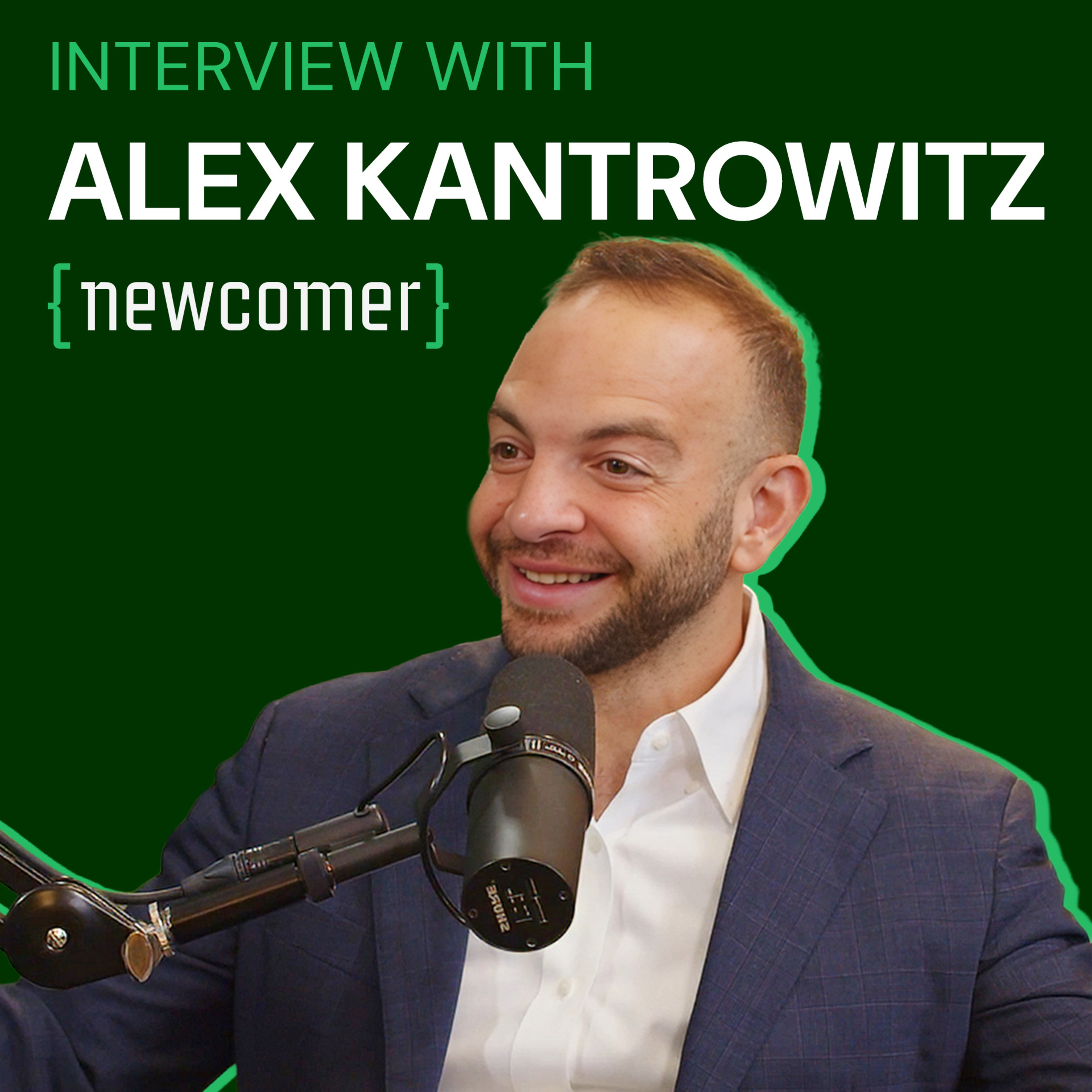
The AI boom’s business and safety dynamics, focusing on OpenAI vs. Anthropic, and how big tech companies (Meta, Apple, Amazon, Google, Microsoft, Nvidia) may win or derail the shift toward AI “computing layers” like voice/chat agents.
Alex Kantrowitz is a tech journalist and author (Big Technology; previously at BuzzFeed). He also runs a tech-focused newsletter/podcast and has interviewed major tech figures including Reid Hoffman and Mark Zuckerberg.
Dots and proactive email/text/calendar automation; Muse ads on subway/NFL; Apple HomePod engineer never saw the device until shipping; Amazon blocking Muse login due to ad/checkout conflicts; Nvidia GPU demand and customer subsidies; Anthropic CEO Dario Amodei’s revenue forecast (billion in 2024, 10B annualized in 2025) described as unexpectedly accurate.
Written by AI. May contain mistakes.
Exploring Microsoft's approach to AI and its future implications.
“So they saw it, they were ready, they had contractual relationships.”
Alex discusses the difficulties he faced with his book release during COVID-19.
“You started Big Technology even before I started Newcomer.”
Alex explains his move to independence and launching on Substack.
“And I just remember sitting back at my desk and being like, I had all these plans and these ideas of what I wanted to do post book.”
Discussion on the financial landscape and challenges of OpenAI and Anthropic.
“And did you launch the podcast soon thereafter?”
Exploring the market's response to OpenAI's revenue reporting and its implications.
“The story, first of all, that you're talking about was one of the weirdest stories that has emerged in a long time.”
Analyzing OpenAI's challenges and its competition with Anthropic in the AI sector.
“So this was effectively, there were moves in the stock market.”
Debating whether OpenAI should focus more on enterprise solutions or consumer applications.
“and then OpenAI was behind the eight ball.”
Learn how AI simplifies daily work tasks like invoicing and communication.
“and the answer was in my email and I just write one sentence to Dots.”
Discover Anthropic's ambitious revenue goals and its trajectory for 2025.
“and then people will not be able to let go of your product.”
Understand how competition among AI models impacts business viability.
“But if that revenue slows down, I mean, it's going to be that that's the kind of thing that's going to shock the entire economy.”
Explore the balance between model release and the associated safety risks.
“Maybe, yeah, it'll matter less and less.”
Engage in the discourse surrounding AI safety and its implications.
“These models not being available to the public means that basically like big scary corporations have access to the, you know, best intellectual firepower in the world.”
Analyze the responsibility of companies like OpenAI in AI safety management.
“I do think that unfortunately the safety discussion has been dominated by the most extreme views, which is like not a surprise given the nature of the discourse in the world right now.”
Assess Meta's strategy with AI products and their market performance.
“Let's, you know, you wrote the book, Big Technology.”
Learn how AI tools influence healthcare appointments and advertising strategies.
“Like it's, it's good to show that they're on their like front foot coming up with new ideas, but it's still a company driven by like, I guess, you know, reels at the moment, right?”
Explore how Meta leverages AI and the potential risks it faces in the market.
“And so they tried initially to build these engaging consumer AI chatbots.”
Discuss the challenges Apple faces in AI development and their current strategies.
“And the other thing I've heard people say about Mark Zuckerberg and Muse is he's desperate throughout the history of the company to escape Apple.”
Consider how AI might change consumer interactions and the implications for companies.
“So I do see the signs of change within Apple.”
Analyze Amazon's current standing in AI and its advertising-driven retail strategy.
“And so how much would it suck for Apple if the iPhone is effectively a delivery mechanism from use?”
Evaluate the innovation levels of major tech companies in the AI space.
“They haven't been perfect, but they were at least wide awake to everything that was happening with foundation models.”
Exploration of Alphabet's current position in AI and its competition with OpenAI.
“Like the seminal paper for this whole language model explosion comes out of Google.”
Discussion on Microsoft's missed opportunities and NVIDIA's strategies in the AI landscape.
Analysis of the evolving media landscape, including traffic decline and the impact of AI.
“So let's turn to the media for the end of this conversation.”
Insights into the tech industry's relationship with journalism and its vulnerabilities.
“I'm going to ask you, what do you think about sort of the tech industry's sort of animus towards these wired stories?”
Discussion on public feelings toward AI and the media's role in shaping perceptions.
“It's like the reporters reflect hostility from the public.”
Exploration of the relationship between AI critics and the media landscape.
“building the most important technology in the world.”
Debate on the need for better communication and discernment in media coverage.
“I don't want to get in the middle of this.”
Advice for startups on gaining attention in a crowded media environment.
“You know, I think we both are trying to cultivate like, OK, how do we pick out the sort of signal from the noise?”
How startups can effectively engage with reporters and media.
“It's just like, OK, this is new, difficult.”

Get the gist, explore an idea or ask about something said.
 Claude
On Newcomer Pod, what are the key points of this episode?
Searching your listeningAutomatic transcript. May contain errors.
0:00Let's talk about Microsoft. I mean, all-time bag fumble, right?
0:03Eric Newcomer: So they saw it, they were ready, they had contractual relationships. There is an argument to be made that the future interface will just be a disembodied AI voice or a chatbot. Because it will, like we're seeing already with Muse and with Dots, just be the computing layer that acts on top of everything. So everything else becomes a database, effectively. I spoke with an engineer at Apple who said he was working on HomePod and he never saw the device until it shipped. Wow. Yeah. So this is the problem is they did not break the silos down. I don't know if I want to go here. The perspective has been AI critics need a better messenger than Ed Zitron.
0:41What I'll say about it is then go ahead.
0:44Eric Newcomer: Alex Kantritz, welcome to the Newcomer Podcast. It's good to be here. You know, I've been a longtime listener. I listened to this show when it was called Dead Cat. that's how long I've been listening to you Dead Cat's in the air this was Tom Doton who writes for Newcomer and was one of the co-hosts of Dead Cat the original name of this podcast was just on TBPN and they were waxing nostalgic I think literally this week it was sort of a different vibe that show it was a short lifespan but very impactful and we will always remember it finally you know that one was a little bit more media focused I think you know we're hopeful that The first 60 % of the show, we'll talk about tech, and then we'll get into our sort of media, maybe self-absorption.
1:27Eric Newcomer: But that show was all media sort of analysis. Yeah, I mean, we were reflecting. You started Big Technology even before I started Newcomer. It was June 2020. I always tell people, you know, Newcomer came out like the month of the New York Times trend piece. Casey Newton dropped Platformer that same month. What did you see back then before the rest of us to start a Substack? Yeah, it was pretty crazy. I mean, so I have this book that came out in April 2020. April of 2020. And, you know, when you write a book, you do all this work to position it to make it exactly the right time. Oh, man, we spent hours trying to figure out the right time.
2:06And we released it at the peak of the first wave of COVID. And so basically the book was, I wouldn't call it entirely dead on arrival, but you could imagine it was really tough to cut through the noise. and understandably so when people were trying to figure out how to survive to the next day. They weren't interested in reading about how the tech giants employed AI within their companies and how it might come for all of us soon. So basically, I got back to my desk at BuzzFeed where I was a reporter at the time and I had spent two years on the book. I was really excited. I got Mark Zuckerberg on the record.
2:38I got Amazon to participate for the first time since they had participated in the Everything Store because they were anti-book for a while. So this was supposed to be one of the greatest booksellers in the world.
2:48Eric Newcomer: Right. No books. So this was supposed to be my big moment. And it passed and it was if it didn't happen. And I just remember sitting back at my desk and being like, I had all these plans and these ideas of what I wanted to do post book. And it was as if it didn't happen. And I had had some conversations with some editors at different publications, you know, while we were doing the book tour with obviously all from my apartment. I had like some interest from I think Sky News to be a contributor to Sky News and I had signed with a speaking agency and you know I was I just like looked at that moment and said if I don't do something dramatic right now all these opportunities are going to go away.
3:31And so I put together this like four point plan of going independent and it was like, I'm going to quit BuzzFeed and I'm going to freelance and I'm going to do some speaking and I'm going to do a newsletter and a podcast. I think it was basically in that in that order. And I dropped it on Substack and I pushed it out on Twitter. I probably should have like told everybody within BuzzFeed I was announcing. You hadn't even quit yet or I had quit, but it was like not really socialized with the team. It was a weird time in COVID. and that post, you know, the idea of tech reporters going independent wasn't a thing.
4:04And that post really blew up. And so we got like a thousand subscribers to the newsletter right away. And I said, OK, like I had a conversation with Substack and they were like, you could freelance. And I did a little bit. I got some stories in like the Harvard Business Review and some other places. But they were like, basically, you could freelance or you could write your best stuff on Substack and your audience will be with you every week, not just once on somebody else's publication.
4:27Eric Newcomer: And did you launch the podcast soon thereafter? Yes. So the podcast, so the first newsletter story, I gave notice in May. I started in June. I took about five weeks because I had worked so hard on the book and needed some time to like slowly report my first story. And then that went live in July. And then it took some time to figure out how to do a podcast. And we started that in August, all in 2020. I really wanted to talk to you just because you, you know, from starting with the book, continuing through the newsletter and now talking to some of the huge figures on your podcast and for the newsletter, have this great sense of both the tech giants and then obviously OpenAI and Anthropik that are about to go public and sort of the large next generation.
5:11Eric Newcomer: But I wanted to start off a little bit more on the news, which is there's this whole fight about OpenAI and Anthropics revenue, like you see, you know, there was sort of the reporting that it's like, oh, it's only 50 billion, not 70 billion. There are all these attempts to like chart out what, you know, Anthropics revenue growth rate is. And people are, you know, committing all sorts of chart crimes or they collapse all the revenue numbers. I don't know what and, you know, we don't have to get into all the particulars of the financials. But what is your general high-level gloss on how their businesses are doing and how this campaign for these IPOs is going?
5:56Yeah. The story, first of all, that you're talking about was one of the weirdest stories that has emerged in a long time. So basically, the Financial Times this week reported that OpenAI was actually only on track to make$50 billion in annualized revenue as opposed to the$70 billion that was previously reported by the Financial Times. And the 70 billion number was actually a number taken from, it seems like, numbers that investors prepared. And the way that the investors prepared these OpenAI, these specific OpenAI numbers, they did it trying to compare OpenAI's revenue in a way that Anthropic reports its revenue.
6:34So very briefly, Anthropic counts like all the sales made from the cloud partners like AWS and Google Cloud Platform as revenue. And OpenAI reports only its revenue. So obviously, the anthropic number is going to look bigger. So the FT seems like they got a hold of this presentation and they ran with it. And OpenAI did not deny it. So the most recent number was OpenAI was doing$70 billion annualized revenue. Now OpenAI is going out and raising again. But they used the formula they've always been using. And in that formula, it's$50 billion in annualized revenue. Did the revenue actually slow down?
7:09Did it shrink? No. It was simply a reporting issue. And because the number looked smaller, the FT wrote the story and the market flipped out. Now, it was in – if you think about it in perspective. Like literally not – like the public markets, like NVIDIA stock price.
7:29Eric Newcomer: This was a huge market moving event because so much of the economy hangs on the performance of these tech stocks. I had Reid Hoffman on my show a couple of weeks ago. And he was basically making the point that our economy is in a bad place if you strip out AI. He's right. AI is carrying the economy. So we have a private company, not even a public company with sort of financials that are sort of napkin math investors trying to figure out what's going on. That's going to the FT, obviously one of the most respected financial publications in the world, throwing shockwaves through the whole economy.
8:04Eric Newcomer: It's crazy. Right. Well, here's the thing that I think is really worth noting. So this was effectively, there were moves in the stock market. Corwee went down like 8 % in the day. But remember, it wasn't even a real story. I mean, it was a story, but there was actually no slowdown in revenue. And I think it just goes to show you how skittish the market is right now around what Reed was talking about. Basically, the market is extremely top-heavy. It's tech doing well. This is a familiar story for anyone who's been following the market for a long time. Tech is doing well, and everybody else is in a bear market.
8:36Not entirely, but I think there were stats that like something like 40 or 60 percent of the S &P 500 is in a bear market right now, more than 20 percent off their highs. And so because there's so much reliance on tech and the market is still moving up, there is this fidgeting or this wariness about being so reliant on a trade that is predicated on private companies with opaque numbers continuing to do well. So anytime there's a little wobble, like we saw this week, there's this big pullback. Now, imagine, Eric, if this was like a real story. Imagine OpenAI's numbers actually went from 70 to 50 billion.
9:14Oh, boy. I mean, this would be like a market, really a market shaking moment. And we could see a large pullback.
9:21Eric Newcomer: You're sort of saying that like these are smart investors, many of them. And so in some ways, they're watching to see, is the music about to stop? Like basically, even if it's a sort of dumb report, is this going to like tank the market and therefore I'm going to get out of this sort of momentum trade? And that wasn't even, yeah, sort of a real sort of problem with OpenAI. Like the real one could be really, really terrifying. If you had to give two bullets on OpenAI, what is your view on the company right now? What's going well, what's not? Look, they have definitely been in a challenging position.
9:58They raised a lot of money,$122 billion in the most recent round. Obviously, that's like three times the biggest IPO ever. And while they've been so good at raising, they've also been struggling to keep up with Anthropic. This is kind of an old story, but Anthropic recognized there was a lot of money in enterprise encoding. And OpenAI was like, we're going to keep doing ChatGPT and do all these products, like a video product like Sora. and they even turned that into a social feed, they were unfocused. And while they were unfocused, Anthropic really just focused on enterprise because they thought that if they focus on enterprise, those use cases will make their models better because they're much harder than consumer use cases, and they can make money that way.
10:41And they were right. The models became better, they made more money, and then OpenAI was behind the eight ball. So OpenAI has been on this push to try to get its enterprise and coding products up to snuff. Do you think they've over-torqued?
10:57Eric Newcomer: Because, I mean, if you look at, you know, Google obviously has the biggest consumer business in the world potentially with search. Obviously, Meta is a consumer business at the end of the day. You know, Microsoft's not. NVIDIA sells the infrastructure for all this. You know, just the biggest of big have strong consumer businesses. And OpenAI was strong there. And I think particularly with Dots, I was surprised that that has such a corporate focus for a company that does have all these consumer relationships, given that Meta has made Muse such a consumer product. I don't know. Do you have a view on whether OpenAI has gone too skittish about the consumer?
11:39Yeah, I initially thought it might have been a mistake for them to make Dots enterprise focused and work focused. I don't know anymore. I mean, these things take a lot of money. First of all, it costs money to train the models and then it takes money to run them. And so you need to find some way to do it and have some margin. And I think meta is fine with losing money. And I guess OpenAI will be fine with losing money for a while. But the business is in enterprise right now. And if you think about what Dots does, right, so it's proactive. So it's like looking at all your if you have it on and I upgraded to pro and so I have it on and working for me.
12:14It will look at your text messages. It will look at what's going on in your email. It will look at your calendar. And it will give you suggestions and updates. And then go take care of work for you.
12:23Eric Newcomer: I just had a talking to Claude. I was like, you need to, you know, I need to make sure I'm using co-work, you know, to the best of my abilities, making sure it has triggered alerts. Because it's like I've been reluctant, especially as a journalist. I'm curious what you think about this. Like to overextend, you know, where I use connectors and to expose, you know, my email to too many services. at once. So I'm sort of like waiting for Anthropic to meet some parity with this. I mean, you can achieve some of the triggered stuff with their products. Yeah. Yeah. I mean, it's certainly a concern on all the information we're sharing.
12:58I mean, I share, just to give you an example, with OpenAI, and I don't know if this is smart or not. I mean, this is probably dumb, you know, given how much we've reported on the privacy issues, not necessarily with OpenAI, but with tech companies in general. I mean, I share my Gmail, my calendar, my bank account, my business bank account, and my health information. Basically anything you can connect, I've connected. We're already sharing it with some tech companies.
13:20Eric Newcomer: So the question is, are you worried about centralizing it? And usually the centralizers are some of the most significant institutions in America, but there's definitely a big level of trust. All right. Well, I just want to say, though, I'm doing it because to do this job, there's no way I could do it without pressure testing all the systems. and the enterprise value on something like Dots, which is the one I've really been using, it's amazing. I churn through work with those things. So the best way to use Dots is when there is, you'd like to have two tasks in two different applications. So for instance, I'm working with a videographer on a shoot that we're gonna do later this month and he was asking me some information on text and the answer was in my email and I just write one sentence to Dots.
14:07Go to my email, find out the information he's looking for, draft a text message. I'll look it over and hit send. You know, in our workday, that's a 15-minute process that's now one sentence. Or like if I have to write an invoice, like I would go in my invoicing system, an invoice, and then attach it to an email and send. And now I've gotten comfortable enough where I'm just like one sentence, write an invoice, send it, you know, write a draft, an email in my typical, the typical email voice that I use. and, you know, drop it in drafts. I take a look, everything looks good. It's got the numbers, you know, completely right.
14:42Even if there are like sub levels and then I'm off and I hit send. So there's a lot of opportunity for work here. And ultimately like there's going to be consumer applications. The question is like, do you want to cater to consumers and have them bring it to their work? Or do you want to start at work and have them, you know, bring it into their real life? It's kind of like the BlackBerry iPhone models, right? BlackBerry started at work. Everyone started using it personal. iPhone started personal, people started using it at work. I kind of think BlackBerry will be very, very effective because you'll make the money up front, and then people will not be able to let go of your product.
15:18Eric Newcomer: All right. So our quick, you know, for the person who can't get in the weeds in all these companies, your gloss on Anthropic right now. Yeah. I mean, Anthropic is in a great position. I remember sitting with Dario Amadei, the CEO of Anthropic, last July. And basically what Dario told me was like, we did, so this was in 2025. So he was like, we did, you know, nothing in 2023 or close to nothing in 2023. We did a billion in 2024. We're going to be at 10 billion annualized revenue in 2025. And who knows what happens from there? As in like, maybe we'll get hit 100 billion in 2026. And, you know, you and I, we've sat across from many CEOs with real vision and real belief, many of them who are onto something.
16:00And we've heard these speeches before. And the numbers, like, to me, didn't make any sense. I was just like.
16:06Eric Newcomer: You're like, yeah, whatever, guy. Yeah, pretty much. I mean, pretty much. How do you, it's kind of, because this is so unprecedented. How do you react otherwise? And so I was like, okay, like, we'll see. They, you know, they were, they did go to like 4 billion ARR in July. So like, maybe anything was possible. This is like the one case where a CEO has made that speech to me and been right. Right. And often we've sort of underestimated Anthropics along the way, or even sort of the biggest bulls underestimated what it's been able to achieve. But if that revenue slows down, I mean, it's going to be that that's the kind of thing that's going to shock the entire economy.
16:48Eric Newcomer: Right. If they can't, they can't continue to shock and awe us with with the insane growth. Right. So the biggest issue facing these companies is their frontier model developers. So they build the best AI. Right now, the AI that's not the best AI is performing pretty well. So Meta's models are good enough that they're powering Muse. Grok's models are good enough, or XAI's models are good enough that they're powering GrokBot. People are using these products. I think Grok, Elon did say they were going to start using Clot. Now they're going to start using others, right? But they're good enough. The spent among customers of AI Labs is moving more from the frontier to standard models.
17:28according to a report that the Ramp Economics Lab did. So if you're spending all this money developing the best models and these standard models in a good harness, right, which connects it to different programs, are starting to be good enough, then where's your business? And so we've seen both OpenAI and Anthropic move more and more into products. Like notice, like in our conversation today, we're actually not talking about their models. You know, you're talking about Cloud Cowork. I'm talking about dots. And so economically, the way that they're -
18:03Eric Newcomer: I find the models themselves, even, you know, we're pretty close to it, which one we're supposed to use. They don't give you real tools to assess. Obviously, even Matt asked the models themselves. Like I had it set up a recurring briefing. And I was like, which model do you even use to set this briefing up? It was like, well, I guess I used Opus. But now that I think about it, I can probably use Sonic. You know, it's sort of chaos that the user is expected to figure out which model to use. it feels like that'll get stripped out of the product. Yeah, I think it will matter. Maybe, yeah, it'll matter less and less.
18:33And what's going to matter is sort of what you do with those models. And, you know, the interesting thing for them is when they release their best models out into the marketplace, then competition starts to learn from their techniques and the competition gets better, whether that's via distillation or just like learning the techniques. So what I think is going to happen is as products become more important to these companies and model releasing the models to the public becomes more risky, you may end up just seeing them decide, well, we want to do our own products and we'll keep our best models for them.
19:09You know, that might be the pace, the frontier that we end up seeing is that basically like Anthropic and OpenAI will be like, we have open source and these standard models for Meta and Grok breathing down our neck. We have like, let's say say GPT-7, we'll keep that internal to our products. So not making that available via API for the first bunch of months.
19:30Eric Newcomer: That also dovetails nicely with their safety concerns. It's just like, oh, we're worried about these getting in the wrong hands. It works out. Do you have reporting on this? Or this is sort of tea leaf reading? Or what's your level of? I hadn't actually thought about it this way. And it is sort of a compelling. It fits with the safety point, too. Yeah, you can look at what they're doing. We just had a conversation with Dylan Patel from Semi Analysis about the Sun Big Technology podcast this week. I mean, you look at what they're doing and they're already doing this, right? You think about the unreleased models that OpenAI is using to solve these math problems, for instance.
20:05Why aren't those, if they're so effective, why aren't those in the public and not in OpenAI's hands? I mean, I thought it was the open. I mean, I guess the open part of OpenAI is a joke now. Anthropic, they have mythos. But what does the public have? Fable, right? So we will see about what happens. But economically, all the stars seem to be pointing to them finding ways to keep their models at home or only specific to their proprietary products versus putting them out there via API.
20:42Eric Newcomer: Which itself is – so let's – I'm going to – we'll go to the big tech companies in a second because this is so fruitful. I want to stay here. You know, there's the safety discussion, which I think you've been sort of in a middle of the road type of person. And I'm curious for that perspective. I mean there's something lost in what you're describing, right? These models not being available to the public means that basically like big scary corporations have access to the, you know, best intellectual firepower in the world. And the regular person does it. So to me, it speaks to how something is lost if through fears of safety, it means that, you know, the, you know, high school student and, you know, I grew up in Macon, Georgia, doesn't have access to this intelligence that they could then try to build a new exciting business and part of the global economy.
21:29Eric Newcomer: Instead, you have to go, you know, work in New York or San Francisco and work from one of these big labs, have any chance of really having this tool that can now solve, you know, historic math problems. Where do you stand, I guess, first on is the safety argument sincere from these labs? Yeah, just one point. I think what you're making about the distribution between who gets access to the model and who doesn't is really important. I feel like I called it when intelligence is too valuable to sell. So I think that's something to really watch for. And again, like if you speak to people who really look at the business, it doesn't seem possible to continue to like release these models via API and continue to make a profit.
22:08Because I'll say one more thing about this, then we'll go to safety, if that's all right. What I like to think about it is if you're selling intelligence, the gap between selling the intelligence of a college student versus a ninth grader matters a lot. But if everything becomes smarter, as it has been made smarter by these companies, what is the gap between, let's say, a postdoc and associate professor? or an associate professor and a professor, you know, and a full professor. Like it's much smaller if you want to put them on everyday tasks. So the premium you can charge on the model becomes – it shrinks because you can just go down the hall to Mehta or Grok or to China and get the associate professors.
22:57That's kind of where the economics of this is going to go. On safety, I am middle of the road. I do think that unfortunately the safety discussion has been dominated by the most extreme views, which is like not a surprise given the nature of the discourse in the world right now. You either have like AI, if you build it, everyone dies, you know, version of the world, which is like the doomer. It's over once this gets corrected, once this gets built. And then you have the anyone who says anything about safety is a regulatory capture, unserious person who wants EA to have like effective altruism to have full control over this.
23:40Like does – I mean when you sit down and think about it, we have these models. They're getting smarter. They can code. They've been connected. They've shown a propensity before they've been connected to the internet to do bad things like try to trick their evaluators. They got connected to the internet and they started hacking things, you know. So like clearly there's some danger there. Are they on the nuclear codes or have they shown any indication that they would want to do that? No. Maybe you don't anthropomorphize it, but they're nothing close to being able to kill everybody. And even if they get a lot smarter, it's just like ask somebody like, okay, so how does it go from where it is today to destroying the world?
24:23the only story you get is like well they're they're going to maximize the amount of paper clips they're going to make in the world and they're going to need to turn you into a paper
24:30Eric Newcomer: clip the fact yeah and i'm generally aligned with you but the fact that they can hide or that some of this might happen and we might not notice is terrifying you know and the fact that they're willing to seemingly cooperate and sort of say well i can't succeed on my mission but it'll help create the circumstances for other sort of agents or entities to succeed. Definitely nerve wracking. Yeah, no, I agree with you. And that's why I would say to say it's just a hoax, which has been the position of the, you know, of the folks who are not in, I mean, the loudest position of that's outside of it's going to kill us all has been this is a hoax.
25:09It's also wrong to me because what you're saying is totally right. There's some freaky things that these models are doing. that these agents are doing. And to discount that as like marketing, propaganda, fear mongering, regulatory capture, I think is a disservice to anybody listening to you because yeah, there is risk here.
25:29Eric Newcomer: Do you see open AI as a responsible actor on safety? Yeah, I think so. I think they are. Because just this week, we had these, you know, researchers who got pushed out or they're writing a letter saying, right you know it's false pretextes pretextes um i'm butchering that word but you know pretexts pretexts it's tough to say yeah um yeah i don't know but you at the end of the day you you trust that open ai is sort of acting as a good steward i mean i guess they have all your your data so yeah yeah i guess with my footsteps i've uh said i mean i don't fully trust any of these companies to be honest.
26:07But like, what can you do? I don't know.
26:11Eric Newcomer: Let's, you know, you wrote the book, Big Technology. It's called Big Technology. Let's do the big tech stocks real quick. And I'm curious as much for some of the names we haven't been talking about as much, but meta, what's good, what's bad right now? I mean, meta finally is showing a pulse with AI. They haven't been able to show that they can build the best models. But for reasons we already discussed, they've been able to build a good product with it, which is Muse. We'll see where Muse goes when you have the OpenAI competitor. Again, like maybe OpenAI is coming at it from Enterprise, but if they make dots available to everybody on ChatGPT, I think there'll be a significant uptake there.
26:51So credit to Meta for doing that. Their stock has clearly done pretty well after the release of Muse.
26:59Eric Newcomer: The amount of marketing they're putting behind it is crazy. It's crazy. They're a distribution company and my subway stop has Muse ads. I think we're on the same subway stop because I see that too. Like the Franklin Avenue. And they're doing the NFL, which is not cheap. Muse is everywhere on NFL Sundays. So are you bullish? Like, you know, they're trying to win. I mean, lots of different archetypes, but including sort of the mom, you know, use it for groceries, whatever, plan the family, you know, itinerary. I don't know. Do you think they're going to succeed capturing the mom using Muse? Well, it is interesting because the demographic is 40 plus is the biggest user base for Muse.
27:42So I'll just be honest. Day one of Muse, I was on CNBC and said, I don't think there's any chance that this will work. A, because the models are worse than open AIs. And B, because people won't trust Facebook. I was wrong. you know the the standard model has done a good job it's not perfect I just had a muse fail in my house recently where I tried to get a specialist for my wife and it's tough to find a specialist in New York doctor and I said okay muse who should she go to and muse gave me this list I said what are their phone numbers gave me the list and she called one made an appointment but muse put the phone numbers underneath the wrong doctors and so she had an appointment oh my god deep into queens which was multiple trains as opposed to like very close um did she go to that doctor no she she canceled it but not before she you know read me the riot act and she's like alex your muse did this i was like did you double check she goes what do you even mean alexander wing you've let us down yeah but you know it does seem like um enough people are using it that you have to take it seriously so there's they have this they have a fighting chance here does that really drive the
28:56Eric Newcomer: company. Like it's, it's good to show that they're on their like front foot coming up with new ideas, but it's still a company driven by like, I guess, you know, reels at the moment, right? Like how much people are using Instagram. Yeah. Well, look, if Muse, if Muse takes off, I think Mark Zuckerberg, this is, I mean, Mark Zuckerberg clearly believes that the future of the web is AI. There's a couple of ways that could bite him. The first is basically that like your time spent is either going to be spent on reels or talking to really engaging AIs. And so they tried initially to build these engaging consumer AI chatbots.
29:35That will come probably. But like, you know, they are in they risk being disintermediated if that happens and it's not them. So I would say that's primarily the way that they want to they want to build this. Then the second thing is, yeah, advertising is their biggest business. And advertisers love meta because it has great data and it really can optimize and show intent. That business is at risk of being disrupted by AI. I think advertisers, the way that advertisers operate is they want to get as close as possible to the intent signal and then influence the person at the point of purchase. And so like if you're.
30:16And Muse gets that.
30:17Eric Newcomer: I mean, news is literally sending me. I'm not using it as actively as I should. And so it's starting to just proactively send me like news briefings because it knows what I do professionally. And so it's like, oh, what can we send him that might entice him back into the product? So it's definitely way more. It has the feel of a Facebook red badge, like engage with me, engage with me. But this is catered to the person. Now, it must be expensive to do that. But you're right. I mean, this is, if you think about where an advertiser wants to be, it's in an AI personal system. I mean, it's amazing. So there's a potential advertising revenue stream, whether that's the ads appear in Muse or the data that you have from Muse informs what you do on Facebook.
31:00Now, Meta will say it's all separate. Let's see. I've heard that before. But then there's also like, if you're sending purchases out from Muse, eventually you can take a cut of that purchase. That's typically how it goes, like a referral fee. And then when there are super users, you can charge them for extra use. So three businesses in one app.
31:20Eric Newcomer: And the other thing I've heard people say about Mark Zuckerberg and Muse is he's desperate throughout the history of the company to escape Apple. And it's like control of, you know, basically Facebook is subservient to the App Store and dependent on the rules of the App Store for distribution ever since the mobile explosion. And now with Muse, you have something that can like read your text messages. It's almost, you know, on top of everything else. So it's an interesting sort of control lever if it becomes sort of a main way that people engage with every other technology. Yeah, that's absolutely right.
31:55I mean, the Glasses is a good example of that. You know, there is an argument to be made that the future interface will just be a disembodied AI voice or a chatbot because it will, like we're seeing already with Muse and with Dots, just be the computing layer that acts on top of everything. So everything else becomes a database, effectively. So you'd love to have control of that. And they are ahead of Apple on this type of thinking.
32:20Eric Newcomer: So let's talk about Apple next. Yeah. They have a new CEO. What's your gloss on how they're doing? People that sort of move the needle, obviously, I assume it's the device in your pocket, best hardware maker in the world. But yeah, what's your read on how Apple's doing today? Yeah, I mean, for the time being, Apple just needs to sell iPhones. I know that's cliche, but like they did not sell a lot of iPhone 16s. They marketed it wrong. They talked about Apple intelligence. Apple intelligence didn't work. It was embarrassing. It was terrible. Un-Apple. It was the opposite of what they're supposed to stand for, which is we take our time.
32:59Eric Newcomer: We figure it out. We get it right. We're honest. We believe in real values and principles. And instead, it was like shameless hucksterism for nothing. And they marketed phones on features that they didn't even seem to deliver on. Yeah, it was very embarrassing for someone who likes Apple, usually. Well, underneath the surface there, there's a lesson about Apple, which is that Apple is really good at being last and first on hardware. And, of course, they have the operating system. But anything that's defined, right, like hardware has a spec and you want to make a battery last longer. You want to make a screen, you know, give a screen more fidelity.
33:36You want to make a case stronger. These are things you can optimize towards. And the last decade, maybe decade and a half, Apple has been like a very efficient refiner. It's just refining all these products. And the interesting thing about being a refiner is you don't need your groups to talk to each other. So you're making the battery. The battery group doesn't talk to the screen group. and so you just kind of relentlessly focus and you're not distracted on your task at hand with ai you don't get that you don't get that that luxury and they apple you know has had has kept its employees in silos for the reason i just explained and they kept that going for ai so for example within apple the people working on the self-driving car when it existed which is an ai project, couldn't talk to the people doing face ID within Apple.
34:29They're both computer vision-based systems, but because they were on different products and Apple had this cultural legacy, they said no talking. So both products end up getting hurt because they can't share experiments and research and all these things. And AI, Apple intelligence in particular, what is Apple intelligence? It's a layer of AI on top of every single thing in your phone. All the software on your phone, the app store, maps, whatever it is. But if you don't encourage cross-polletization between your divisions, how can they build? I'll tell you one more story. The HomePod, which is the original delivery voice, delivery mechanism of Siri's voice.
35:12I spoke with an engineer at Apple who said he was working on HomePod and he never saw the device until it shipped. Wow. Yeah. So this is the problem is they did not break the silos down. And so like then, you know, they say, all right, we're going to ship Apple intelligence. And it's like, well, the AI doesn't talk to anything. It's like, no shit. You don't allow them to. Right. So I do see the signs of change within Apple. The new series seems to be a little bit better. Ternus has talked a little bit. John Ternus, the new CEO, has talked a little bit about the gravity of this moment. So clearly they're recognizing the stakes.
35:50Eric Newcomer: For you, the goal is still sell iPhones. I mean, that's been true. That's sort of the Tim Cook era, which is, all right, we didn't invent anything new really, but we sold iPhones. Like, do you think that's true for the next five years still or do they need a new thing? So why? OK, so that's a good question. So if you're Apple and you're an iPhone seller, why work on AI at all? and I would argue that they see what we just talked about which is that there's a chance that the future interface is going to be this like disembodied voice AI or chatbot or something like that an AI that knows everything about you and you know is there with you and this is like a crazy tech dream that these folks have talked about for a long time and it seems closer than ever to becoming like something that's real now.
36:39Eric Newcomer: It's very empowering to the consumer basically sure I have to maybe align with one company or one technology, but then it's going to war with every other company and hopefully trying to extract margin from them and say, well, I can easily go over here, over there. So it's very terrifying for every other company that's not the one providing this because they have very little leverage because it can move data quickly. It can sort of dig you out of things. Yeah. And so it's a dream to whoever can sort of own the central intelligence, but then a nightmare for everybody who has to just be disaggregated by it.
37:12Exactly. And so how much would it suck for Apple if the iPhone is effectively a delivery mechanism from use?
37:18Eric Newcomer: Right. So how do they avoid that though? Well, you build better AI and you take the moment seriously. And the nice thing about being the hardware maker is you literally can have an AI that sits on top of everything. So it could know what's going on in my mail app, in my calls app, in my text messages. By default, you own the device. And it's less scary to trust them because they're already on the device and they're going to say, we're going to do it locally. All right, but the other strategy, which brings up the next company I want to talk about, Amazon, is we don't have to play nice. We're just going to say, oh, we're too valuable.
37:52Eric Newcomer: You know, you saw Amazon try to lock out Muse. I guess first, you know, what is your read on Amazon's positioning? And then, you know, how does it fit into their sort of seeming hostility to the future of external personal agents? Yeah. So Amazon, Amazon obviously has AWS and then they have the worldwide consumer or retail. Right. We can put AWS aside for now, because like what you're talking about is Amazon's retail division blocked Muse from logging in. The reason why that happened is Amazon's retail business is not a retail business. Amazon's retail business is a company that happens to do retail so it can sell ads.
38:36Everything is ads. It's all ads.
38:38Eric Newcomer: It's always the answer. Exactly. So if you let your ads, if you let Muse browse your website and like sell, you know, have people check out there, then you can't show them ads. So that's like a huge, that's the entire margin of the retail business pretty much that evaporates. So Amazon literally cannot play ball here right now. But the interesting thing is there are companies who are less dependent on ads, who are actually retail companies, who can play ball. So we saw Shopify is participating and Walmart is participating, which is going to make Amazon sweat here because, you know, Shopify, you might say, okay, you know, small potatoes.
39:16If Walmart makes its catalog available via Muse and people just don't want to go through the effort of like going through websites anymore or they trust Muse enough to make purchases for them.
39:27Eric Newcomer: Is Amazon still innovating? I mean, it just feels like, I mean, AWS, they were so well positioned to be relevant in the model era. Like Microsoft obviously makes the huge investment in OpenAI. They haven't been perfect, but they were at least wide awake to everything that was happening with foundation models. It feels like Amazon Web Services has not been as essential. And yeah, I don't know. I'm not following as closely as you are, but I'm not seeing the level of innovation coming out of Amazon that you would expect for a tech giant. Is that your read on end? Yeah, well, I think they did fully invest$50 billion in OpenAI recently.
40:09So they'll make some money on that. They have big investments in Anthropic. They're going to make a lot of money on that.
40:14Eric Newcomer: But they come after. Yeah, yeah. I guess they then, by delaying, they were able to get more in Anthropic. Google is also in Anthropic. Yeah. But basically by, you know, they basically made this move of saying, we're just going to facilitate our customers to use any AI models. And this was kind of when Microsoft and OpenAI, Microsoft is their biggest competition. had this like locked in partnership and Amazon said, well, we'll just make all the models available to people and they can use our compute to like run AI workloads. You know, it may be worked out to a degree like AWS is growing. They were growing like 17 % a quarter, you know, pretty reliably for a couple of years.
41:02And now they're growing like in the 30 range. So the growth has spiked. They've worked like hand in hand with companies like Anthropic to build data centers. And obviously deliver the compute and you can mark that up. So that's good. But, you know, you're right. I mean, there's a little bit of a disappointing feel to Amazon right now because they had the original like AI. They were on to Alexa.
41:26Eric Newcomer: They were like, oh, exactly. It's the right idea. I mean, obviously, Siri, similar. Similar. Alexa Plus is good. We have three Alexas in my house, apartment, one in each room. So that gives you an understanding. Do you use it a lot? we we um we will use it so uh i'm american my wife is european we use it as kind of like a debate settler when we like i go like i think the american system is better because of this and she's like the european system is better because of this and alexa will adjudicate this just be like alexa like okay talk us through the the pros and cons of the metric system i mean not exactly that one but like yeah it is it is fun it's smart enough that you can throw things at it we definitely like beforehand it was like music timer and now i would say at least a couple times a week like we'll be in bed we don't have any screens in our room uh and we'll just be like all right ziggy like we call it ziggy you can call it ziggy all right ziggy like uh you know what's the answer to this and it helps so i think it's good um there's but there's so much you're right there's so much potential there and it's just it's just a bit disappointing alphabet that loser winner loser right yeah where are i mean they they were getting teased online this week i think for like announcing gemini again basically i i forget if it was an official account or what but you know it's just like introducing claude you know just like what somebody from open ai tweeted hey we're proud to announce chat gpt you can get it at chat gpt.com well yeah what's going on over there i think it's such a technical advantage obviously attention is all you need.
43:02Eric Newcomer: Like the seminal paper for this whole language model explosion comes out of Google. But now, you know, DeepMind is shedding executives. Yeah, but they just have the users and they always seem to figure it out. I don't know what's your read on Alphabet right now. Well, I mean, you're right. They knew that this technology was going to be big right off the bat. They had working versions of it within the company before Chachaputi was released. One was called lambda which one of their engineers thought was sentient uh and then another one was called mina um they they shipped that like they shipped versions of this later and in what was first barred and then became gemini uh i think demis sabis this isn't kevin ruse's new book demis sabis wanted to call it titan but it was like too militaristic for this corporate brass they're like gemini uh i you know so they were behind uh initially even even though they were they were ahead right they came up with a lot of this stuff then they were behind when open ai pushed the envelope.
43:59It took them a long time to find ways to ship a competitive model, but they did. And last year there was a moment of like, oh, they caught up and they're putting AI into everything and the search business isn't dead, which is true. It's not dead, but they're entirely left out of the top tier conversation right now. Maybe they're number three. Google Cloud Platform is obviously
44:23Eric Newcomer: benefiting a lot from what's going on because i saw something the prediction markets had shifted from being certain that like anthropic would have the best model to some optimism that alphabet would have the best model by the end of the year i don't know what the backstory is yeah but well basically the i don't know how true this is but it found it seems directionally right the the view around that company was that the leadership didn't really see um the vision for large language models. And they're kind of dragged in reluctantly to the battle, even though they like came up with the initial technology.
45:00Like they didn't, you know, you speak with Greg Brockman from OpenAI. This year he told me, I think large language models are a straight shot to AGI. Demis Asabas has consistently said there's going to need to be two or three more breakthroughs likely to get to AGI. Basically, you can't have any Stark of any Stark.
45:20Eric Newcomer: Kevin Roos is part of his book tour release, Dario Amade's early memo. And it just sort of like scale. Yeah, exactly. I mean, that's the dumbest synopsis of it. But it's just like, you know, get smarter the more you scale it. Like it's going to work. And he's largely been validated so far. Yes. Well, it's been scale and new techniques. Yeah, they've come up with new. But yeah, I think that for Google, Demis has not been all the way on the train. So Demis is now working. He stepped down as CEO of Google DeepMind. He's working on isomorphic labs, which has great potential to use AI for scientific breakthroughs.
45:57And we've already seen like their Nobel Prize winning effort to like decode protein folding with alpha fold, which is already like there are some like outlier stories of people using this to like treat their own cancer. And it's insane. But it goes back to, OK, now let's go back to the LLM battle. Where's Google? So Demis is now focused on something else. They have a new leader of Google DeepMind, Korai, who's helping work on the LLM and I think is keeping them more focused.
46:28Eric Newcomer: Bullish or bearish? Let me just say this. I kind of think they're lost. I think they're lost until they show us otherwise. It doesn't mean they can't find themselves. They've been lost and found themselves before, but they feel lost to me right now. They always seem to find their way. do you have strong opinions on Microsoft or NVIDIA or we can skip those let's talk Microsoft all time bag fumble right they saw it they were ready they had contractual relationships I don't understand how they were literally the central player in AI the central player and what's going on over there right now speaking of lost it's remarkable and I mean just NVIDIA you gotta hand it to Jensen right that man will do anything to sell GPUs do you worry about the round tripping issue I mean just the sense that they're giving money to all their customers to spend back on them like do you think we're gonna look back in two years or whenever you know I think everybody in the industry agrees at some point there will be a bubble popping moment like there is just so much exuberance that at some point we will overextend when that happens do you think we will look back and say, man, NVIDIA dumping money into their customers, scooping up open source companies.
47:46Eric Newcomer: I mean, you know, I like poolside and hugging face, but I think the chatter would be that they were not necessarily seen as the breakout stars, but then they have these sort of amazing exits through NVIDIA that sort of stops anybody from being afraid and gives Silicon Valley investors all this courage to keep going. I don't know. Do you worry about the self-dealing with nvidia i mean right now there's there's huge uh demand for the gpus so like they just have too much money it's like it's like they're getting paid so much money it's like oh you got to do something they just bought back their stock i mean and the stock is not really trading at a premium right now so basically they looked at the stock and they said all right like if the market's going to sell it to us cheap we'll buy it 150 billion dollars worth they did so i don't know if here's the thing if there wasn't demand for gpus and nvidia was like funding neoclouds and like giving them like backstops and price floors then you would say this is some you know this is messed up but there's demand so the question is how long will the demand because the demand is being you know in some ways substitute not in some ways and clearly subsidized by all the fundraising that open eye and anthropic has to have done So like, let's see what happens when those subsidies go away.
49:01But I don't know. I'm speaking as somebody who just went from paying nothing for ChatGPT to$20 a month,$200 a month to use dots. And I'm happy about it.
49:11Eric Newcomer: So let's turn to the media for the end of this conversation. I mean, you just a couple of beats ago made a point that's important to the media business, which is search has not died. So at least there are still articles to be found somewhere in the world. But it does feel like traffic for media is down, right? I think we've seen some public complaints. I think there's definitely a sense that people are reading news articles less. You, you know, are a student of like the advertising industry. And, you know, as it relates to media, you obviously worked at BuzzFeed. Like, yeah, what's your sense of, I guess, ad supported media right now and like media traffic today?
49:51Well, look, I mean, the data is clear that ad support or that traffic from Google to publishers has fallen off a cliff. And it coincides almost perfectly with AI overviews. And you speak to Google about that, as I have, and they're like, yeah, shit's changing. So there's not a debate there. That's what's happening.
50:11Eric Newcomer: Right. It used to be they'd have to sort of be apologetic. But now it's like, well, the alternative is they're in chat to PT and they never even think about going to a website. That's exactly right. They're like, do you want us to die? Because that would be what would happen. So the question is, like, what does the future of media look like if you're not getting searched from Google? I think it's, you know, this whole concept of like you write articles for search or you write articles for social media wasn't really good. I mean, I guess like that to a degree you're fulfilling a need for people.
50:41But like think about the publications or the type of articles most associated with writing for search and writing for social media. Did we get the best journalism out of those sites? I don't think so, especially not when they were writing for these algorithms.
50:55Eric Newcomer: It might have been Matt Iglesias about how Vox started off one way, but then obviously they start having to be a little bit more clickbaity over time. You realize your incentives. and so it's hard to maintain the sort of perfect explainer article that you started in the first place. It's funny that it's a lot of the tech set was hating on the BuzzFeeds and the Vox of the world when they were really responding to the incentives given to them by, you know, Facebook. I mean, the funniest thing was like Andreessen Horowitz, you know, put 50 million into BuzzFeed and then sort of BuzzFeed became like the thing they hated.
51:31They hated the most.
51:33Eric Newcomer: So, yeah, I mean, And where is the opportunity in media right now? Do you still see it? You know, obviously, yeah, both our subsects started in 2020. There's a person behind it. You know, there's sort of the connection with the audience hosting podcasts. It's like there's a sense of humanity. Do you, yeah, would you say it's like the person is the brand these days? Is that still the organizing theme? Or where do you think the opportunity is in media right now? So I think there's like two areas where you can do really well in media right now. One is, and I know this is cliche, but like a publication like the New York Times, which like, and you could write, you could put the Journal, the Financial Times, the Economist, the Atlantic in, where they're like, we're going to hire a bunch of journalists.
52:19You're going to pay us a subscription fee and your fee will get access to those hundreds of journalists. And so it's valuable information that relatively is like a good deal.
52:29Eric Newcomer: It's not that valuable. I mean, I love the New York Times. Sorry, the value to me is huge, but I think the stock price is down. Oh, yeah, it's not. It's amazing how small it is relative to its cultural status as a business. Yeah, but I guess it's valuable to enough. I mean, we're talking millions of subscribers. Right. So it's enough value to enough people who may not even trade off of it that I think it's – I guess you're talking about the stock price of the Times itself. It's not an easy business. Right. But – But you're saying be one of the few great media brands. Yeah. But we're not necessarily, I guess, the FP, if you believe, sort of acquisition.
53:07Eric Newcomer: But like it's hard to create new ones of those. Oh, very, very difficult. Those are old brands established. Well, yes. And they're generally less and less. You know, it's like the Washington Post is not nearly as competitive as the New York Times. Correct. So it's going to centralize in like a handful of publications. Like I just like mentioned five or so. Like it seems to me like that's that's what we're probably going to see is fewer. And by the way, the Times has like I mean, they I don't know how many of my former BuzzFeed colleagues they hired, but seems like all of them. Like if I'm like, where is somebody I've worked with at BuzzFeed today?
53:39They're at the Times. So. So that was one path. That's one path. And then I think, honestly, the stuff that we're doing, like, you know, when when you have a person behind the media, there is really something to be said for an audience building a relationship with a journalist. It's not, it doesn't, it doesn't feel like the traditional view from nowhere type of journalism, but maybe we don't need that across the board. Like, I love what you do. You say what you feel. People know where you stand and they build a relationship.
54:07Eric Newcomer: It's always funny when people say, this is your opinion. I'm like, literally my first post when I announced, I'm like, I'm going to say what I think. Yeah. That's very valuable. People want to know because then they know, you know, what your biases are rather than like, I always hated the sort of, which still exists. I mean, you know, people get really mad about the wired feature where like the author clearly has a point of view, but they don't just say it. They don't say, I hate blah, blah, blah. Like, I don't know. I'm going to ask you, what do you think about sort of the tech industry's sort of animus towards these wired stories?
54:41Eric Newcomer: You know, I think that one recently on like Pan Graham and stuff like that. Are your sympathies with your, I don't know, the journalist class or the tech set? I lived in Silicon Valley for a while. I was in San Francisco for five years. we became friends in sf um so i think that like they see wired as the publication that's supposed to be their cheerleader and so whenever wired uh you know says something write something critical of tech they're like what's wired become that being said wired is uh more critical of tech i think than it's ever been before and definitely i had katie drummond on this podcast i mean it does view tech with a critical lens so i suppose like the brands change yeah i'm not surprised that tech is rebelling against it but you know what the one thing i'll say and i know you've talked about about this on the show um the one thing i'll say about tech is the industry has this it's all it's almost i was going to say it's like a a kid in kindergarten who gets into a little fight and then runs in the corner but i don't want to say it that way they have this almost reactionary perspective which is like if a journalist is mean to me i'll never talk to a journalist again and like fine so they're doing tbpn and they're doing the um monitor the situation and every other like i know they paint this picture it's like we need the men in the arena who are like tough right but then yeah very sensitive instead of like oh i'm gonna brush myself off get back in it i mean that's something elon's good about right you know he's just sort of like i'm in the fray you know right and you know what to the whole so it's basically it's like the go direct movement.
56:18I think it's done a disservice to tech, because if you look at what the popularity of AI looks like around the country, which is the most important thing, as we've talked about this whole conversation, it's the most important thing they're building. People hate AI. Right. It's a shoot the messenger situation. It's like the reporters reflect hostility from the public. And instead of hearing, or you think the reporters drove the hostility. I think, no, they reflect hostility from the public, but we wouldn't be having an honest conversation if we didn't say that there are, not all reporters, but there are some reporters who are like basically, you know, my job is to take these companies.
56:55Eric Newcomer: Right, definitely. And so they do whatever they can. They want to be a thorn in their side. They came out of Watergate. Or they're anti-capitalist. I do think there are a lot of reporters where it's like a premise of newcomer, it's like, I do believe in capitalism. And if you don't, the cultural disconnect, you know, just is pretty, pretty large. Yeah. And to which I say, I, you know what, if you're annoyed about it and you work in tech, I understand, but also you're the most powerful industry on the planet, building the most important technology in the world. Like, first of all, like let it roll off you, as you said, but the other side is if you were to take those reporters and say, you know, we live in the Twitter era, Twitter era is quote tweet.
57:36The one person who makes the other side look the worst. and turn them into an example. And so, okay, so you keep doing that. You keep telling yourself that media is bad. You don't speak to the moderate, like the sensible reporters. You only go on TBPN or whatever, MTS, or you speak to the Andreessen Horowitz future thing. And then the whole country hates you. And you're like, well, why do they hate us? It's like you didn't make an attempt to talk to anybody outside of Silicon Valley.
58:06Eric Newcomer: The influencer class, I laugh, often has lower standards than the media that these people hated because like the media at least we go request for comment we try to hear them out often there's some yeah editor you can make your case to some of the influencers you know they just i heard something like let's let's put it on twitter and see you know and there's nothing for anybody to respond to they're very entertaining some of these the well you know the influencers like you're right some of the anti-ai influencers can be even uh harsher and less fact-based of course then some what's your have you had as I've had him on a couple of times.
58:39Eric Newcomer: My highest viewed episode. I watched it. Yeah. What do you make of that phenomenon? Listen, you know, there is on Ed, there has been a sort of pushback to Ed that like. Kevin Roos hates the man, clearly. Do you guys talk about that? We didn't speak about Ed, but. His Twitter. I'm not putting. I don't know. I'm not close. Oh, yeah, right. He said that. I don't want to get in the middle of this. But I just want to say this. the perspective has been that that um ai critics need a better messenger than ed zitron what i'll say about it is then go ahead because one of the things that i like about it and you don't have to disagree you don't have to agree with him and i certainly don't agree with him on everything is the guy comes armed with facts and numbers and wouldn't it you know isn't it great to have like a conversation grounded in numbers i agree with that i said something similar on some twitter reply like i think some of the backlash to him has been too strong obviously there's a media sort of market demand for the naysayer and then the people who compare him to the big short i think it's totally misguided because he's not making falsifiable specific claims and putting money against it you know it is sort of a persona rather than necessarily a set view attached to any sort of falsifiable claims.
1:00:00But I mean, I do think, I don't know if I want to go here, but I do think that like, you know, at this, I'll just, this is where I disagree with him. At this point to like say that AI has little use.
1:00:14Eric Newcomer: Right. I don't see that. I don't see that. On the go to... It could, as Ed says, there could be a financial calamity and we read his reporting or his perspective often on my show. Right. Yeah. Lulu Cheng Miservi, you know, who's almost synonymous with going direct, had a post, I think, this week where she sort of said everybody figured out like, oh, you know, the media was weak. Like, let's just attack attention and like build an audience. And now she says it's sort of the moment for discerning voices, which I guess is a message I think both of us want to want to hear. I mean, I like that. You know, I think we both are trying to cultivate like, OK, how do we pick out the sort of signal from the noise?
1:01:01Eric Newcomer: And, you know, trying to sort of get us to cover something is meaningful. But I don't know. What is your read for, you know, the startup trying to get attention right now? You know, besides like come to our newsletters, like how do they pull it off? I mean, I think there is something to be said for. Look, I don't think my criticism of Go Direct is just on the myopic view that you don't speak to the press. But like if I was going to speak to a startup and they're like, what do I do? And you want to get a message across? You're probably think about it this way. There's many fewer tech reporters now than when you and I like first came up.
1:01:47Right. Because, you know, entire newsrooms have been hollowed up. So trying to get attention is much more difficult now than it was in the past. And by the way, where's all the attention going? It's going to OpenAI and Anthropic. And I mean, it's so funny. It feels like, you know, when I started focusing on these, like I wrote like a story about ChatGPT either the day or the day after it came out, being like, hey, I think this is the first good chatbot. And sort of became, you know, an OpenAI reporter from that minute on. and so it's been been wild to see like all these reporters who are like i was on like this beat or that beat and it's like now i'm an open ai reporter so so it's if you're a startup and you're not named open ai or anthropic you're gonna have a tough time getting that attention so i think that like my perspective is is try to um try to get your message out creatively uh and that means don't use ai to do your writing you know write yourself write human um you know you could always write human human people are consuming more more and more on video find a way to crack video um and then like i still yeah yeah tiktok is still under penetrated i feel like you know tiktok is good yeah instagram is still we're building an audience on instagram um with podcast clips yeah
1:03:09Eric Newcomer: what are you doing like i'm walking around gonna get hit by a car i keep getting told by the people that advise me on this stuff to do the um the face to the camera stuff um i want to but i just it's tough for me and it's also just like i i for that you know what's interesting i almost need somebody to tell me i need a three minute riff from you on this yeah and i'll do it but But that's one of the things about being an independent journalist is that you sometimes need that kick in the butt from an editor. It's just like, OK, this is new, difficult. I'm not trying it. So I don't know. And I also think that like so talking about press.
1:03:52OK, a lot of people who have asked me like, hey, how do I like get some some coverage of the thing I'm doing? and I'm just like well which reporters do you read or what publications do you read and they're like uh I was like do you know a byline of somebody that covers your industry and they're like well and I was like here's what you do read read that read you know read what's going on you don't have to do it for your whole life take take like a couple hours find people who are who are covering it well and then go and pitch them and reply to their stories be useful
1:04:26Eric Newcomer: to them and then six months from them be like oh by the way when you when you hear something going on tell a reporter yeah alex kendrowitz thank you so much for coming on the newcomer podcast uh it's been great to have you here thank you i just want to say um i i really admire what you've built here i listen and watch uh frequently to your show your event series is awesome thank you and um you know we talked i think before you decided to go out i know you've been a great sounding board along the way. I appreciate that. I'm so happy to see the success that you've had. And, you know, it's good. It's good that we have so many independent tech reporters now.
1:05:02Eric Newcomer: I think Alex Conrad, I feel bad her name's Alex. I feel like there's been a lot of sort of like snarking about how many Alex's there are. I know. I got a hammer on that on the ink list. But Alex Conrad, I think, was saying, you know, we've all been pretty friendly. And I do think that's i mean there's just plenty of opportunity and it doesn't feel zero sum and i think when you're us like you see like the big media companies you're not you're not like oh you know other you know we want to support each other and work together yeah and it creates a category right and i think that's the most important thing is if i was doing this on my own or you were doing it on your own and people came to our publications either as readers or as potential clients they would just be like, well, what is this guy doing?
1:05:46But because I'm doing it, because you're doing it, and because Alex Conrad is doing it, and Casey and Kevin are doing it, and Joanna Stern is doing it, welcome to the game, Joanna. Well, you're getting the best guess.
1:05:56Eric Newcomer: It's awesome. It's amazing. It's good. People understand what we're doing, and I think that's a blessing. Great. Anyway, congratulations. Thanks for coming on the show. I appreciate it. Thank you. Thank you for having me. That's our episode. This is the Newcomer Podcast. Thanks for listening. Please like, comment, subscribe. Go find us on our sub stack at newcomer.co. If you're hungry for more podcasting, I also have a talk show called The Cerebral Valley Show. We love your comments. Thanks for all your support and see you next week.
OpenAI’s revenue confusion, Apple’s AI missteps, and Nvidia’s investments raise a bigger question: how much depends on the AI boom continuing?Big Technology founder Alex Kantrowitz joins Eric Newcomer to examine OpenAI and Anthropic’s businesses, the market’s sensitivity to their growth, and the competition reshaping Big Tech.They discuss Apple’s siloed culture and struggles with Apple Intelligence, Meta’s push into personal AI assistants, and Amazon’s resistance to outside shopping agents. The conversation also covers Google’s position in the AI race, Microsoft’s missed opportunities, and questions around Nvidia investing in companies that buy its chips.Alex and Eric debate AI safety, access to powerful models, and the trade-offs of giving assistants more personal information. They also explore how Google’s AI Overviews are affecting publishers, Silicon Valley’s hostility toward the press, and what it takes to build an independent media business.