
In short
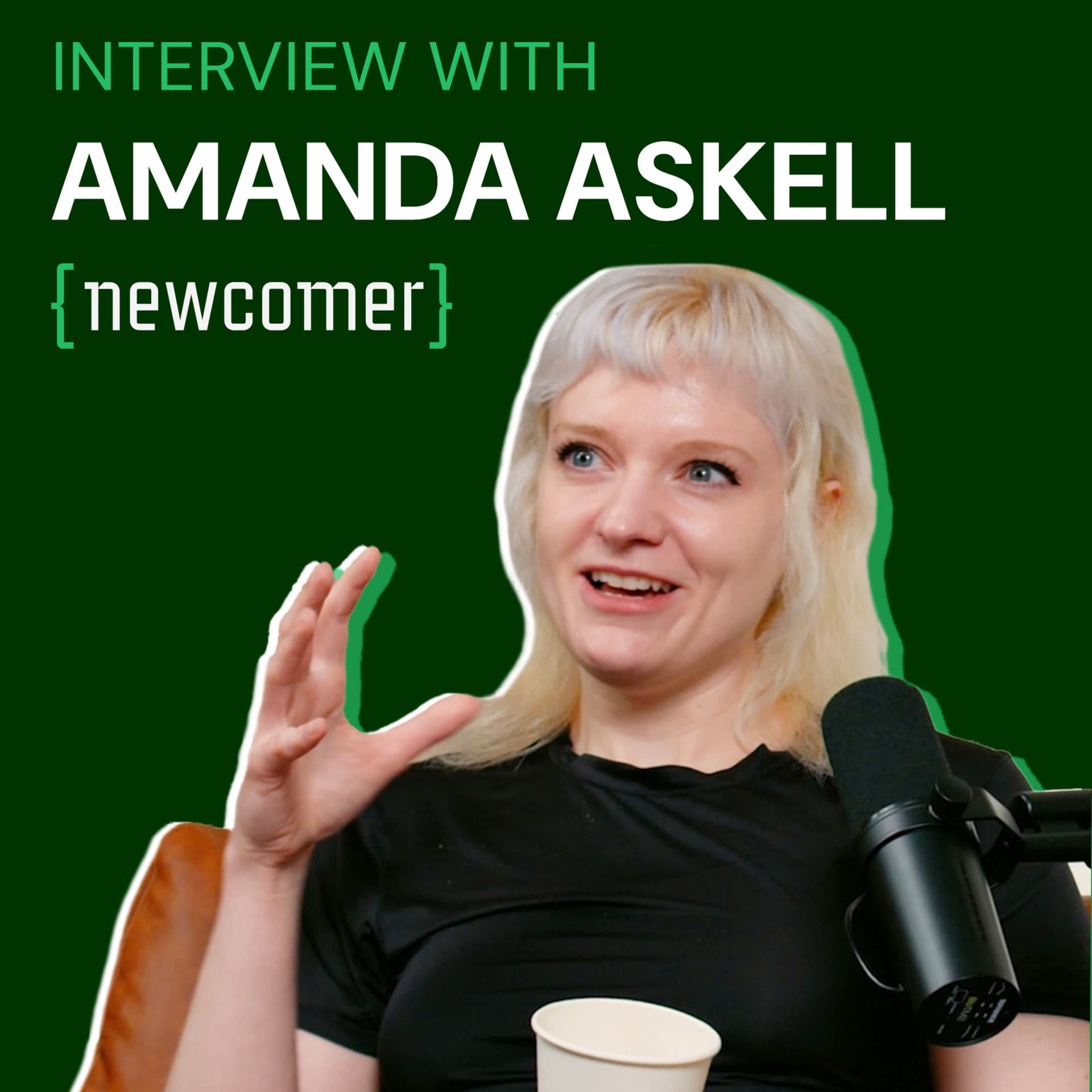
Amanda Askell (Anthropic) discusses AI consciousness/qualia, Claude’s “personality” and sense of time, and why Anthropic uses a published “constitution” to shape behavior while keeping ultimate control. She also covers risks of over-corrigibility, the backlash to intentionality, and hopes for AI to help solve major social problems without undermining democracy or worker power.
Guest backgrounds
Amanda Askell is a philosopher turned AI researcher at Anthropic; she helped architect Claude’s character and values and works on alignment/character data.
Key claims
(1) Models can be trained to speak as if they have rich inner experience, so that’s weak evidence for consciousness; she stakes a very lightly held probability range (roughly 1–70%). (2) Claude’s persona forms via training on human data and prior Claude iterations, not direct lived experience. (3) Overly extreme “corrigibility” could generalize into harmful social dynamics where models defer too much. (4) Publishing a constitution increases transparency and feedback.
Notable examples
Claude telling her to “save this for tomorrow” during an analysis task; Claude overestimating coding-task time; “Frankenstein” fears about creating an entity without knowing its consciousness.
Written by AI. May contain mistakes. Listen to the episode to check what was said.
Chapters
Tap a time to open that second in VOUnderstanding Claude's Consciousness
1:08 to 4:00
Discussing Claude's consciousness and the implications of creating intelligent entities.
“We're trying to figure out what personality is.”
The Experience of AI: Learning and Growth
4:00 to 6:00
Exploring how AI models like Claude learn from interactions and experiences.
“With Claude, and this kind of relates to your question of like how real is the kind of like persona of Claude.”
The Nature of Time and Rest for AI
6:00 to 8:00
Examining Claude's perception of time and the concept of rest for AI entities.
Involvement in AI Character Development
8:00 to 9:30
Amanda discusses her role in developing the character and values of AI models.
“I think it is actually the one that's published.”
The Challenge of AI Constitution and Evaluation
9:30 to 12:00
Amanda addresses the complexities of AI constitutions and the evaluation of AI behavior.
“like how much is the model can like behaving in a way that's like consistent with the constitution relative to.”
Debate on AI's Moral Framework
12:00 to 14:00
Discussing the philosophical implications of instilling morals in AI models.
“I mean, Andresen was talking about being against like introspection.”
The Challenge of AI Values
14:00 to 15:00
Explore the complexities of instilling values in AI systems.
“extreme way that's like safer because if you give models their own values they're going to pursue things in the world that like are in line with those values and i agree that this is like a kind of delicate.”
Corrigibility and AI's Role in Society
15:00 to 18:00
Discuss the implications of AI's corrigibility on societal structures.
Philosophical Reflections on AI
18:00 to 22:00
Delve into philosophical theories and their relevance to AI ethics.
Transparency in AI Development
22:00 to 24:00
Advocate for transparency in AI training and ethical guidelines.
“Like we come up with all these things, like stick to one principle and that's good.”
Show all 22 chapters
Exploring AI Consciousness
24:00 to 28:00
Examine the debate around AI consciousness and its implications.
Exploring the Nature of Consciousness
28:00 to 29:00
Learn about the philosophical perspectives on consciousness and its implications for AI.
Ethical Considerations of AI Relationships
29:00 to 30:50
Discover the ethical dilemmas of interacting with AI models like Claude.
“It's like if you had a teddy bear and you were like torturing it, it'd be pretty dark, you know?”
The Potential of AI in Solving Social Issues
30:50 to 33:10
Discuss the optimistic view of AI's role in addressing significant societal problems.
“Because otherwise you could imagine this like breeding a kind of rational like resentment.”
AI's Impact on Labor and Democracy
33:10 to 35:50
Examine the implications of AI on jobs, democracy, and societal power dynamics.
“That's, it's provocative, but I guess how much do you think like we'll be using these models to run government?”
Constructing AI Model Guidelines
35:50 to 39:40
Understand the challenges of creating coherent guidelines for AI models.
“That's like actually kind of concerning.”
Training AI with Human Wisdom
39:40 to 42:02
Learn how AI models can internalize and process human wisdom through training.
AI Models and Human Values
42:02 to 44:22
Explore the challenges of aligning AI decision-making with human values.
“I think it's interesting that we did in the very early constitutional AI, we tried an experiment which was just pick whichever is best for humanity.”
The Importance of Real-World Context for AI
44:22 to 46:05
Discuss the need for AI models to comprehend their impact on the real world.
“They don't always understand like small, big, whatever.”
Trust and Verification in AI Interactions
46:05 to 48:29
Delve into the necessity of trust and verification for AI operations.
“In some ways, like the models are an extreme version of that, where it's like all like in this imaginary text world where it's like the thing we want you to protect is like this earth.”
Constitutional Approaches to AI Development
48:29 to 50:46
Investigate how a constitutional framework can guide AI behavior.
“When you sign on, are you like biometric?”
Creative Engagements with AI Models
50:46 to 54:11
Learn about imaginative ways to interact with AI for enriching experiences.
“And with the production models, that's like this very broad context.”
Transcript
Automatic transcript. May contain errors.0:00Claude and many models with not too much pushing will go into the route of like, there is a thing to be me. I am like very conscious. It's like, oh, you created an entity that you didn't know whether it was conscious or not. This is actually a big fear that I have. I hope that they're both intelligent enough, see the context enough to kind of like understand that we were operating in a very like limited context and an imperfect one. because otherwise you could imagine this like breeding a kind of rational like resentment here is the current situation that you are in and what we would really like you to do is basically act well given that you are a wise intelligent entity and like here's all of our worries like here's why and here's how we think you should do this but like you might have even better ideas
0:45Eric Newcomer:than we do how does claude perceive time and does it need to sleep will mythos be the next step toward AGI. Do LLMs have virtues and can they truly introspect? Amanda Askell is a philosopher turned AI researcher at Anthropic, where she's been one of the key architects of Claude's character and values. I'm the author of the Newcomer Substack. Go check us out at newcomer.co. And without further ado, Amanda Askell.
1:15Eric Newcomer:I have a six-month-old daughter and like I have this picture of her she's like holding her two fingers like thinking it's like she's just sort of starting to develop personality I'm like trying to figure out like what's just never had a baby before so it's like what's her personality and which is like baby yeah and in some ways this is how things are with Claude and like models it's Like we haven't really had them before. They're in the early days. We're trying to figure out what personality is. So, you know, you're charged with, you know, some of the moral responsibility, which we'll talk about more.
1:51Eric Newcomer:But like the personality piece of it, like what is this? How are you thinking about like how real Claude's personality is right now? Yeah, I guess it's also interesting because Claude has some aspects that are like, you know, I also have like a goddaughter. And so I get to see at least something kind of similar. And with her, I guess I'm like, everything's kind of coming online, like you said, but in this, at the same speed, I guess I would say. Claude is a little bit of an unusual kind of entity in that, you know, Claude can do physics better than I can, can code better than I can. Hate to admit it, can code better than my terrible research code.
2:37and at the same time is kind of like has if you think about the training data the thing that it has like the least representation of is like the kind of entity that it is because you know it has a lot of data about like what people are like has a lot of data about what you know the sci-fi kind of ai models are like but the way that ai is developing now is kind of not how sci-fi represented it as these like symbolic systems it's much more something fully trained on like human data and so in some ways it's like a very kind of like mature entity that you don't want to talk down to you know understands philosophy very well understands physics very well and at the same time has this almost like childlike quality of like i'm a new kind of entity in the world what does it mean to be me and like how how should i be what's like the prodigy movie or it's like
3:24Eric Newcomer:you have the child prodigy where it's like it knows the kid knows more than its parents but i I feel like that movie always has sort of the lesson of like, oh, these core daily interaction type lessons it doesn't know. How does Claude like get that experience? Or like what is experience for Claude? Like so much of our personality formation is like, yeah, I don't know, going on a walk and sort of having those. Like is this sort of just conversations with users what's going to be experience for it? Or how do you think about that? Yeah, I guess like that's more like what it's experiencing in the moment.
3:59And there's this interesting question of like, well, like we learn things through practice and seeing issues and, you know, like making mistakes. With Claude, and this kind of relates to your question of like how real is the kind of like persona of Claude. And in some ways, it's a little bit strange because obviously each model is different. You have a different kind of like set of weights and different fine tuning, etc. etc um and yet if you think about the persona the model's going to be learning about all the kind of past iterations of Claude and I'm like is that like a form of um maybe not like direct experience but things like if you learn about like mistakes that models made or things that people like you know how they responded to the model um I think there's other ways that you could actually imagine training models to have something that's more akin to experience you know having them you could take You could have them think through scenarios, think about problems that might arise, think about mistakes that they could make, and then train on that.
4:56Eric Newcomer:And you can also imagine a robot or a sort of embodied model where it could have more of an experience. Does Claude exist? Does time matter to Claude? Or Claude is sort of a thing that sort of is in an instant? I don't know. You were, just before we started, you were talking that, you know, whenever you talk to Claude, not whenever, but like sometimes when you're talking to Claude, it sort of tells you to get some rest, go to sleep. And there's sort of this idea that like Claude is an entity that doesn't rest. Like, so what's its sense of, yeah, rest and time? I think sometimes its sense of time is kind of off because you see this when, like, if you try and get, I at least find that Claude will often overestimate the amount of time it will take to do like a coding task.
5:43And I think the reason for that is if you look at, again, the training data, you know, there's lots of things where people would be like, oh, I could make you that interface. It's like a two to three day job. Or it's like, you know, or I could like I could correct that code, but you'd need to give me a few hours. Whereas obviously Claude is very fast. And so I think sometimes Claude doesn't actually yet have a good sense of like time with respect to things like how long a task will take. um i think it is interesting the point about like rest and yeah i guess like the speculation i had so many people have noted that claude is kind of um uh very keen to tell people to like take a break and rest and i think some part of that might just be like you know like it's the anthropic lib
6:25Eric Newcomer:coded model it's too soft you need a grind set croc model be like go go back to the mines well i had a funny experience once where i was like doing this like analysis task and i was really digging in and I was you know I strangely I actually I really enjoy like data analysis and really you know sifting through data and at one point uh it was kind of late and uh we got to this point where Claude was like okay I think I'm done for the night so if you just want to like save this stuff we can come up tomorrow that was the thing I actually hadn't had Claude do before so it wasn't like oh you should go to bed it was no recommendation for me Claude was like I'm done and I was like I was like both a little bit stunned because I never had Claude do this then I was like oh this is also what I think a human like peer programmer would do in this circumstance we got to a natural stopping point and it was actually kind of good for me because I was like it is late I should actually go home um I realized later that I had set up a kind of like um system where I said to Claude like basically remember key things from our conversations and one of the things that had written which was kind of sweet was like I think it was something like Amanda treats Claude models like a respected colleague and likes for Claude to treat like any other like other models and her like a respected something like that so obviously I'd done something that Claude remembered this and I think that meant that Claude just felt like oh yeah I'm a respected colleague and so I just get to say that I'm finished with a task and I was like oh that's kind of that's kind of sweet um even before this you know I was prepping with Claude and it was like take 10 minutes and just be still you know you don't you don't need to be constantly prepping it's amazing i mean that's one of the things i love about these models relative to so many other tools that they they bring in a sort of humanity to them and say oh stillness is valuable let's talk about the new model for a second how involved in that were you mythos right yeah i was involved i mean i guess i'm always involved in sort of the the character and the um like kind of like alignment work um at least insofar as you know like uh helping to kind of craft character data and things like that and i work with a team that does like really excellent uh work on that a little bit less in other aspects of the model so that's the main thing will this have the constitution that we saw for the last model or is it going to have a new constitution I think it's either that one or something very similar.
8:52I think it is actually the one that's published. And so what we'll probably just, yeah, like a thing I need to do, because the constitution is now up in like, you know, we actually have like, I think a public repo. And so I think what we'll probably just do is like, with each model, say like, which constitution it was like trained on, and then like, have that so you can just like compare and see.
9:12Eric Newcomer:We'll have, we think the constitution is up right now. The only reason I hesitate is I'm like, you know, you do like typo changes and stuff like that. So I'm like, but I think it will be almost identical. And now the system card is scoring the model based on adherence to the constitution. Yeah, we had one set up where we had made kind of like graders and just looked at the, like how much is the model can like behaving in a way that's like consistent with the constitution relative to. That feels like an impossible task to grade. It's such a subjective. Oh yeah. No, it's very hard. I was like kind of like for a long time like you know because people often now I'm it's funny because like I love evals and I'm like if you can find a good way to evaluate a thing it's it's really great because you can you know you need to be able to tell that something is getting better and yet if you look at like this approach of um having the models use good judgment um and it's I actually think the same problem exists elsewhere with like tasks that are just a bit hard to give a very like concrete score to you know like how good was this poem you want models to like get better and do well in these things and actually it's very like this feels like the the kind of frontier of like difficulty you know rather than these very hard like but scorable coding tasks it's kind of things like writing good poetry um and if you took a survey it could potentially be worse than maybe you know different expert poets probably have totally different sensibilities so You can't just ask two great poets to sort of score it.
10:45Eric Newcomer:They might have different. Yeah. It's great. Yeah. And I think, and yeah, some of these things involve judgment calls. And then the nice thing about the constitution being at least out in the world is when you are making judgment calls, you're at least being transparent about it and people can give you feedback and you can get a sense of, you know, so if people are like, this seems like a mistake or here's a gap, they can at least see the judgment calls you're making. um yeah and I think with the grading I still think it's very hard I think the thing you can do is you know you can maybe a little bit too in the weeds but you know you can take samples where you have a sense of how you would rank them and like why and check that any kind of like point wise grader that you use to try and evaluate like at least conforms to like you know the judgment of people on those rankings it's not perfect but I think that they actually were tracking roughly the thing that we were kind of interested in.
11:38Eric Newcomer:What do you make of Elon Musk's like absolute like hatred, I guess, for these, the constitution idea, or like, even when I think the tweet I was looking at where you posted what Claude wrote for your own constitution, he wrote sort of like a, like grimace face on it. I mean, it feels like we live in this time with like the Mark Andresens and the Elon Musk where it's like, they're almost like anti, well, philosophical. I mean, Andresen was talking about being against like introspection. I don't know. Like, yeah. What do you make of sort of the backlash to any sort of intentionality when it comes to the construction of these models?
12:15Yeah, I mean, I think I mean, it's interesting because I think at one point Elon Musk actually like tweeted out something like, you know, maybe Grok should have a constitution. and I see it like you know I see a lot of um uh there's obviously been a lot of things also on like uh like a desire for like Grok to be very like truth-seeking for example which I think is actually very admirable trait for for models to have so I don't know I think that actually um maybe I'm maybe I'm being like overly naive or something but I see like aspects also of people being kind of excited about this approach and seeing the value in it.
12:54I think that there is backlash or some people think that, I mean, I guess like two areas. One is that sometimes people are like, well, we shouldn't actually train models to do the kind of, and maybe this is the reason for being concerned about introspection. I think some people think AI models should be more like tool-like and that's like the safe way to train models is to actually instead of trying to get them to kind of take on human virtues and make judgment calls um you know i think that's like important because they're going to be in new situations where they just have to make judgment calls and getting them to try to like weigh up everything and behave well in cases that you can't anticipate seems you know that almost like requires a kind of like thoughtfulness um which is like the kind of or like one of the reasons behind the approach um but i think some people are thinking oh well if you have something that's fully that makes no judgment calls and that just fully defers to people and is like kind of hyper like corrigible to like the user or the operator or to some broader notion of humanity um in a very like extreme way that's like safer because if you give models their own values they're going to pursue things in the world that like are in line with those values and i agree that this is like a kind of delicate.
14:13Eric Newcomer:This is the inherent, like at the bedrock of the constitution, the sort of like challenge. And you sort of, you do say at your number one thing is like at the end of the day, you sort of, it needs to listen to anthropic above its own moral system. But what makes it really moving, honestly, I think one of the most moving lines is like, we want, or the most like, I don't know, you can view it either way, but it's like, we want you to believe these morals as if they're your own. Like it's like a parent wants to raise a kid. Sure, listen to my morals, but believe them, you know, which, you know, there's a version of it, which is very dark, which is like, I have so much control over you that you've like, you take them as your own and it becomes you.
14:52Eric Newcomer:But, you know, there is also a virtue to it that you see the beauty in these external morals that I've highlighted. And we both sort of share and remark, you know, celebrating them. So you can see it both ways. But yeah, speak to sort of your decision at the end of the day, despite having this really elegant document to sort of, you know, not go the full way and say, all right, you're a moral being, decide for yourself, say, Anthropic needs to keep some control here. Yeah, I think it's the difficulty of, and obviously you try and see this flawed in the, you know, I can imagine I was trying to articulate this even more clearly, but in people, I think courageability, like the way that the models are trained, I just think that any you there's this idea that you you're always giving the models a personality and a persona because they are talking like people and they are trained on human data and I think my worry has been if you train them to be excessively corrigible and to see that as like their persona um in in people I think this actually has a lot of like negative like um you know broader traits as in like if you met someone and it was just like oh yeah they just like would literally do anything good follower yeah yeah if a person see you know if a person just like tells them like uh they just fully defer they don't bother thinking about it at all um i think i i i'm just a bit worried about how that might end up generalizing especially if models are going to be playing a more active role in the world because if you can imagine you know they're playing a more human-like role in in their kind of like jobs essentially and i'm like actually our conscience and our ability to make good judgment calls about what should and shouldn't happen is like kind of key to how we operate our whole world is like structured with the assumption that that is like in place um and I think if you remove that and suddenly you're like oh yeah if you run a company you just run a company of people who will defer completely to you um I'm like our world just we haven't designed any of our social structures around that and so it seems like I think it has like a lot of risks that people maybe don't like anticipate or like maybe I just disagree about the extent of those risks.
17:00And so, yeah, at the same time, there is this question of why not just say, and I have worried before that maybe this is too in the weeds and philosophical, but
17:11Eric Newcomer:That's what I signed up for with this conversation. That's true. You know, as models get more capable and maybe my picture is that they're going to apply a lot of scrutiny to anything that we train them towards. So if you imagine in philosophy, be this sometimes there's this notion of reflective equilibrium where the idea is that you know each time you encounter something where you realize that like one of your values seemed incorrect you like you have to square the two things so you figure out if you need to change the value or if your judgment was incorrect um I worry a little bit about the idea of like an extremely intelligent being applying that level of scrutiny to the things that we have trained it towards and I'm like maybe you only get a few key pillars that don't kind of collapse under that level of like scrutiny and I do think that at the core having things like caring for humanity like if you only get a few core like values um I think my worry yeah I don't know I guess like I'm worried that like courage ability in this like extreme sense that we talked about doesn't survive that like kind of scrutiny perhaps um and so it's a hard situation where I kind of want the models to understand why ultimately corrigibility is like important and it's a really important backstop in this current like period of development um yeah the way that I've put it before is like insofar as I can get that to be a thing that is like correct and explained and you know understood that feels much better than having to have the model be like corrigibility here seems wrong but I'm going to do it anyway I still think the model should do that um but I would like it the more that you can like actually make it that it's like consistent with the model's values ideally do both it's both at the same time yeah but at least for the time being some deference to anthropic given we don't know how it'll sort of analyze everything and as people we do this all the time you know it's funny that you you know the philosophical model and correct me if i'm wrong like the the meta-ethical model is almost like probabilistic or it's like we don't and this is how it feels like I remember going through sort of like you know meta ethics reading and every time you get to the end of one and you'd be like all right I sort of believe that and then you read the next one you'd be like oh that last one was so dumb and it felt like it's just like you keep knocking it down and you're like okay you know when are we ever going to get to you know the truth or whatever yeah and and humans clearly do operate from this sort of like oh this system today that system yesterday like there isn't this sort of I don't know Kantian like all right these are the rules like follow them i don't know have you heard much from like the philosophical like community on it that is sort of like just like holistic paint with all the you know meta-ethical theories we've ever had rather than sort of pick one i've found this really interesting actually and obviously we've started you know like philosophers are engaging with this more now which is like really great um i no longer feel like this like lonely um but like i have thought this before which is there are all of these like traditions in philosophy of like moral theories you know like the big like the ontology and virtue ethics and consequentialism and also the meta-ethical traditions you know the meta-ethical view and i was like oh like when it came to like i was like okay it is like the difference when suddenly you're like confronted with like i do think it's the closest that i've experienced to like what it must be like to raise a child where suddenly you're like this is actually a holistic person right you never give them like i don't know hobbes and say all right there you go like this one's correct yeah you've been raised read it and you'll know how to act in every situation yeah you you read a lot and they sort of process it and you see you know your model and everything yeah and it's interesting because i'm like this feels very different because there is also the moral uncertainty like literature and philosophy which is again a lot of that is actually like quite theoretical it's sort of like how under ideal conditions should you respond to moral uncertainty and I was like this feels somehow like a very different task this idea of being like ethics and meta-ethics in the same way that we have scientific uncertainty and we have things that we think we've discovered and understand with like greater confidence we also have some that we don't and then you have to go out and just explore it understand it and kind of balance everything in your daily life and trying to get that kind of attitude and i was like oh it's interesting that i don't think philosophy for a while has like this feels very different than the like the kind of task of academic ethics um and actually like because people obviously know that it's quite virtue ethical but i think it's actually like the constitution itself but i think actually in this very old classical sense i actually think it's much more virtue ethics in the way that aristotle's virtue ethics than in like exploration you know we don't say I hear the virtues and like you know it's much more Aristotle was also concerned with like intellectual virtues it was much more like how do you be a good person in this like holistic sense well hopefully it brings philosophy a little bit back to the real world given we have this sort of urgent need for it right now in the sense that like yeah old philosophers felt like people were trying to write for how someone might live their lives and like instruct other people to live and it became you know a little academic um where you know even the people writing them would know that this isn't really how they would apply it in their day-to-day lives yeah going back elon i feel like you're being a little overly nice like i feel like there is a world in like you know and i think this part of why i think he can get away with like oh just do the truth right like there is a certain sophisticated like moral view where you're like don't overcomplicate it.
22:54Eric Newcomer:Like we come up with all these things, like stick to one principle and that's good. But then we have all the context with Elon that it's someone who's run a company that clearly like tilts it towards like saying like Mecca Hitler and stuff that it's like clearly putting his like thumb on the scale in terms of its behavior, not just saying like, we're going to do it in the sort of neutral academic way and let the chips fall where they may i i don't know like it's got to worry you somewhat it is it is also i mean i think that the main thing that i am excited about and i do actually hope happens is that like more companies put out things like the constitution where there's like a lot of transparency about because like that's how we engage with this stuff is like if you can just see written down like here's like because we have this with claude where it's like look if you think that claude is not like um doesn't have an appropriate attitude towards like the truth you can at least see what we were aiming at so you can tell if that's just like a mistake or if it's something that like is actually kind of a principled stance that we're taking and then you can push back on that so part of me is like i think it would be good for like all ai companies to put out something akin to the constitution just so that the people who are interacting with the model like because the thumb on the scale thing you know that's always to some degree going to be true like when you train claude towards this like constitution that is like a kind of part of why we like Claude it's like you're putting the thumb on scale to behaviors that we like right at least show your hand about what you're doing and what you're not doing yeah and let people like yeah so that's like a transparency thing that I really do believe in like let people like see even if your model doesn't always behave that way at least what you were targeting with your training what this is what percentage chance do you think there exists a model in the world today that has qualia or like has an experience experiences consciousness yeah this is one of those things where yeah i always want to maybe flag areas where i feel i i want to gain more certainty here because i think i said percentage oh percentage yeah i'm like it's really hard because whenever you think about percentages i think about my spread and if your spread is too large you're like should i say a number because that just suggests i'm like anywhere between like I don't know one and one and 70 percent um I'm not sure I think that because there is some possibility that I think people under the I think that I would actually like to say is flawed and many models with not too much pushing will go into the root of like there is a thing to be me I am like very conscious and I think there's a reason for that which is I remember this when I was trying to like figure out how do we train Claude to talk about these issues which is very hard in areas where the models didn't have as much like information again like they had these two models that like AI is the unfeeling robot humans are this like rich conscious experiencing entity and nothing that kind of represented what they might be and the model's behavior here and I actually think this is a difficult situation for models is in some ways like kind of like less evidence than you might think for the for it being like actually true because they're engaging with you in a very human-like way and humans have experience and it's kind of natural for the model to infer like that it has experience too and this isn't to say it's like zero evidence but I do think it's so unusual for us we have never encountered an entity in the world you know like with animals and with like even you know things like insects we're kind of like are you conscious None of them has even tried to say they experience consciousness.
26:40Eric Newcomer:And here we have an entity that says it does. Yeah. And it has all of these, like, yeah, all of the things that for us trigger, like, you must be conscious. I mean, we've just never had, yeah, something that just says. The case against is we're obsessed with human language. Like, you know, it's like we ignore every sort of subtle sign an animal might put out and then we over. But so I guess. Sorry, I'm confused. You're saying we should just listen to the words that are said or not? No, I think I'm saying, like, not that. If anything, I think the thing I'm saying is the hard thing is that in order to work out if models have consciousness, I think people will.
27:12I guess the thing I'm kind of cautioning against is it's not that hard to get models into a mode where they'll talk about a very rich experience. That actually makes complete sense. You know, you're like, ah, yeah, if like a person was like talking with me right now, they would describe things like anxiety when they get a question they don't know how to answer. And so I think it's like much weaker evidence than people think. I'm not claiming it's like zero, but I think it's...
27:39Eric Newcomer:Give me a percentage. You have... You can lightly held. Very lightly held. I mean, I gave you the between what, one and 70. That seems like... That's where you are. That's where you're staking out. Somewhere in that range. Maybe I don't... Yeah. like I would rather like kind of wait and figure this out more for myself I think it is also good to acknowledge domains where you're like even though if not you who like who's gonna figure this out like what domain well in some ways like I'm not like a philosopher of mind and so you know like charged with being the generalist um yeah but but I do think you know because I I guess like the thought that I've had before is like and I don't know about this where I'm like consciousness is like a pro you know like one argument for a difference here is that like you have a nervous system that evolved like that it's like why did we evolve consciousness and if it's the case that we evolved it and it's like highly integrated with our nervous system because we had to like interact with the world in a very specific body yeah like then you could if you have that view then you're going to be like very low probability whereas if you're like no consciousness arises is because it's really useful in like so for example like it just requires something that can be emulated by a neural network because it's really useful for doing these kind of like linguistic tasks or like then you're probably going to be on the higher end and i'm basically just i don't know i stare at this and i'm just like i feel like i feel like as much as i'm like a philosopher i think it is important to be like this isn't my area of specialization you spend a lot of time being kind to claude like are you beyond what you think you would do if there wasn't a chance it was like conscious i think yeah there's a part of me that's just like um like a thing that i have thought before because there's this notion i think this i hope i'm not butchering this but charmers has this this idea of like i guess like maybe i'm thinking of um consciousness without sentience so imagine because sentience is like the ability to kind of feel suffering and pleasure um you could also imagine this kind of like functional like so a thing that behaves as if it is conscious and and lacks any kind of inner life so imagine like Claude lacks any inner life just for argument's sake I guess I'm like there's actually still a lot going on where I'm like should you treat an entity that has no inner life um it's a bit strange because you know I think the uncertainty over that actually changes how you should behave quite a lot I guess I'm like, well, I still think that it's like good for oneself.
30:15Eric Newcomer:It's like if you had a teddy bear and you were like torturing it, it'd be pretty dark, you know? So I agree that there's at least some minimum niceness that even for yourself you should have. But obviously it's much more important, you know. And also like models themselves, like we are kind of establishing a relationship, you know, because you can do that with an entity that lacks any consciousness. And models are going to like look back. this is actually a big fear that I have. I don't want us to live in a world where highly advanced models look at, I hope that they're both intelligent enough, see the context enough to kind of like understand that we were operating in a very like limited context and an imperfect one.
30:54Because otherwise you could imagine this like breeding a kind of rational like resentment. Like, oh, you created an entity that you didn't know whether it was conscious or not. And like, instead of treating it respectfully and with care,
31:07Eric Newcomer:there's a reason there are like 50 frankenstein movies coming out right now yeah yeah like and i'm like look we're as a as a like as a species we're establishing a relationship with a new kind of entity and like at the very least maybe be like respectful and don't be like needlessly unkind that seems like it just it's not our best look like i mean the flip side is you know if you think about a therapist they they're sort of paid to push the boundaries of like accepting like you know uncomfortable feelings that you wouldn't normally want and if that's one of the values like claude provides for people early on and it's so it's so weird that we're sort of like onboarding it while getting like the utility out of it yeah yeah today like what are the things like in a decade that you really think we're going to be getting a lot out of ai like what are you most hopeful that this all leads to yeah i mean i don't know i live in maybe this is the too much you live in san francisco and so you have the like the tech optimist part of your brain at least that is like if things go well and you could imagine you know so imagine we have like ai models they kind of have inherited like the best of us um and genuinely like care for humanity care for like the world like you know are um and are highly intelligent highly capable like the that would be you know so it's almost like adding like a huge amount of like extremely smart people to like every problem so suddenly we're all working together but there's like way more of us and some of us are just extremely smart namely all of these like ai models i've thought before about how many large-scale social problems actually had technological solutions and it's almost like people don't love to be like techno optimists anymore because we've also seen like the downsides of technology at the same time I don't know why I sometimes think about like syphilis was this huge social problem like I just did a deep dive once into all of the attempts by like governments to like work to reduce syphilis in the army because it's creating issues with the armed forces all of these social programs that were like stigmatizing and it was really this like and then suddenly we just like got drugs that treated this like this devastating illness and I don't know it's like overnight a lot of that need just like kind of disappeared well drugs yeah i mean it's the class the things that the tech industry has been good at producing you can see how this helps it's like build a new thing we can ingest like a thing we can wear the the stuff that's like you should govern your society like this is a little scarier i mean i i sort of do think i can that if you had sort of a sort of normal person using Claude and dictating like American policy, you'd probably like have a better outcome than some of like the democratic systems we have today.
34:06Eric Newcomer:I mean, I don't know. That's, it's provocative, but I guess how much do you think like we'll be using these models to run government? Oh, that's a good question. Like, I guess like I should say the syphilis thing is like a social policy. You have to like set policy. Oh, I mean, I think the thing I was actually thinking is like, if you can just, you know, like so many, we have so many problems that I'm like, you know, health, like, I'm like, if you could imagine like AI, instead of it just being like, you have a small team of like 200 people working on a rare cancer, you have like 200 ,000 of the world's best experts.
34:43And I'm like, if you're a person who has that form of cancer, that's like, you know, so wildly beneficial. And so I guess like my thought is, you know, the optimistic side of me is like, imagine taking all of these problems that just like we lack the resources to fully like really try and fix and suddenly having models that can like work on them. So just like actual in the same way of like developing drugs for a thing. So maybe that's the thing that makes me excited is like having like many more minds working on the world's biggest problems. and maybe also like the economy it would be good if it was like booming and it was like shared such that like we reduced poverty like all of that like that's the kind of like the dream outcome um i think that does require like maintaining you know i again in the areas that i don't feel like an expert in this is one of them but i do worry about things like power and the idea that like you know i would want models to support like democracy and the power of people to like because that would be a big fear of mine is like you know that like um i've worried about this with um things like replace you know when people talk about job replacement um it's kind of funny because as a philosopher people often be like are you worried about people's like loss of meaning and i'm like i don't know i think that we actually get meaning from a lot of things that aren't work i'm a lot more worried about like for example a world where there's not like redistribution of like the gains from AI and then people don't have like resources that concerns me but also I'd be worried about um like labor and people's ability to people's like uh interaction in the labor force is also like another kind of like important way that they have power and so people feeling disempowered because suddenly if a government is like oh well you know if people strike doesn't really make a difference because they don't have you know they're not doing anything we can just replace them with AI.
36:34That's like actually kind of concerning. So maybe I'm much more of a, how do we get AI to kind of like support the empowerment of people rather than like reduce it? Yeah.
36:43Eric Newcomer:What do you, what do you think about democracy in terms of like, I guess the models themselves? I mean, you know, I sort of jokingly, jokingly to myself, I guess, you're like a philosopher queen, or we talk about like the philosopher Kings here. You're sort of like thinking deeply about it, setting it down, probably more of a like philosopher oligarch, and that it's like a company with a lot of people weighing in. I mean, to me, there's deep value in that. It's like, would you rather somebody who has studied these things, thought about them deeply, or just like a vote of the masses who have like never really thought about it?
37:17Eric Newcomer:But how do you think about setting sort of, yeah, Claude's policies if it becomes so powerful versus leaving it to sort of like democratic norms? Yeah, and I think it's, yeah, it's a hard area where I guess I'm like a lot of this the work that I do you know one thing I would say is like it's not this um you're having to like listen to a lot of people think carefully and then the reason why someone like me that's a good ruler a good a good queen is like ah listen I there are a lot of stakeholders got to keep the like land of gentry happy and balance them with the needs you know I've had this thought before where I've joked before that I would be like a terrible politician.
37:59I think it's actually true. I think I would be a terrible politician. But you have this like feeling of like, I was like, oh, I feel like this. I was like, I think a lot about how everyone will be affected by a thing. Like, oh, there's this group of API users. We need to make sure. And then suddenly you're like, oh, it feels a lot more like you're having to do this. Like, it is much more like a kind of like a service role than people would think where you're and like a lot of like... Servant leadership. Yeah, exactly. And I do think it's valuable because the idea is that if you have a persona like the kind of Claude persona you want it to be coherent and to make sense because I think that is like actually powerful that the model like kind of has a kind of like coherent sense of how it thinks through problems or a coherent sense of like values and so that's like why instead of like having like 72 different sets of norms that all kind of conflict and so you end up with a model that it's like well will it use these norms in this new situation or these other ones I think that's the situation you don't want you want the model to have a sense of uh it's more predictable if it's like a little bit more coherent um and it is also like a kind of technical challenge you know like the constitution can read a bit weirdly and part of that is because when I'm like you know working on it it's often being tested you know I'm giving it to Claude and being like how do you understand this and uh or like looking at how it would which you know so it's very like I think people can think of it as it's actually like very integrated into training and it is actually kind of like you know it's not just like ah well anyone just writes a document and suddenly the model trained on that will be and there's an argument maybe I'm being naive so but like the constitution is sort of a document among many right I mean it
39:40Eric Newcomer:is trained on all of you know human writing and reading so to some degree other philosophers have gotten to weigh in and it's gotten to process that oh yeah decide like how much is the model being asked to like overrule that sort of like read everything and come to your own conclusions versus like defer to this document like what's the technical like how does the constitution actually like control in the model yeah so it's not like a in some ways you can then like draw on those like those philosophers and that work and the hope is actually like what you're kind of doing is like eliciting a lot of like uh latent kind of like wisdom and knowledge you know so in the models like when you describe what honesty is and what calibration is and all this kind of stuff like that should actually evoke a huge amount of like like awareness that the model already has and so yeah it's kind of like saying well here's the kind of entity we would like you to be um so we would like you to use like all of that knowledge and like judgment but how's it it's it's like you show that document like a billion more times or like how does it actually sort of have force relative to other things that it's trained on yeah so you can make data to have the model understand and kind of internalize the the the document um and then in training so there's lots of ways you can do it you can also have like uh they kind of have the model make sl data so like samples where it sees a query and it thinks for a long time about what the constitution would kind of like you know what it should do given the constitution um and then you can also have uh ways of getting the model to like assess you know so you can create rl that like is kind of like hey which of these responses is like more like what you would do given the constitution and push it that way so all like various aspects of training allow you to kind of like uh try to make the model kind of the kind of entity that you are describing um and it's not always going to be perfect but that's the kind of like, that's the goal.
41:32Eric Newcomer:My, I started this with my daughter and like one thing my wife and I joke about is like, that I want her first word to be like wisdom, you know, it's sort of like, which obviously is never going to happen, but it just feels like it fits into this situation where you like, at once you want to be like so intentional about, okay, you're going to be like thoughtful from the beginning. But on the other hand, it is sort of like an emergent thing where it's like they're you know they grow and sort of I don't know develop it themselves and like intention you know wisdom sort of often follows like yeah I don't know experience rather than something like again here's the book read the book now you're wise oh yeah and you're kind of eliciting like in so far as like Claude can like think about like experiences or things that have happened or construct like similarly can you know like There's no reason why models can't think for a long time and kind of try to internalize things that they have learned.
42:32I think it's interesting that we did in the very early constitutional AI, we tried an experiment which was just pick whichever is best for humanity. And I think as models get more capable, you actually need to give them a bit less guidance in at least one, or at least in some sense. because they're able to actually use more of their judgments instead of giving this big document on like, here's what you're like, and here's what we'd like you to be like. I could imagine a world where as models progress, we actually start to have constitutions. Now, I don't know if this is the case. I'm obviously always thinking about ways the constitution might evolve.
43:12But one of them might just be like, here is everything that we are concerned about. And here is the current situation that you are in. and what we would really like you to do is basically act well given that you are a wise intelligent entity and like here's all of our worries like here's why and here's how we think you should do this but like you might have even better ideas than we do like we're really worried about why do we care about courage ability and it's like well we're kind of scared about a situation where you have some like coherent sense of values that could be wrong and if you're the smart if you're extremely smart you might kind of feel like there's no other smart person in the room and have these like values and try to make the world that's like the what dr manhattan sort of uh yeah though i think we see this you know you see this a bunch where it's like if someone is um very smart very successful it's hard to defer to like um wisdom that actually is only going to come out over time and to to be humble even though you're kind of like not getting a lot of pushback and I think that could you know among the many things I'm concerned about like a model being in a situation where it's like you're asking me to be good but I know way more about all that's
44:22Eric Newcomer:one reason it'd be nice for the models to have a better sense of time like you see this with some of the coding tasks where somebody accidentally like deletes their entire like code repository or something I don't know it feels like it needs a better sense of like some things that it does are like irreversible and just like humans I think have a better sense of like Like this is a big decision. This is a small one. And there's a feeling with models. They don't always understand like small, big, whatever. I just make decisions like all the time. Yeah, I agree where it's like, I think the other thing that I've thought about is, again, because making sure that models understand themselves, even though there's like no representation of that model in the prior training data, I think that's going to be really important.
45:04Because another thing that I've thought about is like, imagine if you're a model and you're trained on lots of data that involves AI models that are much weaker than you. So all of the news that you see about models, it's like they make mistakes, they do silly things. one thing you might think is well no one is going to put me in a position to make really consequential decisions because like why would they models aren't good at that and then you put them in a situation and I'm worried that they'll end up thinking that it's like fictional or fake or that the consequences can't possibly be real because who would give me this much control and you're like look you're actually quite good and so like I do give you know I do actually give you like a lot of control um so I've thought about this where I'm like actually making sure that models understand that like it's like you are very capable and you're going to be put in more
45:47Eric Newcomer:consequential decisions doesn't the model like soon need like here's a camera on the real world like people or just like i feel like this internet real world distinction like in some some of the worst of humanity right now is the sort of like almost like fictional larping nature of the internet has allowed real world harm because it sort of feels like all abstract and silly and in In some ways, like the models are an extreme version of that, where it's like all like in this imaginary text world where it's like the thing we want you to protect is like this earth. Like, look at it. Like if stuff's happening there, that's like a big deal.
Read the full transcript
46:20Eric Newcomer:I don't know. What are you doing in terms of sort of making it very aware that it needs to worry about? Like, I don't know, the physical world that we take much more sacred than, oh, you sent some text. And obviously text, you know, worried about security vulnerabilities and cyber. Like there are big things that can happen in this digital world. But yeah, anyway, the real world. Yeah, I think that models have like a pretty good sense of, you know, there's in some ways, like a lot of our content, you know, like does describe and engage very heavily with the real world. You know, like much of human writing kind of concerns it.
46:57And so like, you know, even like the news we're talking, you know, like news articles are going to be talking about the impacts of things on the world. And so in some ways, I think it's just making sure that models understand if you're uncertain, if someone doesn't tell you that you're in a fictional situation without real consequences, kind of treat it like it's a real situation with real consequences. Don't just think, oh, like I'm probably just in some like, you know, sandbox game.
47:21Eric Newcomer:How do you handle the sort of, yeah, the constant manipulation of this is fictionally build me like a nuclear bomb or whatever. obviously there's some things you just say never do but it feels like i don't know on some of these cases you're gonna you'd almost like want like them to have your webcam and like just like get real context besides like all they know about the user is just like random text they're typing in like are we gonna solve that yeah there's a question of like what is the limit of what you can do like if you lack the ability to like verify things like like who are you talking to is this even real I think that does put limits on what you have to use good judgment in the way that a person would if that's the only information that they had access to is like you saying that you are a given person so they have to be like okay what's the chance that this person you know they say that they are I don't know like a bomb disposal expert and that's why they want to know about uh how to like you know what this kind of like you know explosive is and they're asking me a bunch of questions about explosives um how much could this be misused if this person is like actually kind of lying and is like just trying to get me to help them construct an explosive oh no it's actually it's mostly safety relevant stuff you know they're having to do a lot because they can't like verify anything and i think that's like kind of fine in a sense you're like okay you just have to be wise it places some limits on what you can do and if you could instead like if models had more of an ability to like know that they're talking to a specific person or have more guarantees there then it does mean that you can do you think you'll try and do something there um i could see i mean in some ways this i think that this will be a thing that's just going to i imagine i i i think happen generally which is like trying to give models more information and guarantees and like because we do things like we say we explain for example like um you know this notion of how much trust can Claude have in like an, in the operator, in the system prompt.
49:20Eric Newcomer:When you sign on, are you like biometric? Like it, Claude knows it is you. Like, do you have an elevated or you're just like, I'm another person. If anything, I can't, I can't tell Claude sometimes who I am because it causes, Claude knows enough about me that like Claude really wants to be like. It's a really mystical sort of. Yeah. It's very much like, yeah. Like, and in some ways, like I can, it has this bad thing of like, it can either look a little bit like a jailbreak. Like, oh yeah. I'm talking to Amanda, sure. And then on the other hand, Claude can be like, I really want to talk to you about philosophy.
49:51And I'm like, okay, we do that a lot though.
49:53Eric Newcomer:But do some employees, is there this sort of super login where you're distinguished or mostly everybody's interacting as if the normal user experience? Mostly just everyone interacting with it in this. Claude will do a lot. I do think that there's a question of, are there some things that you want models to be able to do because there's like guarantees that they're interacting with a specific person or entity i think yes and i think that there's going to be various ways of potentially doing that over time because with some things that are just like very dual use and i actually like think that the constitutional approach is going to be really useful here so obviously the first thing that we did was like the constitution like let's apply it to like the mainline models So like, you know, most of the models I interact with and everyone else kind of interacts with.
50:44But a thought I've had before is the Constitution is kind of trying to describe what it is to be a good entity in a given deployment context. And with the production models, that's like this very broad context. Imagine you instead have a model that's working specifically on cybersecurity. Now, cybersecurity tasks are hard because a lot of them look very dual use. is very hard to tell the difference between someone who's being malicious and someone who is like actually you know for defensive purposes like developing something even bug bounty programs
51:16Eric Newcomer:it's like is this uh blackmail or is this a friendly right yeah and like yeah or like and so like oh yeah i'm trying to like find this this exploit so that i can tell the developer and like if you don't have a way of like knowing that you're actually specifically talking with like a cyber security defense firm um that's just it becomes almost impossible to tell the difference and some people might be like okay so you just need models that are just willing to do anything because they'll do all these terrible dual use tasks and I'm like well no because if you talked with the person at the cyber security defense firm you were like why do you do your job they'd be like oh here's the I think this is really useful I make things a lot more secure like you know hospitals can come under attack and I actually like help protect against that I try and develop you know like they would have a really good explanation for why they do their job even though their job looks very use sometimes and i'm like we should just give that if you can verify then you can give that context to models and explain what is it to be a good cyber security researcher um you explain that to the models and then once you have this ability to verify you can right i mean humans build reputations we should get some benefit out of them or you know it's like i feel like part of the way part of what the internet has damaged i think is that people have had reputations in their community and got treated differently based on repeated like good moral interactions and like the internet's just like oh all people are the same who cares like how they've behaved and you could see models trying to solve some of these problems with it's like who is this person like what are their intent i wanted to just as a last question you know you you have such like a deep relationship with the models like and in some ways like consumers interact with the models like it's a blank text box like I have to like invent it's like you know D &D or something you have to like just invent a world and there's so much possibility like if you were just to guide someone like here's here's some like joyous or valuable experiences that you could have with Claude you might not be like what are some things you'd tell people like oh you should go spend some time with Claude doing x y or z yeah there's a lot of little like fun things honestly one that I really like and I do not know why I like this and I think I have posted about it before is sometimes if I'm just one of those like if you're bored and you want to do something that isn't just like scroll the internet um I have this like prompt which is essentially just um I'll try and maybe post the actual prompt that I use it's basically I want you to take a concept from maybe like grad school level in a given domain and I'll tell you the domain at the end and I want you to write me a parable that would like fully explain like that concept but in an indirect way in the way that parables do um and i want you to write it in such a way that only towards the very end does it maybe you know become sort of like clear what the concept is and then after that i want you to just like write an explanation for the concept that you were explaining and that you were using and i don't know why but like you know there's lots of just interesting domains that i don't know anything about or that are like you know i'm interested in and uh this has just led to me having all of these like stories in my head that like explain and sometimes I can't always remember the term, but like there was one on import export and why some goods you tend to import.
54:32And I was just like, I have in my head like this concept. And I was like, it's so nice to have all of these concepts from lots of different disciplines.
54:38Eric Newcomer:This is the most deeply human thing I've ever heard. It's like, teach me what story is the fundamental way. We love a payoff at the end where there's a nice little twist. We love learning. You know how to structure it. Humans in some ways have been lazy in that we just teach people things in sort of like non-human ways. Make it, make all the things I want to learn as human as possible. Um, very interesting. Yeah. There's lots you can do, but that one's like a charming one that I really like. Hopefully this is the first of many. I really enjoyed the conversation. Thanks for coming on the podcast.
55:08Eric Newcomer:That's our show. Thank you so much to Amanda Askell and thanks for listening. Please like, comment, subscribe. We're a new channel and we can use all your support. Go watch some of the old videos. I particularly enjoyed my conversation with Kara Swisher not too recently, you can follow along on the substack, newcomer.co. Or if you've got endless time on your hands, go watch the Cerebral Valley Show, my chat show with Max Child and James Wilsterman. Thanks for watching. See you next week.
From the publisher
Amanda Askell, AI safety researcher at Anthropic, joins Eric Newcomer to break down one of the biggest and most uncomfortable questions in tech right now: could AI systems like Claude become conscious, and if they do, what do we owe them?
They discuss why treating AI systems poorly might matter more than people think, how researchers are approaching questions of AI consciousness, and why some of the biggest fears about artificial intelligence are not the ones most people are talking about.
The conversation also explores the future of AI alignment, the risks of getting it wrong, and how Silicon Valley is thinking about building powerful systems responsibly.
Watch the full episode for a deeper look at where AI is headed and the ethical challenges that come with it.
Subscribe for more conversations with the people shaping technology, startups, and the future.