
In short
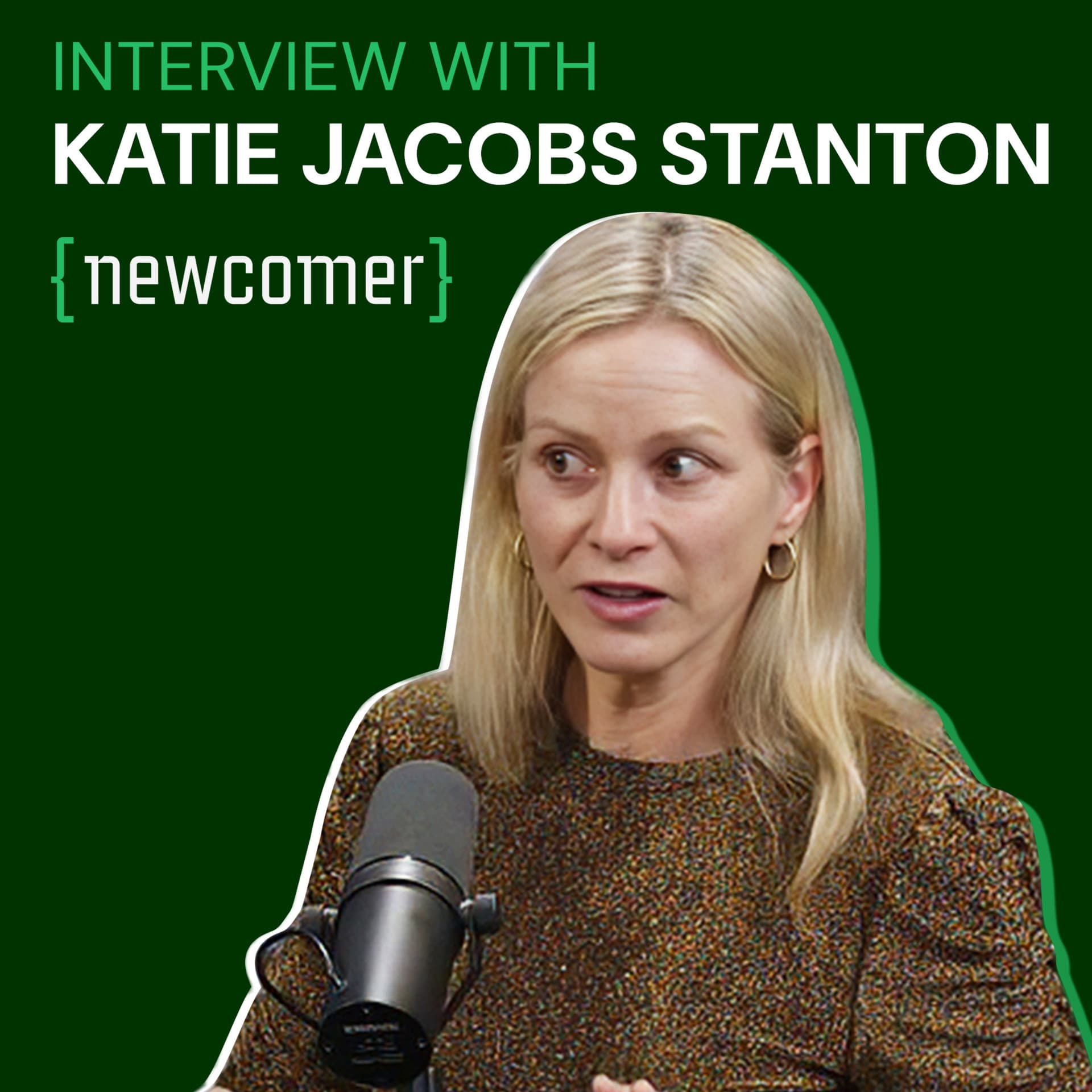
Katie Jacobs Stanton, a former Twitter executive and Obama White House alum turned VC, discusses why Silicon Valley stays quiet on major political crises, how Twitter/X shapes news and discourse, and what AI and tech should do next (especially in healthcare, energy/grid resilience, and DEI).
Guest backgrounds
Jacobs Stanton worked in the Obama White House; was a Twitter executive; has worked at Google, Yahoo, and the US State Department; now invests as a VC (Moxie) and tracks founder diversity metrics.
Key claims
Tech platforms and CEOs are not neutral; big tech’s silence during ICE brutality in Minnesota was “appalling.” Twitter’s algorithm amplifies right-leaning voices and anxiety. New social networks won’t fix youth screen addiction; better solutions may be therapy and “outside” experiences. Democrats’ anti-AI posture can become populist; AI job fears require retraining conversations. DEI is still underfunded; she reports diversity numbers to investors.
Notable examples
ICE killings of Renee Good and Alex Preddy; Sam Altman’s home attacked; NYT Iran story underperformed on Twitter; Throne Science “whoop for your poop” (colon cancer/blood detection); Lumini (AI workflows; Cleveland Clinic partnership); Feros Health (AI to prevent sepsis); Overstory (AI vegetation management for utilities); anti–data center resistance in Indiana.
Written by AI. May contain mistakes. Listen to the episode to check what was said.
Chapters
Tap a time to open that second in VOThe Evolution of Twitter
1:22 to 2:26
Discussion on the changes and current state of Twitter and its role in public discourse.
“please follow along at our sub stack, Newcomer.co, and enjoy my conversation with Katie Jacobs-Standard.”
The Shift in Media Dynamics
2:26 to 3:18
Exploration of how media outlets like the New York Times are adapting to Twitter's changing algorithms.
“So I'm not going to call it X when I'm mad at it.”
Personal Views on Twitter and Alternatives
3:18 to 4:51
A personal reflection on the addiction and loyalty to Twitter compared to other platforms like Blue Sky and Threads.
“I mean, I think the particular fight was that they had this big story on Iran.”
The Impact of Social Media on Youth Mental Health
4:51 to 6:34
Discussion around the effects of social media usage on anxiety and the need for new approaches to technology.
“And it's a love-hate relationship, right?”
Investing in Tech for Mental Health
6:34 to 8:13
Conversation about potential investments in startups focused on reducing screen time and improving mental health.
“And if you tweet something, nobody sends anything back.”
Innovations in Healthcare: Throne Science
8:13 to 12:37
Introduction to Throne Science, a startup focused on health monitoring through a toilet device.
“I mean, I met a founder recently who's actually trying to invest in that.”
AI in Healthcare: Transforming Patient Care
12:37 to 14:01
Exploring various healthcare tech startups and their impact on improving health outcomes and workflows.
“What's your favorite non-direct-to-consumer health investment right now?”
Innovations in Healthcare: Feros Health's Journey
14:01 to 14:55
Learn about Feros Health's AI-driven approach to improving patient safety in hospitals.
“And then one other favorite founder is Feros Health, which is doing – they're really early.”
The Dichotomy of News: Good vs. Bad
14:56 to 15:34
Explore how media narratives often highlight negative events over slow, positive progress.
“I was watching a TikTok earlier this week and there was an influencer, John Green, talking about his brother Hank Green.”
The Role of Leadership in a Polarized World
15:35 to 16:55
Discover the importance of political and social leadership in promoting positive narratives.
“government, you know, you're helping what the White House figure out how to use social media.”
Show all 28 chapters
AI, Populism, and the Future of Politics
16:56 to 20:20
Examine the intersection of AI technology and the evolving political landscape.
“amazing astronauts and see their camaraderie and how they talk to each other, how they talk to us.”
Public Sentiment Toward AI and Job Security
20:21 to 21:13
Discuss the public's concerns about AI's impact on jobs and the need for conversation around it.
“So I think, I forgot the stats, but there was a survey of how younger people feel about AI and it's like 30 to 40 % hate it.”
The Promise and Resistance to Self-Driving Cars
21:14 to 23:08
Delve into the debate surrounding self-driving cars and their potential to enhance safety.
“the next generation, you know, to work in the trades, how to leverage AI, how to be prepared?”
Cautious Optimism for the American Left
23:09 to 25:55
Explore the emerging leaders on the American left and their potential for positive change.
“I mean, there are these products that are living and serving in the future, right?”
Navigating Political Landscape Post-Trump
25:56 to 28:00
Understand the challenges faced by centrist politicians in today's political climate.
“And they've only seen like these extremes and they're seeing the other side just kind of give up.”
Tech's Role in Governance and Influence
28:00 to 29:10
Explore the complex relationship between tech leadership and political accountability.
“And, you know, just be honest and straightforward and honorable.”
Silence of Tech Leaders During Crisis
29:10 to 30:50
Discuss the lack of vocal leadership from major tech figures during critical social issues.
“know tech leaders understand their power and their influence like you think about American superpower, but if you fold in American platform superpower, NVIDIA, Alphabet, Meta, they're in the top GDPs in the world, right?”
Public Response to Violence and Injustice
30:50 to 32:50
Analyze the disparity in responses from Silicon Valley to incidents of violence against protesters.
“sort of the lack of leadership from the big tech CEOs?”
Navigating Political Shifts and Leadership
32:50 to 35:50
Examine how political changes might influence tech leaders to take stronger stances.
“Like we should, you know, speak out when we see things that are wrong.”
Harnessing Technology for Global Good
35:50 to 37:35
Discuss the potential of technology to address global challenges like climate change.
“of these wounds and go back in the world and heal these relationships that, you know, he has decimated with many of our allies.”
The Evolution of Climate Tech
37:35 to 39:00
Explore the shift from climate tech to energy tech and its implications.
“I feel like there are two things we never hear about, like climate and DEI.”
DEI Efforts in a Changing Landscape
39:00 to 42:00
Assess the current state and challenges facing diversity, equity, and inclusion initiatives in tech.
“And utilities cause something like 50 % of fire or 11 % of fires and 50 % of the economic destruction.”
The State of Funding for Minority Founders
42:00 to 44:35
Discusses the ongoing challenges in funding for minority and female founders.
“And yeah, I mean, yeah, I mean, I think, you know, sunlight is the best disinfecting kind of thing.”
Taking Your Space: A Call to Action for Women
44:35 to 45:38
Encourages women to seize opportunities and take their rightful place in leadership.
“Funding is somewhat different than speaking in that we are sort of like tracking the people before.”
Innovations in Legal Tech: Spellbook and Soxson
45:38 to 48:09
Highlights innovative companies in legal tech and their impact on startups.
“Man, you need to, Kara, you need to internalize this.”
Competing in a Crowded Venture Capital Space
48:09 to 50:35
Explores strategies for surviving and thriving in the competitive VC landscape.
“six years ago and, you know, solving really hard problems.”
Reviving Yahoo: The Transformation Under Jim Lanzone
50:35 to 53:05
Discusses the revitalization of Yahoo and its current standing in the market.
“when you have more revenue, when you have more data to make a good decision.”
AI's Role in Modern Venture Capital
53:05 to 55:48
Examines how AI tools are changing the landscape of venture capital practices.
“People don't have a negative association.”
Transcript
Automatic transcript. May contain errors.0:00It's called Throne Science and it's whoop for your poop.
0:02Eric Newcomer:Throne Science? Throne. Oh, like a toilet. Whoop for your poop, a toilet gadget, yes. And you know, you have situations in California too with Eric Swalwell, like, ugh, like really, like, just don't cheat on your spouses. Like, don't do it with people that work for you. Like, how is that hard? Have you been sort of quietly doing climate investing at all in this period where it's sort of out of favor in the headlines? Yeah. So Eric, it's no longer called climate tech. It's called energy tech. Exactly. Right. or it's called like the re-industrialization of America. It's called a warfighter energy, kill people.
0:33Yeah, Department of War Against Climate Change.
0:36Eric Newcomer:Does this feel like the dot-com boom? Different. Katie Jacobs Stanton and I were one of the few voices in the tech industry when ICE was brutalizing Minnesota to stand up and say that something had gone terribly wrong. Makes sense. She'd worked in the Obama White House. And like me, we've been deeply troubled by everything happening in the Trump administration. She's a former Twitter executive. So we dug into what Elon Musk has done into Twitter. She's worked at Google, Yahoo, Color, and the US State Department. She was once the person trying to get the government using Twitter. Now, I guess she has some regrets of how it's panned out.
1:13Eric Newcomer:She's a lone VC who says she still tracks diversity numbers and wants to think about recruiting underrepresented founders. This is the Newcomer Podcast. I'm Eric Newcomer. please follow along at our sub stack, Newcomer.co, and enjoy my conversation with Katie Jacobs-Standard.
1:34Twitter is very different, but also still very much the same. Twitter is still the place for breaking news. It is still the place for public discourse. It is still the place where authenticity and distribution matter. it's a very different place in that different voices are louder and more powerful. A lot.
1:56Eric Newcomer:Cat turd looms large. Yeah, like, you know, Doge anything. And like, and so like a lot of memes and the product is, you know, so more well fine-tuned to different things to kind of amp you up. And I can feel it like, I'm not following that account. Like, where did that account come from? And like, why is this, you know, post making me mad? And so it's a very different kind of a product. A lot of people that I used to follow are no longer there. They're on different platforms. But I can't live without Twitter. I still love it. Do you use Blue Sky and Threads too? Or are you loyal to Twitter? I'm pretty loyal to Twitter.
2:30Eric Newcomer:You call it Twitter? I call it Twitter. So I'm not going to call it X when I'm mad at it. I think Nikita, who runs products. Who's amazing, by the way. Big fan. He used tweet as a verb in the last month or so. So clearly even people deep in X world can't help. But it was such a good name. Like, I'm shocked that they abandoned it. I mean, you were dealing with the media specifically, like using Twitter, right? Yeah. I mean, I think there was this recent blow up about, you know, like the New York Times not being sort of, you know, a top, I don't know, creator account on Twitter, despite sort of having a lot of followers.
3:08Eric Newcomer:What do you make of that? I guess like the Nikita argument was like, they're just doing, they're just like putting out news headlines and expecting that to go off, which I guess is out of touch with Twitter. But that's also sort of what they do. I mean, I think the particular fight was that they had this big story on Iran. It was like exclusive. It was clearly like relevant. And the story wasn't like doing well on Twitter. So yeah, I guess I would push back on this idea that it's a great vehicle for news right now. It's a great vehicle for like angst about things happening in the world. But is it still good for news?
3:40I think both of those things are still true. I still think that the algorithm has changed quite a bit and has pushed down a lot of older, more left-leaning institutions and has pushed up more right. I definitely believe that is true. I also believe it's probably true that the New York Times may not be using it to the best of its ability. So I think it's complicated. And I also think we have a general trend of power going from institutions to individuals. Like you're probably super successful on Twitter or X or any of these programs because like you're doing this for you. They sort of need sub-stacks.
4:16Eric Newcomer:So it's a, you know, and turning down links. Like I think I have a strong Twitter presence, but it's always one of great anxiety because when I launched, even though I think when I launched what I probably have like almost 50 ,000 followers now, maybe when I launched I had 20 ,000-ish. But it was enough that like you could be like, I'm announcing this sub stack and people would retweet it. And it was like willing to send people elsewhere. But now it doesn't feel like Twitter is as eager to like let you use your fame on Twitter to do other things. Yeah, I feel that too. And but I can't live without it.
4:51And it's a love-hate relationship, right? And I mean, Twitter is like this cockroach of a product. Like it just can't be defeated. Like it is who it is in spite of itself, no matter who the leader is. Right. It's still going to exist. I mean, Threads, it's fine. It's good. But I also don't want to go to a place that this feels very right on Twitter. Threads feels very left. And Blue Sky, who knows? Well, I can't.
5:15Eric Newcomer:Yeah, I feel like both Blue Sky and Threads, my mom is like, you know, is a little bit to the left of me or she'd probably further to the left of me. She's on Blue Sky a lot. I feel like I'm always telling her if I spent a lot of time on Blue Sky, it would probably make me more conservative because you sort of – I don't know if you're an independent-minded thinker, you want to react to the dumb things you read. And so if you see a lot of dumb conservative things, I think it makes me like, all right, I'm definitely not with those people. But if I was on Blue Sky, I don't know, watching sort of random cancellation circles now, it would probably shift me slightly to the right.
5:52Eric Newcomer:So there can be weird dynamics with having a sort of one sort of political ideology in charge of a platform. Exactly. It's not healthy. And so like maybe we should just be off all of that, right? Like maybe we should like talk to each other. Do you delete Twitter from your phone? I feel like I occasionally try and delete it and then I'm like, oh, but I want to know or I go on vacation. I'm like, I'm away from my, you know, the policy is like, oh, I'm going to use it only on my computer. But then, you know, I'm away from my computer and I need it back. Yeah. I haven't deleted Twitter from my phone, but I've deleted others from my phone.
6:21And I've actually moved Twitter from the first page of my phone to like, I have to really dig for it or search for it. So and I think it just becomes a habit, right? Like when you enjoy it, you get that dopamine hit and you're getting a lot of engagement. Like you're inspired to do it again. And if you tweet something, nobody sends anything back. I feel like a loser. Maybe we'll just take a break from it. So like I think sort of the reinforcement mechanisms of it just influence your behavior quite a bit. So for better, for worse.
6:46Eric Newcomer:Right. Yeah. It's built to be somewhat addictive. um you know you're investing the earliest of early stage companies to what extent are you searching for the next twitter or like are you are you looking for a lot of social companies these days do you think there's much opportunity what are you seeing on sort of the yeah i'm sure everything is ai inflected but yeah are you getting any interesting like oh we'll be the next online sort of discussion platform type pitches yeah to be honest i have zero interest you're like run away. It's terrible. Don't build it. Founders like, I don't know. Like, obviously, I feel like we're due for something new.
7:23Like these things come in waves and there's going to be a different way. But I also think we have oversteered things. You know, we have kids who have, you know, screen addictions and a lot of anxiety and they're anxious and an entire anxious generation, like having another social network, I can't imagine is going to make the next generation better. So I think we almost need to take a step back. Like how do you were talking earlier about how do we go outside? You know, how do we enjoy spring? How do we enjoy seasons? How do we enjoy each other? How can we have more human empathy?
7:55Eric Newcomer:Where's the tech money to be made on that? You know, it's a sincere question. How do you, you know, your job is to sort of make money. You either, I guess you invest in other categories, but is there an opportunity to find profit and steering people away from being on their phones too often. Maybe. I mean, I met a founder recently who's actually trying to invest in that. Like, what are better therapies to help kids with anxiety and getting them off of their phones? I think that's really noble and very worthy. You know, there are some startups helping you find camping grounds. And, you know, how do you enjoy the outside more?
8:30Then there's a question of being venture backable. Is this a really good business versus like, you know, is this an exanthropic? Probably not. but there's still a lot of ways to make money and do good in the world.
8:40Eric Newcomer:Whereas poor business people, you're like, you're at work already. You're going to be using the internet. We'll fund internet. Are you mostly investing in enterprise companies right now? Mostly. Yeah. There are some that are, most of them are B2B in some capacity, but there are a few that are B2C. We invest at Moxie and mostly early stage companies, AI for blah, blah, blah, vertical applications of AI. Everything is AI right now, right? if you replace AI with software. That's basically what it is. And at least we are generalist investors. For me personally, I love AI and healthcare. There's so much opportunity.
9:16There's so many challenges. And actually, the one that I will share with you that is a direct to consumer product, and you're not going to see this coming. So bear with me. It's called Throne Science and it's whoop for your poop.
9:29Eric Newcomer:Throne Science. Oh, like a toilet. Yeah, so looking down, obviously. But you know, now we have this, this sort of tailwind of the personalization of healthcare, right? Like you have your orange or whoops, function health, all these different ways that people are starting to change their behavior based off of data, right? Like, you know, I stopped drinking, like I'd have a glass of wine and I like this is all fine. And then my orange, like, don't do that. Like, that's bad. It's going to affect your sleep. And so I've made like my own personal changes and we invested in this company called Throne.
10:04And when our team first saw it, we're like, we'll never do this.
10:07Eric Newcomer:What's the tam of this? All right. What's the tam? I mean, huge tam because, you know, everybody poops. Everybody poops. But, you know, are people comfortable with this? And it's hardware. Hardware is hard. You're selling direct to consumer. That's hard. So we initially said no. Then we met this founder, Scott Hickel, who is so brilliant, so smart, and so weird. Like, you've got to be weird to like build your business, you know, a shit business. And like, and then also like he sold me like this is kind of the future, right? Like here is data you literally flush away every day. What does it tell you?
10:41So it tells you things like hydration, how's your gut health? It can also detect blood. And that's actually the most important thing, especially with younger Americans. The only cancer that's actually growing is colon cancer. and you know statistically we you know live in this health care world which says like okay you turn 40 you should have your first colonoscopy well what if you had blood in there and you didn't see it and you didn't know about it you wait till 30 like how can you do earlier and faster detection so that's one of the things that you can test for are people paying for the device yeah or not not health insurance not health insurance yet and so you know the next steps are how do you get it to be HSA reimbursable maybe get your insurance company to pay for it so these guys are sort of
11:25Eric Newcomer:hypochondriac first it's perfect I'm a hypochondriac it's like the most anxious like whoever's really worried every signal you'll you know totally yeah exactly totally but um what's it called again sir a throne we'll send you one do you want one uh maybe what stage business is it seed seed yeah so um how big is it it's like a little camera just yeah it's a little camera it's like this big and obviously points down my husband was like uh you're not putting on the house and i was like don't worry and you know it goes down and not up and um and you know when you go in it's different for everybody so it'll adjust i'll know it's you versus your wife versus your kid it can tell it can tell yeah bluetooth because everyone brings their phone into the bathroom oh i see it's kind of weird yeah fascinating how long ago did you invest in that um a little bit less than a year ago.
12:11And one of the co-founders of Whoop is also a co-founder of Throne, which is great because he has built this before. He understands hardware. He understands consumers. He has his own health issue that has made this his life's mission, which is always so important when you find founders. So that's the only company we've done that's in healthcare and direct-to-consumer again, because it's really, really hard. But I think these guys have a great job.
12:37Eric Newcomer:What's your favorite non-direct-to-consumer health investment right now? Well, it's like my children. I don't have favorites. Not your favorite. One that's fun to talk about. I'd say like one that was recently in the news called Lumini, which is workflows for healthcare systems. They just announced a partnership with the Cleveland Clinic. Something like 25 to 30 % of all healthcare system budgets go towards administrivia. And, you know, claims, prior auth, referrals, paying doctors, all these things. Awesome for AI. Awesome for agents. And healthcare systems, understandably, are very conservative, right?
13:11They don't want to, like, let into any of these agents without, like, control. And this team is really incredible. The founder grew up in southern India, coconut farming family, gets a Rubik's Cube at the age of 12 years old, becomes India's national champion, sets a Guinness Book of World Records for Rubik's Cube, like, becomes this American dream story, comes to Silicon Valley, and he's just great at solving problems, right? And so this became his mission. He was very interested in talking to a lot of these customers. And so they're just on their way. So it's really interesting to see both this founder grow and solve puzzles and great institutions like the Cleveland Clinic that are like, we want to be on the forefront of if we can improve workflows, we can improve health outcomes.
13:56And so that's a direct correlation. So they're working with a lot of these health care systems, which is great. And then one other favorite founder is Feros Health, which is doing – they're really early. This is maybe the most charming founder you've ever met, and having a British accent helps. But they had worked with hospitals in the UK and the NHS to use AI machine learning to look at patient safety data. So meaning that if you go to the hospital to deliver a baby, you don't leave with sepsis. And there are a lot of things that happen, unfortunately, at hospitals. And so another great thing for healthcare systems to automate and not have nurses for, let nurses work with patients and let AI work with paperwork.
14:38And so this team, again, very, very early, they just signed their first contract with a major healthcare system. So it's really exciting to see in the next five years, healthcare is going to dramatically change. And so seeing like, what is that tech stack going to look like? It's not just going to be epic, right? They're going to be all these other systems.
14:56Eric Newcomer:I was watching a TikTok earlier this week and there was an influencer, John Green, talking about his brother Hank Green. Is that a lot of like the good news happens slowly, right? Like it's like, you know, you make these like incremental improvements to human health. And like over time, we're drastically reducing, you know, the number of infants that die and people that die and improving life expectancy around the world. That happens very slowly. And the like moment in time headline is like, oh my God, you know, a school shooting or something terrible. And that dichotomy just has a really, I don't know, how did you, yeah, I mean, you live that some again from like being in Twitter world and then also, you know, working in government, you know, you're helping what the White House figure out how to use social media.
15:43Eric Newcomer:You're sorry about that. Yeah. You grew up in a can of worms. It seemed innocent. Yeah. I mean, I don't know. The media is often blamed for this phenomenon. I guess I'm sort of articulating in a way that it's like human nature and sort of the way things happen. When you were in government and working on the tech side, did you see answers to this of ways to make sort of positive moments resonate or do humans just love like negative moments? Yeah. I mean, you know, from media, Like if it bleeds, it leads, right? And unfortunately, people get drawn to this rubbernecking of terrible things that happen.
16:22But we have to change that. Like, I mean, part of it is human nature, but part of it does need some intentionality. Like how do we shine a bright light on the things that make us great? I mean, I think we saw that in the past week with Artemis too. What a moment, right? Everybody, nobody talked like it's right, it's left, it's north or south or whatever. Like that was a great time for all of us to come together and see like, look what happens when we apply our imagination, our ingenuity, like our resources to learn and to explore and to celebrate the win of these four amazing astronauts and see their camaraderie and how they talk to each other, how they talk to us.
17:04Like we need more Artemis celebrations of what we can do when we just focus on the prize and the things, again, that can advance our society.
17:13Eric Newcomer:And is that a matter of political leadership? I mean, you have to create, I guess, in the real world, these actual moments that people get excited about? Or is there a level of, I don't know, social media savvy that can do it? Yeah, I think it's everyone's responsibility, right? Like I think we expect too much from our politicians. I think you know I get how people have given up it's really sad you know that we don't make it easy for good people to run and as a result we don't have a lot of great leaders we do have some which is great we need to empower them but I think it's everybody's responsibility it's each of us it's I agree with it you're not saying directly but nobody wants to blame the electorate or like sometimes it is like the news consumer and the voter has some culpability and it's not always productive to like point it back and but yeah sometimes it's like people you know people get the politicians that they they vote for on some level and get the media that they decide to consume obviously platforms you know can can be regulated and change but totally i mean also like you know it's easy to complain and and and inflame the rhetoric but how many people who are complaining actually ever served in office, have ever volunteered, have served the military, have served their government, right?
18:29Like, unless you do it, it's really like, we all have to step up. We all have to shine a brighter light.
18:35Eric Newcomer:And it is sometimes, it's harder to come up with the ideas to like fix the world than I think people sometimes think complaining online. Because sometimes I'm just like, oh, what is the idea that somebody wants? I don't know. It can be a little abstract. One thing, you spent time in the Obama administration, I think, both democratically aligned. This week, Axios reported that the DNC was telling staffers not to use like chat, GBT, and Claude. I don't know if you saw this. They said they can use Gemini. I don't quite get the balance. But do you worry that there's this like, I mean, America overall all is very concerned about AI.
19:18Eric Newcomer:But then, yeah, I don't know where you see the Democratic Party going with AI. Do you have a general sense of how you think this technology is being received outside of Silicon Valley? I mean, I think the Democratic Party has bigger things to worry about than AI, honestly. What is the message? What do you stand for? Who's next? How do we talk normally to the American people and not at the American people. So I think the Democratic Party has a lot more, you know, bigger things to really work on. But in some ways, populism is very of the moment. And like being anti-AI, anti-business, like anti-tech is a path into populism.
20:01I mean, it's not what I want.
Read the full transcript
20:03Eric Newcomer:But if I were just like to read the tea leaves and be like, oh, what's going to make for a sort of compelling campaign? Also, if you wanted to attract some of the MAGA people it's somewhat bipartisan to hate the tech industry. I don't know. Do you see sort of a populist wave coming for AI? We're already seeing sort of the data center resistance. Exactly. I was going to mention that. So I think, I forgot the stats, but there was a survey of how younger people feel about AI and it's like 30 to 40 % hate it. That's huge. That's a big, big number. And even I have kids who are in their early 20s and they're also, even having a mom who raised them in Silicon Valley, they're like, I don't know, like a little bit nervous and cautious.
20:45And I think it's really interesting. You see this in Indiana where there's a local councilman and someone shot at his house and left a note that said no data centers. People are mad. And I think we need to listen to that. And people are nervous. They're worried about their jobs. They're worried. I mean, will AI probably take away more jobs and create them? Probably. And no one's having a conversation about that. And I think we need everyone to kind of have that conversation. Like, what does that future look like? And also immediately, like, how do we retrain the next generation, you know, to work in the trades, how to leverage AI, how to be prepared?
21:23I mean, I remember taking like typewriting class at school, which seems like that's really aging myself. They're like, obviously, no one needs that anymore. Like everyone grows up in these things.
21:31Eric Newcomer:I was clearly a few years later, but when we'd have the typing classes, you have to do word puzzles or whatever, you know, you're just supposed to type to get clues. And I just remember we'd memorize all the answers. Like we could see any sequence of blanks. I'd like, all right, I know what the answer is. I've done the same rote work over and over again. But yeah, I don't, well, like, you know, in New York right now, you know, there's this fight over self-driving cars and Waymo's pilot, I think was not renewed. I just find, yeah, the anti-self-driving car position to be like abhorrent i mean it's i agree i love wayne right i know it's amazing but i mean if you're sympathetic on the jobs front then there's this impulse to slow down any technology uh that threatens jobs and you know other uber drivers and truck drivers and everything else that eventually face a threat um from self-driving cars and i just think ultimately you know we want to be a culture that embraces progress um and i i think anyone who's been in a self-driving car i mean especially for like the elderly and people with mobility issues or you know and people just care about safety and don't want drunk drivers everything like i just feel like it's insane that we've i think we're going to look back and we're going to be like it's insane that for you know a hundred plus years we let humans like drive around in these like Like sort of big hunks of metal and like ram into each other and like ingest substances and then get on the road.
23:02Eric Newcomer:I don't know. It feels like it's going to be a weird blip, not the human way of operating. I agree. I mean, there are these products that are living and serving in the future, right? Like same thing with Airbnb. I'm not going to, why would I ever rent somebody's house? And now it's just part of the fabric of how we travel. Same with Uber, same with Waymo. Once you're in a Waymo, you realize it's safer, it's cleaner, it's about the same cost for the elderly, for people who have sick issues and need an extra hand. Waymo is incredible. I'm only in a Waymo when I'm in San Francisco. I see this with Throne.
23:39It's early, but living in the future, at some point, we'll look at the fact that we flush away all this data, not really analyze it to inform how we're doing. Do we have a food allergy? Do we have blood going on? So these are the things that, you know, this is regulation gone a little bit too far in New York and not really thinking about the benefits to all New Yorkers, just, you know, a certain category of people who feel threatened.
24:03Eric Newcomer:What keeps you sort of, I guess, excited to the extent you are about like the left and liberal politics in an era where Silicon Valley has swung to the right? Some of the things we're touching on, like, you know, Democrats can be more anti-capitalist at times more resistant to technology, somewhat more skeptical to some of the company, you know, just like less inclined to be like, oh, there's something there. I don't know. What do you think is sort of the positive message and what excites you about like what the American left has to offer right now? I would say I'm excited. I would say I'm cautiously optimistic that a new generation of leaders are starting to evolve that are just normal and sensible and understand the political realities of what they're dealing with.
24:54Like I look at Daniel Lurie, the mayor of San Francisco. Amazing. What a turnaround, right?
24:59Eric Newcomer:We had him speak at the Cerebral Valley AI Summit. Yeah, he was by far the most popular speaker. I think we had all these CEOs and, you know, it's like sort of a politician that's like, I appreciate the hard work you're doing in industry, but we need to bring everybody along with us. It's such a winning message. Yeah. Yeah. So like how is it that hard? Like he's just he's in it for the right reasons. He's sensible. He's centrist. You know, he is very honest and direct about the challenges in front. And when things go wrong to be straightforward about it, Americans are just so sick of being like spun and lied to and, you know, were gaslighted, like nobody's business.
25:42I feel terrible for younger Americans growing up and they must think like, this is normal. Like, this is not normal. This is bad, you know?
25:51Eric Newcomer:What's not like growing up in sort of the Maccae year or people who've only sort of known Trump? Yeah, they've only known Trump and they've only known this like kleptocracy, frankly. And they've only seen like these extremes and they're seeing the other side just kind of give up. They'll be like, oh, it's too hard. I'm just going to do my own thing. I'm not going to pay attention. We'll wait another couple of years. And that's not healthy either. We should encourage debate. We should encourage the transparency and openness and looking at the data to help us inform what is a better outcome for everybody in this community.
26:24We're never going to be able to please everybody, but at least let's be honest and direct about it. And, you know, you have situations in California, too, with Eric Swalwell. Like, ugh. Like, really? Like, just don't cheat on your spouses. Like, don't do it with people that work for you. Like, how is that hard? You know, like, no wonder people are just sick of politics.
26:43Eric Newcomer:We had Matt. I had Matt Mahan in that chair, I don't know, three or four weeks ago. I like him. I mean, now he's maybe second, third place. in the primary with Swalwell out, it's not the most exciting message. Like in an era of like Trump, and you know, I think Zora Mamdani is doing like a pretty good job, both in what he's delivering and messaging. And you know, I'm a built-in sort of mayhem supporter. It's like, I like the tech industry, knows a lot of the same people. I knew him like a decade ago. It's not the most like flashy message. And it's just like it's hard to win as a centrist without some – you know, you literally have Tom Steyer right now saying he's going to like – I mean, I don't know why I'm laughing.
27:33Eric Newcomer:I'm somewhat sympathetic. But like jail, you know, some of the people who worked in ice and used like the power of California, you know, to go after, you know, ice officers. So I don't know. It's hard. Have you – I don't know if you've donated to Mahan or anything. I haven't. No. Do you have a view on the race or who's left? Not really. I'm just kind of watching it. But, you know, like, where are the reasonable people? Like, how do we make it easier for the reasonable people to serve more of their constituencies? And, you know, just be honest and straightforward and honorable. And, yeah, I haven't.
28:09Eric Newcomer:I mean, the challenge is, I mean, this is what I sort of pushed on him about. I just sort of like kept coming back to Trump that it's hard to be just sort of like middle the road when you have to react to the stuff you described before, which is like a kleptocracy and sort of just the degradation of our government and culture. And so I don't know, I do think you sort of need a politician who's pretty upset about that and says, we really need to like work hard to go back the other way. And so it's hard to strike this like, I don't know, super chill, like bring everyone together message when it needs some I don't know we really need to work to undo some of the damage that's been done yeah and especially in tech right it's a in California is very tricky right I mean it's like the largest economy in the world like I think it ranks like fourth or fifth whatever but but an embrace of tech but also you know some distance from it too and making sure that you know tech leaders understand their power and their influence like you think about American superpower, but if you fold in American platform superpower, NVIDIA, Alphabet, Meta, they're in the top GDPs in the world, right?
29:24We have such an influence on the world, but we're not elected. There needs to be, I think, a tougher conversation and a more vibrant conversation with how we work at tech. We saw what happened. The Biden administration didn't embrace a lot of these leaders. And as a result, they went another direction and then they got their feelings are they got mad and they're you know whatever and they went different direction because they were just kind of um they weren't listened to and i think we just need a leader or set of leaders in california that are just going to be again reasonable thoughtful honorable and attentive to what are the advantages of these new emerging technologies and what are the implications to you know everyday americans and and citizens around the world as they emerge yeah what do you
30:09Eric Newcomer:make of, you know, the lack of backbone, I guess, in tech. I mean, we both were, you know, incredulous. I don't know, I'm really outraged when, you know, ICE was, you know, killing people in the street. And it really felt like a moment where a lot of people, you know, in the business community in tech were too silent. You know, I called Tim Cook a quiz lane at that point in time. Like, I don't know, we sort of moved on. You know, I think, you know, Trump de-escalated somewhat. And I guess the reaction was sufficient to get some change there. It's not clear we're totally out of the woods with ICE.
30:45Eric Newcomer:Maybe we've just moved on in terms of our attention. But what do you make of sort of the lack of leadership from the big tech CEOs? Yeah, it was appalling. Like, it was absolutely appalling. And, you know, and I think I forget the timeline, but, you know, maybe it was like a week or a couple of weeks earlier, all the tech leaders were in D.C., right? And they're all sitting at President Trump's table and all fanboying him, right? And so they were all there. They had plenty to say. And yet two Americans who were exercising their freedom of speech and protesting against ICE in Minnesota, a poet, Renee Good, and Alex Preddy, an ICU nurse who had the bravery and the courage to protest, got shot and killed in pure daylight with all the videos surrounding it.
31:38It was clear as day. And the Trump administration calling them terrorists. And it was one of the most disgusting things I feel like I'd ever seen in my lifetime. And so, you know, I tweeted something about like, this is appalling, this is terrible. And, you know, these poor families. And, and then I think you wrote the right, you know, this amazing article. And I wasn't totally paying attention at the time until I read your article that Jeff Dean, David Hornick, maybe a couple other people, and that's it. Right.
32:06Eric Newcomer:It was terrible. Everyone was silent. I'm like, how can everyone have an opinion about these ridiculous things? And I don't know, if you have a platform and you have this privilege, you have to speak up. Tech is no longer neutral on things. I mean, even fast forward to this past weekend, where we saw Sam Altman's house attacked. Molotov cocktail. Two days later, three days later, someone shot his house. Terrible. That should never happen. Nobody should live in fear, you know, no matter what they do. If they're Sam Altman or, you know, Sam Johnson, like everyone needs to be respectful and safe.
32:43And so that was terrible. But all of a sudden, everyone in Silicon Valley had an opinion, like why that was bad. They're absolutely right. That was bad. And they should speak out. But why this disparity, right? Like we should, you know, speak out when we see things that are wrong. And and we have this, I don't know, we have all this power and privilege like we have to use it in the most constructive way.
33:06Eric Newcomer:Yeah. No, that's so well put. I mean, it does feel like they well, first of all, that, you know, it's strategic to them to defend the CEO in the way that sort of being across the Trump administration doesn't help them. But I also feel like there's this sort of like class defense where it's like, oh, the CEO like me, I need to defend them. But yeah, it's a very dark contrast. I mean, you can see how countries slip into fascism. It's like, oh, the business community does sort of line up. They see what they get out of the administration. They play their experts. It's sort of playing the game on the field.
33:41Eric Newcomer:They're like, oh, these are my incentives. And people just sort of drift into it. I mean, yeah, it's a dark realization about, I mean, that almost gives them too much forgiveness because it's sort of like, well, that's how these things go. But yeah, I'd like to see more leaders in tech. I mean, how much do you think just like the political tide shifting will sort of help people find their backbones? I mean, if Democrats start to gain power in like the midterms, do you see movement there? Do you see people starting to try to reposition themselves? I think so. I think that there are, you know, I'm on a bunch of text threads, you know, and signals of people that, you know, are just being like careful and watching and are hopeful.
34:26I also feel a lot of collective exhaustion. You know, we just live in this frenzied world that every day, like, what is happening? Right.
34:36Eric Newcomer:I mean, the first Trump administration, there was this sense like, we're going to resist it and that will solve everything. And then I feel like people lost all the will to resist, I guess, the second time around because it's like, oh, it was a lot of complaining that didn't do much. Right. But I think you are starting to see groups like this is too far, like Marjorie Taylor Green, stepping up, this is too far. Fascinating. Fascinating, right? Tucker Carlson. Megan Kelly. Like sometimes I listen to Megyn Kelly now. I'm like, I agree with her. Like, wait, what is happening? And like, and so you're seeing people, I mean, the stuff this past week against the Holy Father, like, really, we're going to take on the Pope, the beloved Pope?
35:17Like, that's insane. Like, especially with, you know, you know, Christians and Catholics. I grew up Catholic. And man, would I love to have a family reunion right now with my representatives and everybody else. Like, you know, you know, he's gone too far, like over and over again. But I think more and more people are starting to feel it. So you can, there are the cracks in there. And I think it is a moment in time, like, again, how do we bring people more Artemis moments, right? How do we, you know, who is the Artemis candidate, you know, to help us, you know, heal some of these wounds and go back in the world and heal these relationships that, you know, he has decimated with many of our allies.
35:58We just have a lot of work to do.
35:59Eric Newcomer:So this is a big question, maybe too much to ask. But like if you had to say what like you think the positive vision for like America should be, like are you, it's like sort of abundance, like grow, grow, grow. Does that fully capture it? Because it allows us sort of like, I don't know, it's just like build more tech companies. Or do you, how would you put like what we should be sort of aspiring to and what the message you want to hear? Yeah, I think, you know, again, because we have this unique and amazing abundance of technology and resources and innovation and, you know, Americans who are the best of their game, if it's in healthcare, if it's in economics, if it's in construction, if it's in space, like, that's awesome.
36:45How do we leverage that for good? And how do we make, of course, more Americans benefit? But it can't just be just Americans. We live in this global world where we're all interconnected. How can we use our privilege, our power, our resources to help find earlier detection of cancer in treatments? How can we ensure that we have enough natural resources for everybody to benefit? How do we ensure that we have a better, more protected climate? We have a home in Colorado. It has been 60 to 70 degrees almost all winter. There is no snowpack, which means there's no water, which also means there are more fires.
37:21And this is happening all over the world. This is not just a Colorado or an American problem. This is a global problem. So how can we leverage all the tools and the tools of the 21st century to address the challenges of the 21st century around the world? So that is my hope.
37:37Eric Newcomer:Well put. Climate is a funny one. I feel like there are two things we never hear about, like climate and DEI. And I want to touch on both of them. Or we don't hear about that. We haven't heard about them in the last, I don't know, two years. climate somebody was making the point to me literally at lunch before this that because of the war in Iran it's like you're starting to hear like at least energy is a concern again it's like we need other energy sources so even if people because of you know the Trump agenda don't want to frame it in like environmentalism turns right there's suddenly oh yeah we it's good not to just be dependent on Middle Eastern oil.
38:17Eric Newcomer:But yeah, I mean, do you seem, have you been like, have you been sort of quietly doing climate investing at all in this period where it's sort of out of favor in the headlines? Yeah. So Eric, it's no longer called climate tech. It's called energy tech. Exactly. Right. Or it's called like the re-industrialization of America. It's called a warfighter energy, Yeah, Department of War against climate change. We're going to kill people with our solar panels. Yeah, exactly. So there is kind of rebranding, right? And I think that's really important. And we have a number of companies in our portfolio that are in that category, and they're crushing it.
38:53We have one company called Overstory, and it's AI for vegetation management, that's addressing that we have a heating planet.
39:04And as a result, we have more fires. And utilities cause something like 50 % of fire or 11 % of fires and 50 % of the economic destruction. Right. So it's a huge, huge problem. We see this certainly in California, Colorado, New York has had fires. Like it's crazy. Anyway, so Overstory works with utilities to help them use AI, satellite data, all this other interesting stuff to be able to get ahead of these things. So which of their assets need to cut back trees? Where should they reinvest things? So, and utilities have adopted this like crazy. We led this around a few years ago. They're now this market leader of grid resilience.
39:43So not climate tech, grid resilience. And it is a huge business. They are growing really fast. They're crushing their numbers. And it is so exciting to see. So here's a great practical use of AI that is going to save a lot of people's lives. It's going to save businesses a lot of money. The company is actually based in the Netherlands. The CEO is American.
40:02Eric Newcomer:We laugh about the words, but there is a degree to some, that is sort of what the Trump people wanted, right? Like if you look at Doge, they were literally searching for particular words and we're like, we don't like those words. Like instead of soft words, please use hard, tough guy words. And like that, so DEI, diversity, equity, inclusion, like how much is that truly gone versus you think there are still efforts going on that just like people don't want to talk about? Yeah, there are still efforts for sure, which is great, but people don't use them, right? And people don't talk about them. People don't report on them.
40:37I do. We send our investor updates every quarter and I track and I report on how many of our founders are, you know, black, brown, female, immigrant, whatever. And so I think it's important. And, you know, we don't invest in companies just because they fit a certain category. But I do want to make sure that we're building products and backing founders that reflect the customers that they serve. And so, you know, it isn't as widespread as maybe it used to be, but I still think it's important.
41:04Eric Newcomer:It's amazing we live in an industry, you know, that loves to think from first principles. Yes. Yet, but yet they're totally socially reactive. It's like you were doing, not you, but everyone else like doing DEI before, now that it's out of favor, you don't talk about it at all. Yet you're a first principles thinker. Like it's, yeah, the herd mentality on this one is pretty gross. I mean, also, like, do what you think is right. And if you think it's right, you should do it. You know, there's obviously a lot of merit, a lot of data that suggests that, you know, diverse companies and diverse teams will have better outcomes.
41:39So the data is there, the feeling is there, the outcome is there. So, you know, for us, we're still going to do it.
41:45Eric Newcomer:The sort of emphasis on it, like, were there any legal, like, I don't know, they've... No. You feel like safe, safe doing it. I mean, come at me because I'm a poor human. You're just disclosing data around, you know. Yeah, it's just data. And yeah, I mean, yeah, I mean, I think, you know, sunlight is the best disinfecting kind of thing. Like, you know, have the data, you know, be honest about what that data means and, you know, and hopefully use that data in a really good, positive way. Do you think sort of minority founders and women are getting less funding now? or what's your sense on how much sort of not talking about DEI is translating into a lack of funding?
42:27Yeah, it's still bad. I don't know where the data is. It was bad.
42:30Eric Newcomer:It is bad. It's still bad. Yeah. I remember, I think it was in 2016, I was in a group called Hashtag Angels, which was a group of girlfriends. We're still very close to this day. And we banded together to become better investors. And we started to see the cap tables of these companies that we're backing and we're like, huh, look, there's really not a lot of women. And there are really not a lot of underrepresented people in these cap tables. And we worked with Carta to actually look at the data. And Henry Ward, the CEO and co-founder of Carta, was great. He was like, okay, I'll use our data science team.
43:03And I forget the exact stats, but it's something like 6 ,500 cap tables at the time and only 9 % of the capital went to women and that was across founders and employees early employees VCs and and maybe one or two other categories and and that was terrible it's kind of what we thought it was but at least we knew where to start and we get you know always ask questions going forward like is it better worse and I haven't seen the data since then but I'm pretty certain it's not much better sadly it is you know I you know I program
43:37Eric Newcomer:conferences, you know, we have speakers, we're doing a voice event right now. And it's like, yeah, we want more female speakers, but we also want like voice company CEOs. And it, I mean, it's the classic, you know, you don't want to be - I've got a great one for you. Oh, you do? Oh, great. Okay, what is it? Tell me about it. So it's API for voice and audio. So it's a dev tool. But female co-founder. This is exactly what I was, it's like, give me solutions, you know, I'll have people be You're like, you need more women. It's like, all right, tell me, tell me. Give me a specific one. And like, we'll think about it.
44:09Eric Newcomer:We'll see, you know, how much money they've raised. I mean, the challenge is, yeah, you want, I want, I don't want to call anyone out. But one time, you know, we programmed, I mean, we've programmed, well, one of the women we programmed was like, I'm shocked that I get to be included among these other people. And you're like, you almost want to be like, no, act like you're supposed to be there. We don't want it to be sort of like, you're the one that didn't sort of make the cut. You're like, you're in the list. You're on this stage. I don't know. Funding is somewhat different than speaking in that we are sort of like tracking the people before.
44:43Eric Newcomer:I don't know. But I think you're right. Like I remember once Kara Swisher called me and asked me to be like speak on something. And my kids were little at the time. I was like, I can't do it. I'm really busy. And she called me up. And Kara is Kara. She doesn't mince words, right? She was like, what the fuck? She was like, Katie, you need to take your space. And I was like, what does that mean? She's like, I'm giving you this opportunity. take it. And like, don't sit back because you have to watch the kids, find someone else to watch the kids, like do it. And like, it really stuck with me. Like first, I don't want to be on Kara's bad side because she could be mean.
45:14She's so good at it. You know, she's literally,
45:16Eric Newcomer:I just saw the podcast. She's so good. And like, and I respect her and admire her. And she has like been in this arena for a long time and she has made such a positive dent. And so, yeah, when Kara Swisher asked you to do these things, like you do it, but like, she's right, like take your space. And I think a lot of women, especially, you know, you might be early in your career and you have kids, you have a lot of responsibilities, maybe you're caregiving for your parents too. And you're like, ugh, I can't possibly do it. But if you're listening, do it. Take your space. Man, you need to, Kara, you need to internalize this.
45:45Eric Newcomer:I once asked Kara for advice on how she like books such great speakers. She's like, oh, I just, I just asked them, you know? Yeah. No, there's a lot more to it. She's so good at being like real and like, you know, that you remember it and that it stands out and that she was like sort of pushed through. sort of you know it's so easy just like ask over email and it's like take whatever the answer and she's she's good at that yeah she might send a hitman after you too so there's that it's like i have a long memory yeah um the uh any other cat so we i mean we talked through health we hit a little bit on energy any other sort of interesting startup categories that you're watching right now have you invested in any like i don't know foundation model companies are you staying away from that category given all the money going into open AI and anthropic yeah I think we're mostly staying away from that category you know we're always looking for you know great companies that are solving real problems and that can be and again healthcare it can be in finance it can be and legal tax so we have one company called spell book which is AI for lawyers like yeah and it's I mean legal tech the most boring category that you could imagine like several years ago and now it's like this race it's so sexy so we have you know spellbook we invested in which is selling to he is that's funny that's bridging uh i know different political ends of the spectrum on this podcast you know he talked about it here too oh good yeah and he's a great company and they're crushing it and um you know this is a great one um you know their customers love them and they're growing very fast they're based in canada so it's a great canadian win we have another company here in New York City called Soxson, which is an AI native law firm.
47:27This founder, I met her here in New York at a New York tech event, and she had just left Cooley. And this almost never happens. When you're at an event, you talk to somebody and you're like, this person has just something special. Like, tell me more. I think we're going to invest. And the more I got to know her, like, the more excited I got. She's the winner. Like, she was, got in every college. She goes to Vanderbilt. She becomes valedictorian. She was a Marshall Scholar, applies to every law school, gets in every law school. goes to Harvard, you know, free ride, all these things. And like, she just knows how to win and she's just so good.
47:59And so it's really fun seeing like, you know, her and Scott from Spellbook, just like grow these businesses that were not like, not in anyone's imagination, like five to six years ago and, you know, solving really hard problems.
48:13Eric Newcomer:The founder, what was the company of the founder you were just talking about? Oh, sorry. It's called Soxton. Soxton. I'm sorry, what's it do? So it's an AI native law firm. And of course they have lawyers on the team, Yes, very inbogue now. Well, obviously, Crosby has raised a bunch of money in this category. Yeah, they have. But what Soxin is doing, they're working with early-stage startups, right? And I see this all the time. It's such a big problem. You see a startup, and they're spending thousands of dollars working with any of the major firms on incorporation docs and thousands of dollars on their safes, their price round notes.
48:48That is not what they should be spending their money on, right? And so they're going to need that money for compute and everything else. And so Soxson does this at a fraction of the cost and really fast. And that team is just off to the races. So another New York winner for you. So if you're a startup, go to Soxson.ai.
49:04Eric Newcomer:What fund is Moxie on right now? Fund 3. So you've made it. You've made it to Fund 3, which is always the sort of test for a new manager. I don't know. We live in this world of venture capital where Andreessen Horowitz, Lightspeed, General Catalyst, feel like they're sucking up so much of the money, so much of the attention. What have been the lessons you've learned trying to build a new, smaller, early-stage, focused firm? How do you survive amidst all the giants? Yeah, I think number one is just stay focused. Play your strengths. And so for us, it's, you know, we look to invest 1.5 on 15 million, maybe up a little bit or down a little bit.
49:46That means we also have to get there really early. Can we compete with these$100 million seeds? Nope. Like, skip it. Like, it's really easy to get this FOMO and just try to do these things. But the fun math doesn't work. Like, you just have to stay really focused. You have to stay really early. And you have to be really fast. And so when I met Logan Brown at Soxon, I met her that night and I sent her a term sheet a few days later. And I needed to do that before Andreessen or any of the other bigger guys saw her and met her. And that's okay. I mean, I found her right after this and trying to close these deals as quickly as possible and also help them get to the next level.
50:27Because if Andreessen and Lightspeed and all these other great firms like you at Seed, I promise you they're going to like you even more at A when you have more product market fit. when you have more revenue, when you have more data to make a good decision. But it's very much a bifurcated market.
50:42Eric Newcomer:Are you taking board seats over? No. It's too early. It's too early. I mean, sometimes we do. We try not to because each fund will have roughly 30 to 35 companies, and that just doesn't scale. So we always get information right. So we have as much information as the board members. But, you know, we're like it was Spellbook. We actually sat on the board of Spellbook early, and then Keith came. We're like, great. like Keith is a lawyer, he's a very good VC, let him help you take it to the next level. So there's a little bit of a pass the baton that happens. You are on the board of Yahoo, right? Yes, that one I said yes to.
51:20Eric Newcomer:I had another like this podcast, Small World. I saw that with Jim Lanzone, yes. He was on this podcast. He's the best. What do you make of sort of the progress they've made? And I don't know, what do you think they've been able to do? It is awesome. So you were talking earlier, Yahoo was the first job I ever loved. And coming full circle to work on this in the board. First job you ever loved. It's like, I was a banker. Not the first job I ever loved. Yeah, definitely not that one. And then product manager at Yahoo in 1999. Yes. Yes, dot com. Dot com. Mania. You know, web van. Like, it was so great.
51:52And it was funny because I met Jim when I worked at Google and he was at Ask Jeeves. And he was the biggest pain in the ass. Like, he asked us the hardest questions. I was like, oh, God. And nobody at Google knew how to answer. and they would just try to push back. And I was like, you know what? This guy is right. I never want to be in the opposite side of this guy. He is so smart and so thoughtful. And so we became friends, stayed in touch. And then when he asked me to join the Yahoo board, I was like, what an honor. Even though I never take board seats, I have to do this and have a front row seat to the re-imagination of Yahoo.
52:26It's been awesome. He has up-leveled every single part of that team. He has really refocused the company. like what really matters search mail finance so fun to see yahoo finance still kicking around um and it is still a market leader like this is a beloved brand like and it's funny too you look at twitter and x and it's got like it's been kind of punched in the face right people like i don't trust it i don't really like it and then you see yahoo when you talk to anyone about yahoo they're like i love yahoo right like it's a trusted place funny i mean it has the burden of like it's all
53:00Eric Newcomer:or like people, you know, you know, I don't know, 30 plus. It's like, it's old, but like I think you have a positive. Yeah, exactly. It's vintage. People don't have a negative association. And then once you drill into specific things that it does, like finance, you're like, oh yeah, it's probably the best like way to get financial information or obviously some of the like fantasy draft. I mean, there are lots of categories where it's still pretty strong. It's so great. And I don't know if you've tried Yahoo Scout, which is, you know. Yeah, obviously it's a prep for. It's cool. Like, it's really good.
53:31And so, you know, it's been really fun. The Apollo team has been amazing. And seeing how, you know, Apollo has, you know, helped contribute to the success of Yahoo has also been really fun.
53:43Eric Newcomer:Do you – this is probably my last question. Do you use, like, AI in venture capital? Like, do you think – like, how is it changing how you do venture capital or practice venture capital? It's great. Like, for us, and we're a very small team. My partner, Alex, he is the smartest person in the room that never acts like it. He's an engineer. He was head of engineering at Twitter where we suffer together and build together. And he's great. And he has integrated all these different agents and tools into how we work so we can just move faster. You know, how do we prep our day? How do we diligence companies?
54:17How do we look at, you know, the competitive set? You know, what are like better questions? So like it has totally helped us just get smarter so we can spend more time, you know, face-to-face with founders and really understand them as human beings and making sure the market
54:32Eric Newcomer:is good at like flagging startups that you might want to invest in or it's more of the prep once you're sort of actually in diligence not at seed per se because usually it's like the idea there's like really not a lot of data to crawl maybe on the industry like what are the signs that the market is pulling an idea like this forward or a product like this forward um why have other companies failed in the past was it the right you know the wrong team at the wrong time with the wrong idea i don't know so it's good at some things but not necessarily on the history of the company okay this is my last question yeah does this feel like the dot-com boom different it feels similar in that there's such a frenzy and the prices are rising so fast and so high that just don't feel sustainable and you know it's going to crash and you don't know when and how badly so that is true but the crash is coming but like so you're just kind of bracing but um different that the opportunity is so much bigger like it is so huge and nobody really understands it and it really has so much promise but it's so uncontrolled um that is a bit scary and um so So everyone's kind of building on quicksand a little bit.
55:50So how do we just make sure we're prepared for that and setting it up for success? Katie Jacobs-Stanton, thank you so much for coming on the show. Thank you so much for having me. So honored.
56:00Eric Newcomer:That's our show. Thanks for listening. Please like, comment, subscribe. We're a new channel and we can use all your support. Go watch some of the old videos. You can follow along on the sub stack, newcomer.co. Or if you've got endless time on your hands, go watch the Cerebral Valley Show, my chat show with Max Child and James Wilserman. Thanks for watching. See you next week.
From the publisher
Silicon Valley has more power than ever, so why won't it speak up?
Katie Jacobs Stanton, former Twitter executive, Obama White House alum, and founder of Moxxie Ventures, joins Eric Newcomer to talk about what's really happening inside the Valley right now. They get into why tech leaders stayed silent when ICE showed up in Minnesota, what Sam Altman's Molotov comment really exposed, and why Katie thinks the current AI cycle is building on quicksand the same way the dot-com era did. Plus: her seat on Yahoo's board, what Kara Swisher's "take your space" advice looks like in practice, why Democrats need to worry about a lot more than AI, and the one portfolio bet she's most excited about right now.
Watch the full episode for an inside look at tech, politics, and where Silicon Valley goes next.