
In short
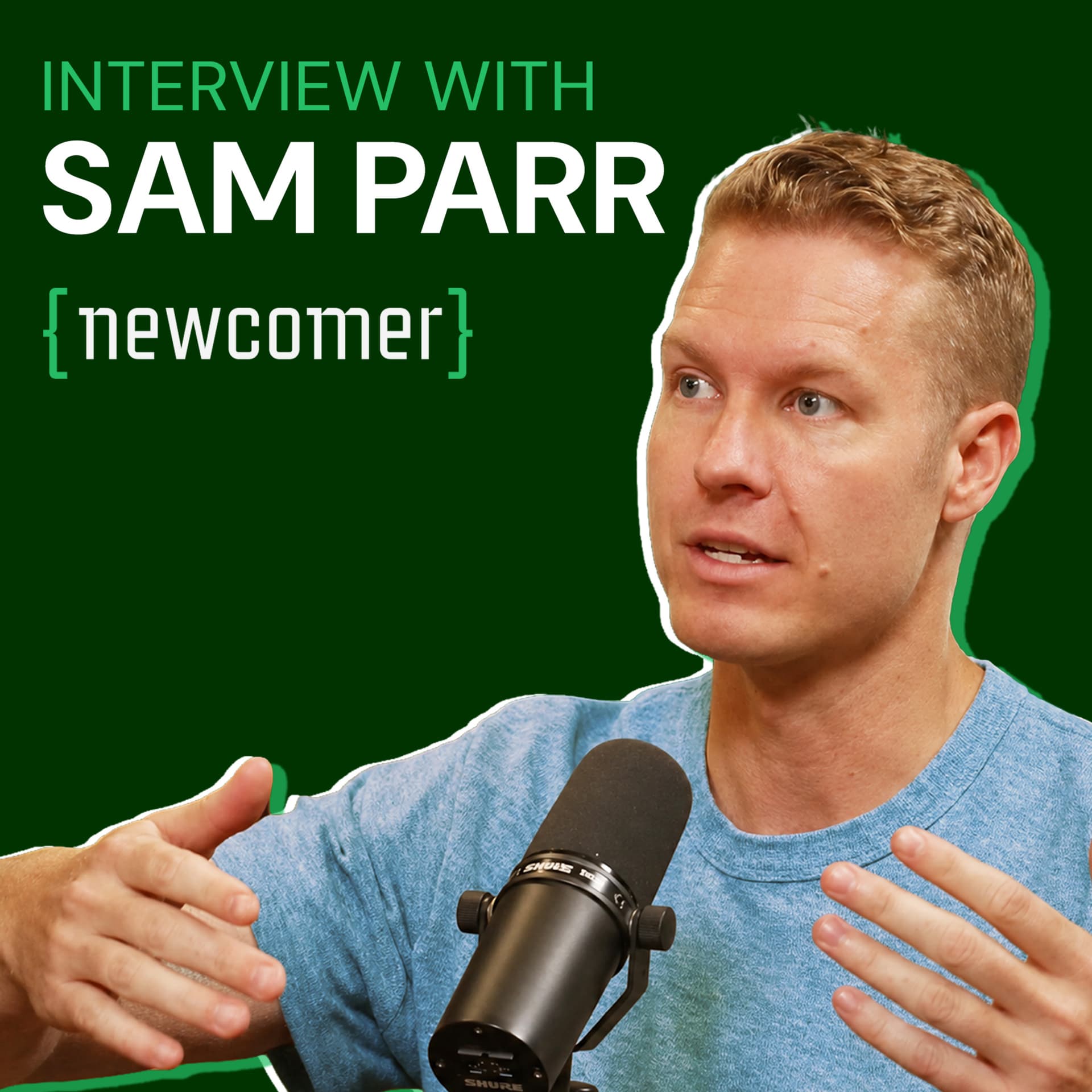
Sam Parr (The Hustle, Hampton) discusses building media businesses via email/newsletters, the economics of attention vs. profit, and why he believes the OpenAI–TBPN deal was a mistake. He also explains Hampton’s founder-club model, how AI is changing agencies, and what revenue thresholds change for entrepreneurs.
Guest backgrounds
Sam Parr is the founder of The Hustle, which he sold to HubSpot. He previously worked at Airbnb but was fired the day before he started. He later built Hampton, a private founders club with an average member doing about $25M/year. He also runs My First Million (mentioned) and has appeared with investors like Ray Dalio and Mr. Beast.
Key claims
Email/newsletter mechanics still work; the challenge is attention. Media should target a specific demo, not chase “lowest common denominator” growth. Hampton’s applicant interviews show a “magical” shift around ~$10M revenue: 3–10M is money problems; after 10M is hiring/scaling problems. AI will mainly unlock agency owners via efficiency and margin changes.
Notable examples
Viral Hustle stories include Pandora’s CEO wage-shortfall tale and a Silk Road LSD “medicinal” story. Hampton’s pivot from Zoom to in-person chapters (18 chapters). Sam’s “A/B/Z” goal-setting and “systems with stakes” approach.
Written by AI. May contain mistakes. Listen to the episode to check what was said.
Chapters
Tap a time to open that second in VOSam's Journey to Entrepreneurship
0:00 to 0:45
Discover Sam Parr's journey from being fired by Airbnb to founding successful ventures.
“They offered me a job and they fired me.”
The Hustle and Media Insights
1:30 to 2:25
Sam shares insights on entrepreneurship and his experience in media.
“You were like, you were laughing at me, Eric.”
Email Marketing and Early Opportunities
2:25 to 4:34
Exploring the potential of email marketing and Sam's early successes.
“So I got into one startup and it only did okay.”
Viral Content Creation
4:34 to 6:50
Sam discusses his strategies for creating viral content and email lists.
“And he was like, I had to give a speech every single week to like encourage these people.”
Navigating Advertising Challenges
6:50 to 8:06
Sam reflects on the challenges and ethics of advertising in media.
“I mean, I don't know the numbers, but that's what I'm hearing is that ad rates have gone down.”
Balancing Growth and Authenticity
8:06 to 9:21
Discussion on balancing content authenticity with growth strategies.
“But like you have to make that decision with subscriptions too.”
Understanding Audience Engagement
9:21 to 11:28
Insights into engaging audiences and creating content for specific demographics.
“And there's been so many times where I've done something that I loved.”
Building a Loyal Community
11:28 to 14:00
Sam elaborates on creating a loyal community through insider content and authenticity.
“Well, then when I get to there, I think every sentence needs to be a slippery slope that drags you down to the bottom.”
Entrepreneurship and Audience Engagement
14:00 to 16:42
Learn how insider knowledge and engaging content can foster community loyalty.
“And so that's kind of like what I go through.”
Personal Stories and Business Insights
16:42 to 17:48
Discover how personal stories can inspire entrepreneurship and creativity.
“So there's a shared lesson here that people really, yeah, people like the level of intimacy.”
Show all 26 chapters
The Evolution of Hampton and Community Building
17:48 to 20:26
Explore the founding and growth of Hampton, focusing on community and networking.
“I'm not the CEO of this company because I'm not a very good CEO.”
Building a Sustainable Business Model
20:26 to 22:30
Understand the importance of a sustainable business model that lasts for decades.
“I have an audience of these like entrepreneurial people.”
Goals and Systems for Business Success
22:30 to 28:03
Learn how to set clear goals and build systems to achieve business success.
“So for example, the hustle, I was the guy.”
Setting Clear Goals and Creating Systems
28:03 to 29:14
Learn about the importance of setting goals and creating systems to achieve them.
“Like, have you really for yourself gotten yourself to set on a clear number goal versus, okay.”
Hampton's Strengths and Weaknesses
29:14 to 30:13
Discover what the Hampton team is doing right and where they need improvement.
“And what is Hampton getting right right now and wrong right now?”
The State of Entrepreneurship and AI
30:13 to 31:15
Explore how entrepreneurs are adapting to AI in their businesses.
“What is your read on how AI-pilled is the average entrepreneur?”
Agency Challenges and Opportunities
31:15 to 32:58
Discuss the evolving challenges and opportunities within agency businesses.
“And more people oftentimes will lead to more headaches.”
The Messy Middle of Business Growth
32:58 to 35:19
Understand the complexities of scaling a business between revenue milestones.
“You don't want to become a good manager?”
Insights from Hampton's Interview Process
35:19 to 36:28
Learn about the vetting process for prospective members at Hampton and the insights gained.
“So just to give you context into the size, we looked at 5 ,000 transcripts.”
Using AI in Creative Work
36:28 to 37:56
Explore how AI can assist in storytelling and content creation.
“So that 10 million-ish number, it might be as low as five.”
The Future of AI and Journalism
37:56 to 40:22
Discuss the potential of AI in creating news and personalized content.
“I've done this for myself or auto prints in the morning.”
The Luddite Perspective on Technology
40:22 to 42:04
Examine the history of Luddites and their relevance in today's tech landscape.
“Anyway, there is these groups of like three or four hundred thousand people in England whose job they're basically artisans.”
The Impact of AI on Writing and Media
42:04 to 46:06
Explore the implications of AI in the writing industry and media landscape.
“You're saying it resonated with a very real set of people who dedicated a lot of their lives to do it.”
Critique of OpenAI's Acquisition Strategy
46:06 to 48:21
Discuss insights on the OpenAI-TBPN deal and its consequences.
“My prediction is that, first of all, they killed it.”
Future Ambitions for Hampton and Community Building
48:21 to 56:00
Learn about future plans for Hampton and the concept of community-driven business.
“The only way that it could be done is if you bring in a powerhouse opinionated person and you let them do whatever they want.”
Discussion on Elon and Social Media
56:00 to 56:21
Insights into Elon Musk's impact on Twitter and social media dynamics.
Transcript
Automatic transcript. May contain errors.0:00Sam Parr:I had cold emailed the Airbnb founders. They offered me a job and they fired me.
0:05Eric Newcomer:Oh my God.
0:06Sam Parr:The day before I was supposed to start. So between 3 million and 10 million in revenue, those people talked about money problems a lot. After 10 million, it's about hiring problems. I think it was amazing for John and Jordy. I think it was stupid for ChatGBT.
0:21Eric Newcomer:Sam Parr got a job at Airbnb. They fired him the day before he started. So he built a newsletter and sold it to HubSpot for eight figures. Now Mr. Beast and Ray Dalio come on his podcast. Not to mention running Hampton, the private founders club where the average member does$25 million a year. Sam, welcome to the Newcomer podcast. I'm Eric Newcomer, host of this podcast. Go read our subsack at newcomer.co. Let's get into it. Sam Parr, thank you so much for joining us. Founder of The Hustle, which you sold to HubSpot and now Hampton. We have so much to talk about. I think you're someone who sees tons of entrepreneurs.
0:57Eric Newcomer:So you have this visibility into how both the startup founders raising venture capital and people out building real world businesses see the world. And then we both think a lot about media and writing. You know, we were talking about before you came on that I think there's an earlier part of our careers where we would have been like foils or maybe you're like, who cares about this guy? But, you know, I was coming up the normal reporter chain. I feel like the last guy into media, sort of the old school way, while you were sort of kicking down doors and breaking in and building a business.
1:29Sam Parr:I don't know about kicking down doors, but they laughed at us. They still laugh at me.
1:35Eric Newcomer:You were like, you were laughing at me, Eric. Yeah, I think I'm still, not that I want to be a serious journalist.
1:40Sam Parr:I'm not a journalist at all, but they definitely laugh at us still to this day, I would imagine. When did you get into media? I basically moved to San Francisco to get into startups. and I had cold emailed the Airbnb founders and they offered me a job. And at the time I partied a lot. And so I was in the middle of a process of being basically convicted, that sounds too serious of a word, but of a DUI. And I was kind of crazy back then. And I didn't tell them about it when I was going through the interview process, which is kind of like lying by omission. And they fired me.
2:17Eric Newcomer:Oh my God.
2:18Sam Parr:The day before I was supposed to start, which was very warranted. I would have done the same thing to me. But then when I was out there, I was like, I got to figure out something to do. So I got into one startup and it only did okay. And then the second startup I got into, I was basically like killing time to figure out a big idea. And so I started a conference called HustleCon and I was always into salesmanship. Like basically when I was a kid, I read all these books on like how to make people like me just because I wanted friends and I wanted like a girlfriend. And so I was always fascinated by that.
2:48Eric Newcomer:I got in school suspension once in school. You know, I just, I don't know. I forgot. A combination of things. And my journalism professor brought me the Dale Carnegie How to Win Friends and Influence People. So that was like forced.
3:01Sam Parr:It's like, Eric, you're grading on us too much.
3:03Eric Newcomer:Like, study this. Read from. Well, I saw the title.
3:06Sam Parr:I was like, how to win friends. I was like, I want friends. And so that's how I got into it. Actually, that book. I read that when I was a kid. And so I was like, what's this? I somehow got a video from now my best friend, Neville Medora, where he talked about the power of copywriting. And I'm like, oh, I can persuade people using written word, which is like infinite, like anyone can read that. And that's how I got really into it.
3:28Eric Newcomer:And you really see before everybody, really way, way before everybody appreciates the power of email. And now email feels, you know, overrun. I guess jumping, I guess, you know, both what you saw then and sort of present day, do you still think there's like opportunity in email? What did you see then? And what are you seeing now, especially as there's like AI summarizers? And I don't know, people seem very afraid of the power of email today.
3:54Sam Parr:No, my career has proven that email, like many things are cyclical. So I got into email, because I had some friends that were like in the internet marketing world, which is like, often like a gray hat world so it could be like shady but they would sell so much stuff and i would look at the numbers of how much stuff they were selling for how small their email list was and i was like there's something here and then i saw like an interview with ben lear who started thrillist which eventually became a big media company but at the time was or he was telling the story about when they were just a newsletter and i heard this number their numbers he said in an interview at mixergy and this was in like the interview might have been from 2008 or 2010 and this me watching this was 2014 and I was like I think that would still work and so I created a blog where I would just like write stories about stuff and I was really good at making them go viral in the first month I think I got a million people to the website what was your first really viral post uh it was the story of this guy named Tim who was the CEO of Pandora he spoke at one of my events and he told the story about how they went two years where they didn't have enough money to pay people their full wage.
5:03Sam Parr:And he was like, I had to give a speech every single week to like encourage these people. And someone in the crowd was like, can you close your eyes and like retell that story and give that speech again? And I recapped it and I just told the story. And then another time we, I had a friend who would buy LSD on the Silk Road because he used it medicinally. And this was in 2015, I think, before a lot of people were doing this because he had some things that he was working through. And we told us that I just like wrote the story about how he feels. And those two went very viral. And then I would get all these people to come to the website.
5:37Sam Parr:But I was like, you know, if I could just like get their email and email them like once a week, that would be so much easier. And so we started doing that. And I was like, well, if you do the math, if I can get like a million people to sign up for my email and email them five days or six days a week, I bet you I can make way more money. That could be a way better business.
5:56Eric Newcomer:Do you think someone could still run that playbook today?
5:59Sam Parr:Yeah. Yeah. It's the same. Yeah. People ask me that all the time. I'm like, the mechanics still work. Nothing has changed. I mean, there's more people doing it. But on one hand, that makes it more challenging to get attention. But on the other hand, that makes it easier because when I started, there wasn't a lot of technology to do this. So like we had to like duct tape like WordPress and these other things to make it exactly how we need it. So yeah, I don't know. I think that like when we first started, I had to convince advertisers why it was important. They made fun of me. They were like, why don't you use a, why don't I need to put ads on your website?
6:32Sam Parr:And then one of my good buddies, Dave Nemitz, I'm going to call him out because he's a good friend of mine. He was like, dude, there's no way a newsletter like can ever make more than a million dollars. This doesn't make sense. People want web ads. And I was like, I don't know, man. Like if you're in your email app on your phone, like who cares if it's Chrome or not? Like it's the same space. And so we convinced all these advertisers to give like that they should spend. And now everyone does it. And I think maybe rates have gone down. Ad rates and open rates, I assume.
7:02Eric Newcomer:Well, I'm not in the industry anymore.
7:04Sam Parr:I mean, I don't know the numbers, but that's what I'm hearing is that ad rates have gone down.
7:09Eric Newcomer:And there was a time where you really believed in advertising? You're not building ad-based businesses certainly anymore.
7:16Sam Parr:I just think that I remember distinctly there was a time where I think it was SoFi, who's like a big banking business or whatever. They were one of our advertisers. And the CEO at the time got in trouble for some sexual stuff. I think it was just like he said something and our headline was SoFi, more like so fucked. And we kind of like torn to this guy because I think what he did was wrong. And they were also an advertiser. And I had to ask myself, do I take money out of my salesperson's pocket because they're not going to get the commission now? or do I tell the truth? And I hate that feeling.
7:53Sam Parr:And so I'm not against advertising. I just don't want it to be the main way that I make money.
8:00Eric Newcomer:That's an act of journalism. You did something against your business interests to tell the truth about something that was going on in the world. Yeah, we did it, by the way.
8:08Sam Parr:Yeah, of course we ran it. But yeah, that was like frustrating. I'm like, I hate that I have to decide. But like you have to make that decision with subscriptions too. We had a subscription business at The Hustle that was doing really well. And I know what stories will get more subscribers. And I know that I can game that as well. So I think everything's gameable. You just have to be aware of it and try your best to like stay true. Yeah.
8:28Eric Newcomer:How did you net out on playing the game for growth? I mean, you're writing true stories. You know, I feel like I end up writing stories that are interesting to me, which is like a litmus test. And interesting to me is formed through many years in journalism. So then I also have this sort of cultural sense of what like the media elite sort of thinks is interesting baked into me. And I cover Silicon Valley. So then I have a sense of what like my hardcore readers are. Like what's your process back then, I guess? Because obviously we're going to talk about Hampton and sort of the new phase.
8:59Sam Parr:Well, I can tell you this.
9:01Eric Newcomer:And you're still in podcasting. So you're still reading the audience. My first million has millions of listeners a month.
9:05Sam Parr:Exactly. And we've done, I think, 850 episodes. Right. And what I've noticed is that there are times when I chase the money or chase the views on My First Million. Typically, the episodes that I do that, I hate doing them. And it hurts my soul to do that.
9:21Eric Newcomer:And then the viewer can sort of tell.
9:23Sam Parr:And the view count goes to the roof.
9:25Eric Newcomer:Oh, no, it works.
9:26Sam Parr:And there's been so many times where I've done something that I loved. And I was like, that was a win. And nothing happened. Like no one watches it. and so we typically default to 80 just do what we want and 20 like service the listener um and know what it is yeah there was one time we were like it was like a month or two months where we were like let's chase numbers or something and we did that and then after and then we're like all right this month let's not do that and we saw the difference and how much money we made and we They're like, well, I guess that's the price. But are we willing to accept that?
10:04Sam Parr:And we were.
10:05Eric Newcomer:What's wrong with the viewer, I guess?
10:07Sam Parr:Or assuming that you're correct in what you like. It's just not hard to appeal. I mean, YouTube kind of changes things. So for My First Million, our podcast downloads every single month are incredibly consistent. It's like the same amount every month, but just a little bit higher. And it's been like that for years. For YouTube, that's like a massive variable. Now, there are many episodes that like we felt good about. And they also got huge viewership. But it's just very easy to appeal to the lowest common denominator and use words like get rich doing this or something like that. It's just easy.
10:40Sam Parr:It's just not particularly challenging. Because YouTube is the sort of world of deciding based on the thumbnail.
Read the full transcript
10:47Eric Newcomer:The thumbnail. So there are a lot of people who want the story of how do I make money. Yeah, yeah.
10:52Sam Parr:But that's true with writing. I mean, you said you watched that thing that I did with David Perrell on writing. like even with writing i'll start with whenever i write i start with the headline the sub headline the first sentence in mind definitely like that's like how i think uh and then i think what image
11:07Eric Newcomer:would it be well i'm most a terror as like someone reading one of my writer's drafts when they have like a second paragraph or something that like totally pulls you out of it i'm like you're you're you know i read exactly like everything orders of magnitude less and less like the top you know like they're gonna you're gonna you're not gonna bring anybody along with this you know and so it's
11:27Sam Parr:To me, it's like it goes headline, image, subheadline, first sentence. Right.
11:33Eric Newcomer:I'm so worried. I want to pull home.
11:35Sam Parr:Well, then when I get to there, I think every sentence needs to be a slippery slope that drags you down to the bottom. Right. And so I know how to use certain words from a copywriting standpoint to get you to drag you down. It's all about getting someone like to fall down the slippery slope, which sounds manipulative. and it is manipulative, but it's not like a bad, like it's like a, if you're writing a good fiction book, like how do you like get people like on their edge?
12:01Eric Newcomer:Right. I have a sort of crutch in that sometimes we have information that nobody else has. And so we get to be lazy.
12:08Sam Parr:So it's like, oh, you have to read it here. We're the only ones who have it, you know?
12:11Eric Newcomer:And so you have, you know, you do well on that and you get lazy on the sort of, you have to write it in a way that they really care about. And there's sort of a balancing act.
12:18Sam Parr:We own a podcast called Money Wise, which it's like pure utility. And it's like the only place that you can find that information. And so I'm a big fan of that, of like pure utility-based stuff. It's just harder to do. It's just harder to do.
12:29Eric Newcomer:This idea, you know, that there are a lot of people online who want to figure out how to get rich or make money or understand how other people made money. How do you sort of like segment that? Because obviously, you know, Hampton, like your CEOs want to figure out how to build their business successfully, how to sell them, how to exit, you know, they want to get rich too. So all ends of the spectrum want to, do want to get rich but then there are a lot of people who seem like they like to tell themselves like a story about how they might get rich but they don't have a plan or i always appeal
13:01Sam Parr:maybe an analogy would be like if you're nike or something like the majority of the content and ads are like ripped people who are professional athletes or something like that and the majority of people who wearing the clothes and shoes are not ripped people and so my take on content is i I'm going to appeal to my target demo knowing that the non-target might be voyeuristic and consume it and it could help them or they can be entertained by it. But that's not who I'm trying to appeal to. And so I think about that all the time where I'm like, I'm going after this person. This is all. And this person is basically me.
13:36Sam Parr:And I know that like, so I'll use jargon. I won't really dumb it down. But I just assume that the reader is smart. I think Shane Smith from Vice, he did a lot of not great stuff. But one of the great things that he did do was he had this really cool line where he said the best way to not, what did he say? The best way to get through a person's bullshit detector is just don't bullshit.
13:59Eric Newcomer:Right.
14:00Sam Parr:And so that's kind of like what I go through.
14:03Eric Newcomer:And when I launched Newcomer, I didn't want to have to explain who like Marc Andreessen and Bill Gurley were. It's like right with a level of expertise where you didn't have to necessarily bring people along. in the way that even a Bloomberg story would constantly be explaining stuff that in an age of Google, it's like, go study up a little bit if you're confused.
14:20Sam Parr:Playing inside baseball is a good way to make the people who love you, love you more. Like having insider jokes is good. We do that all the time. Like insider jokes are great, but you just can't be fearful of doing it because a lot of people think like, oh, this person won't get it or this doesn't make sense. It's like, no, no, no, no, no. Like cults have rituals, like put them in your content.
14:41Eric Newcomer:You know, my first million, like if you break down that audience, do you ever read on how many are building a small business of their own?
14:49Sam Parr:No, the analytics are pretty shitty. And also, I just don't care. I don't look at it. But I run into people all the time.
14:55Eric Newcomer:I'm not like asking, but I'm just sort of like, do you buy the story that the economy is moving towards like everybody's sort of an entrepreneur of their own? Or do you think it's more aspirational?
15:04Sam Parr:That's certainly not my messaging. I don't try to push that. I think that entrepreneurship, most people fail. I don't think that everyone should do it. So if someone thinks that I'm saying that, I hope they don't think that. I think it's always interesting to learn about. I think that many people should be more entrepreneurial. I think you can be an entrepreneur. You can be very go-getter within a company. And I think that's oftentimes. In fact, we have a whole podcast segment called Sarah's List. It's about my wife, who we sort of did this thing where we were like, let's make a list of all the companies that you can join that has 500 plus employees and thus probably has good maternity leave, good pay, like in terms of salary.
15:44Sam Parr:And also you can get stock options that could 10x and make you a millionaire. Interesting. And we did that with her once. And then we almost did it a second time, but she chose not to take a job. It was with Anthropik. So we talk about that stuff too. So no, like I don't.
15:57Eric Newcomer:So the message is not become one of these people. It's sort of learn.
16:01Sam Parr:No, well, the message that we try to get by is there's a million ways to get done what you want to get done. There's a million ways to find fulfillment. it. Capitalism and business is a wonderful way to kind of kick your dent in the world. And here's a bunch of interesting ideas and interesting people who have done it in a variety of ways and seem happy. That's kind of like the point. Like, dude, we had my mother-in-law on. My mother-in-law is in her 50s. She's a Haitian immigrant, came here when she was 13. And she started a pillow business. One day she came to me and she was like, I want to start a pillow business.
16:33Sam Parr:And I was like, okay, I don't know that people buy pillows, but whatever you want to do and she's like what's e-commerce so i like was like all right let's do this thing and so i told her like what the most basic stuff ever what shopify is two weeks later she sends me her website and i'm like hey someone stole your idea what the heck and she's like no no i did what you said i made this thing wow now it makes millions of dollars a year wow we had her on my first million and i had just as much joy talking with her as i did ray dalio who we just had on three weeks later or you know three weeks ago yeah so we talked about the whole spectrum yeah it is
17:05Eric Newcomer:Well, Lenny, who writes, you know, Lenny's newsletter, he had that whole period where he'd have his like mother-in-law write summaries of his post. So there's a shared lesson here that people really, yeah, people like the level of intimacy. Do you consider yourself, I always struggle with this word, like an influencer?
17:23Sam Parr:I'm not insulted by that. I embrace it.
17:26Eric Newcomer:Like in some ways, it's like, especially given the media thing. I certainly influence people to do things. You think, like you're an entrepreneur, I guess is the word you use first.
17:34Sam Parr:I have, sometimes when people call me a podcaster, my ego hurts a little bit because I've made most all of my money in my life creating businesses, like running a company. I was CEO of my last company. I'm not the CEO of this company because I'm not a very good CEO. But that's how I, yeah, most everything I've ever made has come from starting companies.
17:57Eric Newcomer:And so, yeah, Hampton is your current company. Tell us about why you decided to create that business.
18:02Sam Parr:So at The Hustle, do you know what Trends was? no sorry so it was only i think it was only a year and a half old when we sold the company maybe it was a year old i forget but we had this thing called trends and the idea was i love to deconstruct businesses that's just like a nerdy thing i like to do you're a great student of
18:19Eric Newcomer:people who've done stuff well like i can already i think that's my skill set is i study people and i just reverse engineer and i just say i'm gonna steal that from you i'm gonna steal that from you i feel like my problem in life is that i like i like to reinvent the wheel you know like sometimes I have a good format and then I won't do it again because it's like, oh, I like the energy.
18:38Sam Parr:You just have to find the constraints. So it's like, these are the rules. I can play only within those boundaries. I think constraints are key when you're starting a company. But basically, I love doing that. And I came up with this idea where it was named at the time, it was just a project called Jobs. I was like, instead of Glassdoor, what if we analyzed a company from almost a journalistic point of view, not really journalistic, but tried objectively and told people cool companies that they should work at and the pros and cons. Would people pay for that? No one did. No one did at all. But these reports that I would write on people, people are like, oh, that business sounds awesome.
19:14Sam Parr:I want to start something like it. Or I'm just a nerd and I liked reading about it. And we're like, well, let's just do that then. And so we created this thing called Trends. And I don't remember the exact numbers, but I think when we were selling it, I think it It was doing like$4 or$5 million a year with subscription revenue with like three people. And the day before I launched it, we launched it, I created a Facebook group. And over the course of a year or so, I think we had like 20 ,000 subscribers in that Facebook group. And they were like, the newsletter is great, but the Facebook community is amazing.
19:47Sam Parr:The problem is, is that I only charged, I think,$300 a year for it. and so when I wanted to start a new company after the hustle I was like I love making media and I love making content I don't particularly love having advertising being the main way I make money and I got some stuff wrong with this community let's redo it and so I went and studied all these old communities so there's like YPO which you probably know they were launched I think in 1958 there's Vistage another community that you probably never even heard of they do like I think like six or seven hundred million dollars a year in subscription revenue And there's World 50, which does hundreds of millions in revenue.
20:23Sam Parr:That's a community for Fortune 500 executives. And I was like, these communities have all been around since either the 60s or they're like 30 years old. Let's do that. Let's do that. I have an audience of these like entrepreneurial people.
20:36Eric Newcomer:And what year do you start it?
20:37Sam Parr:So we sort of have two starting points. The first starting point was, I don't remember the exact year. Was it three and a half years ago maybe? And the original idea was like VPs of marketing. which is stupid.
20:51Eric Newcomer:You're like aim higher.
20:54Sam Parr:I didn't think anyone CEOs wanted it. And my partner was like do CEOs and I was like let's just start here and no one wanted it so it failed. And then we launched it to CEOs and we got a ton of people who were interested and I was like oh man you're right so let's do that. But then when we started the concept was you're going to be in an 8 person core group with a moderator and you're going to meet once a month on Zoom. And we did it and people loved it And then as Zoom fatigue happened and as like the post-COVID world like opened up, people were like, I want in real life. And so about 20 months ago or so, we made this massive pivot to in real life.
21:30Sam Parr:So now everyone meets in real life in their city, eight groups of people. We have 18 chapters around the country. And so the premise was basically like, how can I build a business that can last like 50 to 100 years? What is like my Ikigai? You know what Ikigai is? I've heard it. It's basically a Venn diagram.
21:48Eric Newcomer:What you can do well, what you can value.
21:52Sam Parr:It's what the world wants, what the world wants to pay for, what you're good at, what you love doing. I was like, this kind of fits within my little circles. Let's do that. And we also wanted to bootstrap it. And we wanted to build a business that could get big, many, many hundreds of millions in revenue. And so it was like, I think that might be it. And how much are you the persona at the core of it?
22:12Eric Newcomer:Do you go to all 18 cities every year? I've never been to most of them.
22:15Sam Parr:Interesting. Yeah, no, I've never been to most of them. Early on, we made the decision, this can't be the Sam show. So no, I've never.
22:21Eric Newcomer:As someone who named my business after myself, I'm jealous of this. No, I'm saying I see the value that you're like, oh, you don't have to be the key figure for everything to happen.
22:30Sam Parr:I think you could fix that. So for example, the hustle, I was the guy. And then like only six months in or something, we got more people and I was, most people didn't even know me. So you could fix that. I mean, and the name of your company and your last name, that's pretty good. Obviously it fits.
22:43Eric Newcomer:I'm not, yeah.
22:44Sam Parr:But like, no different than Bloomberg, it could like, it could 100 % become its own thing. The hard part for you, and it was for me and many other people, is you think no one can do it as good as me, which is fucking wrong. You're wrong. And be like, I don't want to let go. You just have to, well, you have to get over those barriers, but you 100 % can.
23:01Eric Newcomer:I think especially it's hard to let go, but I should let go of being the drumbeat. You're like, oh, I'm the drumbeat. This keeps sort of moving things forward. And like, you know, I want to be the craft or the strategy. Oh, really?
23:13Sam Parr:The drumbeat thing could be true. Like you can be the cultural hub. But once you get to like something like 20 employees or so, it should have its own. It could be its own thing. You just got to get over those two fears.
23:25Eric Newcomer:I think for the newsletter, not to make it about myself, but to make it about myself for a second.
23:29Sam Parr:Let's make it about yourself. Have you shared your revenue?
23:33Eric Newcomer:I've hit$3 million in revenue. And we'll hit$3 million again. In subscription revenue? No, no, no. In overall. Because events are our main business line. Great. Dude. So event sponsorships.
23:43Sam Parr:If I was you, I would study BizNow. Okay. You know BizNow? No. Morning Brew just bought them. Previously, they were sold for maybe$60 million in 2016, I think. I have a whole breakdown that I've done of them. I'll send it to you. They host tons and tons of events. It's a real estate publication. They own real estate newsletters. So for different markets, they host these amazing events where it's only two hours long from like 9 a.m. to 11 a.m. at this point I would imagine they're doing $70 million in revenue,$60 million in revenue if you want to go big
24:16Eric Newcomer:I want to keep scaling sustainably, I haven't raised any money yeah neither did they until they sold
24:23Sam Parr:there's a bunch of really cool models just go and study you kind of have to become a historian for like six months and you're like tell me everything about every company, then you find the first employees and then you find current employees and you go and interview them and you're like tell me everything and you can do this analysis and you're like, okay, so in order to have a business that gets to whichever your definition of success is, let's say I want to get to$50 million in revenue. I've studied four of these businesses. Here seems like the common traits and then what I do is I do this thing called A, B, Z.
24:53Sam Parr:So I create a Z goal. So for you, let's just say hypothetically it's$50 million in revenue. By year, in five years, I want to be at$50 million in revenue and in order to do that, I need to grow by this much per year and have attributes of X, Y, and Z. now I'm starting at point A all I care about is point B I already know the end goal and then I just need to worry on the next step and once I get to the next step which would take about 3 to 6 months which your next step being another specific goal so we're at 2 million a year in revenue now we need to get to 3 million and we do that by spending more on ads and get more subscribers and then we host 50 events a year that's all I'm going to focus on then I'll create a C goal but I don't worry about it at all so I think if you do that methodology
25:36Eric Newcomer:yeah it like i just want to focus on profit goals i feel like it doesn't matter challenges like the revenue goals it can be a little easier at least for us it's like you do more events but then you know some of the events don't have the same profit profile as others great make the profit the goal
25:51Sam Parr:it doesn't matter i just made it up uh but make that the goal right uh but yeah you like i'm a firm believer in this of like studying particularly in media because nothing is going to be i'm not
26:03Eric Newcomer:resisting what you said based on profit i'm just saying i feel like the model for profit of like copying somebody else can feel harder because it's like why you do more what if you're copying a really profitable right right yeah why i think i need to learn on the events just like oh you know like and i'm sure i i from this playbook i can learn it it's like oh you pull the trigger on this event if you have yeah this amount of money committed people and you're like tell me
26:26Sam Parr:everything that makes you successful and all the stuff that drags you down okay we're gonna avoid that. We're going to copy that. But it's sort of like Nike and New Balance. The shoes are mostly similar, but there's some minor differences that makes a world of difference. That's what I would do if I'm trying to get into media. I'd be like, just let me figure out what all the winners have done and what all the losers have done. And I'm going to avoid that and do that. But then I'm going to do it in my own niche, with my own taste, my own style, this and that. That's how I think about things. And I just think that the odds of succeeding are significantly higher if you do it that way.
27:02Eric Newcomer:Have a playbook instead of just like we're inventing the wheel.
27:05Sam Parr:Yeah, I don't want to use the word playbook because there's a lot of variables that are unknown and it's going to pop up and you do need to create stuff. But like sort of have like, like this is where we're going. And it's sort of like lifting weights. If your goal is to bench 300 pounds, like if you know, like, all right, therefore to bench 300 pounds, I'm only starting at 200 pounds. I might be able to get this in a year because I talked to a bunch of trainers. I have to eat 200 grams of protein every single day. I have to lift three days a week. And when I lift, I have to do five sets of five bench press near failure.
27:33Sam Parr:Okay. So if I do that for one year, it's not guaranteed that I'm going to bench 300 pounds, but I might get really close. And at least that's a lot better than just going to the gym and just messing around and like picking random stuff off. You know what I mean?
27:44Eric Newcomer:How do you get yourself to narrow in on like this$50 million goal? Like I think sometimes Sometimes I vacillate between, well, I just want to write great posts, great, great stories that I like on their own. Or like you were saying with the podcast earlier, do the episodes you prefer rather than the ones that chase growth. Like, have you really for yourself gotten yourself to set on a clear number goal versus, okay.
28:09Sam Parr:But I still complain about it all the time. So like, and I still like think all the time. So what I tend to do is I say, this is where I'm going. and I create systems around me where if I don't go that where, go that place, I either let people down or there's a big issue. For example, if I'm going to, my business, I want to get to hundreds of millions in revenue. I need a lot of employees to do that. And so I'm hiring great people and I'm hiring a lot of people. And now, A, they're doing most of the work, obviously, because I have a big team and 30 people are way better than one person. But also, I've created this machine where it's like, I'm going to get dragged to that goal even on days where I bitch and complain.
28:51Eric Newcomer:It's like I'm locked in. I'm locked in.
28:53Sam Parr:I'm a big fan of like making systems where like, for example, if you want to lose weight, take a shirtless photo of you and post it on the internet and then update it every month. You know what I mean? Like I'm a big fan where there are stakes at hand. And I think that you need stakes. I think without stakes, it's almost impossible to get like discipline is not nearly enough.
29:14Eric Newcomer:And what is Hampton getting right right now and wrong right now?
29:17Sam Parr:What we're getting right is the pivot to in real life. That was right. We're hiring really good people. We have a really good executive team. My partner, Joe, is the CEO, and he's very good at running a company. What we're getting wrong, I think we need to work more on our branding. I think we need to work more on copywriting, which is ironic, given that that's my thing.
29:38Eric Newcomer:Do you get new people online, fundamentally, or it's word of mouth recommendations?
29:42Sam Parr:So our two biggest sources of members are people who have heard of me talk about Hampton. And the second one is referrals, word of mouth. And so those are the big ones. We spent a little bit of money on ads to grow, but very little. But it's mostly, those are the top two by far.
30:01Eric Newcomer:And so having all these founders gathering together, I'm sure you interact with an atypical number of founders from all of this.
30:09Sam Parr:Yeah, I am because of MFM. I'm around all these crazy people.
30:13Eric Newcomer:What is your read on how AI-pilled is the average entrepreneur? I'm deep in AI world where there are all the AI companies. Do you still talk to entrepreneurs who are resisting it? People are scheduling their lives. And how AI-pilled are you?
30:29Sam Parr:I think it's awesome. I use it, I would say, at a rudimentary to intermediate level, far from advanced. Our team uses it very advanced in a very advanced way. I think that what I'm noticing is people still have so much certainty, but the biggest unlock might be for agency owners. I think it's like for the longest time running an agency is A, one of the easiest businesses to start, and B, one of the biggest pain in the asses to run.
31:00Eric Newcomer:Sorry, like ad agency?
31:02Sam Parr:Any type of agency work. So a dev agency. Anything where it involves billing out people's time to make a thing.
31:10Eric Newcomer:Oh, interesting. Your customer doesn't really know how long it took you. So if you can be more efficient.
31:14Sam Parr:Yeah, but for years it was basically the only way I grow is I get more people. And more people oftentimes will lead to more headaches. And typically the people who join agencies, it's just client services is hard work. Those margins are changing drastically. I think agency businesses are very interesting right now. And that's a big thing I'm seeing is that margins are changing because people can hire less, more talented people who are more productive and get really high quality work done. That's been a big thing.
31:43Eric Newcomer:Which also works because the top people at an agency are the ones the customers, the clients want to meet anyway. So if those people can be extended, there's a lot of value.
31:52Sam Parr:I think multiples, both public and private, will change a lot for agencies. You know what's interesting is with AI, I don't think about it. I get the latest thing and I just use it. It just goes to my workflow. I use Claude all the time. I'm not that sophisticated. I've made a couple Chrome plugins. Not like I'm insane.
32:15Eric Newcomer:We've used it, VibeCode, certain ticketing platforms. My business partner is so into it.
32:22Sam Parr:He just sends me dashboards where he's like, here's our business and here's what's happening. That's awesome. My thing as an entrepreneur is I'm pretty good at hiring people and letting them do dope stuff. That was at the hustle. If you look at when we sold, I think we had 30-ish or give or take employees. Half of them are newsletter millionaires. They have newsletter businesses or they did good or something like that. We were really good at finding outcasts and empowering them. I wasn't a good manager, so I can't take credit for that. But we were good at finding people and letting them do their own thing.
33:01Sam Parr:and I've always been good at that.
33:04Eric Newcomer:You don't want to become a good manager?
33:06Sam Parr:I just don't know if I have. I rank really high on the neurotic scale and I just think that I wear most everyone really thin. And so I always need like a buffer of someone who knows to put up my neuroticism and craziness. So I want to become it. I just think it's almost impossible. Yeah, I don't think I'll change. I think having kids has made me more patient and frankly I think being successful has made me more patient and like less caring in a good way but uh no I'm like pretty bad as a neurotic because you're so hungry or you're like we need to and nothing is good enough and everything needs to be better and it needs to be better immediately do you do you believe in like 996 no no no I work 40 hours a week right no did you has your view changed at all having kids it's almost always been the same which is like people who say they work 60 or 70 hours a week, it probably mostly happens in sprints or they're wasting a lot of time.
34:02Sam Parr:No, I don't. No, I have a very balanced life. I work 10 to 5 or 10 to 6. And then, but I think about work all the time. To me, there's no difference between work and personal life. But no, no, no, no, no. 996, do I believe in it? Well, it's real. And I think it works for, it could work for many people. I just, that doesn't sound like a very rich life to me. so I don't want that life.
34:24Eric Newcomer:Yeah, me neither. I mean, having, you know, I was always a hard worker and think about work a lot, but similarly had boundaries. But now having a daughter, you know, a 10-month-old, feels insane reading some of these posts.
34:36Sam Parr:Dude, having kids has made me way less ambitious. And frankly, that is not, I hate that feeling.
34:41Eric Newcomer:It's very, yeah.
34:43Sam Parr:You know, I - It complicates things.
34:45Eric Newcomer:It's like if I'm already struggling with the entrepreneur sort of writer persona, it's like, who am I really? Adding the parent persona, It's like, oh my God, so many to shuffle of what sort of the core driver is.
34:57Sam Parr:I've noticed it in my career. It happens in the five or 10 million in revenue range. And all my businesses have been mostly bootstrapped. So there is profit there. But like there's some range right around there where you hire a really good team. It just sucks to be in the messy middle between one and like 10 million or so. That is really hard. That is the hardest part I have found in business. It's very hard.
35:19Eric Newcomer:It does feel like, yeah, we just need a little bit more scale. some people are more full time you have certain roles that you can't do right now feels like oh I throw a budget at this it doesn't matter right now it's like oh you still have to think about it
35:32Sam Parr:we have interviewed thousands of people who want to join Hampton because we have these really strict vetting process and we looked at roughly a sample size of 5 ,000 of the people that we interviewed so Hampton the average person let's say does around 20 or 30 million in revenue in that range and so presumably the applicants are also there but you have to have at least 3 million to even interview. So just to give you context into the size, we looked at 5 ,000 transcripts. And what we noticed was there's a very distinct drop-off after 10 million. So between 3 million and 10 million in revenue, those people talked about money problems a lot.
36:07Sam Parr:After 10 million, it's about hiring problems and scaling problems. There was a distinct, it was like, if you looked at the graph, it was like, oh, that's like dropped off. That was the biggest takeaway. So there is something magical, give or take, the$10 million range. Because that's when you, as a CEO, you go from who and not what or why, you know, all that. It's all about who. And so that's what I've noticed. So that 10 million-ish number, it might be as low as five. It could be whatever. That's about that range.
36:37Eric Newcomer:Do you use Claude or ChatGPT for writing?
36:41Sam Parr:No. I use it for research. So for example, I love storytelling, like in the beginning of a, whether it's copy or an article i had this idea running copy for like um like why is it magical when groups of people get together like does is there any like i know it feels great but is there any research that proves it and they're like well this one like person did this um study where they looked at 40 000 people over the course of like two decades and what they noticed was like if you grew up around obese people you were more likely to be obese if you grew up around rich people you're more likely to be rich criminal whatever like it was like there is like a very distinct like you are who who you hang out with and i was like oh that's interesting um did anyone coin terms for that and there was a bunch of like ideas and there was this one story uh about michelangelo where someone was like hey the statue of david is amazing i can't believe you did that and he you carved that and he was like no no i didn't do it the statue of david was there i just i just carved the marble around it and revealed itself and i was like we are now calling this a
37:42Eric Newcomer:michelangelo effect interesting and i'm gonna tell that you know what i mean so i'll be like
37:47Sam Parr:i'll help me like ideate stories so that's like an example of how i'll use it yeah do you think we should resist like should i can't write though for long form copy for like sales copy it's horrible for journalistic stuff like i i agree that it's it's sort of not up to it to write a
38:04Eric Newcomer:whole piece or anything like that but don't you think it could write like the last sentence of the fourth paragraph pretty well it's like yeah it might spend more energy on that sentence
38:12Sam Parr:than you do yeah when i read ai writing though i like if an applicant once you let yourself do it you sort of give yourself away it's just yeah i'm out yeah i'm out so um it can't write good
38:25Eric Newcomer:do you think it will be a good writer in like a couple years like doesn't it worry you a little bit you know what i think you take such pride in writing you're very aware of like reading your you know understanding your reader can i give a business idea that i think someone if you guys
38:39Sam Parr:are listening to this go and do this guys like him are going to hate you um here's what i think would be awesome i think that there will be a new york times that is 100 ai people right i think that in the future a cool company will exist where you get a physical paper or newsletter something physical. I've done this for myself or auto prints in the morning. I have Ari. Ari is a fake person that I made up. She looks like young Jackie Kennedy because that's the photo that AI gave me. And every morning she looks at my text messages, my slacks, my emails, everything, as well as the news that I care about.
39:19Sam Parr:And she writes me a personalized newspaper. I've since curated other personalities, like one's conservative, one's not conservative, you know, one's Democrat, to give me like their take on the news. And I think that, I think there's a world -
39:32Eric Newcomer:You do this now or this is - You're like, I'm not AI pilled. I get personal - It's just because I've seen how good people are.
39:40Sam Parr:I said intermediate. But yeah, I think -
39:44Eric Newcomer:And so we're going to get that in print newspaper. That's what I would like it.
39:47Sam Parr:I do that because I don't want to like scroll my phone in the morning. Right. And so Ari sends me what I need to know every morning. Like I'm not that good. The printer breaks half the time. So it's not like seamless. but i think like something like that would be really cool people will hate it by the way i
40:00Eric Newcomer:talked about this uh because it fundamentally is sort of parasitic off other information sources
40:06Sam Parr:or that's that's one accusation i think that they could go out and do their own story like get scoops to be honest uh that's what i think could happen but there it's just like people are just pissed off at ai and humanoid robots and stuff understandably but i'm just telling you
40:22Eric Newcomer:what would be cool right um i mean i'm anti-luddite like i accept like if we're if it's capable we have
40:28Sam Parr:to sort of embrace the world have you heard do you know the term luddite you know what the the history of it is vaguely so basically um i think it was james watt or actually it might have been newcomer like there's a man with that name i believe if that's true i need to look it up
40:45Eric Newcomer:you should look it up now but anyway someone before james watt created the steam engine there
40:49Sam Parr:It was a different type of steam engine. Anyway, there is these groups of like three or four hundred thousand people in England whose job they're basically artisans. They would weave the cotton into fabric that could be used for clothing. And they were considered artisans, you know. And so they had these like amazing mills that they did. Well, when the steam engine was created, it put them out of work. Like they're like, well, we don't need you to do this. We created this machine that does its own, does it on its own. And so there was a guy named General Ludd. It's a fake guy. He didn't exist.
41:23Sam Parr:But these guys, they're now called Luddites, this group of 400 ,000 artisans, they would smash these new machines. And it became such a problem in England that at one point that was a capital offense. So you can go to prison and even be put to death for smashing these machines. But they would still do it because they were so angry at this new technology that they would sign letters like General Luddite and I did this. It was sort of like Antifa where it was like.
41:48Eric Newcomer:Some of these people like going after flock cameras right now. Exactly.
41:53Sam Parr:And that term is where Luddites, they would call themselves Luddites. And so it's interesting that like being a Luddite now is a little bit of an insult, but it's just some people. But like it's 100 % a thing now.
42:06Eric Newcomer:You're saying it resonated with a very real set of people who dedicated a lot of their lives to do it. And it still does.
42:11Sam Parr:Yeah, exactly. Like young people are really pissed about this.
42:13Eric Newcomer:journalist brian merchant who i think wrote a book basically trying to reclaim luddite base yeah it's like we should be a lot of luddites uh yeah well there's pros and cons but like you're
42:21Sam Parr:definitely going to get left behind right like if you want to get rich i mean don't don't do that but if you want to live a happy life maybe you should do that i mean i i find it slightly
42:30Eric Newcomer:demoralizing that you know some types of writing will be quickly uh it feels like it's imminent
42:34Sam Parr:that i just don't think your emotions matter that much like if if you created a goal to build a company like it or not you just kind of like figure it out uh or someone else is going to uh it all depends on your goal but that said i do think it could be a good marketing technique to say we don't do that like that stuff exists as well but i just look at it from part of an angle i'm like do i love this or not but also like what does it take to like ethically win and that's just
43:03Eric Newcomer:what i'm going to do i do think on ai writing there's this question of whether it will be the companies producing writing or whether like the consumer will have some tool that takes in other writing and like reshapes it into the form that it wants right you're sort of ingesting all this like information putting in your newspaper i'm still a little more inclined that they'll be like the producers have a sort of that the information they gather and the sort of way they convey it i'm very happy it's like paired together i'm happy i don't have to ask any of these questions I'm in human human like I don't even have to worry about AI we're putting people in a room
43:40Sam Parr:I didn't do that for AI reasons by the way I just did it because I thought it would last longer and like it's worked so we got really lucky but I did not want to have a business where we were like asking ourselves that when I ran the hustle I always thought if everyone said that I used to have a phrase I would say a newsletter is like a pirate ship and every email you get is a little bit more wind in your sails And that was awesome because I can just hit send and I can reach everyone. But the reality was if Gmail made a change, I was screwed, which they did occasionally. And so I was always very nervous about that.
44:14Sam Parr:With my business, I don't have that as much. I mean, there's things that could happen, I guess.
44:20Eric Newcomer:It is amazing how much in a newsletter business, write emails. Send good emails is a key lever. If you were surveying the media and new media landscape, who do you think is interesting right now? Or what do you think, besides our sort of get ready for AI techs, what are interesting ideas to chase after?
44:39Sam Parr:I think what you and Lenny do is cool. I think these really small guys, not small, I just mean not like this New York Times. It's niche.
44:46Eric Newcomer:It's like focus.
44:47Sam Parr:I think that's pretty badass to just say, I'm going to do whatever I want to do, and I have nothing to hold me back. I think that's great. So I like Lenny. I love Lenny. I like what you do but Lenny
44:58Eric Newcomer:and I appreciate the compliment but I do like about Lenny that he's like an industry practitioner I think that Substack has opened up the idea that people really did the job can build publications for a very specific yeah but those are different skill sets
45:10Sam Parr:because lots of people have thought I want to be a writer and you're like okay do it every day for five years right it's really hard it's very hard but there's
45:19Eric Newcomer:Gergay at Pragmatic Engineer there are a couple where they've shown yeah for sure
45:23Sam Parr:you also have to be good at that which a lot of people don't get we used to have these people who would apply to work for us and think oh i've always thought about writing right like oh my god dude like like just because you've always thought about running doesn't mean you're gonna be
45:33Eric Newcomer:like and the worst with newsletters is like people just like just start writing you can just do it anytime like just write a couple of posts it's like they dream it's like i mean i'm guilty of this probably with a book type idea where it's like you can dream about it forever just like either do it or don't like there's nothing really stopping you from writing a couple newsletter
45:48Sam Parr:posts and seeing if it does well who else do i like um what do you make of the tbp acquisition
45:54Eric Newcomer:by OpenAI.
45:55Sam Parr:I think it was amazing for John and Jordy. I think it was stupid for ChatGPT or OpenAI.
46:01Eric Newcomer:Right, they had this ally out in the world. Why do they have to bring them on the team or what's your criticism of it?
46:06Sam Parr:My prediction is that, first of all, they killed it. Those two guys killed it. God bless them. I love it. I think they're wonderful guys. I think they're great at what they do. I think that what's going to happen, if I had to guess, is in two years, OpenAI is just going to give them back the company and they're going to say, what were we thinking? If I had to guess, that's what's going to happen.
46:25Eric Newcomer:And there's so many examples of that in history where, yes, a founder buys it back for like pennies on the dollar. That's 100 % going to happen in my
46:31Sam Parr:opinion. And so those guys are going to win twice and God bless them. I hope they win five times. But it was stupid.
46:40Eric Newcomer:And what do you make of, you know, Andreessen Horowitz doing this MTS thing and sort of...
46:44Sam Parr:I don't even know what that is. Oh, really?
46:46Eric Newcomer:It's sort of like a copycat. It's not, there's a European copycat of TBPN, but then there's a, you know, Andreessen is, you know, They're investing all this money in new media. Maybe you're not as venture obsessed quite as I am.
46:57Sam Parr:I know about the new media play. I had heard about that thing. What was it called again?
47:02Eric Newcomer:MTS is monitoring the situation. I don't think that's really taking off. Here's what I've noticed.
47:07Sam Parr:To start a media company, particularly one that's funny, or do they try to be funny?
47:12Eric Newcomer:Yeah, I think they do.
47:13Sam Parr:Or like, I don't know, maybe funny is not like self-deferent. Do they try to be like, whatever. It's almost impossible to do that. within a company. The reason being, and even I struggle with this, like some people will send me stuff at Hampton or at the Hustle and I'd be like, dude, I've never heard you say like first and foremost, don't say that. Like say fuck or something. I don't know, like whatever. Like it's really hard to start something within an organization and have that thing be like the other, like a little bit different. That's hard. I've noticed that that's really hard. The reason HubSpot bought us was because they wanted a media program or whatever.
47:49Sam Parr:And they were like, this is just impossible to build like because people don't want to get fired and like right you know
47:55Eric Newcomer:what i mean so my opinion once you're successful you're like i there's a 10 chance i could lose something by saying it in a flamboyant way so you're like oh i want to protect what i have
48:05Sam Parr:and the best way to build like people who love you is to be different and so but it's really hard to be different when you're in a company so not about a16z but generally speaking if you start of media company within an organization, it's almost impossible. The only way that it could be done is if you bring in a powerhouse opinionated person and you let them do whatever they want. They'll say offensive shit, they'll get something wrong, and you say, whatever, that's just part of it. But it's really hard to do that. Particularly if I don't know anything about anything, but I would imagine there's some security laws and stuff like that.
48:44Sam Parr:I don't know some red tape around it. But like the reason HubSpot has done good with my first million is A, they bought it. So it was already a thing. And B, not one time ever have they told me not to say something. Not once ever. And in fact, when we sold, the CEO, Brian Halligan, sat me down and he goes, if anyone ever tries to censor you or tell you what to say, here's my cell phone number, you text me. Not one time.
49:11Eric Newcomer:It's like lead generation for them primarily. Yeah, basically. It's nice that you can succinctly tell the story. I love John of TPP and John Coogan, but it's like, why did OpenAI buy you? And it's sort of like, oh. No, they... It's like strategic. It's really simple.
49:29Sam Parr:Well, the hustle drives stupid amounts of value. And they are a publicly traded company, so I'm not an insider. I don't know much about anything. But basically, the hustle, which is now called HubSpot Media, they own a bunch of publications, including the hustle. but just the hustle, just newsletter drives huge amounts of revenue for them. And then so does MFM. It's really simple.
49:54Eric Newcomer:And we're wrapping up, but what is your next ambition for Hampton? What is the next level for you guys?
50:01Sam Parr:Well, there's revenue numbers.
50:04Eric Newcomer:But it is just sort of like a straightforward, like more groups, more places? No, I'll kind of fill you in.
50:10Sam Parr:The way that I see us getting to a billion in revenue is by a bench. So we have roughly 90 people who are what we call moderators. And we pay them money to moderate a group. And these are people who are executive coaches typically or something in that field. They go through a bunch of training that we put them through. And the idea is how do you have a breakthrough conversation? And you don't have to be – you're not a coach because you're not coaching them. But you're just figuring out, hey, last month you said this. Give us an update. What's going on? And you seem quiet. What's up? Speak up. That's what they're doing.
50:48Sam Parr:They're moderating. Anyway, the way that we get to become, I think, as big as we're going to become, is people can apply to become a moderator. And they either fly here or we somehow go there and we put them through a 10-day training sequence. And then they go off into their own city, whether it's Berlin or Paris or Birmingham, Alabama. we have a marketing machine where we get lots of applicants and we already have had, I think we have 100 ,000 people who have applied to join. We look at them and be like, all right, these three people feel like they could be a good fit. Go help us bring them on.
51:19Sam Parr:Are they franchises?
51:21Eric Newcomer:I don't like using that word
51:22Sam Parr:because I don't think they'll legally be a franchise. But something where our brand is important and stands for something and they are trained and they know how to do it. And there's a give and take of we allow this, we allow this, but also you can do a little bit of your own thing. And I think if we get like, I think there's a world where we can get like hundreds of new moderators a year, which means we can go off into every city on earth and create a Hampton core group. And this way, if you're in the Atlanta chapter and you fly to Hong Kong, you have a built in ecosystem that you could tap into.
51:50Sam Parr:Or let's say you want to do business with China or Hong Kong or something. You're like, who am I, who in our network has that? And I think that would allow us to get to tens of thousands of members. And I think that's how we would get to where we want to go.
52:00Eric Newcomer:And are your moderators executive coaches?
52:03Sam Parr:so yeah most of them uh have that background yes but you don't that's not they're not playing that
52:09Eric Newcomer:role or you know they're they're not they're conveners they're not there to give advice
52:13Sam Parr:the advice is supposed to come from the other seven or eight people in your group but they're there to like get you to talk and also like administrative like all right the next meeting is let's like figure out when you guys want to meet uh when's the when's the schedule uh all right we're gonna be at this time uh don't be late or you owe me a hundred dollars we do a lot groups have a thing for every minute you're late you owe 100 bucks uh like they and they enforce that stuff or people a lot of groups go on their own retreats and they help uh like say hey your guys's retreat should be in april uh courtney you're the head of the retreat uh make sure you
52:47Eric Newcomer:like it's your turn to like organize it last last question you know it's an interesting business by the way people should do this for other industries that's what do you define as your scope tech or
52:59Sam Parr:basically tech enabled so like you can you can own like an hvac company as long as you're like uh like enabling technology um like if you own like 10 real estate buildings or if you own like 10 apartments in miami or something like you can't get in have you thought about i get it like
53:16Eric Newcomer:creating the battery in san francisco or like yeah i'm never gonna do that no physical space
53:20Sam Parr:no no no no i'm not we're not in the real estate business i don't know anything about that like
53:24Eric Newcomer:that sounds like a disaster okay but people should do this for like dentists there should
53:27Sam Parr:be like a Hampton for dentists or there can be like I mean these groups exist right there's like this for religions this for new moms this for whatever but like this idea of like gathering people it felt exactly how I felt when I started a newsletter which is people laughed at it they thought it was silly and then they started seeing the numbers and they're like oh maybe I should take this serious and now you know my company never got there because we sold but Morning Brew does
53:49Eric Newcomer:nearly 100 million in revenue well there's you know obviously there's the book you know bowling Alone about sort of the crisis of community. And there's this documentary that came out a couple years ago now, like Join or Die, basically picking up the theme. And in some ways, people are desperate for community. Join or die. I've stole that so many times.
54:07Sam Parr:I think it's attributed to Ben Franklin, but Bill, the author of Bowling Alone, loves that phrase. Right, exactly. I think you can just do this for like every industry. Like I've seen people do this for like a bunch of different industries so far, you could kill it.
54:22Eric Newcomer:I want to ask one last question. I mean, if I'm a startup founder today, not media, and I want to get attention, like what advice would you give to them like right now to say, how do I get people to pay attention to what I'm building?
54:36Sam Parr:Pick a super niche, narrow field, probably one that you think is too small and share about it every single day and make it the most like esoteric like niche niche jargon filled like but be very specific and start there once you get that nucleus it's so much easier to expand um i think it'd be very specific about who you appeal to and more importantly who you don't appeal to so i think it's good to have an enemy good to say i'm not trying to please that person in fact i kind of want to piss that person off uh but have like a super narrowly defined with all the graphics so but like the demographic the psychographic like and only appeal to that person.
55:18Sam Parr:I think that's the number one thing to do.
55:20Eric Newcomer:It's funny. I mean, it's how you build a business anyway. Like if you're selling soda, you'd sort of try to know who your profile is. Exactly who you're going for. And so immediately it's the same.
55:29Sam Parr:And eventually it might open up. It might open up, right? But just very narrow field. Like I got this friend named Derek who has this thing called Dye Workwear. You know what that is?
55:38Eric Newcomer:Yeah, yeah, yeah. Oh my God. He's the guy on Twitter always fighting about clothes.
55:42Sam Parr:Yeah, that's like the most niche shit ever. He's amazing. And he's been doing it for like 15 years. you know him yeah he came on mfm i love it uh i would say uh i'm acquaintance i've never met him in real life okay okay podcast friends yeah yeah yeah as much as you can know someone sharing a handful of emails and talking that's the great thing about having a podcast i mean it
55:58Eric Newcomer:is a great way to meet tons of interesting people yeah it's totally an excuse uh for me to hang out with people i want to oh but you're making a point about it oh uh dude he's talking about
56:06Sam Parr:menswear stuff like that's not like and it's he's huge he's huge so yeah i hope that elon i think in
56:13Eric Newcomer:the beginning like he when elon bought twitter they lifted up his account yeah because he was so interesting he was great it was great all right we could talk all day thank you so much
56:21Sam Parr:for coming on the newcomer podcast i appreciate you that's our show sam thanks so much for coming
56:25Eric Newcomer:on the newcomer podcast please like comment subscribe a lot to learn from sam who's built a podcast empire uh check out the sub stack at newcomer.co we've been on a tear if you're hungry for another podcast there's my twice a month fortnightly cerebral valley show go listen thanks
From the publisher
Sam Parr on getting fired by Airbnb the day before he started, selling The Hustle, and why $10 million in revenue changes everything.
Sam Parr, founder of The Hustle and Hampton and co-host of My First Million, joins Eric Newcomer to talk about how he went from an Airbnb firing to an eight-figure media exit. Sam breaks down what 5,000 Hampton founder interviews reveal about the messy middle between $1M and $10M in revenue, what shifts on the other side of that number, why he studies successful businesses before building anything new, how AI is reshaping agency margins, why he thinks OpenAI buying TBPN was a mistake, and how founders can build an audience by going obsessively niche.
Subscribe for weekly conversations with the founders, investors, and executives shaping the tech industry.