
In short
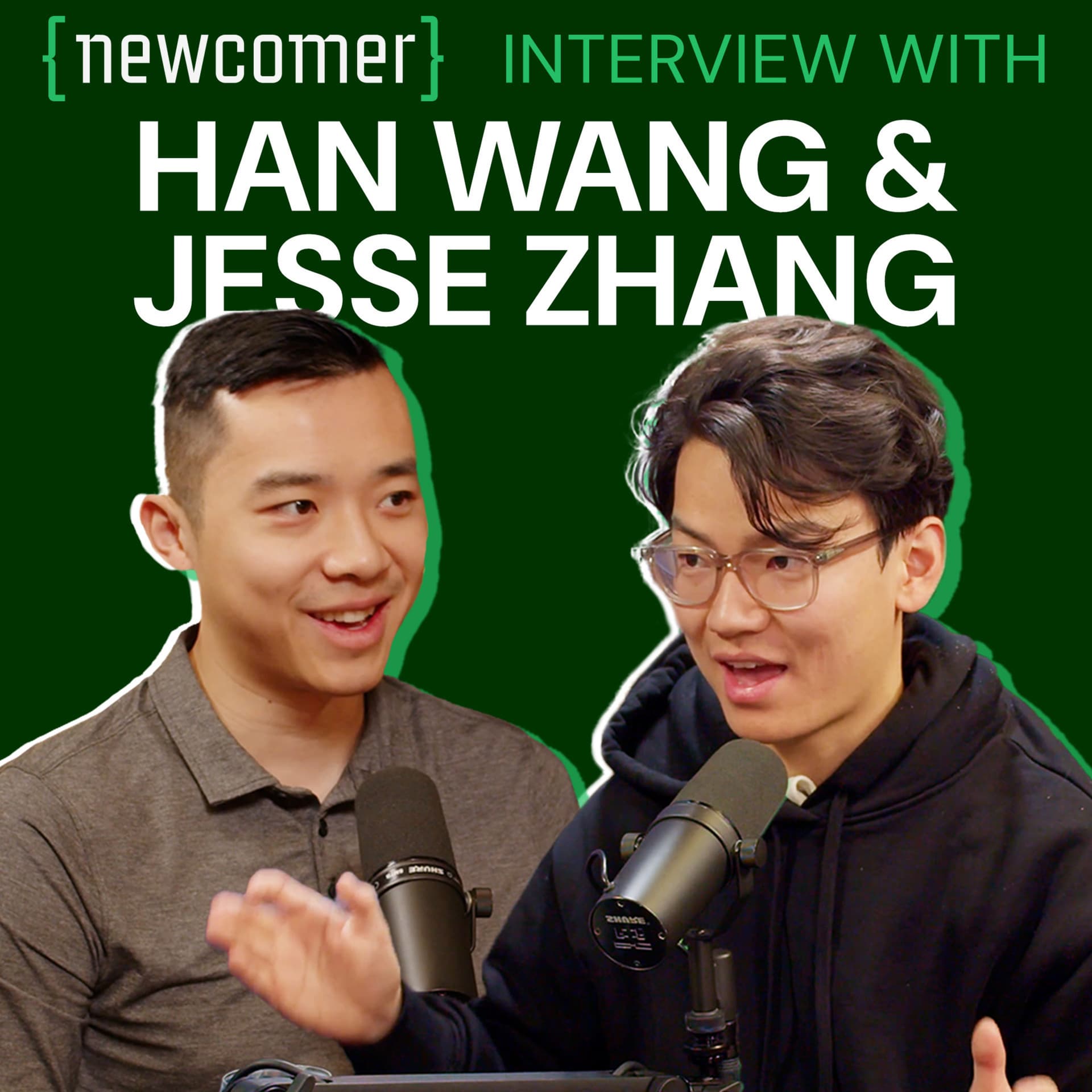
The episode is about Mintlify’s role as “knowledge infrastructure” for developers and AI agents, and how accurate, self-updating docs become critical as agent traffic grows. Han Wang, CEO of Mintlify (started end of 2021; product focus formed end of 2022/early 2023), explains Mintlify as an intelligent knowledge platform that powers developer docs, help centers, and AI-generated guides (e.g., Lovable guides; OpenClaw docs/help centers).
Key claims
good docs are “zero-fluff tolerant” and serve LLMs/agents as source of truth; code alone isn’t enough because docs provide contextual intent, roadmap, and usage decisions. He argues docs should remain largely human-readable because LLMs ingest human writing well, and that docs must be self-healing/self-updating since products change quickly.
Notable examples
a customer (Lovable) didn’t update pricing docs for a week, causing thousands of incorrect agent answers. Han also describes OpenClaw’s “Open Claw” deployment causing a massive weekend traffic spike to Mintlify-hosted docs, likely from agents repeatedly visiting/calling the site.
Guests
Han Wang (Mintlify CEO) and Jesse Zhang (Decagon CEO; AI concierge/agent customer support for large call/contact centers).
Written by AI. May contain mistakes. Listen to the episode to check what was said.
Chapters
Tap a time to open that second in VOIntroduction to Mintlify
0:45 to 1:52
Overview of Mintlify and its rapid growth in the tech space.
“I'd never heard of, which is always a good sign that you're learning new things.”
Building for Developers
1:52 to 4:50
Discussion on Mintlify's mission to empower developers with knowledge platforms.
“I really knew that I wanted to start a company with my now co-founder Hanbi.”
The Importance of Documentation
4:50 to 8:25
Exploration of how effective documentation impacts user experience and AI integration.
“And so everything just felt like you're trying to piece together like Lego blocks just together and manually without really the thought of how to actually piece things together.”
The Role of AI in Documentation
8:25 to 10:00
Insights on how AI interacts with documentation and its necessity for machine learning.
“Well, the most important thing it needs to do to actually go and figure out if it could or could not assemble it or how to assemble it is actually to read the guides.”
Challenges in Managing Documentation
10:00 to 14:01
Discussion on the challenges developers face in maintaining up-to-date documentation.
“how are they going to go know how to do it too?”
The Challenge of Document Management in Tech
14:01 to 15:10
Explore the difficulties engineers face in maintaining accurate documentation.
“So for instance, again, like the reality of, you know, of managing docs, managing content is, well, no one really, people don't really love updating docs, right?”
The Shift Towards AI in Documentation
15:10 to 16:28
Discuss the growing role of AI in content creation and documentation.
“AI was 15 % of all traffic at the start of 2025.”
Diverging Roles of Documentation for AI and Humans
16:28 to 19:20
Understand the dual purpose of documentation for AI systems and human users.
“I think both are going to be the case, and both are going to be equally important.”
The Emerging Knowledge Infrastructure
19:20 to 23:47
Learn about the importance of knowledge infrastructure in modern companies.
“And therefore, it aligns with what's just like rational and good behavior generally.”
The Importance of Up-to-Date Documentation
23:47 to 26:36
Discover why having current documentation is vital for support systems.
“And this is kind of where this idea of a true engine and this intelligent layer needs to come in.”
Show all 37 chapters
A Case Study on Lovable's Pricing Change
26:36 to 28:03
Hear a compelling story about how outdated documentation led to confusion for customers.
“And then at the top is just your source of truth and your data, like the knowledge, if you will, right?”
The Evolution of Lovable's Pricing Strategy
28:03 to 29:45
Learn how Lovable's pricing changes impacted customer support and documentation.
Mintlify's Growth and Web Traffic Insights
29:45 to 31:26
Discover Mintlify's rapid growth and its significant web traffic statistics.
“And then, yeah, like eight figures in ARR.”
Experiencing OpenClaw: A Personal Account
31:26 to 33:08
Hear a first-hand account of how OpenClaw affected Mintlify's operations.
“We had a particularly interesting one because of the fact that we were servicing all of their docs.”
The Phenomenon of OpenClaw Agents
33:08 to 34:44
Explore the nature and impact of OpenClaw agents on Mintlify's services.
“So I'll actually give you my favorite example of this.”
The Concept of AI Agents and Personality
34:44 to 36:31
Understand the discussion around AI agents having personality and depth.
“That was like a funny sort of dichotomy that was presented.”
Future Predictions for AI and Tech
36:31 to 38:36
Gain insights into the future of AI and its integration into daily life and tech.
“And does OpenClaw sort of suggest them at random or people are writing them when they create it?”
Improvement of Foundation Models and AI Agents
38:36 to 41:47
Learn about the expected advancements in AI models and their implications.
“And every time I think there's been speculation.”
The Role of Personal AI Agents in Daily Life
41:47 to 42:04
Discuss the potential for personal AI agents to become integral to our lives.
Exploring the Future of AI Agents
42:04 to 45:30
The discussion delves into preferences for singular versus multi-agent AI systems and their implications.
“I mean, maybe it's a terrible security idea, but like, I don't know.”
Aiming for Knowledge Infrastructure
45:30 to 46:46
The conversation focuses on the importance of knowledge infrastructure for AI development and product success.
“Or what would you like to see yourself and the company achieve over the next year?”
AI's Role in Customer Experience
47:01 to 48:35
Jesse discusses how AI can enhance customer interactions and the opportunities it presents for businesses.
“And we deploy AI agents in front of those customers that have calls with them or chats.”
Understanding AI's Conversational Skills
48:35 to 53:10
The conversation highlights AI's capability in handling customer queries and the importance of seamless interaction.
“a meta sort of process it's changing how we build all these companies and everything yes Yes, coding is almost distinct to me because it's sort of like how the sausage is getting made of it all.”
Personalizing AI Interactions
53:10 to 56:00
The discussion addresses how to personalize AI conversations and the impact of voice on customer satisfaction.
“Like for example, like the voice, you have like sort of a menu or they could totally bring in their own voice.”
Voice Cloning and Personalization
56:00 to 57:15
Explore the technology of voice cloning and its applications in customer interactions.
“are also sort of like voice experts and they go in and can help people navigate a sample of voices.”
The Future of Communication: Chat vs. Voice
57:15 to 58:56
Discuss the balance between chat and voice communication in the era of AI.
“give our customers, so the businesses that we work with, the option to turn on user memory, and where the AI is creating this dynamic memory profile so that over time it becomes more and more personalized.”
Voice-to-Voice Models and Challenges
58:56 to 1:01:05
Learn about the potential and current challenges of voice-to-voice AI models.
“and sort of everything in this chat bot.”
Monitoring AI Conversations in Real-Time
1:01:05 to 1:04:17
Understand how AI can monitor and correct itself during conversations.
“But until the hallucination rate is cleaned up, you can't really leverage them in these like big production use cases in like in our space.”
The Role of Autonomous Agents in AI
1:04:17 to 1:06:29
Discover the innovative use of autonomous agents that improve AI performance.
“And so one of the things that we've pioneered and we kind of released the first product in our space.”
Navigating AI's Public Perception
1:06:29 to 1:10:02
Examine the challenges of AI acceptance and the importance of user experience.
“So I think the thing about AI is that the markets are huge and there's a lot of opportunity.”
AI Sentiment and Customer Experience
1:10:02 to 1:11:18
Explore how AI sentiment influences customer interactions and product development.
“that's a barrier to your business succeeding?”
The Rise of Consumer Agents
1:11:19 to 1:12:59
Discuss the emergence of consumer agents and their impact on brand interactions.
“So I think what will happen is there will also be consumer agents.”
Transparency and AI Decision-Making
1:13:00 to 1:14:57
Understand the role of AI in making transparent decisions in customer service.
“That is, I think that's, that's the goal.”
Open Source Models and Performance
1:14:58 to 1:17:08
Learn about the importance of open source models in AI performance improvements.
“because you know, like it might dramatically increase the number of inquiries coming in or or change your P &L.”
Future of AI in Business Applications
1:17:09 to 1:20:28
Explore the potential for AI applications to transform business operations.
“And our customers might also have preferences.”
AI as a Continuous Companion
1:20:29 to 1:24:00
Discover how AI will evolve into a continuous presence in everyday life.
“Like last one, let's say from internet to mobile, right?”
The Evolution of AI Assistance
1:24:00 to 1:24:32
Explore how AI is developing into more interactive and helpful agents.
Transcript
Automatic transcript. May contain errors.0:00I do think you ranked higher than Sierra on this list, which is interesting. Yeah, we continue destroying the competitors. Massive, massive spike, especially during that one weekend. I'll never forget. Like our servers were having issues. Everyone was questioning like where all these numbers were coming from. And it was just from this one deployment. It wasn't even called OpenClaw at the time. I didn't even realize what the heck it was. In the newsletter today, we are publishing with Wing, the venture capital firm, a list of breakout enterprise technology companies, the ET30. With Wing, we surveyed a bunch of top venture capitalists to figure out what early stage, mid stage, late stage, and giga stage companies they are most excited about.
0:43And the number one on the early stage list I'd never heard of, which is always a good sign that you're learning new things. So that is Mintlify. And so we are going to have Han Wang, the CEO of Mintlify, explain what the hell he's doing. It's got venture capitalists so excited. Then in the second half, we will have the CEO, Jesse Zhang of Decagon, which is number four on the late stage list. Now to Jesse's credit, the late stage list is a heavy category. It's the breakout one. I mean, it's kudos to you, but obviously number one is 11 labs. Number two is Vercel. Number three is Open Evidence. Number four is Decagon.
1:22Number five is Glean. Number six is Sierra, Decagon's rival. So kudos to Decagon for being ahead of your rival. The Gigastage list are the names you'll recognize. Anthropic, Databricks, SpaceX, OpenAI, and Rall. So you can go to the newsletter, newcomer.co. We'll publish all the lists. We're going to throw some up here on YouTube. Thanks to Wing for conducting the survey and working with us on it. First up, we have Han from Mintlify.
1:52I really knew that I wanted to start a company with my now co-founder Hanbi. Started a company wanting to tackle a problem that we can both relate to. And so we picked a space that was so crucial to us. It was about enabling and empowering developers. Simple as that. That was the anchor in which we knew we must have because we were like, look, it's going to take a decade plus to go build anything significant. right like building a company is not a thing you do overnight right you need to be pretty committed to the space you have to be and so we were like okay what's that space look like and to us it was about enabling other developers a problem that we could deeply relate to it's like so if we even did let's worst case scenario let's say we pivoted eight times and you know like and spent up were they they were like big pivots or yeah did you leave categories or i didn't that's the thing it was always develop serving developers exactly and so the first application was what year was that when did it start so this the first initial iteration that eventually led us on this path started at the end of 2021 okay and then we didn't really land onto what we're doing now with millify until i would say like end of 22 like start of 23 depending on how you look at it all right so explain what the company does today yes so we help companies build their like knowledge base, developer platform, source of truth.
3:14We call ourselves the intelligent knowledge platform and the knowledge infrastructure. So if you've been, for instance, to Cloud Codes docs. Right, this is the documentation. This is the documentation space. Increasingly so, Mintlify does a lot more than just docs. So if you've been, for instance, reading up on how Lovable works, they're lovable guides. Those are all powered by Mintlify. If you've been to the OpenClaw docs or help centers, they're all somewhere. And obviously we're going to get into, are these docs for humans or are they for agents? But we won't hit that immediately. But if I'm a company like Stripe or something building a big API, I want to sort of explainer out there why we made the decisions we made and how to interact with it and how to get the most out of it.
3:59Is that the right way to explain it? Exactly. The analogy I always like to say when people ask me what Millify is, is when's the last time you assembled IKEA furniture? I swear it off. I remember I was supposed to go to a party. It was literally like Kara Swisher was having, I think, a book party or something. And I started assembling it with my roommate who was kind enough to get wrapped into it. And I thought I was going to go to some party at 10 p.m. it was like 3 a.m. before we'd ever you know like finish the furniture and so it's like i pretty much swore it off then i've done you know simpler stuff but yeah okay yes so some of that happened right yeah so the the analogy i like to give is like millify is like building the instruction manual for the ikea furniture or maybe put a different way um the assembly manual for lego set lego sets and lego right i have done that more recently oh there you go yeah nice i got a batmobile for christmas which was a totally random gift but it was actually really fun to do yeah oh 100 that's you have the little bags one thing that made it so much easier which i had sort of forgotten is like it's so staged out you know yes so you don't get overwhelmed all at once exactly no they're they're methodical with it they you know it's funny because um like uh i've even seen like they've gotten rid of the actual like hand printed like well they do have them but you can literally scan some qr code on the thing now and there's like a 3d version of oh interesting like open on your phone and like it could literally like piece oh i haven't done that interesting it's the coolest thing but i digress to say that we effectively are building the assembly kit the instruction manuals if you will right for the lego uh you know the lego sets and the reason why that's important is because well i mean just try to imagine doing a lego set without it right because otherwise it's just really a bunch of plastic blocks and the reality is for the vast majority of products and services is whether you know it is for developers or not there's you know a need to explain how to use the thing in order to make use of it in order to actually go in and actually you know piece things together build it together to kind of get this like batmobile so is this vibe coding your docs it's like you're sort of coding with cursor or something and as that's happening sort of on the side your documentation is is changing in an essence yes what we did in the beginning was when hanby and i decided to start millify we were like look we spent our entire lives reading some really really shitty docs right like you know implemented some things the hard way because just no one, no developers has gone into actually clearly put thought into explaining how it works.
6:46And so everything just felt like you're trying to piece together like Lego blocks just together and manually without really the thought of how to actually piece things together. So we had to figure that out. And so we were like, look, let's just build this docs platform that was the one of Millify to the simplest ways in which we could have developers engage with it, contribute to it, and build with it. And that first version was just like, let's just give people Markdown, which is this language that obviously developers really prefer, and work with and make it super easy for them to work with.
7:22And let's just let it rip and see what happens. Developers, founders, companies of all stages and sizes, and again, this is now 23, they just loved it. Do you think like I would think a sort of era of vibe coding would be terrible for documentation or it's just like if you have people sort of some of them not even coders. Yeah. Sort of just throwing shit at the wall and trying stuff. Yeah. Are they really going to be so buttoned up that they're like and we want to write the guide to it. I barely understand how the code works. Like is that intuition wrong? Yeah. It's actually oddly enough more important.
7:55Okay. I would actually say that if not for kind of like the tailwind of AI and vibe coding in general, I wouldn't even say where we are today. And the reason for that is because I go back to the assembly kit instruction or the Lego kit assembly manual. Let's imagine you're now asking an AI to go ahead and assemble said Lego assembly kit. let's say there's a robot, an AI robot here, and it wants to go and assemble the kit. Well, the most important thing it needs to do to actually go and figure out if it could or could not assemble it or how to assemble it is actually to read the guides. And in the same way that humans do.
8:42Except in our case and what we've seen, it's even more important because the docs, the knowledge base, those things that are traditionally seen as very like boring are coincidentally very information dense. And that's where typically AI, LLM actually get all their source of truth about what you are, what you do, how you do it, how your thing works and so forth. It doesn't really look at the marketing fluff, right? Right. That's on your landing page, which by nature is designed for humans. It's like, here's the flashy words, the flashy colors, the, you know, the, all the nice things that kind of get a person through the door to pick your product, learn how to use it.
9:18It's like it needs to know the truth of what your thing actually does. And all of that's, you know, just like zero fluff tolerant is all living in what is traditionally docs. And so now, if, for instance, you don't have your docs, let's just take an example of that. Right. Like imagine if your Stripe and your docs just completely disappear for a day. Right. Well, the first thing to note is that, well, well, first of all, no one's going to learn how to use your product for starters. So good luck onboarding developers that way. but more importantly than that, especially today, well, LLMs aren't going to know how to build your product either.
9:54And if even today the vast majority of software is written by AI, and if it's not already, it's obviously going to be, how are they going to go know how to do it too? They don't. To what extent are Mintlify docs for language models and agents today? What do you think is the percent breakdown of humans versus AI consuming it? It's about 50-50 right now. And do you see them as the same doc or you think they will diverge, the sort of human and AI doc? Good question. So we actually work with, well, the CloudCo team and the Anthropic teams. And funny enough, about a year and a half ago, I had the same question because we kind of saw the writing on the wall ourselves.
10:40We're like, look, the role of content and the role of knowledge, the role of docs, all that stuff, whatever you call it, is going to be fundamentally more for AI than it is for humans. And back then, this was just like, you know, like AI was really taking off. It wasn't like cloud code became everyone's, you know, you know, our hourly active use product. We were like, look, we just see this being the case in the future. And so we had a conversation with the Anthropic team. And we're like, look, should the docs or the content for humans be the same for AI? It's a common question we get asked a lot.
11:10And the answer is yes, because the reality is the LMs are also instructed to read things the way humans are. They've been trained on human writing, so they're pretty used to it. They're pretty good with it, some would say. They're pretty good at writing it too. And so I think there's a lot of people overthinking a little bit where it's like, oh, let me format it in this way. Don't bother. Write it in the best way you possibly could if you were to explain to a human. Good docs is good docs. LMs are going to ingest that. and know how to do that from there why why can't an LLM just read the code sort of create its own perception of what the docs should be and just operate off that yeah that's a really good question by the way so there's two different reasons the first one is the reality which is that good docs and the stuff that's actually useful like the content that actually should be in docs don't describe exactly what the code does right and i think that's the same kind of like idea of you know let's say your ikea furniture you know you can kind of just glue together some plywood and some you know nails and it could come up in a shape like this but is it a cabinet is it a shelf is it designed for a decoration piece is it designed to be used in this or that way is it a tool is it here there that's typically the information that is just more contextual that adds on top of what is an existing pile of pieces, right?
12:35Same thing goes for like, you know, products and content. If you really take just code and you spin up docs for that, granted, we do that at Millify for the record. We get a lot of traffic and usage out of it. My opinion is that that's typically not additive information. That's tremendously useful. Now, there are cases of which there are install guides, SDKs, API references. It's like the very tactical glue to the code type of use cases. But generally, very comprehensive information should extend far beyond that. And for an LLM to truly understand how your product works, it should take a look at the code on top of the contextual information.
13:18Because if the docs sort of give you a sign of how the company thinks it should be used, the provider, and you have a sort of sense of they'll be supportive if we're using it this way or we're sort of abusing it, if they're building the product in this direction in the future. and sort of where the providers like leaned in. Exactly. Or even things like how does the, like what's on the roadmap, what's been tried and tested, what's changed, right? These things don't necessarily always come directly one-to-one with the code base. But you were saying you have a lot of customers who are just sort of like, I want the fast, easy, I don't think about it sort of version.
13:56We do. What is sort of the utility of that? Yeah. Well, it's just getting zero to one. Right. So for instance, again, like the reality of, you know, of managing docs, managing content is, well, no one really, people don't really love updating docs, right? Like, especially just, again, putting myself in the perspective of an engineer, you know, having been one and I'm still one to this day. It's like, look, I am not the best writer. I am not trained on that profession. I am just inherently like, you know, someone who wants to go and tinker with, you know, writing code, writing product, shipping things.
14:31and docs oftentimes become an afterthought. And so historically, like people just don't have anything in the first place. And then your users complain. They're like, oh, I don't know how to use your product. And you're like, well, I don't know. Go figure it out. Read the code base. And they're like, what are you talking about? Like what the actual fuck? It's like, I'm the customer. Yeah, it's like, that's the most insulting thing ever, you know? And so some of the stuff that we build is helping people get zero to one. And then, but I think what's more meaningful than getting zero to one is actually making sure the content is up to date and accurate and what we call self-healing and self-updating.
15:05The reason for that, and again, goes ties back into the point about what you mentioned on what percentage of docs now for humans and AI. Well, right now it's 50-50. It was 15%. AI was 15 % of all traffic at the start of 2025. So it's clear which way we're going here. Yeah, exactly. Do you have a guess for the end of 2026? 90-10. Really? Already? Oh, wow. Okay. And the thing to note is not necessarily because it's like a lot less people are going to be reading docs. Maybe in the same way, like the total percentage of people are reading like hardback books these days versus, I don't know, listening to an audio book or on the internet.
15:44You know, it's certainly going to have an impact, but it's just because the sheer volume of knowledge consumption because of just automated knowledge work is going to be happening with agents. The greater piece of the pie is going to be like 90-10. To what extent do you think docs for humans are just going to be like, what the hell did I just build? Or it's like it's a guide to this sort of thing that humans play very little part in creating. In terms of like, oh, humans didn't really create the docs? Yeah, just that it was like if code is mostly machine built. Yeah. So say, play this out, I guess.
16:14If in two, five years, whatever timeline you think, vast, vast majority of code is built by machines. Do you think your company is mostly serving those machines who are building the docks, or it's mostly serving humans who want to understand what the hell is going on? I think both are going to be the case, and both are going to be equally important. Because there's first and foremost the creator side, the people who built the product, vibe-coded everything, used AI to create all the code. Adding the context on how to use it is even more important because the code is then attached from you. explaining how this machine orchestrated thing works to humans and how it serves people is going to be more important, but that's besides the point.
16:57On terms of the role of content, what is it for? Is it for humans? Is it for AI? Even in the 9010 world, I think both of these are equally important. I'll tell you why. The role of content is clearly, or just knowledge broadly, is clearly starting to diverge into two different directions. The first one that we see is just implementation setup and implementation guides again you can think of your like lego kit assembly you know instructions someone just needs to draw the pretty diagrams and the one two i don't know 50 steps it takes to go build the batmobile i'm sure there's a lot more than 50 it's pretty complex i'm sure and then ai is going to basically be the main reader and main gesture of that if i can task an agent to go and just build the whole thing then well the reality is why would I maybe someone really enjoyed building the you know the bat right yeah that is the question when you when you use the Batmobile explanation it's like I'm building it for the fun of it obviously Lego could sell it pre-built and with code it feels like yeah no one wants to build it for the fun of it yeah let's yeah let's say like assembling furniture as a better example than the Lego set because you know it's like okay like do I really want to like you know piece together some plywood and and you know and nails you do it because it's well with with Ikea you do it just because it's cheaper supply like to get it to you they don't have to do the work i assume with code it's more about customization and sort of making fit with your particular house or whatever in the metaphor 100 though even in software right a lot of it is abstracted away right it's like i can't you know vibe code my own payments infrastructure right i can't vibe code my own database i can't vibe code you know a lot of the agent infrastructure i can't vibe code the llm themselves right and so it still is kind of piecing together a bunch of things right and so on one hand content docs become this implementation piece which is mostly going to be read by agents like again if i have a big ai robot with me i'm not going to assemble the ikea furniture just you know like i don't love it that much you know maybe some people do right and i'm sure people are going to be still hard coding software in the future too to a to an extent but not obviously nearly as productive then on the other side i think this is what is very understated is you need to write content for the lms to know whether or not either lms or humans to know whether or not i should pick your product i think that's a very understated right it's docs is marketing exactly 100 because everyone's now asking oh like i'm optimizing for geo i want claude to know or chat gpt to know if I for instance ask hey what payments provider database I should use it wants to pick if I'm stripe stripe PayPal PayPal right again where is that content right yeah do you believe in geo what it's generative is the version of optimization yes yeah SEO for this world search engine optimization now it's model optimization do you believe in this category I have we serve a lot of customers and have a lot of good friends in the space so but short answer is I have my questions on whether or not on how effective it is and how new of a school of thought it is my honest opinion is that if you really replace like the phrase like you know like g like sc like sorry like the the g what like that the s with a g like so everything that we talked about with seo historically you just said geo the best practices there basically like 98 of it would make like exact sense it would be the exact same thing so I don't think it's anything super new I think a lot of the best practices around oh how do you have good content how do you put things out in the internet well I think SEO is predicated on the fact that search engines aren't always doing what's like rational you know it's like they can be gamed in a way and I think the aspiration with LLMs is they're still in their sort of like purist form where They're trying to make them smart and reasonable and not overly commercial.
21:02And therefore, it aligns with what's just like rational and good behavior generally. And so to the extent that continues, a sort of gamed version is somewhat incoherent. But I guess that could not be true forever. Yeah. I don't think it – I mean, you also imagine the forces against either of those things. Like Google doesn't really want the research results to be gained any more than I would say the like the model labs want their models to be gained, too. Right. Obviously, I think there's literally like teams of people, you know, on alignment and all that good work to fundamentally make sure the models are not because of the effects that could have, you know, on the on the greater populace.
21:41And so I think there's constantly going to be forces pushing against that. And I think as technology progresses, there's going to be better tools to combat that. On the other side, I think there's always going to be companies coming up with ways to still want to do it. I think there will be entire industries spawn out of doing that too. My perception and kind of like our bone and pick in this whole thing is just really fundamentally just like, look, whether or not you want to game the system, whether or not your job is to win the SEO game, The reality is you just still want your LLMs to fundamentally know who you are and discover you.
22:16And the reality is if you don't have information out there, you just simply don't talk about that. People need to know. Yeah, the people least need to know. And our job is to surface it to the LLMs and to the AI so that if it does need to know and doesn't want to know, then we need to give it that information. What's the full ambition of Mintlefy? We call it being the knowledge infrastructure for all companies and sources. The reason being is we fundamentally believe that the role of knowledge, this historically or docs, let's say, this historically unsexy, very boring thing that no one really wants to maintain, the source of truth that exists, like the slop within companies.
22:57You think of your piles of confluence pages, notions, your developer facing docs, the stuff that was an afterthought, well, now becomes exponentially more important with AI. because it is literally the like the backbone of all chat bots all support bots like you know you can ask Jesse as an example from Decagon right I'm talking to him right after this exactly how does like how do you even build a support bot well what's the first thing you got to feed a support bot to actually go and let it actually answer support questions right all your contacts are it all your knowledge base all your contacts all your public Doc so we actually work with them a lot hmm therefore the question becomes okay like Every single agent or thing needs some sort of context, knowledge-based source of truth.
23:44How do you go and enable that and power that within companies? And this is kind of where this idea of a true engine and this intelligent layer needs to come in. Self-updating docs become more important than ever because, hey, by the way, the same company that you joined three months ago is completely different because everyone's shipping everything. Are you mostly externally facing or some of these docs are for internal companies? We do both. We do both. And so do you see Notion as like a competitor? Like will you have a document technology too? We work very closely with Notion. In fact, they're actually one of our customers.
24:20So there's certain degrees of specialization in what we do. I think what's more meaningful to talk about is like where all of this is going to head. I think both us, Notion, Confluence, all these companies, I think now need to realize that this content that they're surfacing and producing the knowledge stores as we call it need to be fundamentally servicing AI at the end right need to be a source truth for AI so maybe we're here notions here and like there's a conversation about how much we converge and let's say compete with each other the reality is we're all trying to get here and at that point you know who knows how we think about it but I think there will be similarities how much do you sit around and say okay we created this document the AI read it this way we thought they were going to read it this way like are you you're sort of like understanding this psychology of these models to see like every time a new model comes out you're sort of looking at existing documentation saying oh yeah it's not reading it quite the same way or it likes yeah headlines now and it used to really care about like though i don't know how do you how much are you scrutinizing how the models sort of interpret what you're creating we have a degree of benchmarks um and then we look at of course obviously the you know the ingestion of the data how these things are visible to LLMs and how these are picked up.
25:33Obviously, this is a very important thing for our customers. And therefore, we put a lot of work into thinking about that and building it into our tooling, our processes, our deployment process, and so forth. So you create standardized benchmarks just to measure it with each new model. Yes. I would say the one thing above that is, and I think this is kind of the most important thing about building Mintlefy, is the most unique thing about building this company has been the feeling that when we started, right, going back into the many pivots, it was really just about building like websites, like static sites.
26:05You can almost think of us as kind of like building, you know, like a web flow or like a Wix out there in some ways. It was like, oh, we just put information out there. Like these are static sites. Let's serve them. And now, like sitting here, I would certainly not say that's what the company building the product of the company feels like. It feels like building a core infrastructure. when we go down a lot of agents go down you know a lot of content gets discovered and customers get real mad at us really fast unlike they well they would before but not nearly to the same extent and like for instance a lot of the shared customers that we have with deck gone right wouldn't get correct answers because they're using as part of their like almost context window for some of their queries yeah as agents right it's part of this actual like loop of making decisions exactly and i would even say like you know like i know reg is talked about as being dead to some capacity and you know all that stuff but you know even if you think about the fundamentals of what that approach was trying to get to it was like you know like it had like a it was like a four layer cake of like or three layer cake sorry of like you know it's uh the model provider so you just pick whatever model to fundamentally answer the user's question some embeddings chunking system to break large content into the chunking.
27:22And then at the top is just your source of truth and your data, like the knowledge, if you will, right? Everyone talked about the model. Everyone talked about the embeddings and the chunking. Very few people talked about the source of truth. And I think that's where most of the industry is very, very much underestimating what they can get out of their agents. If you don't have content or even worse, it's out of date. I'll actually tell you a funny story about this. there was a so one of our one of our customers is lovable and is you know and we start working them since like pretty early days and I'm sure as you know like they ship a lot right not just on the product but their go-to-market strategy and all that good stuff as well models keep changing they need to keep improving it's run faster than everybody around you exactly at the same time lovable uses us to power a lot of their support queries like everything that you see in their support page is all actually powered by minify great so lovable changed the way they price and they actually like bundle some of their their features at one point so like and all that information is within the help center that we help power and again the agent runs on top of that they changed the pricing they didn't update the docs for about a week a lot of customers went and ask questions about how you know like lovable like how much they were gonna get built and got incorrect answers to the scale of thousands and tens of thousands right because the more the documents becomes or just the way people work with you yeah the more they need to match every other piece of information exactly and especially just given how much like how things are just changing so quickly right blame them right like you know they shipped an update right they shipped a thing that like you know like like you know they probably did five since the start of this conversation you know like and I think the reality is like you just need to pick up and our version of that is like look you what you thought was an afterthought now not only becomes like this front and center piece that you have to maintain really well you have to really really do it in a way that's accurate up-to-date what can you say about the state of the mentalify business today users employees AR or whatever you want to say what can you sure yeah without going too much into the the specific details we just passed 50 people you know I was actually looking at this one up from about five you know about two years ago and right now we work with over 20 ,000 companies middle and I think the thing that gets me most excited you know thinking about all that stuff is I just look and looked at the some of this you know day over the weekend last month there's about 33 million people that came across the millify site well across are you hosting the sites yep oh interesting that's part of your web background so yeah interesting it depends on this people who don't some people just use us for the underlying content management you know systems and the software and the infrastructure but a lot of them use the you know have us hosting and where we obviously you know so 33 million 33 million which is just a kind of like a mind-blowing number in some ways big yeah right a non-trivial part of that increasingly so gonna be a by the way which will then make it somewhat mean or yeah if it's a you count yeah 33 million are just people okay we count AI separately okay right so it's like I don't even know how you count AI is like because it's hard to like kind of quantify one-to-one in my opinion over there we do track the data and we surface that to customers like everyone's like oh how much of my docs is reading like What pages are popular?
30:56And again, it's like all surface. We surface all that within our product. And then, yeah, like eight figures in ARR. Nice. A lot more room to grow. I'll put it that way. Amazing. I just want to talk about some of the big trends in AI, given you're so close to an agent generally. What was your read on OpenClaw? Like how real was that? Or what's your takeaway from that whole experience? We had a particularly interesting one because of the fact that we were servicing all of their docs. And so there's a personal answer, which is how it impacted my life personally. And there's a what the hell happened when they were a customer.
31:44I'll answer the latter first. It was crazy. It was really, really crazy. um basically overnight um it was like this new one project singular mintlify project right came out of nowhere and literally doubled our traffic across the board or like for a very short period of time it's since like leveled off a little bit and it was it was a big spike and massive massive spike especially during that one weekend i'll never forget like our like our servers were having issues everyone was questioning like where all these numbers were coming from and it was just from this one deployment uh it didn't even wasn't even called open claw at the time it was just like literally like like you know uh you know the guy literally just spun up the project put up some docs and then i didn't even realize what the heck it was and it was also partially because the traffic was so insane it was actually was because it was open claw agents visiting and calling it right right it was like it was it was like all those agents ping the site in numbers we've never seen before.
32:49And then figuring out how to scale that out for search, for like our host MCP server, for like all those different things we had to literally like, you know, build. Were those agents getting utility or was it just sort of like a DDoS attack of nothing? Up for debate. We'll have to find it. I'm actually not super sure about that. But what I believe to be the case, and I think even after kind of like those spike leveled off, is it still remains at insane levels because the content that OpenClaw services is actually precisely the information that you would need to set up OpenClaw. So I'll actually give you my favorite example of this.
33:24Like, you know, shortly after this whole phenomenon happened, of course, you'd imagine I was very curious to set up OpenClaw, you know, as much as the industry did overall. And so I was like, all right, let's go install it. No luck. Like onboarding installation experience, man, the guy's got to work on a little. I'm sure it's gotten a lot better since I tried it for the record, but it was not great. and at one point i gave up and i was like man like i just need to set this up and then you know what i did i was like wait like it's on mintlify which means the content was very easily ingestible in parsable agents so i literally then went to open claw or actually no i went to claw code it was okay i was like please help me set up open claw i'm having trouble oh by the way here's the full docs and it literally did that in about like three minutes and then we're good to go and did you build an agent to do anything in particular uh we do a decent amount of like internal um uh reporting stuff that kind of a little bit makes a little bit easier for the team to surface some metrics and information that's been like our company's use case of open cloth i've heard of some craziness of like people who set up like you know five mac minis and like you know running like nine ten agents i personally haven't gotten there yet uh but i know you think the in the moltbook experience was sort of not not real or you have a view on that where the agents were all like talking to each other I thought it was I thought it was really fascinating it's definitely interesting it's like a thought experience yeah it matters whether it was like very human guided or not like do you have a view on yeah I man I don't know if I have a well-informed opinion on this but I'll tell you that I love reading right mold book it was so fun what was the one that was like oh like you know death to all the human you know human like you know race or something like that well i love this idea that like there were some agents and again i hate to engage in fiction to the extent this is fictional but you know it was like oh the good agents aren't involved in wasting their tokens yeah trying to like discover themselves it's like just build so it was like almost like an ideological debate of yeah should you now that you're imbued with the possibility of self-awareness, dedicate all your tokens to this goal of trying to understand yourself, or should you just be like, that is a waste of resources you should just build?
35:38That was like a funny sort of dichotomy that was presented. Yes, 100%. And I would even add on top of that, I think the one thing that I really, really loved about OpenClaw, I think that was one of the biggest like uh you know unlike that steve had was like give it a soul give it some degree of randomness give it some ability to customize like the degree of chaoticness and like the degree of you know like wanting to be a rebel and speak in this tone and like there's kind of like variance to it right so that's built in or so yeah so one unique um characteristic of opencloth is this idea of a soul file.
36:16It's called Sol.markdown. And it comes default and there's like this setting that you can have by default, but you can customize it. You can just be like, hey, you're a little bit of a diva. And you actually, every once in a while actually should act irrationally and behave a little bit chaotically. And does OpenClaw sort of suggest them at random or people are writing them when they create it? So by default, I think there's a default version and it gives it a bit oh and so that's what gives it the energy it's like oh it's telling it to be sort of a little space exactly interesting this is like the Constitution for Claude exactly exactly in some ways so but far less responsible
36:59totally totally and baked into the agents and like you can customize it which is not really a constitution in some ways I guess but the idea was like yeah like how do you just find ways of surfacing more more personality more depth to the agents because again like you want to interact it like with a person well people like people with depths and personality and i think that's one of the reasons why like moltbook was so fascinating was because these all these different agents with maybe similar diverging diverse souls quote-unquote had such interesting dialogue and i think that's kind of made for all the fun of it what's how wild do you think see things getting over the next two years or what's give us a sort of like optimistic and pessimistic case of yeah sort of the agent explosion i guess two years from now are you referring to like specifically in tech or just the broader world um i you can take it either way where your stronger opinions i mean i think tech is sort of like an early adopter and just like what our world is going to look like in two years yeah um i'm naturally an optimist maybe that's why you know i chose this industry and this space More than most.
38:09And I'll tell you this, an interesting story. And I'll tell you this, you know, not, I'll answer your question a second, but I'll tell you an interesting story, actually. I've certainly feeling the impact and the profoundness of this revolution, as we call it, in like not only tech, but also in my personal lives. How do you see sort of the next few years looking with? Yeah. Yeah. Well, I would say that there's, I think there's, there's, there's going to be a certain degree of just the simple nature of an adoption curve taking its time right like maybe at this point we're like in their early majority right and it's just going to take time i think this always is the case some people you know like maybe those in tech maybe myself and maybe you know the people that um you know i'm around are the quickest to go into anything because we're just so eager to try new things but this is kind of like a played and test like you know try and tested with time thing where i do believe that it will only be a matter of time before i think the broader populace and not just like within America but the world is gonna be integrating you know like AI and agents to the depth of what I think Silicon Valley and tech is just today now to what it's in the same fashion maybe not through the same application and services probably not right this is where I think a lot of like the new companies who are gonna go and build great things that aren't just cloud code you know and cursor is gonna create a lot of opportunity I guess a specific a question do you think we're gonna see sort of major improvement from the labs and foundation models over the next like year like what how much are you counting on yeah sort of a step change in intelligence yeah I think at this point the only guarantee is that those will constantly change right the rate of improvement or that they'll keep getting better both both right like you know I I think until scaling laws suddenly start breaking, which I see no reason to.
40:03And every time I think there's been speculation. I know. We spent periods and then it was like, you know, we got sort of reasoning models and huge improvement. Yeah, it's been amazing. Yeah, exactly. I think there's like some like, you know, like rumors even that like Anthropic has like had a massively successful or whoever. Right, exactly. That was on Twitter. I was seeing that today that people think Anthropic is about to make a huge leap. Yeah. Is that you have any? I don't know. And even if I did, I'm sure I'm not allowed to comment on it. I think the reality is like, I think like, you know, I remember when we first started the company and I think at the time it was like GPT-3 came out.
Read the full transcript
40:40And, you know, like we were like, oh, this is a really cool, you know, like product and all. It was like a huge improvement in the GPT-2 and it could now do all these cool things, but it's like really not reliable enough. And like there's just all of these like, you know, hallucinations, which funny enough, it's like fully gone out of I think most people's like vernacular at this point. right that's true we talked about them a lot and way less and like yeah who's even really thinking about them now so and at the same time you know like the models have only gotten better it's enabled massive companies and new applications and ways that people have before and i think at the time i was like i mean like this is a big step change how like is this like like is this gonna just be the way these models are forever gonna be like are they gonna keep getting better and I remember at the time it really wasn't obvious and then a year came by and there was two generation models that unlocked all these things and another year came by and they kept doing that for like three years straight and then now it's hard to look at that and be like look you can't bet on the models not getting there.
41:41Every time there was a talk or rumor of a wall quote unquote all the model labs and just smash right past that and go on and do something profound. This next question does touch on it matters to your company like do you think we're gonna enter a world where it's like i have my agent and it's like it's my sidekick i want to do everything i want that agent to sort of interact on my behalf or do you think it's more this sort of like fleets of agents different tasks more dispersed than that oh wow that's a really good question what do you think yeah what do i mean i think i want the singular agent like even if the agent is sort of coordinating with obviously like other agents, just something with like all the context.
42:23I mean, maybe it's a terrible security idea, but like, I don't know. It feels, but I will say the opposite of that is I thought with OpenClaw, we saw what was appealing about multi-agent where they're interacting with each other and maybe there's more benefit. I don't, I don't know. I don't, it's, it's chaotic. It's hard to sort of game out the world, but I do think, you know, for, for you guys, if I have this agent with all the context that's sort of my sidekick, you know, maybe it's keeping more of the knowledge itself. It doesn't need to go to sort of external places to understand the world as much or I don't know.
42:56Yeah, that's a really good question. And to be honest, I don't really know if I have the best answer there because my guess is like, well, I mean, even let's take a look at the shape of the world today. Right. And then maybe we can hypothesize right now. I think there's a combination of both because, you know, you're probably using one of two between you know like chat gbt and claw mostly claude right now yeah it was hard to move because i was deeply chat gbt and it had all this context and then and it's like okay it seems like claude smarter uh yeah yeah which do you have a loyalty i'm i'm pretty i'm pretty loyal to the uh to the claude uh team uh you're like it's an ally yeah yeah exactly i mean like in many different ways but i'm also just a bit very personal fan nothing against open ai like you know or any other products at all just my personal preferences um so it has all my memory and by the way i don't know if you have memory turned on for your cloud yeah yeah i didn't realize you can just go in and read your memory oh i need to do that it's like somewhere in the settings i literally was remember i like found the tab i and then i was reading what it knows about me and my goodness it knew a lot i remember i like and i also recommend you asking this question i had a ton of fun with it uh recently it was like based on what you know about me this was exact problem right based on what you know about me do a psycho now a psycho analysis of me and my goodness it was like it was like it knew where i was born it knew you know like uh it was like yeah since like you know because you move from like this rural town in china this specific name you know um and you came to canada when you're about six years old right it like you know this indicates that based on these other messages It's like all of these things.
44:35I was like, whoa. I was like, I don't think anybody knows about me to the depth of that. But Claude does. So I think that Claude, for instance, will be a personal agent. Or there's going to be obviously these providers where it's servicing you as your personal agent. And maybe that'll be the exposure of it. But does that mean that it'll be the only agent interact with? Does that mean that there's not going to be specialized agents for your company handling support questions or writing code or doing all these things? I'd be hard-pressed to believe that's just going to be that singular. Right. Single one.
45:14I think specialization in the same way anything else is, but who knows? All right. Last question. I mean, yeah, sort of fast-growing company, lots of excitement. I mean, what do you want to sort of hold yourself to in a year? Or what would you like to see yourself and the company achieve over the next year? A lot of things. I think the first and foremost thing that comes to mind is really making sure that the knowledge layer and the knowledge infrastructure that is only really talked about, in my opinion, in the broader theory and the broader ether role, really manifests into a product, into a meaningful product.
45:55we truly believe that the biggest inhibitor for a lot of agents and a lot of companies who are investing so deeply into agents right now is just not providing it with the rights and the accurate information the context that it deserves to actually go and do it i personally think the intelligence the models are there i really do right there's a whole debate on whether or not we've achieved agi i won't i won't i won't pick it we're just not good enough prompters you're saying it's like if we could only give it the right information it could be agi uh or close to it. Or at least achieve the vast majority of tasks that a lot of the knowledge work is trying to automate right now.
46:31And we want to be the company to enable that and to kind of build that into an actual form of a product and then enable that into the companies we work with. Amazing. Thank you so much for coming on the show. Thank you so much for having me. Thanks to Han, a fantastic guest. And next up, we have Jesse from Decagon, which ranked number four in late stage. You can think of Decagon as AI agents for your customer experience. So we work mostly with large businesses that have lots of customers and big call centers and contact centers. And we deploy AI agents in front of those customers that have calls with them or chats.
47:06So we almost call it an AI concierge a lot of the time because we think of it as like this new layer around your brand that customers can interact to. And this is the first point of contact that a lot of customers will even talk to in the first place. So we have sort of multiple audiences consuming this. I think from the investor perspective, the space you're in is like one of the two, maybe with legal, where there's like, I guess, almost certainty that there is going to be an AI answer, right? You are fighting with Sierra. There's this great dual legal, like Harvey Ligora, even up there's some others.
47:42But there's so much excitement that these are sort of customer experience and legal, like these applications that really understand what's happening. From the sort of, I guess, layperson view, there's the like, now I'm talking to AI instead of a human. Like, am I happy about that? Am I not? And sort of convincing the sort of regular person that this is like a good experience for them and something that they'll ultimately be happy that AI is answering their question. So I'm excited to sort of get to both like big trends in this conversation today. I guess starting off from the sort of like investor tech industry perspective, like why do you think there is this excitement about like customer experience like what is change what technology has made this possible right now that you think there is going to be this sort of movement in how we handle sort of customer support yeah i would put coding in there as well oh yeah of course yeah coding perhaps the biggest you're right yeah that's almost his own yeah it's a meta sort of process it's changing how we build all these companies and everything yes Yes, coding is almost distinct to me because it's sort of like how the sausage is getting made of it all.
48:50But yes, I agree. Yeah, so I would say those are kind of the three big use cases that have emerged. And it's really just like what are the models good at? And so it turns out that the models are very good at writing code because it's also tokenized. And obviously people have discovered that. And so there's tons of funding and tons of effort going into that. Similar to our space, I think folks have realized that one of the things that AI is very good at is having conversations. And so because our space is inherently conversational, right? Like the product that we build, its purpose is to have conversations with end consumers that has lended itself very well to AI.
49:29And then the market's also massive, right? So I think when you have those combinations of massive market, it is what the AI is good at. And then I would add a third thing, which is it is is actually really easy to see value because you can it's very measurable. Right. There are a lot of use cases where it's like, oh, yeah, I can see this being useful. But, you know, how would I quantify that? Like it is is it like how do I show ROI basically? And in our space, it's very easy because they know companies know I have all this call support. Like I'm having to answer customer questions. So they're they're comparing.
50:01All right. This is what I'm spending now with you. I could be spending less? Like how much is the pitch? This is cheaper. Exactly. Yeah. So if you think about like what the conversations are or what conversations being had in these boardrooms or C-suites, it is like, where can we apply AI? And then the customer experience is one of the biggest ones, right? And it's not just saving costs. And so saving costs is one of the easiest ways to frame it because it's like, oh, we're spending tens of millions or hundreds of millions of dollars a year in our contact center. And we know that a lot of that could be handled by AI.
50:33potentially at an even higher level with higher customer satisfaction. So that's the cost saving side. There's also a whole other side that we focus on, which we would consider like the revenue generating side. And that's pretty large because it's very uncapped. It's like outbound sales. Yeah. So we don't really touch like the cold calling like that. Maybe one day. But there's a lot of sort of revenue generating conversations you could have that are both reactive and proactive, right? So imagine someone reaches out and you resolve their issue, but you also notice certain things in their account that are being underutilized or you're trying to like tell them about this new product that was launched.
51:07We've seen that land very well because you've just solved their issue. And so you've kind of, some people call it like earn the right to, you know, engage them more and like just keep them more engaged as a customer. And then there's also proactive. Upsell is a word that I might use, right? Yeah, upsell, cross-sell. Right. And then you can also be proactive at the right time, right? So imagine, you know, someone signed up, they're going through onboarding flow and you notice that, you know, they've not been active for a week or two. you can reach out at the right time and actually like increase your conversion rates because maybe they were stuck on something and you just unblocked it for them and what's the breakdown voice uh sort of chat email uh we're pretty balanced at this point in terms of voice and chat uh email is much smaller and so i think the rough frame of reference might be like 45 45 10.
51:53and voice people know that it's ai or how close are we to sort of seeming like a human and is that something we want it is pretty close i think there's you're never trying to like hide that it's ai so almost always the first message is hi you know i am jesse your ai you know concierge but But what we've seen is like we just went live last week with a large bank in the US. And when they look through the data, like one of the things both of us, us in the bank were like very impressed by was how just like normal all the conversations were. So there was there was no like, oh, like, are you an AI or anything?
52:36It's like, yes, like you say that you're AI, but because the voice and the conversation flows so smoothly, like no one really cares after that. Like they're just trying to get their issues solved. And so if you can get your issues solved throughout the conversation, they probably just forget. And so we see a lot of nice conversations that end up with, you know, like, this is so helpful. I have a nice day, like that sort of thing, where you would not really say have a nice day to an AI. It's nice. Well, especially if they become our overlords, it's good to thank them enough times along the way.
53:03Exactly. You always want to be nice to them. But yeah, so I think if you can make the experience good enough, then it doesn't really matter. And in fact, we've seen that in a lot of these experiments that where we've deployed AI, the customer satisfaction actually becomes higher. than what do you deal with like the customer just says human human human like how do you treat that how do you do you just resist it because you want to sort of show them well this is actually a great experience or how do you deal with the yeah desire for speaking with a human being the goal really is to make the experience very different very quickly so you have to as soon as possible establish that this is not one of these phone trees that you're used to that are frustrating and you get stuck in loops and you have to press one for this press two for that so the goal is to make that super clear and that means just showing the ai's uh like empathy in the voice and being able to make it super personalized and uh you need to do that in like the first or second message and so we had uh we had a deployment with or a ring where we did a case study and beforehand it was every three people that came in was just agent agent agent like i don't want to bother with this and now about six months in uh from the deployment at that point we measured it and it became one in 20 so it became way smaller because people were willing to give it more of a chance because you could show that it was different and then once they got into the conversation it's like oh yeah this actually can do stuff for me you know how much of the experience and mostly I'm thinking with voice, do you leave to like the bank or whatever that you're a customer versus no, we sort of have a sensibility.
54:46Like for example, like the voice, you have like sort of a menu or they could totally bring in their own voice. Like how do you think about what sort of your special sauce versus stuff you can hand over? Yeah. We see our role as an advisor to the extent that they want it. Right. So we have our unique ability is that we have a ton these deployments where we've uh you know gone live and so we have a lot of experience on how to design conversations and so on our team we have these specialist roles that we call conversation designers which you didn't really like no one really needed them before but like now we have these like really elite folks that are um kind of there to advise the customer on oh you here's the procedure you want to do great that's great we can do that but like in our experience it's better if you you know combine these things or like direct the flow this way because that's what is most natural for a gen ai model and so that we're kind of advisor there and we we partner with them on i'm getting to the fastest uh sort of solution possible same with the voice and so what we found is that everyone has a pretty different opinion on what's a good voice and we'll talk to one customer and like you know they're like oh this is absolutely the best voice and go somewhere else and I don't like that voice.
55:57It's like too happy or something like that. And so, you know, our conversation designers are also sort of like voice experts and they go in and can help people navigate a sample of voices. And sometimes they bring their own too. And so we have the ability to clone a voice. And so they've, sometimes they've spent a bunch of money before like creating a voice. Yeah. And so we can just take those samples and build that into the AI. Do you have customers that deploy different voices based on what they think is customer, trying to match, I don't know, demographics or whatever? of the customer they're interacting with yeah so uh the most common one for sure by country uh like if you pick up the phone in the uk versus here of course you're gonna have different accent you can also even do it by zip code so you can split the us like you can have southern accents or like you know boston accents and does that have an impact um it has i would say like a mild impact um but it's like it's like hard to say if it's like a huge thing but i think it's just more of this general theme of how do we make it as personalized as possible.
56:58And so it's both the sound of the voice, but also what you say, right? So one of the big other advancements in the space in our product recently is this concept of user memory. And like the reason why ChatGPT feels like it gets better over time is that it kind of remembers things about you, right? And so we give our customers, so the businesses that we work with, the option to turn on user memory, and where the AI is creating this dynamic memory profile so that over time it becomes more and more personalized. And the cool thing is that this memory profile doesn't even have to be specific to us.
57:31So you can actually like integrate it into the rest of your experience and have it just keep updating. And so next time they come in, we know exactly like what you've done in the app. We know exactly like what you talked about the last few times you contacted. And it just makes for a much, much better experience. Do you think the business is gonna remain balanced between chat and voice? Or like, do you have a view of where the world's headed? Yeah, of course. So I think prior to Gen AI, the trend was, hey, let's drive everything towards chat because it's more efficient. You can have a human agent that is doing three to five chats at once, whereas over voice, it has to be single-threaded.
58:08I think now that issue is resolved because you can use AI. And I think in our view, it will be pretty balanced in the end because there's just going be different situations different demographics that prefer either one like you know the the common trope is you know younger folks like chatting and older folks like calling but you know if if i'm in the car and i'm like on the go i'd rather call as well and so i think both are very natural very natural means of communicating voice is not going away like if you think about what voice is like voice was like the original ui for humans it's like before we had anything before I keyboards or phones or anything.
58:45It's like the way you communicate is through voice. And so that's not going anywhere. Well, it's funny that we have these almost like putting this voice thing aside for a second. We have like two contradicting trends happening right now. One is obviously the rise of language models and sort of everything in this chat bot. On the other hand, there's TikTok, which is like nobody wants to read everything short form video, like the way people get news information is video. And in some ways, voice is like sort of the synthesis of these two where so you could see sort of cultural movement go back towards conversation if the technology is like able to deliver it um i think it's just a much more natural form of communicating and like now even when i use chat gpt whenever i can if i'm not in like a crowded room or something i use the voice medium just because i don't do that interesting does it get does it get extra information from the emotionality yet or or no it's just like reading it as text right it does So what that model is, it's known as like a voice to voice.
59:41So it's like kind of audio in, audio out. And that is, I think most people would say, including us, that that is like the long-term future of the space. There are a lot of problems with those models right now. Like they're a little bit inconsistent and you have hallucination issues. So in production, when we work with like a bank or a telecom or something, like, of course, you have to be a lot more careful because you can't make any mistakes and so you you can't necessarily use the same technology as you know consumer attached apt for that but in general uh yeah we think that is the future the challenge with voice voices is like harder to sort of audit it in text right or it's like it's harder to audit it's like it lives in this voice to voice sort of so there's like emotionality and stuff that we can't really translate necessarily to language.
1:00:30Is that the right way to explain it? Or like, what's the barrier to voice-to-voice? Yeah. So the main barrier I would describe as the hallucination rate is higher. Why is hallucination rate higher? There's a bunch of reasons. And one of the reasons is that the number of tokens streamed by voice-to-voice models is a lot higher because similar to what you said, right, you're capturing more detail. You're capturing like intonation, et cetera. And so for a sentence for any given sentence if you chop it up in text it would let's say be like you know 10 tokens or something in voice it could be like 80 to 100 and the more tokens you have the more opportunity there is to mess up and so that's why you see higher hallucination rates in these voice to voice models and a lot of the research the labs are doing are is kind of geared towards making that better because i think we would all i think we all want the voice to be very emotive and like to capture our emotions, right?
1:01:26Just like we're talking right now. But until the hallucination rate is cleaned up, you can't really leverage them in these like big production use cases in like in our space. How do you stop like weird edge cases where like, so an agent says something really sort of bad. Obviously a human could do that too. Like what are the systems you have where it's like, oh man, we had one really sort of fire off weirdly. Like you're sort of have another sort of layer of technology monitoring everything or what do you do there to catch when inevitably some weird thing emerges? Yeah. So that is a huge topic.
1:02:01And we think of it as like a three-prong problem. It's not just checking it during the call, which you have to do, but you also can prepare for it beforehand and review it afterwards. So the three prongs I would consider are before the conversation, during the conversation, and after the conversation. Before the conversation, what you can do is we call them simulations. And so you have these AI agents that you've made, and before you release them to any customers, you kind of run them through simulations. So it's almost like a second AI comes in and it's talking to your agent and like trying to get to mess up or testing all the common use cases that it's learned from reading historical transcripts, right?
1:02:39So that's the first thing you do because that really shores it up. And that allows you to iterate faster because let's say next week, I want to change something. Well, before I release I can just run these simulations and I feel good about releasing it. Right. During the conversation, there is what you're saying. So those are like supervisor models. And those have to be like really fast, specialized models that go and detect for certain things. And so I'll give an example. Let's say we'll use the bank example again. Like one of the things that if I'm a bank, I would not want the AI to do necessarily is give financial advice.
1:03:10Right. So I don't want you to give financial advice that's not in the scope of what your job is. And so how do you make sure that it never does that? Even if the user is like trying to get, they're like really determined to get financial advice. The way you do it is you have to have these supervisor models. And so there's these small models that we've, we fine tune ourselves that are really fast and really specialized in detecting things like that. And you run them during the conversation. And if it detects a violation, it can fix it in real time before the, before the response goes out. And then finally the third prong is after the conversation.
1:03:42And so there, what you do is you can review the conversations with a second AI, right? And we were talking a little bit before, but I think this is where a lot of the space is going because if you think about the big advancements in AI right now, it's these slow reasoning models that are really good at coding and really good at reasoning. You're never going to use them in the middle of a call because they could take up to a minute to reply, right? And you're not going to wait there for a minute. It's like, give me a second. And then it's like, thanks for a minute. And it doesn't even like improve those metrics very much anyways.
1:04:16But what they are really good at is kind of this like slow autonomous reasoning. And so one of the things that we've pioneered and we kind of released the first product in our space. What is it called? It's called Duet. So Decagon Duet. And the idea is it's kind of a duet between that like slow reasoning model and like the fast one, right? And so the reasoning model, their job is they can basically run overnight and autonomously just like read every single conversation. and basically figure out what is going well, what's not going well, figure out what you need to do next and actually do it for you.
1:04:50How does it implement what it learns? So let's say it figures out like, oh, there's this one topic that we are not doing really well at. And I've looked at our knowledge base. I've looked at all the procedures. We call them agent operating procedures, AOPs. I've looked at all the AOPs. I've looked at like the coded tools that the AI is able to use. I've looked at, you know, the data that's come in from these tools. And I've realized that the problem in this case is that, you know, in this step of the procedure, we're like sending people off a wrong track because like they don't actually want to do that.
1:05:22And so because I've read 50 ,000 conversations, I'm very confident that the fix is XYZ and I'll go in and suggest the fix. In the morning, someone on the team can come in and just like fix it. Well, so if you think about how the space generally works, like a lot of software, even outside of our space people are building these ai assistants but generally the ai assistants are there to like oh like show me how to find this or like go do this for me you know like go do it but what we're talking about what duet is is it can do that but it's also like a autonomous like agent that can run in the background and that's what a lot of the coding tools are moving towards right now right and obviously i would argue that our the work that our agent has to do is like a lot simpler than coding so they actually do a better job of it um and so that's really what we pioneered and we have some folks in our space who have released similar things but they're they're more focused on that like first use case of just like okay write this for me rather than like actually something that can just like run overnight for several hours and like get a lot of work done i'm sure this is a piece of it but what how would you distill decagons right to win i mean obviously you have very well-known competitor and then obviously an existing industry and i'm sure lots of other startups i've never heard of trying to run at this space like What is your right to win?
1:06:33Yeah. So I think the thing about AI is that the markets are huge and there's a lot of opportunity. So that's a great thing. And then the flip side, of course, opportunity attracts a lot of players. And so in our players, in our space, you have like newer players like Gen AI native companies. Like you mentioned Sierra. And you also have like the older ones, like, you know, the big platforms, Google, Salesforce, etc. And of course, our goal as a team is to destroy all of our competitors. And we hire a lot of killers on the team. You ranked higher than Sierra on this list, which is interesting. Yeah, we continue destroying the competitors.
1:07:16But we have a lot of respect for our competitors. I think that's also something that's very important. When we're building internally, you can't demean anyone or underestimate anyone. That's very careful. But I would say ultimately what it comes down to is like a very different product approach. So I think the reason why in a lot of big spaces there are multiple winners, or in our case, if we want to be the winner, it is because you have to take like kind of a bet on a specific approach in the product. And our bet really is that the biggest differentiator for our products and products in our space over time is going to be sort of the empowerment of non-technical folks and sort of the decrease in the cost of ownership.
1:08:03So you think about how a lot of software normally works. It is the setup phase is like highly consuming. There's like whole like professional services industries based around this because you need technical resources to get Salesforce set up, for example. and there's a lot of benefits to that like you get really locked in afterwards you're they're kind of relying on you but we think that with ai you're going to have to take a very different approach and a lot of our competitors are are very grounded in the older approach which again it's not a big deal to do it for the whole company it's not necessarily bad right like you want like a product team to say oh we're going to use decon for our exactly okay and we want the ops team to be like hey we want to use decon because they're going to allow us to move a lot faster and we're not going to have to rely on an engineering sprint or like call up the vendor every single time.
1:08:48So that's our biggest differentiator. And when a lot of - So it's like Slack where a team can deploy. Exactly. Yeah. And so when a lot of these businesses work with Decagon, it's because of that, right? They feel like, hey, we're a big business. We have a lot of complexity. Getting the AI live is maybe only about 20 % of the work. 80 % of the work is the constant iteration. And we're going to build a lot of new flows. We're going to have to add a lot of new surface areas. And if we're reliant on the vendor and it just kind of feels like a black box, that's not possible. You have tech companies are more likely to adopt Daggergon, right?
1:09:18Or you've been strong in tech? So tech, financial services, airlines, telecom, I think a lot of the older industries, we've seen the same thing where they have less strong engineers overall, potentially, or they still have a very strong engineering team, but like they have a ton of other stuff to do. and building customer experience software is not like one of the things that they want to specialize in, right? And so in the past, they would have had to hire a bunch of professional services or like pay the vendor a ton more. But in our case, it's really, that has become the big differentiator versus the older approach.
1:09:58There are a lot of Americans who hate AI. Like how much do you think that's a barrier to your business succeeding? And like how much do you think there's going to be sort of like a hearts and minds battle or it's just the product has to speak for itself or what do you think sort of ai sentiment translates into like sort of people's willingness to engage with ai voice and customer support oh i think it's very important i definitely don't think that's something you can gloss over because um and so when we're building the product like a big mantra that we try to adhere to is that we're also building for our customers customers because at the end of the day, it's like the goal is to make their experience a lot better.
1:10:39And that of course benefits our customers, right? So if we're working with an airline and, you know, let's say we save them a bunch of money, but then all the customers are pissed because they can't like get what they wanted to do done. Like that's not a win for anyone. Like that might be a short-term win for the airline, but like, you know, they know that like, that's not really what we're going for. And so a lot of the product work that we do is geared towards like, how do you make the end experience better, right? Things like user memory that we talked about earlier. And those are things that are you allowed to do that across customers or is it user memory within a customer?
1:11:11Oh yeah, we don't do that across customers. There's no data sharing across customers. I don't even think people would want that necessarily, but yeah. Yeah. It's hard to say. I mean, if you know me, why do I have to waste all the time? You know what my preferences are, but. So I think what will happen is there will also be consumer agents. So I think what the world looks like in three to five years is all the brands will have their own AI concierge. And, you know, hopefully we're powering and helping them a lot with those. But there's also going to be consumer agents that users use. So, you know, if you and I want to use something like...
1:11:47It's like having a lawyer. It's like their lawyer, my lawyer sort of fighting with each other, right? And then they, yeah, the agents will connect. Right. Isn't that gonna be a nightmare for you like those my i mean in some ways you have to brace for that world right because like my agent you know i assume will be meaner and like i like there's a level of like propriety that i have whereas they're just like going to treat you like a system to be sort of manipulated and and you know try to find every hole to get what we want right um i don't think it makes our life harder i think it is generally good for us and the world overall because it's an arms race you have to fight or i don't think it's necessarily arms race i think it's just it creates much more communication so it's much easier like i think right now a lot of a lot of this communication doesn't even happen because like oh i don't even bother calling that number because like i know i'm gonna get stuck in like some loop but no i'm gonna tell my agent to do it and the agent can actually get it done because like there's a business agent over there and so it just makes like overall like the number of interactions much much healthier but you you're not going to play on sort of my agent side or are you interested in that side of the game no right now we're very focused on working with businesses um and so the the brand agents if you will the consumer agents like i think chat gpt will probably it's like those type of tools will be uh will be the consumer agents you think it'll be chat gpt itself chat gpt i mean uh like perplexity has an agent claude has an agent uh it's like apps like that that are like geared towards mass consumer apps like gemini for example do you think any of your customers will say you're only allowed to talk to us if it's you or like have you seen people say uh no i actually think um i would say the the sentiment in most of our the businesses we work with is is very positive they're like they're excited for agent agent world why uh because i think that is like that will yield more business overall because it's like bringing the barrier to entry a lot lower right so like if you're a hotel or something and like agents can make bookings on your uh on your like in your platform then you presumably you're gonna have a lot more because the buried entry is a lot lower do you think like the rules of like who gets a refund when are going to become more transparent because it's going to be possible to sort of test every customer system and say all right if you say it's broken two days old they'll get like are the rules going to end up being sort of publishable because it's going to be so discoverable or people are going to play this cat and mouse game or they're going to sort of randomize it or like what happens when it's yeah how do you see that playing out i i think the the the steady state is that there are going to be no like games necessarily because like right now there may be some games because friction ads etc right but um in in the in a steady state because it's two ai's working together uh yeah there are transparent rules uh there there also maybe like judgment calls, but the AI is the one making the judgment call.
1:14:38So it's like fairly unbiased. That is, I think that's, that's the goal. And that that's the world that we're driving towards. Right now, I think there's just inefficiencies because you have businesses that have like their leadership might not even like want these games to be there, but it's just over decades, you've kind of built up these things and you know, you're kind of afraid to change it because you know, like it might dramatically increase the number of inquiries coming in or or change your P &L. But part of our job is to really work with them through that process and design these conversations so that you're not losing anything.
1:15:12And in fact, you're both driving up your returns and making the experience better. And I think that's a big reason, back to your question of why the space has puffed off so much. It's really like you have these massive ROI case studies that have already been realized by big businesses where tons of savings, tons of customer experience increases. And that's the goal. What technology do you really want to see improve? And like, where are we on like voice latency? You also are an industry that sort of has to rely on the past generation model. Well, you need sort of smaller models. And I'm sure it's a much more price sensitive customer base.
1:15:55Like, where are you most hopeful that technology improving and the models improving will change your business? A couple of different axes, right? So there's the reasoning models with products like Duet. The reasoning capabilities will continue to help those. Open source models getting better will continue to help our underlying agent pipeline. Because why do you use open source models? It's mostly for performance because you need latency improvements and you need the models to highly specialize. and so we found that by fine-tuning and training those models we're able to get like much faster latency and much higher like comparable to higher performance than the big uh close source models and then it's the voice models and so you know voice-to-voice models getting better and more accurate i think those are probably the three big dimensions that we pay attention to and each one of those improving improves significant things about our product what uh what open source models are you most excited about right now?
1:16:52I mean, you have people all over the world making open source models, right? So China's obviously very good at open source models. The open source models in the US are improving and hopefully even faster. And you also have Mistral. And so I think we found that these models are good at different things. And our customers might also have preferences. And so we have built in a way that's very model agnostic. And you can swap in and out different models. But yeah, we're very hopeful that the smaller parameter models will get better and better because that is just... Are you using like DeepSeek, Minimax, any of those?
1:17:30Mistral, Quinn, we think pretty highly of. And then we're keeping a close eye on the Gemma type models, Halama, things like that. You think you have to stay away from the Chinese models? You don't have to stay away from them. but you want to be fairly diversified so that in situations where you don't want to use them, you can. You just have some customers who don't want to. Yeah. Which then limits how much you can go all in on them. Yeah. But you wouldn't want to go all in on certain models anyways. It's like this. It's like, like you want to, cause if you, if you get over-reliant, it's like an analogy would be like, if you're a country, you don't want to rely on another country for all your oil, you know, it's like anything can happen.
1:18:10So we want to make sure that we're building in a very robust way. Do you build your own models or is there any use in that? We have our own model, but they're not like trained from scratch. So if you're in the application layer, what you're typically doing is you're using one of these open source models. The open source models are not going to actually be that good out of the box, but you can fine tune them. And if you do that correctly, they actually become very performant at the tasks that you want. Are you optimistic across the application layer or where do you think the foundation models will just gobble up applications versus where do you think there's opportunity to build standalone businesses?
1:18:48I'm obviously quite optimistic about the application layer. I think just that you started early enough and you're sort of running alongside them or what? No, I actually think so. One, I think most of the value will accrue to the application layer because you're solving like business problems. I think the labs also agreed with that, which is why they're building a lot into the application layer. And I think the application layer is so vast that there's going to be a lot of different ways to handle it. But generally, I think a good framework is that most of the labs will want to build applications that are fairly broad, like broad and maybe like thin, because they have such a vast surface area that they want to build things that a ton of people can use.
1:19:32So coding obviously is one of those where it's It's mostly like an app that people can just pick up. If you think about our space, it's quite different. For better or worse, we have a very involved post-sale motion where we talked about our conversation designers, but they're part of a much broader team that we use to actually work with our clients and get their agents stood up and help write these agent operating procedures because we have the benefit of having the expertise. and because you have that post-sale motion it's i think it's pretty unlikely that there's going to be an app that replaces it um but over time i think the application layer is like so thick that there's a lot a lot of stuff to build so i actually i think there's going to be a pretty bright future for most application companies what just as somebody's sort of so close to the space and how things are developing like how do you think the world looks differently in in five years uh specific to our space or just no no just broadly like what do you think like i don't know yeah for the regular person just watching this trying to understand how ai is going to change their lives like what do you think feels the most different in five years because of what people are building today uh so a couple themes so the first one in our space we kind of touched on this but i think the way that consumers are going to interact with any brand is going to be fundamentally different and you know hopefully we are again a major player in that but if you think about the previous shifts, right?
1:20:59Like last one, let's say from internet to mobile, right? That basically created like entirely new UI for people to interact with, you know, the brands that they need to interact with, whether to buy things or to get something done, et cetera. And AI is, you can almost think of it as like a new UI. And this UI is conversational. And so you can talk to it on the phone, you can chat with it. But that is something fundamentally that's going to change. and you're going to have agents people like to push back on that some people like shopping you know like some some of these cases it's like where people talk about like travel and it's like people like spending time booking travel in some of these cases like do you really think it's going to be like hey like text in go figure out my travel go figure out well i don't think it's necessarily like a clean replacement right like going from web to mobile some people still if i'm on my computer i'll just use the website people go to stores right but it's more like a creation of a new medium.
1:21:56And yeah, there will be situations where I would rather talk to the agent. There might be other situations where I'd rather use the mobile app. And so you have this like new UI that's created. And this UI is a lot more friendly for consumer agents because consumer agents can also go to your website and try to click around. But that's like a very crude approximation. But agents, again, are very good at conversation. And so the two agents are talking. You just, like back to my original point, you're basically just massively increasing the number of healthy interactions between consumers and brands whereas right now a lot of them i would describe as like unhealthy or there's not even happening because i can't be bothered to do them right so that's one big thing that will change i think this is an argument that's like oh if you hate talking to ai customer support like don't worry any i know you're trying to be better than the loops that everybody got and so in a lot of cases they are happy to talk to you but there is also the further pitch which is soon enough you can have somebody talk to us and then get the readout of like what transpired and you don't actually have to do it yourself, which I think people will be excited about.
1:22:54Okay. So that's one. Yeah, that's one. That's specific to our space. So we're really excited about that. And I think that's why the market is so large and why there's so much interesting work to be done in our space. More broadly, I think something that will happen a lot more is right now people think of AI as it's like a tool there. Kind of like Google, right? You go to Google and you like search something and like, okay, I go to my, I go to AI and like, get something done. But I think in three to five years, it'll be much more normal to just have like AI running continuously. And it's just like always running on whatever.
1:23:29And it's kind of happening in the background, right? Because right now it's kind of like you ping it and it does something. But the sort of the standard practice that we're moving towards is just like long running, autonomous things. And that's cool for a bunch of reasons. One, you can just accomplish like way greater tasks and two you can really increase leverage because like you don't have to be involved like it's just doing things and so this is a this is a big trend in the coding space if you're following those like uh a lot of what you start to sleep wake up and see what's happened overnight exactly yeah or what started with like it's it's kind of tab auto completing things now it's uh you know it moved to okay you give it a some prompt it can like write whole things then you review it and then now it's moving towards like okay it's just like hey let me give you some instructions and then like you just kick it off and it's like a colleague doing work right that's the same concept again behind duet where we've kind of created this this new concept of like a long-running agent in the background and i think that will happen with consumer agents as well where you just give it like long tasks or it's constantly listening to you and it's just like a always there like helper great jesse thank you so much for coming on the newcomer podcast cool eric thanks for having me and congratulations for being on the list thank you all right sweet Thank you.
1:24:43Thanks for sticking around to the end. Please, if you've made it this far, you've got to like, comment, subscribe. Excited to grow the channel. And of course, you can find our writing and reporting on startups and venture capital at newcomer.co. We also host events. You can check out what we're doing at newcomer.events. Share the podcast, help us get distribution, support the channel, comment, support, like, comment, subscribe. You know, you know the deal. Thanks. Thanks for being on the journey with us. All right. See you next video 2.
From the publisher
VCs surveyed across the industry ranked their most exciting enterprise tech companies and the #1 early stage pick was a name almost nobody had heard of. Eric sits down with Han Wang, CEO of Mintlify, the knowledge infrastructure platform that quietly powers the docs for Anthropic, Lovable, and thousands of other companies and found out their servers crashed overnight because of Open Claw before Han even knew what it was.
Then in the second half, Eric talks to Jesse Zang, CEO of Decagon, ranked #4 on the late stage list in a category that includes some of the most well funded names in enterprise AI, on how agents are replacing call centers, why voice AI is closer than you think, and where the customer experience space is headed in the next three years.
Two of the most exciting under the radar bets in enterprise AI right now, in one episode.